
Modern engines are built with incredible precision, but even the best designs often come down to small internal components that most drivers never see. One of the most critical of these is the timing system.
Whether an engine uses a timing belt or a timing chain, this component controls the exact synchronization between the crankshaft and camshaft. Without that precise coordination, combustion cannot happen correctly, and serious engine damage can occur within seconds.
Timing chains were traditionally considered lifetime components. Many older engines built by Toyota, Lexus, BMW, Mercedes Benz, and Honda earned reputations for chains that could easily last hundreds of thousands of miles with only basic oil maintenance.
These engines helped establish the belief that timing chains were superior to belts because they did not require scheduled replacement intervals.
However, modern engineering has introduced new complexities. In the pursuit of efficiency, lighter weight, and compact packaging, some manufacturers designed timing systems with smaller chains and more complex tensioner systems.
While the chains themselves may still be strong, the tensioners that keep them tight have become unexpected failure points in certain engines. When a tensioner fails, even a strong chain can become loose and cause catastrophic problems.
This contrast creates two very different ownership experiences. Some engines reward owners with years of quiet reliability and minimal maintenance worries. Others require careful monitoring because small internal parts can become expensive liabilities if ignored.
This article looks at both sides of that reality. First, we will examine engines known for timing chains that have proven to be extremely durable when properly maintained. Then we will examine engines that unfortunately developed reputations for fragile timing chain tensioners that owners and buyers should understand before purchasing.
Understanding these differences is important not only for buyers but also for current owners who want to protect their investment. Knowing which engines have proven durability and which require extra caution can make the difference between confident ownership and unexpected repair bills.
Also Read: 5 Used Luxury Wagons Worth the Risk vs 5 That Are Wallet Drains
5 Engines With Timing Chains for Life
Not all timing chains are equal. Some engines developed reputations not because they were flashy or powerful, but because they quietly accumulated mileage without major internal repairs. These are the engines mechanics often describe as “safe bets” because they rarely appear in shops for catastrophic timing failures.
The engines listed here earned their place through real world durability records, long term owner feedback, and engineering choices that prioritized strength over cost cutting. In many cases, these engines use thicker chains, conservative tensioner designs, and oiling systems that help prevent premature wear.
Another important factor is service tolerance. Some engines continue to perform reliably even if maintenance is slightly delayed, while others demand perfection. The engines we are discussing here generally fall into the forgiving category, which is one reason they remain popular in the used market.
I am highlighting these engines because buyers often hear vague advice about reliability without understanding the mechanical reasons behind it. By identifying engines with proven timing chain durability, this helps readers make smarter buying decisions and avoid unnecessary fear about chain driven engines.
These examples also demonstrate that good engineering still exists even in an era of cost optimization. While some modern engines have struggled with durability compromises, others continue to show how robust design can still be achieved.
1. Toyota 2GR FE V6
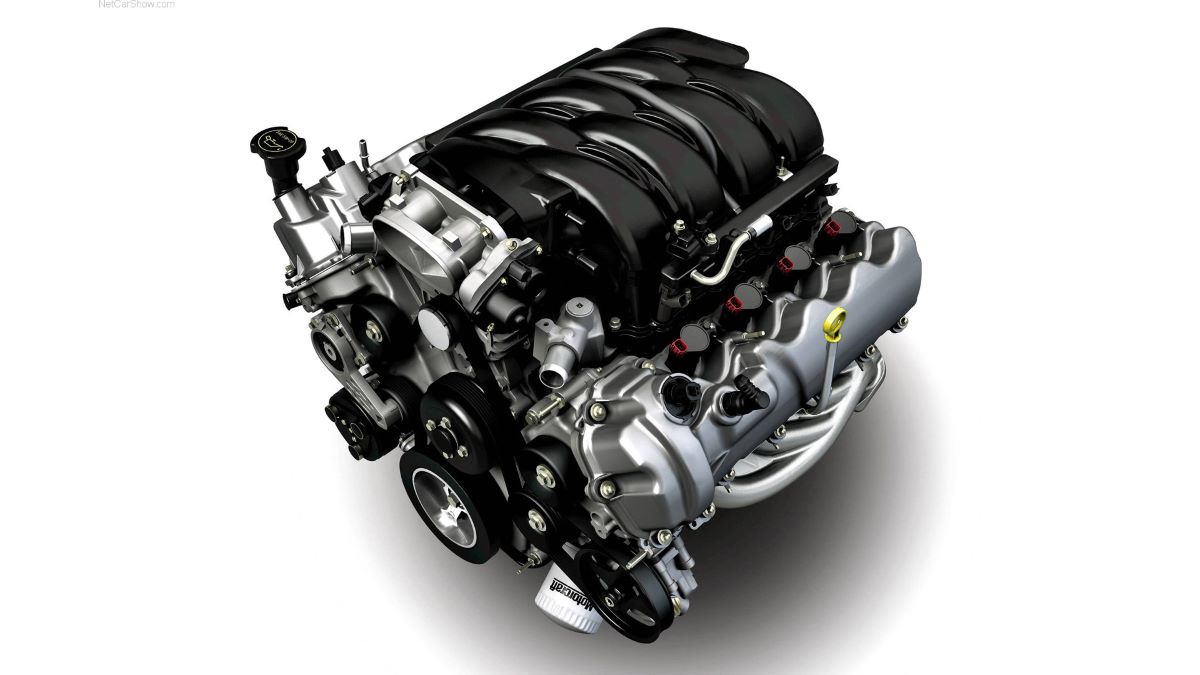
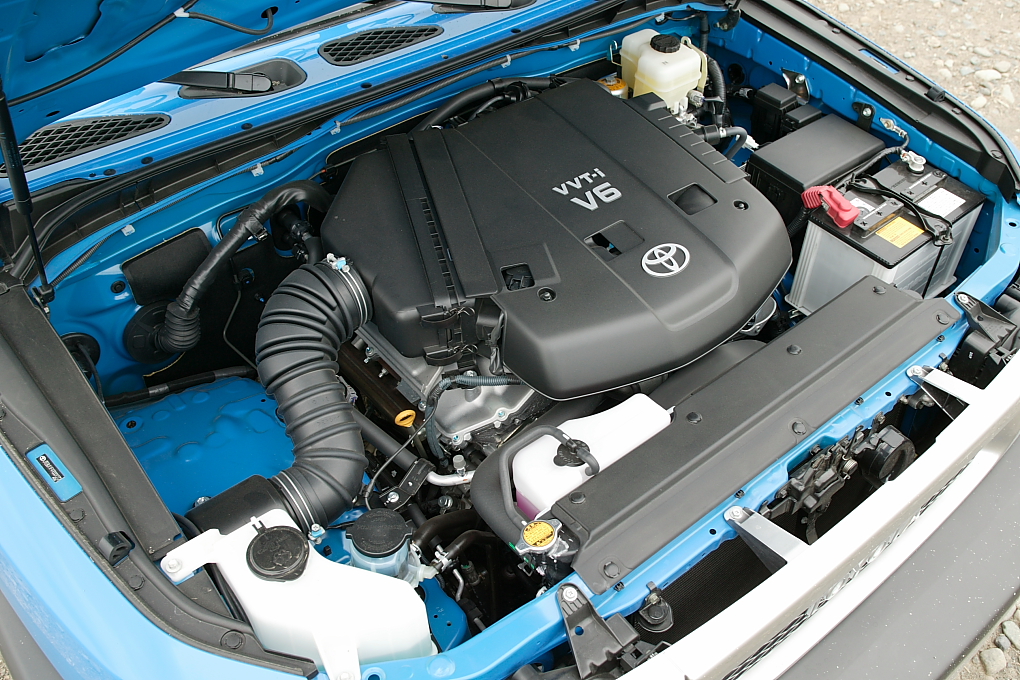
The Toyota 2GR FE V6 represents one of the best examples of a timing chain system designed with long term durability as a priority rather than an afterthought.
Found in vehicles like the Toyota Camry, Avalon, Highlander, and Lexus RX models, this 3.5 liter V6 became known not just for smooth power delivery but also for its extremely dependable internal components.
One reason this engine deserves mention is the conservative engineering philosophy Toyota used during its development. Instead of chasing extreme weight reduction, Toyota built a timing system that balanced efficiency with proven durability.
The chain itself is thick, the guides are well supported, and the hydraulic tensioners rarely become failure points when oil changes are done on schedule.
What makes this engine especially interesting is how rarely timing noise becomes a complaint even at higher mileage. Many engines begin developing cold start chain rattle after years of use, but the 2GR FE typically maintains quiet operation well past 200000 miles if basic maintenance is followed.
Another factor worth discussing is oil flow design. Toyota engineered strong lubrication pathways to the timing assembly, which reduces friction and heat. That attention to oil circulation is often overlooked when people discuss reliability, yet it is a major reason this engine’s timing components last so long.
I am including this engine because it demonstrates what happens when an automaker refuses to compromise core mechanical durability. While newer turbocharged engines often dominate discussions, naturally aspirated engines like this continue to prove that simple, well built timing systems still have a place in reliability conversations.
For used buyers, this engine represents a relatively low risk option in terms of timing chain concerns. It is not completely immune to neglect, but compared to many modern designs, it is extremely forgiving.
2. Honda K24 Inline 4
Some engines earn respect not through luxury applications or high horsepower numbers, but through consistency across millions of vehicles. The Honda K24 is one of those engines. Used in the Honda Accord, CR V, and Acura TSX, this 2.4 liter engine became one of Honda’s most trusted long term designs.
Instead of focusing only on durability claims, it is more useful to look at how this engine behaves after extended real world use. Many K24 powered vehicles have crossed major mileage milestones while retaining their original timing components. That kind of long term consistency is what truly defines a dependable timing chain design.
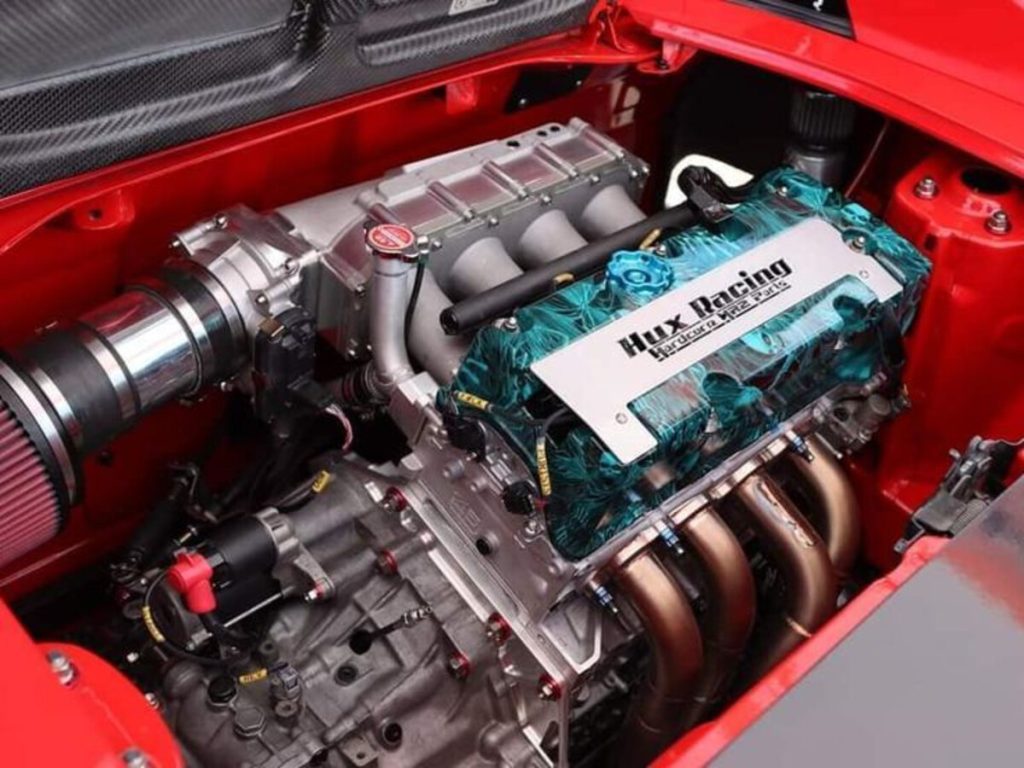
Unlike some engines that hide their timing chains in complicated packaging layouts, the K24 benefits from a relatively straightforward architecture. The chain path is simple, the guides are strong, and the tensioner design avoids unnecessary complexity. This simplicity reduces the number of potential weak points.
An interesting aspect of this engine is how it responds to proper oil viscosity. Owners who follow Honda oil specifications typically report very little chain related wear. This shows how the design works best when paired with correct maintenance rather than demanding excessive intervention.
I chose to include the K24 because it represents a realistic ownership story rather than a laboratory success. This is not an exotic engine. It is a daily driver powerplant that has proven itself under commuting stress, temperature changes, and long service intervals.
Another reason it stands out is its reputation among mechanics. Many technicians view K series timing systems as predictable and low drama compared to some newer direct injection engines that require more monitoring.
For anyone considering a used Honda product, the K24 provides reassurance that not every modern timing chain system is a hidden risk. Some remain exactly what buyers hope for: durable, quiet, and largely worry free.
3. BMW M54 Inline 6
There was a period when BMW engineering followed a very clear philosophy. Build engines that feel mechanically balanced, prioritize smoothness, and ensure core components could survive long term stress.
The M54 inline six stands as one of the strongest examples of that era. Used in cars such as the BMW 3 Series (E46), 5 Series (E39), and Z3 and Z4, this engine became known for its mechanical toughness despite the brand’s reputation for expensive ownership.
What separates the M54 from many later BMW engines is that its timing chain system was not pushed to extreme packaging limits. Engineers allowed adequate space for proper chain travel, strong guide rails, and a tensioning system that focused on stability rather than aggressive weight reduction.
Owners often discover something interesting about this engine only after years of use. While cooling systems and plastic components may require attention, the timing chain itself rarely becomes the primary concern. This pattern appears repeatedly in long term ownership reports, making it clear that BMW got this particular internal design right.
Another detail worth attention is how the engine distributes mechanical stress. Inline six engines naturally produce smoother operation compared to many other layouts.
That smoothness reduces vibration loads on timing components, indirectly improving their lifespan. This is not often discussed outside engineering circles, but it plays a role in durability.
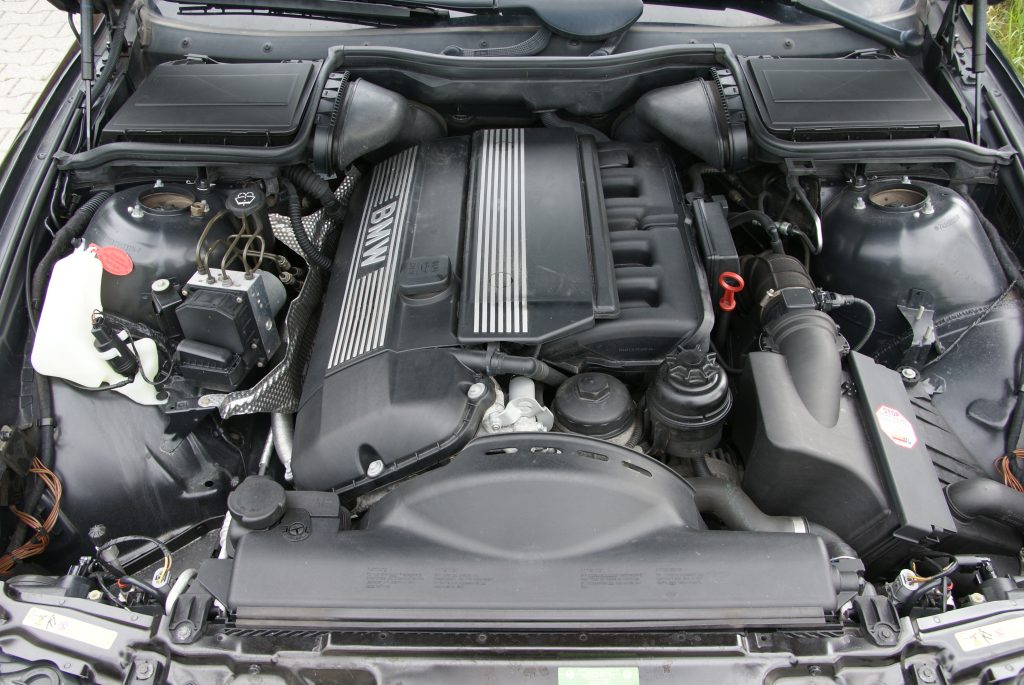
I am discussing the M54 because it shows that even brands sometimes criticized for maintenance costs have produced engines with extremely solid core mechanical architecture. It also highlights an important lesson: sometimes the expensive parts of ownership are not inside the engine block itself.
Buyers looking at older BMW models often worry about catastrophic engine failures. The M54 provides some reassurance that, at least from a timing chain perspective, the foundation is much stronger than people assume.
4. Ford 4.6 Modular V8
Durability sometimes comes from overbuilding rather than innovation. The Ford 4.6 Modular V8 is a perfect example of this approach.
Found in vehicles ranging from the Ford Crown Victoria to the Mustang GT and even some Lincoln models, this engine became famous in police fleets and taxi service where engines were pushed far beyond typical consumer use.
What makes this engine interesting is not cutting edge technology but rather engineering conservatism. Ford designed the timing chain system with thick metal components and straightforward hydraulic tensioners that prioritized longevity over compact design.
Fleet usage tells the real story. Police departments and taxi operators do not tolerate engines that fail unexpectedly. Many of these vehicles accumulated extreme idle hours and aggressive driving cycles. Yet the timing chains themselves rarely became the reason these engines were retired from service.
There is also something to be said about accessibility. While not a small engine, the layout allows relatively predictable service access compared to tightly packaged modern turbo engines. This indirectly contributes to reliability because components can be inspected and maintained without excessive disassembly.
I am including the 4.6 Modular because it represents a category often ignored in modern discussions. Naturally aspirated V8 engines designed for work rather than marketing headlines often deliver the most predictable long term ownership experiences.
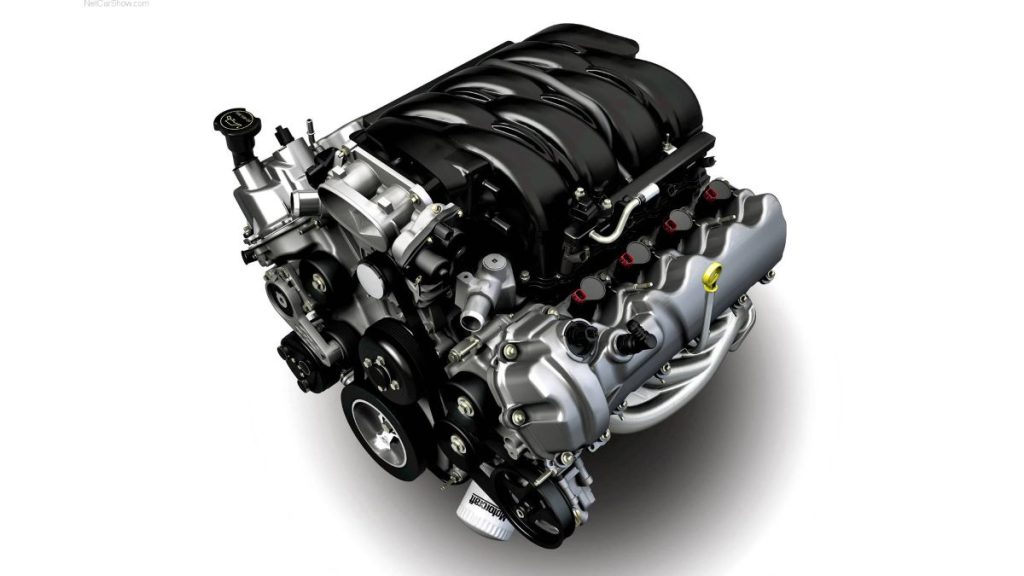
This engine also demonstrates how real world abuse testing sometimes proves more valuable than laboratory durability claims. When an engine survives years of law enforcement duty without timing chain failures becoming common complaints, that becomes meaningful evidence.
For anyone evaluating older American vehicles, this engine stands as proof that simple, strong timing systems can still deliver the kind of long term durability many buyers are searching for.
5. Lexus 1UZ FE V8
If there is one engine that perfectly represents the idea of overengineering for durability, it is the Lexus 1UZ FE V8. Introduced in the Lexus LS400 during a time when Toyota wanted to prove it could compete with the best luxury manufacturers in the world, this engine was built with an almost obsessive focus on longevity.
Engineers reportedly tested these engines far beyond normal operating limits to ensure they could handle decades of use.
Instead of designing components just strong enough for warranty periods, the timing chain system in the 1UZ FE was built with a significant safety margin.
The chain is known for its strength, the guides are thick compared to many modern equivalents, and the tensioning system rarely becomes a known weak point even after very high mileage.
One aspect that makes this engine stand apart is its reputation among high mileage enthusiasts. It is not uncommon to find examples exceeding 300000 miles while still running original timing components. That level of endurance does not happen by accident. It reflects careful material selection and a refusal to cut costs on internal hardware.
There is also a refinement angle to this engine. Because it was developed for a flagship luxury sedan, vibration reduction was a major priority. Smoother operation reduces stress loads on internal moving parts, including the timing assembly. This is a hidden reliability advantage that comes from luxury engineering requirements.
The reason I am including this engine is because it serves as a benchmark. When people talk about lifetime timing chains, this is the type of design they are usually referring to.
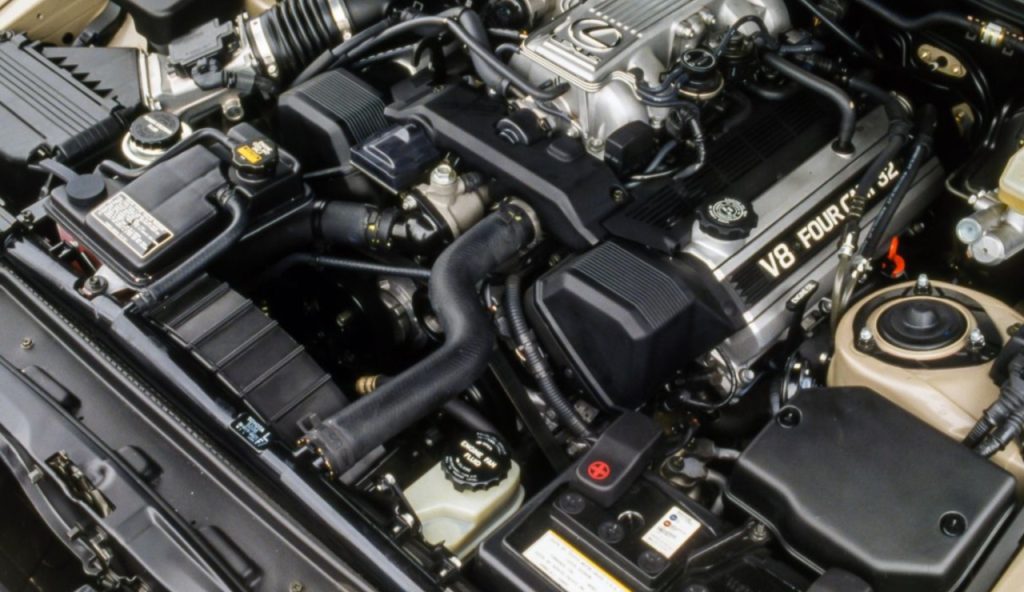
It helps readers understand what true long term mechanical durability looks like when reliability is treated as a brand defining goal rather than just a specification.
For buyers researching older luxury cars, the 1UZ FE shows that some premium vehicles can actually be safer long term bets than cheaper alternatives when engineering quality is prioritized.
5 With Fragile Tensioners
Not every timing chain problem comes from the chain itself. In many modern engines, the weakest point is not the metal chain but the tensioner system that keeps it properly aligned. These tensioners often rely on hydraulic pressure, small internal springs, and plastic guide materials that can wear faster than expected.
When these components begin to fail, the early warning signs can be subtle. A brief rattling sound during startup, inconsistent idle noise, or intermittent check engine lights may appear long before a major failure. Unfortunately, many owners dismiss these symptoms because the car still drives normally.
The engines discussed in this section are not necessarily bad overall. Many offer good performance and efficiency. The reason they are being discussed is because their timing tensioner designs have shown patterns of premature wear or sensitivity to maintenance neglect. This is important information for both buyers and current owners.
I am writing about these engines because awareness can prevent major damage. In many cases, early tensioner replacement is far cheaper than waiting for a chain jump or valve damage. Understanding which engines have these patterns allows owners to take preventive action instead of reacting to failure.
Another reason this topic matters is transparency. Many buyers assume timing chains automatically mean lifetime durability. That assumption is not always correct. By showing examples where tensioners became weak links, it provides a more realistic picture of modern engine ownership.
The goal is not to criticize brands but to help readers understand design tradeoffs. Engineering compromises exist in every industry. Knowing where they exist allows smarter decisions.
1. Audi 2.0 TFSI (Early EA888 Generations)
Some engines become controversial not because they fail constantly, but because one small design decision creates a pattern that owners cannot ignore. The early versions of the Audi 2.0 TFSI EA888 engine fall into this category.
Found in various Audi and Volkswagen models, this turbocharged four cylinder became widely known for strong performance but also developed attention for timing chain tensioner concerns.
What makes this case unusual is how small the critical weakness actually is. The chain itself is generally durable, but the early tensioner design had an internal locking mechanism that could fail to hold proper tension during startup conditions. When this happened, chain slack could briefly occur, increasing the risk of timing misalignment.
Owners often first noticed this as a metallic rattle during cold starts. Some ignored it, assuming it was normal direct injection noise. Unfortunately, in some cases, continued operation without addressing the tensioner led to more serious mechanical consequences.
This engine is worth mentioning because it highlights how modern efficiency goals sometimes push designs toward compact components that leave less margin for wear. Later revisions improved the design, which also shows how manufacturers learn from field experience.
Another reason for including this example is educational value. It shows how a small internal part can have a large impact on ownership risk. Buyers researching used German turbo engines benefit from knowing which production years included updated parts.
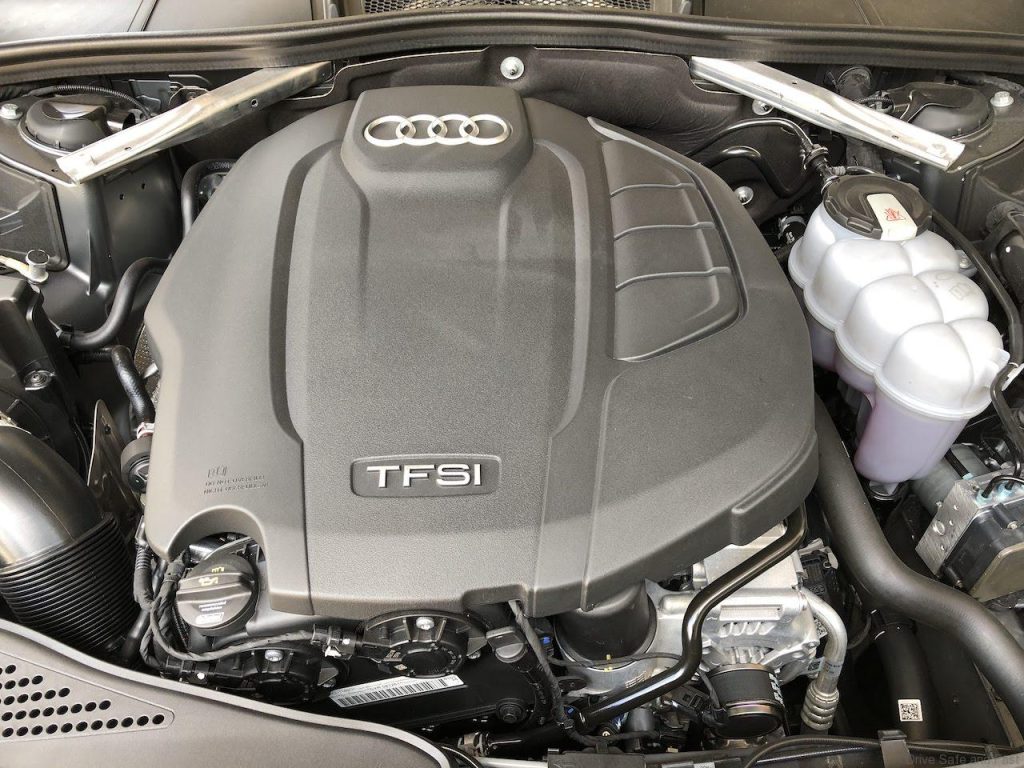
Discussing this engine also helps illustrate an important ownership lesson. Preventive replacement of known weak components can transform a risky engine into a manageable one. Information, not fear, is the most valuable tool a buyer can have.
2. BMW N20 Turbo Inline 4
Unlike older BMW engines that built reputations on mechanical strength, the N20 represented a shift toward downsized turbocharged efficiency.
Used in models like the BMW 328i and X3, this engine delivered impressive fuel economy and performance for its size. However, its timing chain system became a subject of discussion among long term owners.
The tensioner and guide design in early versions showed sensitivity to oil change intervals and material wear. In some cases, plastic guide degradation combined with tensioner wear created conditions where chain slack could develop earlier than expected.
What makes this engine particularly interesting to analyze is how usage patterns affect outcomes. Vehicles that received strict oil service often performed much better than those following extended intervals. This suggests the design operates within tighter maintenance tolerances than older BMW engines.
I am including this engine because it demonstrates how modern engineering sometimes assumes ideal maintenance behavior. Real world ownership does not always match those assumptions. When maintenance slips, certain designs show less tolerance than older engines that had larger durability margins.
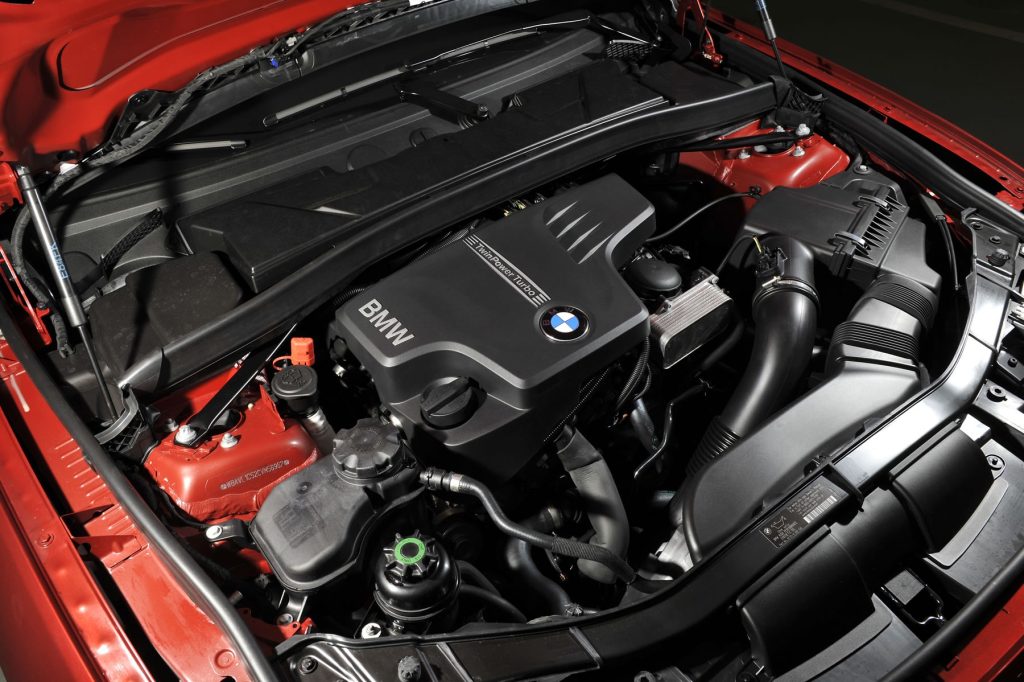
There is also a buyer awareness reason for this discussion. Many shoppers see the BMW badge and assume uniform engineering standards across generations. The N20 shows that each engine family must be evaluated individually rather than relying on brand reputation alone.
This example reinforces the central idea behind this article. Timing chains themselves are rarely the full story. The surrounding components, especially tensioners and guides, often determine whether an engine becomes known for durability or unexpected repair risk.
3. Volkswagen 1.8T (EA888 Gen 1)
Some engines develop their reputation slowly. At first everything appears normal, performance is good, fuel economy is competitive, and owners enjoy the driving experience. Then patterns begin appearing across owner forums and repair shops. The early EA888 1.8T engines followed this exact path.
This engine appeared in several Volkswagen products and was praised for its balance of power and efficiency.
On paper, it looked like a smart modern turbocharged design. In practice, some owners discovered that the timing system required closer attention than expected, particularly the tensioner mechanism responsible for maintaining chain stability.
What makes this engine different from some others on this list is that failure symptoms often built gradually instead of appearing suddenly. Mechanics sometimes reported worn tensioner travel limits or guide wear during inspections before total failure occurred. That means the engine sometimes provided warning opportunities if properly inspected.
I am writing about this engine because it represents a learning opportunity about preventive ownership. Many failures associated with this design could be reduced through early updates to revised tensioner parts and careful listening for unusual startup sounds. This turns a potential disaster story into a maintenance awareness story.
It also demonstrates how shared engine families can carry similar weaknesses across different displacements. Buyers sometimes assume the 1.8T is completely separate from the 2.0T, but they share engineering roots that explain similar tensioner discussions.
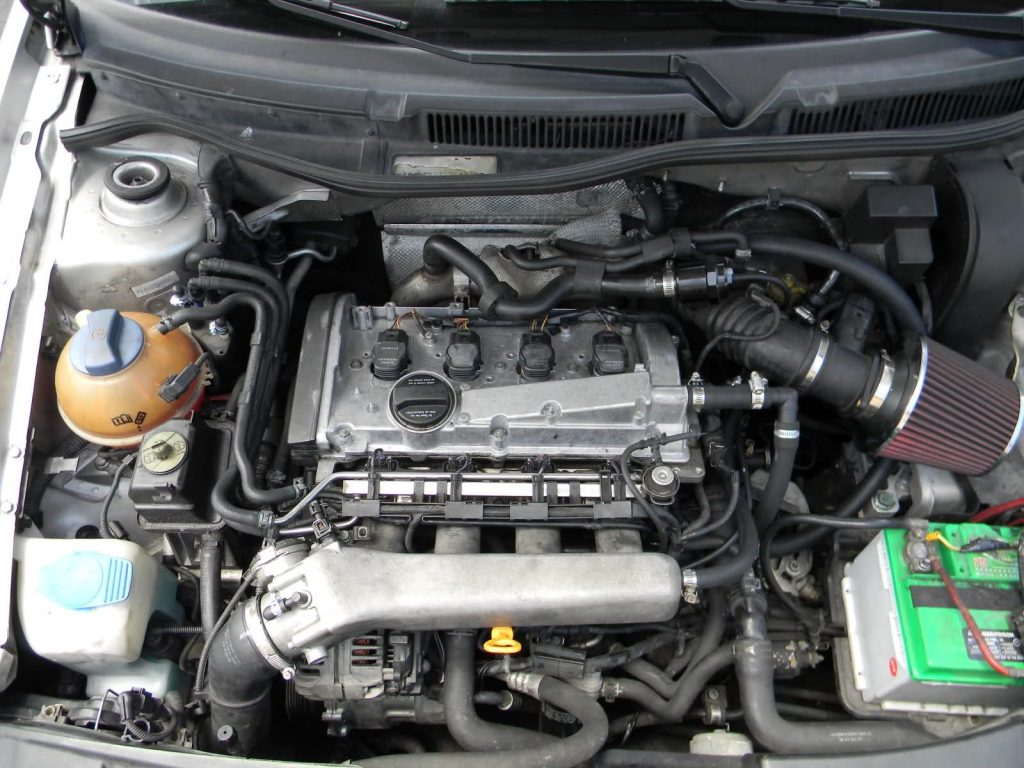
Another reason this example matters is buyer psychology. Turbocharged engines often attract enthusiasts focused on performance, but reliability details like timing system updates rarely get equal attention. This engine reminds readers that long term durability depends as much on hidden components as horsepower numbers.
Understanding this engine helps reinforce the purpose of this article. Not every risk is obvious, but knowing where to look changes the ownership experience dramatically.
4. MINI N14 Turbo Engine
This engine tells a very different story compared to the others discussed so far. Instead of large sedans or mainstream family vehicles, the MINI N14 engine powered small performance oriented hatchbacks designed to feel energetic and engaging.
Used in early MINI Cooper S models during the BMW partnership era, it delivered exciting driving character but also created maintenance conversations that owners quickly learned about.
The timing chain system in this engine became known for tensioner and guide wear that could appear earlier than many buyers expected. Unlike engines where problems appear only after extreme mileage, some MINI owners encountered timing noise while the vehicles were still relatively young.
A different way to understand this engine is through its design priorities. Packaging a turbocharged engine into a very small engine bay often forces engineers to make compromises in component size and heat management.
Higher operating temperatures can accelerate wear on plastic guides and tensioner seals, which may explain some of the durability complaints.
The reason I am including this engine is because it shows how driving character sometimes comes with maintenance tradeoffs. Buyers attracted to sporty compact cars may not always expect the same service considerations seen in high performance vehicles, yet the mechanical stresses can be similar.
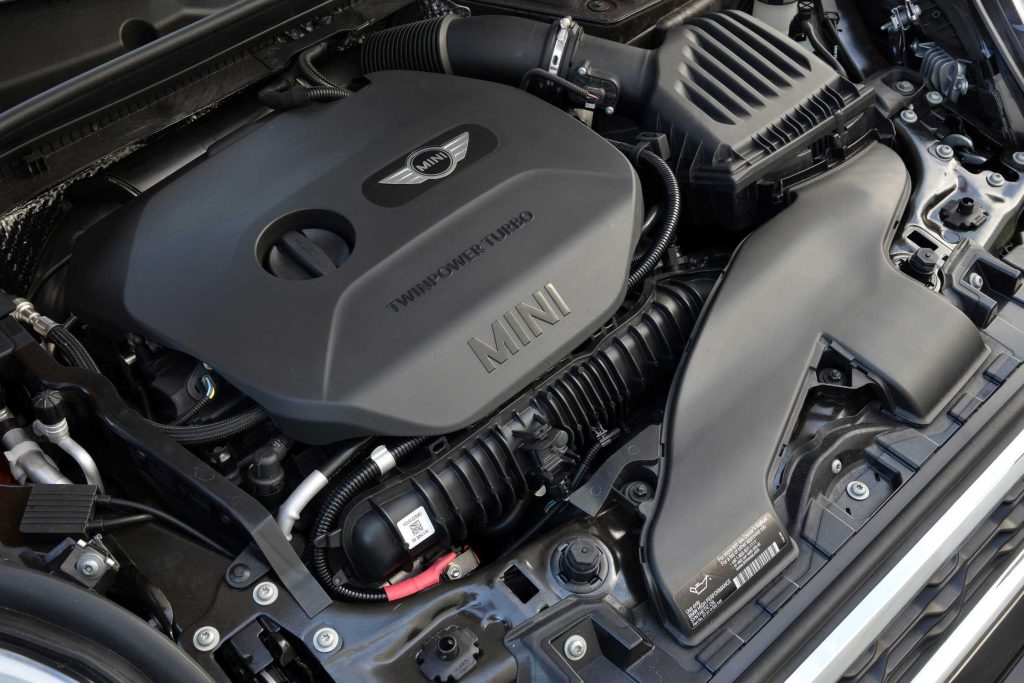
Another interesting aspect is how owner awareness changed outcomes. Drivers who responded quickly to early chain noise often avoided severe damage. Those who delayed repairs sometimes faced much larger costs. This difference highlights how information directly affects ownership results.
This example also serves as a reminder that brand image does not always predict mechanical behavior. A small premium car can sometimes require more attention than a larger mainstream sedan.
5. Mercedes Benz M271 Inline 4
Some reliability discussions are not about catastrophic design mistakes but about how small durability margins can become noticeable over time. The Mercedes Benz M271 engine fits into this category.
Used in several C Class and E Class models, this supercharged and later turbocharged four cylinder engine delivered respectable performance and refinement, but its timing chain tensioner system became a known monitoring point among experienced technicians.
What makes the M271 worth discussing is how its timing system issues often appeared as progressive wear rather than sudden failure. Independent specialists frequently reported that tensioner travel limits and guide wear could develop as mileage increased, particularly in vehicles that followed extended oil service intervals.
A different way to look at this engine is through ownership expectations. Buyers choosing a Mercedes often expect engineering that feels overbuilt.
When tensioner noise appeared earlier than expected in some vehicles, it created a disconnect between brand perception and mechanical reality. That gap is exactly why engines like this deserve discussion.
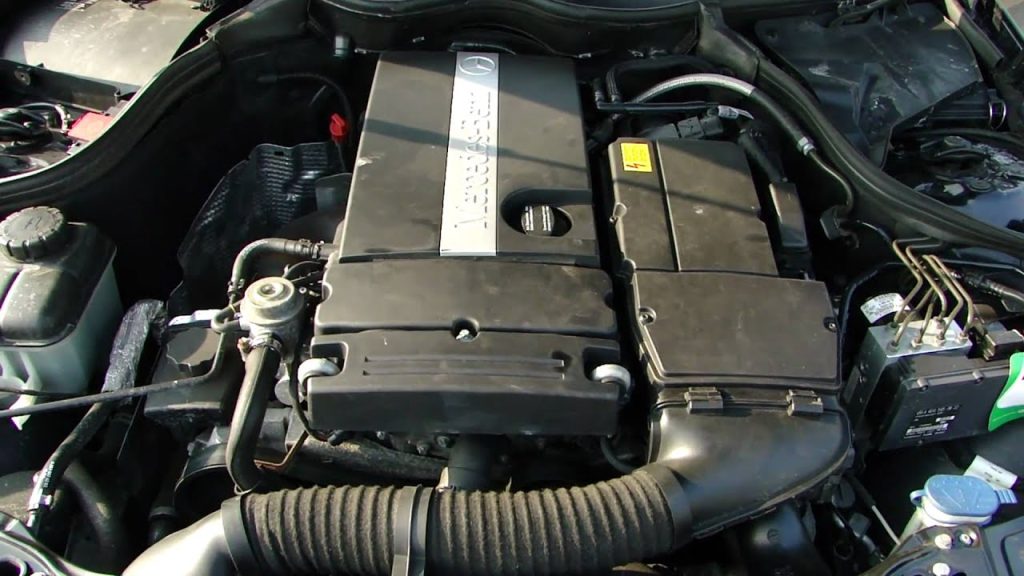
This engine also shows how maintenance philosophy changed during the 2000s. Longer oil service intervals became common across the industry, but some timing systems proved less tolerant of those extended schedules. In cases where owners shortened oil intervals, better long term timing component outcomes were often reported.
I am including this engine because it reinforces the idea that knowledge changes risk. Owners who understand the tensioner monitoring needs of the M271 often experience far fewer surprises than those who assume all timing chains are maintenance free.
Another important reason to discuss this engine is balance. It is not an engine that fails constantly, nor is it fundamentally flawed. Instead, it represents a modern reality where precise engineering sometimes leaves less room for neglect. That is an important distinction buyers should understand.
By recognizing these patterns, readers can approach ownership with realistic expectations instead of assumptions based purely on brand reputation.
Also Read: 5 Best Vehicles Built to Survive the Salt Belt vs 5 That Rust Quickly
