
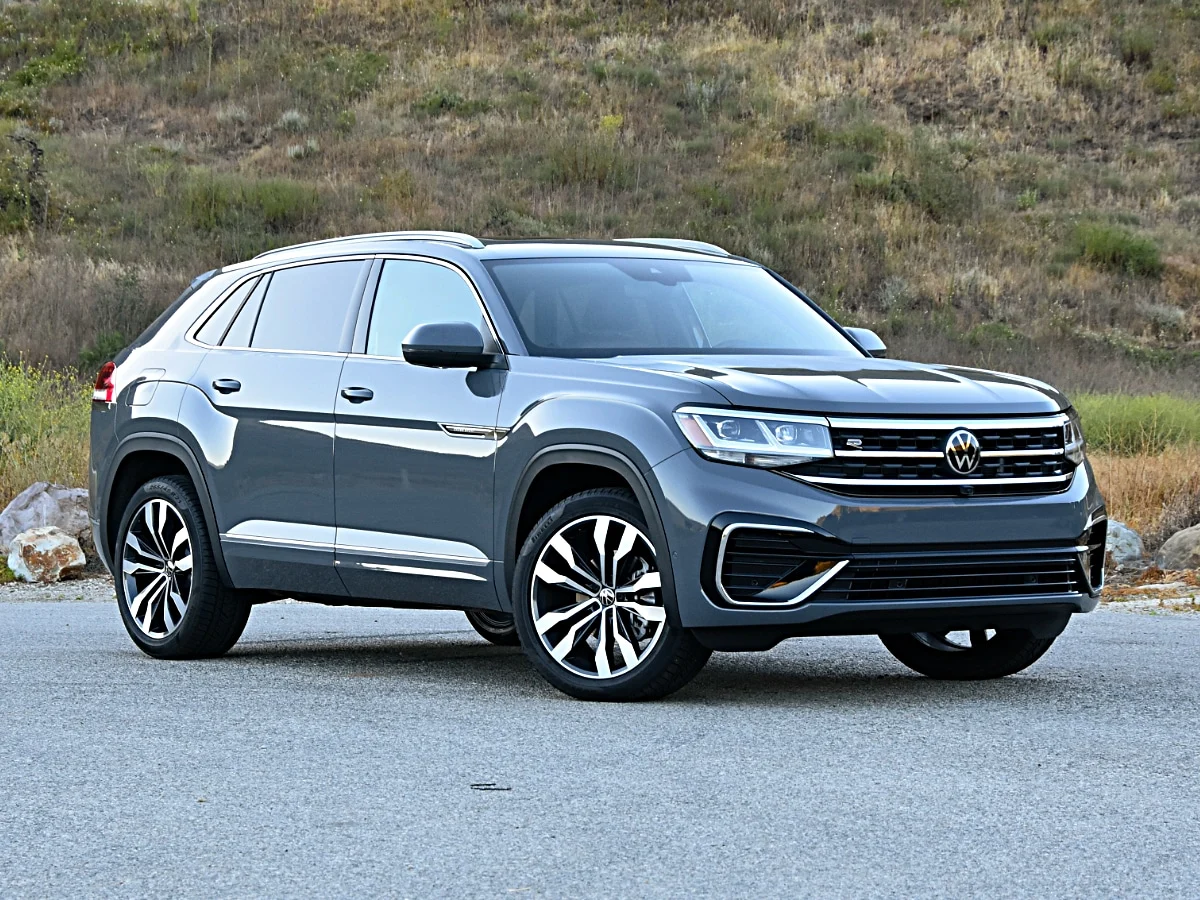
Three row SUVs have become one of the most popular vehicle categories because they promise something many families want: flexibility. The ability to carry six, seven, or even eight passengers sounds simple in advertisements, but the reality often depends on one overlooked detail.
Not every third row is actually designed for adults or even teenagers. In many SUVs, the third row exists more for marketing purposes than practical use.
The difference usually comes down to engineering decisions involving wheelbase length, roof height, seat design, and how the second row moves. Some manufacturers design true family transporters where the third row can comfortably handle adults for long trips.
Others prioritize exterior styling or cargo space, leaving very limited legroom and headroom in the last row.
This creates a major difference in ownership satisfaction. Buyers expecting full passenger usability may end up disappointed if the third row only works for short trips or small children. At the same time, some SUVs quietly offer excellent third row comfort but do not always receive the recognition they deserve.
I am writing about this topic because many buyers only discover third row limitations after purchase. A quick test sit in a showroom rarely reveals how the space feels after an hour on the road. Understanding which SUVs truly deliver usable third rows can help families make smarter buying decisions.
This comparison also highlights how design priorities affect interior usability. Some SUVs are built as genuine people movers. Others are built with styling or off road focus first, leaving passenger space as a compromise.
By looking at both sides, this article helps clarify expectations. Some SUVs genuinely function as three row vehicles. Others should realistically be viewed as five passenger vehicles with occasional emergency seating.
Understanding that difference can prevent buying mistakes and help families choose vehicles that actually match their transportation needs.
Also Read: 5 Used Luxury Bargains Cars That Are Reliable vs 5 That Are Financial Risks
5 SUVs With Usable Third Rows
Designing a truly usable third row requires more than just adding extra seats. It requires thoughtful packaging. Wheelbase length must be sufficient, rooflines must allow headroom, and second row seats must slide in ways that allow proper leg space distribution.
Manufacturers that succeed in this area usually approach their SUVs with family transportation as a primary mission rather than as a secondary feature.
This often means sacrificing some sporty styling in exchange for interior volume. While this may not always create the most aggressive exterior appearance, it often results in vehicles that owners appreciate far more in daily use.
Another factor is seat height. A well designed third row places passengers at a natural seating angle instead of forcing knees into an uncomfortable raised position. This detail often separates truly usable third rows from occasional use designs.
I am highlighting these SUVs because they demonstrate how practical design can still exist in a market often driven by styling trends. These vehicles prove that a third row can be functional rather than symbolic.
They also help families who regularly carry adults, teenagers, or multiple children in car seats. Choosing the right model can eliminate the need for a minivan while still providing real passenger capacity.
The following SUVs stand out because their third rows consistently receive positive feedback from owners who actually use all seating positions regularly.
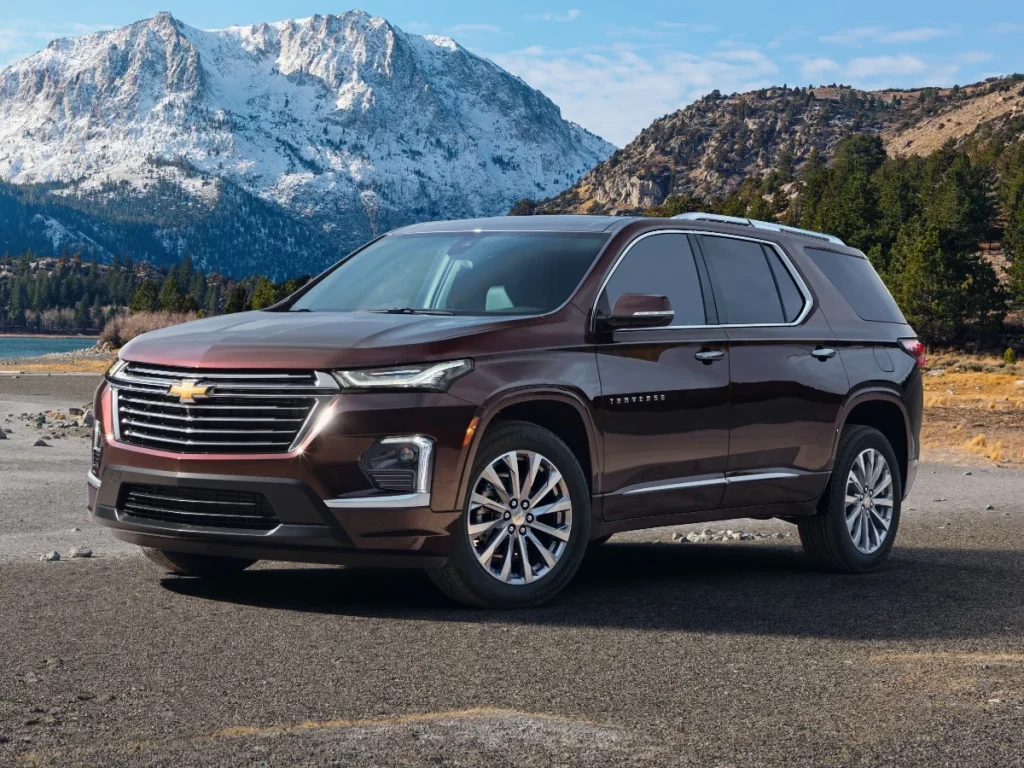
1. Chevrolet Traverse
The Chevrolet Traverse represents one of the clearest examples of an SUV designed with interior space as a top priority. Instead of focusing primarily on aggressive styling, Chevrolet built this vehicle around a long wheelbase and wide cabin that allows the third row to function more like a normal passenger seat rather than a temporary solution.
One way to understand the Traverse is by looking at how adults fit in the third row. Legroom is generous compared to many competitors, and the seat height allows a more natural sitting posture. This makes it possible for adults to sit there without immediately feeling cramped.
Another strength comes from second row flexibility. The sliding second row allows passengers to balance legroom between rows, which is critical for real world usability. This adjustability gives families more control over how space is distributed.
I am including the Traverse because it represents an honest approach to three row design. It does not pretend to be a rugged off road vehicle. Instead, it focuses on transporting people comfortably, which is exactly what many buyers actually need.
This SUV also deserves attention because it demonstrates how interior packaging decisions matter more than exterior size alone. Some larger SUVs still have tight third rows because space is not allocated efficiently.
For buyers comparing three row SUVs, the Traverse shows what happens when passenger comfort becomes the primary engineering goal rather than a secondary marketing feature.
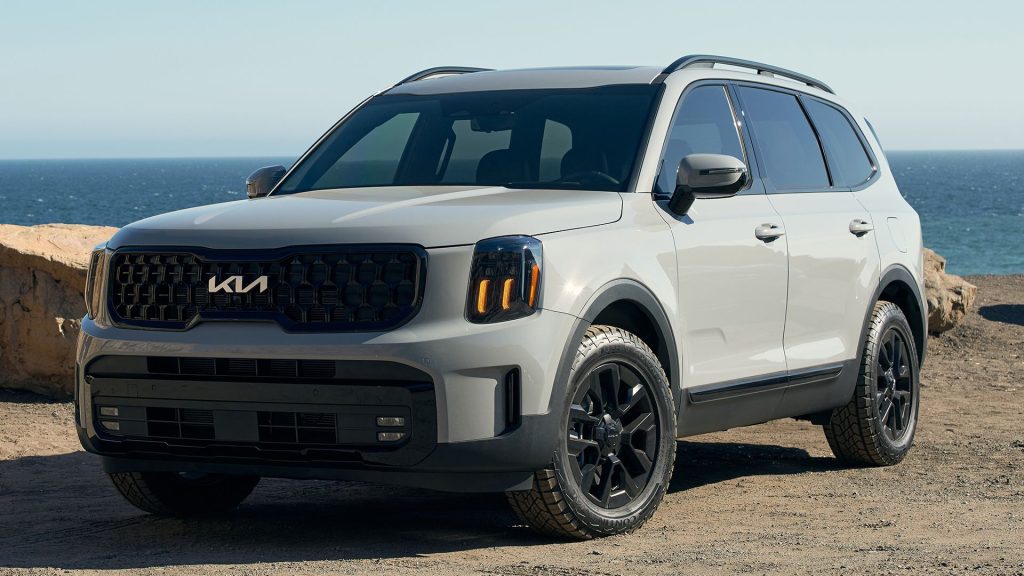
2. Kia Telluride
Sometimes a vehicle earns praise not just because of specifications but because of how thoughtfully everything is put together. The Kia Telluride falls into this category. From the beginning, it was designed to compete directly with established family SUVs, and third row usability became one of its strongest advantages.
What stands out is how balanced the seating layout feels. The third row offers enough legroom for adults on moderate length trips, and the roof design avoids the sloping shape that often reduces head clearance in style focused SUVs.
There is also an accessibility advantage. The second row tilting mechanism is designed to make entry easier, which matters just as much as space once someone is seated. A usable third row must also be easy to reach.
I chose the Telluride because it shows how newer competitors sometimes challenge traditional market leaders by focusing on practical usability instead of brand history. Its interior design reflects careful study of what families actually need.
Another reason to include this SUV is consistency. Many reviews and owner reports highlight the same strength: all three rows feel intentionally designed rather than added later.
This example reinforces the main idea behind this section. A good third row is not just about measurements. It is about how all seating positions work together to create a genuinely useful passenger vehicle.
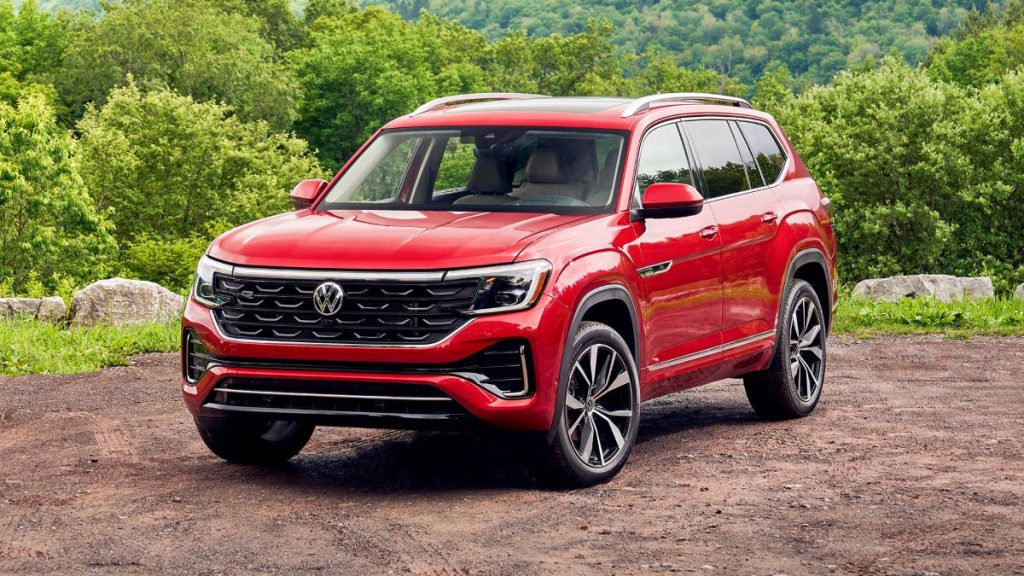
3. Volkswagen Atlas
Some SUVs are designed to impress with sharp styling lines, while others are clearly shaped from the inside outward. The Volkswagen Atlas belongs to the second group. Its design philosophy appears to have started with passenger space first, which becomes obvious the moment someone examines the third row.
Unlike many midsize SUVs that compromise rear passenger comfort for exterior proportions, the Atlas provides a noticeably square roofline. That design choice may not look sporty, but it allows real headroom where it matters. Adult passengers do not have to tilt their heads or lean forward, which is a common complaint in many competitors.
There is also a practical engineering advantage in how Volkswagen arranged the seat tracks. The second row can move far enough forward to create genuine leg space for third row occupants without making middle row passengers feel squeezed. This type of flexibility shows careful planning rather than simple seat addition.
I am discussing the Atlas because it represents a design that prioritizes daily usability over visual drama. Many buyers initially overlook it because it does not try to look aggressive, but those who test all three rows often discover how practical the interior actually is.
Another important point is ride comfort distribution. When all rows are occupied, the suspension tuning still maintains composure instead of feeling overloaded. This contributes to the sense that the third row is meant for real use rather than occasional emergencies.
The Atlas belongs here because it proves that practical design decisions still exist in a market often dominated by appearance driven decisions. Families who actually use all seats often understand its value very quickly.
4. Honda Pilot (Latest Generation)
The Honda Pilot has always been associated with family transportation, but the newest generation shows how continuous improvement can refine an already practical formula. Instead of chasing dramatic design changes, Honda focused on improving usability details that directly affect passenger comfort.
A useful way to evaluate the Pilot is to look at how it manages space efficiency. The third row benefits from careful seat shaping and improved cushioning, allowing better support than many thinner third row seats found in competitors. This detail matters during longer drives.
Another improvement comes from entry design. The second row can be configured to allow easier walk through access, which makes the third row feel less isolated. Accessibility is often ignored when discussing third row comfort, but it strongly affects how often those seats are actually used.
I am including the Pilot because it reflects a philosophy of gradual refinement rather than reinvention. Instead of fixing what was not broken, Honda improved what already worked. That approach often produces the most dependable results.
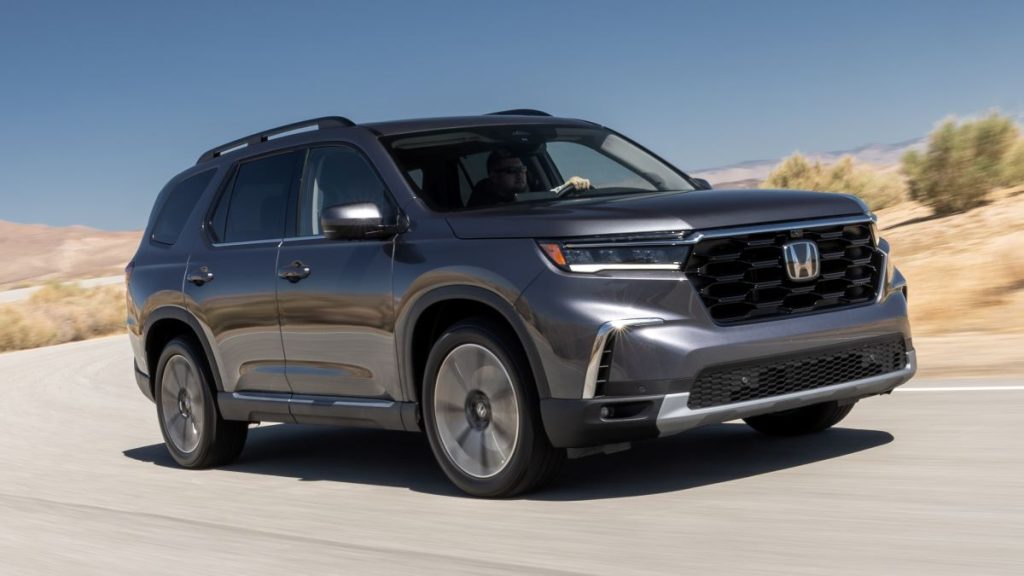
There is also a reputation factor worth mentioning. Many buyers already trust Honda for reliability, but interior usability is sometimes overlooked. This model shows that practical design continues to be part of the brand’s core thinking.
This SUV helps reinforce an important lesson. True third row usability comes from many small decisions working together rather than one single specification advantage.
5. Ford Expedition
Size alone does not guarantee third row comfort, but when size is combined with proper interior planning, the results can be very impressive. The Ford Expedition demonstrates how a full size SUV can provide third row space that feels comparable to second row seating in smaller vehicles.
This SUV approaches passenger space with a very different philosophy compared to midsize crossovers. Instead of squeezing a third row into limited dimensions, the Expedition uses its long body and tall roof to create a genuinely adult friendly rear seating area.
Legroom is often one of the first things passengers notice because it does not require compromise from the second row.
Another strength comes from seat height and floor design. Passengers in the third row are not forced into the knees up posture common in many SUVs. The seating position feels more natural, which makes longer trips far more realistic.
I am including the Expedition because it shows what happens when passenger transport becomes a primary design mission. While many SUVs try to balance multiple identities, this vehicle clearly embraces its role as a large family transporter.
There is also a real world practicality reason to highlight it. Families who regularly travel with six or seven adults often struggle to find vehicles that truly meet their needs. This SUV shows that real solutions do exist if buyers know where to look.
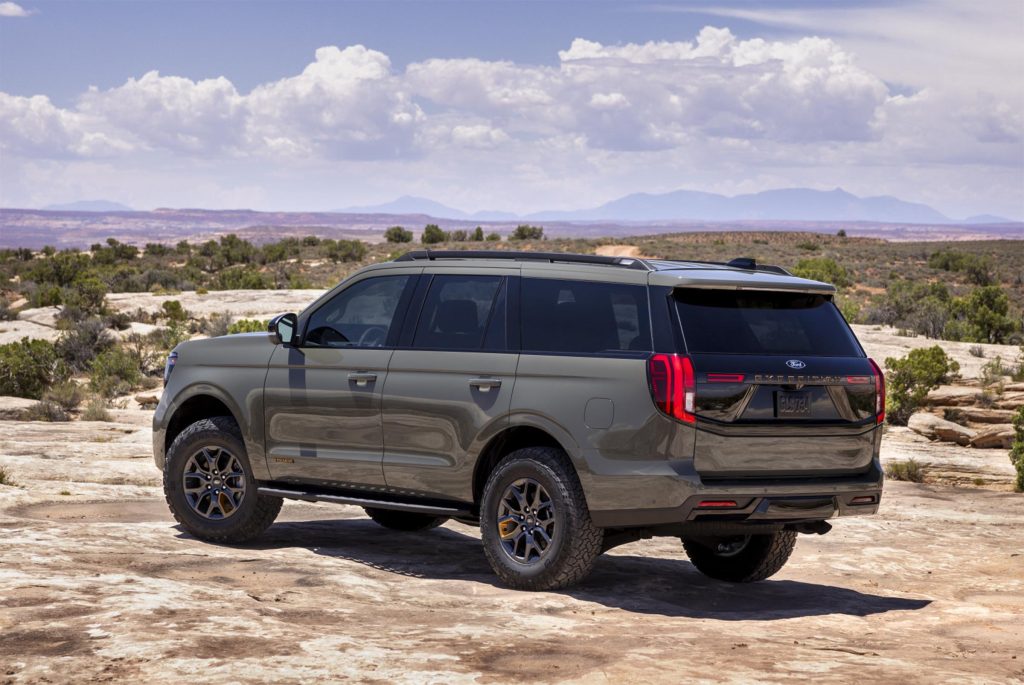
Another point worth discussing is cargo flexibility. Even with the third row in use, the available storage space remains practical. This further reinforces the idea that the third row was meant to be used regularly rather than occasionally.
This final example completes the picture of what a properly engineered third row should offer: space, comfort, and realistic usability.
5 That Only Fit Small Children
Not every SUV marketed as a three row vehicle truly functions as one in daily life. In many cases, the third row is better described as occasional seating rather than a fully usable passenger space. These designs often prioritize styling, off road geometry, or compact exterior dimensions, which leaves limited room for rear passengers.
The most common limitations usually involve legroom and seat height. Some third rows place passengers in a cramped position where knees sit unusually high due to limited floor depth. Others suffer from sharply sloping rooflines that reduce headroom. These compromises may be acceptable for short trips but become uncomfortable quickly.
I am writing about these SUVs not as criticism but as clarification. These vehicles may still be excellent in many ways such as reliability, performance, or design appeal. The purpose here is simply to set realistic expectations about third row usability.
Another important reason to discuss these models is buying transparency. Many customers assume that all three row SUVs offer similar passenger space. In reality, interior packaging varies widely even between vehicles of similar exterior size.
These examples help show that some SUVs are best viewed as five passenger vehicles with extra flexibility rather than full time seven passenger transporters.
Understanding this difference helps buyers choose based on actual needs rather than brochure descriptions.
The following SUVs are good vehicles overall, but their third rows are generally best suited for children or occasional short distance use rather than regular adult occupancy.
1. Toyota 4Runner
The Toyota 4Runner is respected for its durability and off road capability, but passenger packaging was never its primary mission. Built on a traditional body on frame platform, the design focuses more on strength and ground clearance than maximizing interior passenger volume.
This becomes very clear when examining the third row. Because the rear suspension and frame structure take up significant space, the available legroom becomes limited. Adult passengers often find the seating position tight, especially on longer trips.
Another important factor is floor height. Off road capability requires ground clearance, which raises the interior floor. This results in a higher knee position for third row occupants, making the seating posture less comfortable for larger passengers.
I am including the 4Runner because it illustrates how engineering priorities shape interior outcomes. This vehicle is built to survive rough terrain, and that focus naturally limits how much space can be allocated to additional seating rows.
There is also an expectation factor involved. Many buyers choose the 4Runner for its reputation and rugged appearance without realizing the third row is more of a secondary feature.
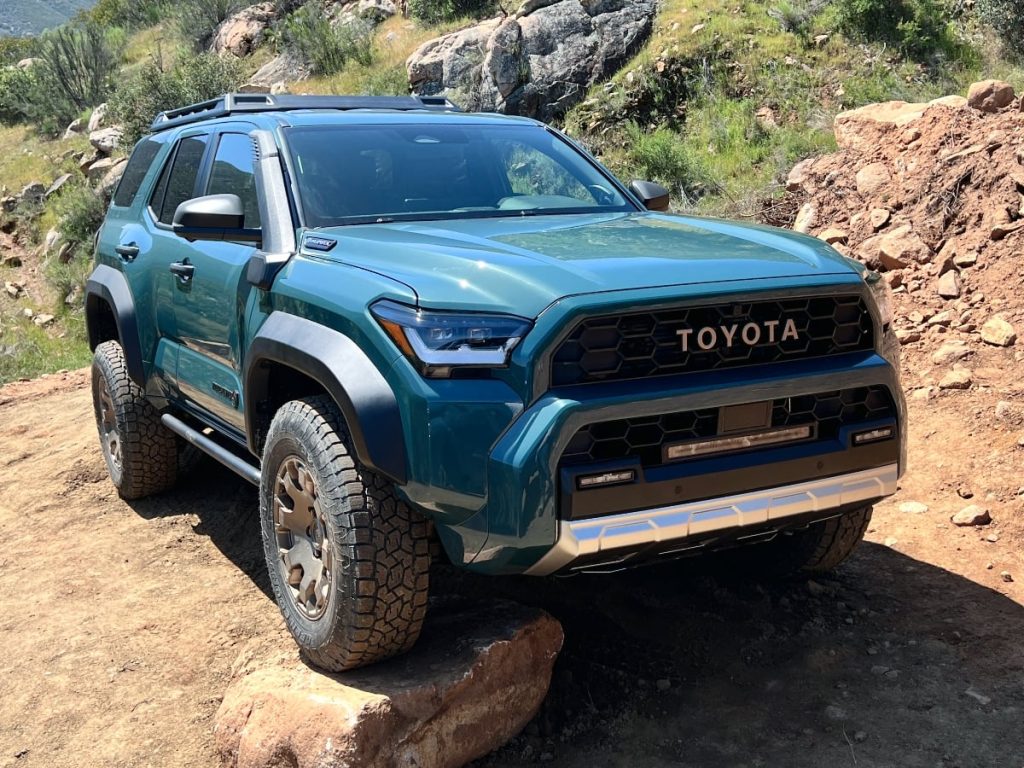
Discussing this SUV helps show that capability often requires compromise. In this case, off road strength comes at the cost of rear passenger space.
This example helps reinforce the idea that not every three row SUV is intended to function as a full time people carrier.
2. Mazda CX 9
The Mazda CX 9 takes almost the opposite approach compared to the 4Runner. Instead of off road strength, Mazda focused on driving dynamics and sleek styling. This created a vehicle that feels more athletic on the road but also resulted in compromises in the third row.
One of the main limitations comes from the sloping rear design. While visually appealing, this shape reduces available headroom in the third row. Taller passengers often notice this immediately when entering the rear seats.
There is also a packaging balance issue. Mazda prioritized second row comfort and cargo proportions, which left less flexibility for third row expansion. As a result, the rear seats often feel better suited to younger passengers.
I chose to include the CX 9 because it demonstrates how styling priorities can influence interior usability. The vehicle succeeds in delivering a premium driving feel, but third row space clearly was not the dominant goal.
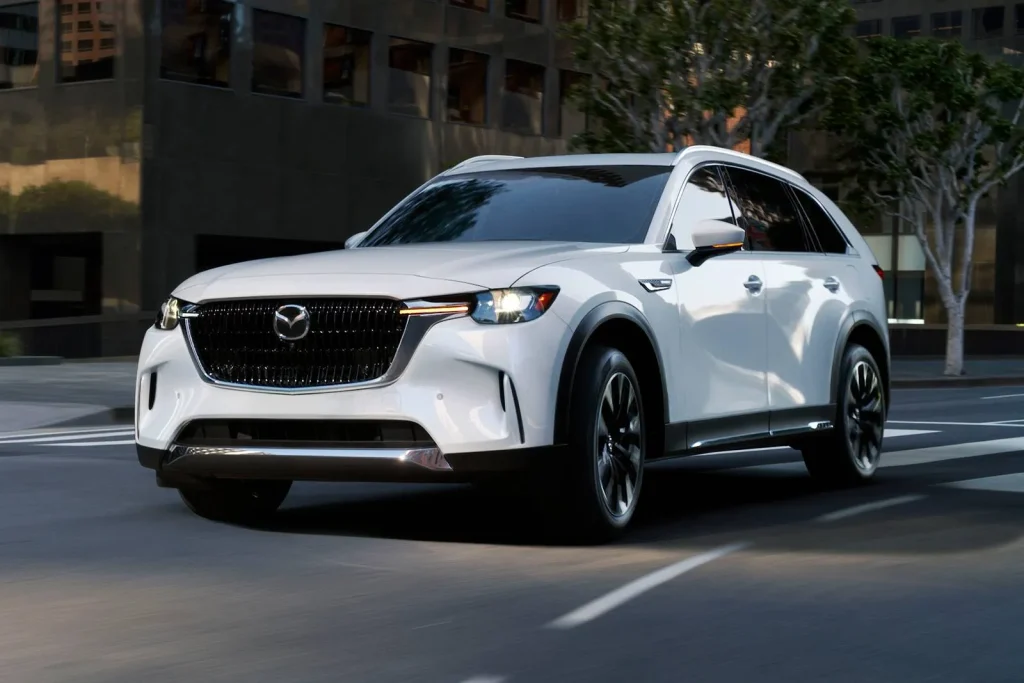
Another reason for including it is buyer awareness. Many customers attracted to Mazda’s design language may assume similar practicality to boxier competitors, which is not always the case.
This example shows that design excellence in one area sometimes requires tradeoffs elsewhere. Understanding those tradeoffs helps buyers make informed decisions.
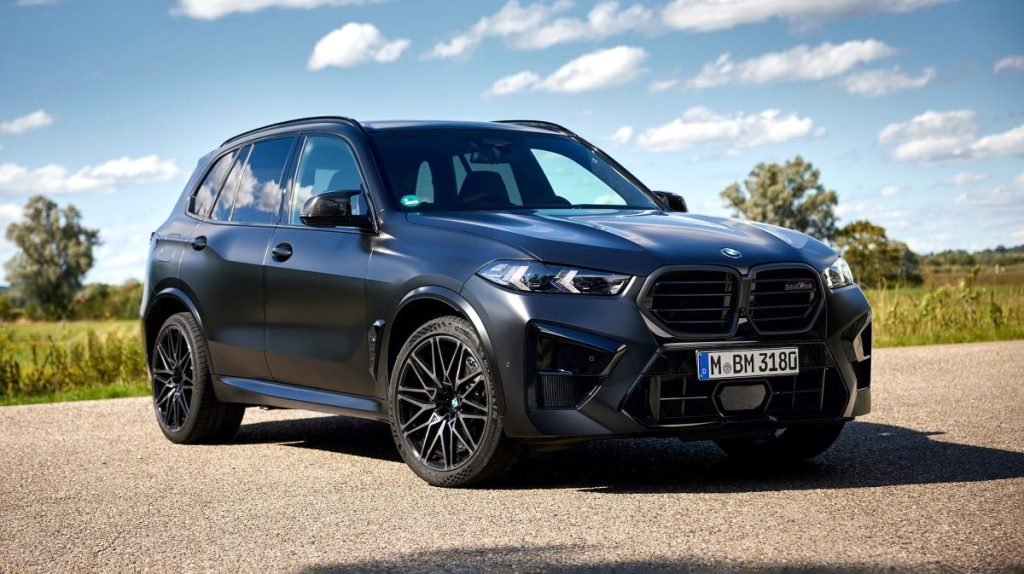
3. BMW X5 (Third Row Option)
The BMW X5 is a vehicle that was never primarily intended to be a people mover. Its core identity has always been centered around driving dynamics, luxury feel, and performance character.
The optional third row exists more as a flexibility feature rather than a central design priority, and this becomes obvious when examining how that space actually functions.
Unlike larger family SUVs, the X5 uses a more athletic body shape and shorter overall length relative to full size three row vehicles. This limits how much space engineers can dedicate to the third row without compromising cargo capacity or the sporty proportions that define the vehicle.
An interesting observation comes from how BMW markets the feature itself. The third row is optional rather than standard, which already suggests its intended role as occasional seating rather than everyday use space. When manufacturers make third rows optional, it often reflects packaging limitations rather than just price positioning.
I am including the X5 because it shows how vehicle mission affects interior design decisions. BMW focused on making the first and second rows feel premium and supportive for spirited driving. That priority naturally left less space available for the third row.
Access also plays a role here. Entry into the third row requires more effort compared to family focused SUVs with wide opening doors and sliding second rows. This further reinforces the idea that the seating is meant for occasional use.
Another reason to discuss this vehicle is buyer expectation. Many luxury SUV buyers assume higher price automatically means better space in every row. The X5 shows that engineering focus matters more than price when it comes to interior packaging.
This example helps illustrate a key lesson. Some SUVs offer a third row because the market expects it, not because the platform was designed around it. Understanding that difference helps buyers avoid unrealistic expectations about passenger capacity.
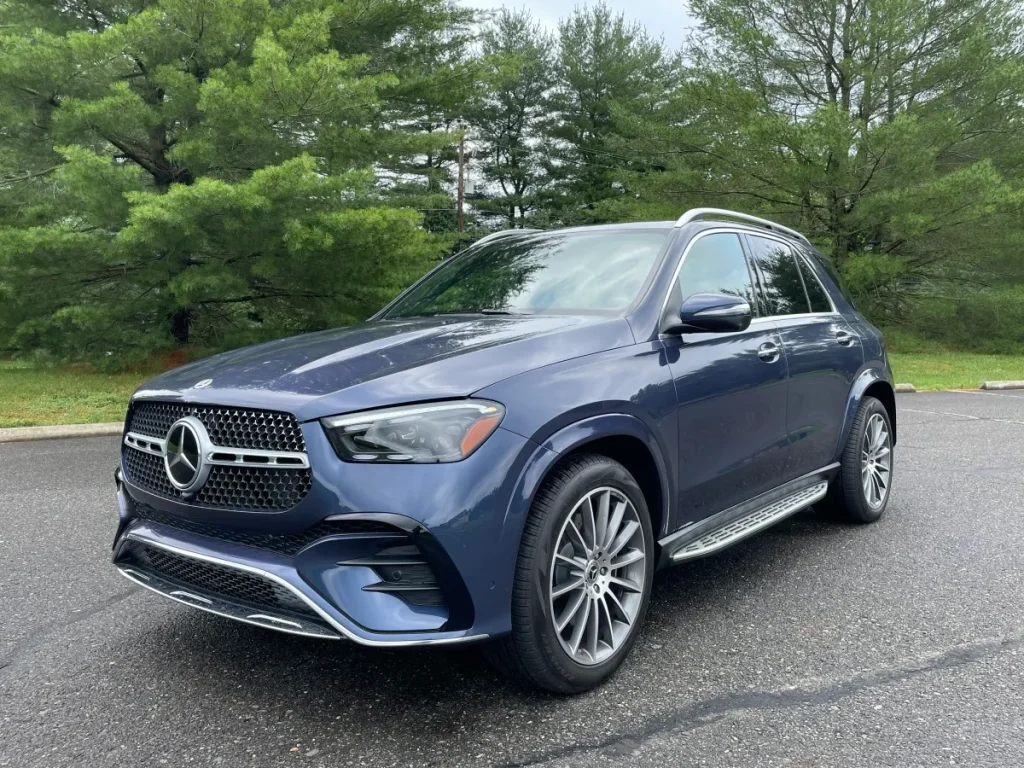
4. Mercedes-Benz GLE (Third Row Configuration)
The Mercedes Benz GLE follows a similar story but arrives there through a different path. Instead of emphasizing sportiness alone, the GLE tries to balance luxury comfort, technology, and style. However, when the optional third row is added, it becomes clear that space optimization was focused primarily on the first two rows.
One of the first things noticeable about the third row is how seat proportions differ from the main seating areas. Cushion thickness and leg positioning reveal that this space was designed for occasional passengers rather than regular adult use. While well finished, the physical space remains limited.
A different way to understand the GLE is by looking at its roofline decisions. Mercedes designers prioritized a flowing exterior shape to maintain a premium visual identity. That choice slightly reduces rear interior height, which directly affects third row headroom.
I chose this SUV because it represents how luxury priorities sometimes differ from family transport priorities. Materials, technology, and ride refinement may lead development goals, while maximum seating capacity becomes secondary.
There is also a practical learning reason to include it. Many buyers assume mid size luxury SUVs compete directly with larger three row family vehicles. In reality, they often belong to different design categories despite similar pricing.
Entry into the third row also reflects this difference. While functional, the process is less convenient than vehicles designed primarily for large families. This again shows the intended occasional use nature.
This example reinforces the broader message behind this section. A third row does not automatically mean equal usability across all SUVs. The GLE demonstrates how design priorities determine how useful those extra seats really are.
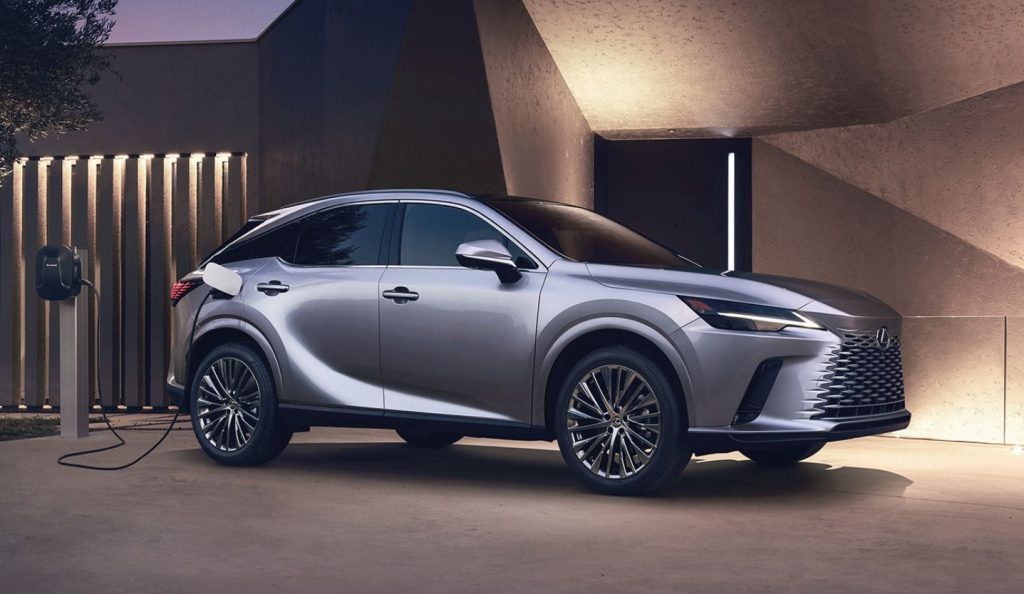
5. Lexus RX L
The Lexus RX L is an interesting case because it shows what happens when a manufacturer tries to adapt a successful two row SUV into a three row format.
Instead of developing a completely new platform, Lexus extended the RX slightly to accommodate an extra row. While this created additional seating on paper, it also resulted in predictable space compromises.
The challenge with this approach becomes obvious when examining the proportions. Because the vehicle was not originally designed as a dedicated three row SUV, engineers had limited freedom to expand wheelbase length. This meant the extra seating had to fit within tight dimensional limits.
Passengers quickly notice the impact of this decision. The third row offers limited legroom compared to purpose built three row Lexus models like the GX or LX. For shorter passengers the space may be acceptable, but adults often find it suitable only for short journeys.
Another factor worth noting is roof contour. In order to maintain the familiar RX design identity, the rear profile could not be dramatically altered. This preserved the vehicle’s appearance but limited how much vertical space could be created for third row occupants.
I am including the RX L because it clearly demonstrates the difference between a converted three row SUV and one designed from the beginning to carry seven passengers. This distinction is often not obvious until someone physically uses the rear seats.
There is also an important buying lesson here. Brand reputation for comfort does not automatically extend equally to every seating position. Lexus delivers excellent front and second row refinement here, but the third row reflects the limitations of platform adaptation.
This final example helps reinforce the core idea of this section. Some third rows exist to provide flexibility rather than full capacity. Understanding that difference helps buyers choose vehicles that truly match their passenger needs.
The idea of a three row SUV sounds simple, but as we have seen, the reality varies greatly depending on design priorities. Some SUVs are engineered from the beginning to transport large families comfortably, while others include third rows mainly to increase versatility.
Vehicles such as the Chevrolet Traverse, Kia Telluride, Volkswagen Atlas, Honda Pilot, and Ford Expedition demonstrate what happens when passenger space becomes a primary engineering objective.
These SUVs offer realistic adult accommodation in all rows and show how thoughtful packaging can create true three row usability.
On the other side, vehicles like the Toyota 4Runner, Mazda CX 9, BMW X5, Mercedes GLE, and Lexus RX L illustrate how other priorities such as off road durability, styling, driving performance, or platform limitations can restrict third row practicality. These SUVs still excel in their intended roles, but their third rows function best as occasional seating.
The most important lesson for buyers is simple. The presence of a third row does not automatically mean equal comfort across all seating positions. Evaluating legroom, headroom, seat design, and access matters far more than simply counting the number of seats.
Buyers who regularly carry adults should prioritize SUVs designed specifically for passenger space. Those who only occasionally need extra seating may find flexible third rows perfectly acceptable.
Understanding this difference allows buyers to choose based on real usage rather than marketing labels. When expectations match engineering purpose, satisfaction usually follows.
Also Read: 5 Trucks With Durable Tailgate Hinges vs 5 That Fail Under Heavy Use
