
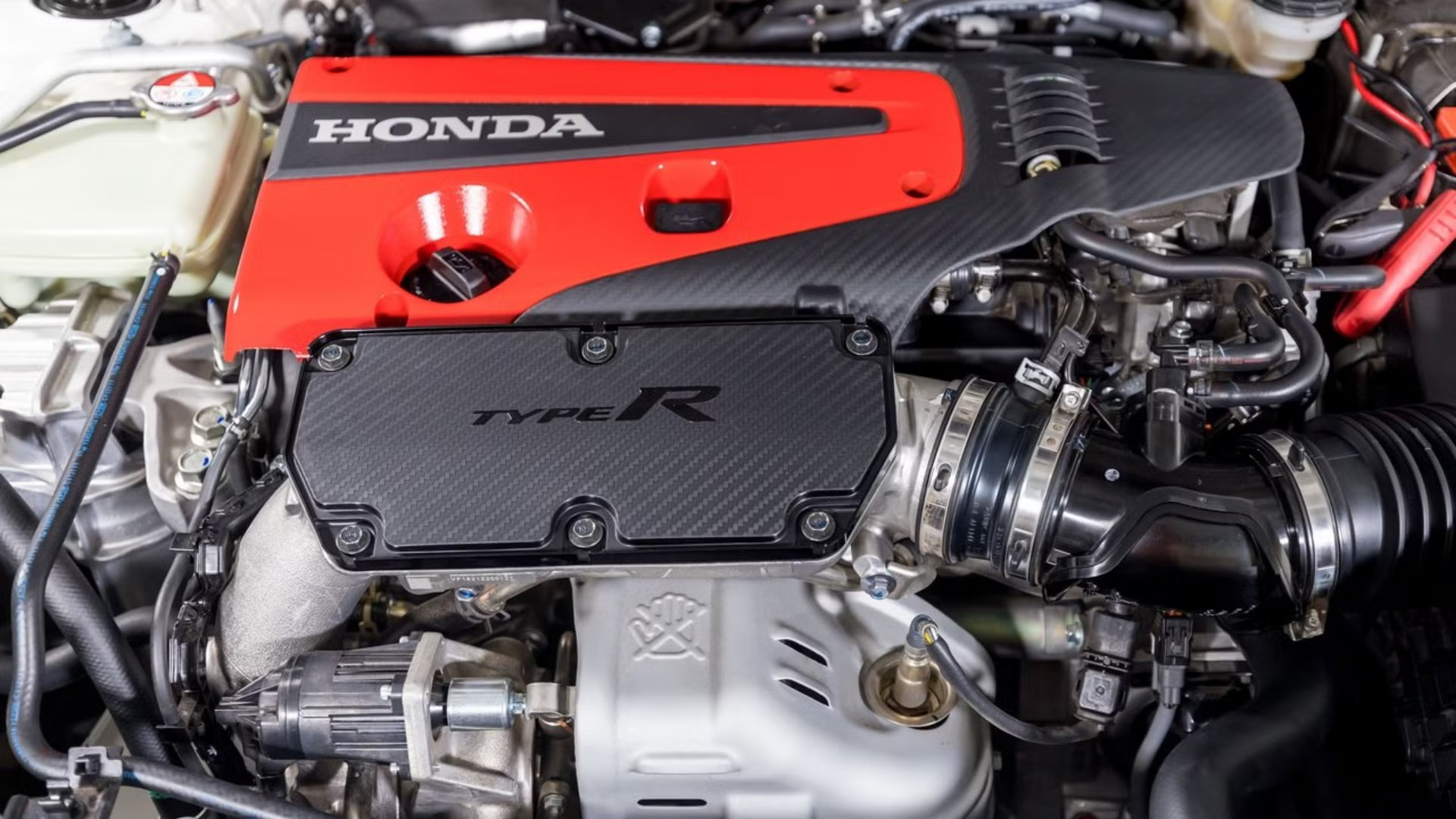
Turbocharging has become one of the most important technologies in modern engine design. Once limited mainly to performance cars and diesel applications, turbochargers are now found in everything from small economy cars to luxury sedans and heavy duty trucks. The reason is simple.
Manufacturers are under constant pressure to improve fuel economy while still delivering strong performance, and turbocharging allows smaller engines to produce power once reserved for larger displacement designs.
However, not all turbo engines are created with the same priorities. Some are engineered with long term durability in mind, using stronger internal components, conservative boost levels, and cooling systems designed to handle extended stress.
These engines often reflect a philosophy that performance gains should not come at the cost of reliability.
On the other side, some turbo engines are designed primarily to meet efficiency targets and emissions standards. These engines often use very small displacement layouts, high boost pressure, and aggressive fuel economy tuning.
While impressive on paper, some of these designs operate closer to their mechanical limits, which can create different long term ownership considerations.
This contrast creates two very different ownership stories. Some turbo engines quietly build reputations for durability and predictable maintenance. Others achieve impressive efficiency numbers but require careful maintenance discipline to avoid expensive issues.
I am writing about this topic because many buyers now own turbocharged vehicles whether they realize it or not. Understanding which engines were designed with longevity in mind and which were pushed primarily for efficiency helps owners understand how to maintain them properly.
This comparison also highlights how engineering philosophy affects real world ownership. Turbocharging itself is not the issue. The way it is implemented makes the difference.
By examining both sides, this article aims to provide a clearer understanding of how modern turbo design choices affect durability and everyday usability.
Also Read: 5 Trucks With the Most Reliable Transfer Cases vs 5 Known for Leaks
5 Modern Turbos Built for Longevity
Building a durable turbo engine requires more than simply attaching a turbocharger to an existing engine. It involves strengthening internal components, improving cooling systems, and ensuring lubrication systems can handle the additional heat and pressure created by forced induction.
The most durable modern turbo engines often share certain characteristics. They tend to use lower stress boost strategies, stronger pistons and rods, and conservative tuning that avoids pushing components to their absolute limits. Some also benefit from being evolutions of proven engine families rather than completely new experimental designs.
I am highlighting these engines because they demonstrate that turbocharging does not have to mean reduced longevity. When properly engineered, turbo engines can deliver both performance and durability.
Another reason to discuss these engines is to counter a common misconception. Some buyers still believe naturally aspirated engines are always more reliable. While simplicity does matter, modern turbo engines can also achieve strong durability records when engineered properly.
These examples show how manufacturers can balance modern efficiency demands with traditional durability expectations.
1. Toyota 2.0L Turbo (8AR FTS)
Toyota built its reputation on conservative engineering, and the 8AR FTS turbocharged engine reflects that philosophy. Used in several Lexus and Toyota models, this engine was developed with a focus on controlled boost pressure and strong thermal management rather than chasing extreme output numbers.
One of the key strengths of this engine is how Toyota approached cooling. Turbocharged engines generate significant heat, and inadequate heat control often leads to long term wear. In this case, Toyota invested heavily in cooling pathways and oil circulation strategies to maintain stable operating conditions.
Another detail that makes this engine worth discussing is how it delivers its power. Instead of relying on aggressive peak boost spikes, the engine produces smooth and predictable torque. This reduces sudden stress loads on internal components, which can improve long term durability.
I am including this engine because it represents a measured approach to turbocharging. Toyota did not rush into forced induction. When it introduced this engine, it did so with a design that reflects the brand’s long standing durability priorities.

There is also a maintenance behavior aspect worth noting. Owners who follow regular oil service schedules often report very consistent performance without unusual turbo related concerns.
This example helps demonstrate how turbocharging can be implemented in a way that supports long term ownership confidence rather than short term performance marketing.
2. Ford 2.7L EcoBoost V6
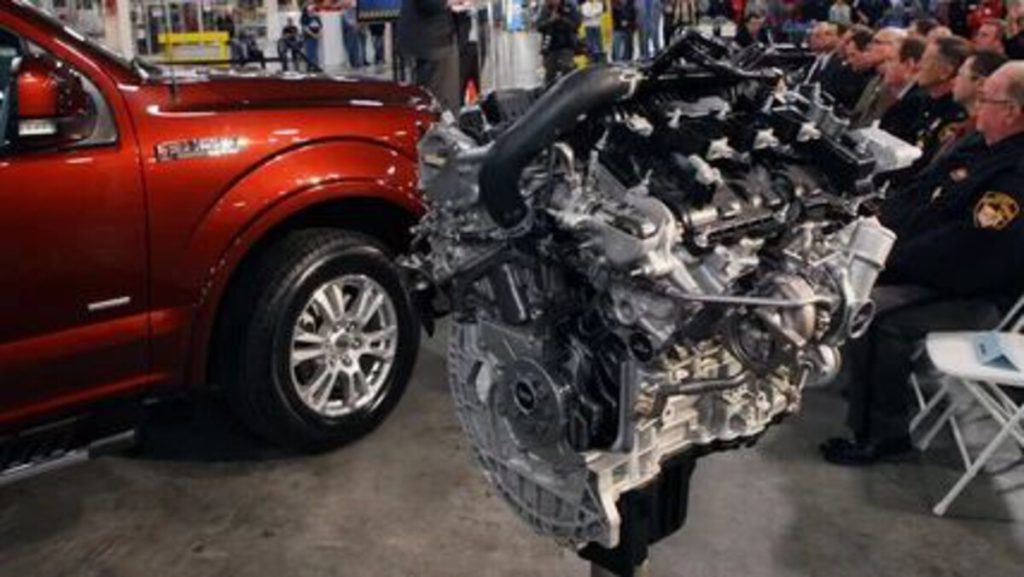
The Ford 2.7L EcoBoost V6 stands out because it was engineered with several durability focused features that are not always visible in marketing materials.
Unlike some smaller turbo engines that operate at the edge of their limits, this engine uses a compacted graphite iron block, a material known for strength advantages compared to traditional aluminum blocks.
This material choice alone shows how Ford approached the design differently. By starting with a stronger foundation, the engine can better handle the pressures associated with turbocharging.
Another interesting design feature is the dual turbo setup combined with careful boost management. Instead of relying on one large turbo working extremely hard, the system distributes workload more evenly. This can reduce thermal stress and improve reliability over time.
I am discussing this engine because it shows how modern turbo engines can be built with truck level durability expectations. Used in vehicles like the F 150, this engine must handle towing and heavy duty use, which naturally pushes engineers toward more robust solutions.
There is also an engineering honesty aspect here. Ford clearly intended this engine to survive real work conditions rather than just laboratory testing.
This example belongs in this section because it shows how durability can remain a priority even when efficiency regulations push manufacturers toward smaller turbocharged engines.
3. BMW B58 Inline Six Turbo
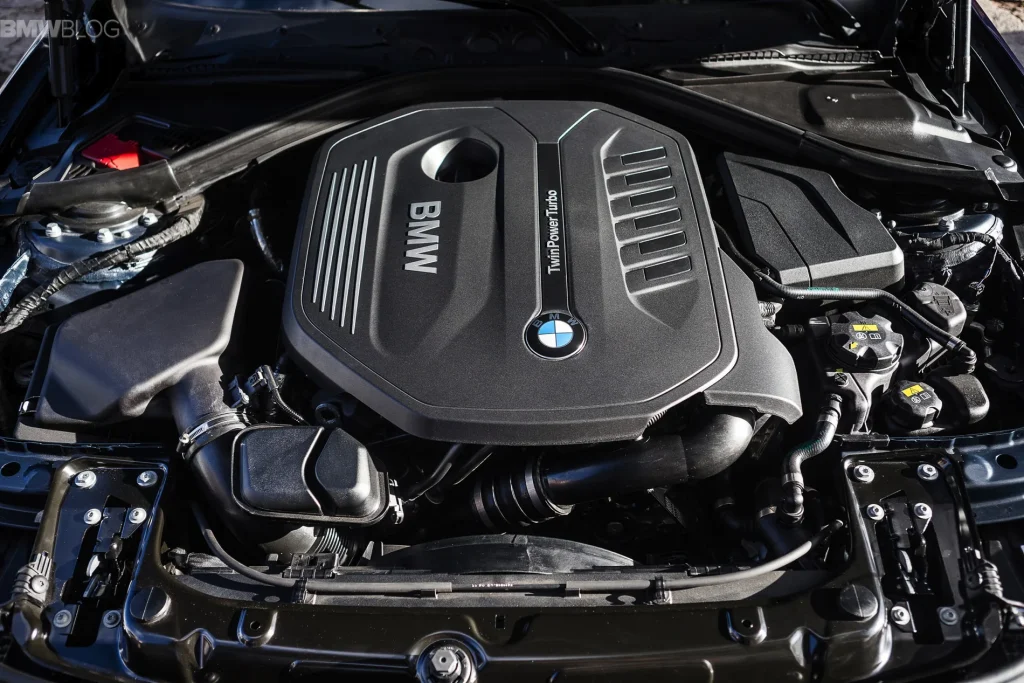
Some turbocharged engines gain their reputation not from marketing claims but from how they perform after years of real use. The BMW B58 inline six has gradually earned recognition among enthusiasts and technicians as one of the more robust modern turbo engines, largely because of how comprehensively it was engineered from the beginning.
Instead of modifying an older engine to accept turbocharging, BMW designed this powerplant with forced induction as a core assumption. That decision allowed engineers to reinforce critical areas such as the closed deck block structure, which improves cylinder strength and helps manage combustion pressure more effectively.
Heat management also plays a major role in this engine’s durability story. BMW integrated the exhaust manifold into the cylinder head, reducing thermal distance and allowing more precise temperature control. While this sounds technical, the real benefit is more consistent operating conditions, which reduces long term stress.
I am including this engine because it represents a rare case where performance and durability development appear to have progressed together rather than competing against each other. It produces strong power, yet many long term users report stable reliability when maintenance schedules are respected.
There is also a tuning margin factor worth mentioning. Engines built with stronger internal tolerances often handle stress better even in stock form because they operate below their maximum potential. This tends to produce longer component life.
Another reason this engine deserves mention is its growing reputation among independent mechanics. Over time, service professionals often develop clear opinions about which engines age well. The B58 has increasingly been viewed as one of BMW’s more confidence inspiring modern turbo designs.
This example helps reinforce the key message of this section. Turbocharging itself does not determine longevity. Engineering depth and material choices usually matter far more.
4. Honda 2.0L K20C Turbo
Honda approached turbocharging later than some competitors, which allowed the company to study industry successes and failures before fully committing to widespread turbo adoption.
The K20C turbo engine reflects this cautious entry, combining Honda’s traditional high revving engineering knowledge with modern forced induction requirements.
One of the most interesting aspects of this engine is how Honda maintained its focus on mechanical balance. Instead of chasing extreme boost numbers, the design emphasizes predictable response and controlled pressure delivery. This helps reduce stress spikes that can shorten turbocharger lifespan.
Material quality also plays a role here. Honda invested in strong internal components capable of handling both performance use and daily commuting stress. This is particularly important because this engine appears in both performance oriented vehicles and more practical applications.
I chose this engine because it demonstrates how patience in engineering can produce better outcomes. Honda did not rush turbo adoption. When it introduced this engine, it did so with a design that reflected lessons learned from the broader industry.
Another important detail involves cooling strategy. Effective intercooling and oil flow management help maintain consistent temperatures, which is one of the most critical factors in turbo engine survival.
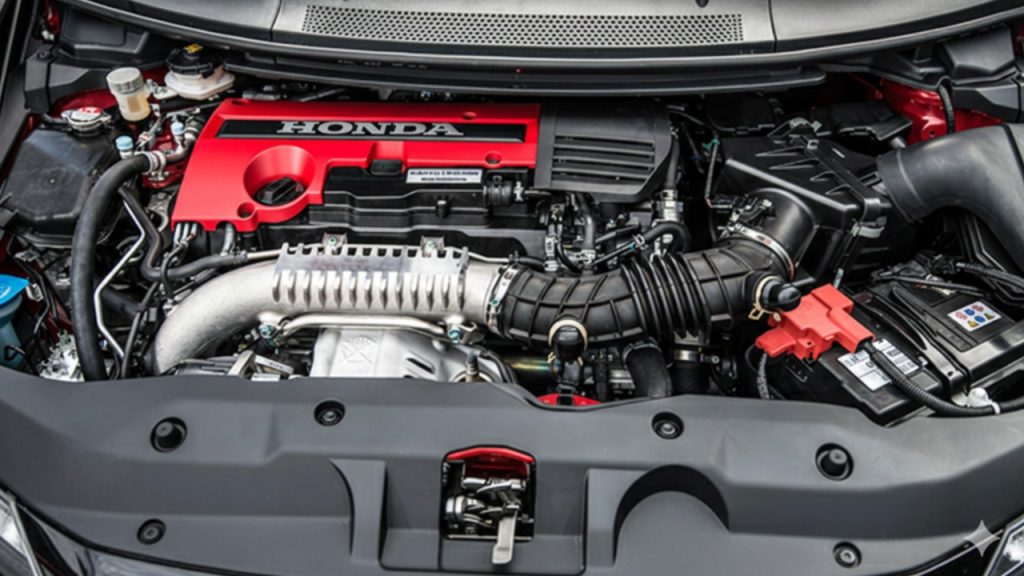
This engine also deserves attention because it appeals to two very different types of owners. Some use it for performance driving, while others simply want efficient daily transportation. The ability to serve both roles without widespread durability complaints highlights the strength of the base design.
Including this engine helps show that modern turbo reliability often comes from restraint rather than excess. Careful tuning can sometimes produce better long term results than chasing maximum output figures.
5. Mercedes Benz 3.0L Inline Six Turbo (M256)
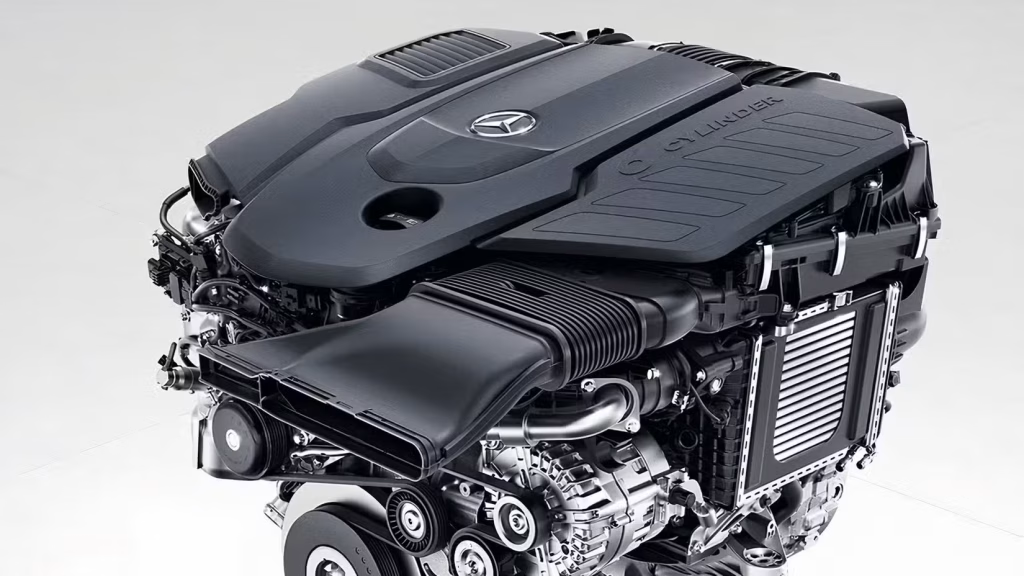
The Mercedes M256 engine represents a different interpretation of durability focused turbocharging. Instead of relying purely on traditional mechanical strength, Mercedes approached this engine with a systems engineering mindset.
The goal was to reduce stress through smarter load distribution rather than simply making every component heavier.
One of the most distinctive features is the integration of an electric auxiliary compressor alongside the conventional turbocharger.
This helps reduce turbo lag and allows the main turbo to operate under more stable conditions instead of constantly compensating for low speed response. When mechanical components work under more predictable loads, they often last longer.
Another interesting aspect comes from the engine’s 48 volt electrical architecture. This allows certain accessories to operate independently of the main engine load. Reducing parasitic losses helps the engine operate more smoothly and can indirectly reduce stress on turbo components.
I am including this engine because it shows how durability can also come from reducing workload rather than simply increasing strength. Instead of forcing the turbocharger to handle every performance demand, Mercedes created a system that shares responsibility across multiple technologies.
There is also a refinement factor worth mentioning. Engines designed for luxury vehicles often undergo extensive durability testing because customers expect smooth long term operation. This typically results in more conservative calibration compared to purely performance driven engines.
Another reason this engine belongs here is forward thinking design. It shows how modern durability may come from integration between mechanical and electrical systems rather than traditional approaches alone.
This final example completes the longevity group by demonstrating that modern turbo durability can be achieved through multiple engineering strategies. Strength, cooling, balance, and intelligent system design can all contribute to long term reliability.
5 Built Only for Efficiency
Not all turbo engines are designed with large durability margins. In many cases, manufacturers must meet strict emissions rules and fuel economy targets, which pushes engineers toward smaller displacement engines producing higher output through increased boost pressure.
These engines often achieve impressive fuel economy figures and strong power relative to size. However, this sometimes means components operate closer to their design limits. When engines are tuned aggressively for efficiency and emissions compliance, there may be less tolerance for delayed maintenance or poor operating conditions.
I am discussing these engines not to label them as bad designs but to highlight how different engineering priorities produce different ownership considerations.
Many of these engines perform very well when properly maintained. The key difference is that they often demand stricter maintenance discipline compared to more conservatively tuned designs.
Another important reason for covering this category is buyer awareness. Many drivers do not realize how much modern efficiency requirements influence engine design. Understanding this helps owners adapt their maintenance habits accordingly.
These examples also show how modern engineering often involves compromise. Efficiency, emissions compliance, performance, and durability all compete for attention. When one area becomes dominant, others may require closer attention from the owner.
The following engines represent designs where efficiency and emissions goals clearly shaped the final engineering balance.
1. Chevrolet 1.4L Turbo (LUJ/LUV)
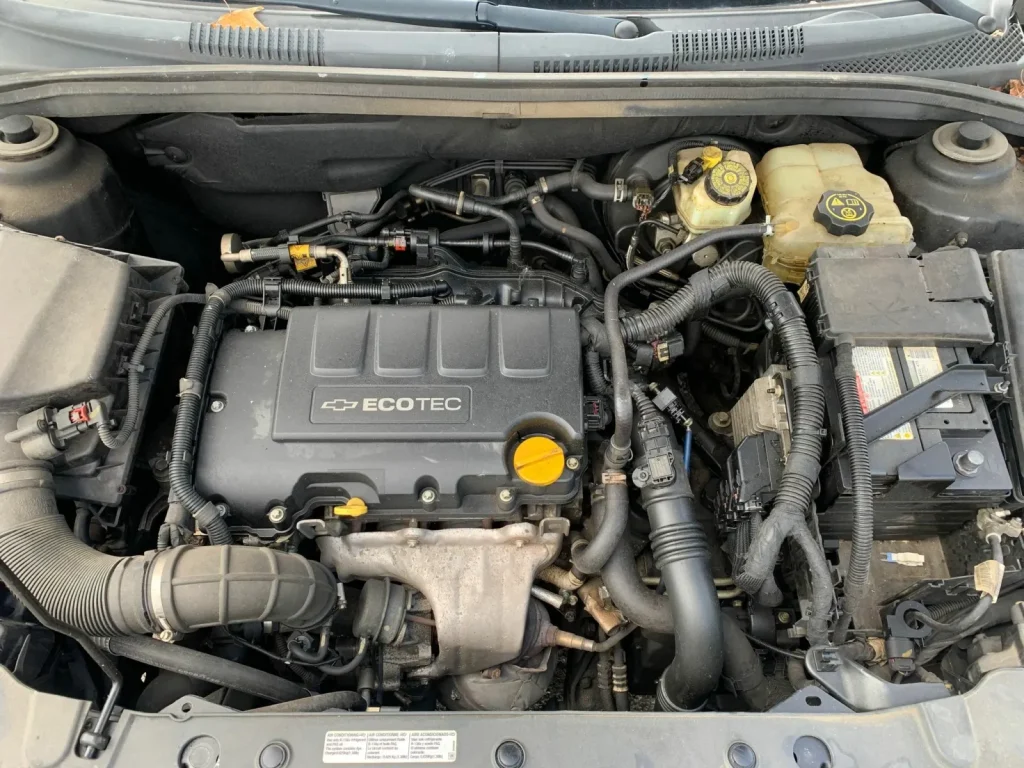
Small displacement turbo engines became popular as manufacturers tried to replace larger naturally aspirated engines with more efficient alternatives. The Chevrolet 1.4L turbo is a clear example of this transition. Designed to deliver acceptable performance from a compact engine, it reflects the industry’s move toward downsizing.
One of the defining characteristics of this engine is how much work is expected from a relatively small displacement. Producing competitive performance requires higher boost pressure, which naturally increases thermal and mechanical stress compared to larger engines producing similar power.
Another factor worth discussing involves operating margins. Smaller engines often have less thermal reserve capacity, which means consistent oil quality and cooling performance become more important for long term health.
I am including this engine because it clearly illustrates how efficiency driven design changes ownership responsibilities. When engines are built to meet strict consumption targets, maintenance discipline becomes more important than ever.
There is also a real world lesson here. Many problems associated with small turbo engines do not come from immediate design flaws but from extended service intervals that may not reflect real driving conditions.
Another reason to include this example is educational balance. Buyers often assume modern technology automatically improves everything. In reality, improvements in one area sometimes require tradeoffs elsewhere.
This example helps readers understand how efficiency engineering can produce engines that work very well, but often with narrower tolerance for neglect.
2. Volkswagen 1.5 TSI EVO
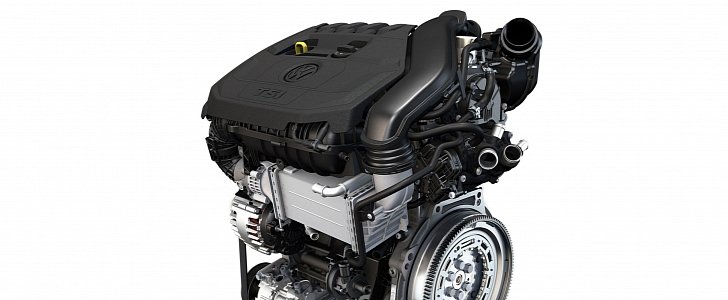
The Volkswagen 1.5 TSI EVO shows how far manufacturers are willing to go in pursuit of fuel efficiency improvements. This engine incorporates advanced features such as variable geometry turbocharging and cylinder deactivation to reduce fuel consumption during light load conditions.
While these innovations are impressive, they also introduce additional complexity. More moving parts and control systems can mean more potential maintenance sensitivity if operating conditions are not ideal.
I chose this engine because it highlights how advanced efficiency technology often increases engineering complexity. Complexity itself is not negative, but it does change how engines must be maintained over long periods.
Another interesting aspect involves how this engine behaves under different driving styles. Engines tuned for efficiency often perform best when driven smoothly rather than aggressively. This reflects their primary mission of reducing consumption rather than maximizing durability margins.
There is also a broader industry lesson here. As regulations continue to tighten, more engines are likely to follow similar design paths. Understanding how these systems work helps owners adapt expectations.
This example reinforces the main theme of this section. Efficiency driven turbo engines can be very effective, but they often require informed ownership to achieve their best long term results.
3. Ford 1.0L EcoBoost Inline Three
Sometimes the best example of efficiency driven engineering comes from examining how much performance engineers can extract from the smallest possible package.
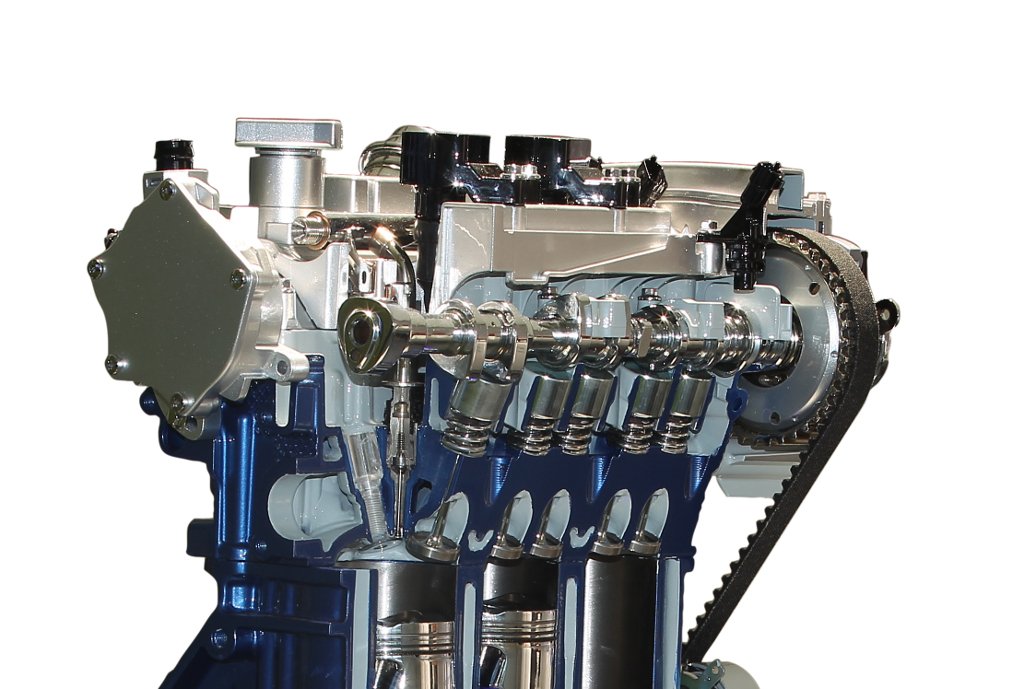
The Ford 1.0L EcoBoost three cylinder is one of the clearest demonstrations of this philosophy. Winning multiple international engine awards for innovation, it showed what modern turbocharging could achieve in terms of power density.
Yet this achievement also explains why it belongs in this category. Producing strong output from such a small displacement requires the turbocharger and internal components to operate under significant stress relative to engine size.
While the design is technically impressive, it also illustrates how efficiency driven downsizing changes durability margins.
One notable engineering decision involved the use of a wet timing belt design running in oil to reduce friction losses. While this improves efficiency, it also introduced a maintenance consideration unfamiliar to many traditional engine owners. Designs focused on efficiency sometimes introduce solutions that require greater owner awareness.
I am including this engine because it serves as a perfect educational example of how engineering priorities shape maintenance expectations. Ford achieved remarkable efficiency and respectable performance from minimal displacement, but such achievements often come with tighter maintenance requirements.
Another interesting observation involves driving behavior. Small turbo engines like this often perform best when driven smoothly and allowed proper warm up time. Hard driving from cold conditions can create higher stress levels due to the relatively small thermal capacity.
There is also a broader lesson in including this example. As global markets push toward lower emissions, more manufacturers are experimenting with similar downsizing strategies. Understanding this engine helps readers understand the direction of the industry.
This example reinforces a central idea behind this section. Efficiency engineering can produce remarkable technical achievements, but these engines often benefit most from careful ownership habits rather than neglect tolerant operation.
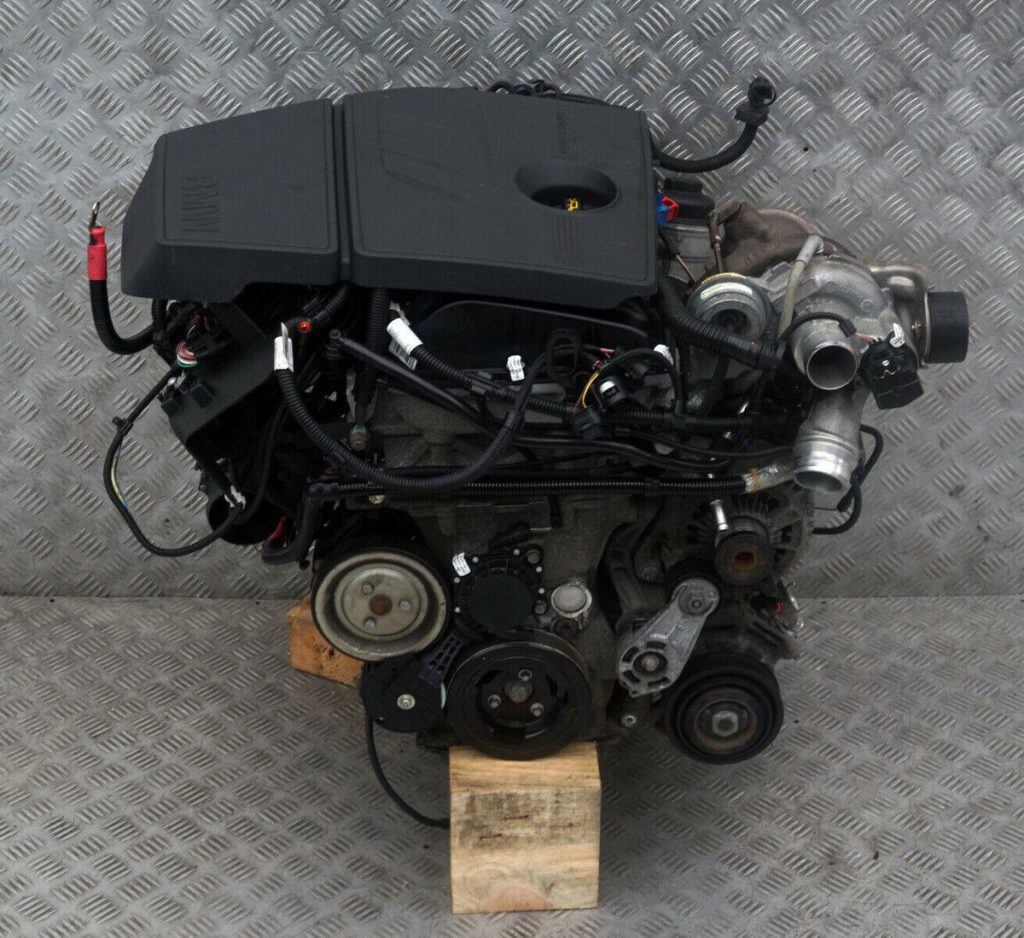
4. BMW N13 1.6L Turbo
The BMW N13 represents a period when many European manufacturers aggressively pursued smaller turbocharged engines to meet tightening emissions requirements. This 1.6L turbocharged four cylinder replaced larger naturally aspirated engines in several applications, reflecting the industry’s shift toward efficiency first thinking.
A useful way to understand this engine is by examining how its mission differed from older BMW designs. Earlier BMW engines often emphasized smoothness and mechanical longevity through larger displacement layouts. The N13 instead focused on delivering similar performance from a smaller, more efficient package.
This transition required higher boost operation and more complex engine management strategies. While effective for meeting regulatory goals, this approach also meant that the engine depended heavily on proper oil quality and service discipline to maintain consistent operation.
I am writing about this engine because it represents a broader trend rather than just one design. Many manufacturers introduced similar downsized turbo engines during this period. Studying this example helps illustrate how industry wide pressures shape engineering decisions.
Another factor worth noting is expectation adjustment. Buyers accustomed to older naturally aspirated BMW engines sometimes expected similar maintenance tolerance. Downsized turbo engines often require a different ownership mindset.
This example also helps highlight how efficiency driven engines can still perform well when properly maintained. The key difference is not that they are unreliable, but that they may operate with less tolerance for delayed service.
Including this engine strengthens the comparison by showing how industry trends affect multiple brands. Efficiency targets have reshaped engine design across the entire automotive landscape.
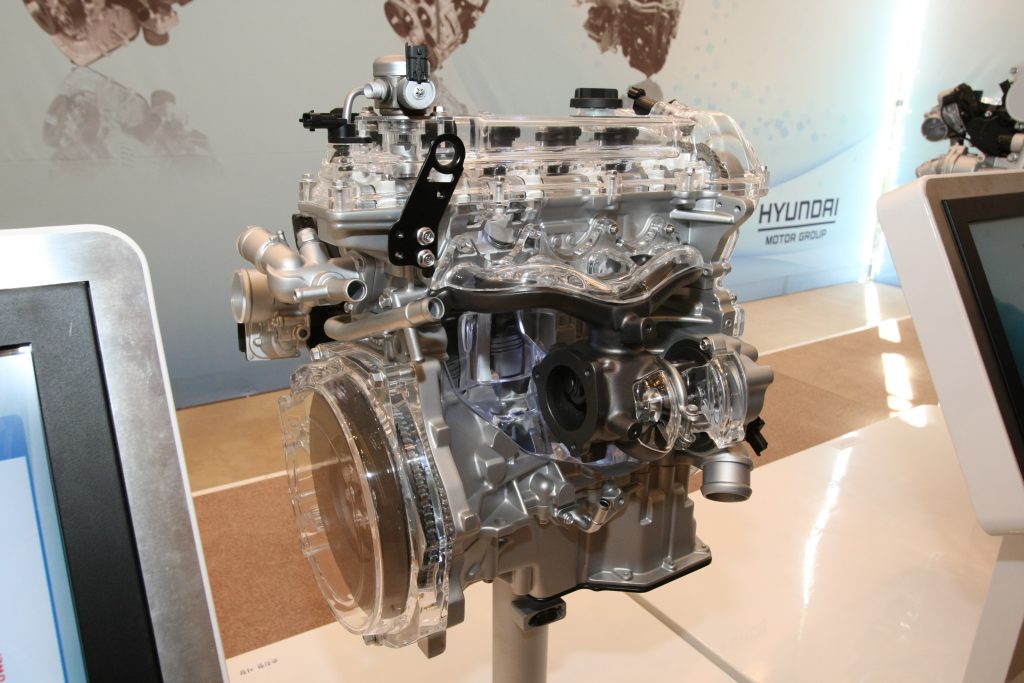
5. Hyundai 1.6L Gamma Turbo
The Hyundai 1.6L Gamma turbo engine reflects how rapidly manufacturers have adapted to the need for balancing performance and fuel economy within smaller displacement packages.
This engine appears in several Hyundai and Kia vehicles and represents a generation of turbocharged designs that aim to extract strong output from modest engine size.
A closer look at its design shows how efficiency goals shaped its character. Direct injection, relatively high boost pressure for its size, and lightweight internal components all contribute to strong fuel economy and competitive performance numbers. These are clear advantages for buyers looking for modern efficiency.
At the same time, these same features explain why this engine belongs in this section. Lightweight internal construction and high specific output mean the engine benefits greatly from consistent maintenance habits. Oil quality and cooling system condition play especially important roles in maintaining long term turbocharger health.
I am including this engine because it illustrates how mainstream manufacturers have adopted efficiency first turbo strategies across large portions of their lineup. This is not an experimental or rare engine. It represents the direction many everyday vehicles are taking.
Another point worth discussing involves real world ownership patterns. Many drivers treat small turbo engines the same way they treated older naturally aspirated engines, sometimes extending oil intervals or ignoring warm up considerations. Engines designed with tighter efficiency margins often benefit from more attentive care.
There is also an industry evolution lesson here. Hyundai’s rapid improvement in engine technology shows how quickly manufacturers have learned to compete in the turbocharged era. Efficiency and performance gains are clear, but they also reflect how engineering priorities have shifted.
This example completes the efficiency focused group by showing how modern engines can deliver impressive capability from small displacement, while also highlighting how those gains often depend on responsible ownership practices.
Modern turbocharged engines show how different engineering priorities can produce very different ownership experiences. As we have seen, some turbo engines are designed with durability as a central goal.
The Toyota 8AR FTS, Ford 2.7 EcoBoost, BMW B58, Honda K20C, and Mercedes M256 demonstrate how careful material choices, conservative boost strategies, and strong cooling systems can support long term reliability.
At the same time, the Chevrolet 1.4L turbo, Volkswagen 1.5 TSI EVO, Ford 1.0 EcoBoost, BMW N13, and Hyundai 1.6 Gamma turbo illustrate how efficiency driven development can lead to engines that achieve impressive fuel economy and performance from smaller displacement.
These engines succeed at their intended mission, but often benefit from stricter maintenance awareness.
The most important takeaway is that turbocharging itself is not the deciding factor in reliability. Engineering philosophy plays a much larger role. Some engines are designed with wider durability margins, while others are optimized for regulatory efficiency goals.
For owners, this comparison highlights the importance of understanding what type of engine they have. Engines built with tighter efficiency margins often reward careful maintenance habits. Those designed with durability focus may be more forgiving, but still benefit from proper care.
This discussion also shows how modern automotive engineering is always about balance. Performance, efficiency, emissions, and durability must all coexist. No design can maximize every category at once.
Buyers who understand these tradeoffs are better prepared to choose vehicles that match their expectations. Knowledge of engineering intent often leads to better long term ownership outcomes.
Also Read: 5 Used Luxury Bargains Cars That Are Reliable vs 5 That Are Financial Risks
