
All wheel drive systems have become one of the most widely marketed features in the modern automotive world.
Manufacturers promote AWD as a solution for better traction, improved stability, and greater confidence in poor weather. However, not all AWD systems are created for the same purpose.
Some are engineered for genuine off road survival in harsh environments like deep mud, loose sand, and uneven terrain, while others are designed mainly to improve grip on wet highways and city roads.
This distinction is important because many buyers assume all AWD systems offer similar capability.
In reality, engineering differences such as locking differentials, torque distribution strategies, ground clearance integration, and traction programming determine whether a vehicle can escape deep mud or simply maintain control during rain.
A pavement focused AWD system may perform very well in daily driving but struggle badly once traction becomes severely limited.
True off road AWD systems are usually built with mechanical strength and terrain management in mind.
These systems often include low range gearing, selectable drive modes, and the ability to send torque equally to multiple wheels. These features allow vehicles to maintain forward movement even when surfaces become extremely slippery.
Meanwhile, pavement oriented AWD systems are usually optimized for fuel efficiency and smooth operation.
Many operate primarily in front wheel drive mode and only send power rearward when slip is detected. While this improves efficiency and comfort, it often limits performance in deep mud where constant torque distribution is necessary.
This comparison explores AWD systems that excel in deep mud and others that are better suited for paved conditions. By examining both categories, it becomes easier to understand how drivetrain design affects real world capability and why AWD should never be judged by name alone.
Also Read: 10 Vehicles With Brake Rotors That Warp Easily Under Normal Driving
5 AWD Systems That Dominate Deep Mud
Serious off road AWD systems are usually developed with durability and traction as primary objectives. These systems are rarely designed only for marketing purposes. Instead, they are built to handle difficult terrain where traction can disappear instantly and recovery may not be easy.
Vehicles that perform well in deep mud usually share several engineering advantages. They often feature strong torque multiplication, sophisticated traction management software, and mechanical solutions such as locking differentials.
These features allow the vehicle to continue moving even when one or more wheels lose grip completely.
Another important factor is heat management and drivetrain strength. Deep mud creates resistance that forces drivetrains to work harder than normal driving conditions. AWD systems built for these environments usually have stronger components and smarter cooling strategies to prevent overheating.
I selected the following vehicles because their AWD systems are known for genuine off road capability rather than simple all weather assistance.
These examples highlight how engineering depth, not just marketing terminology, determines whether an AWD system can truly perform when traction becomes extremely limited.
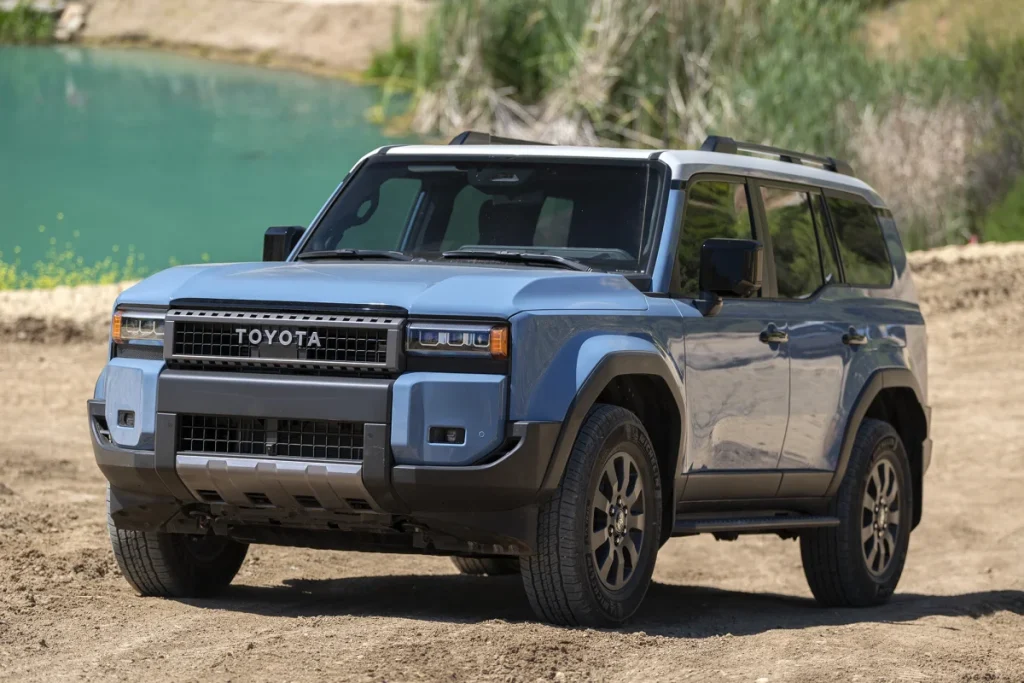
1. Toyota Land Cruiser
The Toyota Land Cruiser deserves recognition because it represents one of the most proven off road AWD systems ever developed.
Built with a reputation for surviving some of the harshest environments on earth, the Land Cruiser uses a full time four wheel drive system with a locking center differential that allows equal torque distribution when conditions demand it.
What makes this system especially effective in deep mud is its mechanical honesty. Rather than relying purely on electronic corrections after wheel slip occurs, the Land Cruiser allows the driver to proactively control traction through differential locks and terrain management settings.
This gives the vehicle a predictable and confidence inspiring feel when surfaces become unstable.
There is also a durability story behind why this system deserves discussion. The Land Cruiser is widely used in remote regions, humanitarian operations, and extreme expeditions. These environments often involve mud that can trap lesser vehicles quickly.
The AWD system’s strength comes from being engineered for reliability first rather than comfort or efficiency.
I am writing about this vehicle because it shows how long term engineering philosophy can create legendary capability.
Toyota did not build this system to impress during short test drives. It was built to function in places where failure could have serious consequences. That purpose explains why the drivetrain emphasizes strength and control rather than complexity for its own sake.
This example demonstrates that true off road AWD capability comes from thoughtful integration of mechanical and electronic solutions working together rather than relying on software alone.
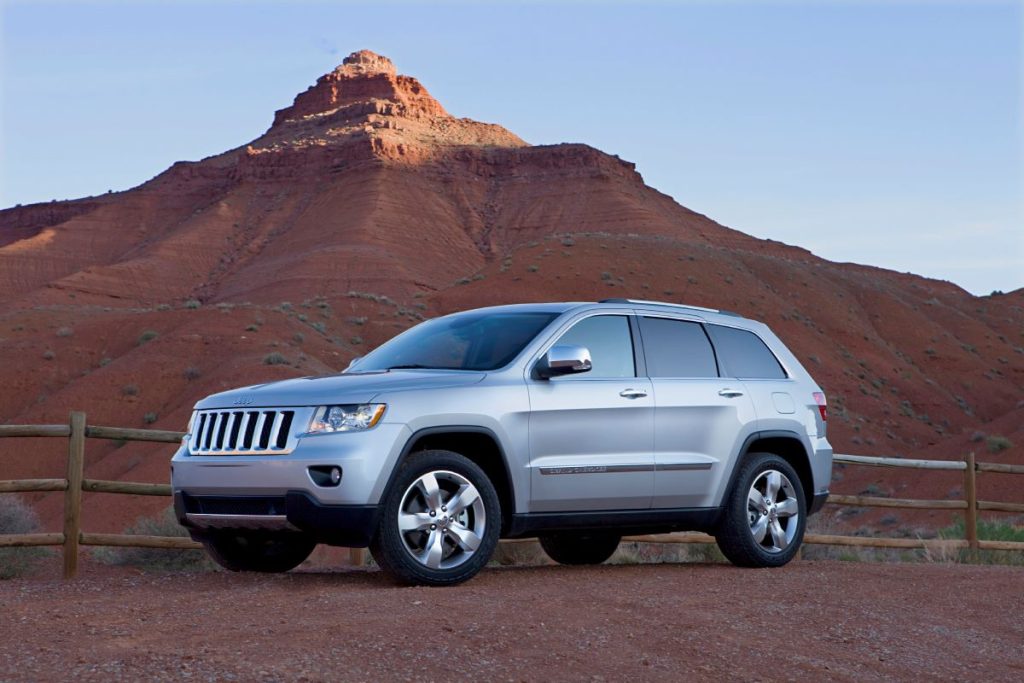
2. Jeep Grand Cherokee (Quadra Drive II)
The Jeep Grand Cherokee equipped with the Quadra Drive II system offers a different approach to deep mud capability. Instead of focusing purely on mechanical simplicity, Jeep combines electronic sensing with strong hardware to create a system that constantly adjusts torque delivery depending on available traction.
One reason this system stands out is its ability to automatically redirect torque before excessive wheel spin occurs. The electronic limited slip differential can move power side to side as well as front to rear. This means that even if three wheels experience poor traction, the system can still send usable torque to the one wheel that finds grip.
Another reason this system belongs here is Jeep’s long history of building vehicles for challenging terrain. The brand’s engineering culture focuses heavily on off road testing.
Mud performance is not an afterthought but part of the core development process. This heritage shows in how naturally the Quadra Drive II system reacts to slippery surfaces.
I included this system because it shows how modern electronics can enhance traditional off road capability rather than replace it. The Grand Cherokee demonstrates that advanced sensors and mechanical hardware can work together to create a drivetrain that feels both intelligent and strong.
This example helps illustrate how modern AWD systems can evolve beyond purely mechanical solutions while still maintaining the rugged characteristics necessary for extreme terrain performance.
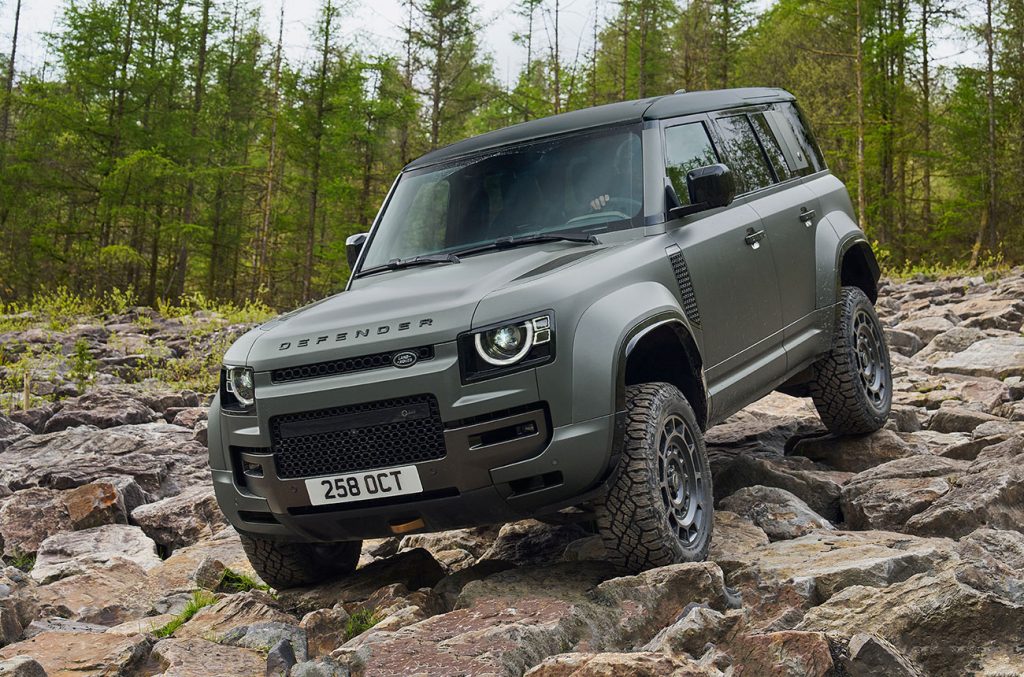
3. Land Rover Defender (Terrain Response AWD)
The Land Rover Defender represents a philosophy where off road capability is not treated as an occasional feature but as a core identity. Its Terrain Response AWD system is designed to adapt to constantly changing surfaces, and deep mud is one of the conditions where this engineering approach becomes especially noticeable.
Unlike simpler AWD systems that react only after slip occurs, the Defender uses predictive software combined with mechanical strength. The system can adjust throttle sensitivity, transmission behavior, and torque distribution depending on the terrain mode selected.
When mud mode is activated, the vehicle allows controlled wheel slip while maintaining forward momentum, which is critical when dealing with thick, resistance heavy surfaces.
Another reason this system deserves attention is how it blends tradition with modern computing. Land Rover has decades of off road experience, yet the Defender shows how digital control can enhance that knowledge.
Instead of relying only on driver judgment, the AWD programming constantly calculates grip levels and redistributes torque where it can be most effective.
I am writing about this vehicle because it shows how off road engineering has evolved. The Defender demonstrates that modern AWD systems can be both intelligent and mechanically capable. It is not just about brute force anymore. It is about managing traction efficiently in real time.
This example is important because it highlights how advanced terrain management can make difficult conditions more manageable even for less experienced drivers.
By simplifying complex traction decisions, the Defender allows drivers to focus more on path selection rather than constantly worrying about drivetrain behavior.
Its inclusion here reflects how technology, when properly applied, can expand capability rather than complicate it.
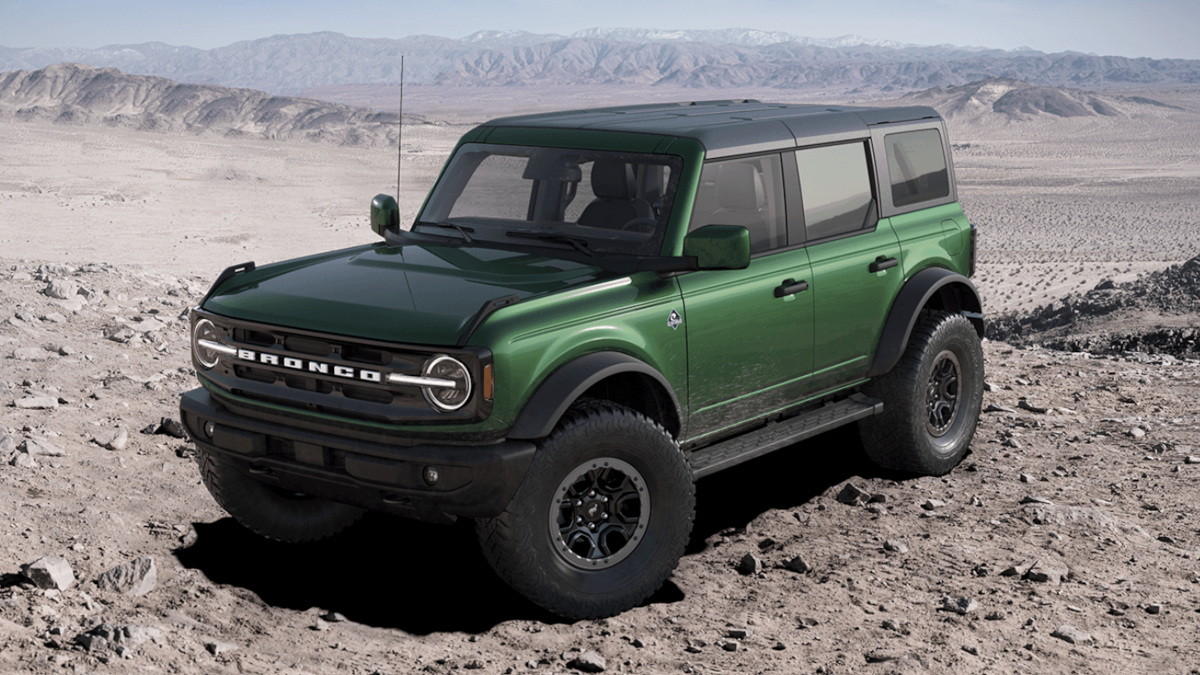
4. Ford Bronco (Advanced 4×4 with G.O.A.T. Modes)
The Ford Bronco brings a very different personality to this list. While some off road vehicles focus on refinement or electronic sophistication, the Bronco emphasizes driver engagement combined with serious mechanical preparation.
Its advanced four wheel drive system paired with G.O.A.T. modes, meaning Goes Over Any Terrain, is specifically tuned for conditions like deep mud and loose surfaces.
One of the strongest arguments for including the Bronco is how configurable its drivetrain is. Drivers can select modes that adjust throttle mapping, traction control thresholds, and differential behavior.
In mud and ruts mode, the system intentionally allows more aggressive wheel rotation to prevent tires from clogging with mud, which helps maintain forward movement.
There is also a structural advantage that supports the AWD system. The Bronco’s body on frame construction and off road focused suspension allow the drivetrain to operate without excessive stress when the terrain becomes uneven.
This cooperation between chassis and drivetrain is a key reason why the system performs well beyond simple traction assistance.
I chose the Bronco because it shows how returning to purpose built off road design can create impressive results. Ford did not simply adapt a road crossover system. It built the Bronco with serious off road expectations from the beginning, and the AWD system reflects that intent.
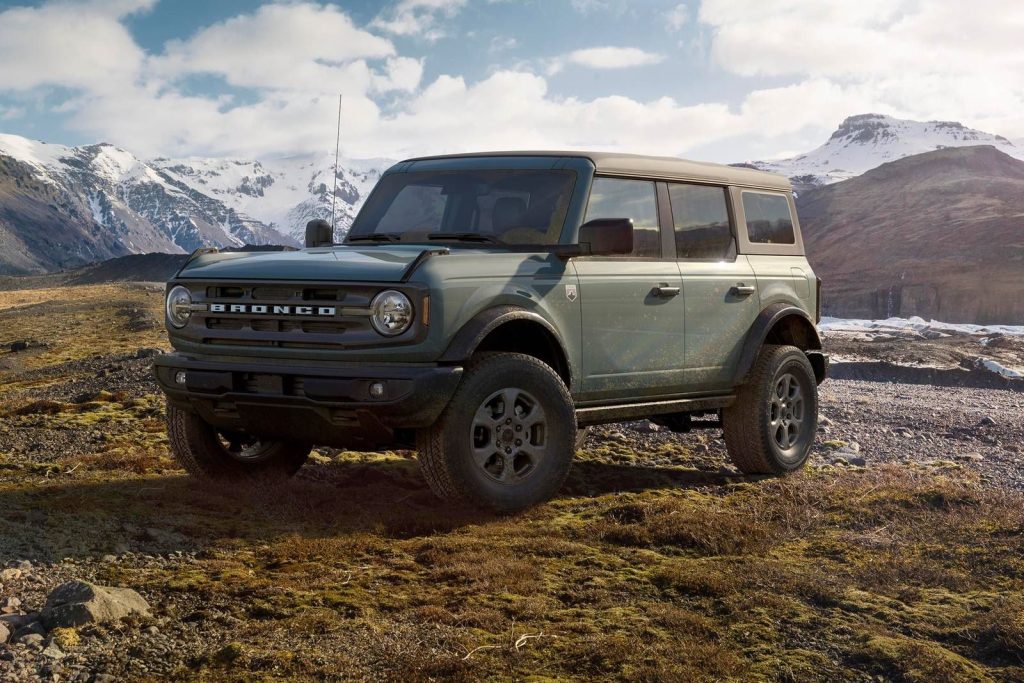
This vehicle belongs in this discussion because it demonstrates how driver selectable systems can provide both confidence and flexibility. By allowing the driver to tailor drivetrain behavior, the Bronco shows how engagement and engineering strength can work together to handle extremely difficult surfaces.
5. Subaru Outback Wilderness (Symmetrical AWD with Dual Mode X-Mode)
The Subaru Outback Wilderness finishes this category because it proves that even a wagon based platform can deliver impressive mud performance when the AWD system is engineered with real traction needs in mind.
Subaru has built its identity around symmetrical AWD for decades, but the Wilderness version shows how targeted upgrades can significantly improve performance in challenging terrain.
What makes this system notable is how consistently it delivers power to all four wheels. Unlike part time systems that wait for slip, Subaru’s layout keeps torque flowing continuously.
This constant engagement becomes extremely valuable in mud because momentum often matters more than reaction time. Losing torque for even a moment can cause a vehicle to sink or lose forward progress.
The upgraded X Mode system also plays a major role in why this vehicle deserves attention. With settings designed specifically for deep snow and mud, the programming allows more wheel slip than normal driving modes. This helps the tires clear debris and maintain forward bite instead of shutting down power too aggressively.
I am including this vehicle because it challenges assumptions about what off road capability looks like. Many people associate mud performance only with large trucks or heavy SUVs.
The Outback Wilderness shows that careful calibration and drivetrain balance can allow a lighter vehicle to perform surprisingly well when traction becomes unpredictable.
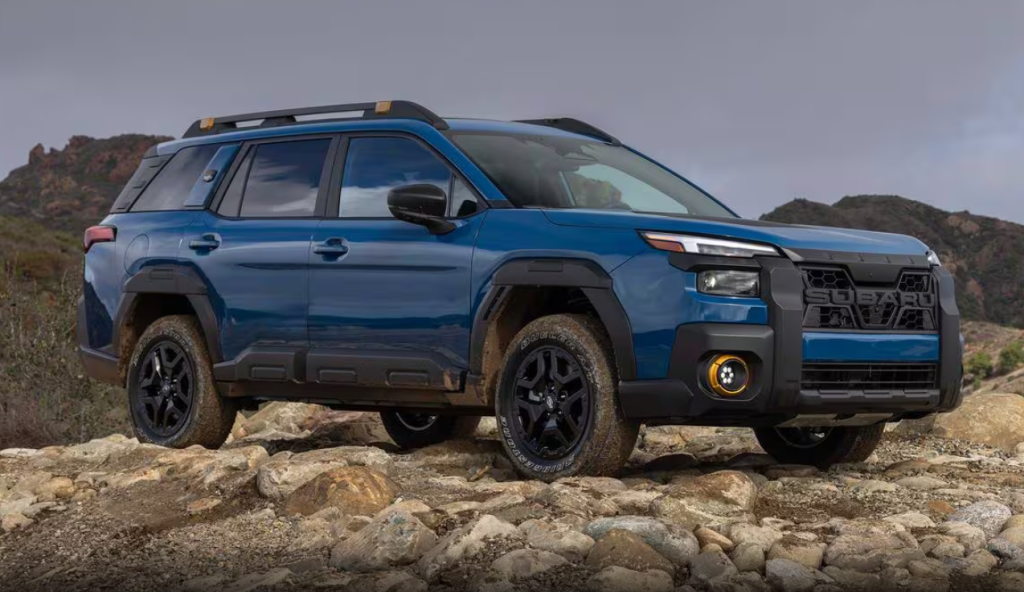
Another reason this example matters is accessibility. Not every driver wants a large off road vehicle. Subaru demonstrates that it is possible to deliver meaningful AWD performance in a vehicle that still works comfortably as a daily driver.
This example completes the deep mud category by showing that capability is not limited to one vehicle type. What matters most is how intelligently the AWD system is designed and how well it matches the intended use of the vehicle.
5 AWD Systems That Are for Pavement Only
While many AWD systems are marketed as symbols of toughness and adventure, a large number are actually designed with a completely different purpose.
These systems focus on improving stability during everyday driving rather than tackling extreme terrain. They perform very well in rain, light snow, and highway travel, but they are not intended for deep mud or severe off road use.
Pavement focused AWD systems often prioritize smoothness and efficiency. Many operate primarily as front wheel drive systems and only send torque to the rear when sensors detect slip.
This approach improves fuel economy and reduces drivetrain wear, but it also means these systems may not react quickly enough when traction disappears completely.
Another key difference comes from hardware limitations. These AWD systems usually lack low range gearing or locking differentials. Without these features, maintaining traction in deep mud becomes far more difficult because torque cannot always be directed where it is needed most.
I selected the following vehicles because they demonstrate how AWD can serve a very different purpose. These systems are excellent for daily safety and comfort but are not built for extreme terrain. Understanding this difference helps buyers match drivetrain design to their actual driving needs.
1. Toyota RAV4 (Standard AWD System)
The Toyota RAV4 represents one of the most common types of AWD systems found in modern crossovers. Its system is designed primarily to improve stability during daily driving rather than serve as a hardcore off road solution. This makes it extremely effective in bad weather but less suited to deep mud situations.
One reason this system fits this category is how it normally operates. Under typical conditions, the RAV4 functions mainly as a front wheel drive vehicle.
Only when slip is detected does the system redirect some torque to the rear wheels. This reactive approach works very well for wet pavement but is less effective in conditions where constant traction is required.
Another reason I am writing about this system is because it reflects how most buyers actually use AWD. Many drivers simply want extra confidence during rain or winter driving. For that purpose, the RAV4 performs very well. Its AWD system improves cornering stability and helps prevent sudden traction loss during acceleration.
This example is important because it highlights how marketing language can sometimes create confusion. The RAV4 does offer AWD, but its design priorities are clearly focused on safety and efficiency rather than mud crawling capability.
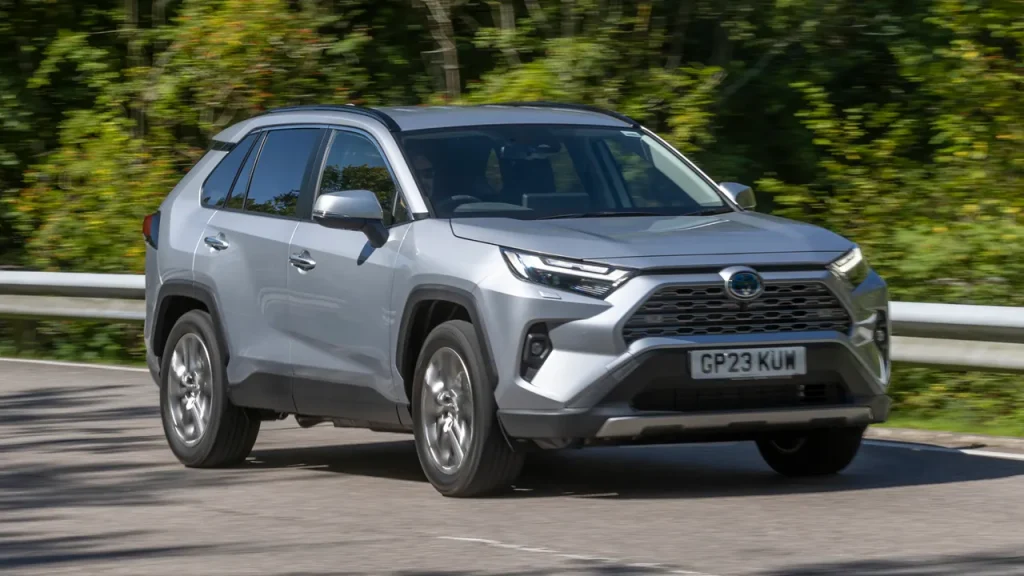
Including this vehicle helps clarify that pavement focused AWD is not a weakness. It is simply a different design goal. For drivers who never leave paved roads, this type of system can be exactly the right solution.
2. Honda CR-V (Real Time AWD)
The Honda CR-V offers another clear example of an AWD system designed with everyday usability in mind. Honda calls it Real Time AWD because it activates automatically when needed. This approach keeps the vehicle efficient during normal driving while still providing additional traction when conditions become slippery.
One of the main reasons this system belongs here is its comfort oriented calibration. The AWD engagement is designed to be smooth and nearly unnoticeable. This makes the CR-V feel refined during daily commuting, but it also means the system avoids the aggressive torque behavior typically needed for deep mud recovery.
Another reason this vehicle is worth discussing is how it reflects Honda’s focus on reliability and simplicity. The CR-V is primarily a family vehicle. Its AWD system supports that mission by improving safety rather than encouraging off road exploration. The design is consistent with the needs of buyers who prioritize dependability and predictable handling.
I included the CR-V because it shows how AWD can be used as a safety enhancement rather than a capability statement. The system does exactly what it was designed to do, which is help drivers maintain control in poor road conditions.
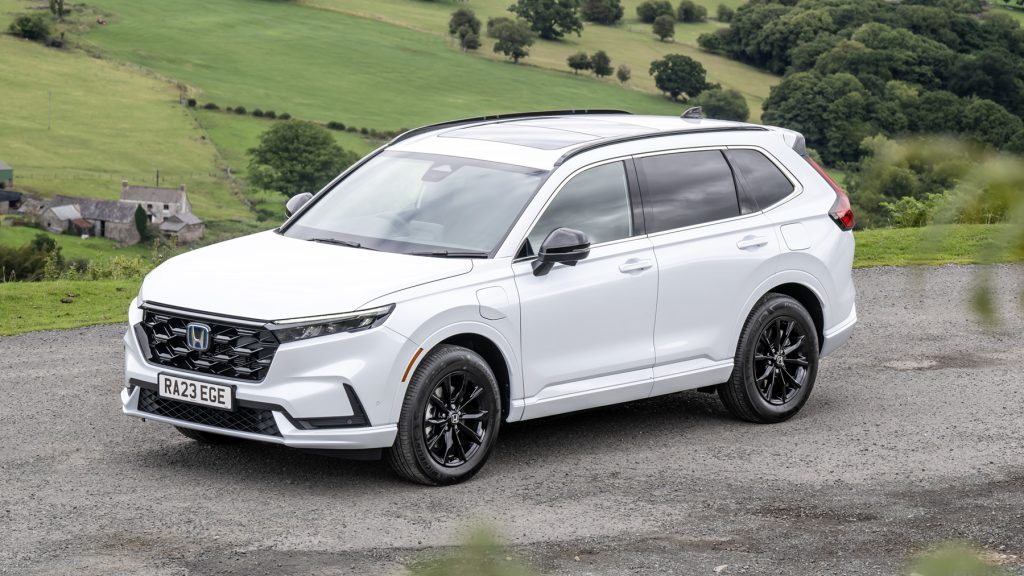
This example reinforces the idea that AWD should always be evaluated based on intended use. The CR-V demonstrates that a pavement focused AWD system can be extremely valuable when matched with realistic expectations.
3. Mazda CX-5 (i-Activ AWD)
The Mazda CX-5 approaches all wheel drive from a philosophy that is very different from traditional off road brands.
Instead of building the system primarily for terrain challenges, Mazda engineered i-Activ AWD to improve driving feel, stability, and predictability during normal road use. This makes it very effective in daily conditions but not intended for deep mud environments.
One reason this system deserves inclusion is the way it anticipates traction needs rather than simply reacting.
Mazda uses data such as steering input, throttle behavior, outside temperature, and even windshield wiper use to predict when additional traction might be required. This shows how the system is designed around road safety scenarios rather than extreme off road recovery.
There is also a refinement aspect that explains why this AWD system belongs in this category. The CX-5 is known for its car like handling characteristics. Its AWD calibration supports this by keeping torque distribution subtle and smooth.
Instead of aggressive torque locking, the system focuses on balance and stability, which improves driver confidence during highway travel.
I am writing about this vehicle because it demonstrates how AWD can be tuned for driving enjoyment rather than raw traction strength.
Mazda’s engineering culture places strong emphasis on driver feedback and natural handling response. The AWD system reflects that goal by supporting cornering behavior rather than preparing for severe terrain.
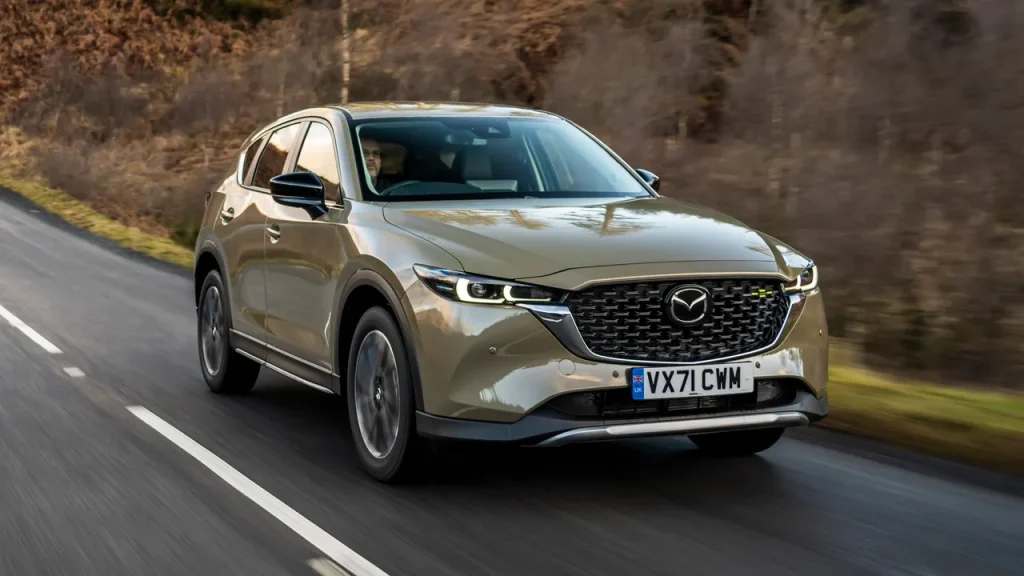
This example is useful because it shows how AWD can serve as a handling enhancement tool rather than an off road solution. The CX-5 proves that not every AWD system needs to target mud performance. When matched to its intended purpose, a pavement focused system like this can be extremely satisfying for drivers who value control and responsiveness.
4. Nissan Rogue (Intelligent AWD)
The Nissan Rogue offers another perspective on pavement oriented AWD design. Its Intelligent AWD system focuses heavily on efficiency and smooth power delivery, making it ideal for urban use and long highway travel.
The system constantly monitors traction conditions but remains conservative in how aggressively it distributes torque.
One reason this system belongs in this category is how it balances fuel economy with traction support. The Rogue typically operates as a front wheel drive vehicle to reduce fuel consumption.
When slip is detected, the system gradually applies rear torque to stabilize the vehicle. This makes it very useful during rain or light snow but less capable in heavy mud where constant engagement is usually required.
Another interesting aspect of this system is how quietly it operates. Many drivers may never notice when the AWD engages because Nissan designed it to work in the background. This reflects a customer base that values comfort and convenience rather than off road experimentation.
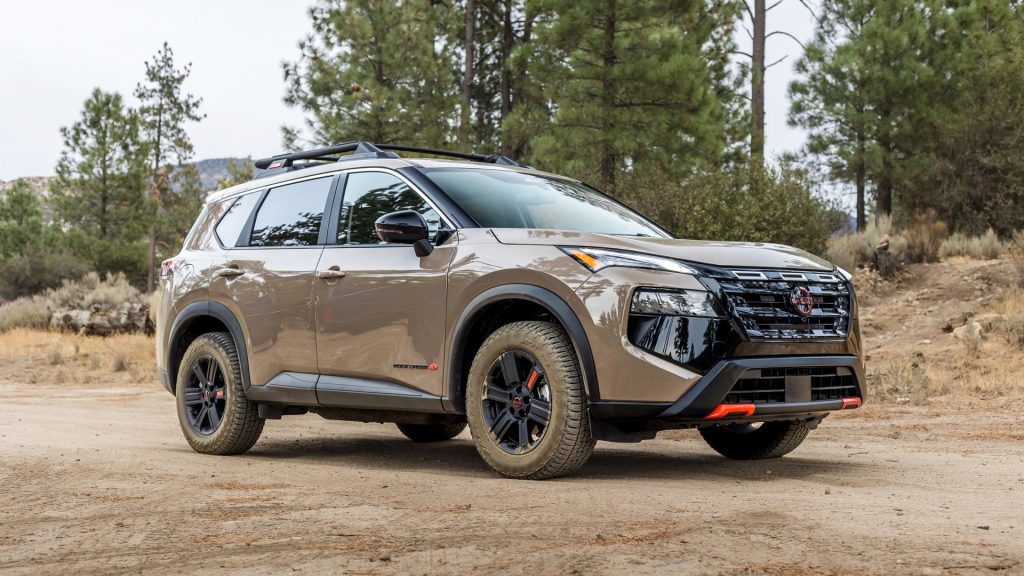
I chose to include the Rogue because it highlights how AWD has become a mainstream safety feature. For many buyers, AWD is simply a reassurance tool that helps during unexpected weather changes. Nissan clearly designed this system with that mindset rather than extreme capability.
This vehicle demonstrates that AWD is not always about adventure branding. Sometimes it is simply about making daily driving less stressful. The Rogue shows how a well tuned pavement AWD system can quietly improve ownership experience without trying to be something it was never meant to be.
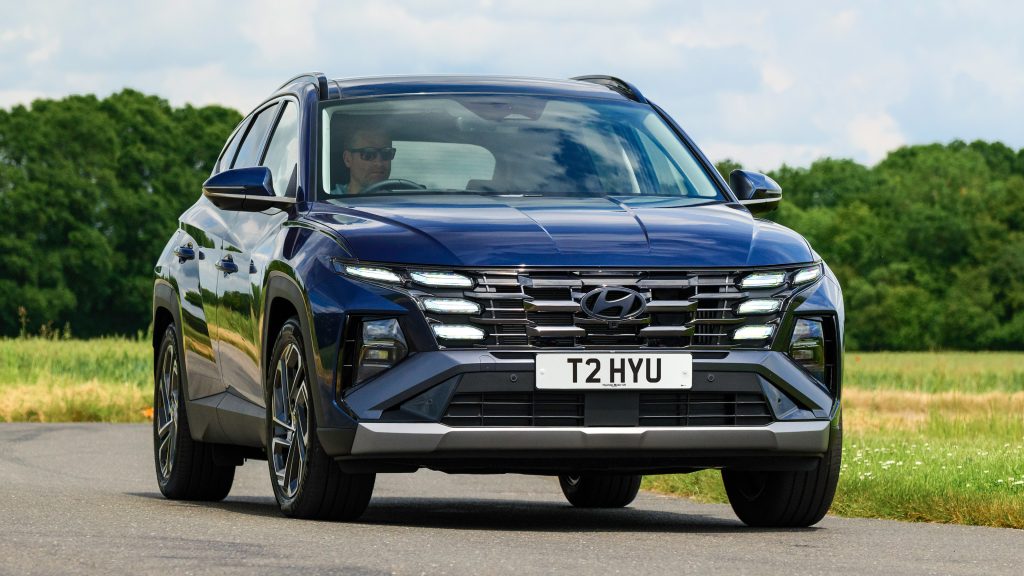
5. Hyundai Tucson (HTRAC AWD)
The Hyundai Tucson closes this category because it represents how modern AWD systems are often engineered primarily for balance, efficiency, and driver reassurance rather than extreme terrain performance.
Hyundai’s HTRAC AWD system is a good example of a drivetrain designed to improve stability on paved roads while still offering occasional light duty traction support.
What makes this system notable is how it focuses on driver confidence rather than off road strength. The system constantly monitors wheel speed, steering angle, and acceleration inputs to determine when additional traction may be useful.
Instead of waiting for dramatic wheel slip, it makes small adjustments that help the vehicle remain composed during sudden lane changes or wet road acceleration.
Another reason this vehicle belongs here is how its AWD behavior changes depending on drive modes. In comfort oriented modes, the system prioritizes smooth torque delivery to maintain ride quality.
Even when the driver selects more traction focused settings, the system still avoids the aggressive locking behavior seen in serious off road vehicles. This shows that the design goal remains stability rather than terrain recovery.
I am writing about the Tucson because it represents how most AWD buyers actually use their vehicles. Many drivers never encounter deep mud or extreme off road situations. Instead, they want reassurance during heavy rain, cold mornings, or occasional gravel roads. Hyundai clearly tuned HTRAC AWD for these everyday realities.
There is also a broader lesson visible in this example. As crossovers become the dominant vehicle type globally, AWD systems are increasingly designed to support daily safety rather than exploration. The Tucson shows how manufacturers are responding to this demand by focusing on predictable behavior and low running costs.
This vehicle completes the pavement focused list by showing how AWD has evolved into a comfort and safety technology. It demonstrates that capability always depends on design intention.
The Tucson performs very well in its intended environment, but it also clearly shows why not all AWD systems should be expected to perform equally in deep mud.
This comparison between mud capable AWD systems and pavement focused AWD designs shows how the same technology can serve very different purposes depending on engineering priorities.
Vehicles such as the Toyota Land Cruiser, Jeep Grand Cherokee, Land Rover Defender, Ford Bronco, and Subaru Outback Wilderness demonstrate what happens when AWD is built for genuine off road survival.
These systems emphasise torque control, drivetrain strength, and traction management to keep vehicles moving even when surfaces become extremely unstable.
In contrast, vehicles like the Toyota RAV4, Honda CR-V, Mazda CX-5, Nissan Rogue, and Hyundai Tucson highlight how AWD is often designed for everyday safety rather than extreme terrain.
These systems improve grip during rain and winter driving while maintaining fuel efficiency and smooth handling. They succeed very well in their intended role but are not meant for severe mud conditions.
The most important takeaway is that AWD is not a single standard. Capability depends entirely on how the system is engineered and what the manufacturer intended it to do. Understanding this difference helps drivers choose vehicles that match their real needs rather than relying only on marketing terms.
Also Read: 10 Modern Cars With Windshields That Are Too Fragile for Highway Rocks
