
Luxury wagons occupy a unique place in the automotive world. They combine the comfort and advanced features of premium sedans with the practicality of an SUV, yet they often remain overlooked in the used car market.
Because of this, they can sometimes offer exceptional value for buyers willing to accept the risks that come with owning a used luxury vehicle.
However, not every luxury wagon represents a smart purchase. Some deliver impressive durability and rewarding ownership experiences, while others become expensive projects that test even patient owners.
Buying a used luxury wagon is often a calculated decision rather than an emotional one. These vehicles typically depreciate faster than mainstream models, which can make them surprisingly affordable after a few years.
For informed buyers, this creates opportunities to enjoy premium engineering, high quality interiors, and strong performance for a fraction of the original cost.
At the same time, depreciation often reflects maintenance expectations. Complex suspension systems, turbocharged engines, and advanced electronics can become costly once warranties expire.
This creates a clear divide between models known for reasonable long term ownership and those that develop reputations for frequent repairs and expensive parts replacement.
Understanding this difference is essential because two vehicles in the same category can produce completely different ownership experiences.
One wagon may deliver years of enjoyable driving with manageable costs, while another may require constant financial attention. Research and realistic expectations often make the difference between satisfaction and regret.
This comparison highlights used luxury wagons that can still make sense for buyers who understand the risks, along with others that are frequently associated with high ownership costs.
By looking at both sides, it becomes easier to identify which models reward careful buyers and which ones demand deeper financial commitment.
Also Read: 10 Modern Cars With Windshields That Are Too Fragile for Highway Rocks
5 Used Luxury Wagons Worth the Risk
Buying a used luxury wagon always involves some level of uncertainty, but certain models have shown that they can still offer strong value when properly maintained. These vehicles often combine solid engineering foundations with reasonable parts availability and owner communities that understand how to maintain them properly.
Some wagons become good used purchases because they were originally built with durability in mind rather than just innovation. Others benefit from using proven engines that appeared across multiple models, making maintenance more predictable. In many cases, strong aftermarket support also helps control ownership costs.
Another reason some luxury wagons deserve consideration is how well they balance driving enjoyment with practicality. These vehicles often appeal to enthusiasts who want something different from the typical SUV. Because demand is more limited, resale values can remain reasonable, creating opportunities for buyers who prioritize value.
I selected the following vehicles because they represent luxury wagons that can still be rewarding if purchased carefully. Each one carries some risk due to age and complexity, but they also offer qualities that can justify ownership when buyers approach them with preparation and realistic expectations.
1. Volvo V90
The Volvo V90 deserves recognition because it represents a brand that has long associated luxury with durability and safety rather than excessive complexity. While modern Volvos certainly include advanced technology, the V90 stands out as a wagon that can still make sense on the used market when maintenance history is strong.
One of the biggest reasons this vehicle is worth discussing is its balanced engineering philosophy. Volvo tends to design vehicles for long distance comfort and predictable performance rather than extreme sportiness.
This often results in drivetrains that are less stressed than those found in some high performance German competitors.
There is also a strong ownership culture surrounding Volvo wagons. Many buyers specifically seek them out for their practicality and understated design.
Because of this, well maintained examples often exist, owned by people who followed service schedules carefully. This can improve the chances of finding a good used example compared to vehicles that were frequently driven aggressively.
I am writing about the V90 because it shows how buying used luxury does not always mean accepting constant repair stress.
Some vehicles reward careful selection and proper inspection. The V90 can deliver a refined driving experience, excellent highway comfort, and distinctive styling without automatically becoming a financial burden.
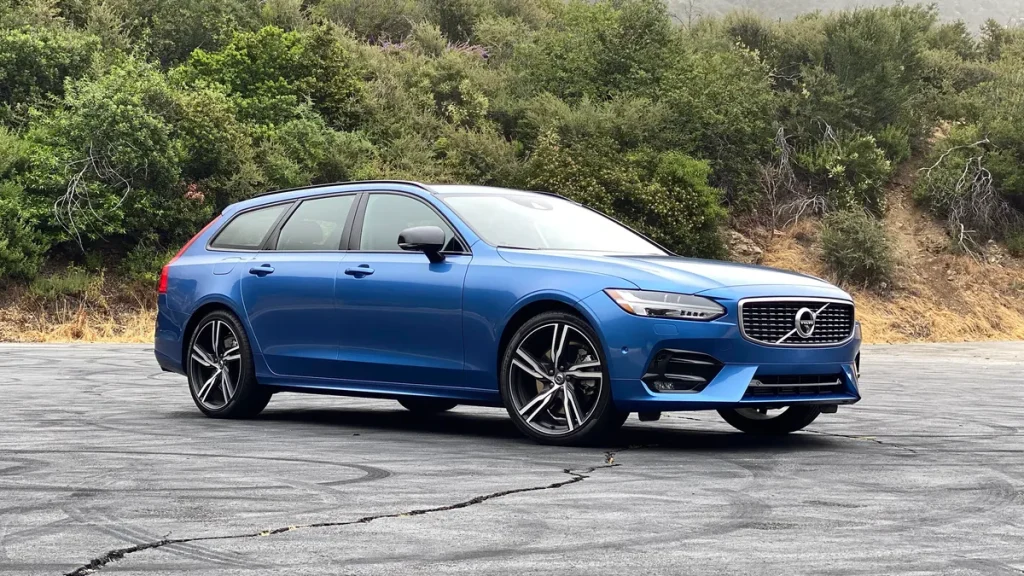
Another reason this wagon belongs here is how it represents a different kind of luxury. Instead of focusing on aggressive performance, it emphasizes usability and comfort. For buyers who value those qualities, the V90 can become a satisfying long term companion rather than a risky experiment.
2. Mercedes-Benz E-Class Wagon (E350)
The Mercedes-Benz E-Class wagon earns a place here because it shows how some traditional luxury platforms can age more gracefully than expected. While Mercedes maintenance costs can be significant, the E-Class has historically been one of the brand’s more balanced vehicles in terms of engineering maturity and parts availability.
What makes this wagon interesting is the depth of its development. The E-Class often serves as the technological backbone of the Mercedes lineup, which means many of its systems are shared across multiple models. This can make parts sourcing easier and sometimes less expensive than more niche vehicles.
There is also a practical reason this vehicle deserves attention. Unlike some luxury cars that focus heavily on performance, the E-Class wagon is designed for daily usability.
Its suspension tuning often prioritizes comfort, and its engines are typically calibrated for smooth power delivery rather than extreme output. This can contribute to more predictable wear patterns.
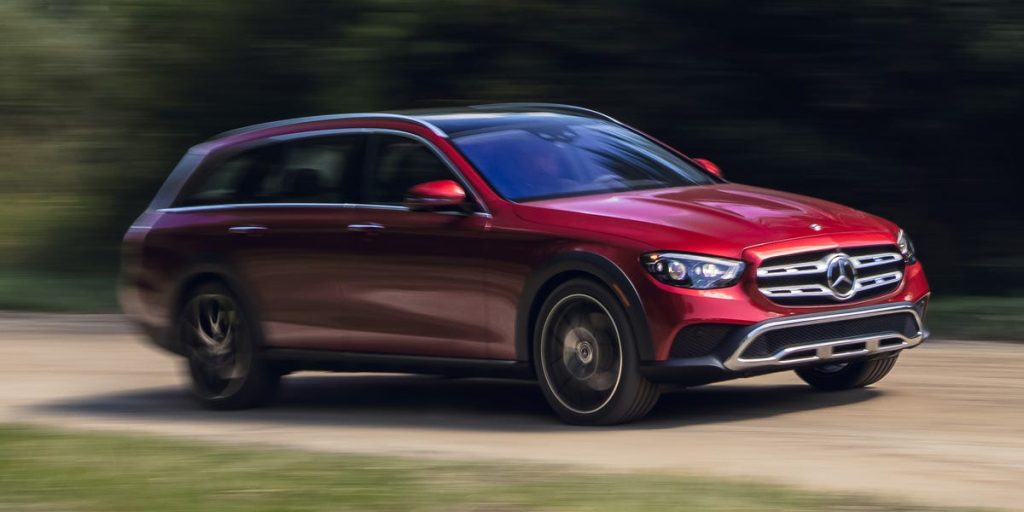
I included this vehicle because it demonstrates how reputation sometimes differs from reality. While some buyers fear older German luxury cars, certain models like the E-Class can be manageable if maintenance records are clear and inspections are thorough.
This wagon also highlights the emotional appeal of used luxury done right. Driving a well maintained E-Class wagon can still feel special years after its original release. That sense of occasion, combined with practicality, is what makes it worth considering despite the risks.
3. Audi A6 Allroad
The Audi A6 Allroad stands out as a luxury wagon that can reward buyers who approach ownership with awareness and preparation. It combines the sophistication of the A6 sedan with added ground clearance and all wheel drive capability, making it attractive for drivers who want both refinement and versatility.
While it carries the complexity typical of German luxury vehicles, certain model years have proven to be more dependable when properly maintained.
What makes the Allroad particularly interesting is how it balances luxury with usability. The Quattro all wheel drive system has a long standing reputation for stability and predictable behavior, especially in poor weather.
For buyers living in regions with challenging climates, this capability can make the wagon feel like a practical alternative to larger SUVs.
Another reason I am including this vehicle is because it represents the importance of careful buying rather than blind avoidance. Some used luxury cars become risky because of neglect rather than design flaws.
A well documented service history can make a significant difference in ownership experience. In the case of the A6 Allroad, examples that received proper maintenance often prove far more satisfying than their reputation might suggest.
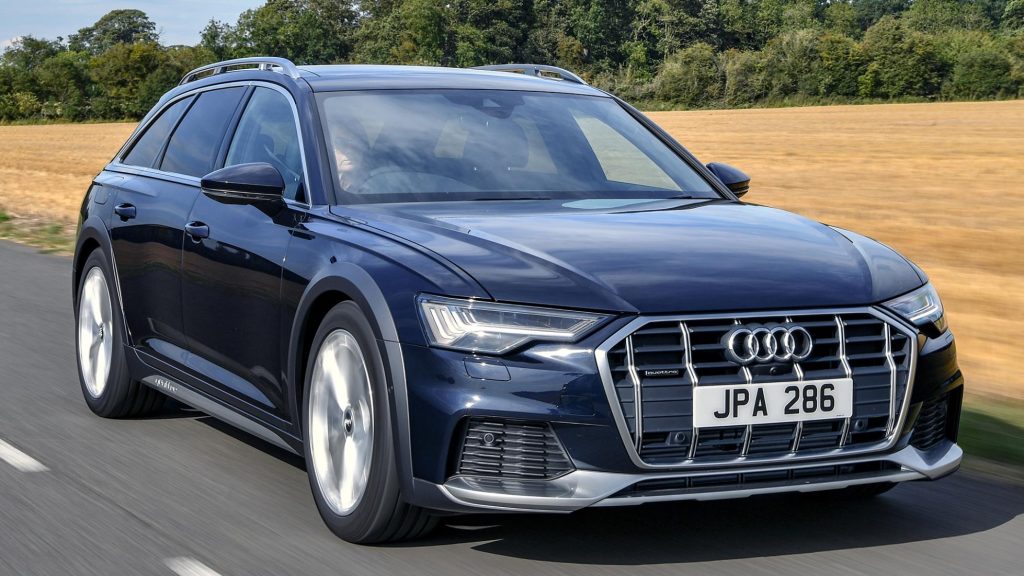
This wagon deserves attention because it shows how depreciation can work in favor of informed buyers. Vehicles that originally cost premium prices sometimes become accessible after several years, yet they still deliver strong build quality and impressive driving refinement.
I am writing about the A6 Allroad because it demonstrates how risk can sometimes be calculated rather than avoided. With proper inspection and realistic budgeting, this wagon can deliver a distinctive blend of comfort and capability that remains difficult to find in newer vehicles at similar price points.
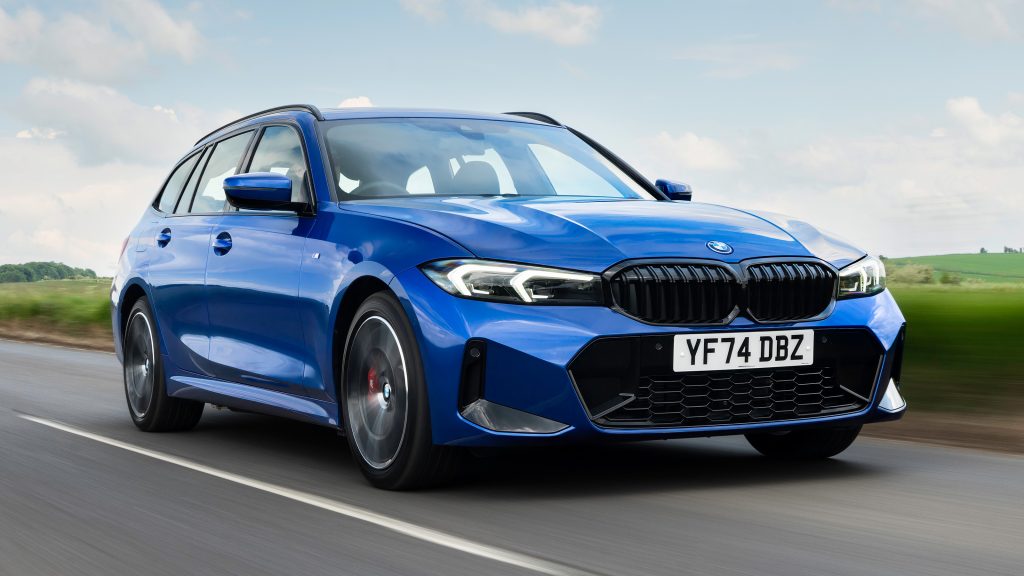
4. BMW 3 Series Touring (328i)
The BMW 3 Series Touring offers a completely different kind of appeal compared to larger luxury wagons. Instead of focusing purely on comfort, it emphasizes driver engagement while still offering practical cargo space. This makes it attractive to enthusiasts who want something more dynamic than the typical family vehicle.
One of the strongest reasons this wagon deserves a place here is its connection to one of BMW’s most widely produced platforms.
The 3 Series has existed for decades, and this widespread use means that knowledge about maintenance and common issues is well documented. Independent specialists often understand these cars well, which can help control service costs compared to rarer luxury models.
There is also an emotional argument for including this vehicle. Many buyers are willing to accept some maintenance risk in exchange for driving enjoyment.
The 328i Touring offers balanced handling and responsive performance that few wagons in its price range can match. This makes ownership feel rewarding beyond simple transportation value.
I chose this model because it highlights the difference between risky and unreasonable. Some vehicles require attention but still deliver strong returns in driving satisfaction. The 3 Series Touring often falls into this category when purchased carefully and maintained proactively.
This wagon also demonstrates how enthusiast communities can influence ownership experience. Online forums and specialist workshops often provide guidance that helps owners manage costs effectively. That support network can make a meaningful difference.
Including this vehicle shows that some used luxury wagons remain appealing because they offer character along with practicality, making the ownership gamble feel worthwhile.
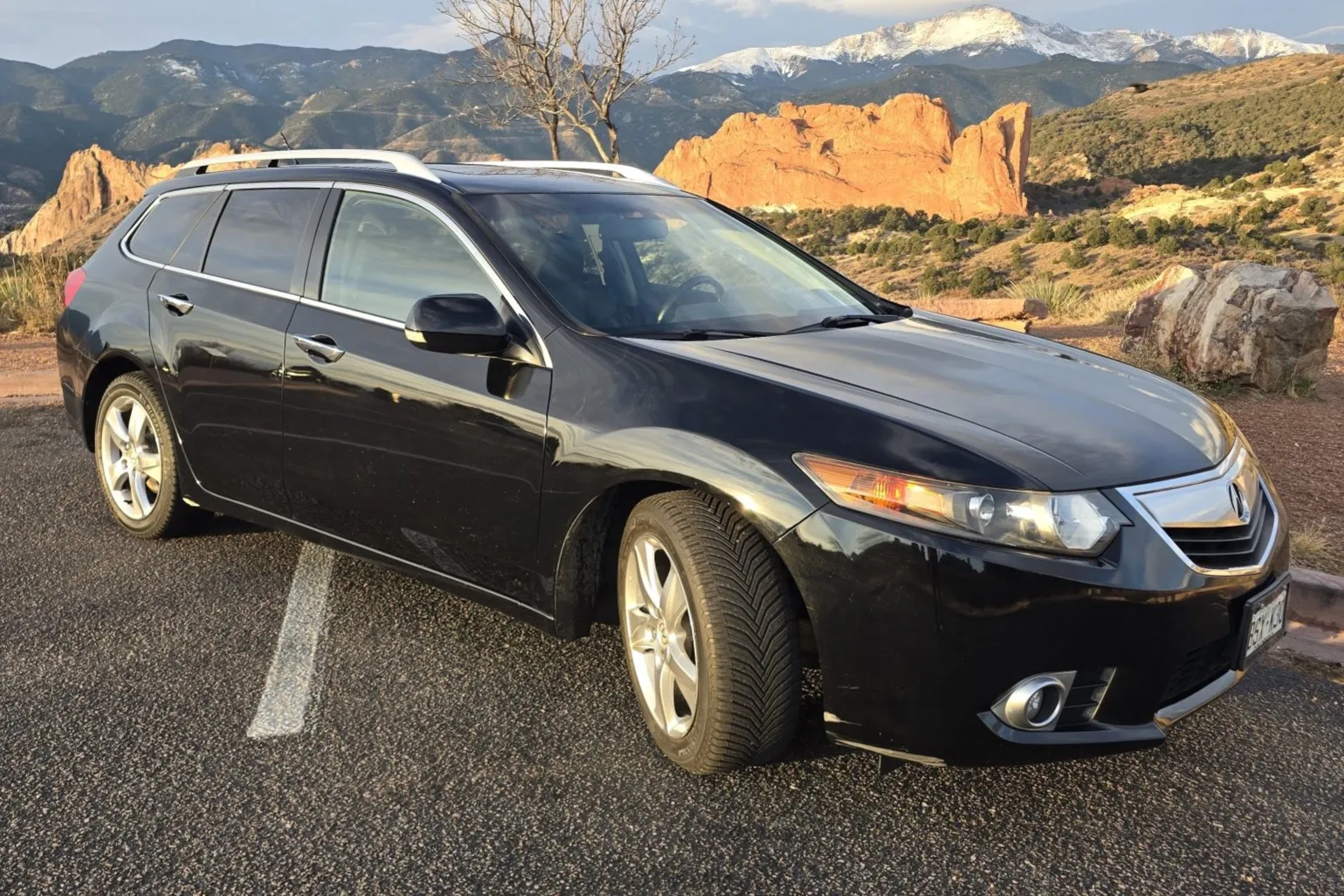
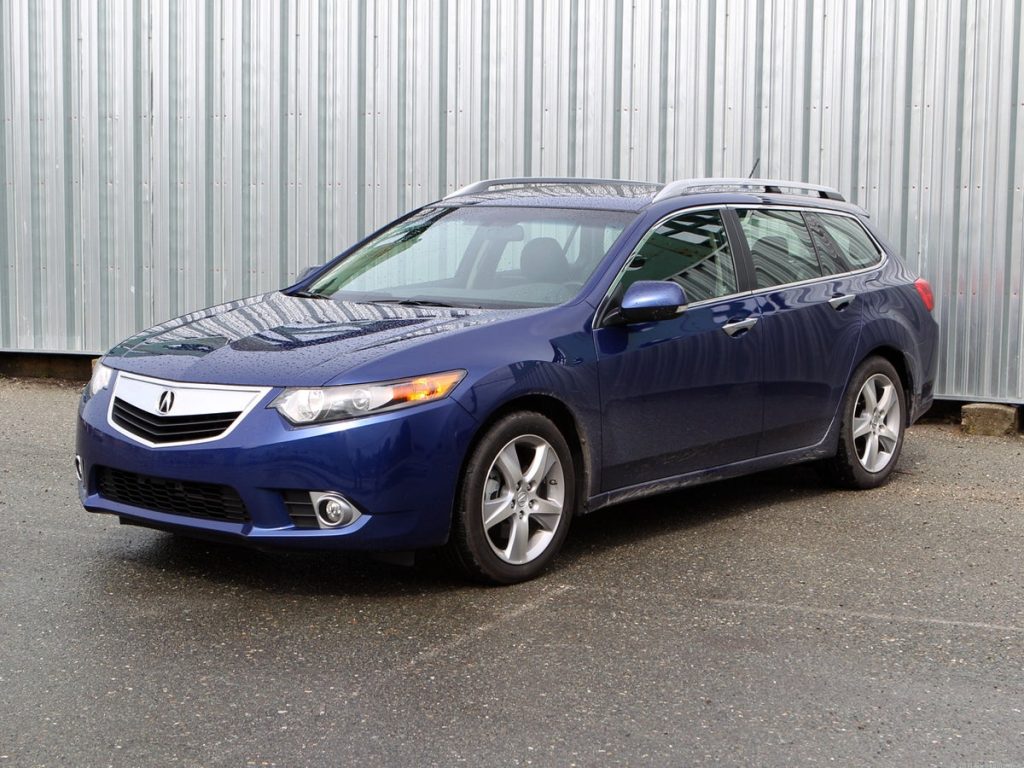
5. Acura TSX Sport Wagon
The Acura TSX Sport Wagon completes this category because it represents a different approach to luxury ownership.
Unlike many European wagons that emphasize performance or technological prestige, the TSX Sport Wagon focuses on reliability and sensible engineering while still delivering a premium feel. This combination makes it one of the more logical risks in the used luxury wagon market.
One of the most important reasons this vehicle deserves mention is its mechanical foundation. Acura, as Honda’s luxury division, often builds vehicles around proven engineering.
The TSX benefits from this philosophy by using naturally aspirated engines and straightforward drivetrain layouts that avoid some of the complexity seen in turbo heavy European competitors.
Another factor that makes this wagon appealing is its rarity. Wagons have never dominated the American luxury market, and the TSX Sport Wagon was produced in relatively small numbers.
This gives it a unique appeal for buyers who want something uncommon without stepping into extremely high maintenance territory. It offers individuality without necessarily demanding exotic car levels of attention.
I am including this vehicle because it shows how luxury does not always have to mean high risk. Some models quietly deliver premium comfort and long term durability at the same time. The TSX Sport Wagon often appeals to buyers who want a refined daily driver rather than a performance statement.
There is also a financial logic behind this choice. Because Acura tends to emphasize long term usability, ownership costs can remain more predictable than many competitors. This predictability can make the initial purchase risk feel far more manageable.
This vehicle belongs in this group because it demonstrates how careful engineering choices can age well. For buyers willing to search patiently, the TSX Sport Wagon can represent a rare combination of practicality, reliability, and understated luxury.
5 Used Luxury Wagons That Are Wallet Drains
While some luxury wagons reward careful buyers, others develop reputations for becoming expensive to maintain as they age. These vehicles are often impressive from a design and performance standpoint, but their complexity can create financial pressure once they move beyond warranty coverage.
Many of these wagons originally served as technology showcases. They introduced advanced suspension systems, high output engines, and complex electronics designed to compete at the highest level of the luxury market. While these features made them desirable when new, they can also increase maintenance demands years later.
Another reason some wagons become expensive ownership propositions comes from parts and labor realities. Specialized components, limited production numbers, and intricate packaging can all increase repair costs. Even routine maintenance can become costly when access is difficult or when premium parts are required.
The following vehicles were selected because they often appear in ownership discussions related to high maintenance costs. This does not mean every example will become problematic. It simply reflects patterns seen in long term ownership experiences where complexity increases financial commitment.
Understanding these examples helps illustrate why depreciation alone should never be the only reason to buy a used luxury vehicle.
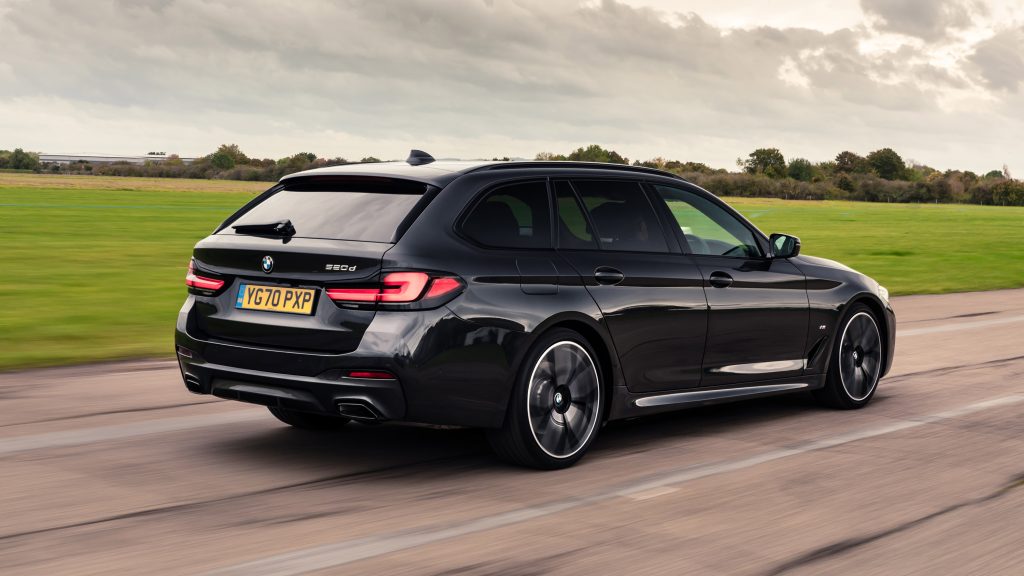
1. BMW 5 Series Touring (550i)
The BMW 550i Touring earns a place here because it represents how high performance luxury engineering can sometimes become expensive to maintain over time.
Equipped with a powerful V8 engine and advanced driving technology, this wagon delivered impressive performance when new. However, that same complexity can create costly ownership experiences as the vehicle ages.
One of the key reasons this wagon is often discussed as expensive to maintain is the nature of its engine design. High performance engines typically operate under greater stress than standard powerplants.
As mileage increases, maintenance requirements can grow more demanding. Components such as cooling systems and performance related hardware may require attention earlier than in less aggressive vehicles.
Another reason I am writing about this model is the ownership expectations attached to it. Buyers attracted to the 550i often value performance first. Maintaining that performance level can require proactive service rather than waiting for problems to appear. This can increase costs compared to more conservatively engineered luxury wagons.
This vehicle also demonstrates how depreciation can sometimes hide long term costs. A used 550i Touring may appear affordable compared to its original price, but maintenance expectations often remain closer to its original luxury segment. Buyers who do not plan for this difference may find ownership more demanding than expected.
Including this wagon helps illustrate an important lesson. Performance luxury often comes with ongoing responsibility. The 550i Touring shows how engineering excellence can sometimes require financial commitment that matches its original ambitions.
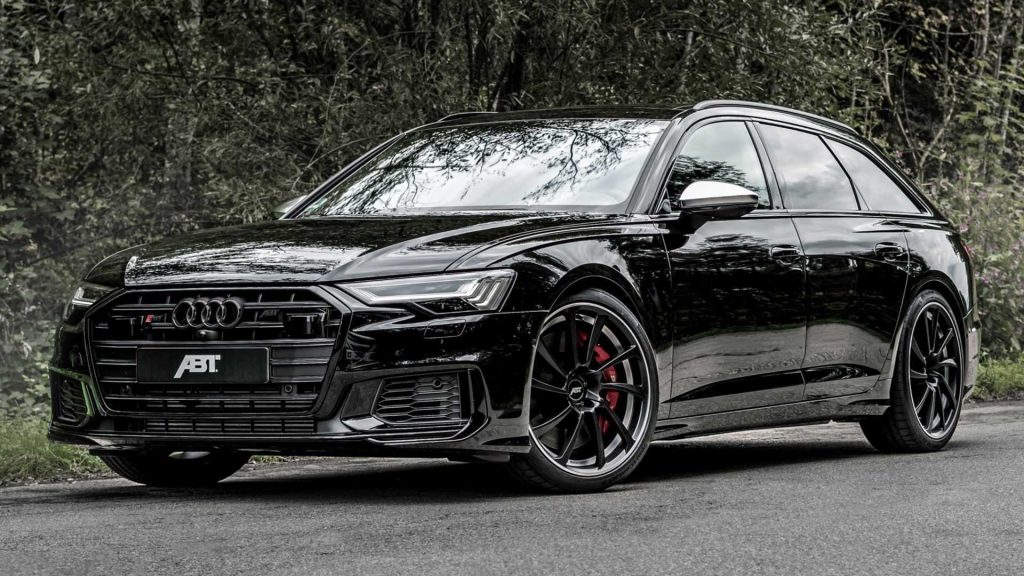
2. Audi S6 Avant
The Audi S6 Avant represents another example of how performance focused luxury wagons can become expensive projects in the used market.
Known for its powerful engine and advanced Quattro system, the S6 Avant delivers impressive speed and refinement. However, these same attributes often contribute to higher maintenance expectations once the vehicle reaches higher mileage.
One reason this vehicle is frequently associated with higher costs is its performance tuning. High output engines and sport oriented drivetrains typically require premium components and careful servicing.
Over time, these needs can translate into repair bills that exceed what many buyers initially expect when purchasing a depreciated example.
Another factor worth discussing is how technology density affects ownership. Vehicles like the S6 Avant often include adaptive suspension systems and complex electronic features. While these enhance driving experience, they can also introduce additional maintenance considerations as the car ages.
I included this vehicle because it shows how excitement and expense often exist together in the used luxury market. The S6 Avant offers a driving experience that few wagons can match, but that experience comes with responsibilities that should not be underestimated.
This example highlights the importance of realistic expectations. Buying a used performance luxury wagon can make sense for enthusiasts prepared for the costs. For buyers expecting economy car maintenance expenses, however, the experience may feel overwhelming.
3. Mercedes-Benz CLS Shooting Brake
The Mercedes-Benz CLS Shooting Brake enters this category because it represents how design driven luxury can sometimes come with hidden long term costs.
This wagon was created to blend coupe styling with practical space, resulting in one of the most visually distinctive wagons ever produced. However, that uniqueness also means specialized parts and complex engineering that may increase ownership expenses over time.
One of the strongest reasons this vehicle appears in this section is the complexity behind its premium positioning. The CLS platform often included advanced air suspension systems, high end interior electronics, and performance oriented engines.
While these features created an exceptional driving experience when new, they can require significant investment to maintain properly as the vehicle ages.
There is also an ownership reality tied to exclusivity. Because the CLS Shooting Brake was never a high volume vehicle, parts availability can sometimes be more limited compared to mainstream luxury sedans. When replacement components are less common, repair costs can increase simply due to sourcing challenges.
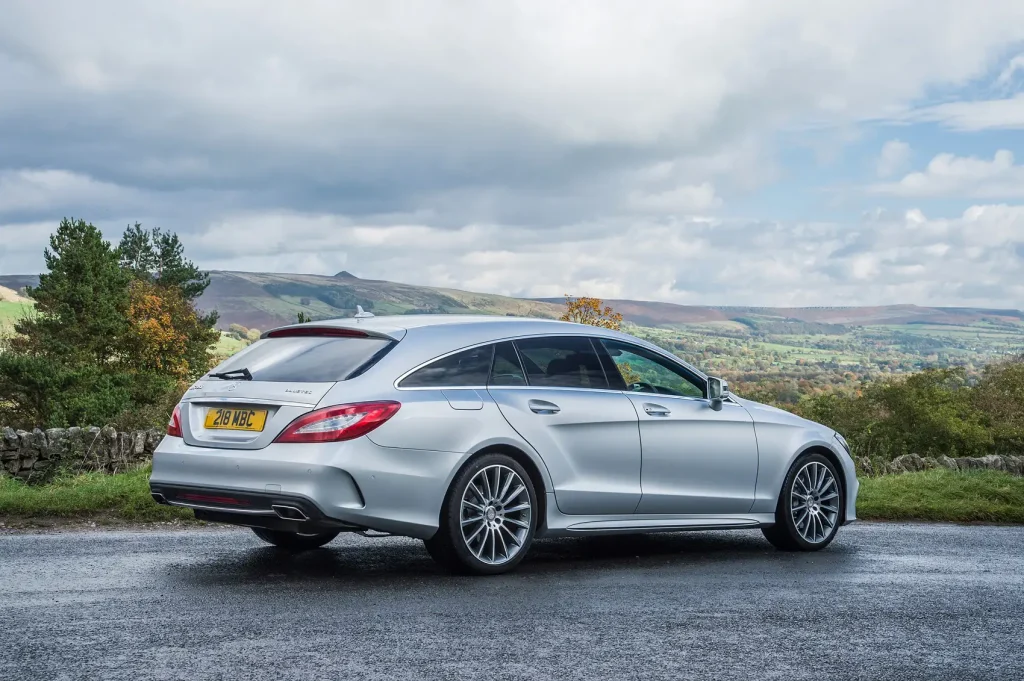
I am writing about this vehicle because it highlights the emotional side of used luxury buying. Many people are drawn to the CLS Shooting Brake because of its rare styling and strong road presence.
However, emotional purchases sometimes overlook long term maintenance realities. This wagon serves as a reminder that uniqueness can sometimes come with added responsibility.
Another reason this model deserves discussion is how it shows the difference between affordability and sustainability. A lower purchase price does not always mean lower ownership cost. Vehicles built to stand out visually often include engineering choices that are expensive to maintain.
This example demonstrates that buyers should look beyond styling appeal and consider service complexity before committing to rare luxury models.
4. Jaguar XF Sportbrake
The Jaguar XF Sportbrake provides another perspective on how luxury wagons can become financially demanding.
Jaguar has always focused on blending performance with elegance, and the Sportbrake reflects this philosophy through its strong engine options and distinctive interior character. However, maintaining that character can sometimes require more attention than buyers initially expect.
One reason this wagon is often discussed as expensive to own is the brand’s historical challenges with long term reliability perception.
While many newer Jaguars are significantly improved, older market perceptions still influence buyer caution. Maintenance costs can feel higher when owners anticipate potential electronic or drivetrain concerns.
Another reason I am including this vehicle comes from the balance between performance and complexity. Vehicles that try to deliver both sharp handling and luxury comfort often rely on sophisticated suspension tuning. These systems can require careful maintenance to continue performing as intended, which may increase ownership costs over time.
This wagon also reflects how brand image influences expectations. Jaguar buyers often expect a special driving experience. Delivering that experience sometimes involves higher quality materials and advanced features that naturally cost more to maintain once the vehicle ages.
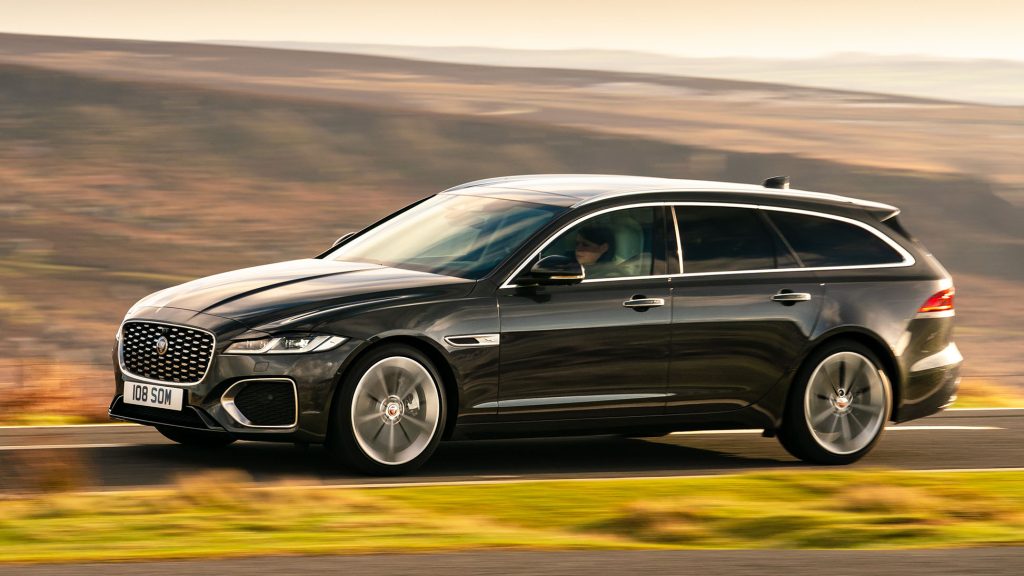
I chose the XF Sportbrake because it illustrates how passion purchases can sometimes carry financial surprises. It is a vehicle that can be deeply satisfying to own, yet it requires buyers who understand the commitment involved.
This example helps complete the broader lesson that luxury ownership should always be approached with full awareness of long term responsibilities, not just purchase price appeal.
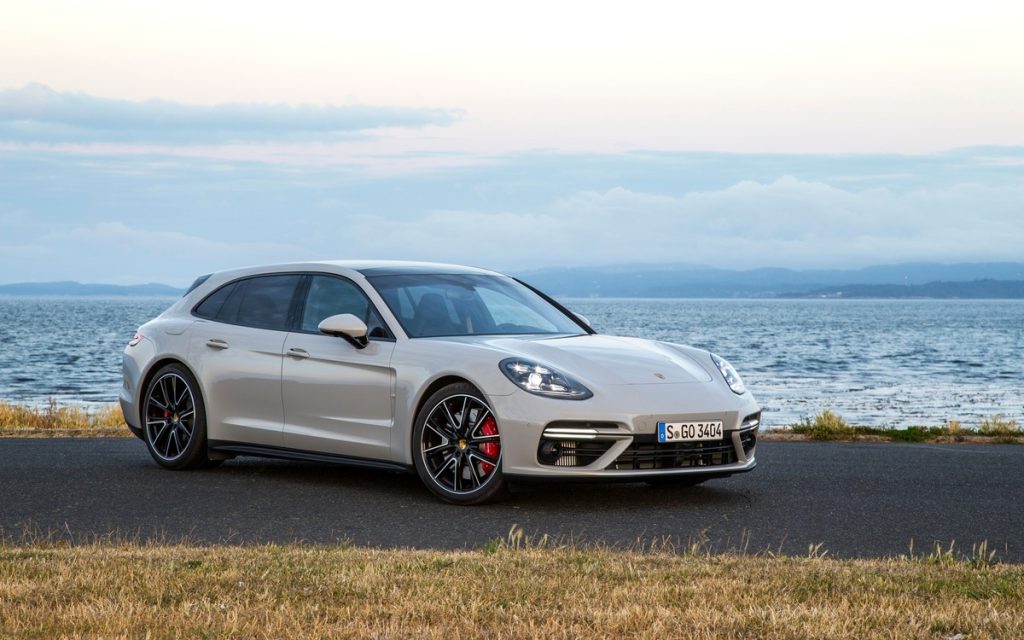
5. Porsche Panamera Sport Turismo
The Porsche Panamera Sport Turismo completes this list because it perfectly demonstrates how high performance luxury wagons can become financially demanding long after their initial purchase.
This vehicle combines Porsche driving dynamics with the practicality of a wagon body style, creating a rare and highly desirable machine. However, that same engineering depth often translates into serious ownership costs as the vehicle ages.
One of the primary reasons this wagon appears in this category is the level of performance engineering involved. Porsche designs its vehicles with extremely tight tolerances and advanced materials.
Maintaining that level of precision often requires specialized service knowledge and premium components. Even routine maintenance can cost significantly more than in typical luxury vehicles.
Another factor that makes this vehicle a potential financial challenge is the complexity of its optional equipment.
Many Panamera Sport Turismo models were ordered with advanced suspension systems, performance packages, and luxury upgrades. As these systems age, repairs can become costly due to both parts pricing and labor intensity.
I am writing about this vehicle because it represents the ultimate example of how depreciation can be misleading. A used Porsche wagon may appear attractively priced compared to its original cost, but the ownership expenses often remain consistent with its original segment.
Buyers attracted purely by the lower purchase price may find themselves unprepared for the ongoing commitment.
This example is important because it highlights how buying a used flagship performance vehicle requires a very different mindset than buying a used mainstream luxury car. The Panamera Sport Turismo rewards owners with exceptional driving feel and exclusivity, but it expects careful maintenance in return.
It belongs here because it shows that some luxury wagons should be purchased only by buyers prepared for premium ownership responsibilities rather than those seeking affordable luxury.
Looking across these ten luxury wagons reveals a clear truth about the used premium market. Some vehicles offer excellent value when purchased carefully, while others require financial planning that matches their original price category.
Wagons such as the Volvo V90, Mercedes-Benz E-Class, Audi A6 Allroad, BMW 3 Series Touring, and Acura TSX Sport Wagon show that used luxury can sometimes be practical when engineering maturity and maintenance history are strong.
In contrast, vehicles such as the BMW 550i Touring, Audi S6 Avant, Mercedes CLS Shooting Brake, Jaguar XF Sportbrake, and Porsche Panamera Sport Turismo demonstrate how performance ambition and technological complexity can increase long term costs.
These wagons often deliver exceptional driving experiences, but they also demand ownership commitment that should not be underestimated.
One of the most important lessons from this comparison is that depreciation should never be the only reason to consider a used luxury vehicle. The true cost of ownership often depends on maintenance access, parts pricing, and engineering complexity rather than just purchase price.
Another important takeaway is that risk can sometimes be managed through research. Buyers who study maintenance history, choose well documented examples, and budget realistically often have far better experiences than those who buy based only on appearance or brand appeal.
Ultimately, the difference between a rewarding used luxury wagon and a financial burden usually comes down to preparation. Buyers who understand what they are getting into often find that the right wagon can deliver both character and practicality without becoming a constant source of expense.
Also Read: 10 Best Cars for Seniors With Limited Mobility and High Seat Positions
