Nighttime driving places unique demands on both the driver and the vehicle. In the United States, where long-distance travel, rural highways, and inconsistent street lighting are common, headlight performance and overall visibility become critical safety factors rather than optional luxuries.
According to evaluations by the Insurance Institute for Highway Safety (IIHS), headlight quality varies dramatically across vehicles, even within the same price range or segment.
That means two similarly priced cars can deliver vastly different levels of confidence and safety once the sun goes down.
Modern advancements such as adaptive LEDs, matrix lighting, and automatic high beams have improved visibility significantly, but not all manufacturers implement these technologies equally.
Beyond the headlights themselves, factors like windshield design, pillar thickness, ride height, and interior glare also influence how well a driver can see at night.
Below is a detailed comparison of five vehicles that excel in nighttime visibility and five that fall short, based on real-world performance, engineering design, and testing data.
Cars With the Best Nighttime Visibility
High-quality LED and adaptive lighting systems now offer broader, more uniform illumination compared to older halogen setups, while features like automatic high beams and cornering lights further enhance forward visibility.
At the same time, elements such as windshield size, pillar thickness, mirror placement, and even interior glare management play a significant role in how well a driver can perceive their surroundings in low-light conditions.
However, not all cars are created equal in this regard. Some models excel by delivering wide, well-controlled beam patterns and minimizing blind spots, while others struggle with dim lighting, excessive glare, or obstructed sightlines.
These differences often stem from engineering priorities, whether a manufacturer focuses on driver ergonomics and safety or leans more heavily into styling and cost constraints.
This article highlights cars that stand out for offering exceptional nighttime visibility, examining how their lighting systems, cabin design, and engineering contribute to a clearer, more confident driving experience after dark.
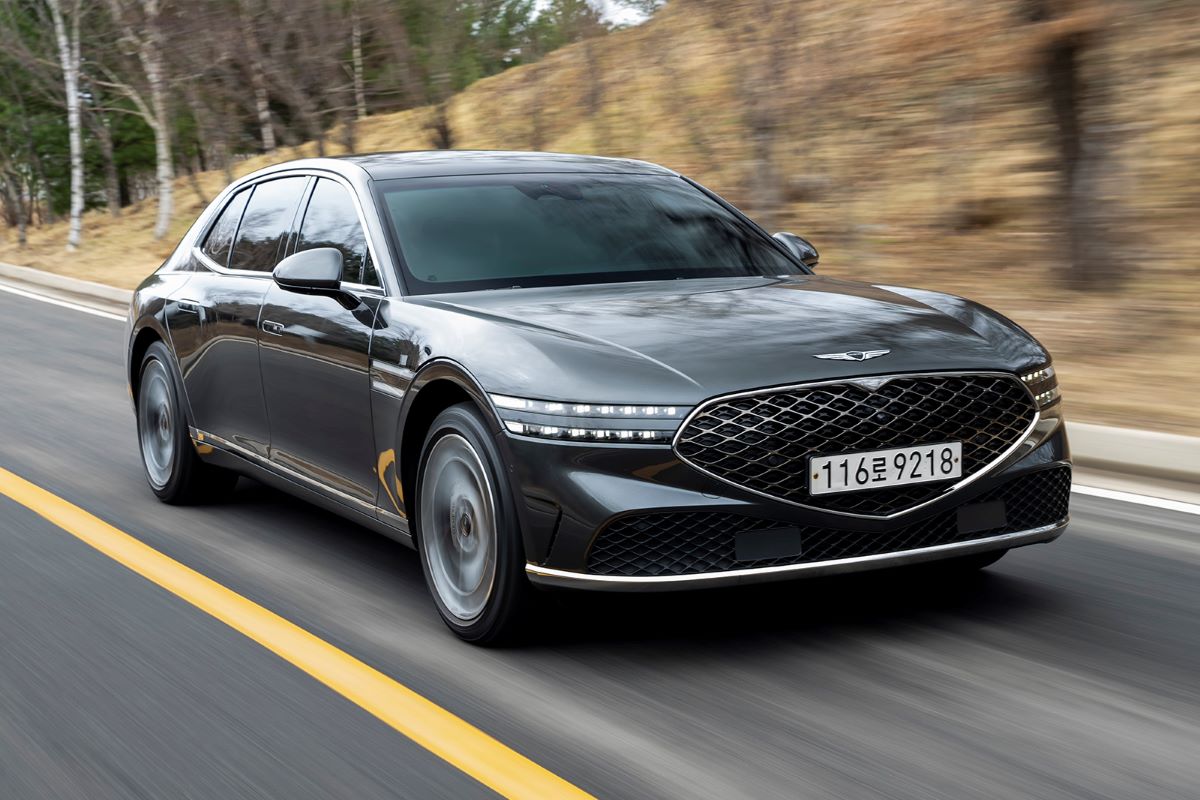
1. Genesis G90
The Genesis G90 stands out as one of the most technologically advanced sedans when it comes to nighttime visibility, combining cutting-edge lighting hardware with intelligent control systems and a driver-focused interior environment.
As the flagship model of Genesis, it benefits from the brand’s latest innovations, many of which are specifically designed to improve clarity, reduce fatigue, and maximize usable visibility after dark.
At the core of its performance is the advanced headlight system. The G90 features Micro Lens Array (MLA) LED headlights, which use hundreds of micro-optic lenses to produce highly precise and bright illumination while maintaining a compact design.
This allows the headlights to project a wider and more evenly distributed beam pattern compared to traditional LED or halogen setups. The result is improved road coverage, better visibility of lane markings, and clearer identification of obstacles at longer distances, critical factors for confident nighttime driving.
Equally important is the integration of Intelligent Front-Lighting System (IFS) technology. This system uses a forward-facing camera to detect other vehicles and dynamically adjust the beam pattern by dimming only specific portions of the light.
Instead of switching fully between high and low beams, the G90 can maintain high-beam illumination in most areas while creating “shadow zones” around other drivers. This significantly enhances forward visibility without causing glare, effectively giving drivers the benefits of high beams almost continuously.
The G90 also incorporates high-beam assist and adaptive lighting functions, ensuring that illumination adjusts automatically based on driving conditions. This reduces the need for driver intervention and helps maintain optimal visibility on both highways and dark secondary roads. Combined with the precise LED control, the system delivers a consistent and predictable lighting experience.
Beyond the headlights, the G90’s interior contributes to nighttime visibility in a more subtle but equally important way. Features such as a head-up display, fully digital instrument cluster, and adjustable ambient lighting are designed to minimize distraction and reduce eye strain. The ambient lighting can be tuned in brightness and color, allowing drivers to create a low-glare cabin environment that supports better focus on the road.
2. Volvo XC90
The Volvo XC90 is engineered with a strong emphasis on safety, and that philosophy extends directly into its nighttime visibility performance. Unlike many SUVs that rely solely on brightness, the XC90 focuses on precision, adaptability, and reduced driver fatigue, making it one of the most well-rounded vehicles for low-light driving conditions.
At the center of its capability are Volvo’s signature “Thor’s Hammer” LED headlights, which are more than just a design element. These T-shaped lighting units use advanced LED technology to deliver a wide, evenly distributed beam pattern that significantly improves forward visibility on dark roads.
The uniform spread of light helps illuminate lane markings, road edges, and potential hazards without creating harsh hotspots or shadowed areas, which is a common issue in less sophisticated systems.
Higher trims of the XC90 take this a step further with matrix-design LED headlights, a system that dynamically adjusts the light distribution in real time. Instead of simply switching between high and low beams, the XC90 can maintain maximum illumination while selectively dimming portions of the beam to avoid blinding oncoming traffic.
This allows drivers to effectively use high beams more often, dramatically improving long-distance visibility without compromising safety for others.
Another critical feature is active bending and cornering lights, which adjust the direction of the beam based on steering input and vehicle speed.
This is particularly useful on winding roads or in urban environments, where traditional fixed headlights can leave corners poorly illuminated. By following the direction of travel, the XC90 ensures that the driver sees into turns earlier, improving reaction time and overall confidence at night.
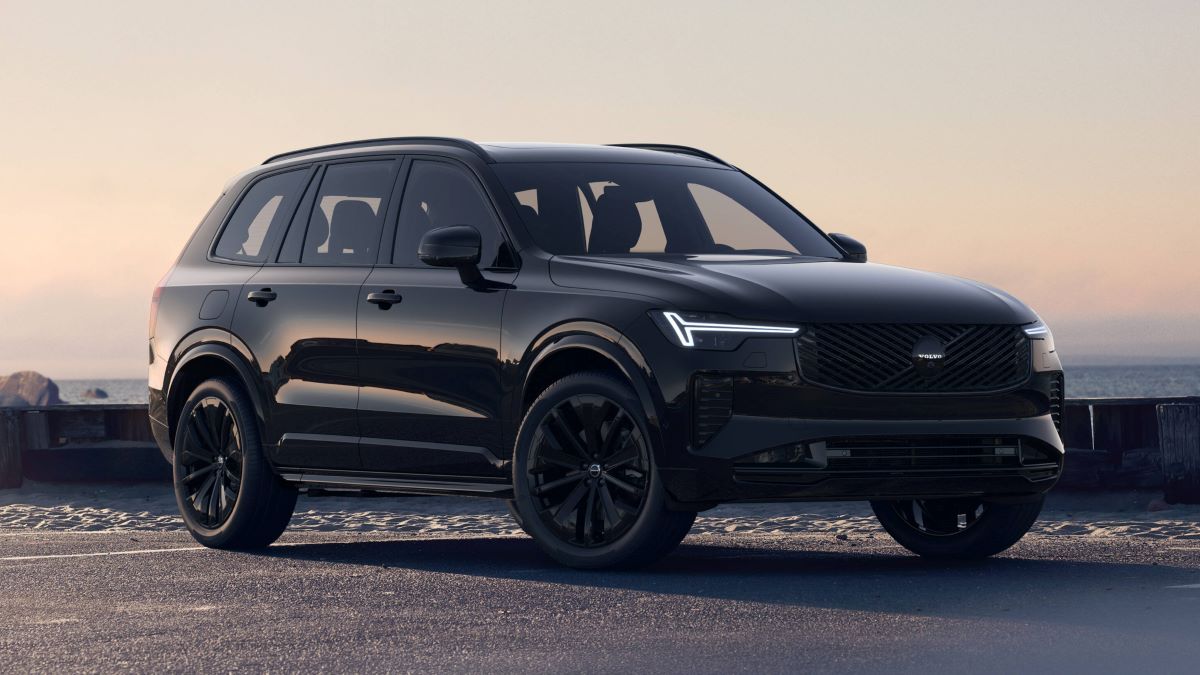
One of the XC90’s key advantages is its adaptive bending light system, which pivots the headlights in the direction of the steering wheel.
This feature is especially valuable on winding roads or suburban streets where traditional fixed headlights leave dark zones. Volvo also minimizes interior reflections, ensuring that dashboard lighting does not interfere with night vision.
3. Tesla Model S
The Tesla Model S approaches nighttime visibility from a fundamentally different angle than traditional luxury sedans, combining advanced lighting hardware with software-driven intelligence.
Rather than relying solely on fixed beam patterns or conventional adaptive systems, Tesla integrates matrix LED headlight technology with over-the-air updates, allowing the vehicle’s nighttime performance to evolve over time.
A defining feature of newer Model S versions (particularly post-2021 refresh models) is the use of matrix LED headlights, which provide highly controlled illumination through pixel-level light distribution. This enables the system to selectively adjust portions of the beam rather than switching entirely between high and low beams.
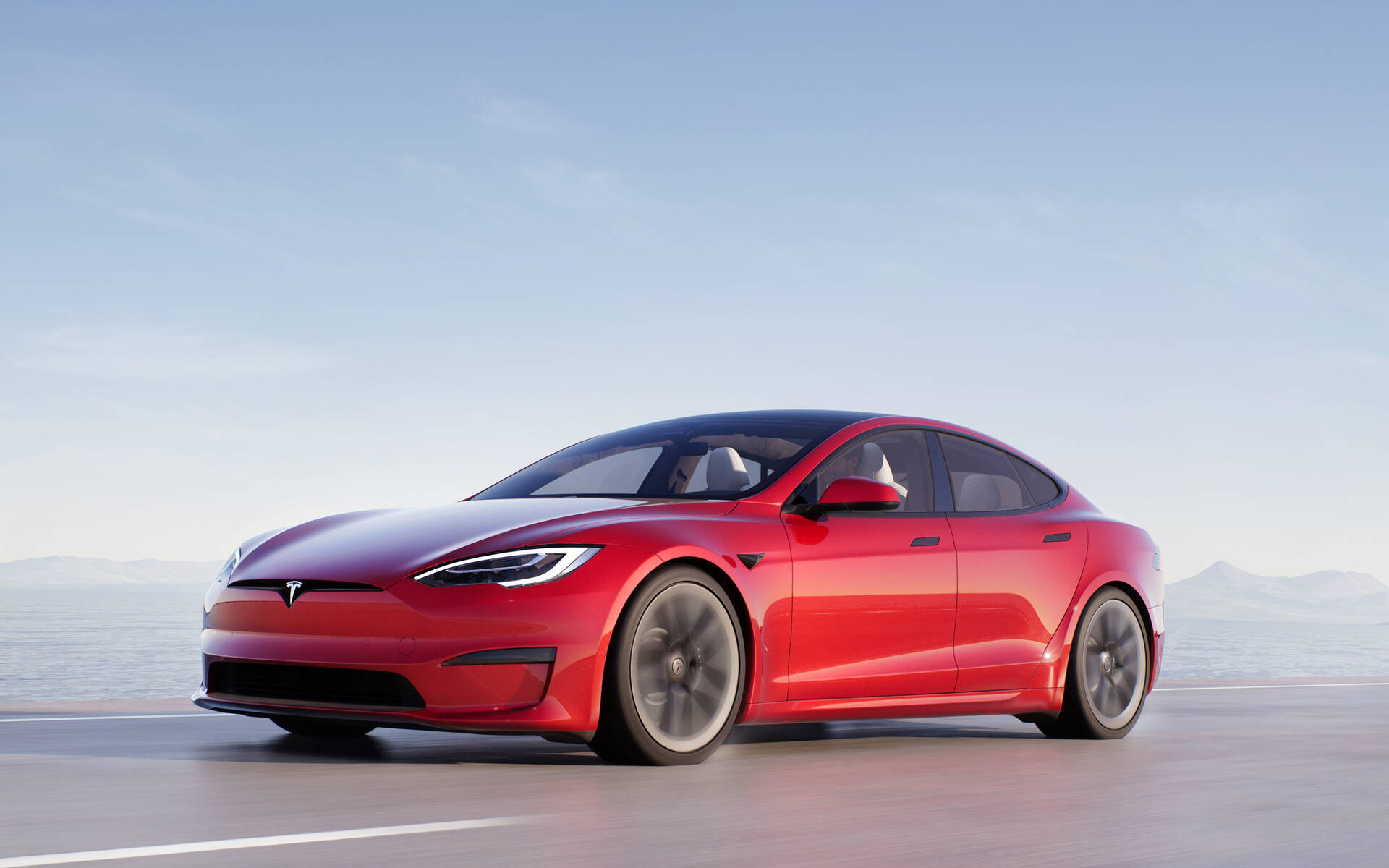
Tesla has further enhanced this system through software updates, gradually enabling adaptive high-beam functionality that leverages the matrix hardware.
These updates allow the headlights to “shape” light in real time, improving road coverage while reducing glare, a capability that effectively keeps high beams active more often than in traditional systems. The result is a more consistent and less interrupted lighting experience, particularly on highways and dark rural roads.
Another advantage is the clarity and intensity of the beam pattern. Tesla’s LED systems produce a bright, clean white light with sharp cutoff lines, reducing scatter and improving contrast.
This makes lane markings, road edges, and obstacles easier to distinguish at night. Unlike some overly aggressive LED systems, the Model S prioritizes usable visibility rather than just brightness, which helps reduce eye strain during extended drives.
4. Subaru Outback
The Subaru Outback delivers a well-rounded and highly practical approach to nighttime visibility, focusing on consistency, adaptability, and real-world usability rather than raw brightness alone.
Designed as a crossover built for long-distance travel and varied terrain, the Outback prioritizes visibility systems that perform reliably across highways, rural roads, and poor weather conditions, making it one of the more dependable options for night driving in its segment.
At the core of its capability are LED Steering Responsive Headlights (SRH), which actively adjust the direction of the beam based on steering input. This allows the headlights to “follow” the road through corners, illuminating areas that traditional fixed headlights would leave in shadow.
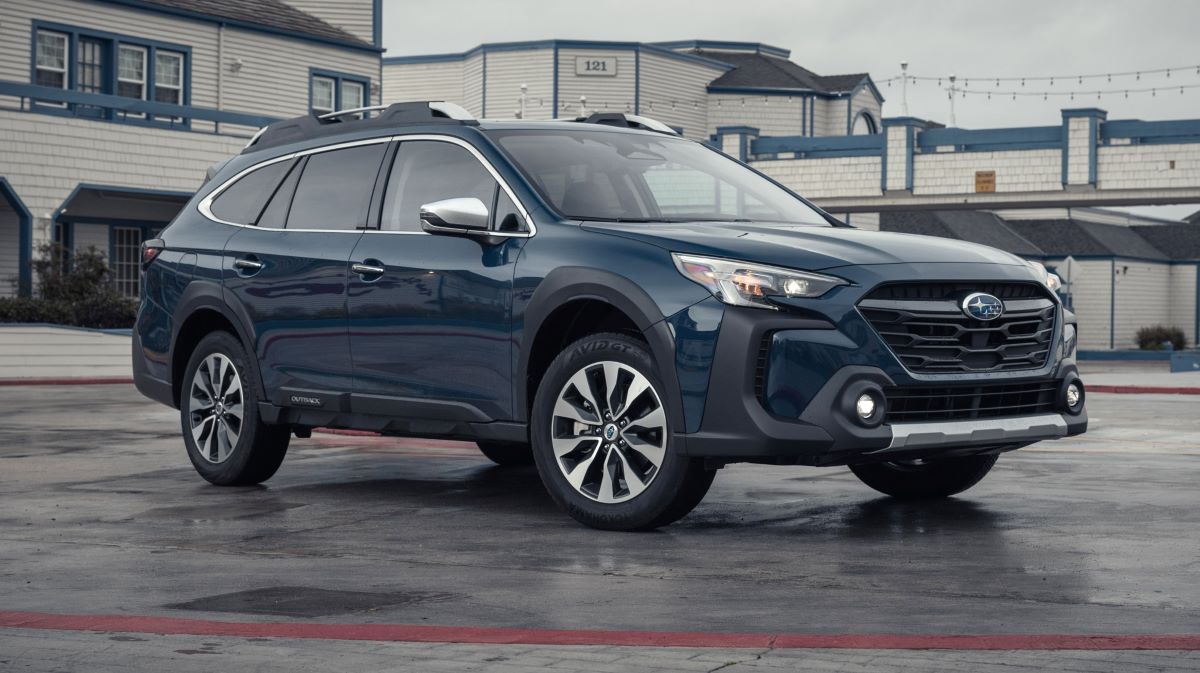
The benefit is particularly noticeable on winding roads or unlit routes, where early visibility into turns directly improves reaction time and driver confidence. Higher trims further enhance this with adaptive lighting behavior that maintains optimal beam positioning in real time.
The Outback also incorporates automatic high-beam assist and auto-leveling headlights, ensuring that light output is continuously optimized without requiring driver input.
These systems adjust beam height and intensity depending on vehicle load and traffic conditions, helping maintain consistent forward visibility while minimizing glare for other drivers. This balance is critical, as overly aggressive lighting can reduce overall effectiveness despite higher brightness levels.
5. Mercedes-Benz E-Class
The Mercedes-Benz E-Class represents the high end of automotive lighting innovation. Its available Digital Light system uses advanced projection technology to adjust illumination with remarkable precision.
The headlights can adapt to road conditions, highlight lane markings, and even subtly illuminate pedestrians or hazards.
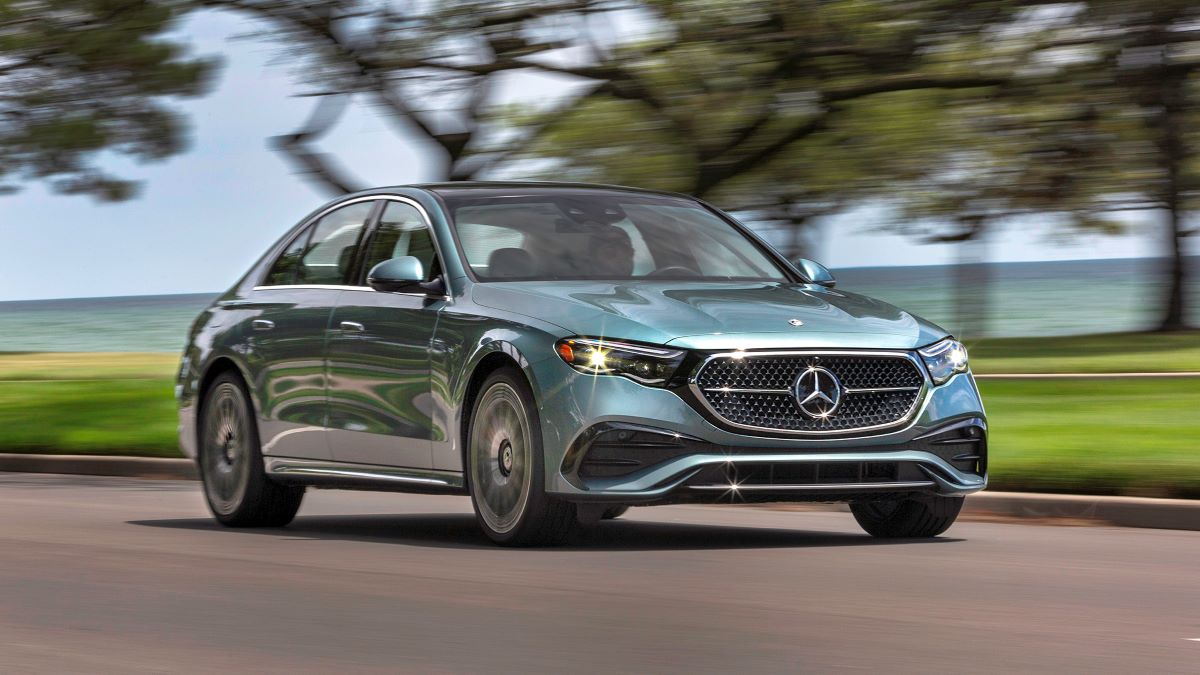
The Mercedes-Benz E-Class has long been a benchmark for nighttime visibility, combining advanced lighting hardware with intelligent driver-assistance systems to create a highly controlled and confidence-inspiring experience after dark.
Unlike vehicles that rely purely on brightness, the E-Class emphasizes precision light distribution, adaptive response, and enhanced driver awareness, making it one of the most technically complete options in its segment.
Cars With Poor Nighttime Visibility
Reflective surfaces, overly bright infotainment screens, and insufficient dimming controls can introduce distractions and reduce the driver’s ability to adapt to low-light conditions. Combined with subpar exterior lighting, these issues create a driving experience that feels strained and less predictable after dark.
This article examines cars known for poor nighttime visibility, models where lighting performance, visibility constraints, or both fall below expectations. By identifying these shortcomings, it becomes easier to understand what separates a well-designed nighttime driving experience from one that compromises safety.
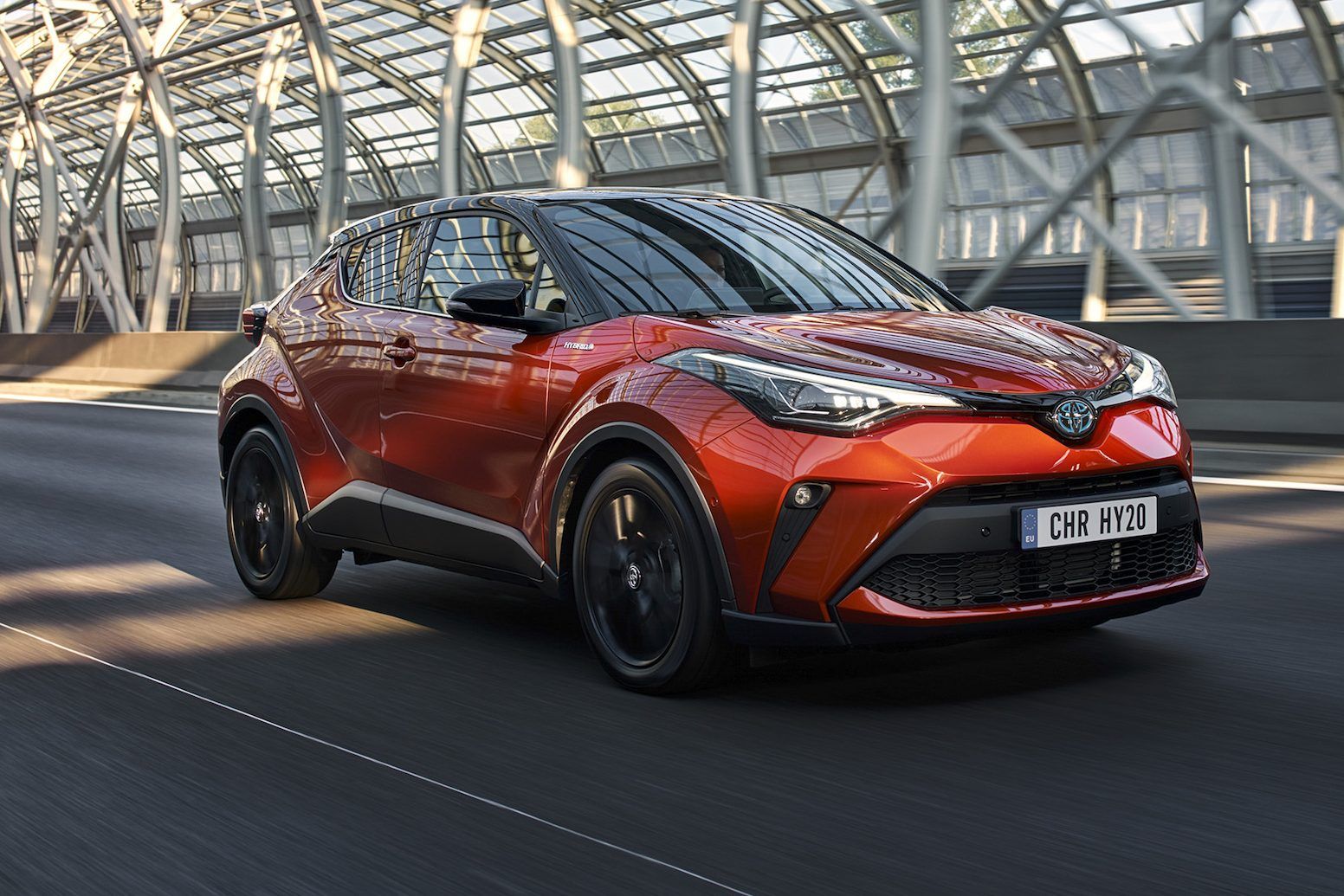
1. Toyota C-HR
The Toyota C-HR prioritizes bold styling and urban appeal, but that design-first approach comes with clear compromises in nighttime visibility. While it offers modern lighting technology and standard safety features, the execution, particularly in terms of sightlines and real-world illumination, places it behind the best performers in this category.
One of the most noticeable limitations comes from the vehicle’s design geometry. The C-HR features a coupe-like roofline, thick rear pillars, and relatively small rear windows, all of which restrict outward visibility.
This becomes more problematic at night, when reduced ambient light already limits what the driver can see. Reviews consistently note that rear visibility is hindered by these chunky pillars and the deep dashboard layout, making it harder to judge distances and detect obstacles in low-light conditions.
From a lighting standpoint, the C-HR is equipped with LED headlights across most trims, and higher variants include adaptive high-beam functionality. On paper, this should provide strong nighttime performance.
However, real-world feedback suggests that the beam output and distribution are not always as effective as expected. Some drivers report that the headlights lack sufficient reach or intensity on darker roads, particularly when compared to more advanced matrix or adaptive systems found in higher-end vehicles.
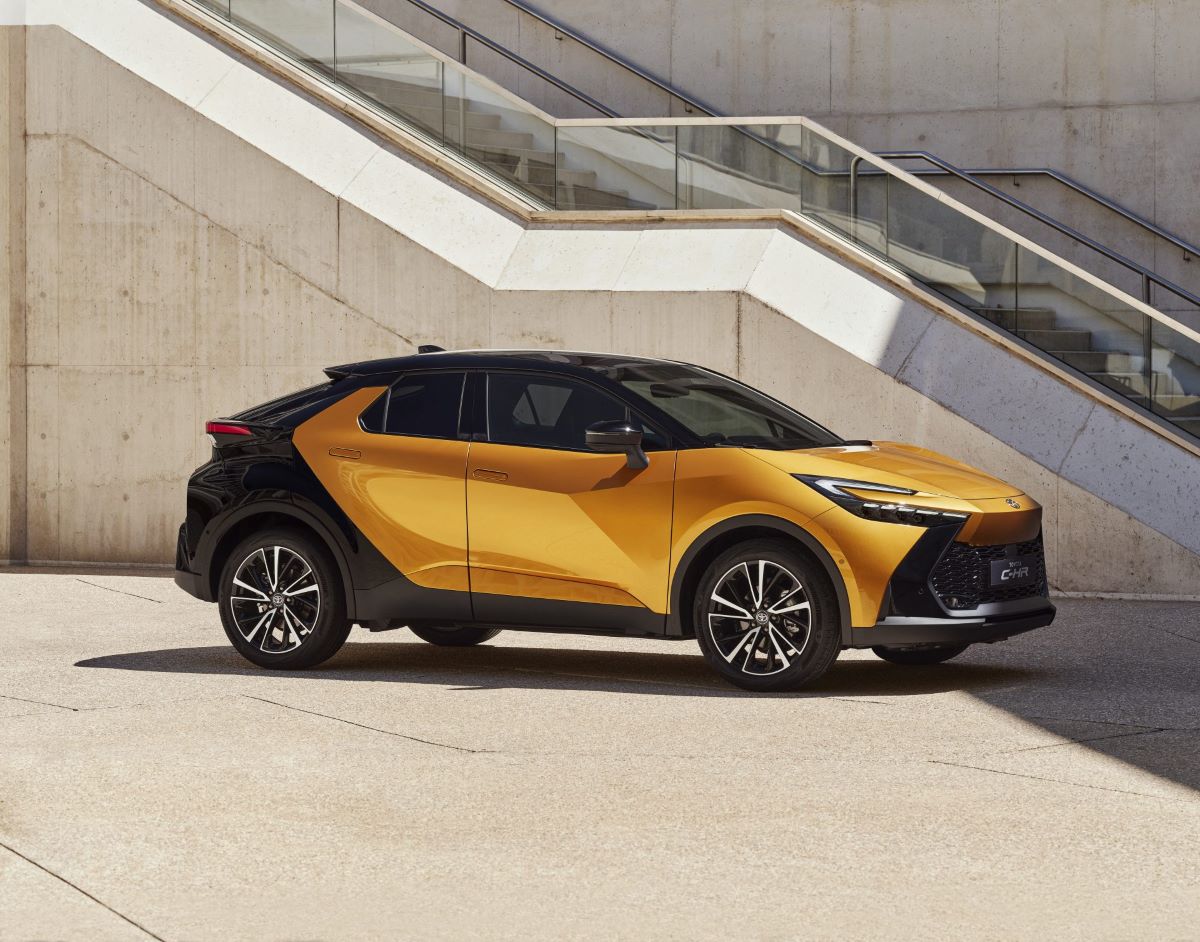
This can make it difficult to detect obstacles or road changes at a comfortable distance. Additionally, the high beltline and thick rear pillars restrict overall visibility, which becomes more problematic in low-light conditions.
2. Jeep Compass
The Jeep Compass struggles with nighttime visibility in ways that go beyond simple brightness, making it a consistent underperformer in this area. While it offers modern styling and available LED lighting in newer trims, the execution, particularly in real-world driving conditions, reveals clear limitations in both headlight performance and visibility design.
One of the most significant weaknesses lies in the headlight system itself. Independent testing has shown that multiple Compass configurations deliver inadequate illumination, especially on curves and at longer distances, with some variants receiving the lowest possible “Poor” rating for headlight performance.
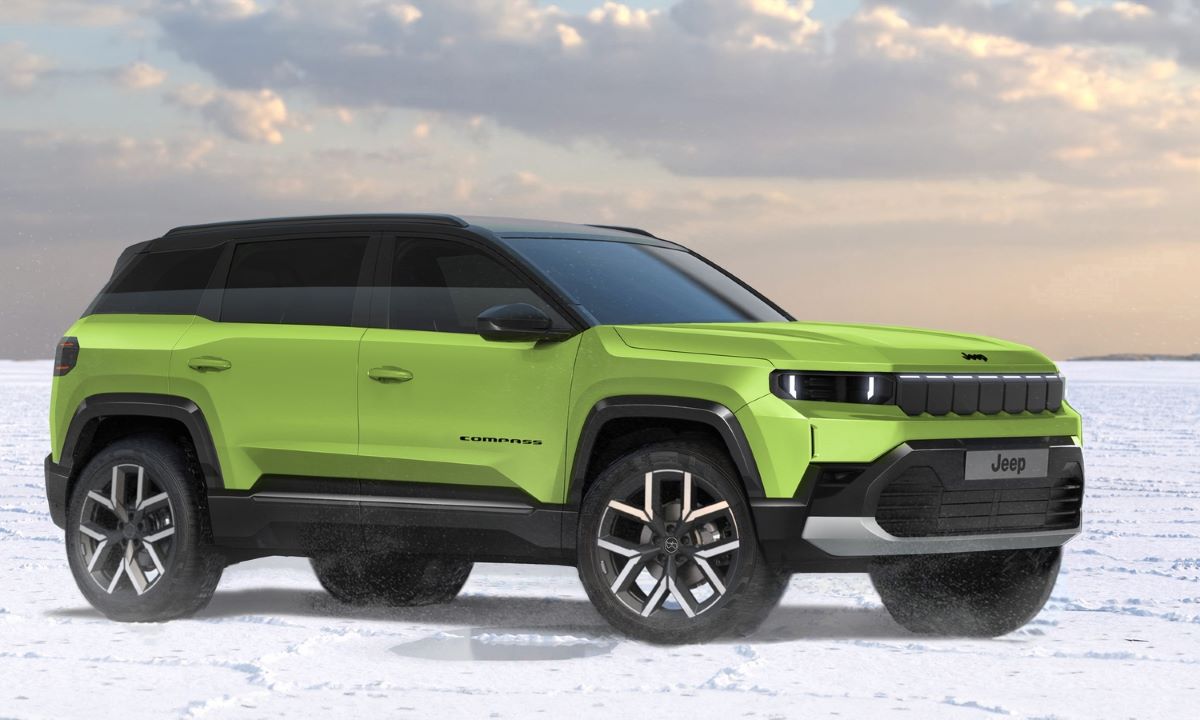
Low beams often fail to sufficiently light the road edges, while high beams provide inconsistent coverage, particularly on winding roads where visibility is most critical. This creates a scenario where drivers are forced to rely more heavily on ambient lighting or reduce speed due to limited forward clarity.
The problem is compounded by inconsistent beam distribution. Even when brightness is adequate directly ahead, the spread of light is uneven, leaving darker zones on either side of the road.
This reduces peripheral awareness, an important factor at night when hazards such as pedestrians or animals often appear from the edges. Unlike more advanced systems with adaptive or matrix functionality, the Compass lacks the precision needed to maintain consistent illumination across different driving conditions.
3. Nissan Rogue Sport
The Nissan Rogue Sport struggles with nighttime visibility due to a combination of underwhelming headlight performance and average visibility design, placing it among the weaker performers in this category. While it delivers solid safety credentials, its lighting system, especially in lower trims, fails to provide the level of illumination needed for confident night driving.
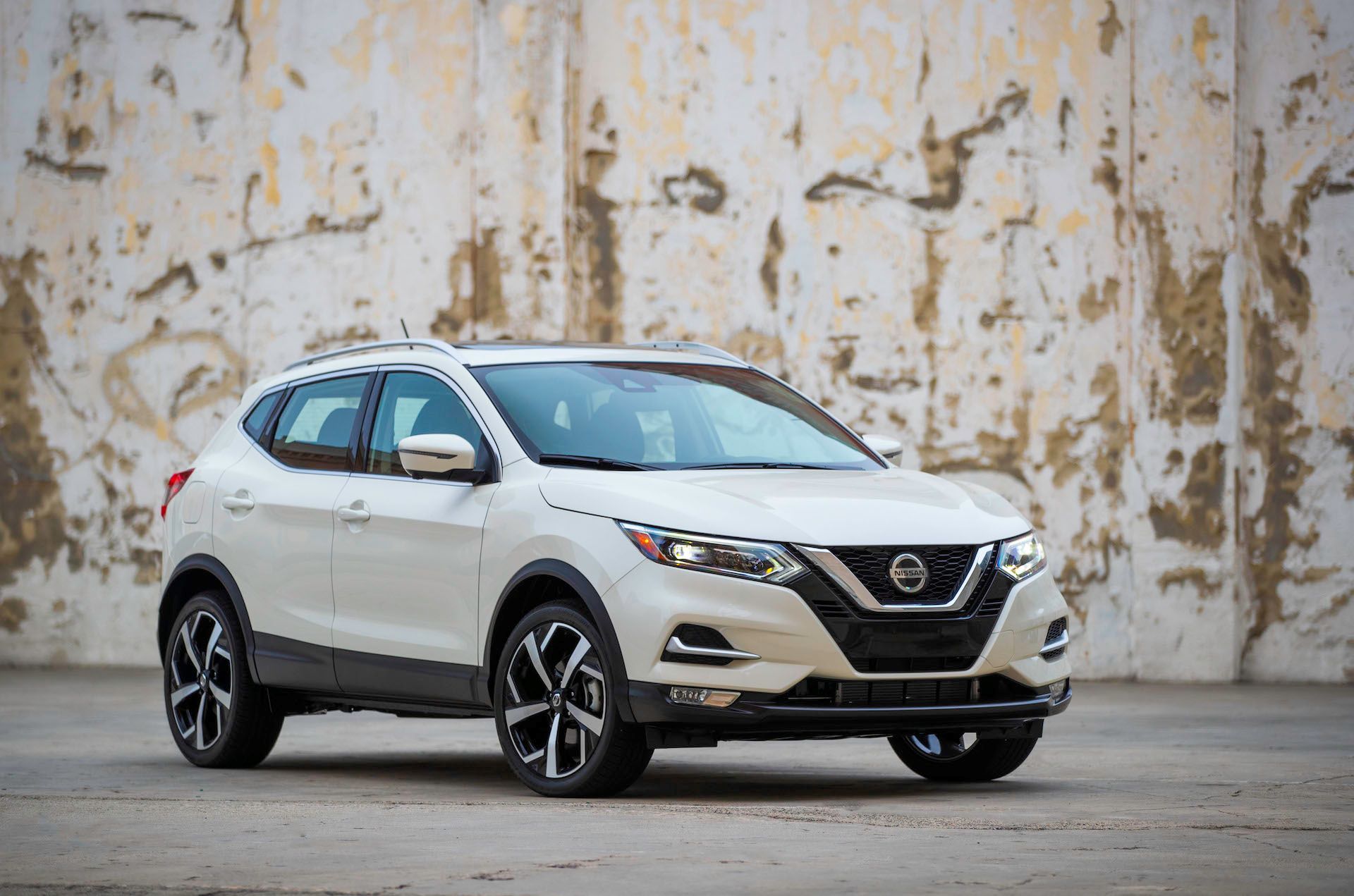
The most significant issue lies in the headlight quality and configuration differences across trims. Many Rogue Sport models are equipped with basic halogen reflector headlights, which tend to produce limited range and uneven beam distribution.
This results in insufficient illumination of road edges and reduced visibility on curves, two critical areas where strong lighting is essential. Similar Nissan models from the same era have received “Poor” ratings for halogen headlights due to weak performance and limited coverage, highlighting a broader issue with base lighting setups.
Even when upgraded lighting is available, the system lacks the sophistication seen in competitors. There is no true matrix or advanced adaptive lighting, meaning the beam pattern remains relatively static. This limits the driver’s ability to maintain consistent visibility across varying road conditions, particularly on dark highways or winding roads where dynamic light adjustment is most beneficial.
4. Chevrolet Camaro
The Chevrolet Camaro delivers strong performance and aggressive styling, but when it comes to nighttime visibility, it falls short in several critical areas. The limitations are not confined to just one aspect, instead, they stem from a combination of restricted outward visibility and inconsistent headlight performance, both of which become more pronounced after dark.
One of the most significant drawbacks is the Camaro’s design geometry. With its low roofline, high beltline, and narrow windows, the cabin creates a confined, cockpit-like feel.
While this enhances the sporty character, it severely restricts outward visibility. Thick pillars and a small rear window further reduce sightlines, making it harder to detect surrounding vehicles, pedestrians, or obstacles, issues that are amplified at night when visual cues are already limited.
Headlight performance adds another layer to the problem. According to testing by the Insurance Institute for Highway Safety, headlight effectiveness varies widely across vehicles, and many systems, especially non-upgraded ones, deliver inadequate road illumination or poor beam distribution.
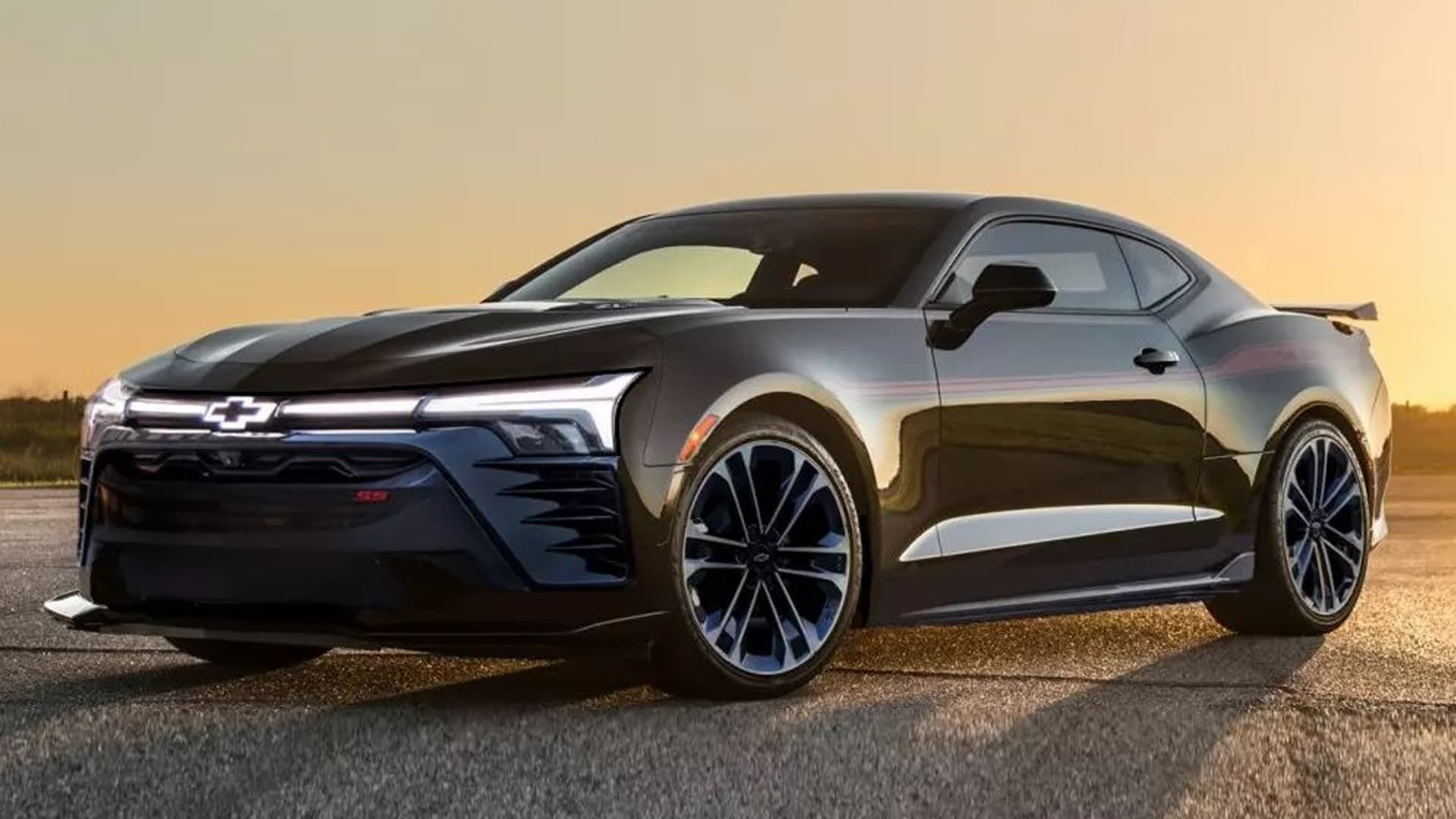
While the Camaro offers modern lighting options, lower trims and certain configurations may not provide sufficient coverage, particularly on curves or unlit roads where consistent beam spread is essential.
Another issue is beam focus versus spread. The Camaro’s headlights tend to prioritize forward projection, but with limited peripheral illumination. This creates darker zones along the edges of the road, areas where hazards often emerge at night. Without advanced adaptive or matrix lighting systems, the beam pattern remains relatively static, reducing effectiveness in dynamic driving conditions such as winding roads or uneven terrain.
Interior design also contributes subtly to nighttime challenges. The Camaro’s high dashboard and deeply recessed seating position can make it harder to judge distances and road edges in low-light conditions.
While the driver-focused layout is beneficial for performance driving, it does not optimize situational awareness, particularly compared to vehicles with more open visibility and upright seating positions.
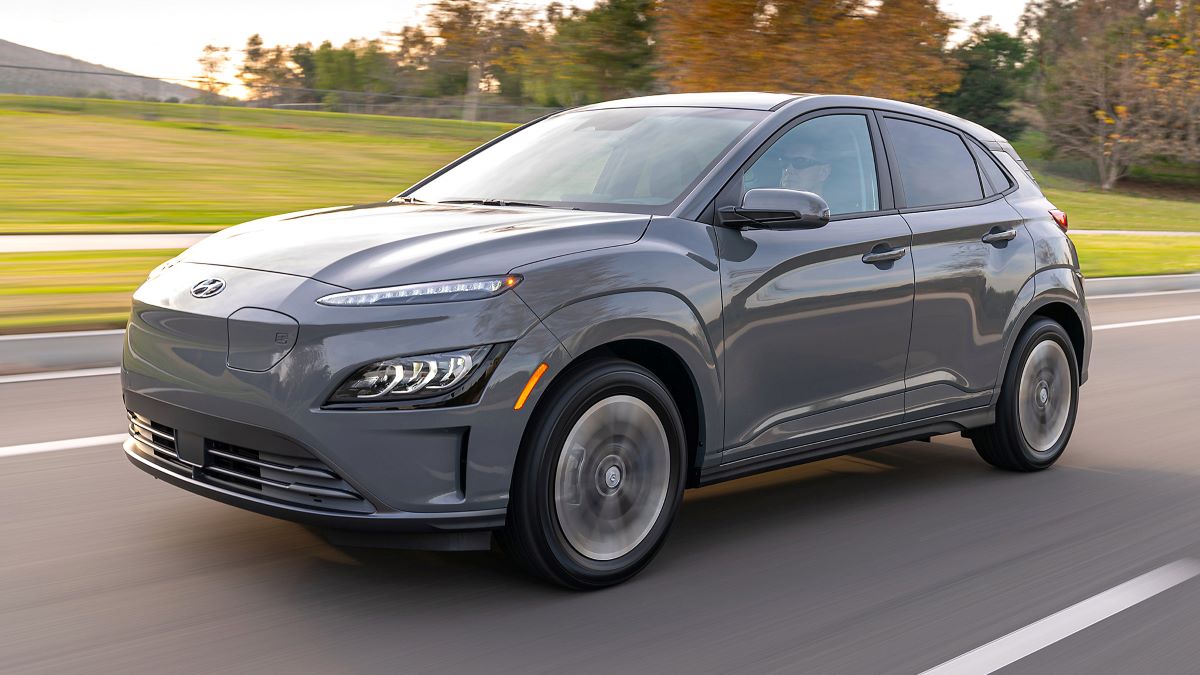
5. Hyundai Kona
The Hyundai Kona presents a mixed, and often below-average, performance when it comes to nighttime visibility, with results heavily dependent on trim level and lighting configuration. While the vehicle offers modern styling and available LED lighting, its real-world effectiveness is inconsistent, placing it among vehicles that struggle to deliver reliable visibility after dark.
A major issue lies in the variation between headlight systems. According to testing by the Insurance Institute for Highway Safety, Kona models equipped with LED projector headlights can achieve acceptable or even good performance, but versions with standard halogen units are rated significantly worse, offering limited road illumination and reduced visibility range.
This inconsistency means that many base or mid-level trims fail to provide the level of lighting expected in modern vehicles, particularly on dark roads.
Even in better-equipped versions, the Kona’s lighting system is not class-leading. Beam distribution tends to be somewhat narrow, with less effective illumination of road edges and curves, which are critical areas for spotting hazards at night.
This limitation becomes more noticeable outside urban environments, where street lighting cannot compensate for weaker headlight spread. Drivers may find themselves relying more on high beams, which are not always used optimally in real-world conditions.
Owner feedback reinforces these concerns. On forums, some drivers report that visibility on unlit roads, especially around corners, is inadequate, with headlights failing to provide sufficient width or depth.
One user noted difficulty seeing beyond the immediate forward area, particularly when navigating turns at night. While anecdotal, these reports align with broader testing trends that highlight inconsistent beam performance.
Beyond the headlights, the Kona’s compact crossover design introduces additional visibility compromises. The relatively thick rear pillars and elevated beltline can restrict rear and over-the-shoulder visibility, which becomes more problematic at night when visual cues are already diminished. While not extreme, these limitations contribute to a more enclosed driving feel compared to vehicles with more open sightlines. elevated beltline
Interior lighting is functional but basic. While newer models feature digital displays and ambient lighting, they lack the refined glare control seen in higher-end vehicles. This can lead to minor distractions or reduced contrast in low-light conditions if brightness levels are not properly adjusted.
For U.S. drivers, especially those who frequently travel at night, these differences are not trivial. Choosing a vehicle with strong headlight performance and good overall visibility can significantly improve both safety and comfort on the road.