
Modern vehicles operate within increasingly narrow thermal margins, making the cooling system a critical component of reliability.
Over time, manufacturers have shifted from simple, mechanically driven fans to fully electric cooling systems controlled by sensors and software.
This transition improves efficiency and emissions performance, but it also introduces more failure points.
For U.S. drivers, especially those dealing with heavy traffic, long highway distances, or extreme heat, the difference between these systems can directly affect ownership costs and reliability.
Broadly, mechanical cooling systems (belt-driven fans with viscous clutches) are simpler and tend to fail gradually, giving drivers warning.
Electric fan systems, while more precise, often fail abruptly due to electrical faults, motor burnout, or control module issues.
Below is a detailed comparison of five vehicles known for simple, durable cooling designs and five known for more failure-prone electric fan systems.
Cars With Simple Mechanical Cooling
These systems may not offer the same level of precision or efficiency as modern electronically controlled cooling setups, which can adjust dynamically to optimize performance and fuel economy. Despite this, the reliability and robustness of mechanical systems continue to make them a preferred choice in certain vehicles, especially those designed for longevity and demanding use.
This section explores cars that stand out for their simple mechanical cooling systems, models that demonstrate how straightforward engineering can still deliver dependable performance in an increasingly complex automotive landscape.
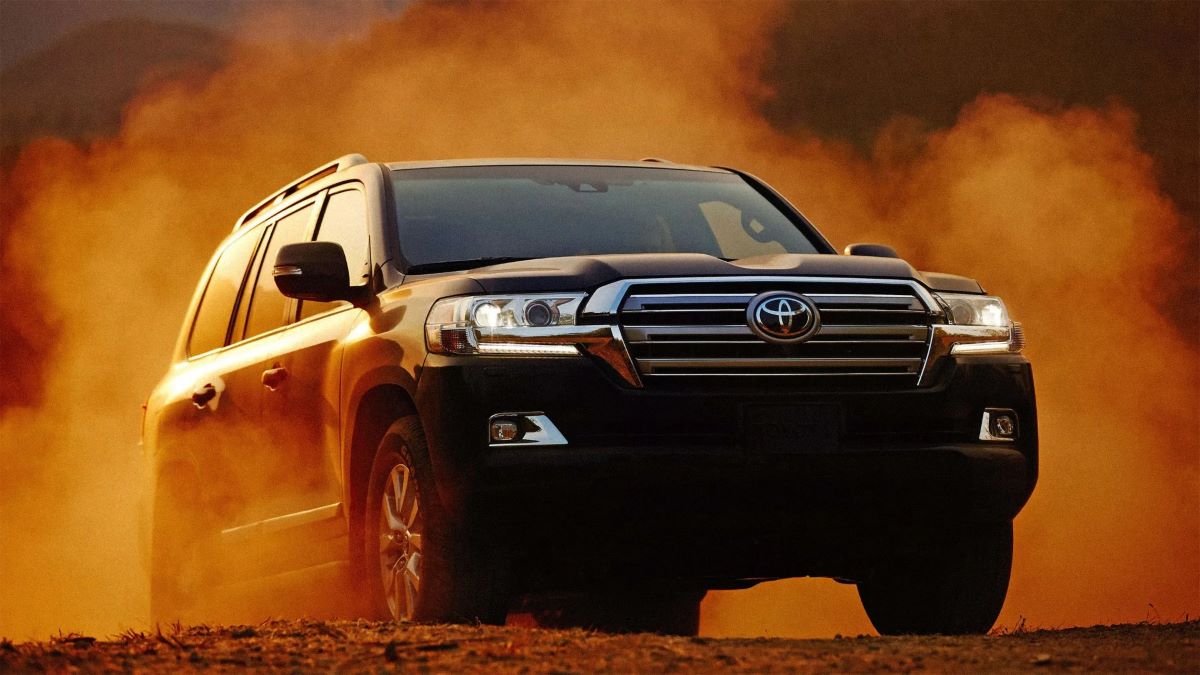
1. Toyota Land Cruiser
he Toyota Land Cruiser is widely regarded as a benchmark for durability, and its cooling system reflects that same engineering philosophy. Rather than relying heavily on complex, electronically controlled thermal management, many Land Cruiser generations particularly the 80 Series, 100 Series, and even early 200 Series models, utilize simple, mechanically driven cooling systems designed for maximum reliability in extreme conditions.
At the core of this setup is a belt-driven water pump paired with a viscous clutch mechanical fan. This configuration ensures that cooling performance is directly tied to engine operation, eliminating dependence on multiple sensors, control modules, or electric motors.
The viscous fan clutch engages progressively based on temperature, increasing airflow through the radiator when needed without requiring electronic intervention. This simplicity reduces potential failure points and provides highly predictable behavior, especially in demanding environments.
Another key advantage is robust component sizing. Land Cruiser radiators are typically larger and more heavily constructed than those found in standard passenger vehicles, allowing them to dissipate heat effectively even under sustained load.
Whether the vehicle is towing, climbing steep terrain, or operating in high ambient temperatures, the cooling system is designed with sufficient overhead to maintain stable engine temperatures without strain.
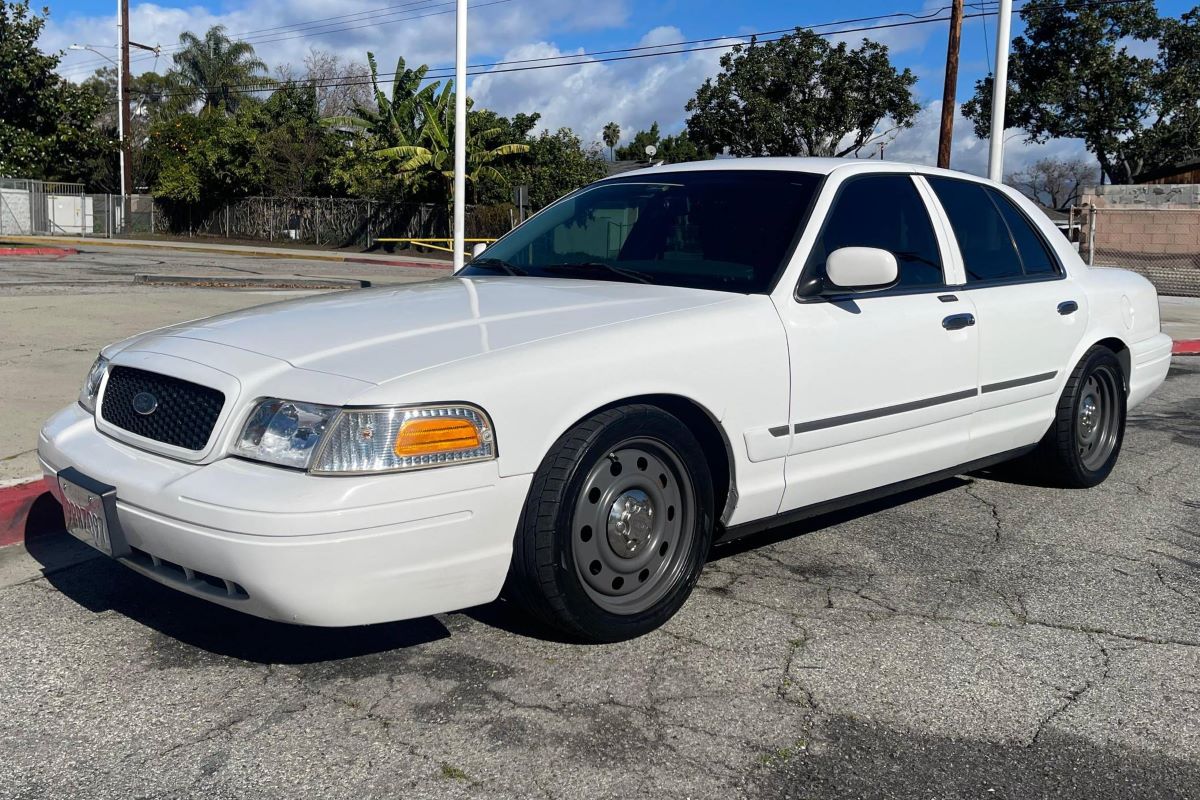
2. Ford Crown Victoria
The Ford Crown Victoria is a textbook example of simple mechanical cooling done right, built around durability, predictability, and ease of service. Developed for fleet use, particularly law enforcement and taxi duty, the Crown Victoria’s cooling system was engineered to withstand prolonged idling, high ambient temperatures, and heavy-duty cycles without relying on complex electronics.
At the center of the system is a belt-driven water pump paired with a viscous clutch mechanical fan. This setup ensures that airflow through the radiator scales naturally with engine demand.
As temperatures rise, the fan clutch engages more aggressively, pulling additional air through the radiator without the need for sensors, relays, or electronic control modules. The absence of electric fan motors eliminates a common failure point found in modern vehicles, contributing to the Crown Victoria’s reputation for long-term reliability.
The system is further supported by a large-capacity radiator and straightforward coolant routing, designed to handle the thermal load of the 4.6L V8 engine under extreme conditions.
Police interceptor variants, in particular, were calibrated for extended idle times, situations where many vehicles would struggle to maintain stable temperatures. The mechanical fan’s consistent airflow ensures that cooling performance does not drop off when the vehicle is stationary, a key advantage over electric systems that depend entirely on motor function.
Another defining strength is serviceability. The Crown Victoria’s cooling components are easily accessible, and failures when they do occur, are typically gradual and predictable.
A worn fan clutch may reduce efficiency over time, or a water pump may begin to leak, but these issues provide warning signs rather than sudden system failure. This makes maintenance straightforward and minimizes the risk of unexpected overheating.
Durability under harsh conditions is also a major factor. The system is less sensitive to electrical faults, moisture intrusion, or wiring degradation, which can compromise electric fan systems. This robustness is one reason why many Crown Victorias remain operational well beyond 200,000 miles with their original cooling architecture largely intact.
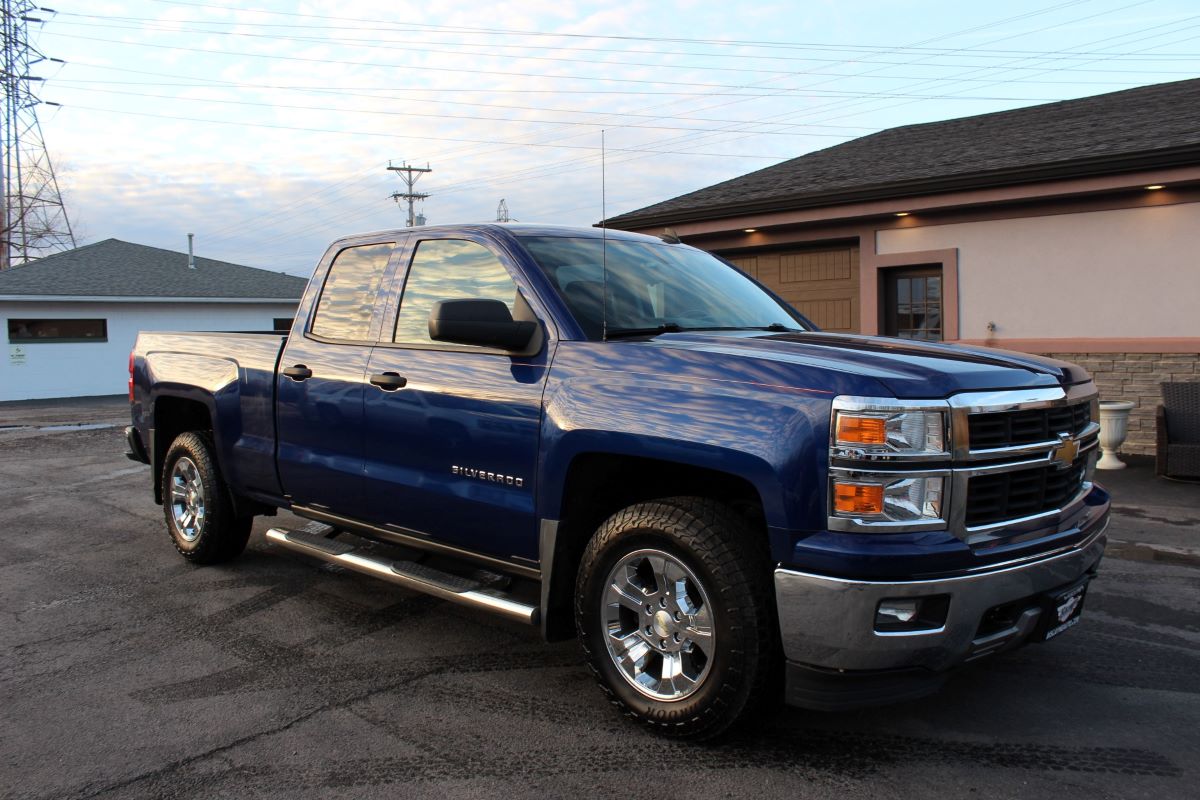
3. Chevrolet Silverado
Pre-2014 Chevrolet Silverado models, particularly those built on the GMT800 and GMT900 platforms,are strong examples of simple mechanical cooling systems designed for durability and workload consistency. As trucks intended for towing, hauling, and long-duty cycles, these Silverados rely on proven hardware rather than complex electronic cooling strategies.
At the core of the system is a belt-driven water pump combined with a viscous clutch mechanical fan. This setup allows cooling performance to scale naturally with engine operation, without depending on sensors, control modules, or electric fan motors.
As engine temperatures rise, the fan clutch engages more firmly, increasing airflow through the radiator. This direct mechanical relationship ensures consistent cooling, particularly under load or during extended operation.
A major advantage of this design is its reliability under stress. Silverado trucks are often used in demanding conditions, towing heavy trailers, operating in high temperatures, or idling for long periods at job sites.
Mechanical fans continue to pull air through the radiator regardless of vehicle speed, which is critical in low-speed or stationary scenarios where electric systems must rely entirely on motor function. This makes the Silverado’s cooling system particularly dependable in real-world work environments.
The system is also supported by large, heavy-duty radiators and straightforward coolant routing, designed to manage the heat output of V6 and V8 engines without requiring complex regulation. Many models include transmission coolers and additional thermal capacity, further reinforcing the truck’s ability to maintain stable operating temperatures under sustained load.
Serviceability is another key strength. Components such as the fan clutch, radiator, and water pump are easily accessible and can be diagnosed with basic mechanical knowledge.
Failures tend to be gradual rather than sudden, a worn fan clutch may reduce cooling efficiency over time, or a water pump may show early signs of leakage, allowing for preventative maintenance instead of emergency repairs.
Environmental resilience further enhances durability. With fewer electrical components involved, the system is less vulnerable to issues caused by moisture, dust, or wiring degradation. This is particularly valuable for trucks used in construction, agriculture, or off-road settings where conditions can be harsh.
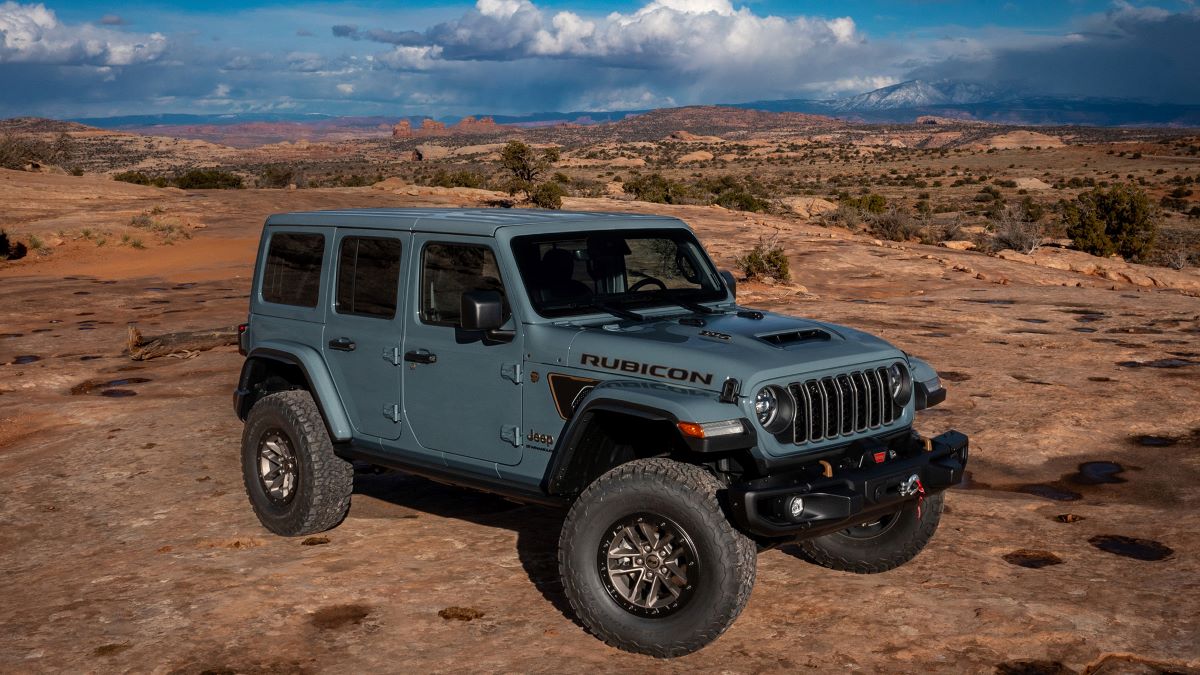
4. Jeep Wrangler
The Jeep Wrangler is engineered for environments where reliability takes priority over refinement, and its cooling system reflects that utilitarian focus. Across multiple generations, particularly the TJ and JK, the Wrangler employs a simple, mechanically biased cooling setup that is designed to function consistently in off-road and low-speed conditions where airflow is limited and thermal loads can fluctuate rapidly.
At the core of many Wrangler models is a belt-driven water pump paired with a viscous clutch mechanical fan, often supplemented by an auxiliary electric fan. The mechanical fan handles the bulk of cooling duties, especially at low speeds or during crawling, where natural airflow is minimal.
As engine temperatures rise, the viscous clutch engages more aggressively, increasing airflow through the radiator without relying on electronic control systems. This ensures dependable cooling even when the vehicle is operating in demanding terrain.
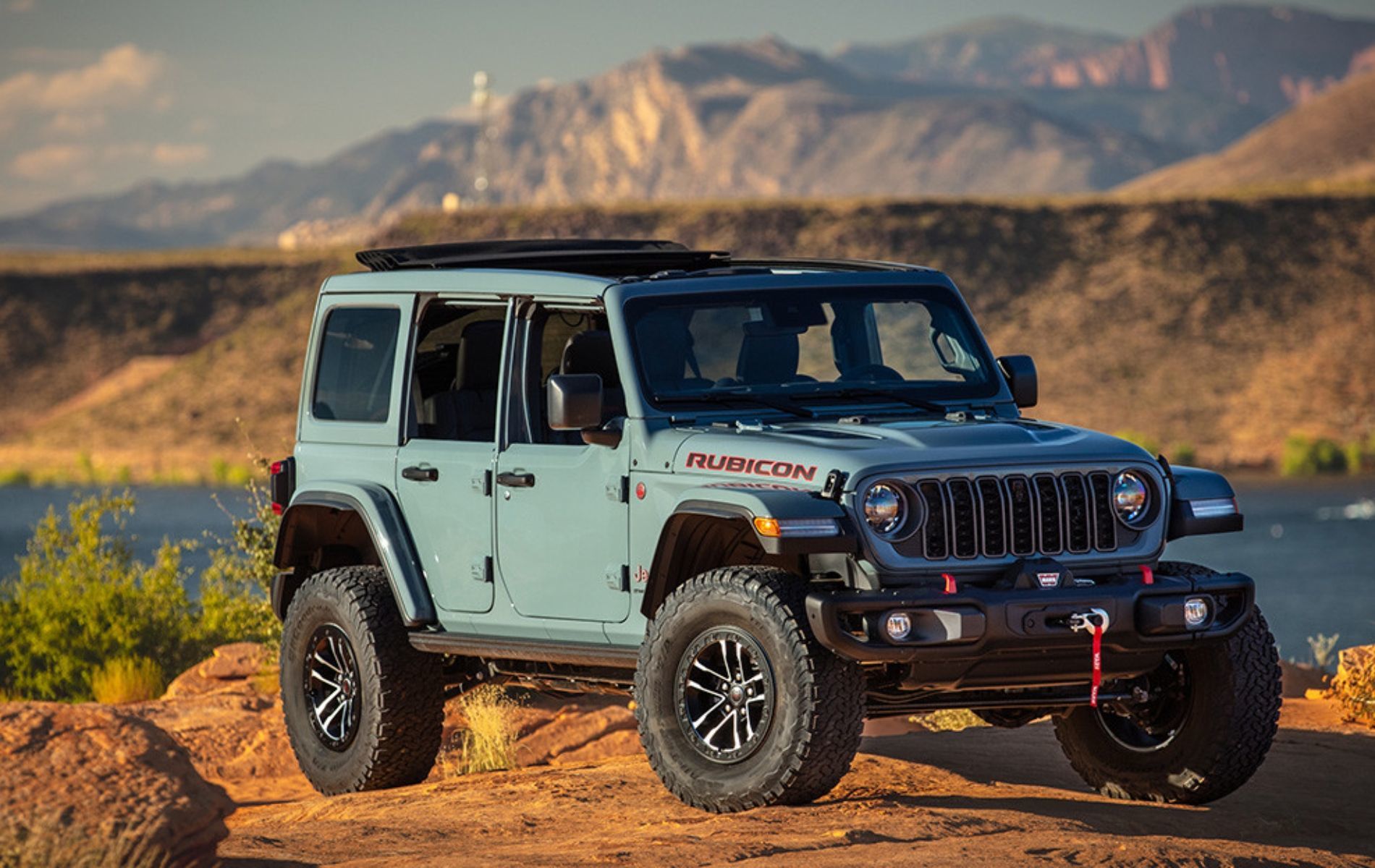
This design is particularly effective in off-road scenarios, where vehicles frequently idle, climb steep inclines, or move slowly over obstacles. In such conditions, electric-only fan systems can become a liability if a motor or sensor fails. The Wrangler’s mechanically driven fan provides a level of redundancy and predictability, maintaining airflow regardless of electrical system performance.
Another advantage is system simplicity and durability. The cooling layout is straightforward, with accessible components and minimal integration into complex vehicle electronics.
This makes field repairs more feasible, an important consideration for vehicles that are often used far from service centers. Owners can typically diagnose issues such as a failing fan clutch or worn water pump without specialized tools or diagnostic equipment.
The Wrangler’s cooling system is also built to withstand harsh environmental exposure. Dust, mud, water crossings, and extreme temperatures are all part of normal operation, and a mechanically driven setup is less vulnerable to failure from moisture intrusion or electrical faults. Radiators and hoses are designed with sufficient capacity and resilience to handle these conditions over extended periods.
5. Toyota Tacoma
The Toyota Tacoma is widely regarded for its durability and off-road reliability, and its cooling system reflects that same philosophy of mechanical simplicity and long-term dependability.
Particularly in earlier generations and many V6-equipped models, the Tacoma uses a straightforward cooling architecture that avoids unnecessary complexity while maintaining consistent performance under a wide range of conditions.

At the core of the system is a belt-driven water pump paired with a viscous clutch mechanical fan. This setup allows cooling performance to scale naturally with engine temperature and load, without relying heavily on electronic controls.
As the engine heats up, the fan clutch engages more firmly, increasing airflow through the radiator. This direct mechanical relationship ensures predictable operation, especially in demanding scenarios such as towing, off-roading, or extended idling.
One of the Tacoma’s key strengths is its real-world reliability under stress. Trucks in this class are often used in environments where airflow is limited, such as slow off-road trails or job sites, and where cooling systems must perform consistently without interruption.
Cars With Fragile Electric Fan Systems
Owners may encounter symptoms like fans running continuously, failing to activate at the correct temperature, or cycling erratically.
Environmental conditions further amplify these weaknesses. High ambient temperatures, dust, and prolonged idling place additional strain on electric fan systems, accelerating wear and increasing the likelihood of failure. In vehicles with already marginal cooling capacity, even a minor fault in the fan system can quickly escalate into a more serious overheating issue.
This section examines cars known for having fragile electric fan systems, models where design limitations, component quality, or system complexity contribute to higher-than-average failure rates. By understanding these weaknesses, it becomes easier to identify what separates a robust cooling system from one that struggles under real-world conditions.
1. BMW 3 Series
The BMW 3 Series represents the opposite end of the spectrum from simple mechanical cooling systems, relying instead on highly integrated electric cooling architecture that prioritizes efficiency and precision, but often at the cost of long-term durability.
Across multiple generations, particularly E90 and later models, BMW moved toward electric water pumps and electronically controlled cooling fans, creating a system that is significantly more complex than traditional setups.
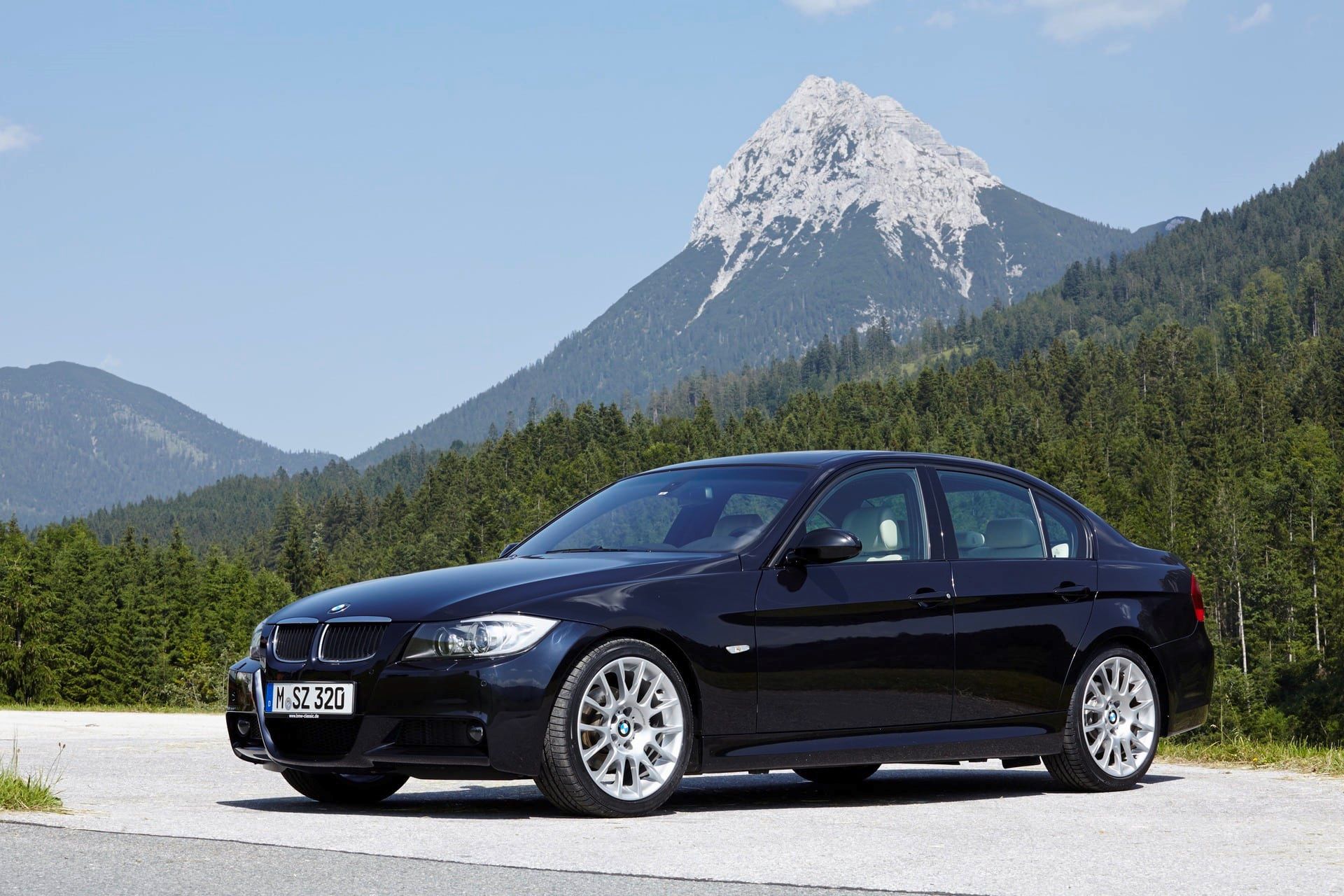
At the core of this design is an electric water pump, which replaces the conventional belt-driven unit. This allows the engine management system to precisely control coolant flow based on temperature, load, and driving conditions.
In theory, this improves efficiency and helps the engine warm up faster while maintaining optimal operating temperatures. However, it also introduces a major failure point. Unlike mechanical pumps that degrade gradually, BMW’s electric pumps are known to fail more abruptly, sometimes without much warning.
2. Mini Cooper
The Mini Cooper exemplifies a compact, electronically controlled cooling system that prioritizes packaging efficiency and performance, but often at the expense of long-term durability.
Particularly in modern BMW-era Mini models (R56 and newer), the cooling system is heavily dependent on electric components and tightly integrated hardware, making it more complex and failure-prone compared to traditional mechanical setups.
At the center of the system is an electric water pump paired with an electronically controlled cooling fan. This configuration allows precise thermal regulation, adjusting coolant flow and fan speed based on engine load, temperature, and driving conditions.
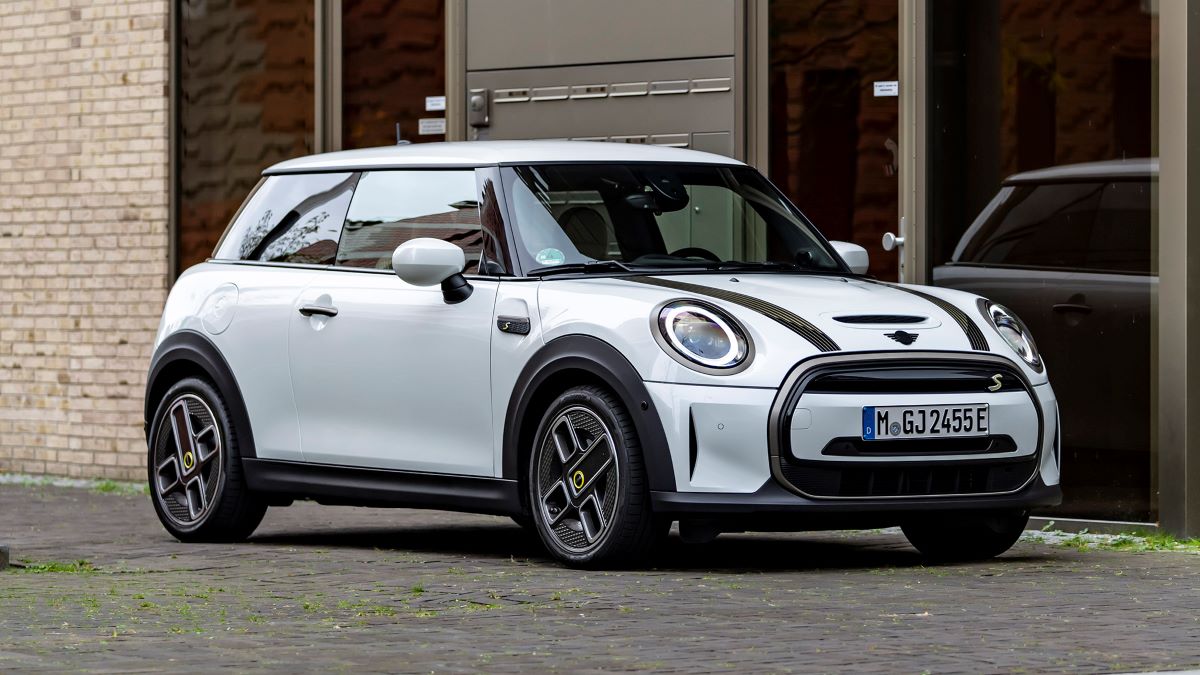
While this improves efficiency and emissions performance, it also introduces multiple potential failure points. Electric water pumps, in particular, are known to fail without much warning, often leading to sudden overheating if not addressed promptly.
The cooling fan system adds further complexity. Controlled by sensors and electronic modules, the fan must respond accurately to temperature changes. However, issues such as faulty relays, worn motors, or wiring problems can lead to inconsistent operation.
Owners may experience symptoms like the fan not activating when needed, running continuously, or cycling unpredictably, all of which can compromise cooling performance.
3. Dodge Journey
The Dodge Journey uses a fully electric cooling fan system that, while functional in theory, has developed a reputation for inconsistency and higher-than-average failure rates in real-world use. Unlike mechanically driven setups that rely on direct engine operation, the Journey’s cooling performance depends on a network of electric fans, relays, sensors, and control modules, all of which must operate correctly to maintain stable engine temperatures.
At the center of the system is a dual electric fan assembly, designed to regulate airflow through the radiator based on temperature and load. These fans are controlled electronically, allowing variable speed operation for improved efficiency.
However, this added control introduces complexity. Common failure points include fan motors wearing out, relay failures, and issues with the fan control module, any of which can disrupt airflow when it is most needed, particularly in stop-and-go traffic.

One of the most frequently reported issues is fan non-activation or delayed engagement. When the system fails to trigger the fans at the correct temperature, engine heat can build rapidly, especially at low speeds where natural airflow is minimal.
In some cases, owners experience the opposite problem, fans running continuously due to sensor or module faults, indicating poor system regulation rather than mechanical failure alone.
The wiring and electrical integration also contribute to the system’s fragility. Exposure to heat, vibration, and moisture can degrade connectors and wiring over time, leading to intermittent operation that can be difficult to diagnose. Unlike mechanical systems that provide consistent baseline performance, the Journey’s cooling depends entirely on the reliability of its electrical components.
4. Volkswagen Passat
The Volkswagen Passat utilizes a modern, electronically controlled cooling system that prioritizes efficiency and emissions performance, but this complexity often introduces reliability concerns as the vehicle ages.
Unlike older, mechanically driven setups, the Passat relies on a combination of electric cooling fans, electronic thermostats, sensors, and control modules, all working together to regulate engine temperature with precision.
At the center of the system is a dual electric fan assembly, typically managed by a fan control module that adjusts speed based on temperature and engine load.
While this allows for optimized cooling and reduced energy loss, it also creates multiple potential failure points. Issues such as fan motor wear, control module failure, or relay faults are relatively common, and when they occur, cooling performance can degrade quickly, especially in low-speed driving where airflow depends entirely on the fans.
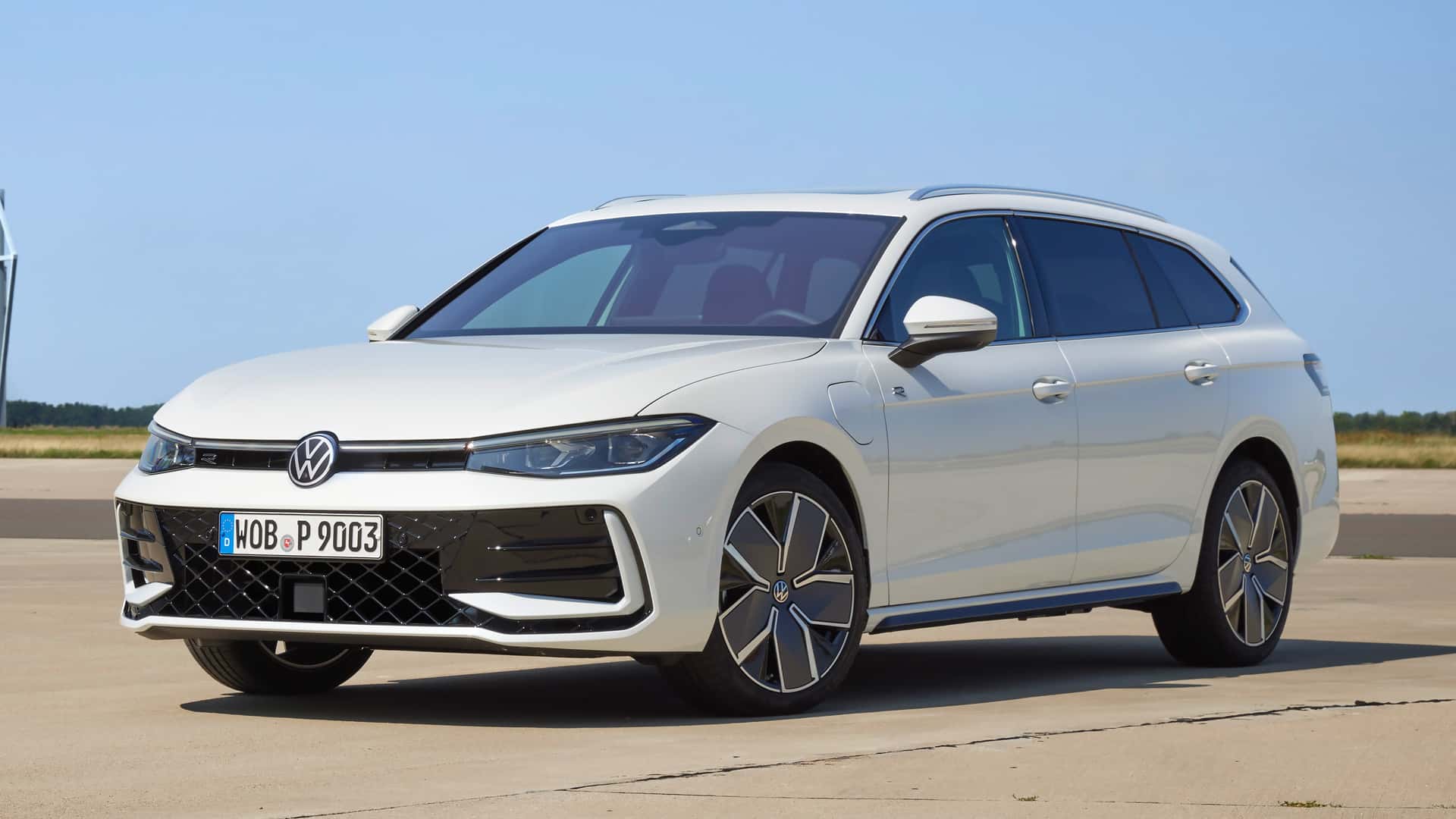
Another critical component is the electronic thermostat and water pump integration. These parts are designed to respond dynamically to engine conditions, improving warm-up times and maintaining optimal operating temperatures.
However, they are often constructed with plastic housings and integrated electronics, which are prone to wear from repeated heat cycles. Cracks, leaks, or internal failures can develop over time, compromising the entire cooling system.
Material choice plays a significant role in long-term durability. Volkswagen’s use of lightweight plastics in components such as coolant flanges, expansion tanks, and hose connectors helps reduce weight and cost but can lead to brittleness and leakage as the system ages.
5. Ford Focus
This generation of Focus relies entirely on electric cooling fans, with no mechanical backup. Common issues include fan control module failure and motor burnout.
Because there is no redundancy, failure can lead to rapid overheating, particularly in traffic. This has made the cooling system a known weak point for these models.
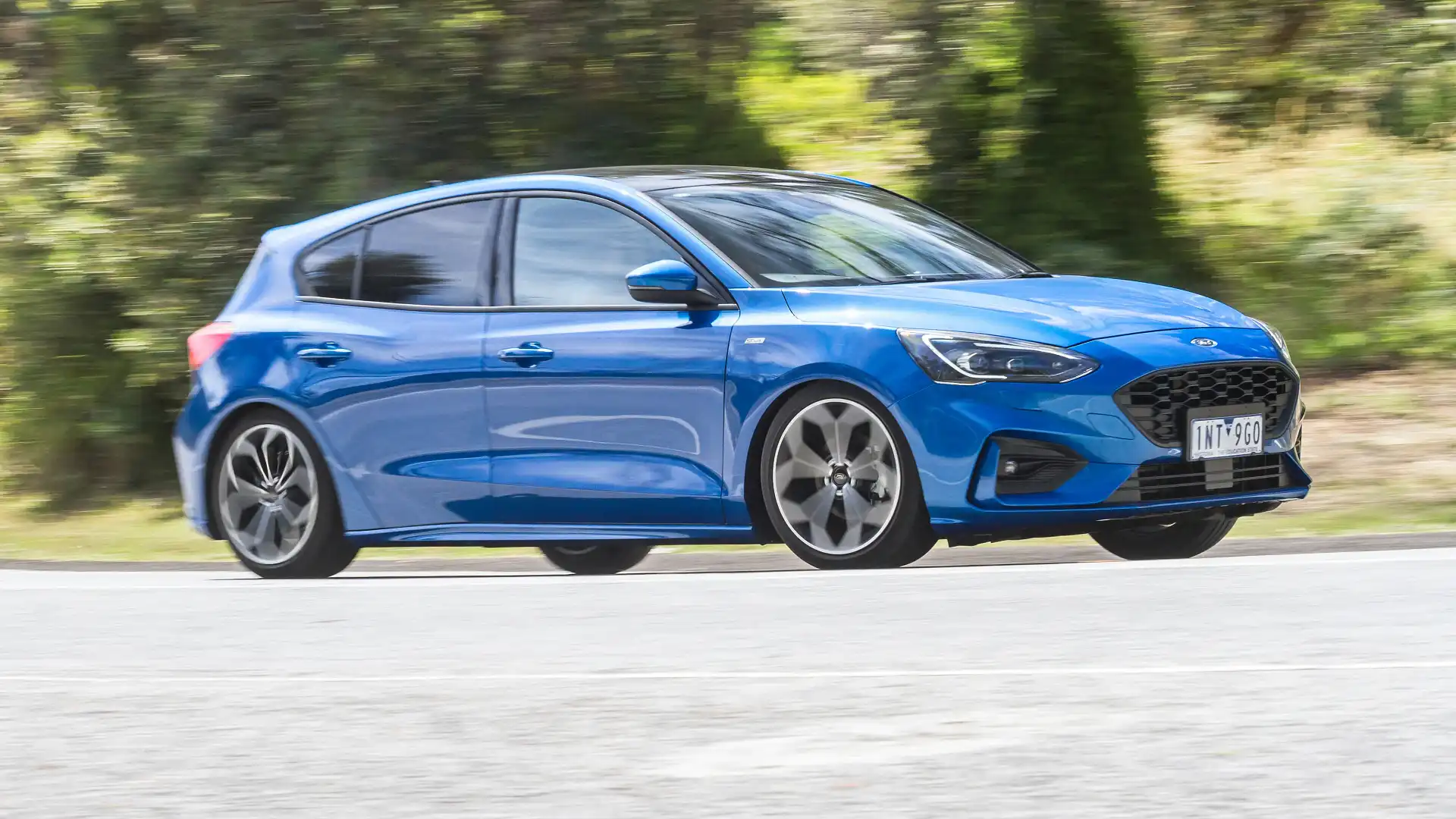
The 2012–2018 Ford Focus relies on a fully electric cooling system that emphasizes efficiency and compact packaging, but this design introduces several reliability concerns over time.
Unlike traditional setups that use engine-driven fans and simple mechanical components, the Focus depends on electric fan assemblies, sensors, relays, and control modules to regulate engine temperature, creating a system with multiple potential failure points.
At the center is a single or dual electric cooling fan unit, controlled by the engine management system. These fans are responsible for maintaining airflow through the radiator, especially at low speeds or when the vehicle is stationary.
While this allows for precise temperature regulation, it also means that any issue, whether in the fan motor, relay, or control module, can significantly impact cooling performance. Owners commonly report fan failures, intermittent operation, or delayed activation, all of which can lead to overheating in stop-and-go traffic.
Another frequent weak point is the cooling system’s plastic components, particularly the thermostat housing. In many Focus models, this part is known to develop cracks or leaks due to repeated heat cycling. Once compromised, coolant loss can occur gradually, sometimes going unnoticed until temperatures begin to rise. This type of failure highlights the trade-off between lightweight materials and long-term durability.
The system’s electronic integration adds further complexity. Temperature sensors and control modules must communicate accurately to regulate fan speed and coolant flow. If a sensor provides incorrect data, the fans may not engage at the proper time, or they may run excessively. These issues can be difficult to diagnose without specialized tools, as the root cause is not always immediately visible.
Heat management is also influenced by the Focus’s compact engine bay, which limits airflow and increases reliance on the electric fan system. In hot climates or under heavy use, this places additional strain on the fans and associated components, accelerating wear and increasing the likelihood of failure.
Electric systems, by contrast, enable better fuel efficiency and more precise temperature control.
However, they rely on multiple electronic components, motors, sensors, wiring, and control modules, all of which can fail independently. These failures are often abrupt and more expensive to diagnose and repair.
For U.S. consumers, the choice depends on priorities. If reliability and low maintenance costs are the primary concern, vehicles with simple mechanical cooling systems remain a strong option.
If efficiency and modern engineering are more important, electric systems can perform well, but they require greater awareness and proactive maintenance to avoid unexpected failures.
