
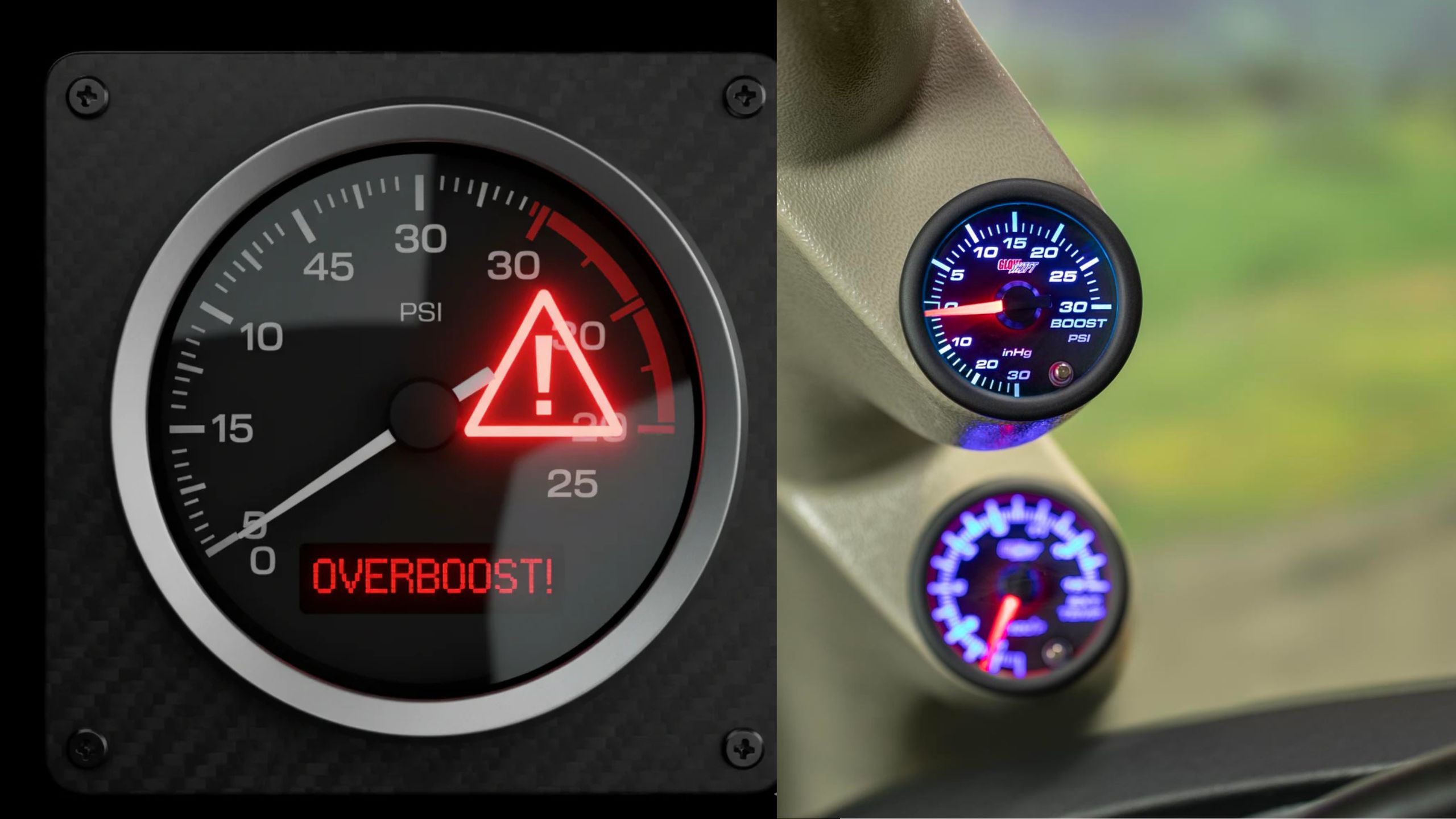
Your turbocharged engine is a precision machine. Every component works together to deliver the power and performance you expect from your vehicle. Among these components, the wastegate plays a critical role that many drivers overlook completely.
The wastegate is a valve. It controls how much exhaust gas flows through the turbocharger. When it works correctly, it regulates boost pressure with precision. When it sticks, everything starts to fall apart quietly and gradually.
A sticking wastegate does not always announce itself loudly. It creeps into your driving experience slowly. You might notice small changes in performance before anything dramatic happens.
The problem is that most drivers ignore the early warning signs. They blame bad fuel or a tired engine. Meanwhile, the real culprit keeps causing damage underneath the hood.
Understanding the signs of a failing wastegate can save you significant money. Early detection prevents catastrophic turbocharger failure. It also protects your engine from the stress of uncontrolled boost pressure.
This article breaks down eight clear warning signs. Each one points directly to a sticking wastegate. Read carefully, pay attention to your vehicle, and act before a small problem becomes an expensive repair.
1. Sudden Loss of Power During Acceleration
One of the most noticeable signs of a sticking wastegate is a sudden and unexpected loss of power. You press the accelerator and expect a surge of boosted performance. Instead, the engine feels flat, lazy, and completely unresponsive.
This power loss often happens at specific RPM ranges. It typically becomes obvious when you need power the most, such as during highway merging or uphill driving. The engine simply refuses to deliver what it should.
The wastegate controls boost pressure by diverting exhaust gases away from the turbocharger turbine. When it sticks open, too much exhaust bypasses the turbine. The turbo cannot spin fast enough to build adequate boost pressure.
Without proper boost pressure, your engine receives less compressed air. Less air means less fuel can be burned efficiently. The combustion process becomes weak, and power output drops noticeably.
You might initially assume the problem is a fuel delivery issue. Many drivers replace fuel filters or pumps chasing this symptom. The real cause, however, sits in the wastegate that refuses to close properly.

A stuck-open wastegate effectively turns your turbocharged engine into a naturally aspirated one. You lose the entire performance advantage that forced induction provides. The engine runs, but it runs poorly and inefficiently without that crucial boost.
The power loss may not always be consistent. Some days the engine feels slightly better than others. Temperature changes and driving conditions can temporarily affect how badly the wastegate sticks at any given moment.
Cold weather can make the problem worse initially. Metal contracts in low temperatures, and a sticky wastegate may seize more severely when cold. As the engine warms up, the symptom might slightly improve but never fully disappears.
You should pay attention to whether the power loss is progressive. A wastegate that starts sticking occasionally will eventually stick permanently. What begins as an intermittent annoyance becomes a constant performance problem over time.
Ignoring power loss is a costly mistake. The turbocharger compensates by working harder under abnormal conditions. This extra stress accelerates wear on the turbo bearings and shaft. Eventually, complete turbocharger failure follows the ignored warning sign.
Testing is straightforward with a boost gauge. A properly functioning wastegate maintains consistent boost within your manufacturer’s specified range. A stuck-open wastegate shows lower-than-normal boost readings across the entire RPM range during hard acceleration.
Act quickly when you notice unexplained power loss. Have your boost pressure checked by a qualified technician. Diagnosing a sticking wastegate early keeps the repair cost manageable and prevents serious engine damage down the road.
2. Overboost Condition and Check Engine Light
A wastegate that sticks closed creates the opposite problem. Instead of losing power, your engine builds dangerously excessive boost pressure. This condition is called overboost, and it can destroy your engine rapidly.
When the wastegate cannot open properly, exhaust gases stay directed at the turbine wheel. The turbocharger keeps spinning faster and faster. Boost pressure climbs well beyond the safe operating range your engine was designed to handle.
Modern vehicles have electronic boost control systems. These systems monitor pressure constantly and trigger warning codes when readings fall outside normal parameters. Your check engine light illuminates as a direct response to the overboost condition.
The OBD system stores specific fault codes related to boost pressure. Codes such as P0234 indicate turbocharger overboost. A technician can read these codes to immediately point toward the wastegate as the likely source of the problem.
Overboost puts extreme mechanical stress on every engine component. Pistons, connecting rods, and head gaskets face pressures they were never engineered to withstand regularly. The risk of catastrophic engine failure rises dramatically with every overboost event.
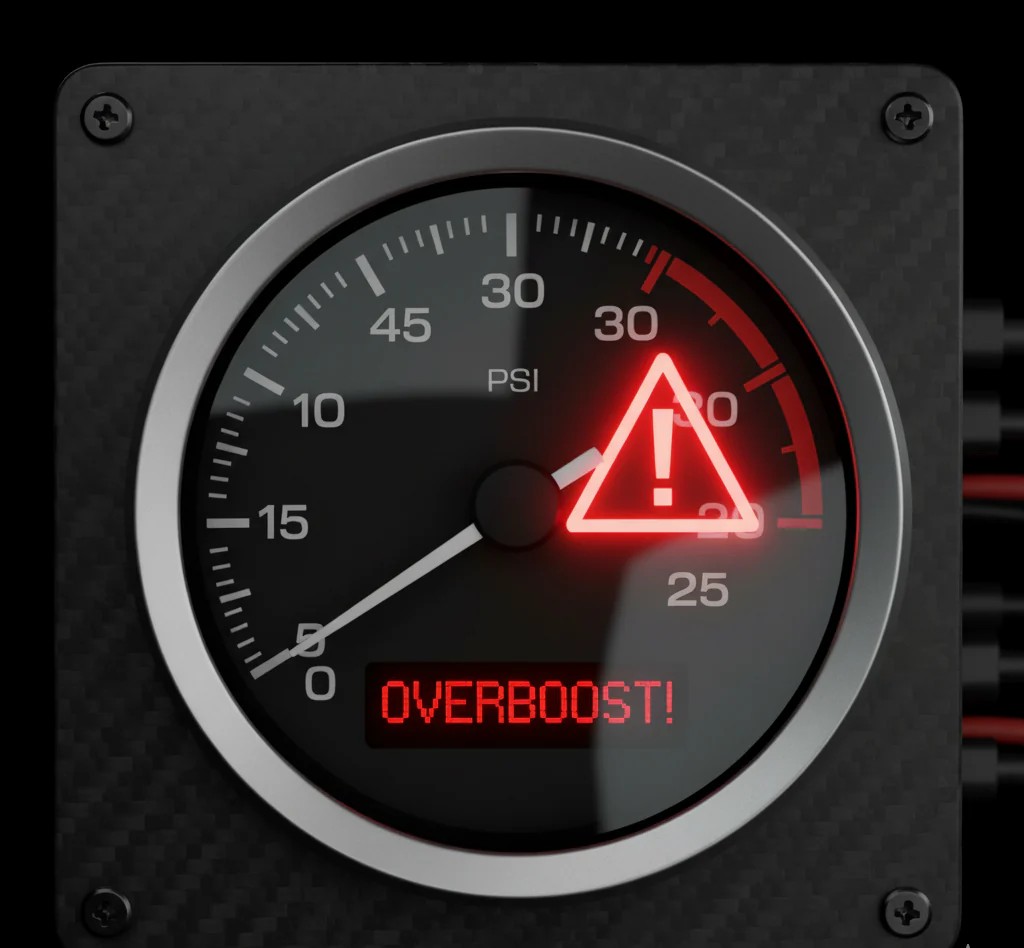
Many modern engines have a built-in protection system. The ECU detects overboost and cuts fuel delivery to protect the engine. You experience this as a sudden power cut followed by the engine returning to normal, often called boost cut.
This boost-cut-recover cycle feels very distinctive. The engine surges powerfully, then cuts out abruptly, then surges again. Drivers often describe it as the engine stumbling or hiccupping under hard throttle application at high RPMs.
The check engine light may blink rather than stay solidly illuminated. A flashing check engine light indicates a serious active fault. You should stop driving immediately and have the vehicle diagnosed when this occurs.
Some drivers reset the check engine light without diagnosing the fault. This approach only hides the symptom temporarily. The underlying wastegate problem continues causing overboost events every time the engine is pushed hard.
Turbocharged diesel engines are particularly vulnerable to overboost damage. Higher compression ratios mean the engine is already operating closer to its mechanical limits. Adding overboost pressure to a diesel engine accelerates internal damage significantly faster than in petrol engines.
Aftermarket boost gauges are valuable diagnostic tools. Watching boost pressure in real time shows you immediately when readings exceed manufacturer specifications. Most turbocharged engines boost between 0.5 and 1.5 bar, depending on the application.
Address overboost conditions immediately and without delay. The potential repair costs from a blown head gasket or damaged piston far exceed what a wastegate replacement costs. Treat a persistent check engine light and overboost as a genuine mechanical emergency.
3. Unusual Hissing or Whistling Noises from the Engine Bay
Turbocharged engines make distinctive sounds. The whoosh of a blow-off valve and the spool of a turbocharger are familiar sounds to enthusiasts. However, abnormal hissing or whistling sounds signal something has gone seriously wrong.
A sticking wastegate often produces unusual noises. These sounds occur because pressure is not being managed correctly within the turbo system. Air and exhaust gases escape through paths they were never intended to travel through.
When the wastegate sticks open, you might hear a low hissing sound during acceleration. This sound comes from boost pressure escaping through the partially open wastegate valve. The seal between the valve and its seat is incomplete and compromised.
The pitch and intensity of these sounds change with engine speed. At idle, the noise may be barely noticeable. During hard acceleration, the hissing becomes louder and more persistent as boost pressure attempts to build against the leaking valve.
Some drivers confuse wastegate noise with a boost leak from an intercooler hose. Both conditions create similar hissing sounds. The key difference is that a boost leak typically produces a more consistent sound, while wastegate noise changes with throttle input.
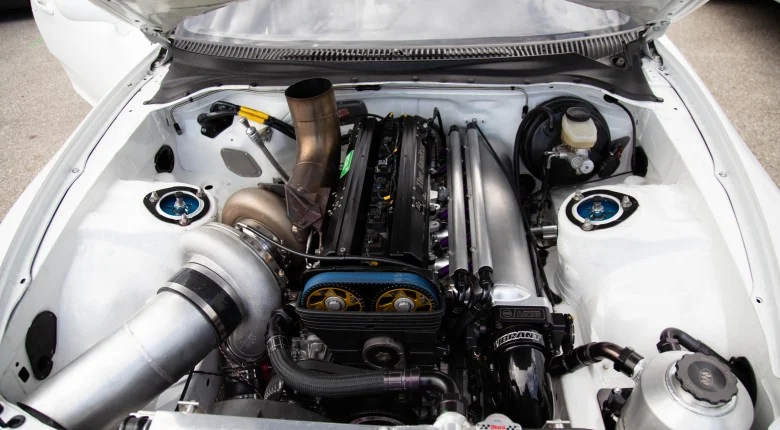
A mechanically stuck wastegate can also produce a rattling sound. The wastegate actuator arm or the valve itself may vibrate against its housing. This rattling is most noticeable at idle when other engine noises are quieter.
External wastegates used in high-performance applications are particularly prone to audible problems. These components are larger and more complex. A sticking external wastegate can produce quite dramatic sounds that are impossible to ignore during driving.
Internal wastegates built into the turbocharger housing are harder to diagnose by sound alone. The noise is muffled by surrounding components. You need to listen carefully with the hood open while a helper revs the engine to isolate the sound source.
Whistling sounds specifically can indicate a wastegate that is partially blocked. Carbon deposits or debris caught in the valve create a narrow passage. Exhaust gases whistling through this restriction produce a high-pitched tone that changes with engine load.
Never assume unusual engine bay noises will resolve themselves naturally. Turbocharger-related sounds almost always indicate a worsening mechanical condition. The longer you wait to investigate, the more severe the underlying damage becomes over time.
A professional mechanic can use a stethoscope to pinpoint the exact noise source. This simple diagnostic technique separates wastegate noise from other potential sources. Always describe the exact conditions under which the noise occurs to help with accurate diagnosis.
4. Poor Fuel Economy and Increased Consumption
Your turbocharged engine is designed to be efficient. It produces impressive power while keeping fuel consumption at reasonable levels. When the wastegate sticks, this carefully engineered efficiency is completely destroyed.
A stuck-open wastegate means the engine cannot build adequate boost. The ECU responds to low boost pressure by attempting to compensate. It adjusts fuel and ignition timing to maintain performance, often resulting in a richer fuel mixture being delivered.
A richer mixture means more fuel is being burned for the same amount of work. Your fuel economy suffers directly and measurably. Drivers often notice they are visiting the fuel station more frequently without changing their driving habits at all.
The engine works harder to overcome the deficit caused by inadequate boost. More throttle input is required to achieve the same vehicle speed. More throttle means more fuel consumption, compounding the efficiency losses created by the sticking wastegate.
Turbocharged engines with overboost conditions also suffer fuel economy problems. The ECU triggers fuel cut to protect the engine from excessive pressure. These repeated fuel cut events disrupt smooth combustion and reduce thermal efficiency significantly.
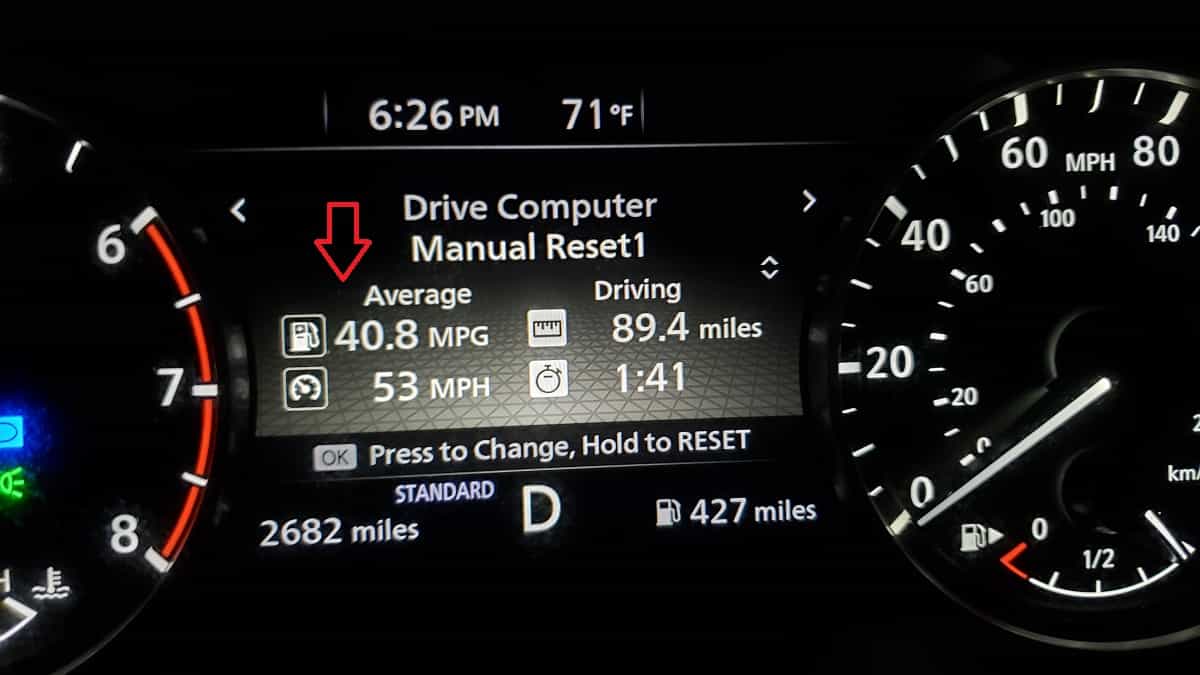
Modern vehicles track fuel consumption data in the onboard computer. Comparing your current fuel economy figures with your historical averages reveals the loss quickly. A significant unexplained drop in fuel economy is always worth investigating thoroughly.
The oxygen sensors in your exhaust system also play a role here. When the boost is inadequate, exhaust gas composition changes. The oxygen sensors report a lean condition, and the ECU adds extra fuel to compensate, worsening consumption further.
Long-term fuel trims stored in the ECU tell the diagnostic story clearly. Raised positive long-term fuel trims indicate the engine has been consistently running lean. This pattern points toward a boost-related problem, with the wastegate being the primary suspect.
Fuel-injected turbodiesel engines show this symptom very clearly. Diesel engines rely heavily on precise air-fuel ratios for efficient combustion. A wastegate problem upsets these ratios significantly, causing visible black or grey smoke from the exhaust pipe.
Petrol turbocharged engines may show less dramatic smoke symptoms. However, the fuel economy penalty is equally real and measurable. Tracking your kilometres per litre consistently helps you catch this symptom before it becomes severe.
Do not dismiss increased fuel consumption as simply a result of driving style changes. If your consumption increases suddenly without a change in how you drive, always suspect a mechanical cause. A wastegate diagnostic check is inexpensive compared to the ongoing cost of wasted fuel.
Also Read: 5 Reasons Why Buying a Car From a Private Seller Is Riskier in 2026
5. Sluggish Throttle Response and Turbo Lag
Turbo lag is a natural characteristic of turbocharged engines. There is always a brief delay between pressing the accelerator and feeling the boost kick in. However, excessive or worsening lag is a direct symptom of wastegate problems.
A sticking wastegate dramatically increases turbo lag. When the valve sticks open, exhaust gases bypass the turbine too freely. The turbocharger takes much longer to spool up to its operating speed and begin building boost pressure.
Drivers notice this as a feeling of the engine being completely dead initially. You press the accelerator firmly and the car barely responds. Then, after an extended delay, power arrives suddenly and inconsistently rather than in a smooth progressive build.
This inconsistent power delivery makes the vehicle unpredictable. Motorway overtaking becomes genuinely dangerous. You expect power to arrive at a certain moment, and instead you get a delayed surge that throws off your timing and speed calculations.
The problem worsens at lower engine RPMs. Below the turbocharger’s effective spool range, the engine relies almost entirely on the boost the turbo provides. A sticking wastegate robs this lower RPM range of the supplementary power it needs most.
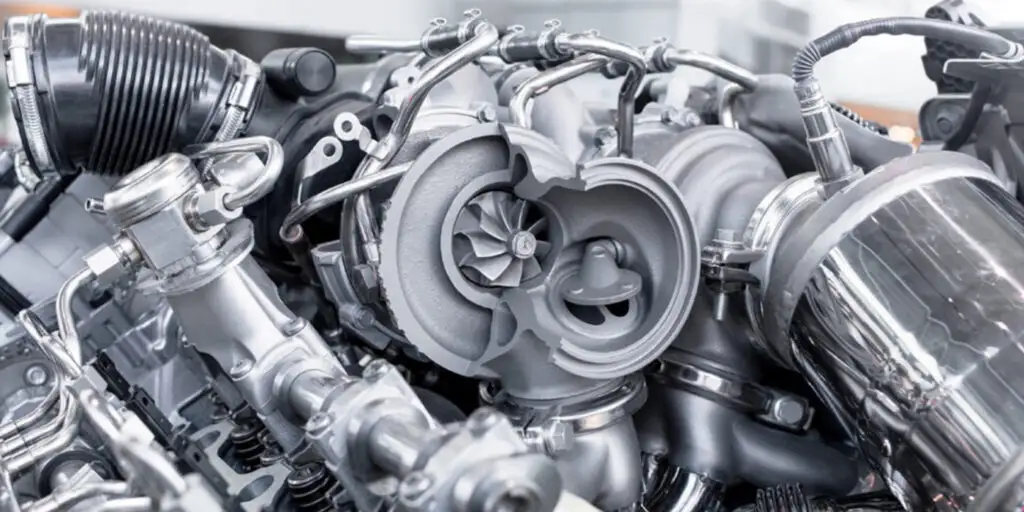
City driving becomes particularly frustrating. Stop-and-go traffic requires constant acceleration from low speeds. Every traffic light becomes an exercise in managing a vehicle that responds sluggishly and unpredictably to throttle inputs from rest.
A healthy wastegate closes quickly and precisely during acceleration. This closure directs maximum exhaust energy toward the turbine wheel. The turbocharger spools faster, and the driver experiences crisp, responsive power delivery without extended waiting periods.
Sticky actuator mechanisms are often the cause of this problem. The wastegate actuator uses pressure or electronic signals to move the wastegate valve. When the actuator rod seizes due to corrosion or heat damage, valve movement becomes slow and imprecise.
Electronic wastegates are increasingly common in modern vehicles. These systems use solenoid valves and ECU control for precise management. When electronic components fail, the wastegate defaults to a fixed position that creates either chronic underboost or overboost conditions permanently.
Inspect the wastegate actuator rod visually during a workshop inspection. The rod should move freely and smoothly through its full range of motion. Any stiffness, corrosion, or resistance indicates the actuator needs attention before the problem worsens further.
Correcting sluggish throttle response improves both safety and enjoyment. A properly functioning wastegate delivers power predictably and consistently. Restoring that responsiveness transforms the driving experience back to what the manufacturer originally intended for the vehicle.
6. Visible Exhaust Smoke and Color Changes
Exhaust smoke tells stories about what is happening inside your engine. A healthy turbocharged engine produces virtually invisible exhaust under normal operating conditions. Colored smoke is a warning signal that demands immediate investigation.
A sticking wastegate disrupts the combustion process significantly. When boost pressure is incorrect, the air-fuel mixture burns improperly. This incomplete or irregular combustion produces visible exhaust smoke in colors that indicate specific underlying problems.
Black smoke typically indicates an overly rich fuel mixture. When the wastegate sticks open and boost drops, the ECU adds extra fuel to compensate for the perceived lean condition. The excess unburned fuel exits through the exhaust as thick black smoke.
This black smoke is most visible during hard acceleration attempts. You push the throttle, the turbo fails to build proper boost, and the engine responds by dumping extra fuel into the cylinders. The resulting black smoke pours from the exhaust pipe in noticeable quantities.
Blue or blue-grey smoke indicates oil burning. A sticking wastegate that causes overboost can damage turbocharger oil seals. When these seals fail, engine oil enters the turbocharger housing and gets burned along with the intake charge.

Oil burning from turbo seal failure is a serious secondary consequence of wastegate problems. The turbocharger bearing system relies on a pressurized oil film for lubrication. Excessive boost pressure pushes oil past the seals and into the intake and exhaust systems.
White smoke can indicate coolant entering the combustion chamber. Extreme overboost conditions can cause head gasket failure. A blown head gasket allows coolant to leak into cylinders, where it burns and exits as distinctive white or steam-like exhaust smoke.
The timing of smoke appearance matters greatly for diagnosis. Smoke only during cold starts often indicates different problems from smoke that appears during hard acceleration. Wastegate-related smoke is typically worst during high-load acceleration scenarios.
Check your oil and coolant levels regularly if you suspect turbocharger problems. Unexplained oil consumption alongside visible smoke confirms turbo seal damage. Low coolant with white smoke confirms head gasket involvement requiring immediate professional attention.
Diesel vehicles show exhaust smoke symptoms more dramatically. Diesels are inherently more dependent on precise boost pressure for clean combustion. Even small deviations caused by a sticking wastegate produce visible smoke that would not appear in a healthy engine.
Never ignore colored exhaust smoke. Many drivers assume smoke is temporary and will clear itself. In turbocharged engines with wastegate problems, smoke symptoms always represent genuine mechanical damage that worsens progressively without intervention and proper repair.
7. Engine Overheating and Temperature Fluctuations
Your engine’s cooling system works hard to maintain optimal operating temperature. The turbocharger adds significant heat load to this system. A sticking wastegate upsets this thermal balance in ways that lead directly to overheating problems.
When the wastegate sticks closed and overboost occurs, exhaust gas temperatures rise dramatically. The turbine wheel spins faster than designed. This generates excess heat that transfers throughout the turbocharger housing and surrounding engine components.
Turbocharger housings can reach temperatures exceeding 900 degrees Celsius under normal operation. An overboost condition caused by a sticking wastegate pushes these temperatures even higher. The surrounding components, including heat shields and wiring, suffer accelerated deterioration.
Your coolant temperature gauge tells part of this story. During overboost events, you may notice the temperature gauge climbing higher than normal. The cooling system struggles to remove the additional heat load created by the malfunctioning wastegate.
Some modern vehicles have separate coolant circuits for the turbocharger. These water-cooled turbo systems use coolant to carry heat away from the bearing housing. When overboost occurs, even this dedicated cooling circuit can become overwhelmed by excessive thermal loads.
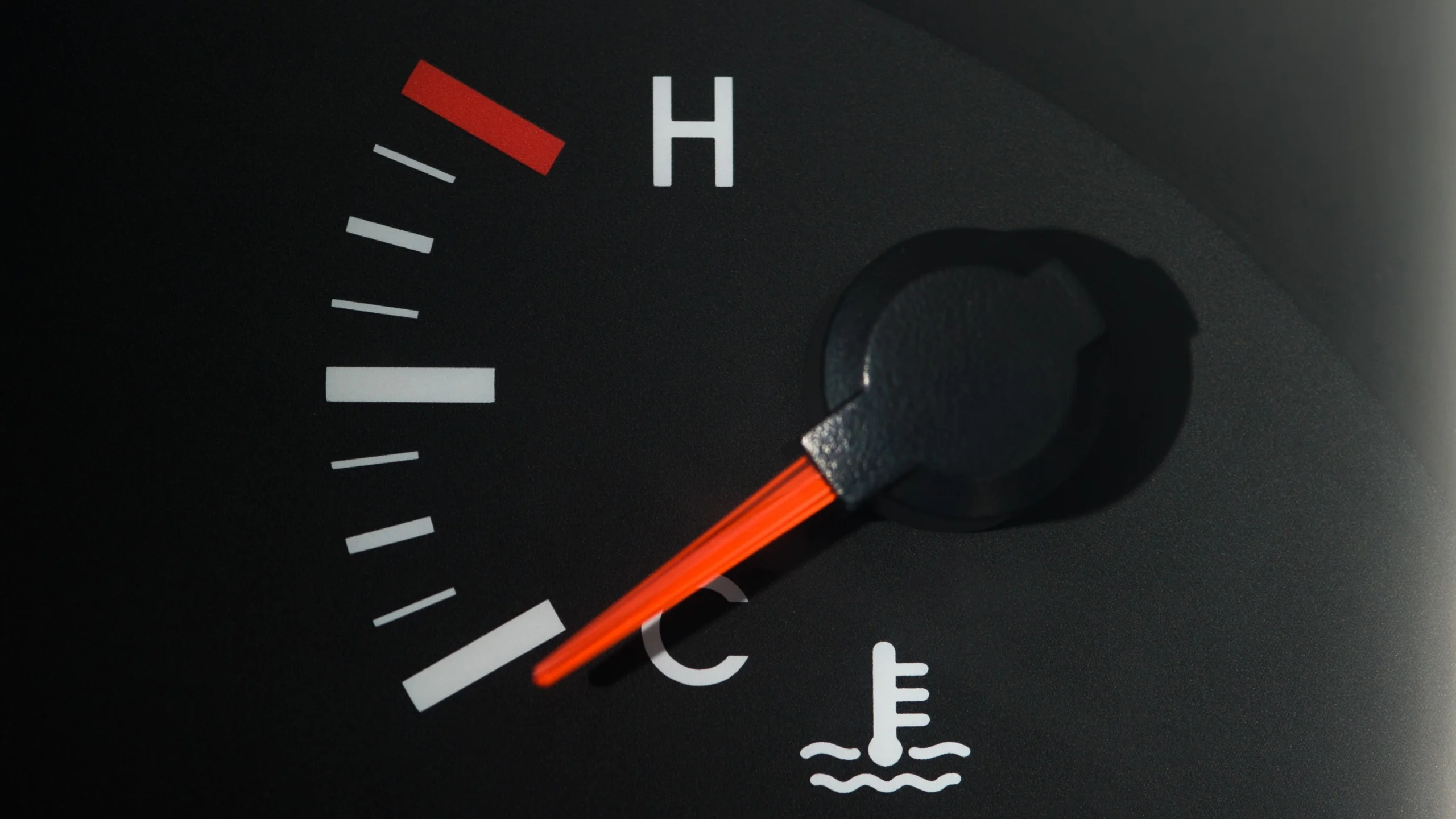
After driving hard, the correct procedure is to let the engine idle for several minutes. This idle period allows coolant to circulate and remove heat from the turbocharger before the engine is switched off. A sticking wastegate makes this cool-down period even more critical.
Immediately shutting off a hot turbocharged engine causes heat soak. The oil inside the turbocharger bearing housing coagulates from extreme heat without the engine running to pump fresh oil through. This coagulated oil deposits coke inside the turbo, causing bearing damage.
Temperature fluctuations are particularly revealing. A sticking wastegate that alternates between open and closed positions creates inconsistent heat generation. The temperature gauge may cycle up and down in ways that confuse drivers into thinking the thermostat is failing.
Check your temperature gauge carefully during and after spirited driving sessions. Normal turbocharged engines maintain consistent temperature within a narrow range. Significant temperature spikes or fluctuations during acceleration point toward turbocharger management problems including wastegate issues.
Overheating from wastegate problems accelerates oil degradation significantly. Engine oil breaks down faster at high temperatures, losing its ability to lubricate effectively. This accelerated oil degradation increases wear on bearings, camshafts, and other precision components throughout the engine.
Address temperature-related symptoms immediately. Allowing an engine to run hot repeatedly causes permanent damage to cylinder head gaskets, valve seats, and piston rings. The cost of repairing overheating damage far exceeds what a timely wastegate repair would have cost.
8. Inconsistent Boost Pressure Readings
Installing a boost gauge is one of the smartest investments a turbocharged vehicle owner can make. This simple instrument reveals exactly what is happening with your turbocharger system in real time. Inconsistent readings are among the clearest signs of a sticking wastegate.
A properly functioning wastegate maintains boost pressure within a precise range. Your manufacturer specifies this range based on engineering requirements. The boost gauge should show steady, predictable readings that correspond directly to your throttle position and engine RPM.
A sticking wastegate produces erratic boost pressure readings. The gauge needle jumps around unpredictably during acceleration. You might see boost spike high momentarily, then drop suddenly, then climb again in an irregular and unstable pattern.
These pressure spikes indicate the wastegate is partially stuck. The valve opens and closes inconsistently, creating alternating moments of too much and too little boost. The engine management system struggles to compensate for these rapid and unpredictable pressure changes.
Some wastegate faults cause chronically low boost readings across all conditions. You accelerate hard and the gauge never climbs above a certain point. This flat boost curve indicates a stuck-open wastegate that bleeds off pressure before the turbo can build adequate charge.
Other faults cause boost that climbs too high and stays there. The gauge needle pushes into the red zone during hard acceleration. The ECU triggers boost cut, boost drops suddenly, and the pattern repeats every time you demand full power from the engine.
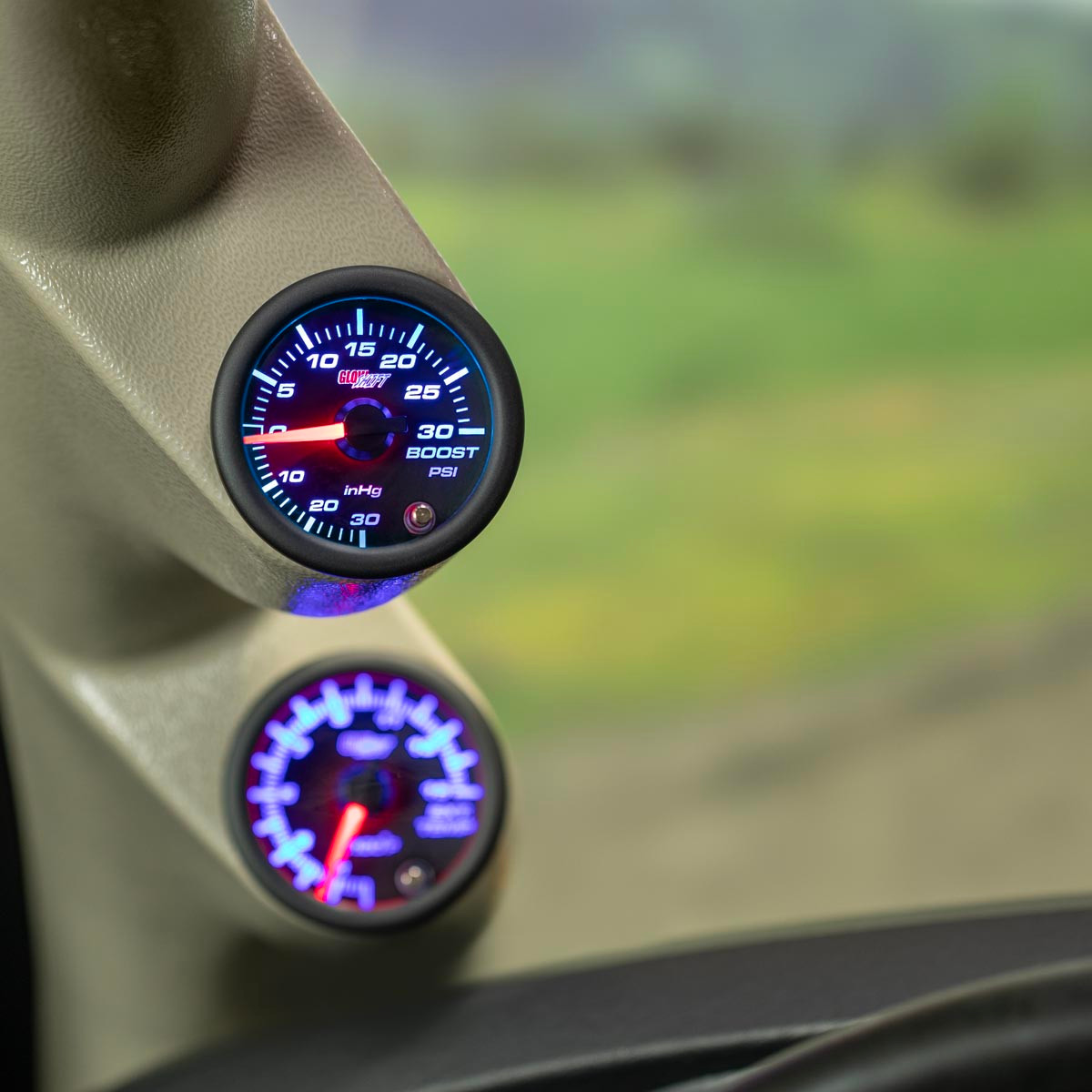
Boost gauge readings should be interpreted in combination with other data. A single low reading does not confirm a wastegate problem by itself. However, consistently low, high, or erratic readings combined with other symptoms on this list paint a very clear diagnostic picture.
OBD diagnostic tools provide another source of boost pressure data. Many modern vehicles report manifold absolute pressure or boost pressure directly through the OBD port. Comparing live sensor data with your physical boost gauge confirms whether the readings are accurate and consistent.
Pressure testing the wastegate actuator is a straightforward workshop procedure. Applying controlled air pressure to the actuator shows whether it moves at the correct pressure point. An actuator that opens too early, too late, or not at all requires immediate replacement or professional adjustment.
Electronic boost controllers used in modified vehicles add another layer of complexity. These devices intercept the wastegate signal and modify it for higher boost targets. When combined with a mechanically sticking wastegate, diagnosing the actual fault source becomes significantly more complicated.
Always address inconsistent boost pressure before modifying your engine for more power. Adding a tune or larger injectors to an engine with a sticking wastegate amplifies the problem dramatically. Resolve the fundamental wastegate issue first, then consider performance enhancements as a separate project.
Consistent boost pressure is the foundation of a healthy turbocharged engine. Monitoring it regularly with a quality gauge gives you early warning of developing problems. A small investment in diagnosis today prevents an enormously expensive turbocharger or engine repair tomorrow.
Also Read: 8 Signs a Dealership Is Trying to Sell You a Former Rental Car
