
The automotive world is changing faster than ever before. Engineers are replacing proven mechanical components with electronic systems at a remarkable pace. Digital control units now manage functions that were once purely mechanical. This shift promises efficiency gains but introduces new layers of complexity and potential failure points.
Electronic oil pumps are being marketed as the future of engine lubrication. They offer variable pressure control and claimed fuel economy improvements. However, real-world longevity data tells a very different story. Complexity always introduces more ways for a system to fail over time.
Mechanical oil pumps operate on a beautifully simple principle. They are driven directly by the crankshaft or camshaft with zero electronic involvement. When the engine spins, the pump spins no sensors, no wiring, no software required. This directness is the foundation of their extraordinary durability.
These pumps have no motor windings to burn out. They have no control modules to develop fault codes. They do not care about voltage fluctuations or corroded connectors. They simply move oil as long as the engine itself is turning.
In this article, we examine seven modern and classic modern engines that retained mechanical oil pumps. These engines have built legendary reputations for outlasting everything around them. They regularly achieve 300,000 to 500,000 miles with disciplined maintenance. Their continued use of mechanical pumps is a deliberate and vindicated engineering decision.
1. Toyota 2GR-FE, The Indestructible V6 That Just Won’t Quit
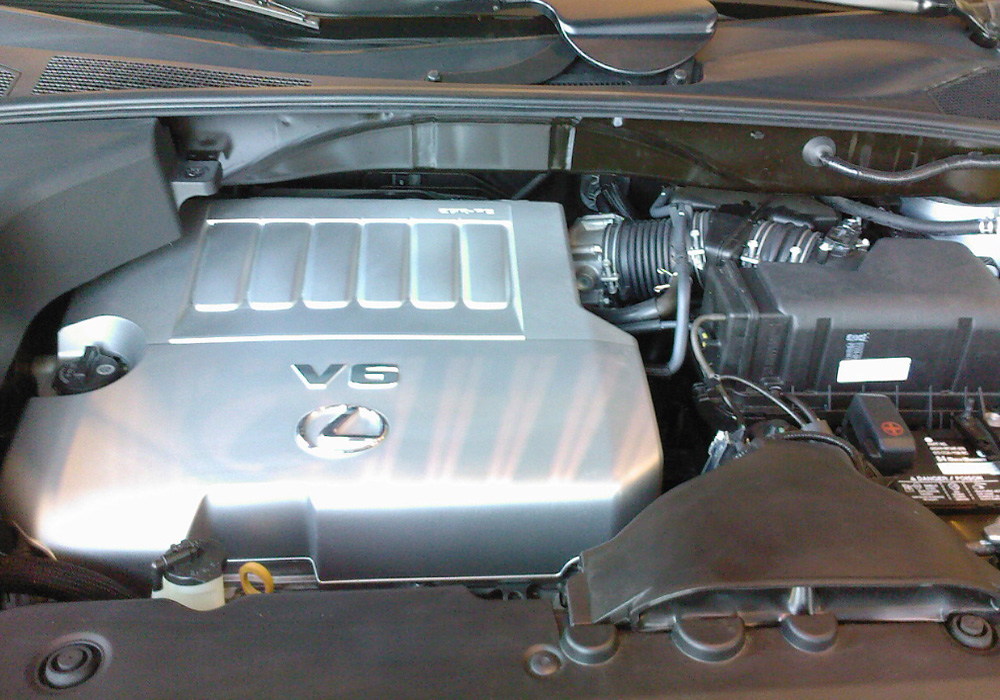
The Toyota 2GR-FE is one of the most respected V6 engines ever built. It powers the Camry, Highlander, RAV4, Sienna, and several Lexus models simultaneously. Toyota introduced this 3.5-liter naturally aspirated engine in 2005. It remained in production for nearly two decades with remarkably few fundamental changes.
At the core of its durability is a gear-driven mechanical oil pump. This pump is mounted directly onto the front of the crankshaft snout. It requires no electrical signal to begin operating at engine startup. The moment the crankshaft turns, oil pressure begins building throughout the entire engine.
The gear-type pump used in the 2GR-FE delivers oil pressure within fractions of a second after cranking. Cold starts are the most damaging period for any engine’s internal components. Metal surfaces are temporarily starved of lubrication during this critical window. The mechanical pump closes that window faster than any electronic alternative currently can.
Toyota designed the 2GR-FE with generously sized oil galleries throughout the block and head. The pump pushes oil through the main bearing gallery, up to the camshaft journals, and to the VVT-i actuators. Every component receives lubrication almost simultaneously after startup. There is no delay waiting for a motor to spin up or a control signal to activate.
The pump’s gear tolerances are deliberately conservative in their design specification. This means the pump maintains adequate pressure even as internal engine clearances widen with high mileage. It is not operating at the absolute limits of its capacity under normal conditions. This safety margin translates directly into extended service life for the entire lubrication system.
Real-world longevity figures for the 2GR-FE are genuinely impressive by any standard. Taxi fleets in Southeast Asia and the Middle East routinely push these engines past 400,000 kilometers. American Highlander and Camry owners frequently cross the 300,000-mile mark without internal engine work. The mechanical oil pump is consistently cited as a non-issue during these high-mileage teardowns.
Toyota’s institutional knowledge of this pump design spans multiple decades of refinement. Engineers understand exactly how it behaves across temperature extremes, high-altitude conditions, and sustained highway loads. That depth of validated real-world data does not exist for electronic pump designs yet. Knowledge built over decades cannot be quickly replicated in a laboratory.
The 2GR-FE also benefits from Toyota’s conservative approach to maintenance interval recommendations. Regular oil changes every 5,000 to 7,500 miles keep the pump supplied with clean, protective lubricant. Clean oil means less abrasive wear on the precision gear faces inside the pump. This simple maintenance habit compounds into extraordinary long-term reliability across the engine’s lifespan.
Toyota never identified the mechanical pump as a component requiring electronic replacement. Instead, each generation refined the pump’s dimensions and material specifications incrementally. The result is a component that represents decades of accumulated precision engineering. It will continue pumping strong long after many newer electronic alternatives have been replaced or abandoned.
2. Cummins ISX, The Diesel Giant Engineered for a Million Miles
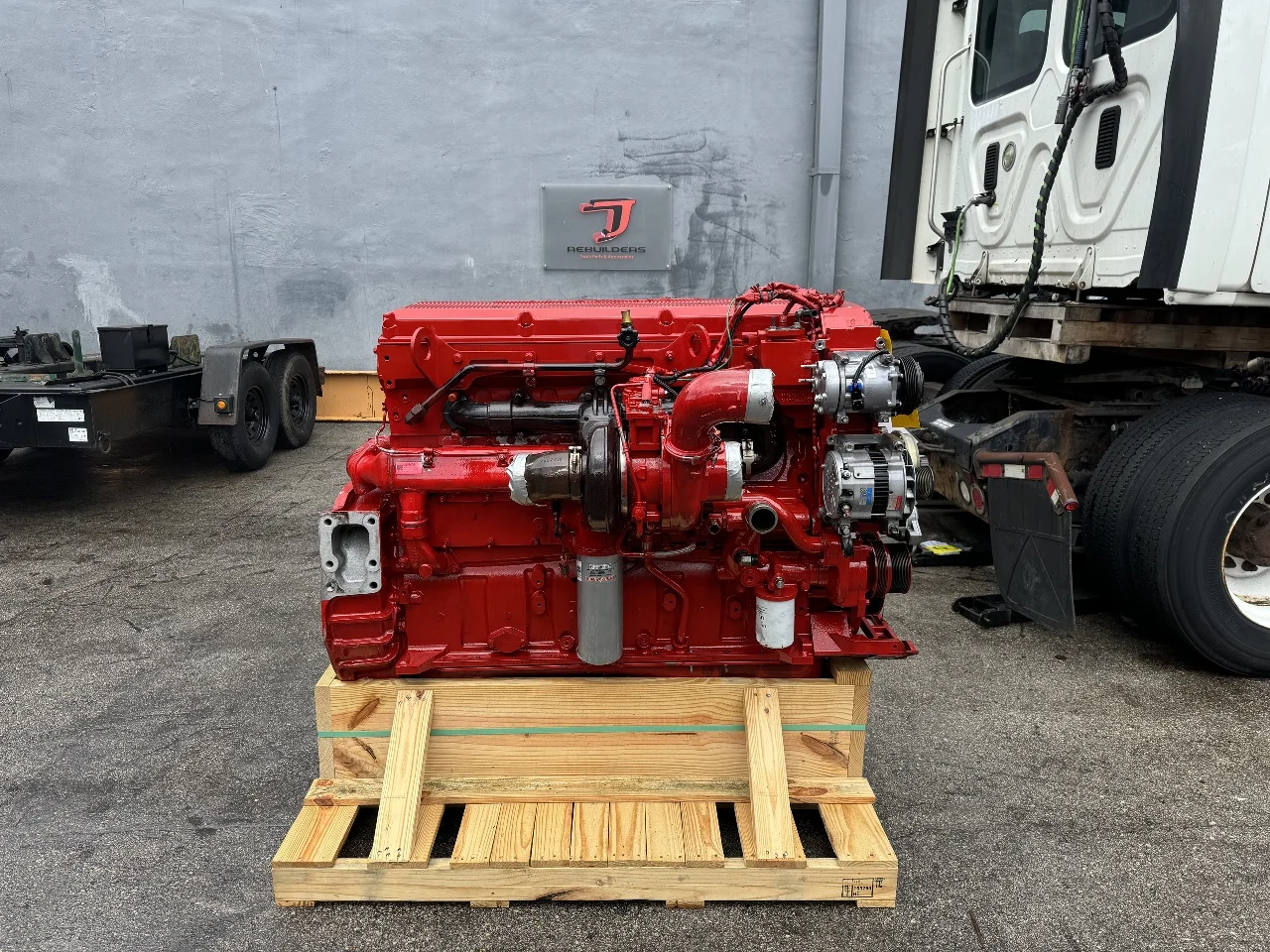
The Cummins ISX is the definitive heavy-duty diesel engine of North American trucking. This 15-liter inline-six powerplant drives Kenworth, Peterbilt, Freightliner, and Volvo trucks daily. Cummins engineered this engine with an explicit one-million-mile service life target. Its mechanical oil pump is absolutely central to achieving that extraordinary goal.
Cummins engineers selected a gear-type mechanical oil pump after exhaustive evaluation of alternatives. The pump connects directly to the engine’s front gear train assembly. This same gear train synchronizes the camshaft, fuel pump, and all major accessory drives. The oil pump receives its power from the most robust and reliable drive system in the entire engine.
Long-haul trucking subjects engines to conditions that reveal every weakness in a design. Sustained high-RPM operation continues for hours on interstate highway runs. Load cycles repeat thousands of times across a single calendar year of service. The mechanical pump maintains consistent, reliable oil pressure through every one of these demanding hours without exception.
The self-regulating nature of mechanical pump operation is a genuine engineering advantage. When engine RPM rises under load, pump output increases automatically and proportionally. When the engine idles at a truck stop, pressure drops naturally to reduce unnecessary parasitic losses. No electronic control system is needed to manage this perfectly logical behavior.
Cummins machined the ISX pump housing from high-strength cast iron with exceptional precision. Gear face surfaces are lapped to tolerances that minimize internal leakage throughout the pump’s service life. The housing geometry is designed to maintain correct clearances even after thousands of thermal cycles. This is engineering built with permanence as the primary objective, not cost reduction.
Fleet maintenance managers who oversee ISX-powered trucks report consistent oil pressure readings across very high mileages. Pumps examined during 600,000-mile overhauls frequently measure within original factory specification tolerances. This consistency allows fleet operators to plan maintenance schedules with confidence. Unexpected pump failures simply are not a significant factor in ISX fleet management planning.
Cummins also integrated a centrifugal bypass oil filter into the ISX’s lubrication system design. This centrifuge removes ultra-fine metallic particles that standard paper filters cannot capture effectively. Extremely clean oil means dramatically reduced abrasive wear on the pump’s precision gear faces. The combination of filtration quality and mechanical simplicity produces results that define the concept of durability.
The ISX has never generated significant warranty claims related to mechanical oil pump failures. In an industry where a single day of downtime costs a fleet operator thousands of dollars, this matters enormously. The pump’s consistent performance across millions of miles and thousands of operating trucks validates every engineering decision Cummins made. Mechanical simplicity, executed with precision, delivers results that no electronic system has yet surpassed in this class.
3. Honda K-Series, The High-Revving Four-Cylinder That Mechanics Genuinely Trust
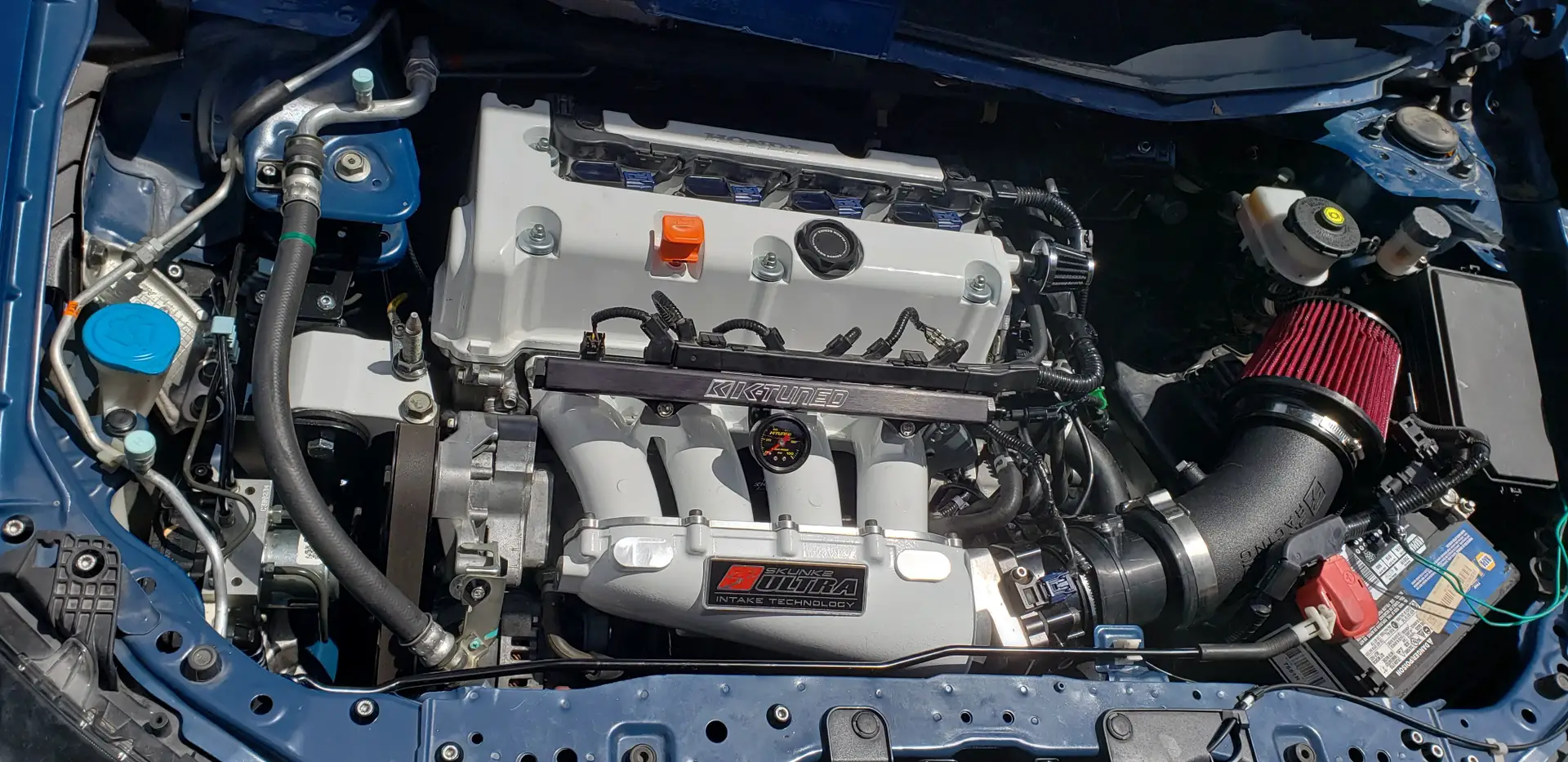
The Honda K-series engine family is among the most trusted four-cylinder platforms ever produced. It includes the K20 and K24 variants found in the Civic, Accord, CR-V, and Element. Honda introduced the K-series in 2001 and continued developing it for nearly two full decades. Its mechanical oil pump is a fundamental reason why both mechanics and owners trust it so deeply.
Honda engineers chose a trochoid-type mechanical oil pump for the K-series platform. This pump sits at the front of the engine driven directly by the crankshaft without any intermediary components. The trochoid design uses inner and outer rotors to create expanding chambers that push oil. It is compact, highly efficient, and extraordinarily durable across extreme mileage figures.
The K24 variant in particular has developed a legendary reputation for outright durability. Honda Accord and CR-V owners consistently report 250,000 to 300,000 miles of reliable service. The mechanical oil pump contributes meaningfully to every one of those miles. It delivers full lubrication pressure to the VTEC system, main bearings, rod bearings, and camshaft journals from the very first revolution.
Cold-start performance is one of the mechanical pump’s most critical contributions to engine longevity. Oil thickens dramatically in cold climates before the engine reaches normal operating temperature. The mechanical pump has no choice but to move this thick oil immediately because the crankshaft commands it directly. It pushes through the resistance without hesitation, protecting every bearing surface from the start.
The VTEC variable valve timing system in K-series engines depends entirely on reliable oil pressure. Oil pressure physically switches the engine between low and high-lift cam profiles under driver demand.
The mechanical pump provides this pressure instantly and consistently across the RPM range. The characteristic VTEC engagement that enthusiasts love is only possible because the mechanical pump never falters.
Honda integrated a precision pressure relief valve directly into the K-series pump assembly design. At high engine RPM, the pump naturally generates more pressure than the system requires to function. The relief valve opens mechanically to recirculate excess oil back to the sump without electronic involvement. This elegant self-regulation requires no sensors, no solenoids, and no control module to function correctly.
Motorsport applications have validated the K-series mechanical pump’s capabilities beyond any doubt. These engines compete in endurance racing, time attack, and rally events with minimal lubrication system modification. The stock mechanical pump handles sustained high-RPM operation without compromise. Racing teams choose it specifically because an electrical fault cannot stop oil delivery at a critical competitive moment.
Honda refined the K-series pump across multiple generations without ever identifying a need for electronic replacement. Each iteration brought improved dimensional tolerances and better surface finishes on the rotor faces. The result is a pump that combines Honda’s legendary manufacturing precision with nearly twenty years of real-world validation. That combination is impossible to replicate with a newer electronic design regardless of its theoretical advantages.
4. Mercedes-Benz OM617, The Diesel That Drives Past Every Known Expectation
The Mercedes-Benz OM617 is a five-cylinder turbocharged diesel engine with a reputation that is genuinely extraordinary. Produced between 1974 and 1991, it powered the iconic W123 and W116 Mercedes-Benz models. Decades after production ended, thousands of these engines remain in active daily service worldwide. The mechanical oil pump is woven deeply into the fabric of this engine’s almost impossible longevity.
Mercedes engineers used a gear-type mechanical oil pump driven directly from the crankshaft front pulley assembly. This pump was designed during an era when mechanical engineering was the only available option. However, Mercedes-Benz engineers applied their obsessive quality standards to every dimension and material selection. The result was a pump built to standards that exceeded what the application strictly required.
Stuttgart’s manufacturing tolerances on the OM617 pump components were exceptionally demanding for the period. Gear faces were precision-ground to surface finishes that minimized internal leakage throughout decades of operation. The cast iron pump housing resisted distortion across extreme temperature cycling that lesser materials could not endure. Every component was inspected multiple times before leaving the factory floor in Germany.
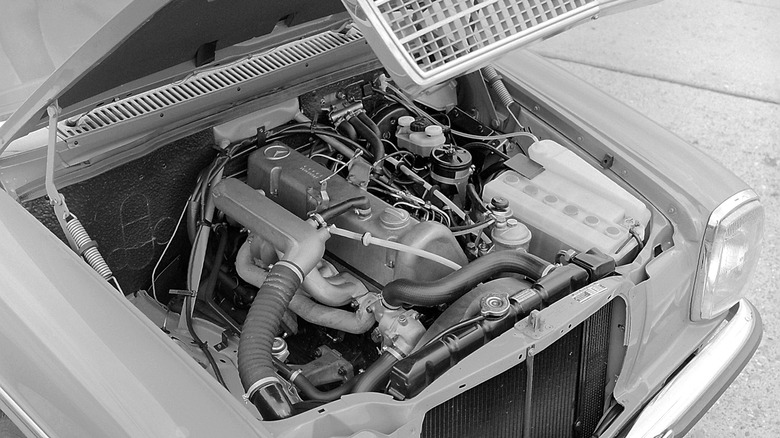
The OM617’s lubrication system design is deliberately generous in its capacity margins. Oil galleries throughout the engine are larger than the minimum flow calculations required. The mechanical pump delivers more oil than strictly necessary, building in a protective surplus. This surplus capacity ensures continued adequate pressure even as pump internal clearances grow gradually with accumulated mileage.
The world record mileage claims surrounding the OM617 are numerous and independently documented. A Greek taxi driver accumulated over 4.6 million kilometers on a W116 powered by this engine. While extensive maintenance supported that record, the mechanical pump survived this extraordinary service alongside the engine block. No electronic component from any era could plausibly make a comparable claim.
The OM617’s continued dominance as a working engine in Africa, the Middle East, and South Asia validates its real-world durability. In regions where electronic diagnostics are unavailable and replacement parts are scarce, mechanical simplicity becomes absolute reliability.
A gear-type oil pump can be disassembled, measured, and serviced with tools available in any basic workshop. This accessibility is itself a profound form of reliability that electronics cannot provide.
Mechanics who rebuild high-mileage OM617 engines describe remarkably consistent findings during pump inspection. Gear faces show gradual, predictable wear rather than sudden or catastrophic degradation.
Simple feeler gauges allow experienced mechanics to accurately assess remaining pump service life. This predictability enables planned maintenance decisions instead of unexpected and catastrophic engine failures.
Mercedes-Benz built the OM617 during the brand’s golden engineering era when absolute durability was the company’s defining value. The mechanical oil pump embodies that era’s philosophy in its purest component form. It was designed not for a service interval or a warranty period but for the complete life of the engine itself. Very few components in any machine from any manufacturer can honestly make that same claim.
Also Read: 10 Used SUVs With the Lowest Insurance Rates for Young Drivers
5. Ford 7.3L Power Stroke, The Diesel That Built a Generation of Fiercely Loyal Owners
The Ford 7.3-liter Power Stroke diesel is arguably the most beloved truck engine in American automotive history. Produced from 1994 to 2003, it powered F-Series Super Duty trucks and the massive Ford Excursion.
This engine built a fanatical following that remains passionate more than two decades after production ended. Its mechanical oil pump is a foundational pillar of the reliability legend it created.
Ford mounted a gear-type mechanical oil pump in the front timing cover of the 7.3 Power Stroke. This pump is driven directly by the crankshaft timing gear with absolute mechanical certainty.
It supplies pressurized oil to the main bearings, rod bearings, camshaft, rocker arms, and the high-pressure oil system simultaneously. That high-pressure oil system is what actuates the hydraulic electronic fuel injectors in this unique engine design.
The 7.3 Power Stroke’s hydraulic injection system makes reliable oil pressure a mission-critical requirement. Without consistent oil pressure, the injector actuation system fails and the engine stops running entirely.
Ford’s decision to power this critical system via a mechanical pump was therefore enormously consequential. An electronic pump failure in this application would mean complete and immediate engine shutdown on the highway.
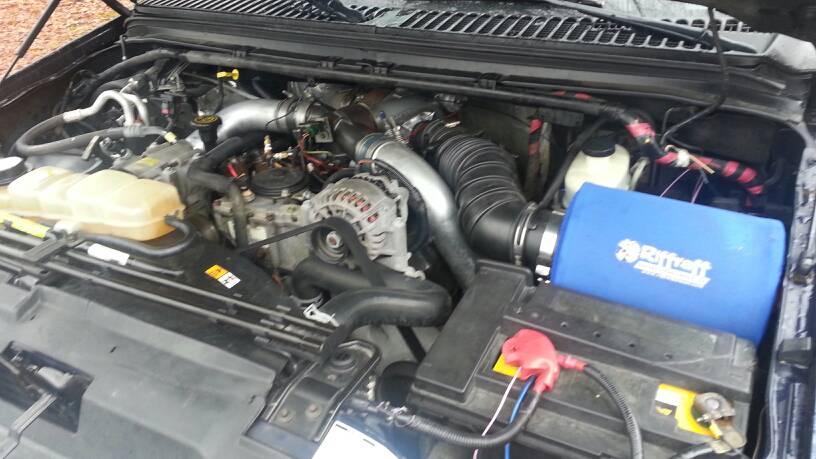
The mechanical pump’s performance at extreme mileages has been documented extensively by the 7.3’s passionate owner community. Trucks with 400,000 and even 500,000 miles on the odometer often still carry their original pump functioning within factory specifications.
The gear proportions in this pump were deliberately conservative in their original design. Ford engineers clearly understood these trucks would work extremely hard for multiple decades.
Owner forums dedicated to the 7.3 Power Stroke contain thousands of high-mileage documentation threads. The consensus from experienced owners and professional diesel mechanics is unanimous and consistent.
The mechanical oil pump is one of the last components that experienced owners worry about as mileage accumulates. Problems at extreme mileage consistently occur in other systems long before the pump shows serious wear.
Ford engineered a coolant-fed oil cooler into the 7.3 Power Stroke’s thermal management system. This cooler stabilizes oil temperature during extended operation under heavy load conditions.
Consistent oil temperature means consistent oil viscosity arriving at the pump’s inlet at all times. The pump therefore operates within a predictable, narrow range of conditions that minimizes stress on its internal components.
Professional diesel mechanics describe the 7.3’s mechanical oil pump with a phrase that says everything. They call it boring. In the high-stakes world of diesel truck engines, where a catastrophic failure costs ten thousand dollars or more, boring reliability is the absolute highest compliment possible. The pump generates no cautionary tales and no memorable repair stories because it simply never fails under normal operating conditions.
Ford acknowledged the 7.3’s legendary status by reviving its nameplate on a new gasoline engine in 2020. However, the original diesel’s reputation for mechanical durability remains completely unchallenged and unmatched.
Twenty years after production ended, 7.3-powered Super Duty trucks command significant premium prices on the used market. Buyers seek them specifically for what the engine and its mechanical oil pump are proven capable of enduring across a working lifetime.
6. Subaru EJ257, The Turbocharged Boxer That Rewards Every Careful Owner
The Subaru EJ257 is the engine that defines the WRX STI’s identity and character. This 2.5-liter turbocharged flat-four engine has powered the STI since 2004 across multiple generations.
It is an engine that rewards disciplined ownership with genuine performance reliability. Its mechanical oil pump performs flawlessly and consistently when the owner respects the engine’s requirements.
Subaru uses a trochoid-type mechanical oil pump in the EJ257, driven directly by the front of the crankshaft. The horizontally opposed boxer engine layout creates unique lubrication geometry challenges for engineers.
Oil must reach components positioned at unusual angles relative to a traditional vertical sump layout. Subaru’s mechanical pump overcomes these challenges through carefully engineered gallery routing and generous pressure margins throughout the system.
The EJ257’s mechanical pump simultaneously feeds oil to a demanding list of critical recipients. The turbocharger bearing journal requires a continuous, clean supply of pressurized oil to survive boost operation.
The main and rod bearings carry substantial loads from the turbocharged combustion events above them. Piston oil squirters spray cooling oil directly onto the underside of each piston under high thermal load. The mechanical pump serves all of these needs without electronic prioritization or compromise.
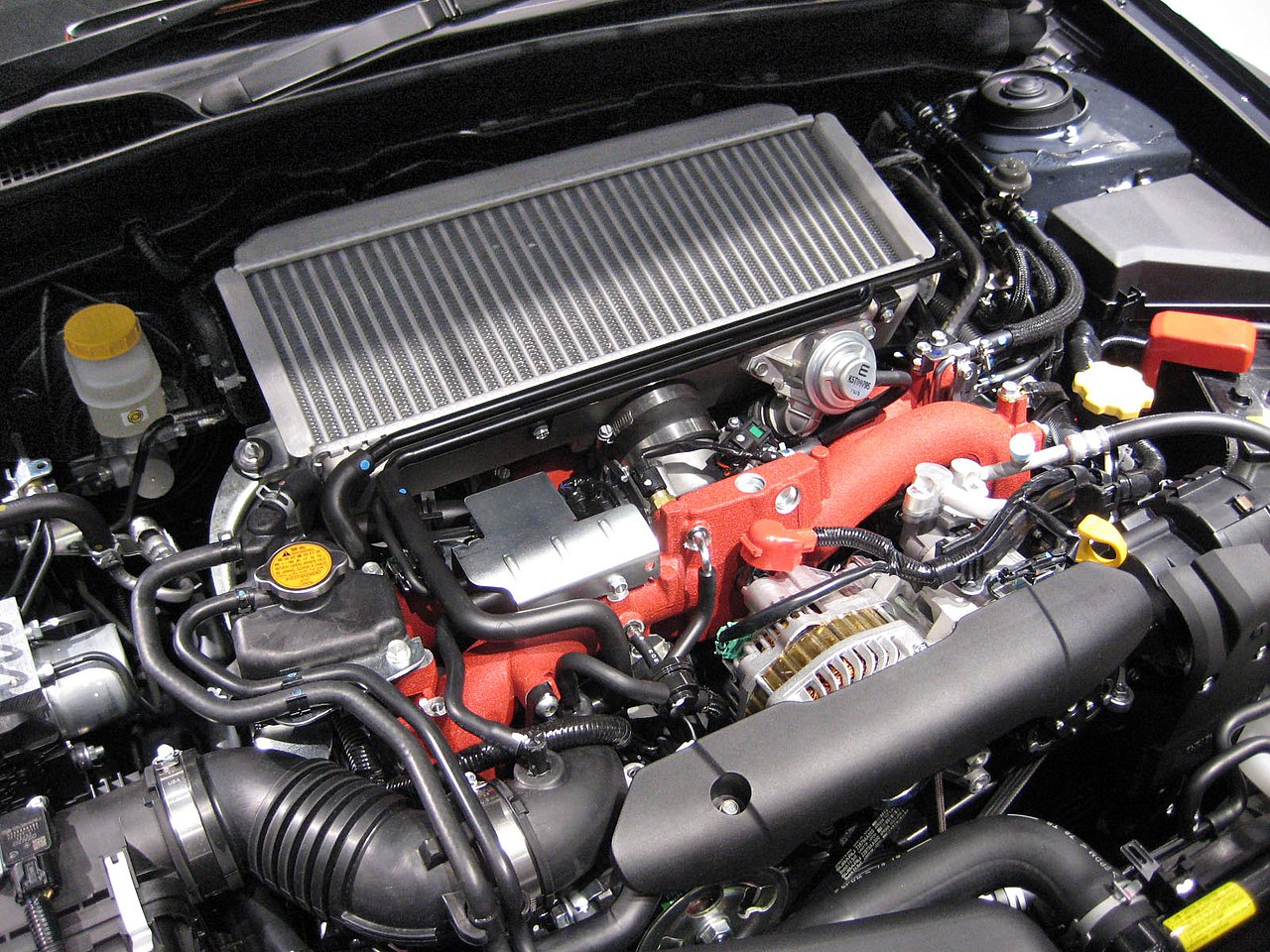
Motorsport applications have tested the EJ257’s mechanical pump in genuinely extreme conditions. Rally cars operate at sustained maximum RPM across rough terrain with severe chassis movements.
The mechanical pump maintains consistent oil pressure regardless of vehicle attitude or cornering forces. It responds instantaneously to RPM changes because its output is directly and physically tied to crankshaft speed without any electronic lag.
The EJ257’s maintenance sensitivity is actually a testament to how effectively the mechanical pump operates. When fresh, high-quality oil is present, the pump circulates it efficiently to every bearing and friction surface.
When oil is neglected or of poor specification, the pump faithfully delivers degraded lubricant without filtering complaints. The pump honestly reflects the owner’s maintenance commitment rather than masking it with electronic compensation.
Subaru competition teams maintained extremely strict oil service intervals on EJ257-based rally engines. Factory World Rally Championship programs considered oil quality and change frequency as primary performance variables.
The mechanical oil pump in these competition units endured sustained full-throttle runs, altitude changes from sea level to mountain stages, and violent temperature swings. Its mechanical simplicity meant engineers had one fewer electronic system to troubleshoot between competitive stages.
The EJ257’s mechanical pump integrates with a straightforward mechanical pressure sensor that feeds the dashboard gauge. Drivers receive direct, uninterpreted oil pressure data in real time during operation.
This honest feedback system suits the pump’s unpretentious mechanical nature perfectly. When pressure drops, drivers know immediately without waiting for an electronic system to process and report the information.
Careful owners who maintain strict oil change intervals and use appropriate specification lubricants report excellent pump longevity. Pumps inspected during engine rebuilds at 150,000 to 200,000 miles consistently show minimal rotor face wear.
The pump’s conservative sizing relative to the engine’s actual demands means it operates comfortably within its design limits during normal use. Disciplined maintenance converts the EJ257’s reputation from temperamental to genuinely and impressively reliable.
7. Land Rover 300Tdi, The Off-Road Diesel That Has Conquered Every Continent
The Land Rover 300Tdi is a 2.5-liter turbocharged diesel engine produced between 1994 and 1998. It powered the Defender, Discovery, and Range Rover during one of Land Rover’s most celebrated production periods.
This engine has achieved iconic status in overlanding, expedition, and humanitarian communities across the entire globe. Its mechanical oil pump operates reliably in environments that would challenge and defeat far more modern engine designs.
Land Rover engineers designed the 300Tdi with a single overriding priority above all other considerations. That priority was robustness under sustained use in environments far from professional service facilities. The gear-type mechanical oil pump driven through the front timing case reflects this philosophy completely. It was built for operators who could not afford a single unexpected failure in a remote location.
The 300Tdi’s mechanical pump must perform reliably across an extraordinary and demanding range of operating environments. Defenders working in sub-Saharan Africa encounter sustained ambient temperatures above 45 degrees Celsius during operation.
The same engine design functions reliably in Icelandic expeditions at temperatures well below minus 20 degrees Celsius. The mechanical pump adapts to this full temperature spectrum through sheer physical robustness rather than electronic adaptation.
Off-road navigation places unique and specific demands on an engine’s lubrication system. Technical terrain requires sustained low-RPM crawling through mud, sand, rocks, and river crossings.
The mechanical pump delivers protective oil pressure at these very low engine speeds without any minimum RPM threshold requirement. Land Rover sized this pump specifically to maintain safe bearing pressures at true idle speed during the slowest off-road maneuvers.
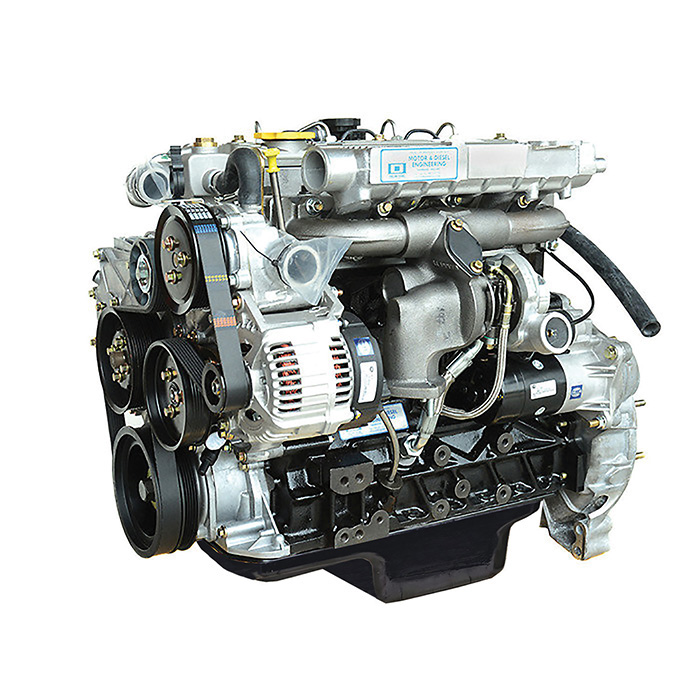
The 300Tdi serves as a critical working tool in developing nations across multiple continents and climate zones. Agricultural operations, mining support vehicles, and humanitarian organization fleets depend on its reliability daily.
In these environments, the mechanical oil pump’s repairability is as valuable as its longevity under normal operation. A pump failure in rural Chad or northern Mongolia must be fixable with locally available tools and basic mechanical skills.
The gear-type mechanical pump in the 300Tdi meets the repairability requirement completely and practically. Disassembly requires only standard hand tools found in any basic workshop or carried in a field toolkit.
Gear clearances can be measured with simple feeler gauges to assess condition and remaining service life. Replacement gears and housings can be machined locally if factory parts are genuinely unavailable in extremely remote locations.
Land Rover Defender communities document extraordinary 300Tdi longevity with consistent regularity across global forums. Original engines with over 300,000 miles of service remain in active daily use across multiple continents simultaneously.
Mechanical oil pumps examined during high-mileage rebuilds consistently show gradual, predictable wear patterns. This predictability allows experienced mechanics to plan pump service during scheduled maintenance rather than respond to sudden catastrophic failures.
The 300Tdi also incorporates a bypass valve system that works in harmony with the mechanical pump’s operating characteristics. If the oil filter becomes severely blocked under extreme conditions, the bypass valve opens automatically.
The mechanical pump continues delivering unfiltered oil to the engine rather than allowing complete oil starvation to occur. This critical fail-safe behavior requires absolutely no electronic management or intervention to function correctly.
Land Rover built the 300Tdi during an era when the brand’s vehicles were designed to last multiple decades in punishing, unforgiving conditions worldwide. The mechanical oil pump is that engineering philosophy expressed in its most essential component form. It is deliberately overbuilt, mechanically simple, field-repairable, and designed for the complete working life of the vehicle rather than a fixed warranty period.
Enthusiasts who seek out 300Tdi-powered Defenders are making a conscious and informed choice for mechanical integrity over electronic complexity. That choice is validated every single day, on every continent, in conditions that no electronic oil pump has yet been seriously asked to match.
Also Read: 10 Best Used Cars Under 10,000 Dollars That Are Actually Safe
