Resale value has become one of the most critical, but often overlooked, factors when buying a vehicle in the United States.
With average transaction prices still hovering near record highs and interest rates remaining relatively elevated, what a car is worth three to five years down the line can significantly impact the true cost of ownership.
In 2026, the gap between vehicles that hold their value and those that depreciate rapidly is wider than ever, driven by shifting consumer preferences, reliability data, electrification trends, and brand perception.
Some vehicles benefit from strong demand in both new and used markets, proven reliability, and reputations built over decades.
Others suffer from oversupply, expensive maintenance, questionable long-term durability, or rapid technological obsolescence, especially in segments evolving as quickly as EVs and luxury tech-heavy models.
Below is a detailed breakdown of five vehicles that retain exceptional resale value in 2026, contrasted with five that tend to lose value almost immediately after leaving the dealership.
Vehicles With High Resale Value in 2026
Brands like Toyota and Lexus consistently dominate resale rankings due to their track record of long-term dependability and strong buyer trust. Meanwhile, certain vehicle types, particularly pickup trucks, SUVs, and low-production sports cars, tend to depreciate more slowly because of their sustained demand and limited supply.
Even mainstream options such as the Honda Civic and Toyota Camry perform exceptionally well, proving that high resale value isn’t limited to luxury or niche vehicles.
This article highlights vehicles with the highest resale value in 2026, models that minimize depreciation and maximize long-term return. Whether you’re buying new or planning ahead for resale, these vehicles represent the smartest choices for protecting your investment in an increasingly expensive automotive market.
1. Toyota Tacoma
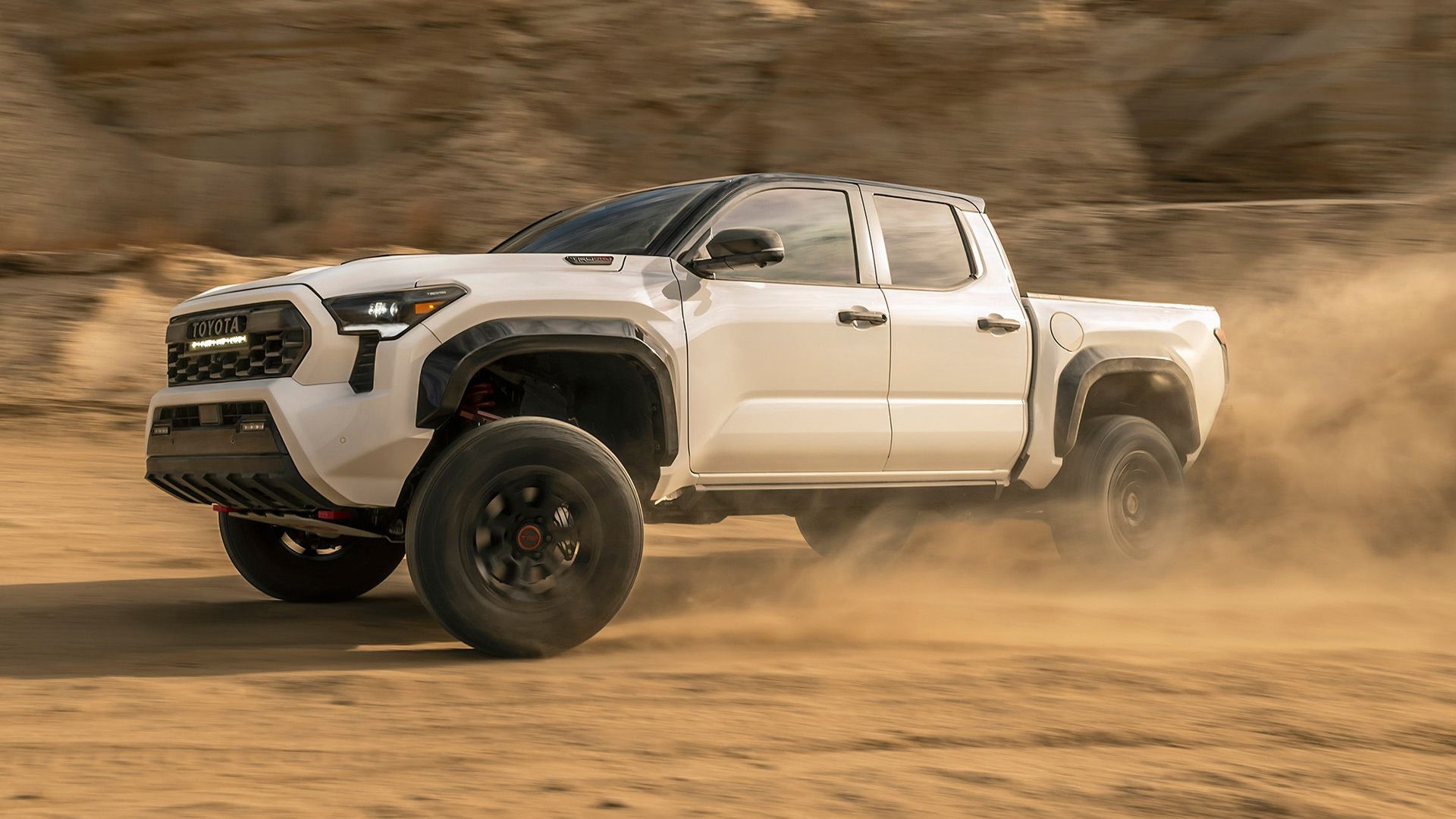
The Toyota Tacoma has long been considered one of the safest bets when it comes to resale value, and that reputation only strengthens in 2026. In a market where most vehicles lose value rapidly within the first few years, the Tacoma stands out for its unusually slow depreciation and consistent demand in both new and used markets.
Industry data shows it ranks among the top vehicles with the lowest depreciation rates, alongside sports cars and other high-demand models, reinforcing its position as a value-retention leader.
One of the primary reasons for the Tacoma’s strong resale value is its proven reliability. Buyers widely associate the truck with long-term durability, which keeps used models highly desirable even with higher mileage.
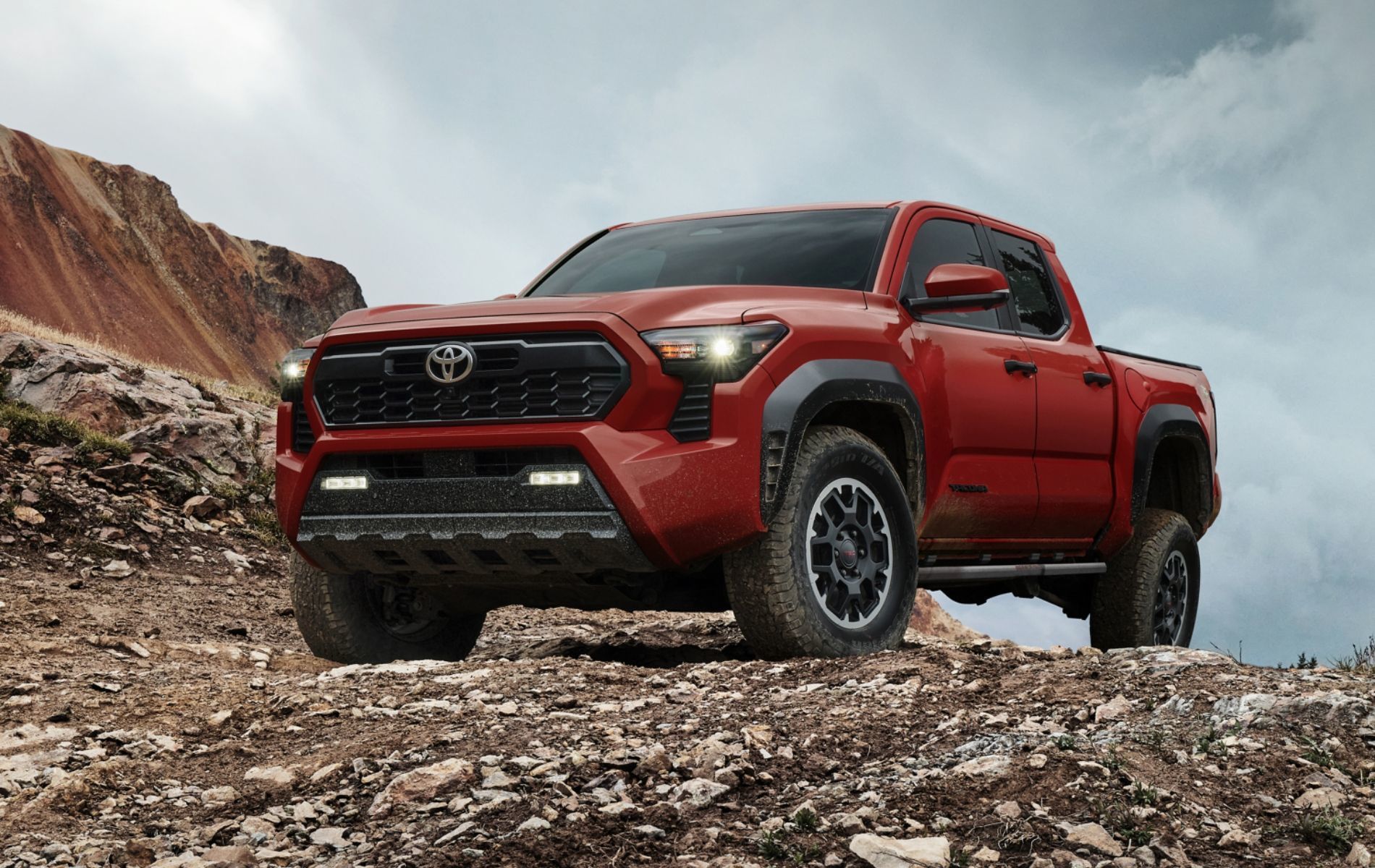
This demand directly impacts resale pricing, allowing Tacoma owners to recover a larger portion of their original investment compared to most midsize trucks. In fact, a Tacoma typically loses only about 22% of its value over five years, far below the industry average, and can retain roughly three-quarters of its original price in that same period.
Another key factor is market demand. Unlike many vehicles that flood the used market and drive prices down, the Tacoma maintains a strong balance between supply and demand.
Its reputation for off-road capability, work-ready durability, and low long-term ownership costs ensures a steady pool of buyers willing to pay a premium for a well-maintained example. This consistent demand helps stabilize resale prices even as the truck ages.
2. Toyota 4Runner
The Toyota 4Runner remains one of the strongest performers in the entire SUV market when it comes to resale value, and in 2026 it continues to set the benchmark for long-term value retention.
While most vehicles lose a significant portion of their worth within the first five years, the 4Runner consistently defies that trend, earning recognition as the Best Resale Value Off-Road SUV in the latest industry awards.
What makes the 4Runner stand out is how little it depreciates compared to its segment. On average, it retains roughly 60% to 65% of its original value after five years, with some estimates pushing even higher depending on condition and mileage.
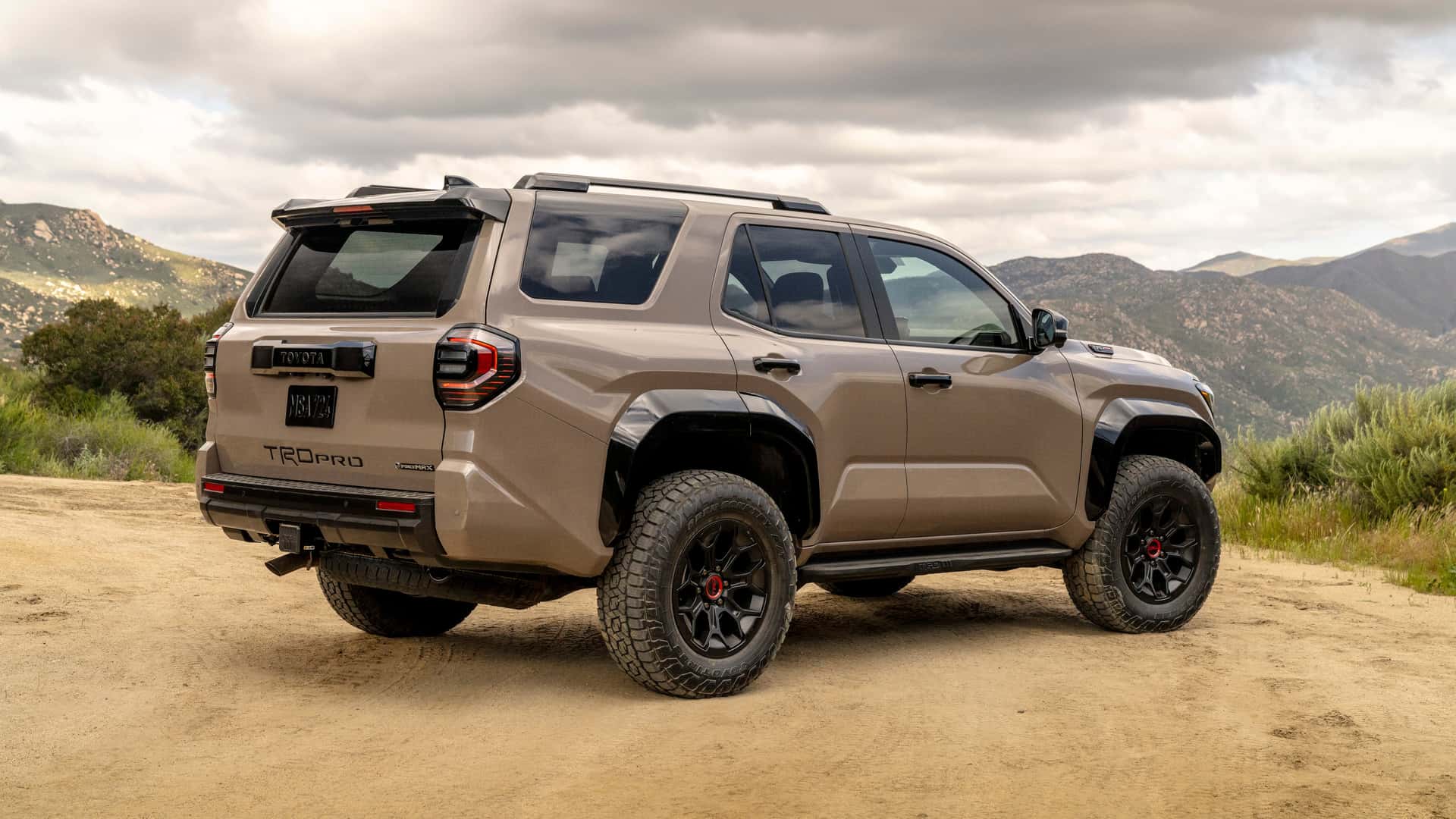
In contrast, the typical midsize SUV loses closer to half its value over the same period, highlighting just how exceptional the 4Runner’s resale performance really is.
This strong value retention is largely driven by its reputation for durability and longevity. Built on a traditional body-on-frame platform, the 4Runner appeals to buyers who prioritize ruggedness and long-term reliability over trend-driven features.
Many examples regularly exceed 200,000 miles with proper maintenance, which keeps demand high in the used market and prevents prices from dropping sharply.
This appeals strongly to buyers who want mechanical simplicity and proven off-road performance. Because there are few direct competitors offering the same rugged formula, demand for used 4Runners stays consistently high.
3. Honda Civic
The Honda Civic has built a long-standing reputation as one of the safest choices for buyers focused on resale value, and that remains true in 2026.
In a segment where many compact cars depreciate quickly, the Civic consistently ranks among the top performers, thanks to its balance of reliability, affordability, and broad market appeal. Recent industry analysis places it among the vehicles with the lowest depreciation rates, reinforcing its status as a value-focused option for long-term ownership.
One of the Civic’s biggest strengths is how well it holds its value over time. On average, it depreciates by roughly 22% to 29% over five years, which is significantly better than the vehicle average of over 40% in the same period.
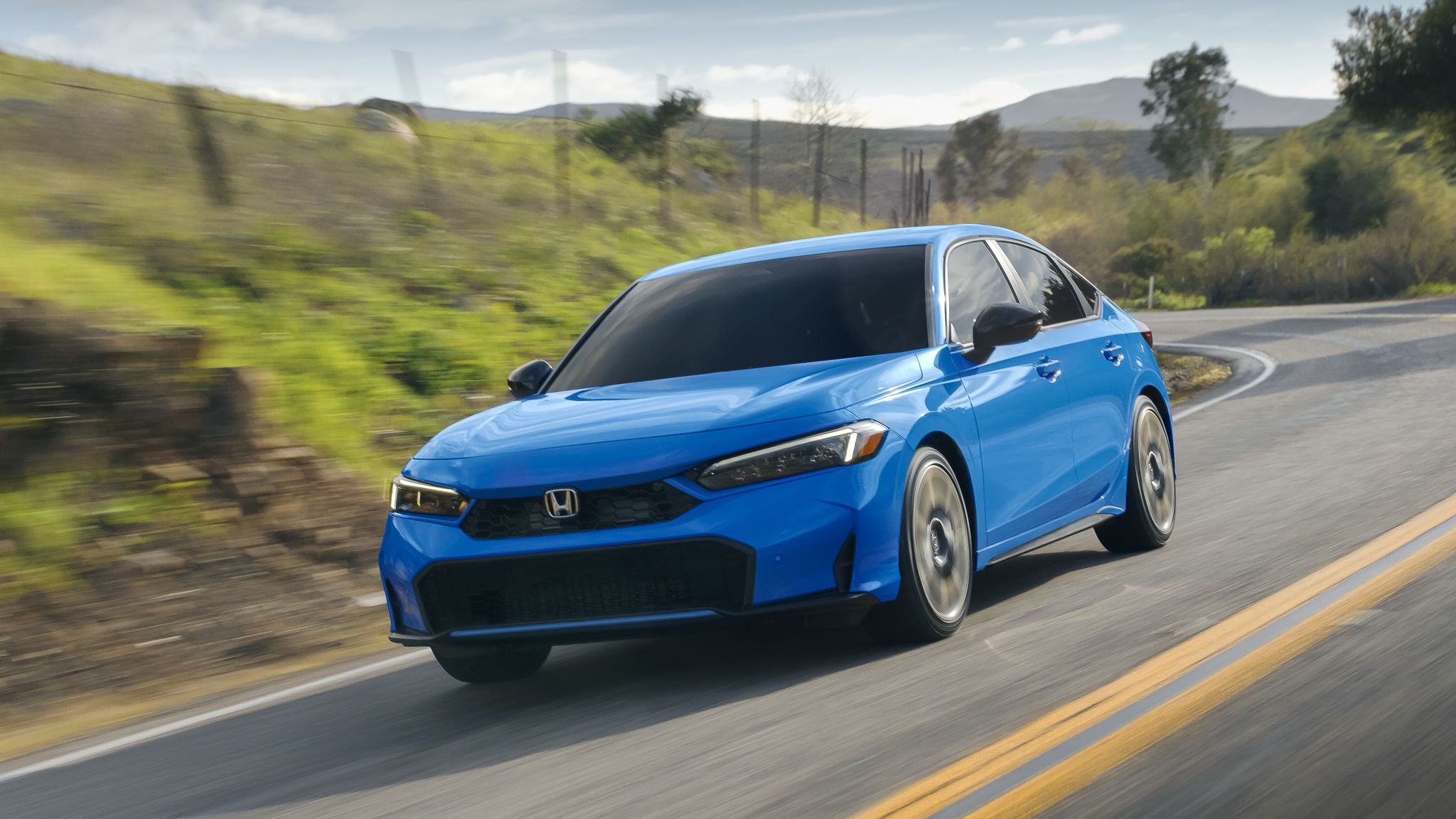
This means owners retain a large portion of their initial investment, making it a financially practical choice whether buying new or used. Some data even shows the Civic retaining around 88% of its value after three years, highlighting its strong short-term resale performance.
Reliability plays a major role in this value retention. The Civic consistently earns high reliability ratings, around 4.5 out of 5 in its class, while also being known for low maintenance costs and long service life. Vehicles that are inexpensive to maintain and rarely experience major issues naturally remain in higher demand on the used market, which helps stabilize resale prices over time.
Another key factor is widespread demand. The Civic appeals to a broad range of buyers, from first-time drivers to commuters and even enthusiasts, ensuring a steady resale market.
Its fuel efficiency, practical design, and strong brand reputation all contribute to sustained interest, even as newer models are introduced. This demand prevents the sharp depreciation seen in less popular compact cars.
4. Subaru Outback
The Subaru Outback has carved out a unique position in the market, blending SUV capability with wagon-like practicality, and that versatility plays a major role in its strong resale value in 2026.
While it may not match the exceptionally low depreciation of trucks like the Tacoma or rugged SUVs like the 4Runner, the Outback still performs well above average for its class, making it a smart long-term ownership choice.
One of the key factors behind the Outback’s value retention is its balanced depreciation curve. On average, it loses around 40% to 43% of its value over five years, which is roughly in line with or slightly better than many midsize crossovers.
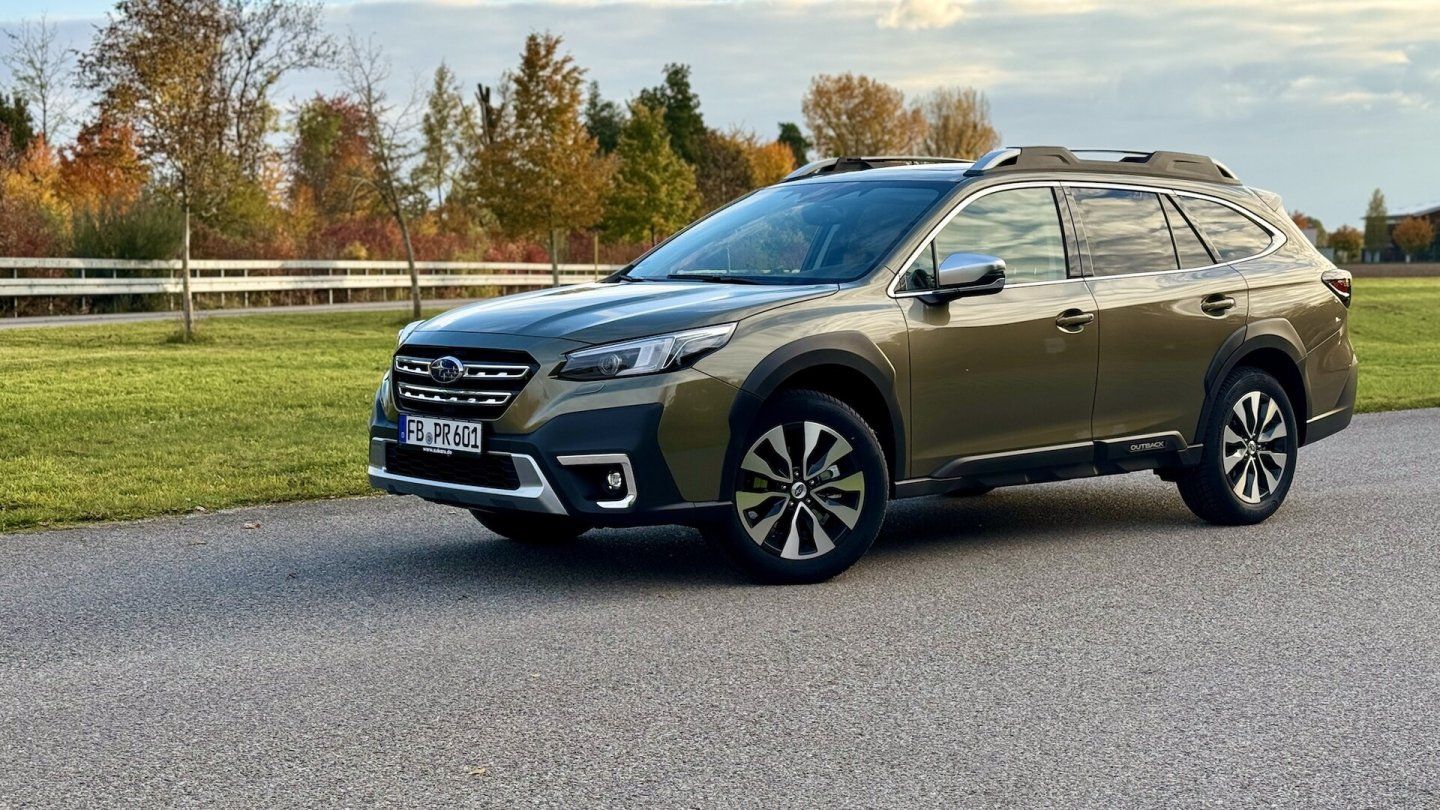
This places it comfortably in the upper half of the segment, avoiding the steep early depreciation seen in less desirable models. Even in shorter ownership periods, the Outback holds up well, with only about 20% depreciation after three years, indicating strong short-term resale demand.
Reliability and longevity are central to this performance. Subaru has built a reputation for durable, all-weather vehicles, and the Outback benefits directly from that image. In fact, a large percentage of Outbacks remain on the road for many years, reinforcing buyer confidence in the used market. This sustained durability keeps resale demand stable, particularly among buyers looking for dependable, adventure-ready vehicles.
Another major advantage is standard all-wheel drive and strong utility. Unlike many competitors that treat AWD as an option, the Outback includes it across the lineup, making it especially appealing in regions with harsh weather or outdoor-focused lifestyles. This broad usability ensures consistent demand, which helps prevent sharp drops in resale value even as newer models are introduced.
5. Ford Maverick (Hybrid)
The Ford Maverick Hybrid has emerged as a surprising resale champion. Its low starting price, exceptional fuel economy, and practical design have created overwhelming demand since its introduction.
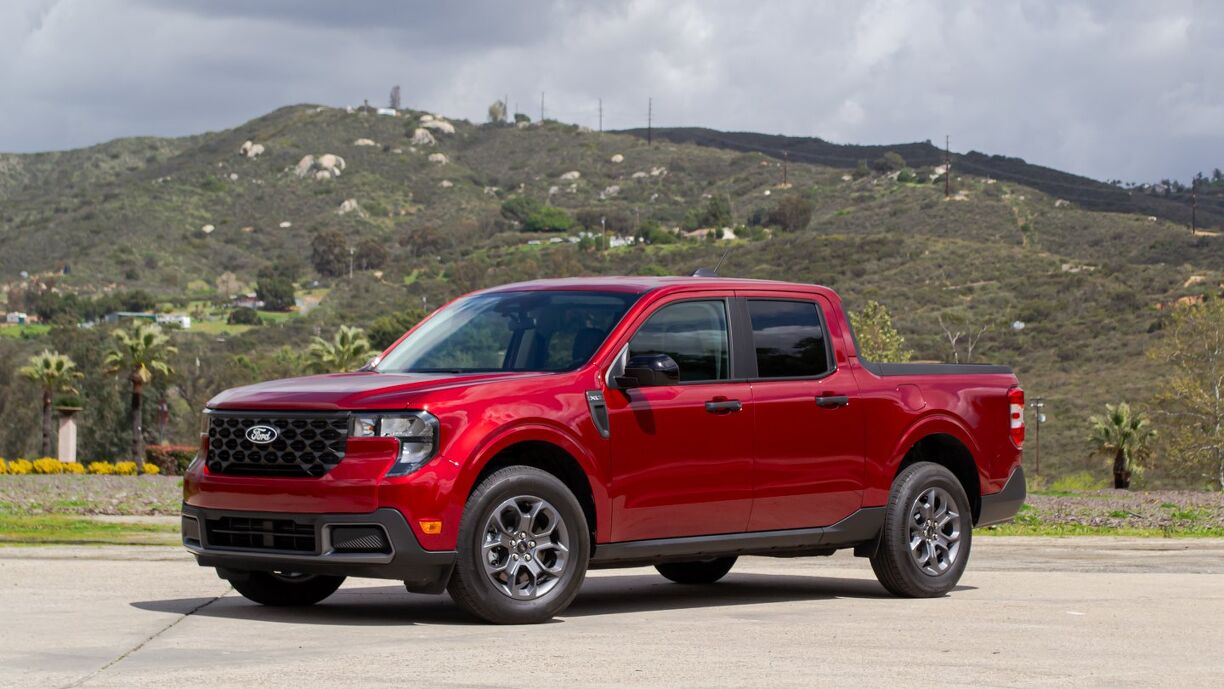
Because supply has struggled to keep up with interest, used Mavericks, especially hybrids, often sell for close to or even above original purchase prices.
Its appeal spans urban drivers, small business owners, and first-time truck buyers, making it one of the most versatile vehicles in today’s market.
Vehicles That Plummet in Value Quickly
For used car buyers, these same vehicles can represent an opportunity to get more features and performance for less money, if long-term ownership costs are carefully considered. Factors such as high maintenance costs, poor reliability records, oversupply in the market, and shifting consumer preferences all play a role in accelerating depreciation.
In this article, we take a closer look at vehicles that are known to lose value faster than most. From luxury models with expensive upkeep to mainstream cars that fail to maintain demand, these examples highlight how quickly depreciation can erode a vehicle’s worth, and why it matters more than many drivers realize.
1. Nissan Altima
The Nissan Altima sits in a very different position compared to value-retention leaders like the Civic or Tacoma. While it remains a popular midsize sedan with solid practicality and competitive pricing, its resale performance in 2026 is notably weaker, making it one of the more depreciation-prone options in its segment.
On average, the Altima loses around 49% of its value within five years, placing it below many key competitors in long-term value retention. Some estimates suggest depreciation can exceed 50% over that same period, which is significantly worse than class leaders like the Honda Accord.
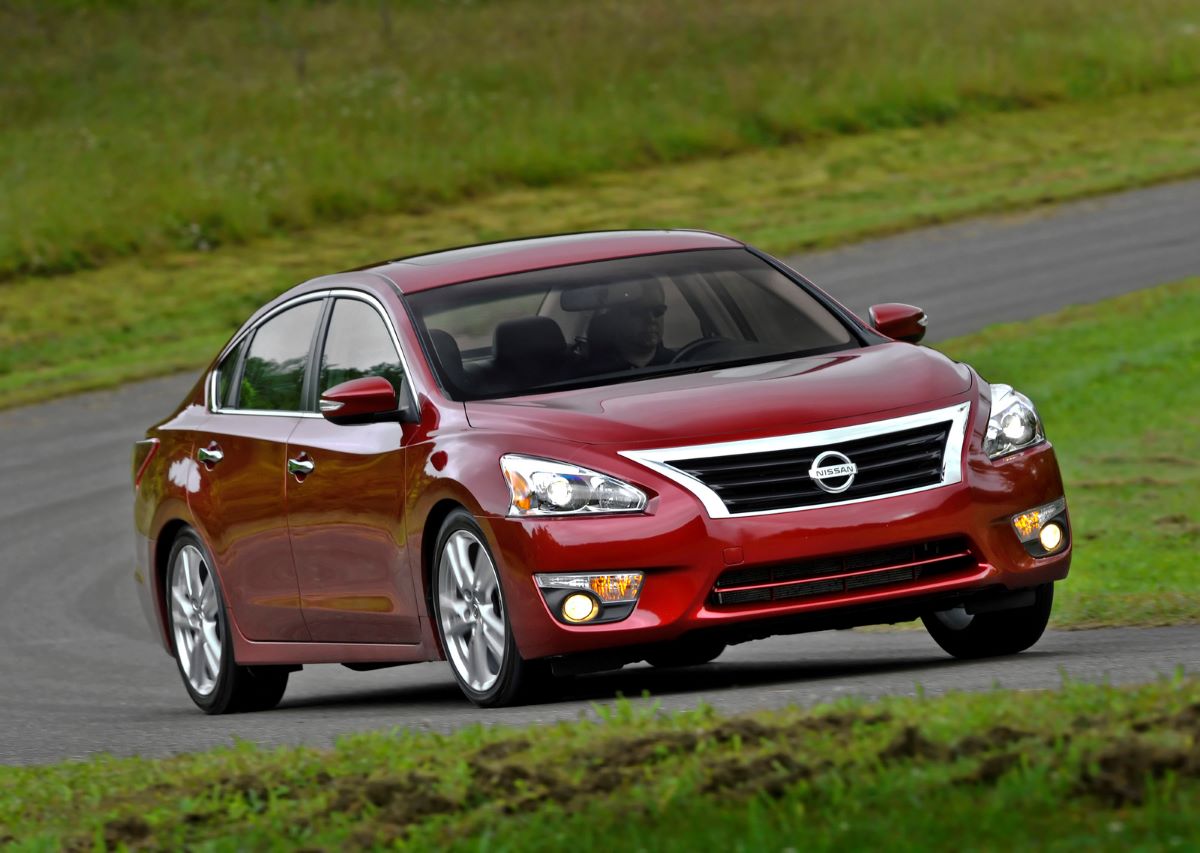
Even in shorter ownership windows, the drop is noticeable, recent models have been shown to lose around 38% of their value in just three years, reflecting a relatively steep early depreciation curve.
Several factors contribute to this trend. One of the biggest is market saturation. The Altima is widely available in both new and used markets, which increases supply and puts downward pressure on resale prices. Unlike more niche or high-demand vehicles, it doesn’t benefit from scarcity, making it harder to maintain strong residual values over time.
Another issue is perception around long-term reliability, particularly concerning Nissan’s continuously variable transmission (CVT). While newer models have improved, past concerns still influence buyer confidence in the used market. This hesitation can reduce demand and accelerate depreciation compared to rivals with stronger reliability reputations.
2. Jeep Grand Cherokee (Non-Performance Trims)
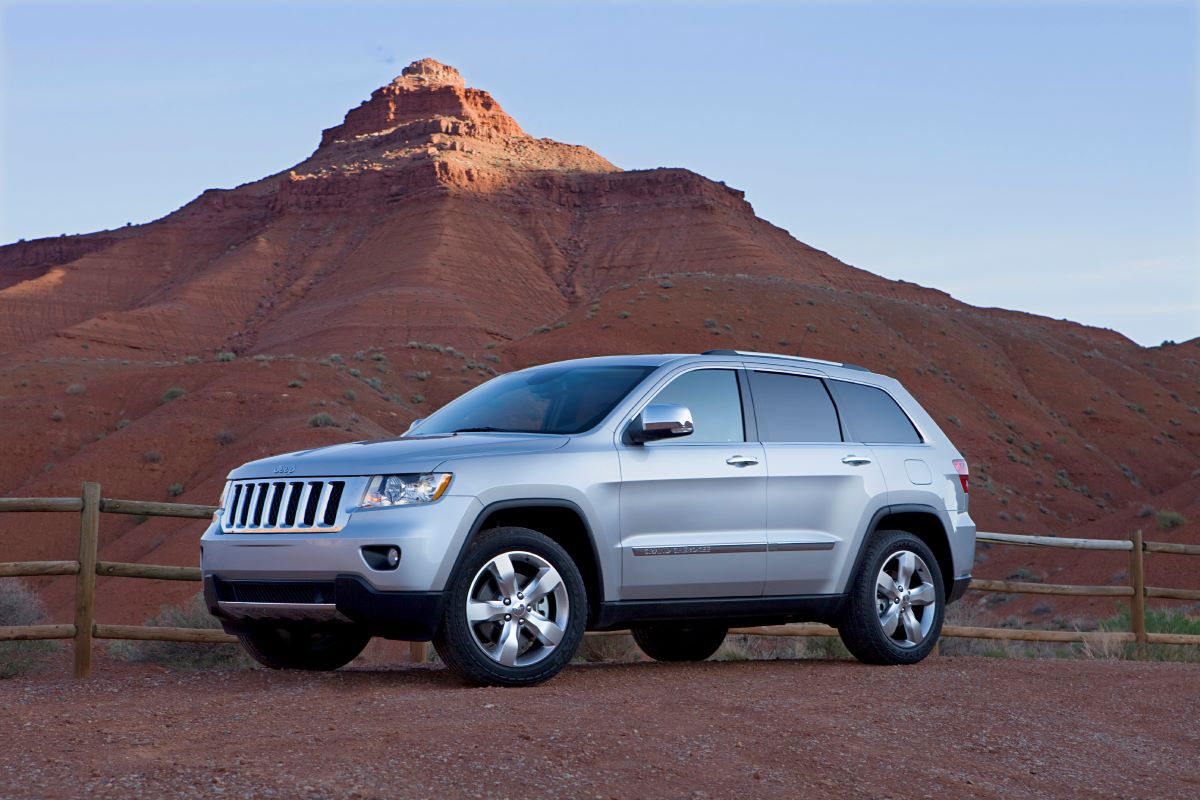
The Jeep Grand Cherokee occupies a middle ground when it comes to resale value, but in 2026 it leans closer to the depreciation-heavy side compared to segment leaders. While it remains a popular midsize SUV with strong brand recognition and off-road credibility, its long-term value retention is only average, and in some cases, below average—when measured against key rivals.
Depreciation is the biggest concern. On average, a Grand Cherokee loses around 54% of its value within five years, placing it toward the lower end of the midsize SUV segment.
Some variants perform even worse, with estimates showing depreciation approaching 57% over five years for the three-row Grand Cherokee L. In the short term, the drop is also significant, with recent models losing over 40% of their value in just three years, indicating a steep early depreciation curve.
Several factors contribute to this trend. One is inconsistent reliability perception compared to competitors like Toyota and Honda, which tends to affect buyer confidence in the used market.
Additionally, the Grand Cherokee sits in a highly competitive segment filled with alternatives that offer similar features but stronger resale reputations. This makes it harder for the vehicle to maintain premium pricing as it ages.
Another issue is pricing strategy. The Grand Cherokee often enters the market with relatively high starting prices, especially in upper trims. As newer models and updated competitors arrive, used examples must drop more aggressively to remain attractive, accelerating depreciation. Even newer models can lose around 25% of their value in the first year alone, which is a steep initial decline compared to many rivals.
3. BMW 7 Series
The BMW 7 Series represents the classic case of a luxury flagship that depreciates rapidly, and in 2026 it remains one of the clearest examples of how quickly high-end sedans can lose value.
While it delivers exceptional comfort, cutting-edge technology, and strong performance, those same attributes contribute to its steep depreciation curve.
On average, the 7 Series loses around 60% to 67% of its value within five years, significantly worse than the overall vehicle average. In some cases, depreciation can exceed 65%, leaving the car worth only a fraction of its original price.
Even in shorter ownership periods, the drop is substantial, recent models have been shown to lose over 50% of their value in just three years, highlighting how aggressive early depreciation can be.
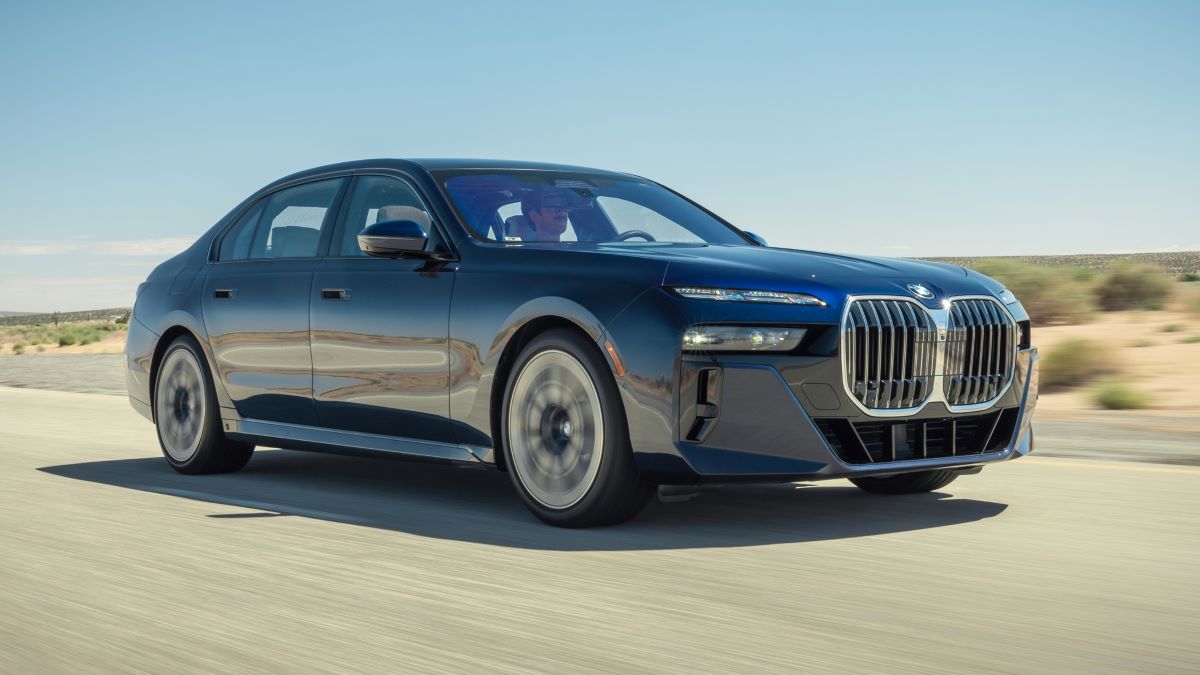
Several structural factors drive this trend. First is the high initial price. The 7 Series enters the market with a premium MSRP, which creates more room for value to fall as the vehicle ages. Once newer models are introduced with updated technology, older versions quickly feel outdated, forcing resale prices downward.
Technology itself is another major factor. The 7 Series is loaded with advanced features, but luxury tech tends to age faster than mechanical components. Features that feel cutting-edge at launch can become obsolete within a few years, reducing desirability in the used market and accelerating depreciation.
Supply dynamics also play a role. Many 7 Series models are leased rather than purchased outright, which leads to a large influx of off-lease vehicles entering the used market after a few years. This oversupply puts additional pressure on resale values, especially when combined with high maintenance and repair costs typical of flagship luxury sedans.
4. Tesla Model S (Older Models)
The Tesla Model S (older models) highlights how quickly cutting-edge technology can turn into rapid depreciation, especially in the EV space. While it was once the benchmark for electric luxury sedans, earlier Model S variants now rank among the faster-depreciating vehicles in 2026, particularly when compared to traditional gas-powered rivals.
Depreciation is steep and front-loaded. On average, the Model S loses around 65% to 69% of its value within five years, placing it among the worst performers in its class.
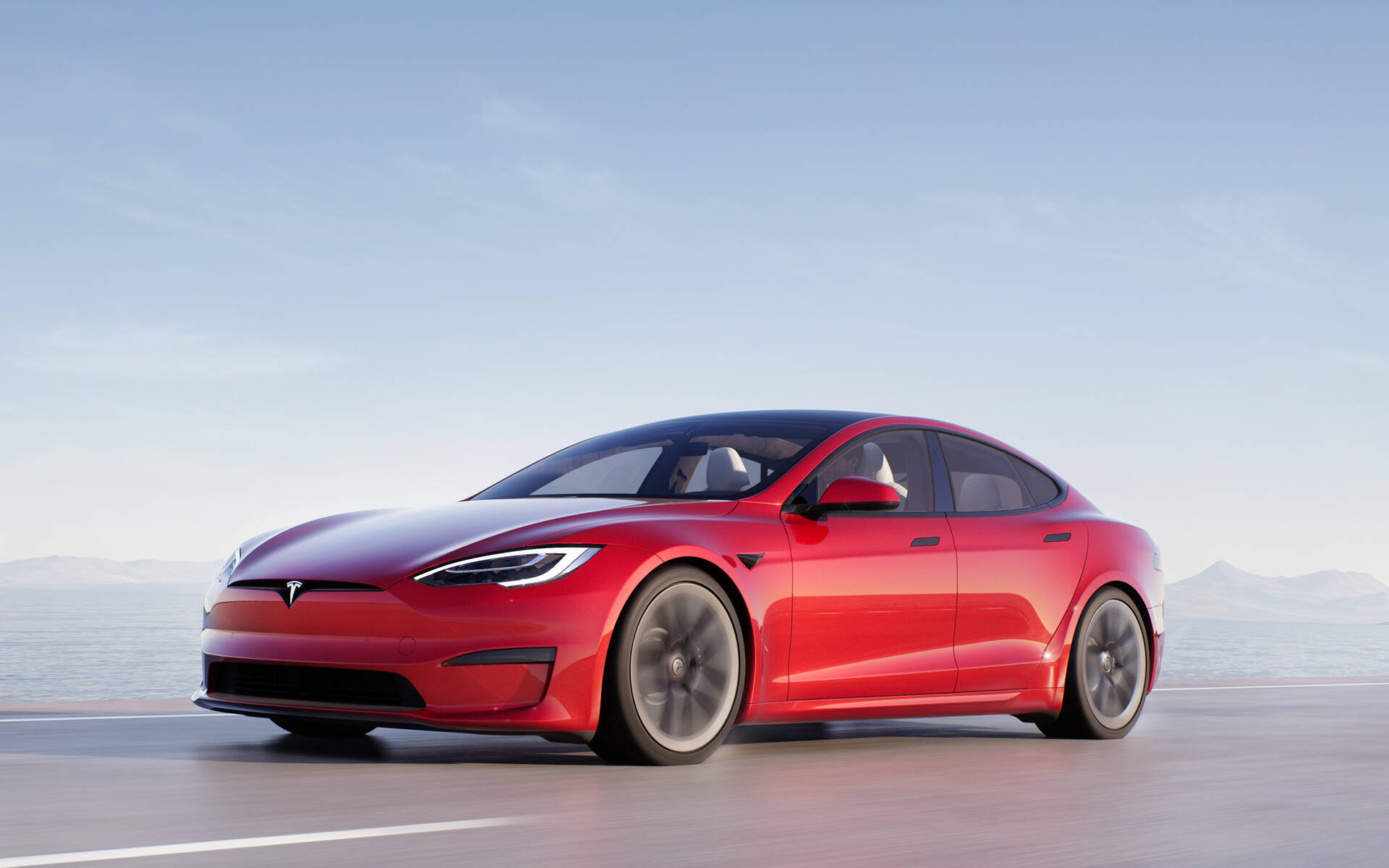
Some data shows even sharper drops over shorter periods, with depreciation exceeding 50% in just three years, especially for older model years. This aggressive early decline is a defining characteristic of the Model S ownership experience.
A major reason is rapid technological obsolescence. Unlike traditional luxury cars where updates are incremental, EV technology evolves quickly, battery range, charging speed, and software capabilities improve significantly every few years. As a result, older Model S versions can feel outdated much faster, which directly impacts resale demand and pricing.
Another key factor is Tesla’s pricing strategy. Frequent price cuts on new models have a direct and immediate effect on used values. When Tesla reduces the MSRP of a new Model S, it effectively resets the market, forcing older vehicles to drop in value to remain competitive. This dynamic has made depreciation less predictable and often more severe than in traditional luxury segments.
5. Chrysler Pacifica (Gas Models)
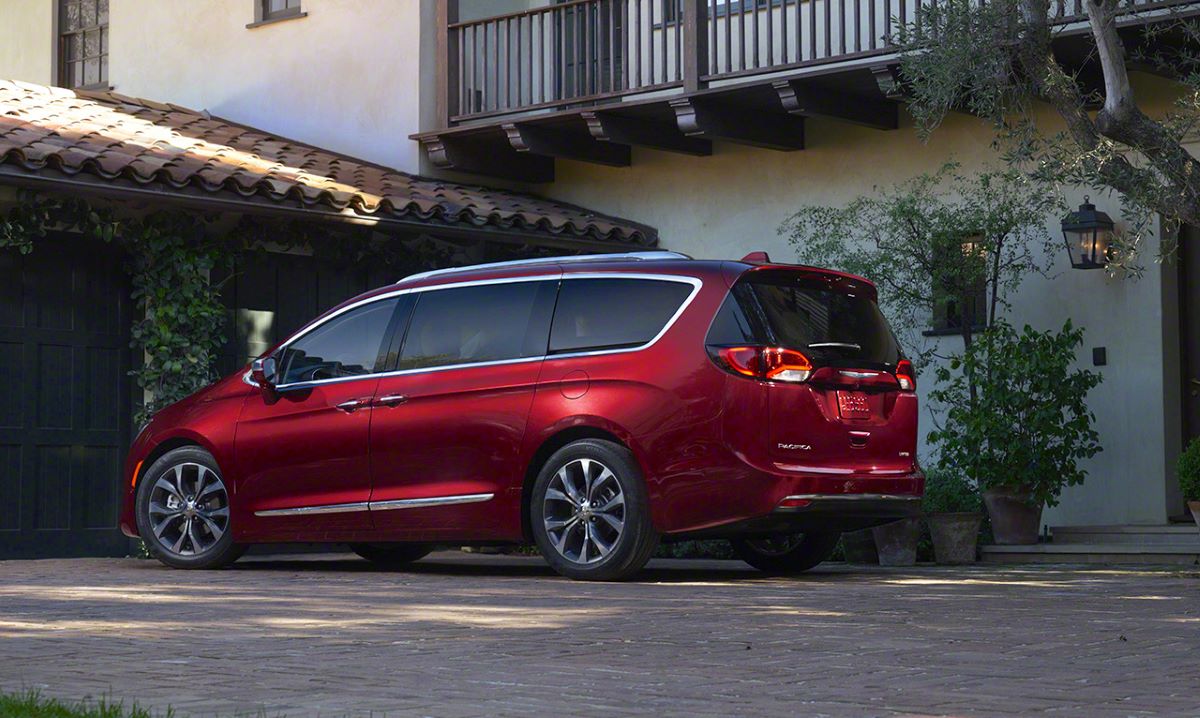
The Chrysler Pacifica (gas models) illustrates a common pattern in the minivan segment: strong practicality paired with relatively weak resale performance. While it excels as a family vehicle with a comfortable ride, spacious interior, and useful features, its long-term value retention in 2026 falls below average compared to many other vehicle types, and even some direct competitors.
Depreciation is the key issue. On average, a gas-powered Pacifica loses around 50% to 59% of its value within five years, depending on trim and market conditions. This places it slightly worse than the overall minivan segment, which already tends to depreciate faster than SUVs and trucks.
One of the main reasons is segment demand. Minivans, while highly practical, have seen declining popularity as buyers shift toward crossovers and SUVs.
This reduced demand directly impacts resale values, especially for traditional gas-powered models that don’t offer the efficiency advantages of hybrid alternatives. As a result, used Pacifica models are often widely available and priced competitively, which further drives down resale values.
Pricing and competition also play a role. The Pacifica enters the market with a relatively high starting price for its class, but competitors like the Toyota Sienna (especially in hybrid form) tend to hold value better.
This forces used Pacifica models to depreciate more aggressively to remain attractive. Additionally, the hybrid version of the Pacifica generally performs better in resale value, leaving gas models at a disadvantage in the used market.
There are also ownership considerations that influence depreciation. While the Pacifica offers solid features and comfort, maintenance costs and reliability perceptions are more average than class-leading. Over time, this affects buyer confidence and resale demand, contributing to faster value loss compared to more dependable rivals.
For buyers, the takeaway is straightforward: the Pacifica is not a strong choice if resale value is a priority. However, it becomes a much more compelling option on the used market, where the initial depreciation has already occurred.
For families planning to keep their vehicle long-term, it still offers strong usability, but from a financial standpoint, it clearly falls into the category of vehicles that lose value quickly in 2026.
For U.S. buyers in 2026, resale value is not just a secondary consideration, it is a financial strategy.
Choosing a vehicle like the Tacoma or Civic can effectively reduce the cost of ownership by thousands of dollars over time, while opting for a heavily depreciating model may lead to significant losses when it’s time to sell or trade in.
The key takeaway is straightforward: vehicles that are reliable, practical, and consistently in demand tend to hold their value. Those that are expensive to maintain, oversupplied, or quickly outdated tend to lose it.
Understanding this distinction allows buyers to make more informed decisions, not just based on what they drive today, but on what that vehicle will be worth tomorrow.