When shopping for a used sedan, most buyers focus on mileage, engine reliability, and fuel economy, but suspension durability is just as critical.
A well-engineered suspension system not only determines ride comfort but also affects long-term ownership costs.
In the United States, where road conditions vary from smooth highways to pothole-ridden city streets, a weak suspension can quickly turn a good deal into a frustrating expense.
Suspension issues typically show up as clunking noises, uneven tire wear, vague steering, or a harsh ride.
These problems often stem from worn bushings, failing control arms, weak struts, or poorly designed components that degrade faster than expected.
Some sedans are known for handling abuse with minimal wear, while others develop persistent noises and costly repairs even under normal driving conditions.
Below is a carefully selected breakdown of five used sedans known for solid, durable suspension systems, and five that are notorious for developing clunking issues over time.
Used Sedans With Solid Suspension
Luxury sedans also play a major role in this space. Vehicles like the Mercedes-Benz E-Class and Buick LaCrosse are specifically engineered for ride comfort, often featuring more advanced suspension tuning and better isolation from road imperfections. These models tend to absorb bumps more effectively, making them ideal for buyers who prioritize a quiet and cushioned driving experience.
Another factor that separates solid suspension systems from problematic ones is longevity. Some sedans maintain their ride quality even after 100,000 miles, while others develop clunks, vibrations, or uneven damping as components wear out.
Durable suspension designs, paired with quality materials, help reduce long-term maintenance costs and preserve driving comfort well into high mileage.
This article focuses on used sedans known for having solid, dependable suspension systems—models that deliver a smooth, controlled ride without developing the common issues that plague lesser designs.
1. Toyota Camry
The Toyota Camry has long been a benchmark for buyers seeking a used sedan with a dependable and well-balanced suspension setup. While it may not deliver the sporty sharpness of performance-focused rivals, the Camry excels in providing a smooth, stable, and predictable ride, which is exactly what most daily drivers prioritize in long-term ownership.
At its core, the Camry uses a fully independent suspension system with MacPherson struts on both the front and rear, a layout known for durability, simplicity, and consistent ride quality.
This setup is engineered to absorb road imperfections effectively, resulting in a composed driving experience over rough pavement, potholes, and highway expansion joints. Unlike some competitors that develop rattles or clunking noises as they age, the Camry’s suspension components tend to wear gradually rather than fail abruptly.
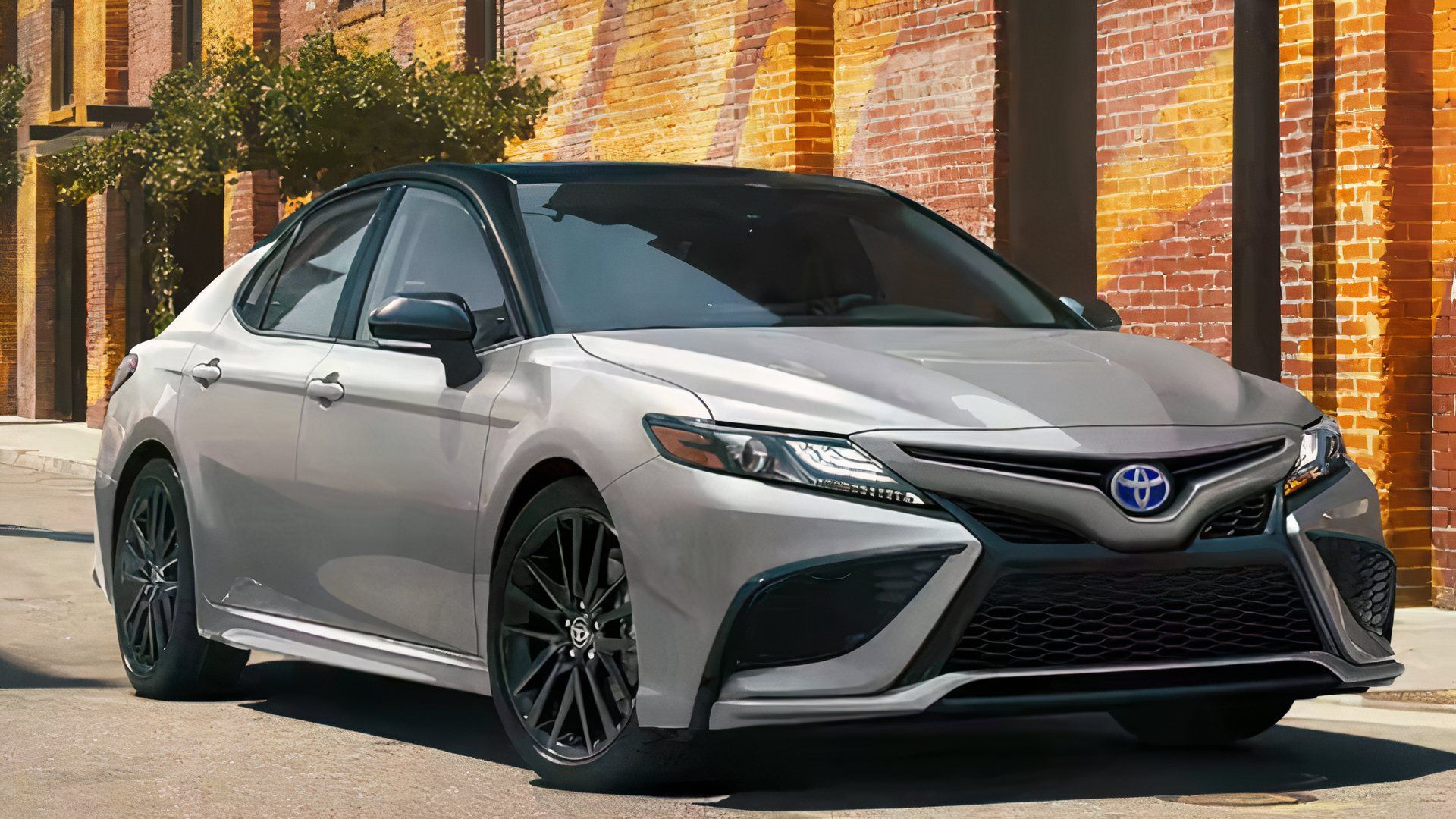
Ride comfort is one of its strongest attributes. The Camry is tuned with a comfort-first philosophy, meaning softer damping and controlled body movement rather than aggressive cornering dynamics.
This translates to fewer vibrations entering the cabin and a more relaxed driving experience, particularly on long commutes or uneven roads. Even older models maintain this characteristic, often avoiding the harshness or instability seen in less refined sedans.
Durability further reinforces its reputation. The Camry is widely known to exceed 200,000 miles with proper maintenance, which includes suspension components like shocks and struts that typically last longer than average before requiring replacement.
While no suspension system is immune to wear, the Camry’s parts are relatively inexpensive and straightforward to service, reducing long-term ownership costs and preventing the kind of persistent clunking issues found in weaker designs.
2. Honda Accord
The Honda Accord stands out as one of the most well-rounded used sedans when it comes to suspension quality, offering a rare balance between ride comfort and responsive handling. Unlike many midsize sedans that lean heavily toward softness, the Accord is engineered to provide a more controlled and engaging driving experience without sacrificing long-term durability.
Mechanically, the Accord uses a MacPherson strut front suspension paired with a multi-link rear setup, which gives it a structural advantage over simpler designs.
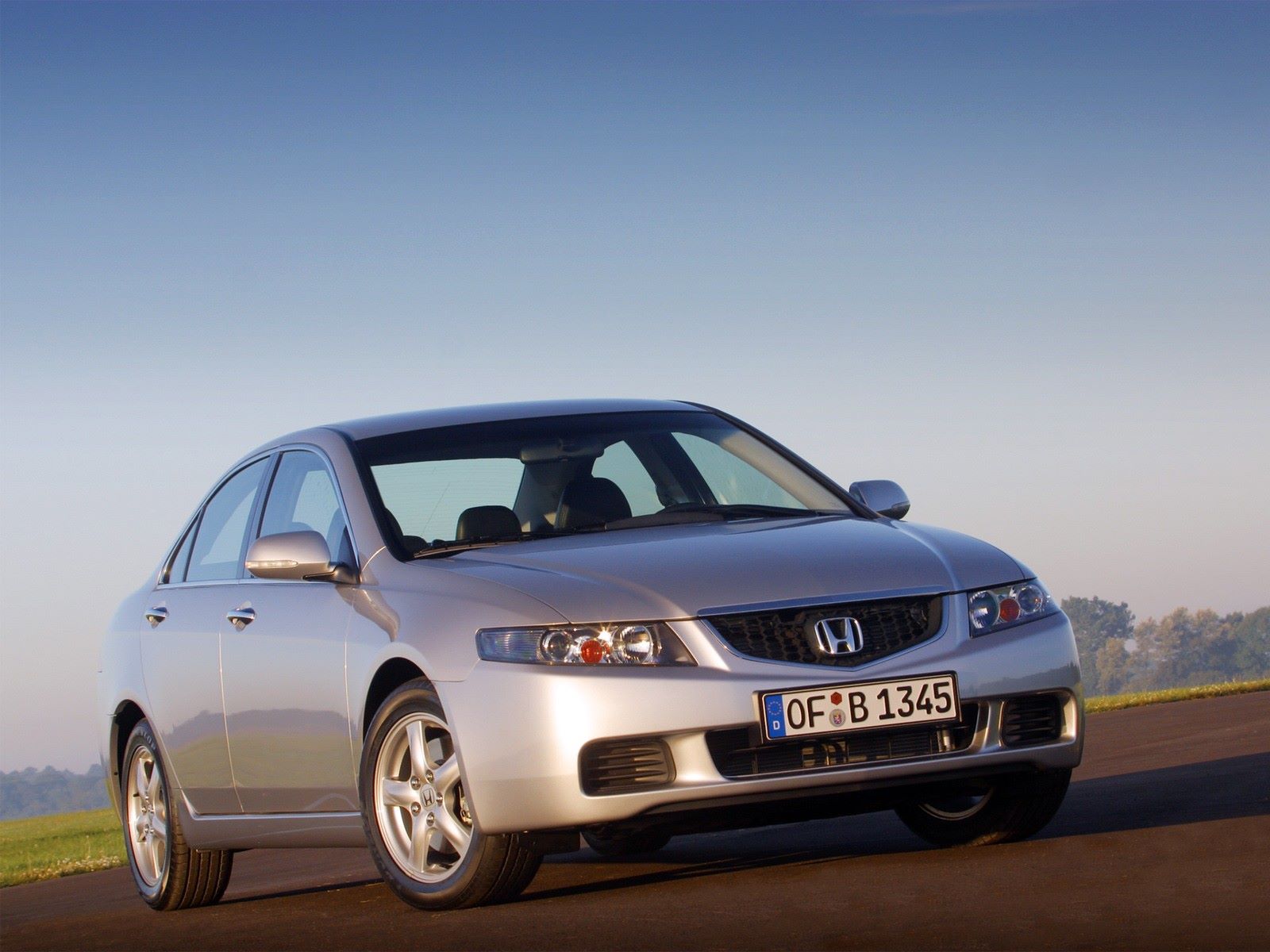
This configuration allows for better wheel control and improved stability, especially over uneven road surfaces. As a result, the Accord tends to feel more planted at highway speeds and more composed through corners compared to many of its competitors in the used sedan market.
One of its defining traits is ride control. The suspension is tuned to absorb bumps effectively while minimizing excessive body roll, creating a driving experience that feels stable rather than floaty.
This makes it particularly well-suited for drivers who want a comfortable daily commuter that still maintains a degree of precision. Even as the vehicle ages, the suspension components generally wear predictably, avoiding the persistent clunking or looseness that can develop in less refined systems.
3. Lexus ES
The Lexus ES is widely regarded as one of the most comfortable and refined sedans in the used market, and its suspension setup plays a central role in that reputation. For buyers prioritizing ride quality over sportiness, the ES consistently delivers a smooth, quiet, and well-isolated driving experience that holds up exceptionally well over time.
Underneath, the ES shares its platform with the Toyota Camry but features a more refined suspension tuning, typically using a MacPherson strut front and rear configuration optimized for comfort.
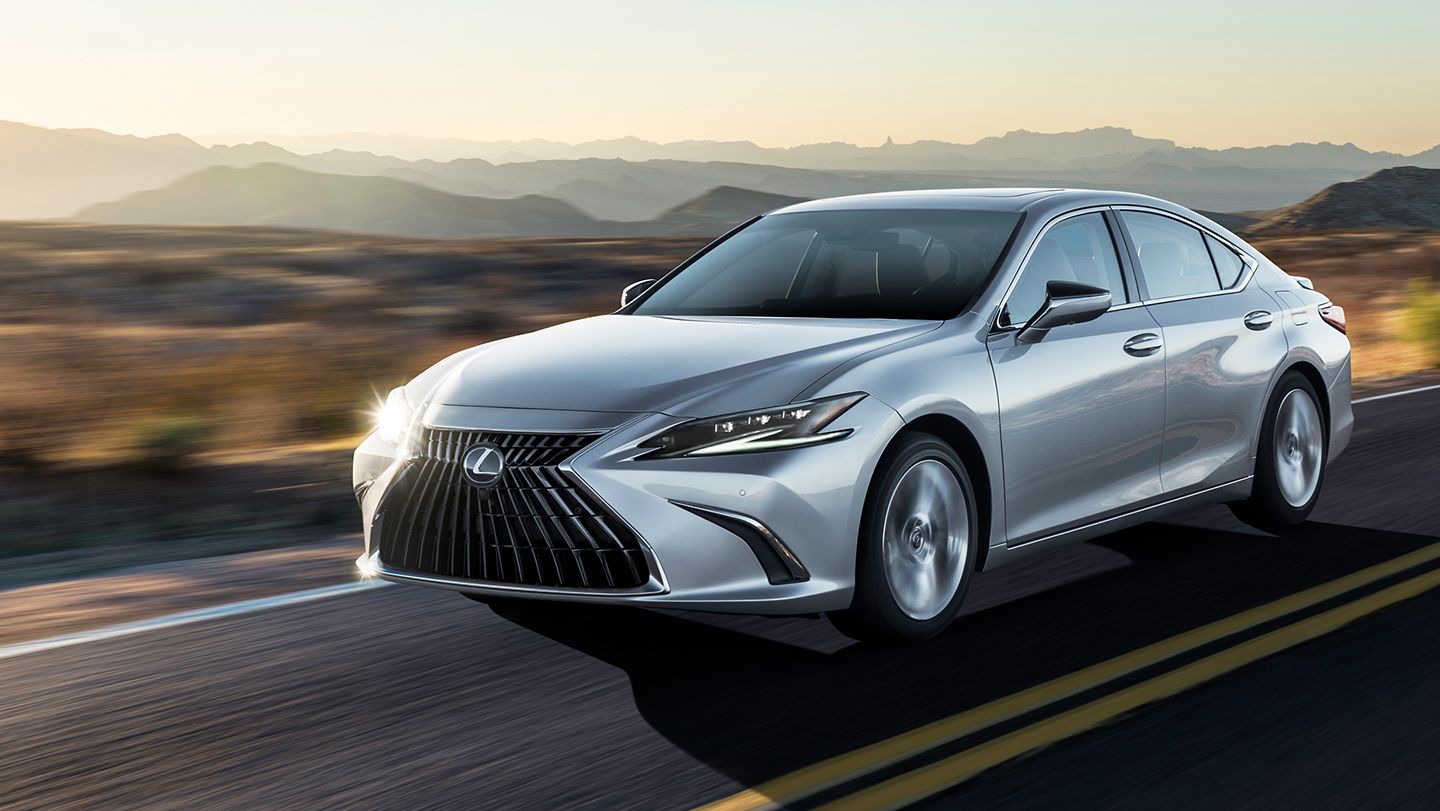
Lexus engineers prioritize damping and vibration isolation, resulting in a suspension system that absorbs road imperfections with minimal intrusion into the cabin. This makes the ES particularly effective at handling rough roads, potholes, and highway imperfections without transmitting harsh impacts to passengers.
What sets the ES apart is its ride softness and composure. Unlike sport-oriented sedans that can feel stiff or reactive, the ES glides over uneven surfaces with a controlled, almost floating sensation.
Importantly, this softness does not translate into instability, body movements are well-managed, and the car maintains a stable, predictable feel at highway speeds. This balance is especially noticeable in older models, which tend to retain their smooth ride even after years of use.
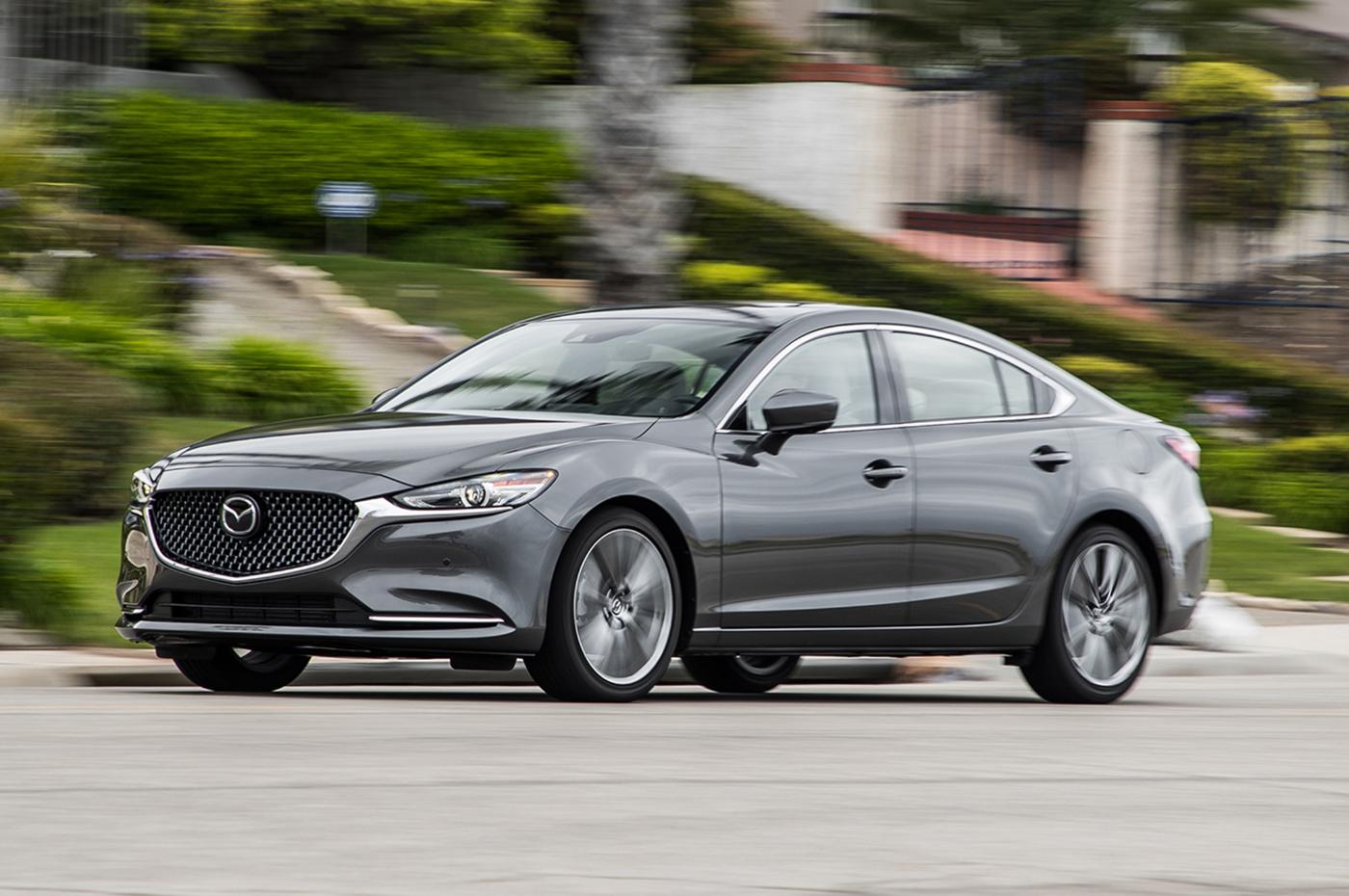
4. Mazda6
The Mazda6 is one of the standout choices in the used sedan market for buyers who want a suspension that delivers both durability and driving engagement. Unlike many midsize sedans that prioritize comfort alone, the Mazda6 is engineered with a more performance-oriented philosophy, resulting in a setup that feels precise, controlled, and consistently solid over time.
The car uses a MacPherson strut front suspension paired with a multi-link rear, a configuration that allows for better handling balance and improved road feedback.
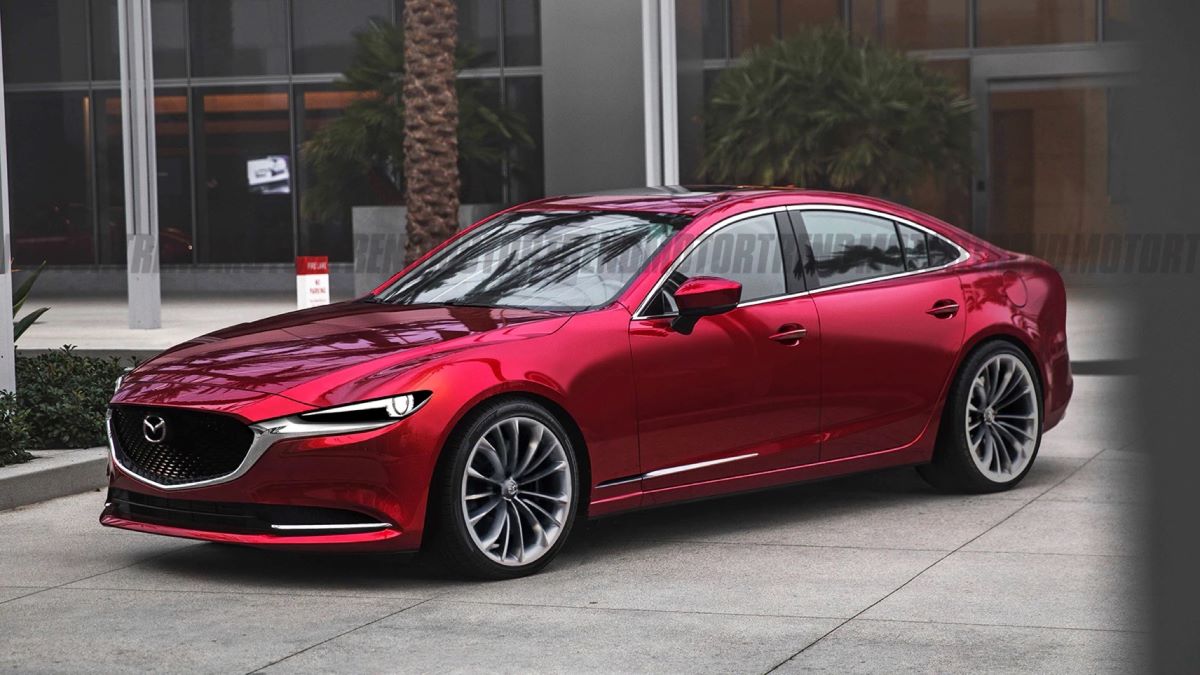
This design gives the Mazda6 a clear advantage in terms of cornering stability and body control, especially compared to softer, comfort-focused competitors. Even on uneven roads, the suspension maintains composure, keeping the car stable without excessive bouncing or float.
One of the Mazda6’s defining characteristics is its tight, well-damped ride. The suspension is tuned to minimize body roll and provide a more connected feel to the road, which appeals to drivers who want more than just basic transportation.
At the same time, it avoids becoming overly harsh, bumps and road imperfections are absorbed effectively, though with slightly more road feel than vehicles like the Camry or Lexus ES.
5. Toyota Avalon
The Toyota Avalon is often overlooked in the used sedan market, but it stands out as one of the most composed and comfortable options when it comes to suspension quality. Designed as Toyota’s full-size flagship sedan, the Avalon prioritizes ride smoothness and long-distance comfort, making it an excellent choice for buyers who want a stable, quiet, and durable suspension setup.
Mechanically, the Avalon uses a MacPherson strut front suspension with a multi-link rear, a configuration that provides both structural simplicity and refined ride control.
Compared to smaller sedans, its longer wheelbase plays a significant role in how it handles road imperfections. The added length allows the suspension to better absorb bumps and dips, resulting in a more settled and less choppy ride, particularly on highways and uneven surfaces.
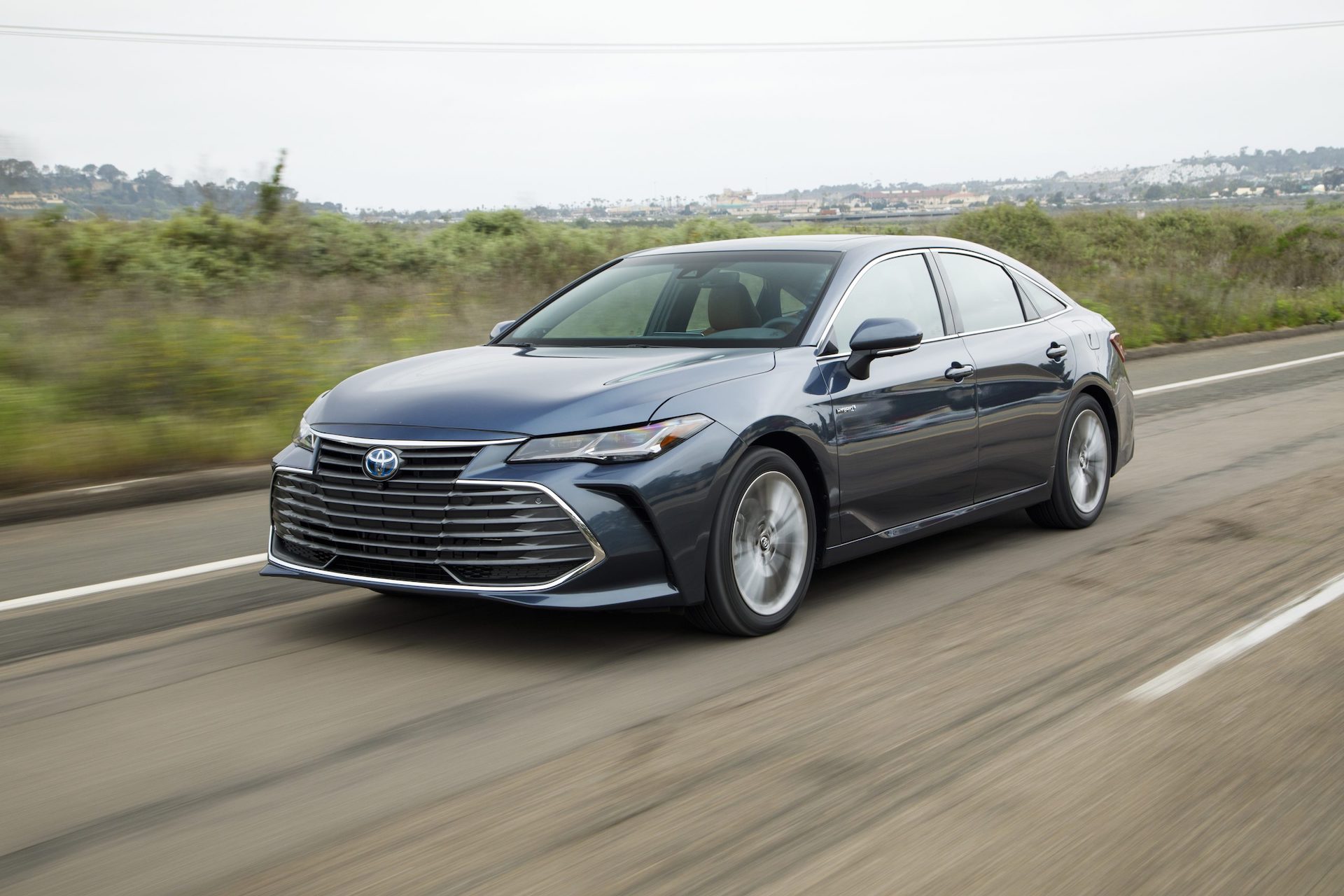
Unlike some softer sedans that can feel loose over time, the Avalon maintains good body control, keeping movements predictable and controlled even as the vehicle ages. This makes it particularly well-suited for long commutes and extended highway driving.
Unlike some softer sedans that can feel loose over time, the Avalon maintains good body control, keeping movements predictable and controlled even as the vehicle ages. This makes it particul
Durability further reinforces its appeal. Like other Toyota models, the Avalon benefits from proven engineering and high-quality components.
Suspension parts such as struts, bushings, and control arms tend to last longer than average and typically wear gradually rather than failing suddenly. This reduces the likelihood of developing persistent noises or handling issues, which is a common concern in older vehicles.
Used Sedans With Constant Clunking Issues
Environmental factors also play a significant role. Heat, moisture, and road debris can degrade rubber bushings and corrode metal components, increasing the likelihood of noise and looseness over time.
In colder climates, materials can stiffen and crack, further contributing to suspension noise. Once multiple components begin to wear simultaneously, the result is a suspension system that feels unsettled, noisy, and less predictable.
This article focuses on used sedans known for constant clunking issues—models where suspension design, material quality, or long-term durability fall short. By identifying these problem-prone vehicles, buyers can better understand what causes these noises and avoid cars that may require frequent suspension repairs.
1. BMW 3 Series (E90 Generation)
The BMW 3 Series (E90 generation) is widely regarded as one of the benchmarks for suspension tuning in the compact luxury segment, and it remains a strong contender among used sedans with solid suspension.
Produced from 2006 to 2011, the E90 strikes a balance that many modern cars struggle to replicate, combining sharp handling with a level of structural integrity that holds up well over time when properly maintained.
At the hardware level, the E90 features a MacPherson strut front suspension paired with a sophisticated multi-link rear (BMW’s five-link setup).

This configuration is engineered for precise wheel control, allowing the car to maintain excellent grip and stability through corners while also managing uneven road surfaces effectively. Compared to simpler systems, this setup provides a more planted and confidence-inspiring driving experience.
What distinguishes the E90 is its tight, controlled damping and near-ideal weight distribution. The suspension is tuned to minimize body roll and deliver accurate steering feedback, giving the driver a strong sense of connection to the road.
Even by today’s standards, it feels composed and balanced, particularly at higher speeds or during spirited driving. Unlike softer sedans, it avoids excessive float or bounce, maintaining consistent contact with the road.
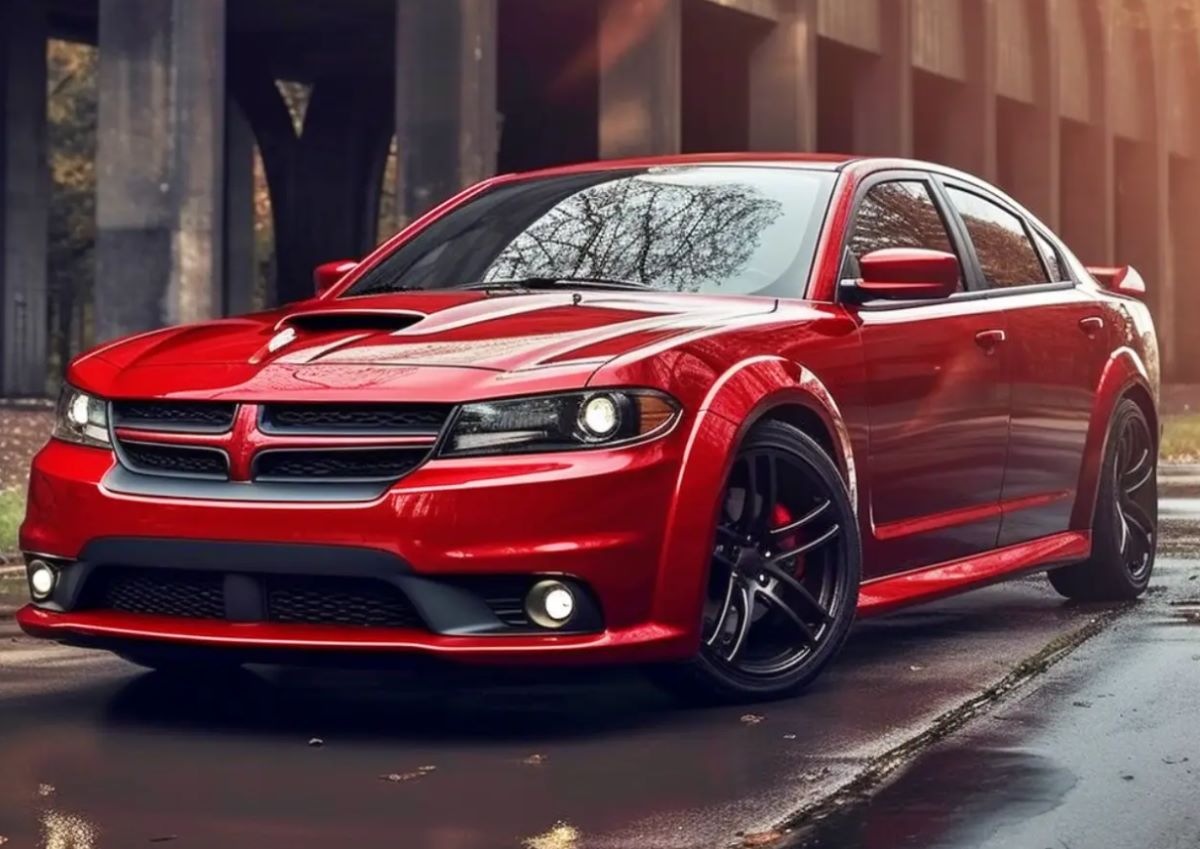
2. Dodge Avenger
The Dodge Avenger represents the opposite end of the spectrum when it comes to used sedans with solid suspension. While it was marketed as a practical midsize option, its suspension design and long-term durability fall short of class leaders, making it a less desirable choice for buyers prioritizing ride quality and consistency.
From a technical standpoint, the Avenger uses a MacPherson strut front suspension with a multi-link rear, which on paper is a respectable setup. However, the execution is where it struggles.
The suspension tuning tends to feel underdeveloped and inconsistent, resulting in a ride that can be both harsh over small bumps and unstable over larger road imperfections. Instead of absorbing impacts smoothly, the system often transmits vibrations into the cabin, especially as the vehicle ages.
One of the most common issues reported with the Avenger is premature wear of suspension components. Parts such as control arm bushings, sway bar links, and struts tend to degrade faster than average, leading to clunking noises, looseness, and reduced ride stability.
This is particularly noticeable in higher-mileage examples, where the suspension can feel unsettled and less controlled compared to competitors like the Honda Accord or Toyota Camry.
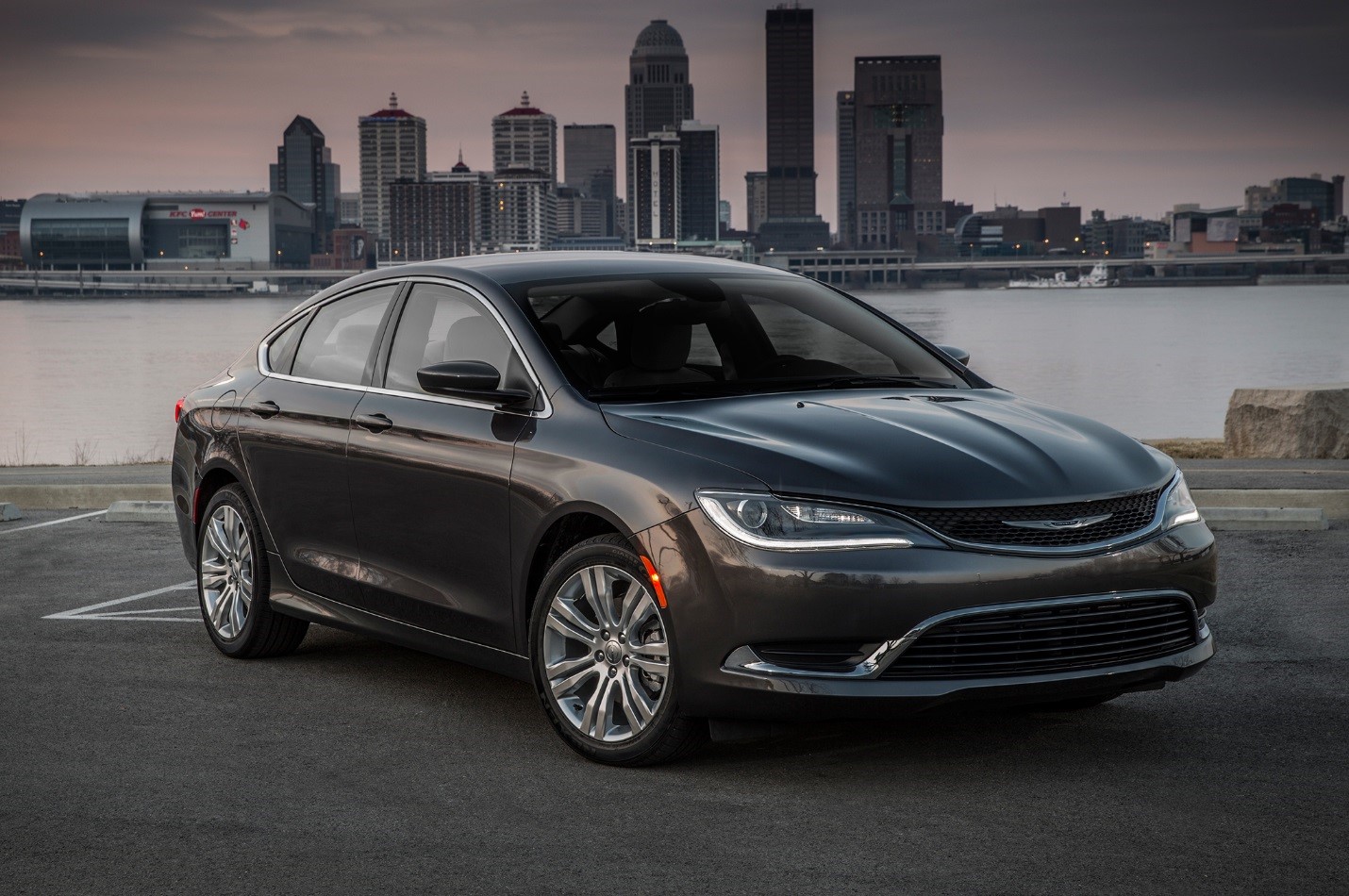
3. Chrysler 200 (First Generation)
The Chrysler 200 (first generation), produced from 2011 to 2014, is not typically regarded as a strong performer when it comes to suspension quality in the used sedan market. While it was intended as an improvement over the Sebring, its underlying platform and engineering limitations are still evident, particularly in how the suspension behaves over time.
Structurally, the car uses a MacPherson strut front and multi-link rear suspension, which is a standard configuration for the segment. However, the tuning lacks refinement.
The ride often feels inconsistent, with a tendency to be overly firm on smaller road imperfections while simultaneously lacking the control needed to manage larger bumps and dips. This results in a driving experience that can feel unsettled, especially on rough or uneven roads.
One of the more persistent issues with the first-generation 200 is premature wear in suspension components. Owners frequently report problems with bushings, sway bar links, and struts wearing out earlier than expected.
As these components degrade, the car develops noticeable symptoms such as clunking noises, vibration, and a general sense of looseness in the chassis. This is particularly problematic for used buyers, as even moderately driven examples may already exhibit these issues.
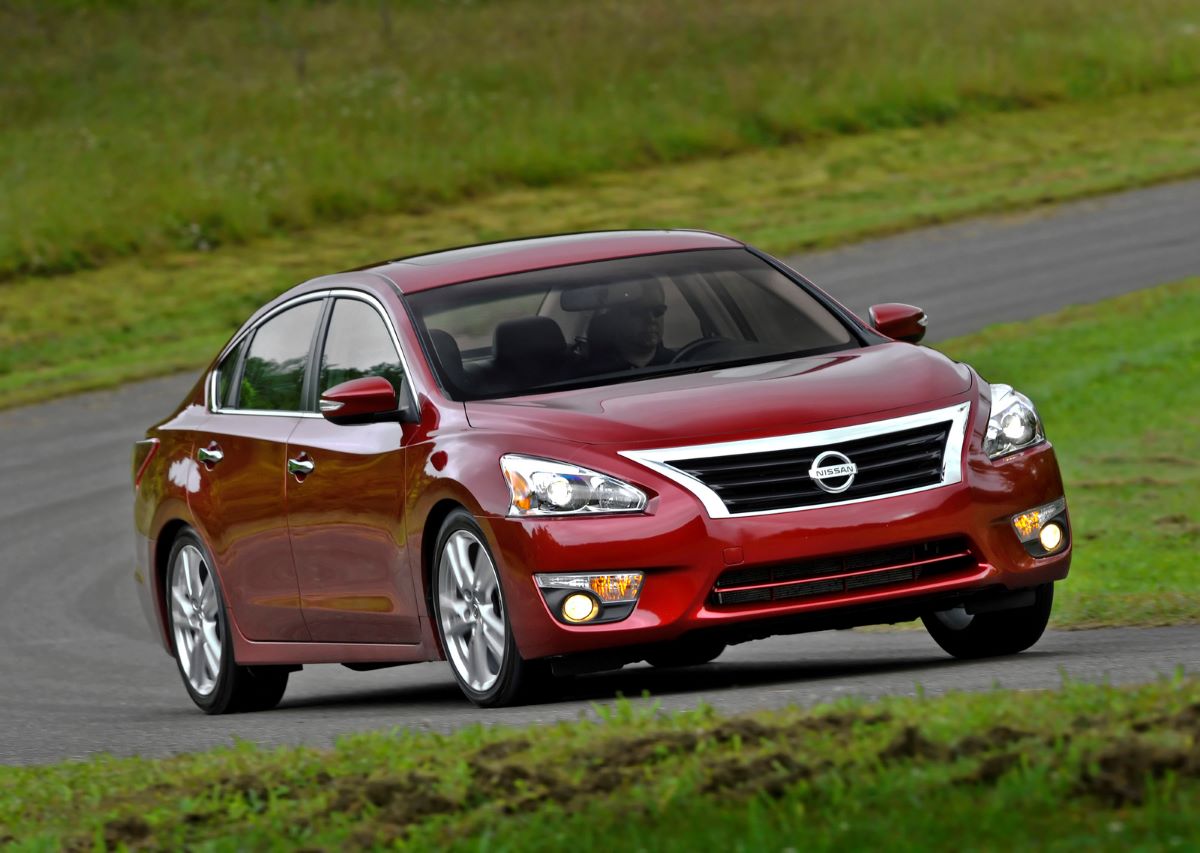
4. Nissan Altima (2013–2018)
The Nissan Altima (2013–2018) sits in a mixed position when evaluating used sedans for suspension quality. While it offers a comfortable ride when new and remains a popular choice in the midsize segment, its suspension performance over time is less consistent than class leaders, placing it closer to the middle, or slightly below, when long-term durability is considered.
In practice, the tuning leans heavily toward comfort, delivering a soft, compliant ride that absorbs everyday road imperfections reasonably well. For commuting and highway driving, this setup can feel smooth and forgiving, particularly on well-maintained roads.
However, this comfort-focused tuning comes with trade-offs. The suspension tends to exhibit more body roll and less precise control, especially during cornering or over uneven pavement. Compared to rivals like the Honda Accord or Mazda6, the Altima feels less planted and more prone to float over dips and bumps. This becomes more noticeable as the vehicle ages and components begin to wear.
Durability is where concerns emerge. Owners commonly report premature wear in key suspension components, including control arm bushings, struts, and sway bar links.
As these parts degrade, the Altima can develop clunking noises, reduced ride stability, and a less controlled feel. While not universally problematic, these issues appear more frequently than in top-tier competitors, particularly in higher-mileage examples.
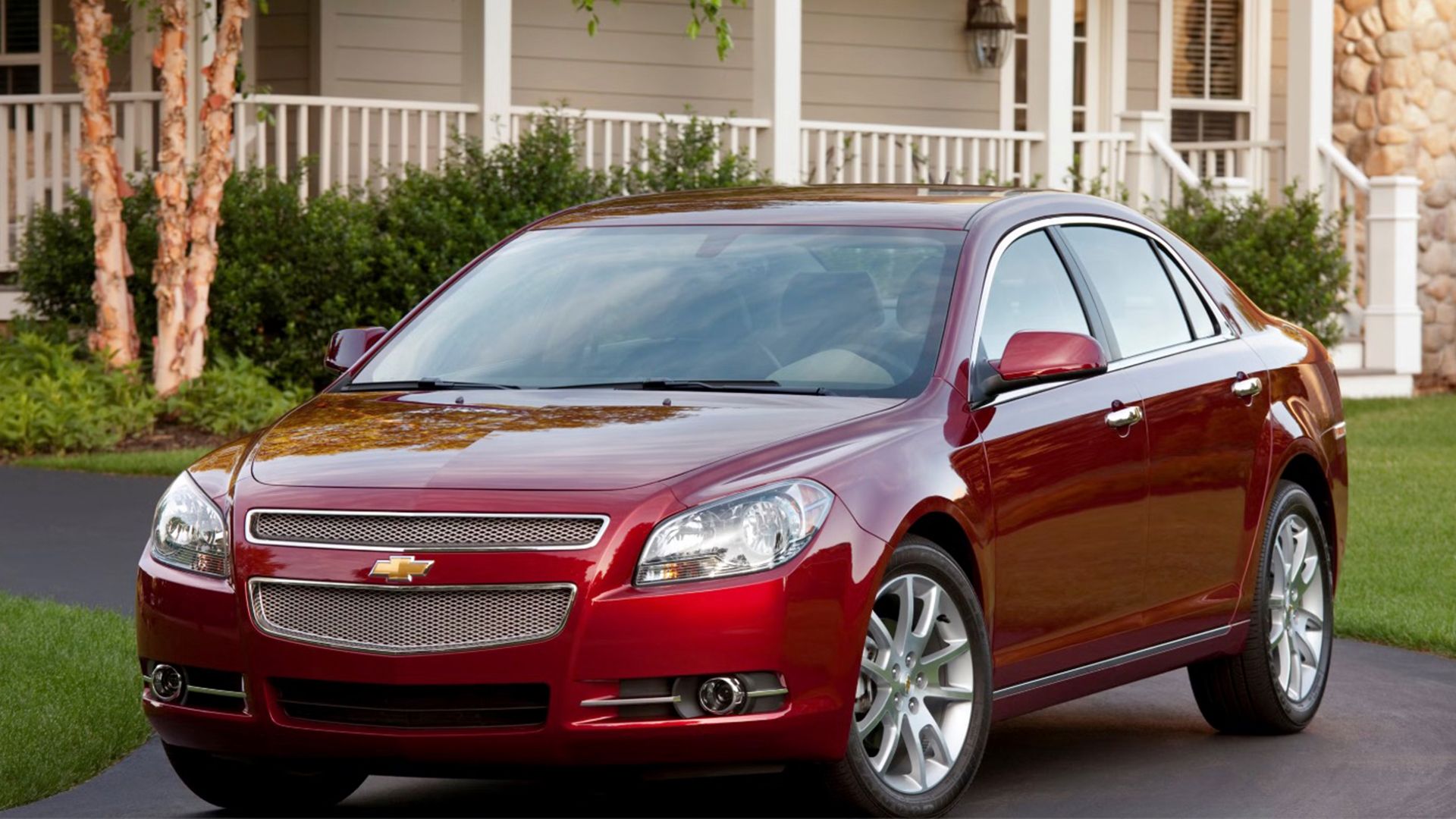
5. Chevrolet Malibu (Early 2010s Models)
The Chevrolet Malibu (early 2010s models) falls into the category of used sedans that offer acceptable ride comfort when new but struggle to maintain suspension quality over time. While it was designed as a comfortable midsize commuter, its long-term durability and consistency place it below the segment’s stronger performers.
From a technical perspective, these Malibu models use a MacPherson strut front suspension with a multi-link rear, a common setup for the class. Initially, the tuning leans toward comfort, providing a soft and relatively smooth ride over typical road surfaces. For everyday driving, especially on highways, the suspension does a reasonable job of absorbing minor imperfections.
However, the system lacks refinement. The damping is not as well-calibrated as in competitors like the Honda Accord or Toyota Camry, which leads to a ride that can feel unsettled over uneven pavement. Instead of maintaining consistent control, the Malibu may exhibit slight bouncing after larger bumps or dips, reducing overall composure.
Durability is a more significant concern. Early 2010s Malibu models are known for wear-prone suspension components, particularly in areas like sway bar links, control arm bushings, and struts.
As these parts age, the car often develops clunking noises, vibrations, and a looser, less controlled feel. These issues tend to appear earlier than in more robustly engineered rivals, especially in higher-mileage vehicles.
Ride stability also degrades with time. While the car starts off reasonably comfortable, aging components can cause it to feel less planted and more inconsistent, particularly at highway speeds or on rough roads. This lack of long-term composure is a key reason it doesn’t rank among the more solid options in the used sedan market.
Maintenance costs are generally moderate, and parts are widely available, but the frequency of suspension-related repairs can become a drawback. Even after replacing worn components, the overall tuning limitations remain, meaning the car rarely achieves the same level of refinement as top competitors.
The early 2010s Chevrolet Malibu is best described as adequate but not durable in terms of suspension. It may work as a budget-friendly option, but for buyers specifically looking for a used sedan with a consistently solid and long-lasting suspension system, there are clearly better choices available.
Choosing a used sedan isn’t just about what works today, it’s about what will continue to work reliably over the next several years. Suspension durability is a key factor that often goes overlooked, yet it directly impacts comfort, safety, and maintenance costs.
Sedans like the Toyota Camry, Honda Accord, and Lexus ES stand out because they prioritize long-term reliability and use proven engineering solutions.
On the other hand, vehicles like the BMW 3 Series (E90) or Chrysler 200 may offer appealing features or driving dynamics but often require more frequent suspension repairs.
For buyers in the U.S., where driving conditions can vary dramatically, selecting a sedan with a solid suspension system can mean the difference between a smooth ownership experience and constant trips to the repair shop.
A quiet ride with no clunks isn’t just a luxury, it’s a sign of smart engineering and a wise investment.