
Transfer cases are one of the least discussed yet most critical components in four-wheel-drive and all-wheel-drive trucks.
They manage torque distribution between front and rear axles, enabling off-road capability, towing confidence, and all-weather traction.
In the American truck market, where durability is a key purchase driver, the reliability of a transfer case can significantly affect long-term ownership costs.
A well-engineered transfer case should handle repeated stress cycles, maintain proper lubrication, and resist seal degradation over time.
However, not all systems are equal. Some trucks have built reputations for robust, low-maintenance transfer cases, while others are known for fluid leaks, actuator failures, or premature wear.
Below is a detailed breakdown of five trucks known for highly reliable transfer cases, followed by five that have developed reputations for leakage issues and related problems.
Trucks With the Most Reliable Transfer Cases
Modern trucks use a range of transfer case designs, from traditional manual systems to advanced electronic units with automatic modes. While these innovations improve convenience, they also introduce additional complexity, making build quality and engineering even more important.
The most reliable systems are those that balance strength, simplicity, and precision, ensuring consistent performance under both everyday driving and demanding conditions.
In this article, we focus on trucks with the most reliable transfer cases, models known for their durability, solid engineering, and ability to handle long-term stress without frequent issues. These trucks stand out for delivering dependable four-wheel-drive performance, making them better suited for drivers who need confidence in tough environments and over extended ownership.
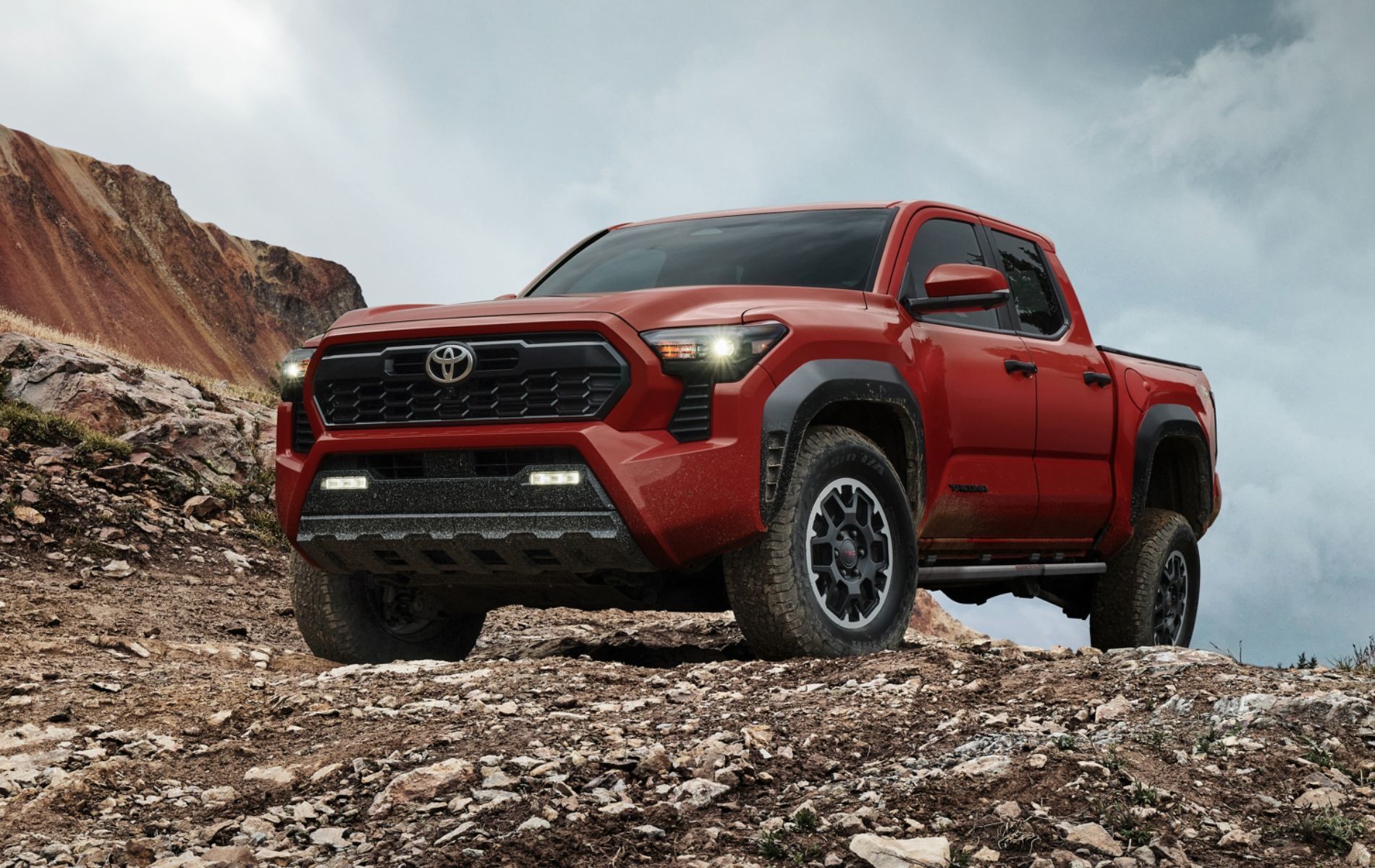
1. Toyota Tacoma (Especially 2nd and 3rd Generation)
The Toyota Tacoma, particularly in its second (2005–2015) and third (2016–2023) generations, has earned a strong reputation for drivetrain durability, and a significant part of that comes from its highly reliable transfer case.
Built with a focus on longevity and off-road capability, the Tacoma’s transfer case is designed to handle consistent use in demanding conditions without developing the common issues seen in more complex or less robust systems.
One of the key strengths of the Tacoma’s transfer case is its straightforward, proven design. Toyota has traditionally favored mechanical simplicity over unnecessary complexity, which reduces the number of potential failure points.
In both second- and third-generation models, the system is engineered to deliver consistent power distribution between the front and rear axles, whether in part-time four-wheel drive or low-range operation. This simplicity contributes directly to long-term reliability, especially for owners who regularly engage 4WD in off-road or adverse weather conditions.
Another important factor is build quality. The Tacoma’s transfer case components, gears, bearings, and housings, are manufactured to tight tolerances and designed to withstand sustained torque loads.
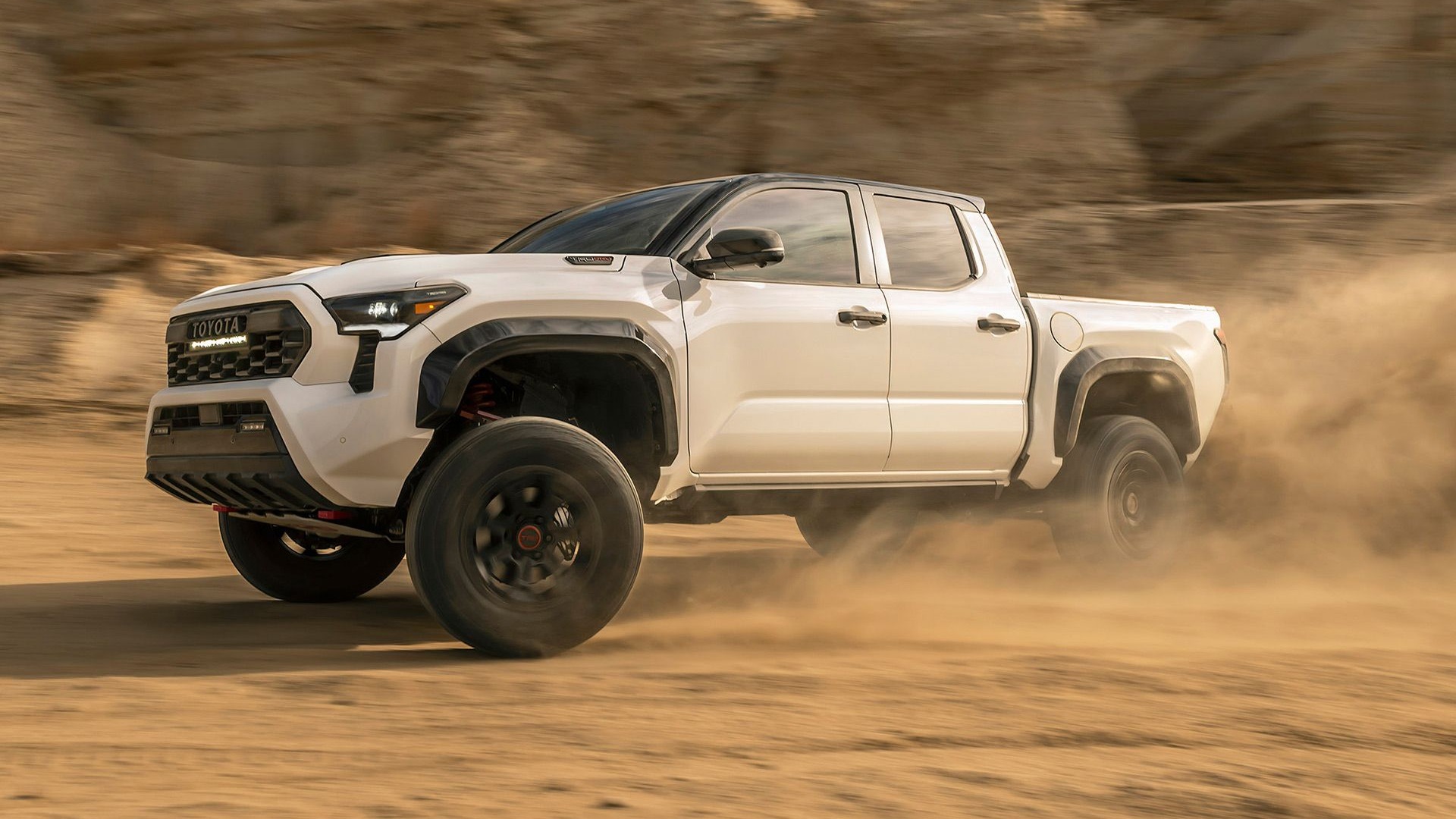
This allows the system to perform reliably under stress, including during crawling, towing, or driving on uneven terrain. Unlike some systems that develop noise, vibration, or engagement issues over time, the Tacoma’s transfer case is known for maintaining smooth operation even at higher mileage.
Sealing and fluid management are also well-executed. The Tacoma rarely suffers from chronic transfer case leaks, thanks to durable seals and a solid housing design.
Proper lubrication is maintained over long intervals, which helps prevent premature wear and overheating. As long as routine maintenance, such as periodic fluid changes, is followed, the transfer case tends to remain trouble-free for years.
2. Ford F-150 (With BorgWarner Transfer Cases, 2015+)
Modern Ford F-150 models, particularly those using BorgWarner-supplied transfer cases like the BW44-06 or BW44-07, demonstrate strong reliability under varied use conditions.
These units incorporate improved sealing technologies and better thermal management compared to earlier designs. Ford also refined the electronic shift-on-the-fly systems to reduce actuator strain, a common failure point in older trucks.
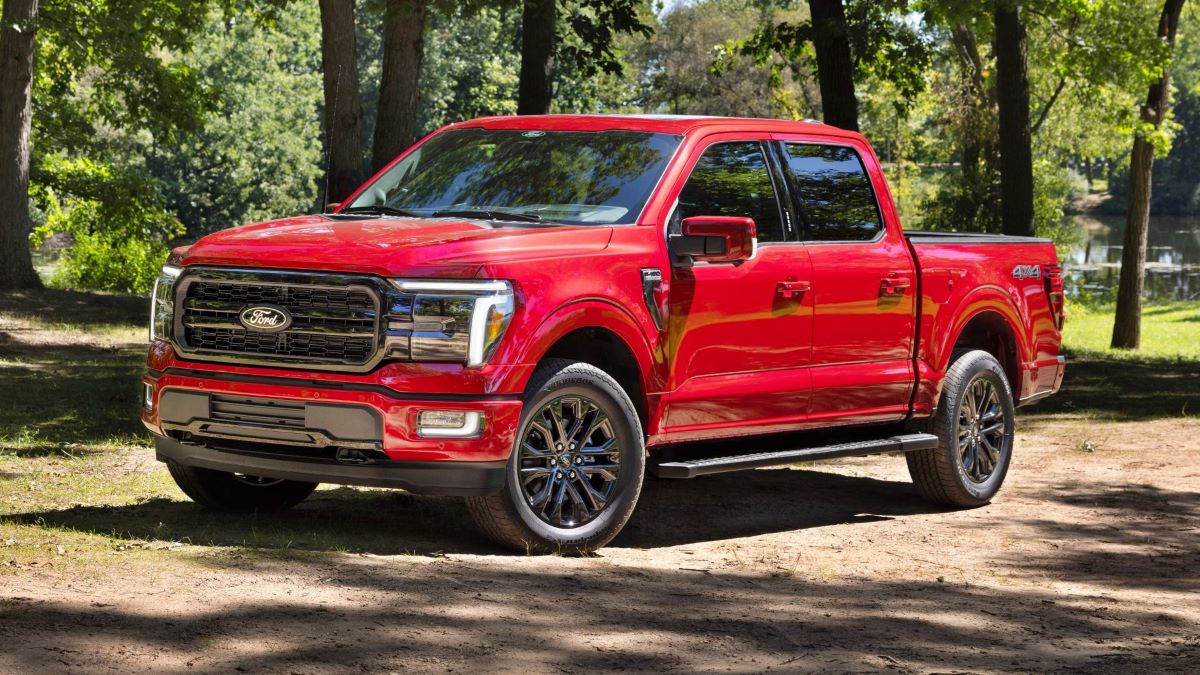
In fleet usage, arguably the harshest real-world test, the F-150’s transfer case has shown consistent durability, especially in non-extreme off-road applications.
Regular maintenance keeps these systems operating smoothly well beyond 150,000 miles.
3. Chevrolet Silverado 1500 (2014–2018, Magna Transfer Cases)
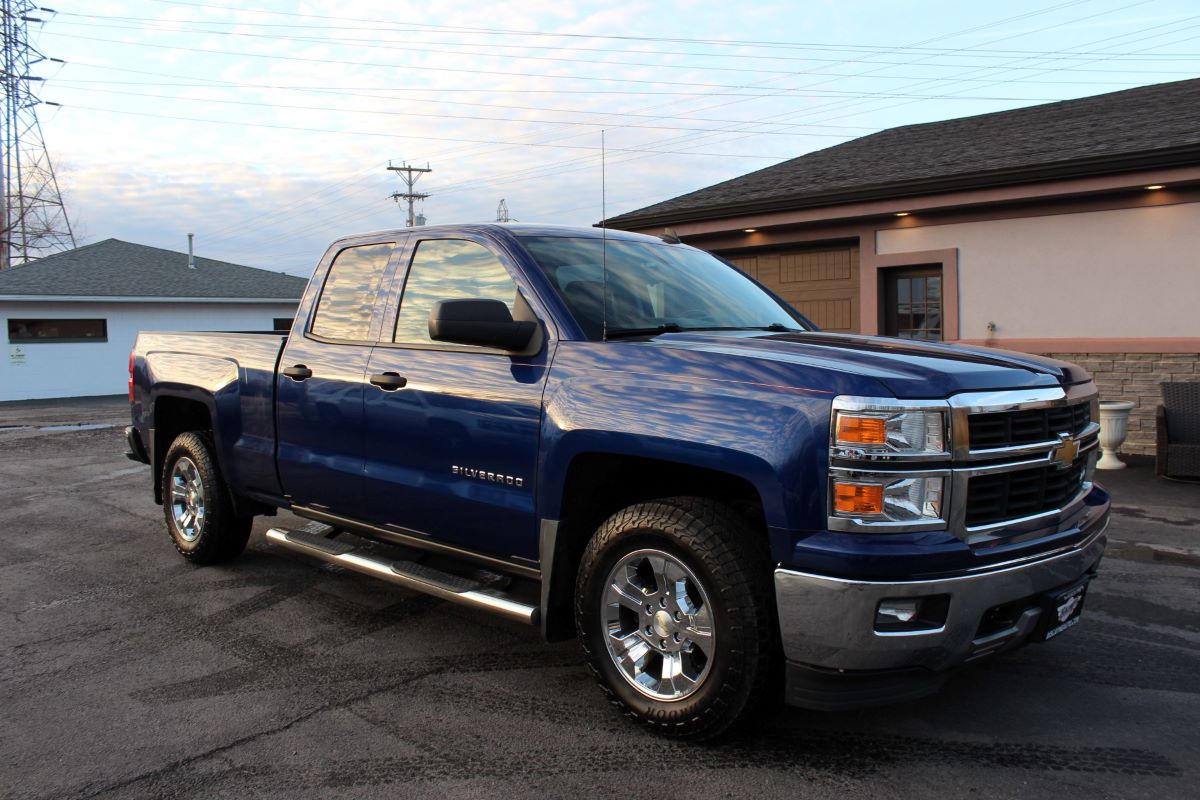
he Chevrolet Silverado 1500 stands out in the half-ton truck segment for pairing strong drivetrain engineering with a transfer case setup that balances durability and everyday usability. During this generation, many 4WD models were equipped with transfer cases manufactured by Magna International, a supplier known for producing reliable driveline systems used across multiple OEMs.
These Magna transfer cases, commonly part of the Autotrac system, were designed to handle both traditional part-time four-wheel drive and an automatic mode that could engage the front axle when slip was detected.
This made the Silverado especially versatile for drivers who needed a truck capable of transitioning between dry pavement and low-traction conditions without constant manual input. For daily driving, the Auto 4WD mode proved particularly useful in regions with variable weather, as it reduced the need to switch in and out of 4HI manually.
From a mechanical standpoint, these transfer cases are generally robust, with solid internal components and predictable engagement behavior.
They rely on an electronically controlled actuator rather than purely mechanical linkage, which improves convenience but introduces a potential failure point over time. However, compared to some competitors, actuator failures in this generation are relatively infrequent when the system is exercised regularly and maintained properly.
One of the key strengths of the Silverado’s Magna-based system is smooth engagement. Unlike older or more basic systems that can feel abrupt or clunky when shifting into four-wheel drive, the Silverado’s setup tends to transition cleanly, which reduces drivetrain shock and contributes to longer component life. This is particularly beneficial for owners who frequently switch between drive modes during towing, off-roading, or winter driving.
Maintenance plays a critical role in long-term reliability. Regular transfer case fluid changes, often overlooked by owners, can significantly extend the life of the unit. Using the correct fluid specified by GM is important because these systems are calibrated for particular friction characteristics. Neglecting fluid service can lead to wear in the clutch packs (in Auto mode systems) and eventual performance degradation.
That said, there are a few known concerns. Some owners have reported issues related to the encoder motor or position sensor, which can cause delayed engagement or incorrect mode indication.
In colder climates, actuator response can occasionally slow down, though this is not unique to the Silverado. Additionally, like many electronically controlled systems, diagnosing faults may require scan tools rather than simple mechanical inspection.
4. Ram 2500 (Manual Transfer Case Variants)
The Ram 2500 occupies a different engineering tier than half-ton trucks, and that distinction is most evident in its transfer case design. Built for sustained towing, payload stress, and off-road torque delivery, the Ram 2500 typically uses transfer cases supplied by BorgWarner, notably units like the BW 44-47 or BW 44-48 depending on configuration and model year.
These transfer cases are fundamentally more robust than those found in light-duty trucks. Most configurations use a part-time 4WD system rather than an automatic AWD-style setup.
That means fewer clutch packs and less complexity, which directly contributes to long-term durability. The tradeoff is reduced convenience, drivers must manually engage 4HI or 4LO, but the benefit is a system that tolerates heavy loads and harsh use far better.
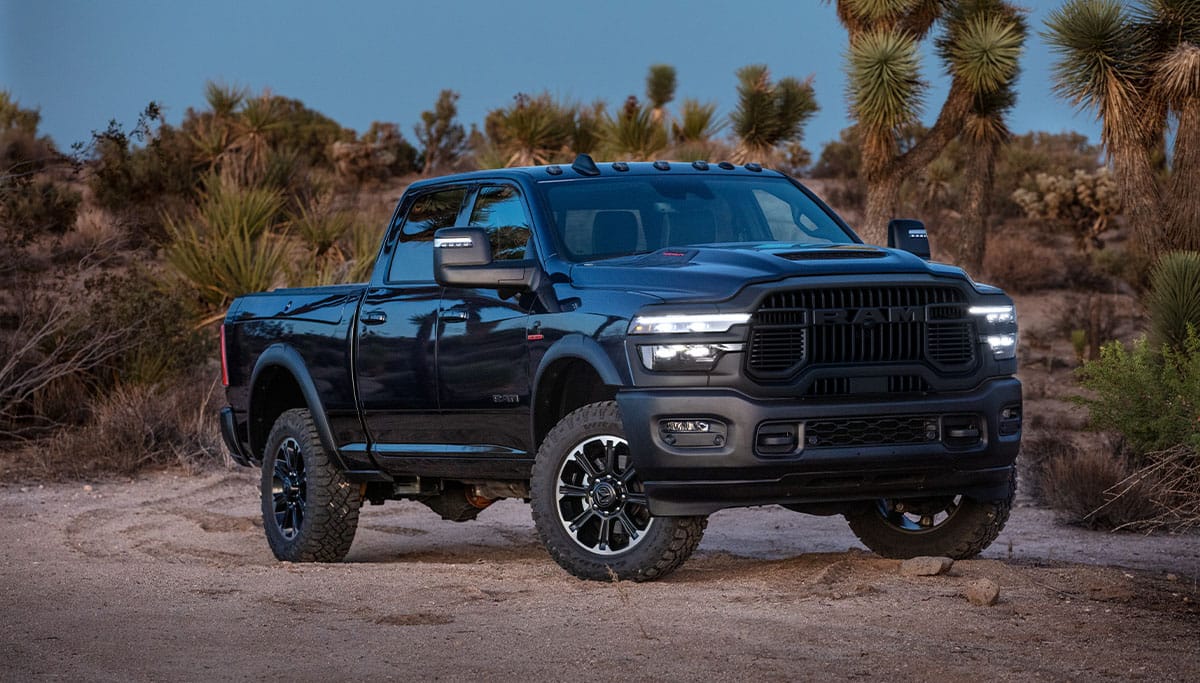
Mechanically, the Ram 2500’s transfer case is built around gear-driven architecture and heavy-duty chains, designed to handle high torque from engines like the 6.4L HEMI or the Cummins diesel.
These components are oversized relative to typical half-ton systems, which reduces stress per component and extends service life under demanding conditions such as towing uphill or hauling heavy payloads.
Another advantage is predictable engagement behavior. Because these systems avoid complex automatic engagement logic, there’s less chance of unexpected drivetrain responses. When 4WD is engaged, power delivery is direct and consistent, which is particularly important in off-road or low-traction environments where control matters more than convenience.
5. Toyota Tundra (Pre-2022 Models)
The Toyota Tundra, particularly before its redesign, uses a highly durable transfer case system that mirrors the Tacoma’s reliability ethos but scaled for full-size duty.
These units are known for their tight sealing and resistance to fluid degradation. Even under towing stress, the transfer case maintains consistent performance without developing leaks or overheating.
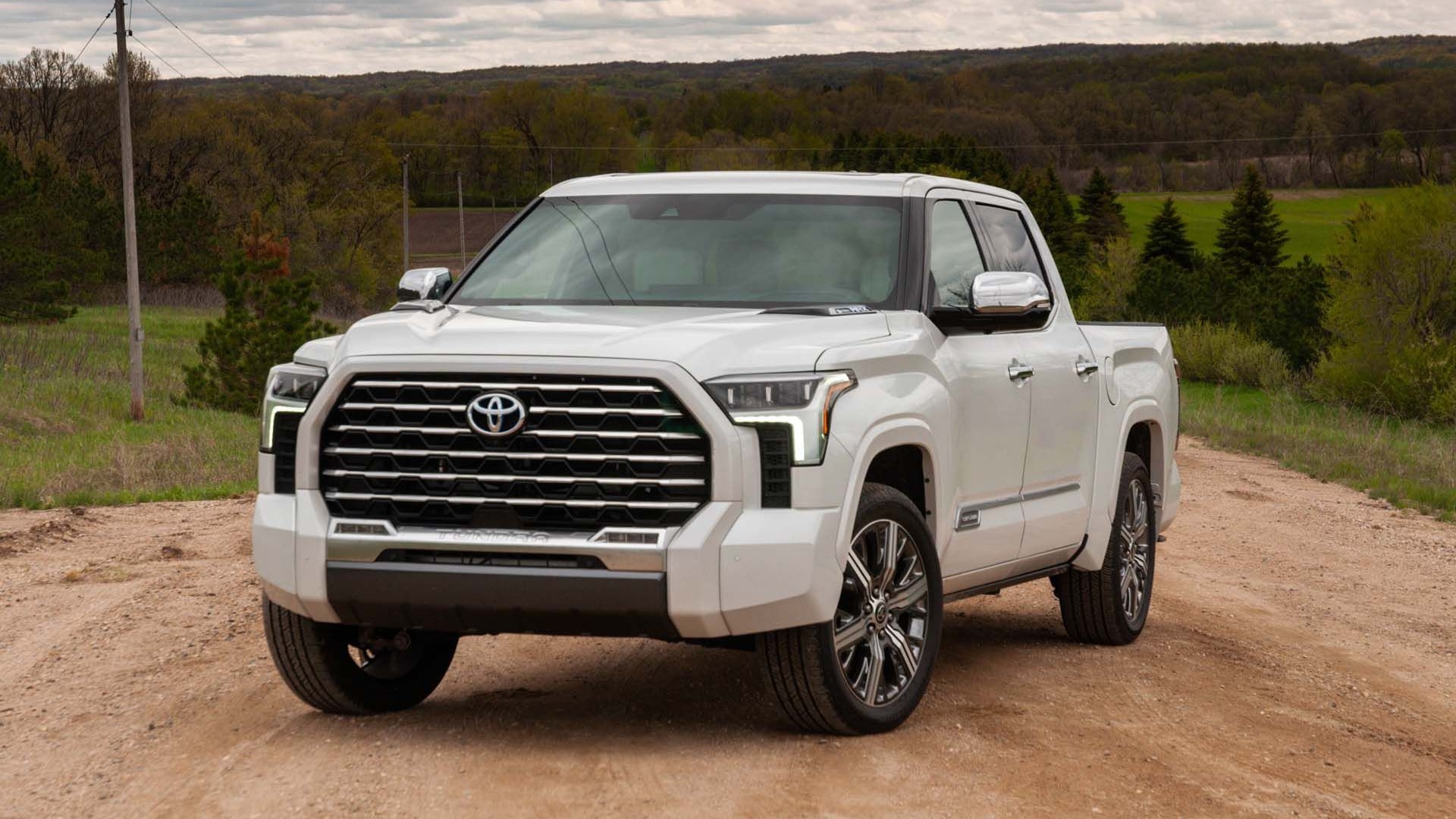
The Tundra’s conservative engineering approach, combined with lower complexity compared to some rivals, results in fewer long-term issues. It’s not the most technologically advanced system, but it excels in durability.
Trucks Known for Transfer Case Leak Issues
Certain trucks have become known for recurring leak issues due to specific design flaws. For example, some older GM trucks developed the well-known “pump rub” problem, where internal components wear through the transfer case housing, eventually causing fluid loss. This type of issue is particularly problematic because it may not leave obvious puddles, allowing damage to progress unnoticed.
Other models can experience leak-related problems due to heat buildup or compact transfer case designs that place additional stress on seals and gaskets. Over time, this can lead to premature seal failure, especially in vehicles that are frequently used for towing or off-road driving.
In this article, we highlight trucks known for transfer case leak issues, models where design limitations, component wear, or long-term durability concerns make leaks more likely under heavy use. While many of these trucks perform well, their transfer case systems often require closer monitoring and maintenance to avoid costly repairs.
1. Chevrolet Silverado / GMC Sierra (2007–2013, NP246)
The Chevrolet Silverado and its sibling, the GMC Sierra, are widely regarded as durable full-size pickups, but their transfer case, specifically the NP246 unit from New Process Gear, has developed a well-documented reputation for fluid leaks over time
This issue is commonly referred to as “pump rub,” and it remains one of the most frequently cited weaknesses in an otherwise solid drivetrain package.
The NP246 is part of GM’s Autotrac system, featuring an automatic four-wheel-drive mode that uses a clutch pack to engage the front axle when slip is detected.
While this system provides convenience and smooth operation in changing road conditions, it also introduces internal complexity. The root of the leak problem, however, is not the clutch system itself but a design flaw involving the internal oil pump.
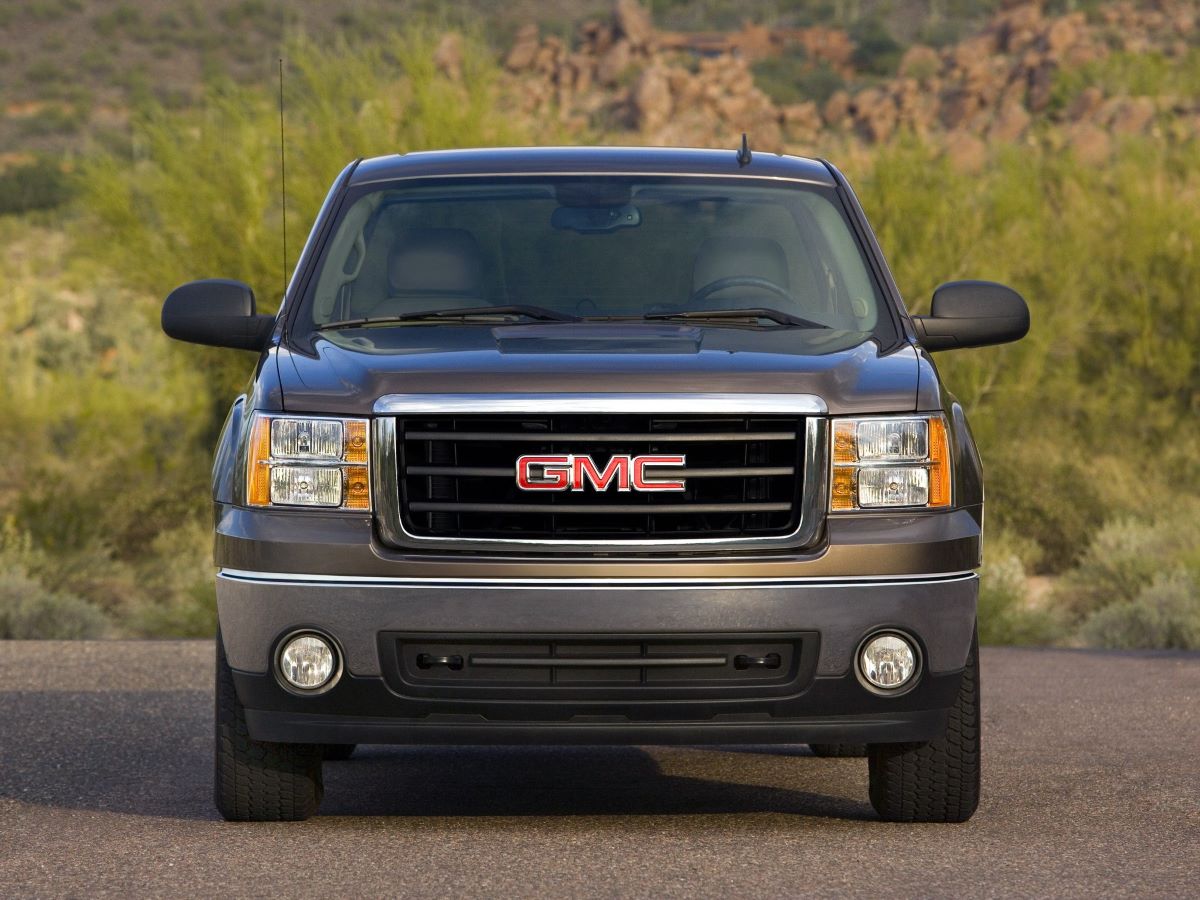
Inside the transfer case, the pump is held in place by a retaining clip, but over time, slight movement allows the pump housing to make contact with the magnesium case.
As the vehicle accumulates miles, especially under load or frequent 4WD use, the pump gradually wears through the casing. Once this wear creates a pinhole or crack, transfer case fluid begins to seep out, often going unnoticed until the fluid level drops enough to cause operational issues.
2. Dodge Ram 1500 (2009–2012, Electronic Shift Models)
The Dodge Ram 1500 introduced a more modernized drivetrain setup, including electronically controlled transfer cases such as the NV246 and similar variants supplied by New Venture Gear.
These systems replaced traditional manual linkages with electronic shift motors and dash-mounted selectors, improving ease of use but also introducing new points of failure, particularly when it comes to long-term sealing and leak prevention.
One of the more common issues reported in these models involves transfer case fluid leaks originating from seals rather than internal case damage.
The most frequent culprits are the output shaft seals (both front and rear), which can degrade over time due to heat cycles, vibration, and drivetrain load. As these seals wear, they begin to allow fluid to escape, often leading to slow leaks that may go unnoticed until routine maintenance or visible drips appear under the vehicle.
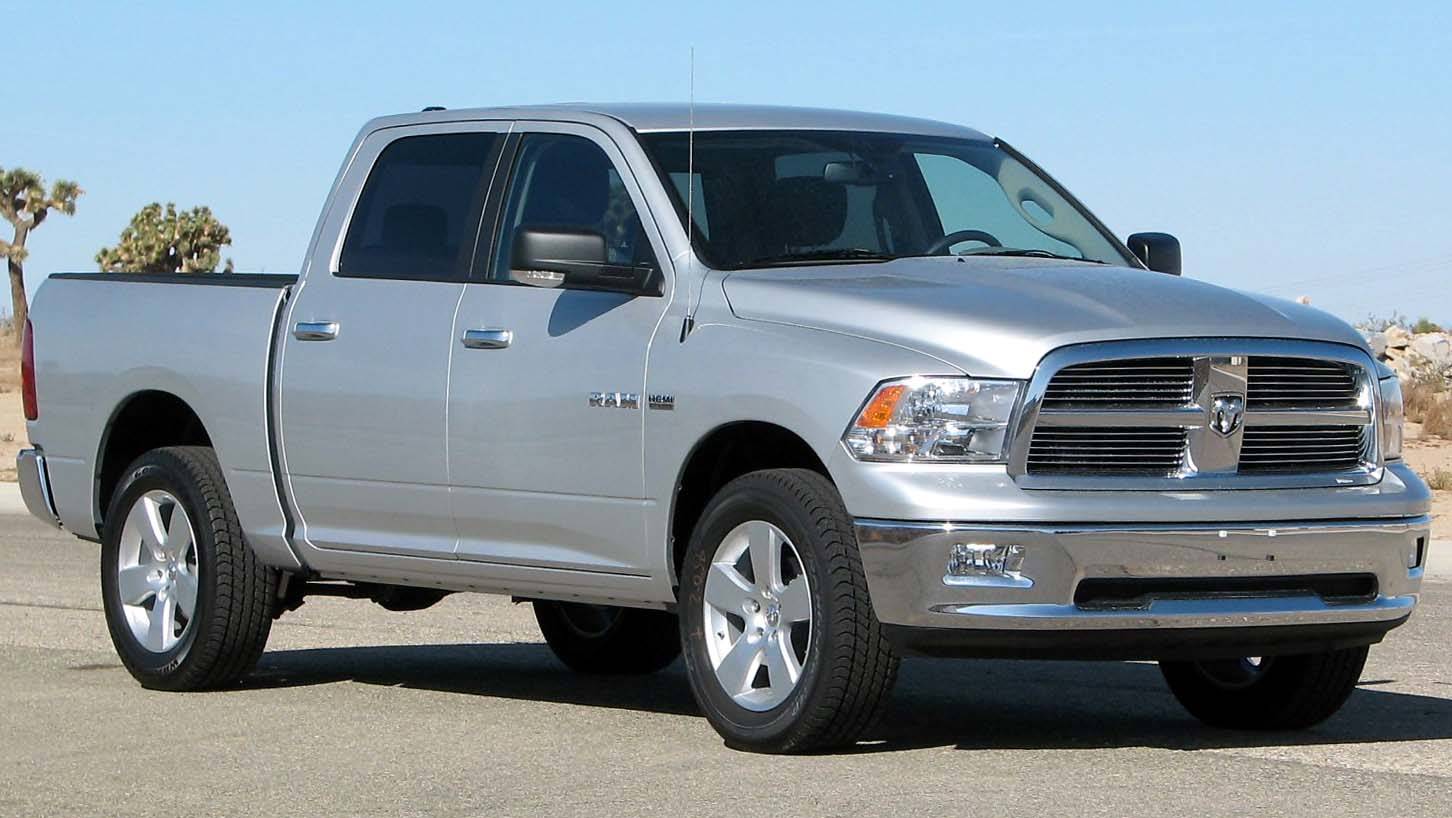
Unlike some GM transfer case issues that stem from internal wear (such as pump-related case damage), the Ram 1500’s problems are typically more conventional but still impactful.
The electronically shifted system relies on precise actuator positioning and consistent lubrication. When fluid levels drop due to leaks, it can affect internal clutch engagement in models equipped with automatic 4WD modes, leading to symptoms such as delayed engagement, inconsistent power transfer, or warning lights on the dashboard.
Another contributing factor is the electronic shift motor assembly, which is mounted externally on the transfer case. Over time, the seals around this unit can also become a weak point, especially in trucks exposed to mud, water crossings, or road salt. Contamination in this area can accelerate seal wear and, in some cases, lead to actuator malfunction alongside fluid leakage.
Thermal expansion also plays a role. As the transfer case heats up during extended driving or towing, internal pressure can increase slightly, putting additional stress on aging seals. If the vent system is restricted or not functioning optimally, this pressure has fewer escape paths, which can worsen leakage at vulnerable points.
3. Ford Expedition / F-150 (Early 2000s Models)
The Ford F-150 and Ford Expedition are often praised for their rugged drivetrains, but their transfer case systems, primarily supplied by BorgWarner, are not without known leak-related issues. Models equipped with units like the BW4406 or ControlTrac variants introduced a mix of mechanical durability and vacuum/electronic integration, which created multiple potential failure points over time.
One of the most common problems in these trucks is fluid leakage from output shaft seals and case halves. As mileage accumulates, the seals at both the front and rear output shafts tend to harden and lose elasticity due to repeated heat cycles and exposure to contaminants. Once compromised, these seals allow gear oil or transfer case fluid to seep out gradually, often forming residue around the driveshaft connection points.
In addition to standard seal wear, some owners report leaks developing along the case seam itself. The transfer case housing is typically split into two halves, sealed with a gasket or RTV compound
Over time, thermal expansion and contraction can weaken this seal, particularly in vehicles subjected to towing or frequent four-wheel-drive use. While not as catastrophic as structural case failures, these leaks can be persistent and difficult to fully eliminate without resealing the unit.
Another layer of complexity comes from Ford’s vacuum-operated front hub engagement system, which works in conjunction with the transfer case. While the vacuum system itself does not directly cause fluid leaks, deteriorated vacuum lines can lead to improper 4WD engagement.
This sometimes results in drivers repeatedly cycling the transfer case between modes, increasing wear on seals and internal components. In some cases, misdiagnosed vacuum issues lead owners to overlook early signs of transfer case leakage.
The ControlTrac system, which offers an automatic 4WD mode, also relies on internal clutch packs. These components generate heat during operation, and if fluid levels drop due to leaks, the reduced lubrication can accelerate wear. This creates a feedback loop where minor leaks gradually evolve into performance issues such as delayed engagement or drivetrain noise.

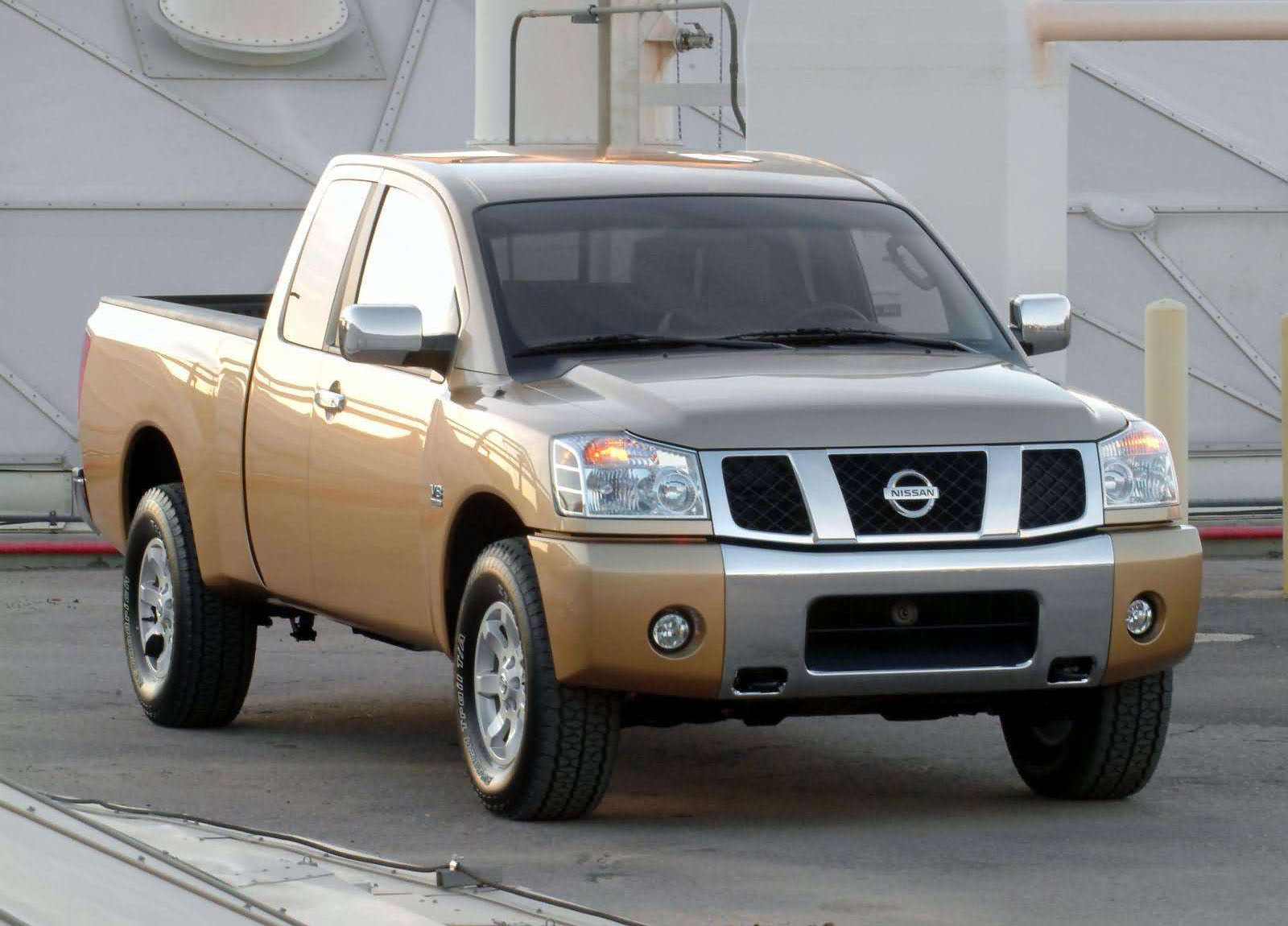
4. Nissan Titan (2004–2015)
The Nissan Titan is generally regarded as a durable full-size truck, but its transfer case system has developed a reputation for gradual fluid leaks, particularly as mileage climbs. Unlike some competitors where internal design flaws are the primary cause, the Titan’s issues are more commonly linked to aging seals, venting limitations, and long-term wear under load.
Most 4WD Titans from this period use transfer cases supplied by BorgWarner, designed to handle both standard part-time 4WD operation and occasional off-road use. Mechanically, these units are robust, but over time, several leak-prone areas tend to emerge, most notably the rear output shaft seal.
This seal is exposed to constant driveshaft rotation and heat, and as it hardens or wears, it begins to allow fluid to seep out. The leak is often slow at first, forming a thin film around the driveshaft yoke before progressing into visible drips.
Another common source of leakage is the transfer case vent system. The Titan’s vent hose is designed to relieve internal pressure as the unit heats up, but it can become clogged or restricted due to dirt, debris, or moisture intrusion—especially in trucks used off-road. When this happens, internal pressure builds and forces fluid past seals that would otherwise remain intact. This type of leak can be intermittent and harder to diagnose, as it often appears after extended driving or heavy use rather than at idle.
Additionally, some owners report minor seepage along case seams and sensor fittings, particularly in higher-mileage trucks. These are typically not severe leaks but can contribute to gradual fluid loss over time if left unaddressed. While not as notorious as pump-related failures seen in other brands, the cumulative effect of multiple small leak points can still lead to reduced fluid levels and eventual wear.
5. Jeep Ram-Based Platforms (Early Electronic Systems)
Early Ram-based Jeep platforms, particularly models like the Jeep Grand Cherokee and Jeep Commander, introduced more advanced electronically controlled transfer case systems sourced from New Venture Gear.
Units such as the NV245 and NV247 brought full-time 4WD capability and automatic torque distribution, but they also introduced additional leak pathways tied to both sealing complexity and electronic integration.
One of the primary issues with these systems is fluid seepage from multiple sealing points rather than a single failure location. The transfer cases incorporate clutch packs, sensors, and electronic shift motors, all of which require additional housings, connectors, and seals.
Over time, these seals, especially around the input/output shafts and sensor ports, are prone to degradation from heat cycles and fluid exposure. As they age, small leaks begin to develop, often appearing as light seepage before progressing into more noticeable fluid loss.
Another frequent concern involves the case halves and gasket surfaces. These transfer cases operate under higher thermal and mechanical stress due to their full-time operation and clutch-based torque management.
As a result, expansion and contraction can weaken sealing surfaces, leading to slow leaks along the case seam. This type of leak is typically gradual but persistent, requiring resealing to fully resolve.
The electronic shift and control systems add another layer of vulnerability. Actuator housings and wiring entry points must be sealed against moisture and debris, but over time, these seals can become compromised.
In off-road environments or regions with road salt exposure, contamination can accelerate wear, leading not only to leaks but also to intermittent electronic faults. In some cases, fluid leakage and actuator issues occur simultaneously, complicating diagnosis.
Ventilation also plays a role. Like many modern transfer cases, these units rely on a vent system to manage internal pressure. If the vent becomes restricted, pressure buildup can force fluid past otherwise intact seals. This is particularly relevant for vehicles used in water crossings or muddy conditions, where vent lines are more likely to become obstructed.
Unlike purely mechanical systems, these transfer cases are more sensitive to fluid condition and level. Even minor leaks can reduce lubrication efficiency, affecting clutch performance and leading to symptoms such as shuddering, delayed engagement, or inconsistent torque transfer. Because of this, small leaks that might be ignored in simpler systems can have more immediate consequences here.
Trucks like the Toyota Tacoma, Toyota Tundra, and heavy-duty Ram models demonstrate that durability often comes from simplicity and conservative engineering.
On the other hand, certain GM, older Ford, and early electronic systems highlight how design flaws or added complexity can lead to persistent leakage issues.
These problems are not necessarily deal-breakers, but they require awareness and proactive maintenance.
Ultimately, the best approach is to match the truck’s transfer case design to your usage. For heavy-duty work or long-term ownership, simpler mechanical systems tend to offer better reliability.
For convenience and versatility, modern electronic systems can perform well, but they demand closer attention to maintenance and potential failure points.
