
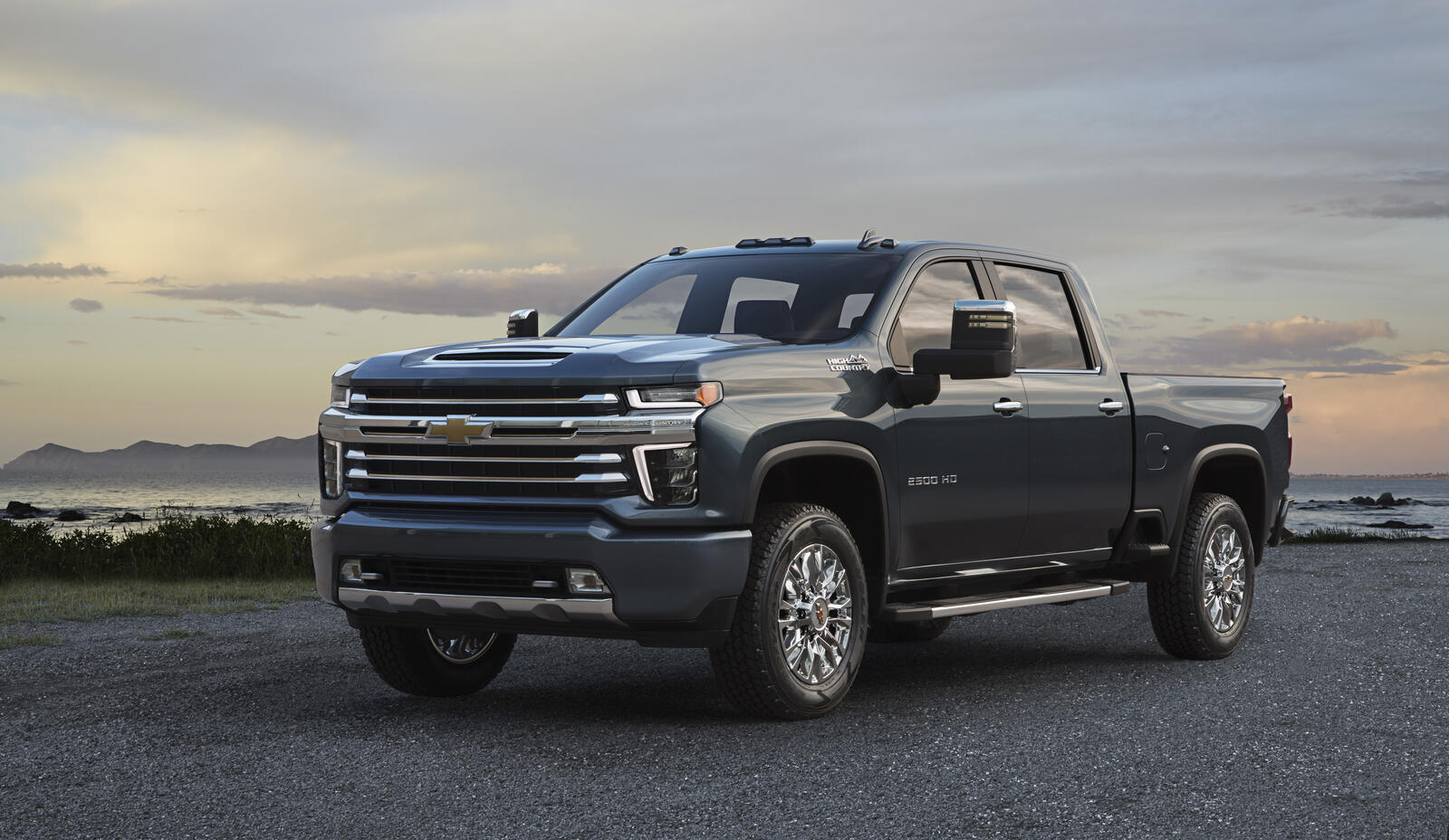
Pickup trucks are built around utility, but not every component receives equal engineering attention. One of the most overlooked yet critical elements is the tailgate hinge system.
While it may appear simple, the hinge bears repeated dynamic loads, supporting weight, absorbing shock from drops or slams, and maintaining alignment under uneven stress.
For truck owners who regularly use the tailgate as a work surface, step, or loading platform, hinge durability becomes a defining factor in long-term usability.
Tailgate hinge failures typically manifest as sagging, misalignment, difficulty latching, or excessive play.
These issues often stem from poor material selection, undersized hinge pins, weak bushings, or corrosion exposure.
Modern trucks further complicate the equation by introducing multi-function tailgates, electronic latching, and integrated work surfaces, all of which increase weight and stress on hinge assemblies.
The result is a widening gap between trucks designed for sustained heavy use and those that struggle under repeated load cycles.
Below is a breakdown of five trucks known for durable, well-engineered tailgate hinges, followed by five that have shown consistent weaknesses under heavy or prolonged use.
Trucks With Durable Tailgate Hinges
Durable tailgate hinges are essential for maintaining both functionality and structural integrity. Weak or poorly designed hinges can lead to sagging, misalignment, and difficulty latching the tailgate properly. Over time, this not only becomes inconvenient but can also affect safety and place additional strain on surrounding components
. Trucks that are engineered with heavy-duty hinges, typically made from reinforced steel with corrosion-resistant coatings, tend to perform far better under repeated use and in demanding environments.
In this article, we highlight trucks with durable tailgate hinges, models that are designed to handle real-world workloads without developing premature wear or mechanical issues. These trucks stand out for their strong construction, thoughtful engineering, and long-term reliability, making them better suited for owners who depend on their tailgate as much as any other part of the vehicle.
1. Ford F-150
The Ford F-150 has long been engineered with real-world work demands in mind, and that extends to the durability of its tailgate hinge system. As one of the most widely used trucks in construction, hauling, and daily utility roles, the F-150 is designed to withstand repeated opening, heavy loads, and constant use without developing the common issues seen in weaker hinge setups.
A key factor behind the F-150’s durability is its use of high-strength materials and reinforced mounting points. The tailgate hinges are built to support not just the weight of the tailgate itself, but also additional нагрузка from cargo being loaded or placed directly on the gate when it’s open.
Ford’s engineering ensures that stress is distributed evenly across the hinge assembly, reducing the likelihood of premature wear, bending, or misalignment over time. This becomes especially important for users who frequently rely on the tailgate as a platform.
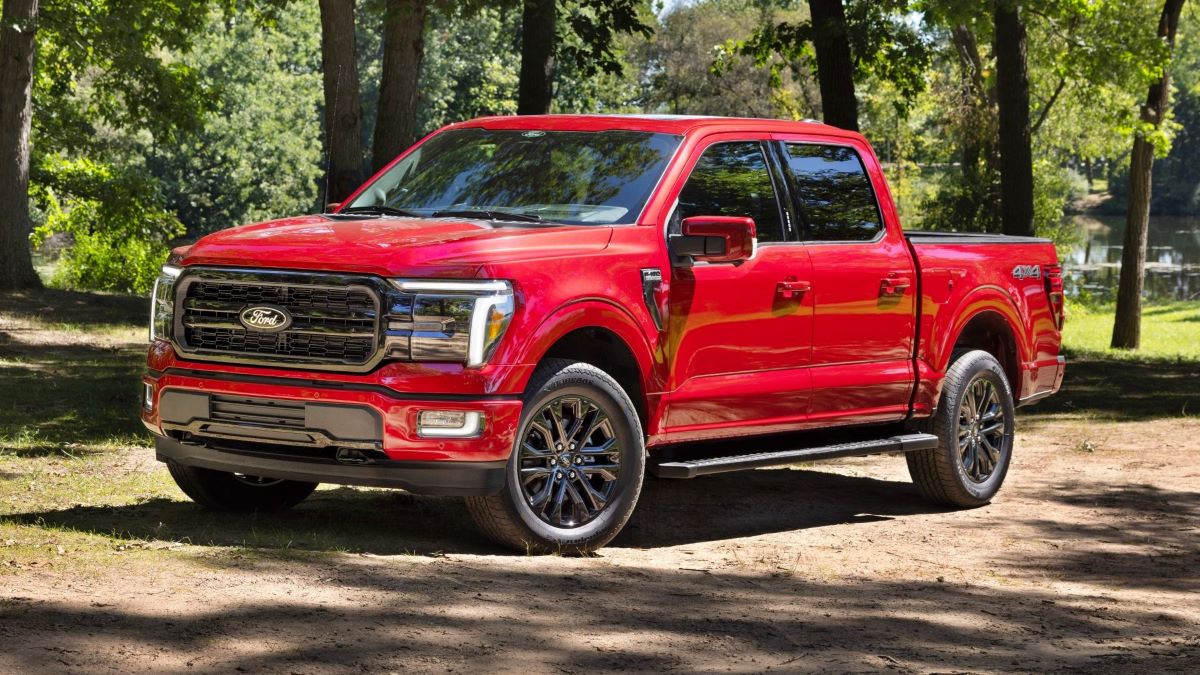
Modern F-150 models also benefit from advanced tailgate designs that improve usability without compromising strength. Features like the available Pro Access Tailgate and integrated step system add convenience, but they are supported by robust hinge mechanisms designed to handle the extra complexity and weight.
Unlike some multi-function tailgates that introduce weak points, the F-150 maintains structural integrity through reinforced hinge pins and durable hardware that can endure repeated cycles of use.
Corrosion resistance is another area where the F-150 performs well. The hinge components are treated and protected against rust, which is critical for long-term reliability, especially in environments where trucks are exposed to moisture, dirt, or road salt. This helps prevent one of the most common causes of hinge failure: gradual weakening due to corrosion and environmental wear.
2. Toyota Tundra
The Toyota Tundra has built its reputation on long-term durability, and that philosophy extends to its tailgate hinge design. Known for handling demanding workloads and high mileage with minimal issues, the Tundra is engineered to deliver consistent performance in areas that often go unnoticed, like the strength and reliability of its tailgate components.
One of the key advantages of the Tundra is its heavy-duty hinge construction. Toyota uses robust materials and reinforced mounting points to ensure the tailgate can handle repeated stress without developing sagging or misalignment.
Whether the tailgate is being opened multiple times a day or used to support heavy items during loading, the hinge system is designed to distribute weight evenly and resist deformation over time. This makes it particularly well-suited for work environments where durability is more important than added complexity.
The Tundra also benefits from a relatively straightforward tailgate design. Unlike some competitors that incorporate multi-function systems with additional moving parts, Toyota keeps the mechanism simple and structurally solid.
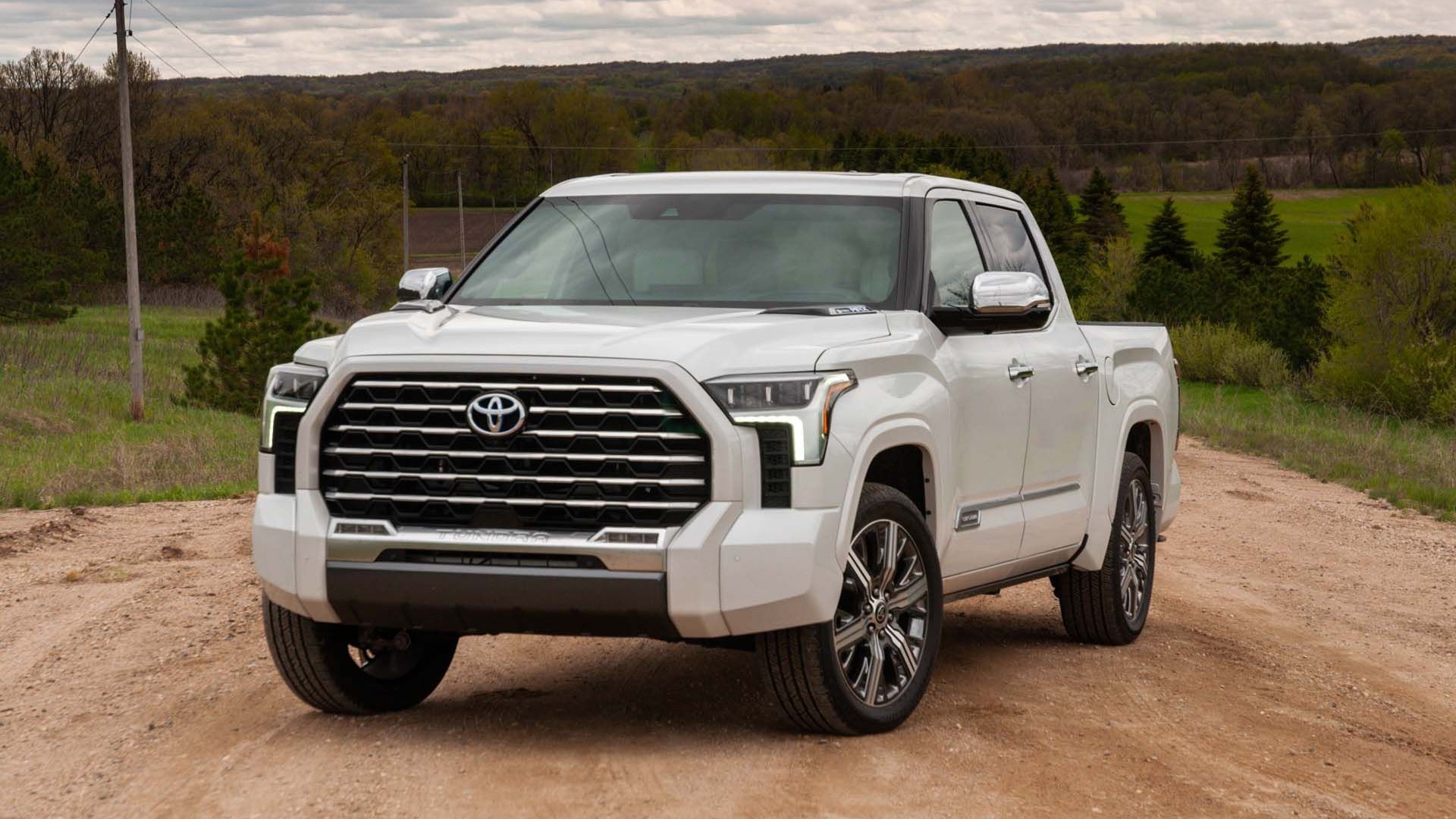
This reduces potential failure points and allows the hinges to focus on doing their primary job, supporting the tailgate reliably under load. Fewer components generally translate to less wear and lower long-term maintenance requirements.
Corrosion resistance is another strong point. Toyota applies protective coatings to key hardware, including hinge components, helping to prevent rust and degradation caused by exposure to moisture, dirt, and road salt.
This is critical for maintaining hinge strength over time, especially for trucks used in harsh climates or off-road conditions. By minimizing corrosion, the Tundra avoids one of the most common causes of hinge failure in older trucks.
In terms of long-term performance, the Tundra’s tailgate hinges tend to hold alignment well even after years of heavy use. Owners frequently report consistent operation without the sagging or uneven closing that can develop in less robust systems. This reliability is part of what contributes to the truck’s strong reputation for longevity and low maintenance.
3. Chevrolet Silverado 2500HD
The Chevrolet Silverado 2500HD is engineered for demanding workloads, and that focus on durability extends directly to its tailgate hinge system.
As a heavy-duty truck designed for towing, hauling, and job-site use, the Silverado 2500HD must handle frequent tailgate operation under significant stress. Its hinge design reflects this requirement, prioritizing strength, stability, and long-term reliability over unnecessary complexity.
A major strength of the Silverado 2500HD lies in its reinforced hinge construction. Built with heavy-gauge steel and solid mounting points, the hinges are designed to handle the additional weight and pressure that come with heavy-duty use.
Whether the tailgate is supporting equipment, holding materials during loading, or being opened and closed repeatedly throughout the day, the system is engineered to maintain alignment and resist bending or premature wear.
The truck also benefits from a robust tailgate structure that works in conjunction with the hinges. Chevrolet integrates features like the Multi-Flex Tailgate, which adds versatility through multiple configurations.
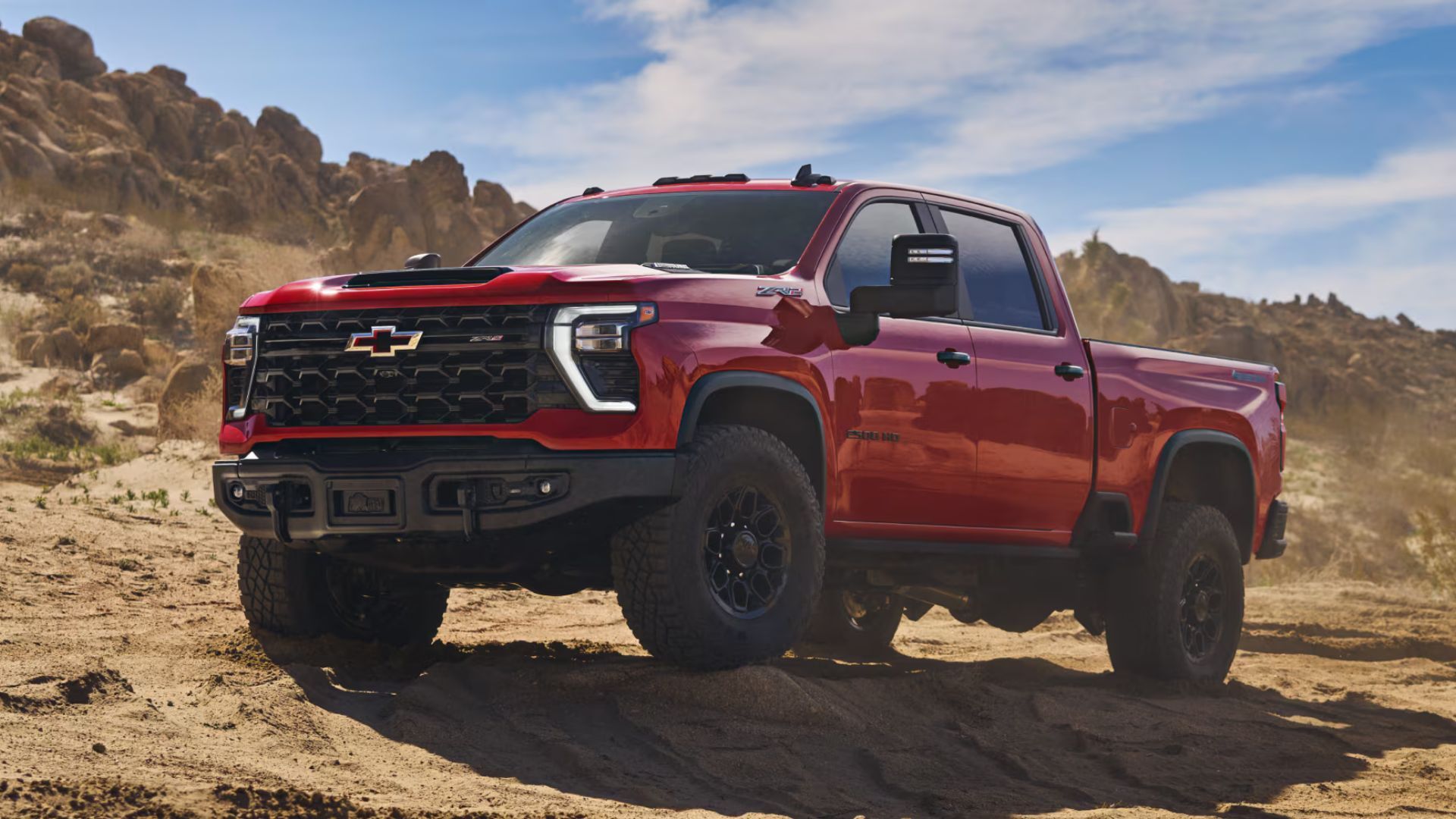
Despite this added functionality, the hinge system is reinforced to manage the increased weight and mechanical complexity. Strong hinge pins and durable hardware help ensure that the tailgate continues to operate smoothly even after extensive use.
Corrosion resistance is another key factor in the Silverado 2500HD’s durability. The hinge components are treated to withstand exposure to moisture, dirt, and road salt, common conditions for trucks used in construction or outdoor environments. This protection helps prevent rust from weakening the hinges over time, which is a common failure point in less robust systems.
In long-term use, the Silverado 2500HD tends to maintain consistent tailgate performance. The hinges are designed to minimize sagging and ensure the tailgate closes securely, even after years of heavy work. This reliability is critical for users who depend on their truck daily and cannot afford downtime caused by worn or misaligned components.
4. Ram 2500
The Ram 2500 is built with a clear emphasis on strength and long-term durability, and that engineering focus extends to its tailgate hinge system. Designed for towing, hauling, and demanding job-site use, the Ram 2500 must handle frequent tailgate operation under heavy loads.
As a result, its hinge assembly is engineered to provide consistent support, maintain alignment, and resist wear even with repeated, high-stress use.
One of the key strengths of the Ram 2500 is its use of heavy-duty hinge components paired with reinforced mounting points. These hinges are built to support the full weight of the tailgate while also handling additional stress from cargo loading and daily use.
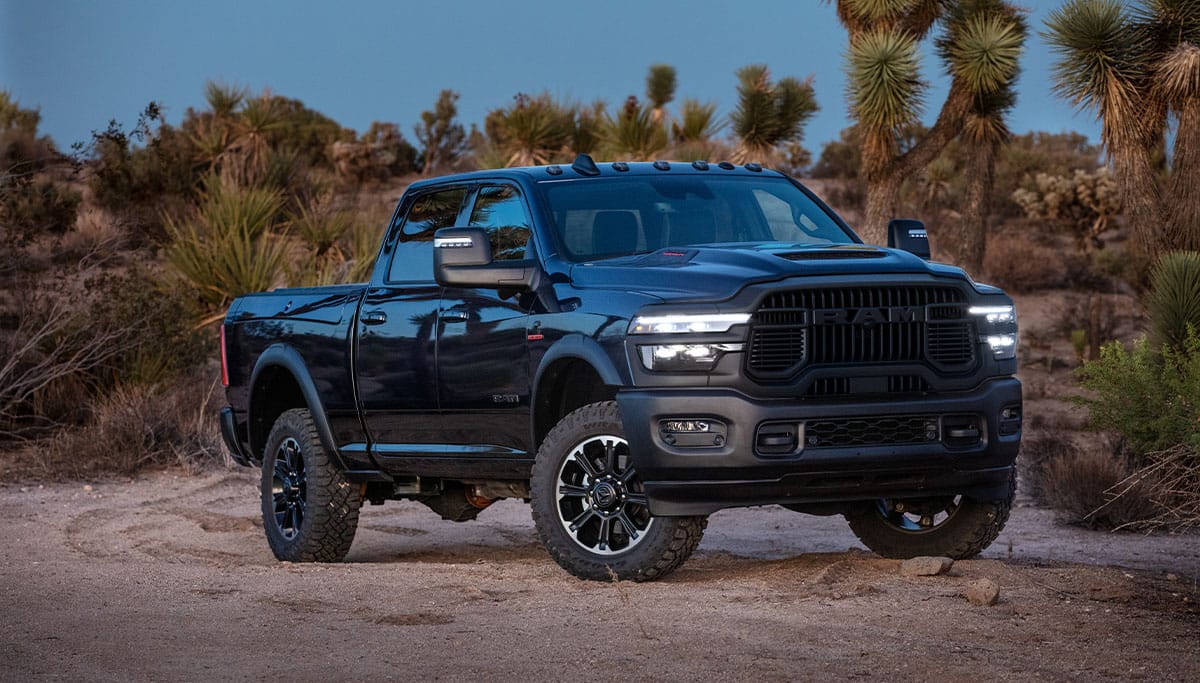
The design distributes weight evenly across the hinge system, reducing the likelihood of sagging or deformation over time. This is especially important for users who regularly rely on the tailgate as a loading platform or work surface.
The Ram 2500 also benefits from a relatively straightforward and robust tailgate design. While it offers modern features such as a damped opening system and an optional multifunction tailgate, the underlying hinge structure remains solid and purpose-built.
The use of strong hinge pins and durable hardware ensures that even with added functionality, the system maintains its structural integrity and continues to operate smoothly.
5. Honda Ridgeline
The Honda Ridgeline takes a different approach to tailgate design compared to traditional body-on-frame trucks, but it still delivers strong durability where it matters, particularly in its hinge system.
Built on a unibody platform, the Ridgeline emphasizes practicality and smart engineering, and its dual-action tailgate is a clear example of that philosophy. Despite its more versatile design, the hinge setup is engineered to handle repeated use without compromising strength or alignment.
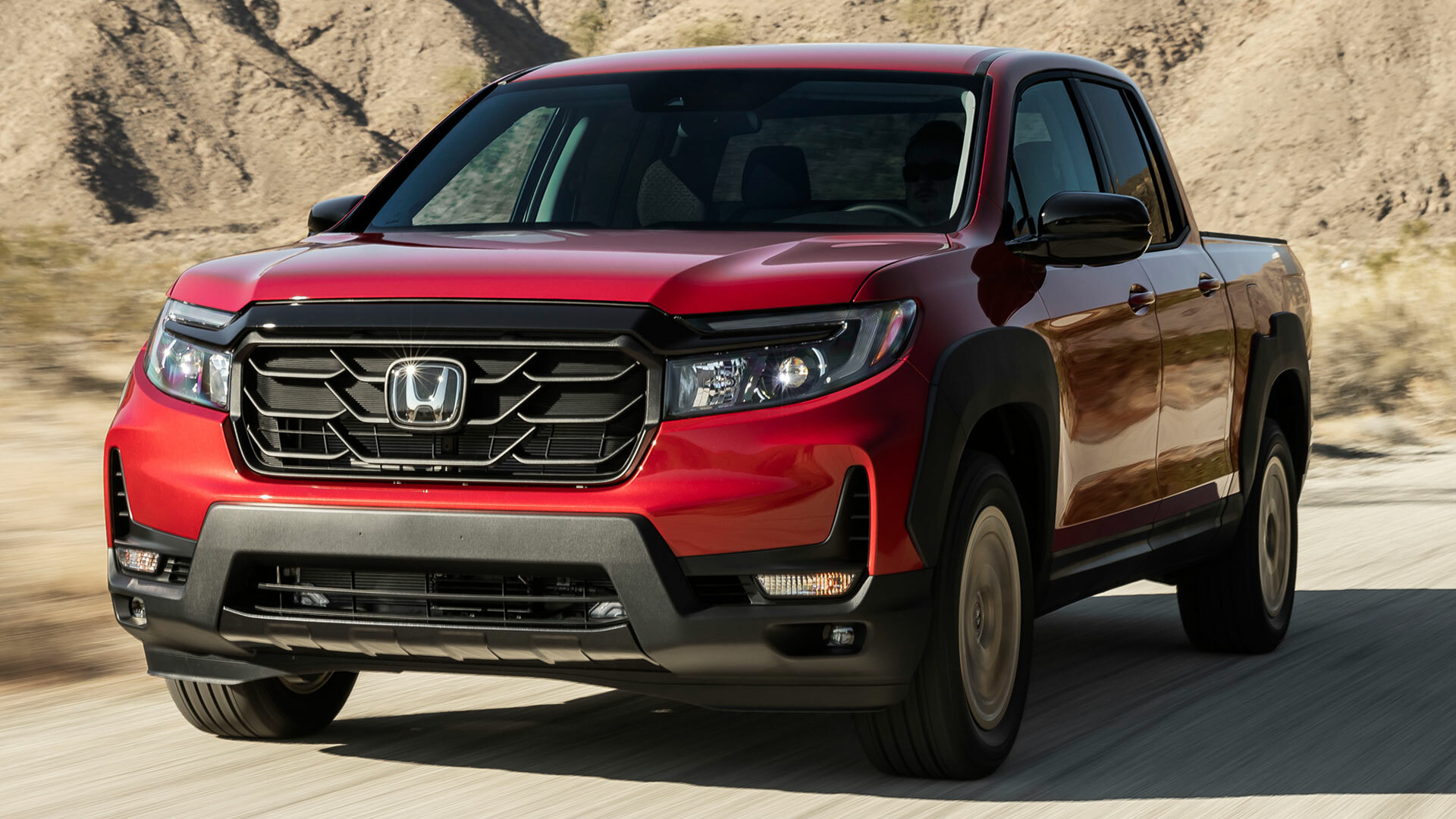
One of the Ridgeline’s standout features is its dual-action tailgate, which can open both downward like a conventional tailgate and sideways like a door. This adds convenience, especially when accessing the in-bed trunk or loading cargo. To support this functionality, Honda uses a reinforced hinge system that accommodates both movement directions while maintaining structural integrity.
Trucks With Tailgate Hinges That Fail Under Heavy Use
Modern truck designs can also introduce new weaknesses. While features like multi-function tailgates and integrated steps add convenience, they also increase complexity and weight.
Heavier tailgates place more load on hinge systems, and additional moving parts create more potential failure points. In some cases, these advanced designs are more vulnerable to dirt, moisture, and long-term wear, which can lead to sticking, seizing, or premature component failure if not properly maintained.
In this article, we highlight trucks with tailgate hinges that tend to fail under heavy use, models where design limitations, material choices, or long-term durability concerns make them less reliable in demanding conditions. While these trucks may perform well in other areas, their tailgate systems often require more maintenance and attention to avoid early wear and costly repairs.
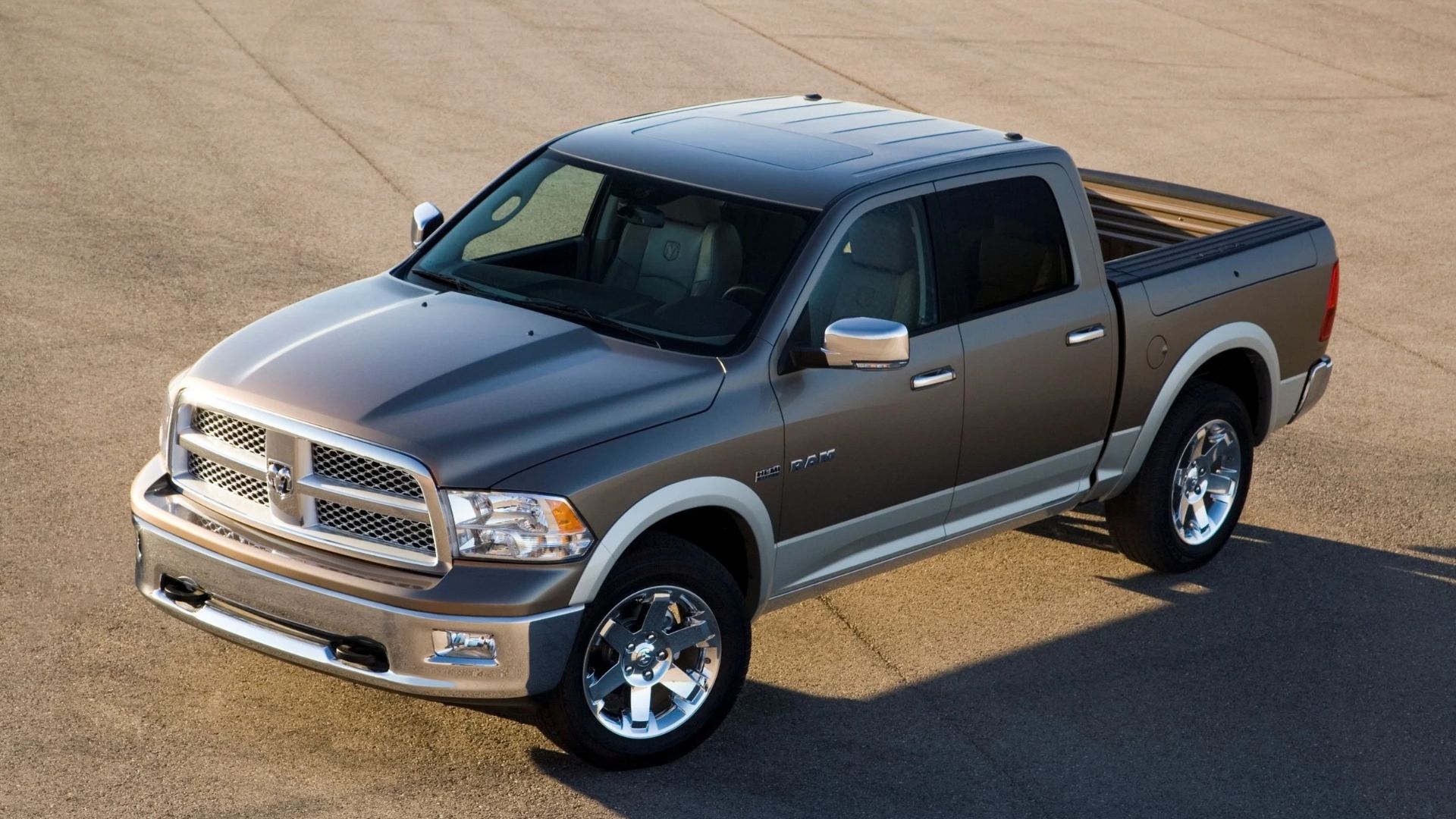
1. Ram 1500 (2009–2018 Models)
The Ram 1500 (2009–2018) represents a period where comfort and refinement improved significantly, but tailgate hinge durability was not always a strong point under heavy use. While the truck performs well in many areas, its hinge system in these model years can show signs of wear earlier than expected, especially in demanding work conditions.
One of the primary issues is hinge wear caused by repeated stress and relatively lighter-duty construction compared to heavy-duty trucks. The hinges are adequate for normal use, but when the tailgate is frequently used to support heavy loads or operated multiple times a day, the components can begin to loosen. Over time, this can lead to noticeable sagging, where the tailgate no longer aligns properly with the bed when closing.
Another factor is the hinge pin and bushing design. With extended use, these components can develop play, resulting in a tailgate that feels less stable when opened or closed.
This looseness often leads to uneven pressure across the hinge assembly, accelerating wear and increasing the risk of misalignment. In some cases, owners report difficulty latching the tailgate properly once the hinges begin to degrade.
Corrosion can also contribute to long-term issues. While the truck includes basic protective coatings, exposure to moisture, dirt, and road salt can gradually wear these down. Once corrosion sets in, hinge movement can become less smooth, and structural strength may weaken over time. This is particularly noticeable in trucks used in harsher environments or for frequent outdoor work.
The tailgate design itself is relatively straightforward, which helps limit complexity, but it does not fully compensate for the hinge limitations under heavy use. Without reinforced components or more robust materials, the system can struggle to maintain long-term durability when consistently pushed beyond light-duty tasks.
The Ram 1500 (2009–2018) is a capable truck, but its tailgate hinge system is better suited for moderate use rather than sustained heavy-duty work. For buyers or owners who rely heavily on their tailgate, these models may require more frequent maintenance or eventual component replacement to maintain proper function.
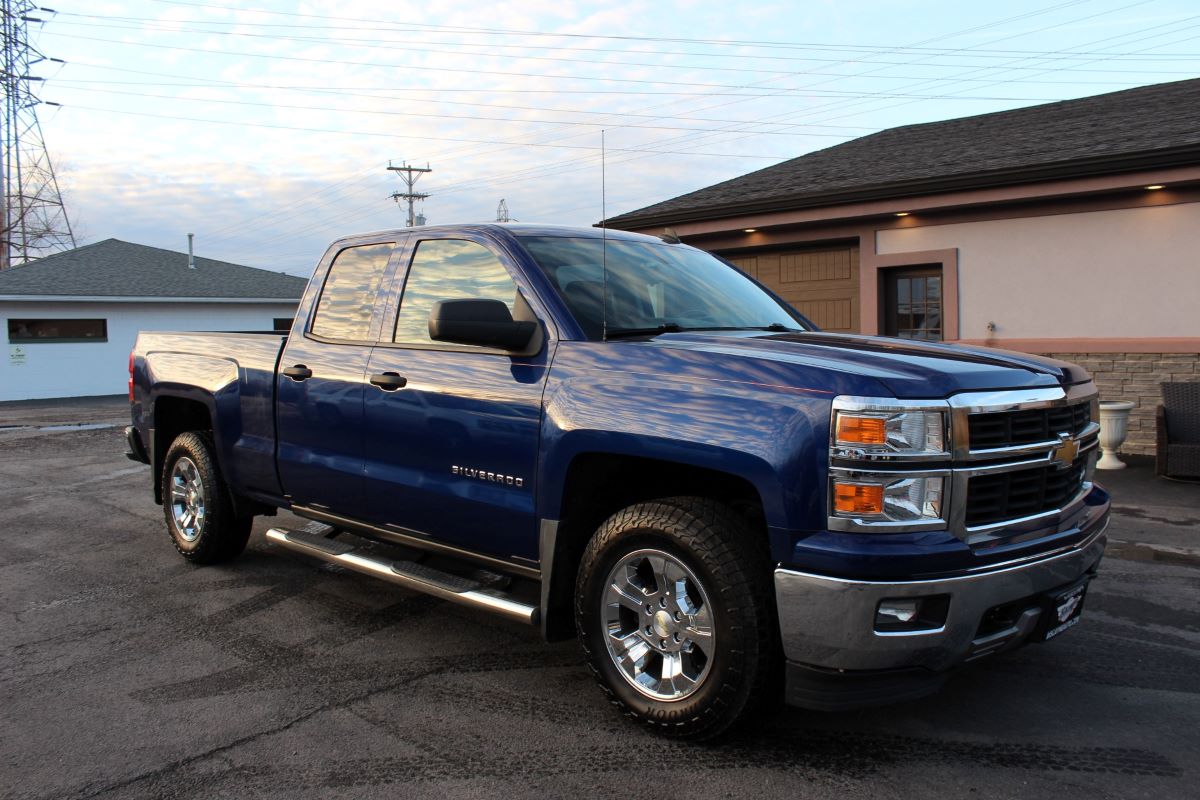
2. Chevrolet Silverado 1500 (2014–2018)
The Chevrolet Silverado 1500 (2014–2018) is a capable and widely used full-size truck, but its tailgate hinge durability can become a concern under sustained heavy use. While the overall tailgate design is straightforward and functional, the hinge system in these model years is not always built to handle repeated high-stress use without showing signs of wear.
One of the most common issues is gradual hinge loosening over time. With frequent opening, closing, and loading, the hinge pins and mounting points can begin to wear, especially if the tailgate is regularly used to support heavy items.
As this wear progresses, the tailgate may start to sag slightly, leading to misalignment when closing. This can make the latch harder to engage and, in some cases, require extra force to properly secure the tailgate.
The materials used in the hinge assembly are generally adequate for everyday driving and moderate workloads, but they can fall short in more demanding environments. Trucks used for construction, towing, or frequent hauling often put additional strain on the hinges, accelerating wear. Over time, this repeated stress can cause increased play in the hinge system, resulting in a less stable feel when the tailgate is open.
Corrosion is another factor that can impact long-term performance. Although the Silverado 1500 includes protective coatings, exposure to moisture, dirt, and road salt can gradually degrade these protections.
Once corrosion begins to affect the hinge components, movement can become rougher, and structural strength may decrease. This further contributes to alignment issues and can shorten the lifespan of the hinge system.
Unlike newer multi-function tailgates, the design here is relatively simple, which helps reduce complexity but does not necessarily improve durability under heavy use. Without reinforced hinges or upgraded hardware, the system can struggle to maintain consistent performance when subjected to repeated stress.
The Chevrolet Silverado 1500 (2014–2018) performs well for general use but shows limitations in its tailgate hinge durability when pushed beyond moderate workloads. For owners who frequently rely on their tailgate for heavy-duty tasks, these models may require closer attention and occasional maintenance to prevent long-term issues.
3. Nissan Frontier (Older Generations)
The Nissan Frontier (older generations) is known for its simplicity and durability, but its tailgate hinge system can show limitations under sustained heavy use. While the truck is generally reliable for everyday tasks, the hinge design in older models was not heavily reinforced, making it more vulnerable to wear when frequently subjected to heavy loads or constant operation.
One of the primary concerns is hinge wear over time. The components are adequate for light to moderate use, but repeated stress, such as using the tailgate as a loading platform or supporting heavy cargo, can cause the hinges to loosen.
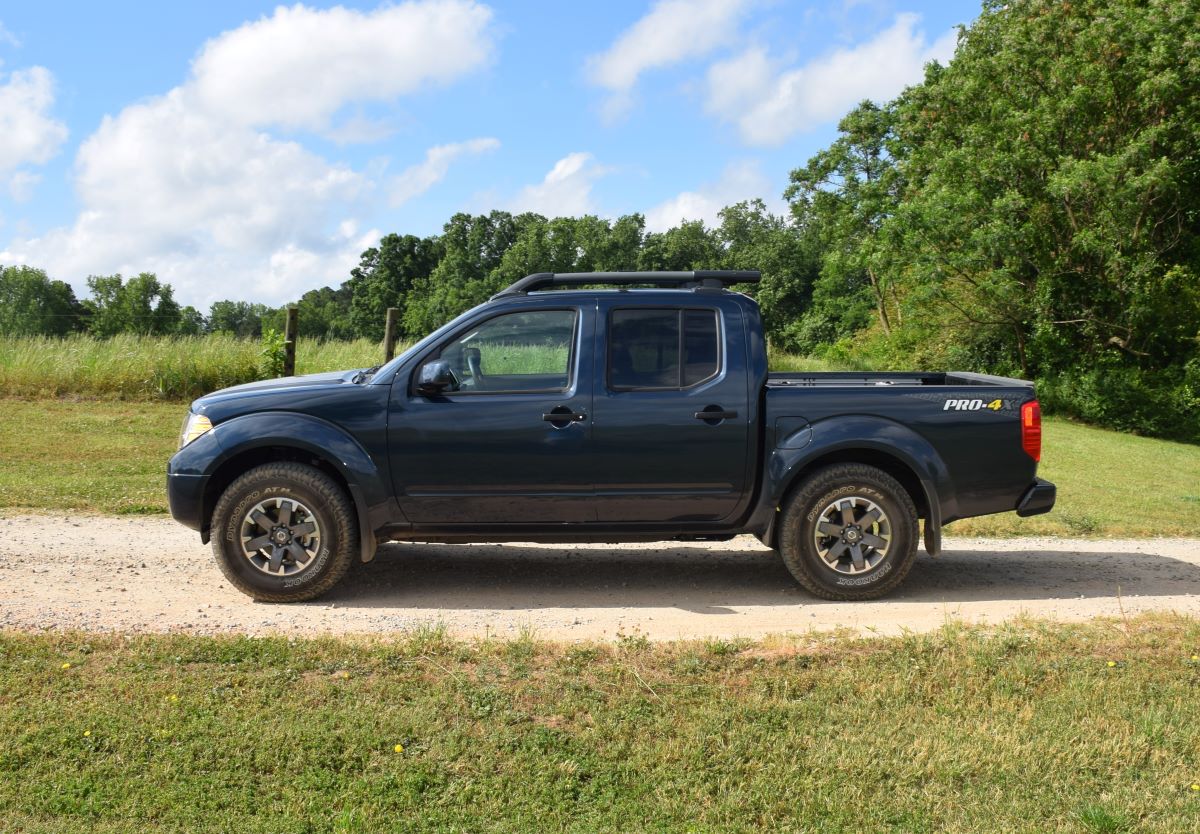
As this happens, the tailgate may begin to sag slightly, leading to alignment issues when closing. This misalignment can make the latch harder to engage and may require extra force to secure the tailgate properly.
Another factor is the relatively basic hinge pin and bushing setup. With extended use, these parts can develop play, resulting in a tailgate that feels less stable when opened.
This looseness places uneven stress on the hinge assembly, which can accelerate wear and increase the likelihood of long-term issues. In some cases, the tailgate may not sit flush with the bed once the hinges begin to degrade.
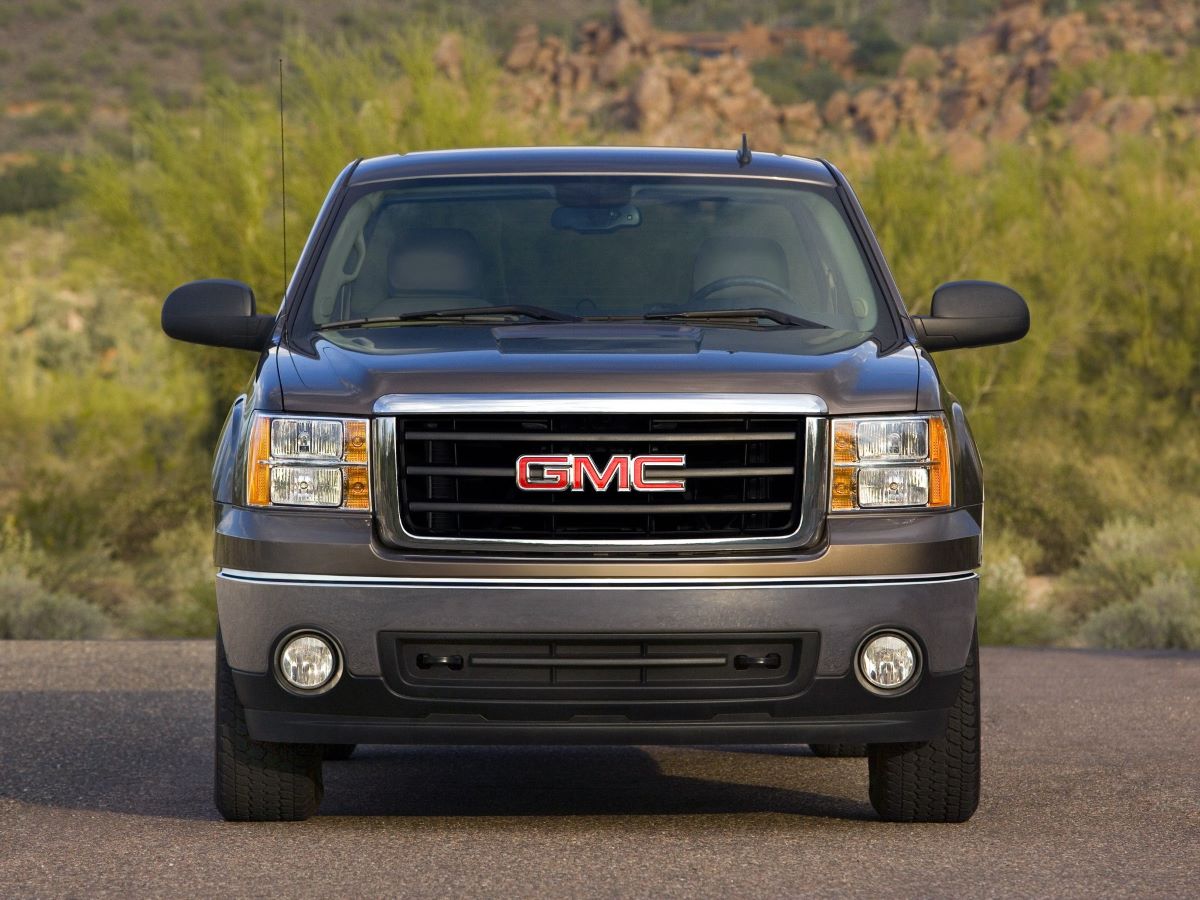
4. GMC Sierra 1500 (Early 2020s Models)
The GMC Sierra 1500 is a capable and well-rounded truck, but certain model years, particularly those sharing platforms with earlier Silverado generations, can show limitations in tailgate hinge durability under sustained heavy use.
While the truck performs well for everyday driving and moderate workloads, the hinge system is not always engineered for repeated high-stress operation over long periods.
One of the most common issues is gradual hinge wear. With frequent opening, closing, and use as a loading surface, the hinge pins and mounting points can begin to loosen.
As this wear progresses, the tailgate may start to sag slightly, causing alignment issues when closing. This can make the latch harder to engage and may require extra force to secure the tailgate properly, especially after extended use.
The hinge materials themselves are generally sufficient for typical use, but they can fall short in demanding conditions such as construction or heavy hauling. Repeated stress from loading heavy items onto the tailgate can accelerate wear, leading to increased play in the hinge assembly. This not only affects stability but also contributes to uneven pressure distribution, which can worsen long-term durability.
Corrosion is another factor that can impact performance over time. Although the Sierra 1500 includes protective coatings, exposure to moisture, dirt, and road salt can gradually degrade these protections. Once rust begins to affect the hinge components, movement may become less smooth, and the overall strength of the assembly can weaken, further increasing the risk of misalignment.
In combination with electronic latching mechanisms, this complexity can lead to accelerated wear and alignment issues over time.
The system functions well under normal conditions but becomes more susceptible to problems when subjected to frequent heavy use.
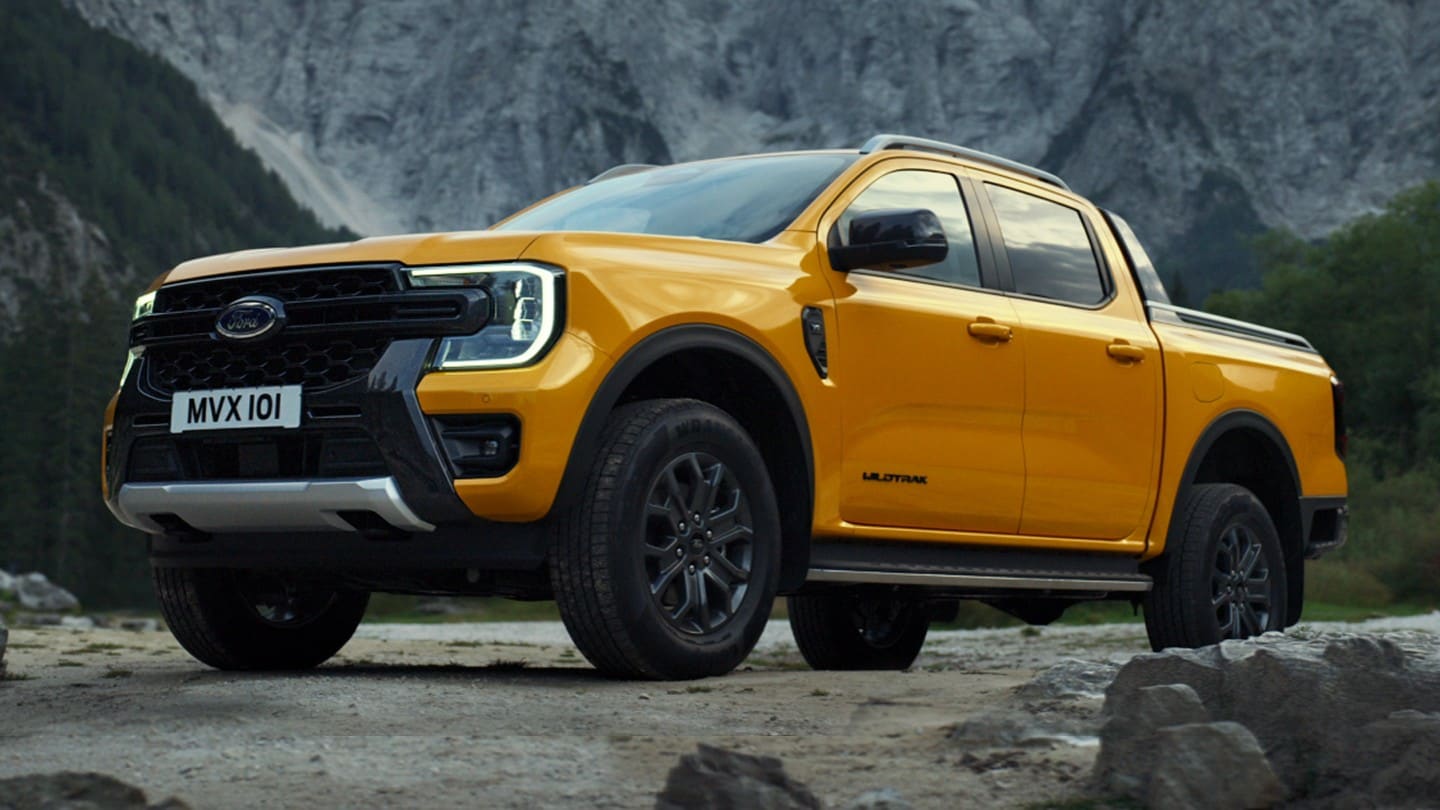
5. Ford Ranger (Pre-2019 Models)
Older Ford Ranger models feature smaller, less robust hinge assemblies compared to full-size trucks. While adequate for light-duty tasks, these hinges are more susceptible to deformation when subjected to heavier loads.
Over time, repeated use as a step or loading platform can cause noticeable sagging and alignment issues.
The limitations are largely a function of design intent, the Ranger was not engineered for the same level of sustained abuse as larger trucks, and its hinge system reflects that constraint.
Tailgate hinge durability is influenced by three primary factors: material strength, hinge geometry, and intended use case.
Trucks designed for heavy-duty applications typically feature thicker hinge components, stronger mounting points, and simpler designs that reduce failure risk.
In contrast, light-duty trucks and models with complex tailgate systems may prioritize convenience and cost efficiency over long-term durability.
For buyers and owners, the practical takeaway is clear. If the truck will be used in demanding conditions, frequent loading, job site work, or heavy daily use, it is essential to prioritize models with proven hinge durability and straightforward mechanical designs.
While advanced tailgate features can offer convenience, they often introduce additional stress points that may compromise longevity under sustained use.
In the long run, a durable hinge system is less about innovation and more about engineering discipline.
Trucks that get this balance right tend to deliver consistent performance, while those that do not reveal their weaknesses through wear, misalignment, and repeated repairs.
