
Seat durability is one of those ownership factors that rarely shows up in spec sheets but becomes critically important the moment real life happens, kids, pets, coffee runs, and daily commuting.
In the U.S. market, where SUVs dominate family transportation, the difference between stain-resistant upholstery and materials that absorb every spill can significantly impact long-term satisfaction and resale value.
Automakers approach interior materials differently: some prioritize easy-clean synthetic surfaces and tightly woven fabrics, while others lean into premium but delicate leathers that demand constant maintenance.
This distinction is especially relevant as more buyers keep vehicles longer. A cabin that looks worn after two years versus one that still appears fresh at 80,000 miles can change ownership costs, trade-in value, and overall perception of quality.
Below is a detailed breakdown of five SUVs known for stain-resistant seating materials, followed by five that tend to show every spill, fingerprint, and dye transfer.
SUVs With Stain-Resistant Seats
SUV buyers tend to focus on horsepower, fuel economy, and tech features, but interior durability often matters just as much, especially for families, pet owners, and anyone who actually uses their vehicle beyond commuting.
Seats, in particular, take the most abuse. From spilled drinks and muddy shoes to pet hair and everyday wear, the wrong upholstery can quickly turn a new cabin into something that looks years older than it is.
That’s where stain-resistant seating becomes a practical advantage rather than a luxury. Automakers have increasingly shifted toward advanced materials like treated cloth, synthetic leather, and coated natural leather that are engineered to repel liquids, resist discoloration, and clean up with minimal effort. These materials don’t just preserve appearance, they also reduce long-term maintenance and help retain resale value.
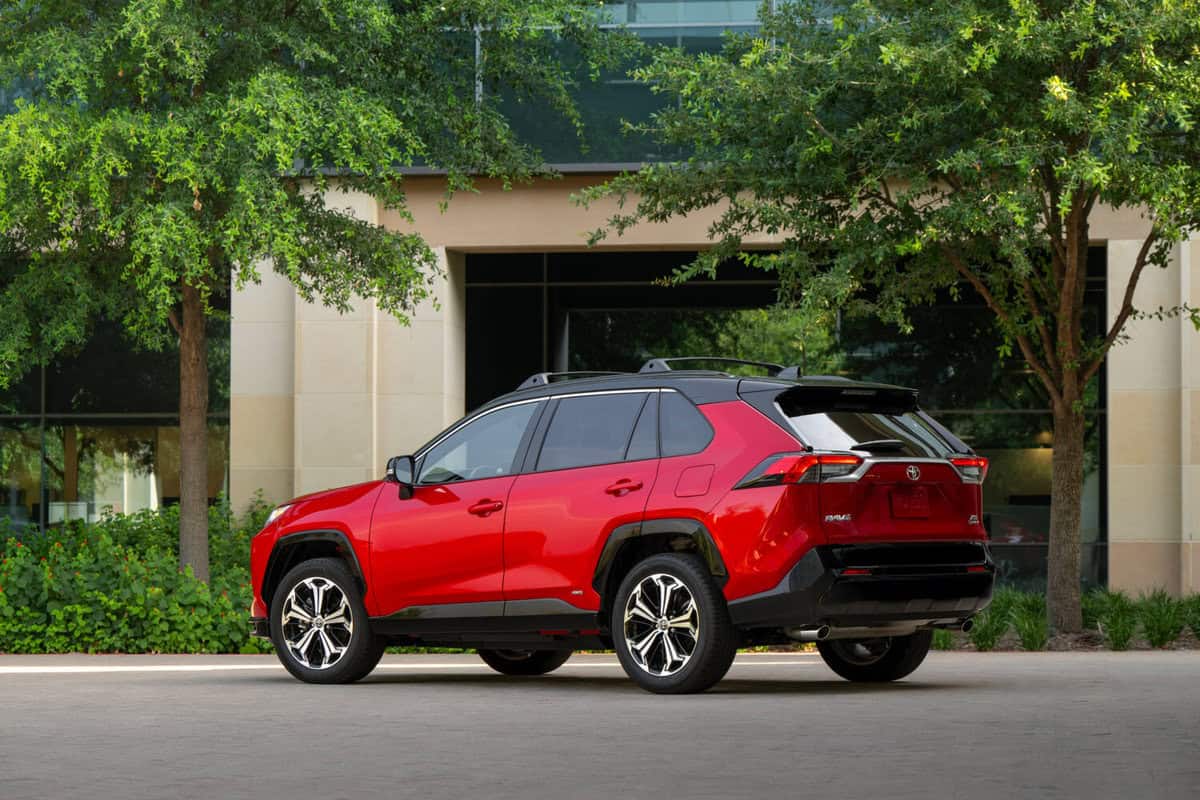
1. Toyota RAV4
The Toyota RAV4 has built a reputation as a practical, low-maintenance SUV, and part of that appeal comes from how well its interior materials hold up under everyday use.
While it’s not marketed as a luxury vehicle, the RAV4’s seating surfaces, especially in mid and higher trims, are engineered with durability in mind, making it a strong contender for buyers who prioritize stain resistance.
One of the key advantages in the RAV4 is the availability of Toyota’s SofTex-trimmed seats. This synthetic leather alternative is specifically designed to be more resistant to spills and stains compared to traditional cloth upholstery.
Liquids tend to bead on the surface rather than soak in, giving drivers time to wipe them away before any lasting damage occurs. Unlike standard fabric seats, which can absorb moisture and trap odors, SofTex provides a non-porous barrier that simplifies cleanup and reduces the risk of long-term discoloration.
Even in trims that come with cloth seating, Toyota uses tightly woven fabrics that are more resilient than the softer, more absorbent materials found in some competitors.
These seats are less prone to immediate staining and tend to handle minor spills better, particularly when treated quickly. The stitching patterns and darker color options available in many RAV4 configurations also help mask small marks, which adds a layer of visual forgiveness for daily wear and tear.
Beyond material choice, the RAV4’s interior design supports easy maintenance. The seat contours are relatively simple, with fewer deep creases where dirt and liquids can accumulate.
This makes routine cleaning more straightforward, whether you’re dealing with crumbs, dust, or dried residue from spills. For households with kids or pets, this design consideration can make a noticeable difference over time.
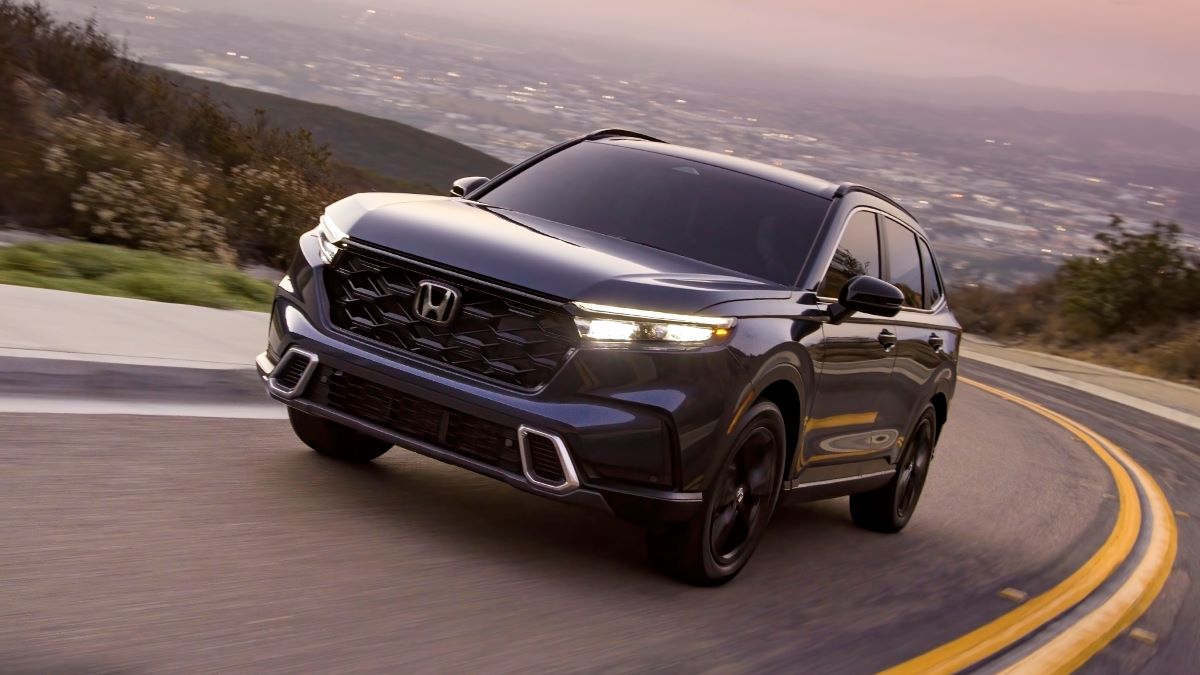
2. Honda CR-V
The Honda CR-V has long been one of the most practical choices in the compact SUV segment, and its interior reflects that same philosophy. While it doesn’t rely on flashy materials or overly premium finishes, the CR-V focuses on durability and ease of maintenance, two factors that directly contribute to how well its seats resist stains in everyday use.
In base and mid-level trims, the CR-V typically comes equipped with cloth upholstery that has been improved over previous generations. Unlike older, more absorbent fabrics, modern CR-V cloth seats are designed with tighter weaves and light stain-resistant treatments.
These materials help slow down liquid absorption, giving drivers a window to clean spills before they set in. In fact, some versions of the CR-V specifically feature cloth upholstery with stain-resistant properties, making them more resilient than traditional fabric interiors.
For buyers opting for higher trims, the CR-V offers leather-trimmed seating, which significantly improves spill resistance. Leather surfaces naturally repel liquids better than cloth, preventing them from soaking in and making cleanup much easier.
Instead of penetrating the material, most spills remain on the surface, where they can be wiped away with minimal effort. This reduces the risk of permanent staining and helps maintain a cleaner cabin over time.
What stands out is how well the CR-V handles repeated exposure to spills. The seat foam density and outer fabric resist deep penetration, meaning even accidental coffee or juice spills rarely leave permanent marks if addressed promptly.
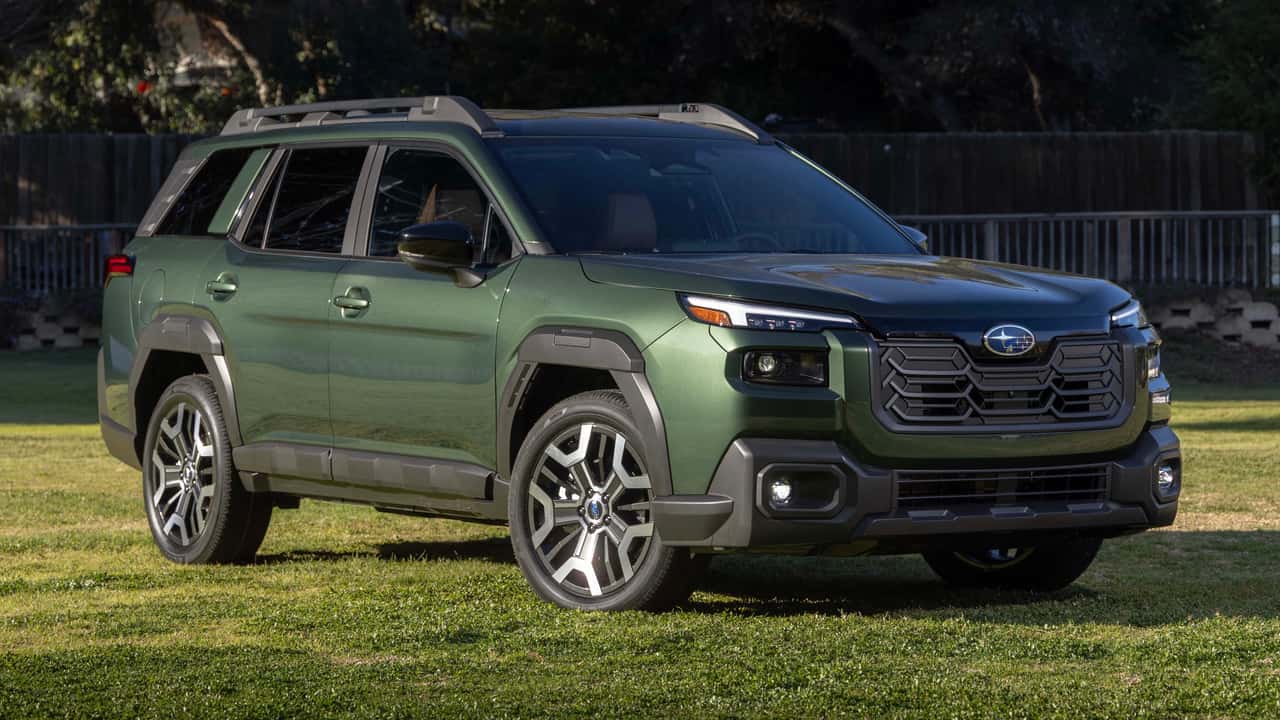
3. Subaru Outback
The Subaru Outback stands out in this category by taking a more purpose-built approach to interior durability. Designed with outdoor use in mind, the Outback is one of the few SUVs that directly caters to drivers who regularly deal with mud, water, and harsh conditions. As a result, its seating materials, particularly in select trims, are among the most stain-resistant in the segment.
A major differentiator is Subaru’s StarTex upholstery, available in trims like the Onyx Edition. StarTex is a water-repellent synthetic material engineered specifically for active lifestyles.
Unlike traditional cloth, which absorbs spills almost immediately, StarTex resists moisture penetration, allowing liquids to sit on the surface until they’re wiped away. This makes it especially useful for handling wet clothing, accidental drink spills, or dirty gear after outdoor trips. It also resists odors and is easier to clean compared to more porous materials.
Even outside of StarTex-equipped models, the Outback maintains a strong baseline for stain resistance. Cloth seats in lower trims are relatively durable, with tighter weaves that slow down absorption.
Higher trims offer leather upholstery, which adds another layer of protection against spills and simplifies cleanup. While leather requires occasional care, it still performs better than untreated fabric when it comes to resisting stains.
The Outback’s seat design further supports easy maintenance. The cushions are practical and not overly complex, meaning there are fewer deep seams and crevices where liquids and debris can collect. This makes routine cleaning more straightforward and reduces the chances of long-term buildup.
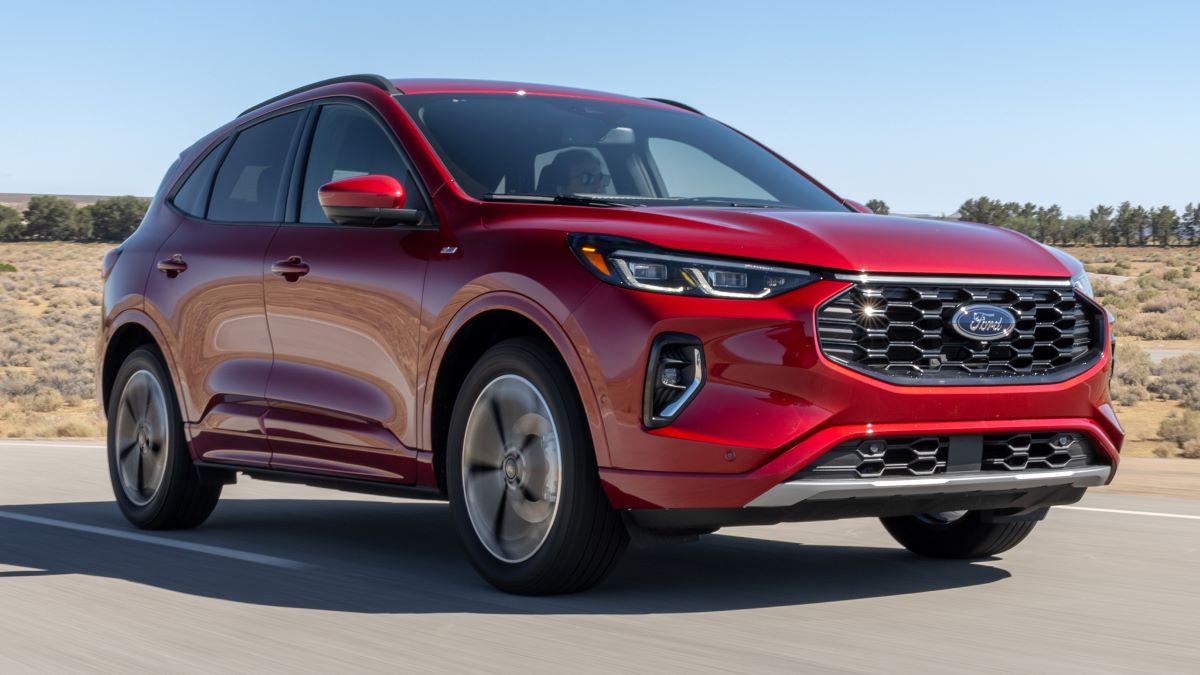
4. Ford Escape
The Ford Escape approaches stain resistance with a mix of modern materials and practical interior design, making it a solid choice for buyers who want a low-maintenance cabin. While it doesn’t lean as heavily into rugged branding as some competitors, the Escape quietly integrates features that help its seats handle everyday spills and wear.
A key highlight is Ford’s available ActiveX seating material. This synthetic upholstery is specifically engineered to be more durable and easier to clean than traditional cloth, with built-in resistance to stains and moisture.
In higher trims like the Platinum, the Escape even markets these seats as “comfortable, yet stain-resistant,” emphasizing their ability to handle daily use without absorbing spills. Liquids tend to remain on the surface rather than soaking in, which allows for quick cleanup and reduces the risk of permanent marks.
Lower trims typically come with cloth upholstery, but even here, the Escape maintains a reasonable level of durability. The fabric used is relatively tough and designed for daily wear, though it doesn’t match the spill resistance of ActiveX or leather.
For buyers concerned about stains, upgrading to ActiveX or leather-trimmed seats makes a noticeable difference, especially in households with kids or frequent in-car eating.
The Escape also benefits from a well-thought-out seat design. The contours are supportive without being overly complex, meaning there are fewer deep creases where liquids, crumbs, or dirt can get trapped. This simplifies cleaning and helps prevent buildup over time. Combined with neutral interior color options, the cabin does a decent job of hiding minor stains and wear, particularly in darker trims.
5. Hyundai Tucson
The Hyundai Tucson takes a balanced and somewhat underrated approach to stain-resistant seating, combining practical base materials with more advanced options in higher trims. While it doesn’t rely on a single standout material like some competitors, its overall interior strategy is clearly aimed at everyday usability and easy maintenance.
At the entry level, the Tucson already sets a strong foundation with stain-resistant cloth upholstery. Unlike traditional fabric seats that quickly absorb liquids, Hyundai treats these materials to better handle spills, allowing moisture to sit on the surface longer before soaking in.
This gives drivers a critical window to wipe away messes before they turn into permanent stains, an important advantage for families or frequent commuters.
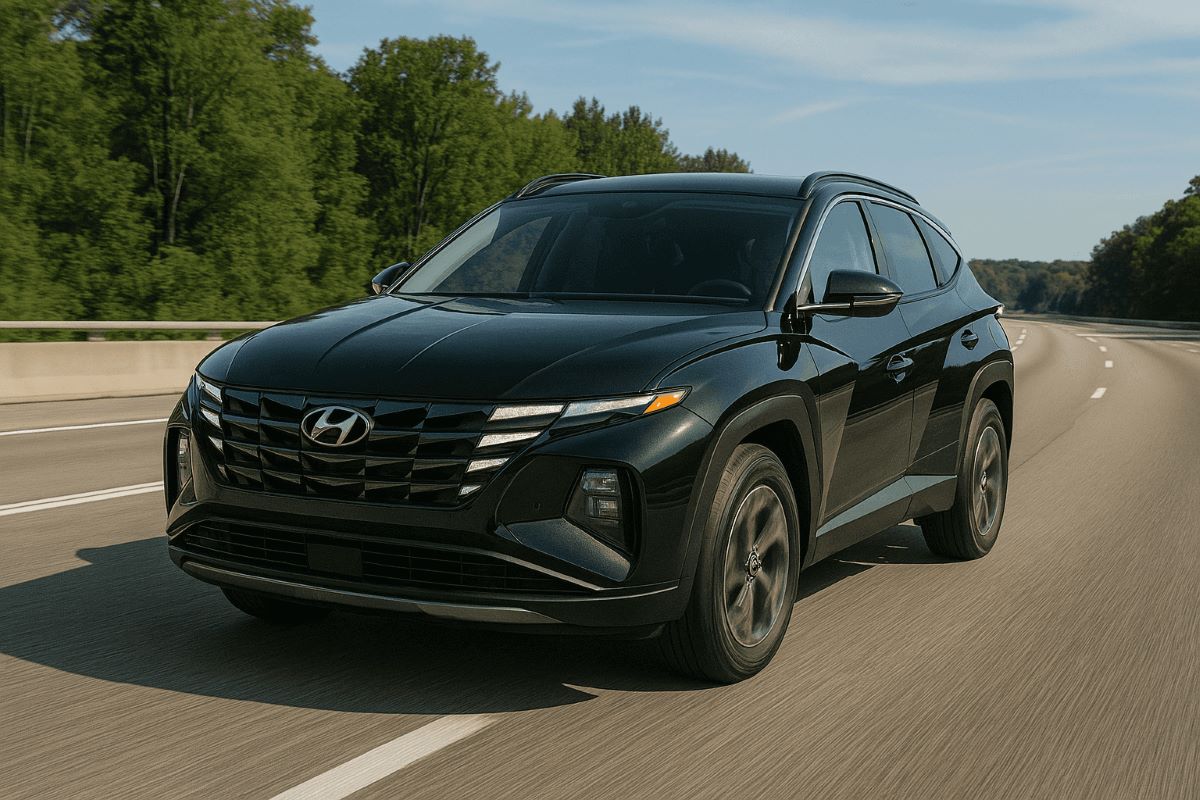
As you move up the trim range, the Tucson introduces H-Tex and leather-trimmed seating, both of which significantly improve spill resistance. H-Tex, Hyundai’s synthetic leather alternative, offers a more durable and less porous surface than cloth, making it easier to clean and less likely to absorb liquids.
Leather trims further enhance this benefit by naturally repelling moisture, ensuring that most spills can be removed with a simple wipe rather than deep cleaning.
The Tucson’s interior design also supports stain resistance in practical ways. The seats feature relatively clean contours without excessive creasing, which reduces the number of areas where liquids and debris can collect.
This makes routine cleaning faster and more effective. Additionally, Hyundai often pairs these materials with neutral or darker interior color schemes, helping to visually minimize minor stains and wear over time.
SUVs That Show Every Spill
Cloth upholstery, still common in many SUVs, is highly absorbent, meaning liquids can quickly seep into the fibers and become difficult to remove if not treated immediately.
Over time, these materials can also trap odors and discolor, making even small spills feel permanent. In contrast, untreated or lower-grade surfaces lack protective coatings, leaving them vulnerable to staining, fading, and visible wear.
Design also plays a role. Light-colored interiors, flat seat textures, and minimal patterning tend to expose stains more easily, offering no visual camouflage. Combined with everyday use, kids, pets, food, or just daily commuting, these interiors can age quickly, even if the rest of the vehicle remains in good condition.
In this article, we focus on SUVs that show every spill, models where the seating materials and design choices make cleanliness harder to maintain. These vehicles may excel in other areas, but when it comes to resisting stains and hiding wear, they demand more effort to keep looking presentable
1. BMW X5
The BMW X5 takes a more premium approach to stain-resistant seating, but with that luxury focus comes a trade-off between comfort, appearance, and real-world durability. Unlike more utilitarian SUVs, the X5 prioritizes upscale materials, yet some of its newer options actually improve stain resistance significantly.
A key material in the modern X5 is BMW’s Sensafin upholstery, which comes standard in many trims. Sensafin is a high-quality synthetic leather designed to replicate the look and feel of real leather while offering better durability and easier maintenance.
Because it is less porous than traditional leather, it resists absorbing liquids, meaning spills are more likely to stay on the surface rather than soak in. This makes cleanup quicker and reduces the risk of permanent staining an advantage for daily usability, especially compared to untreated leather.
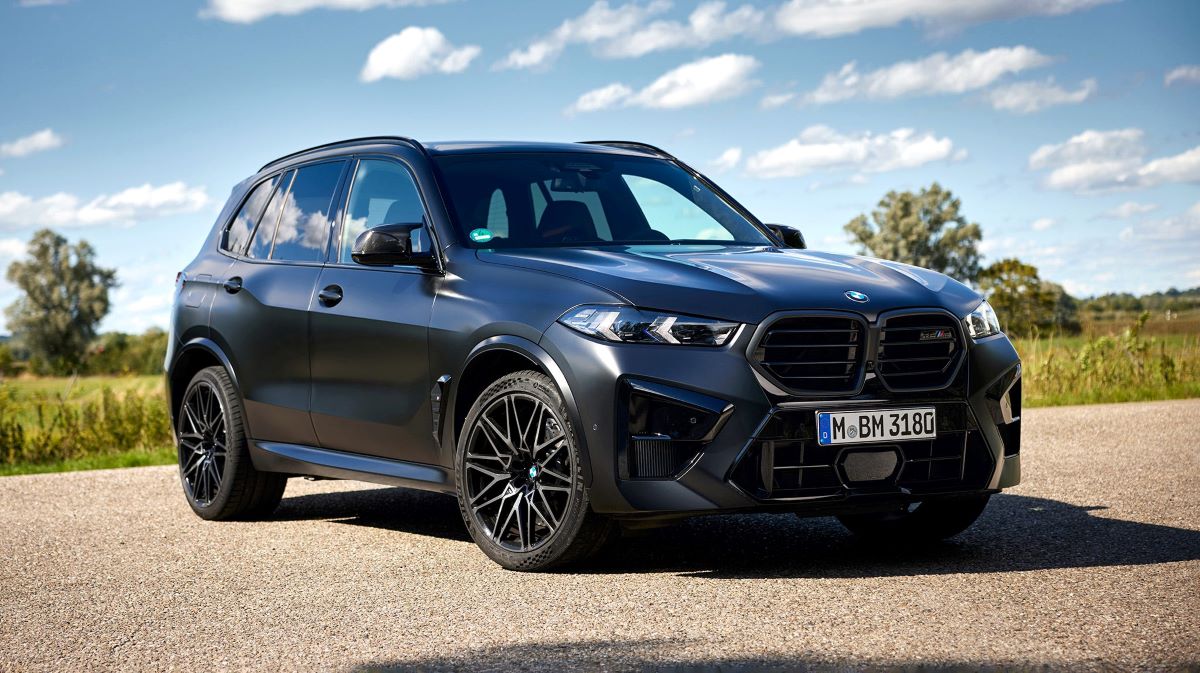
For buyers opting for higher-end finishes, the X5 also offers extended and full Merino leather. While these materials elevate the cabin’s luxury feel, they are more delicate by nature.
Real leather, particularly softer grades like Merino, can be more susceptible to staining, creasing, and visible wear over time if not properly maintained. Liquids can penetrate the surface more easily than synthetic alternatives, and lighter color options can show stains faster, requiring more careful upkeep.
The X5’s seat design also reflects its luxury positioning. The cushions are more sculpted and heavily contoured than those in mainstream SUVs, which improves comfort but introduces more seams and perforations. While visually appealing, these details can trap crumbs, dirt, and liquids, making cleaning slightly more involved compared to simpler seat designs.
2. Audi Q5
The Audi Q5 approaches stain-resistant seating from a premium perspective, where material quality plays a central role. As a luxury compact SUV, the Q5 prioritizes refined finishes, but many of its seating options also provide solid resistance to everyday spills, especially when compared to older or more delicate leather interiors.
Most Q5 models come equipped with leather or leatherette upholstery, depending on the trim. These materials are naturally less absorbent than cloth, meaning liquids are more likely to remain on the surface rather than soak in immediately.
This gives drivers time to wipe away spills before they cause lasting stains. In practical terms, this makes the Q5 easier to maintain than SUVs that rely heavily on fabric seating, particularly in households where spills are common.
Audi also offers higher-end materials like Fine Nappa leather and Alcantara combinations in certain trims. While these elevate comfort and visual appeal, they introduce some trade-offs.
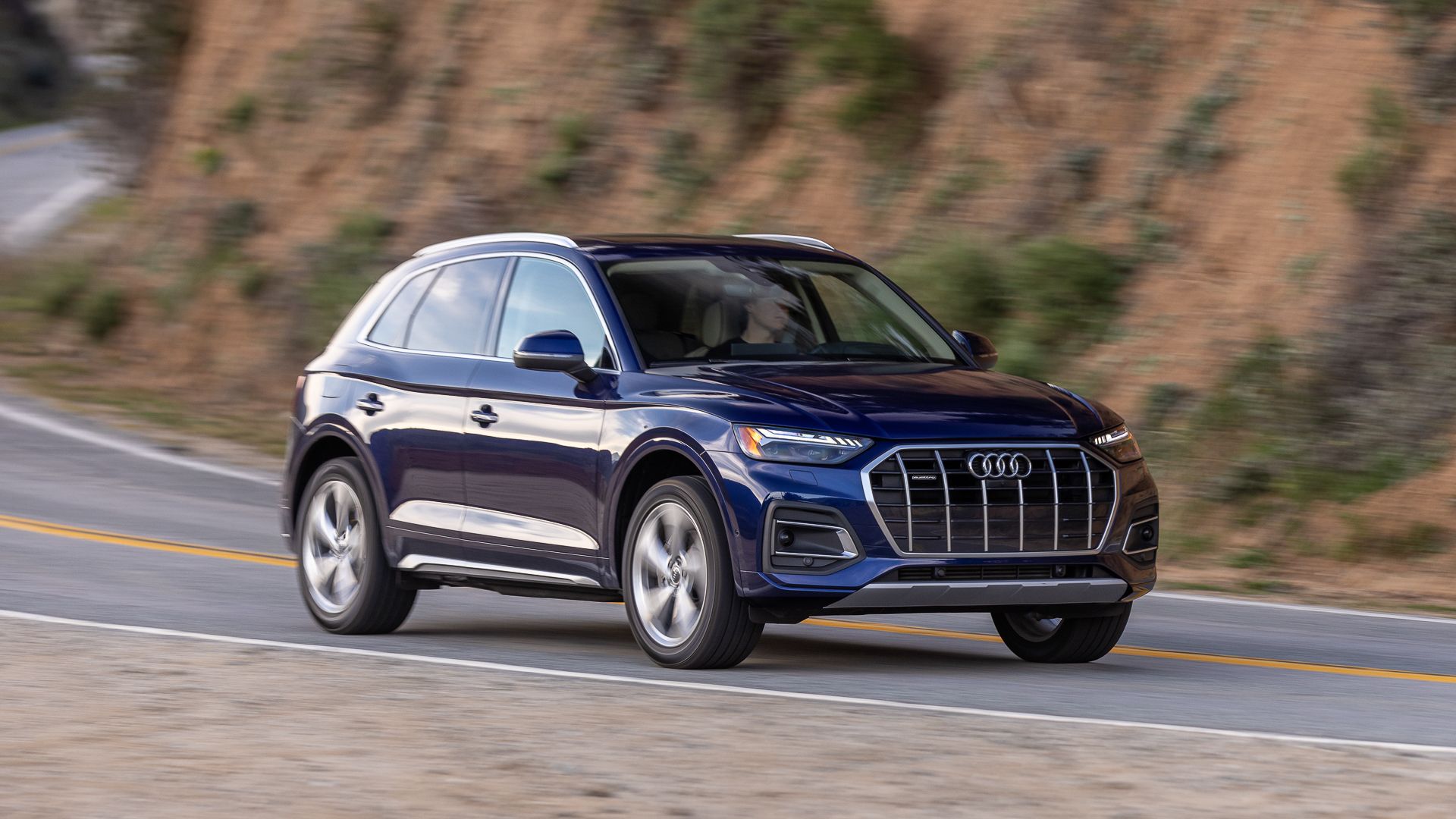
Softer, more natural leather can be more susceptible to staining and requires consistent care to maintain its condition. Lighter interior colors, which are common in luxury configurations, can also make stains more visible, even if the material itself resists absorption.
Seat design is another factor. The Q5 features well-contoured, supportive seats with detailed stitching and, in some cases, perforation for ventilation. While these elements enhance comfort and premium feel, they create small areas where dirt, crumbs, or liquids can settle. This makes cleaning slightly more involved compared to simpler seat designs found in more utilitarian SUVs.
3. Jeep Grand Cherokee
The Jeep Grand Cherokee sits in an interesting position when it comes to stain-resistant seating, blending rugged capability with increasingly premium interior options. At the base level, it offers cloth upholstery that, while durable, is still prone to absorbing spills if they are not cleaned quickly.
This makes lower trims less ideal for buyers who expect frequent messes from kids, pets, or outdoor use. However, the Grand Cherokee’s real strength emerges in its higher trims, where Jeep introduces more advanced materials designed to handle everyday wear with greater ease.
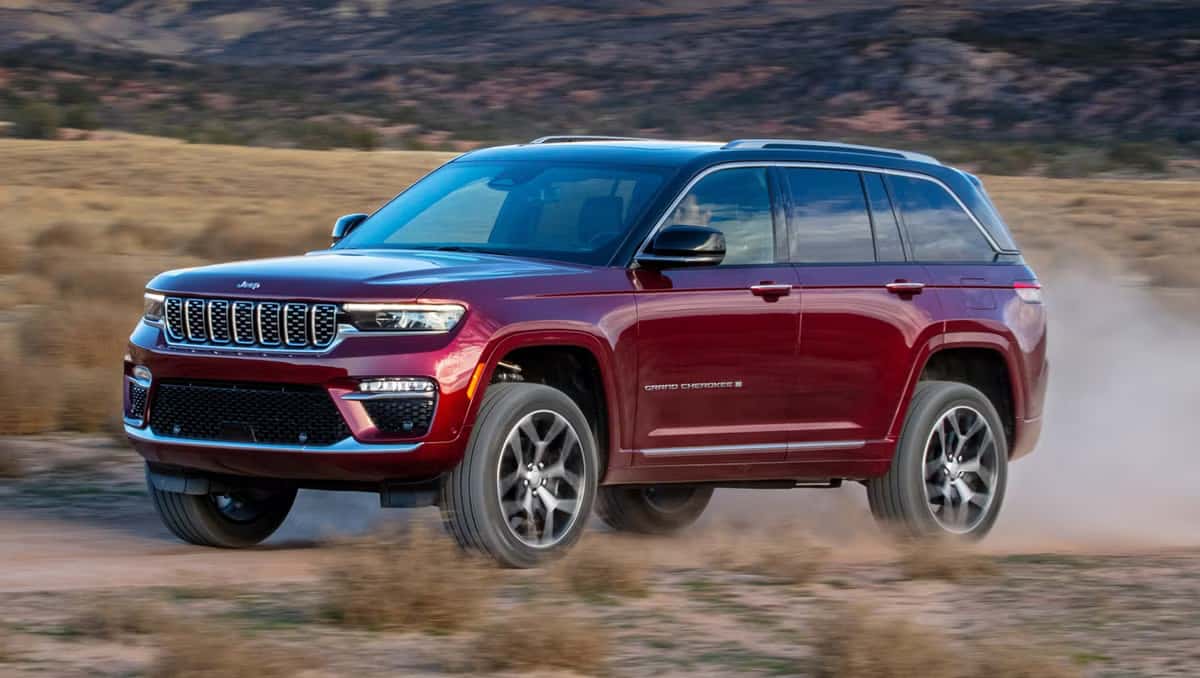
One of the most practical upgrades is the availability of Capri leatherette, a synthetic material that provides a strong balance between durability and comfort.
Unlike cloth, leatherette is far less porous, meaning liquids tend to stay on the surface rather than soaking in. This significantly reduces the chances of permanent staining and makes cleanup quick and straightforward. For buyers who want stain resistance without sacrificing a premium feel, this material is one of the most effective options in the Grand Cherokee lineup.
Moving further up, the SUV offers genuine leather options such as Nappa and Palermo leather, which elevate the cabin’s luxury appeal. These materials are softer and more refined, but they do require more maintenance.
While they still resist spills better than cloth, they are more susceptible to staining and discoloration over time, particularly in lighter color schemes. As a result, they are better suited for buyers who prioritize comfort and appearance over maximum practicality.
4. Mazda CX-5
The Mazda CX-5 approaches stain-resistant seating with a focus on material quality and refined design rather than rugged, purpose-built durability. As a result, its performance against spills is solid, but it depends heavily on the trim level and upholstery choice.
In lower trims, the CX-5 comes with cloth seats that are comfortable and well-constructed but not particularly resistant to stains. Like most fabric upholstery, they can absorb liquids quickly if spills are not addressed immediately.
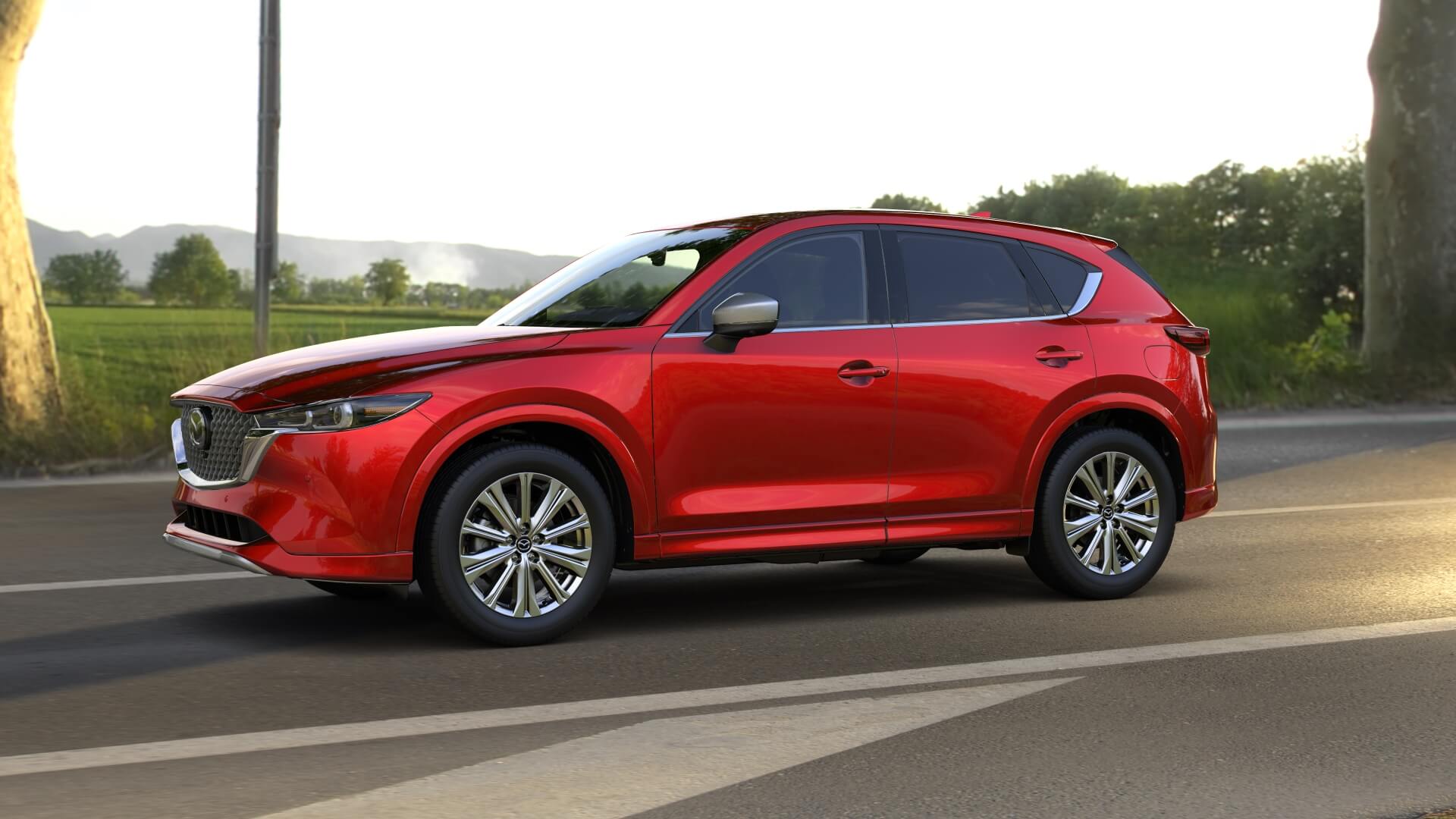
While Mazda uses relatively tight weaves that improve durability, these seats still require prompt cleaning to avoid long-term marks or odors. For buyers concerned about stain resistance, the base cloth option is the least forgiving in the lineup.
The CX-5 becomes far more practical in mid and higher trims, where it introduces leatherette and genuine leather upholstery. Mazda’s leatherette, often referred to as leatherette or synthetic leather depending on the market, offers a noticeable upgrade in spill resistance.
It is less porous than cloth, allowing liquids to remain on the surface long enough to be wiped away easily. This makes it a strong choice for daily usability, especially for families or drivers who frequently eat or drink in the car.
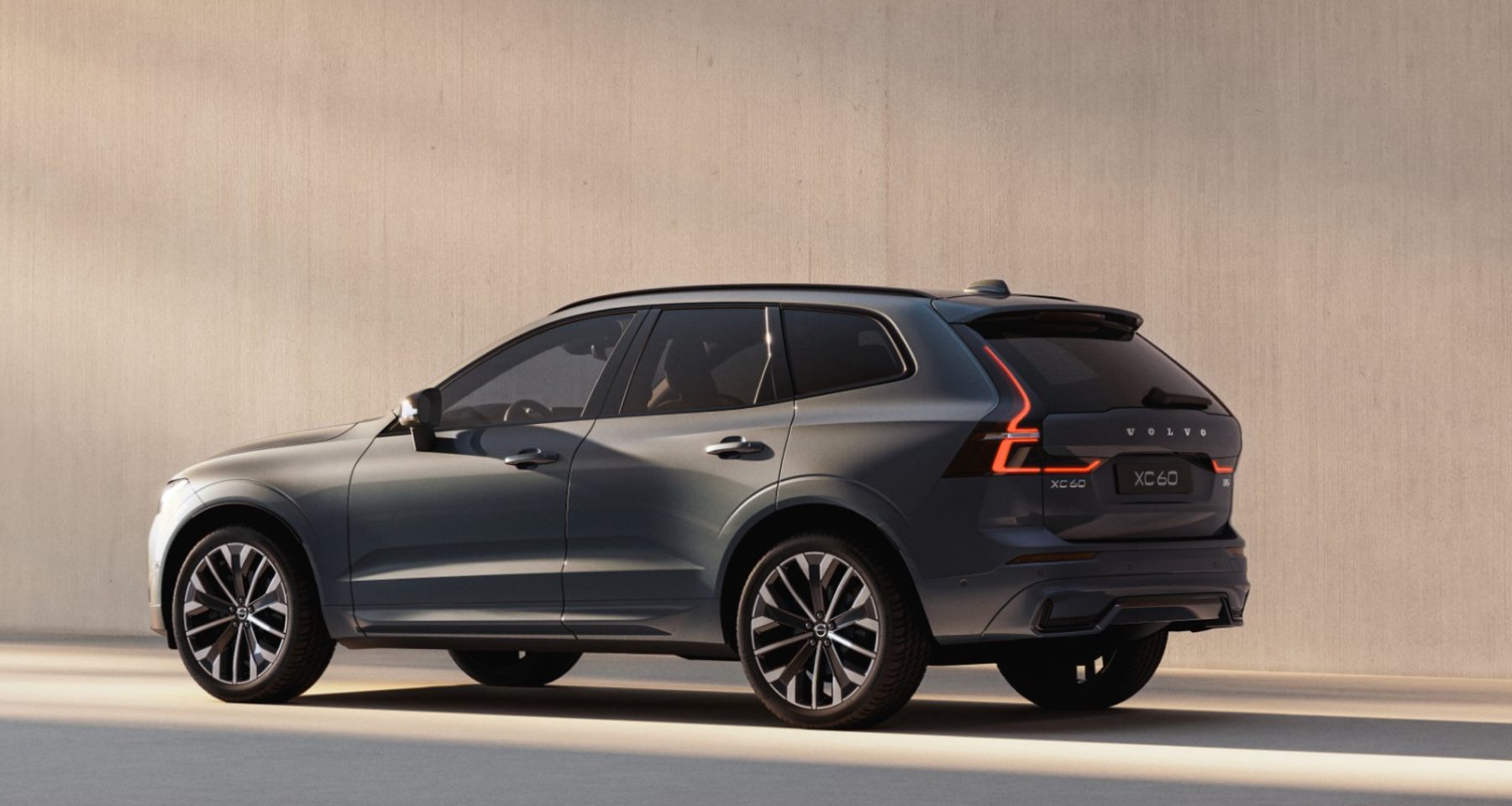
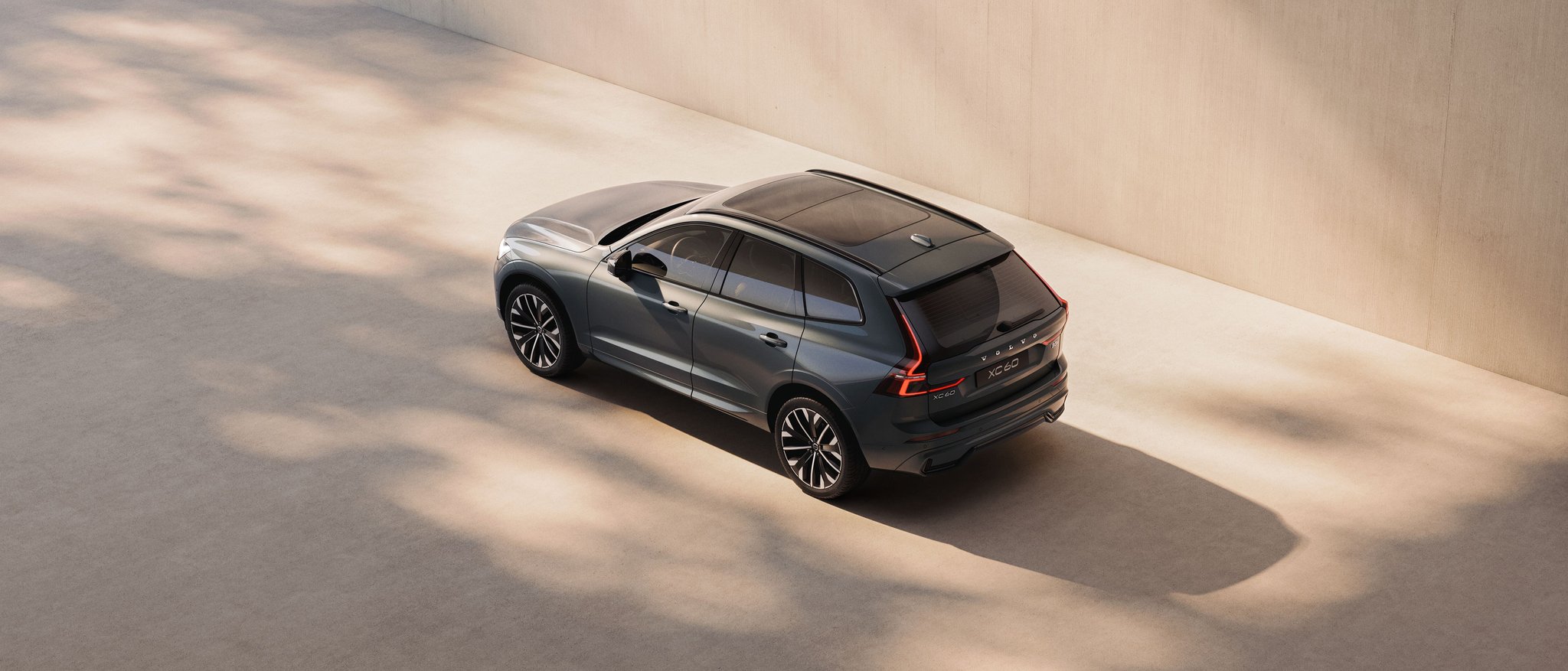
5. Volvo XC60
The Volvo XC60 takes a distinctly premium and material-focused approach to stain resistance, offering a wide range of upholstery options that balance luxury with everyday usability. Unlike more rugged SUVs that emphasize water-repellent surfaces, the XC60 relies on high-quality finishes, some of which are surprisingly practical when it comes to handling spills.
One of the most notable options is Volvo’s Nordico upholstery, a leather-free synthetic material designed to be both durable and easier to maintain than traditional leather.
Because it is less porous, it provides solid resistance to spills, allowing liquids to remain on the surface long enough to be wiped away. This makes it one of the more practical choices in the XC60 lineup, particularly for buyers who want a premium feel without the maintenance concerns of натураль leather.
The XC60 also offers textile-based options like City Weave fabric, which is engineered with durability and ease of cleaning in mind. Unlike basic cloth upholstery, this material is designed to be more resilient and easier to maintain, offering a better balance between comfort and stain resistance. However, like all fabric seats, it still requires prompt attention to spills to prevent absorption.
The divide between stain-resistant and stain-prone interiors largely comes down to material philosophy.
Mainstream brands like Toyota, Honda, and Hyundai prioritize synthetic or treated fabrics that emphasize durability and ease of cleaning.
These materials may lack the plush feel of luxury leather, but they are engineered for real-world use.
Luxury brands, on the other hand, focus on tactile quality and visual appeal. Natural leather and suede-like materials offer a premium experience but demand more maintenance and are less forgiving of everyday accidents.
For U.S. buyers, especially families, rideshare drivers, or anyone with an active lifestyle, the practical benefits of stain-resistant seating often outweigh the appeal of high-end materials.
Choosing the right interior can mean the difference between a cabin that ages gracefully and one that quickly shows every spill, stain, and sign of use.
Ultimately, the decision comes down to priorities: durability versus luxury. Understanding how different materials behave under real-world conditions is essential before making that choice.
