
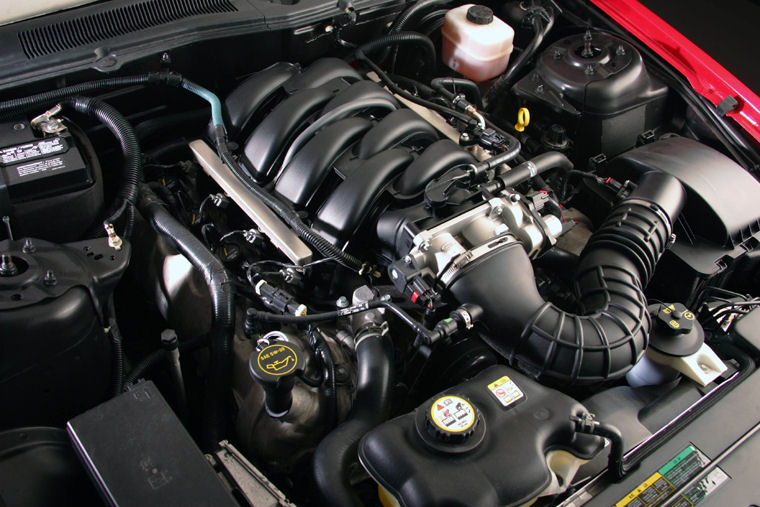
Spark plug replacement is one of the most routine maintenance jobs on a gasoline vehicle, but the difficulty varies dramatically depending on engine architecture, packaging, and engineering priorities.
For U.S. drivers, especially those who either wrench on their own cars or are sensitive to labor costs, this distinction is not trivial. A job that should take under an hour can easily expand into several hours of labor, or in extreme cases, require partial engine removal.
Modern engine bays are increasingly crowded due to emissions systems, turbocharging, and safety constraints. Meanwhile, older or more traditionally designed engines often leave room for easier service.
This article examines five engines that make spark plug replacement straightforward, followed by five that are notoriously difficult, sometimes requiring extensive disassembly or engine movement.
5 Engines With Easy Spark Plug Access
Spark plug replacement is one of the most routine maintenance jobs, but on many modern engines, it’s turned into a time-consuming task involving intake removal, tight clearances, or buried coil packs.
What used to be a simple 20-minute service can now stretch into hours, especially on transverse V6 layouts or turbocharged engines with crowded engine bays. For owners and DIY enthusiasts, that added complexity translates directly into higher labor costs and more opportunities for things to go wrong.
That’s why engines with straightforward spark plug access still stand out. Whether it’s an inline layout with an open cylinder head, well-spaced ignition coils, or thoughtful engine bay design, some manufacturers continue to prioritize serviceability.
General Motors 3800 Series II V6 (L36/L67)
The General Motors 3800 Series II V6 (L36/L67) is widely regarded as one of the most maintenance-friendly engines ever produced, and spark plug access is a key reason why.
Used across a wide range of GM vehicles from the mid-1990s through the 2000s, including models from Buick, Pontiac, and Chevrolet, this 3.8-liter pushrod V6 was engineered with simplicity and serviceability in mind.
Unlike many modern engines that bury critical components under layers of intake plumbing and electronics, the 3800 Series II features a straightforward overhead valve (OHV) design.
With only two valves per cylinder and a compact cylinder head layout, there’s significantly less clutter around the spark plug areas. This makes all six plugs relatively easy to locate and access without removing major components.
In most transverse front-wheel-drive applications, the front bank of spark plugs is fully exposed and can be serviced in minutes with basic hand tools. The rear bank, which typically faces the firewall, does require a bit more effort, but GM’s design still keeps it manageable.
The engine’s mounting allows for a slight forward tilt, often achieved by releasing the upper engine mount and gently rocking the engine forward, creating enough clearance to reach the rear plugs without removing the engine or disassembling major systems.
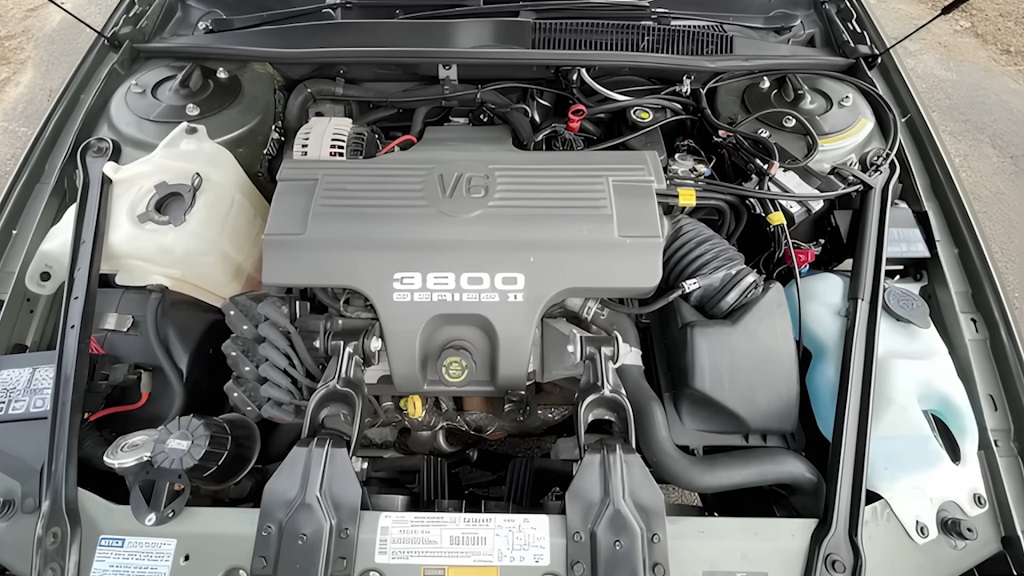
Another advantage is the use of conventional ignition components. The 3800 relies on a simple coil pack and ignition module setup with easily removable spark plug wires.
There are no deeply embedded coil-on-plug systems or complex wiring harnesses to work around. This reduces both the time required and the risk of damaging sensitive components during routine maintenance.
The supercharged L67 variant follows the same basic layout, meaning accessibility remains largely unchanged despite the added performance hardware.
While the supercharger and associated components occupy more space on top of the engine, they do not obstruct direct access to the spark plugs, preserving the engine’s service-friendly design.
Toyota 1NZ-FE Inline-4
The Toyota 1NZ-FE inline-4 is an engine designed with accessibility and simplicity in mind, making it one of the easiest modern powerplants for routine spark plug service.
Found in high-volume models like the Toyota Yaris, Echo, and early Prius variants, this 1.5-liter engine prioritizes compact packaging without sacrificing serviceability, a balance that many newer engines struggle to achieve.
At its core, the 1NZ-FE uses a dual overhead camshaft (DOHC) layout with coil-on-plug ignition, but unlike more crowded modern engine bays, everything is arranged logically and with ample clearance.
The inline-4 configuration plays a major role here. With all four cylinders positioned in a single row and mounted transversely, the spark plugs sit right on top of the engine, clearly visible once the plastic engine cover is removed.
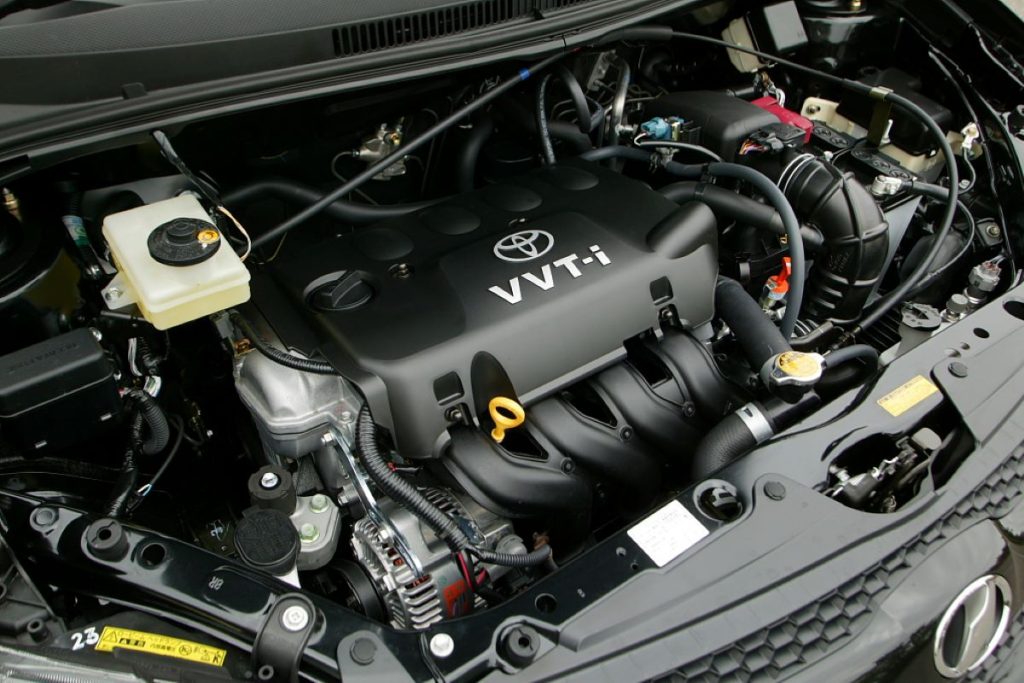
Accessing the plugs is straightforward: remove the cover, disconnect the ignition coils, unbolt them, and the spark plug wells are immediately accessible.
There’s no need to remove the intake manifold, throttle body, or any surrounding components. Even in tighter engine bays, Toyota ensured enough working room around the cylinder head to allow standard tools, such as a socket extension and spark plug socket, to fit without obstruction.
Another advantage is the depth and design of the plug wells. They are not excessively recessed, which reduces the likelihood of cross-threading or misalignment during installation.
The coil packs are also durable and easy to handle, with simple connectors that don’t require excessive force or specialized tools to remove.
Ford 4.6L Modular V8 (2-Valve)
The Ford 4.6L Modular V8 (2-valve) is a mixed case when it comes to spark plug service. On paper, its layout suggests reasonable accessibility, but in practice, it sits somewhere between straightforward and frustrating depending on the vehicle and condition of the engine.
Found in models like the Ford Crown Victoria, Mustang GT, and F-150 from the late 1990s through the mid-2000s, this SOHC V8 was designed with durability in mind, though not always with long-term service ease as the top priority.
From an access standpoint, the basic configuration is relatively simple. As a longitudinal V8, the engine typically offers decent space on either side of the cylinder heads, especially in rear-wheel-drive platforms.
The spark plugs are positioned along the sides of the heads, and the coil-on-plug setup, while more modern than older distributor systems, remains fairly easy to work with. Each coil is individually mounted and can be removed with basic tools, exposing the spark plug wells beneath.
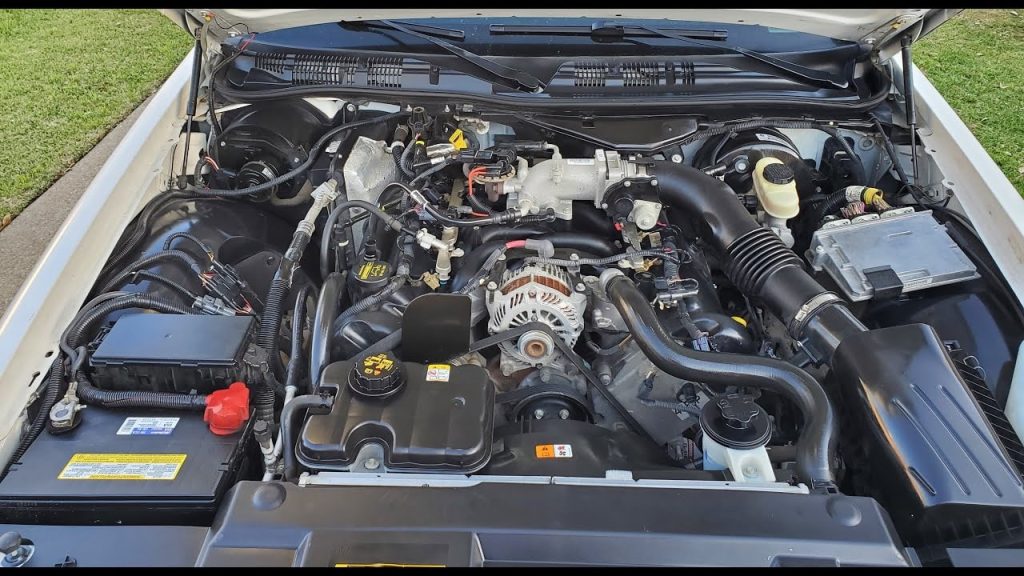
However, the design introduces a well-known complication: spark plug thread engagement. Early 2-valve versions of the 4.6L engine were built with limited thread depth in the aluminum cylinder heads.
Over time, especially if plugs were over-tightened or not installed correctly, this could lead to stripped threads or even spark plugs being ejected from the head under pressure.
Mazda MZR 2.0L Inline-4
The Mazda MZR 2.0L inline-4 is a strong example of a modern engine that retains excellent serviceability, particularly when it comes to spark plug access.
Used in vehicles like the Mazda3, Mazda6, and Ford Focus (as part of the Mazda-Ford Duratec collaboration), this engine combines a relatively simple layout with thoughtful packaging, making routine maintenance straightforward for both DIY owners and technicians.
The inline-4 configuration is a major advantage. With all four cylinders arranged in a single row and mounted transversely, the spark plugs are positioned directly on top of the cylinder head.
Once the plastic engine cover is removed, if equipped, the ignition components are immediately visible. There’s no need to work around intake manifolds, turbo plumbing, or tightly packed accessories, which are common obstacles in more complex modern engines.
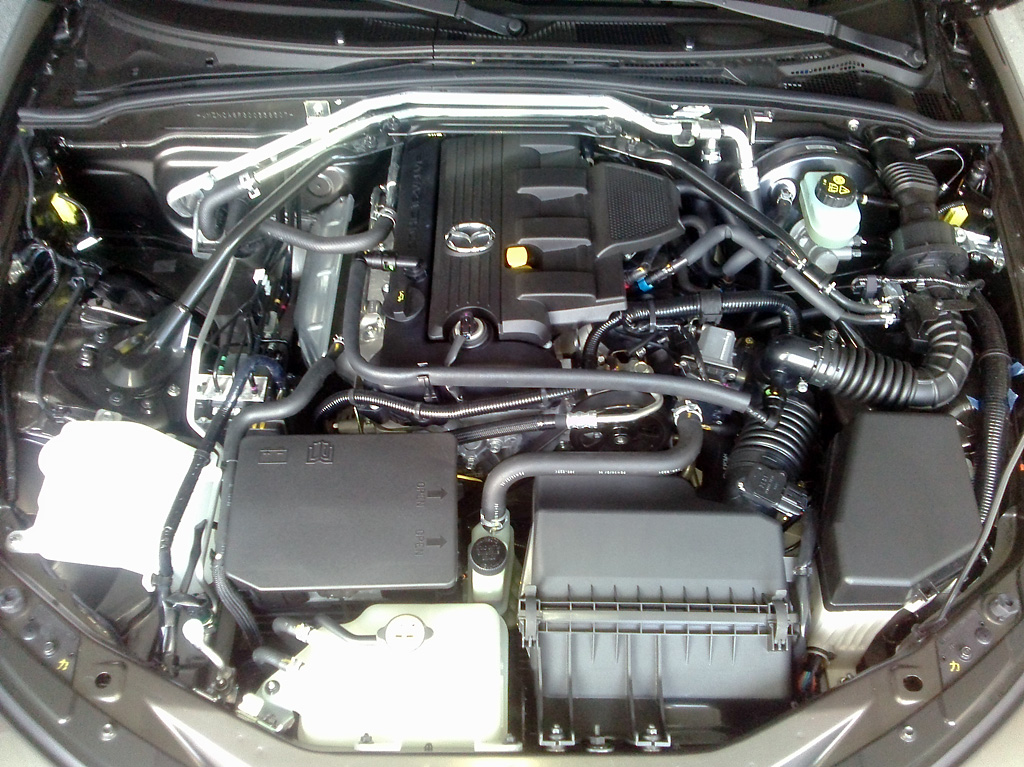
The MZR uses a coil-on-plug ignition system, but it’s implemented in a very accessible way. Each coil is secured with a single bolt and connected via a simple electrical connector.
Removing the coils exposes the spark plug wells, which are well-spaced and not excessively deep. This reduces the risk of tool misalignment and makes installation more predictable, even for less experienced users.
Clearance around the engine is generally generous, especially in compact cars like the Mazda3. Standard tools, a spark plug socket, extension, and ratchet, are all that’s required.
Nissan KA24DE Inline-4
The Nissan KA24DE inline-4 is a clear example of an engine designed in an era when serviceability was a core engineering priority.
Found in vehicles like the Nissan 240SX, Altima, and Frontier, this 2.4-liter DOHC engine combines a simple layout with generous engine bay spacing, making spark plug access notably easy compared to many modern designs.
One of the biggest advantages comes from its longitudinal inline-4 configuration in rear-wheel-drive applications like the 240SX. With the engine mounted front-to-back rather than transversely, there is ample room on both sides of the cylinder head.
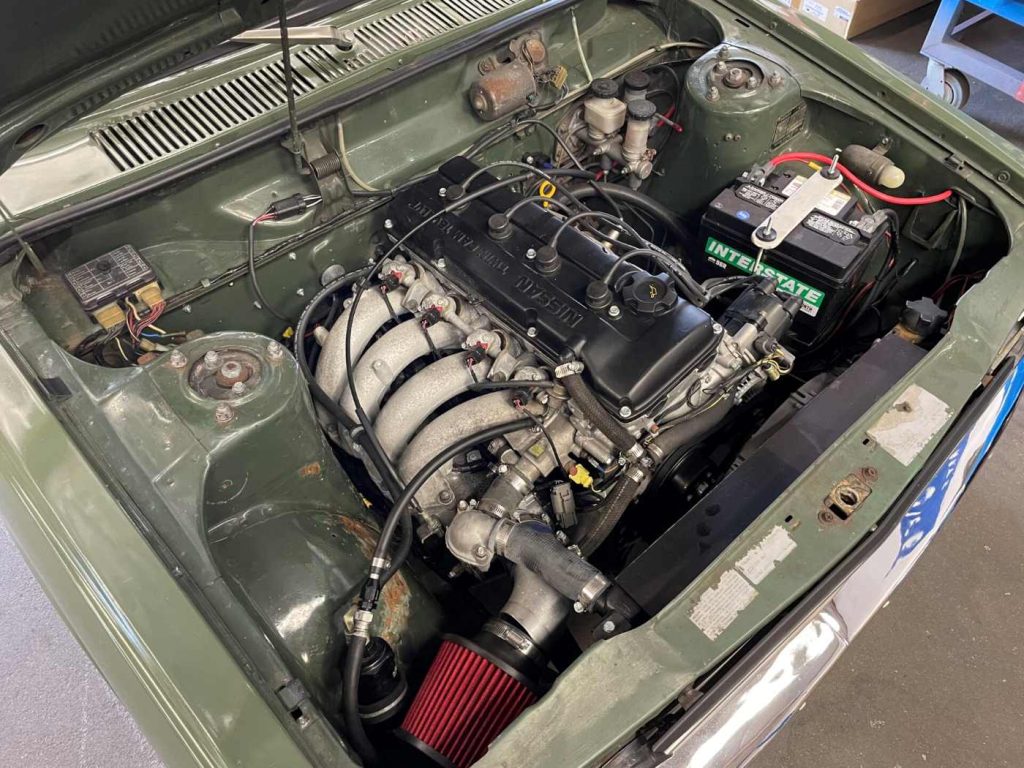
The spark plugs are positioned along the top center of the engine, making them immediately visible and reachable without having to navigate around tight clearances or obstructing components.
Even in transverse applications, the KA24DE maintains good accessibility due to its relatively uncluttered design. There are no turbochargers, complex intake routing, or tightly packed emissions hardware crowding the top of the engine.
Unlike newer coil-on-plug systems, the KA24DE uses a traditional distributor-based ignition system with spark plug wires.
While older in design, this setup simplifies removal because there are no individual coil packs or sensitive connectors to deal with. The wires can be pulled off easily, and the plug wells are shallow and well-aligned, reducing the risk of cross-threading during installation.
5 Engines That Require Extensive Disassembly (or Worse)
Not all engines are designed with serviceability in mind. In fact, as modern vehicles have become more compact, more powerful, and more emissions-compliant, routine maintenance has often taken a back seat to packaging efficiency.
Components are tightly packed, engine bays are crowded with sensors and plumbing, and what should be a straightforward job, like replacing spark plugs, can quickly escalate into a multi-hour teardown.
In some cases, accessing basic service items requires removing intake manifolds, engine mounts, or large sections of the surrounding hardware.
In more extreme designs, limited clearance and unconventional layouts can push the job into territory that borders on impractical for DIY work. Labor costs climb accordingly, and even experienced technicians approach these engines with caution due to the number of steps involved.
Cadillac Northstar 4.6L V8 (FWD Applications)
The Cadillac Northstar 4.6L V8, particularly in its front-wheel-drive applications, is a textbook example of how packaging constraints can turn routine maintenance into a labor-intensive process.
Introduced in the 1990s and used across a range of Cadillac models like the DeVille and Seville, the Northstar was an advanced engine for its time, featuring dual overhead cams, four valves per cylinder, and a compact, high-revving design.
However, those same characteristics contribute to difficult spark plug access in transverse layouts.
In FWD configurations, the engine is mounted sideways, with one bank of cylinders facing the front of the car and the other pressed tightly against the firewall.
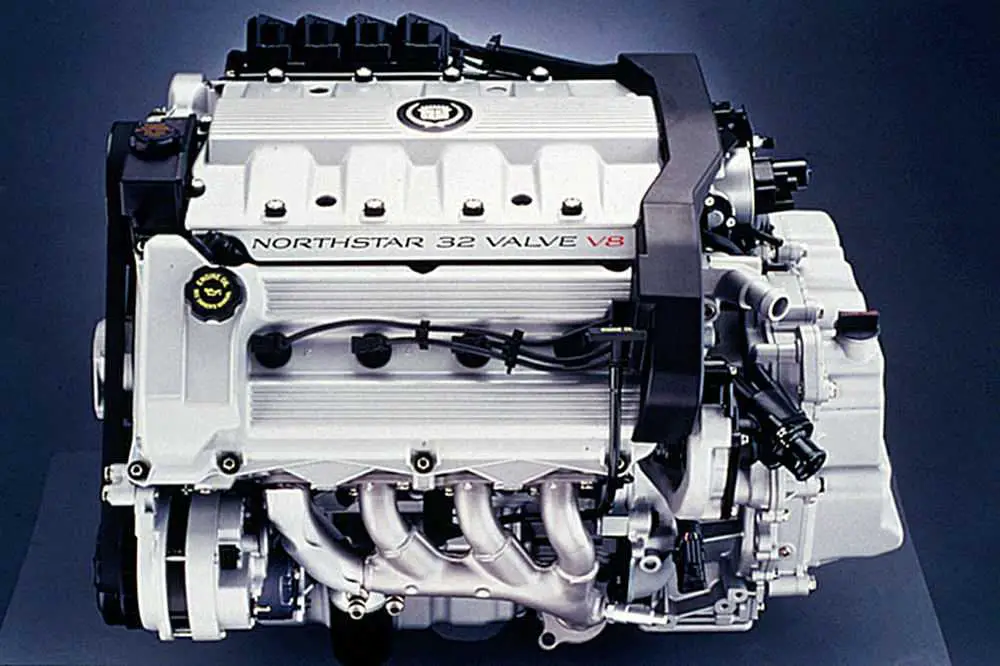
While the front bank is relatively accessible, the rear bank is where the real challenge begins. Clearance between the engine and the firewall is extremely limited, leaving little room for tools or hand movement.
To access the rear spark plugs, technicians often need to perform what’s commonly referred to as an “engine roll” procedure.
his involves loosening or removing the upper engine mounts and carefully tilting the engine forward to create working space behind it. While not full engine removal, this process adds significant time and complexity to what should be a basic maintenance task.
Compounding the issue is the Northstar’s coil-on-plug ignition system, which requires individual coil removal before accessing the plugs.
The components themselves are not particularly difficult to work with, but the tight confines make even simple steps more tedious. Visibility is also limited, increasing the likelihood of misalignment or dropped tools during the process.
Heat and age further complicate matters. The rear bank is more prone to heat soak due to its position near the firewall, which can lead to tighter spark plug threads over time. Care must be taken during removal to avoid thread damage, especially on higher-mileage engines.
Volkswagen VR6 (Transverse)
The Chrysler Pentastar 3.6L V6 is a widely used modern engine found in everything from the Dodge Charger and Jeep Grand Cherokee to the Chrysler Pacifica.
While it delivers strong performance and efficiency, its design, particularly in transverse front-wheel-drive applications, makes routine spark plug service more involved than expected.
At a glance, the Pentastar’s dual overhead cam (DOHC) layout and coil-on-plug ignition system appear standard for a modern V6. However, the challenge lies in how tightly the engine is packaged.
In transverse configurations, the rear bank of cylinders sits extremely close to the firewall, leaving minimal clearance for tools and hand access. The front bank is relatively easy to reach, but the rear bank requires significantly more effort.
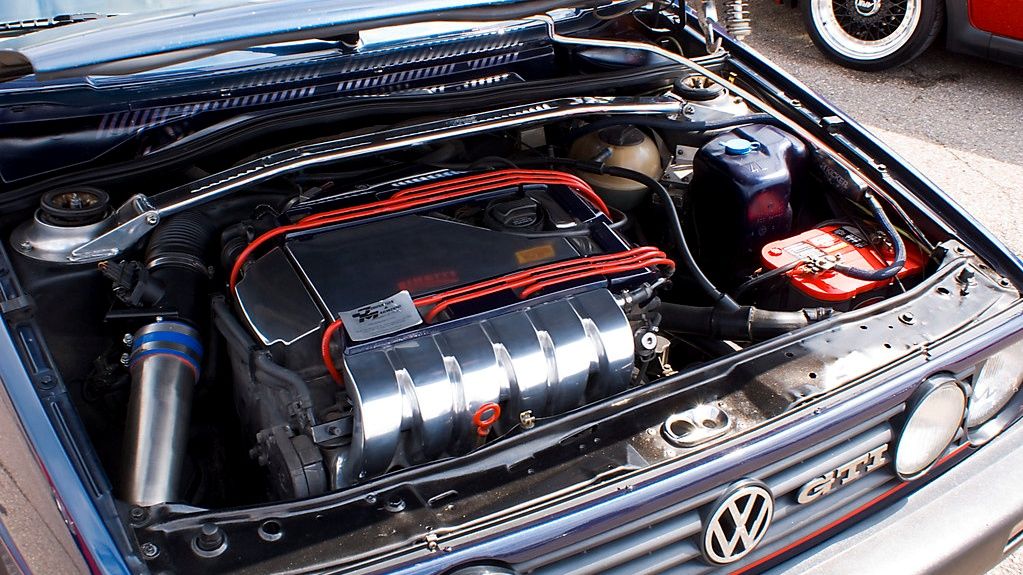
To access the rear spark plugs, removal of the upper intake manifold is typically required. This is not a minor step, it involves disconnecting multiple sensors, vacuum lines, and throttle body connections, all of which must be carefully handled to avoid introducing issues during reassembly.
The intake itself spans across the top of the engine, effectively blocking direct access to the rear cylinder head.
Once the intake manifold is removed, access improves, but the process is still more time-consuming than on simpler engines.
Each ignition coil must be individually removed, and the spark plug wells are somewhat recessed, requiring extensions and careful alignment during installation. While not inherently difficult for a professional, it adds layers of complexity that push the job well beyond basic maintenance.
Chrysler Pentastar 3.6L V6 (Certain Installations)
The Chrysler Pentastar 3.6L V6 is a clear example of how modern packaging and performance priorities can complicate routine maintenance.
Used across a wide range of vehicles, from the Dodge Charger and Jeep Wrangler to the Chrysler Pacifica, this DOHC V6 delivers strong output and efficiency, but spark plug access, especially in transverse applications, is far from straightforward.
The core issue lies in packaging. In front-wheel-drive layouts, the engine is mounted sideways, with the rear cylinder bank positioned tightly against the firewall.
While the front bank is easily accessible, the rear bank is effectively buried. There is very limited space to work, and direct access to the spark plugs is blocked by the upper intake manifold.
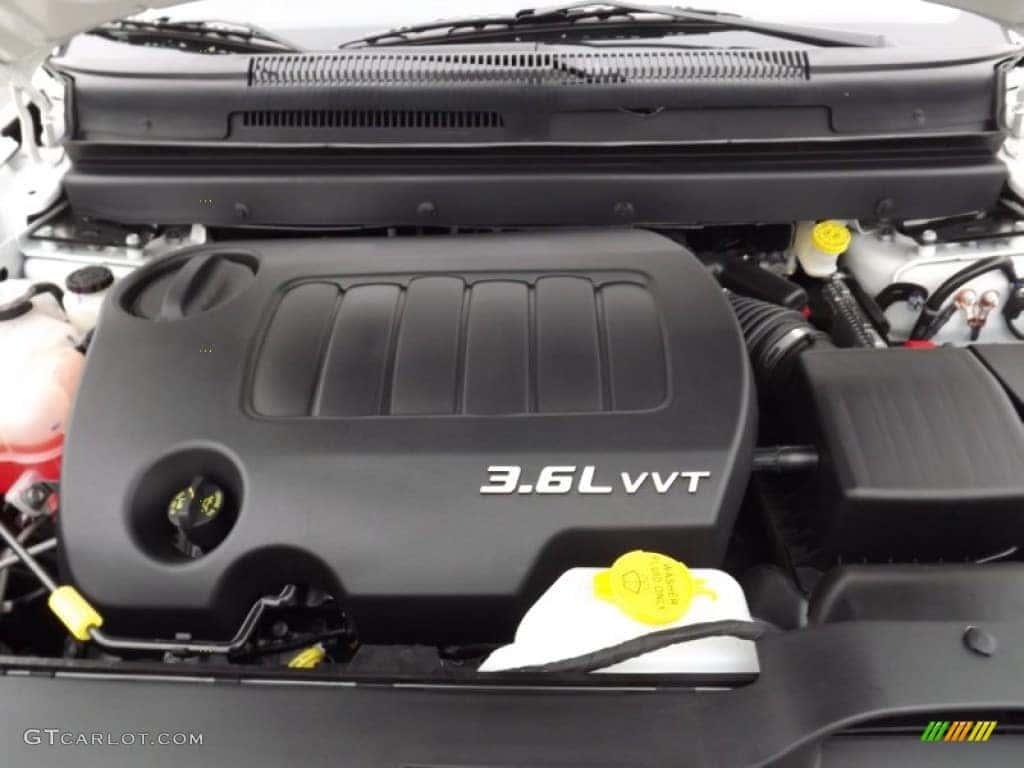
Servicing the rear plugs requires removing the intake manifold, which adds significant complexity to what should be a routine job. This process involves disconnecting multiple sensors, vacuum lines, the throttle body, and various electrical connectors.
Each step introduces potential failure points, misaligned gaskets, vacuum leaks, or improperly reconnected wiring, which can lead to drivability issues if not handled carefully.
Toyota 3VZ-E V6
The Toyota 3VZ-E V6 is a classic example of an engine that, while durable in many respects, presents clear challenges when it comes to routine maintenance like spark plug replacement.
Used in late-1980s and early-1990s trucks and SUVs such as the Toyota Pickup and 4Runner, this 3.0-liter SOHC V6 was designed for reliability and torque, but not necessarily for easy access in tight engine bays.
The primary issue stems from its layout and packaging. In most applications, the 3VZ-E is mounted longitudinally, which should, in theory, allow for decent access along the sides of the engine.
However, the reality is more complicated. The engine bay in these vehicles is relatively narrow, and the V6 configuration places three spark plugs on each side of the cylinder heads, tucked low and close to surrounding components.
On one side, access is partially obstructed by the exhaust manifold and steering components, while the other side is crowded by intake plumbing and ancillary hardware.
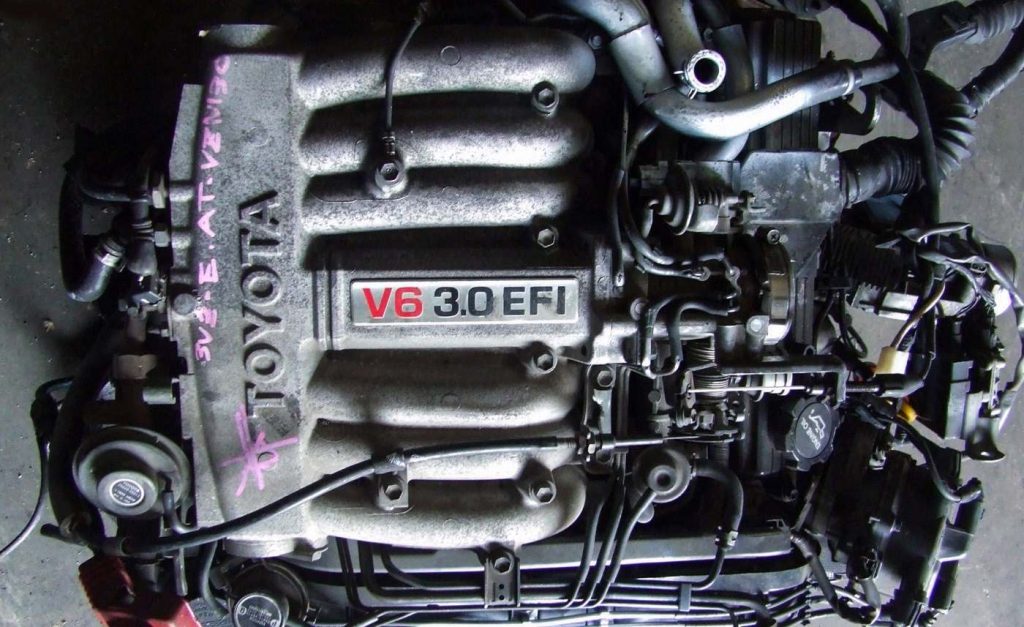
The result is a job that requires working around tight clearances, often with limited visibility. Reaching the plugs typically involves using long extensions, swivel joints, and a fair amount of patience.
Adding to the difficulty is the intake plenum design. While not always mandatory for plug replacement, partial disassembly of intake components may be required to create enough working space, particularly for the middle cylinders.
This increases the number of steps and the likelihood of encountering brittle hoses or aging connectors, especially on higher-mileage engines.
Mini Cooper S (R56, Turbocharged Inline-4)
The Mini Cooper S (R56), built under BMW ownership and sold in the U.S. market, features a turbocharged inline-four crammed into a very small engine bay.
Despite being an inline engine, turbo plumbing, heat shields, and tight packaging restrict access to the spark plugs.
Mechanics often need to remove intake components and work in confined spaces. While not requiring engine removal, the labor complexity is disproportionately high for a four-cylinder vehicle.
Spark plug accessibility is not merely a convenience, it is a direct contributor to long-term ownership costs.

Engines designed with space and simplicity in mind, such as the GM 3800 or Toyota 1NZ-FE, allow routine maintenance to remain quick and inexpensive. These engines are particularly appealing in the U.S. used market, where DIY maintenance is common.
In contrast, engines that prioritize compact packaging, performance, or unconventional layouts often sacrifice serviceability. Vehicles with engines like the Northstar V8 or transverse VR6 may offer unique performance or design benefits, but they impose higher labor costs for even basic maintenance tasks.
For buyers, especially those considering used vehicles, it is worth evaluating not just reliability ratings but also how accessible key components are. A well-designed engine does not just run well, it also allows you to maintain it without unnecessary complexity.
