
Toyota has built a legendary reputation for reliability and long-term durability. The brand is globally recognized as the gold standard for low-cost ownership and dependable engineering. But here is what most buyers never hear standing inside a dealership showroom. Not every Toyota is affordable to own once the papers are signed and the keys are handed over.
Several models in the 2026 lineup carry surprisingly high maintenance costs that catch owners completely off guard. Hidden expenses lurk inside specialized parts, complex hybrid systems, and import-dependent components. Rising labor rates, global supply chain disruptions, and increasingly sophisticated vehicle technology have pushed costs higher across the board.
Some Toyota models demand a serious financial commitment just to keep them running properly. Whether it is a luxury SUV, a performance coupe, or a hydrogen-powered sedan, certain Toyotas will test your budget. This list breaks down the ten Toyota models that will genuinely surprise you with their upkeep costs in 2026.
1. Toyota Land Cruiser
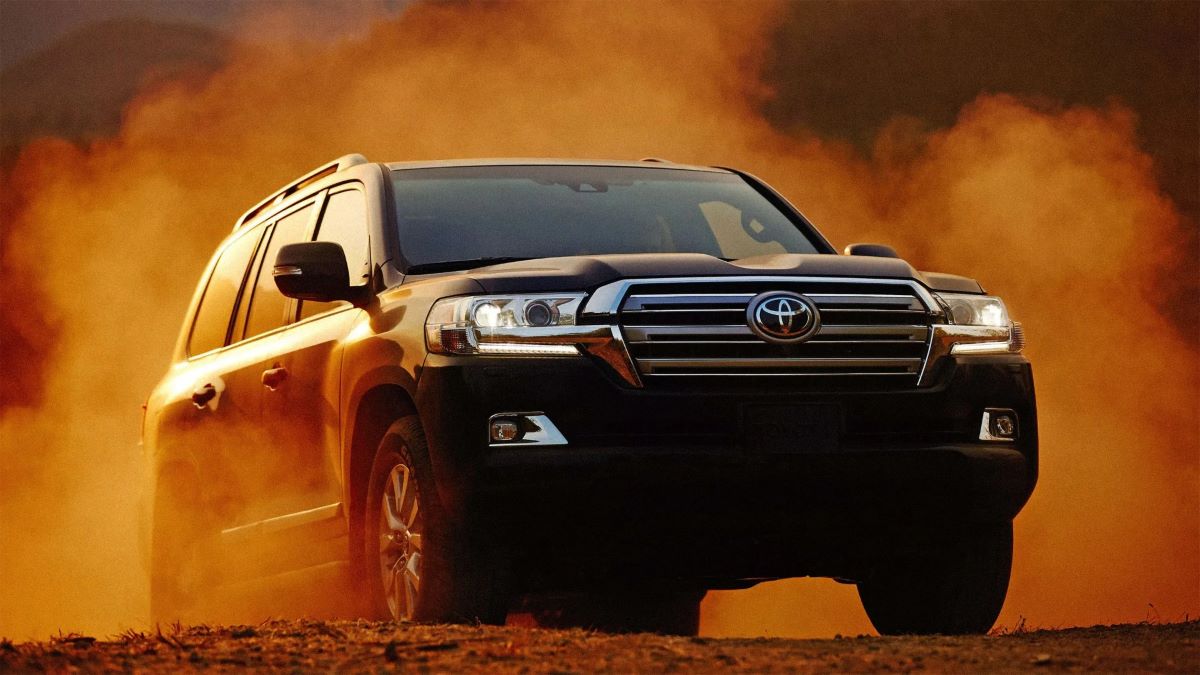
The Toyota Land Cruiser is one of the most iconic and capable off-road vehicles ever produced. It carries decades of credibility across deserts, jungles, and mountain passes that very few SUVs can match.
However, that legendary capability comes with a maintenance bill that most buyers are simply not prepared for. The Land Cruiser’s running costs can reach levels that shock even experienced SUV owners.
The vehicle’s large displacement engine demands premium-grade synthetic oil at every service interval. Each oil change alone costs noticeably more than a routine service on a standard Toyota sedan.
The transfer case, front differential, and rear differential all require periodic fluid changes by a trained four-wheel-drive specialist. Miss these services even once, and drivetrain component degradation accelerates at a deeply expensive rate.
Brake systems on the Land Cruiser are heavy-duty to match the vehicle’s considerable weight. Replacement rotors and pads cost significantly more than comparable components on a Camry or Corolla.
The sheer mass of the vehicle accelerates wear on these components faster than most owners expect. Replacements arrive sooner and cost more than the budget calculations made at the time of purchase.
Suspension maintenance is one of the most serious cost drivers on this platform. Certain trims use height-adjustable air springs that eventually develop leaks requiring repairs that run into thousands of dollars before labor is added.
Standard strut and shock absorber replacements also carry a heavy parts premium. The vehicle’s size and engineering complexity push every single service line item higher than average.
Timing system services, cooling system flushes, and transmission fluid changes all add expensive checkpoints to the ownership timeline. Many Land Cruiser components are not manufactured domestically, which means parts sourcing can take weeks.
Rental car costs during extended repair windows compound the bill significantly. In 2026, routine annual maintenance alone can comfortably exceed $2,500 for a Land Cruiser owner.
2. Toyota Sequoia TRD Pro
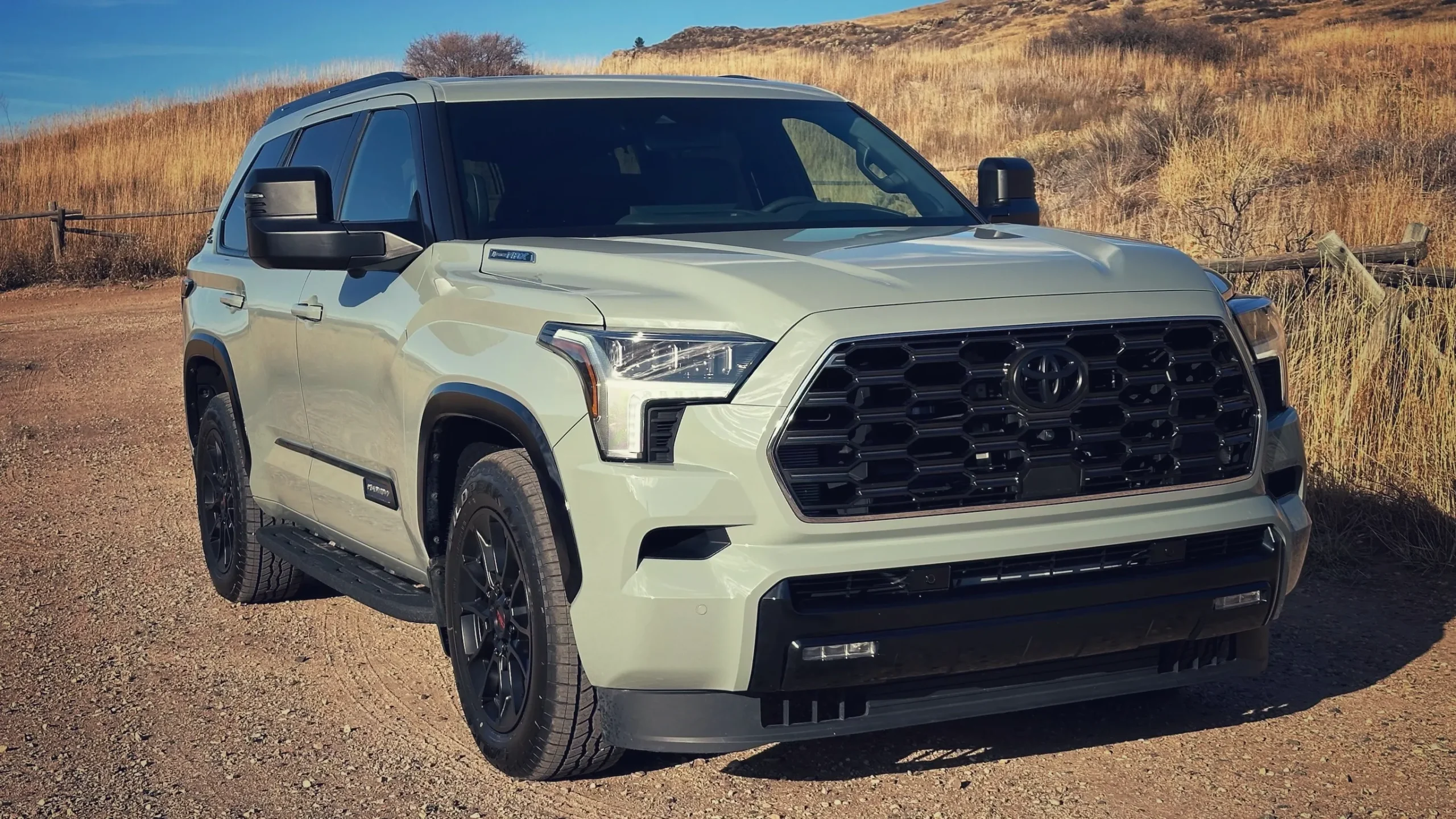
The Sequoia TRD Pro is Toyota’s performance-oriented full-size SUV, built for buyers who want family capacity and serious off-road ability in one package. It looks formidable on the spec sheet. The real-world cost of maintaining one is equally formidable and catches many owners off guard. The TRD Pro designation adds expense at virtually every service point.
The twin-turbocharged hybrid V6 powertrain introduces two distinct layers of mechanical complexity simultaneously. Turbocharger systems require specific oil intervals to prevent carbon buildup and bearing wear inside the turbo housing.
The hybrid battery pack, inverter system, and electric drive motor add a completely separate maintenance ecosystem. Owners are effectively maintaining two powertrains at the same time.
Spark plugs on the turbocharged V6 must meet exact manufacturer specifications and are not inexpensive to source. Accessing them requires significant engine bay disassembly, which drives labor hours sharply upward.
The serpentine belt and accessory drive components sit within a cramped workspace that adds time to every service. More labor time means a higher invoice every single visit.
TRD-specific suspension components, including specially tuned Fox shocks and unique strut assemblies, are not interchangeable with standard Sequoia parts. Replacement shocks alone can reach several hundred dollars per corner before a single labor hour is counted.
The TRD skid plates complicate access to drain plugs, filters, and other routine service points. Even basic services take longer and cost more because of the TRD hardware underneath.
The Sequoia TRD Pro’s off-road tires are aggressive and expensive to replace. They also wear faster on pavement than highway-oriented tires, creating a recurring replacement expense.
Braking system components are oversized and performance-grade, costing substantially more than standard replacements. Budget-conscious buyers should plan annual maintenance bills well above $2,500 on this vehicle.
3. Toyota Supra (A90)
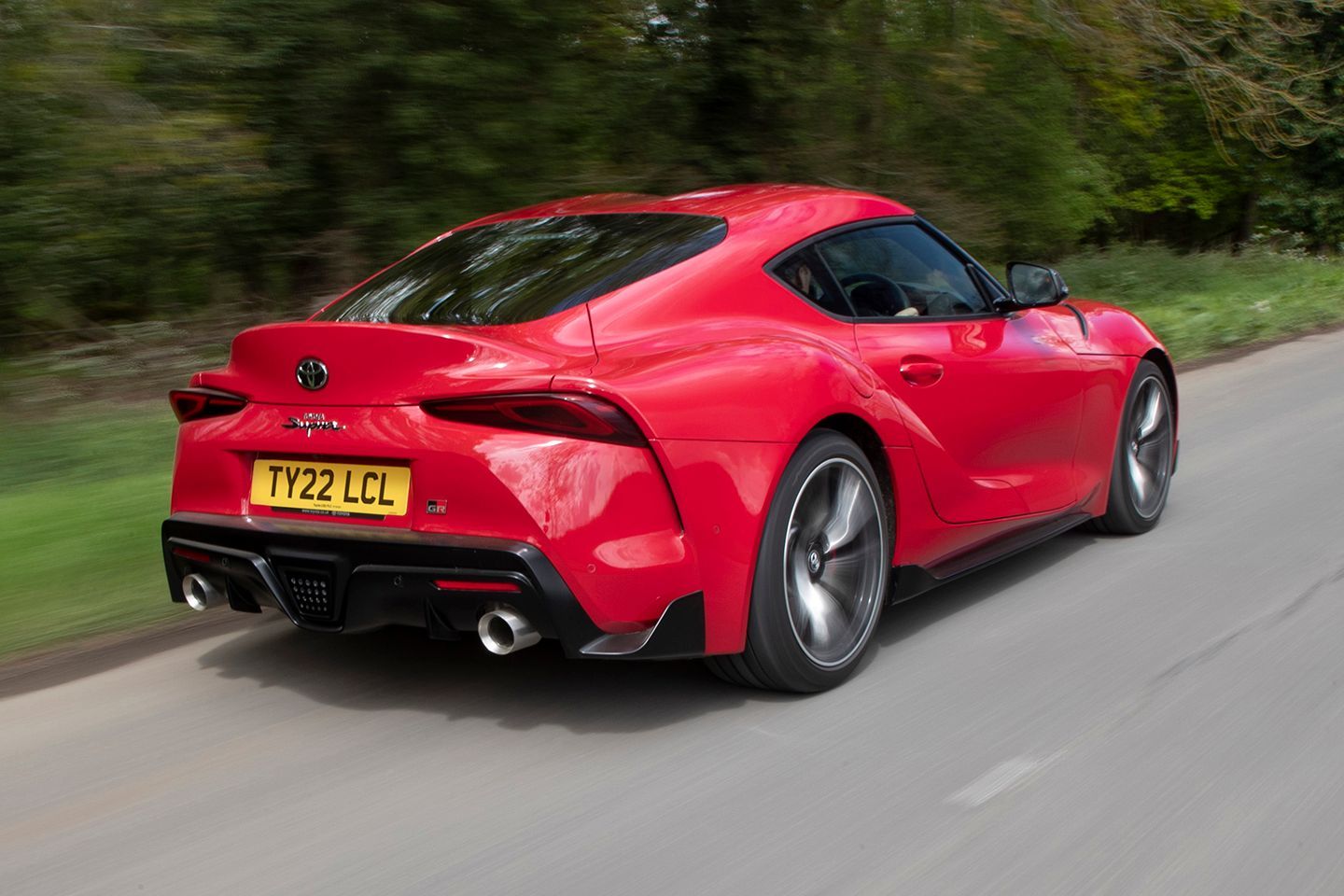
The GR Supra is the most exciting vehicle in Toyota’s current lineup, delivering sharp handling and genuine sports car performance. It turns heads on every road it travels.
However, it also carries the distinction of being one of the most expensive Toyotas to maintain in 2026. The reason comes down to a single development decision that reshapes the entire ownership cost profile.
The A90 Supra was co-developed with BMW, and its inline-six engine, transmission, and significant electronics are BMW-sourced components.
This means parts are priced according to BMW’s premium supply chain, not Toyota’s. Technicians trained on the B58 engine platform are not always available at standard Toyota dealerships. Many owners find themselves redirected to BMW specialists where labor rates are measurably and consistently higher.
Oil changes require BMW-specification full-synthetic oil at a premium price point. The engine’s oil capacity is higher than average, making each individual service more expensive than routine Toyota maintenance.
Filters are BMW-sourced and priced to reflect that brand’s supply chain positioning. Even the most basic service on the Supra costs more than comparable services on most other vehicles in Toyota’s lineup.
Brake components are performance-grade from the factory on every Supra trim. The large vented rotors and multi-piston calipers cost significantly more to replace than standard vehicle components.
Owners who drive the Supra with any degree of enthusiasm will find brake life considerably shorter than expected. Replacement intervals arrive quickly, and each replacement event carries a substantial price tag.
Tire wear is aggressive due to the rear-wheel-drive layout and staggered wheel sizing. Performance tires in the required fitment sizes are expensive and need replacing more frequently than all-season tires.
Transmission fluid, differential service, and diagnostics all carry the BMW premium on top of standard Toyota service pricing. The Supra is a thrilling car to own and an expensive one to maintain throughout 2026.
4. Toyota Mirai
The Toyota Mirai is among the most technologically advanced vehicles Toyota has ever brought to market. It runs on hydrogen fuel cell technology and emits only water vapor from its tailpipe.
It also presents a set of maintenance challenges that make conventional vehicle ownership look refreshingly uncomplicated by comparison. The Mirai’s running costs reflect the frontier technology packed inside it.
The hydrogen fuel cell stack is the core of the vehicle’s powertrain. Any degradation in stack performance requires highly specialized diagnosis from technicians who are certified specifically in hydrogen fuel cell systems.
These technicians are rare and geographically concentrated in areas with existing hydrogen infrastructure. Owners outside those areas face difficult choices when service becomes necessary.
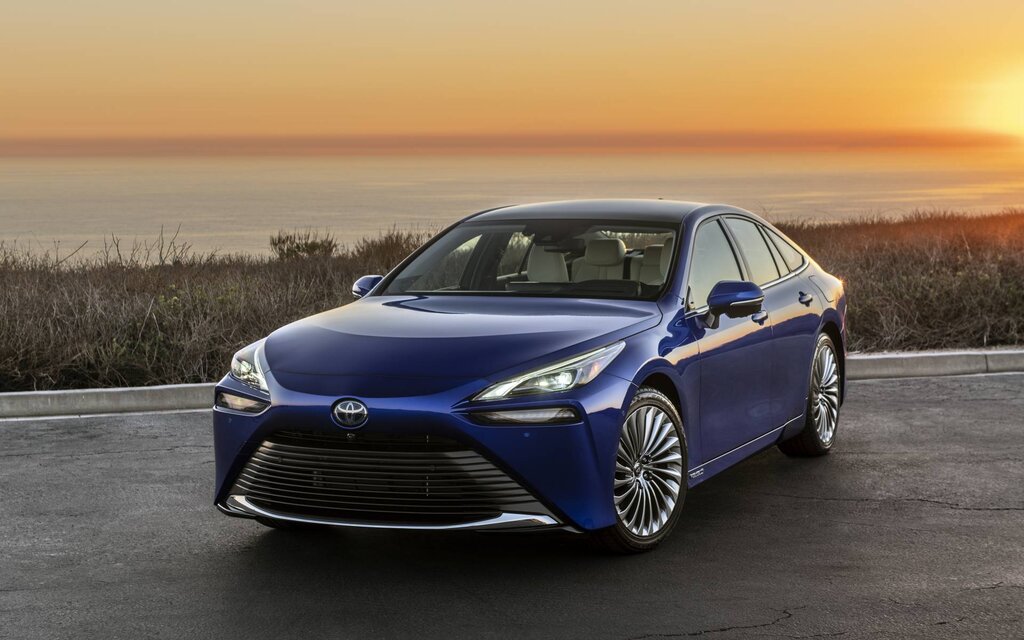
Hydrogen refueling infrastructure remains limited across most of North America in 2026. Owners in many regions face meaningful detours or extended waits at functioning fueling stations.
When a fueling system component fails a high-pressure regulator, hydrogen sensor, or fuel line fitting parts sourcing can stretch to weeks. The supply chain for hydrogen vehicle components is still far less mature than the conventional automotive parts network.
The high-voltage battery pack that works alongside the fuel cell carries replacement costs mirroring those found in battery-electric vehicles. Full pack replacement runs into five-figure territory if it becomes necessary outside the warranty period.
Hybrid inverters, power control units, and the electric drive motor all require specialized workshop equipment to service safely. Independent shops without that equipment simply cannot perform the work.
Cooling system complexity is higher on the Mirai than on virtually any other Toyota. The fuel cell generates significant heat managed through multiple independent cooling loops.
Each loop requires periodic maintenance, and a failure in any one of them can cascade into damage affecting the entire fuel cell stack. Specialty insurance coverage for hydrogen-related incidents further compounds the total annual cost of Mirai ownership.
Also Read: 10 Used Trucks With the Most Durable Manual Transmissions
5. Toyota Tundra TRD Pro (Hybrid)
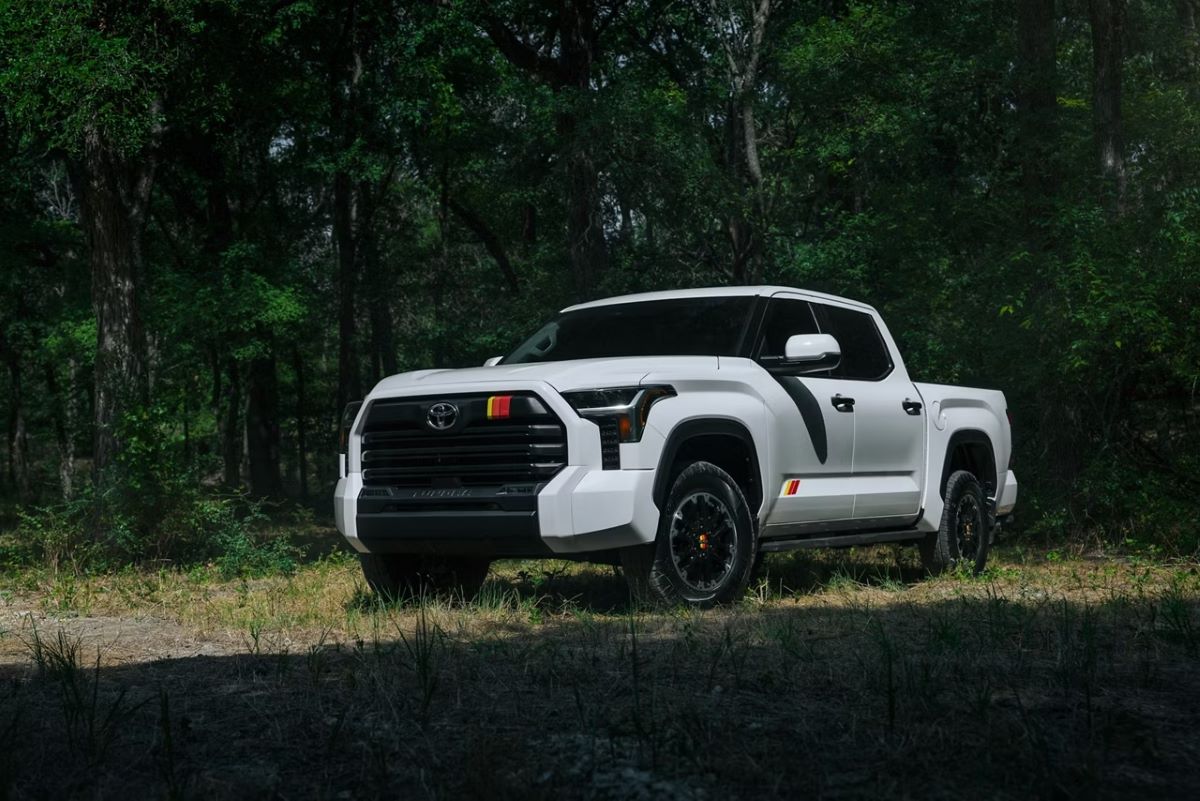
The Tundra TRD Pro sits at the absolute top of the Tundra lineup and brings serious off-road credentials and towing capability to buyers who want the best Toyota truck available. It delivers on that promise impressively. However, its maintenance cost structure reflects every dollar of its premium positioning. This is one of the most expensive trucks to maintain in its entire segment.
The twin-turbocharged hybrid V6 is the same basic powertrain family as the Sequoia but calibrated specifically for truck duty cycles. Turbocharger maintenance becomes critical when the vehicle is used for towing because high exhaust gas temperatures accelerate wear on turbo bearings and seals.
Cooldown periods after towing sessions are necessary to protect these components but are frequently ignored. Premature turbo failure carries a repair bill that routinely reaches four figures.
The hybrid system operating under towing and hauling stress experiences significantly more thermal and electrical demand than the same system would in a lighter passenger vehicle. Battery conditioning, inverter health monitoring, and motor wear all become concerns at lower mileage than manufacturer projections suggest.
Real-world heavy-duty usage compresses the theoretical service lifespans considerably. Owners who actually use this truck for work should expect accelerated hybrid system maintenance timelines.
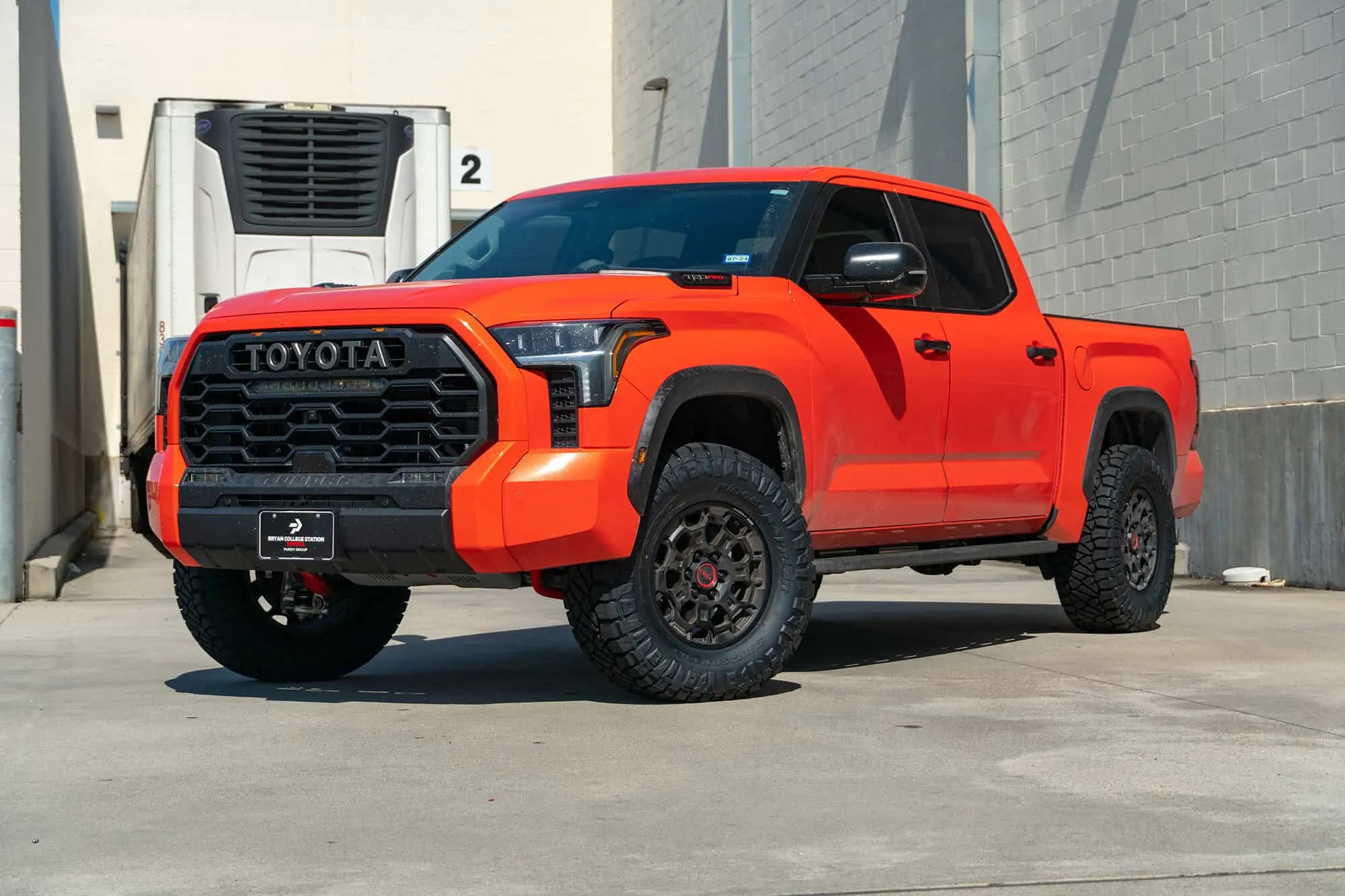
TRD Pro-specific equipment adds cost at every single service point on the maintenance schedule. The rear e-locker, electronic locking differential, and upgraded front differential each require fluid changes with Toyota-approved lubricants.
Skid plates must be removed for several routine service procedures, adding meaningful labor time that standard Tundra owners never pay. Every service appointment takes longer and costs more because of the TRD hardware.
Towing accelerates every wear item on the vehicle simultaneously. Brakes, transmission, cooling system, and tires all degrade faster under regular load conditions.
The aggressive off-road tires wear faster on pavement and cost substantially more to replace than standard highway tires. Owners who use this truck for its intended purpose should budget annual maintenance costs that far exceed what any standard truck estimate would project.
6. Toyota Venza Hybrid
The Toyota Venza presents itself as a design-forward, sophisticated crossover built for buyers who want style paired with efficiency. Its hybrid powertrain delivers genuinely impressive fuel economy figures.
However, beneath that fuel-efficient, stylish surface lies a maintenance profile that defies the Venza’s understated and refined image. Several ownership costs consistently surprise buyers who expected standard hybrid simplicity.
The Venza uses Toyota’s fourth-generation hybrid system in a vehicle that is heavier than the Prius platform the technology was originally designed around. Added weight places greater demand on the electric motor and battery pack during every acceleration event.
This compressed workload shortens the usable life of certain hybrid components compared to lighter applications of the same system. The efficiency gains come with a hidden long-term cost attached.
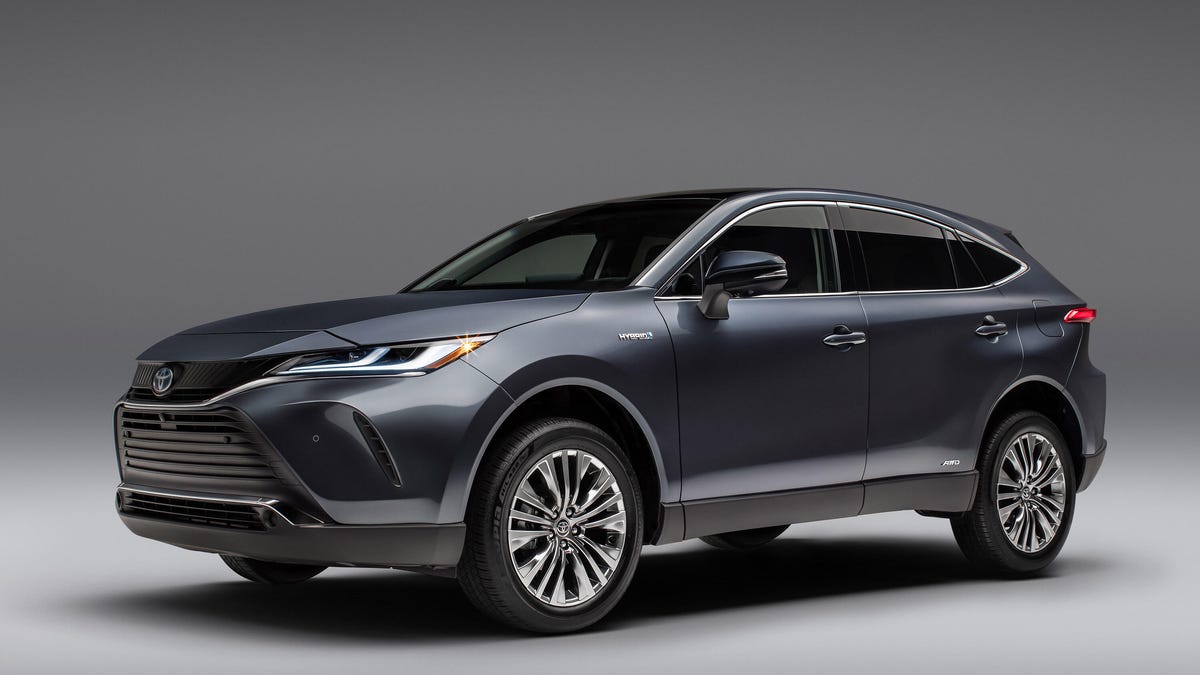
The panoramic roof that comes standard on the Venza is one of its most appealing design features and one of its most consistently expensive service headaches. Drainage blockages, seal degradation, and sunroof motor failures are common in climates with significant temperature variation between seasons.
Replacement of the panoramic glass assembly when damage occurs runs into thousands of dollars. This single component generates more unexpected repair bills than almost any other part on the vehicle.
The Venza’s premium interior uses synthetic leather and soft-touch materials that require specific cleaning products to maintain their condition. Neglected surfaces degrade and crack quickly in hot climates, and replacement seat assemblies carry high costs given the vehicle’s premium market positioning.
Rear camera and sensor systems integrated into the tailgate are exposed and vulnerable to parking lot impacts. Replacement units that interface with the digital rearview mirror system require dealer-level programming to function correctly.
The Venza’s transaxle fluid does have a service interval that many owners are completely unaware of until a drivability symptom appears. Skipping this service leads to accelerating wear on internal components that are expensive to access and even more expensive to replace.
Dealerships rarely proactively inform buyers about this interval at the time of purchase. Discovery of the requirement typically arrives alongside the first repair estimate.
7. Toyota Crown
The Toyota Crown returned to North America with bold styling, a sophisticated hybrid powertrain, and a premium market positioning that separated it from everything else in Toyota’s sedan-oriented lineup.
Its reintroduction generated genuine enthusiasm from buyers and automotive media alike. It also brought a maintenance cost profile that sits well above what the average Toyota buyer is accustomed to paying. The Crown’s premium aspirations extend fully into its service pricing.
The Crown’s 2.4-liter turbocharged hybrid system is a relatively new powertrain in Toyota’s portfolio as of 2026. New powertrains mean the aftermarket parts ecosystem is still in early development, and independent shops frequently lack the specific diagnostic equipment or replacement components to service it without extended lead times.
That reality pushes Crown owners toward dealership service more often than drivers of established Toyota models. Dealership labor rates are consistently higher than independent shop rates across most markets.
The Crown’s adaptive suspension system adjusts damping rates in real time based on road conditions and driving inputs. When ride quality deteriorates, diagnosis must account for electronic control module faults, sensor failures, and calibration drift not just conventional physical wear.
This adds diagnostic time and cost to every suspension-related complaint. Standard strut replacement becomes a significantly more expensive procedure when electronic calibration is required afterward.
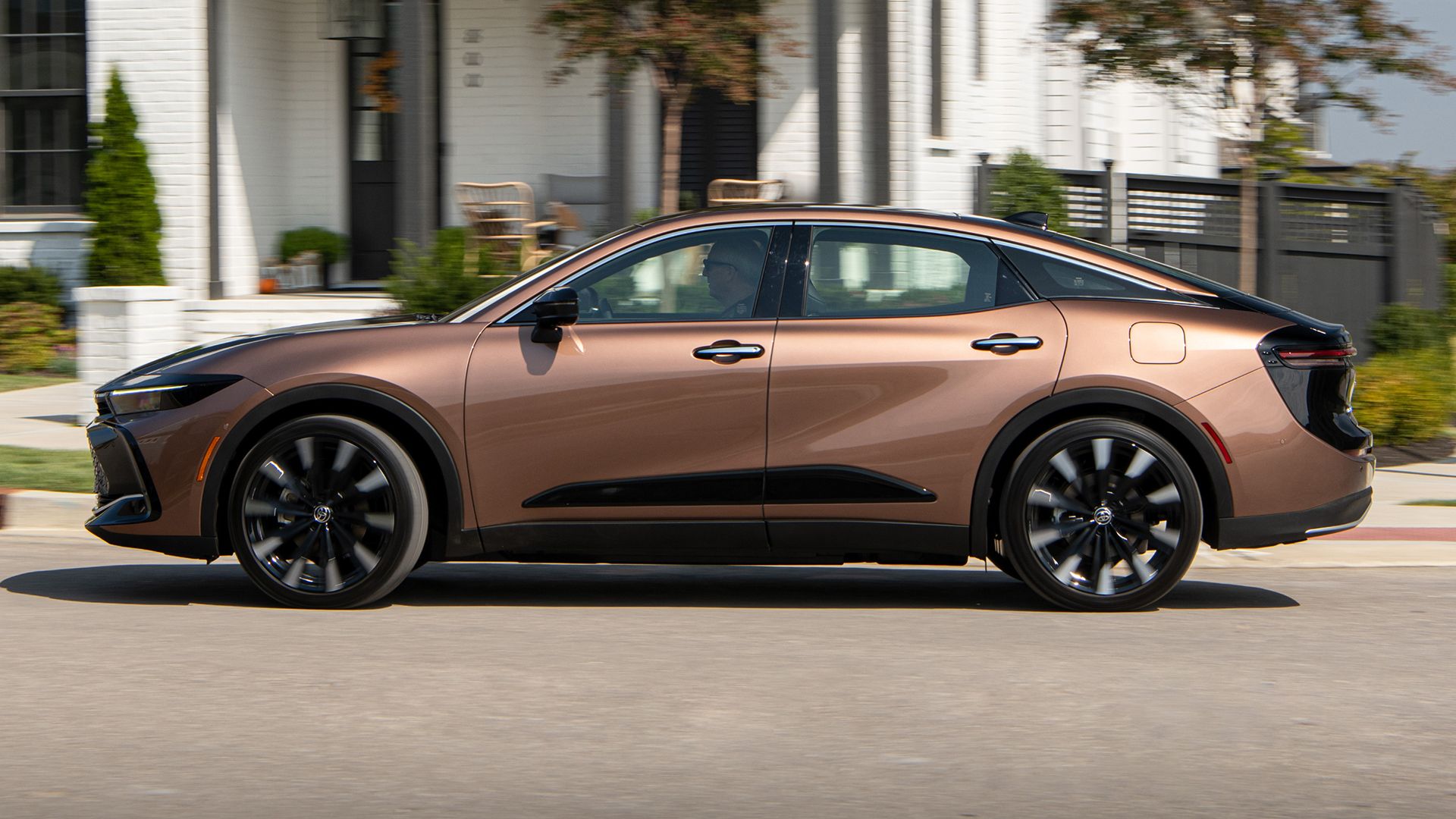
Wheel and tire sizing on the Crown is aggressive for its vehicle category. The large-diameter wheels and low-profile tires that define its distinctive stance deliver reduced ride compliance and accelerated sidewall vulnerability on poor road surfaces.
Replacing tires in the Crown’s recommended sizes carries a meaningful per-tire premium over standard passenger car fitments. Even a single tire replacement from a road hazard encounter represents a significant unplanned expense.
The Crown’s digital instrument cluster, head-up display, and associated display modules are impressive technology but expensive to repair when failures occur. Exterior paint on premium metallic and specialty finish options uses a multilayer application process that makes touch-up matching difficult for body shops.
Minor cosmetic damage costs considerably more to repair correctly on the Crown than it would on a conventionally painted vehicle. Every element of this vehicle’s premium design adds a corresponding premium to its repair cost profile.
8. Toyota GR86
The Toyota GR86 is marketed as the attainable, everyday sports car a lightweight rear-wheel-drive coupe built to deliver pure driving joy without an intimidating price tag. Its purchase price genuinely is accessible.
Its long-term maintenance costs, however, depend heavily on how the car is driven, and the GR86 is specifically designed to encourage driving styles that are hard on consumable components. Affordable to buy does not always mean affordable to keep.
The GR86 shares its platform and FA24 engine with the Subaru BRZ, meaning parts pricing reflects both Toyota and Subaru supply chains. For certain components this is neutral or even favorable for owners.
For performance-specific items, it creates a narrower sourcing situation with less price competition than purely Toyota-supplied parts enjoy. Specialty components can be difficult to source quickly at competitive prices.
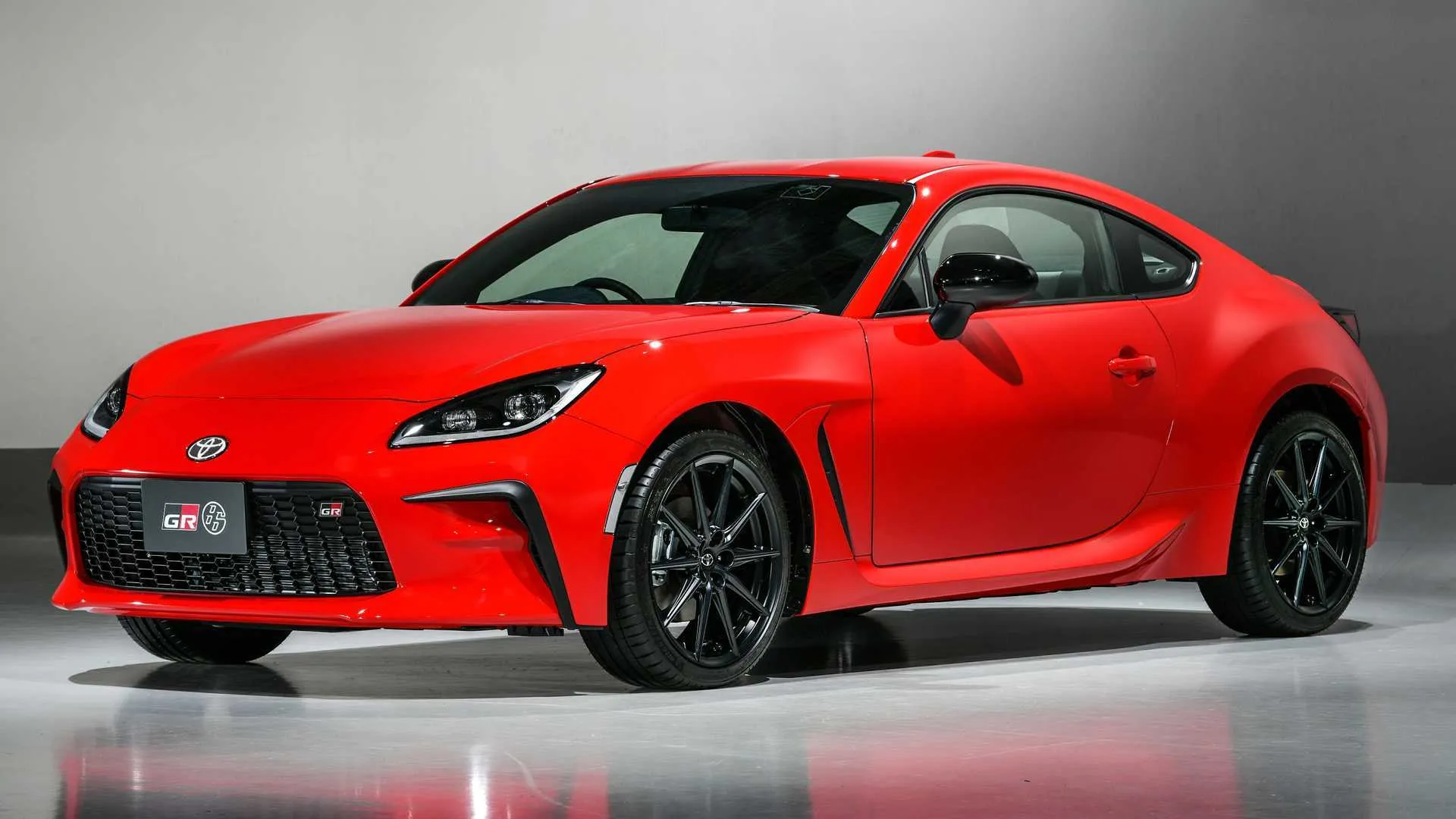
Track use and spirited public road driving behaviors the GR86’s entire character encourages accelerate wear on virtually every consumable component. Rear tires bear the most visible impact of the car’s rear-wheel-drive layout and available limited-slip differential.
A single set of performance rear tires can cost several hundred dollars to replace, and serious enthusiasts can go through multiple sets in a single active driving season. Tire costs alone can represent the largest annual maintenance expense on this vehicle.
Brake pads and rotors designed for performance use cost more than comparable components on economy vehicles. Track sessions heat brakes to temperatures beyond street driving specifications, inducing premature rotor cracking that accelerates replacement timelines significantly.
Each rotor-and-pad replacement event on a performance fitment carries a higher price than what standard car owners experience. Frequent hard use on track days can make this a recurring quarterly expense rather than an annual one.
Clutch replacement comes earlier in a sports car driven with enthusiasm than it would in a conservative commuter vehicle. Clutch access on the GR86 requires full transmission removal, which is a significant labor operation that drives the total repair cost up even when parts themselves are reasonably priced.
Engine oil consumption can also be raised under sustained hard use on the FA24 engine. Owners must monitor levels between changes and budget for more frequent fluid management than a standard commuter vehicle would require.
9. Toyota bZ4X
The Toyota bZ4X is Toyota’s flagship battery-electric vehicle and represents a meaningful departure from the conventional maintenance profile of the rest of the lineup.
Electric vehicles carry a reputation for lower maintenance costs because they eliminate many mechanical components that wear out in combustion engines. The bZ4X ownership reality in 2026 is more complicated and more expensive than that simplified reputation suggests. Several unique cost exposures have emerged as the model has accumulated real-world mileage.
Battery health management is the central ongoing concern for every electric vehicle owner, and the bZ4X is no exception. Battery conditioning software updates, thermal management system inspections, and battery module health checks are all recommended service procedures requiring dealer-level diagnostic access.
Independent shops cannot perform these services without Toyota-specific licensed software and hardware. This effectively ties bZ4X owners to dealership service networks for a significant portion of their maintenance needs.
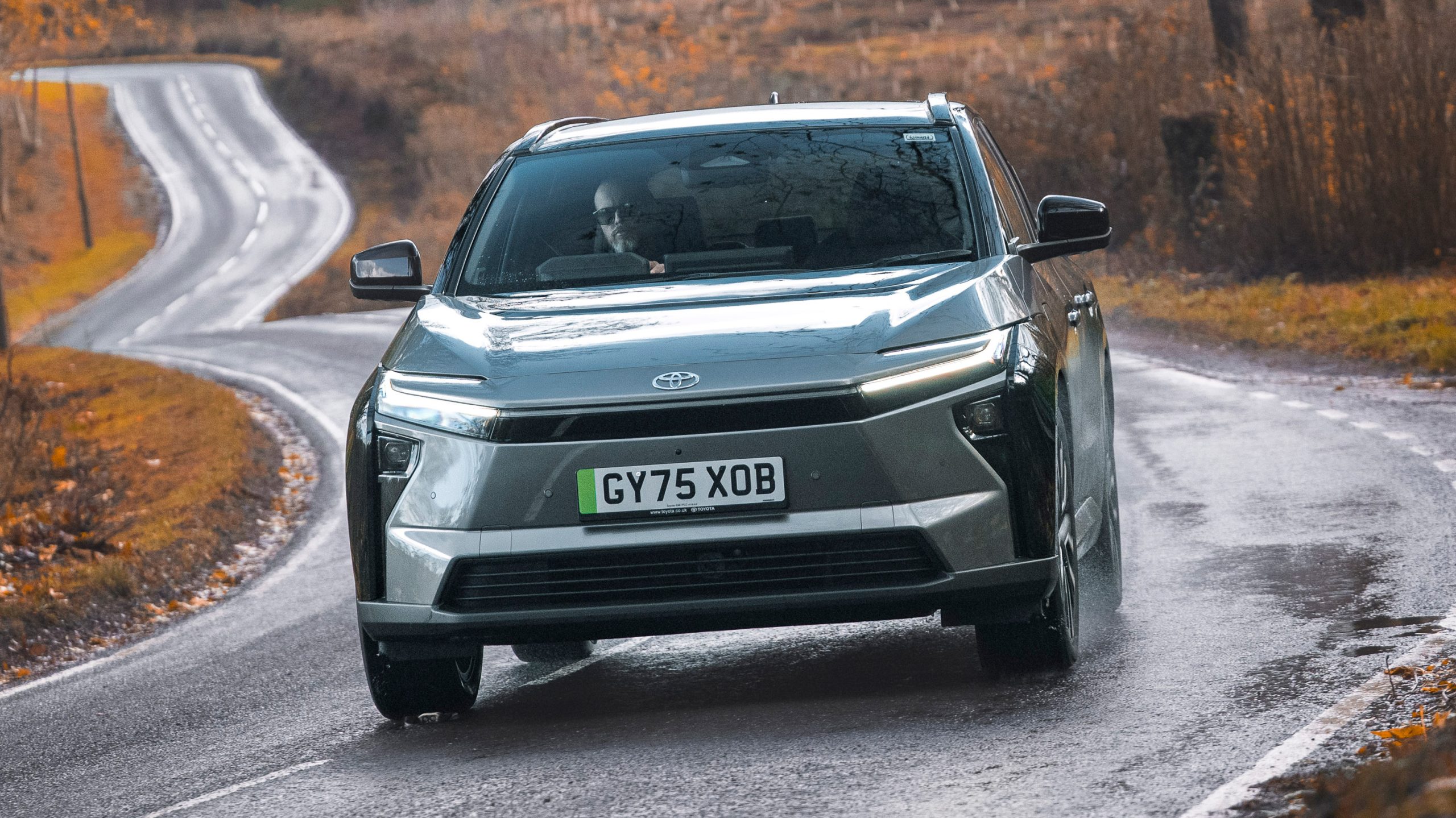
Certain bZ4X trims use a steer-by-wire system that eliminates the physical mechanical connection between the steering wheel and the front wheels. While this delivers precise and software-tunable steering, it introduces a fault mode that no traditional steering system can experience.
A steer-by-wire actuator failure requires replacement of a unique assembly not shared with any other platform, driving parts costs up substantially. This is a component category with no independent aftermarket alternative available in 2026.
High-voltage battery pack replacement looms as a potential future expense that extends well beyond the warranty coverage period. Out-of-warranty pack replacements in the EV segment regularly run into five-figure costs, and the bZ4X carries the same financial exposure.
Regenerative braking reduces conventional brake wear significantly, but calipers and rotors can suffer from corrosion-related stiction when friction brakes are underused in urban regenerative-dominant driving. Seized calipers from underuse require service that can be more involved than a standard brake job.
Software-related maintenance and over-the-air update management introduce a dimension to ownership that combustion vehicle drivers simply do not experience. Feature availability, charging behavior, and safety system calibration can all be affected by software states requiring dealer-level attention to diagnose and resolve.
Each software-related service visit carries a diagnostic fee regardless of whether a physical repair is performed. The bZ4X is genuinely impressive technology wrapped in a set of ownership costs that the EV marketing materials rarely address directly.
10. Toyota Alphard / Vellfire (Import/Grey Market)
The Toyota Alphard and Vellfire occupy a completely unique position in the Toyota ownership universe. They are ultra-premium Japanese-market minivans that were never officially launched in North America but have found their way onto roads across the continent through grey-market imports and independent importers.
Their exclusivity, interior opulence, and presence on the road are entirely genuine. So is the financial commitment required to keep one properly maintained in 2026.
Because these vehicles are not officially sold in North America, Toyota dealerships carry no obligation to service them. Many dealerships refuse outright, citing liability concerns and the complete absence of manufacturer service data within their diagnostic systems.
Owners must locate independent Japanese import specialists, which are geographically concentrated in major metropolitan areas. Owners in rural or suburban locations face significant travel distances just to access qualified service technicians.
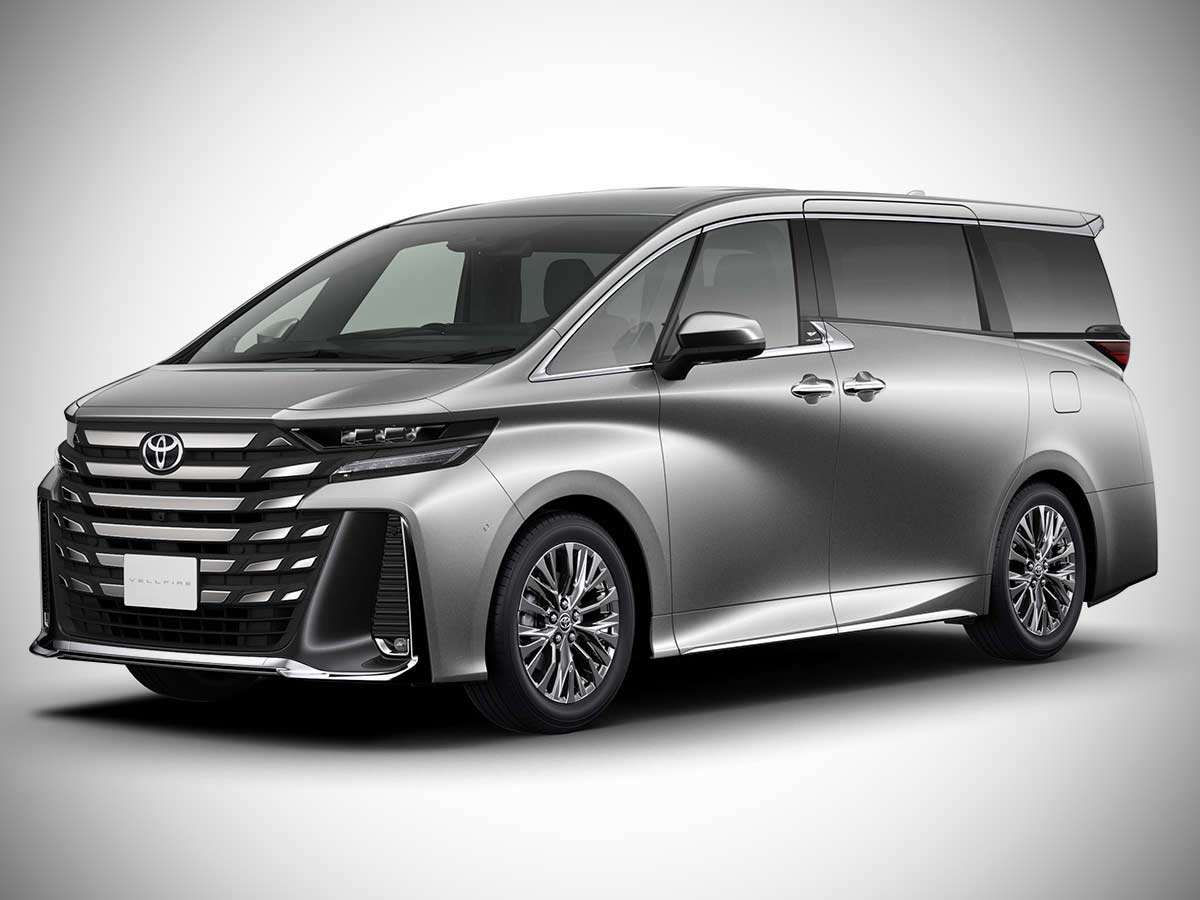
Parts sourcing for the Alphard and Vellfire runs entirely through Japan. Shipping times, import duties, and currency exchange rate fluctuations all factor into the final cost of even routine replacement components.
A cabin air filter or brake pad set that costs $30 at a conventional dealership can easily exceed $120 once international sourcing and shipping are fully accounted for. Lead times for specialty components can stretch to several weeks, leaving vehicles off the road with no local resolution available.
The vehicles’ sophisticated dual-power sliding doors, electric captain’s chair systems, rear entertainment screens, and ambient lighting networks are premium features that fail at rates consistent with complex electronic systems generally.
Diagnosing failures requires Japanese-language service manuals and scan tools calibrated for JDM-market vehicles. Most North American shops do not have access to either resource. Sourcing a qualified technician who does have the proper tools often requires traveling to a specialist at significant additional cost.
Engine and transmission fluid services require manufacturer-specified Toyota-branded lubricants that are not consistently available through domestic supply channels. Running incorrect specification lubricants can accelerate wear on expensive drivetrain components and may void remaining warranty coverage on newer import examples.
Import compliance costs, customs documentation fees, and in some jurisdictions structural inspection requirements all add significant front-loaded expenses before the first maintenance visit is ever needed. The Alphard and Vellfire deliver a genuinely extraordinary ownership experience on the road, but in 2026 they represent one of the most financially demanding Toyota ownership propositions on any continent.
Also Read: 10 Vehicles With the Most Reliable Brake Boosters on the Market
