Modern engines built for heavy towing must endure extreme stress while maintaining reliability. Vehicles that handle trailers, boats, or large cargo require engines with strength, durability, and consistent performance. One key factor that ensures this is the use of steel internals.
Steel components, including crankshafts, connecting rods, and pistons, provide resilience that aluminum or cast iron alone cannot match. These materials resist bending, wear, and deformation under high torque, making them ideal for towing applications.
The evolution of engine design has focused on balancing power, efficiency, and longevity. Steel internals allow engines to produce higher torque without compromising structural integrity.
Many manufacturers now employ advanced steel alloys and precision machining to create components that withstand repeated stress cycles.
This ensures that engines remain dependable over hundreds of thousands of miles, even under continuous towing. The ability to handle heavy loads without overheating or premature wear makes steel-internal engines a preferred choice for trucks, SUVs, and commercial vehicles.
Towing also places demands on the cooling and lubrication systems. High torque and long-duration loads generate significant heat, which can affect engine components. Steel internals offer a higher tolerance for thermal expansion and maintain their strength under elevated temperatures.
Vehicles equipped with these engines often include reinforced oil pumps, larger radiators, and upgraded cooling channels to complement the internal strength. This combination ensures that drivers can tow with confidence, even in challenging conditions such as steep inclines or hot climates.
Another advantage of steel-internal engines is their ability to handle modifications or aftermarket enhancements. Enthusiasts and professionals who increase torque through turbocharging or supercharging benefit from the added durability of steel components.
These engines can sustain higher cylinder pressures and rotational forces without catastrophic failure. This flexibility makes them a popular choice among those who need both factory reliability and potential for performance upgrades.
Finally, modern engines with steel internals also reflect advances in metallurgy and engineering design. Manufacturers use finite element analysis and real-world testing to optimize each component. This results in engines that not only tow effectively but also maintain fuel efficiency, emission compliance, and longevity.
For drivers who demand maximum reliability and capability, engines with steel internals offer an unmatched balance of toughness and performance. The combination of strength, heat tolerance, and adaptability ensures these engines remain leaders in heavy towing applications.
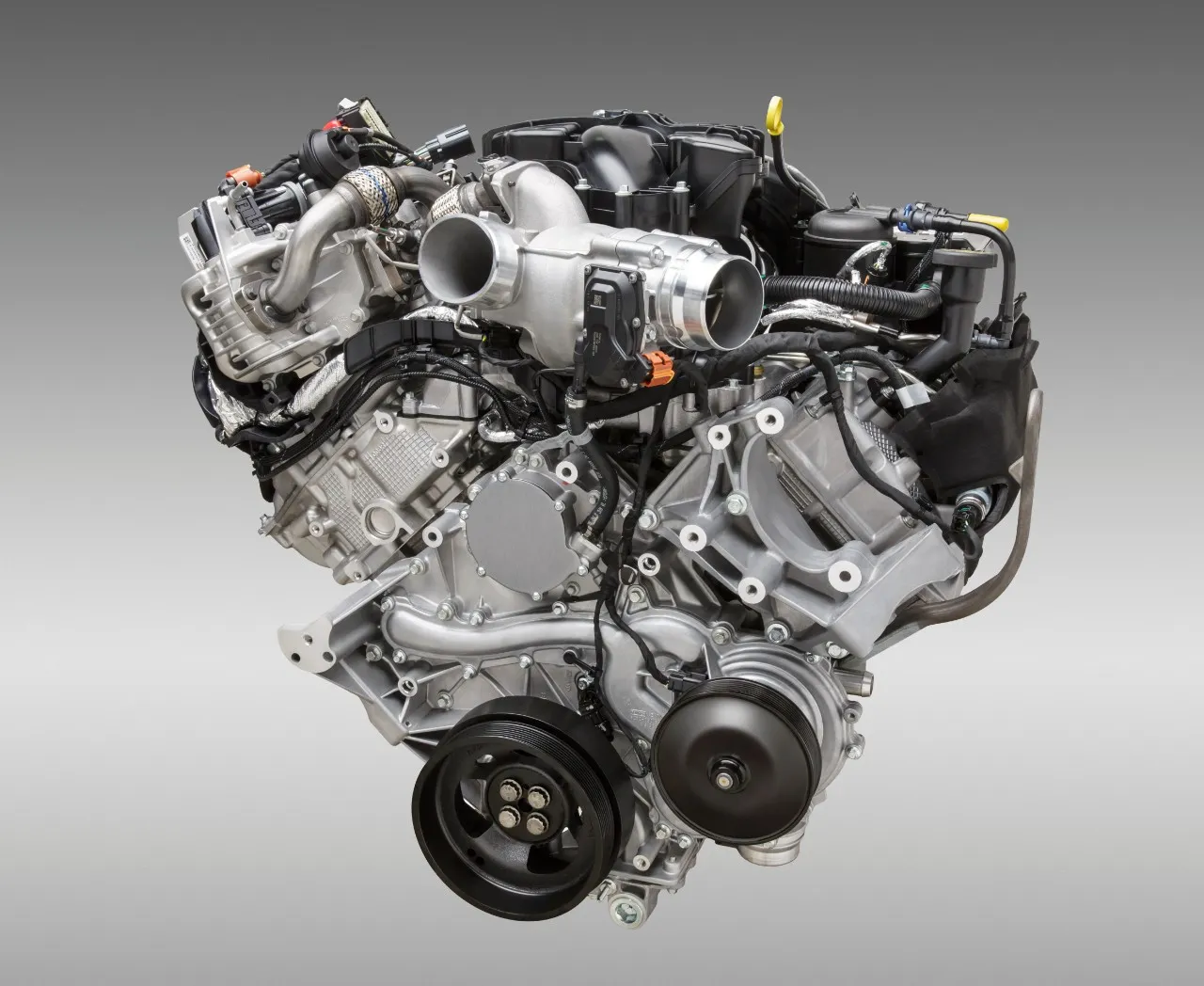
1. Ford 6.7L Power Stroke V8 Diesel
The Ford 6.7L Power Stroke V8 diesel is built for extreme towing applications. It features a forged steel crankshaft and connecting rods, ensuring high durability under heavy loads.
These steel components resist deformation even when the engine is producing maximum torque for long periods. This design makes it ideal for trucks that frequently tow large trailers or commercial loads.
Its block is made of compacted graphite iron, but the internals carry the brunt of the stress. The steel pistons and rods provide a reliable foundation for the high-pressure fuel injection system.
This allows the engine to maintain efficiency and consistent torque without compromising structural integrity. Users report minimal wear even after extensive towing.
The engine also employs a variable geometry turbocharger, which complements the steel internals by delivering consistent boost at low engine speeds.
This results in smoother towing performance and less strain on transmission components. The synergy between the turbo system and steel internals ensures longevity under extreme towing conditions.
Cooling and lubrication are optimized to match the reinforced internals. The oil pump provides high flow rates to critical areas, while the intercooler reduces intake temperatures.
These systems work together to prevent overheating and maintain the strength of steel components. The combination allows for heavy-duty performance across a range of towing scenarios.
The 6.7L Power Stroke balances power and durability. Its steel internals, reinforced cooling, and robust turbo system make it a top choice for commercial and recreational towing. Trucks equipped with this engine can handle sustained heavy loads without frequent maintenance, providing reliability for demanding drivers.
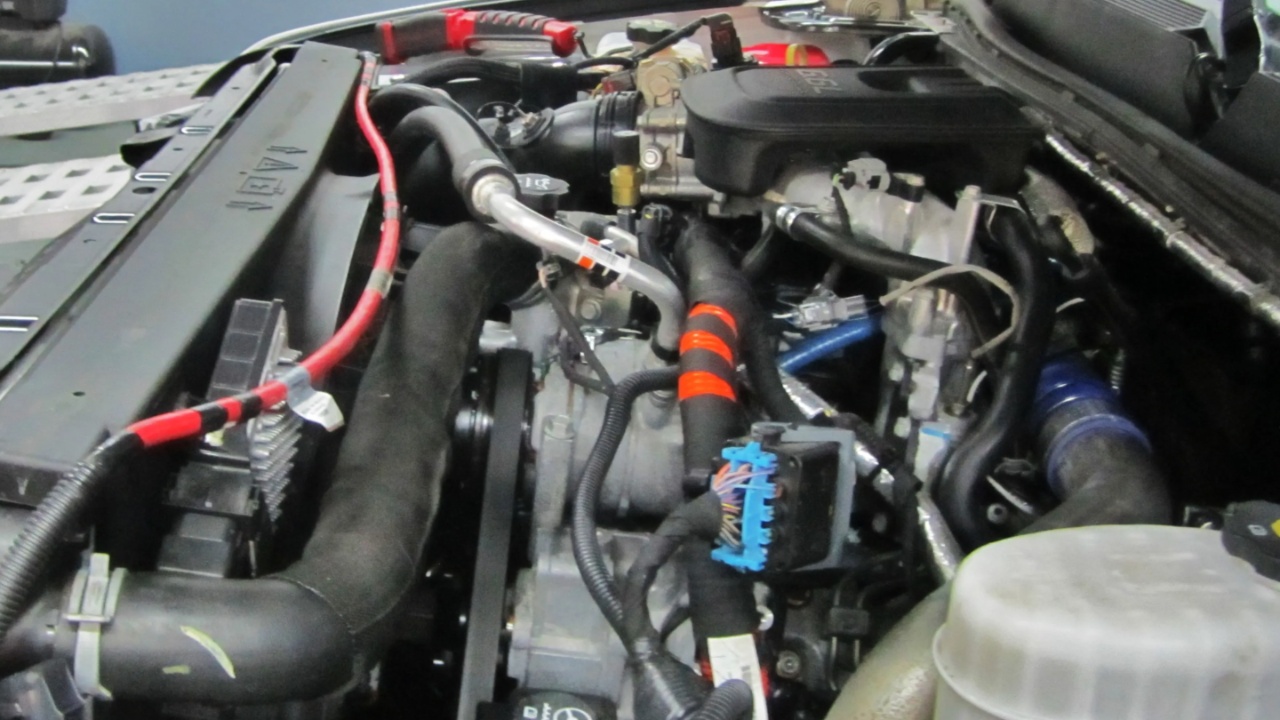
2. Chevrolet Duramax 6.6L L5P Diesel
The Chevrolet Duramax 6.6L L5P diesel is engineered for high torque and extended towing capability. Its steel crankshaft and connecting rods withstand the stress of heavy trailers without bending or fatigue.
These components are precision-machined to handle repeated torque spikes and long-duration towing. Steel pistons provide further reinforcement, supporting the engine under extreme loads.
The engine block itself is a strong cast-iron design, but the steel internals make the real difference in reliability. They maintain their form and alignment under high cylinder pressures, ensuring the combustion cycle remains efficient. This results in predictable towing performance and reduced maintenance over time.
Turbocharging plays a critical role in the L5P’s performance. The high-flow turbo and intercooling system help maintain consistent boost levels while reducing heat stress on the steel components. This ensures that the engine delivers peak torque even during sustained uphill towing or hot-weather operation.
Chevrolet has also focused on oil flow and filtration to support steel internals. Heavy-duty oil pumps and larger capacity oil coolers prevent premature wear. This allows the engine to handle high-stress towing conditions without sacrificing longevity or performance.
For owners who tow large trailers or heavy equipment, the Duramax L5P provides a strong foundation.
Its combination of steel internals, robust turbocharging, and reinforced lubrication systems ensures that it can operate reliably under demanding conditions. Drivers benefit from a durable engine capable of both power and consistency.
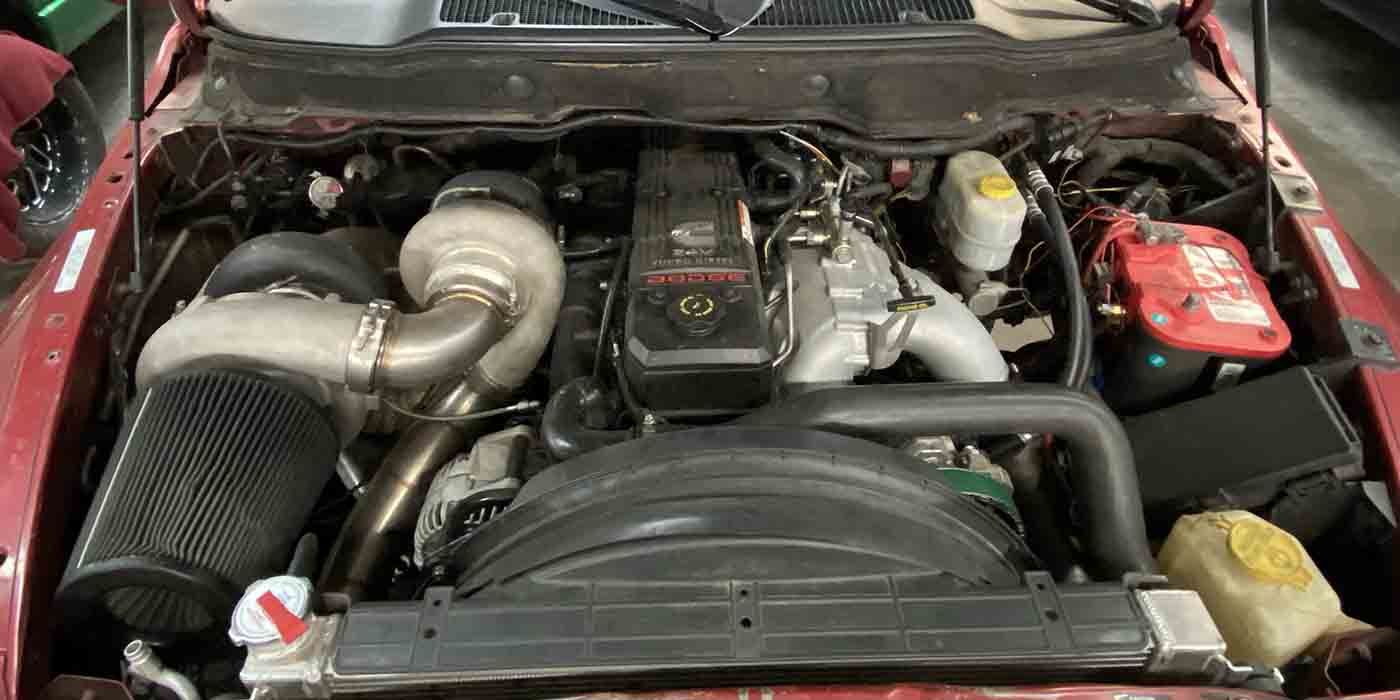
3. Ram 6.7L Cummins Turbo Diesel I6
The Ram 6.7L Cummins Turbo Diesel inline-six is a popular choice for heavy towing applications. Its forged steel crankshaft and connecting rods provide a reliable foundation for repeated high-torque cycles.
The steel pistons are designed to resist heat-induced expansion, keeping cylinder clearances consistent even under long towing runs.
The inline-six configuration distributes stress evenly across the crankshaft. This minimizes the risk of component fatigue and extends the engine’s service life. Coupled with the steel internals, it allows for towing heavy loads without reducing performance or reliability.
The turbocharging system enhances torque delivery at low engine speeds. This reduces the need for constant high RPM operation during towing, lowering the stress on steel internals. The combination of a strong turbo and reinforced internal components creates a resilient engine for both recreational and commercial use.
Cooling and lubrication systems are optimized to complement the steel internals. High-capacity oil pumps and reinforced cooling passages ensure that heat is managed effectively. This prevents premature wear and maintains engine performance during sustained towing scenarios.
Ram’s Cummins engine continues to be a benchmark in diesel towing. Its steel-internal design, combined with an efficient turbo system and robust support systems, makes it capable of handling extreme loads. Owners benefit from confidence and durability in a demanding towing environment.
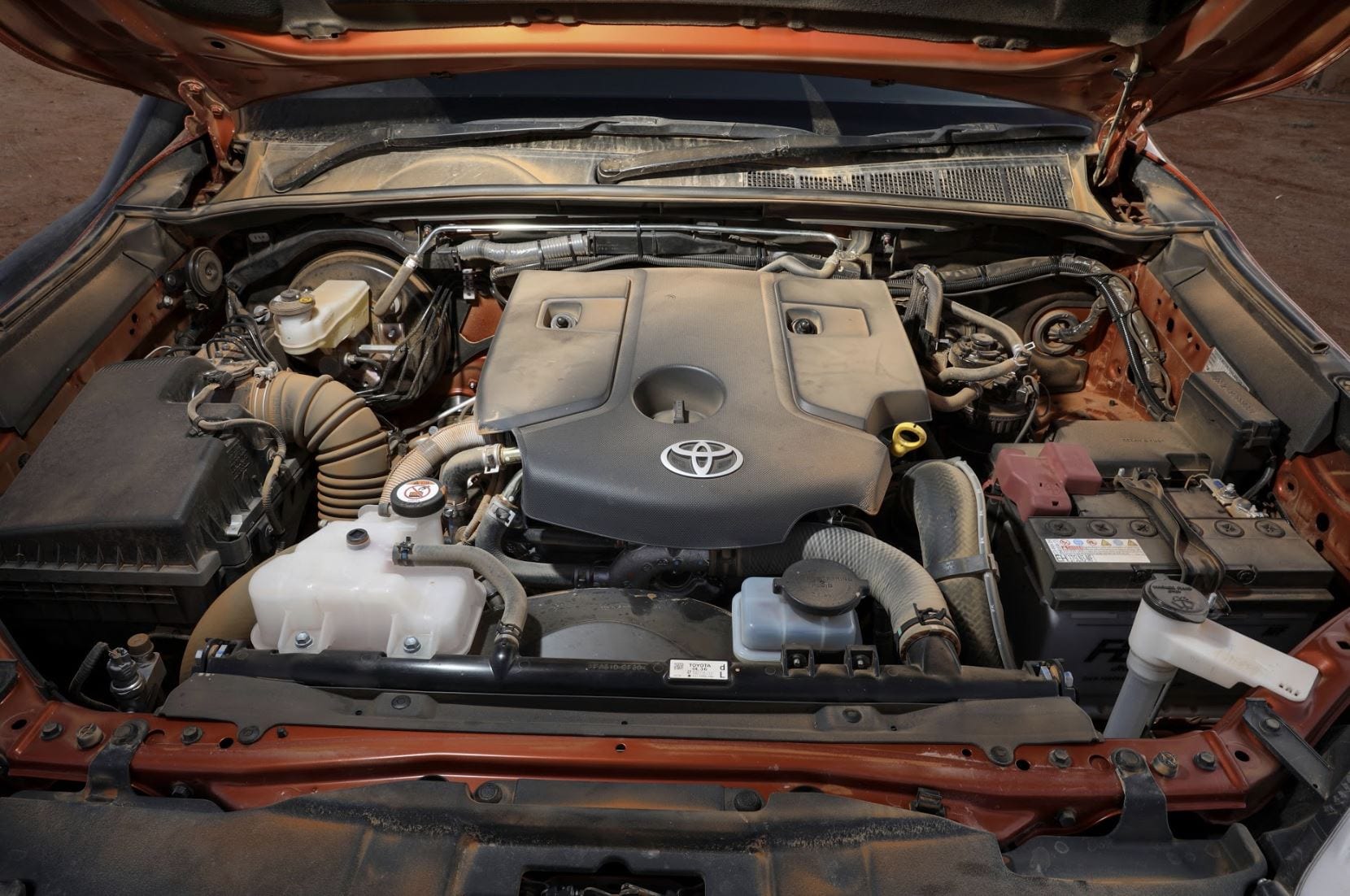
4. Toyota 1GD-FTV 2.8L Turbo Diesel
Toyota’s 1GD-FTV 2.8L turbo diesel is a smaller displacement engine designed for mid-sized trucks and SUVs that tow significant weight. Its steel crankshaft and connecting rods ensure durability under high torque conditions. The pistons are reinforced with steel skirts, providing stability under repeated towing cycles.
This engine emphasizes efficiency while maintaining strength. Steel internals allow higher cylinder pressures without risking damage, which translates to reliable torque delivery during towing. Drivers can rely on consistent performance even on long trips or hilly terrain.
The turbocharged design improves low-end torque, reducing strain on both the engine and transmission. By pairing steel internals with modern turbo technology, Toyota ensures that the engine can handle sustained towing without compromise.
Oil circulation and cooling systems are designed to support heavy-duty operation. The reinforced oil pump and larger radiator reduce heat buildup in the steel components. This ensures consistent performance during prolonged towing and helps extend engine lifespan.
The 1GD-FTV provides a reliable combination of strength, efficiency, and adaptability. Its steel internals allow it to handle mid-sized towing applications confidently, making it a dependable choice for both personal and commercial vehicles.
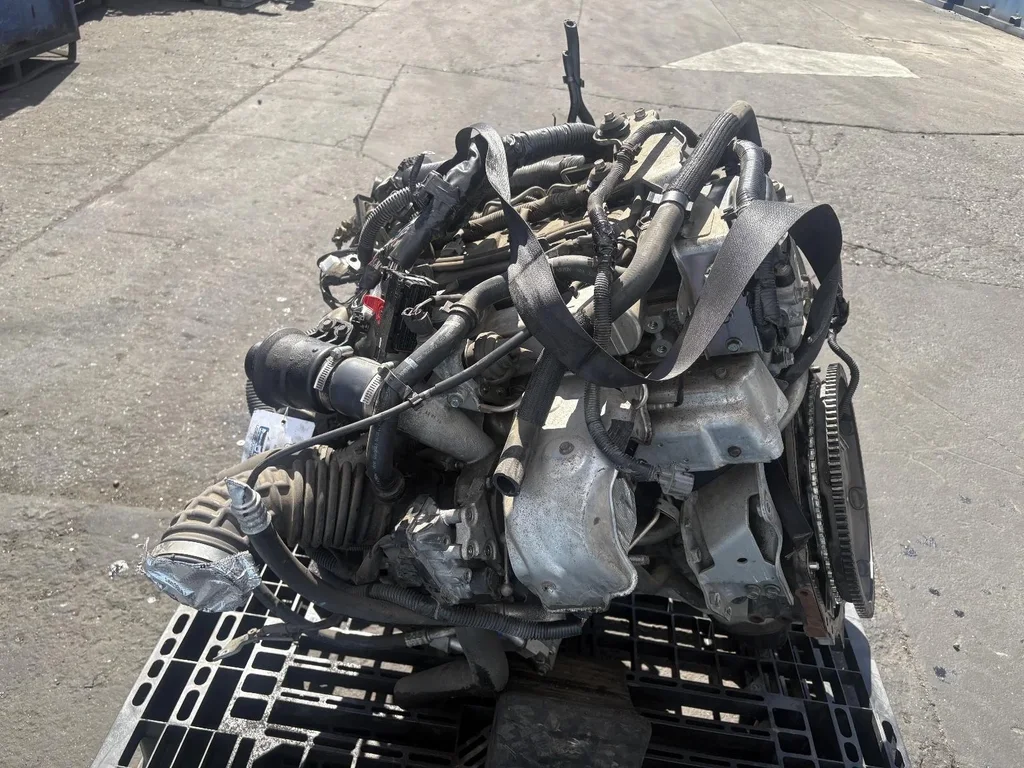
5. Nissan YD25DDTi 2.5L Diesel
The Nissan YD25DDTi 2.5L diesel engine is a durable option for trucks and SUVs that tow moderate loads. Its steel crankshaft and connecting rods provide a strong base for repeated towing stress. The pistons incorporate steel reinforcements to resist heat and wear over long distances.
The engine block is cast iron, which adds rigidity, while the steel internals handle the dynamic loads from turbocharging. This design ensures that the engine remains reliable under consistent towing conditions. Performance remains stable even during extended trips or heavy loads.
Turbocharging enhances torque delivery without overtaxing steel components. By maintaining low-end torque, the engine reduces RPM requirements, which protects internal components from unnecessary stress. This is particularly beneficial for towing trailers over hilly terrain.
Cooling and lubrication are critical for protecting steel internals. High-capacity oil pumps and reinforced cooling passages ensure that heat is efficiently managed. This combination preserves internal integrity and reduces the risk of component fatigue.
Nissan’s YD25DDTi is a solid choice for medium-duty towing applications. Its steel-internal design, combined with turbo efficiency and robust cooling, makes it reliable and capable. Drivers benefit from an engine that balances strength and efficiency for demanding towing tasks.
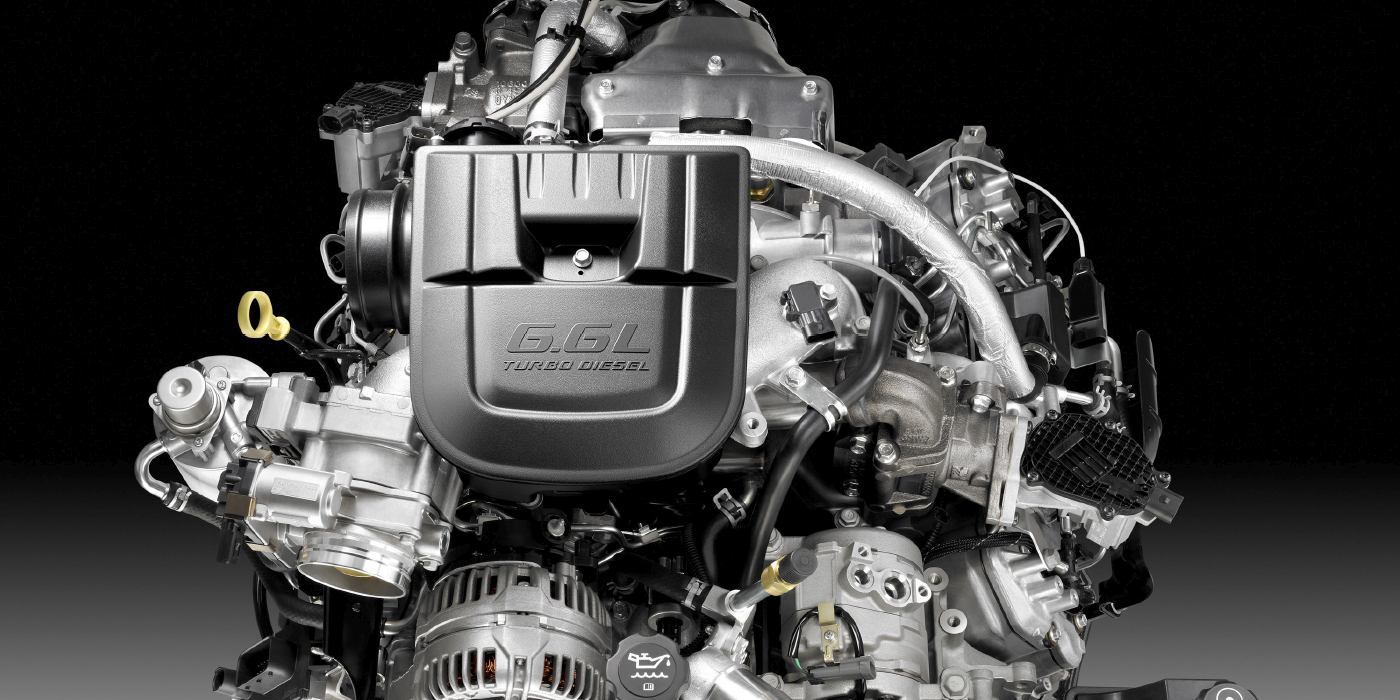
6. GMC Duramax 6.6L LBZ Diesel
The GMC Duramax 6.6L LBZ diesel has earned a reputation for strength and reliability among towing enthusiasts. Its steel crankshaft and connecting rods are forged to withstand extreme torque and repeated towing cycles without risk of fatigue.
The pistons are also reinforced with steel, allowing the engine to maintain compression and efficiency under sustained load. These internal components are critical for maintaining durability in heavy-duty towing scenarios where extended hours of operation are common.
One of the defining features of the LBZ Duramax is its robust fuel injection system. The steel internals provide a foundation capable of handling high-pressure injection without risk of warping or failure.
This means drivers can rely on consistent combustion performance, even when towing large trailers over mountainous terrain. The engine’s design ensures that torque delivery remains smooth, avoiding excessive strain on ancillary components such as the transmission and driveshaft.
Cooling and lubrication systems are tailored to support the steel internals. A high-capacity oil pump circulates oil effectively, while an enlarged radiator keeps temperatures stable under heavy loads.
The steel components resist heat-related deformation, which enhances the engine’s lifespan. This combination allows the LBZ Duramax to maintain consistent performance even during extended towing operations or when operating in hot climates.
Turbocharging enhances the engine’s towing capabilities by providing strong low-end torque. Paired with steel internals, the turbocharged Duramax can handle sudden increases in load without risk of internal stress or premature wear.
Drivers experience dependable performance whether towing a boat, a camper, or commercial equipment. The design prioritizes longevity alongside power, making it a favorite in professional towing applications.
The LBZ Duramax demonstrates how steel-internal construction benefits towing engines. Its reinforced internals, robust cooling, and high-performance turbo system provide confidence for drivers. Trucks equipped with this engine deliver dependable, long-lasting performance, making the LBZ a benchmark for reliability in heavy-duty towing applications.
7. Ford 7.3L V8 Godzilla Gas Engine
Ford’s 7.3L V8 Godzilla gas engine is a modern heavy-duty engine designed for large trucks and commercial towing. Its steel crankshaft, connecting rods, and forged pistons provide exceptional strength under sustained torque.
This engine is capable of handling substantial towing loads without risking deformation or mechanical failure, ensuring consistent performance over extended periods.
The Godzilla V8 is built for durability and long-term reliability. Steel internals allow the engine to tolerate higher compression ratios and increased thermal stress. This makes it suitable for towing large campers, trailers, or work equipment.
The engine’s robust internal design also allows it to handle occasional performance modifications without compromising safety or structural integrity.
Turbocharging is not standard on this engine, but its naturally aspirated design still delivers impressive torque at low RPMs. The steel internals support this torque by maintaining the crankshaft’s alignment and piston stability under load.
Combined with a heavy-duty oiling system and reinforced cooling passages, the engine ensures that steel components do not overheat or wear prematurely.
Ford also engineered the cooling and lubrication system to complement the steel internals. High-volume oil circulation ensures all critical points receive sufficient lubrication, while the radiator and coolant flow keep the engine temperature stable. This prevents heat-induced expansion that could otherwise compromise steel rods, crankshafts, or piston integrity.
The Godzilla 7.3L V8 balances raw torque and durability. Its steel-internal construction allows for long-term reliability under heavy towing, making it a practical choice for commercial vehicles and recreational trucks.
Drivers benefit from an engine designed to endure repeated stress and deliver consistent performance under demanding towing conditions.
8. Mercedes-Benz OM656 3.0L Inline-6 Diesel
The Mercedes-Benz OM656 3.0L inline-six diesel combines modern engineering with reinforced steel internals to achieve towing reliability.
Forged steel crankshafts and connecting rods provide strength and resistance to torsional stress. Steel pistons add stability under high cylinder pressures, ensuring the engine maintains performance even when towing heavy loads over long distances.
Its aluminum alloy block is lightweight yet strong, while the steel internals carry the brunt of towing stresses. This design improves fuel efficiency without sacrificing durability.
Drivers towing trailers or commercial equipment benefit from consistent torque delivery, reduced vibration, and minimal wear on critical components. The steel internals are central to maintaining this balance between efficiency and toughness.
Turbocharging and intercooling systems support the steel internals by providing steady boost at low engine speeds. This reduces engine strain during towing and improves fuel efficiency. By maintaining consistent cylinder pressures, steel internals prevent warping or fatigue, which is especially important in long-duration towing applications.
Mercedes-Benz also engineered its cooling and lubrication systems to complement the reinforced internals. A high-capacity oil pump, oil cooler, and efficient coolant flow maintain stable temperatures, reducing thermal stress on steel rods, pistons, and crankshafts. This ensures the engine can handle continuous heavy-duty towing without losing reliability.
The OM656 demonstrates how steel-internal engineering supports modern diesel performance. Its combination of strength, efficiency, and reliability makes it suitable for SUVs, vans, and commercial vehicles that regularly tow significant loads.
Drivers can count on consistent performance under demanding conditions, making it a strong example of modern steel-reinforced engine design.
9. Isuzu 4JJ1-TCX 3.0L Diesel
The Isuzu 4JJ1-TCX 3.0L diesel engine is a compact yet durable choice for mid-sized towing vehicles. Its steel crankshaft and connecting rods ensure that the engine maintains structural integrity under sustained torque. Steel pistons add an additional layer of protection against heat and wear, allowing consistent towing performance over extended periods.
Its block combines cast iron and reinforced steel internals to handle the stress of repeated towing cycles. This engine is designed for reliability in both commercial and recreational applications.
The steel components reduce the risk of deformation during long hauls or when towing heavier trailers relative to the vehicle size.
Turbocharging improves torque delivery at low RPMs, complementing the steel internals by reducing engine strain during high-load conditions.
This ensures that the engine can tow efficiently without excessive mechanical stress, maintaining alignment and performance under repeated high-torque cycles.
Cooling and lubrication systems are designed to protect steel components from thermal and frictional stress.
High-flow oil pumps, reinforced cooling passages, and durable radiators keep temperatures stable, reducing the risk of premature wear. This allows the 4JJ1-TCX to maintain reliable performance even in hot climates or demanding towing conditions.
The 4JJ1-TCX illustrates the benefits of steel-internal design in smaller engines. Its combination of forged internals, turbo efficiency, and strong cooling ensures that drivers towing medium-weight trailers or equipment experience dependable, long-lasting performance. Steel components provide confidence for daily use and challenging towing environments alike.
10. Volkswagen V6 TDI 3.0L Diesel
The Volkswagen V6 TDI 3.0L diesel engine is engineered for reliability in heavy-duty towing applications. Steel crankshafts and connecting rods form the core of the engine’s durability.
Forged steel pistons ensure the combustion chamber maintains consistent pressure under load, preventing premature wear or deformation during extended towing.
Its aluminum block reduces weight while relying on steel internals to handle mechanical stress. This combination allows for better fuel efficiency without sacrificing durability.
Steel rods and crankshaft resist twisting and bending forces, ensuring consistent torque delivery even when towing large trailers over long distances or challenging terrain.
Turbocharging improves torque at low RPM, helping reduce engine strain and keeping steel components within safe stress limits.
Intercooling systems maintain intake temperatures, which reduces thermal expansion in steel pistons and rods. This preserves structural integrity and allows the engine to perform reliably under heavy towing.
Cooling and lubrication systems are optimized to protect steel internals. High-capacity oil circulation and advanced radiators keep critical components at stable temperatures. This minimizes the risk of heat-induced fatigue, ensuring the engine can endure repeated towing cycles without failure.
The V6 TDI demonstrates how steel internals make modern diesel engines capable and long-lasting. Its combination of strength, efficiency, and thermal resilience provides drivers with reliable towing performance.
Steel components allow it to handle heavy loads consistently, ensuring durability over thousands of miles of demanding use.