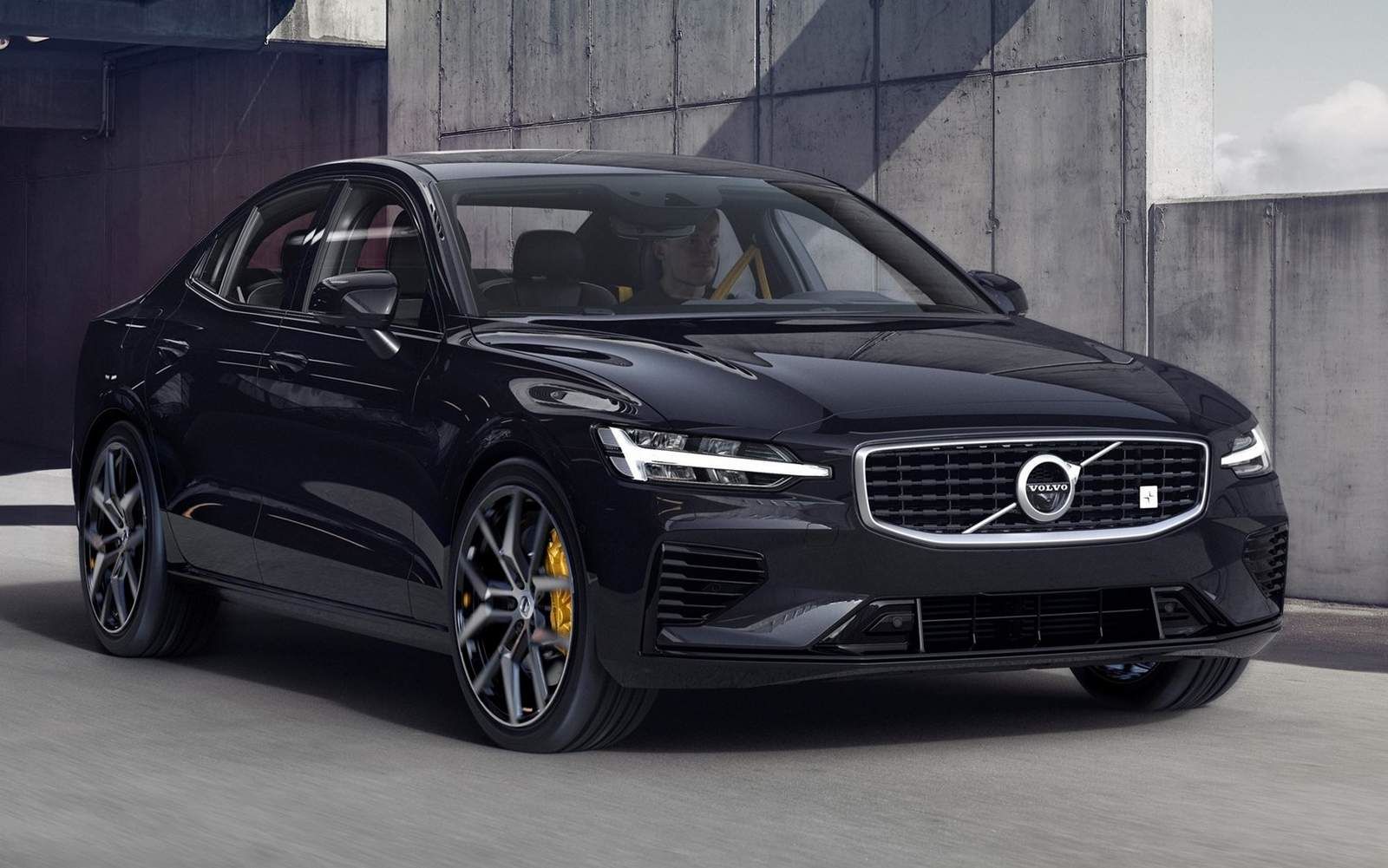
Used luxury cars offer an attractive mix of comfort, status, and performance that many buyers seek without paying the full price of a new vehicle. For years, enthusiasts and value‑minded buyers have looked to the pre‑owned luxury market to find a premium driving experience at a fraction of the cost new cars demand.
A well chosen used luxury car can provide outstanding reliability, long life, excellent features, and strong resale value if properly maintained. However, this market also contains vehicles that can become financial drains due to costly repairs, expensive parts, and complex electronic components.
This article highlights used luxury bargains that are known for their reliability and ownership experience, and contrasts them with models that carry higher financial risk for second‑hand buyers. While luxury vehicles often come with advanced technology and powerful engines that can wear quickly, some brands and models have earned reputations for durable performance and fewer maintenance headaches.
Others have histories of costly repairs, premature electronics failures, or idiosyncratic issues that may result in higher ownership costs than anticipated. Understanding which used luxury cars represent dependable value helps buyers make informed decisions that align with their budget and expectations.
When shopping for a used luxury car, it is important to weigh not only the purchase price but also long‑term maintenance costs, reliability records, and availability of service. A car that seems like a bargain initially may end up costing far more in unexpected repairs and parts replacements.
Conversely, some formerly expensive luxury models become reliable bargains once their early depreciation has occurred, and owners ahead of you have resolved common issues. Cars with a strong service history and regular maintenance are often safer bets in the used luxury segment.
Researching typical problem areas, owner reviews, and reliability ratings from independent sources can reveal patterns that help steer you toward sensible choices. It also pays to have a professional pre‑purchase inspection before investing in any used vehicle. Such inspections can uncover hidden issues that might not show up during a test drive but could become expensive problems later.
In this comparison, reliable used luxury bargains are models known for their mechanical durability and lower cost of ownership given their premium features. These are contrasted with luxury vehicles that often present financial risk because of expensive repairs, notorious reliability issues, or complex components that fail frequently.
By understanding the characteristics of both groups, buyers can avoid surprises and choose cars that deliver enjoyment and peace of mind. Whether you seek comfort, performance, or prestige, knowing which used luxury cars offer dependable value can save thousands of dollars and ensure many years of satisfying ownership.
5 Used Luxury Bargains Cars That Are Reliable
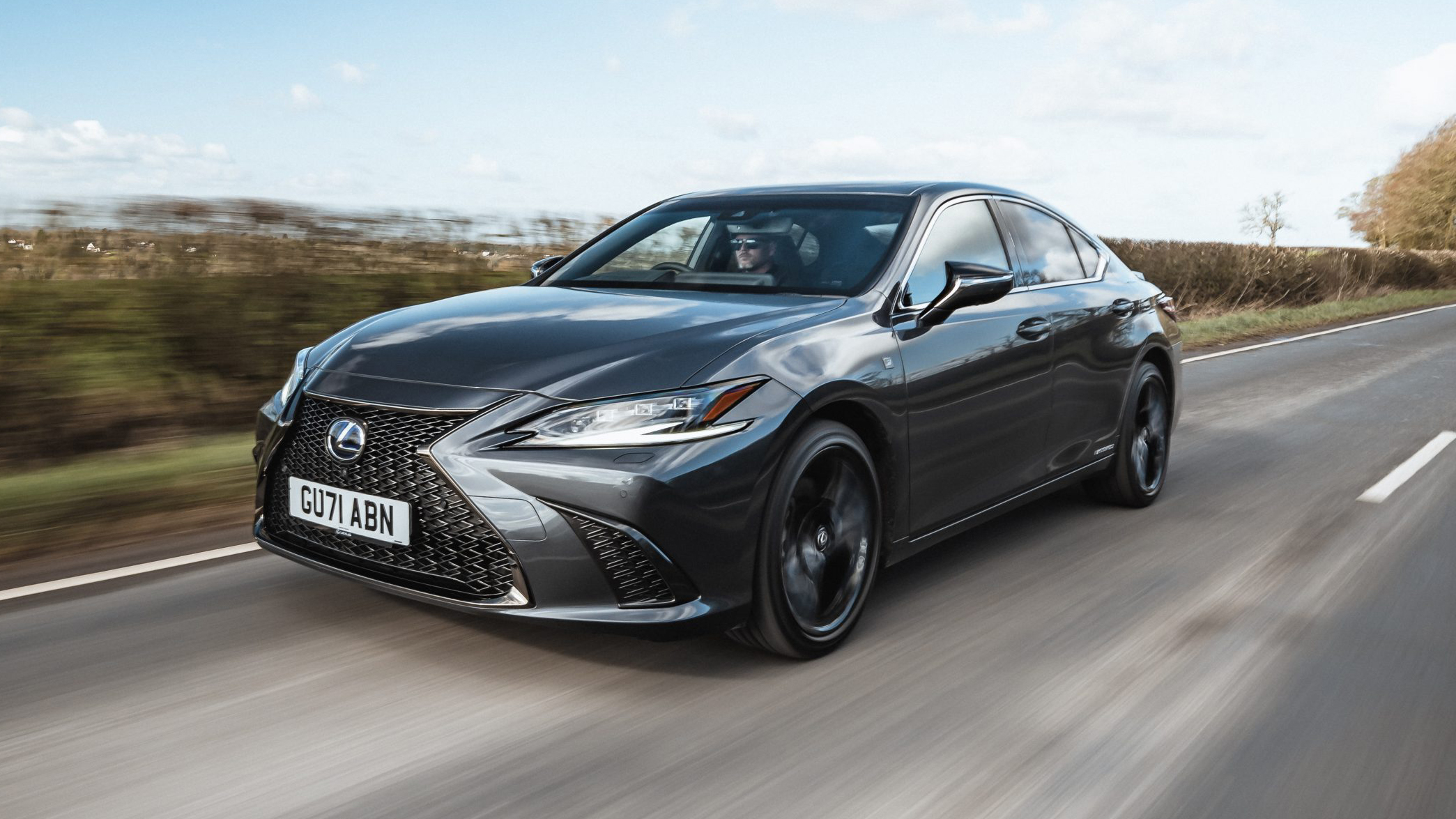
1. Lexus ES
The Lexus ES has built a reputation for dependable performance and strong resale values over many model generations. Its refined V6 engine and smooth automatic transmission are known to last well beyond 200,000 miles with minimal issues.
Interior comfort and fit quality are consistently praised, and parts, while premium, are generally affordable compared to competitors. Owners often report few major repairs due to the conservative engineering and focus on reliability over high‑strung performance.
This sedan’s suspension tuning favors comfort over aggressive handling, making it ideal for daily commuting and long trips. The cabin materials age well and show less wear compared to similar luxury cars. Toyota’s underlying platform and shared components with mainstream models help keep maintenance costs reasonable.
The Lexus safety systems and build quality contribute to the car’s long life and owner satisfaction. Many used buyers find the ES to be a cost‑effective gateway into luxury without typical headaches.
Routine maintenance is straightforward and widely supported by independent mechanics familiar with Toyota and Lexus vehicles. Timing chain systems in recent ES models negate costly belt replacements at high mileage. Fuel economy remains competitive for its class, and hybrid versions further boost running cost savings.
When shopping used, focusing on models with documented service history enhances confidence. Buyers seeking a comfortable, low‑stress luxury experience often find the ES a standout.
In terms of technology, the ES may lag a bit behind more performance‑oriented rivals in entertainment interfaces, but its durability makes up for any perceived lack of cutting‑edge features. Infotainment usability varies across model years, yet core reliability remains strong.
The balance of comfort, longevity, and resale results in a vehicle that resists depreciation better than many peers. This balance secures its place on the list of reliable used luxury bargains.
Mechanically simple compared to sportier alternatives, the ES avoids complex all‑wheel drive systems and high‑output engines that can drive up repair costs. While not the choice for thrill‑seekers, it stands out for buyers focused on predictable ownership. With a solid track record, the Lexus ES exemplifies how used luxury can blend everyday practicality with premium appeal. Its reputation among used buyers remains one of the strongest in the segment.
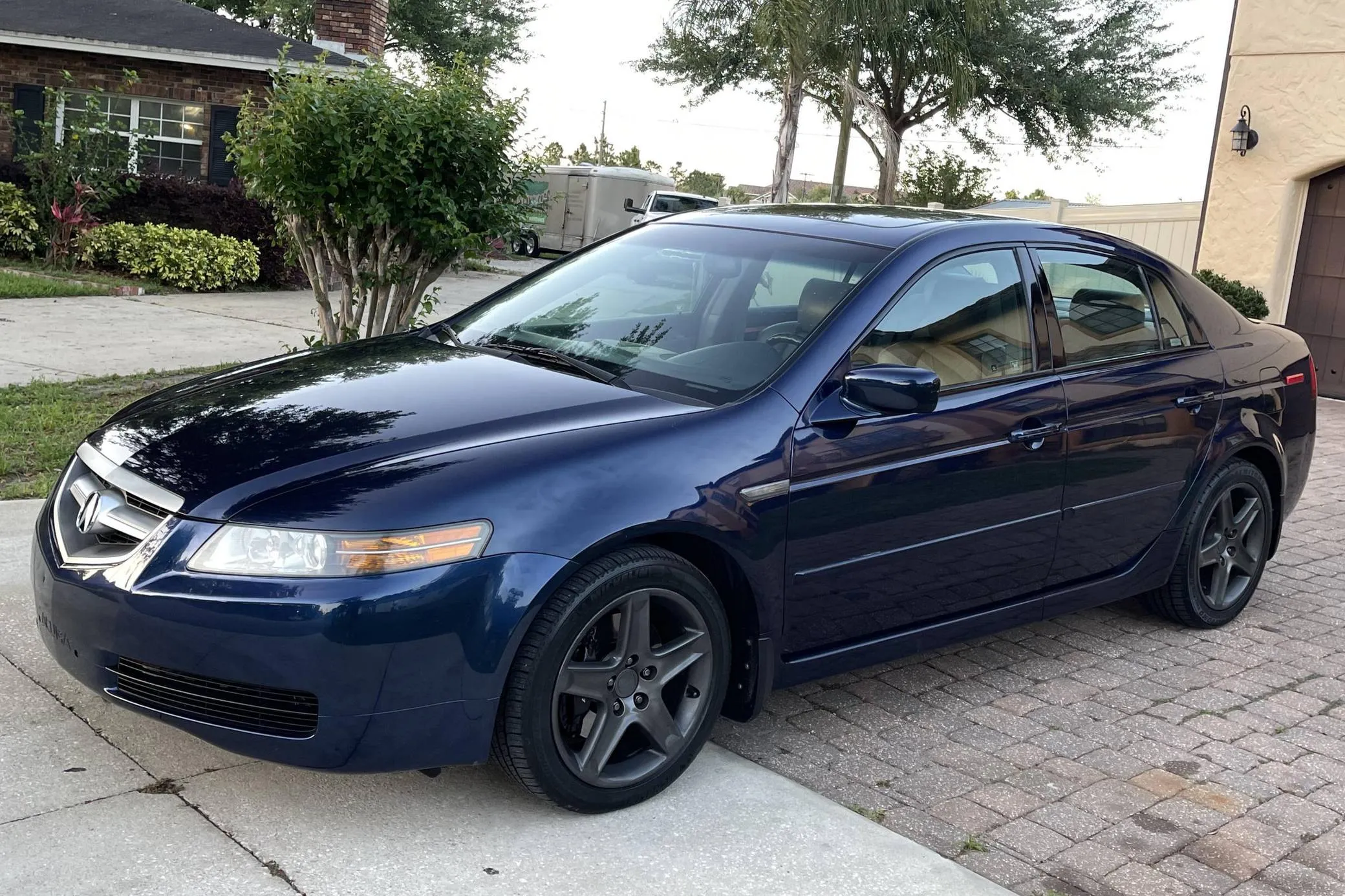
2. Acura TL
The Acura TL, especially models from the mid‑2000s through the early 2010s, is often remembered for offering strong performance and reliability. The V6 engines paired with smooth automatics provide a satisfying driving feel without frequent mechanical issues.
Acura’s engineering emphasis on durability and long service life helps the TL maintain a solid reputation among used luxury sedans. Buyers report that proper maintenance keeps these cars running smoothly well past typical ownership cycles.
Interior quality in the TL may not rival higher luxury brands, but it remains comfortable and well‑built for its price point. Controls and gauges are straightforward, reducing the potential for early electronics failures.
Many TLs came with features like leather seats and premium sound systems that elevate the experience without adding excessive maintenance complications. These contribute to the sedan’s appeal as a reliable used choice.
Parts availability and independent service expertise for Acura vehicles help keep ownership costs in check. The brand shares many components with Honda vehicles, which are known for reliability and widespread service support.
Timing belt intervals and other scheduled services are predictable, and major engine failures are uncommon when services are performed on time. For buyers balancing budget and luxury features, the TL presents a strong proposition.
Performance variants like the TL Type‑S offer upgraded suspension and handling elements, yet still hold up mechanically with proper care. Enthusiasts appreciate the blend of sportiness and longevity, making these models sought after in the used market. The reliability record, coupled with relatively low prices, fuel efficiency, and everyday usability, secure the TL’s standing as a dependable luxury bargain.
Used Acura TL models with higher mileage should still be evaluated for service records and any signs of neglect. However, well‑maintained examples often go for attractive prices while delivering years of trouble‑free driving. These factors make the TL a compelling choice for buyers looking to enter the luxury segment without absorbing high ownership costs.
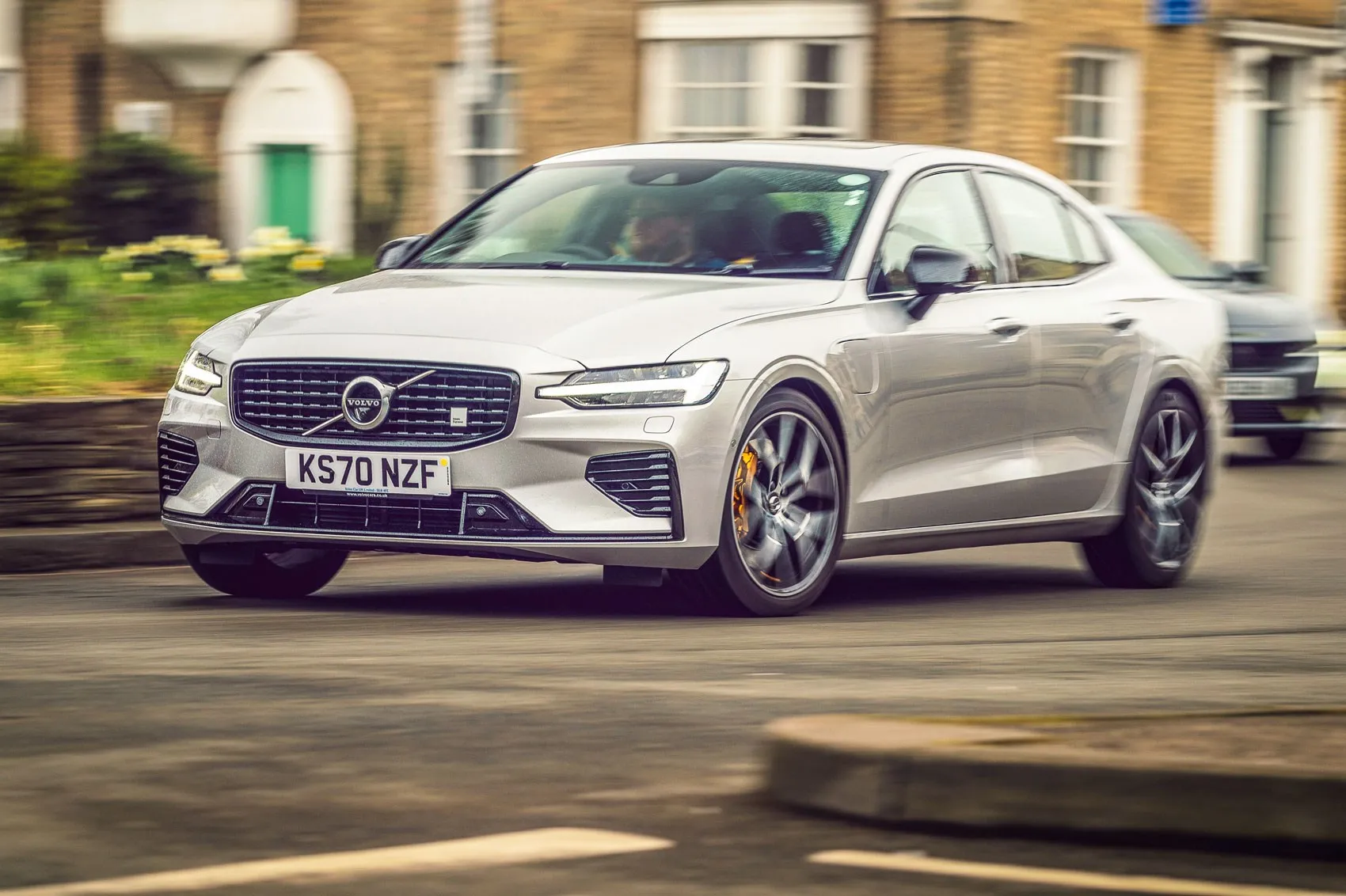
3. Volvo S60 (2.5T and 3.2)
The Volvo S60 stands out for combining Scandinavian design with strong safety credentials and commendable reliability in certain model ranges. Variants equipped with the 2.5T turbocharged engine and 3.2 naturally aspirated engine provide tuned power levels that balance longevity with performance.
Regular maintenance and attentive ownership help these engines endure high mileage with steady performance. Volvo’s commitment to safety also extends to durable construction and robust chassis components.
Inside, the S60 offers comfortable seats and a driver‑focused layout that ages well over time. Unlike luxury rivals burdened by complicated electronics, the early S60 models keep infotainment and climate controls intuitive and less prone to failure. The paint and interior materials generally hold up well, contributing to owner satisfaction. Reliability ratings for specific S60 model years frequently outpace expectations for its class.
Independent Volvo specialists and mainstream mechanics familiar with European cars can assist with routine maintenance, keeping costs from escalating. The timing belt replacement intervals and other services are known and predictable, reducing the risk of unexpected failures.
Components such as brakes and suspension parts have reasonable lifespans when cared for. For budget‑minded luxury buyers, the S60’s mix of comfort, safety, and resilience makes it a worthy choice.
Fuel economy for the 2.5T and 3.2 engines remains competitive for mid‑size luxury sedans and contributes to lower operational costs. The S60’s suspension offers a refined ride that suits both highway cruising and spirited driving without compromising reliability.
Volvo’s long service intervals and simplified turbo systems in these engines help extend service life. Prospective buyers often find excellent value in this model due to depreciation lowering purchase prices while retaining strong core attributes.
When selecting a used S60, prioritizing versions with thorough service histories and without neglected timing belt changes improves long‑term ownership prospects. Models with clear maintenance records typically deliver dependable performance for many years. This combination of durable engineering and thoughtful design earns the S60 its place as a reliable used luxury bargain.
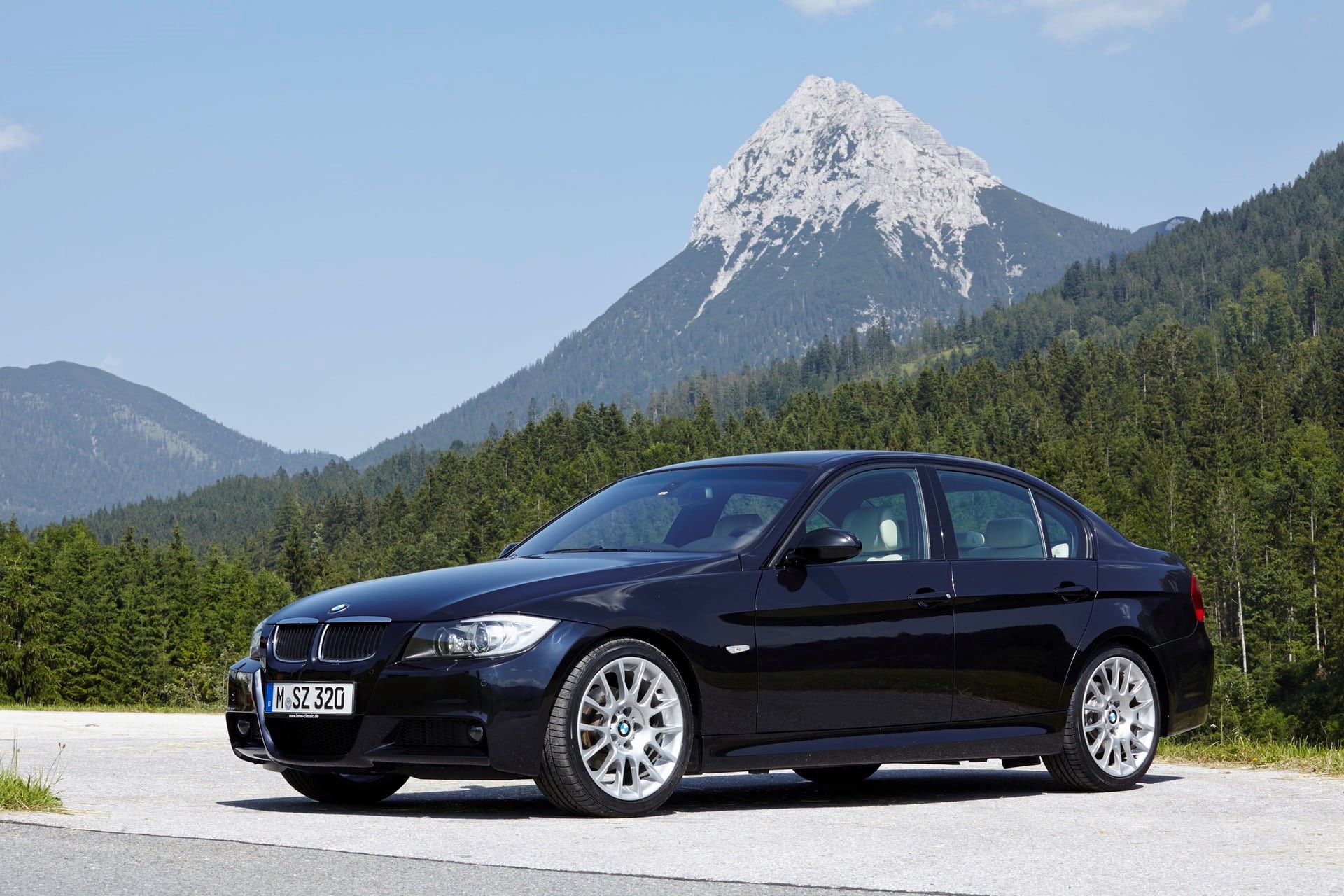
4. BMW 3 Series (E90 325i/328i)
The BMW 3 Series, particularly the E90 generation with the 325i and 328i, offers a balance of performance and reliability when maintained properly. These engines, known for their smooth power delivery and solid engineering, can provide many miles of dependable use.
Routine oil changes and maintenance are key to longevity, but major failures are less common than in later turbocharged generations. Enthusiasts and used buyers appreciate the classic driving dynamics paired with reasonable reliability.
Interior components in these models are built to last, and while they show age, they do not often fail prematurely when cared for. The chassis design and suspension components handle well and contribute to a rewarding driving feel. The E90’s reputation stems from its balance of mechanical simplicity and engaging performance without overly complex systems that drive up repair costs. Regular safety and brake services keep ownership experience stable and predictable.
Parts availability for these BMW models remains strong due to the popularity of the 3 Series and the number of vehicles on the road. Independent European specialists can perform services at a fraction of dealership pricing, helping keep ownership costs reasonable. Many replacement parts such as filters, brakes, and wear items are sourced competitively. This accessibility reduces expenditure compared to other luxury cars.
Fuel economy and engine reliability for the naturally aspirated variants like the 325i support long‑term use without excessive expense. While turbocharged engines from later generations show more complexity, the earlier NA engines provide a straightforward experience. Provided that timing chain and fuel system maintenance schedules are adhered to, owners frequently report trouble‑free operation well beyond 100,000 miles.
The E90 3 Series with certain engine codes remains a sought‑after used luxury sedan because it blends driver appeal with a reliability profile that rewards attentive maintenance. Buyers who verify service records and avoid models with known neglect often find these cars excellent long‑term value.
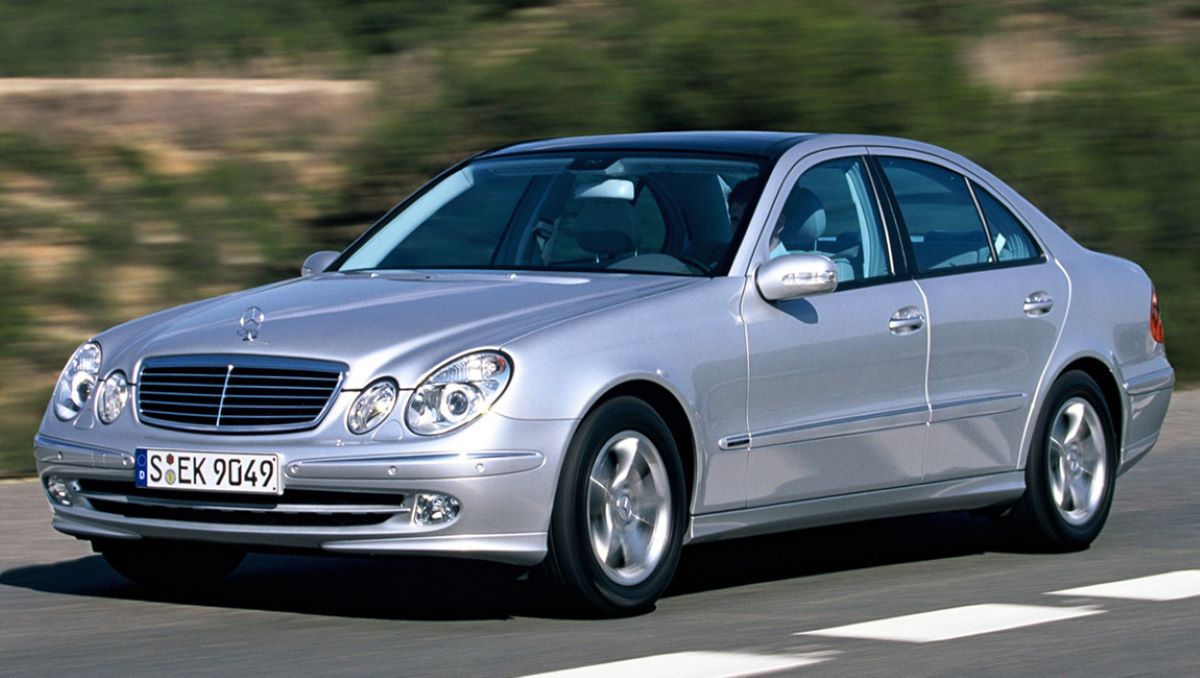
5. Mercedes‑Benz E‑Class (W211 with V6)
The Mercedes‑Benz E‑Class W211 equipped with the V6 engine is often cited as a used luxury sedan that balances comfort with reasonable reliability. Unlike some high‑end variants with complex electronic systems and high‑output engines, the V6 versions provide smooth power levels without pushing components to extremes.
The W211’s engineering supports long service life when maintained at recommended intervals. Buyers value the stability and ride quality these models deliver over many road conditions.
Interior refinement and build quality in the E‑Class remain strong even with age, and materials usually show fewer signs of deterioration. Controls are logically arranged, and key systems such as climate control and suspension tend to operate without frequent faults when serviced properly.
The highway comfort and coupe‑like ride help keep these sedans competitive among used luxury options. Mercedes‑Benz’s heritage of build quality plays a role in the W211’s continued appeal.
Independent mechanics accustomed to Mercedes vehicles can conduct routine services, reducing costs compared to dealership work. This includes oil changes, brake service, and suspension maintenance, which are common and necessary for longevity. While advanced systems like air suspension on some trims can be expensive, limiting choices to conventional suspension models minimizes risk. A properly maintained W211 V6 sedan can exceed 200,000 miles of trouble‑free use.
Fuel economy for these V6 engines is reasonable for the segment, and ownership costs tend to be acceptable compared to larger or more exotic Mercedes variants. Timing chains and engine internals are known to hold up well when oil change intervals are observed.
Depreciation also favors buyers by lowering purchase prices significantly relative to newer luxury cars. This makes quality examples affordable while maintaining core attributes buyers expect.
Used buyers should still verify service records and inspect for signs of neglected maintenance. Yet this E‑Class remains a compelling choice for those seeking traditional Mercedes‑Benz comfort, strong reliability, and premium presence at a used price point that many can justify.
5 Used Luxury Cars That Are Financial Risks

1. Jaguar XJ (X350/X358)
The Jaguar XJ, especially the X350 and X358 generations, presents a luxury aesthetic and refined ride that captivates many buyers. However, these models often carry significant financial risk due to complex electronics and costly parts. Electrical gremlins affecting windows, climate control, and infotainment systems are widely reported. Repair costs for these systems can climb quickly and require specialized diagnostic time.
The air suspension systems on many Jaguar sedans from these years also pose concerns for used owners. Once they fail, parts and labor costs for replacing the pneumatic struts and compressors are expensive. These suspension problems sometimes occur prematurely, leading to steep repair bills. Even with careful ownership, the advanced systems challenge independent mechanics who may lack specific training.
Engine reliability on the V8 variants can be acceptable, yet maintenance costs remain higher than average. Timing chain issues and sensitive cooling components contribute to risk if not addressed early. Resale value tends to decline sharply for vehicles with documented electrical or suspension history. Buyers must budget for unexpected repairs that can negate the initial bargain price.
Parts availability for some Jaguar models lags compared to Japanese and German rivals. This scarcity increases the price of replacement components and extends repair times. Non‑routine maintenance and deep electrical diagnostics add up quickly. For those seeking worry‑free ownership, the Jaguar XJ often fails to deliver when set against more reliable alternatives.
Investing in one of these models requires thorough inspection and a willingness to absorb potential repair costs. Without extensive service records and assurances of recent major part replacements, the XJ remains a major financial risk in the used luxury segment.
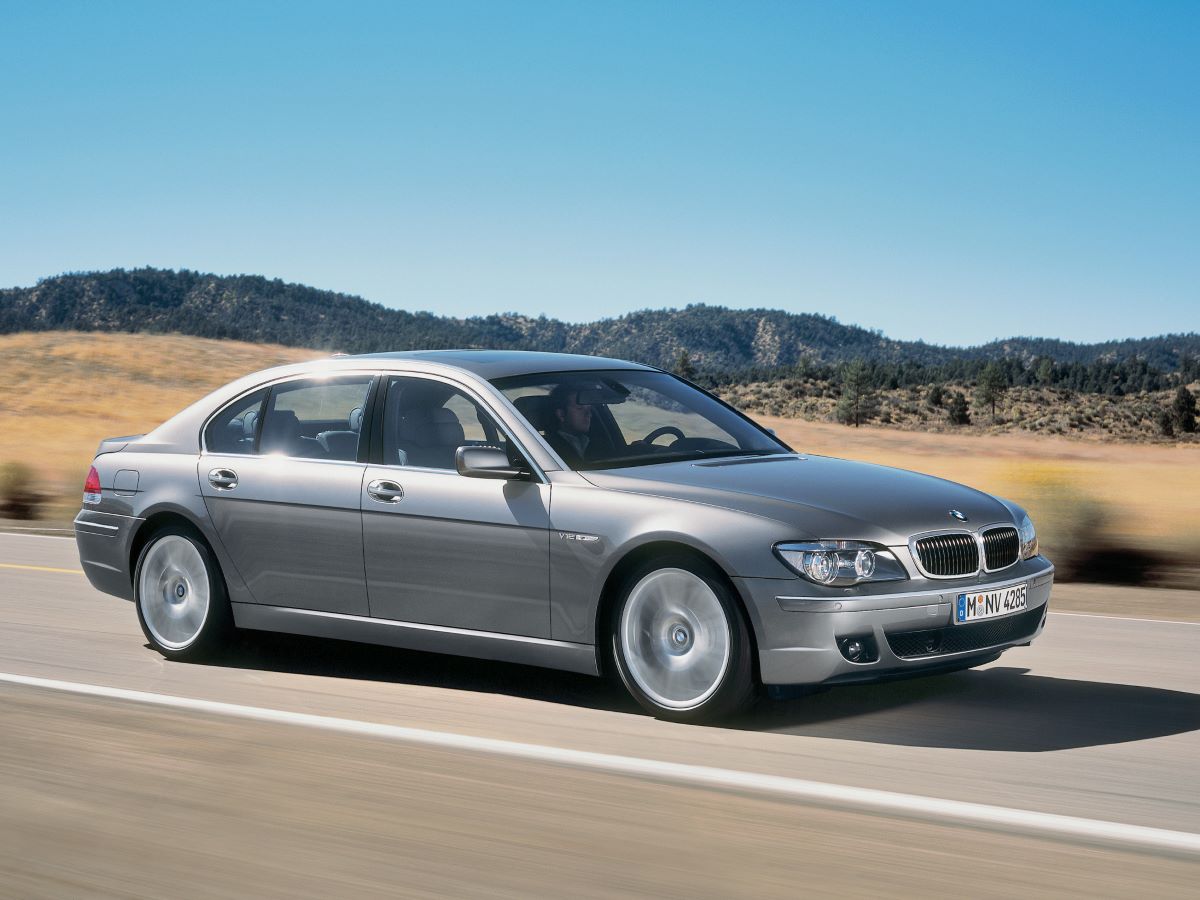
2. BMW 7 Series (E65/E66)
The BMW 7 Series from the E65/E66 generation epitomizes flagship luxury with advanced technology and cutting‑edge electronics. Yet these very systems contribute to frequent failures that make ownership costly.
The iDrive system in early versions was notorious for glitches and required expensive repairs as components aged. Electrical modules controlling lights, seats, and entertainment systems also tend to malfunction over time.
Engine performance and smoothness remain highlights, but the complexity of the drivetrain and auxiliary systems adds financial strain. Air suspension, active ride control, and numerous sensors can fail unpredictably. Repairing these systems often involves specialized tools and expertise, which increases labor costs. Independent shops capable of handling complex BMW systems are less common than those for simpler cars.
Transmission issues occasionally surface in used 7 Series models, especially when maintenance history is unclear. A failure in the transmission control unit or mechanical internals can lead to repair costs that exceed the value of the vehicle itself. Fluid service intervals and proper care mitigate some risk, yet the potential for major cost remains.
Parts costs for BMW flagship models historically exceed those of smaller BMWs, and combined with high labor rates at dealerships, the financial equation becomes challenging. Resale value tends to be low, reflecting buyer awareness of these risks. Prospective owners often face a decision between premium luxury and potential repair bills.
For these reasons, the E65/E66 7 Series often represents a financial risk that deters many used buyers. Only those with extensive mechanical expertise or deep pockets for maintenance should consider these models.
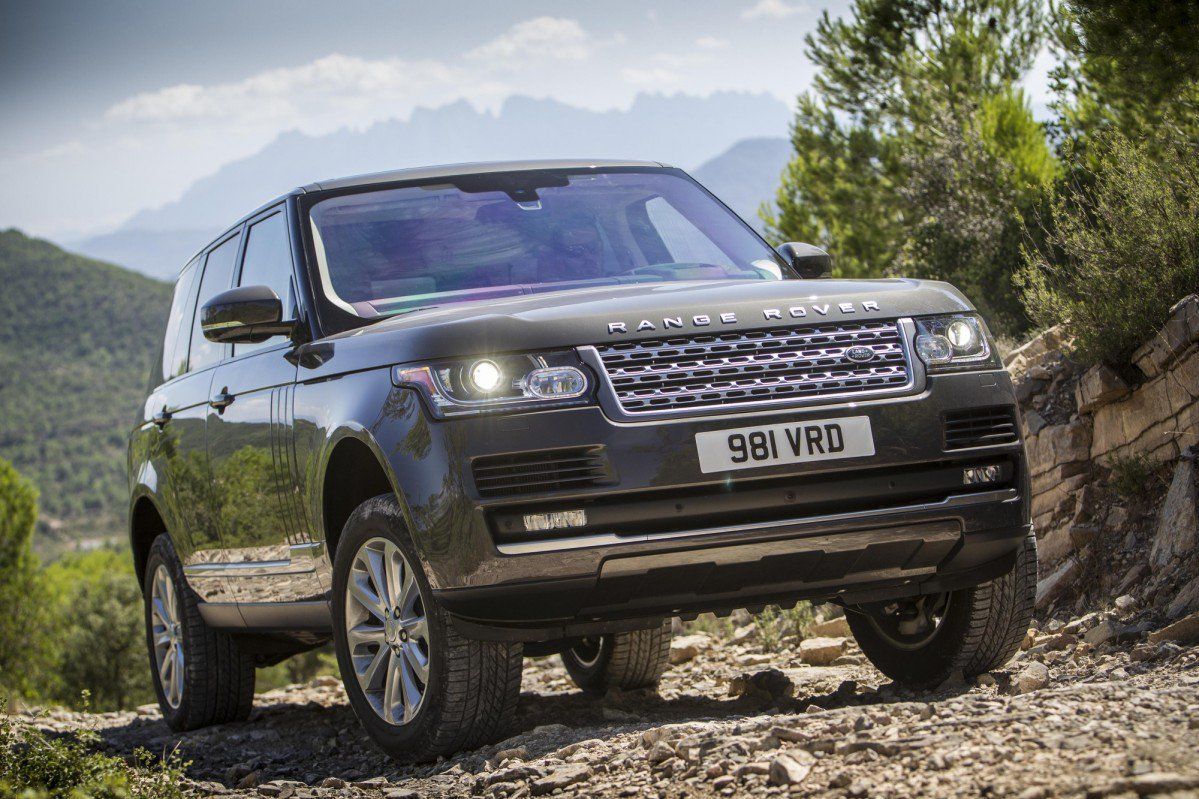
3. Land Rover Range Rover
The early Land Rover Range Rover L322 generation delivers a commanding presence and off‑road capability that impress many buyers. Unfortunately, reliability concerns and costly repair trends make these SUVs risky on the used market.
Electrical issues affect everything from instrument clusters to door modules, and resolving them often requires dealer‑level diagnostics and expense. Complex onboard computers and legacy wiring problems compound this challenge.
Air suspension failures are a common theme with Range Rovers from this era, leading to repair costs that often exceed $1,000 per corner. The height sensors, compressors, and struts are all points of failure as the vehicle ages. Suspension issues also affect ride quality and safety when not promptly addressed. Independent mechanics sometimes avoid Land Rover diagnostics due to system complexity.
Drivetrain issues, including transfer case and transmission faults, also pose financial burdens. These components are costly to replace and may require extended shop time. Cooling system failures and oil leaks also show up frequently, meaning parts and labor accumulate quickly. An SUV that once seemed like a bargain can become a financial headache in short order.
Parts for Land Rover models remain uncommon in many areas, driving up wait times and costs. Additionally, service technicians with proper training are less plentiful than for mainstream brands. This dynamic increases labor rates and repair timelines. A thorough inspection often uncovers multiple issues that aggregate into large bills.
For buyers without deep pockets or mechanical experience, the early L322 Range Rover represents a used luxury risk rather than a reliable bargain. The initial appeal of capability and comfort is overshadowed by potential ownership costs that escalate rapidly.
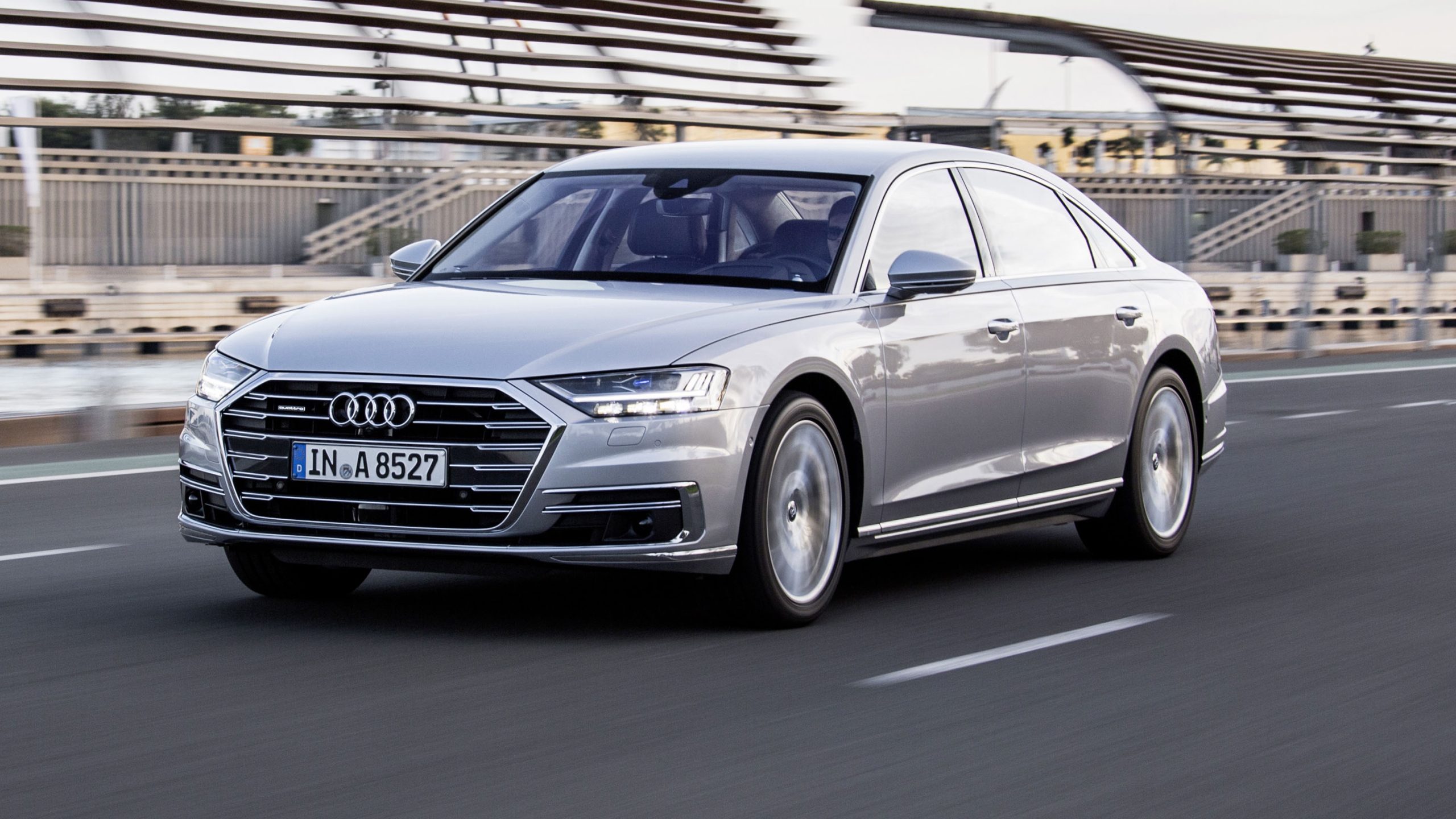
4. Audi A8 (D3/D4)
The Audi A8 from D3 and D4 generations combines sophistication with advanced technology and quattro all‑wheel drive. Sadly, these strengths also become weaknesses on the used market.
Complex electrical systems, active suspension components, and cutting‑edge infotainment modules frequently malfunction. Diagnostics and repair work often require specialized Audi tools that many independent shops lack.
The air suspension system adds to the potential for costly repairs, particularly as the vehicle ages. Replacement air springs and compressors are expensive, and labor hours accumulate quickly when servicing. The all‑wheel drive system and associated electronics also add layers of complexity that extend repair times and increase costs. Even routine maintenance often involves premium parts that drive up service bills.
Engine reliability varies with model and maintenance history. Turbocharged V8 engines offer strong performance but respond poorly to neglect. Issues like carbon buildup and turbocharger wear can become expensive to address if service intervals are not strictly followed. Audi’s complex cooling systems also present points of potential failure.
Repair cost trends for these A8 models show higher than average ownership expenses compared to rivals. Independent shops capable of handling Audi’s advanced systems are fewer, and dealerships often charge premium rates. This dynamic increases total cost of ownership, meaning initial purchase savings are offset by inevitable maintenance bills.
For used buyers seeking predictability and affordability, these A8 generations often fail the test. The combination of advanced features and frequent expensive repairs places them firmly in the financial risk category.
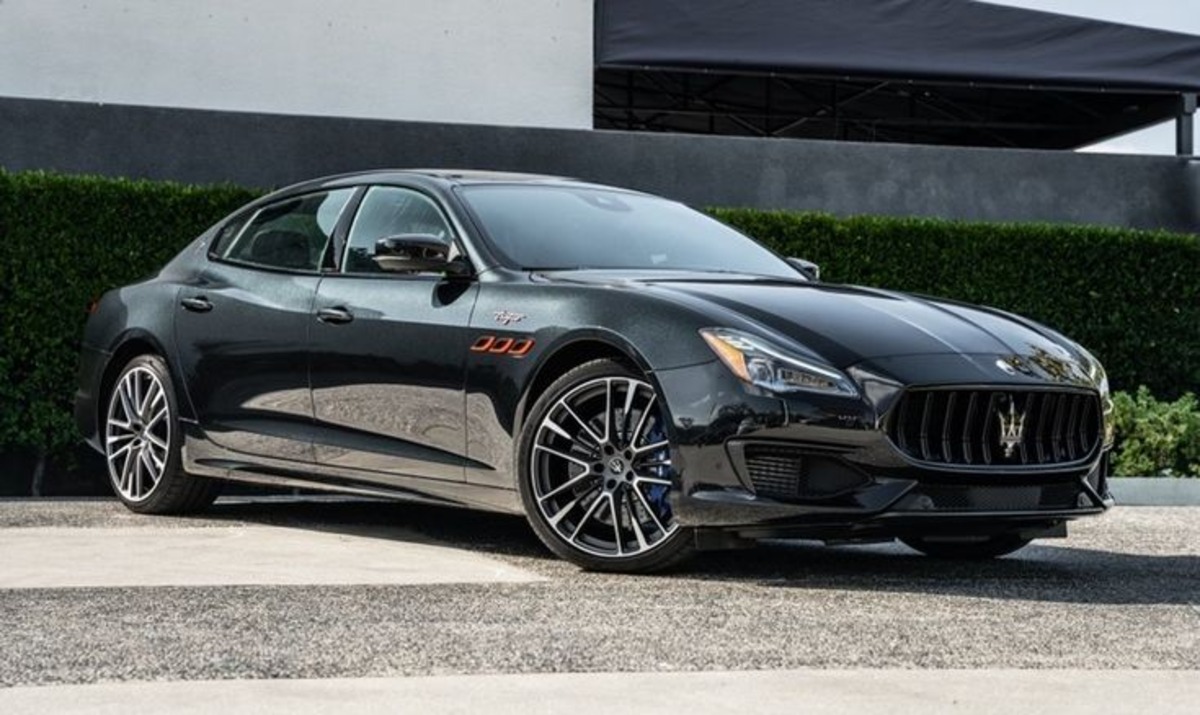
5. Maserati Quattroporte
The early Maserati Quattroporte M139 generation brings Italian styling, aggressive performance, and exclusivity that many buyers desire. However, these attributes come with historically high ownership costs and reliability concerns. Engines and transmissions require careful maintenance to avoid expensive failures. Components such as electronics, sensors, and mechanical parts often carry premium price tags for replacement.
Sedans from this era can suffer from electrical gremlins affecting comfort and functional features. Complex climate control systems, window regulators, and infotainment modules are known to malfunction. These issues demand specialist diagnostic time and replacement parts that are uncommon and costly. While the driving experience can be thrilling, day‑to‑day ownership may become burdensome.
The suspension and brake systems on these performance sedans are tuned for sportiness, yet wear quickly and carry high replacement costs. Brake rotors, calipers, and performance tires add to maintenance expenses, and Maserati’s limited parts network heightens costs further. Independent mechanics with the right expertise are not plentiful, and dealership rates can be steep.
Resale values for older Quattroporte models tend to reflect the financial risk buyers face. Steep depreciation partially offset high purchase prices, but only after significant ownership cost burdens. A car that seems affordable initially can quickly become a money pit once repairs and specialized services accumulate.
Potential buyers should proceed cautiously and factor in the likelihood of non‑routine expenses. Without extensive maintenance history and assurances of recent part replacements, these Maserati sedans remain financial risks rather than bargains.