
Driving at night in the United States presents a very different challenge compared to daytime travel. Even on well maintained highways, visibility drops dramatically after sunset, and drivers must rely heavily on their vehicle’s lighting technology to safely detect road signs, lane markings, pedestrians, wildlife, and unexpected obstacles.
This is why headlight performance has quietly become one of the most important safety factors in modern vehicles, even though it is often overlooked during the buying process.
Over the past decade, automotive lighting technology has evolved rapidly. Traditional halogen headlights, once considered standard, have gradually been replaced by LED, adaptive LED, matrix LED, and laser assisted lighting systems.
These newer technologies are not just brighter. They are smarter, more precise, and designed to reduce glare while maximizing forward visibility. The best systems can even adjust their beam pattern dynamically depending on speed, steering angle, traffic, and weather conditions.
Organizations like the Insurance Institute for Highway Safety have also pushed automakers to improve headlight performance by including nighttime visibility in safety ratings.
This has forced manufacturers to rethink how headlights are designed, moving beyond simple brightness and focusing instead on beam spread, color temperature, distance illumination, and glare control. A good headlight system is not simply powerful. It must be controlled and predictable.
Some vehicles stand out because they treat lighting as part of their core engineering rather than a decorative feature.
These vehicles often include adaptive high beam assistance, cornering lights, automatic leveling, and camera based beam shaping. The result is less eye strain, better reaction time, and increased driver confidence during long night drives.
Another important factor is how headlights interact with real world conditions. Rural highways, poorly lit suburban roads, rain soaked pavement, and reflective construction zones all create unique visibility challenges.
The vehicles that perform best at night are those that maintain clarity without washing out contrast or creating excessive glare that can actually reduce usable vision.
Luxury brands were once the only ones investing heavily in advanced lighting, but today even mainstream vehicles are incorporating sophisticated headlight systems.
This has created a wider range of choices for buyers who prioritize nighttime safety. Some automakers even design their lighting to mimic daylight color tones to reduce fatigue during extended driving sessions.
Also Read: 5 Hybrids With Simple Cooling Systems vs 5 With Complex Maintenance
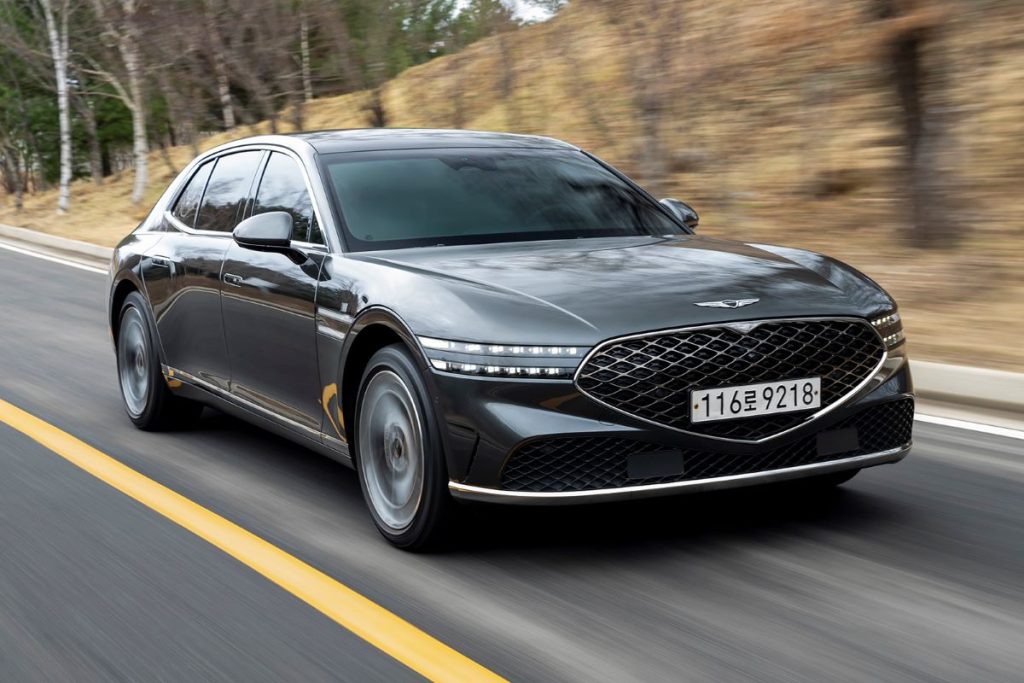
1. Genesis G90
When Genesis developed the G90, the company approached lighting as a luxury safety feature rather than just a styling signature. The sedan’s Micro Lens Array LED headlight system demonstrates how precision engineering can dramatically improve nighttime driving confidence without overwhelming other road users.
Instead of relying purely on intensity, Genesis focused on beam accuracy. The system uses multiple small optical lenses to distribute light evenly across the road surface.
This creates a wide and consistent illumination pattern that helps drivers better distinguish objects at varying distances. The result is a calmer and more natural viewing experience rather than the harsh brightness often associated with powerful LEDs.
Another advantage comes from the adaptive driving beam technology. The system actively monitors surrounding traffic and automatically adjusts sections of the high beam to prevent glare for oncoming vehicles.
Instead of switching completely between high and low beams, it selectively dims certain zones while keeping other areas brightly illuminated. This allows drivers to maintain maximum forward visibility without constant manual adjustment.
The color temperature of the G90’s headlights also plays a role in clarity. Genesis tuned the lighting to produce a crisp white tone that closely resembles daylight. This helps reduce visual fatigue during long drives and makes road markings easier to identify compared to the yellowish output of older halogen systems.
Genesis also invested in improving how the headlights perform during cornering situations. As the steering wheel turns, the light pattern subtly shifts to illuminate the direction of travel. This is especially helpful on dark rural roads where curves may otherwise remain hidden until the last moment.
The engineering team also paid attention to vibration control. Many vehicles lose lighting effectiveness because of minor body vibrations that slightly disrupt beam focus. The G90 uses rigid mounting structures to maintain beam stability even on rough pavement, which helps preserve consistent visibility.
Weather performance is another strong point. The headlights are designed to minimize light scatter during rain and fog conditions.
By controlling how the beam interacts with moisture in the air, the system maintains better contrast and prevents the washed out effect that can occur with overly bright but poorly controlled lights.
Owners often report that one unexpected benefit is reduced stress during night driving. With more predictable illumination and fewer dark gaps in the beam pattern, drivers spend less time second guessing what lies ahead. That psychological benefit is just as important as the technical improvements.
The Genesis G90 proves that excellent nighttime visibility comes from thoughtful engineering rather than simply increasing brightness. By combining precision optics, intelligent beam control, and real world usability testing, it delivers one of the most refined nighttime driving experiences available today.
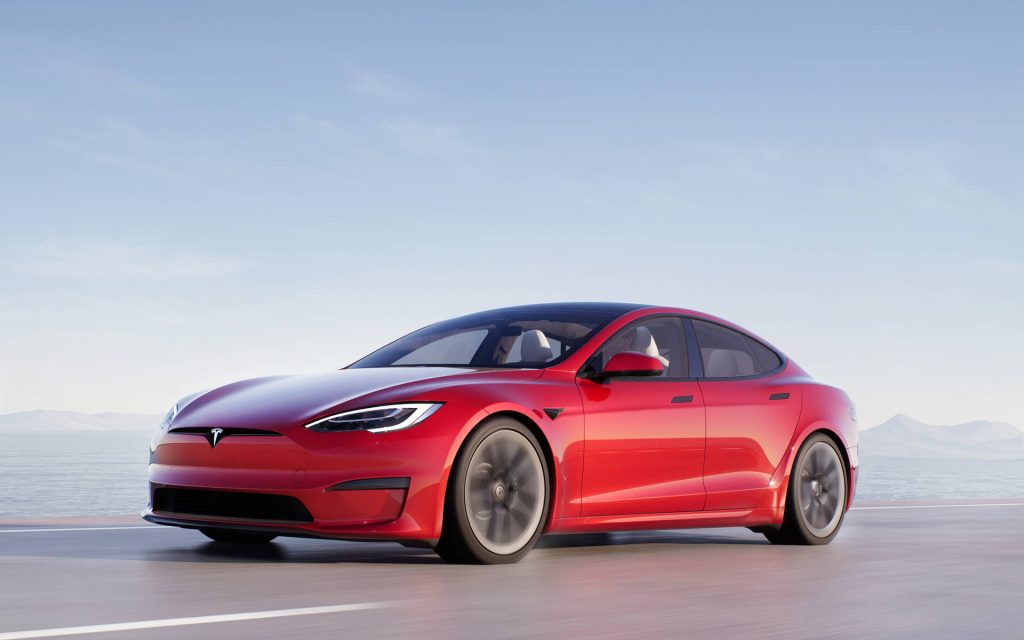
2. Tesla Model S
The Tesla Model S approaches nighttime visibility from a software driven perspective, showing how digital control can enhance something as traditional as headlights. While many manufacturers focus on hardware alone, Tesla integrates lighting performance into its broader vehicle intelligence system.
One of the standout features is the car’s adaptive LED matrix system, which works alongside the vehicle’s cameras and sensors. This allows the headlights to react not just to darkness but to the driving environment itself.
The system can recognize vehicles ahead and dynamically shape the beam pattern to maintain maximum brightness around them rather than directly at them.
Tesla’s philosophy focuses heavily on forward reach. The Model S headlights are designed to illuminate far down the road without creating excessive foreground brightness.
This matters because overly bright foreground lighting can actually reduce distance visibility by causing the driver’s eyes to adjust incorrectly. Tesla’s balance helps drivers spot hazards earlier.
There is also a unique consistency to how the Model S distributes light. Instead of a sharp cutoff between bright and dim zones, the beam transitions gradually. This reduces the tunnel vision effect that some high intensity headlights can create and allows drivers to better monitor the full width of the roadway.
Another interesting detail is how Tesla updates vehicle systems over time. Lighting behavior improvements can sometimes be delivered through software updates, meaning the headlight performance can actually improve during ownership. This represents a completely different philosophy compared to traditional fixed hardware approaches.
The Model S also benefits from its low aerodynamic profile. Because the headlights are positioned relatively low and wide, they provide excellent lateral coverage. This improves visibility of animals, cyclists, and pedestrians approaching from the sides.
Drivers who frequently travel on highways often praise how relaxed the Model S feels at night. The lighting reduces the need to constantly switch beams manually, allowing more focus on traffic awareness. That reduction in workload is a meaningful safety advantage.
Energy efficiency also plays a role. Because Tesla vehicles are electric, lighting systems are designed to deliver strong performance without unnecessary power consumption. Efficient thermal management ensures the LEDs maintain consistent brightness without degradation.
Perhaps most importantly, the Model S demonstrates how lighting can become part of a larger safety ecosystem. Instead of acting alone, the headlights function alongside driver assistance features to create a more comprehensive nighttime safety strategy.
This integration of software intelligence, optical design, and driver assistance philosophy helps the Tesla Model S stand out as one of the most technologically advanced vehicles for nighttime visibility.
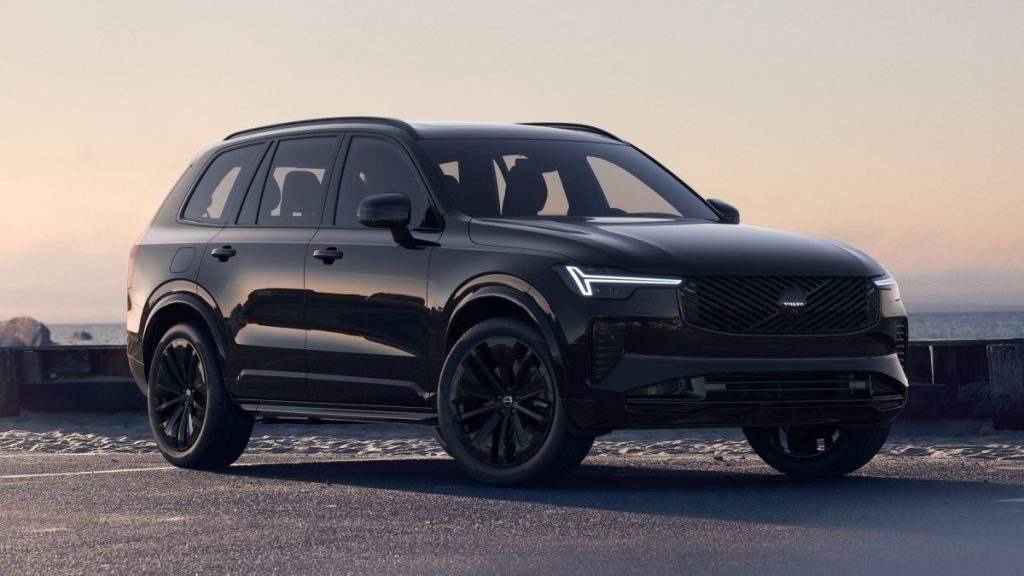
3. Volvo XC90
Volvo has always built its reputation around safety, and the XC90 reflects that philosophy even in areas many drivers rarely think about, such as how headlights behave during long nighttime journeys. Instead of focusing on dramatic brightness figures, Volvo engineers concentrated on how the human eye actually processes light in dark conditions.
The XC90 uses the brand’s signature Thor’s Hammer LED lighting, but the real strength lies beneath the styling. The system is carefully calibrated to provide a balanced beam pattern that prioritizes contrast rather than raw intensity.
This means objects appear more defined instead of simply brighter, which helps drivers react faster to potential hazards.
A major strength of the XC90 is how naturally the lighting integrates with driver assistance features. The headlights communicate with the vehicle’s safety systems, allowing the beam to adjust based on speed and surroundings.
At higher speeds, the beam stretches further forward, while in city driving it widens to improve side visibility where pedestrians are more likely to appear.
Volvo also focused on reducing glare, which is often an overlooked aspect of headlight performance. A poorly controlled bright light can actually make driving more dangerous for everyone. The XC90 manages this by using precise cutoff lines and automatic high beam management that reacts smoothly rather than abruptly.
The Scandinavian design approach also considers harsh winter conditions. Since Volvo designs vehicles for Nordic environments where darkness can dominate much of the year, the XC90 headlights are tested extensively for performance on wet and reflective roads.
This results in lighting that maintains clarity even when asphalt reflects light back toward the driver.
Another thoughtful touch is how the system handles elevation changes. On uneven roads or when carrying passengers and cargo, the XC90 automatically levels its headlights to prevent the beam from pointing too high or too low. This keeps the illumination focused exactly where it should be.
Volvo engineers also paid attention to peripheral visibility. Many headlight systems focus heavily on the center of the road, but the XC90 provides strong illumination toward the edges as well. This improves the driver’s ability to detect movement near shoulders and intersections.
Owners frequently describe the nighttime experience in the XC90 as relaxing rather than stressful. That is a deliberate outcome. Volvo believes safety comes not only from preventing accidents but also from reducing driver fatigue. Lighting that feels natural helps maintain concentration over longer distances.
Instead of treating headlights as isolated components, Volvo designed them as part of a complete safety mindset. The XC90 shows that excellent nighttime clarity is achieved through thoughtful balance, human centered engineering, and real world testing rather than just technical specifications.
4. Lexus RX
The Lexus RX takes a very different route toward nighttime visibility excellence by focusing on refinement and precision rather than technological showmanship. Lexus engineers approached the challenge by studying how drivers psychologically respond to lighting consistency and visual comfort.
One of the most impressive aspects of the RX headlight system is its blade scan adaptive high beam technology. Unlike traditional systems that simply toggle brightness, this setup uses a rotating mirror mechanism to distribute light exactly where it is needed. The effect is a constantly optimized illumination field that feels smooth and controlled.
This system allows the RX to keep high beams active more often without blinding other drivers. By carefully directing light around detected vehicles, it maintains distance visibility while respecting traffic conditions. This is particularly useful on two lane highways where switching between beam modes can become tiring.
Lexus also paid special attention to color uniformity. Some LED headlights can produce uneven color tones across the beam, but the RX maintains a consistent white output across the entire illuminated area. This reduces visual distractions and helps drivers maintain better depth perception.
The RX also demonstrates strong performance in urban night driving. Street lighting can sometimes conflict with headlight beams, creating shadows that hide obstacles. Lexus tuned the beam spread to complement rather than compete with ambient lighting, which improves object recognition in mixed lighting environments.
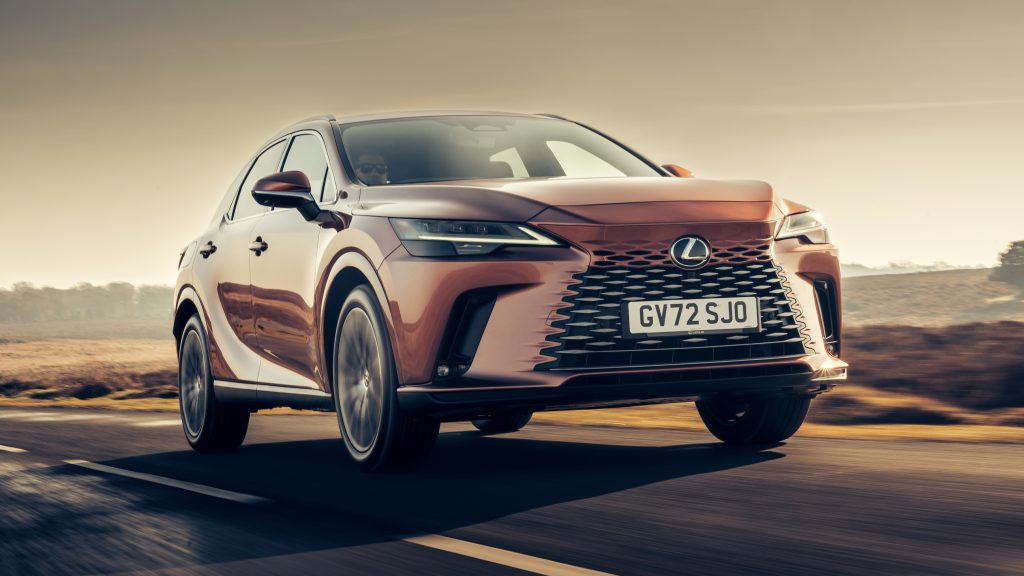
A less obvious strength is how quietly effective the system feels. There are no sudden brightness jumps or distracting adjustments. Everything happens subtly in the background. This fits Lexus philosophy of making technology feel invisible while still improving the driving experience.
Durability was another development priority. Lexus designed the lighting modules to maintain clarity over years of use, with materials chosen to resist clouding and degradation. This ensures the headlights perform consistently rather than declining after several years.
The RX also benefits from excellent light distribution during turns. As the vehicle rotates through curves, the lighting follows smoothly, reducing the blind zones that can occur with fixed beam designs. This makes night driving on winding suburban roads much more predictable.
Driver testimonials often highlight how easy it becomes to judge distances at night in the RX. That confidence comes from consistent beam shape and careful glare management rather than brute brightness.
The Lexus RX shows that headlight excellence does not always require aggressive innovation. Sometimes it comes from refining existing technology until it operates almost invisibly. Through precision optics and driver comfort focused engineering, the RX earns its place among the best vehicles for nighttime headlight clarity.
5. Audi A8
Audi has long treated lighting technology as one of its core engineering strengths, and the A8 shows how far the company has pushed the science of nighttime visibility. Rather than simply making headlights brighter, Audi focused on how to create a lighting system that behaves almost like a living part of the vehicle.
The A8 uses HD Matrix LED headlights combined with laser assisted high beam technology. What makes this system special is how precisely it can control individual light segments. Dozens of tiny LEDs can switch on and off independently, allowing the car to shape the beam pattern in real time depending on traffic and road conditions.
Imagine driving on a dark highway while approaching several vehicles. Instead of dimming the entire high beam, the A8 simply creates shadow zones around those cars while keeping the rest of the road fully illuminated. This allows the driver to retain excellent long distance visibility without causing discomfort to others.
Audi also focused on how the headlights behave at higher speeds. Once highway speeds are reached, the laser component activates to extend illumination much further down the road. This extra reach gives drivers more time to identify hazards and react smoothly rather than suddenly.
The system also interacts with the navigation data. When the vehicle detects an upcoming curve based on route information, the lights begin adjusting before the driver even turns the wheel. This predictive behavior adds another layer of safety that many drivers may not even consciously notice.
Another area where the A8 excels is beam sharpness. Audi engineers worked extensively on optical precision to ensure road signs reflect clearly without excessive scatter. This helps drivers read information sooner and reduces last second decisions.
The lighting also contributes to driver confidence during unfamiliar routes. When visibility remains consistent, drivers naturally feel more in control. Audi understands that confidence often translates directly into safer driving behavior.
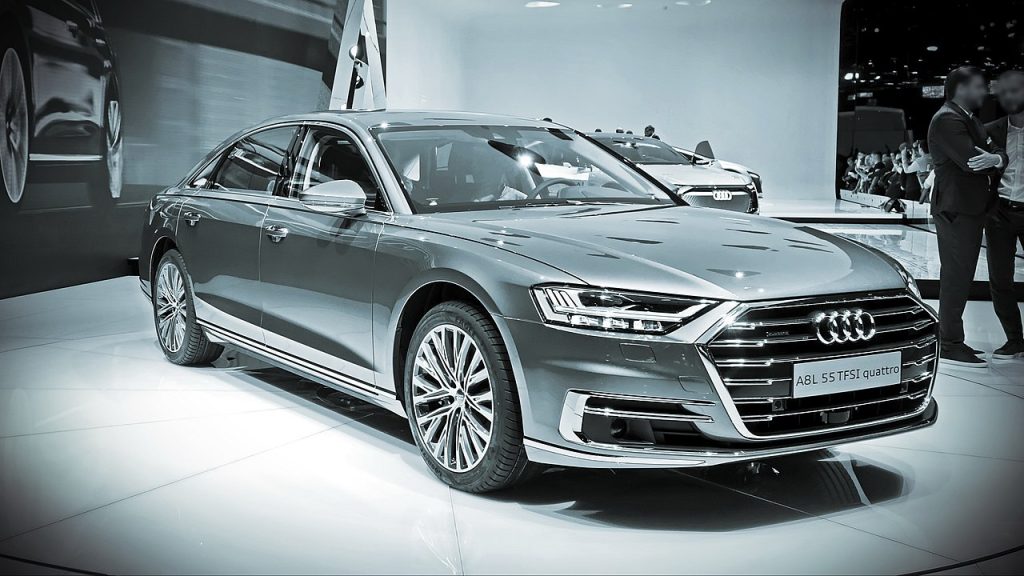
Even the daytime running light design reflects Audi’s focus on lighting innovation, but beneath the styling is a serious commitment to safety performance. The A8 demonstrates how intelligent lighting can function as a proactive safety feature rather than just a passive one.
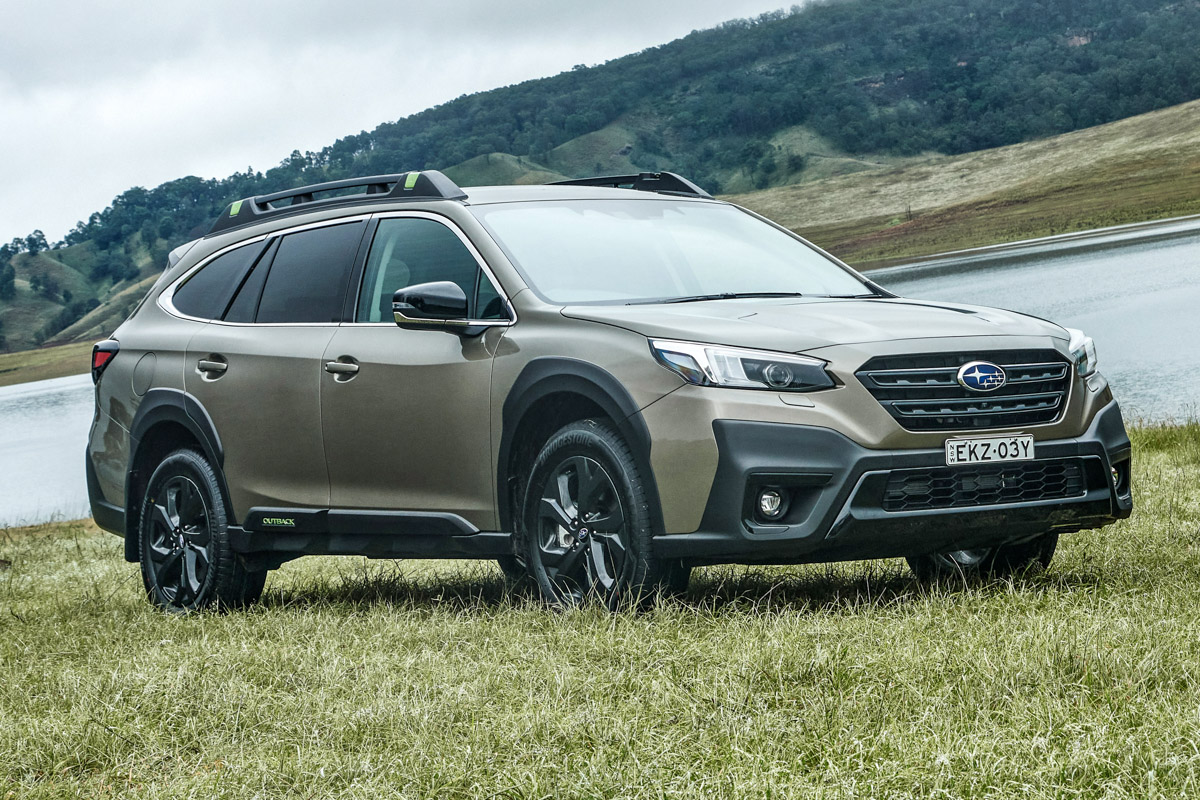
6. Subaru Outback
The Subaru Outback proves that excellent nighttime headlight clarity is not limited to luxury sedans. Built with practicality in mind, the Outback focuses on real world usefulness, particularly for drivers who frequently travel on poorly lit rural roads.
Subaru designed the Outback’s steering responsive LED headlights specifically for drivers who deal with unpredictable terrain. As the driver turns the wheel, the headlights pivot in the same direction, helping reveal curves, gravel shoulders, and unexpected obstacles earlier.
This feature becomes especially valuable in mountainous or forested areas where turns can hide animals or fallen debris. By directing light where the vehicle is actually heading instead of where it was pointing, Subaru improves reaction time in a very practical way.
The Outback also benefits from its higher ride height. Because the headlights sit slightly higher than those of many sedans, they provide a useful perspective that helps illuminate uneven surfaces and road edges. This makes it easier to detect potholes or road damage at night.
Subaru engineers also made sure the lighting remains effective in bad weather. Since many Outback owners deal with rain and snow, the headlights were tuned to reduce reflection off wet surfaces. This helps maintain usable contrast instead of creating a glare filled field of light.
The automatic high beam system is also tuned conservatively. Instead of waiting too long to dim, it reacts early to approaching traffic. This reduces the chance of accidentally dazzling other drivers while still providing strong visibility when the road is clear.
Subaru’s safety philosophy focuses on predictability. The Outback headlights reflect this by maintaining consistent brightness and spread rather than constantly changing intensity. This stable lighting pattern helps drivers build trust in what they are seeing.
Many drivers who regularly travel long distances at night appreciate how natural the lighting feels. It does not try to impress with dramatic brightness. Instead it quietly supports safe travel mile after mile.
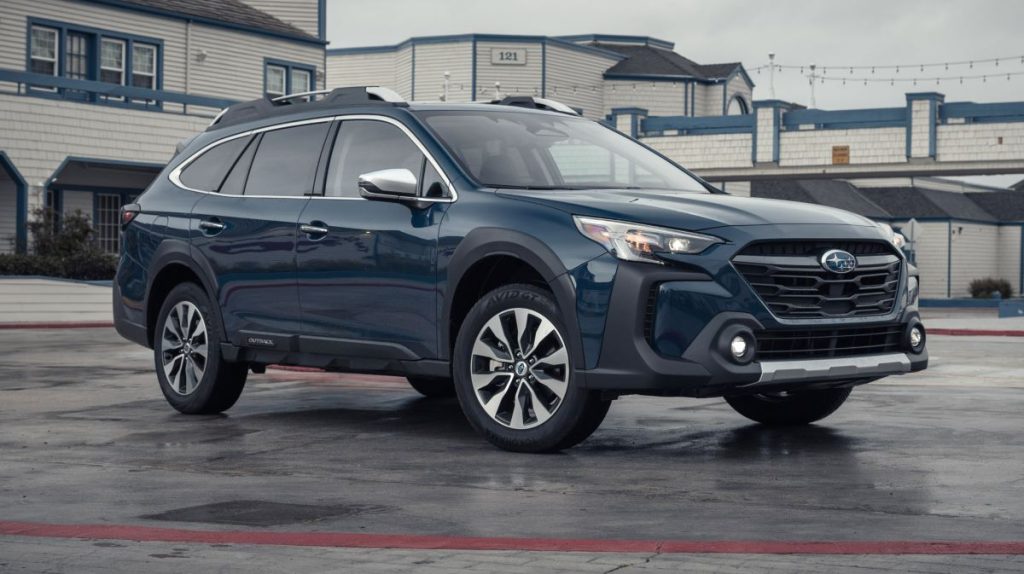
The Outback shows that practical engineering and thoughtful design can sometimes outperform flashier systems. By focusing on real driving situations rather than showroom appeal, Subaru created a lighting system that delivers dependable nighttime clarity where it matters most.
7. Mercedes Benz S Class
The Mercedes Benz S Class has always represented the brand’s most advanced safety thinking, and its Digital Light headlamp system reflects that ambition. Instead of treating headlights as fixed tools, Mercedes engineered them as precision instruments capable of adapting constantly to the road environment.
Each headlamp contains over a million micro mirrors that can direct light with extraordinary accuracy. This allows the system to project a highly detailed beam pattern that avoids glare while maintaining impressive forward reach. The technology allows the vehicle to essentially paint light only where it is useful.
One of the most impressive capabilities is how intelligently the system manages high beams. Rather than simply dimming, the S Class reshapes the beam in complex patterns around other vehicles. Drivers often do not even notice the adjustments happening because they occur so smoothly.
Another advantage comes from how the lighting responds to road geometry. When approaching bends or elevation changes, the beam automatically compensates to maintain visibility. This helps eliminate the brief moments of darkness that can happen when traditional headlights lag behind steering inputs.
Mercedes also invested heavily in reducing eye strain. The beam intensity is carefully controlled so the driver receives strong visibility without harsh reflections from signs or lane markings. This helps maintain comfort during long nighttime drives.
The S Class also demonstrates how lighting can become part of a broader safety philosophy. The headlights work together with sensors and driver assistance features, reinforcing the idea that visibility is part of an integrated protection system rather than an isolated feature.
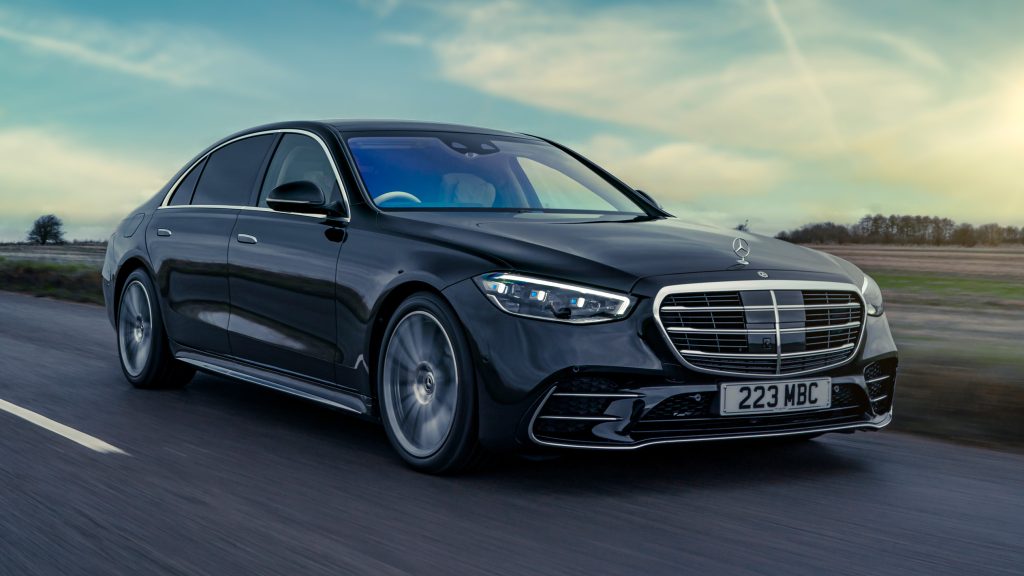
Rather than chasing brightness numbers, Mercedes focused on control and intelligence. The result is a lighting system that feels almost effortless to use while delivering exceptional clarity.
8. Toyota Prius
The Toyota Prius may be known primarily for efficiency, but its modern LED headlight system shows how mainstream vehicles can also deliver impressive nighttime clarity. Toyota approached the design with a focus on everyday usability rather than high end experimentation.
The Prius uses well tuned projector LEDs that provide a very clean cutoff line. This prevents wasted light and keeps illumination focused on the driving path. Such precision helps maximize usable light without needing extreme output levels.
Toyota also concentrated on reliability. The lighting system is designed to maintain stable performance over many years, reflecting the Prius reputation for durability. This means drivers can expect consistent nighttime visibility without noticeable degradation.
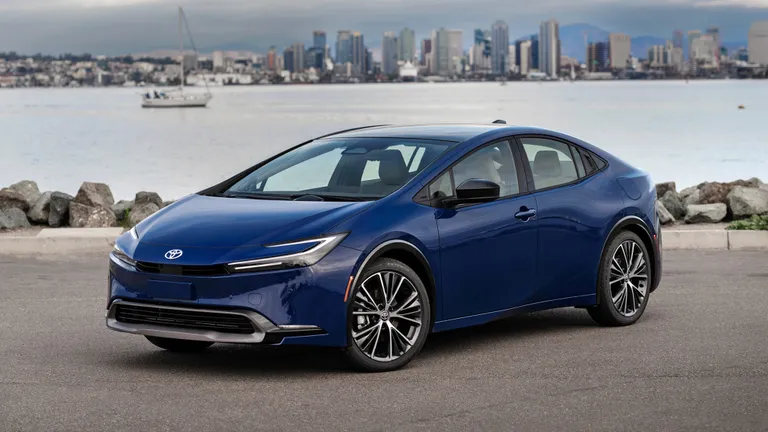
Urban driving is where the Prius lighting feels especially effective. The beam spread works well with city lighting, helping drivers identify cyclists, crosswalks, and traffic signals without excessive brightness that could create reflections.
Another benefit comes from the automatic high beam feature. The system switches intelligently between modes based on traffic detection, helping drivers maintain visibility without constant manual control.
The Prius also benefits from thoughtful efficiency engineering. Because the vehicle is designed to conserve energy, the headlights are optimized to provide strong clarity while consuming minimal power. This shows how efficiency and safety can work together.
Drivers often note that the Prius headlights feel honest and predictable. There are no dramatic lighting tricks, just consistent illumination that supports safe driving in a variety of conditions.
The Prius earns its place on this list by proving that strong nighttime visibility is not limited to luxury vehicles. Careful calibration and practical design can deliver excellent clarity even in a vehicle focused primarily on efficiency.
Also Read: 5 Trucks With Soft Highway Rides vs 5 That Feel Like Heavy Machinery
