

For drivers who suffer from chronic back pain, leg stiffness, sciatica, or joint problems, choosing the right vehicle is not about performance or styling.
It becomes a health decision. The wrong seating position, poor suspension, or difficult entry height can turn even short drives into painful experiences. Over time, this discomfort can affect mobility, posture, and overall quality of life.
Vehicle ergonomics plays a major role in physical comfort. Features such as lumbar support, seat height adjustment, soft suspension tuning, and wide door openings can significantly reduce physical strain.
Even small details like pedal placement and steering wheel adjustment can make a meaningful difference for drivers dealing with chronic pain conditions. Experts often point out that seat adjustability and ride smoothness are critical factors in reducing driving related back stress.
Another important factor is how easily a driver can enter and exit the vehicle. Low sedans may require bending, while very tall SUVs may require climbing. Vehicles with balanced seat height often provide the best solution because they allow drivers to slide in rather than step down or climb up.
Technology has also improved comfort levels. Many modern vehicles offer multi way power seats, memory settings, heated support, and even massage functions. These features are not luxury gimmicks for people with chronic pain. They can help maintain circulation, reduce stiffness, and support proper posture during long drives.
This list focuses on twelve vehicles known for comfort, supportive seating, smooth ride quality, and ergonomic design. Each one stands out for different reasons, from orthopedic seat design to excellent ride cushioning.
The goal is to highlight vehicles that can genuinely make daily driving easier for people managing long term back and leg discomfort.
Also Read: 5 Hybrids With Simple Cooling Systems vs 5 With Complex Maintenance
1. Volvo XC60
When discussing vehicles designed with spinal comfort in mind, Volvo frequently enters the conversation because the brand has historically focused on seat ergonomics. The XC60 is a strong example of this philosophy, especially for drivers who prioritize posture support over flashy interior styling.
What makes this vehicle stand out is how the seats are shaped. Instead of overly soft cushioning that causes the body to sink, the seats are designed to keep the spine aligned.
This helps reduce fatigue on long drives because the body remains properly supported rather than constantly adjusting position. Some versions even feature multi direction lumbar adjustment to fine tune support.
The ride quality also contributes to physical comfort. The suspension absorbs uneven roads effectively, which reduces vibration traveling through the seat into the lower back.
This is especially helpful for people with disc related pain or nerve sensitivity. Orthopedic inspired seat construction is often mentioned as a key comfort factor in Volvo models.
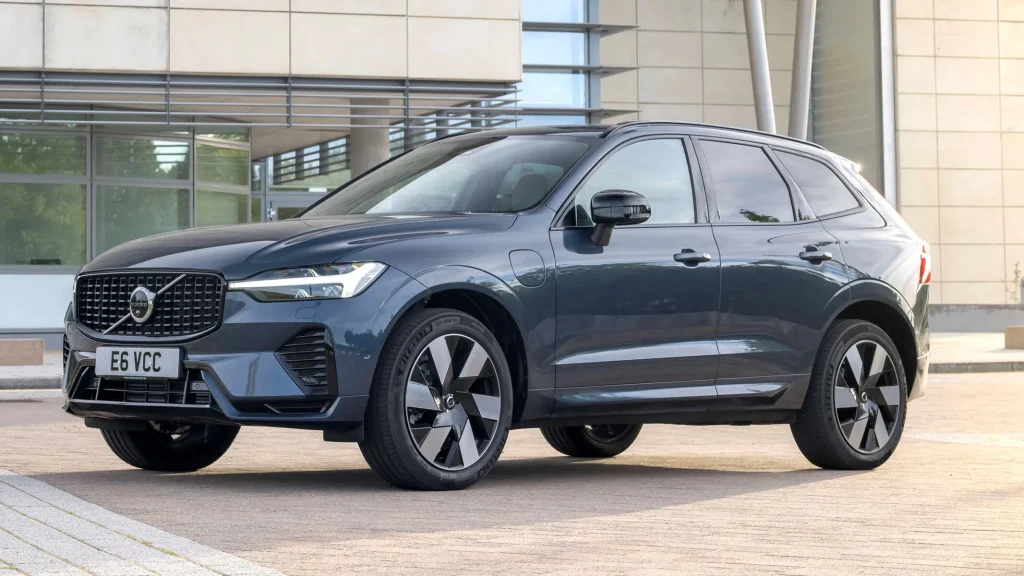
Another advantage comes from the driving position. The seating height allows drivers to enter without excessive bending. This can be important for anyone dealing with hip tightness or leg mobility issues. The upright seating posture also improves visibility, reducing the need for constant neck and back movement.
Instead of focusing on luxury alone, this vehicle focuses on human centered design. That philosophy is what makes it particularly suitable for drivers who think about comfort in medical terms rather than convenience.
2. Mercedes Benz E Class
Some vehicles focus on comfort through softness. Others achieve it through adjustability. The E Class belongs to the second category because it allows drivers to tailor the seat to their exact physical needs.
The biggest advantage here is customization. Power seats with multiple adjustment points allow drivers to change thigh support, back angle, cushion height, and lumbar pressure. This level of personalization can be valuable because no two back conditions are identical. A seat that works for one driver may not work for another.
Ride smoothness is another strength. Luxury sedans like this are typically tuned to isolate road imperfections. Instead of feeling sharp bumps through the seat frame, the vehicle filters much of the harshness before it reaches the cabin. Smooth rides often help reduce muscle tension during long commutes.
There is also a circulation benefit. Some models include seat climate and massage functions designed to prevent stiffness. These systems are known to help reduce fatigue during extended drives by encouraging small muscle movement. Vehicles in this category are often recognized for superior seat comfort and advanced adjustment capability.
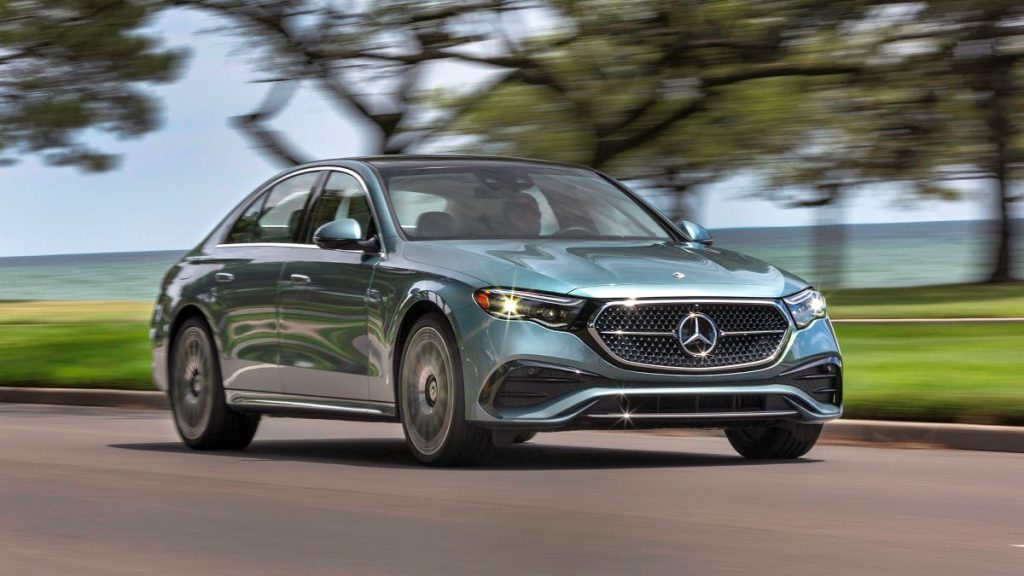
One more subtle advantage is cabin quietness. Less noise often leads to less physical tension while driving. Stress reduction may not seem directly related to back pain, but relaxed driving posture often reduces muscle tightness.
For drivers looking for detailed seat adjustment rather than just soft cushioning, this type of vehicle offers a very compelling comfort focused approach.
3. Subaru Forester
Some vehicles earn their place on comfort lists not because of luxury features but because they solve everyday physical challenges in very practical ways. The Subaru Forester stands out because of how naturally it accommodates drivers who struggle with stiffness in their lower back or knees.
One of its biggest advantages is how natural entry feels. The door openings are wide and the seat height is positioned so drivers can slide in rather than drop down. For someone with leg pain, this reduces strain on joints and avoids the twisting motion that often causes discomfort.
Visibility is another overlooked comfort factor. Large windows and a commanding seating position reduce the need to lean forward or crane the neck. When a driver can clearly see surroundings without constantly adjusting posture, the body stays more relaxed during travel.
Unlike some vehicles that focus on sporty suspension, this one emphasizes stability and predictability. The suspension absorbs rough surfaces without feeling overly soft. This balance helps reduce repeated shock movement that can irritate back pain during longer drives.
The interior layout also deserves mention. Controls are positioned logically so drivers do not have to stretch frequently. Even small design decisions like reachable climate controls and comfortable armrest height contribute to reducing shoulder and spine fatigue.
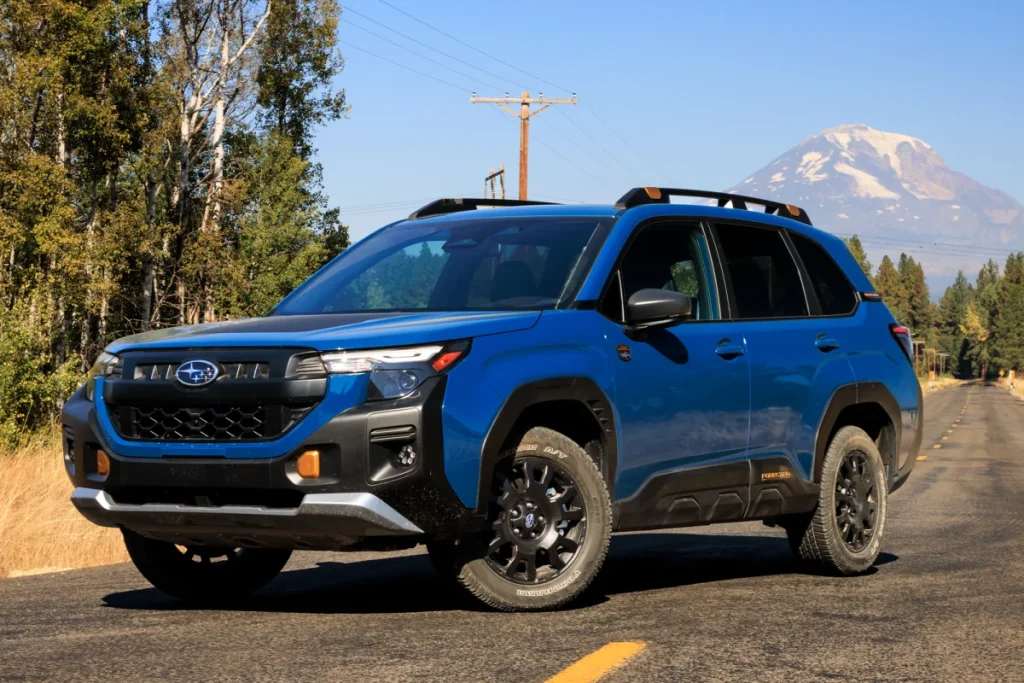
This vehicle proves that comfort does not always come from expensive luxury features. Sometimes it comes from thoughtful design that reduces physical effort throughout the driving experience.
4. Toyota Avalon
Comfort sometimes comes from simplicity done exceptionally well. The Toyota Avalon represents this idea by focusing heavily on ride smoothness and seat cushioning rather than complicated gimmicks. For drivers dealing with chronic discomfort, consistency can be more valuable than complexity.
The first thing many drivers notice is the seat softness combined with proper lower back support. The cushions are designed to distribute body weight evenly. This helps reduce pressure points that often trigger pain during longer drives. A well balanced seat can prevent numbness and stiffness from developing.
Ride isolation is another major strength. This sedan is known for its ability to smooth out broken pavement and highway imperfections. Less vibration means less stress transferred into the spine. Over months and years of ownership, this can make a meaningful difference for sensitive backs.
There is also a benefit in how predictable the driving experience feels. Smooth acceleration, gentle braking response, and light steering effort all help reduce physical fatigue. Vehicles that require less physical correction allow drivers to maintain relaxed posture.
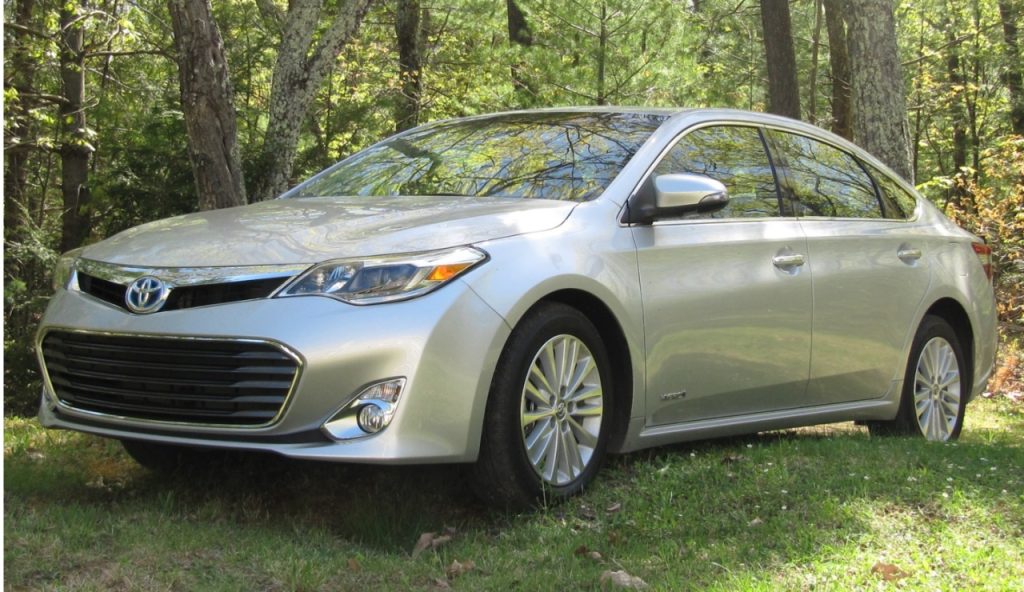
The spacious cabin also allows easier leg positioning. Drivers with circulation concerns or knee stiffness benefit from being able to adjust leg angles comfortably without feeling restricted by tight interior packaging.
Instead of focusing on sporty appeal, this vehicle focuses on reducing fatigue through refinement. That approach makes it particularly appealing to drivers who want pain free daily transportation rather than excitement.
5. Honda CR V
Not every comfort focused vehicle needs to come from the luxury category. The Honda CR V shows how intelligent design and thoughtful ergonomics can provide real physical relief without depending on premium branding.
A major strength here is seat positioning. The driving position is upright, which naturally supports the spine instead of forcing a reclined posture. Many physical therapists recommend upright seating angles because they reduce pressure on the lower vertebrae during extended sitting periods.
Step in height is another practical advantage. The vehicle sits at a level where most drivers can enter without excessive knee bending or climbing effort. For individuals managing arthritis or leg weakness, this type of accessibility can make daily driving much easier.
Interior space also contributes to comfort. The legroom allows drivers to change posture slightly during longer trips. This freedom of movement helps prevent stiffness that builds when the body remains locked in one position too long.
Another thing worth mentioning is the suspension philosophy. Instead of tuning the vehicle for aggressive cornering, the focus is on composure and predictability. The result is a driving experience that avoids sudden jolts, which can aggravate chronic back sensitivity.
Small things also matter. Wide opening doors, supportive armrests, and clear instrument visibility all reduce micro movements that cause fatigue. These details may seem minor individually but together they create a noticeably easier driving experience.
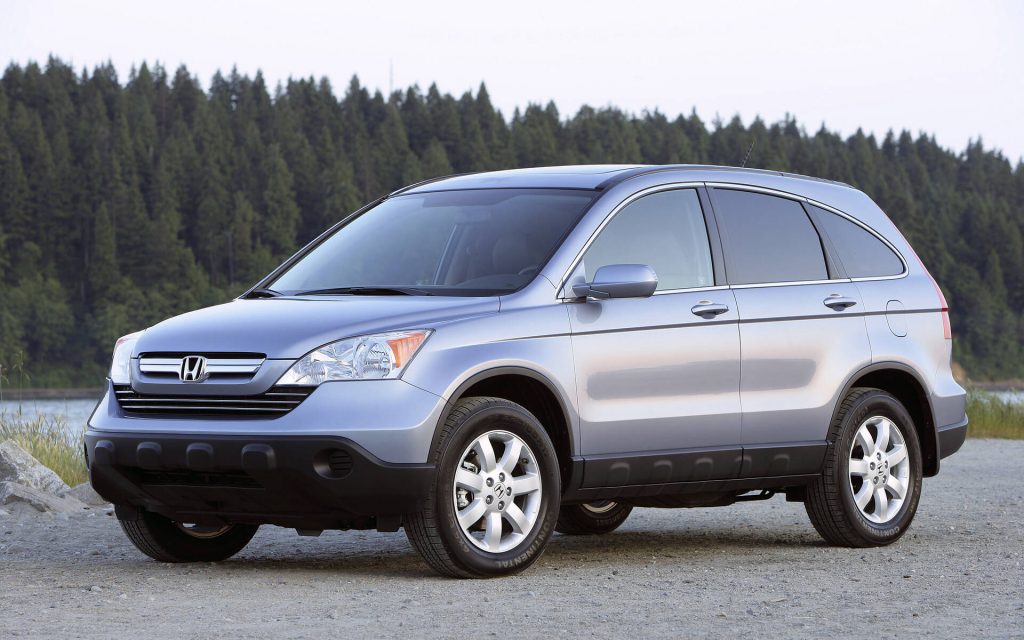
For drivers who want a practical daily vehicle that quietly prioritizes physical comfort, this one remains a very sensible choice.
6. Kia Telluride
Some vehicles approach comfort through size and space rather than technical seat engineering. The Kia Telluride is a strong example of how interior room and thoughtful layout can reduce physical stress for drivers dealing with mobility challenges.
Space is the first noticeable advantage. A wide cabin allows easier movement when adjusting seating position. Drivers who need to shift posture to stay comfortable benefit from not feeling confined by the center console or door panels.
The seating itself focuses on support rather than excessive softness. Cushions are shaped to hold the body in place while still allowing enough give to prevent pressure buildup. This balance is important because overly soft seats can sometimes worsen posture problems.
Another advantage comes from ride behavior. Larger vehicles often have longer wheelbases, which helps them glide over road imperfections more smoothly. This reduces the constant vibration that can irritate lower back pain during long distance travel.
Entry convenience is also notable. The doors open wide and the floor height allows natural stepping motion. For drivers with hip or thigh discomfort, avoiding awkward twisting movements is a significant daily benefit.
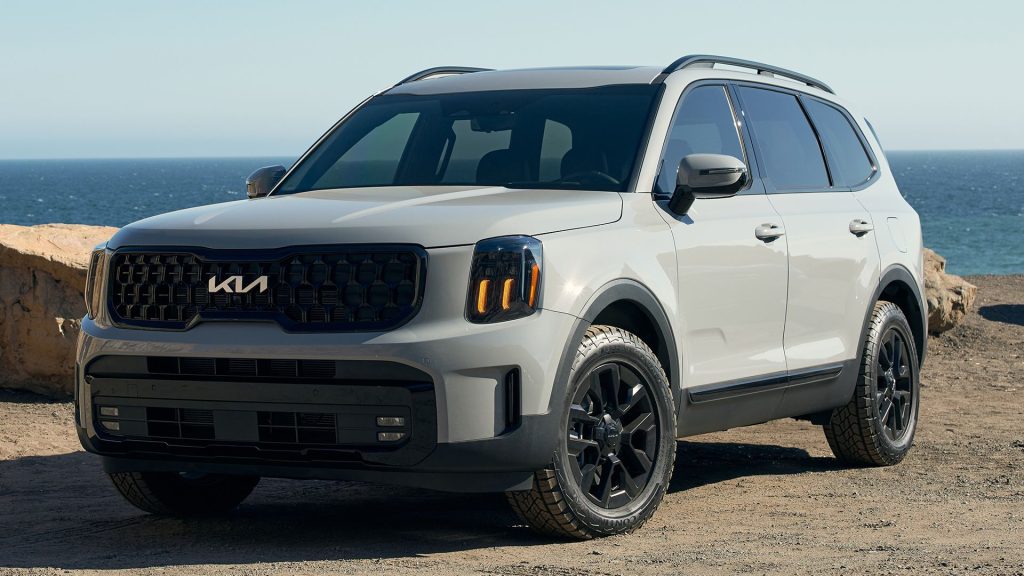
Climate comfort also plays a role. Ventilated seating and effective cabin airflow can help reduce muscle stiffness, especially during hot weather when discomfort tends to increase. Maintaining physical comfort through temperature control is often underestimated.
Instead of focusing on one standout feature, this vehicle delivers comfort through overall design harmony. Space, ride quality, and accessibility combine to create a vehicle that feels physically accommodating rather than restrictive.
7. Lexus RX
Comfort sometimes comes from refinement rather than size, and this is where the Lexus RX builds its reputation. This vehicle focuses heavily on reducing physical stress through smoothness, which makes it appealing for drivers managing ongoing back discomfort.
One of its strongest qualities is how it handles road imperfections. Instead of transmitting bumps sharply into the cabin, the suspension softens impacts in a controlled way. This matters because repeated vibration can slowly aggravate spinal sensitivity. A calmer ride often means less fatigue after even short daily drives.
Seat contouring is another highlight. The seats are shaped to support the natural curve of the spine while also supporting the hips evenly. When hip balance is correct, pressure on the lower back often decreases. This type of body distribution support is important for people who experience pain after sitting too long.
Cabin quietness also contributes more than people expect. A peaceful driving environment helps drivers stay relaxed. Reduced tension in the shoulders and neck often leads to better posture naturally, which reduces strain on the lower back.
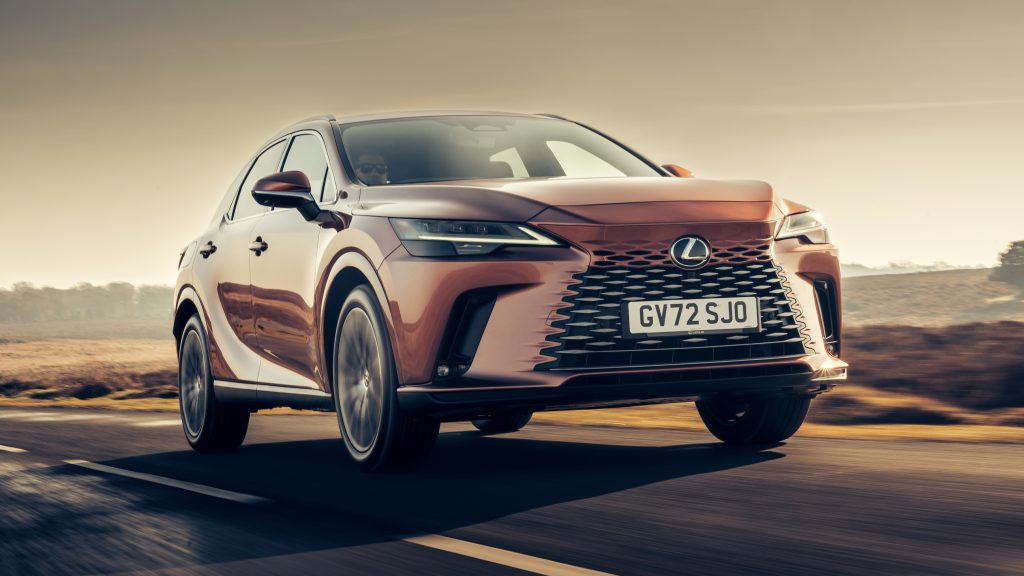
The steering effort is also worth mentioning. Light and precise steering reduces arm and shoulder strain. This allows drivers to maintain a relaxed grip rather than constantly correcting direction, which can lead to upper back tension.
Many vehicles try to impress through performance. This one instead focuses on making every drive feel physically effortless. That difference in philosophy is exactly why it often attracts buyers who prioritize comfort above all else.
8. Hyundai Santa Fe
Some vehicles earn recognition for how well they balance multiple comfort factors instead of dominating in just one category. The Hyundai Santa Fe fits this description because it combines accessibility, seat comfort, and ride balance in a way that benefits drivers with physical sensitivity.
Start with accessibility. The vehicle offers a seating height that avoids extremes. It is not too low to cause bending discomfort and not too tall to require climbing effort. This balanced approach is particularly helpful for drivers who experience knee or thigh pain when entering vehicles.
Seat padding focuses on long drive comfort rather than showroom softness. There is enough cushioning to absorb pressure while still maintaining structure. This prevents the sinking feeling that sometimes causes posture collapse in overly soft seats.
Another benefit comes from how the chassis reacts to uneven roads. Instead of bouncing after bumps, the vehicle settles quickly. This reduces repeated motion that can irritate muscle inflammation or nerve pain.

Interior usability also plays a part. Controls are simple to reach, the infotainment screen sits at a natural viewing height, and arm support is well positioned. These details reduce unnecessary stretching which can trigger discomfort over time.
To understand its comfort advantage, think of it as a vehicle that reduces effort. Less effort to enter, less effort to sit comfortably, and less effort to drive smoothly. For someone managing chronic discomfort, reducing effort often means reducing pain triggers.
9. Chrysler Pacifica
When discussing vehicles that can genuinely help drivers with back and leg discomfort, minivans deserve serious attention. The Chrysler Pacifica stands out because it approaches comfort from a completely different angle than sedans or SUVs. Instead of focusing only on the driver seat, it improves the entire movement experience.
The biggest advantage starts before the drive even begins. The sliding doors and low floor height allow entry with very little physical effort. For someone dealing with leg pain or reduced flexibility, this type of access can remove one of the most uncomfortable parts of driving.
Seat design is another strong point. The front seats are wide and supportive, allowing drivers to adjust their sitting position during longer journeys. Having room to slightly reposition the legs can help reduce stiffness, especially during traffic heavy commutes.
Ride quality also contributes heavily to comfort. The longer body structure helps the vehicle move more smoothly over uneven surfaces. This reduces sharp vertical movements that can aggravate spinal pain. For drivers with sensitive lower backs, this type of stability can make daily travel much more manageable.
Storage design also indirectly improves comfort. When everything has a place, drivers do not need to twist or reach awkwardly to grab items. Reduced twisting movement can be very important for anyone managing chronic back issues.
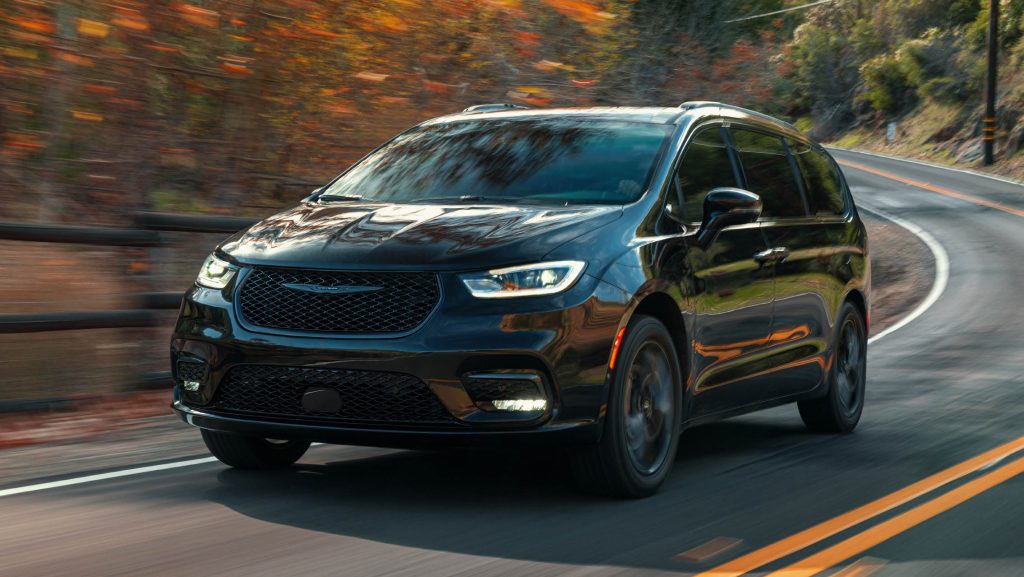
This vehicle demonstrates that comfort is not just about seats. It is about how easily a person can move, sit, and function inside the vehicle. That complete approach to usability is what makes it particularly suitable for drivers focused on pain reduction.
10. BMW 5 Series
Some vehicles address comfort through engineering precision rather than softness. The BMW 5 Series takes this route by combining excellent seat adjustability with controlled ride dynamics that help drivers maintain a healthy posture while driving.
The seating system is one of its strongest qualities. Drivers can adjust seat depth, backrest angle, lumbar positioning, and cushion tilt. This allows very precise posture alignment. For drivers with chronic pain, this level of control can make a noticeable difference because proper alignment often reduces pressure on sensitive areas.
Another factor is balance. Instead of being overly soft or overly stiff, the suspension maintains controlled smoothness. This helps prevent the constant body movement that can tire back muscles. Stability during highway driving is especially helpful because it reduces the need for constant posture correction.
The driving position also encourages good posture. Pedal alignment, steering wheel reach adjustment, and seat memory settings allow drivers to find a natural position where legs and arms remain relaxed. When joints stay in neutral positions, strain is reduced.
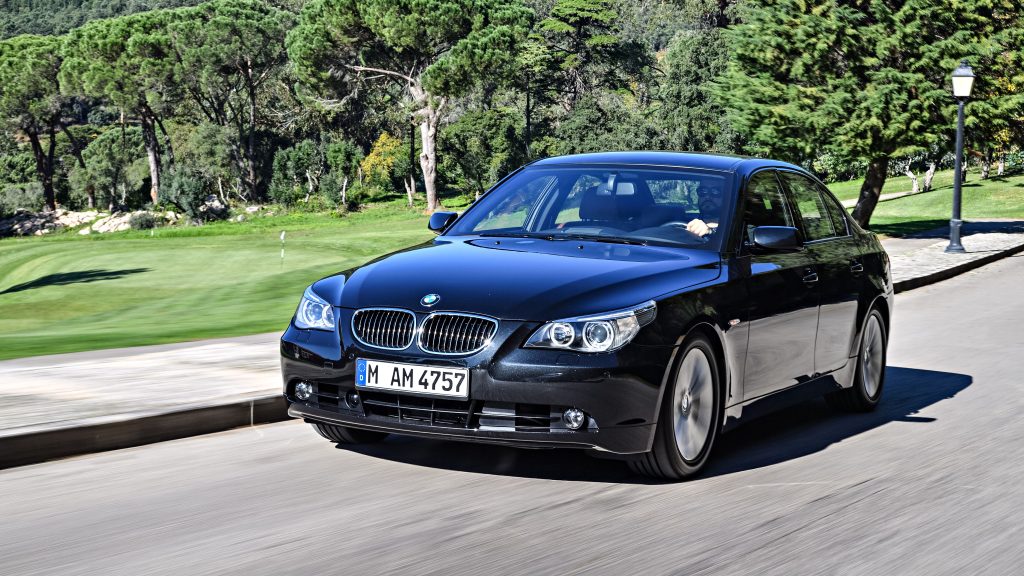
Cabin design also supports physical ease. Everything from the screen angle to button placement is oriented toward the driver. Less reaching means less shoulder and spine strain over time.
What makes this vehicle different is how it treats comfort as a technical problem. Instead of just adding soft materials, it focuses on correct body positioning. For drivers who need precision support rather than simple cushioning, this approach can be very beneficial.
11. Toyota Camry
Not every driver with back pain wants a large SUV or a luxury vehicle. Sometimes the best solution is a midsize sedan that gets the basics exactly right. The Toyota Camry earns its place because it focuses on consistent comfort, predictable ride behavior, and seats that work well for everyday driving.
One of its strongest qualities is seat balance. The cushioning is neither too firm nor too soft. This matters because extremely soft seats may feel comfortable at first but often cause poor posture after extended sitting.
On the other hand, overly firm seats can create pressure points. The Camry finds a middle ground that works well for daily commuting.
The driving position also deserves attention. The relationship between the steering wheel, pedals, and seat allows a natural sitting posture. Drivers can keep their knees at a comfortable angle while maintaining proper back contact with the seat. This reduces the tendency to lean forward, which often causes lower back fatigue.
Ride consistency is another factor that helps this vehicle stand out. Instead of reacting harshly to potholes or expansion joints, the suspension absorbs impacts with a calm response. For someone with chronic spinal sensitivity, predictable ride behavior can be more important than sporty handling.
There is also an important long term advantage related to fatigue reduction. Because the vehicle is easy to control, drivers tend to remain physically relaxed. Light steering effort, smooth braking response, and stable highway behavior all reduce physical tension during operation.
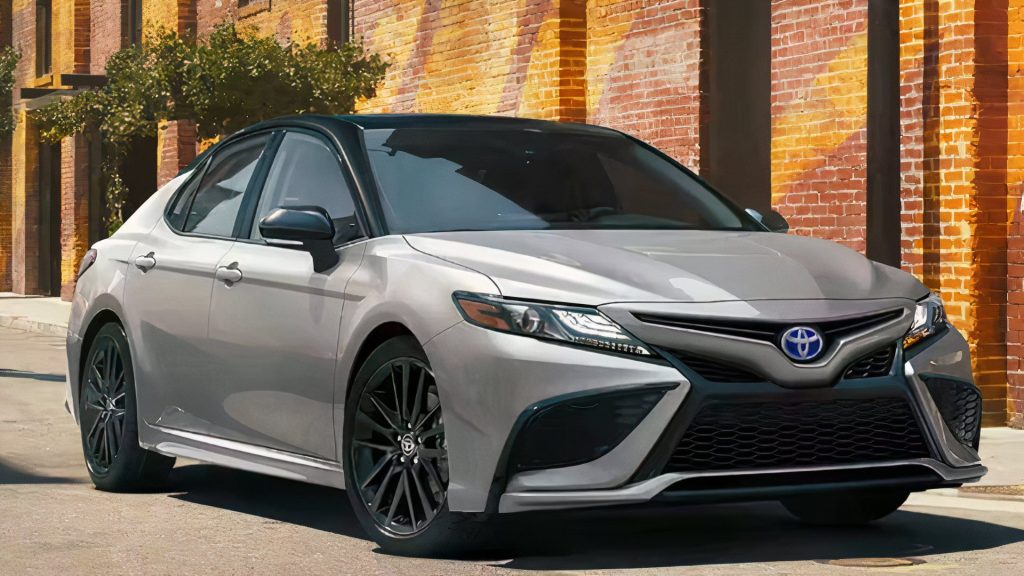
Cabin layout contributes as well. Climate controls are easy to reach, displays are easy to read, and seating adjustments are simple to operate. This reduces the need for awkward body movement while driving.
Another overlooked benefit is reliability. A vehicle that starts every day without drama reduces mental stress. Reduced stress often leads to more relaxed muscles, which can indirectly help people dealing with chronic pain conditions.
This vehicle proves that sometimes the best comfort comes from getting the fundamentals right rather than relying on expensive features.
12. Ford Edge
The Ford Edge takes a different path to comfort by focusing on space and seating geometry. Rather than relying purely on luxury features, it uses interior proportions and supportive seat construction to reduce strain during long driving sessions.
A major advantage is the width of the front seating area. Drivers have enough room to adjust their natural sitting position without feeling compressed. For individuals who need to slightly change hip or leg position to stay comfortable, this extra room can make a noticeable difference.
Seat height is also carefully positioned. The vehicle allows a step in motion rather than a drop down movement. For drivers with knee discomfort or limited flexibility, this type of entry reduces daily strain. Being able to enter smoothly without supporting body weight on one leg can prevent small aggravations that build over time.
Another comfort strength is seat firmness design. Instead of focusing on plush softness, the seats are shaped to maintain posture over longer distances. Proper posture support often reduces the muscle fatigue that develops when drivers unconsciously slouch.
Suspension tuning also plays a role. The vehicle is designed to handle rough surfaces with stability rather than bounce. This reduces the repeated vertical motion that often triggers back irritation. For drivers who regularly travel on imperfect roads, this can become a daily comfort advantage.
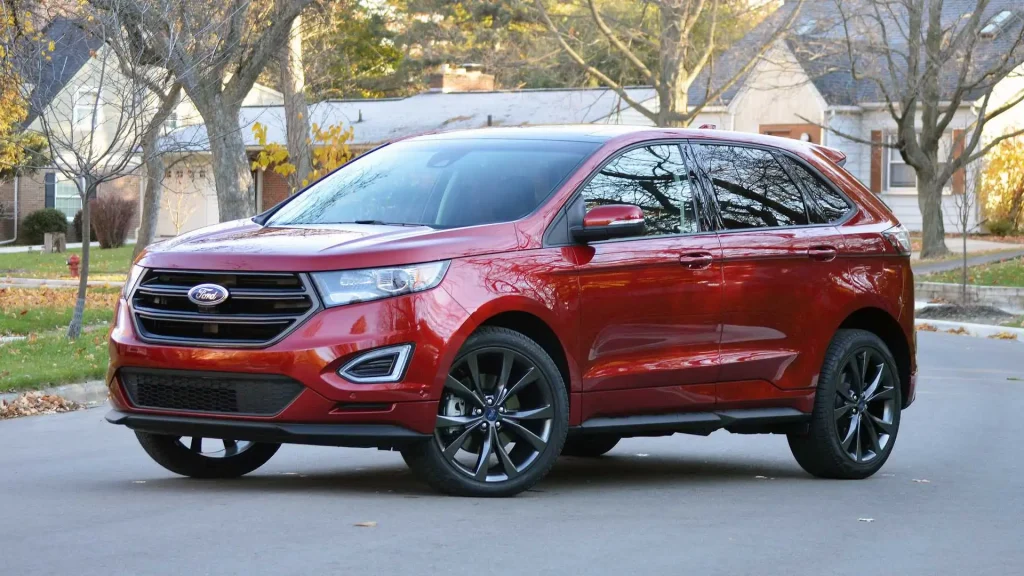
Interior quietness also contributes to physical relaxation. A calm cabin reduces subconscious tension. Many drivers do not realize how much noise can cause shoulder tightening and poor posture during stressful traffic conditions.
Practical details also help. Large mirrors reduce the need for excessive neck turning. Supportive armrests reduce shoulder load. Wide door openings allow easier exit without twisting the spine.
This vehicle shows that comfort can come from intelligent proportions. By focusing on how the human body naturally moves, it creates an experience that feels less physically demanding over years of ownership.
Drivers dealing with chronic back pain and leg discomfort must think about vehicles differently than the average buyer. Instead of horsepower or styling, the focus shifts toward ergonomics, accessibility, ride smoothness, and seating support. The right vehicle can reduce daily discomfort, while the wrong one can make even short trips difficult.
Across these twelve vehicles, several common themes appear. Good lumbar support, balanced seat cushioning, smooth suspension tuning, and easy entry height consistently make the biggest difference. These features help maintain posture, reduce vibration exposure, and minimize physical strain.
Another important lesson is that comfort comes in different forms. Some vehicles achieve it through luxury technology such as seat adjustment systems and massage functions.
Others achieve it through practical design such as good visibility, wide door openings, and natural seating positions. Both approaches can be effective depending on individual needs.
Long term usability also matters. A vehicle that allows pain free driving today but causes fatigue after a year is not a good solution. The best choices tend to be vehicles designed around human factors rather than just visual appeal.
Ultimately, the best vehicle for someone with chronic discomfort is one that reduces effort. Less effort to enter, less effort to sit correctly, and less effort to drive smoothly often means less pain over time. When a vehicle supports the body properly, driving can become comfortable again instead of something to endure.
Choosing with comfort in mind is not just about convenience. For many drivers, it is about protecting long term mobility and maintaining independence.
Also Read: 5 Small Engines That Can Actually Tow vs 5 That Struggle Under Load
