
Traveling for regional sports events is a major part of family life for many households. Whether it is weekend cricket tournaments, interschool football matches, swimming competitions, or long-distance basketball championships, these trips often involve early morning departures, long highway drives, and returning late at night.
Because of this, the vehicle a family uses becomes more than just transportation. It becomes a mobile locker room, a rest area, a snack station, and sometimes even a quiet place for players to mentally prepare before a big game.
Families involved in sports quickly realize that not every vehicle is suitable for these types of journeys. Space is one of the biggest concerns. Sports equipment such as kit bags, duffel bags, water coolers, folding chairs, and sometimes even tents can quickly fill a small trunk.
Add multiple passengers into the equation and comfort becomes just as important as storage. Legroom, flexible seating, and smart cargo layouts can make the difference between a stressful trip and a smooth one.
Reliability is another major factor. Regional sports trips usually involve highways and unfamiliar roads, so families need vehicles that can handle long distances without mechanical worries.
Fuel efficiency also matters because frequent travel can quickly increase running costs. Safety technology, good visibility, and driver assistance features also provide peace of mind when traveling with children.
Another overlooked factor is convenience. Features like multiple charging ports, rear air conditioning vents, cup holders, and easy third row access can dramatically improve the travel experience.
When kids are comfortable and equipment is organized properly, parents can focus on driving instead of managing chaos inside the cabin.
This list focuses on vehicles that balance space, comfort, durability, and practicality. Each vehicle offers something unique, whether it is exceptional cargo flexibility, long distance comfort, or smart interior packaging that helps families stay organized during busy sports seasons.
Below are ten vehicles that stand out as strong choices for families regularly traveling to regional sporting events.
Also Read: 5 Hybrids With Simple Cooling Systems vs 5 With Complex Maintenance
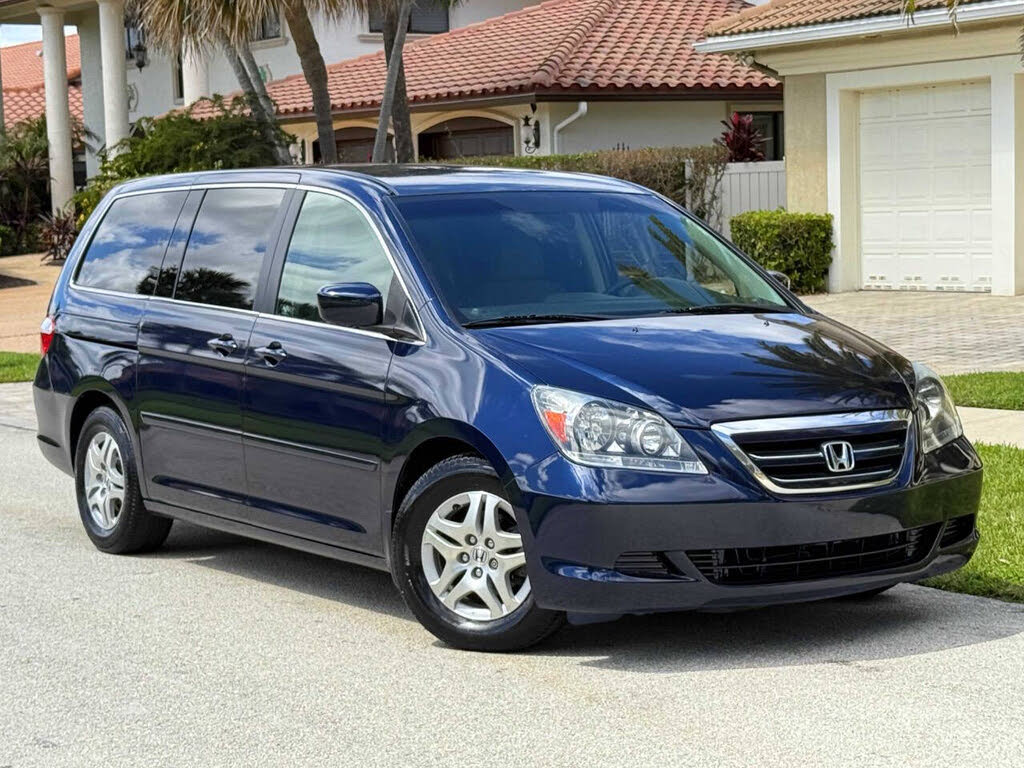
1. Honda Odyssey
The Honda Odyssey stands out as one of the most practical family vehicles ever designed, especially for families managing busy sports schedules.
Unlike many three row vehicles that simply add seats, this minivan focuses on how families actually use space during real trips. The interior layout feels purpose built for situations where passengers and gear constantly change between trips.
One of the biggest advantages of the Odyssey is its seating flexibility. The second row Magic Slide seats allow parents to move seats sideways, making it easier to create walking space to the third row or bring siblings closer together.
This might seem like a small detail, but during long tournament drives it can make supervision and communication much easier.
Cargo management is another area where the Odyssey performs exceptionally well. Even with all seats occupied, there is still usable cargo space for sports bags.
When extra room is needed, the rear seats fold flat into the floor, creating a deep storage well. This makes it easier to stack equipment vertically instead of cramming everything horizontally.
Long distance comfort is where this vehicle really shines. The suspension is tuned to absorb highway imperfections rather than deliver sporty handling.
This helps reduce fatigue during multi hour drives between cities. The quiet cabin also allows players to rest, listen to music, or review game strategies without excessive road noise.
Parents also appreciate practical durability touches. The materials inside are designed to handle spills, dirt, and constant entry and exit. Wide sliding doors also make parking lot access much easier when unloading gear between closely parked vehicles at sports complexes.
Technology is also thoughtfully integrated. Rear seat entertainment options, multiple USB ports, and climate control zones help keep everyone comfortable. When families spend entire weekends traveling between venues, these small conveniences start to matter much more than flashy design features.
For families balancing passenger comfort with serious cargo needs, the Odyssey delivers a well thought out solution rather than just offering size alone.
2. Toyota Sienna
Families who regularly travel for sports often discover that efficiency matters just as much as space, and the Toyota Sienna addresses this balance extremely well. It manages to combine the room expected from a minivan with hybrid fuel economy that helps reduce the financial strain of frequent regional travel.
One of the most impressive things about the Sienna is how its hybrid system changes the ownership experience. Instead of worrying about rising fuel costs during peak sports seasons, families can focus on planning trips. The smooth electric assisted acceleration also makes stop and go tournament traffic much less stressful.
Interior practicality is where this vehicle quietly proves its value. Storage compartments are placed throughout the cabin so athletes can keep personal items organized instead of piling everything into one bag. There are shelves, deep door pockets, and clever tray spaces that become very useful during long competition weekends.
Another benefit is the available all wheel drive system. Families traveling across different regions sometimes encounter rain soaked roads or rough parking fields near sports grounds. Having extra traction can add confidence without requiring a large SUV.
Passenger comfort has also been treated as a priority rather than an afterthought. Wide seats, generous headroom, and thoughtful airflow from the climate system help reduce complaints from tired players after long matches. When children are exhausted after competition, a calm cabin environment can make the drive home much easier.
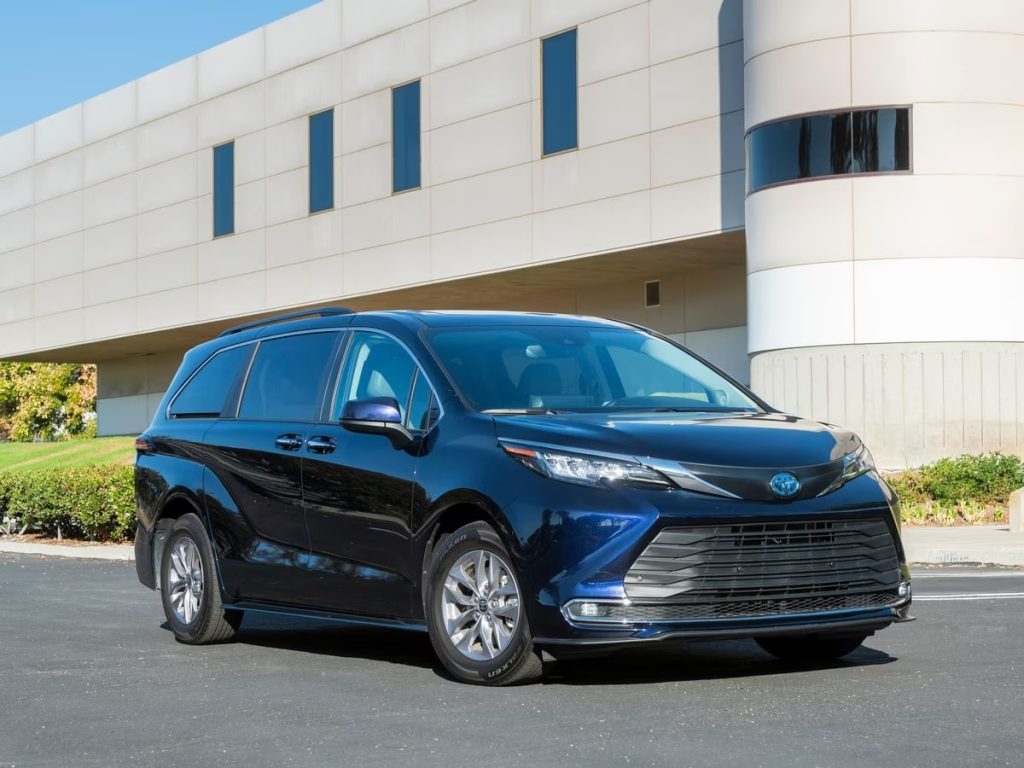
The exterior design also deserves mention because it avoids looking purely utilitarian. Many families appreciate that it does not look like a traditional minivan despite offering the same practical benefits. This gives it broader appeal, especially for families who want function without sacrificing style.
From an ownership perspective, Toyota’s reputation for long term durability also plays a role in its appeal. Families who expect years of travel between stadiums, school grounds, and training centers often prioritize vehicles known for consistency.
The Sienna works particularly well for families who want a travel focused vehicle that reduces fuel stops while still carrying everything needed for an active sports calendar.
3. Kia Telluride
There are vehicles that simply move people, and then there are vehicles that make long sports weekends feel organized and manageable.
The Kia Telluride falls into the second category because it combines SUV toughness with family focused interior planning. For families constantly driving between districts for matches, this balance becomes extremely valuable.
Instead of focusing only on maximum passenger capacity, the Telluride emphasizes usable space. The boxy shape is not just for styling. It allows more vertical cargo stacking, which becomes useful when packing sports kits, foldable tents, or team coolers. This type of space efficiency matters more than raw trunk size numbers.
The driving experience is another reason many families appreciate this SUV. Long distance stability is excellent, especially on highways where predictable steering helps reduce driver fatigue. When parents are responsible for transporting young athletes, confidence behind the wheel becomes just as important as comfort inside the cabin.
Another highlight is how the Telluride handles mixed usage. During the week it can serve as a daily school vehicle, but on weekends it easily transforms into a tournament transport vehicle. Folding seats, wide door openings, and a low loading height make these transitions simple instead of frustrating.
Passenger experience also feels carefully considered. Third row seating is actually usable for teenagers, which cannot be said for many SUVs in this category. This becomes important when teammates or siblings travel together. No one feels like they are stuck in a cramped emergency seat.
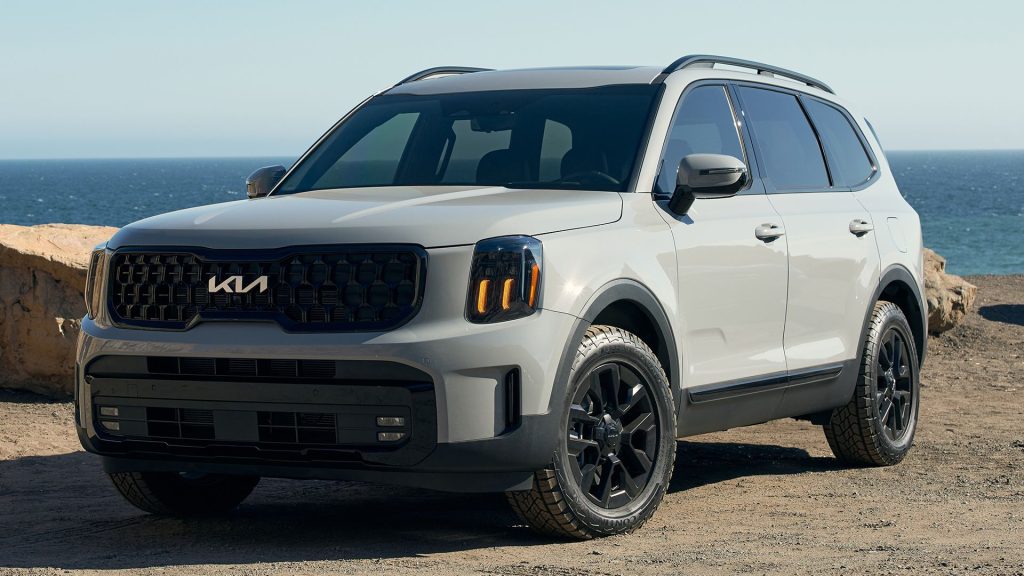
The Telluride also appeals to families who prefer an SUV image instead of a minivan shape. Some parents want the commanding driving position and rugged appearance while still getting family vehicle practicality. This vehicle manages to satisfy both expectations without compromise.
For sports families that want something that feels strong, spacious, and composed over long distances, the Telluride presents a compelling option that blends utility with everyday livability.
4. Subaru Ascent
Some families prioritize confidence in all conditions because sports schedules do not change based on weather. The Subaru Ascent is built with this reality in mind. Rain, muddy parking grounds, and unexpected terrain are situations where this vehicle feels particularly at home.
Subaru designed the Ascent with standard all wheel drive, which immediately separates it from many competitors where this feature costs extra. For families traveling to rural sports complexes or seasonal events, this can make a noticeable difference in confidence and safety.
Inside, the design focuses on function rather than flash. Large windows improve outward visibility, which helps when navigating crowded event parking areas. The upright seating position also gives drivers a clear view of surroundings, which is especially useful when maneuvering around pedestrians and young athletes.
One of the strongest advantages of the Ascent is its balanced ride character. It is not overly soft and not overly stiff. Instead, it aims for predictable control, which helps when carrying a full load of passengers and equipment. This consistency helps drivers feel comfortable even when the vehicle is fully packed.
Another practical strength is roof carrying capability. Many sports families eventually invest in roof carriers for extra equipment. The Ascent handles this well thanks to strong roof rail integration and stable highway behavior even with added cargo on top.
The vehicle also stands out for families who value safety engineering. Subaru has built its reputation around protective design philosophy, and this vehicle continues that approach. For parents making frequent highway journeys, this reputation often influences buying decisions more than luxury features.
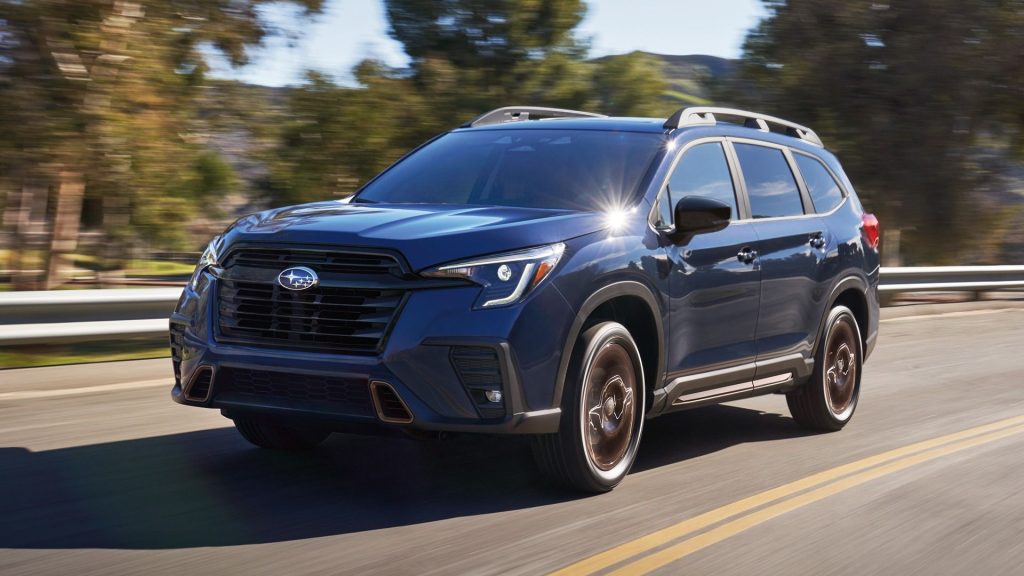
What makes the Ascent particularly appealing is that it feels purpose built for active lifestyles rather than just large families. It fits households that regularly deal with unpredictable schedules, changing weather, and equipment heavy travel routines.
Families who want a vehicle that feels dependable regardless of conditions often find the Ascent to be a reassuring travel partner throughout demanding sports seasons.
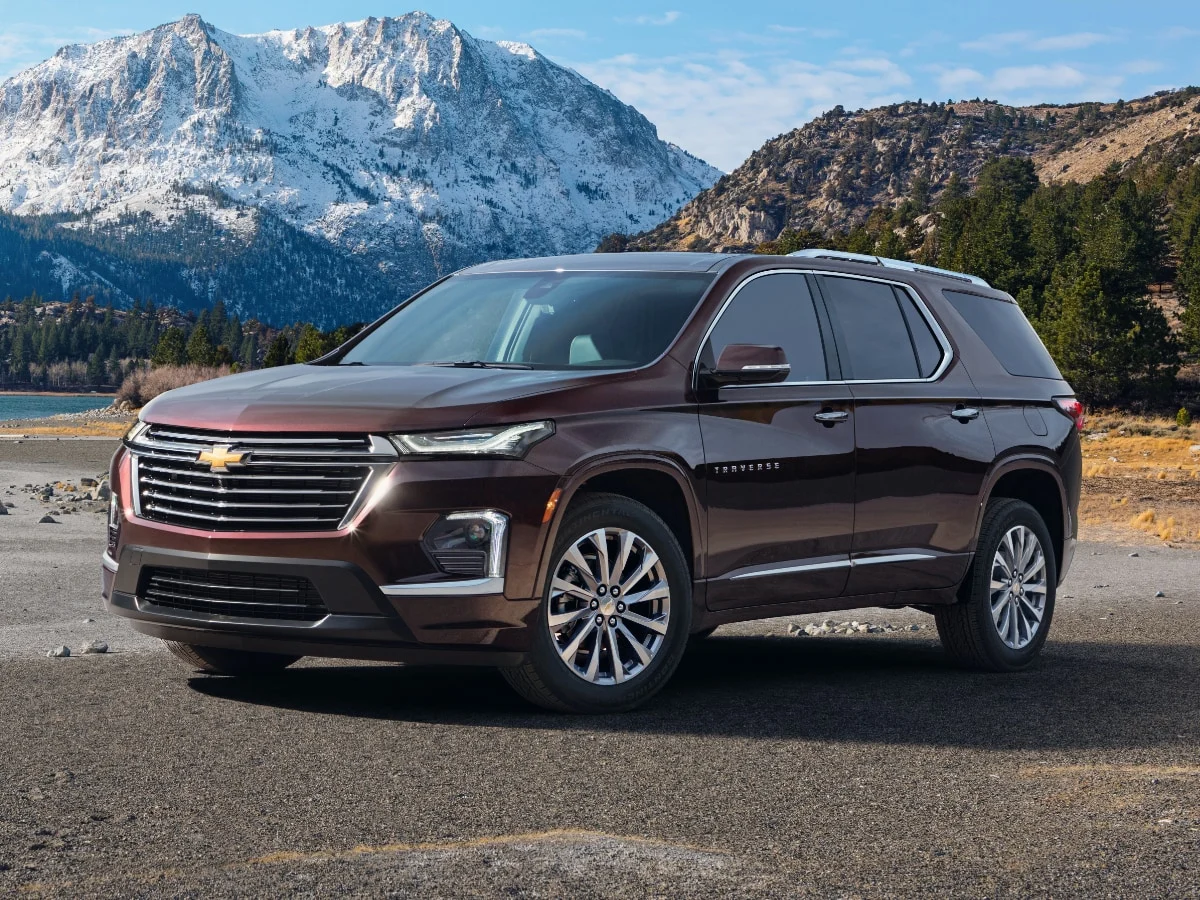
5. Chevrolet Traverse
Not every family sports trip is neatly planned. Sometimes schedules overlap, extra teammates need a ride, or additional equipment suddenly needs transport. The Chevrolet Traverse fits well into these unpredictable situations because it focuses heavily on maximizing interior volume rather than just exterior styling.
What makes the Traverse particularly useful is how it treats the third row as a primary space rather than a secondary compromise. Many SUVs advertise three rows but only comfortably support five passengers. The Traverse is different because even the last row can handle older kids or adults without constant complaints about knee room.
If interior space could be described in one word here, it would be generous. The wide cabin allows multiple duffel bags to be placed side by side rather than stacked. This helps families stay organized because equipment can be accessed without unloading everything. For sports parents, this type of layout saves time in busy parking lots.
Another strength appears during highway travel. The long wheelbase helps the vehicle feel planted and smooth when cruising between cities. Instead of constantly adjusting steering corrections, the driver can maintain a relaxed driving rhythm. Over a full sports season, this reduces physical and mental fatigue.
Storage design also shows real world thinking. Hidden compartments allow families to separate valuables from sports gear. This becomes useful when vehicles are left parked for hours during tournaments. Small touches like this may not appear in brochures, but they matter during ownership.
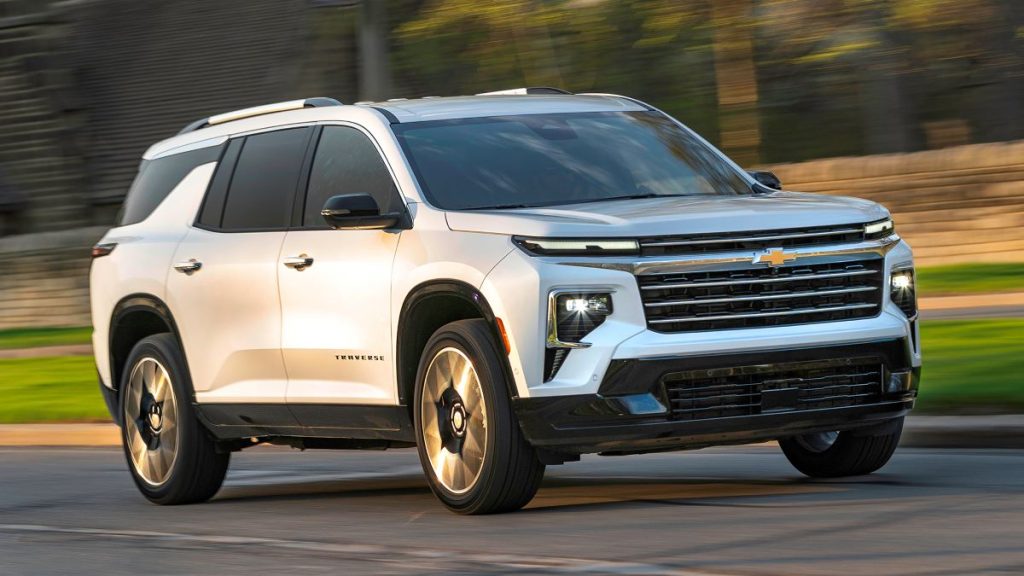
The Traverse also works well for families who prefer traditional controls rather than overly complicated interfaces. Straightforward climate controls and simple infotainment operation mean less distraction when managing navigation between unfamiliar sports venues.
Another factor that makes this vehicle appealing is its ability to act like a people mover without looking like a van. Some families want maximum space but still prefer the visual identity of an SUV. The Traverse fills that gap by offering near minivan interior space inside a conventional SUV form.
For families whose biggest challenge is simply carrying everyone and everything without compromise, the Traverse delivers the kind of interior freedom that makes demanding travel schedules easier to manage.
6. Chrysler Pacifica
If someone were to design a vehicle purely around family logistics, it would probably look very similar to the Chrysler Pacifica. This is not a vehicle that relies on marketing claims. Instead, it wins people over through everyday usability that becomes more noticeable the longer families own it.
Consider a typical sports weekend scenario. Early morning departure. Half asleep kids. Bags packed the night before. Quick loading required. This is where the Pacifica excels because the Stow n Go seating allows seats to disappear into the floor without needing removal. That means instant cargo flexibility without planning ahead.
Another underrated advantage is step in accessibility. Because the floor height is lower than most SUVs, younger children and tired athletes can enter without climbing. After a long match, this small detail can make a big difference in comfort.
Families also notice how well this vehicle handles constant use. Repeated door openings, sliding mechanisms, and folding seats are designed for durability. Vehicles used for sports travel experience much heavier interior wear than typical commuting vehicles, and the Pacifica feels engineered for that reality.
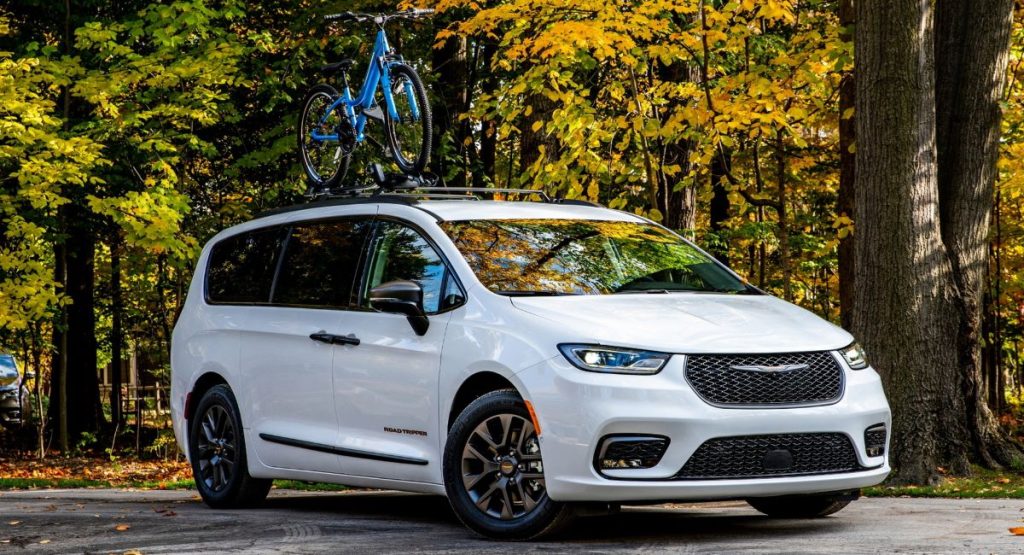
One of the most useful characteristics is interior quietness. Long drives often involve players trying to rest or recover. A calm interior environment allows conversations without shouting and lets passengers relax between competitions.
The Pacifica also introduces clever convenience ideas. Vacuum systems in some versions help clean dirt and grass quickly. Numerous cup holders prevent drink spills. Multiple device charging areas help teenagers keep phones powered during travel days filled with navigation apps and communication.
Instead of focusing on one standout feature, this vehicle succeeds by doing many small things correctly. The combined effect is a vehicle that reduces friction in family travel routines. Less time managing space means more time focusing on the actual purpose of the trip, which is supporting young athletes.
For families who want a vehicle that feels almost custom built for real family movement rather than occasional use, the Pacifica continues to prove why minivans remain one of the smartest solutions for sports oriented households.
7. Ford Expedition
Some sports families eventually reach a point where midsize vehicles simply are not enough. When travel involves multiple players, large coolers, and sometimes even pulling small trailers, full size capability starts to make sense. This is exactly where the Ford Expedition enters the conversation.
Think of this vehicle less as a typical SUV and more as a transport command center. Everything about it is designed around scale. The doors are large, the seating positions are wide, and the cargo capacity feels closer to commercial transport than personal commuting.
For families heavily involved in travel leagues, this kind of capacity can become a necessity rather than a luxury.
Power also plays an important role here. When a vehicle is fully loaded with passengers and gear, performance differences become noticeable. The Expedition maintains strong acceleration even when carrying heavy loads, which helps during highway merging and overtaking slower traffic on long regional routes.
The real advantage however appears when flexibility is required. Some weekends may involve only immediate family, while others may involve carpooling half the team. This is where the Expedition becomes extremely useful. Its seating layout allows families to adapt without needing a second vehicle.
Towing ability is another hidden advantage. Some families transport small equipment trailers, motorcycle carriers, or additional sporting infrastructure. Having a vehicle capable of handling these needs opens possibilities that smaller vehicles simply cannot match.
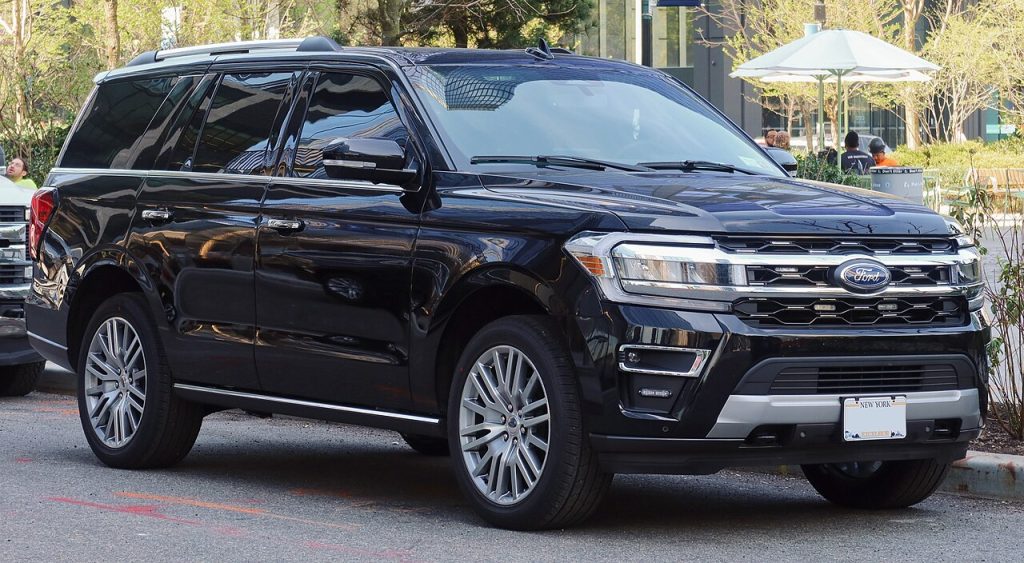
Inside, the experience is designed around long hour usability. Wide armrests, large center consoles, and substantial seat cushioning help reduce travel fatigue. These are the types of details that become important when tournament locations are several hours away.
The Expedition is not for families who travel light. It is for those who treat sports travel almost like a logistical operation. When equipment volume grows and travel becomes frequent, having excess capability often proves more useful than barely having enough.
For families deeply invested in competitive sports circuits, the Expedition offers the type of size and strength that turns complicated travel plans into manageable routines.
8. Hyundai Palisade
The Hyundai Palisade approaches the family travel problem from a completely different perspective. Instead of focusing purely on size or ruggedness, it emphasizes how families actually feel during travel. Comfort, atmosphere, and passenger experience become its main strengths.
Rather than describing it traditionally, it is easier to explain through experience: First impression: doors open wide, making entry easy even when arms are full of gear.
Second impression: seating feels supportive instead of flat, which becomes noticeable after the first hour of driving. Third impression: the cabin feels calm, almost lounge like, which helps reduce stress before important matches.
This experience driven approach makes the Palisade attractive for families who spend entire weekends on the road. When young athletes are relaxed instead of cramped, the entire trip becomes more pleasant.
Another strength is how it manages passenger distribution. Instead of treating the third row as overflow space, the vehicle spreads comfort evenly. Airflow reaches all rows effectively, which matters when traveling in hot climates after outdoor games.
The Palisade also succeeds in small thoughtful ways. Conversation between rows is easier because of the cabin design. Storage spaces are shaped to actually hold modern travel items instead of just acting as design features. Even visibility from the driver seat feels designed to reduce stress in crowded sports parking environments.
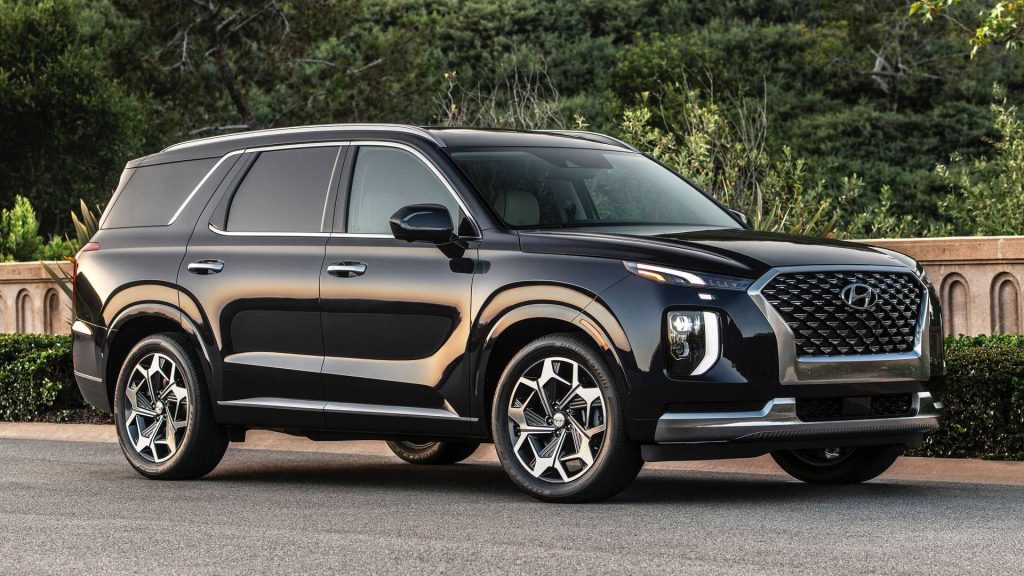
Where this vehicle really earns appreciation is after repeated trips. Many vehicles feel impressive during short test drives but reveal weaknesses over long use. The Palisade tends to have the opposite effect. The more it is used for long travel, the more its comfort focused engineering becomes obvious.
Another appealing factor is its balanced personality. It does not try to feel overly sporty or overly rugged. Instead, it positions itself as a refined family carrier built for endurance travel rather than occasional trips.
For families who believe comfort is not a luxury but a necessity during demanding sports seasons, the Palisade delivers a travel experience that focuses on keeping everyone relaxed, organized, and ready for the next competition.
9. Toyota Grand Highlander
There are families whose sports travel gradually becomes more serious over time. What begins as local matches often turns into regional tournaments requiring longer drives, more planning, and better organization. The Toyota Grand Highlander fits perfectly into this stage because it feels designed for families who have outgrown basic three row SUVs.
One of its biggest advantages is how it improves third row usability compared to traditional midsize SUVs. Instead of forcing compromises, it provides enough space for older kids and teenagers to sit comfortably for extended journeys.
This becomes important when players need to stay relaxed before important matches rather than arriving stiff and uncomfortable.
Cargo flexibility is another major strength. The Grand Highlander allows families to maintain passenger seating while still keeping meaningful luggage space. This matters because sports travel rarely allows the luxury of choosing between people and equipment. Both must fit without compromise.
This vehicle also stands out because of its travel personality. It feels built for smooth, consistent driving rather than aggressive performance. The ride quality focuses on stability, which helps when covering long interstate distances between cities hosting tournaments.
Another benefit is efficiency for its size. Families making frequent trips often look for ways to balance running costs with capability. Having a vehicle that manages fuel use intelligently while still carrying a full load becomes financially beneficial over an entire sports season.
Interior design also reflects modern family habits. Multiple charging areas, practical storage spaces, and thoughtful seat layouts allow passengers to manage devices, snacks, and personal items without clutter building up. Organization becomes easier, which is critical during packed travel schedules.
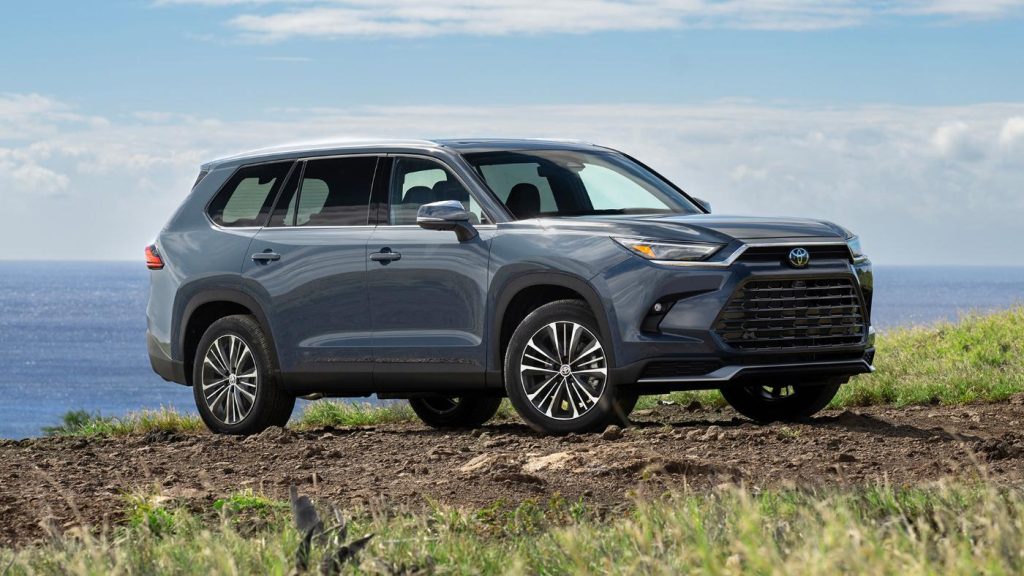
The Grand Highlander is also a strong choice for families who want a balance between minivan practicality and SUV styling. It offers much of the interior usefulness of a van while maintaining the appearance many buyers still prefer.
For sports families transitioning from casual participation into more demanding travel routines, this vehicle provides the kind of space and refinement that supports that next level of commitment.
10. Volkswagen Atlas
Every family approaches sports travel differently. Some focus on efficiency, others on comfort, and some simply want a vehicle that feels straightforward and honest in its design. The Volkswagen Atlas appeals strongly to families who value simplicity combined with real usable space.
Instead of complex design tricks, the Atlas focuses on clear practical advantages. The interior feels open because of its squared proportions. This translates into easier movement between rows and more natural seating positions. For families constantly entering and exiting during event stops, this becomes a real benefit.
One of the most noticeable strengths is how accessible the third row feels. Teenagers can enter without complicated seat folding processes, which helps when multiple players are getting in and out during tournament schedules. Less hassle means faster transitions between locations.
The Atlas also performs well as a long distance cruiser. It does not try to feel sporty or aggressive. Instead, it delivers predictable behavior that helps drivers stay relaxed during multi hour journeys. For parents managing tight event schedules, reduced driving stress is extremely valuable.
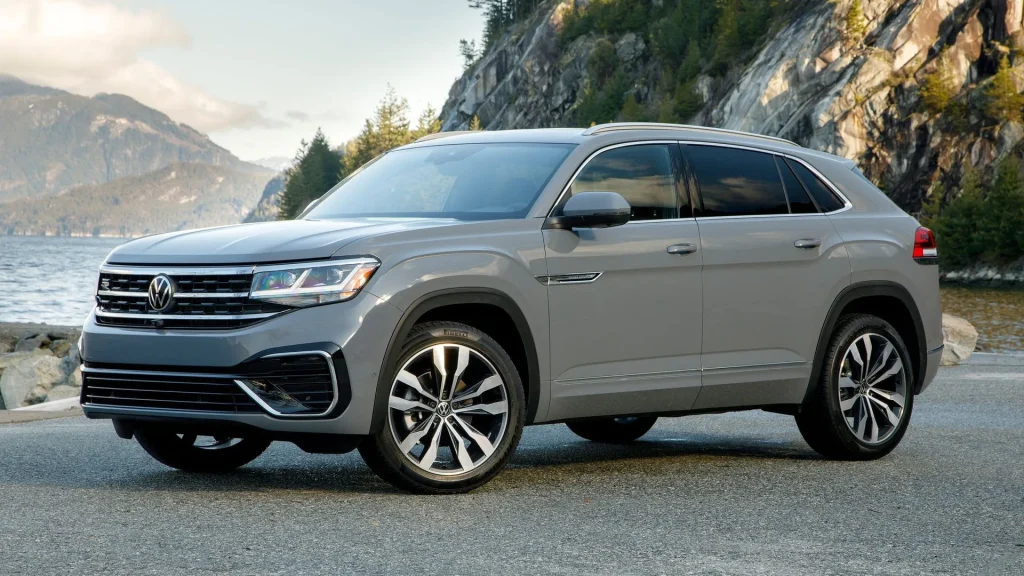
Another factor worth mentioning is visibility. Large windows and clean interior sightlines help drivers stay aware of surroundings when navigating busy sports complexes. This reduces the anxiety of maneuvering a large vehicle in crowded environments.
Storage design also deserves attention. Instead of flashy features, it offers practical compartments that actually get used. From glove storage to center bins, everything feels designed for real family use rather than showroom appeal.
The Atlas also suits families who prefer a European driving feel without sacrificing family vehicle requirements. It manages to combine structured road manners with interior space that rivals larger competitors.
For families wanting a vehicle that focuses on function, space, and predictable behavior without unnecessary complication, the Atlas represents a practical and dependable sports travel companion.
Also Read: 5 Trucks With Indestructible Transmissions vs 5 That Overheat Early
