
The rise of remote work has changed how many people think about transportation. For digital nomads, a vehicle is no longer just a way to travel from one place to another. It becomes a mobile office, a charging station, and sometimes even a temporary living space. Because of this, one feature has become increasingly valuable: a powerful built in inverter.
A built in inverter allows a vehicle to convert battery power into usable household electricity. This means laptops, monitors, routers, camera equipment, and other work tools can run directly from the vehicle without needing separate generators. For people working on the road, this can remove one of the biggest challenges of mobile productivity.
Modern vehicles with large inverters are especially useful because they often provide clean and stable power. This matters when running sensitive electronics. A reliable power source allows digital workers to operate confidently whether they are parked near a beach, in a mountain town, or at a remote campsite.
Another important advantage is independence. Instead of searching constantly for cafes or charging stations, digital nomads can create their own workspace anywhere. This flexibility allows better travel planning and reduces dependence on crowded public workspaces.
Some vehicles now offer power outputs that rival small portable generators. With the right vehicle, it becomes possible to power multiple devices at once. This includes charging multiple laptops, running lighting, powering cooking tools, or even supporting mobile internet hardware.
This list highlights twelve vehicles that stand out for offering strong inverter capacity or vehicle to load power capability. Each one provides a different approach to mobile power, from hybrid efficiency to full electric capability.
For digital nomads who measure vehicles by how well they support work life on the move, these options represent some of the most practical choices available.
Also Read: 5 Hybrids With Simple Cooling Systems vs 5 With Complex Maintenance
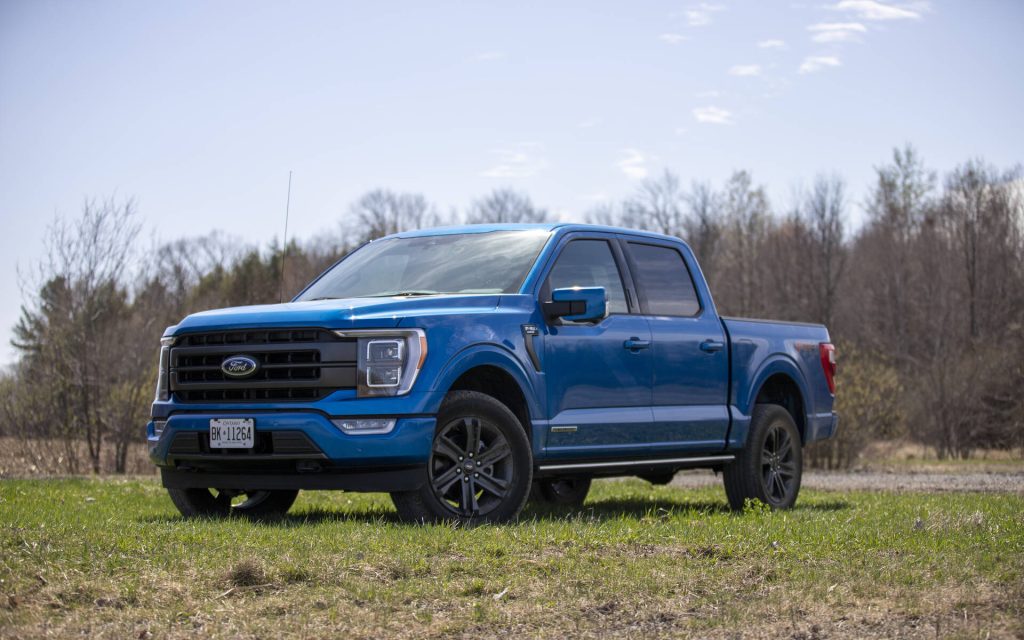
1. Ford F 150 PowerBoost Hybrid
If there is one vehicle that truly changed how people think about mobile power, it is the Ford F 150 PowerBoost Hybrid. This truck was designed not just as transportation but as a mobile energy platform capable of supporting serious electrical needs.
What makes this vehicle special is its Pro Power Onboard system. Depending on configuration, it can provide significant power output capable of running multiple professional devices simultaneously.
For a digital nomad, this could mean operating laptops, external displays, lighting setups, and communication equipment without worrying about battery levels.
Another strength is how the power system operates. Because the vehicle uses a hybrid setup, the gasoline engine can recharge the battery when needed. This means the power supply is not limited to a single battery charge like a traditional electric vehicle. This creates extended off grid capability.
Workspace flexibility is another advantage. The truck bed can be converted into a temporary workstation. Many users set up mobile desks, charging stations, and equipment racks directly in the back. This turns the vehicle into a functional outdoor office.
The interior also supports work needs. Large center consoles can store equipment safely, while multiple power outlets inside the cabin allow devices to remain charged during travel. The vehicle effectively supports both travel and work functions without compromise.
This vehicle is ideal for digital workers who carry heavy equipment or require high electrical output. Instead of simply supporting charging needs, it allows a fully functional remote work setup in almost any location.
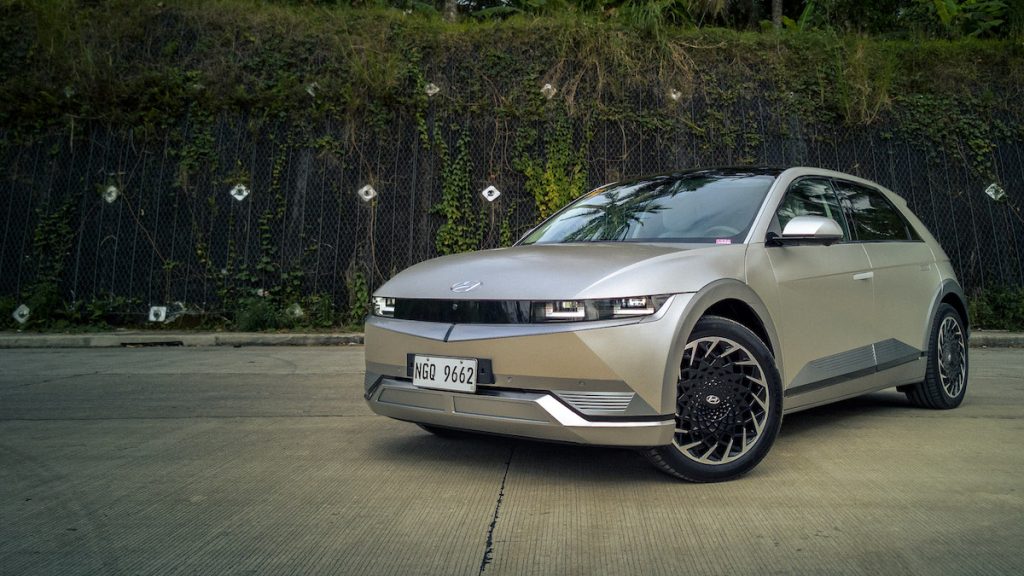
2. Hyundai Ioniq 5
While trucks approach mobile power through size and output, the Hyundai Ioniq 5 approaches the same challenge through electric innovation. This vehicle stands out because it integrates vehicle to load capability directly into its electric platform.
The key advantage here is clean power delivery. Electric vehicles can provide stable current, which is important when running sensitive electronics like cameras, editing systems, and networking equipment. For professionals working remotely, stable power can prevent equipment damage.
Another benefit comes from efficiency. Since the vehicle is fully electric, using stored battery energy to power devices feels seamless. Users can connect equipment directly through available outlets without needing additional conversion hardware.
Interior design also supports digital work. The flat floor design allows more freedom of movement. Some owners even configure the cabin as a temporary workspace during breaks. Adjustable seating and open space make it easier to manage long work sessions on the road.
There is also a lifestyle advantage. Silent operation allows the vehicle to function as a quiet workspace. Unlike generators or idling engines, an electric vehicle can supply power without noise disturbance. This is particularly useful when working in peaceful natural environments.
Charging flexibility also helps. When connected to fast chargers, the vehicle can quickly regain both driving range and work capacity. This makes it easier to plan long trips without sacrificing productivity.
For digital nomads who value efficiency, silence, and modern design, this vehicle shows how electric platforms are redefining what a mobile office can be.
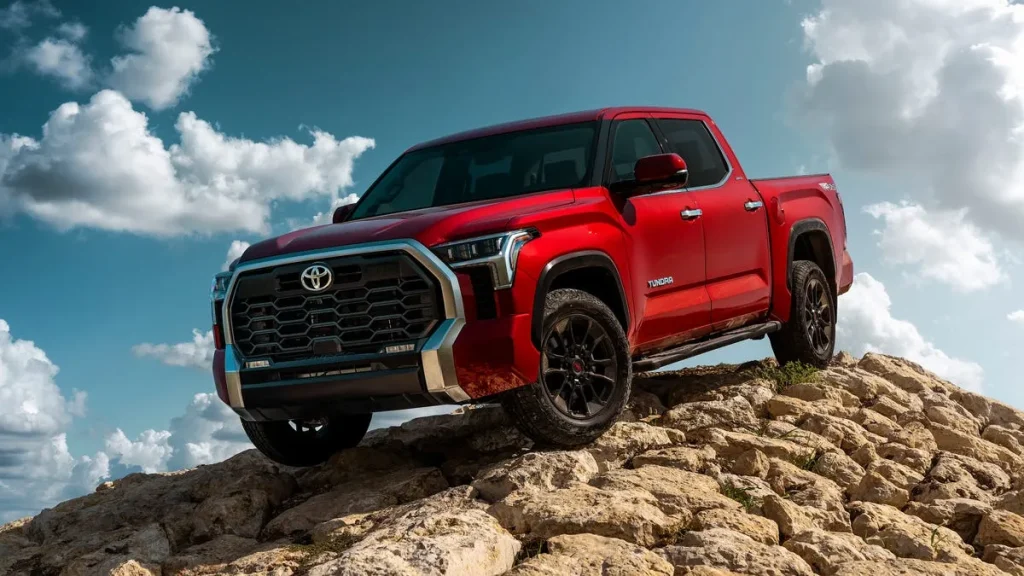
3. Toyota Tundra Hybrid (i-Force Max)
For digital nomads who need both durability and dependable onboard power, the Toyota Tundra Hybrid offers a very practical solution. This truck approaches mobile electricity from a reliability first philosophy, making it attractive for people who work in remote areas where consistent power matters more than luxury.
At the center of its appeal is the integrated power supply system that allows external devices to run directly from the vehicle. With multiple outlet locations in the cabin and truck bed, it becomes possible to create a flexible mobile workstation.
A user could power a laptop, charge camera batteries, run portable lighting, and still have capacity for communication equipment.
One of the major advantages of this system is consistency. The hybrid powertrain allows the truck to maintain electrical output without depending only on battery reserves. When necessary, the engine can maintain charge levels, which means extended working capability even in remote locations.
This vehicle also benefits from Toyota’s long standing reputation for durability. For digital workers traveling across rough terrain or changing climates, a dependable mechanical platform reduces travel anxiety. Reliability becomes part of productivity when missed deadlines can result from unexpected breakdowns.
The cabin also supports long work sessions. Wide seating, large storage areas, and thoughtful layout allow safe storage of expensive equipment. Having organized storage matters for professionals carrying drones, hard drives, microphones, or photography tools.
Another advantage is adaptability. Some owners create mobile editing stations using the tailgate as a desk surface. Others set up power distribution boxes for more complex setups. This flexibility allows different types of remote workers to customize the truck according to their profession.
For digital nomads who want strong electrical output combined with mechanical confidence, this truck offers a balanced solution that focuses on practical capability rather than just technology appeal.
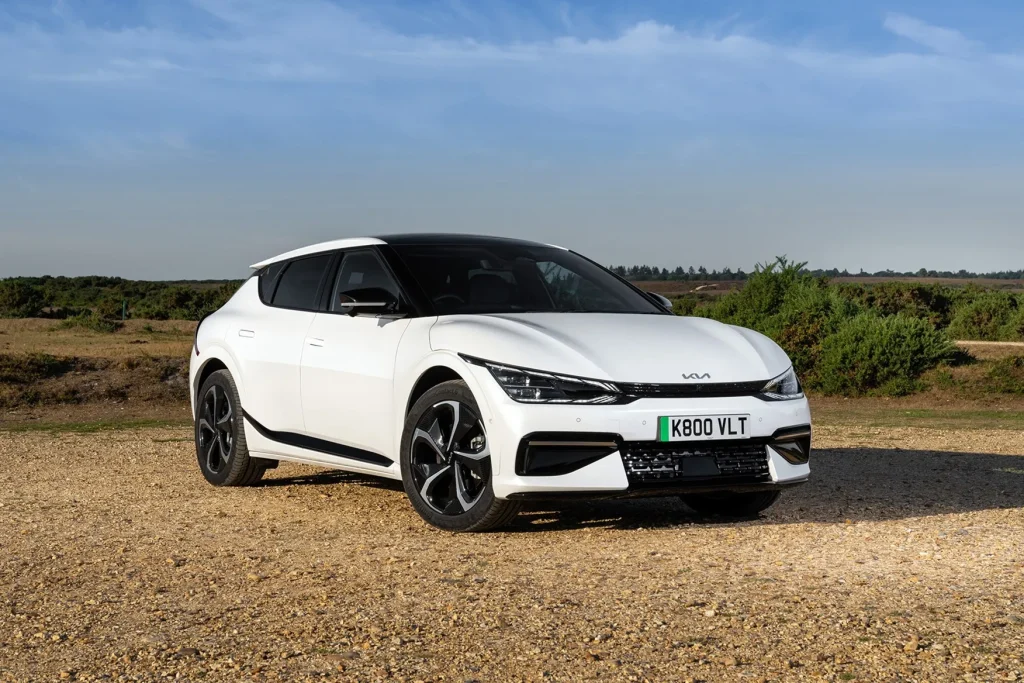
4. Kia EV6
The Kia EV6 represents a different interpretation of what a digital nomad vehicle can be. Instead of focusing on heavy duty capability, it focuses on efficient mobile power delivery through a highly advanced electric platform. This makes it especially attractive for remote professionals who travel frequently between cities and work locations.
The most important feature for mobile workers is the vehicle to load power function. This allows the car to act like a large battery bank capable of running everyday work devices. For someone working remotely, this could mean charging multiple laptops, powering mobile WiFi equipment, and even running small desktop setups.
Another strength is how easy the system is to use. Instead of complicated installations, users simply connect devices through available outlets. This simplicity reduces setup time and allows workers to focus on productivity rather than technical preparation.
The design of the interior also supports modern remote work habits. The seats can recline comfortably during breaks, and the cabin feels open due to the electric platform architecture. This allows the car to function as both transportation and a temporary workspace.
Thermal management is another subtle advantage. Electric vehicles often maintain stable power delivery without the voltage fluctuations sometimes seen in portable generators. For people using sensitive computing equipment, stable output is extremely valuable.
There is also a travel efficiency benefit. Fast charging capability allows users to regain both driving range and usable power quickly. This supports schedules where both travel and work must happen on the same day.
This vehicle works particularly well for digital professionals who prioritize technology integration and smooth travel between work destinations. It shows how modern EV design can support a fully connected lifestyle.
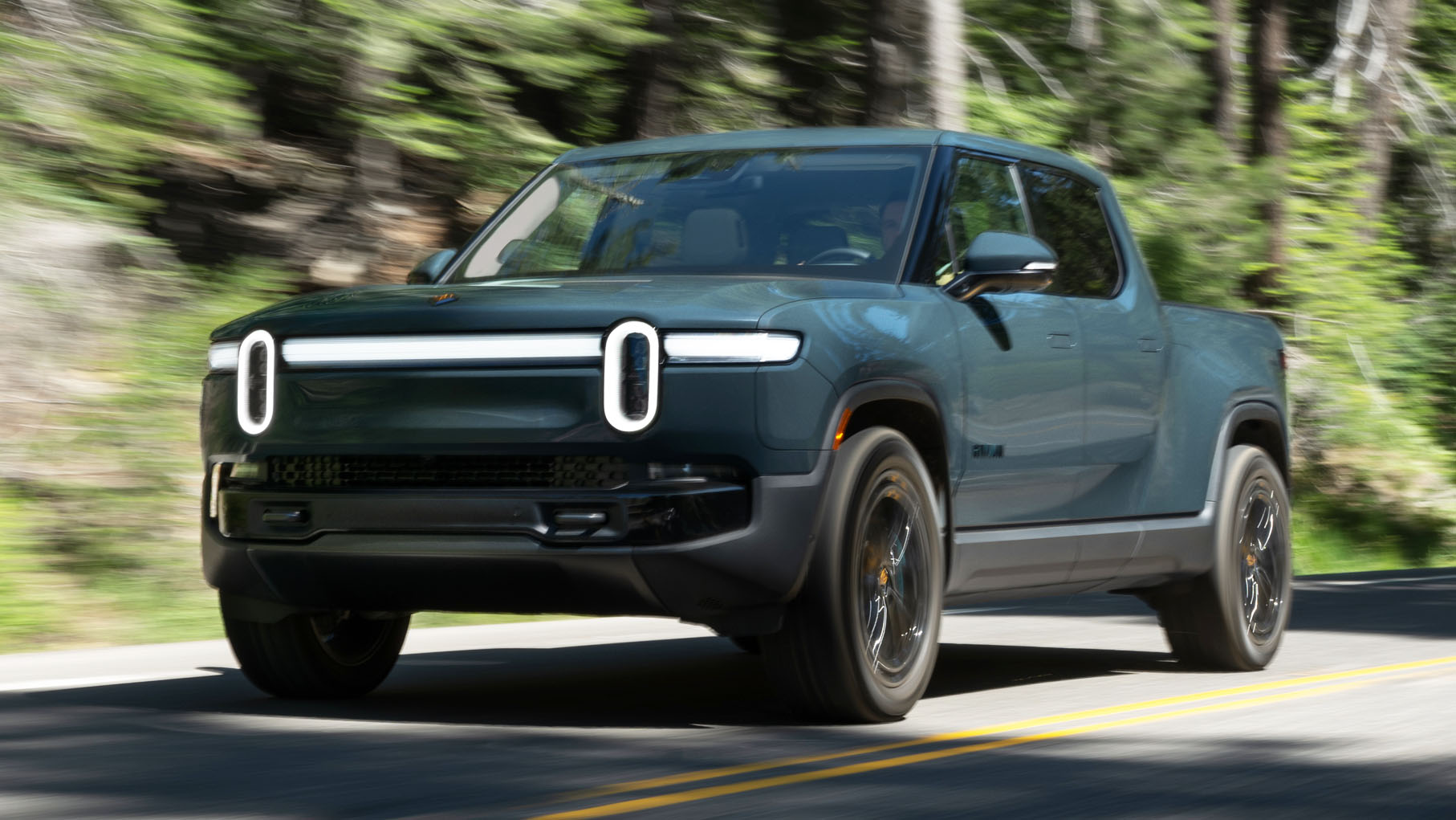
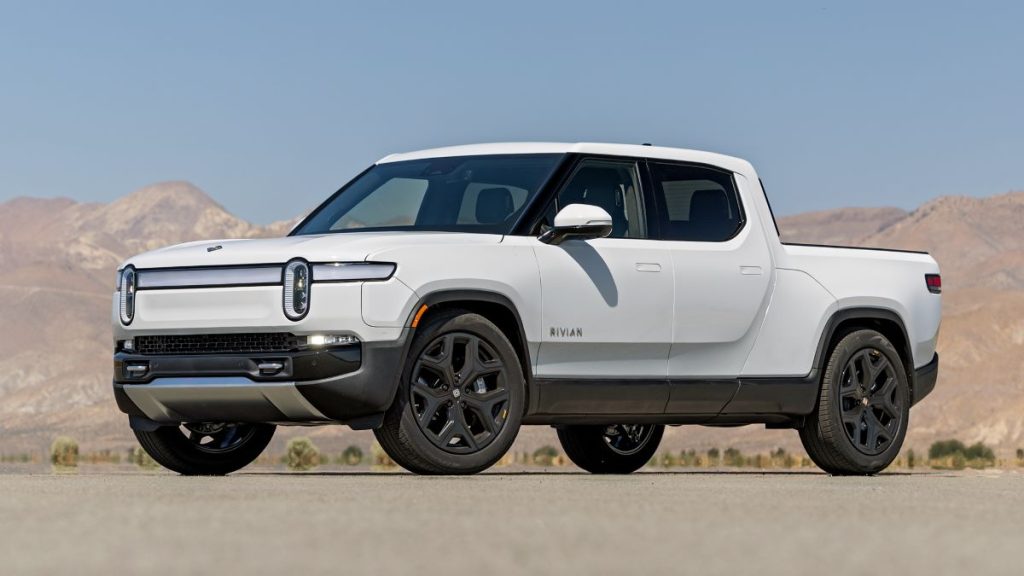
5. Rivian R1T
Some vehicles feel like they were designed specifically for modern remote lifestyles, and the Rivian R1T fits that description very well. This electric truck combines adventure focused engineering with serious onboard electrical capability, making it particularly attractive to digital professionals who travel far from traditional infrastructure.
One of the most appealing features is the extensive external power access. Multiple outlets allow users to operate work equipment directly from the vehicle. This makes it possible to run everything from laptops and camera charging stations to mobile editing rigs. For content creators working in remote landscapes, this becomes a major advantage.
The vehicle also introduces creative storage solutions that indirectly help mobile workers. The gear tunnel, for example, can store fragile equipment safely while also functioning as a seating or staging area. Some remote workers even use this space to organize cables and portable power accessories.
Another benefit comes from the large battery capacity. Electric trucks like this can store significant energy, allowing extended device usage without needing immediate recharging. This can allow a full workday of power usage depending on how equipment is managed.
Interior design also reflects long stay usability. The seats are supportive, the screen layout supports navigation and planning, and there is enough room to rest between work sessions. Comfort matters for people who spend long hours both driving and working.
The silent operation of the electric platform also creates a calm working environment. Being able to power equipment without engine noise allows better focus, especially for writers, programmers, and video editors who need quiet surroundings.
This truck is especially suited for digital nomads who mix outdoor exploration with professional work. It demonstrates how vehicles can now function as both transportation and reliable mobile infrastructure.
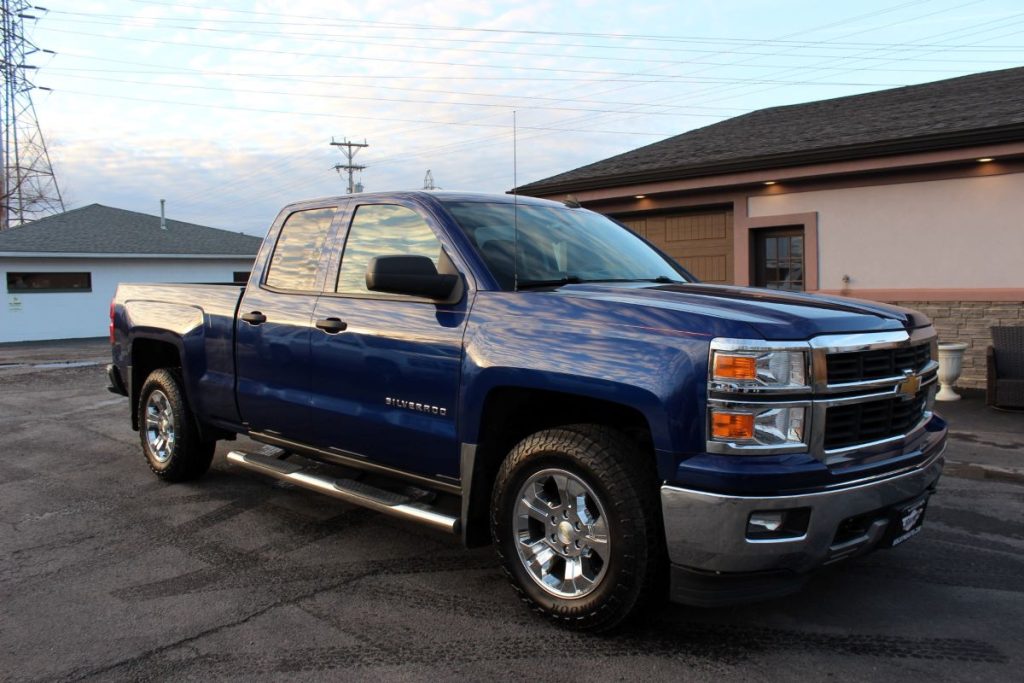
6. Chevrolet Silverado 1500 (with Power Outlet Package)
The Chevrolet Silverado 1500 offers a more traditional approach to mobile work capability. Instead of relying on hybrid or fully electric systems, it uses a conventional truck platform combined with integrated power outlet options to support work equipment.
This makes it appealing for buyers who prefer proven mechanical designs while still needing mobile electricity. The available outlet systems allow users to power tools and electronic devices directly from the truck. For remote workers, this can easily translate into powering laptops, routers, and charging equipment.
One of the key strengths of this truck is familiarity. Many service centers understand the platform well, and the truck itself is designed for long term usability. For digital nomads traveling across regions, this kind of widespread support can be very valuable.
Another advantage is physical workspace flexibility. The truck bed allows creative setups. Some owners install sliding desk platforms or portable work surfaces. Others use covered bed caps to create weather protected mobile offices.
Cabin practicality also supports working lifestyles. Large center consoles can store devices safely while multiple USB ports allow charging while driving. These small conveniences help support daily work routines without needing additional modifications.
Fuel range also becomes a practical advantage. Long distance travel between cities or remote work areas becomes easier when the vehicle can cover significant distances between refueling stops. This supports flexible scheduling for people working while traveling.
This truck is well suited for digital workers who want a balance between traditional truck dependability and modern power convenience. It shows that mobile productivity does not always require a fully electric platform to be effective.
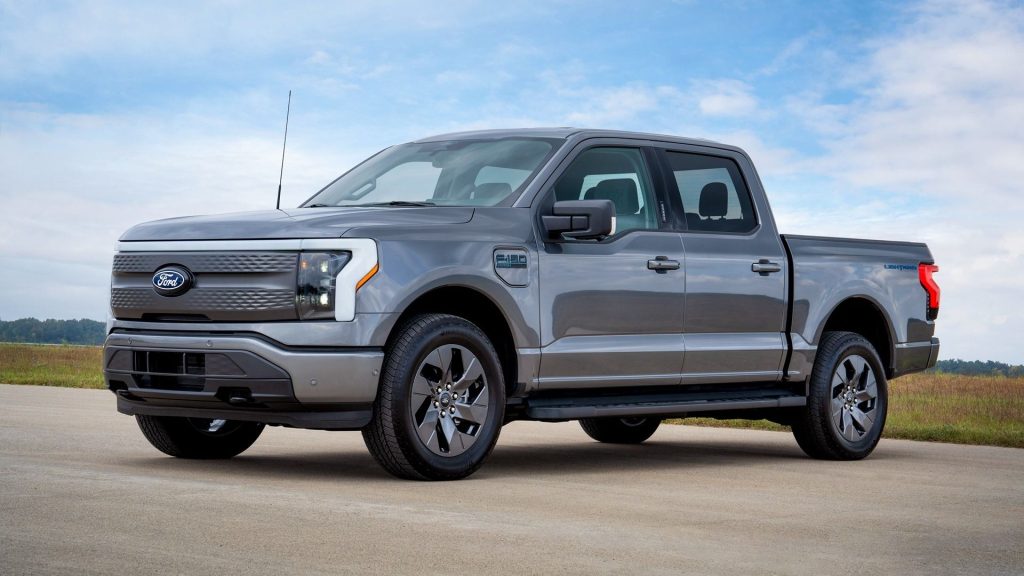
7. Ford F 150 Lightning
The Ford F 150 Lightning approaches the idea of a digital nomad vehicle from a pure electric perspective, but what truly makes it stand out is how seriously it treats onboard power. Rather than simply offering a charging outlet, this truck is engineered to function as a large scale mobile energy source.
One of the biggest advantages is the available high output inverter system. This setup allows the truck to supply electricity not just to small electronics but also to more demanding equipment. A remote worker could realistically operate a full mobile workstation including monitors, charging hubs, storage drives, and networking devices.
Another unique advantage comes from the front storage compartment, often called the frunk. Unlike traditional trucks, this area provides a secure and weather protected space with power outlets included. Many digital workers use this area as a compact workstation or a protected charging zone for expensive equipment.
The power management system also allows energy usage monitoring. This helps users understand how much battery capacity they are using for work versus travel. For someone managing both deadlines and driving range, this type of information becomes very useful.
Interior usability also supports productivity. The fold flat work surface available in some configurations can function as a laptop desk. This makes it possible to answer emails or complete short tasks without even leaving the driver seat.
Another benefit is emergency preparedness. In situations where traditional power sources fail, this vehicle can function as a backup electricity source. This adds another layer of security for remote professionals who depend heavily on uninterrupted power access.
For digital nomads who see their vehicle as a complete work platform rather than just transportation, this truck represents one of the most capable solutions currently available.
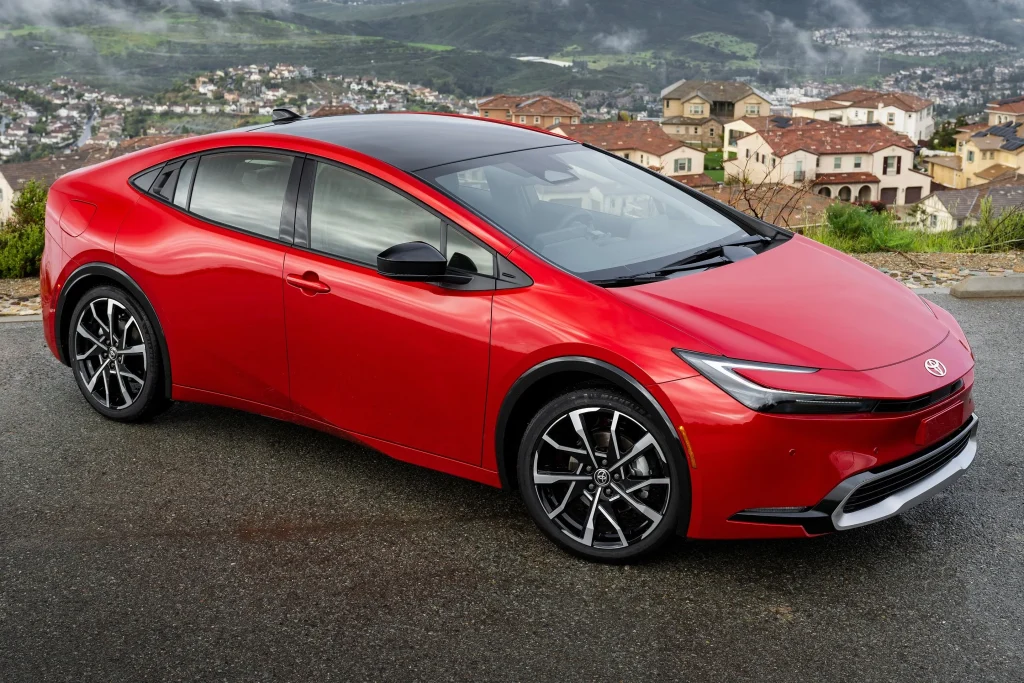
8. Toyota Prius Prime
Not every digital nomad needs a large truck to support their work. The Toyota Prius Prime shows how a smaller and highly efficient vehicle can still provide meaningful power support while dramatically reducing travel costs.
The plug in hybrid system allows the vehicle to operate on electric power for significant distances while also supporting external power needs through accessory inverters. While it may not match the raw output of electric trucks, it offers enough capacity to support everyday remote work tools.
One of its strongest advantages is efficiency. For digital workers who travel frequently between cities, reducing fuel expenses can make a significant financial difference. Lower operating costs allow more budget flexibility for travel, equipment upgrades, or extended stays in preferred locations.
Another benefit comes from quiet electric operation. When running in electric mode, the vehicle creates a peaceful environment suitable for phone calls or focused computer work. Silence can be surprisingly valuable when trying to maintain productivity on the road.
Interior design also supports practical work use. The hatchback layout allows extra cargo space for backpacks, portable desks, and technical equipment. Folding rear seats can even allow compact workspace setups for short work sessions.
Reliability is also a major strength. Hybrid systems from this manufacturer have built a strong track record for durability. For digital nomads who depend on consistent transportation, mechanical dependability is just as important as power capability.
This vehicle works best for remote professionals who prioritize efficiency, reliability, and smart energy use rather than maximum electrical output. It proves that mobility and productivity can be achieved even with a smaller platform.
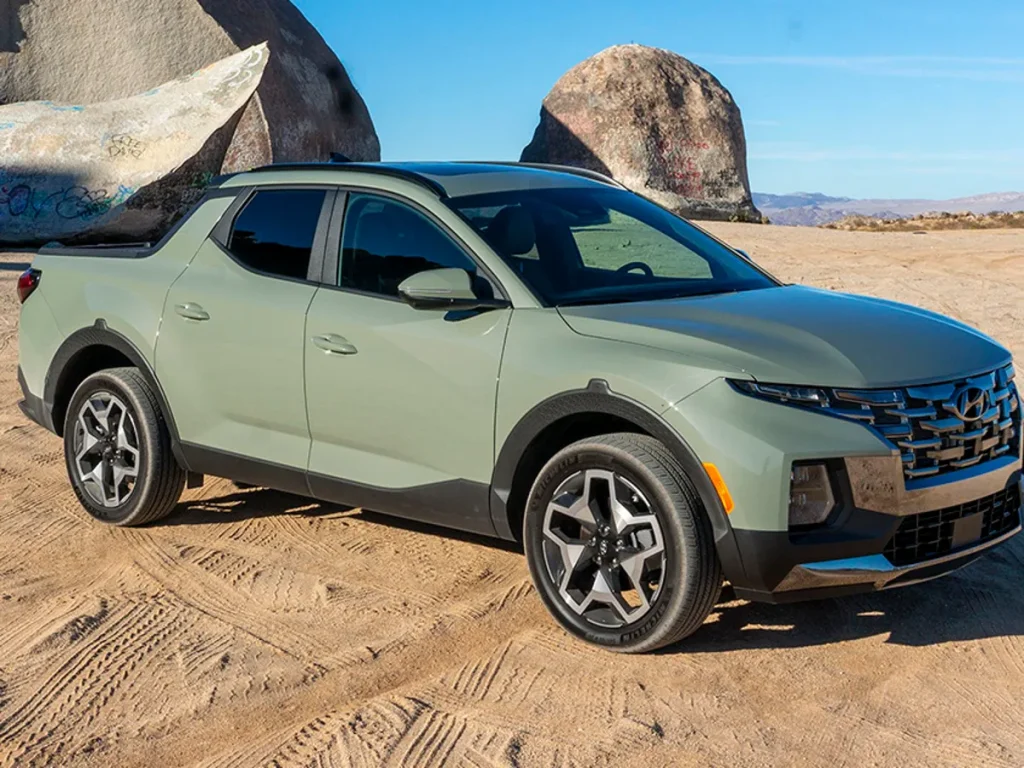
9. Hyundai Santa Cruz
The Hyundai Santa Cruz shows that a digital nomad vehicle does not always have to be large or extreme to be useful. This compact pickup approaches mobile productivity from a flexibility standpoint, combining everyday drivability with practical onboard power options.
One of its biggest strengths is how manageable it feels in daily use. Unlike full size trucks, it is easier to park in cities and more comfortable to maneuver in tight spaces. For digital workers who move between urban work zones and outdoor locations, this balance can be very valuable.
Power availability is still part of the package. With available bed outlets and interior charging points, the vehicle allows remote workers to keep their essential devices running. A photographer could charge batteries between shoots, while a programmer could keep multiple devices powered during travel breaks.
The open bed also creates interesting workspace possibilities. With the tailgate down, some users create temporary standing desks. Others add lightweight bed covers to create protected work zones. This adaptability is one of the biggest strengths of compact pickups.
Another advantage comes from ride comfort compared to traditional trucks. Because it uses a more car like platform, the ride feels smoother in everyday driving. Less vibration during travel can help remote workers stay less fatigued when driving long distances between work locations.
Interior practicality also helps. Smart storage areas allow cables, power banks, and portable drives to be organized without clutter. When equipment is organized, setup time becomes shorter and productivity improves.
This vehicle is ideal for digital workers who want flexibility without committing to a full size truck. It offers enough power capability to support work needs while remaining easy to live with every day.
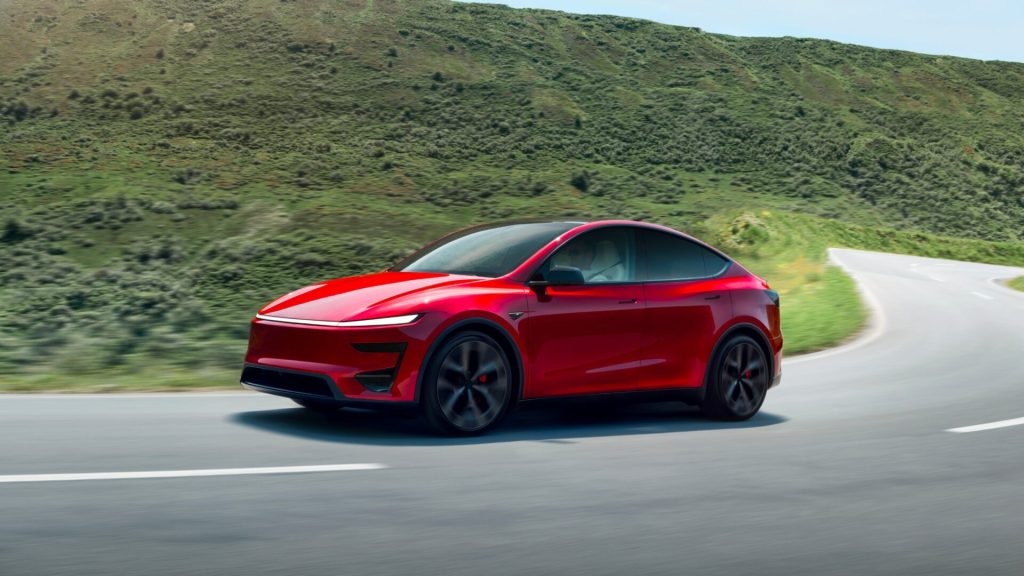
10. Tesla Model Y
The Tesla Model Y approaches the digital nomad lifestyle from a software driven perspective. While many vehicles focus on physical outlets alone, this electric crossover combines battery capacity, charging flexibility, and a technology centered interior that supports modern remote work.
The large battery capacity allows the vehicle to function as a substantial mobile energy reserve. With the right adapters, users can operate essential electronics for extended periods. This becomes especially useful for professionals working in video production, coding, or online consulting.
Another major advantage is the charging network. Access to fast charging locations allows digital workers to combine travel stops with productivity breaks. A charging stop can easily become a work session while the vehicle prepares for the next leg of travel.
The minimalist interior also helps productivity. The large central display can assist with scheduling, navigation planning, and communication management. While it is not a replacement for a computer, it helps manage logistics efficiently.
Cargo flexibility is another hidden advantage. The rear storage area and additional front storage compartment allow safe transport of delicate equipment. Having multiple storage zones helps separate work gear from personal items.
Climate management also contributes to usability. The ability to maintain cabin temperature while parked allows the vehicle to function as a temporary office in different weather conditions. This makes it easier to work comfortably without constantly running the drive system.
This vehicle is well suited for digital professionals who prioritize technology integration and charging infrastructure. It represents how software and electric mobility together can support modern remote work lifestyles.
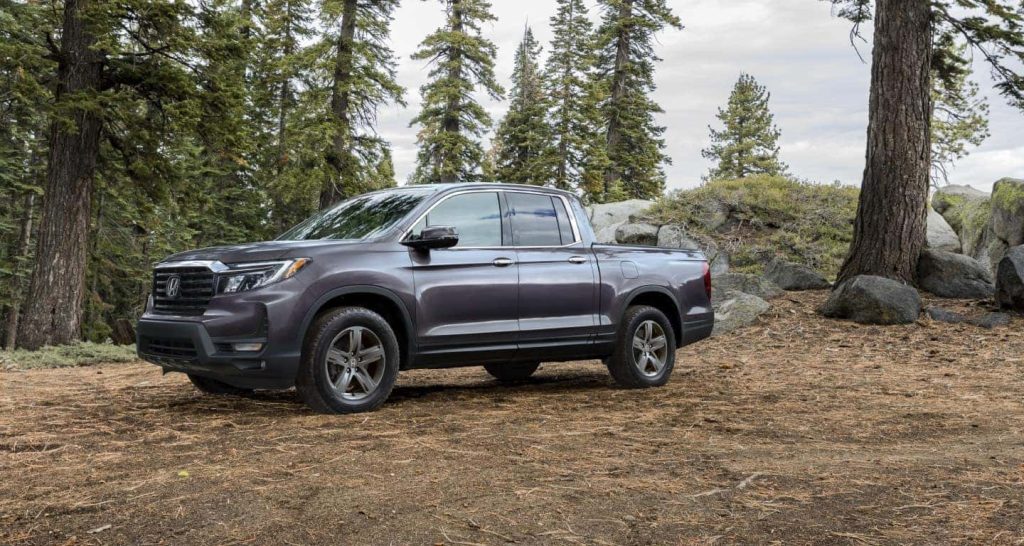
11. Honda Ridgeline
The Honda Ridgeline takes a very different approach compared to traditional trucks when it comes to supporting mobile work lifestyles. Instead of focusing purely on rugged capability, it emphasizes smart usability, which makes it surprisingly well suited for digital nomads who need practical power access and everyday comfort.
One of its most interesting advantages is the in bed power outlet system available on certain trims. This allows remote workers to plug in essential electronics without needing additional conversion equipment. For someone managing laptops, camera chargers, or networking devices, having built in power simplifies daily setup.
Another unique feature is the dual action tailgate and in bed trunk. This design allows workers to store sensitive equipment safely while still keeping quick access to cables and accessories. Organization plays a big role in mobile productivity, and this truck supports that through thoughtful design rather than size alone.
Ride comfort is also an important strength. Unlike body on frame trucks, this vehicle uses a unibody structure which gives it a smoother ride. For digital nomads covering long distances, reduced vibration can mean arriving at destinations with less fatigue.
Interior usability also deserves attention. The cabin is laid out more like a large crossover than a work truck. Seats remain comfortable for long drives, and there are enough storage areas to keep work essentials organized. This type of thoughtful layout often matters more than raw size.
Another benefit is reliability confidence. Vehicles with strong dependability records allow digital workers to focus on deadlines rather than mechanical concerns. Knowing the vehicle will start every day is part of maintaining a stable remote work routine.
This vehicle works especially well for remote professionals who want practical power access and flexible storage without moving into oversized truck territory.
12. Volkswagen ID. Buzz (with Power Export Capability)
The Volkswagen ID. Buzz represents a completely different philosophy for digital nomads. Instead of focusing on raw power output or rugged design, it focuses on lifestyle integration. With its spacious interior and electric platform, it is designed to function almost like a mobile studio.
The biggest advantage comes from interior space. The van layout allows users to create customized work environments. Some digital workers may install folding desks, portable chairs, or equipment racks. The flexibility of the interior allows it to function as a workspace rather than just transportation.
Electric platform power export capability also supports remote work needs. With the right setup, users can run essential work electronics directly from the vehicle battery. This makes it possible to operate in remote locations without needing separate generators.
Another major advantage is movement freedom inside the cabin. Unlike sedans or small crossovers, the upright interior allows occupants to change posture easily. For people working long hours remotely, being able to stretch or reposition inside the vehicle becomes very valuable.
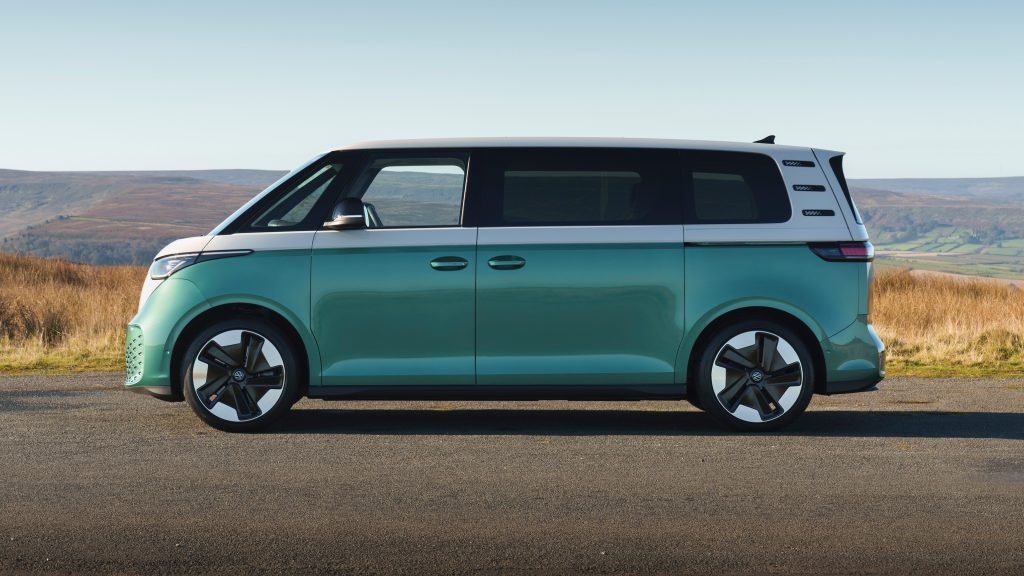
The design also supports long stays. Large windows allow natural light, which can improve the working atmosphere. A well lit interior often helps reduce fatigue compared to dark cramped cabins.
There is also a creative advantage. Vehicles like this often attract people working in creative industries such as photography, design, writing, and video production. The space allows equipment to remain organized and ready for use without constant packing and unpacking.
This vehicle is best suited for digital nomads who see their vehicle not just as transport, but as a mobile base of operations. It represents how electric vans may become some of the most practical remote work platforms in the future.
Also Read: 5 Modern CVTs That Are Finally Reliable vs 5 to Still Avoid in 2026
