

Buying and selling has changed dramatically over the past decade. What once seemed like a simple transaction between two individuals has now become a layered and complicated process.
Private sellers are everywhere today. You can find them on social media platforms, online marketplaces, classified websites, and even neighborhood apps.
At first glance, buying from a private seller appears attractive. You expect lower prices, direct communication, and a more personal experience. But the reality is far more complex than it used to be.
Today’s buyers face a unique set of challenges that did not exist before. Digital fraud is rising rapidly. Consumer protection laws vary widely. Verification of goods has become harder than ever. Even simple payments have become a source of risk and confusion.
Many buyers walk into private transactions feeling confident. They walk out feeling confused, cheated, or simply overwhelmed by what went wrong. The lack of professional structure in private sales creates room for many problems.
This article explores eight key reasons why buying from a private seller is significantly more complex in today’s world. Understanding these reasons will help you make smarter, safer decisions the next time you consider a private purchase.
1. The Rise of Digital Fraud and Online Scams
The internet has made it incredibly easy to connect buyers and sellers. But it has also opened wide doors for fraud and deception. Private seller scams are now among the most reported consumer complaints worldwide. Thousands of buyers lose their money every single year to fake listings and dishonest sellers.
Fraudsters today are highly sophisticated and well-organized. They create professional-looking listings with stolen photos and fake descriptions. A buyer can easily mistake a scam listing for a genuine one. The visual quality of these fake posts has improved significantly over time.
Scammers often create a sense of urgency in their listings. They pressure buyers to act fast before someone else grabs the deal. This emotional pressure causes buyers to skip important verification steps. Many regret their decision only after the money has been sent.
Phishing links are now commonly used in private seller conversations. A scammer will send a fake payment link that looks completely legitimate. Once you click and enter your details, your financial information is stolen. These attacks are designed to look identical to real payment platforms.
Fake escrow services have also become a major problem. A seller may suggest using a “safe” escrow website that they themselves control. The buyer deposits money into the escrow thinking it is protected. In reality, the money goes directly into the scammer’s account.
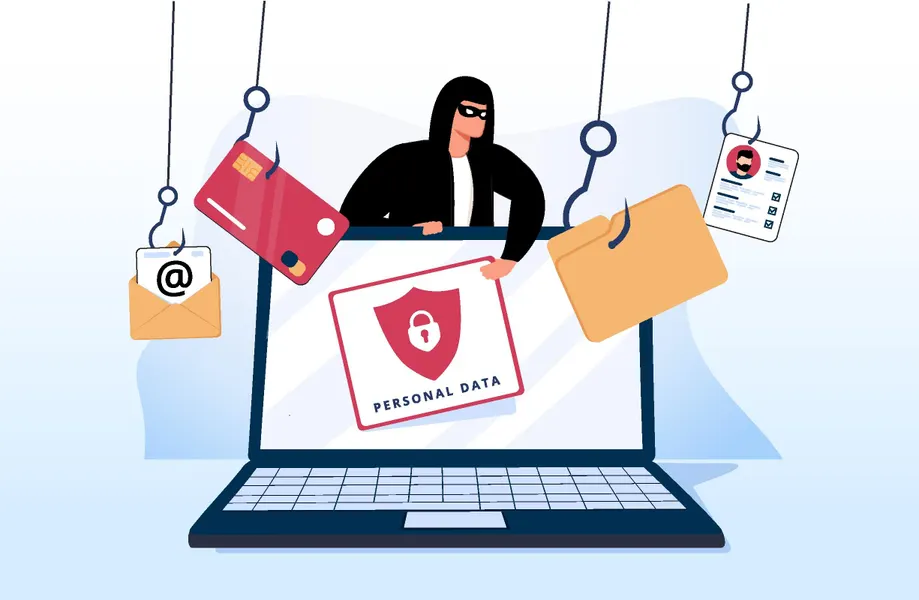
Social media platforms have made impersonation much easier. A fraudster can copy a real person’s profile and pretend to be them. They list items using the copied identity to gain buyer trust. The real person has no idea their name is being misused.
Reverse scams also exist, where the buyer is the one committing fraud. A fake buyer sends a falsified payment confirmation screenshot. The seller ships the item before verifying the payment. By the time the truth is discovered, the goods are already gone.
Even genuine private sellers can unintentionally be part of a scam chain. They may be selling stolen goods without knowing their origin. The buyer purchases the item in good faith and later faces legal trouble. The complexity of tracing such transactions makes resolution extremely difficult.
Digital fraud has fundamentally changed the risk level of private transactions. What was once a low-risk neighborhood deal now requires serious precaution. Every step of a private purchase today demands scrutiny. The internet has made convenience and danger arrive together.
2. Lack of Legal Protection for Buyers
When you buy from a registered business, consumer protection laws often apply. You have rights to returns, replacements, and refunds in many situations. But buying from a private seller exists in a legal grey zone. The protections available to you are minimal and often nonexistent.
Private sales are typically governed by the principle of “buyer beware.” This means the responsibility for checking the product lies entirely with you. The seller is not legally obligated to disclose every defect or issue. If something goes wrong after the sale, you may have very little legal recourse.
Laws around private sales vary dramatically from country to country. In some places, basic implied warranties still apply to private transactions. In others, a signed “as-is” agreement completely removes seller liability. Understanding which laws apply to your specific situation requires legal knowledge most buyers lack.
Even within a single country, state or provincial laws can differ widely. A transaction legal in one state may be considered problematic in another. Buyers often do not research local regulations before making a purchase. This ignorance creates serious vulnerability when disputes arise later.

Taking legal action against a private seller is often not worth the effort. Court fees, time costs, and legal representation quickly exceed the value of the item. Small claims court has limits on how much money can be recovered. Many buyers simply absorb the loss rather than pursue justice.
Contracts in private transactions are rarely formal or comprehensive. Most private deals are sealed with a handshake or a short text message. These informal agreements are extremely difficult to enforce legally. Proving what was agreed upon becomes nearly impossible without proper documentation.
Digital transactions have made accountability even harder to establish. A private seller can delete their account and disappear completely. There is often no physical address, business registration, or legal identity on record. Tracing and holding someone accountable requires resources most buyers do not have.
Consumer protection agencies are typically set up to handle business complaints. They are often not equipped to deal with disputes between two private individuals. Filing a complaint with a government body about a private seller rarely produces results. Buyers are frequently left to resolve issues entirely on their own.
The legal complexity around private sales has grown significantly in recent years. New digital platforms have outpaced existing legal frameworks. Regulators are still trying to catch up with the pace of online commerce. Until then, private buyers must go through these transactions largely without a safety net.
3. Difficulty in Verifying the Authenticity of Goods
One of the biggest challenges in private transactions is knowing whether what you are buying is genuine. Counterfeit goods have flooded both online and offline markets. A private seller may knowingly or unknowingly offer fake products. The buyer has no reliable way to confirm authenticity before paying.
Luxury goods are among the most commonly faked items in private sales. Handbags, watches, shoes, and jewelry are replicated with incredible precision today. Even experienced collectors are sometimes fooled by high-quality fakes. Casual buyers with no specialist knowledge stand almost no chance of spotting them.
Electronics are another category where counterfeiting is rampant. Fake chargers, batteries, and accessories are sold as genuine branded products. These items may look identical to originals but perform poorly. Worse, some counterfeit electronics pose serious fire and safety risks.
Certificates of authenticity are no longer a reliable guarantee. These documents can be forged just as easily as the products themselves. A private seller can present fake paperwork alongside a fake item. Without independent verification, the buyer has no way to distinguish truth from deception.

Serial numbers on electronics and other products can be tampered with or duplicated. A stolen or refurbished item may carry a falsified serial number. Checking these numbers online does not always reveal their true history. Many verification databases are incomplete or not publicly accessible.
Physical inspection is limited in online private transactions. You cannot touch, smell, or fully examine an item before purchasing remotely. Photos can be edited, filtered, and taken in misleading lighting. Video calls with sellers have also been faked using pre-recorded footage.
Even in-person transactions carry authentication risks. A seller might switch items between the showing and the handover. A buyer who inspects the item once may not notice subtle differences later. Trust in private sales is extremely easy to exploit.
Third-party authentication services exist but come at an additional cost. Scheduling and completing an authentication check takes valuable time. Not all items or product categories have reliable verification services available. Many buyers skip this step because it seems inconvenient or excessive.
The burden of proving inauthenticity also falls on the buyer after the sale. Without prior independent verification, proving a product is fake is extremely difficult. A private seller can simply deny all knowledge and walk away. The buyer is left holding a worthless counterfeit with no path to recovery.
4. Complex and Risky Payment Methods
Paying a private seller safely is far more complicated than it appears. The variety of payment options available today creates significant confusion. Each method carries its own set of risks and limitations. Buyers often choose convenience over safety and later regret it.
Cash transactions seem straightforward but carry obvious dangers. Carrying large amounts of money to meet a stranger is physically risky. Counting cash accurately under pressure is harder than it sounds. There is also no paper trail to reference if a dispute arises later.
Bank transfers are widely used in private transactions today. Once a transfer is sent, it is almost impossible to reverse without the recipient’s cooperation. Fraudulent sellers exploit this finality to their advantage. By the time the buyer realizes the fraud, the money is already gone.
Payment apps like Venmo, PayPal, and Cash App are popular for private sales. However, most of these platforms offer limited buyer protection for goods and services. Using the “friends and family” option eliminates even the basic protections that exist. Sellers often insist on this option specifically to avoid chargebacks.
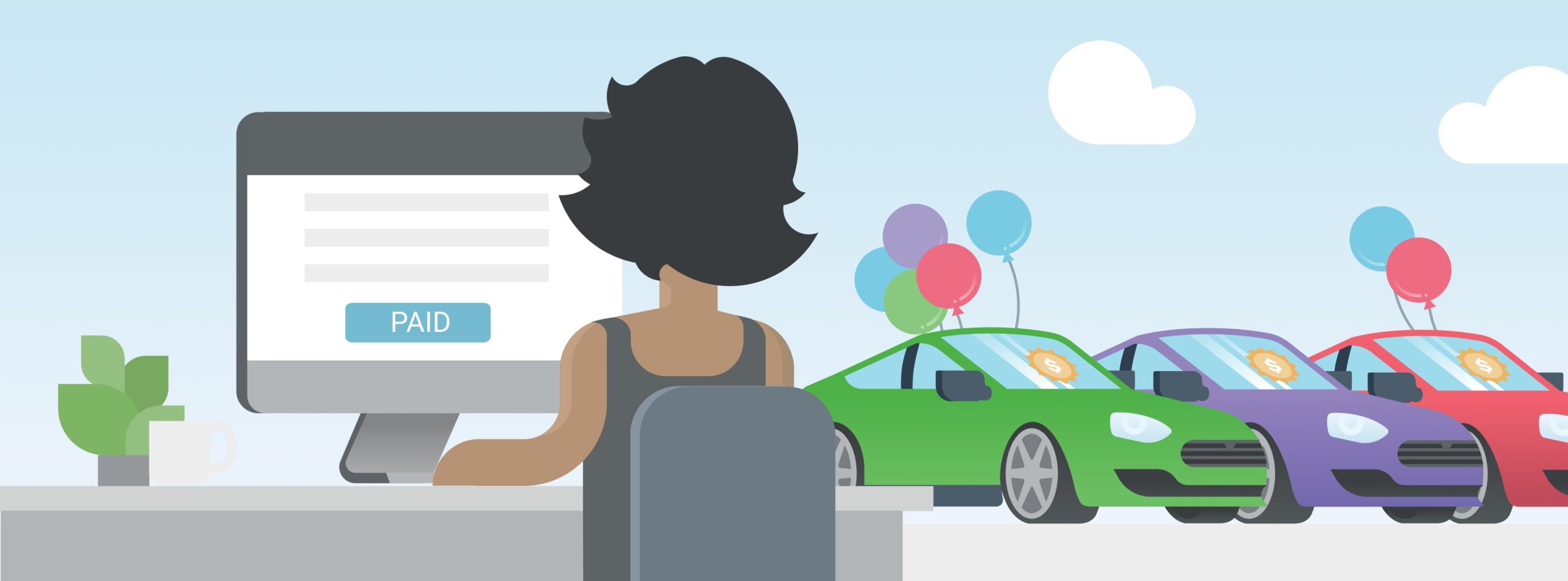
Cryptocurrency payments have become increasingly common in private transactions. These transfers are completely irreversible once confirmed on the blockchain. There is no central authority to appeal to if something goes wrong. Scammers actively prefer cryptocurrency for this exact reason.
Gift cards are sometimes requested as payment by fraudulent private sellers. This is almost always a red flag indicating a scam. Legitimate sellers have no valid reason to request gift card payments. Yet many buyers comply because the request is framed convincingly.
Cheque fraud remains a significant problem in private transactions. A buyer may receive a counterfeit cashier’s cheque that looks completely genuine. The bank initially accepts the deposit, giving a false sense of security. Days later, the cheque bounces and the buyer loses both the item and the funds.
Escrow services were designed to protect both parties in high-value transactions. But fake escrow platforms have become a sophisticated tool for fraud. Scammers create convincing websites mimicking legitimate escrow services. Buyers deposit money into these fake platforms and never see it again.
Even legitimate payment disputes take weeks or months to resolve. Banks and payment processors have lengthy investigation procedures. During this time, the buyer has no access to the disputed funds. The emotional and financial stress of waiting is considerable.
Also Read: 12 Modern Features That Cost 2000 Dollars to Fix Out of Warranty
5. Unclear Ownership and Title Issues
When buying from a private seller, confirming rightful ownership of an item is not always simple. Not every seller actually owns what they are trying to sell. Stolen goods frequently enter the private market disguised as legitimate sales. Buyers who unknowingly purchase stolen property can face serious legal consequences.
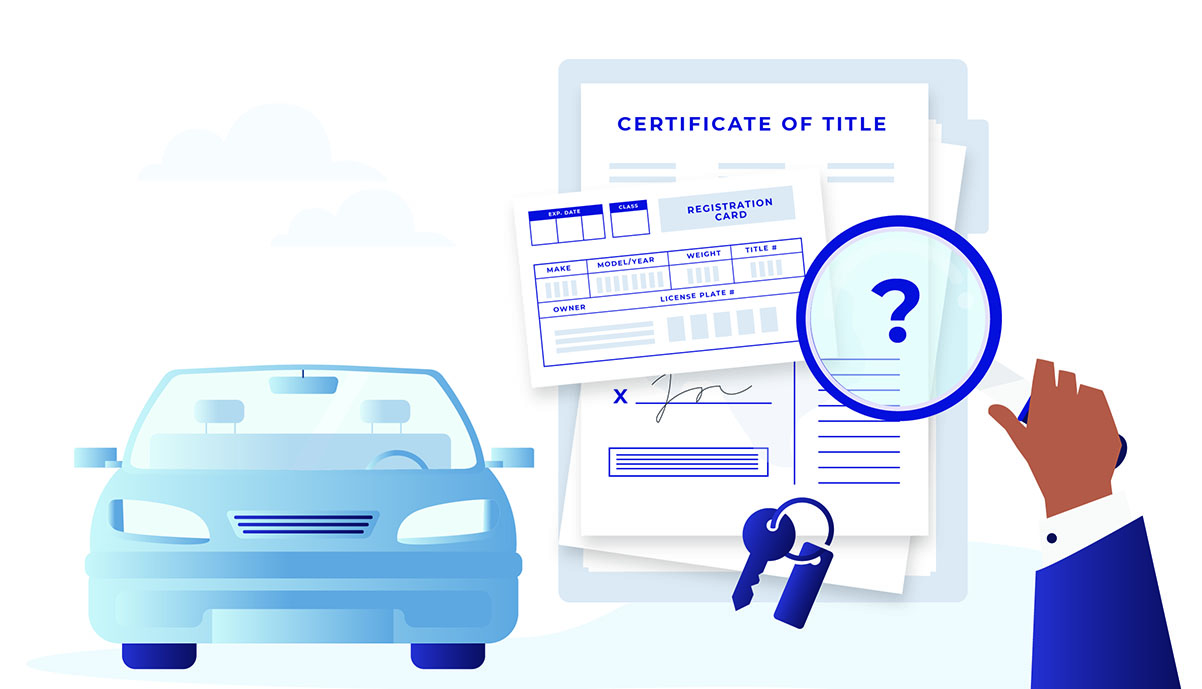
Vehicle purchases from private sellers carry significant title-related risks. A car might have an outstanding loan attached to it that the seller has not disclosed. The lender technically still owns the vehicle until the loan is fully paid off. A buyer who purchases such a car may find the vehicle repossessed later.
Title washing is a practice used to hide a vehicle’s true history. A damaged or salvaged vehicle is re-titled in a different state to erase its record. The private buyer sees a clean title and assumes the car is problem-free. Only after purchase does the true and troubled history come to light.
Real estate and land purchases from private sellers carry enormous ownership risk. Fraudulent sellers have been known to pose as property owners without any legal claim. Deed fraud is a growing crime in many parts of the world. Buyers who skip professional title searches can lose life savings to this scam.
Intellectual property ownership is another modern complexity. Purchasing digital goods, software licenses, or creative works from private sellers is increasingly common. The seller may not actually own the license or rights they are claiming to transfer. The buyer ends up with an unusable or legally contested product.
Inherited goods sometimes come with contested ownership. A private seller may be disposing of items from an estate that is still in probate. Multiple family members may have legal claims to those items. The buyer gets caught in the middle of a family legal dispute they never anticipated.
Proving ownership in a dispute requires documentation that private sellers rarely provide. Without a proper bill of sale, the buyer struggles to establish their legal claim. Law enforcement and courts require documented chains of ownership. Informal private transactions leave huge gaps in this chain.
Checking ownership records is often technically possible but practically difficult. Databases exist for vehicles, real estate, and some other assets. But accessing and correctly interpreting these records requires time and knowledge. Many buyers simply trust the seller’s word without conducting any verification.
6. No Warranty, Returns, or After-Sale Support
One of the most significant differences between buying from a business and a private seller is the complete absence of after-sale support. When you buy from a retailer, warranties, return policies, and customer service exist as standard. None of these safety nets apply to private transactions. Once the sale is complete, you are entirely on your own.
Private sellers sell items “as-is” in most cases. This means the product is sold in its current condition with all defects included. The seller has no obligation to fix, replace, or refund anything after the deal closes. A buyer who discovers a problem the next day has no guaranteed right to return the item.
Hidden defects are a major problem in private sales. A seller may know about a fault but choose not to mention it. They are rarely required by law to voluntarily disclose every issue. Buyers must ask exactly the right questions to protect themselves, which most do not know to do.
Electronics and appliances are particularly risky to buy privately. They may appear to work perfectly during a quick demonstration. But intermittent faults that only appear under certain conditions are hard to detect. These problems emerge only after purchase and cannot be easily attributed to the seller.
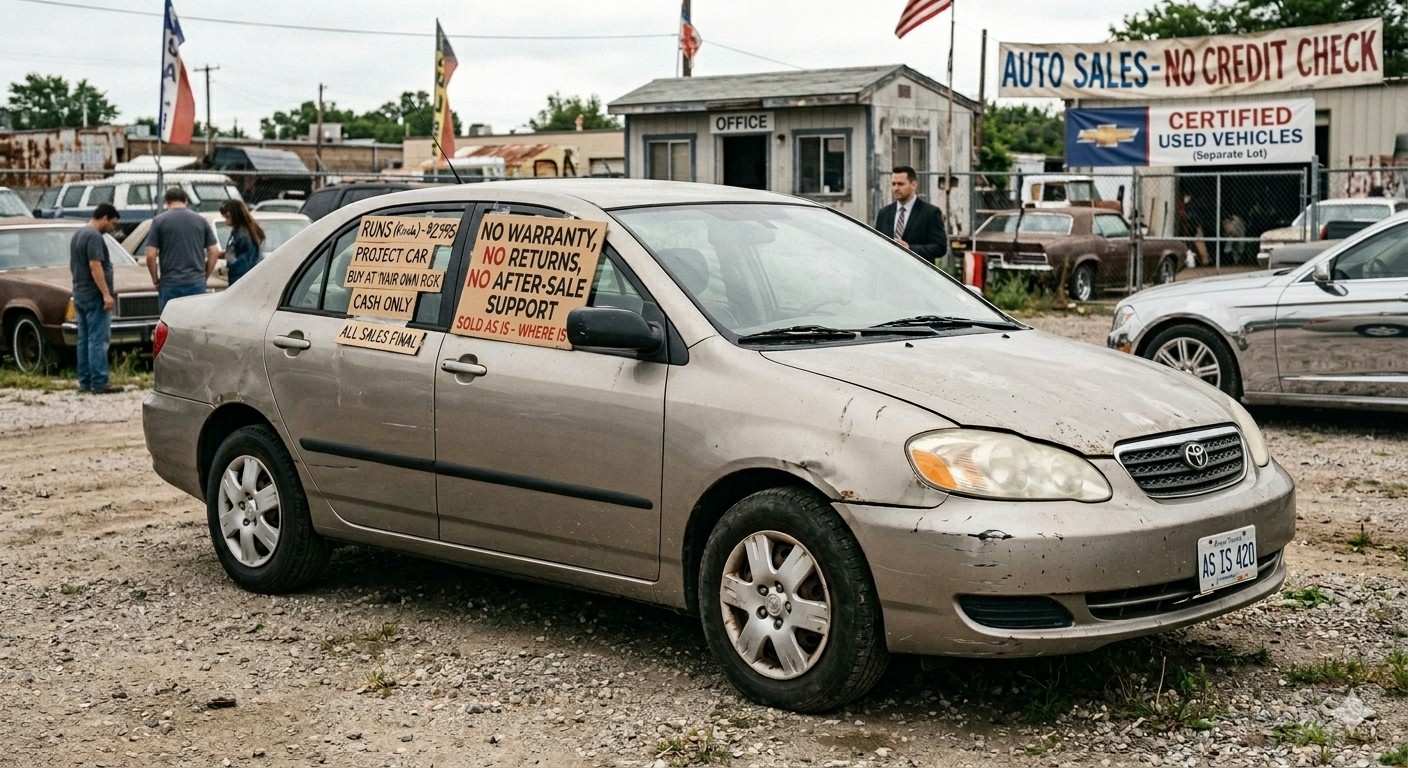
Used vehicles are notorious for post-sale mechanical surprises. A car may run fine during a test drive but have underlying issues. Transmission problems, oil leaks, and electrical faults often appear weeks later. The private seller is typically unreachable or unwilling to help at that point.
Manufacturer warranties are sometimes transferable, but not always. A private seller may claim a warranty is still valid on the item they are selling. But many manufacturers void warranties on second-hand sales or require additional registration. Buyers discover this limitation only after they need to make a claim.
The absence of a return option creates significant psychological pressure. Buyers must make confident decisions in a short time with limited information. This pressure leads to poor judgment and hasty purchases. Regret and dissatisfaction are common outcomes of such rushed decisions.
Resolving post-sale disputes with private sellers requires cooperation that often does not come. A reasonable seller may agree to partial refunds or exchanges informally. But an uncooperative seller simply ignores messages and refuses contact. Without legal leverage, the buyer has no practical way to compel any resolution.
7. The Emotional and Psychological Manipulation by Sellers
Private selling has become a practiced art form for some individuals. Certain sellers use deliberate psychological tactics to close deals quickly and favorably. These techniques are often subtle and hard to recognize in the moment. Buyers who are unaware of these tactics are especially vulnerable to manipulation.
Creating artificial scarcity is one of the most common private seller tactics. A seller will claim to have multiple interested buyers waiting. This false urgency pushes a buyer to act without thinking caref00ully. The fear of missing out overrides rational decision-making in these situations.
Anchoring is a psychological technique where the initial price sets expectations. A seller quotes an unrealistically high asking price at the start. Any reduction from that price feels like a significant win for the buyer. In reality, the final price may still be far above the item’s true market value.
Emotional storytelling is used to justify a higher price or rush a sale. A seller might share a personal story about why the item is special or urgently needed cash. This creates sympathy and reduces the buyer’s willingness to negotiate hard. Emotional appeals bypass logical evaluation in many purchasing decisions.
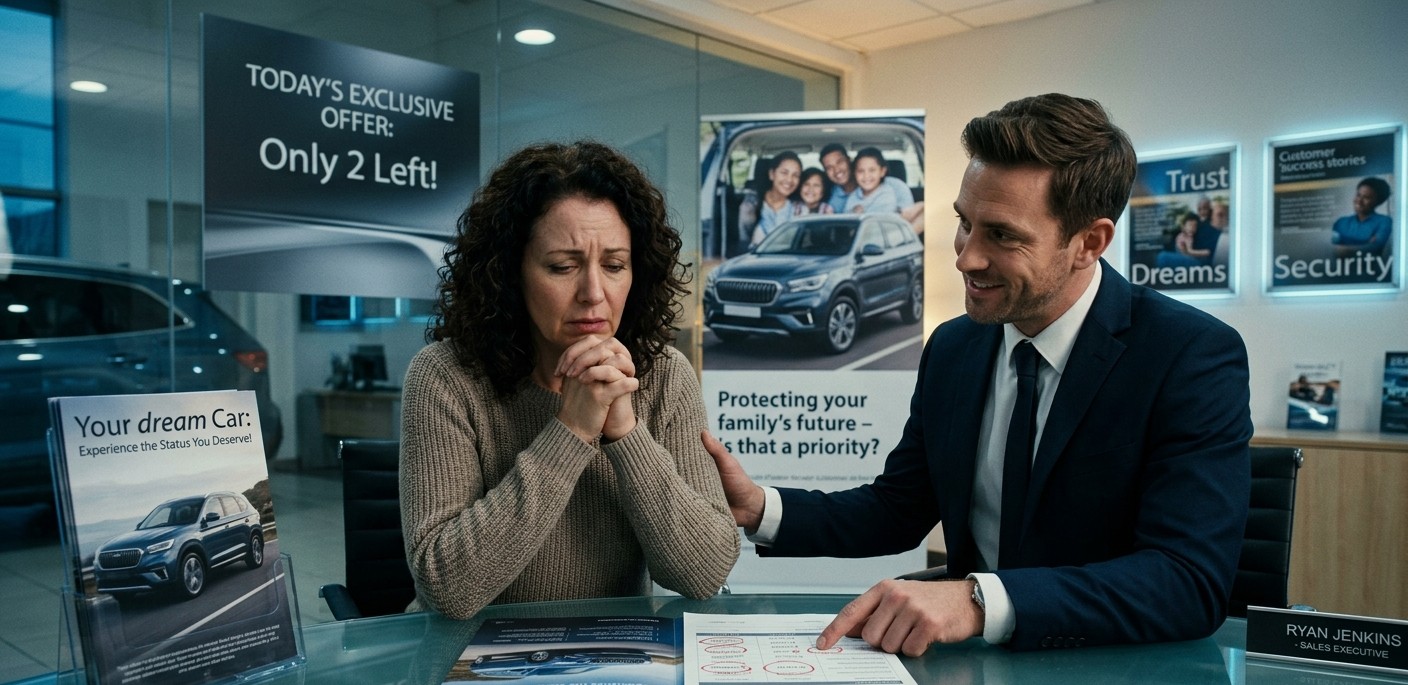
Building false rapport is another effective manipulation tactic. Sellers engage in friendly small talk to create a sense of familiarity and trust. A buyer who feels personally connected to a seller is less likely to ask tough questions. This manufactured warmth is often entirely strategic and insincere.
Pressure to decide immediately is deliberately applied in many private sales. A seller will claim the item will be sold to someone else within the hour. This leaves no time for the buyer to research, compare prices, or reflect. Rushed decisions almost always favor the seller over the buyer.
Social proof is frequently manufactured in online private selling environments. Fake reviews, testimonials, or references are easy to create and display. A buyer who sees positive feedback from “previous customers” feels reassured. They do not realize these endorsements may have been entirely fabricated.
Post-purchase rationalization is a psychological trap buyers fall into after the deal. Having committed money, buyers convince themselves they made the right choice. This reluctance to admit a mistake means problems often go unreported and unresolved. Sellers who rely on this pattern benefit from the buyer’s own psychology.
8. Platform and Technology Complexity
The platforms used to facilitate private sales today have become increasingly complex. What began as simple classified ad websites has evolved into a multi-layered ecosystem. Buyers must now go through multiple platforms, each with different rules, risks, and interfaces. The technology itself has introduced a new layer of complexity to private transactions.
Different platforms have vastly different levels of seller verification. Some require identity confirmation before a seller can list items. Others allow completely anonymous listings with no accountability whatsoever. Buyers often do not know which type of platform they are using or what protections it offers.
Platform policies on disputes and fraud vary significantly. One marketplace may offer a full buyer protection guarantee under certain conditions. Another may explicitly state it is not responsible for any transaction outcomes. Reading and understanding these policies requires time and legal literacy that most buyers do not invest.
Algorithms and platform design often prioritize engagement over safety. Listings are ranked and promoted based on popularity or paid advertising. A fraudulent listing with many views can appear more credible than a genuine one. The platform’s design inadvertently gives scammers a legitimacy boost.

Fake reviews and ratings systems have been extensively gamed on many platforms. Bot networks create fake positive reviews for fraudulent sellers. A seller with hundreds of five-star ratings may still be operating dishonestly. Buyers rely on these systems without realizing how easily they can be manipulated.
Multiple platforms mean multiple accounts, passwords, and communication threads to manage. A buyer engaging with several private sellers simultaneously faces significant organizational complexity. Important details, agreed prices, and seller promises get lost in fragmented conversations. This disorganization creates openings for misunderstanding and manipulation.
Mobile apps have accelerated the pace of private transactions significantly. Decisions that once took days now happen within minutes on a smartphone. This speed reduces the time available for reflection and verification. Impulsive purchases made through mobile apps frequently lead to buyer’s remorse.
Data privacy is a growing concern in private platform transactions. Sharing your name, address, and payment details with a stranger carries real risks. Personal information collected during a transaction can be misused or sold. Buyers rarely consider the data implications of engaging with private sellers online.
Emerging technologies like AI-generated listings and deepfake product videos are making verification even harder. A completely fictional product can now be presented with convincing visual evidence. The line between real and fabricated is increasingly difficult to identify. Private buyers in the near future will face challenges that current safeguards are simply not designed to handle.
Also Read: 7 Brands With the Highest Dealership Labor Rates in the US
