
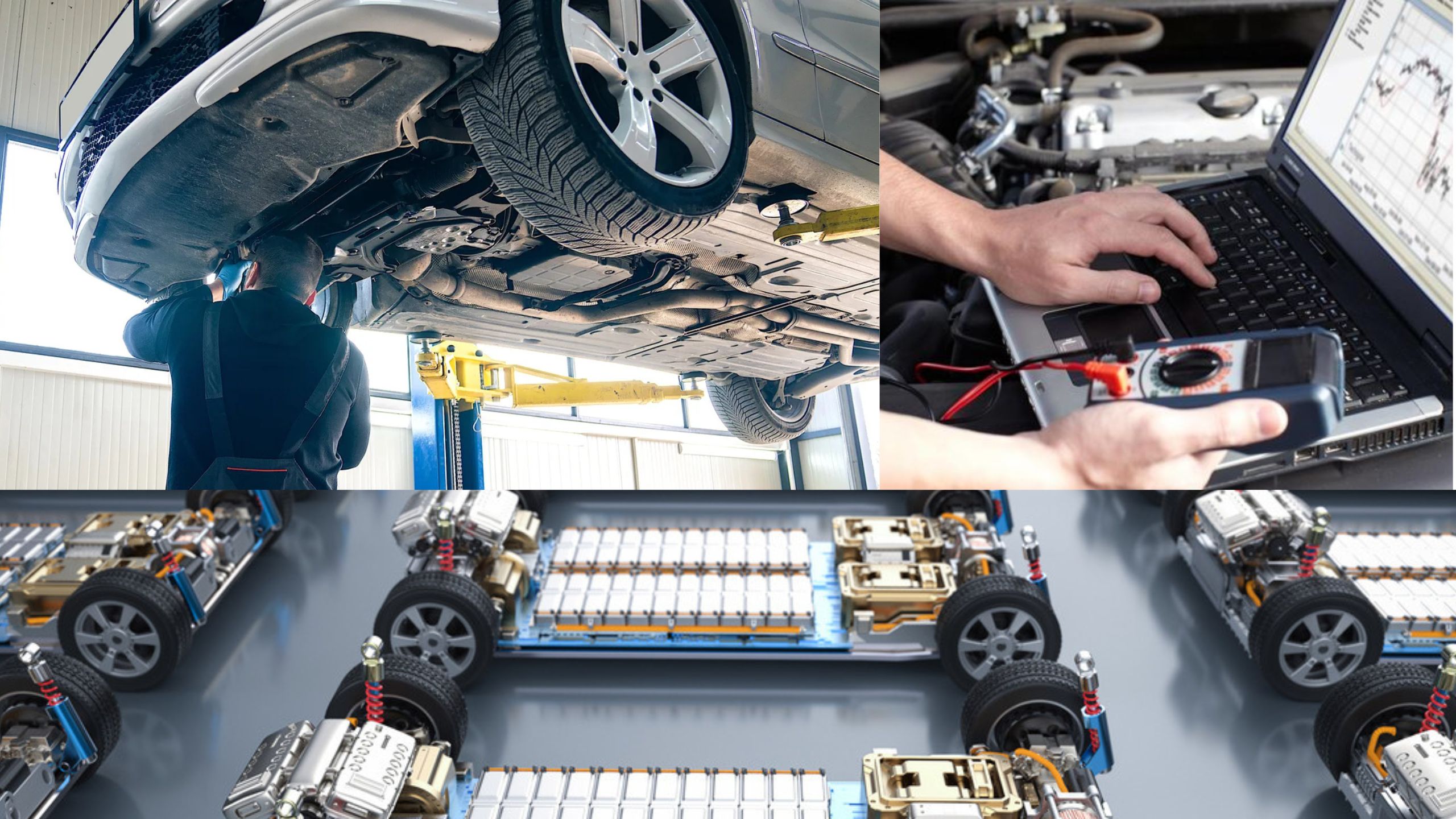
The year 2026 has brought an exciting wave of brand new vehicle models packed with cutting-edge technology. Automakers are racing to outdo each other with revolutionary features, bold designs, and first-generation tech that promises to change the driving experience forever.
From advanced driver-assistance systems to fully integrated AI dashboards, the promises sound incredible. Every brochure gleams with buzzwords like “revolutionary,” “next-gen,” and “industry-first.” It is easy to get swept up in the excitement of owning the very latest and greatest on the market.
But here is the hard truth that most dealerships will never tell you. First-generation technology in brand new 2026 models comes with serious risks that can cost you time, money, and peace of mind. History has repeatedly shown that early adopters often pay the steepest price for being first in line.
From software bugs and recall risks to poor resale value and expensive repairs, the downsides are very real. Buying into unproven tech before it has been tested by real-world drivers is a gamble. This article breaks down eight powerful reasons why waiting on first-generation technology in 2026 models might be the smartest automotive decision you ever make.
Unproven Reliability in Real-World Conditions
When automakers introduce first-generation technology, it has typically gone through controlled lab testing and limited trial runs. However, real-world driving conditions are vastly more complex than any controlled environment. The roads you drive on every single day are unpredictable, harsh, and full of variables no test track can replicate.
First-generation systems are built on early assumptions about how drivers will actually use the technology. Those assumptions are often wrong, incomplete, or far too optimistic. Engineers discover this only after thousands of real customers begin driving with the system in actual conditions.
Think about extreme weather scenarios like heavy monsoon rains, scorching summer heat, or cold mornings. First-gen tech often struggles in these environments in ways that were never caught during development. A sensor that worked perfectly in California sunshine may completely fail on a foggy highway.
Software reliability is another massive concern with first-generation systems. Early code is riddled with edge cases and unforeseen bugs that only surface during real usage. These bugs can cause random freezes, incorrect alerts, or complete system shutdowns at the worst possible moments.
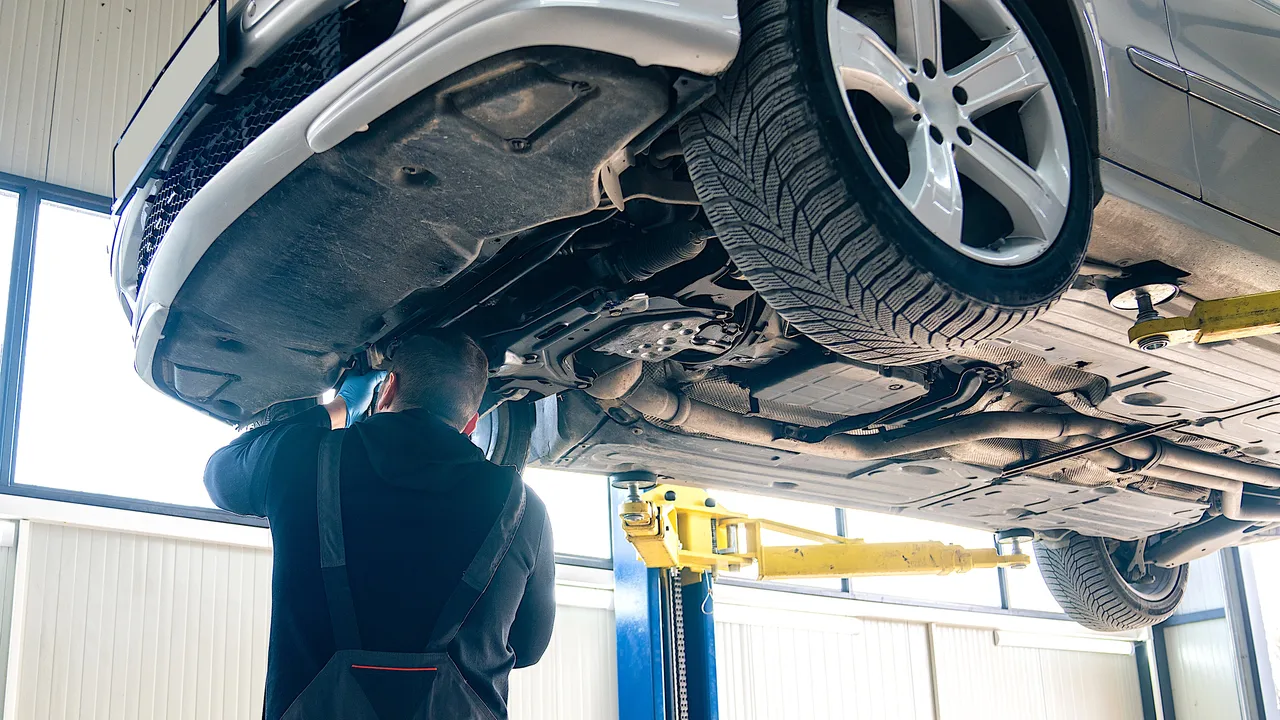
Mechanical integration is equally problematic in brand new platforms. When new hardware meets new software for the first time in a production vehicle, friction points emerge quickly. Parts that were designed to work together on paper sometimes behave very differently once they hit the assembly line.
Customer complaints about first-generation systems tend to spike sharply in the first year. Online forums and owner communities fill up with reports of strange glitches, unexpected behaviors, and recurring faults. These problems rarely appear in official reviews because reviewers spend very limited time with each vehicle.
Recall data from previous model years strongly supports this concern. The National Highway Traffic Safety Administration consistently records higher recall rates for vehicles in their debut model year. First-generation technology is almost always at the center of those early recalls.
Waiting even one model year allows automakers to address the most critical reliability issues. They release over-the-air updates, revised hardware, and service bulletins that quietly fix what went wrong. By the second or third generation, the technology becomes genuinely dependable and road-proven.
Reliability is not just about convenience. It is about whether your vehicle will perform correctly when your safety depends on it. Trusting first-generation tech with your life and your family’s lives is a risk that simply does not need to be taken.
Proven reliability takes time, and time is the one thing first-generation technology has not yet had. Patience in this case is not just a virtue. It is a financially and physically smart decision for every driver.
Software Bugs and System Glitches Are Almost Guaranteed
Modern vehicles are essentially computers on wheels, and no first-generation software ships without bugs. This is a universal truth in the technology industry that applies just as strongly to automotive systems. Even the most talented engineering teams cannot catch every flaw before launch day.
Software complexity in 2026 models has reached staggering levels. A modern vehicle can contain over 100 million lines of code managing everything from engine performance to infotainment and safety systems. With that much code running simultaneously, bugs are not a possibility. They are a certainty.
First-generation infotainment systems are among the most bug-prone components in new vehicles. Owners frequently report touchscreens that freeze mid-drive, voice assistants that misunderstand commands, and navigation apps that crash without warning. These issues are deeply frustrating, especially in vehicles that cost tens of thousands of dollars.
Driver-assistance features built on first-gen platforms carry even greater risks when they malfunction. Adaptive cruise control that suddenly brakes for no reason or lane-keeping systems that jerk the steering wheel unexpectedly are genuinely dangerous. These are not minor annoyances. They are active safety hazards.
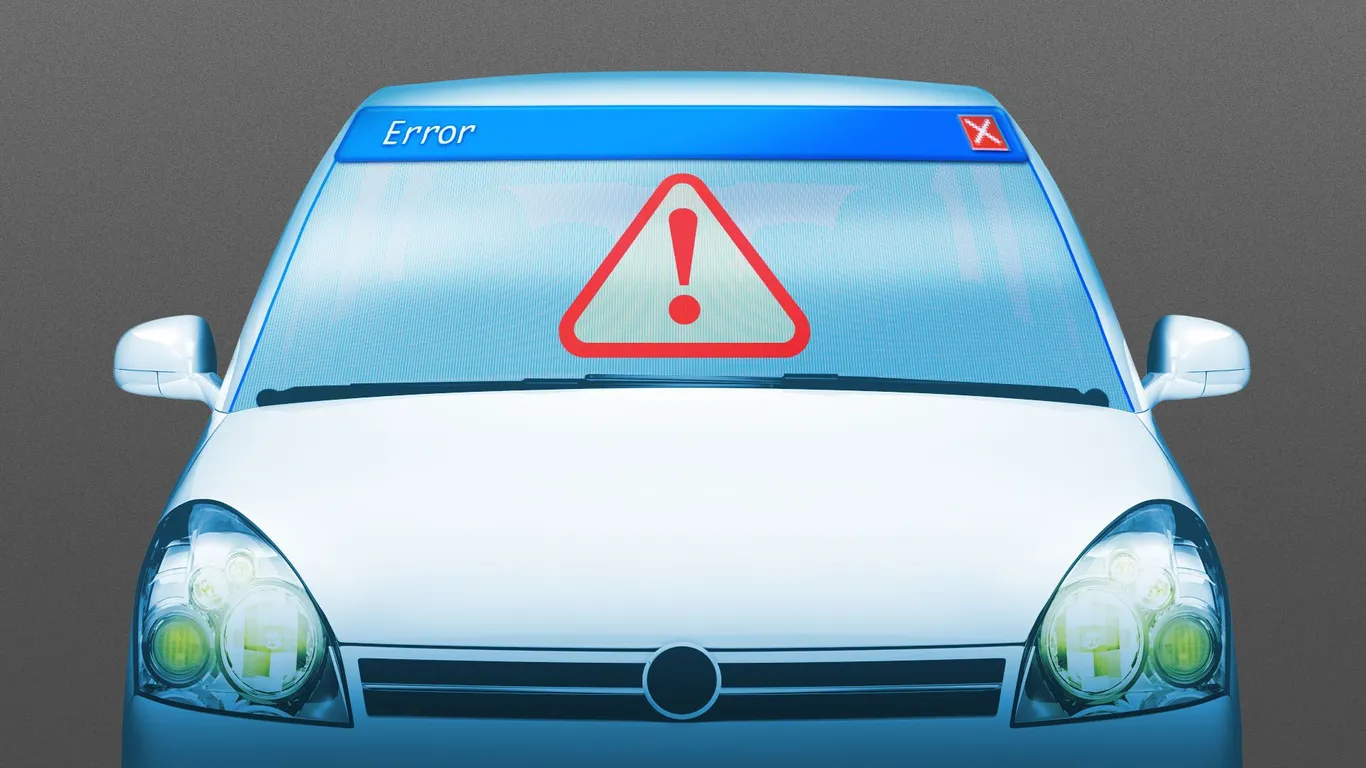
Software bugs in 2026 models are especially concerning because so many systems are deeply interconnected. A bug in one module can cascade and affect multiple other systems at once. What starts as an audio glitch can suddenly interfere with Bluetooth connectivity, navigation, and even driver alert systems.
Over-the-air updates have become the industry’s answer to post-launch software problems. While this sounds reassuring, it also confirms that manufacturers know their software will need fixing after purchase. You essentially become a beta tester for technology that was not fully ready at launch.
Some software bugs are not fixable through simple updates. Certain deep-level architectural flaws require hardware replacements or dealer visits to resolve properly. This means taking your brand new vehicle into the service center multiple times in the first year of ownership.
Second and third-generation versions of the same software benefit enormously from early user feedback. Developers patch the bugs, redesign problematic interfaces, and optimize performance based on actual user data. The result is a dramatically more stable and pleasant experience.
Buying a second-year model means inheriting all those improvements without suffering through the discovery process yourself. You get the polished version of the software without ever dealing with the rough early build. That peace of mind alone is worth the wait for many buyers.
High Risk of Costly Recalls
Recalls are one of the most concrete and measurable downsides of buying first-generation technology in new vehicles. The data does not lie. Debut model years consistently see more recalls than their successors across nearly every major automotive brand.
A recall is not just an inconvenience. It can mean leaving your vehicle at a dealership for days or even weeks while repairs are completed. If parts are not immediately available, the wait can stretch even longer. Your brand new car sits in a service bay while your daily life is disrupted.
Recall repairs are typically covered by the manufacturer at no cost to you. However, the hidden costs are very real and very significant. You lose the use of your vehicle, you spend time coordinating with dealerships, and you deal with the stress of knowing your car has a known safety defect.
Some recalls involve critical safety systems like airbags, braking components, or steering controls. When first-generation technology fails in these areas, the consequences can be life-threatening. No amount of free repair work makes that level of risk acceptable.
The Takata airbag scandal is one of history’s most powerful reminders of what first-generation components can cost. That recall affected tens of millions of vehicles worldwide and resulted in deaths and serious injuries. It began as an unproven manufacturing process that made it to market too quickly.
Recent 2024 and 2025 model years have already seen significant recall activity tied to newly introduced driver-assistance platforms. Early versions of hands-free highway driving systems have triggered multiple safety investigations. These investigations lead directly to formal recalls in many cases.
Battery technology in first-generation electric and hybrid 2026 models is another high-risk area for recalls. New battery chemistries and thermal management systems have not been stress-tested over multiple years of real-world use. Problems with these systems can result in fire risks that demand urgent and expensive recalls.
Automakers themselves know this risk exists. Many quietly release what are called “Technical Service Bulletins” to dealerships before formal recalls are announced. These bulletins are essentially pre-recall instructions for fixing known problems that have not yet reached official recall status.
Waiting for the second model year gives you the benefit of all that recall history without the disruption. Problems get identified, solutions get developed, and the revised version arrives in showrooms with those fixes already built in. You buy reliability instead of a repair lottery.
Poor Resale Value Compared to Established Models
Resale value is one of the most important financial factors in any vehicle purchase. Most buyers do not think about it at the point of sale, but it matters enormously when it is time to trade in or sell. First-generation technology is one of the most reliable destroyers of resale value in modern vehicles.
When a second-generation model arrives with improved technology, the first-generation vehicle ages rapidly in the eyes of buyers. Used car shoppers specifically seek out newer technology iterations because they know the early version had problems. That knowledge drives down demand and therefore price.
Vehicles with first-generation tech also tend to have documented recall histories by the time they hit the used market. Buyers and dealers are fully aware of which models had issues in their debut year. That history creates a stigma that shaves thousands off the trade-in or resale price.
Depreciation on first-generation tech vehicles tends to be steeper in the first three years. A car that costs forty thousand dollars new might lose value significantly faster than an equivalent established model. The gap between what you paid and what you can recover becomes uncomfortably large.
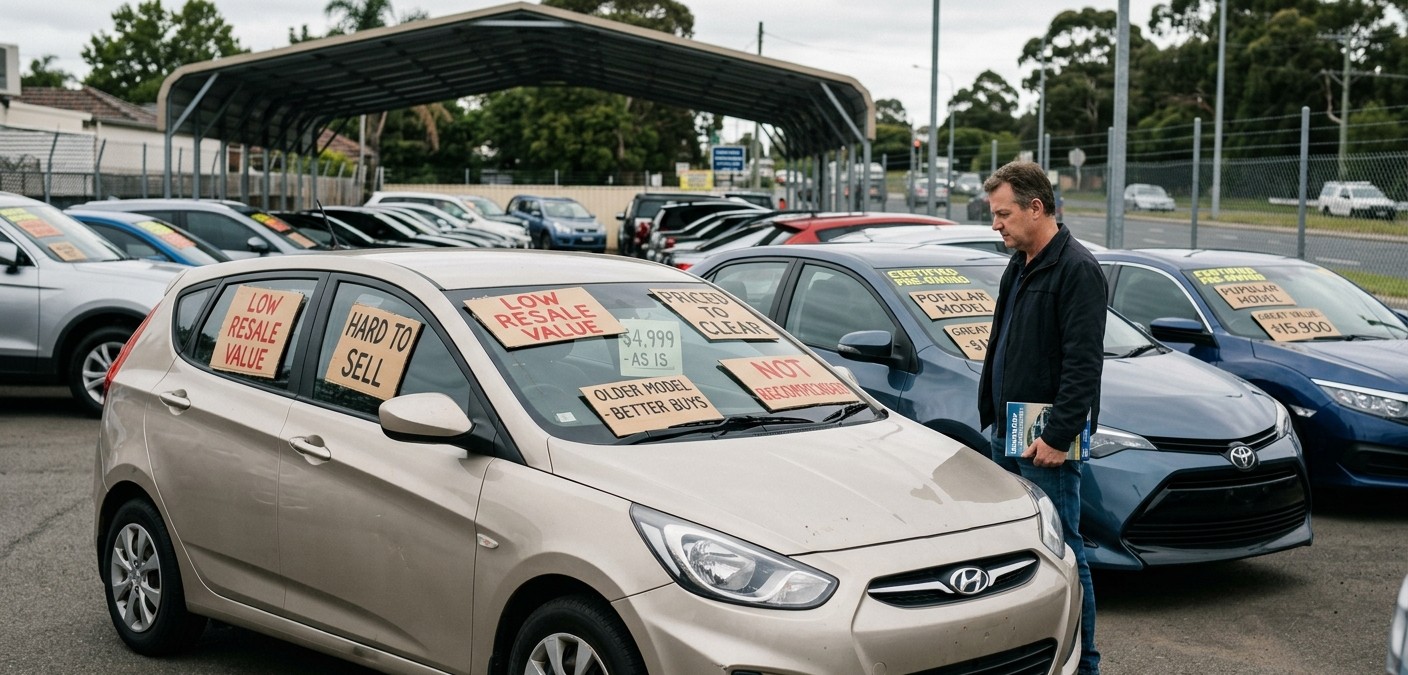
Electric vehicles with first-generation battery technology face particularly brutal depreciation. As battery range improves with each generation, older battery packs become obsolete faster. Buyers do not want a used EV with inferior range when newer models offer dramatically better performance for similar money.
Technology-forward buyers who prioritize cutting-edge features are usually early adopters themselves. When they buy used, they still want the newest available tech, not the version that was considered new two years ago. First-generation vehicles simply cannot compete with that demand curve.
Insurance companies and lenders also take note of recall histories and reliability ratings. Vehicles with poor first-year reliability scores can attract higher insurance premiums and less favorable financing terms. These downstream financial effects compound the initial depreciation problem.
Certified Pre-Owned programs run by automakers are sometimes reluctant to include first-generation vehicles with unresolved recall issues. When your car does not qualify for these programs, it loses access to a highly desirable buyer pool. That further limits your resale options and price.
Choosing an established, second-generation model protects your investment significantly better. Proven technology holds value because buyers trust it. Trusted vehicles sell faster, at higher prices, and with fewer complications when it is time to move on.
Also Read: 5 Best CPO Car Programs for First-Time Buyers Who Want Reliability
Limited Technician Training and Service Support
When a brand new technology debuts in a 2026 model, the dealership technicians are often learning alongside the customers. Training programs for new systems take time to develop, distribute, and complete across a national or global dealer network. That gap in expertise directly affects your service experience.
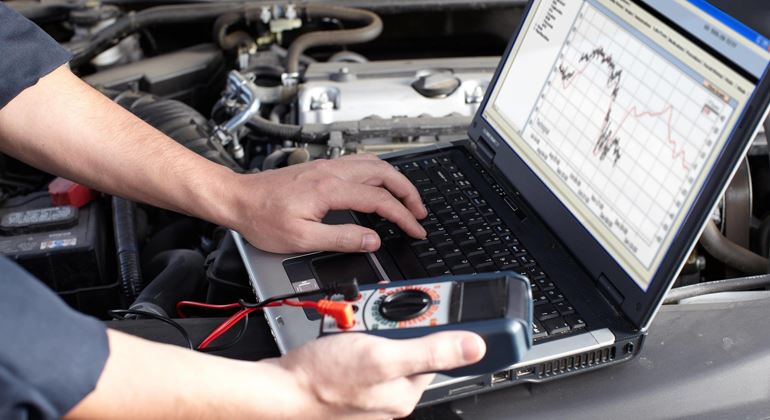
Complex first-generation systems like new hybrid powertrains, advanced driver-assistance hardware, and AI-integrated dashboards require highly specialized diagnostic knowledge. General mechanics without specific training on the new platform often struggle to identify and fix problems correctly. Misdiagnoses waste your time and your money.
Specialty tools are another critical gap in early service support. Diagnosing and repairing first-generation tech often requires proprietary equipment that dealerships may not yet have in stock. Ordering that equipment, training technicians to use it, and integrating it into the service workflow all take considerable time.
Parts availability is deeply connected to service quality. First-generation replacement components are produced in limited quantities during the early months after launch. When your vehicle needs a specific sensor, control module, or electronic assembly, it may simply not be available in your country or region.
Long parts wait times turn minor repairs into extended ordeals. A vehicle that needs a first-generation component that is on back-order may sit in the service department for weeks. Meanwhile, you are either without a vehicle or relying on a loaner that may not meet your daily needs.
Independent repair shops face even greater challenges with first-generation technology. Without access to proprietary diagnostic software and manufacturer training, they are often unable to work on the most advanced systems. This limits your repair options and forces you to rely exclusively on dealership service.
Service costs for first-generation tech tend to be higher in the early years. Scarcity of parts, the need for specialized labor, and longer diagnostic times all contribute to raised repair bills. Even with warranty coverage, the time and effort involved in multiple service visits carries a real cost.
By the time a technology reaches its second or third generation, the entire service ecosystem matures significantly. Technicians are fully trained, parts are readily available, independent shops have access to proper tools, and repair procedures are well documented. Service becomes faster, cheaper, and more reliable.
Choosing a vehicle with established technology means stepping into a mature, well-supported service network from day one. You will never be told that your technician is still waiting for training material or that your part is on a six-week international back-order.
You Become an Unpaid Beta Tester
There is a blunt reality that automakers rarely advertise. When you buy a first-generation technology vehicle, you are effectively funding the research and development of the second-generation version. Your real-world experience, your reported problems, and your warranty claims all feed directly into improving the next model.
Automakers collect enormous amounts of data from early adopters. Telematics systems monitor how features are used, how often systems fail, and how drivers interact with new interfaces. That data is invaluable to engineering teams working on the next iteration of the technology.
This arrangement benefits the manufacturer enormously and the early buyer far less. You paid a premium price for unfinished technology. Meanwhile, the buyer who waits one year gets the corrected version at a similar or sometimes lower price. The early adopter essentially subsidizes the learning process.
Over-the-air updates are frequently cited as the solution to this dynamic. Manufacturers argue that they can push fixes remotely and continuously improve the vehicle you already own. However, updates can only go so far when fundamental architectural or hardware decisions are flawed from the start.

There is also the psychological burden of being an early adopter in a high-stakes product category. Unlike a smartphone that you can replace for a few hundred dollars, a vehicle is a major financial commitment. Discovering that your car has systemic problems after paying thirty, forty, or fifty thousand dollars is deeply stressful.
Owner forums for first-generation vehicles are often filled with frustration, workarounds, and unresolved complaints. Early buyers spend enormous amounts of time researching fixes, coordinating with dealerships, and waiting for promised updates that sometimes never arrive. That time has real value that is rarely acknowledged.
Some first-generation problems are never fully resolved during the vehicle’s production run. Certain architectural decisions made early in the development process cannot be undone with a software patch. Those buyers live with compromised functionality for the entire time they own the vehicle.
The second-year buyer, by contrast, walks into ownership with most of those problems already solved. They benefit from the collective experience of thousands of first-year owners without contributing a single hour of frustration to that process. Their ownership experience is smoother, calmer, and more satisfying from the very first day.
Paying full price to be someone else’s test subject is not a good deal by any objective measure. Smart buyers let the early adopters do the discovery work and then step in to enjoy the refined result.
First-Generation EV and Battery Tech Carries Extra Risks
Electric vehicles are at the absolute forefront of first-generation technology risk in 2026. New battery chemistries, thermal management systems, and charging architectures are debuting across multiple brands this year. Each of these systems introduces its own unique category of unproven risk.
Battery degradation is one of the most critical long-term concerns with first-generation EV technology. How a battery pack performs over five or ten years of real-world use is something no manufacturer can fully predict from lab testing alone. Early buyers discover the real degradation curve through lived experience, not marketing materials.
Range claims for first-generation EVs are notoriously optimistic at launch. Manufacturers measure range under ideal conditions using standardized testing protocols that rarely reflect real-world driving. Early owners frequently report real-world range that falls significantly short of the advertised figures, especially in extreme temperatures.
New solid-state battery technology is being introduced in limited 2026 models with great fanfare. While the technology is genuinely promising, its long-term durability in mass-market vehicles has not been established. Problems that emerge years down the line could render vehicles financially impractical to repair.
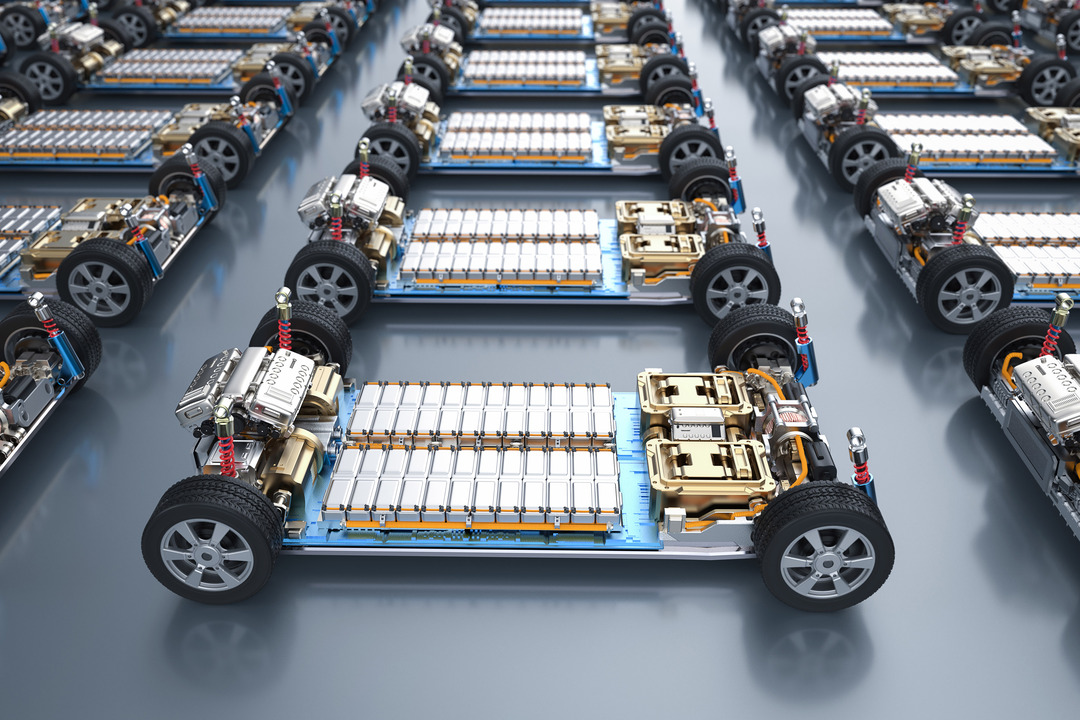
Charging infrastructure compatibility is another first-generation risk point. New charging protocols and connector standards introduced in 2026 models may not be universally supported at existing charging stations. Early adopters can find themselves stranded in charging deserts where their vehicle’s new standard is not yet available.
Thermal management failures in new battery systems can have catastrophic consequences. Several first-generation EV platforms from previous years experienced serious fires linked to unproven battery management software. These incidents triggered multi-year investigations and expensive recall campaigns that disrupted the lives of thousands of owners.
Resale value for first-generation EVs depreciates especially fast. As range improves with each generation, the previous year’s battery capacity feels increasingly inadequate. A used EV with first-generation range figures competes poorly against newer models, making it harder to sell and less valuable when you do.
Warranty coverage for EV batteries sounds reassuring but comes with important limitations. Coverage typically applies to catastrophic failure, not gradual degradation below a certain threshold. Many first-generation EV owners have discovered that their battery’s declining performance does not technically qualify for warranty replacement.
Waiting for second-generation EV technology gives you the benefit of real-world validation across all these variables. Battery chemistry, charging compatibility, thermal management, and range estimates are all refined based on data from first-year owners. The second-generation buyer gets a dramatically more mature and reliable electric vehicle experience.
Psychological and Financial Stress of Early Ownership Problems
The financial cost of buying first-generation technology is well documented, but the psychological toll is rarely discussed. Owning a vehicle that constantly has problems, requires repeated service visits, or fails to perform as advertised creates significant ongoing stress. That stress compounds over time and can genuinely affect your quality of life.
New vehicle ownership is supposed to feel exciting and satisfying. The fresh smell, the flawless performance, and the pride of something new are part of what buyers pay for. When first-generation problems arrive early, they shatter that experience and replace it with frustration and doubt.
Warranty battles are a particular source of stress for early adopters. Manufacturers sometimes dispute whether a reported problem constitutes a warrantable defect, especially when the issue is intermittent or software-related. Proving that a glitch exists and fighting for coverage can turn into a months-long ordeal.
Lemon law claims, while available in many regions, are exhausting to pursue. Building the documentation, filing the paperwork, and going through the legal or administrative process is time-consuming and emotionally draining. Most buyers simply want a car that works, not a legal battle against a multinational corporation.

The financial anxiety around first-generation tech extends beyond direct repair costs. Owners worry about depreciation, about whether recalls will be announced, and about whether their vehicle will be worth anything in three years. That background anxiety is a constant companion throughout the ownership period.
Social media and online forums amplify the stress of early ownership problems. Reading about other owners experiencing the same issues, watching for promised updates that are delayed, and tracking recall announcements becomes a part-time job for some first-generation vehicle owners. This is not how owning a new car should feel.
Relationships are also affected when a major purchase goes wrong. When a vehicle purchased for a family consistently fails to perform, it creates tension and disappointment among everyone who depends on it. A malfunctioning first-generation feature can quickly become a source of real household stress and conflict.
Second-generation buyers, by contrast, typically enjoy a much smoother and more rewarding ownership experience. Problems have been resolved, recall risks are lower, service support is mature, and the technology works the way it was originally promised. The purchase delivers satisfaction instead of frustration from the very first week.
Financial peace of mind is closely connected to product reliability. Knowing that your vehicle is backed by proven technology, mature service support, and a solid reliability record allows you to simply enjoy driving. That mental freedom is worth more than any first-generation feature that has not yet earned your trust.
Also Read: 8 Off Lease Luxury Sedans That Are Absolute Bargains in 2026
