Highway driving presents numerous hazards, and one of the most common threats comes in the form of flying debris. Rocks kicked up by passing trucks and roadwork can hit vehicles with enough force to crack, chip, or shatter their windshields.
While all cars are tested for safety standards, some models are particularly vulnerable due to design choices, material limitations, or manufacturing priorities. In some cases, vehicle windshields are thinner than average, reducing weight for efficiency but compromising durability.
Others rely on large glass panels for aesthetic appeal, resulting in increased surface area that is more likely to encounter damage. Drivers who frequently travel on highways or rural roads may experience repeated windshield damage, creating both safety risks and costly repairs. Insurance policies may cover some damage, but frequent replacements can still strain finances.
Car owners must be aware of which models are prone to windshield damage and consider protective measures such as clear film coatings or driving at a safe distance from construction zones. Some vehicles are designed with panoramic glass roofs, which while visually striking, often extend the windshield structure and increase susceptibility to chips and cracks.
Additionally, the type of glass used can vary by manufacturer, with some opting for laminated safety glass and others for tempered glass that is more likely to shatter under impact. Understanding vehicle vulnerabilities can help buyers make informed choices, and manufacturers have responded in some cases with reinforcement measures to improve strength.
Even minor chips can lead to larger cracks if left untreated, emphasizing the importance of prompt repairs. While it is tempting to focus on other vehicle features such as horsepower or interior comfort, windshield durability plays a critical role in driver safety and long-term maintenance.
For drivers in areas with heavy gravel roads or frequent highway debris, this knowledge becomes essential to avoid repeated inconveniences and ensure safer journeys. By examining common vehicles with fragile windshields, one can identify patterns in design and materials that contribute to susceptibility. With proper precautions and awareness, drivers can reduce the risk of damage and improve driving experience.
1. Tesla Model S
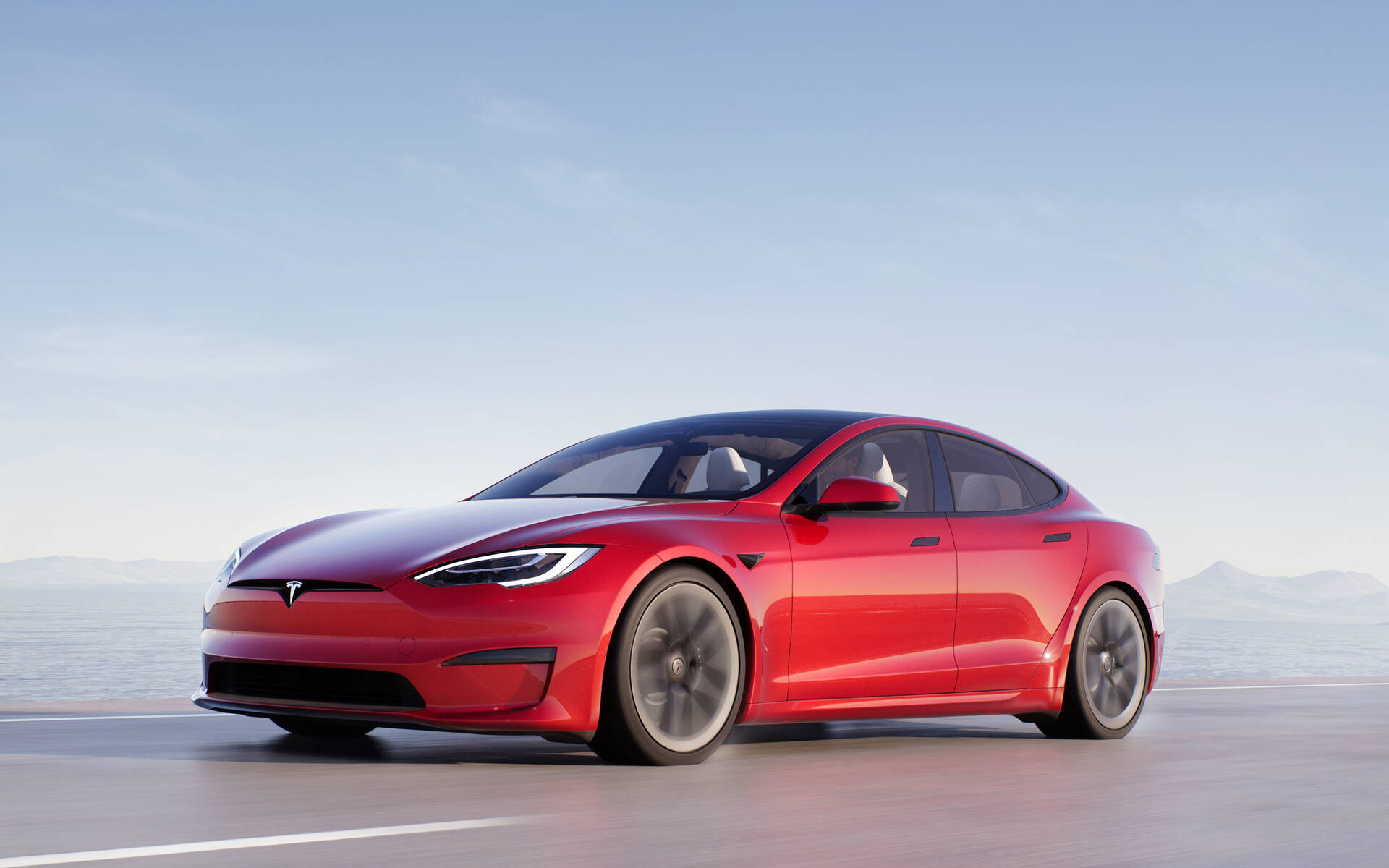
The Tesla Model S is known for its sleek design and large panoramic windshield. While visually impressive, this extensive glass surface can be a weak point when exposed to flying rocks. High-speed highway impacts often result in chips that compromise visibility and safety.
Repairs can be expensive due to the integration of sensors in the glass, increasing both cost and complexity. Despite Tesla’s safety features, the fragility of the windshield remains a concern for frequent highway drivers.
Tesla uses laminated glass for protection, but the size of the panels and curvature make the Model S particularly vulnerable. Even small debris can leave marks that quickly spread into cracks under heat or pressure. Drivers report that cracks often form along edges, suggesting that structural reinforcement may not be sufficient.
Windshield replacement often requires specialized service centers, adding to repair time and inconvenience. Preventive measures, such as clear protective films, are recommended for owners who drive long distances on highways.
The aerodynamic shape of the Tesla Model S contributes to reduced drag but places more tension on glass panels. Sudden temperature changes during driving can exacerbate existing chips, causing rapid propagation of cracks.
The placement of cameras and sensors in the windshield further complicates repair procedures. Insurance coverage may mitigate costs, but out-of-pocket expenses can still be high. Awareness of potential vulnerabilities helps owners maintain safety standards and minimize damage over time.
In addition, Tesla’s focus on electric performance and minimalistic design may deprioritize thicker, more impact-resistant glass. The lightweight construction of the vehicle emphasizes efficiency over extreme durability.
Drivers must consider the trade-off between aesthetic appeal and practical resilience. Regular inspection of the windshield and prompt repair of minor chips can extend its lifespan significantly.
Despite its fragility, the Tesla Model S remains a popular choice for electric vehicle enthusiasts. Owners who prioritize highway driving should take additional precautions. Using protective films or maintaining a safe following distance from trucks can reduce the risk of windshield damage. Awareness and maintenance are key to preserving both the appearance and safety of the vehicle.
2. Chevrolet Corvette C8
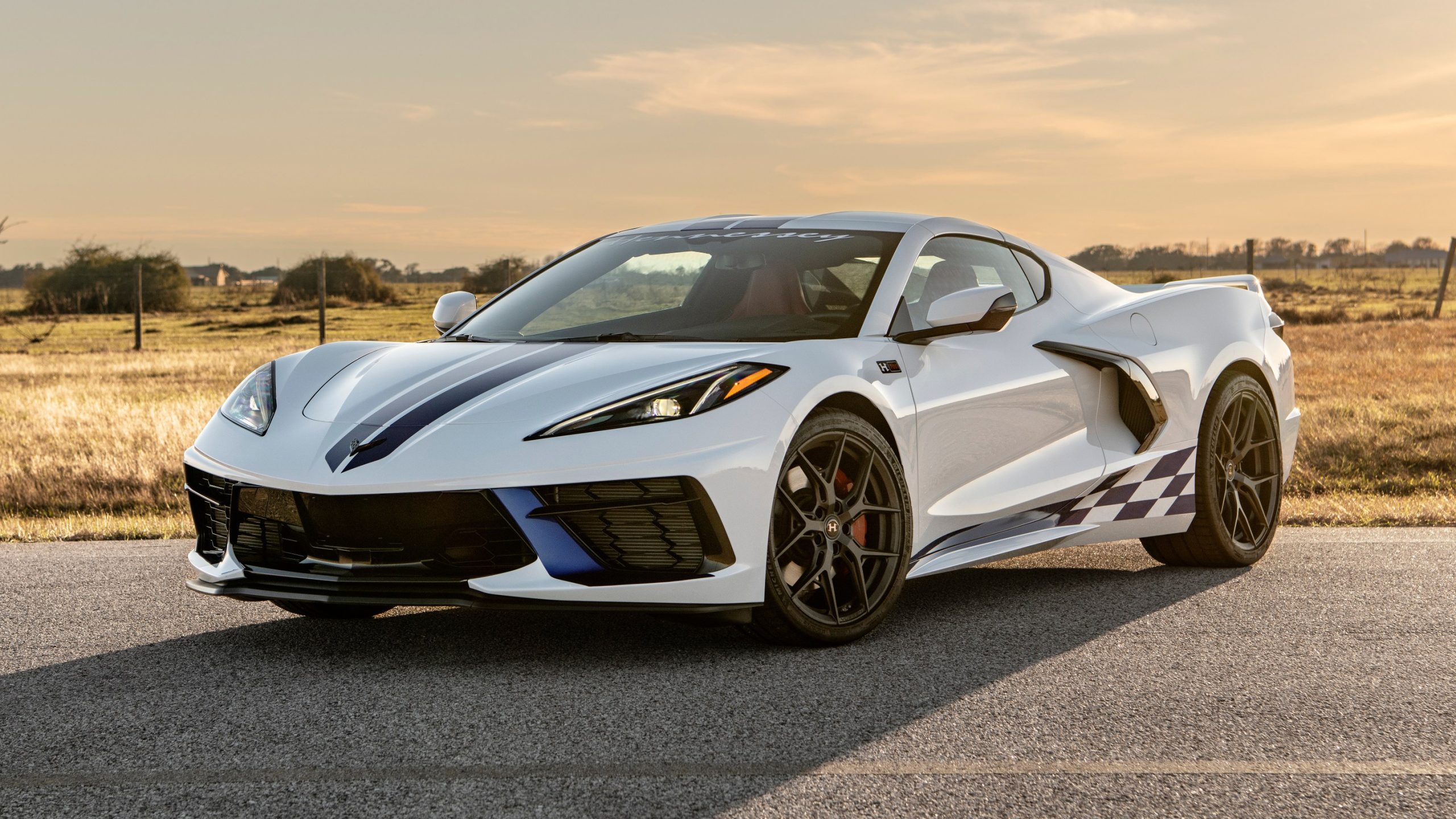
The Chevrolet Corvette C8 offers high performance but comes with a windshield that is prone to chips. Its low-slung design positions the windshield close to debris kicked up by other vehicles.
High speeds magnify the impact of small rocks, leading to cracks that impair visibility. The curved glass surface, while stylish, increases the chance of damage along edges. Frequent repairs can become a costly aspect of owning this sports car.
Chevrolet uses laminated glass, but the thin profile prioritizes weight reduction over durability. Owners report that even minor highway rocks can produce noticeable damage.
Chips often appear in the middle of the windshield, spreading under vibration and heat. Replacement is complex due to the integrated sensors used for driver assistance systems. Preventive measures such as a protective film can mitigate damage risks.
The Corvette C8’s performance-oriented design increases exposure to flying debris. Low ground clearance and high acceleration make chips more likely to occur during highway driving. Drivers should maintain caution when following trucks or gravel roads.
Even with careful driving, the windshield remains one of the most vulnerable parts of the vehicle. Regular monitoring for chips and cracks is recommended.
Additionally, the high repair costs can deter some buyers from using the car as a daily highway vehicle. Insurance coverage may help, but premiums can rise for sports cars prone to glass damage. Owners seeking both style and safety must weigh these considerations carefully. Durable aftermarket solutions are available but may alter the appearance slightly.
The Chevrolet Corvette C8 remains a symbol of American sports car engineering. Its windshield fragility is a trade-off for speed and design aesthetics. Drivers should combine careful highway habits with protective measures to maintain the windshield and ensure continued safe operation.
3. BMW i8
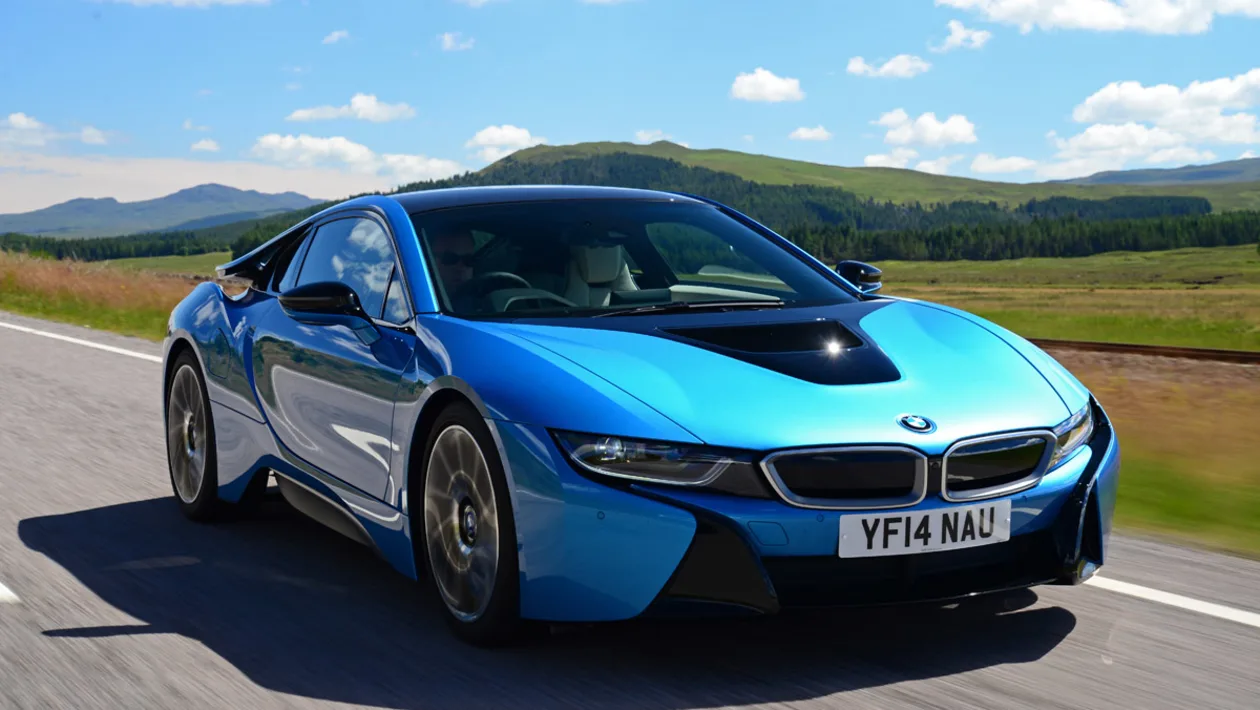
The BMW i8 features futuristic design and lightweight materials, including a windshield that sacrifices thickness for aerodynamics. Rocks hitting the windshield at highway speeds can cause immediate chips or cracks.
Panoramic glass features further increase vulnerability. Repairs are costly due to the integration of head-up display systems. Despite safety features, the windshield design is a weak point.
BMW uses laminated glass, but the lightweight design reduces resistance to flying debris. Owners often notice cracks forming quickly from even small chips. Placement of cameras and sensors complicates replacements, increasing cost and repair time. Protective coatings and films are recommended for drivers who frequently travel on highways.
The i8’s low-slung body and sharp angles exacerbate windshield exposure. High-speed driving increases kinetic energy from debris, making even minor rocks a significant hazard. Drivers should be cautious on gravel or highway construction areas. Prompt attention to chips prevents cracks from spreading and maintains visibility.
Lightweight materials, while beneficial for performance and fuel efficiency, reduce structural reinforcement around the windshield. BMW balances performance with safety, but glass fragility remains a concern. Preventive measures and careful driving habits are crucial to protect the windshield.
Despite the challenges, the BMW i8’s appeal lies in its design and performance. Awareness of windshield vulnerability allows owners to take measures to reduce damage and maintain both aesthetics and safety. Regular inspection ensures minor chips do not compromise the integrity of the glass.
4. Ford Mustang Shelby GT500
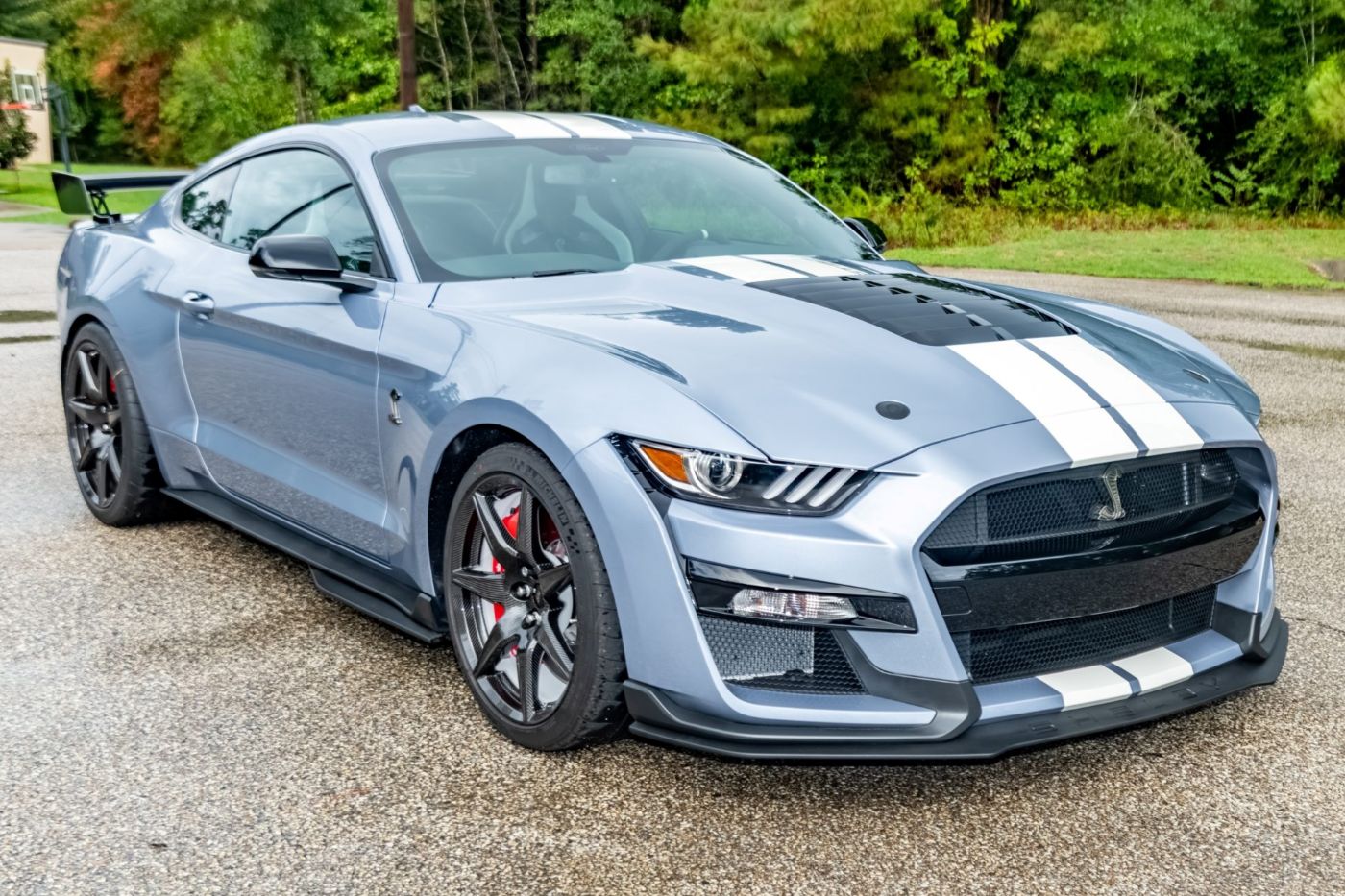
The Ford Mustang Shelby GT500 is a high-performance muscle car designed for speed, but its windshield often struggles against highway debris. Large trucks and road construction rocks can chip or crack the glass even at moderate speeds.
The expansive windshield design provides excellent visibility but increases exposure to flying stones. Drivers often notice cracks forming along the edges, which can spread quickly under vibration. This vulnerability is a concern for daily highway driving and long-distance trips.
Ford prioritizes aerodynamics and lightweight materials, which results in a windshield that is thinner than many other vehicles in its class. Laminated glass offers some protection, but the large surface area increases the likelihood of damage.
Minor chips often grow into more serious cracks if left untreated, reducing the structural integrity of the windshield. Repairing or replacing this windshield is costly due to sensor integration for driver assistance features. Regular inspection and early repair are essential to maintain safety and avoid expensive replacements.
The Shelby GT500’s aggressive stance and low-slung hood position the windshield closer to road debris thrown up by other vehicles. This height and angle make it particularly susceptible to rocks on highways or unpaved roads.
Drivers who frequently travel behind trucks are at higher risk of windshield damage, which can compromise both safety and aesthetics. Protective solutions, such as clear shield films, can reduce the likelihood of chips or cracks. Careful driving habits combined with preventive measures can extend the life of the windshield significantly.
High-speed vibrations and sudden temperature changes can worsen minor chips, turning them into larger cracks. The Shelby GT500’s focus on performance sometimes comes at the cost of glass durability. Even small imperfections in the glass can compromise safety, as a shattered windshield can hinder visibility and increase the risk of injury during accidents.
Owners must remain vigilant and repair chips promptly to maintain optimal driving safety. Choosing routes that minimize exposure to loose gravel or construction areas is a practical precaution for daily highway travel.
Despite these challenges, the Ford Mustang Shelby GT500 remains a favorite among enthusiasts who value speed and performance. Awareness of windshield fragility allows owners to take preventative measures, such as protective films and careful following distances.
Maintaining the windshield’s integrity preserves both the car’s appearance and its structural safety. Drivers who combine caution, regular inspection, and early repair can enjoy the Mustang’s performance while minimizing risks associated with fragile glass.
5. Audi e-tron GT
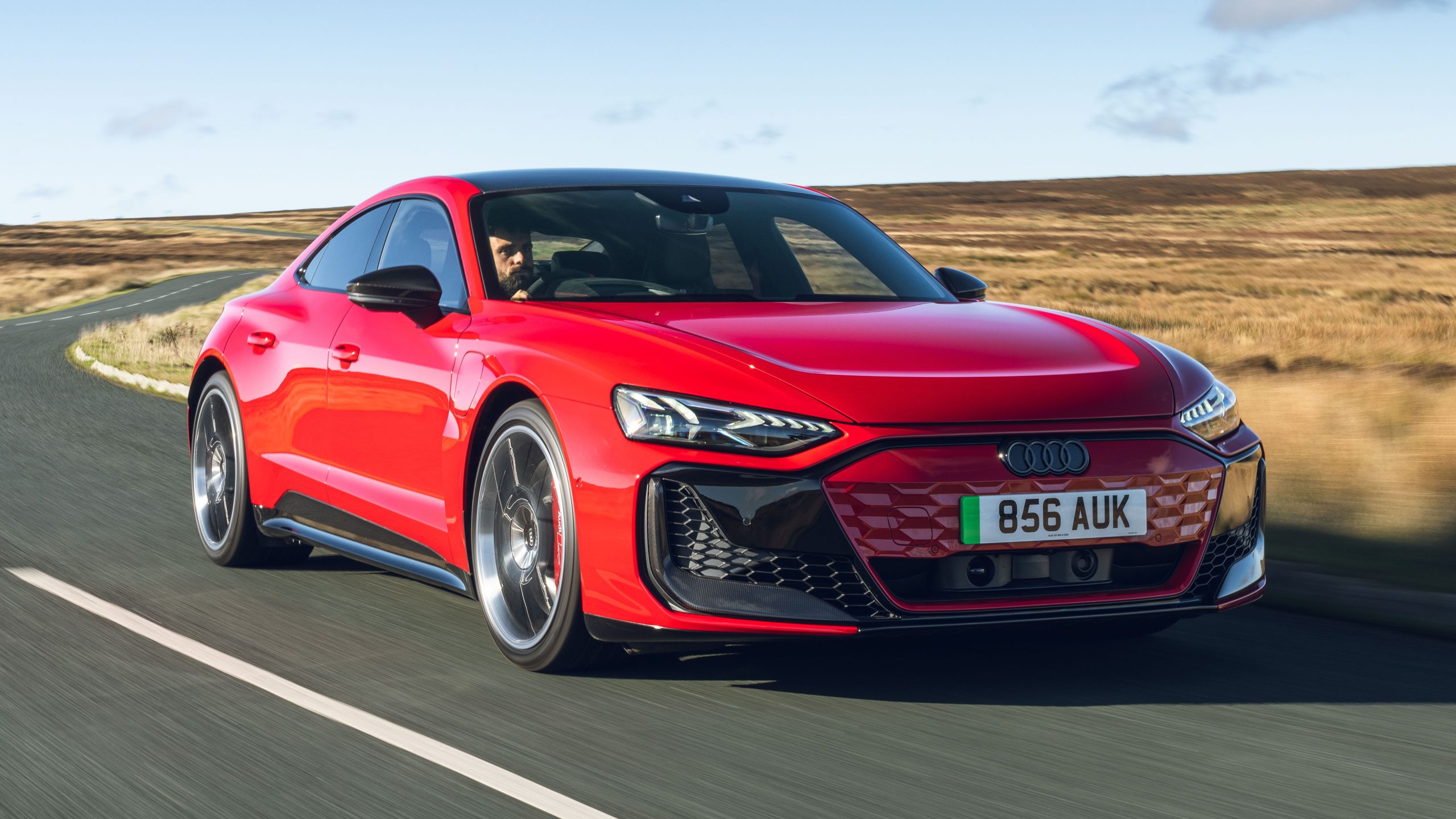
The Audi e-tron GT is a luxury electric vehicle with an emphasis on sleek, futuristic design. Its windshield is crafted for aerodynamic efficiency, resulting in thin glass panels that are highly susceptible to highway rocks.
Even small debris can cause noticeable chips, which can quickly develop into cracks under stress. Replacement costs are high due to embedded sensors for advanced driver assistance systems. Drivers who frequently use highways may find themselves addressing repeated windshield damage.
Audi employs laminated glass with reinforcement, but the thin profile limits its resilience. Owners report that chips appear more frequently along curved sections, which bear the most impact from flying stones.
The panoramic design, while visually appealing, further increases the windshield’s vulnerability. Protective films can help mitigate damage but require careful application to avoid affecting visibility. Regular monitoring and prompt repair of minor chips are essential for maintaining both safety and aesthetics.
The e-tron GT’s low ride height places the windshield in a position more likely to encounter debris kicked up by other vehicles. High-speed driving increases the energy of impacts, making small rocks potentially more damaging. Drivers should exercise caution in construction zones or on gravel-heavy roads.
The combination of large glass surfaces and lightweight materials increases the risk of cracks developing from even minor impacts. Insurance coverage may assist with replacement costs, but preventive measures remain the most effective strategy.
Temperature fluctuations can accelerate the growth of small chips, causing cracks to spread across the windshield rapidly. The integration of technology into the windshield adds complexity to repair procedures.
The combination of sensors, cameras, and laminated glass increases both the repair time and cost. Drivers who take proactive measures, including protective films and careful driving practices, can reduce the likelihood of damage while maintaining the vehicle’s high-tech appeal.
Despite its susceptibility to chips and cracks, the Audi e-tron GT remains a symbol of electric luxury and performance. Awareness of windshield fragility allows drivers to take preventive actions, preserving both safety and vehicle appearance. Prompt attention to minor damage ensures that larger, more expensive issues are avoided.
By combining careful driving habits with proactive maintenance, owners can enjoy the full performance and luxury of the e-tron GT while minimizing windshield risks.
6. Nissan 370Z
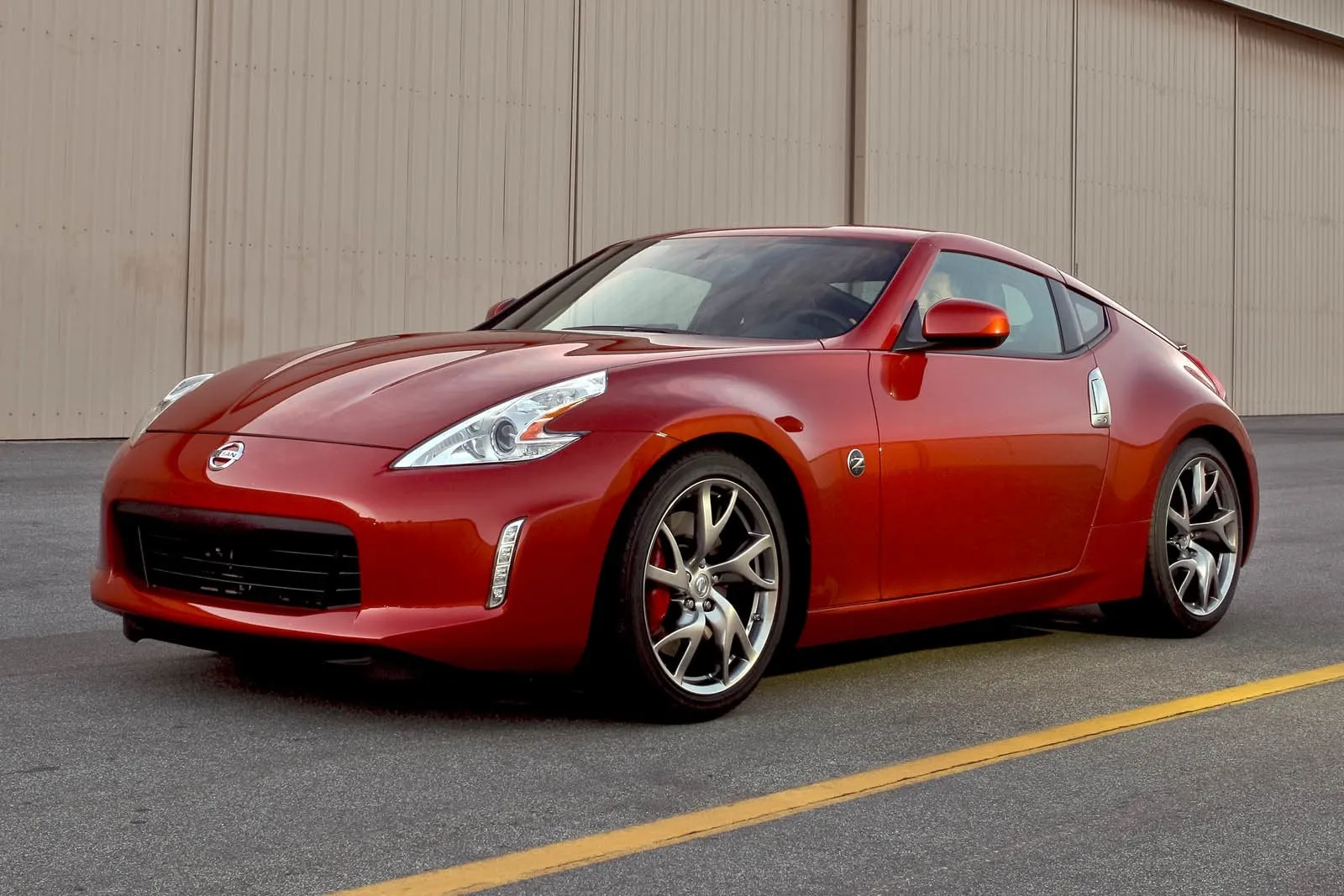
The Nissan 370Z is a sports car celebrated for its compact size and agile performance, but its windshield is notoriously thin for highway use. The low-slung body design makes it highly exposed to debris, particularly rocks from larger vehicles.
Small chips can quickly expand under heat and vibration, reducing visibility and structural safety. Drivers often report that edge cracks form faster than expected due to the curvature of the glass. Regular highway use can turn minor damage into significant repair costs.
Nissan uses laminated glass in the 370Z, but the thin design prioritizes performance and lightweight construction over durability. Even minor impacts can result in noticeable chips, particularly at high speeds. Curved windshields are more prone to spreading cracks when damaged.
Repairing or replacing the windshield can be both time-consuming and expensive due to the integration of vehicle sensors. Preventive films and careful driving are recommended for owners who frequently travel on highways.
The 370Z’s aggressive stance and low profile increase exposure to airborne debris. Gravel and loose stones pose a serious risk for damage during highway travel. High-speed vibrations intensify the effect of small chips, often turning them into larger cracks in a short time.
Drivers must monitor the windshield closely and address minor damage promptly to maintain safety and vehicle aesthetics. Clear protective films offer a practical method to reduce the likelihood of damage.
Minor cracks can worsen rapidly due to temperature fluctuations and pressure changes inside the cabin. The combination of thin glass and aerodynamic design makes the 370Z particularly vulnerable. Even with careful driving, highway conditions can result in repeated windshield repairs.
Owners should plan for preventive maintenance and consider routes that minimize exposure to loose debris. Prompt attention to damage ensures the windshield remains functional and safe for daily use.
Despite its vulnerability, the Nissan 370Z is valued for its performance and driving experience. Awareness of windshield fragility allows owners to take proactive measures, preserving safety and aesthetics. Protective films, careful following distances, and early repair of chips can extend the lifespan of the glass.
Drivers who adopt these strategies can enjoy the thrill of the 370Z without compromising safety or increasing repair costs unnecessarily.
7. Porsche 911
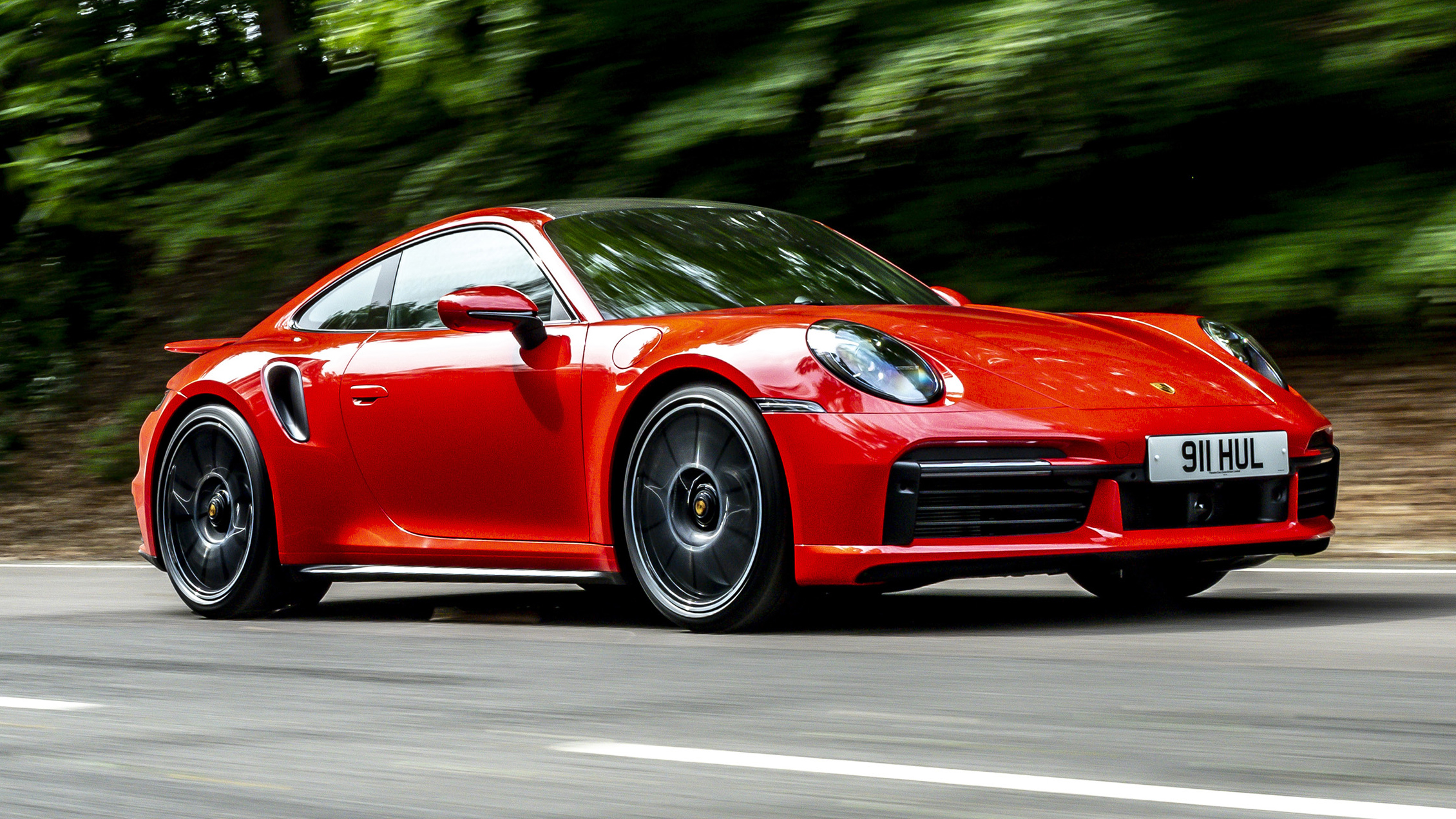
The Porsche 911 (992) combines classic design with modern performance, but its windshield is not immune to highway debris. Its low front profile exposes the glass to rocks kicked up by trucks or construction vehicles.
Even small chips can expand rapidly into cracks, compromising both visibility and safety. The curved glass panels, while enhancing aerodynamics, increase the risk of damage along the edges. Frequent highway use can lead to repeated repairs, which can be expensive and time-consuming.
Porsche employs high-quality laminated glass, but the focus on lightweight construction reduces thickness. The larger surface area of the windshield increases vulnerability to small debris impacts. Chips often propagate under heat, vibration, or sudden pressure changes.
Repairing the windshield is complicated by integrated sensors and cameras for driver assistance features. Protective films and careful following distances help mitigate the risk of damage.
The 911’s low-slung hood and aerodynamic curves intensify exposure to flying rocks. High-speed highway driving amplifies the impact of small stones, increasing the likelihood of chips or cracks.
Drivers who frequently use gravel roads or follow trucks closely are at higher risk. Awareness and preventive measures, including routine windshield inspections, are essential to maintain safety and preserve the car’s aesthetic appeal.
Temperature fluctuations further contribute to crack propagation in minor chips. Even small imperfections can compromise structural integrity, making timely repairs crucial.
The integration of sensors and cameras adds complexity to replacements, resulting in higher repair costs. Preventive maintenance, such as protective films or cautious driving, extends the windshield’s lifespan while preserving safety.
Despite the risk, the Porsche 911 remains an iconic sports car with unmatched performance and design. By understanding windshield vulnerabilities, owners can adopt strategies to minimize damage, ensuring continued safety and vehicle longevity. Regular monitoring, early repair, and cautious highway driving help protect this key structural component.
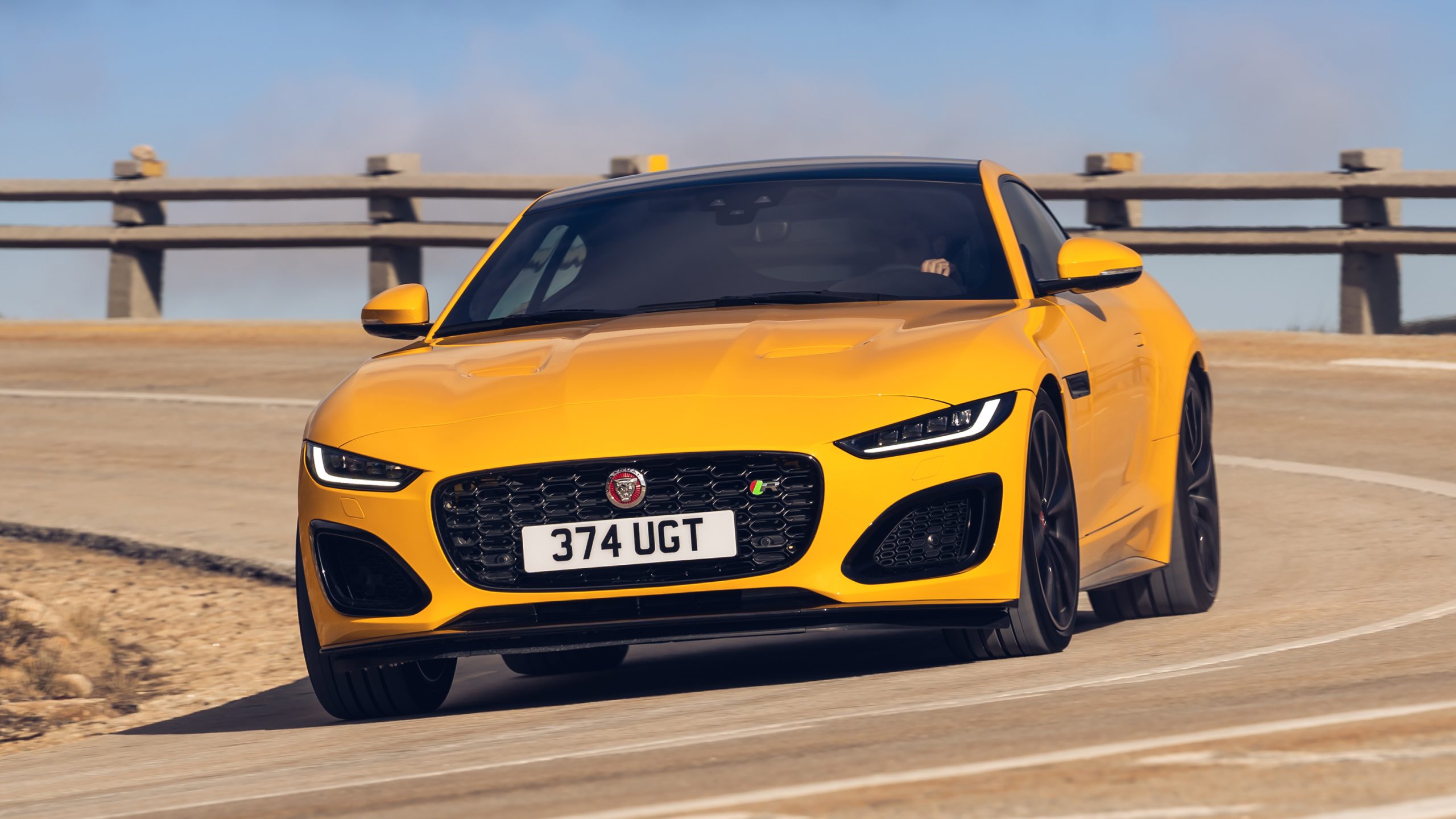
8. Jaguar F-Type
The Jaguar F-Type is a sleek British sports car celebrated for its performance and luxury, yet its windshield is prone to highway rock damage. The low profile and long, curved glass panels increase the surface area exposed to airborne debris.
Chips and cracks can appear quickly at high speeds, reducing visibility and driver safety. Even minor impacts can lead to costly repairs due to the integration of advanced driver-assistance systems. Highway use can exacerbate damage, particularly in areas with loose gravel or ongoing construction.
Jaguar uses laminated glass for safety, but the thin design prioritizes aesthetics and performance over maximum durability. Edge cracks are common, often appearing along curved sections of the windshield.
Small chips can propagate rapidly under heat, vibrations, or changes in air pressure. Protective films are recommended for owners who drive frequently on highways or rural roads. Routine inspections and immediate repair of minor chips help maintain structural integrity and appearance.
The F-Type’s design places the windshield in a position highly susceptible to debris from trucks and other vehicles. High-speed driving magnifies the impact force, making even small stones potentially damaging.
Gravel roads, construction zones, and following large vehicles increase the likelihood of windshield chips or cracks. Owners should drive with awareness, maintain safe following distances, and take preventive measures to reduce risk.
Temperature shifts and sunlight exposure can accelerate crack growth from minor chips. The integration of head-up displays and cameras increases repair complexity, contributing to higher replacement costs.
Preventive measures, such as applying protective films, can help preserve both safety and the luxurious aesthetic of the windshield. Early attention to minor damage is essential to prevent more significant structural issues.
Despite its vulnerability, the Jaguar F-Type remains a sought-after sports car for enthusiasts. Knowledge of windshield weaknesses allows drivers to adopt strategies to minimize damage. Careful driving, protective films, and early chip repair ensure both safety and vehicle longevity, enabling owners to enjoy high-speed performance without frequent windshield concerns.
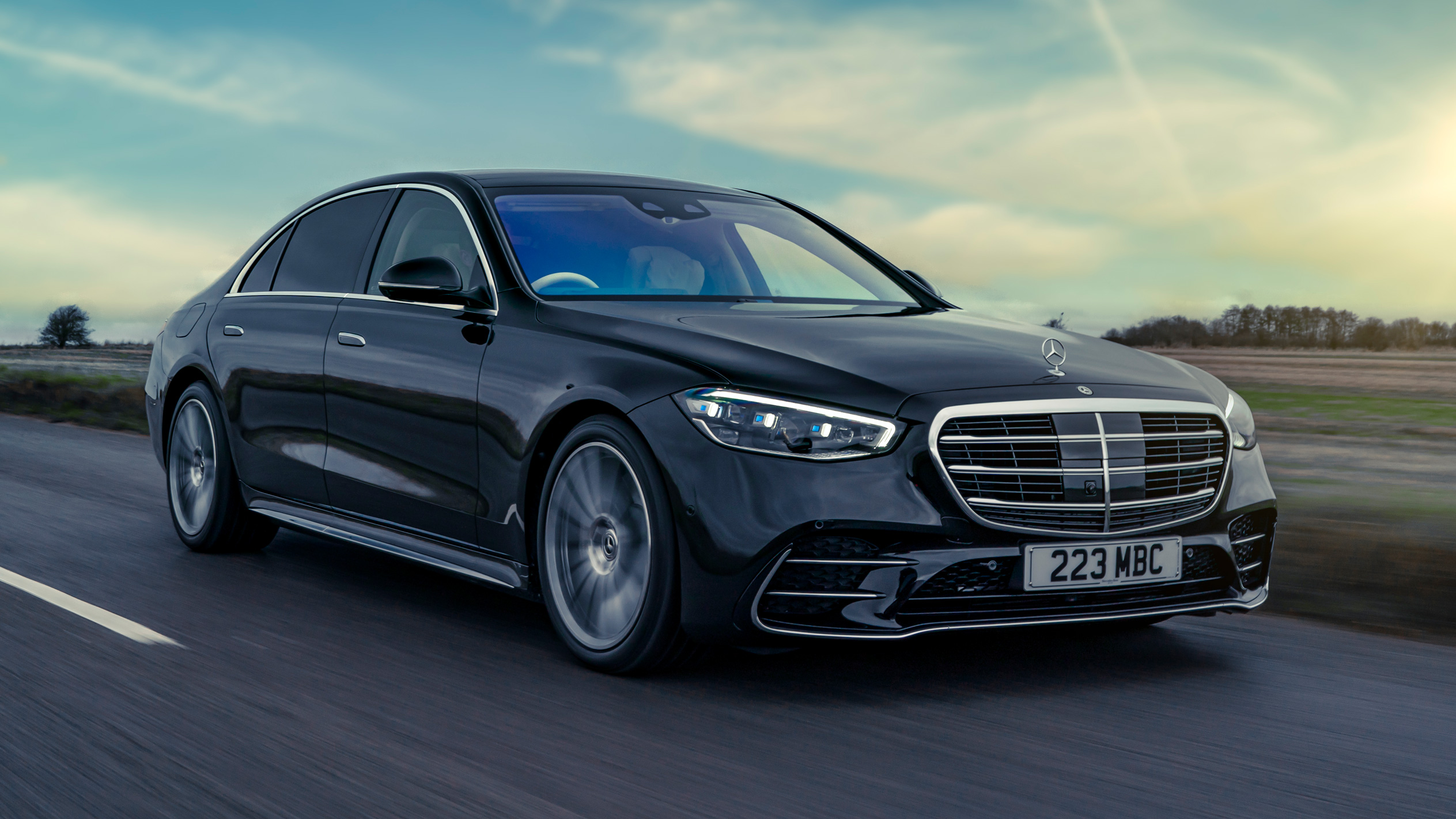
9. Mercedes-Benz S-Class
The Mercedes-Benz S-Class is a flagship luxury sedan with advanced technology, but its large, panoramic windshield can be surprisingly fragile against highway rocks. The expansive glass surface increases exposure to debris kicked up by other vehicles.
Even minor chips can develop into cracks under heat, vibration, or sudden pressure changes. Repairs are expensive due to embedded cameras, sensors, and head-up display systems. Drivers on highways with loose gravel or construction zones may experience repeated windshield damage.
Mercedes-Benz uses laminated glass with reinforcement, but the focus on aesthetics and panoramic visibility compromises durability.
Chips and cracks often appear along the edges, where stress is highest. Minor damage can worsen quickly if left untreated, creating both safety concerns and higher repair costs. Preventive measures, such as protective films and careful highway driving, are recommended to protect the windshield.
The S-Class’s low and long front profile places the windshield in a vulnerable position. High-speed debris impacts magnify the damage potential, especially from trucks or construction areas.
Drivers must maintain safe distances and avoid following gravel-heavy vehicles closely. Early detection and repair of minor chips can prevent cracks from spreading, ensuring the windshield remains both functional and visually appealing.
Temperature fluctuations, pressure changes, and vibrations can worsen minor imperfections. The integration of sensors, cameras, and head-up displays complicates replacements, making professional service essential.
Owners must monitor the windshield regularly and address even small damage promptly. Preventive films and careful driving reduce the likelihood of cracks forming.
Despite these challenges, the Mercedes-Benz S-Class remains a benchmark of luxury and technological sophistication.
Awareness of windshield vulnerabilities allows drivers to implement protective measures. By combining careful driving, early repair, and preventive coatings, owners can preserve both safety and aesthetics while enjoying the vehicle’s comfort and performance.

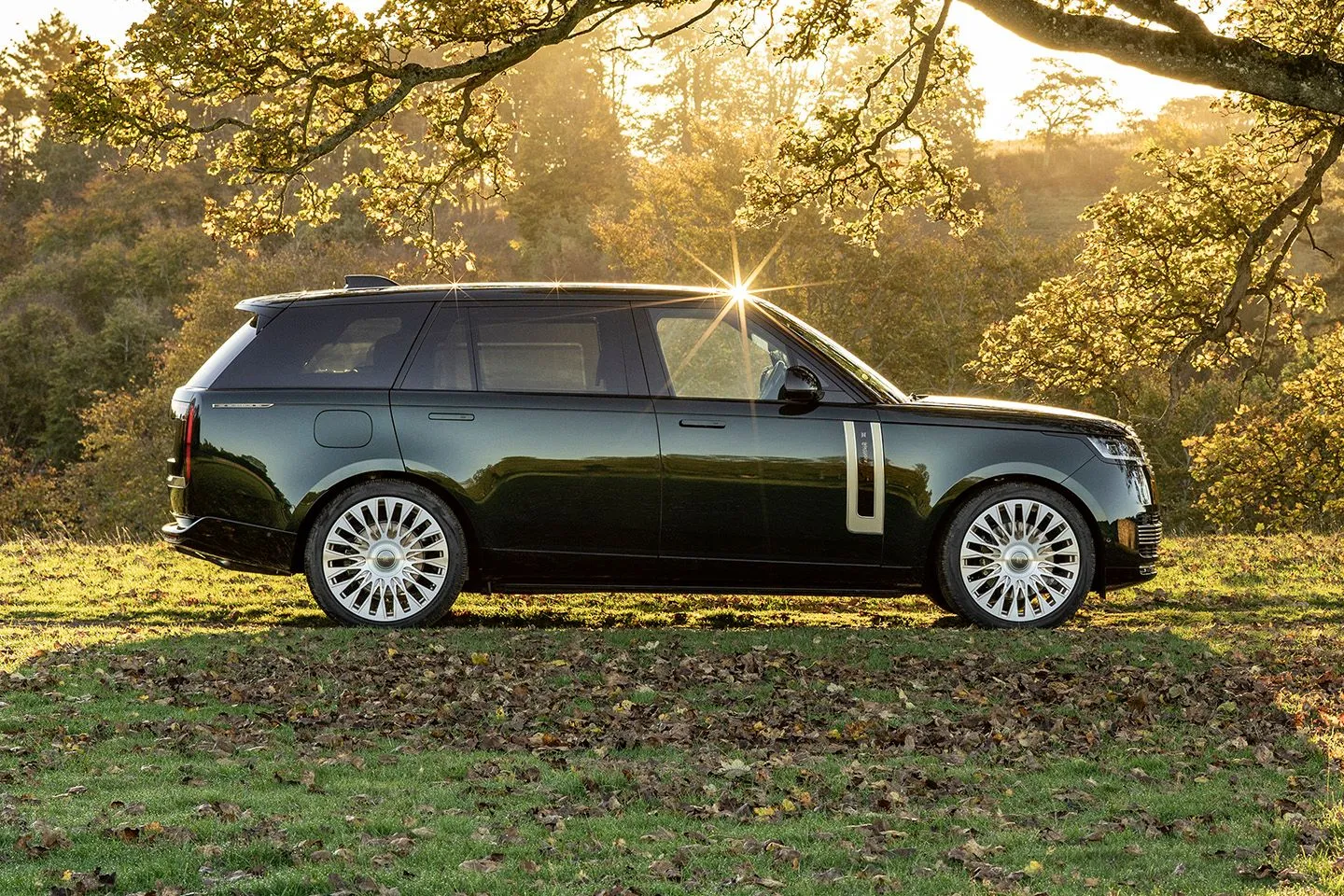
10. Range Rover
The Range Rover is a luxury SUV designed for both off-road and highway use, but its large windshield can be surprisingly delicate. The elevated position does not always protect against flying rocks, which can chip or crack the glass at highway speeds.
Panoramic windshield designs further increase exposure to debris. Chips can spread quickly under temperature fluctuations, vibration, or sudden pressure changes, resulting in costly replacements. Highway driving on gravel-heavy roads can amplify these risks.
Range Rover uses laminated glass with partial reinforcement, but the expansive size and design compromise resilience. Minor chips often appear along the windshield edges, where stress is greatest.
Without immediate repair, small imperfections can grow into larger cracks, reducing structural safety and visibility. Protective films and careful driving are recommended for owners who frequently travel on highways or rough roads. Regular inspections ensure that minor damage is addressed promptly.
The Range Rover’s height and design do not fully prevent exposure to airborne debris. Rocks thrown by other vehicles can hit the windshield with significant force, especially at high speeds. Drivers following trucks or traveling on loose gravel roads are particularly at risk.
Early detection and repair of chips can preserve both the structural integrity and appearance of the windshield. Preventive measures, such as applying protective films, can significantly reduce the likelihood of damage.
Temperature changes, sunlight exposure, and vibrations further contribute to the rapid growth of cracks from minor chips. Repairing a Range Rover windshield can be expensive due to the integration of cameras, sensors, and advanced display systems.
Professional service is often required to maintain both safety and proper operation of driver-assistance technology. Awareness of potential vulnerabilities is key to minimizing repair costs and maintaining vehicle longevity.
Despite its windshield fragility, the Range Rover continues to be a popular choice for those seeking luxury and versatility.
Drivers who adopt preventive strategies, including protective films, careful following distances, and prompt chip repairs, can enjoy both on-road performance and off-road capabilities without frequent windshield concerns. Awareness and maintenance ensure safety and preserve the vehicle’s premium appearance over time.