For car owners who want to minimize trips to the mechanic, selecting a used vehicle with proven reliability and low-maintenance design is key. Not all cars can handle years of daily use without costly repairs, but certain models have earned reputations for durability, simplicity, and long-term dependability.
From compact sedans to practical SUVs, these vehicles combine strong engineering with functional design to reduce the likelihood of unexpected breakdowns. Features such as straightforward engines, reliable transmissions, robust suspensions, and widely available parts allow owners to spend more time driving and less time repairing.
Many of these cars also deliver high fuel efficiency, well-thought-out interiors, and family-friendly safety features. This list of the 10 best used cars highlights models that consistently perform over hundreds of thousands of miles, providing drivers with a reliable and worry-free experience.
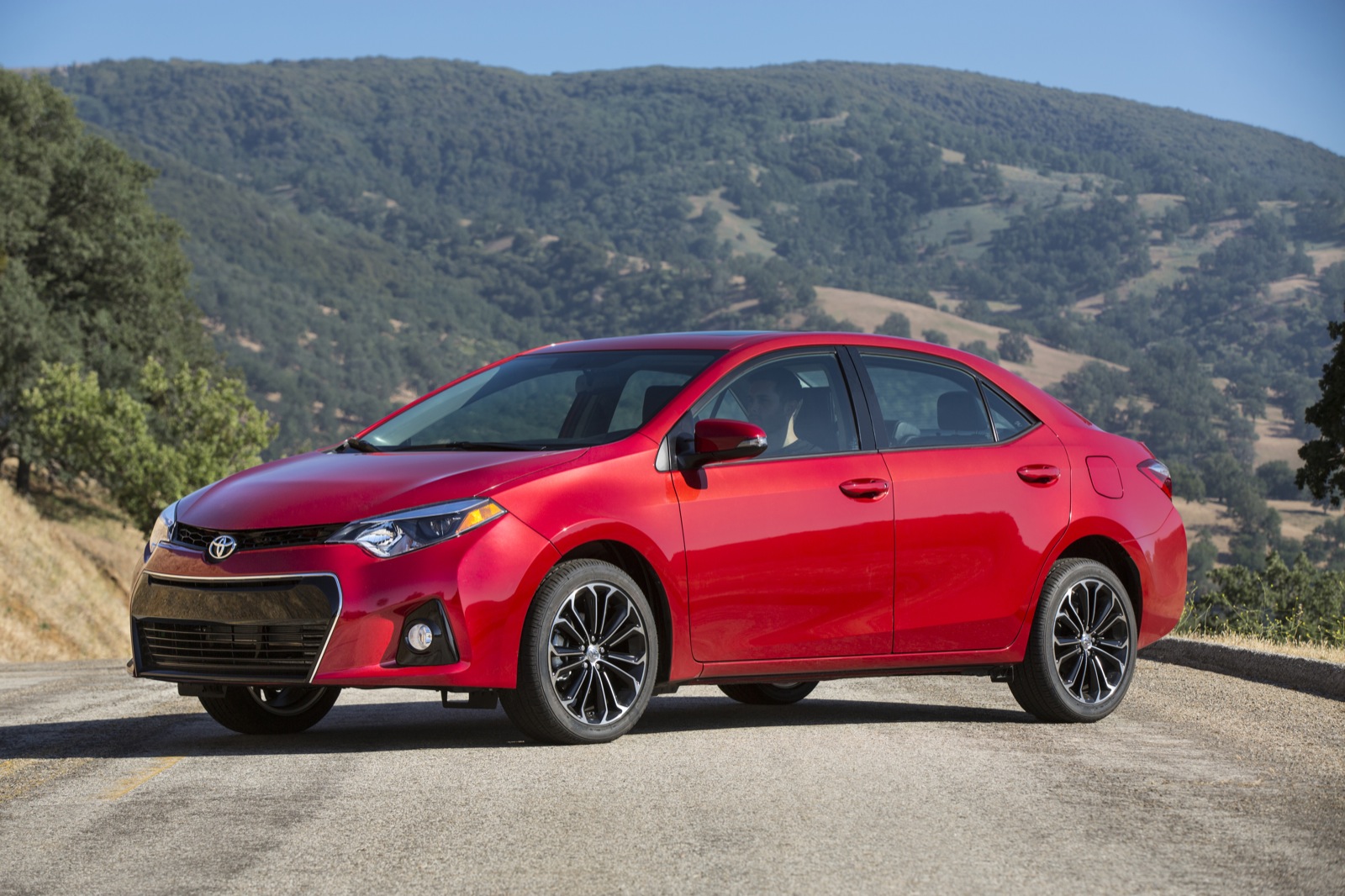
1. Toyota Corolla (2014–Present): Redefining the Family Compact Car
The Toyota Corolla, particularly the 2014–present 11th-generation models, redefined how families approach compact cars. Known for its legendary reliability, the Corolla combines simple, durable engineering with practical design and modern comforts, making it a mainstay for American households.
Its naturally aspirated engines and robust timing chains keep maintenance straightforward, and owners of 2014–2019 models often praise their “bulletproof” performance, with mechanical failures rare even past 200,000 miles.
The 2014 redesign focused on family comfort and practicality. By extending the wheelbase nearly four inches, Toyota added three inches of rear legroom, making car seats and growing children much more comfortable. The rear seating rivals some larger sedans, while upgraded cushioning and a quieter cabin enhance long-distance travel.
Safety was also prioritized, with the 2014 model earning a five-star NHTSA rating and later versions adding advanced systems such as collision mitigation and lane departure warnings. Families can rely on these vehicles for over 250,000 miles with minimal upkeep.
Fuel efficiency is another key advantage, with drivers reporting 31–37 MPG, reducing both daily commuting costs and expenses on road trips. The sportier 2014 exterior with standard LED headlights combines style with practicality, while the 13-cubic-foot trunk provides ample cargo space for luggage, groceries, or sports equipment.
Ownership costs are low, and Toyota’s reputation for longevity ensures strong resale value, making the Corolla an economically smart choice for families.
By merging reliability, comfort, efficiency, and practicality, the 2014–present Toyota Corolla transformed the expectations of compact cars. It became more than just a budget vehicle, offering families a versatile, dependable, and stylish option that can handle daily commutes, long trips, and everything in between, solidifying its place as a cornerstone of modern family travel.
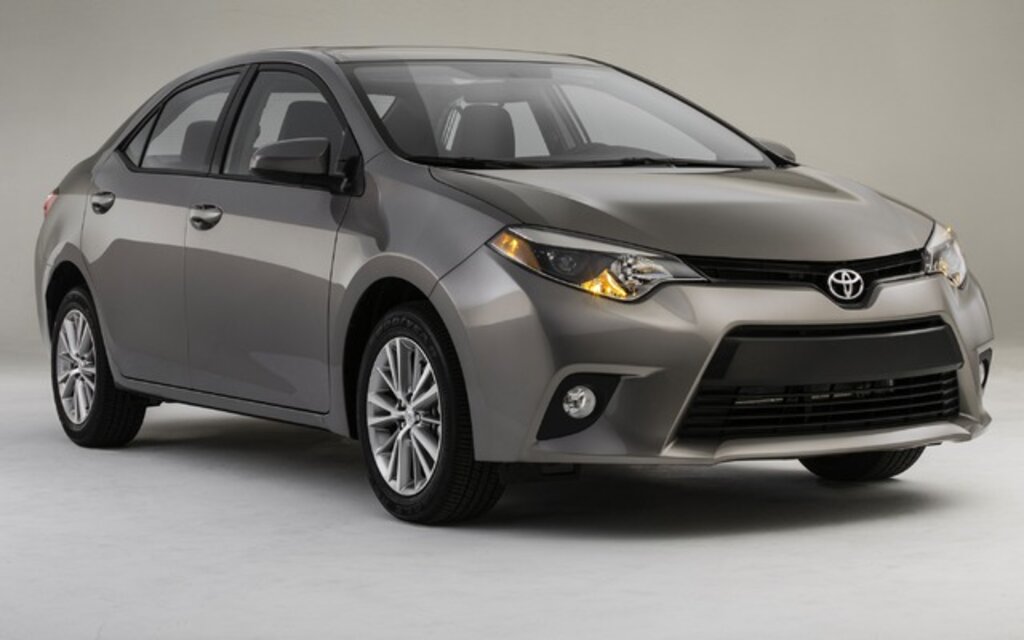
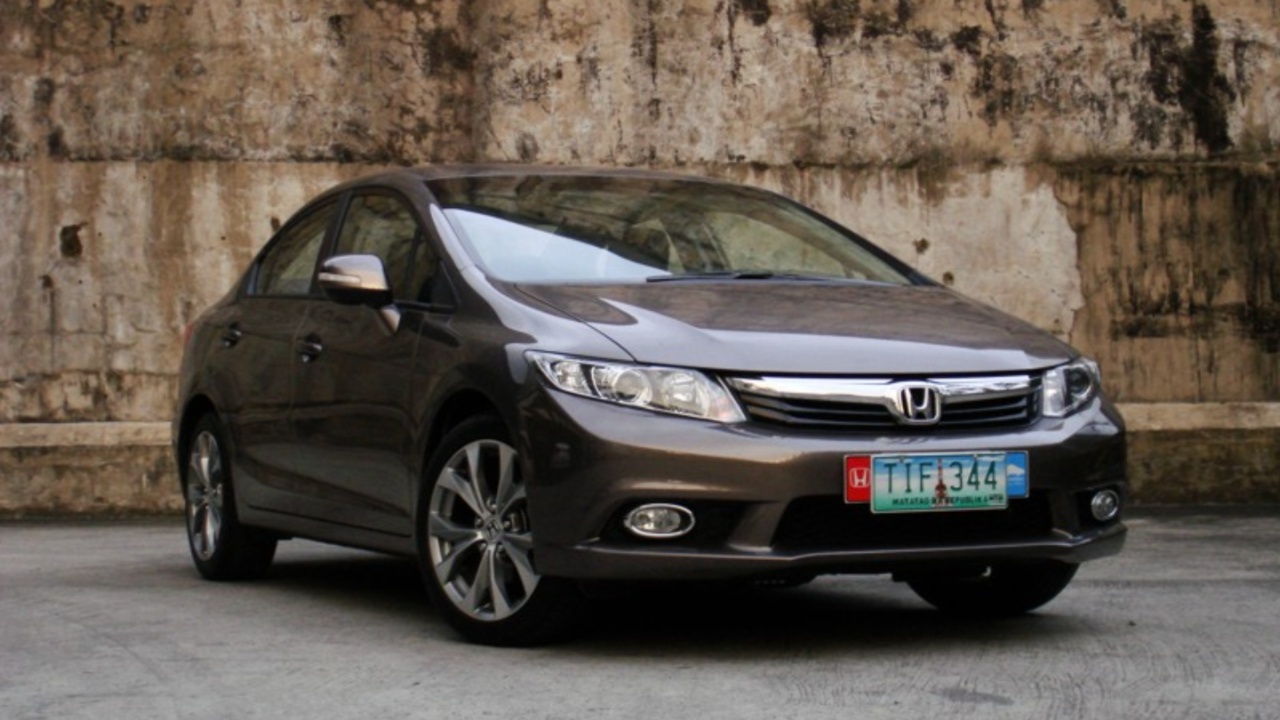
2. Honda Civic (2012–2021): Compact Reliability Meets Family Practicality
The Honda Civic, particularly the 2012–2021 9th and 10th generations, redefined compact cars for American families by combining reliability, efficiency, and practical features once reserved for larger vehicles. The 9th-generation models (2012–2015) are praised for mechanical simplicity and durability, avoiding common first-year glitches that often appear with redesigns.
Even the 10th-generation models, which introduced turbocharged engines, retained a sturdy base 2.0-liter engine. Routine maintenance usually involves basic wear-and-tear items like tires or batteries, and Honda’s wide parts availability keeps repairs affordable. Many Civics reach 250,000 miles or more with minimal issues, making them a cost-effective and dependable choice for family transportation.
The Civic’s interior space and versatility improved significantly during this era. The 10th-generation models maximized cabin room, offering rear legroom comparable to mid-size sedans, while the five-door hatchback provided SUV-like cargo flexibility without compromising fuel efficiency.
Thoughtful storage compartments allowed families to carry strollers, sports gear, or groceries with ease. Safety was a priority with the Honda Sensing suite, available or standard on most trims, including adaptive cruise control, collision mitigation braking, and lane-keeping assist, earning top IIHS and NHTSA ratings and offering confidence for family travel.
Performance and fuel economy contributed to its practicality. The base 2.0-liter engine achieved 26–30 mpg city and 36–38 mpg highway, while the 1.5-liter turbocharged engine improved efficiency to 30–32/38–42 mpg.
Sportier options, like the Civic Type R, offered high-performance driving without sacrificing reliability. Comfort and convenience were enhanced with refined suspension, quieter cabins, and modern technology, including touchscreen infotainment with Apple CarPlay and Android Auto, backup cameras, and premium audio systems.
The 2012–2021 Honda Civic transformed the compact car segment for families. By combining reliability, fuel efficiency, safety, and practical interior space in a stylish package, it became a versatile, economical, and dependable choice for households, proving that a compact vehicle could meet the demands of modern family travel.
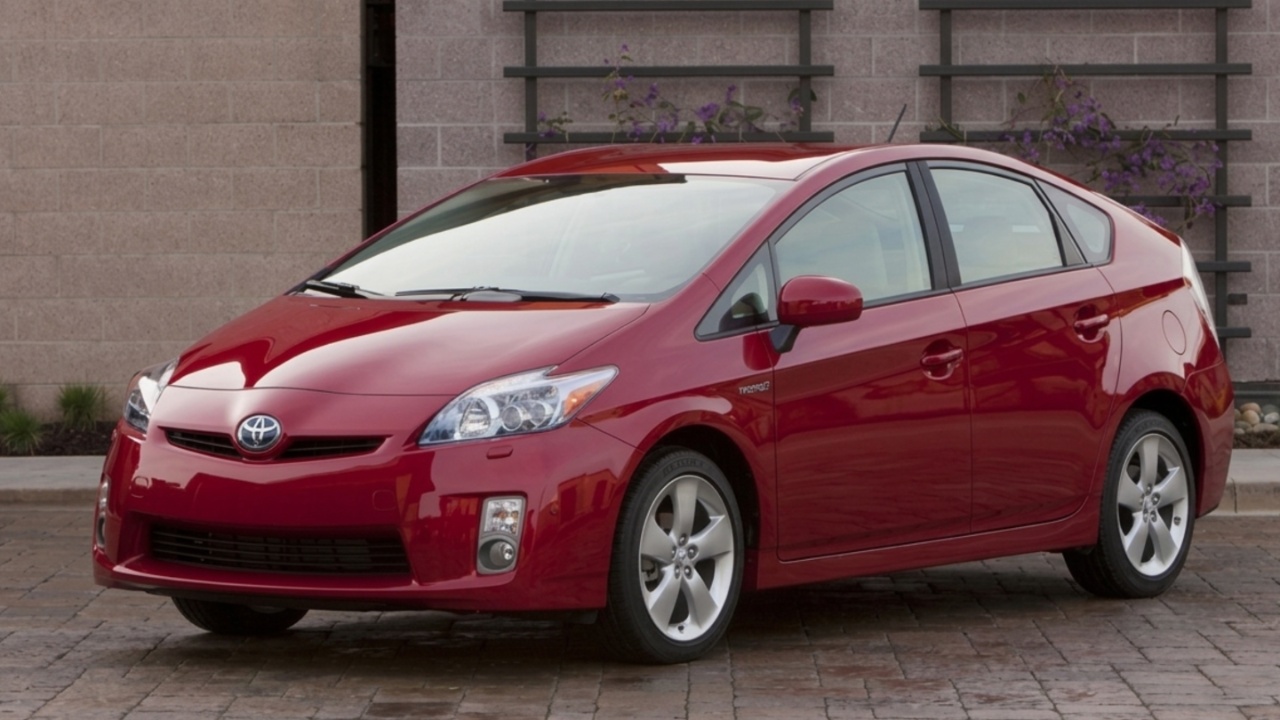
3. Toyota Prius (2011–Present): Redefining Family Travel Through Efficiency and Reliability
The Toyota Prius, particularly the 2011–present models, has transformed American family travel by proving that hybrid vehicles can be practical, reliable, and fuel-efficient without sacrificing comfort or space. Despite myths about hybrid complexity, the Prius is one of the most durable cars ever made.
Its hybrid powertrain reduces wear on the gasoline engine and braking system through regenerative braking, and battery packs typically last 150,000 to 200,000 miles. The 2011+ models resolved earlier oil consumption issues, and with a documented service history, these cars offer families an exceptionally low-maintenance option with extreme fuel efficiency.
The Prius became a family-friendly vehicle with the third generation (2011–2015), offering a spacious liftback design and cargo space comparable to small SUVs. Toyota also expanded the lineup with the Prius v for larger families and the Prius Plug-in to cater to varying needs.
The 50 mpg average and long-lasting components made it an economical choice for road trips, daily commutes, and long-distance travel, reducing fuel costs and total ownership expenses.
The fourth generation (2016–2022) introduced the Toyota New Global Architecture platform, enhancing safety, handling, and comfort. Features like Toyota Safety Sense, adaptive cruise control, lane departure alert, and pre-collision braking ensured family safety. Cabin improvements, including quieter interiors and refined suspension, made long journeys more comfortable and less fatiguing.
The fifth generation (2023–present) further redefined the Prius by combining efficiency with sportier styling and improved performance. Families could enjoy a more engaging driving experience without compromising fuel economy or space, making the hybrid appealing to a broader audience.
By blending fuel efficiency, reliability, and practicality, the Toyota Prius shifted the perception of hybrids from niche, eco-friendly vehicles to mainstream family transport. It enabled families to adopt greener travel habits, reduced transportation costs, and maintained comfort for passengers and cargo alike.
With its spacious interior, advanced safety features, and long-term dependability, the Prius set a new standard for family-oriented hybrid vehicles and remains a cornerstone of efficient, sustainable, and practical family travel.
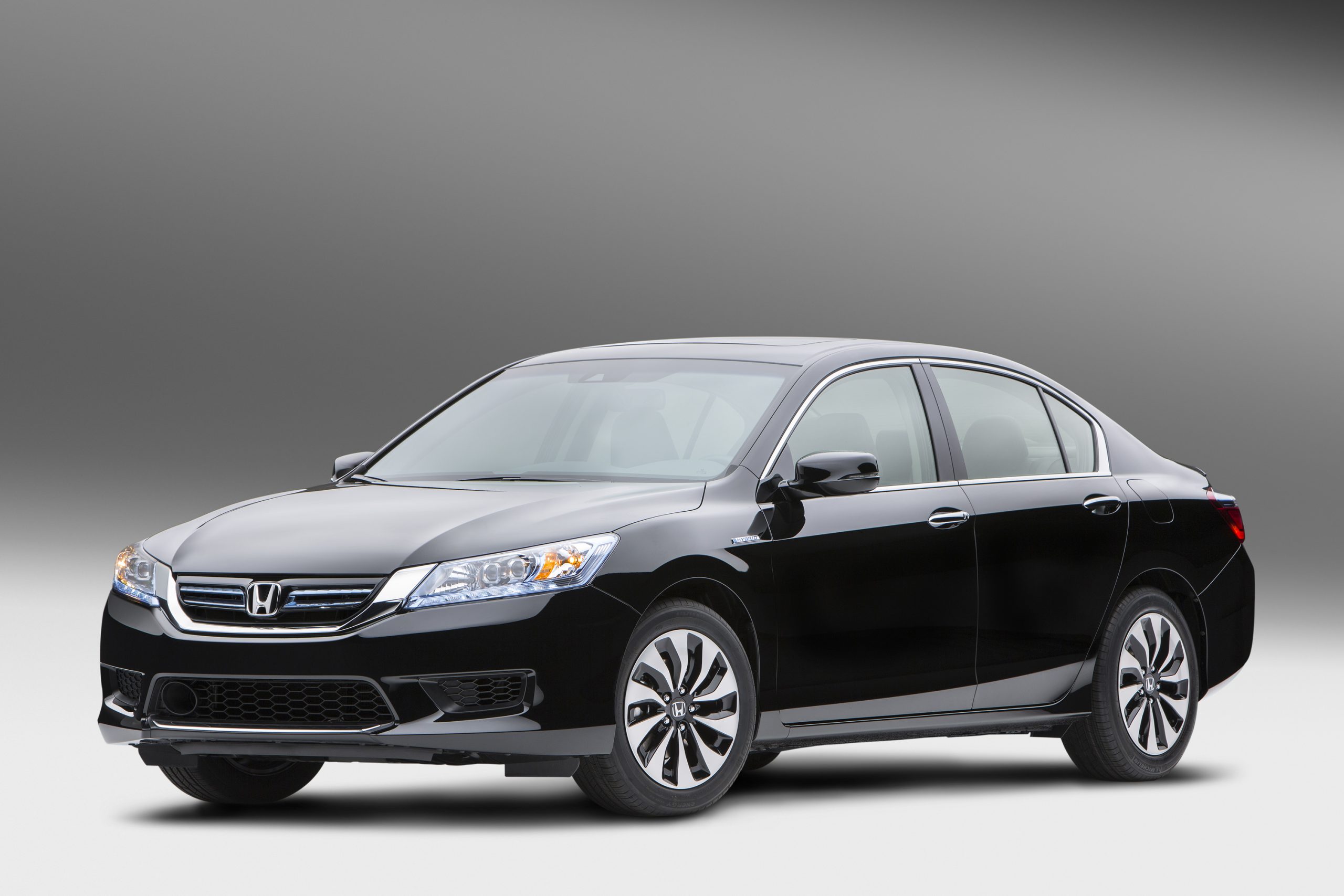
4. Honda Accord (2014–Present): The Benchmark for Modern Family Sedans
The Honda Accord, especially from 2014 to the present, has established itself as one of the most reliable and versatile midsize sedans for American families. The 2014–2017 models refined prior transmission issues and featured highly durable engines capable of surpassing 300,000 miles with routine maintenance.
The 2018+ turbocharged models remain dependable, though many enthusiasts still prefer the earlier V6 or 4-cylinder versions for their simplicity. The Accord’s Maintenance Minder system ensures timely servicing, preventing minor problems from escalating into costly repairs, making it an ideal choice for families seeking reliability without luxury-car expenses.
The Accord reshaped family travel by proving that sedans and hybrids could provide space, comfort, and safety comparable to SUVs while remaining efficient and affordable. The introduction of the Accord Hybrid in 2014 demonstrated this, delivering fuel economy of 40–52 mpg and offering long-range capabilities for extended trips.
The latest hybrid models continue to refine this, providing quiet, smooth rides and ranges exceeding 500 miles per fill-up, reducing both fuel stops and travel costs.
Safety has been a cornerstone of the Accord’s appeal. The 2014 redesign introduced multi-view cameras and LaneWatch™ blind-spot monitoring, while the latest 2024 models include Honda Sensing®, a suite of features such as collision mitigation braking, lane-keeping assist, and adaptive cruise control. These technologies ensure that families travel with confidence on busy roads and highways.
Interior design and comfort have also evolved significantly. The extended wheelbase of the 2013–2014 redesign improved rear-seat legroom, creating space comparable to larger, pricier vehicles.
Modern Accords offer user-friendly technology, including Apple CarPlay, Android Auto, Bluetooth streaming, and high-resolution displays, making connectivity seamless for parents and children alike. Thoughtful cabin design, such as low beltlines and upright rear seats, enhances visibility and comfort for all passengers.
Performance remains a balance of efficiency and engagement. The four-cylinder, V6, and hybrid powertrains deliver smooth acceleration, and the Sport trim offers agile handling and a fun-to-drive experience without compromising family practicality. Combined with long-lasting construction and high resale value, the Accord offers families a sedan that is reliable, safe, fuel-efficient, and enjoyable to drive.
Over the past decade, the Honda Accord has proven that a midsize sedan can meet the demands of modern family life, combining efficiency, comfort, advanced safety, and long-term dependability into a single, compelling package.
5. Mazda3 (2014–Present): Redefining the Compact Car Segment
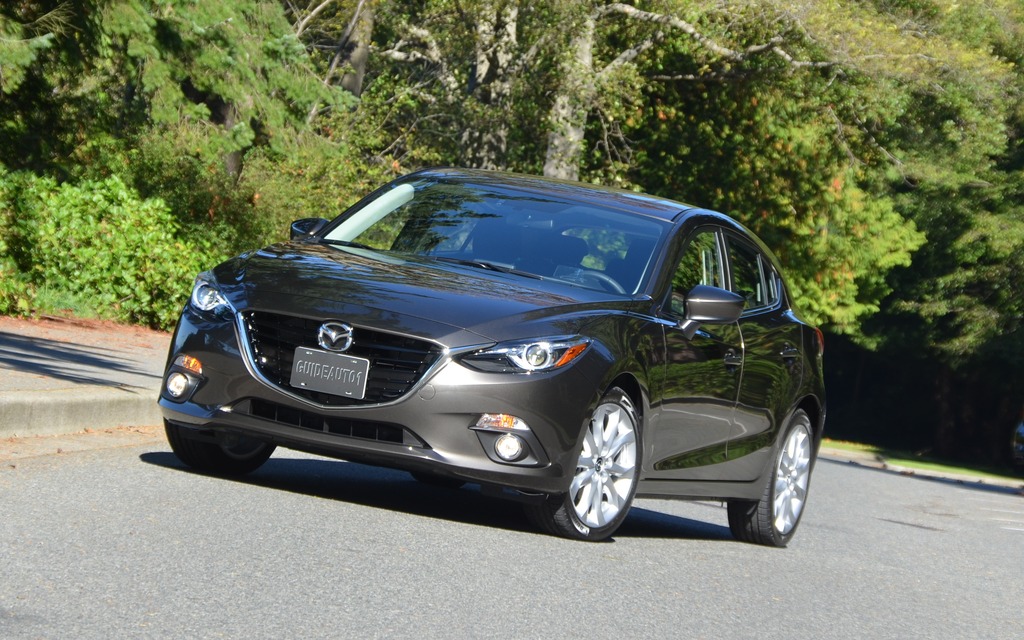
The Mazda3, redesigned in 2014, transformed the compact car segment by combining reliability, style, and engaging driving dynamics in a package usually reserved for premium vehicles. Utilizing SkyActiv technology, the car features naturally aspirated, high-compression engines paired with a traditional 6-speed automatic or manual transmission, avoiding the complexity and durability issues of turbos or CVTs.
This engineering approach results in a drivetrain known for longevity, often exceeding 200,000 miles, making the Mazda3 an ideal choice for families and daily commuters seeking dependability without sacrificing driving enjoyment.
The 2014 redesign introduced Mazda’s KODO: Soul of Motion design language, replacing the previous “big-grin” grille with sleek, muscular lines that give the car a premium, European-like presence.
The aerodynamic shape improves fuel efficiency and highway stability. SkyActiv engineering also optimizes the engine, chassis, and body for efficiency and driving pleasure, with the 2.0L engine producing 155 horsepower and the 2.5L engine delivering up to 184 horsepower.
Inside, Mazda embraced the Jinba Ittai philosophy, creating a driver-focused cockpit that minimizes fatigue. Features like the Active Driving Display, rotary-dial infotainment, and i-ACTIVSENSE safety technology, including Blind Spot Monitoring and Smart City Brake Support, enhance usability and security.
Available in both sedan and hatchback forms, the car balances practicality, refined materials, and reduced cabin noise, though rear legroom is tighter than some competitors.
The Mazda3 demonstrates that compact cars do not have to be mere utility vehicles. By merging reliability, advanced engineering, premium design, and fun-to-drive dynamics, it set a new standard in its segment and continues to offer excellent value, performance, and refinement for drivers who want both practicality and enjoyment.
Also read: 10 Cars With the Most Unusual Dashboard Gauge Layouts Ever Built
6. Lexus RX (2010–Present): Luxury Meets Low-Maintenance Reliability
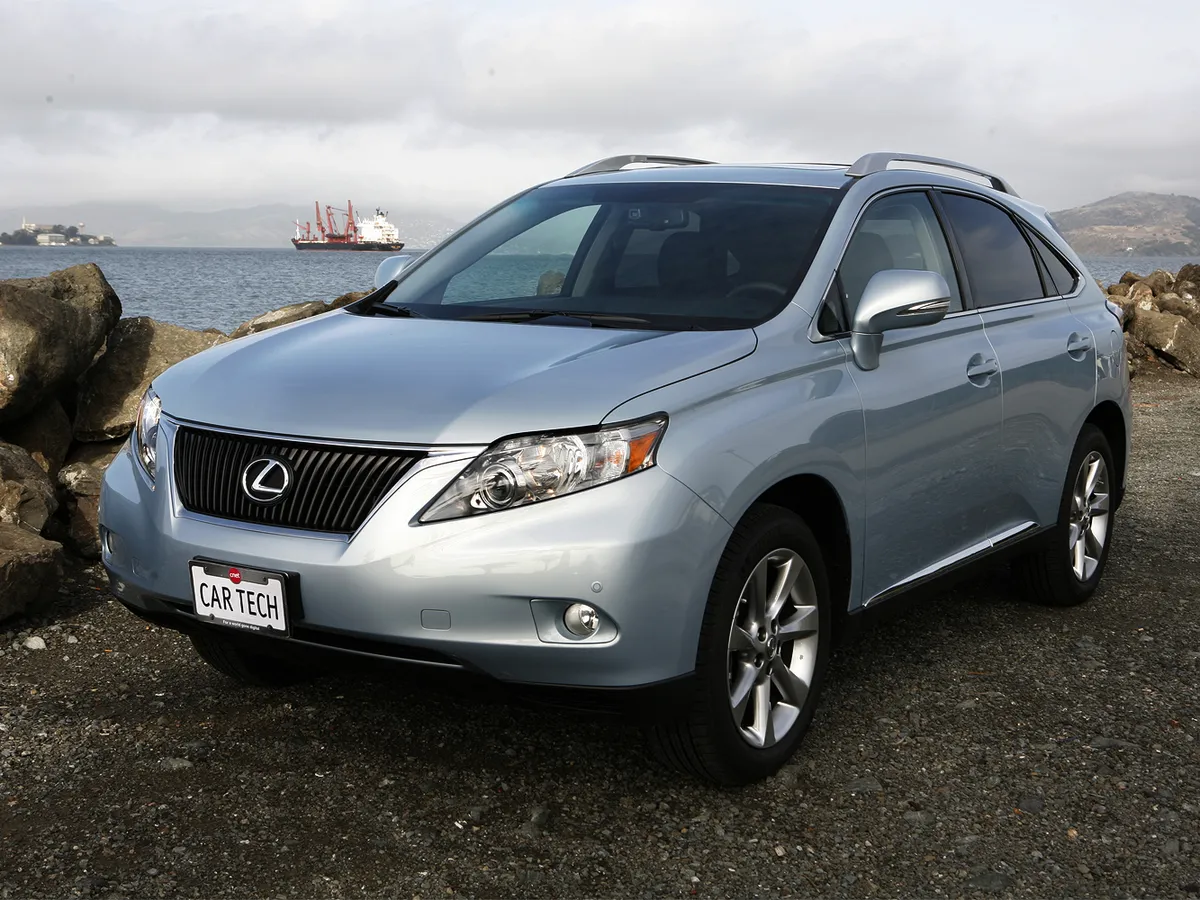
The Lexus RX, produced from 2010 to the present, has set a benchmark for luxury SUVs by blending comfort, reliability, and practicality into a family-friendly package. Sharing its mechanical foundation with the Toyota Highlander, the RX is powered by a proven 3.5L V6 engine, which delivers smooth performance and consistent long-term dependability.
Consumer Reports and other reliability surveys frequently rank it among the most dependable SUVs in its class. Components such as suspension bushings, electronics, and interior materials are built to higher standards than mass-market competitors, ensuring fewer rattles, leaks, and maintenance issues over time.
The RX excels in comfort and quietness, prioritizing a serene driving experience ideal for long road trips and daily commutes. Its cabin is plush and refined, with a soft, controlled ride that isolates occupants from road noise and vibration. Safety is also a strong focus, with features such as electronic stability control, curtain airbags, and advanced driver-assist systems contributing to peace of mind.
Technology adoption has been a hallmark of this generation. Standard equipment includes hard-drive navigation with real-time traffic updates, Bluetooth connectivity, and premium audio systems.
The RX 450h hybrid variant introduced a smooth, efficient luxury hybrid experience, balancing fuel economy with performance and braking refinement. The crossover design combines the comfort and elegance of a sedan with SUV ride height, cargo capacity, and versatility, making it ideal for families.
While praised for reliability, comfort, and resale value, the RX has some limitations. Its Remote Touch mouse-style infotainment can be less intuitive than modern touchscreens, steering feedback is comparatively numb, rear visibility is restricted, and the sloped roofline reduces rear headroom and cargo space. Fuel economy averages around 20 MPG, and the vehicle requires premium fuel for optimal performance.
The Lexus RX (2010–Present) remains a strong choice for buyers prioritizing low-maintenance luxury, family comfort, and long-term dependability. Its quiet cabin, smooth ride, and robust engineering make it a reliable and practical luxury SUV, though enthusiasts seeking engaging handling may find it less stimulating than European rivals.
7. Toyota RAV4 (2019–Present): Rugged Reliability Meets Family-Friendly Innovation
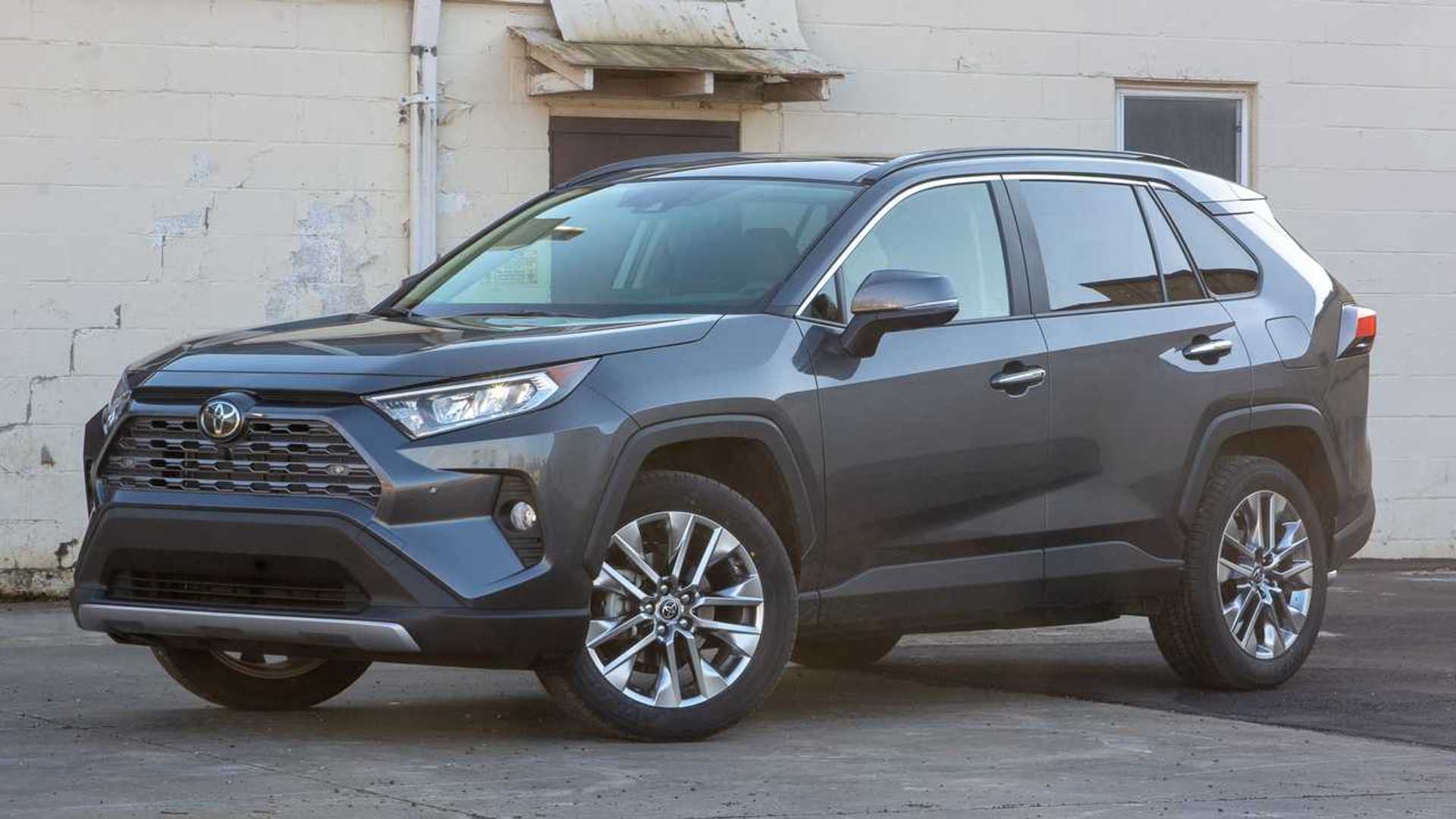
The fifth-generation Toyota RAV4, introduced in 2019, redefined the compact SUV segment by combining rugged styling, dependable engineering, and family-friendly practicality.
Known for its “bombproof” reliability, the RAV4 uses proven mechanical components, avoiding the electronic and transmission failures that often plague European and American competitors. Scheduled maintenance is minimal, typically limited to standard 10,000-mile checkups, and resale values remain high, making it a favorite among second- and third-hand buyers.
A key highlight of the 2019 redesign is the normalization of hybrid technology for mainstream families. The RAV4 Hybrid delivers over 40 MPG in city driving while offering 219 combined horsepower, providing both efficiency and performance. This shift made hybrid powertrains a practical, high-performance choice rather than a niche environmental option.
Safety also saw a significant upgrade with Toyota Safety Sense 2.0 (TSS 2.0) now standard across all trims. Features include pre-collision detection for pedestrians and cyclists, full-speed adaptive cruise control, lane tracing assist, lane departure alert with steering assist, and automatic high beams.
Combined with a lower beltline and redesigned A-pillars, visibility is improved, reinforcing its reputation as a family-safe SUV.
The RAV4’s rugged aesthetic, inspired by Toyota’s trucks like the Tacoma, complements a practical interior. Ground clearance is increased, and the available Trail model with Dynamic Torque Vectoring AWD offers enhanced off-road capability for adventurous families.
Inside, the TNGA-K platform extends wheelbase and cargo space, while soft-touch materials, improved NVH insulation, and a low dash provide a refined cabin environment. Rear seats fold nearly flat, offering over 37 cubic feet of cargo space, with multiple storage compartments, USB ports, and gadget cubbies enhancing versatility.
Driving impressions highlight a comfortable, quiet ride, with well-weighted steering and minimal road noise. The 2.5-liter inline-four engine delivers adequate performance, though it can become thrashy under hard acceleration. The two-tier dashboard, intuitive HVAC controls, touchscreen interface, and optional birds-eye view camera further improve everyday usability, including tight parking situations.
The 2019–Present Toyota RAV4 blends reliability, efficiency, and modern technology with a practical, family-oriented interior. Its combination of rugged yet refined design, standard safety features, hybrid efficiency, and low-maintenance ownership makes it a benchmark in the compact SUV segment, explaining its continued popularity as a top-selling family vehicle.
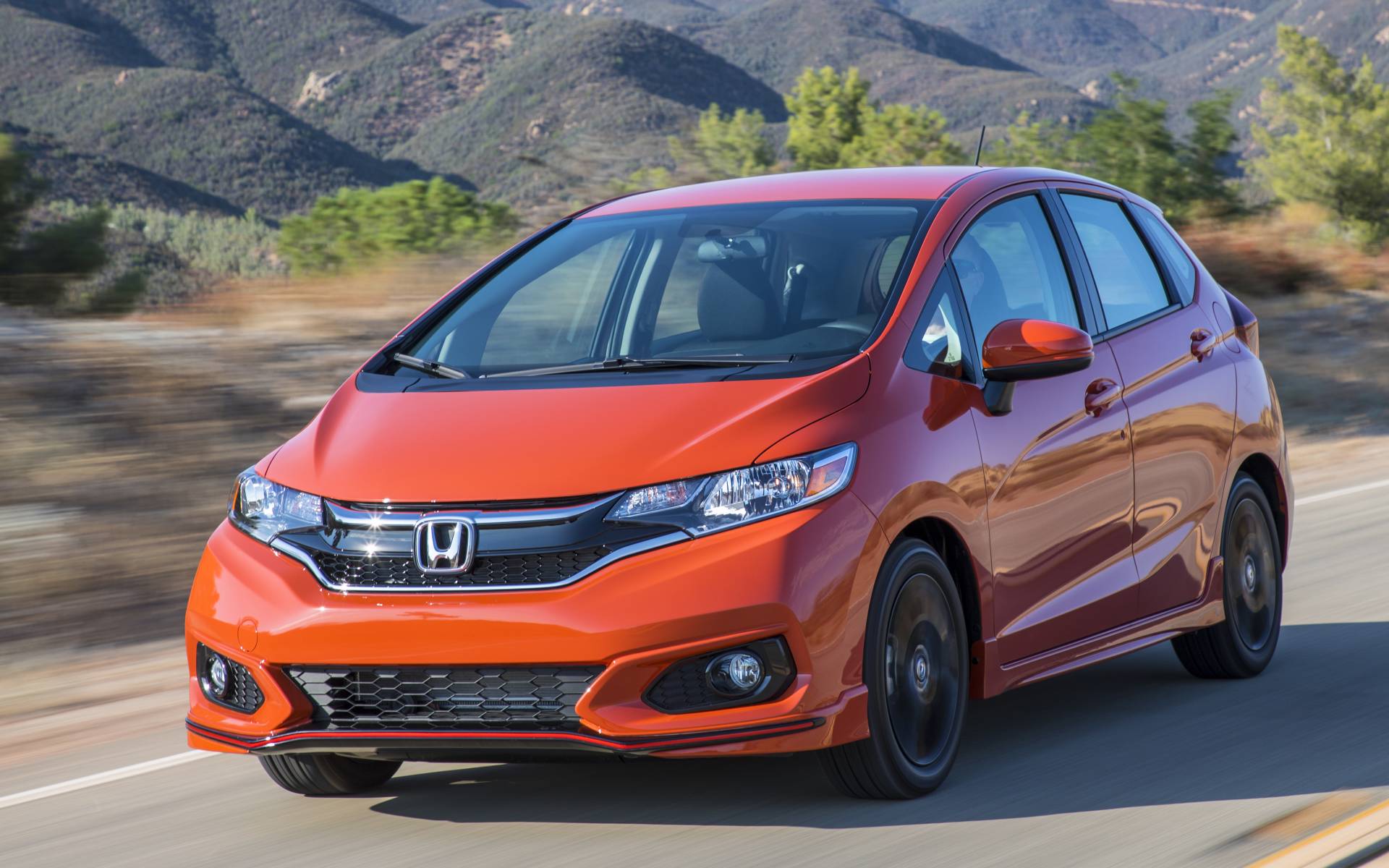
8. Honda Fit / Jazz (2015–2020): Practicality and Reliability in a Compact Package
The 2015–2020 Honda Fit, known as the Jazz in many markets, is a subcompact car that redefined small-family transportation. Designed as a global utility vehicle, it emphasizes mechanical simplicity and durability, avoiding fragile turbos, complex air suspensions, or delicate electronics. Its high-revving 1.3L or 1.5L engines are reliable and require minimal maintenance, making it one of the most dependable used cars available.
The Fit/Jazz transformed family travel by combining efficiency, interior space, and cargo versatility in a compact footprint. Its signature Magic Seats® system allows rear seats to fold completely flat or flip up, creating a van-like cargo area capable of carrying tall or long items, from bicycles to houseplants. Despite its small size, the Fit provides impressive rear legroom and headroom, often exceeding larger sedans, while remaining easy to park in tight spaces.
Fuel efficiency is a key strength. The 1.3L engine achieves roughly 50 MPG (5.6 L/100 km), while the 1.5L i-VTEC engine offers more power with similarly strong fuel economy. Transmission options include a precise 6-speed manual or a CVT automatic, though the CVT can feel sluggish under heavy acceleration. Steering is light, and the ride is firm, making the Fit ideal for city use but less suited for long-distance comfort.
Safety and reliability are notable advantages. The third-generation model incorporates Honda’s Advanced Compatibility Engineering (ACE) body structure and earned a 5-star Euro NCAP rating. The car is highly dependable, with few major issues reported. Minor complaints include touch-sensitive climate controls, occasional air conditioning quirks, and some road noise.
The interior focuses on functionality and practicality. It features durable materials, simple controls, and large A-pillar glass for excellent forward visibility. Combined with its compact size, the interior provides significant space for passengers and cargo, making it highly adaptable for families or active lifestyles.
The 2015–2020 Honda Fit/Jazz is a standout subcompact hatchback that offers remarkable versatility, fuel efficiency, and low running costs. Its practicality, reliability, and innovative seating make it a smart choice for families seeking a durable and efficient vehicle without compromising interior space.
9. Subaru Forester (2019–Present): Rugged, Reliable, and Family-Friendly
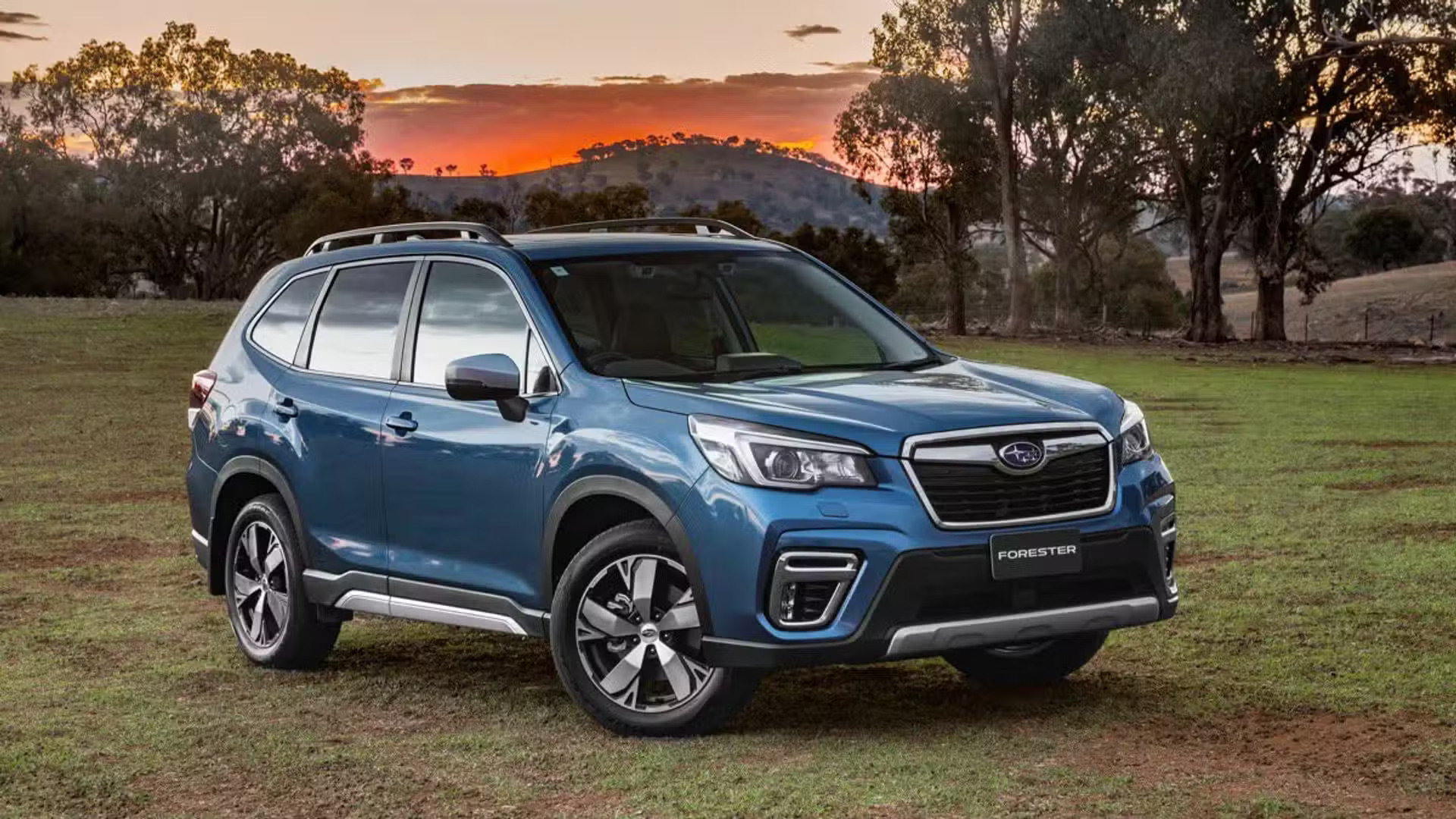
The 2019 to present Subaru Forester is a practical and durable compact SUV built for families who value reliability, safety, and all-weather capability. The fifth-generation model improved Subaru’s signature horizontally-opposed Boxer engine and continuously variable transmission (CVT) for better longevity, addressing previous head gasket issues while maintaining a smooth driving experience.
It’s simple, rugged suspension handles rough roads without frequent repairs, making it a low-stress option for used buyers. Standard Symmetrical All-Wheel Drive provides traction in adverse weather or off-road conditions without the complexity of full 4WD systems.
The Forester changed family travel by combining SUV versatility with car-like comfort. Its interior offers 111.9 cubic feet of passenger space and 76.1 cubic feet of cargo capacity, accommodating strollers, camping gear, or long trips. Subaru focused on visibility with a greenhouse design and large windows, reducing driver fatigue and improving safety on longer journeys.
Top trims, such as the Touring model, feature very comfortable seats, a thoughtful interior layout, and durable materials that improve the cabin experience compared with earlier models.
Safety is a major priority in the Forester. Standard EyeSight Driver Assist Technology includes adaptive cruise control, pre-collision braking, lane-keeping assist, and DriverFocus, which monitors driver attention. Trailer stability assist allows towing up to 1,500 pounds with greater confidence. These features establish a high standard for family safety in the compact SUV segment.
The driving experience focuses on smooth, relaxed performance rather than sporty dynamics. The 2.5-liter Boxer engine produces 182 horsepower and 176 lb-ft of torque, paired exclusively with the CVT.
Acceleration is modest, but the combination creates a steady and controlled ride, especially on highways, suburban streets, and uneven terrain. The suspension and chassis offer stability and precise handling, allowing the Forester to remain surefooted in corners and challenging conditions.
The 2019 to present Subaru Forester is a versatile and dependable family SUV. Its combination of cargo space, passenger comfort, all-wheel-drive capability, and standard advanced safety features makes it an excellent choice for families who want a reliable vehicle that performs well in a variety of conditions while remaining low-maintenance and easy to live with.
10. Hyundai Elantra (2017–Present): Affordable Reliability Meets Refined Comfort
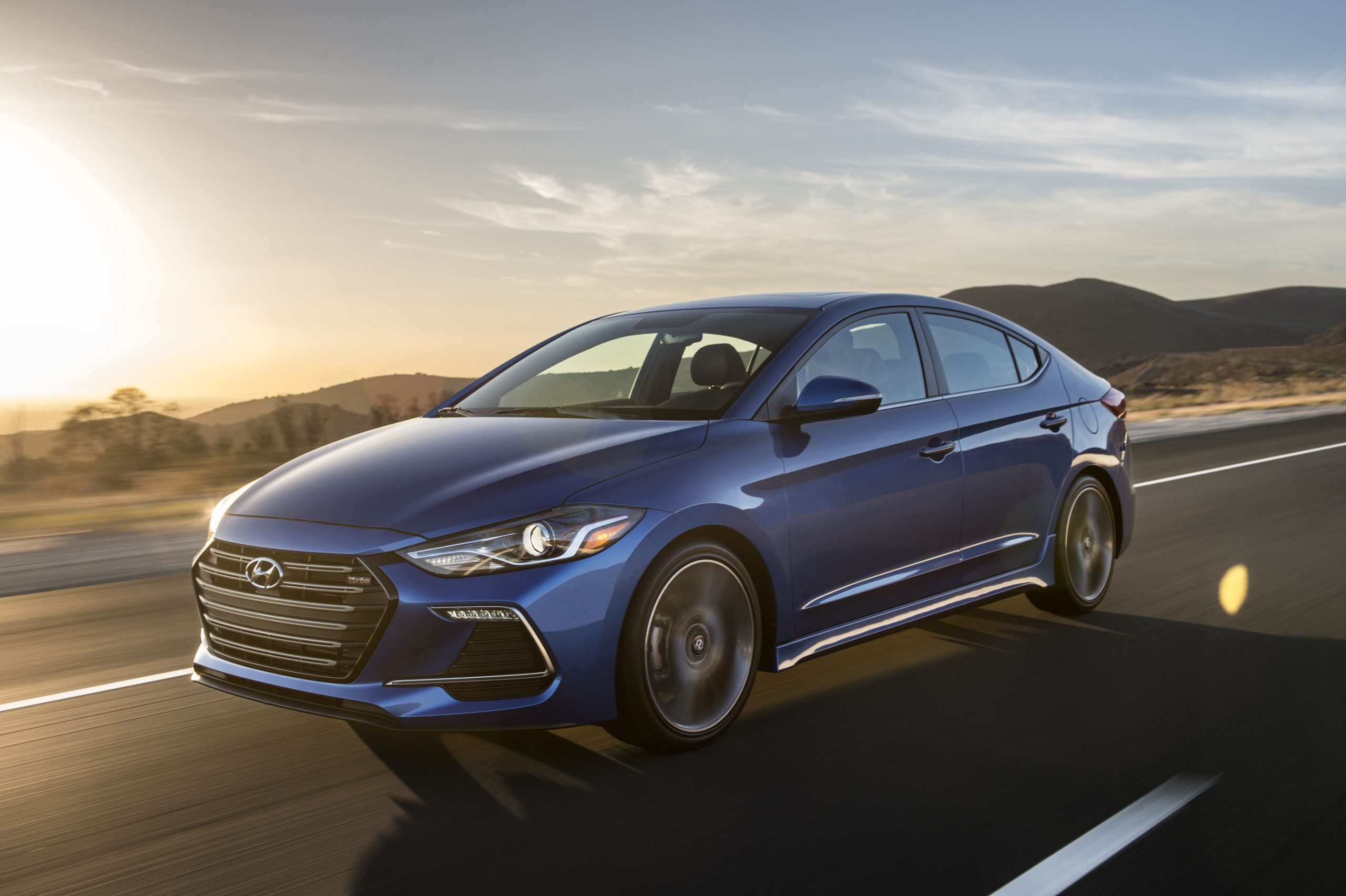
The 2017 to present Hyundai Elantra has become a standout choice for families seeking a durable, low-maintenance compact sedan. Hyundai focused on quality control and robust engineering, producing a car that competes with long-established competitors like Toyota and Honda.
Built on a rigid “Super Structure” platform with high-strength steel, the Elantra delivers improved safety, structural integrity, and long-term reliability. Many models easily reach 180,000 to 250,000 miles with proper maintenance, offering a dependable, value-driven option for budget-conscious families. Parts are widely available and inexpensive, making upkeep straightforward.
The Elantra transformed family travel by combining durability with quiet refinement and modern design. It provides a smooth, controlled ride with a firm but compliant suspension that handles bumps effectively. Noise, vibration, and harshness are minimized, creating a comfortable cabin environment.
The interior is thoughtfully laid out with clear gauges, easy-to-use climate controls, and a straightforward dashboard. While some plastics feel basic, the cabin remains attractive and functional, with a wide trunk opening and ample storage in the glovebox and center console. Seats are supportive enough for daily driving, though rear passenger space is somewhat limited compared with rivals.
Engine options include a 2.0-liter four-cylinder producing 147 horsepower, a 1.4-liter turbocharged Eco model, and the 1.6-liter turbocharged Sport variant with 201 horsepower. Transmissions vary from six-speed manuals to six- and seven-speed automatics, offering sufficient flexibility for performance or efficiency preferences.
The Sport model delivers stronger acceleration and a more engaging feel, though steering feedback is less precise than some competitors. Fuel economy is strong across the range, especially with the Eco and Sport trims, making it an efficient choice for daily commuting or family road trips.
Technology and connectivity features include optional 7- or 8-inch touchscreens, Apple CarPlay, Android Auto, Bluetooth, and navigation. Safety is emphasized with high-strength steel construction and well-rated crash performance from NHTSA and IIHS. Standard features provide a sense of security while enhancing comfort.
The Hyundai Elantra from 2017 onward combines reliability, comfort, and modern amenities in an affordable package. Its strong engineering, practical cabin, and low running costs make it an ideal choice for families seeking a dependable compact sedan that balances longevity with a refined driving experience.
Choosing a used car that requires minimal mechanical attention saves both time and money. The vehicles on this list, including the Toyota Corolla, Honda Civic, Subaru Forester, and Hyundai Elantra, show that dependability can coexist with comfort, practicality, and efficiency. These cars feature durable engineering, accessible parts, and strong track records that make frequent repairs unlikely.
Many also provide spacious interiors, advanced safety technology, and excellent fuel economy. By focusing on low-maintenance models, owners gain peace of mind, predictable costs, and a dependable driving experience for years, making these vehicles ideal choices for families, commuters, and anyone seeking a worry-free used car.
Also read: 12 Cars That Fundamentally Changed How American Families Travel