For drivers who plan to keep a vehicle for decades, choosing a car built to last is essential. The title “10 Best Used Cars for Owners Who Plan to Drive Them Indefinitely” highlights vehicles that combine reliability, durable materials, and low-maintenance designs to support long-term ownership.
From rugged SUVs and versatile crossovers to efficient sedans and hybrid models, these cars are engineered to handle high mileage, daily wear, and challenging conditions with minimal issues. Owners benefit from dependable performance, strong resale value, and peace of mind knowing their investment will remain reliable for years.
Whether exploring remote areas in a Toyota Land Cruiser, commuting efficiently in a Honda Civic, or enjoying outdoor adventures in a Subaru Outback, each of these vehicles demonstrates an ability to remain practical, durable, and enjoyable far beyond the lifespan of most modern cars.
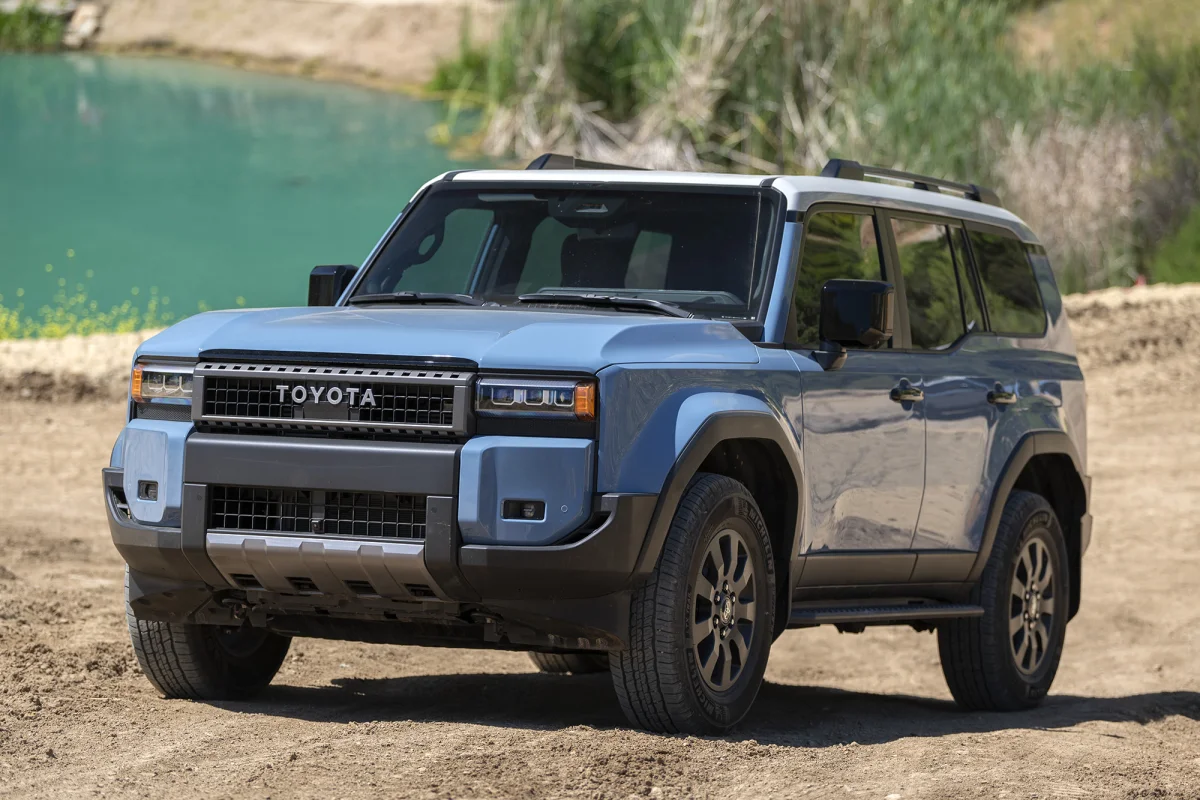
1. Toyota Land Cruiser: Built for Lifelong Durability
The Toyota Land Cruiser stands as one of the most durable and long-lasting vehicles ever produced, earning a global reputation as a near “immortal” SUV. Engineered with a projected 25-year service life, it is specifically designed to perform reliably in the harshest environments, from remote mining operations to humanitarian missions.
Unlike many modern vehicles that prioritize short-term efficiency or advanced electronics, the Land Cruiser emphasizes ruggedness, simplicity, and over-engineering, allowing many units to surpass 300,000 to 500,000 miles with only routine maintenance.
A key factor behind its longevity is its body-on-frame construction and heavy-duty mechanical components. Built with reinforced materials such as thick steel panels and robust drivetrain systems, the Land Cruiser is often described as “overbuilt.”
This ensures it can withstand extreme heat, rough terrain, and prolonged stress without significant wear. Its engines and gearboxes are typically under-stressed, meaning they operate well within their limits, reducing the likelihood of major failures over time.
Another major advantage is its relatively simple and repairable engineering, especially in older models like the 80 and 100 series. These vehicles avoid excessive reliance on complex electronics, making them easier to maintain and repair even in remote areas.
Components such as solid axles and durable engines contribute to long-term reliability, while their straightforward design allows mechanics or even owners to keep them running indefinitely with basic tools.
Beyond durability, the Land Cruiser also offers excellent value retention. Unlike most vehicles that depreciate rapidly, it maintains strong resale value and, in some cases, even appreciates. Well-maintained older models are increasingly sought after by enthusiasts and collectors, making them both a practical and financial investment.
Despite its rugged nature, the Land Cruiser does not sacrifice comfort or versatility. Newer generations provide a refined driving experience suitable for daily commuting, long-distance travel, and extreme off-road conditions. Its advanced four-wheel-drive system, high ground clearance, and locking differentials allow it to tackle terrains that would challenge or destroy lesser SUVs.
Additionally, its global presence ensures widespread availability of parts, further supporting long-term ownership. While it is often criticized for poor fuel efficiency, many owners find that its reliability, low long-term maintenance needs, and exceptional lifespan outweigh the cost of fuel.
The Toyota Land Cruiser remains a top-tier choice for those seeking a vehicle built to last decades, combining unmatched durability, practical engineering, and enduring value.
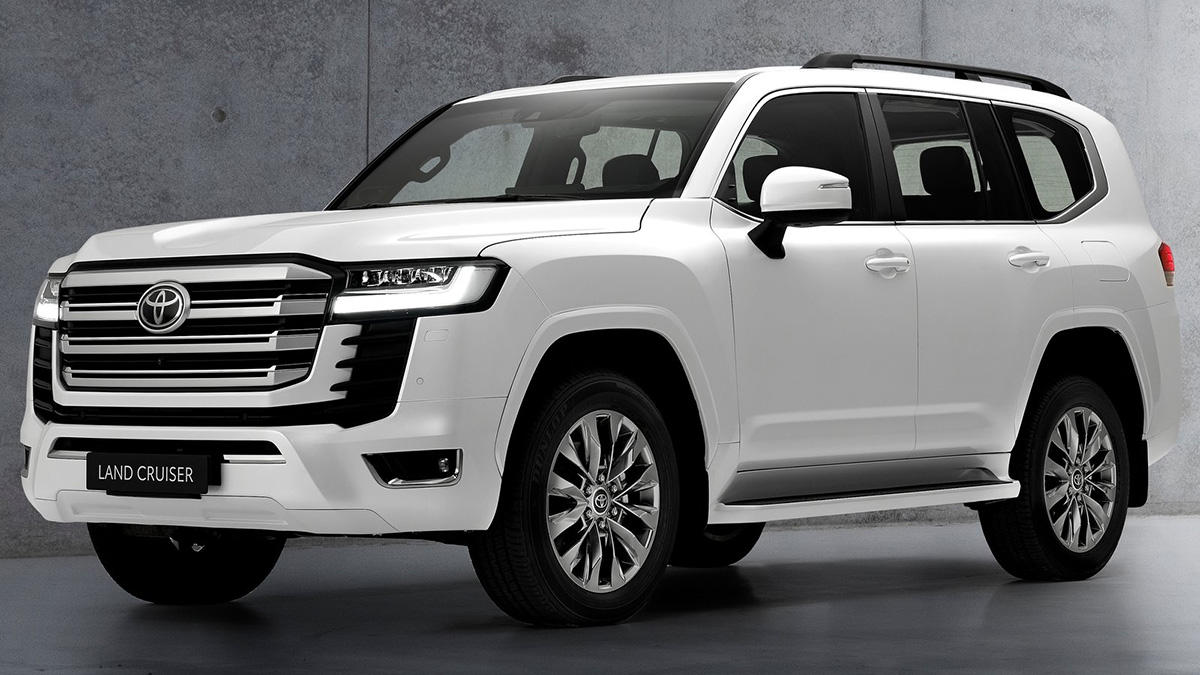
2. Toyota 4Runner: Built for Long-Term Ownership
The Toyota 4Runner is widely regarded as one of the most reliable and long-lasting SUVs available, earning a reputation as a true “buy it for life” vehicle. Built on a truck-based platform, it emphasizes durability and simplicity rather than modern complexity.
This design philosophy focuses on proven mechanical components like naturally aspirated engines and conventional automatic transmissions, which reduces the likelihood of expensive failures over time. As a result, the 4Runner is a favorite among drivers who want a dependable vehicle capable of lasting for decades.
A major reason for its popularity is its exceptional reliability and longevity. The well-known 4.0-liter V6 engine, paired with a durable 5-speed automatic transmission, consistently reaches 200,000 to 300,000 miles and often goes beyond 400,000 miles with proper maintenance.
The fifth generation, produced from 2010 to 2024, remained largely unchanged, allowing Toyota to refine and perfect its design. This long production run helped eliminate many mechanical issues, making it one of the most dependable SUVs in its class.
The 4Runner’s body-on-frame construction adds to its strength and durability. Unlike most modern SUVs that use unibody designs, this truck-like structure is better suited for off-road driving, towing, and long-term wear. Its simple technology also plays a key role in reliability, since it avoids excessive electronic systems that can fail as vehicles age. This makes repairs easier and more affordable, even for older models.
In terms of ownership costs, the 4Runner performs well over time. Maintenance expenses are generally lower than average, and its strong resale value ensures owners retain much of their investment. Even after several years, it holds a significant portion of its original value, making it a smart long-term purchase.
The 4Runner is also highly versatile. It works well as a daily driver while offering excellent off-road capability, with features like four-wheel drive systems and terrain management tools. Its interior is designed for durability rather than luxury, making it ideal for outdoor use and heavy wear.
Although it has drawbacks such as modest fuel efficiency and a firm ride, the Toyota 4Runner remains an outstanding choice for those seeking a reliable, long-lasting, and practical SUV.
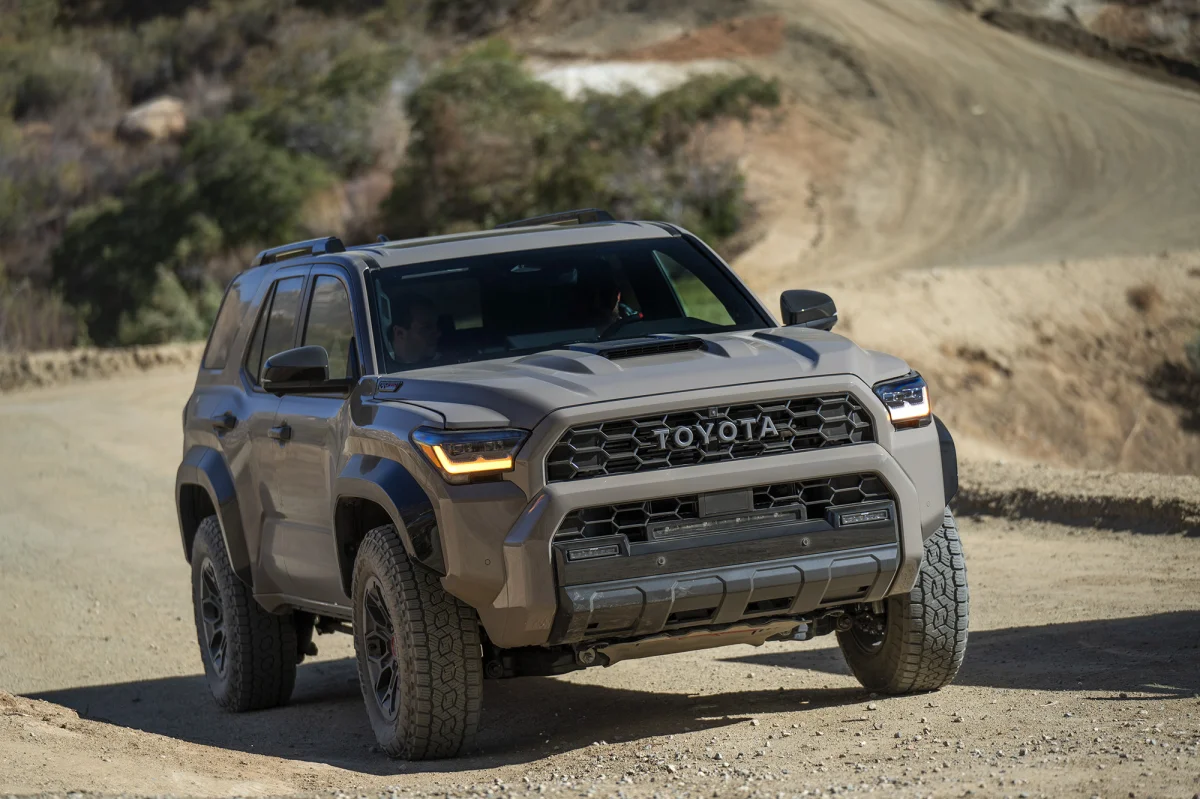
3. Toyota Sequoia: The Ultimate Long-Term Full-Size SUV
The Toyota Sequoia is a full-size SUV designed for long-term durability and high-mileage reliability. Built on the rugged platform of the Toyota Tundra pickup, it features a large, body-on-frame construction and powertrains engineered for heavy-duty work.
Studies by iSeeCars rank the Sequoia as the longest-lasting SUV on the road, with a remarkable percentage of vehicles exceeding 250,000 miles. Its low-stress V8 engines, particularly in older models, are famous for running hundreds of thousands of miles without major overhauls, making it an ideal choice for families or owners seeking a vehicle that can last indefinitely.
One of the Sequoia’s strongest attributes is its bulletproof powertrain. The second-generation 5.7-liter V8 engine paired with a proven automatic transmission is known to exceed 300,000 miles with routine maintenance.
Toyota’s focus on simplicity, with naturally aspirated engines and avoidance of complex systems like turbochargers or cylinder deactivation, reduces the potential for mechanical failures over time. This heavy-duty design ensures that even vehicles used for towing or long-haul driving remain reliable for decades.
The Sequoia’s truck-based construction contributes to its longevity. Sharing the fully boxed Tundra frame, it can handle high stress, off-road driving, and towing without developing rattles or structural issues common in other SUVs. This durability allows owners to keep the vehicle in excellent condition even after a decade or more of use.
Ownership costs are manageable, with average annual maintenance around $642, thanks to the engine’s long-standing use and widespread availability of parts. The Sequoia also retains strong resale value, protecting the investment of long-term owners. Its spacious interior can accommodate up to eight passengers, and its high towing capacity keeps it functional for families and outdoor enthusiasts over the long term.
Recommended used models include 2018–2022 for the latest safety features, 2013–2015 for value and reliability, and 2005–2007 for budget-conscious buyers. Frame rust, especially in snow-prone areas, is the most common threat to long-term ownership.
While the Sequoia excels at towing, off-roading, and durability, its truck-like ride can feel floaty, and cargo or third-row space is limited in hybrid models. Despite these drawbacks, the Toyota Sequoia remains one of the most reliable, capable, and long-lasting full-size SUVs for owners seeking a vehicle built to endure.
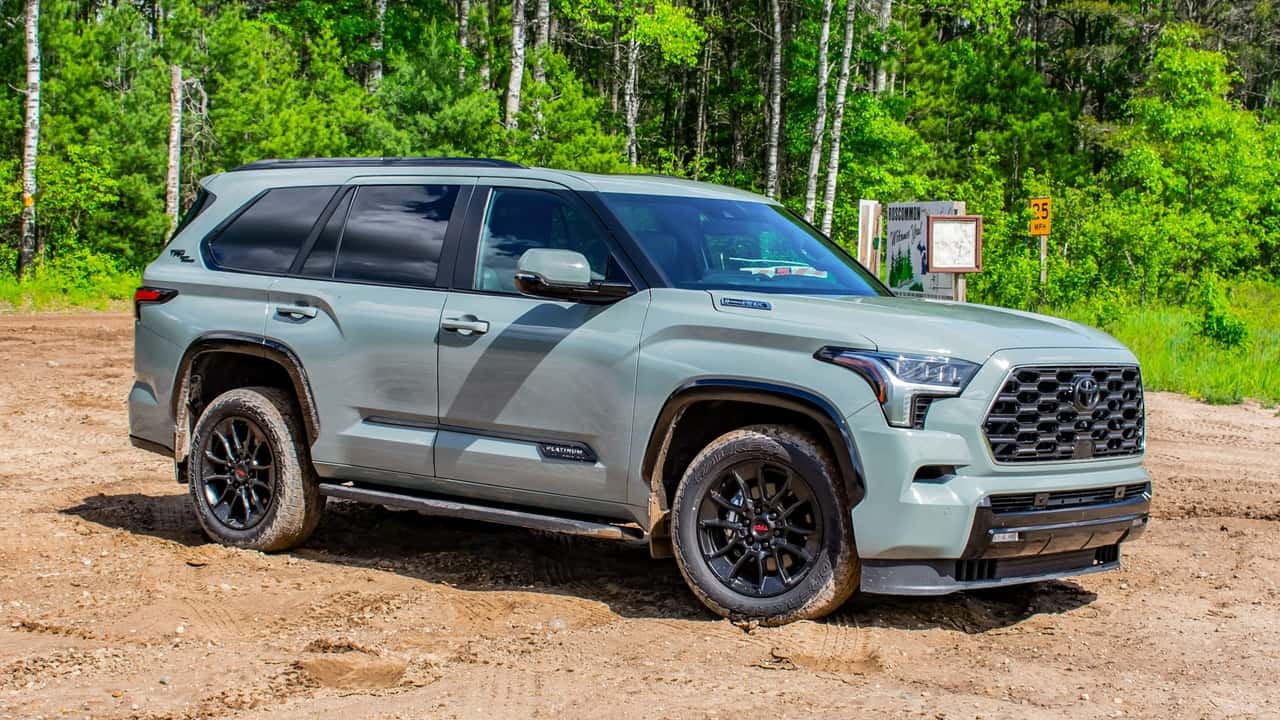
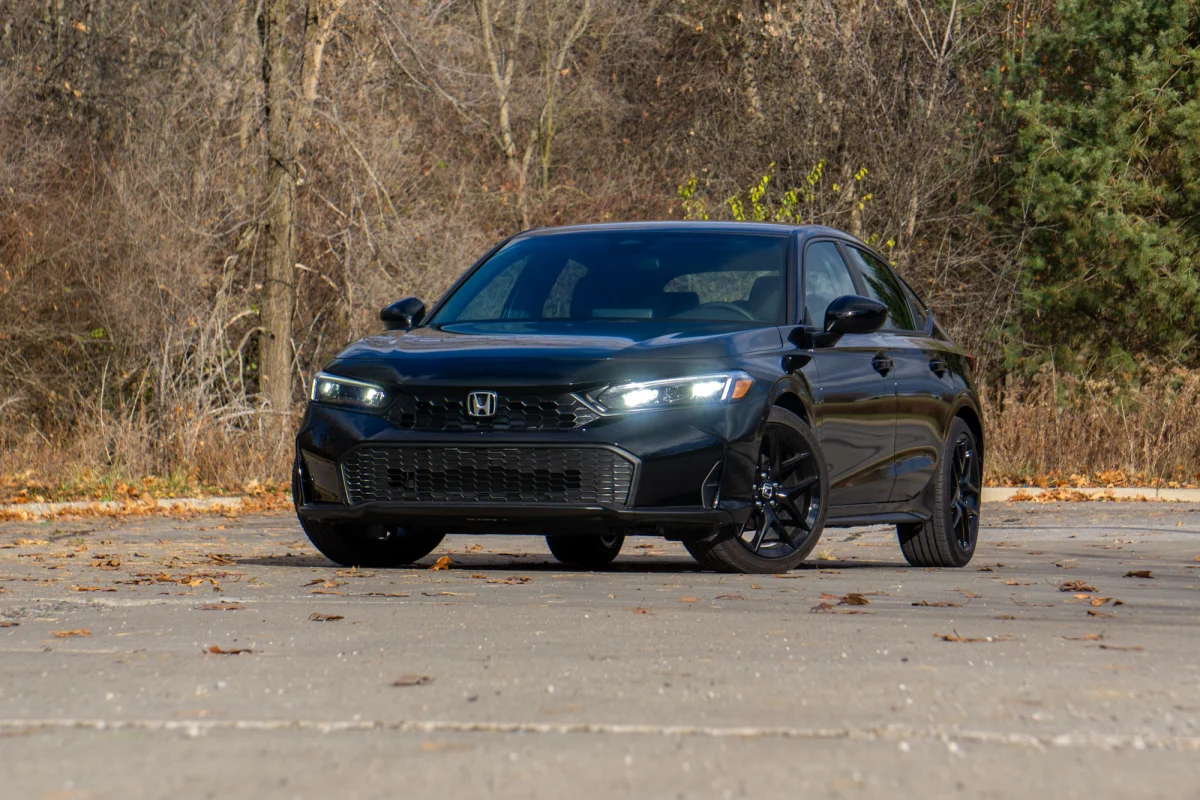
4. Honda Civic: A Compact Car Built to Last
The Honda Civic has earned a long-standing reputation as a reliable, efficient, and nearly indestructible compact car. Known for its durability, low maintenance costs, and fuel-efficient engines, the Civic is an excellent choice for drivers seeking a vehicle that can last decades.
Many well-maintained Civics surpass 200,000 miles, with some reaching 300,000 miles while continuing to operate smoothly. Its widespread popularity ensures parts are easy to find, and most mechanics are familiar with its design, making it a practical option for long-term ownership on a budget.
The Civic’s reliability comes from its proven engineering. Engines and transmissions are built to handle daily commuting with minimal stress. Many models feature timing chains instead of belts, reducing the need for regular replacements. The small but durable engines provide consistent performance while maintaining efficiency, allowing the Civic to remain dependable for years with routine care.
Cost of ownership is low due to affordable parts, straightforward maintenance, and strong fuel economy. Even older Civics remain economical to run, and their resale value holds well, protecting the driver’s investment. Honda’s attention to build quality ensures both interior and exterior components endure years of wear and tear, supporting the car’s long service life.
The Civic also offers versatility and practicality. Despite its compact size, the cabin and trunk provide ample space for passengers and cargo, making it suitable for commuting, family use, or road trips. Its timeless styling has remained attractive across generations, and for enthusiasts, the Civic provides a tuner-friendly platform with extensive aftermarket support.
Notable reliable generations include the 8th (2006–2011), 9th (2012–2015), and 10th (2016–2021) generations, which combine durable engines, better fuel economy, and modern safety features.
Engine options include a 150-hp 2.0-liter four-cylinder, a hybrid version with two electric motors producing 200 hp, and a CVT automatic transmission with front-wheel drive. The hybrid achieves up to 50 mpg city and 47 mpg highway, making it extremely efficient.
Interiors seat five passengers comfortably and offer flexible cargo configurations. Infotainment options range from a standard 7-inch touchscreen to larger 9-inch or 10.2-inch displays, with Apple CarPlay, Android Auto, and premium audio available on higher trims.
Safety features are comprehensive, with standard automated emergency braking, lane-keeping assist, and adaptive cruise control. Optional systems include blind-spot monitoring and rear-cross-traffic alert.
Warranty coverage includes three years or 36,000 miles for the limited warranty, five years or 60,000 miles for the powertrain, and eight years or 100,000 miles for hybrid components, making the Honda Civic a dependable and practical vehicle for long-term ownership.
5. Toyota Camry: The Reliable Sedan for Long-Term Ownership
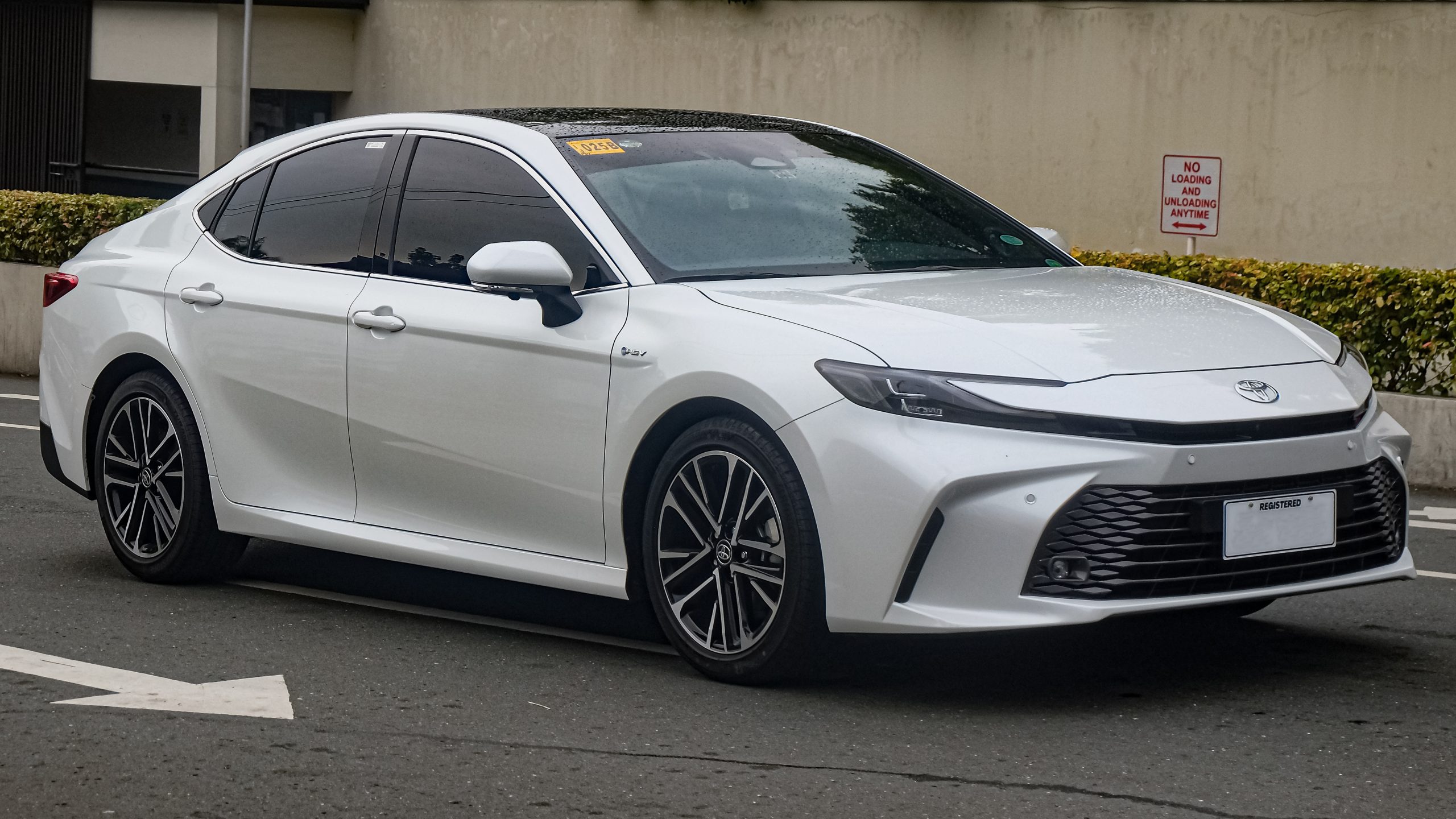
The Toyota Camry has long been recognized as one of the most reliable sedans on the market. Known for its durability, low maintenance requirements, and simple engineering, the Camry is ideal for drivers seeking a vehicle they can keep for decades. Well-maintained examples routinely surpass 200,000 miles, with some exceeding 300,000 miles without major engine or transmission repairs.
Its reputation for dependability has made it a trusted choice for families, commuters, and anyone seeking a “drive it forever” vehicle. Both gasoline and hybrid versions provide the same durable, straightforward design, making the Camry a cost-effective option for long-term ownership.
The Camry’s reliability stems from its proven powertrains. Most models use naturally aspirated engines that operate under minimal stress, ensuring long-term durability. Over multiple generations, Toyota has perfected the core components of the engine, transmission, and drivetrain rather than relying on complex technologies that could fail over time.
Many generations of Camrys have lasted 15 to 20 years or more, earning a reputation as “bulletproof” sedans. Corrosion protection and robust construction further support longevity, allowing the vehicle to handle daily commuting and even harsh environmental conditions.
Low ownership costs are another key strength. Camry repairs are generally inexpensive due to widespread parts availability and the vehicle’s simple design. Its high resale value reflects the car’s long-lasting reliability, allowing owners to retain a significant portion of their investment even after years of use. Maintenance is straightforward, making it accessible to both professional mechanics and DIY owners.
The Camry also provides practicality and timeless design. Its conservative styling ages well, and cabins remain functional and comfortable even in older models. Safety has been a focus across generations, with basic features such as ABS and airbags in earlier models and the Toyota Safety Sense suite in newer generations starting in 2018.
Certain generations stand out for long-term ownership. The 4th generation (1997–2001) is considered exceptionally reliable, while the 7th generation (2012–2017) offers comfort, efficiency, and durability.
The 8th generation (2018–present) benefits from the TNGA platform, advanced safety features, and strong engineering capable of reaching 300,000 miles or more. Regular maintenance, including timely transmission fluid changes, ensures the Camry remains a steadfast companion for years, making it a top choice for drivers seeking longevity and peace of mind.
Also read: 5 Cars That Handle 200,000 Miles Gracefully vs 5 That Fall Apart
6. Honda Accord: A Durable and Practical Choice for Long-Term Ownership
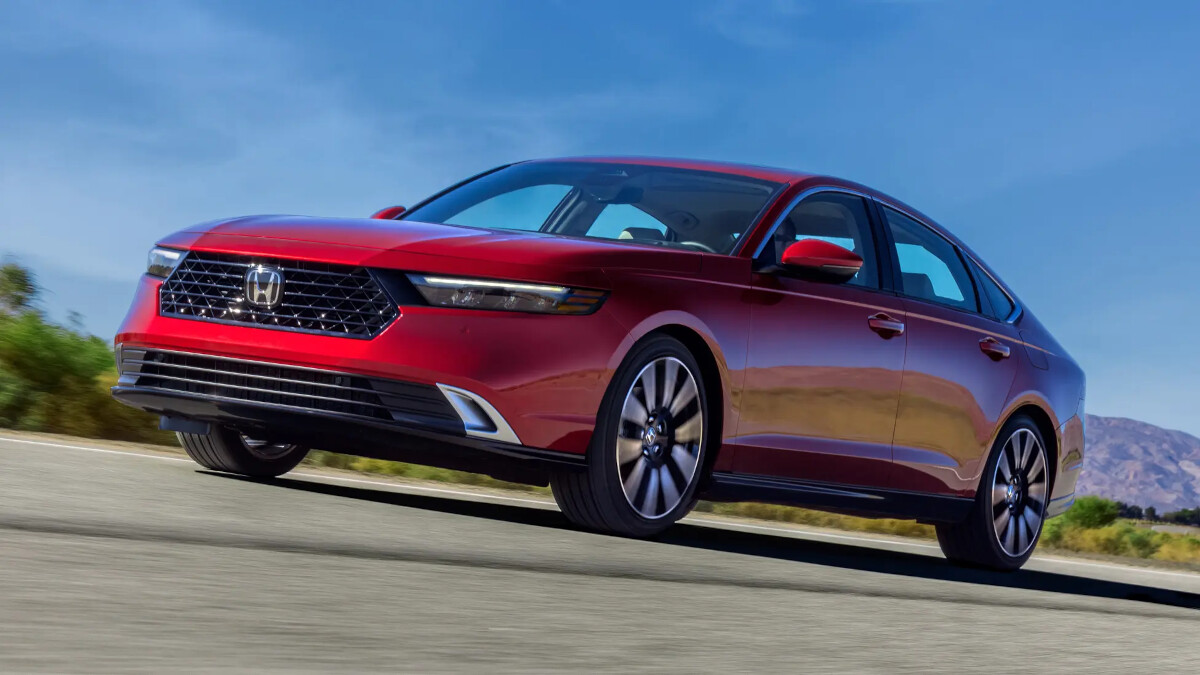
The Honda Accord has earned a reputation as one of the most reliable midsize sedans, offering a combination of performance, comfort, and longevity. Many well-maintained Accords exceed 200,000 miles, with some examples surpassing 300,000 miles or more, thanks to robust engines and durable transmissions.
Its high resale value reflects consumer confidence in the vehicle’s long-term reliability, while its comfortable cabin and dependable electronics make it an ideal choice for drivers seeking a daily driver they can keep for decades. Both gasoline and hybrid variants deliver strong performance while remaining easy to maintain.
The Accord’s reliability is rooted in its engineering. Naturally aspirated engines and well-designed transmissions allow the car to withstand years of daily commuting with minimal major repairs. Turbocharged and CVT-equipped models have also proven durable when properly maintained.
RepairPal consistently rates the Accord highly, indicating fewer catastrophic failures compared with other midsize sedans. Its design emphasizes longevity over complexity, providing drivers with a vehicle that remains dependable well into high mileage.
Cost of ownership is another major strength. Honda parts are widely available, affordable, and durable, making maintenance simpler and less expensive. The Accord’s efficient engines reduce fuel costs, with many models achieving over 30 miles per gallon on the highway. High resale value ensures that owners recoup a significant portion of their investment even after years of use.
Practicality and comfort contribute to the Accord’s appeal. The spacious interior accommodates passengers comfortably, while generous cargo space makes it suitable for families or long road trips.
Recent models come standard with Honda Sensing, a suite of safety features that includes automated emergency braking, lane-keeping assist, and adaptive cruise control, helping the car remain modern and safe for years. Its timeless design ensures the exterior remains stylish even after a decade of use.
Certain generations stand out for longevity. The 8th generation (2008–2012) is noted for comfort and solid performance, the 9th generation (2013–2017) balances modern technology with reliable engines, and the 10th generation (2018–2021) offers advanced turbo engines, superior fuel economy, and updated safety features.
With proper maintenance, including regular fluid changes and routine servicing, the Honda Accord remains a reliable, efficient, and enjoyable vehicle that can serve owners well into high mileage.
7. Toyota Prius: A Hybrid Built for Extreme Longevity
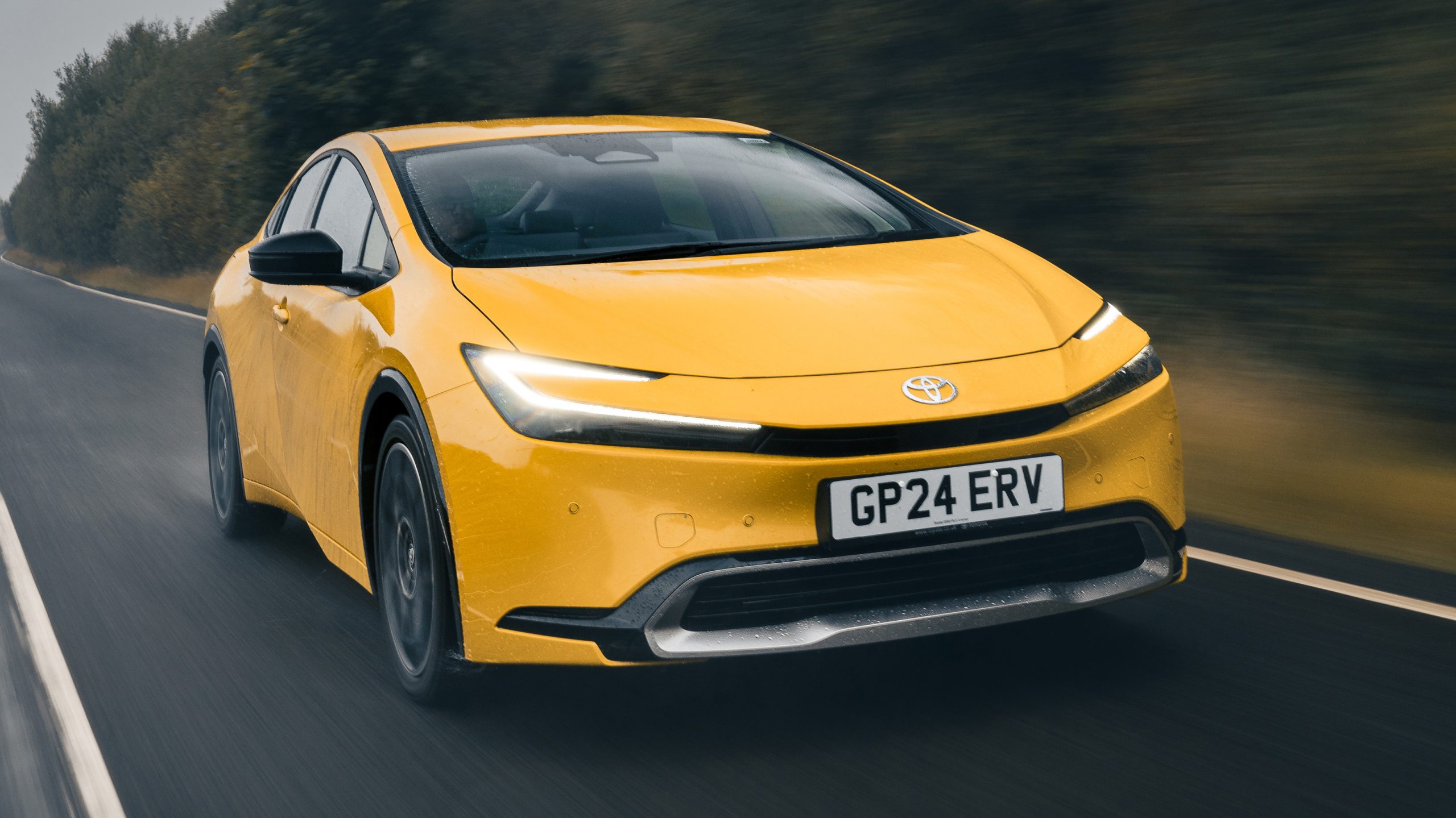
The Toyota Prius has proven itself as one of the most durable and cost-efficient vehicles available, especially for drivers seeking long-term ownership. Initially, concerns about hybrid battery life created skepticism, but real-world results have shown the opposite.
The Prius thrives under heavy use, making it a favorite among taxi and rideshare drivers who regularly push these vehicles beyond 250,000 to 300,000 miles. In many cases, examples have exceeded 500,000 miles, demonstrating remarkable endurance with minimal major repairs.
A key reason for this longevity is the hybrid powertrain. By combining a gasoline engine with an electric motor, the system reduces stress on both components. The electric motor assists during acceleration and low-speed driving, which limits engine strain and wear.
This balanced workload leads to fewer mechanical failures compared to traditional vehicles. From the second generation onward, the Prius has built a reputation for strong engineering and durable materials, allowing it to handle years of continuous use without significant issues.
Maintenance costs are notably low. Routine servicing, such as oil changes, tire replacements, and occasional fluid checks, is usually sufficient to keep the vehicle running smoothly. Regenerative braking extends the lifespan of brake components, often allowing them to last over 100,000 miles.
Hybrid batteries typically last between 10 and 15 years or around 150,000 to 200,000 miles. When replacement becomes necessary, costs have decreased significantly, and refurbished options make extending the vehicle’s life more affordable.
Fuel efficiency is another major advantage. Most Prius models deliver between 40 and 50 miles per gallon, resulting in substantial savings over time. The car is designed with efficiency in mind rather than performance, which helps reduce stress on internal components and contributes to its long lifespan.
Certain generations stand out for durability. The second generation (2004–2009) is widely known for its reliability and ability to reach very high mileage. The third generation (2010–2015) adds more technology but may require maintenance of the EGR system. The fourth generation (2016 and newer) improves reliability and refinement.
The modern Prius also offers a more stylish design, better performance, and improved handling, while maintaining its reputation for efficiency. With proper care, the Toyota Prius remains a dependable vehicle capable of delivering many years of service.
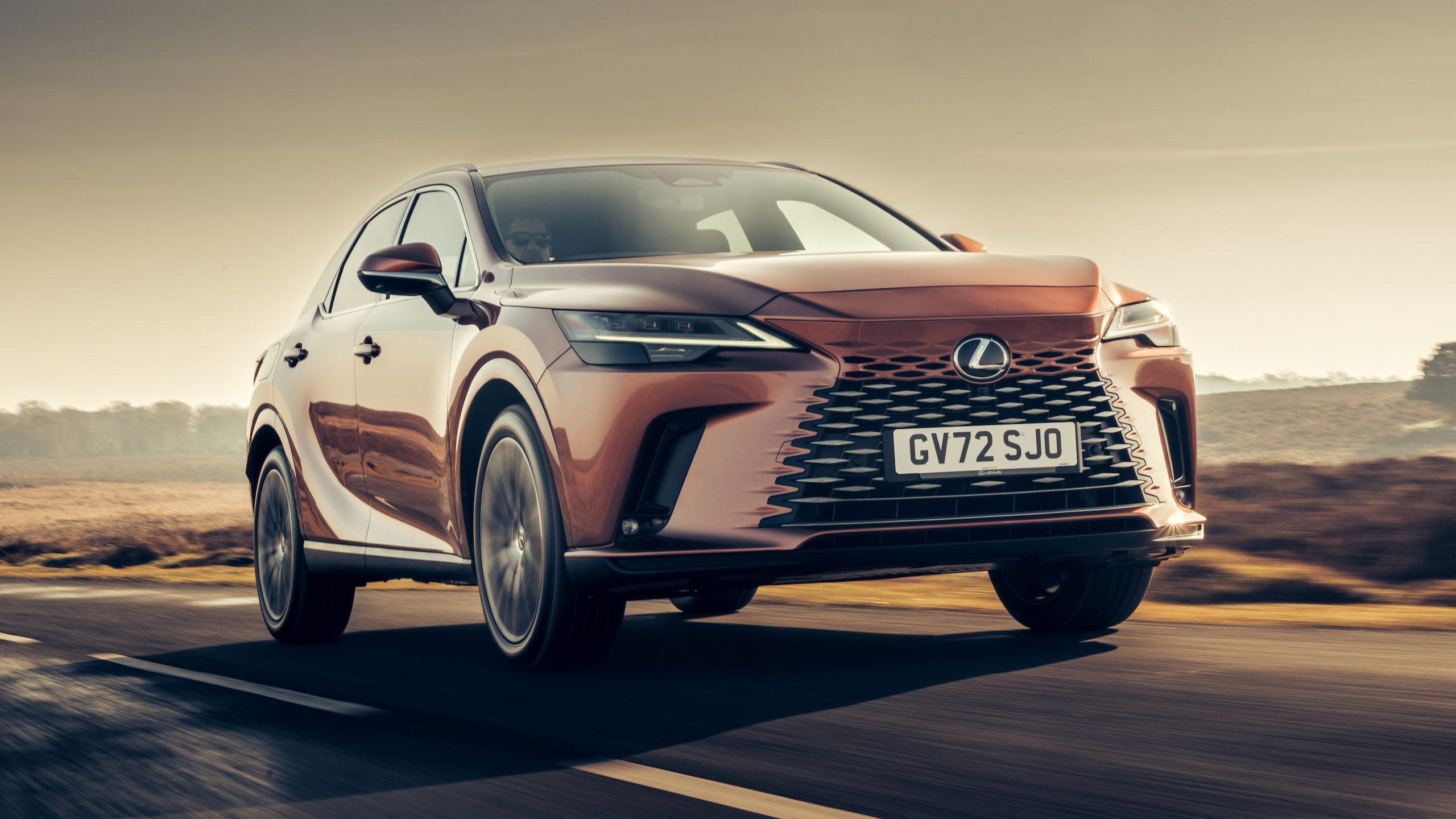
8. Lexus RX: A Luxury SUV Built to Last
The Lexus RX stands out as one of the most dependable luxury SUVs on the market, combining Toyota’s renowned reliability with upscale materials and a comfortable ride. Unlike many European luxury vehicles, which often carry high maintenance costs and frequent repairs, the RX offers a worry-free ownership experience. Many examples exceed 200,000 miles, making it an excellent choice for drivers seeking a long-lasting, luxurious vehicle.
One of the RX’s main strengths is its legendary reliability. Its engines and transmissions are designed for durability rather than performance extremes, and hybrid models add efficiency while reducing wear on the gasoline engine.
Owners frequently praise the RX for trouble-free long-term ownership, highlighting its low-maintenance reputation and high-quality construction. Components such as the cabin materials, seats, and interior trim are built to resist wear over time, ensuring that the SUV remains comfortable and visually appealing even after many years on the road.
Maintenance and operating costs are lower than those of European competitors, making the RX a cost-effective luxury choice. Common repairs are straightforward, parts are widely available, and routine servicing is manageable. Lexus also provides strong resale value, reflecting the market’s confidence in the RX’s durability.
Performance-wise, the RX350 features a 275-hp turbocharged 2.5-liter four-cylinder engine paired with an eight-speed automatic transmission, with optional all-wheel drive. While acceleration is not sporty, the SUV delivers a quiet, smooth, and composed ride that prioritizes comfort over sharp handling.
The maximum towing capacity is 3,500 pounds, enough for most recreational needs. Fuel economy ratings are 21–22 mpg in the city and 28–29 mpg on the highway, placing the RX in the midrange for luxury compact SUVs.
Inside, the RX offers a modern, well-appointed cabin with a 9.8-inch touchscreen standard, an optional 14-inch display, premium audio options, and connectivity features including wireless Apple CarPlay and Android Auto. Rear passengers benefit from a split-folding bench and generous cargo space, accommodating up to 25 carry-on suitcases with the rear seats folded.
Safety features are comprehensive, with automated emergency braking that detects pedestrians and cyclists, adaptive cruise control with lane-centering, and lane-departure warning with assist. The RX comes with a four-year/50,000-mile limited warranty and a six-year/70,000-mile powertrain warranty, making it a secure choice for long-term ownership.
For those seeking a luxury SUV that balances comfort, reliability, and longevity, the Lexus RX remains a top-tier option.
9. Toyota Tacoma: A Durable Midsize Truck for Long-Term Ownership
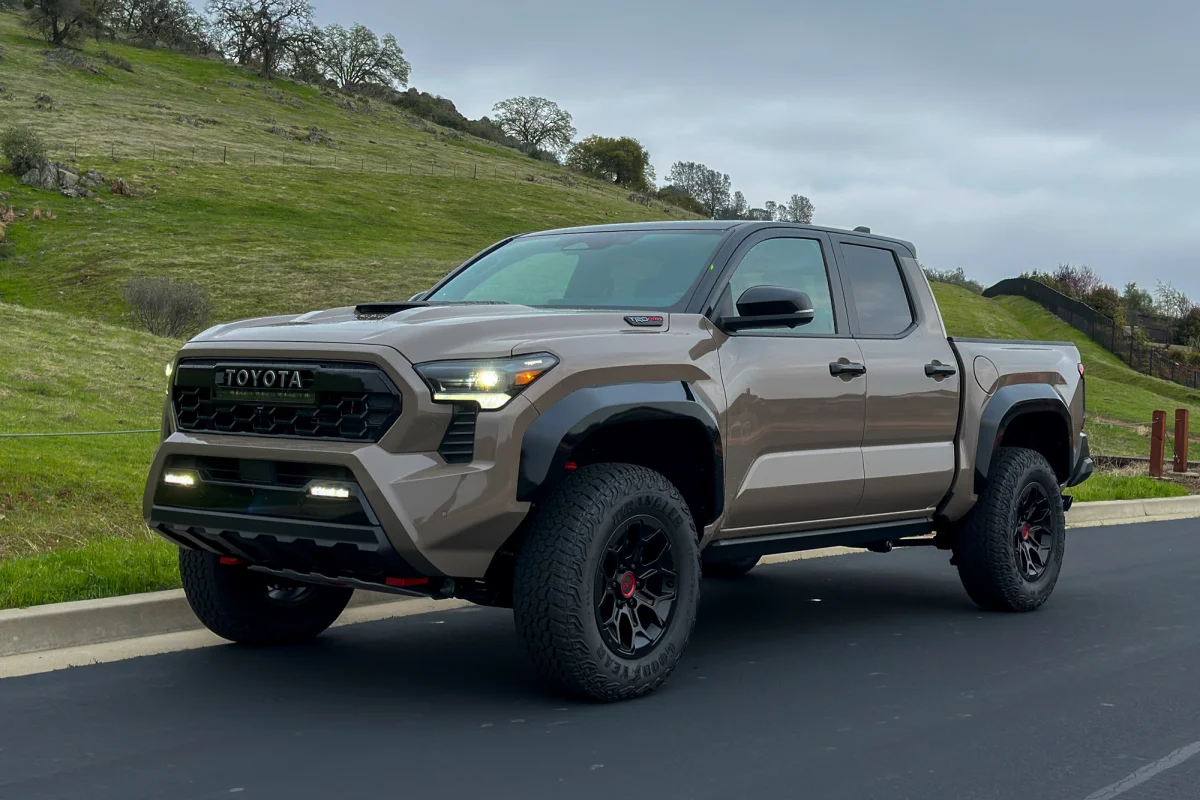
The Toyota Tacoma has earned a reputation as one of the most durable and reliable midsize trucks on the market. Known for its robust frame, simple mechanical design, and strong resale value, the Tacoma is a favorite among owners who want a vehicle that can last decades.
Many drivers remain loyal to their Tacomas for over 15 years, often surpassing mileage milestones that would sideline most other pickups. Its longevity and reliability have earned it the nickname “bulletproof” in truck circles.
The latest 2024–2026 fourth-generation Tacoma builds on this legacy with significant updates. It offers turbocharged 2.4-liter four-cylinder engines, providing improved low-end torque for towing and daily driving compared to the older 3.5L V6.
Hybrid options are also available, enhancing efficiency without sacrificing performance. These powertrains are paired with an improved eight-speed automatic transmission that delivers smoother acceleration and better fuel economy.
Off-road performance remains a standout feature, particularly in TRD trims. The Tacoma excels on rough terrain, with rugged construction and reliable four-wheel-drive systems. Modern technology has also been integrated, including an available 14-inch touchscreen, updated seating positions, and enhanced interior ergonomics, giving the truck a more contemporary feel while maintaining its durability.
Despite these strengths, there are trade-offs. The Tacoma’s ride can feel stiff or “choppy,” especially with the leaf-spring rear suspension on base trims.
Rear cabin space is limited for adult passengers, and some interior materials feel less premium, with occasional reports of cheap plastics. High-end trims can be expensive, exceeding $50,000–$60,000, but they retain value well over time due to Toyota’s reliability reputation.
Compared to the third generation, the fourth-generation Tacoma offers better engine performance, modern tech, and optional coil-spring rear suspension for a more comfortable ride. These updates address many criticisms of older models while keeping the truck true to its rugged, long-lasting roots.
For owners seeking a midsize pickup that combines durability, off-road capability, and strong resale value, the Toyota Tacoma remains a top choice. It is a vehicle designed to work hard, endure daily use, and provide reliable service for years, making it a practical option for drivers planning to keep their truck for the long haul.
10. Subaru Outback: Durable and Versatile for Long-Term Ownership
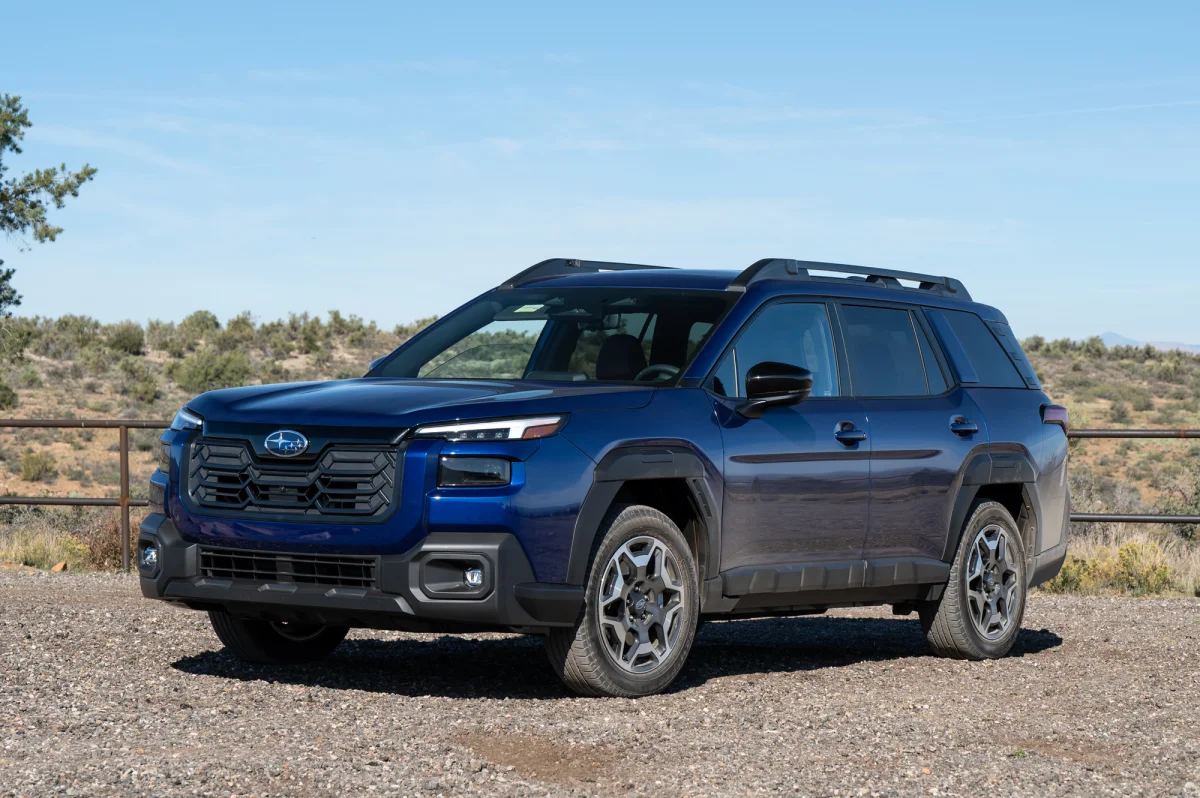
The Subaru Outback is an exceptional choice for buyers seeking a vehicle built to last, combining rugged capability with everyday practicality. With 97% of Subarus sold in the past decade still on the road, many Outbacks exceed 200,000 to 300,000 miles when properly maintained.
Its boxer engine, symmetrical all-wheel-drive system, and high ground clearance allow it to perform reliably across varied conditions, from snowy mountains to rough trails. This makes the Outback ideal for owners who want a “forever car” that handles both daily commuting and outdoor adventures.
Longevity and reliability are hallmarks of the Outback. Regular maintenance enables many models to run well past 250,000 miles, and the standard AWD system ensures superior traction in all weather conditions. The durable interior and rugged design enhance its long-term usability, while its strong resale value demonstrates the market’s trust in its enduring performance.
The 2026 seventh-generation Outback balances practicality with comfort. The spacious cabin and high cargo capacity make it suitable for families and active lifestyles. Ground clearance of 220–240mm, combined with X-Mode AWD, allows the Outback to handle off-road terrain with confidence.
Standard safety features, including EyeSight Driver Assist, provide added peace of mind. The cabin includes a large 11.6–12.1-inch infotainment touchscreen, though some drivers find the touchscreen-heavy interface less intuitive.
Performance-wise, the base 2.5L engine is sufficient for everyday driving, while the 260-hp 2.4L turbo engine offers stronger acceleration. Both engines use a CVT, which can be noisy under load. The ride is generally comfortable and stable, although some trims feel stiff on twisty roads. Fuel efficiency can be limited in city driving compared to competitors.
Potential concerns for used buyers include head gasket issues, higher oil consumption, and CVT longevity in older models. Maintenance costs may be higher than average, and the boxer engine requires specific care. Nevertheless, Subaru’s popularity ensures parts availability and technician familiarity.
For owners seeking a reliable, versatile vehicle with AWD capability and the ability to last over a decade, the Subaru Outback remains a top choice, offering a unique blend of rugged performance and practical usability.