

Modern vehicles are equipped with Advanced Driver Assistance Systems (ADAS) that enhance safety, awareness, and driving convenience. These systems rely on a combination of sensors, cameras, and radar to detect obstacles, monitor surroundings, and assist with critical driving functions.
While highly advanced, they are not perfect. Many drivers experience false alarms, where the system incorrectly identifies a threat and triggers unnecessary warnings or actions.
These false alerts can be confusing and, in some cases, frustrating. However, they are often caused by common, everyday factors rather than major system failures. Environmental conditions, physical obstructions, minor impacts, and even simple maintenance issues can all interfere with how sensors function.
In addition, modern vehicles operate in increasingly complex environments filled with electronic signals and varying road conditions, which further challenge sensor accuracy.
This article highlights seven common factors that cause car safety sensors to give false alarms, helping drivers better understand their vehicle’s behavior and maintain reliable system performance.
1. Accumulation of Dirt, Mud, and Road Debris
One of the most common causes of sensor failure in modern vehicles is the buildup of dirt, mud, and road debris. Advanced Driver Assistance Systems (ADAS) rely on ultrasonic sensors, radar, and cameras to detect obstacles and interpret the driving environment. However, when these components become physically obstructed, their performance is significantly compromised.
Ultrasonic sensors, typically located on bumpers, emit sound waves to measure distance. When covered in mud, snow, or dirt, these waves may be absorbed or reflected back prematurely, causing the system to falsely detect nearby obstacles. This often results in constant warning sounds during parking or reversing.
Similarly, radar sensors, usually hidden behind the grille or bumper, can experience signal distortion when coated with mud. The debris can scatter or absorb radar waves, leading to inaccurate distance readings and false collision warnings.
Cameras are equally vulnerable. Dirt, dust, or road film on the lens can blur images and reduce contrast, preventing the system from recognizing lane markings, pedestrians, or other vehicles. Even a thin layer of grime can diffuse incoming light, effectively “blinding” the camera. In severe cases, accumulated debris may be interpreted as a fixed obstacle directly in front of the sensor, triggering false alarms or unnecessary automatic braking.
Additionally, mud’s inconsistent composition makes it difficult for software to filter out as noise, increasing the likelihood of false positives. Beyond triggering warnings, sensor obstruction can also disable features like adaptive cruise control. Regular cleaning with a soft microfiber cloth is essential to maintain sensor accuracy and prevent long-term damage.
2. Adverse Weather Conditions (Rain, Snow, and Ice)
Adverse weather conditions, such as rain, snow, and ice, are major contributors to false alarms and failures in Advanced Driver Assistance Systems (ADAS). These systems rely on sensors like radar, LiDAR, cameras, and ultrasonic devices to interpret the driving environment. However, extreme weather can interfere with their operation by blocking sensors, scattering signals, and creating misleading visual data.
One key issue is physical obstruction. Snow, slush, and ice can accumulate on sensor surfaces such as bumpers, grilles, and camera lenses. When this happens, sensors may interpret the blockage as a nearby object, triggering continuous warnings or disabling the system entirely. Road salt and grime further worsen this problem by leaving residue that reduces sensor clarity and performance.
Signal interference is another major factor. Rain and snow can scatter LiDAR beams, a phenomenon known as Mie scattering, causing the system to detect false “points” or obstacles. Similarly, heavy rain creates “rain clutter” for radar systems, where moving droplets reflect signals and appear as solid objects. Swirling snow can also confuse sensors, leading to sudden or unnecessary braking events, often referred to as phantom braking.
Cameras are particularly vulnerable to poor weather. Rain, snow, or ice can obscure lenses, resulting in blurred or unusable images. Wet roads and icy surfaces can produce glare and reflections that confuse the system, while snow-covered lane markings make it difficult for lane-keeping features to function correctly.
Environmental factors like extreme cold also affect sensor reliability. Condensation may form inside camera housings, and low temperatures can alter sensor electronics, leading to inaccurate readings. Additionally, reduced visibility in fog or heavy snow creates low-contrast conditions, making it harder for cameras to distinguish objects.
Severe weather can overwhelm ADAS capabilities, causing false alerts, system shutdowns, or unsafe driving responses.

3. Sun Glare and High-Contrast Lighting
Sun glare and high-contrast lighting conditions pose serious challenges for Advanced Driver Assistance Systems (ADAS), especially those that depend on cameras and LiDAR sensors. These systems rely on visual and infrared data to detect objects, read lane markings, and guide vehicle movement. However, intense sunlight can overwhelm these sensors and reduce their accuracy.
When a vehicle is driven toward a low sun during sunrise or sunset, camera sensors can become overexposed. This creates a white-out effect that makes it difficult for the system to distinguish between important elements such as vehicles, road edges, and lane lines. As a result, the system may fail to recognize hazards or may generate false warnings.
High-contrast lighting environments also affect performance. Situations like exiting a dark tunnel into bright daylight or driving through areas with alternating light and shadow can cause delays in sensor adjustment. During these brief transitions, the system may lose track of lane markings or misinterpret shadows as real obstacles, leading to incorrect alerts or steering inputs.
LiDAR sensors are also vulnerable to sunlight interference. Since they use infrared signals, strong solar radiation can disrupt their readings and introduce noise into the data. This can result in inaccurate depth perception or the detection of objects that do not exist.
Reflections from shiny surfaces and deep shadows can further confuse the system. These visual distortions may appear as obstacles, triggering unnecessary braking or warnings. Such lighting conditions reduce sensor reliability and increase false alarms.
Also read: 10 Reasons Why Your EV Battery Range Drops Suddenly in Winter
4. Physical Misalignment and Minor Impacts
Physical misalignment caused by minor impacts is a major source of false alarms in Advanced Driver Assistance Systems (ADAS). Modern vehicles rely on highly precise calibration of sensors such as radar, cameras, and ultrasonic devices. These components are aligned at the factory with extreme accuracy, often within fractions of a degree. Even a slight shift can significantly alter how the system interprets its surroundings.
Low-speed incidents like parking bumps, hitting potholes, or minor collisions can move sensors out of position without leaving visible damage. A change of just a few millimeters or a slight tilt can distort the sensor’s field of view.
For example, a sensor angled upward may detect overhead signs or bridges as obstacles, while one tilted downward may interpret the road surface or small features like manhole covers as hazards. These misinterpretations can trigger false warnings, sudden braking, or failure to detect real dangers.
Sensor placement also increases vulnerability. Many critical components are located in bumpers, grilles, and windshields, which are common impact zones. Even when the outer surface appears intact, internal brackets or mounts may shift, causing hidden misalignment. In some cases, the bumper itself may partially obstruct the sensor, leading to constant detection errors.
Another key issue is missed recalibration after repairs. Drivers and technicians may overlook the need to recalibrate sensors after minor damage or part replacement. Without proper recalibration, the system continues operating with incorrect positional data, increasing the likelihood of false alerts.
The sensitivity of ADAS technology means that even minor physical changes can result in major system errors. Proper inspection and recalibration are essential to restore accurate sensor performance.

5. Electromagnetic Interference (EMI)
Electromagnetic interference, or EMI, is a significant but less visible cause of false alarms in modern vehicle safety systems. Advanced Driver Assistance Systems (ADAS), particularly radar-based sensors, operate on specific high-frequency signals such as 24 GHz or 77 GHz.
These systems are highly sensitive and rely on detecting extremely weak signals, making them vulnerable to disruption from surrounding electromagnetic activity.
In today’s environment, vehicles are constantly exposed to both internal and external sources of electromagnetic noise. External sources include mobile phone towers, high-voltage power lines, industrial equipment, and even other vehicles using similar radar frequencies.
When signals overlap or interfere, the system may misinterpret this noise as a real object, creating “ghost” obstacles or triggering unnecessary warnings such as sudden braking or collision alerts.
Internal sources of EMI also play a major role. Modern cars contain complex electronic systems, including infotainment units, wiring networks, and electric motors. These components can generate high-frequency noise or voltage fluctuations that interfere with nearby sensors. For example, power converters, ignition systems, or even windshield wipers can introduce interference that affects sensor readings.
EMI can reach sensors in two main ways. Conducted interference travels through wiring and power lines, while radiated interference spreads through the air as electromagnetic waves. Both can distort sensor data and lead to inaccurate interpretations of the environment.
Electric vehicles are especially susceptible due to their high-voltage systems and power electronics, which create a more intense electromagnetic environment. Although manufacturers use shielding, filtering, and advanced signal processing to reduce interference, EMI remains a challenge. In certain conditions, it can still cause false alarms or temporary system shutdowns to prevent unsafe decisions.
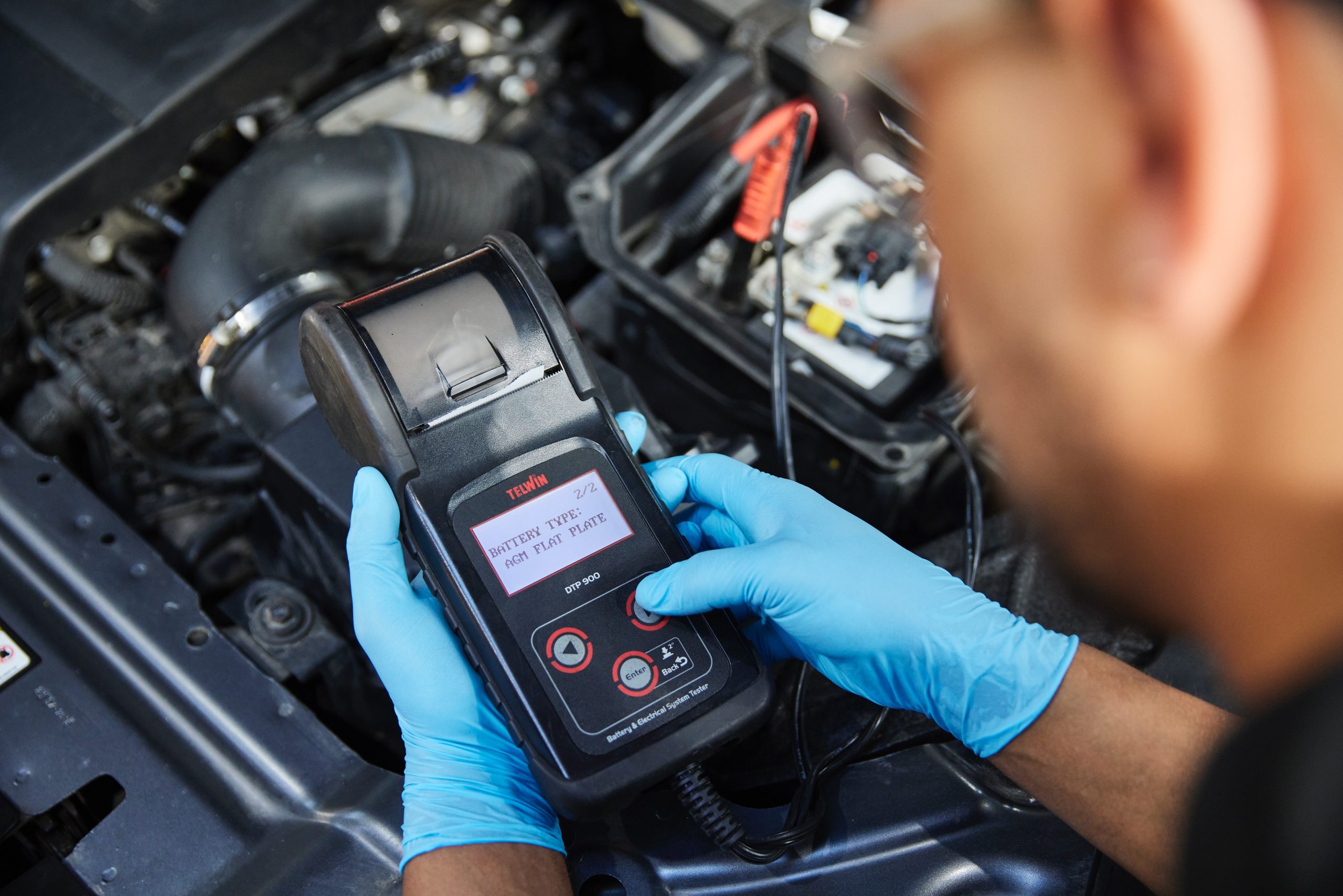
6. Electrical Fluctuations and Battery Health
Electrical stability is essential for the proper functioning of modern vehicle safety systems. Advanced Driver Assistance Systems (ADAS) and other sensors depend on a consistent and clean flow of voltage to operate accurately. When a vehicle’s battery is weak or the charging system is compromised, fluctuations in electrical supply can lead to false alarms, erratic sensor behavior, and system warnings.
One of the most common issues is low or unstable voltage. During engine start-up, a large surge of power is required. If the battery is aging or weak, this can cause temporary voltage drops. These dips may be misinterpreted by the vehicle’s control modules as tampering or system faults, triggering alarms or warning messages. Many systems also include failsafe thresholds, meaning that if the voltage falls below a certain level, the system may shut down or behave unpredictably.
Modern sensors are highly sensitive to these inconsistencies. Even small variations in voltage can result in “noisy” or inaccurate signals being sent to the electronic control unit. This can cause the system to misinterpret data, leading to false collision warnings, sensor errors, or random alerts. In many cases, these issues appear before more obvious signs of battery failure, making sensors an early indicator of electrical problems.
Corrosion and poor connections further worsen the situation. Corroded battery terminals increase electrical resistance, reducing the efficiency of power delivery. Loose or damaged grounding points can also interrupt the flow of electricity, causing intermittent faults that are difficult to diagnose.
Additionally, a failing battery can strain the alternator, leading to voltage spikes or irregular charging patterns. These fluctuations can further confuse sensitive electronics. Common symptoms include flickering lights, slow engine starts, and multiple warning indicators. Regular battery maintenance and inspection are key to preventing these issues.
7. Aftermarket Accessories and Modification
Aftermarket accessories and vehicle modifications are a common but often overlooked cause of false alarms in Advanced Driver Assistance Systems (ADAS). These systems are designed and calibrated at the factory to operate within very specific conditions, including precise sensor placement, clear lines of sight, and stable vehicle geometry. Any alteration to this setup can disrupt sensor performance and lead to incorrect readings.
One major issue is physical obstruction. Accessories such as brush guards, bike racks, trailer hitches, or even large license plate frames can block or enter the detection zone of sensors.
When this happens, the system may interpret these objects as immediate obstacles, triggering constant warnings or unnecessary braking. Similarly, windshield-mounted items like dashcams, stickers, or toll transponders can interfere with forward-facing cameras, reducing their ability to detect lanes and objects accurately.
Signal interference is another concern. Radar and LiDAR sensors are designed to transmit signals through specific materials used in factory components. Aftermarket parts made from different materials, especially metal or reflective surfaces, can block, scatter, or distort these signals. Even small additions like decals or wraps placed over sensors can affect their ability to measure distance correctly.
Modifications that alter a vehicle’s height or alignment also impact sensor accuracy. Changes such as lowering the suspension or installing oversized tires can shift the angle at which sensors operate. This disrupts the system’s calculations, leading to misinterpretation of distances and surroundings.
Electrical modifications further complicate matters. Poorly installed accessories can cause voltage drops or introduce noise into the vehicle’s electrical system, affecting sensor reliability. Additionally, many modifications require recalibration of sensors, which is often neglected.
While customization may enhance appearance or functionality, it can unintentionally compromise safety systems and increase false alerts.
Car safety sensors play a critical role in preventing accidents and assisting drivers, but their accuracy depends on proper conditions and care. False alarms are frequently the result of external influences that disrupt how sensors detect and interpret their surroundings.
Factors such as dirt buildup, harsh weather, lighting conditions, slight misalignment, electromagnetic interference, unstable power supply, and aftermarket modifications can all lead to incorrect readings.
Being aware of these causes allows drivers to take practical steps to reduce unnecessary alerts. Regular cleaning, checking battery health, avoiding poorly planned modifications, and ensuring proper calibration after repairs can make a significant difference. Addressing these issues early also helps prevent more serious system malfunctions.
By understanding the limitations and sensitivities of these technologies, drivers can maintain trust in their vehicle’s safety features and ensure that warnings remain accurate, timely, and useful when they are truly needed.
Also read: 5 Reasons Why Your Old Car Might Be More Reliable Than a 2026 Model
