Visibility and safety are crucial elements in vehicle design, and one often overlooked aspect is the dashboard. A high contrast dashboard can make a significant difference in reducing driver fatigue, improving reaction time, and enhancing driving safety.
By using contrasting colors for instrument panels, indicators, and background displays, these dashboards allow drivers to quickly absorb essential information without straining their eyes.
In low light conditions or bright sunlight, high contrast dashboards maintain readability and prevent misinterpretation of speed, fuel levels, and warning signals.
This feature is particularly important for long-distance drivers, commercial vehicle operators, and individuals with mild vision impairments.
Manufacturers have increasingly prioritized ergonomics in their interior designs. The choice of font size, color schemes, and backlighting in dashboards is not just aesthetic; it is functional. For example, combining white or light-colored numerals on a dark background improves the visibility of speedometers and tachometers.
Similarly, using bold colors like red, yellow, or green for alerts ensures they capture attention immediately. With digital dashboards becoming more common, automakers have more control over contrast levels, allowing customization to driver preferences.
Some vehicles even offer adaptive dashboards that adjust brightness and color contrast based on ambient light conditions.
High contrast dashboards are not limited to luxury or high-end vehicles. Mid-range and economy models increasingly incorporate these designs due to growing awareness of driver comfort and safety. Features like anti-glare coatings, adjustable backlighting, and clear labeling have become standard in many modern vehicles.
Research in human factors and vehicle ergonomics supports the notion that better dashboard visibility reduces the likelihood of accidents caused by delayed reaction to information.
Drivers who can quickly read instrument panels are more capable of making informed decisions in critical situations, whether changing lanes, monitoring speed, or responding to warning signals.
This article highlights ten vehicles that offer superior dashboard contrast for improved visibility. Each of these vehicles has been selected based on design, usability, and driver feedback.
They represent a mix of sedan, SUV, and commercial vehicle categories, showing that high contrast dashboards are not restricted to a single type of vehicle.
By understanding the features of these vehicles, potential buyers can make informed choices that prioritize safety and usability alongside performance and style. Choosing a car with a high contrast dashboard ensures that critical information is never missed, supporting safer driving practices under all conditions.
From modern sedans to versatile SUVs and reliable trucks, this list emphasizes the importance of interior design in everyday driving. Manufacturers who prioritize clear instrument layouts demonstrate a commitment to both safety and driver comfort.
A well-designed dashboard reduces cognitive load, allowing drivers to focus on the road instead of struggling to interpret data.
High contrast dashboards are especially helpful during night driving, where poorly lit instruments can cause distraction. By highlighting vehicles with this feature, drivers can select models that combine convenience, safety, and ergonomic efficiency.
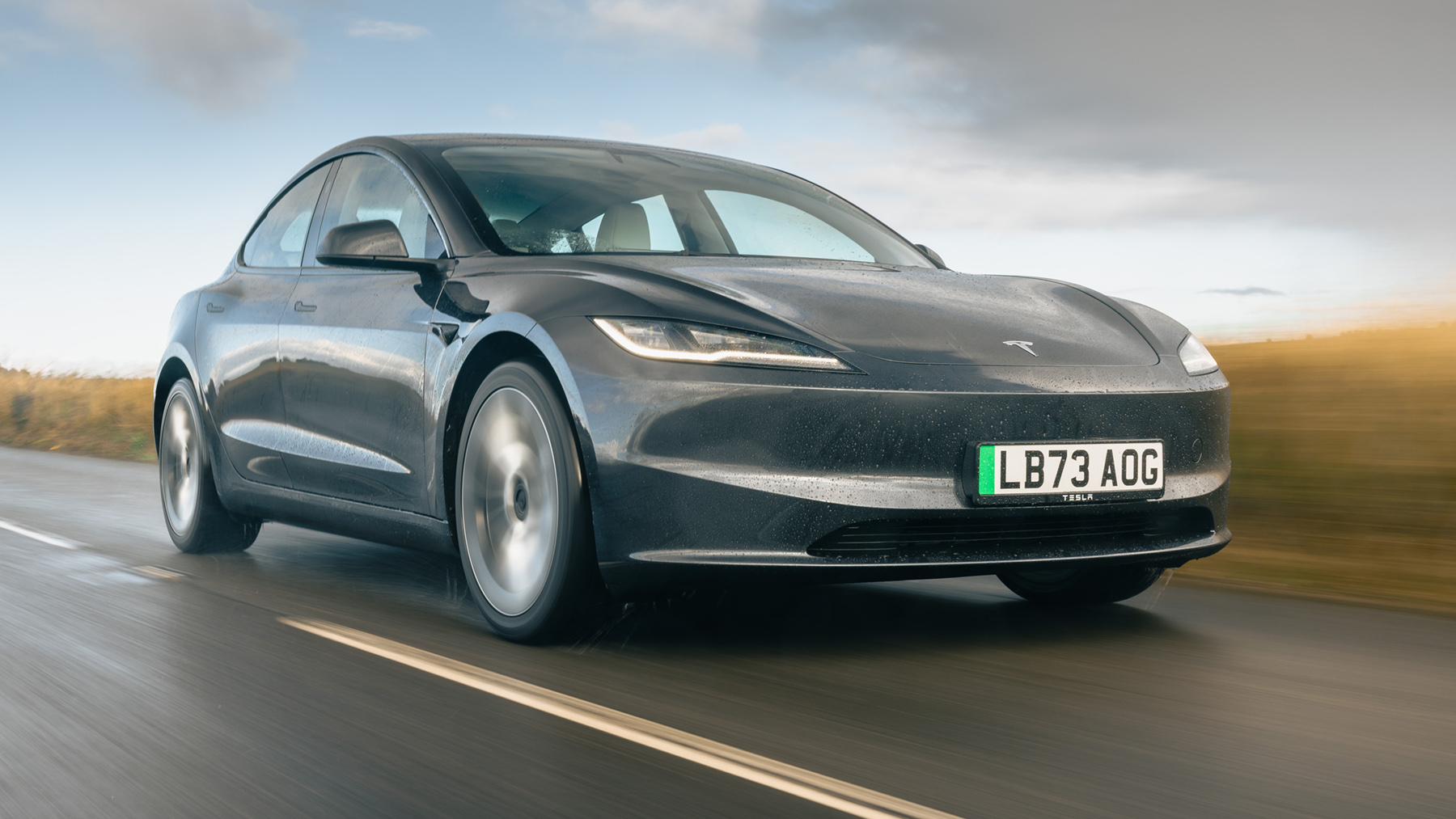
1. Tesla Model 3
The Tesla Model 3 features a minimalist dashboard design focused on digital clarity. Its single large touchscreen acts as the central hub for driving information. The dark background with bright white and colored indicators ensures excellent contrast for visibility in varying light conditions.
Unlike traditional dashboards, the Model 3’s screen consolidates speed, navigation, and vehicle alerts in a high contrast layout. The use of bold fonts and simple graphics reduces confusion and allows quick interpretation. Drivers report minimal eye strain even during long journeys.
The touchscreen can automatically adjust brightness based on ambient light, maintaining readability in bright sunlight and darkness. Warning messages and notifications appear in vivid colors against the black background for instant recognition. This adaptive contrast enhances safety by preventing delayed reactions.
Additionally, the Model 3’s digital dashboard reduces clutter, which improves focus on critical information. The minimalist interface avoids unnecessary distractions and keeps the driver’s attention on essential metrics. This design is ideal for drivers who prefer straightforward, easy-to-read displays.
The effect is a dashboard that balances futuristic aesthetics with practical functionality. The high contrast elements support both comfort and safety, making the Tesla Model 3 a strong choice for those prioritizing dashboard readability.
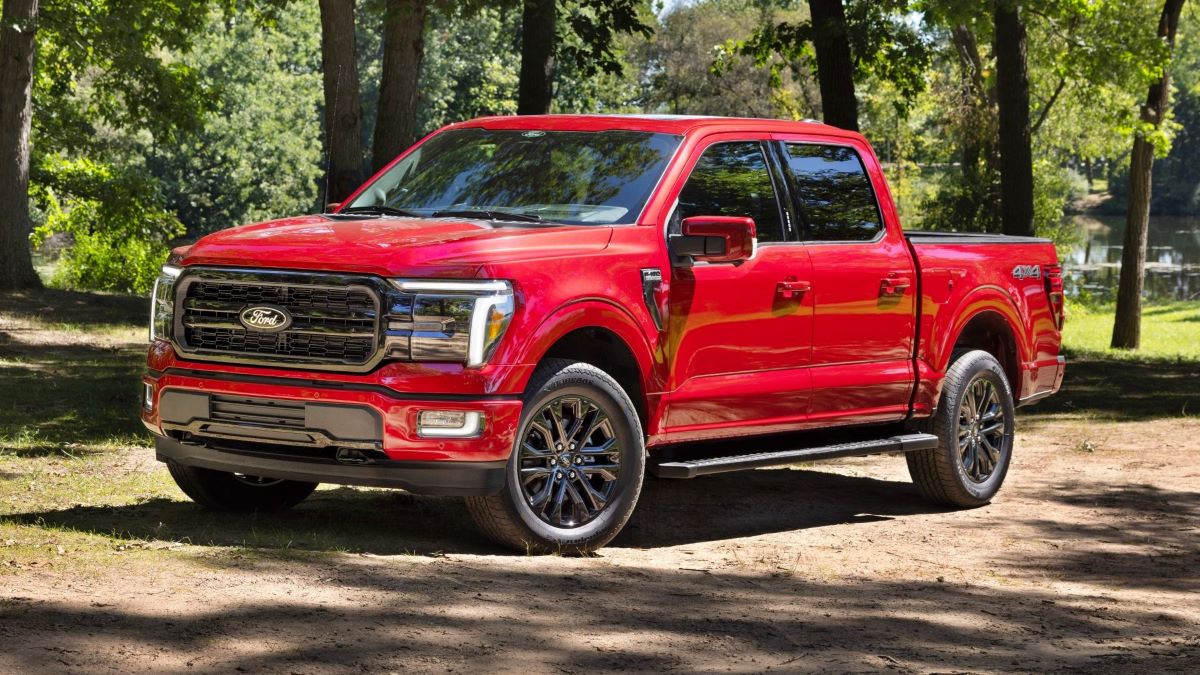
2. Ford F 150
The Ford F-150, a best-selling pickup, integrates a high contrast instrument panel to support drivers during work and long trips. Its analog and digital combination provides clear visibility under all lighting conditions.
White numerals and bright indicators on a dark background make speed and RPM easy to monitor. Additional alerts for fuel levels, engine temperature, and towing assistance are displayed in bold colors for immediate attention.
This dashboard design caters to both day and night driving. The backlighting intensity adjusts automatically, reducing glare during nighttime operation. Large gauge faces also improve readability from various seating positions.
The F-150’s high contrast setup is particularly valuable for commercial drivers. Quick recognition of warnings and system statuses allows operators to respond efficiently while managing heavy loads or navigating difficult terrain.
Ford continues to refine its instrument cluster with high contrast elements in newer models. Driver feedback highlights the benefits of easy-to-read dials, which enhance safety and reduce fatigue during extended driving hours.
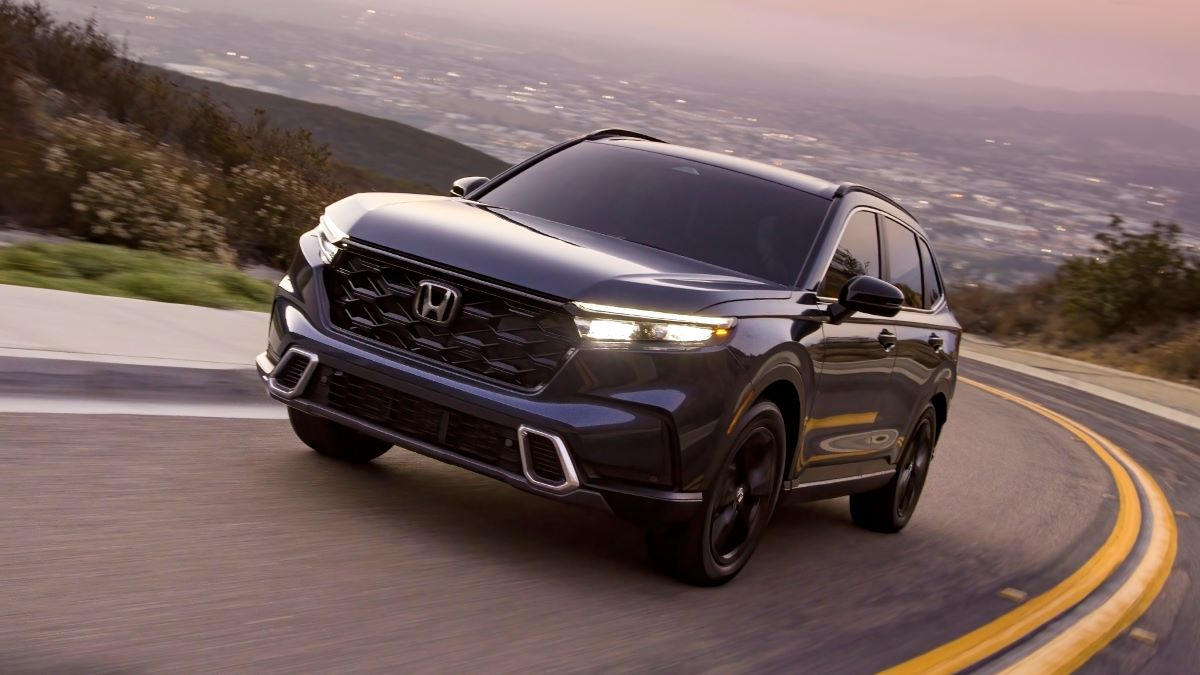
3. Honda CR-V
The Honda CR-V is recognized for its user-friendly interior and high visibility dashboards. Its dashboard combines analog speedometers with digital displays for fuel, temperature, and trip information.
The use of bright white numerals on a black background ensures legibility under various lighting conditions. Warning lights are color-coded and strategically placed to minimize distraction.
Honda emphasizes ergonomics in dashboard design. All essential controls are within the driver’s line of sight, and displays are angled for optimal readability. Ambient lighting further enhances visibility during night driving.
The CR-V’s high contrast dashboard also supports driver assistance systems. Alerts from lane-keeping assist, collision mitigation, and adaptive cruise control appear clearly in distinct colors against the dark background.
The combination of clear analog gauges, digital readouts, and color-coded alerts creates a functional dashboard. It promotes safer driving by providing critical information at a glance without overwhelming the driver.
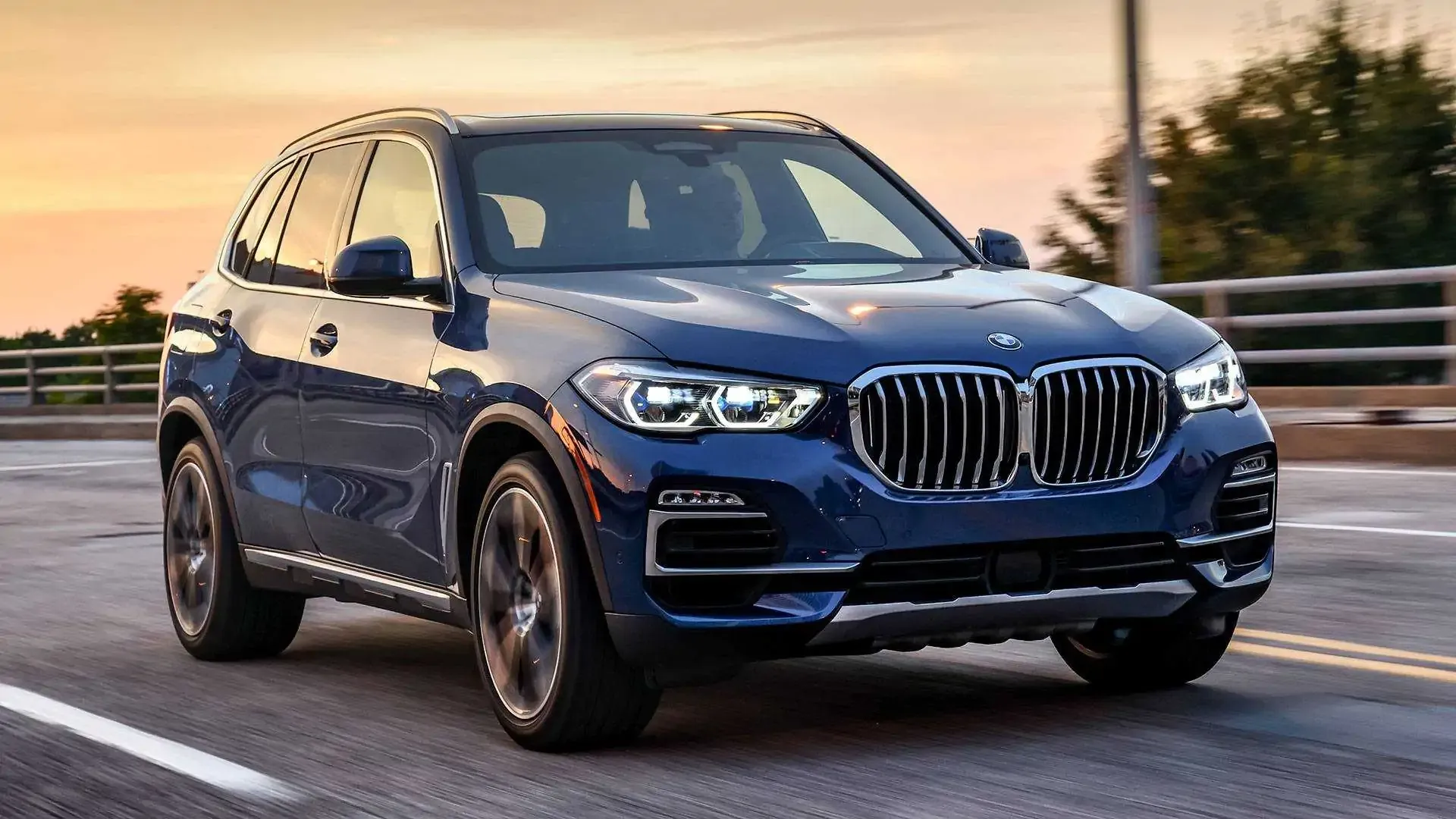
4. BMW X5
The BMW X5 combines luxury and practicality, offering a dashboard designed for clarity and high contrast. The instrument cluster features white numerals and red accents on a dark background, making speed, RPM, and fuel levels easily readable. This layout reduces the need for prolonged eye focus and minimizes distractions while driving.
Its digital display integrates navigation, media, and vehicle alerts in a centralized, high contrast interface. Bright icons against the black display ensure that critical notifications stand out. Drivers can quickly interpret data without looking away from the road, improving response time and safety.
Nighttime driving is enhanced by the X5’s adaptive backlighting system. The dashboard automatically adjusts brightness based on ambient light, preventing glare and maintaining optimal readability. Red accent lighting highlights important elements while keeping the visual experience comfortable.
BMW’s design philosophy emphasizes driver ergonomics. The high contrast dashboard is angled toward the driver, placing essential information within easy reach of the eyes. This design reduces strain during extended drives and supports safer driving habits.
The X5 also integrates color-coded alerts for systems like lane departure warnings and collision detection. These alerts are strategically placed to be immediately noticeable without overwhelming the driver. The combination of analog and digital clarity makes the BMW X5 a top choice for those who value safety and sophistication.
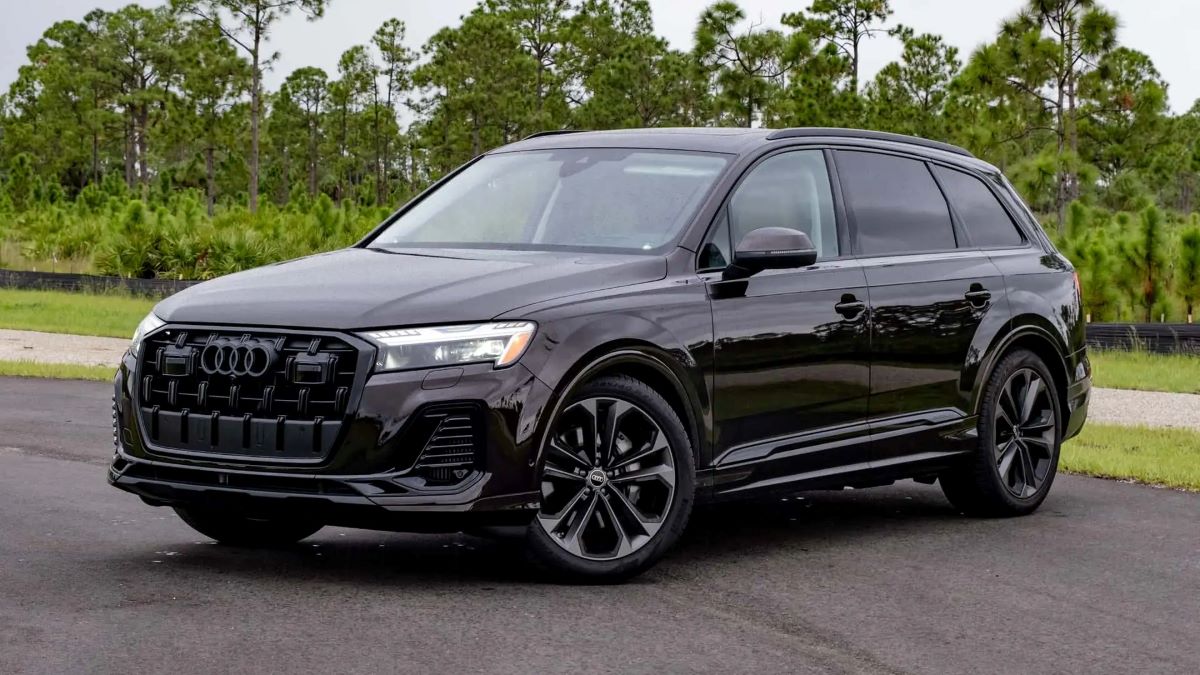
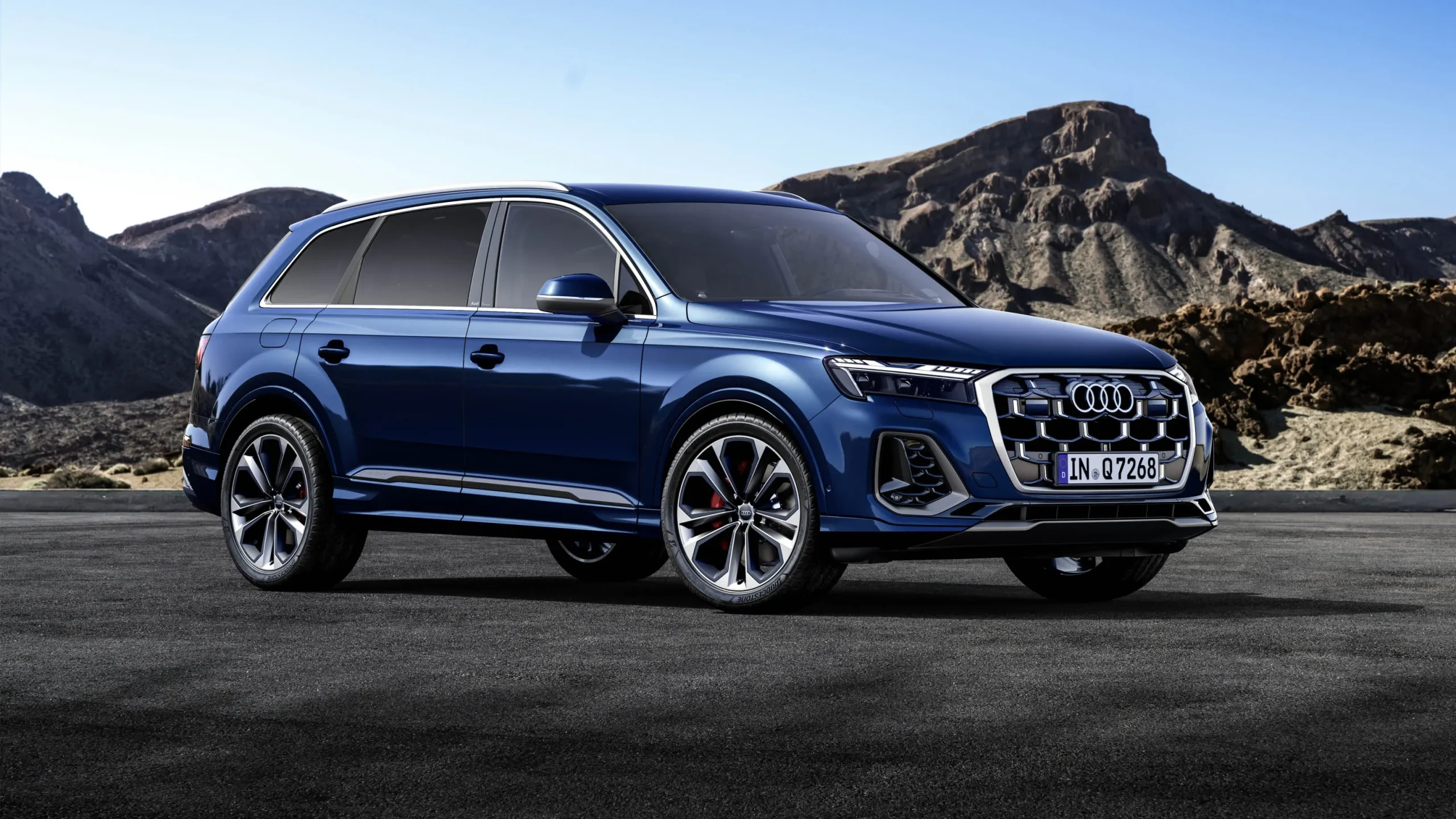
5. Audi Q7
The Audi Q7 is known for its sleek interior and highly legible instrument panels. Its high contrast dashboard uses white numerals and indicators on a deep black background. This combination allows drivers to quickly read speed, fuel, and temperature information under different lighting conditions.
Audi’s Virtual Cockpit enhances dashboard visibility with a fully digital interface. The screen displays essential data in customizable layouts, allowing the driver to prioritize the information they need most. Bright colors for alerts stand out clearly against the dark background.
Backlighting adjusts automatically to external light conditions, making it easy to read both during sunny days and at night. Icons and warning lights are strategically placed to capture attention immediately without creating visual clutter.
The Q7 also includes adaptive displays for driver assistance systems. Lane guidance, adaptive cruise, and collision warnings are presented in vivid colors, improving response time. The interface design ensures that critical information is not missed even in complex driving scenarios.
This combination of analog-like clarity and digital flexibility demonstrates Audi’s commitment to dashboard ergonomics. Drivers experience reduced eye strain, improved focus, and enhanced safety through a thoughtful layout and high contrast visuals.
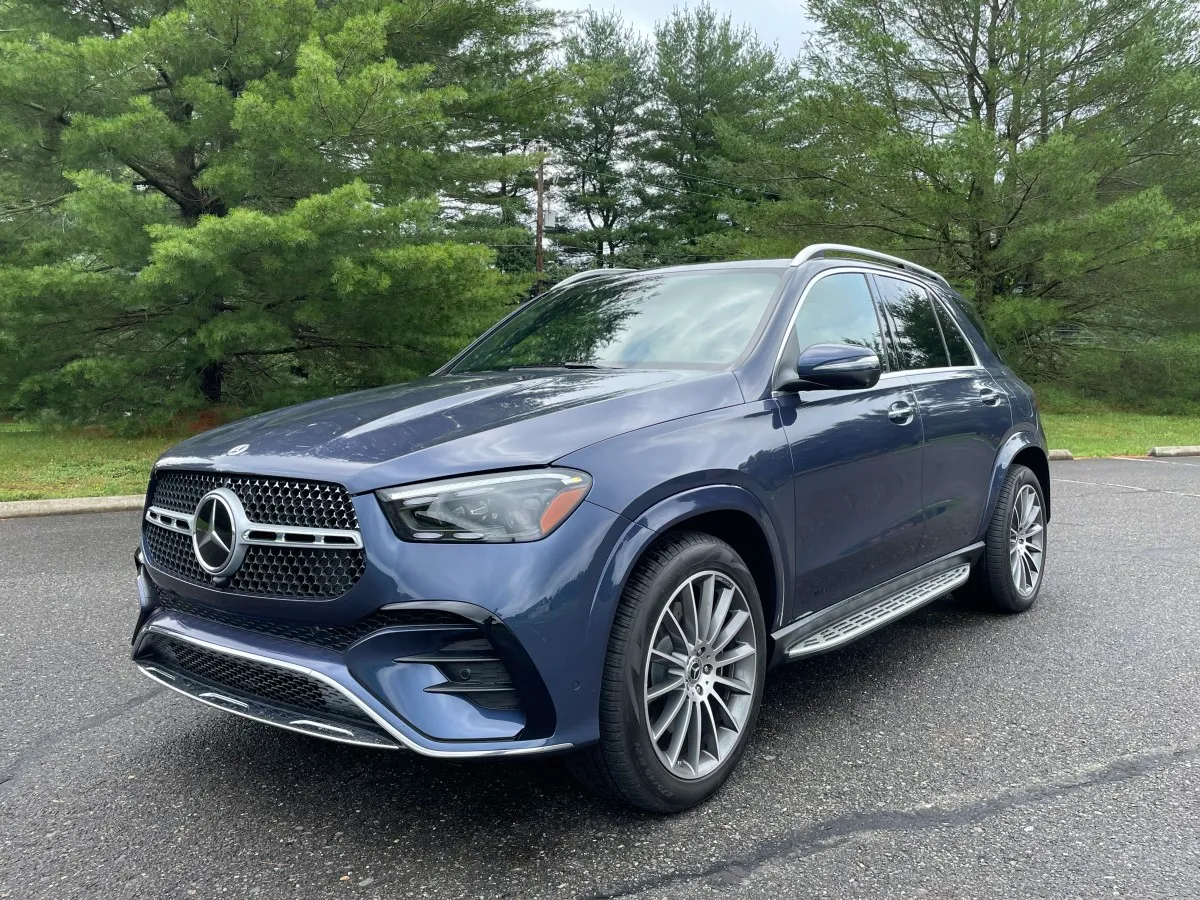
6. Mercedes-Benz GLE
The Mercedes-Benz GLE offers a high contrast dashboard with both traditional and digital elements. Its speedometer and tachometer use white markings on a black background, while warning lights are highlighted in bright red, yellow, or green for immediate recognition.
The GLE’s MBUX infotainment system integrates navigation, media, and vehicle information in a digital display with clear visual hierarchy. High contrast menus ensure that drivers can access essential functions quickly and safely while on the move.
Night driving is made safer through adaptive illumination. The brightness of gauges and screens adjusts according to external lighting, reducing glare and maintaining legibility. Color-coded alerts are easily distinguishable even in low light conditions.
Mercedes-Benz emphasizes the ergonomic placement of controls and displays. The dashboard is slightly angled toward the driver, making it easier to monitor speed, fuel levels, and notifications without distraction. This design minimizes cognitive load and allows more focus on the road.
The GLE’s dashboard also supports driver assistance alerts, with critical warnings appearing prominently in contrasting colors. From collision warnings to tire pressure notifications, the high contrast layout ensures quick recognition, contributing to safety and driver confidence.
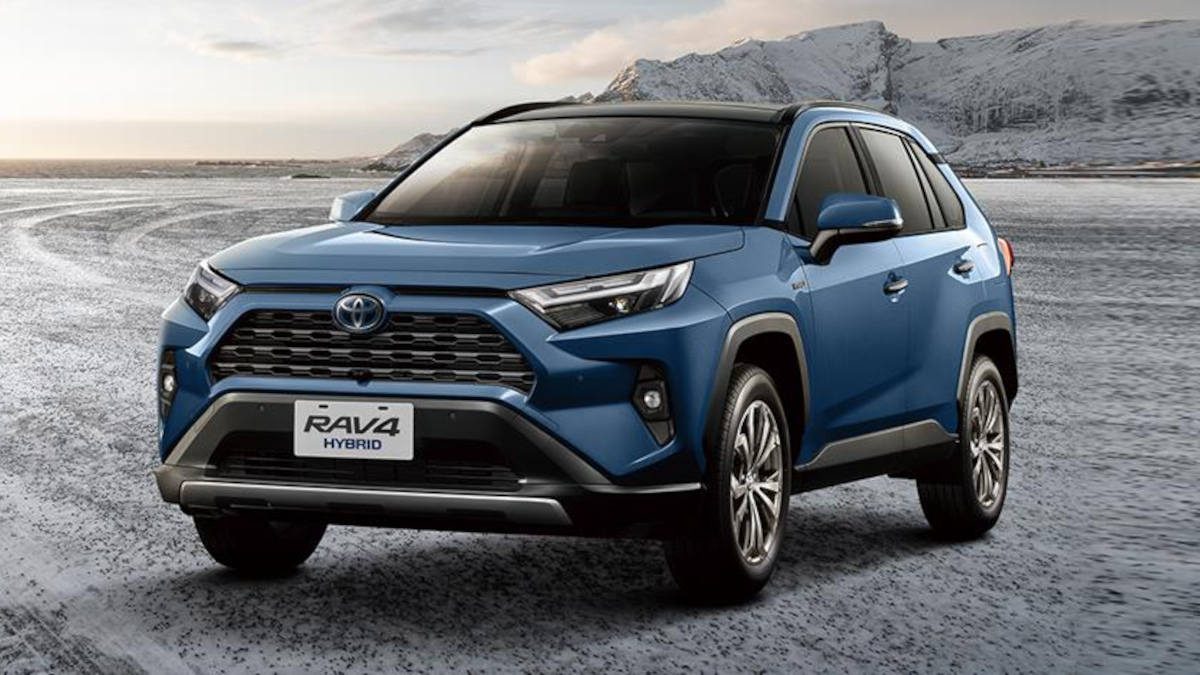
7. Toyota RAV4
The Toyota RAV4 features a practical and highly readable dashboard. Its analog gauges are paired with a central digital display, both using high contrast designs to improve visibility. White numerals against dark backgrounds allow clear monitoring of speed and engine performance.
Alerts and notifications are displayed in bright colors for immediate attention. Fuel warnings, engine alerts, and safety system notifications are strategically placed so drivers can respond promptly without confusion.
The RAV4’s dashboard is designed for both comfort and safety. The screen angle, backlighting, and font sizes are optimized to reduce glare and ensure readability under various lighting conditions, including bright sunlight and night driving.
Driver assistance systems are well-integrated into the display. Lane departure warnings, adaptive cruise alerts, and collision notifications use vivid color coding to stand out against the dark background, improving response times.
The combination of clear analog instruments, a high contrast digital display, and well-designed alert systems makes the Toyota RAV4 a strong choice for those seeking a functional, safe, and user-friendly interior.
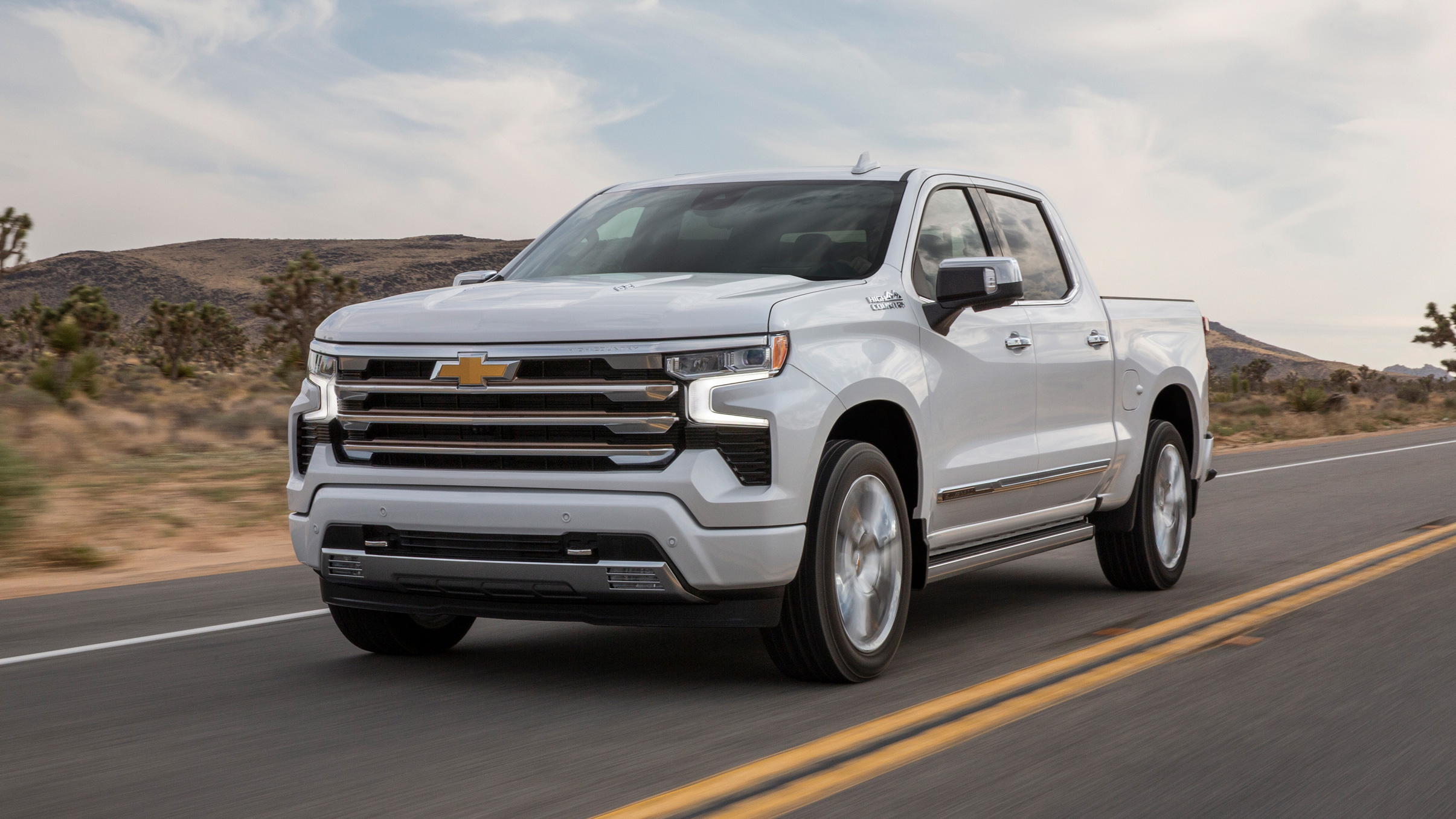
8. Chevrolet Silverado
The Chevrolet Silverado, a popular pickup truck, emphasizes dashboard readability for commercial and personal use. Its analog gauges are large with white numerals on a black background, and digital screens provide high contrast vehicle information.
The dashboard includes bold, color-coded alerts for engine status, fuel, and towing assistance. These features allow drivers to respond quickly to critical notifications, especially in demanding driving conditions or on long hauls.
Night driving is supported by automatic backlighting adjustment. The display brightness and gauge illumination adapt to external light conditions, preventing glare while maintaining legibility and reducing eye fatigue.
Chevrolet has focused on ergonomics in the Silverado’s dashboard layout. Essential information is within the driver’s line of sight, minimizing the need to look away from the road. The combination of analog and digital elements provides a balance between traditional readability and modern functionality.
The Silverado’s high contrast dashboard also supports advanced driver assistance systems. Alerts for lane keeping, collision avoidance, and tire pressure monitoring are clearly displayed in bright colors, ensuring drivers can act promptly and safely in all situations.
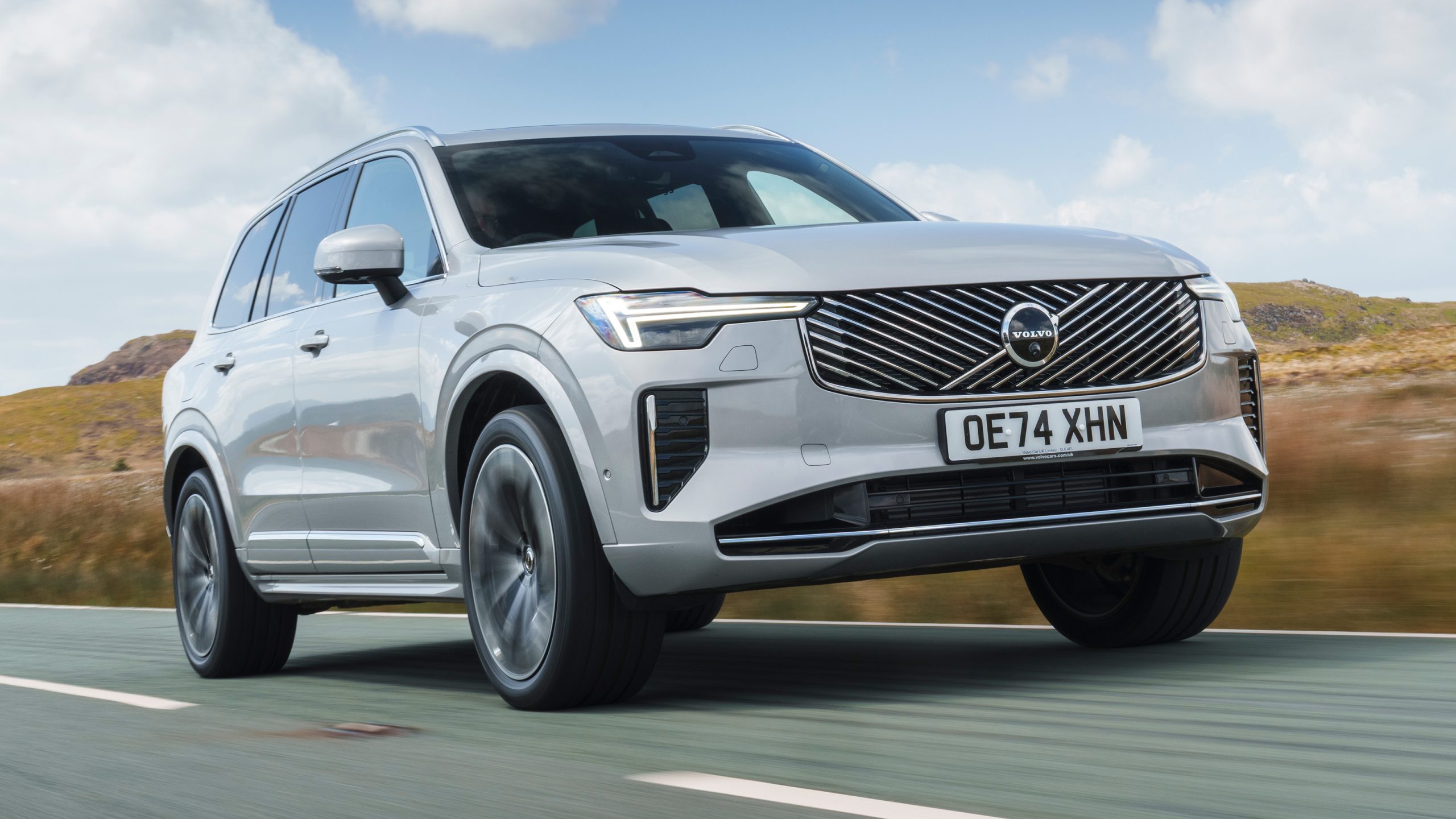
9. Volvo XC90
The Volvo XC90 is designed with safety and ergonomics in mind. Its dashboard integrates digital displays with high contrast visuals, featuring white numerals and colorful alerts on a dark background. This ensures readability in all lighting conditions.
The central touchscreen complements analog-like displays for speed, fuel, and system information. Critical alerts such as collision warnings and parking assist notifications are highlighted with bold colors for immediate attention.
Volvo’s dashboard backlighting adjusts automatically to external light levels. This prevents glare and maintains consistent visibility during nighttime driving, which is particularly important for long-distance trips or urban commuting.
Driver assistance systems are integrated seamlessly into the high contrast dashboard. Lane keeping, adaptive cruise control, and emergency braking notifications are visually distinct, allowing quick recognition without distraction.
The combination of digital clarity, ergonomic layout, and adaptive lighting makes the XC90 a strong option for drivers who prioritize safety, comfort, and readability. The high contrast dashboard supports quicker decision-making and enhances driving confidence.
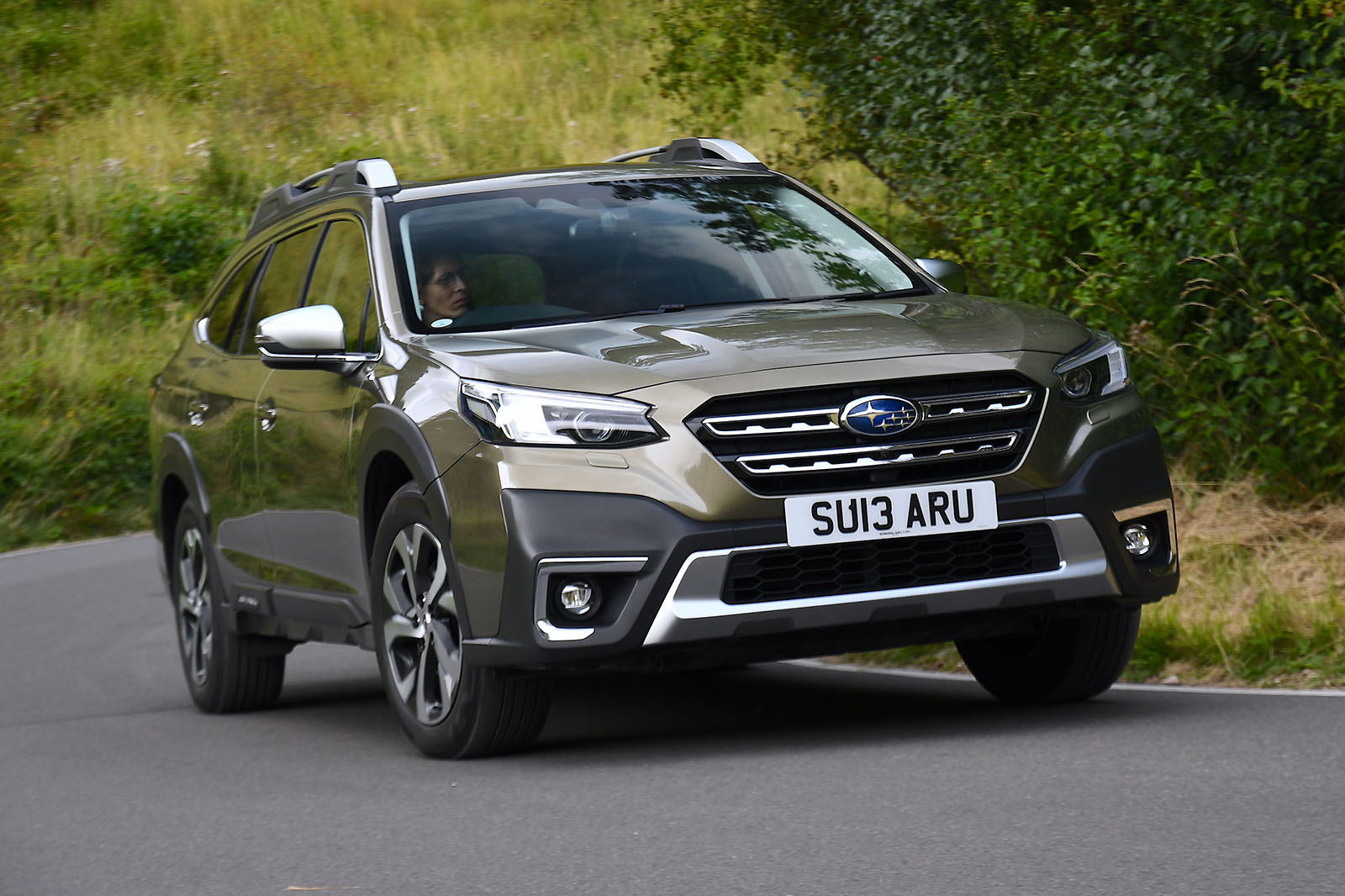
10. Subaru Outback
The Subaru Outback features a high contrast dashboard combining analog and digital elements. White numerals and bright warning indicators stand out against dark backgrounds, ensuring all critical information is easy to read at a glance.
Its digital display provides essential driving information, navigation data, and safety alerts in a clear, organized manner. Color coding improves response time, with red, yellow, and green used for warnings, notifications, and system statuses.
Night driving is supported by adaptive backlighting. The dashboard adjusts brightness and contrast automatically, reducing glare while maintaining visibility. This ensures that the driver can always read important data without strain.
Subaru emphasizes ergonomic design in the Outback’s interior. Controls and displays are angled toward the driver, keeping critical information in sight and reducing the need for frequent eye movement. This supports safer and more comfortable driving experiences.
The high contrast layout also integrates driver assistance alerts effectively. From lane departure warnings to collision alerts, all notifications are visible without overwhelming the driver. This approach enhances safety and ensures a reliable, user-friendly driving experience.