
When people shop for trucks and SUVs, towing capacity usually becomes the headline number that attracts attention. Advertisements proudly promote maximum towing figures, and buyers often compare vehicles based on how much weight they can pull.
However, experienced truck owners and fleet operators often pay closer attention to another specification that matters just as much and sometimes even more: payload rating.
Payload rating refers to how much weight a vehicle can safely carry on its own structure. This includes passengers, cargo, tools, luggage, bed loads, and even the tongue weight of a trailer.
Unlike towing, which distributes weight across multiple axles, payload places direct stress on the vehicle’s suspension, frame, brakes, and tires. This makes it a critical factor in everyday usability.
Many buyers misunderstand how quickly payload limits can be reached. A few passengers, some equipment, and basic travel gear can easily add up.
Once the payload limit is exceeded, the vehicle may still move, but it will no longer operate within safe engineering limits. This can affect braking performance, tire wear, stability, and long term durability.
Another reason payload deserves more attention is because most real world vehicle use involves carrying weight rather than towing. Contractors carry tools. Families load luggage. Outdoor travelers carry recovery gear.
Even something as simple as a rooftop tent adds to payload rather than towing capacity. In these situations, towing numbers become irrelevant while payload becomes the real limitation.
There is also a safety dimension that is often overlooked. Overloading payload affects how weight is distributed across axles. This can reduce steering control, increase stopping distance, and create unpredictable handling behavior. These effects may not be obvious during short drives but become serious risks during emergency maneuvers.
Payload also directly influences vehicle longevity. Suspension components, wheel bearings, and tires experience more strain when carrying excessive weight. Even if no immediate failure occurs, long term stress can lead to expensive repairs.
Understanding why payload matters more than towing helps buyers make smarter decisions. It shifts focus from marketing numbers to practical capability. Instead of asking how much a vehicle can pull once a year, it encourages buyers to think about how much weight they carry every day.
The following reasons explain why payload rating often has a greater impact on real world ownership than towing specifications. Each point highlights practical considerations that many buyers only learn after experiencing limitations firsthand.
Also Read: 8 Reasons Why Buying From a Private Seller Is More Complex Today
1. Payload Directly Affects Daily Usability
Payload capacity influences how useful a vehicle is during normal daily operation. While towing may only happen occasionally, carrying weight happens almost every time a vehicle is used. This makes payload a more realistic measurement of practical capability.
Everyday activities quickly consume available payload. Carrying five adults already uses a significant portion of capacity. Add luggage, groceries, work equipment, or travel gear, and the remaining allowance may disappear faster than expected.
Another overlooked factor is optional equipment. Larger wheels, panoramic roofs, off road accessories, and even premium seating systems all add weight. This extra mass reduces how much cargo the vehicle can safely carry afterward.
Weather related gear also adds up. Winter driving may require snow chains, emergency kits, and additional supplies. Summer trips may include coolers, camping equipment, or sports gear. All of this counts toward payload limits.
Roof storage is another example. Many owners install roof boxes or racks to increase cargo space. However, roof loads count fully toward payload while also raising the center of gravity. This means payload limits affect both capacity and stability.
Urban users may not think about payload until they help someone move furniture or transport heavy purchases. Suddenly the theoretical limit becomes very real when suspension sag becomes visible.
Commercial users feel this even more. Electricians, plumbers, and technicians often carry dense equipment. Their vehicles may never tow anything, yet they constantly operate near payload limits.
Even pet owners may encounter this issue. Large dog crates, food supplies, and travel equipment can represent significant carried weight during long trips.
The key difference is frequency. Most drivers carry weight daily but tow occasionally. Because payload affects routine operation, it becomes the more important number for predicting how useful the vehicle will actually be.
Understanding payload as a daily operating limit instead of a rare use specification helps buyers choose vehicles that match how they really use transportation rather than how advertisements suggest they might use it.
2. Payload Limits Influence Braking Performance More Than Towing
One of the least discussed but most important reasons payload rating matters is its direct influence on braking performance. When a vehicle carries heavy weight inside its structure, the braking system must control all that mass using only the vehicle’s own components. This creates a very different mechanical situation compared to towing.
When towing properly, trailers often have their own braking systems. This means stopping force is shared between the vehicle and the trailer. With payload, however, the entire burden remains on the vehicle’s brake rotors, pads, and hydraulic system. This increases stopping stress significantly.
Extra payload weight increases stopping distance because momentum increases with mass. Even if the difference feels small during normal driving, emergency braking situations reveal the true impact. A heavily loaded vehicle requires more distance and more brake force to stop safely.
Heat buildup is another major factor. Carrying heavy loads forces brakes to work harder, which increases heat generation. Excessive heat can reduce braking efficiency through brake fade. This can become dangerous during downhill driving or repeated stops.
Tires also play a role here. Payload weight increases tire contact pressure and deformation. While tires are designed for load limits, exceeding payload ratings increases the risk of uneven wear and reduced traction during braking.
Suspension compression from heavy payload can also change brake balance. When the rear suspension sags under weight, braking geometry changes slightly. This can reduce front tire effectiveness and alter stability during sudden stops.
Another hidden issue is brake component fatigue. Vehicles consistently operated near or beyond payload limits may experience faster brake wear. This increases maintenance frequency and operating costs.
Steering control during braking also becomes more sensitive when payload is excessive. A vehicle operating beyond safe load limits may feel less stable during sudden braking maneuvers, especially if the weight is unevenly distributed.
Payload affects braking every time the vehicle moves. Towing only affects braking when a trailer is attached. Because payload stress exists during routine operation, its influence on braking safety becomes more important in real world use.
Understanding this relationship helps explain why engineers carefully define payload limits. These numbers are not just about how much weight fits inside a vehicle but how safely that weight can be controlled when stopping.
3. Payload Overload Causes Suspension Wear Faster Than Towing Stress
Suspension systems are designed to manage weight carried directly by the vehicle. This is why exceeding payload capacity often accelerates suspension wear more than towing within rated limits. The difference comes from how the load is applied to the vehicle structure.
Payload weight sits directly on springs, shocks, and control arms. This creates continuous downward force on these components. Over time, this constant pressure increases material fatigue and reduces suspension lifespan.
Towing distributes weight differently. While tongue weight does add some load, most of the trailer mass rides on its own axles. This reduces how much direct structural stress is placed on the vehicle compared to carrying the same weight internally.
Spring compression is one of the first visible signs of payload stress. Excessive load may cause visible rear sag. While the vehicle may still function, this condition changes suspension geometry and can affect alignment angles.
Shock absorbers also experience higher workload when payload increases. Their job is to control vertical movement. Extra weight increases oscillation forces, which accelerates internal wear of shock components.
Bushings are another vulnerable part. These small rubber or polyurethane components absorb vibration and allow controlled movement. Constant heavy payload increases pressure on these parts and may lead to premature cracking or deformation.
Frame stress is another concern. Vehicles are engineered with specific load paths. Exceeding payload ratings may cause stress concentrations in areas not designed for continuous heavy loading.
Even ride comfort provides clues. Vehicles operating near payload limits often feel harsher over bumps because suspension travel is reduced. Less available movement means impacts are transferred more directly into the cabin.
Long term consequences may include uneven tire wear due to alignment changes caused by suspension fatigue. This adds additional ownership costs that many buyers do not initially consider.
Payload affects suspension every mile the vehicle is driven while loaded. Because this stress happens during normal use rather than occasional towing events, it becomes a more important factor in determining long term durability.
4. Payload Miscalculations Happen More Easily Than Towing Mistakes
One of the biggest practical problems with payload is how easily it can be miscalculated. Many drivers carefully check towing limits before pulling a trailer, but they rarely calculate the combined weight of passengers and cargo. This leads to unintentional overload situations that happen without the owner even realizing it.
A major reason for this is visibility. A trailer has a listed weight and is easy to measure. Payload, however, accumulates gradually. A passenger here, a toolbox there, a few travel bags, and suddenly the safe limit may already be exceeded.
Human weight alone can change the situation quickly. A vehicle rated for a certain payload may lose a large portion of that capacity simply by filling all seats. Many owners never subtract passenger weight from payload allowance even though this is required for accurate calculation.
Another complication comes from aftermarket modifications. Accessories such as bed covers, drawer systems, steel bumpers, winches, and auxiliary fuel tanks all count toward payload. Owners often install these upgrades without realizing they have permanently reduced cargo capacity.
Camping and overlanding setups are another common example. Water containers, recovery boards, tents, cooking gear, and spare parts can easily add hundreds of kilograms. Because these items are added gradually, the total weight often goes unnoticed.
Even small items contribute. Floor liners, audio upgrades, and protective accessories may not seem significant individually, but together they reduce available carrying capacity.
Another reason payload mistakes are common is that vehicle labels are often ignored. The payload sticker inside the driver door frame provides the real number for that specific vehicle configuration, yet many buyers rely on brochure figures instead.
Unlike towing, which usually requires preparation and planning, payload increases happen naturally through everyday use. This makes it easier to accidentally exceed limits without realizing it.
Weather emergencies can also cause unexpected overload. Carrying extra supplies, fuel containers, or emergency equipment during travel can push a vehicle beyond safe carrying capacity.
Because these mistakes happen during normal usage rather than special situations, payload awareness becomes more important than towing awareness. The risks are not theoretical. They come from small decisions that add up over time.
Understanding how easily payload errors occur helps drivers appreciate why this rating deserves more attention than towing numbers that may only matter occasionally.
5. Payload Capacity Determines Tire Safety Margins
Tires are one of the most critical safety components affected by payload. While towing certainly adds load, payload weight is carried directly by the vehicle tires at all times. This makes payload rating a direct indicator of how much stress the tires must safely handle.
Each tire has a maximum load rating. Vehicle manufacturers match these ratings carefully with the vehicle’s payload specification. When payload limits are exceeded, tire load capacity may also be exceeded even if the driver does not notice immediate problems.
Overloaded tires generate more heat due to increased rolling resistance. Heat is one of the biggest enemies of tire durability. Excessive temperature buildup increases the risk of tread separation and structural weakening.
Another important factor is tire pressure. Heavier payload requires correct inflation to maintain safe load distribution. If pressure is not adjusted properly, overloaded tires may flex excessively, increasing wear and reducing stability.
Handling performance also changes when tires carry too much weight. Steering response may feel slower, and emergency maneuvers may feel less predictable. This happens because overloaded tires cannot maintain optimal contact patch shape.
Uneven loading creates additional risks. If cargo is placed more on one side, individual tires may carry more weight than intended. This can create dangerous imbalances even if total payload appears acceptable.
Road hazards become more dangerous under heavy payload. Potholes and sharp impacts place greater stress on overloaded tires, increasing the risk of sidewall damage.
Another long term effect is accelerated tire wear. Excessive payload often causes faster shoulder wear due to increased deformation. This leads to more frequent tire replacement costs.
Many drivers think tire problems only come from speed or road conditions. In reality, overloading is one of the most common hidden causes of tire failure.
Payload also affects spare tire readiness. If the spare tire is rated lower than the overloaded operating weight, it may not provide safe emergency support.
Because tires are always carrying payload weight during operation, their safety margin depends heavily on respecting payload ratings. This constant exposure makes payload more relevant to tire safety than occasional towing duties.
6. Payload Has a Greater Effect on Vehicle Stability
Vehicle stability is heavily influenced by how weight sits on the chassis, which is why payload often has a greater effect on handling behavior than towing. When weight is placed inside the vehicle or in the cargo bed, it directly changes the center of gravity and balance characteristics.
High payload loads can raise the center of gravity, especially when cargo is stacked or placed on roof carriers. This increases body roll during turns and makes the vehicle feel less planted during sudden direction changes.
Weight distribution is equally important. If cargo is placed mostly toward the rear, the front axle may carry less load. This can reduce steering traction and create lighter steering feel. In emergency situations, this imbalance can affect directional control.
Side to side imbalance can also create stability issues. Uneven loading may cause the vehicle to lean slightly, which changes how suspension components react during braking or cornering.
Crosswind sensitivity is another factor. Heavily loaded vehicles often respond more strongly to strong side winds because the suspension operates closer to its compression limits. This reduces the margin available to absorb lateral forces.
Electronic stability control systems are designed to work within expected load ranges. Excessive payload may push the vehicle beyond the conditions these systems were calibrated for. While safety systems still function, their effectiveness may be reduced.
Driving over uneven roads also becomes more challenging with heavy payload. The suspension has less travel available to absorb bumps, which may cause more sudden vertical movements that affect tire grip.
Another important difference from towing is articulation. A trailer pivots behind the vehicle and does not change the vehicle’s internal balance as dramatically. Payload weight, however, becomes part of the vehicle mass and directly changes its dynamic behavior.
Drivers may also notice increased steering correction needs during highway driving when payload is high. This comes from slight geometry changes in suspension alignment under load.
Because stability affects every moment of driving rather than occasional towing events, payload becomes the more influential factor in how safe and predictable a vehicle feels during normal use.
Understanding this connection explains why respecting payload ratings is not only about weight limits but also about maintaining safe driving behavior.
7. Payload Overload Can Reduce Frame and Body Longevity
Vehicle frames and body structures are engineered to support specific load limits over long periods. When payload ratings are exceeded regularly, structural components may experience fatigue that gradually reduces long term durability.
Unlike towing forces that are partly transferred through a hitch structure, payload weight presses directly onto the frame through suspension mounting points. This creates constant compressive stress that accumulates over time.
Repeated heavy loading may lead to small structural flexing. While this movement may not be visible immediately, long term exposure can affect weld points and mounting brackets. Engineers design safety margins, but consistent overload can reduce those margins.
Cargo bed floors in trucks and rear load floors in SUVs may also show stress signs if overloaded frequently. Slight deformation or mounting point wear may develop after extended heavy use.
Door alignment can even be affected over time. Vehicles carrying excessive weight repeatedly may develop subtle body alignment changes due to frame stress. This may appear as slight door closing resistance years later.
Mounting points for suspension components are also sensitive areas. Extra payload increases forces at these connection points, which may increase wear on bolts and bushings.
Another factor involves vibration fatigue. Heavier loads increase vibration forces transmitted through the frame during rough road driving. Over many cycles, this may contribute to minor structural wear.
Paint cracking near load bearing joints can sometimes appear in vehicles used beyond payload limits. While rare, these small visual indicators can suggest repeated structural stress.
Manufacturers test vehicles under expected payload conditions for durability targets. Operating beyond those limits repeatedly may reduce the lifespan these tests are designed to guarantee.
Another overlooked impact is resale condition. Vehicles used within their rated payload often maintain better structural condition, while overloaded vehicles may develop squeaks or looseness in body components over time.
Payload affects structural components whenever weight is carried. Because this stress can happen daily rather than occasionally, its influence on long term durability becomes more important than towing specifications for many owners.
8. Payload Determines Real World Safety Margins More Than Maximum Towing Numbers
One of the most practical reasons payload matters more is that it defines the true safety buffer a vehicle operates within during normal use. Towing capacity often represents a maximum engineered scenario, while payload defines the everyday operating boundary that affects safety on every trip.
Safety margins exist because engineers expect drivers to encounter unpredictable situations. Sudden braking, potholes, emergency lane changes, and uneven road surfaces all require reserve capability. Excess payload reduces this reserve and leaves less room for error.
Many drivers assume that if a vehicle can still move comfortably, it must be within safe limits. This assumption is dangerous because vehicles can appear to function normally even when operating beyond recommended payload ratings. The real difference often appears only during emergency conditions.
Reaction behavior changes when a vehicle carries excessive weight. Steering response may become slower and braking reactions may require more distance. These small differences may not be noticeable in calm driving but can become critical when fast decisions are required.
Another important factor is driver fatigue. Vehicles operating within safe payload limits usually feel more predictable and easier to control. Overloaded vehicles may require more steering corrections and attention, increasing mental workload during long trips.
Road surface changes also become more important. Expansion joints, rough pavement, and elevation transitions place greater stress on overloaded vehicles. With reduced safety margins, these normal road conditions can produce stronger reactions.
Emergency avoidance maneuvers are where payload matters most. A vehicle carrying weight within its design limits maintains better balance during quick direction changes. Once payload is exceeded, the vehicle may feel less composed during sudden movements.
Insurance and liability considerations also exist. Operating a vehicle beyond its rated payload may create complications in accident investigations if overloading contributed to the event.
Temperature also plays a role. Higher ambient temperatures combined with heavy payload increase stress on cooling systems, tires, and brakes. Safety margins shrink further under these combined stresses.
Payload ultimately defines how much margin exists between normal operation and mechanical limits. Because daily driving constantly uses this margin, it becomes more relevant to safety than towing capacity, which may never be used by many owners.
Understanding the difference between payload and towing capacity changes how people evaluate vehicle capability. While towing figures attract attention because they are easy to advertise, payload ratings often reveal how useful and safe a vehicle will be during everyday operation.
Payload affects daily usability, braking behavior, suspension durability, tire safety, and overall stability. These are not occasional concerns but constant operating factors. Every passenger, every bag, and every piece of equipment contributes to this limit.
Another important takeaway is how easily payload can be exceeded without realizing it. Unlike towing, which usually involves planning, payload increases happen gradually through normal use. This makes awareness even more important for safe operation.
Long term ownership costs are also connected to payload awareness. Vehicles operated within rated limits tend to experience less suspension wear, better tire life, and fewer structural issues. Respecting payload is not just about safety but also about protecting investment.
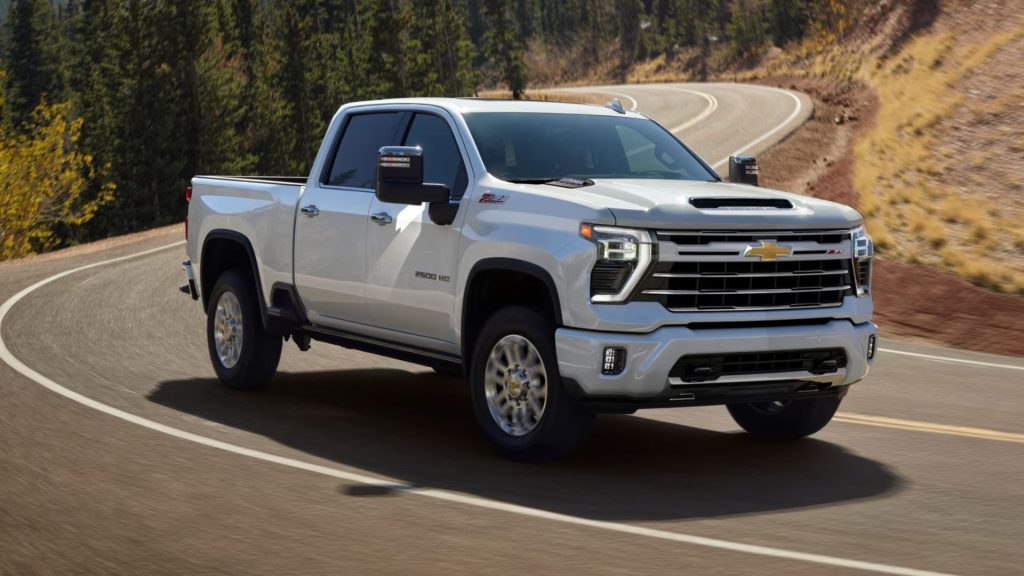
Drivers who understand payload also tend to make smarter loading decisions. Proper weight distribution, realistic cargo planning, and respect for engineering limits all contribute to better vehicle performance and reliability.
There is also a mindset shift involved. Instead of focusing only on the biggest number in the brochure, informed buyers focus on the numbers that affect real life usage. Payload is often that number because it defines what the vehicle can handle every day rather than occasionally.
The most informed vehicle owners understand that capability is not about maximum extremes but about sustainable operation. A vehicle that operates comfortably within payload limits will usually provide better long term satisfaction than one chosen only for impressive towing numbers.
In the end, payload rating represents practical strength, everyday safety, and realistic usability. For many owners, it is the specification that truly determines whether a vehicle fits their real needs rather than their imagined ones.
Also Read: 8 Vehicles With the Best Nighttime Headlight Clarity in the US
