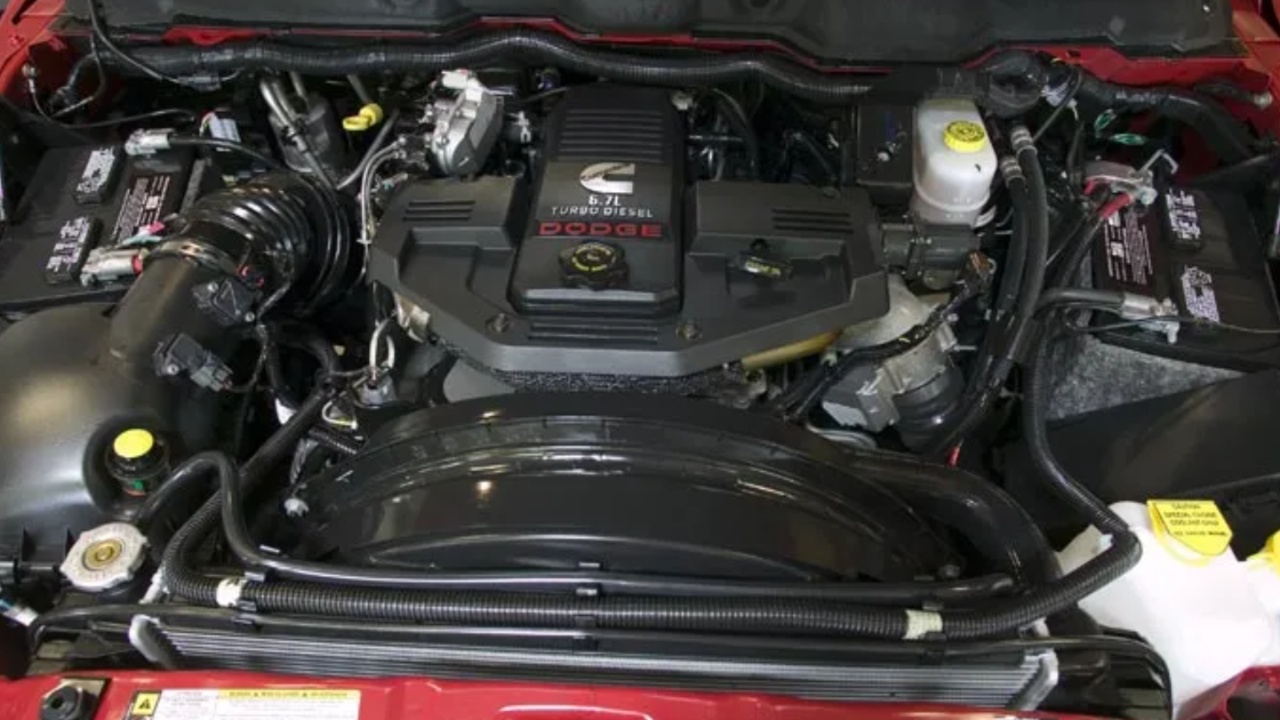
Diesel engines have played a crucial role in shaping the reputation of American pickup trucks, especially among drivers who value durability, torque, and long term dependability.
While gasoline engines often receive attention for speed and horsepower, diesel powerplants have quietly built a legacy based on strength, efficiency, and the ability to handle demanding workloads without constant mechanical stress.
From farm use to construction sites and cross country towing, diesel trucks have proven their worth in some of the toughest environments imaginable.
What makes diesel engines particularly respected is their engineering philosophy. Instead of focusing purely on high revving performance, most diesel engines are built to deliver strong low end torque, which makes them ideal for hauling trailers, carrying heavy loads, and surviving hundreds of thousands of miles when properly maintained.
Many of the most famous American pickup trucks earned their reputation not because of styling or technology, but because of the engines sitting under their hoods.
Over the past several decades, manufacturers like Ford, Chevrolet, and Ram have competed fiercely to build the most reliable and powerful diesel engines.
Some engines became legends due to their mechanical simplicity, others because of their innovative fuel systems, and a few because they simply refused to fail even under extreme abuse.
Certain diesel engines are still talked about today as benchmarks of reliability, and some are even sought after in the used truck market despite being discontinued years ago.
This list focuses on twelve of the best diesel engines ever offered in American pickup trucks, selected based on reliability history, engineering significance, owner reputation, and long term performance records.
Each of these engines helped define an era of truck development and contributed to the evolution of heavy duty pickups.
Rather than repeating the same talking points, each engine here stands out for different reasons, whether it is mechanical toughness, technological breakthroughs, or real world work capability.
If you appreciate trucks built to last, these diesel engines represent some of the finest examples ever produced.
Also Read: 12 Best Vehicles for Digital Nomads With Massive Built In Inverters
1. 7.3L Ford Power Stroke (1994–2003)
When discussions turn toward legendary diesel engines, the 7.3L Power Stroke almost always enters the conversation early.
Introduced during a period when Ford needed a serious competitor in the heavy duty diesel segment, this engine quickly built a reputation that went far beyond factory specifications. Owners discovered that it was not just strong when new, it stayed strong even after years of demanding use.
What separated this engine from many later diesel designs was its balance between mechanical simplicity and electronic control.
It used hydraulically actuated electronic unit injectors, which at the time provided a good mix of precision fuel delivery without excessive complexity. Because of this design, many mechanics still consider it easier to maintain compared to modern emissions heavy diesel engines.
Another reason this engine became respected was its tolerance for high mileage. It is not uncommon to find examples that have crossed 400,000 miles with proper servicing.
Instead of being known for extreme horsepower numbers, it earned respect through consistency. Contractors, ranchers, and long distance haulers often reported that the engine felt just as dependable years later as it did when first purchased.
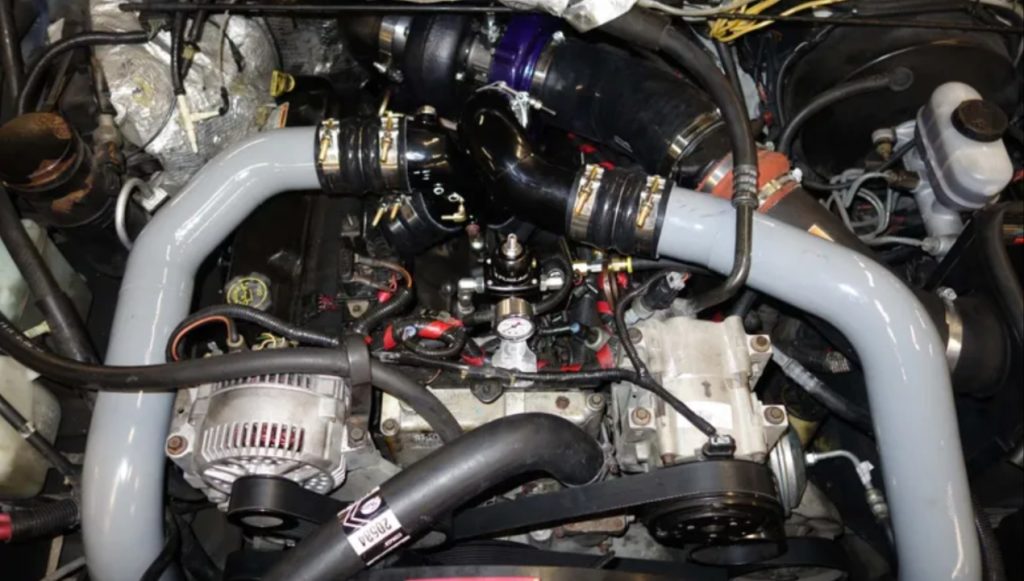
The cast iron block, forged connecting rods in early versions, and conservative tuning all contributed to longevity. Ford did not push the engine to its limits from the factory, which ironically helped it become one of the most trusted diesel engines ever installed in a pickup.
Even today, used truck buyers often specifically search for this engine generation. That alone says something powerful about its long term credibility in the diesel community.
2. 5.9L Cummins 12 Valve (1989–1998)
Some engines become famous through technology. Others become famous through survival. The 5.9L Cummins 12 valve earned its legendary status because it could endure punishment that would destroy lesser engines.
Originally introduced in Ram trucks when diesel pickups were still gaining popularity, it changed how people viewed what a heavy duty pickup could achieve.
Unlike many competitors, this engine relied heavily on mechanical systems rather than electronics. The Bosch P7100 injection pump became especially respected because it allowed tuning potential while maintaining reliability.
Enthusiasts appreciated the straightforward design because it meant fewer electronic failures and easier diagnosis when problems did occur.
One interesting aspect of this engine’s history is how it helped redefine Ram trucks themselves. Before this diesel option, Ram pickups were not always considered top tier work trucks.
After the Cummins partnership, the brand suddenly became a serious player in the heavy duty segment. Buyers who cared more about engines than interior design started paying attention.
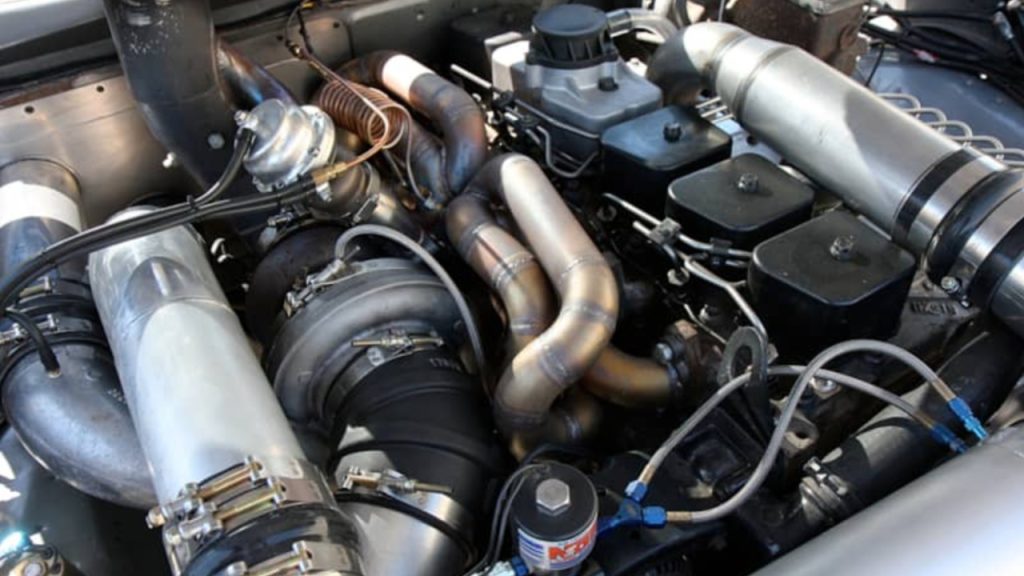
Another factor that built its reputation was torque delivery. This engine produced strong pulling power at low RPM ranges, which made it ideal for towing livestock trailers, equipment haulers, and large campers. Instead of needing aggressive throttle input, it delivered steady strength.
Today, many diesel enthusiasts still refer to the 12 valve Cummins as one of the most “honest” diesel engines ever built. Its reputation is based not on marketing claims but on decades of real world durability.
3. Duramax LB7 6.6L (2001–2004)
At the beginning of the 2000s, General Motors needed something completely new to challenge Ford and Ram in the heavy duty diesel market.
Instead of modifying older designs, GM introduced the 6.6L Duramax LB7, an engine that represented a major shift toward modern diesel technology. Developed with Isuzu, this engine showed how refinement and strength could exist together in a work truck.
One of the most noticeable differences was the common rail direct injection system. At the time, this was a significant advancement because it allowed more precise fuel delivery, which improved both efficiency and throttle response.
Drivers immediately noticed that these trucks felt smoother and quieter compared to older diesel pickups that often sounded harsh and agricultural.
Rather than focusing only on brute durability, GM also emphasized daily usability. This engine helped diesel trucks appeal not just to contractors but also to buyers who wanted strong towing ability without sacrificing comfort. Many owners commented that the LB7 felt more civilized while still delivering serious pulling power.
The aluminum cylinder heads combined with a strong cast iron block created a structure that balanced weight and durability. While early injector issues became a known concern, many trucks that received updated components continued to operate reliably for years.
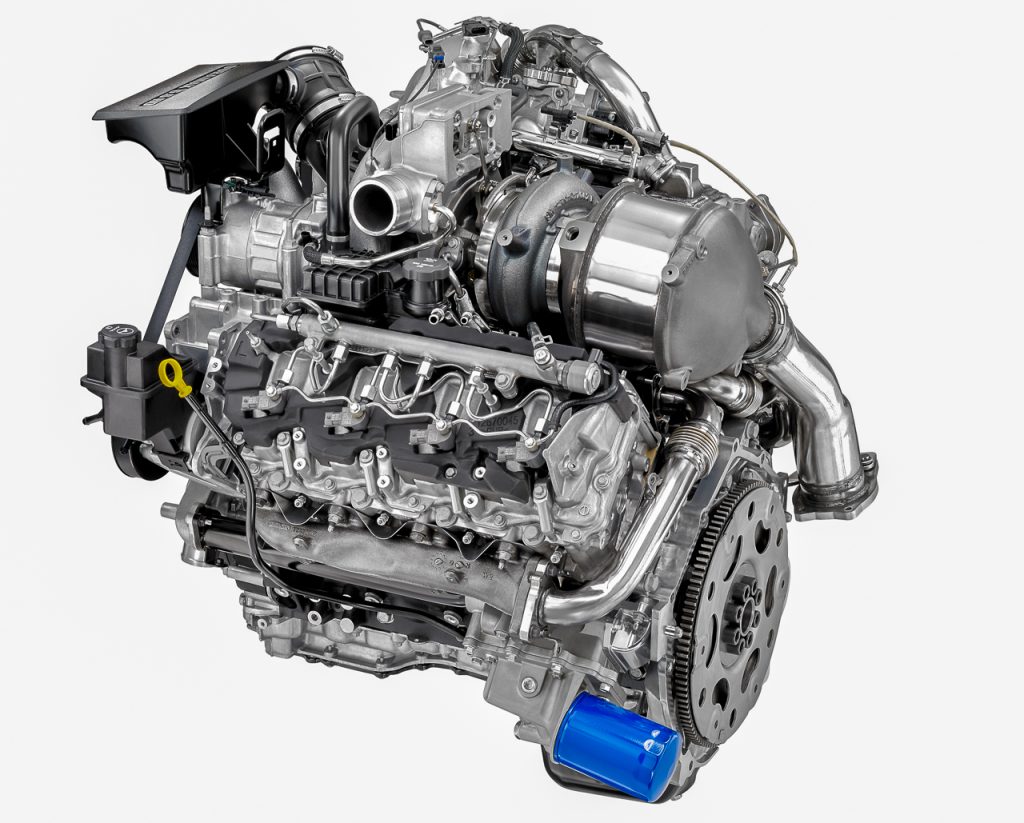
This engine marked the beginning of the Duramax legacy, setting the stage for future improvements. More importantly, it proved that diesel trucks could be both tough and refined at the same time, which helped change customer expectations going forward.
4. 6.7L Cummins Turbo Diesel (2007–Present)
The introduction of the 6.7L Cummins represented a turning point in diesel engine development because emissions regulations were becoming stricter.
Instead of simply chasing power, engineers had to find ways to reduce pollution while still maintaining the performance diesel buyers expected. This engine showed that such a balance was possible.
One of the defining characteristics of the 6.7L Cummins is its variable geometry turbocharger. This feature allows the engine to adjust airflow depending on driving conditions, improving both low speed response and highway efficiency.
It also made exhaust brake systems more effective, which became extremely valuable for drivers towing heavy loads through mountain regions.
Ram also focused heavily on strengthening internal components. A stronger block structure and improved cooling systems helped this engine handle demanding towing ratings that continued to increase over the years. As truck capabilities grew, this engine evolved alongside them rather than becoming outdated.
Unlike earlier purely mechanical Cummins engines, this generation embraced modern electronics. While that added complexity, it also allowed better fuel control and improved drivability. The engine became known for delivering strong torque numbers that made even very heavy trailers manageable.
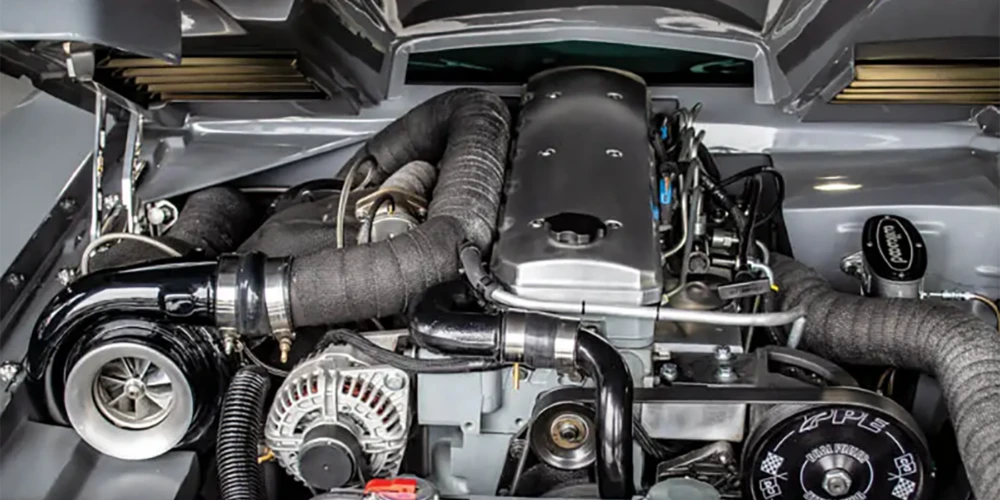
Another reason for its continued success is adaptability. This engine has been updated multiple times without losing its core identity. That ability to evolve while maintaining reliability has helped it remain one of the most recognized diesel engines in modern American pickup trucks.
5. 6.0L Ford Power Stroke (2003–2007)
Not every great diesel engine earns its place through universal praise. Some earn recognition because of how much they improved after problems were understood and corrected. The 6.0L Power Stroke fits into that category.
While its early years were surrounded by controversy, the engine later became a strong example of how engineering flaws can be addressed to create a capable long term performer.
Developed during a time when Ford was trying to push diesel technology forward quickly, this engine introduced advanced features such as variable geometry turbocharging and improved emissions control systems. These additions were ambitious for the time and showed Ford’s intention to stay competitive in a rapidly evolving truck market.
Early reliability complaints often centered around components such as EGR systems and head bolt design. However, what makes this engine notable is how the aftermarket and diesel specialists developed permanent solutions.
Once properly updated with strengthened studs, improved cooling upgrades, and revised components, many owners discovered the engine could become extremely dependable.
This created an unusual situation where the engine developed two reputations. Stock versions could be problematic, but properly upgraded versions often became very strong performers capable of high mileage use. Because of this, the 6.0L became one of the most discussed diesel engines in truck history.
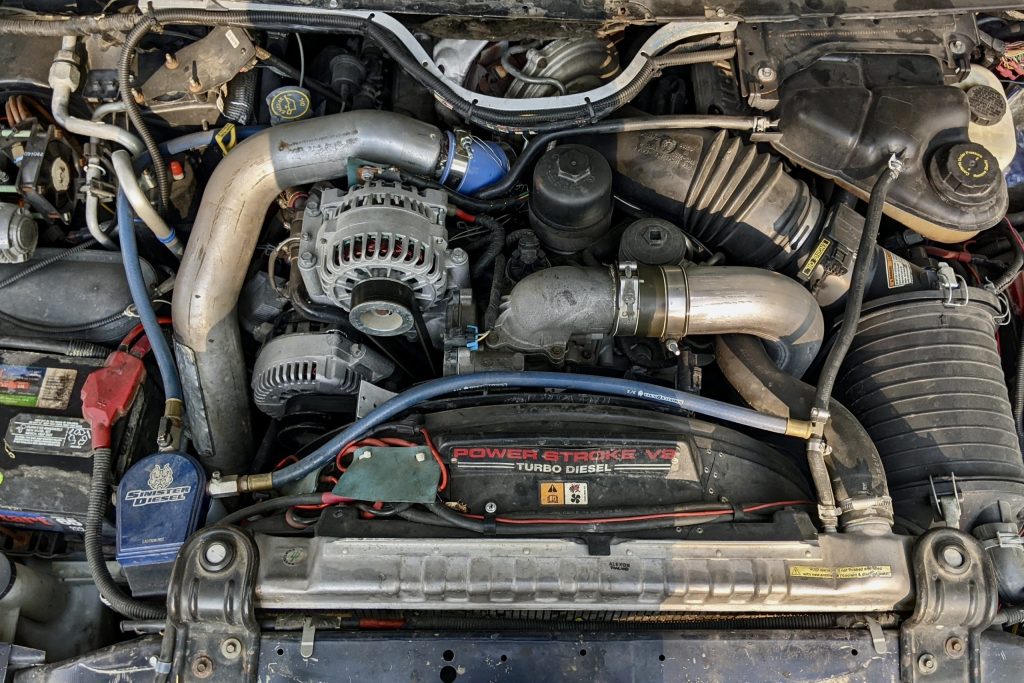
Instead of being remembered purely for its flaws, it is now often viewed as an engine with strong potential when understood correctly. That unique story gives it a different kind of legacy compared to engines that were trouble free from the beginning.
6. 6.6L Duramax LMM (2007–2010)
By the late 2000s, diesel trucks were no longer judged only by raw strength. Buyers also expected cleaner operation, better throttle response, and improved refinement. The Duramax LMM arrived during this transition and showed how diesel engines could meet emissions standards without sacrificing the core characteristics truck owners demanded.
This engine continued the Duramax tradition of strong towing performance but added a diesel particulate filter system to reduce exhaust emissions. While some feared these systems would hurt reliability, the LMM proved that careful engineering could maintain durability while meeting regulatory demands.
What truly helped this engine stand out was how balanced it felt in real world driving. Acceleration felt predictable, power delivery was smooth, and highway towing remained stable even under heavy loads. Drivers often described it as confidence inspiring rather than aggressive, which made it especially popular among long distance haulers.
Another detail often appreciated was its transmission pairing. Combined with the Allison automatic transmission, the engine created one of the most respected powertrain combinations in heavy duty trucks. This partnership allowed the engine to use its torque effectively without placing unnecessary strain on drivetrain components.
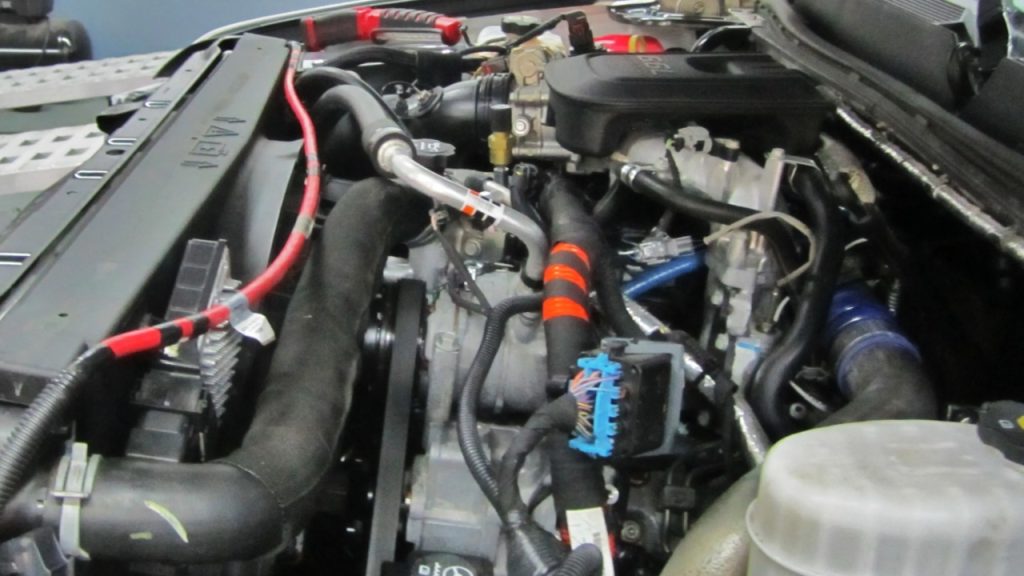
Rather than chasing dramatic changes, the LMM focused on refinement of an already proven formula. That careful evolution helped it maintain the Duramax reputation while preparing the platform for future technological improvements.
7. 5.9L Cummins 24 Valve (1998–2007)
The transition from the 12 valve Cummins to the 24 valve version marked a philosophical shift rather than just a mechanical upgrade. Instead of relying purely on mechanical fuel delivery, this engine introduced electronic control to improve precision.
That decision changed how the engine behaved, giving it a more responsive and adaptable personality compared to its predecessor.
With four valves per cylinder instead of two, airflow improved significantly. This allowed better combustion efficiency and helped the engine produce more usable power without dramatically increasing displacement. The result was an engine that felt more flexible in daily driving situations, especially when accelerating with a load.
Unlike the earlier Cummins which built its fame on simplicity, this version became known for its tunability. Diesel enthusiasts quickly realized that software adjustments could unlock significant performance gains. This helped create a large performance community around the engine, something that few diesel platforms had achieved at the time.
There were also learning experiences along the way. Early versions with the VP44 injection pump sometimes faced reliability complaints related to fuel supply pressure. However, owners who maintained proper lift pump performance often avoided these issues entirely. This created a culture of preventative maintenance among Cummins owners.
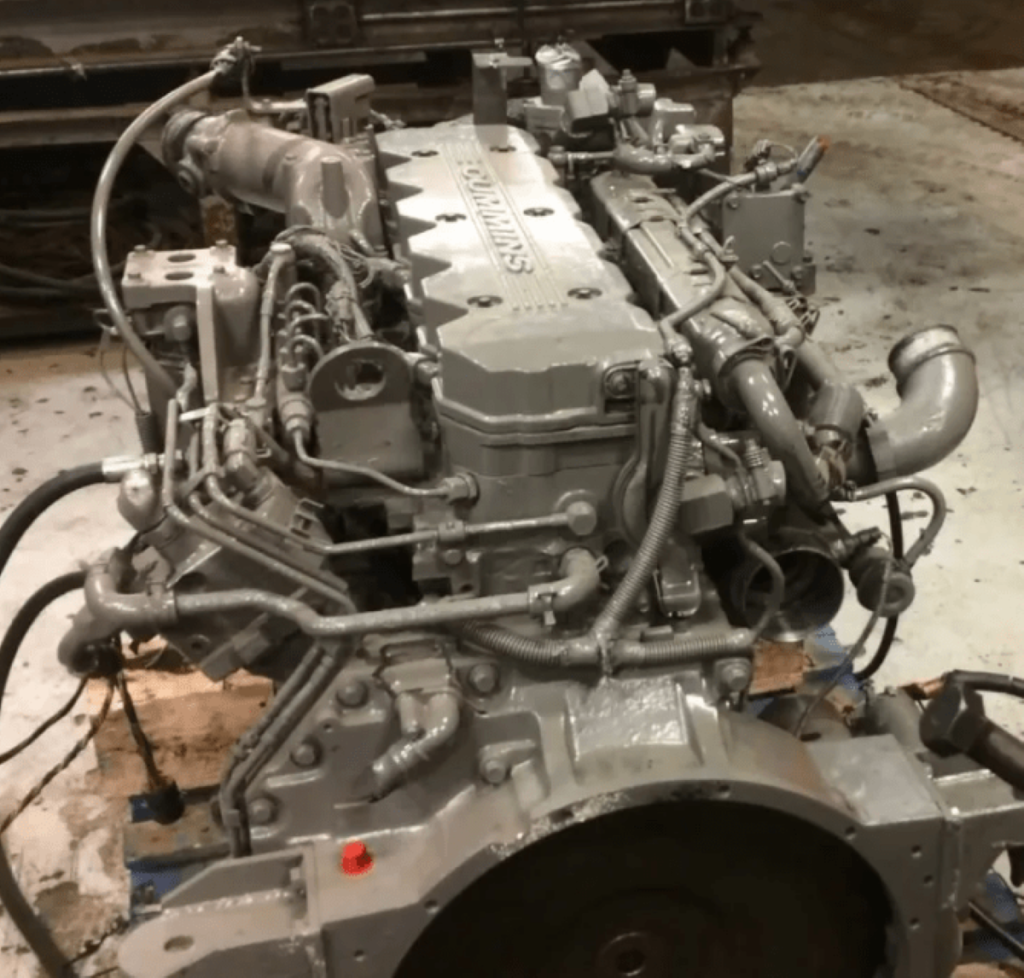
Instead of living in the shadow of the 12 valve, the 24 valve built its own identity. It proved that modernization did not have to mean abandoning durability, and it helped bridge the gap between old school diesel toughness and modern electronic control.
8. 6.4L Ford Power Stroke (2008–2010)
If one diesel engine on this list could be described as ambitious, the 6.4L Power Stroke would easily qualify. Ford introduced this engine during a time when emissions rules were tightening rapidly, and the company responded with one of the most technically complex diesel engines they had ever attempted in a pickup truck.
One of the most interesting engineering choices was the sequential twin turbocharger setup. Instead of relying on a single turbo, this system used two turbos working together to improve power delivery across different RPM ranges.
The smaller turbo helped with quick response at low speeds, while the larger turbo supported power at higher engine loads.
This design gave the truck impressive acceleration for a diesel of its era. Many drivers were surprised by how quickly these heavy trucks could move when unloaded. It gave the engine a personality that felt more performance oriented than traditional work focused diesels.
Fuel delivery also saw improvements through high pressure common rail injection. This allowed cleaner combustion and quieter operation compared to earlier Ford diesels. The engine felt more refined in daily driving, particularly during highway cruising.
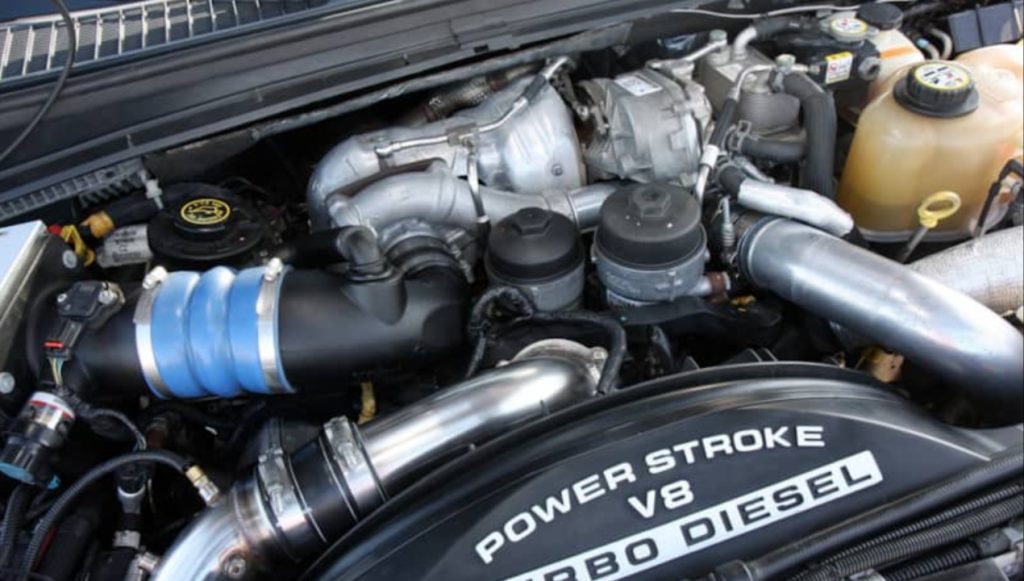
Although the engine was produced for a relatively short period, it demonstrated Ford’s willingness to experiment with advanced solutions. It may not have had the longest production life, but it played an important role in the technological path that led to later Power Stroke developments.
9. 6.7L Ford Power Stroke (2011–Present)
When Ford introduced the 6.7L Power Stroke, it represented something far more significant than a routine engine update.
For the first time, Ford designed and built its own diesel engine completely in house rather than depending on an outside partner. This gave the company full control over engineering direction, reliability improvements, and future upgrades.
One of the most interesting design choices was the reverse flow cylinder head layout. Instead of traditional airflow patterns, Ford placed the exhaust inside the engine valley and intake passages on the outside.
This unusual configuration improved turbo response and thermal efficiency while also helping emissions performance. It showed how Ford was willing to rethink conventional diesel architecture.
Another standout feature was the compacted graphite iron block. This material provided greater strength than traditional cast iron while allowing reduced weight. That decision supported higher cylinder pressures, which helped the engine safely produce increasing torque figures over multiple model updates.
Rather than gaining fame slowly, this engine built credibility quickly because of its towing performance. Owners who regularly hauled large fifth wheel trailers began reporting strong confidence in its ability to maintain speed on grades without excessive strain. This gave it a reputation as a serious tool rather than just a specification leader.
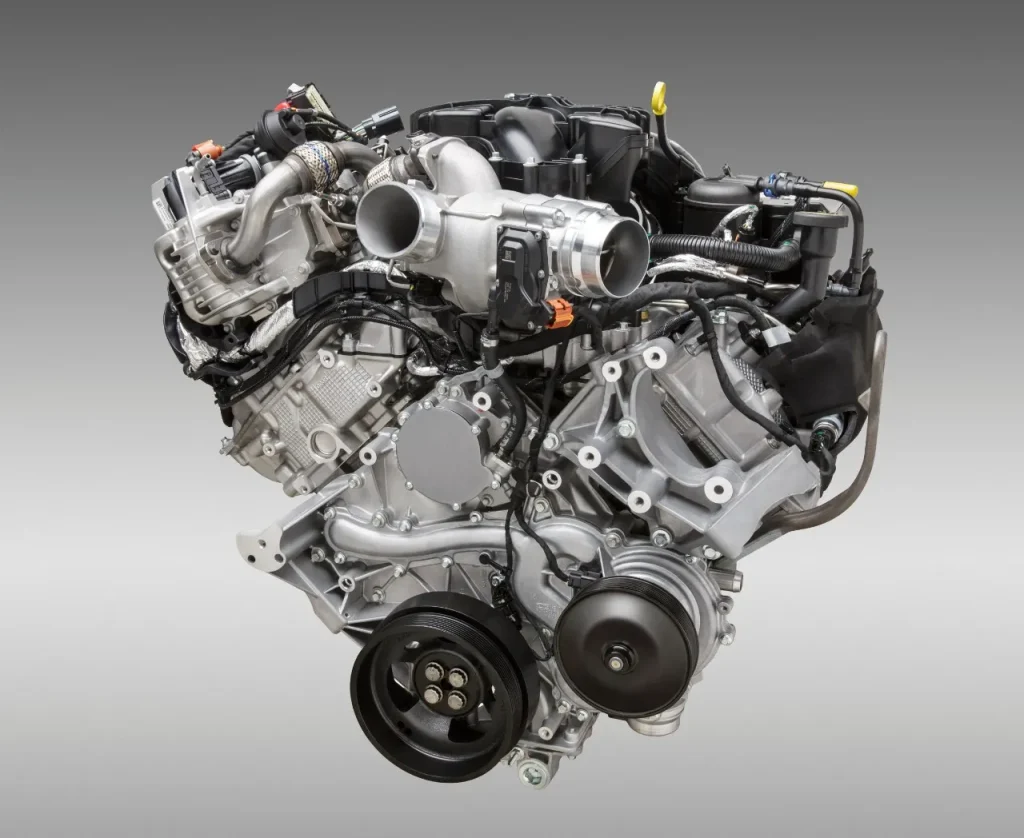
Continuous improvements also helped maintain relevance. Ford steadily increased torque and horsepower numbers while improving cooling and fuel system durability. Instead of remaining static, the engine evolved with customer expectations.
By building this engine themselves, Ford proved they could compete directly with Cummins and Duramax on engineering merit alone, and that achievement remains an important chapter in diesel truck history.
10. 6.6L Duramax L5P (2017–Present)
The Duramax L5P did not arrive quietly. It entered the market as a statement that General Motors intended to push diesel truck capability further than ever before. With a focus on strengthening nearly every major internal component, this engine became known as one of the most heavily reinforced Duramax designs ever released.
Engineers redesigned the crankshaft, connecting rods, pistons, and fuel system to handle increased combustion pressures. Instead of relying on incremental changes, GM treated this engine as a major structural upgrade. That decision helped it handle significantly higher torque outputs compared to earlier Duramax generations.
One of the biggest improvements came from the new high pressure fuel injection system. With dramatically increased injection pressure, combustion became more efficient, allowing better power delivery and improved throttle control. Drivers often noticed how effortlessly the engine produced strength without feeling stressed.
Cooling also became a major focus area. Improved airflow management and upgraded thermal control systems allowed the engine to maintain stable temperatures even during extreme towing situations. This attention to heat management is often overlooked, but it plays a major role in long term diesel durability.
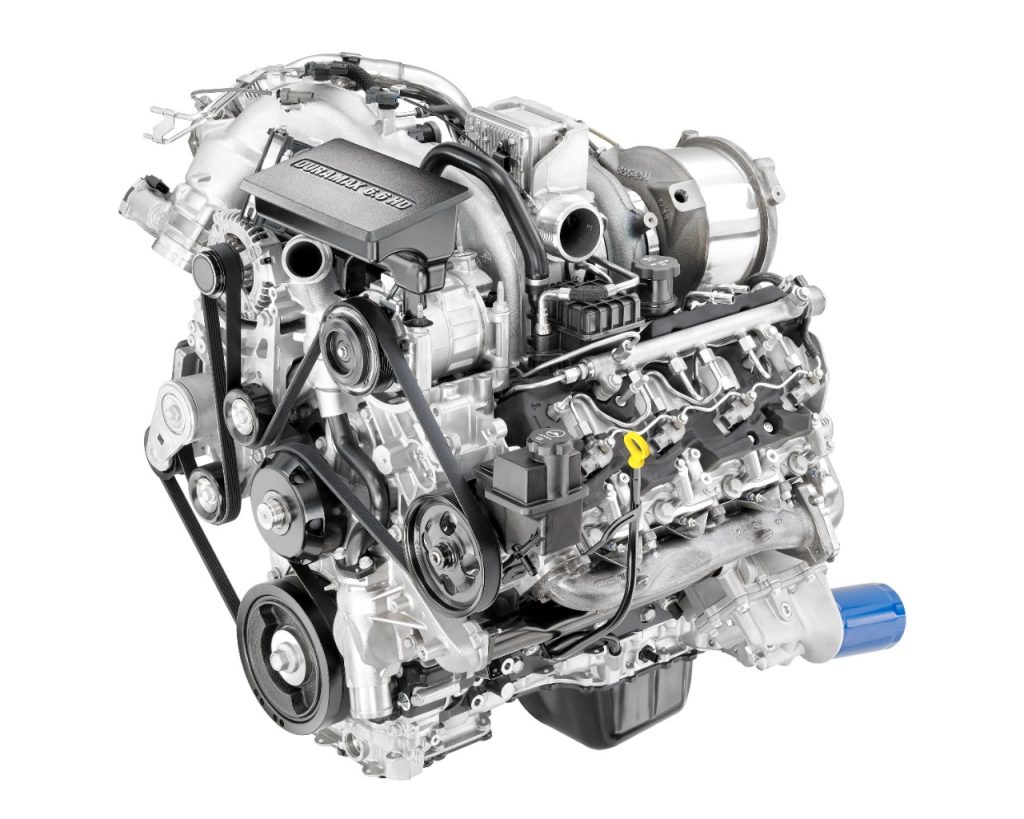
Another aspect that strengthened its reputation was how quiet it felt relative to its capability. Despite producing serious pulling power, it maintained a composed driving character that appealed to both commercial users and private owners.
The L5P represents how far diesel pickups have progressed. It combines traditional diesel toughness with modern engineering precision, showing that heavy duty capability and advanced design can successfully exist together.
11. 7.3L Ford IDI Diesel (1988–1994)
Before the Power Stroke name became famous, Ford had already established a strong diesel foundation with the 7.3L IDI engine. IDI stood for indirect injection, a design that focused more on durability and mechanical dependability than outright performance.
At a time when diesel pickups were still proving their value to mainstream truck buyers, this engine helped build confidence in Ford’s heavy duty lineup.
Unlike later electronically managed engines, the 7.3L IDI relied on a very traditional mechanical fuel system. Because of this, many owners appreciated its straightforward service requirements.
It did not demand advanced diagnostic tools or complex electronic troubleshooting. In rural areas especially, this simplicity made it extremely practical because repairs could often be handled without specialized equipment.
Instead of being known for speed, this engine built its name through consistency. It delivered predictable power and a steady work rhythm rather than aggressive acceleration.
For farmers and fleet operators, this predictable behavior often mattered more than raw output numbers. Reliability during daily operations mattered far more than occasional performance advantages.
The engine block design also contributed to its long service life. Thick casting sections and conservative tuning meant the engine rarely operated under extreme internal stress.
This approach may have limited peak output, but it dramatically improved long term survival. Many examples remained in service for decades, especially in commercial environments where maintenance schedules were taken seriously.
Another interesting part of the IDI story is how it helped prepare customers for the diesel evolution that followed.
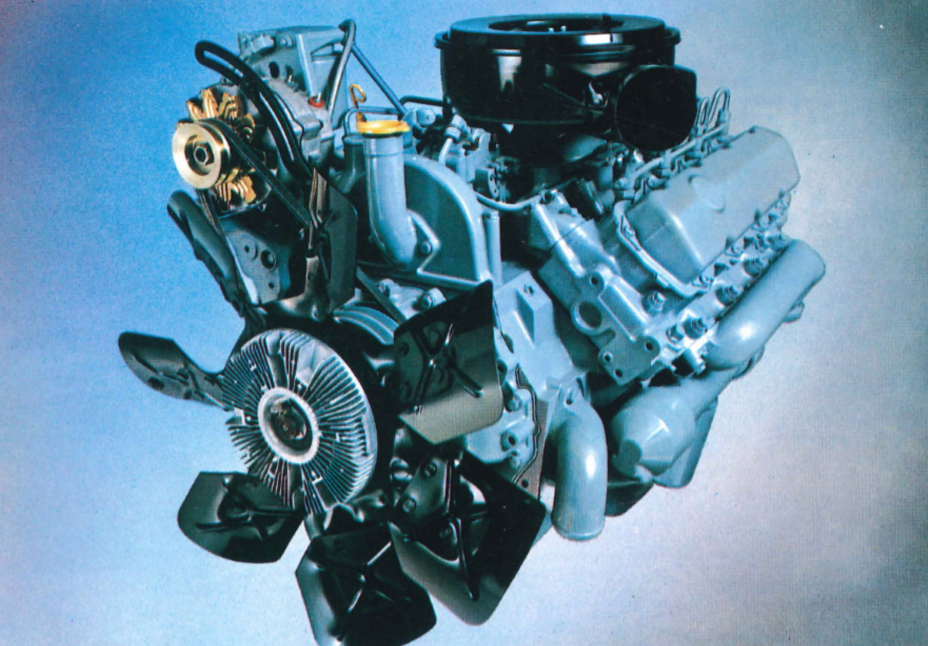
By proving that diesel Ford trucks could survive demanding workloads, it created trust that later benefited the Power Stroke generations. In many ways, this engine helped lay the groundwork for Ford’s diesel reputation before high tech systems became standard.
Even today, some truck collectors and traditional diesel fans still respect the IDI for what it represents. It stands as a reminder of a time when mechanical strength and simplicity defined what made a diesel engine valuable.
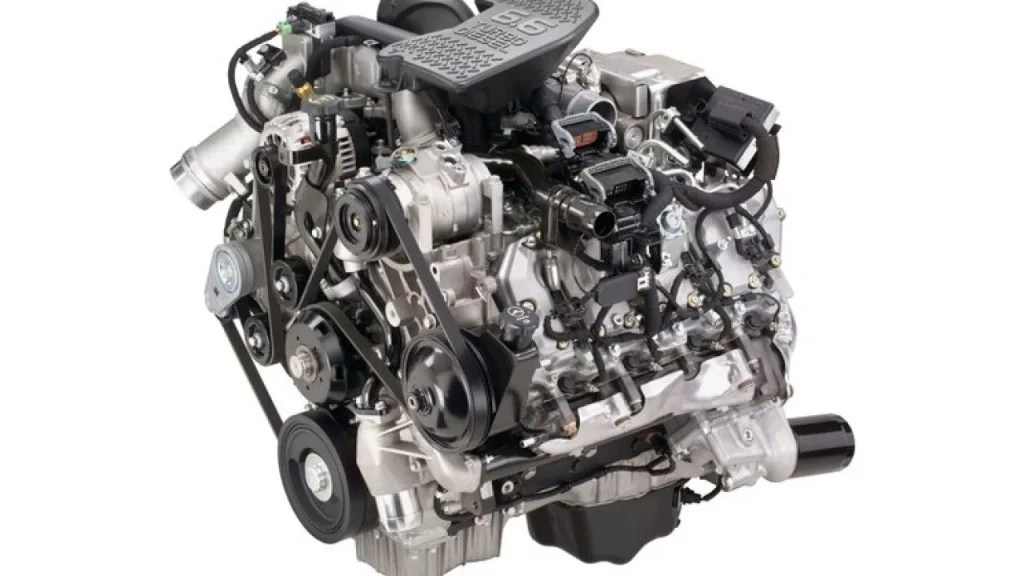
12. Detroit Diesel 6.2L (1982–1993)
The Detroit Diesel 6.2L arrived during an interesting moment in American automotive history. Fuel economy concerns were growing, and manufacturers began exploring diesel engines not only for heavy duty strength but also for efficiency advantages.
General Motors introduced this engine to provide an alternative to large gasoline V8 engines that consumed significantly more fuel.
Rather than focusing purely on heavy towing like later diesel engines, the 6.2L found its strength in balance.
It offered improved fuel economy compared to gasoline trucks of the same era while still delivering the durability benefits diesel owners expected. This made it especially appealing for government fleets and utility companies that prioritized operating costs.
The engine used a naturally aspirated design in most early applications. While this limited peak performance, it also reduced complexity. Fewer forced induction components meant fewer heat related stresses and fewer parts that could fail. This approach reflected a practical engineering mindset aimed at reliability rather than maximum output.
Another factor that contributed to its longevity was its role in military vehicle applications. Variants of this engine platform were used in military transport vehicles, which indirectly strengthened its credibility.
Equipment chosen for such environments typically must meet strict durability expectations, and that association added to the engine’s reputation.
Owners often described the engine as dependable when maintained properly, particularly when used within its intended limits. It was not built to compete with later high torque turbo diesels, but that was never its mission. Its purpose was to provide steady service with reasonable efficiency.
Looking back, the 6.2L Detroit Diesel represents an early chapter in the diesel pickup story. It helped manufacturers understand how diesel engines could fit into the light duty truck world and paved the way for the more powerful diesel platforms that followed.
The history of American pickup trucks cannot be told without recognizing the diesel engines that helped define their toughness, longevity, and real world capability.
From purely mechanical legends like the 5.9L Cummins 12 valve to modern engineering achievements like the 6.7L Power Stroke and Duramax L5P, each engine contributed something unique to truck development.
Some became famous for reliability, others for innovation, and a few for changing how diesel performance was measured. Together, these twelve engines represent the evolution of diesel power in America and show why diesel pickups remain trusted machines for serious work and long term ownership.
Also Read: 12 Best Used Performance Cars That Have Not Been Abused