

For decades, diesel engines were considered the automatic choice for heavy duty work. Contractors, fleet managers, farmers, and towing professionals often preferred diesel power because of its reputation for torque, durability, and fuel efficiency.
However, by 2026, the conversation has started to shift in a noticeable way. Heavy duty gasoline engines are no longer viewed as the weaker alternative. In many situations they are becoming the smarter and more practical choice.
One of the biggest reasons for this shift is technological improvement. Modern gasoline engines have evolved significantly with direct injection, advanced transmission tuning, variable valve timing, and improved cooling systems.
These improvements have allowed gas engines to close the gap in torque delivery while maintaining lower ownership complexity.
Cost has also become a major deciding factor. Diesel trucks have become increasingly expensive due to emissions systems, complex fuel injection components, and aftertreatment requirements.
Many buyers now realize that the price difference takes years to recover, especially if the truck is not used for constant maximum towing.
Maintenance considerations are also changing opinions. Diesel engines often require more specialized service procedures and expensive components such as particulate filters and emissions fluid systems. Gas engines typically offer simpler maintenance routines that appeal to owners who want predictable service costs.
Another important shift comes from usage patterns. Many heavy duty truck owners today use their vehicles for mixed purposes such as commuting, occasional towing, and business travel rather than constant maximum load hauling. Gas engines often perform better in these mixed duty roles.
Fuel availability and convenience also influence decisions. Gasoline remains widely available and easier to manage in many regions. Some operators also prefer avoiding diesel exhaust fluid requirements.
In this list, we will examine ten important reasons why heavy duty gasoline engines are becoming more competitive and in some cases outperforming diesel options in 2026.
These reasons reflect changes in technology, economics, and real world usage patterns rather than simple brand comparisons.
Also Read: 10 Trucks With Robust Tailgate Designs for Daily Commercial Loading
1. Lower Purchase Cost Makes Gas Trucks Financially Smarter
One of the biggest reasons heavy duty gasoline engines are gaining popularity is the simple reality of purchase price. In most cases, choosing a diesel engine in a heavy duty truck can add a significant upfront premium.
That price increase often comes not just from the engine itself but also from the additional cooling systems, fuel components, and emissions equipment required to support diesel operation.
For many buyers, especially small business owners, this initial price difference has become harder to justify. If a truck is not towing maximum capacity every day, it may take many years before the fuel efficiency advantages of diesel offset the higher purchase cost. Many operators are now calculating total cost rather than just capability.
Gasoline heavy duty engines now offer strong performance at a much lower entry price. This allows companies to invest the saved money into equipment, tools, or business expansion instead of engine upgrades they may not fully utilize.
Another financial factor is loan structure. A lower purchase price usually means lower monthly payments. For growing businesses managing cash flow, this can make gasoline powered trucks much more attractive.
Insurance costs can also be slightly lower in some cases because of the reduced vehicle value compared to diesel equipped models. While this is not always dramatic, it contributes to the overall ownership equation.
Resale calculations are also changing. While diesel trucks traditionally held stronger resale value, rising maintenance concerns and emissions system repairs have started to narrow this advantage. Some buyers now prefer used gas trucks because they expect fewer expensive surprises.
Fleet buyers are also shifting strategy. Many companies now buy gasoline heavy duty trucks for moderate duty routes because they can purchase more vehicles for the same budget. Operational coverage sometimes matters more than maximum torque.

The financial argument has become one of the strongest reasons gasoline heavy duty engines are gaining ground. For many real world users, the math now favors gas power unless the truck is constantly used for extreme towing.
2. Simpler Maintenance With Fewer Expensive Components
Another major reason gasoline heavy duty engines are becoming more attractive is maintenance simplicity. Modern diesel engines are extremely advanced, but that complexity often comes with additional service requirements and expensive repair risks.
Diesel engines now depend heavily on emissions systems such as particulate filters, exhaust fluid injection systems, and complex sensors. These systems are effective for emissions compliance but can increase maintenance costs when components require replacement.
Gasoline engines avoid many of these systems. While they still include modern emissions controls, they generally do not require diesel exhaust fluid or particulate filter regeneration processes. This simplicity makes them easier to own for drivers who do not want to manage specialized procedures.
Routine service is also often less expensive. Oil changes for diesel engines typically require larger oil capacity and more expensive filters. Gas engines usually require less fluid and more affordable parts, which can reduce long term service costs.
Repair accessibility also plays a role. Many general repair shops are more comfortable working on gasoline engines because of their familiarity and simpler fuel systems. Diesel repairs sometimes require specialized technicians.

Another factor is downtime risk. When diesel emissions systems develop faults, the vehicle may enter reduced power modes until repairs are completed. Gasoline trucks are less likely to experience these types of restrictions.
Cold weather maintenance also favors gasoline engines. Diesel engines often require additional care in low temperatures, including fuel treatment and glow plug system monitoring. Gas engines generally start more easily without extra preparation.
Another reason some businesses are shifting toward gasoline is predictability. Many owners report that gas trucks provide more consistent maintenance costs without the occasional large repair bills that can occur with diesel emissions systems.
Maintenance simplicity has become a major factor influencing buying decisions. For many operators, avoiding complexity is now just as valuable as maximizing torque capability.
3. Modern Gas Engines Now Deliver Competitive Torque
For many years, diesel engines dominated the heavy duty segment largely because of torque. High torque output at low engine speeds made diesel the obvious choice for towing and hauling. However, improvements in gasoline engine engineering have started to close that gap significantly.
Modern heavy duty gasoline engines now use advanced transmission gearing, improved combustion control, and variable valve timing to deliver stronger low and mid range performance. While they may still not match peak diesel torque numbers, they now offer enough pulling strength for the majority of real world users.
Transmission improvements deserve special attention. Modern multi speed automatic gearboxes allow gas engines to stay in their optimal power range more easily. Instead of relying purely on engine torque, the transmission multiplies available power effectively.
Another major improvement is throttle response. Gas engines tend to respond more quickly to acceleration input compared to diesel engines. This can make them feel more responsive in situations such as merging with a trailer or climbing grades.
Cooling systems have also improved. Heavy duty gas engines now include stronger cooling packages that allow them to maintain performance under load without overheating. This was once considered a diesel advantage.
Another important point is that many heavy duty truck owners do not tow maximum loads daily. For moderate towing tasks such as equipment trailers or utility haulers, modern gas engines often provide more than enough torque.
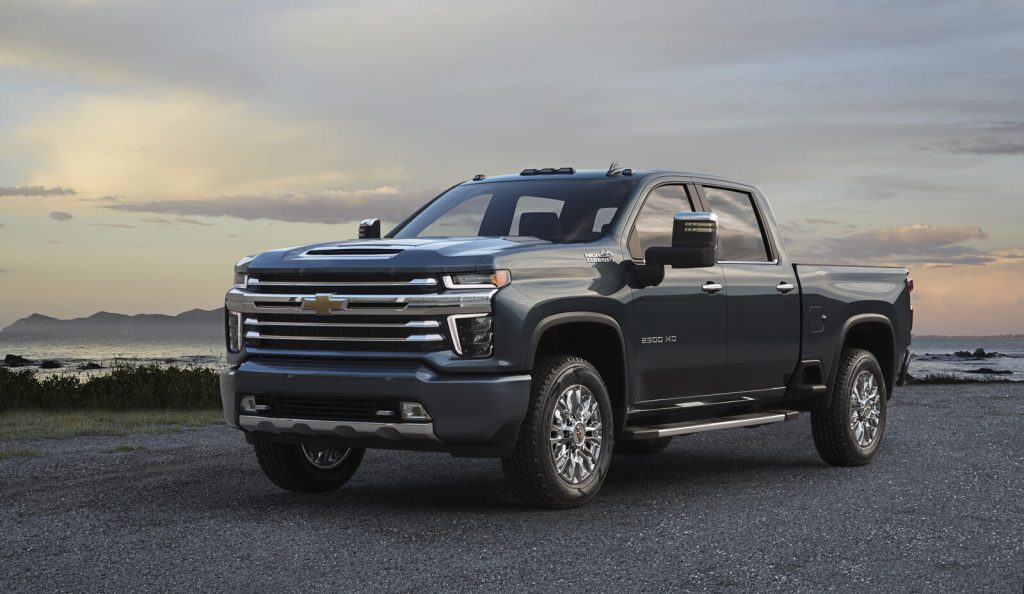
Engine durability has also improved. Strengthened internal components allow gas engines to tolerate heavy work cycles better than older designs. This has helped change perceptions about their long term capability.
Driver experience also plays a role. Many operators appreciate the smoother acceleration characteristics of gas engines compared to the slower revving nature of diesel power.
As technology continues improving, the traditional torque advantage of diesel is no longer as dominant as it once was. For many real world applications, modern gasoline engines now provide all the performance required.
4. Better Performance for Mixed Daily Driving
Another reason gasoline heavy duty engines are gaining favor is how well they perform in mixed usage situations. Many truck owners today do not operate their vehicles exclusively for towing. Instead, trucks are often used for commuting, errands, and business travel in addition to occasional heavy work.
Gas engines generally adapt better to this type of usage pattern. They warm up faster, operate more smoothly in short trips, and typically do not require the same operating conditions that diesel engines prefer.
Diesel engines often perform best when driven long distances under load. Short trips can sometimes prevent diesel emissions systems from reaching proper operating temperature. Gas engines do not have this limitation.
Urban driving also tends to favor gasoline power. Stop and go traffic can be less comfortable in diesel trucks due to heavier engine feel and slower throttle response. Gas engines usually feel lighter and more responsive in city driving.
Noise levels also influence daily usability. Gasoline engines are typically quieter during normal operation. This can make daily commuting more comfortable for drivers who spend hours in their trucks.
Fuel availability convenience also plays a role in daily use. Gas stations offering gasoline are often easier to access without needing to plan for diesel fuel stops. While this may seem minor, convenience affects long term satisfaction.
Another advantage is winter usability. Gas engines usually require less preparation in cold conditions. Diesel engines sometimes require additional care such as fuel additives or warm up time.

Insurance of consistent drivability is another benefit. Many drivers report that gas trucks feel more natural when used like normal vehicles rather than strictly work machines.
As truck usage patterns continue to evolve, many buyers now prefer engines that perform well in everyday situations rather than just peak work scenarios. Gasoline heavy duty engines are increasingly meeting that expectation.
5. Faster Warm Up and Less Sensitivity to Short Trips
One of the most practical advantages gasoline heavy duty engines have over diesel engines is how quickly they reach operating temperature. This may not sound important at first, but in real world use it can have a major impact on engine health and daily usability.
Gasoline engines typically warm up faster because of their combustion characteristics and lower compression ratios. This allows the engine to reach efficient operating conditions sooner, which reduces wear associated with cold operation.
Diesel engines, on the other hand, are designed for efficiency under sustained load. They often take longer to reach proper temperature, especially in cold environments. This can become a disadvantage for drivers who frequently take short trips.
Short trip driving has become increasingly common. Many heavy duty truck owners use their vehicles for local service calls, material pickup, or commuting between job sites. In these situations, gasoline engines often operate more efficiently because they do not rely on long drive cycles.
Another factor is emissions system behavior. Diesel engines often require longer drives to complete regeneration cycles for particulate filters. Short trips may interrupt these cycles, potentially causing maintenance issues over time.
Gas engines avoid this complication. They generally do not require regeneration cycles, which makes them better suited for stop and go commercial use.

Cold weather also highlights this advantage. Gasoline engines usually start quickly and require minimal warm up procedures. Diesel engines may need glow plug operation or additional idle time before driving.
Another important detail is driver convenience. Being able to start and drive without extended warm up routines makes daily operation easier. Time savings add up over months of use.
Many businesses now recognize that their trucks spend more time on short routes than highway towing. This reality has helped gasoline engines become more attractive for mixed duty fleets.
The ability to operate efficiently without requiring long drive cycles has become a key reason many buyers are reconsidering gasoline heavy duty engines.
6. Lower Fuel System Complexity Reduces Long Term Risk
Another major advantage gasoline engines offer is their simpler fuel system design. Diesel fuel systems have become extremely advanced in order to meet modern emissions and efficiency requirements, but this sophistication can also increase long term ownership risk.
Modern diesel engines rely on high pressure fuel injection systems that operate at extremely high pressures. These systems require precision components that can be expensive to repair if problems develop.
Gasoline engines also use advanced fuel injection today, but the systems generally operate at lower pressures and with less specialized hardware. This often translates into lower repair risk over the life of the vehicle.
Fuel contamination sensitivity is another important difference. Diesel injection systems can be more sensitive to poor fuel quality or water contamination. Even small issues can lead to expensive repairs in some cases.
Gasoline engines tend to be more forgiving in this area. While clean fuel is always important, the systems are generally less vulnerable to catastrophic damage from minor contamination.
Another factor is repair accessibility. Many repair facilities are equipped to handle gasoline fuel system service without specialized tools. Diesel fuel system repairs sometimes require more specialized equipment.
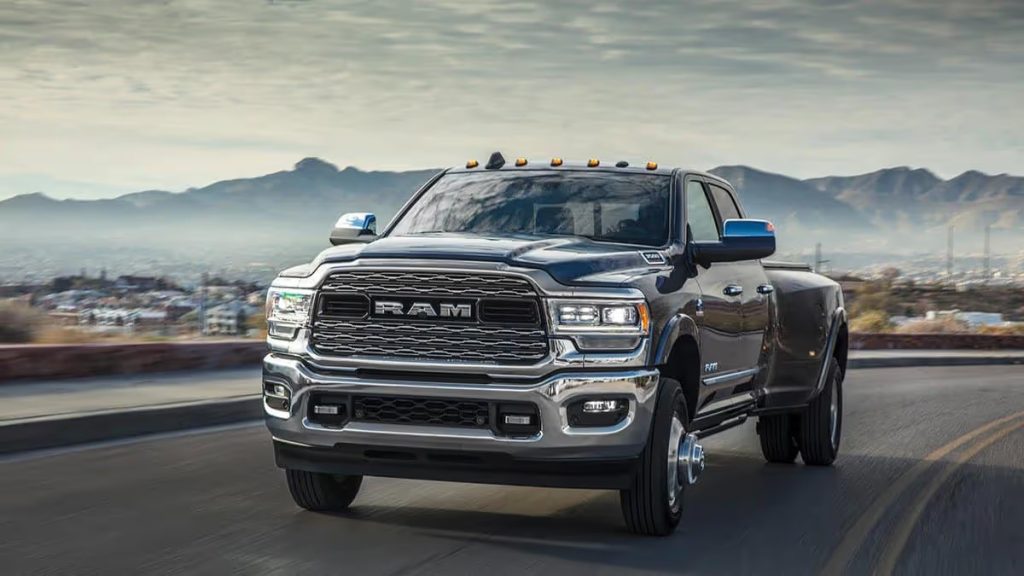
Parts pricing also influences ownership decisions. Diesel injectors and pumps can be significantly more expensive compared to gasoline equivalents. For business owners managing budgets, avoiding high cost repairs becomes a major consideration.
Another reason buyers consider gasoline engines is reduced downtime risk. Simpler systems often mean quicker diagnosis and repair times. For commercial users, time off the road can mean lost income.
As diesel fuel systems have become more complex, gasoline engines have quietly gained an advantage by remaining comparatively simpler. For many buyers, reduced long term mechanical risk has become one of the strongest arguments in favor of heavy duty gasoline power.
7. Reduced Weight Improves Payload Capacity
Another important advantage gasoline heavy duty engines have gained in recent years is weight. Diesel engines are typically heavier due to their stronger internal components, reinforced blocks, turbocharging systems, and emissions equipment. This added weight can actually reduce how much cargo a truck can legally carry.
Gasoline engines usually weigh less, which can translate directly into higher available payload capacity. For many commercial operators, this matters more than maximum towing numbers. If a truck is used to carry tools, building materials, or service equipment, every kilogram of available payload matters.
The weight difference also affects front axle loading. Heavier diesel engines place more weight over the front axle, which can reduce suspension flexibility and change how the truck handles under load. Gas engines often allow better weight balance.
Another practical advantage is fuel efficiency under lighter loads. While diesel engines may be more efficient under constant towing, gasoline trucks can sometimes perform just as well or better when carrying moderate loads because of reduced vehicle weight.
Handling characteristics can also benefit. A lighter front end often improves steering response and reduces the heavy nose feeling some drivers notice in diesel trucks. This can improve daily drivability.
Another factor is tire wear. Reduced engine weight can sometimes result in more even tire wear over time. Commercial operators who track operating costs often consider this type of long term expense.
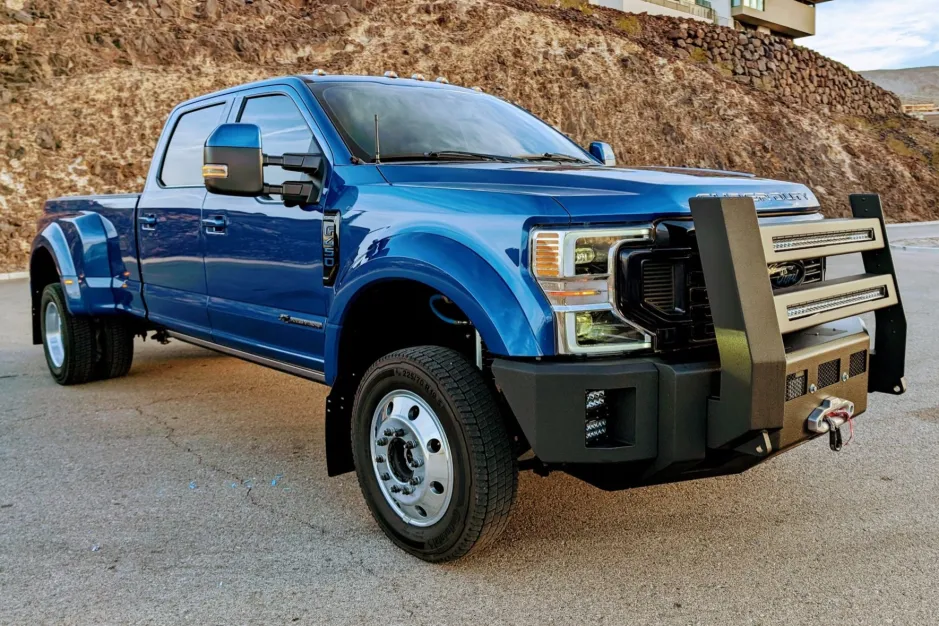
Fleet managers also consider weight when calculating total operating efficiency. If a gasoline powered truck allows slightly higher cargo capacity, it may reduce the number of trips required to move materials.
Another overlooked factor is braking performance. Slightly lighter trucks can sometimes achieve improved braking balance, which can benefit safety during mixed use driving.
For businesses that prioritize carrying equipment rather than maximum towing, gasoline engines can offer a practical advantage through better payload flexibility. This has become another reason many buyers are shifting away from diesel for certain applications.
8. Quieter Operation Improves Driver Comfort
Noise may not seem like a major factor when comparing heavy duty engines, but for drivers who spend long hours behind the wheel, it can significantly influence comfort and fatigue. Gasoline engines generally operate more quietly and smoothly than diesel engines, which has become an important factor for many modern buyers.
Diesel engines naturally produce more combustion noise due to their high compression ratios and fuel ignition process. Even with modern sound insulation, diesel trucks often have a more pronounced engine sound during acceleration.
Gasoline engines typically provide smoother sound characteristics. This can make long driving days more comfortable, especially for drivers who use their trucks for both work and transportation.
Cabin comfort has become more important as trucks are increasingly used as daily vehicles rather than purely work machines. Many buyers now expect their heavy duty truck to also function as a comfortable travel vehicle.
Another factor is vibration. Gasoline engines usually produce less vibration at idle and during light driving. Reduced vibration can improve driver comfort and reduce fatigue over extended use.
Communication inside the cabin also improves with quieter operation. Drivers can more easily take calls, use navigation instructions, or speak with passengers without raising their voice.
Another important point is customer perception. Service businesses often use their trucks when visiting clients. A quieter vehicle can present a more refined and professional impression.
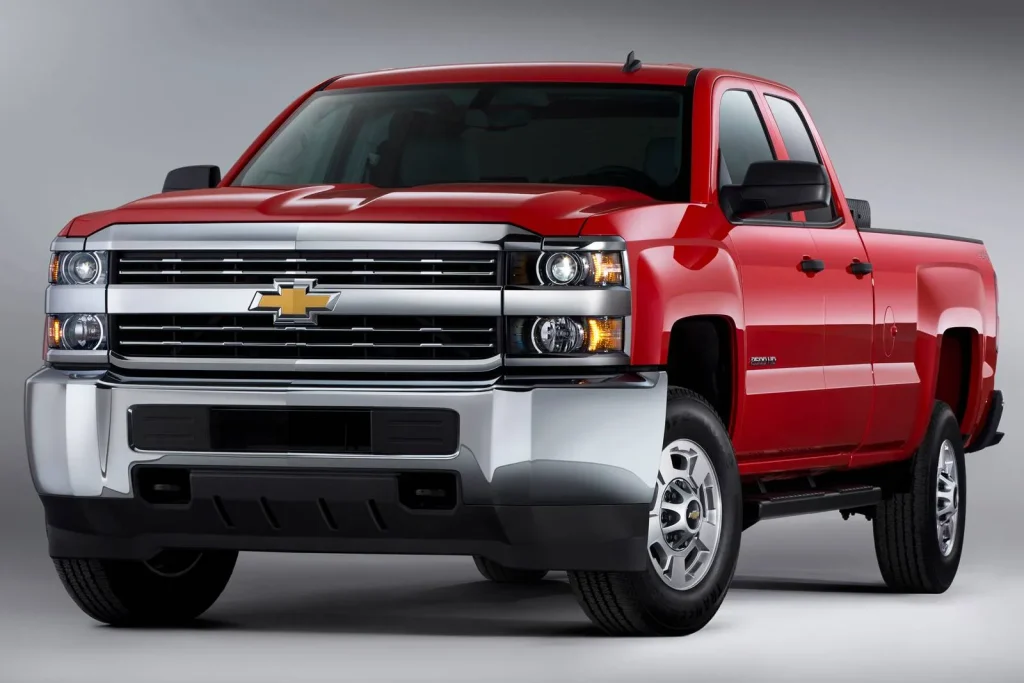
Cold start noise is another area where gasoline engines often have an advantage. Diesel engines can produce louder startup sounds, especially in colder conditions.
Driver satisfaction surveys from some fleet operations have shown that operators assigned gasoline trucks often report higher comfort satisfaction when their duties involve significant daily driving rather than constant towing.
As trucks continue to serve both business and personal roles, comfort factors such as noise and smoothness are becoming more important. Gasoline heavy duty engines are gaining favor partly because they better match this evolving expectation.
9. Reduced Emissions System Complexity Improves Reliability Confidence
One of the less discussed but increasingly important reasons gasoline heavy duty engines are gaining attention is the complexity of modern diesel emissions systems. While these systems have successfully reduced pollution, they have also added layers of hardware that some owners view as potential long term reliability concerns.
Modern diesel engines rely on multiple emissions components such as exhaust fluid injection systems, particulate filters, temperature sensors, and regeneration management systems. These technologies are effective but they also introduce more possible failure points compared to simpler gasoline emissions systems.
Gasoline engines also meet strict emissions requirements, but they typically do so with fewer specialized components. This simpler approach can result in fewer warning lights, fewer sensor related issues, and less unexpected service interruptions.
Another concern for diesel owners is emissions system downtime. If certain emissions related faults occur, the vehicle may reduce power output until repairs are completed. For commercial operators, this type of limitation can interrupt business operations.
Gasoline powered heavy duty trucks generally avoid these specific limitations. While they still require maintenance, they are less likely to experience power restrictions related to emissions hardware.
Another practical advantage is the elimination of diesel exhaust fluid management. Operators do not need to monitor fluid levels or maintain additional storage supplies. This simplifies day to day ownership.
Diagnostic complexity is another factor. Diesel emissions issues can sometimes require specialized diagnostic procedures. Gasoline engines are often easier to troubleshoot with standard service tools.
Long term ownership planning also influences buying decisions. Some buyers prefer to avoid the possibility of expensive emissions component replacement as vehicles age. Gasoline engines often appear less risky in this regard.
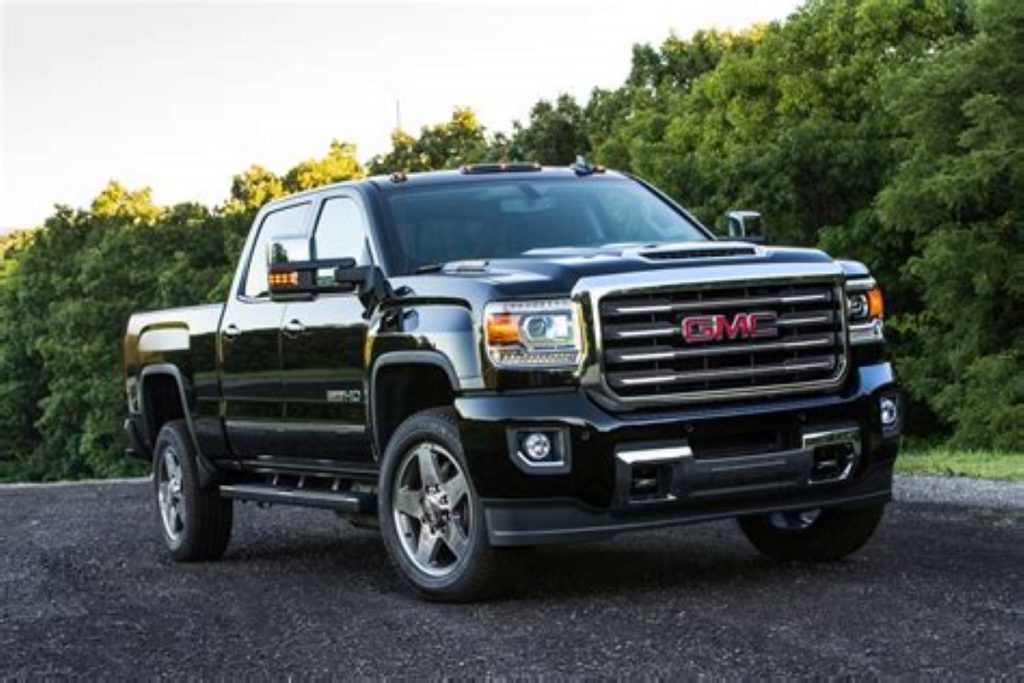
As diesel technology has become more advanced, gasoline engines have quietly gained favor by offering fewer system layers. For many owners, fewer potential complications translates into greater confidence over long term ownership.
10. Gas Engines Now Match Real World Needs Better Than Diesel
The final reason gasoline heavy duty engines are gaining ground is not about technology alone but about how truck usage has changed.
Many heavy duty truck owners no longer operate their vehicles strictly as constant towing machines. Instead, trucks now serve multiple roles including commuting, service calls, light hauling, and occasional heavy work.
Gasoline engines often match this type of real world usage better than diesel. They perform well without needing constant heavy loads to operate efficiently. This makes them more practical for owners whose trucks perform varied duties.
Another important change is business diversity. Many contractors now perform multiple types of work instead of specializing in heavy hauling alone. A gas engine often provides enough capability while offering better everyday usability.
Operating cost predictability also supports gasoline popularity. Many buyers now prefer consistent moderate costs instead of occasional high diesel repair expenses. Predictability often matters more than theoretical maximum efficiency.
Another major factor is improved gasoline engine durability. Modern heavy duty gas engines are no longer viewed as light duty alternatives. They are now engineered specifically for demanding applications.
Fuel price volatility also influences decisions. Gasoline price differences compared to diesel can vary by region and time. Some buyers now prefer the flexibility gasoline offers.
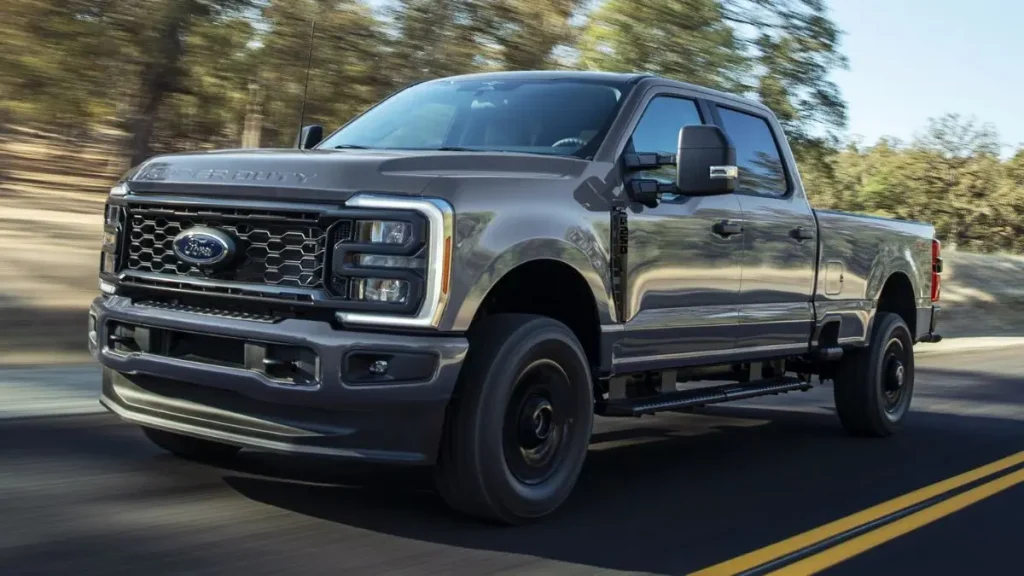
Driver preference is also evolving. Many operators who previously insisted on diesel now recognize that gas engines meet their actual needs without added complexity.
Another reason is technological parity. Gasoline engines now include advanced transmissions and cooling systems that allow them to perform tasks once dominated by diesel engines.
Perhaps the biggest change is awareness. Buyers today analyze how they actually use their trucks rather than simply following tradition. When usage is evaluated honestly, gasoline engines often make more sense.
The growing popularity of heavy duty gasoline engines ultimately reflects changing realities rather than marketing trends. For many owners in 2026, gasoline power is no longer the alternative choice. It is becoming the logical one.
Also Read: 10 Best Heavy Duty Vans for Conversion Into Professional Workshops
