
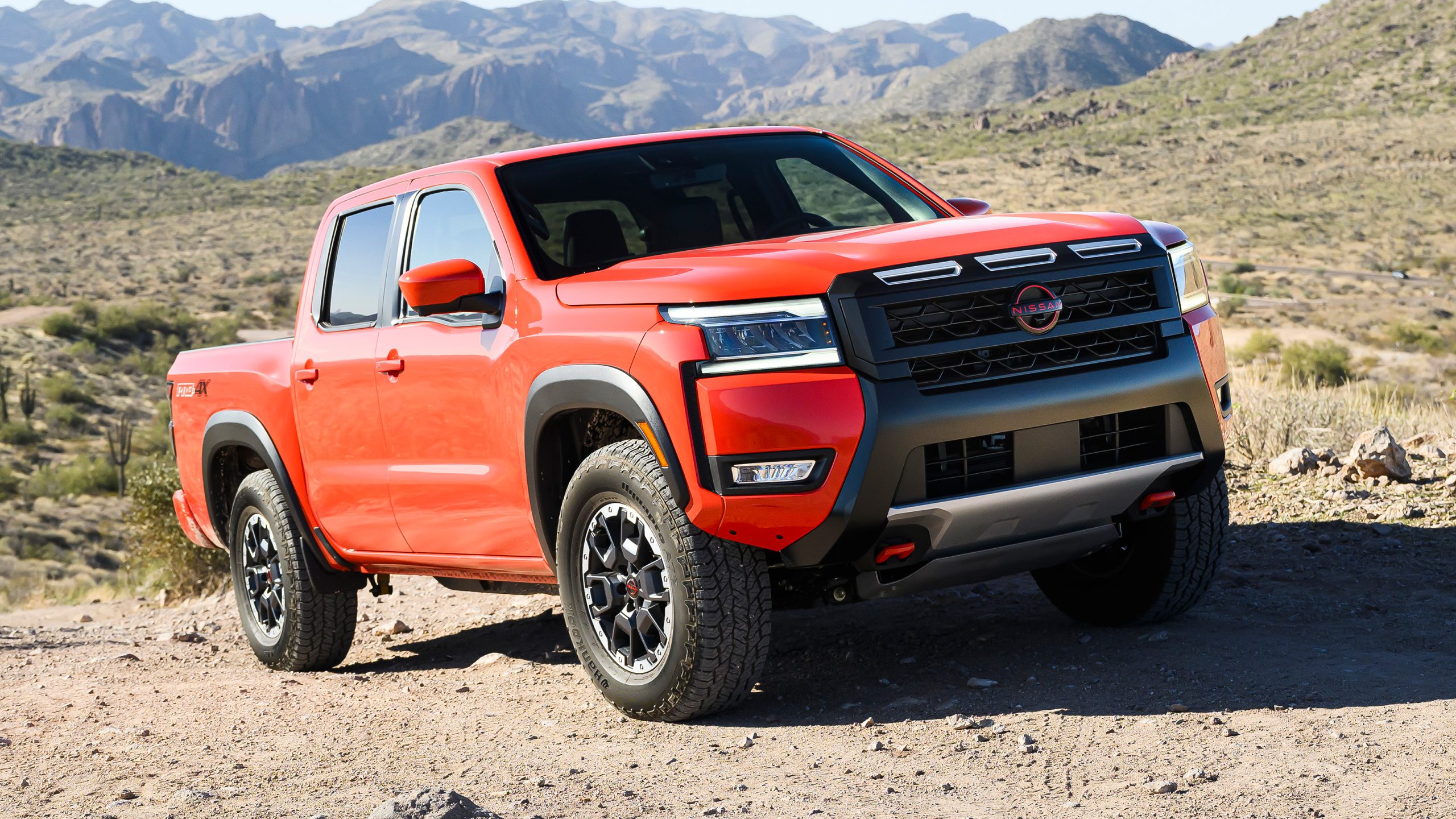
Truck leveling has become one of the most common modifications among pickup owners, especially those who want a balanced stance or plan to install larger tires.
Most trucks come from the factory with a slight forward rake, meaning the rear sits higher than the front. This design helps when carrying cargo, but many owners prefer a level appearance.
However, leveling a truck incorrectly can create more problems than benefits. Poorly chosen modifications can affect ride quality, steering geometry, suspension travel, and even long term component durability. That is why the method used to level a truck matters just as much as the goal itself.
Many first time truck owners assume leveling is purely cosmetic. In reality, suspension geometry is carefully engineered to balance comfort, load capacity, and control. Any change must respect these mechanical relationships.
The biggest mistake drivers make is choosing the cheapest or fastest method without understanding how it affects shocks, control arms, ball joints, and alignment angles. Small mistakes can lead to premature wear or unstable handling.
Proper leveling should always preserve suspension travel. When suspension travel is reduced too much, the truck may feel harsh over bumps and place extra strain on structural components.
Another important factor is maintaining correct alignment angles. When front height is changed, camber and toe angles may shift. Without proper correction, tire wear can increase quickly.
Ride quality is another concern. Some leveling methods maintain factory comfort while others may create stiffness. Choosing the correct approach depends on how the truck is used.
Drivers who frequently tow or haul should also consider how leveling affects load balance. A truck that loses too much rear rake may squat excessively when carrying weight.
Professional installers often emphasize that the safest leveling methods are those that work with suspension design rather than forcing components into unnatural positions.
There is also a difference between temporary visual solutions and structural suspension improvements. Some methods simply add height, while better approaches maintain correct suspension movement.
Budget is another factor. While expensive solutions are not always necessary, extremely cheap kits may compromise material strength or design accuracy.
Another overlooked consideration is shock absorber compatibility. Some leveling methods require longer shocks to maintain proper travel range. Ignoring this can reduce ride control.
Also Read: 7 Features That Seniors Prioritize in Modern Cars That Are Often Missed
1. Installing a Quality Front Leveling Kit
One of the safest and most widely used methods to level a truck is installing a properly engineered front leveling kit. This method focuses on raising the front suspension slightly to match the rear height while maintaining the original suspension structure.
A good quality leveling kit usually includes precisely machined spacers designed to fit the factory suspension mounting points. These components are built to work with the truck’s geometry rather than forcing changes that could damage suspension parts.
Material quality matters significantly. Aircraft grade aluminum or high strength steel kits tend to perform better than low cost cast components. Strong materials help ensure the spacer handles road stress without deforming over time.
Installation accuracy also plays a major role. Even the best kit can cause problems if installed incorrectly. Proper torque specifications and correct mounting position help preserve suspension balance.
Another advantage of this method is that it usually does not require replacing multiple suspension components. This keeps the modification simple while still providing the desired visual improvement.
Drivers should also consider how much lift is being added. Moderate leveling, usually around one to two inches, tends to maintain better suspension angles than aggressive height changes.
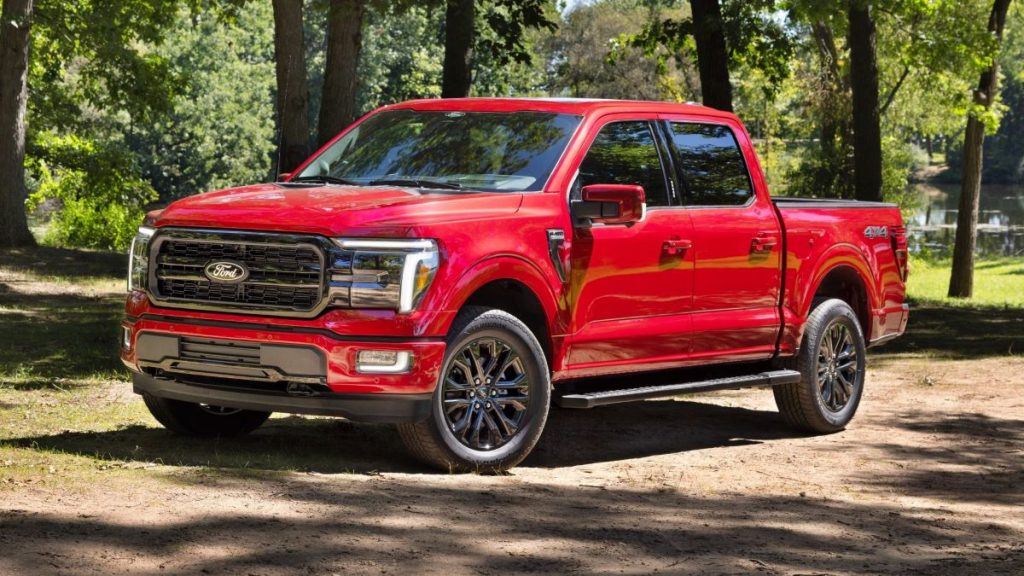
Alignment should always be performed after installation. Raising the front changes suspension angles slightly, and proper alignment ensures tires wear evenly and steering remains stable.
Ride comfort usually remains close to factory condition when a quality kit is used. Because the original springs and shocks remain in place, the vehicle retains its designed ride behavior.
However, drivers should avoid stacking multiple spacers or combining incompatible parts. This can reduce suspension travel and create unnecessary stress.
Professional installers often recommend choosing vehicle specific kits rather than universal options. Vehicle specific designs usually match factory mounting points more precisely.
Long term reliability depends on keeping suspension movement natural. A properly designed leveling kit allows the suspension to continue operating within safe motion limits.
Drivers who choose this method often appreciate its balance between affordability and safety. When done correctly, it provides visual improvement without major mechanical compromise.
Routine inspection after installation is also a good practice. Checking bolt tightness and listening for unusual noises helps ensure everything remains secure.
For daily driven trucks, this method is often considered one of the most practical solutions because it maintains comfort and predictable handling.
Choosing a reputable manufacturer also helps avoid tolerance issues. Precision engineering makes a noticeable difference in long term satisfaction.
Ultimately, a well designed front leveling kit offers a safe starting point for truck leveling when suspension protection is a priority.
2. Using Adjustable Coilovers for Precise Height Control
For drivers who want a more refined approach, adjustable coilovers provide a more advanced leveling solution. This method allows precise ride height adjustment while also improving suspension response.
Adjustable coilovers replace the factory front shock and spring assembly with a unit that allows controlled height changes. Because these systems are engineered as complete assemblies, they often maintain better suspension behavior than basic spacers.
One major advantage is customization. Drivers can fine tune the exact height needed rather than relying on fixed lift measurements. This allows better control over suspension angles.
Coilovers also often improve damping control. Many aftermarket options provide improved shock valving, which can enhance ride quality compared to stock setups.
This method is particularly attractive to drivers who use their trucks in varied conditions. Whether driving on highways or rough terrain, adjustable suspension allows better adaptability.
Another benefit is preserving suspension travel. Better designed coilovers account for height change while maintaining proper compression and rebound movement.
Installation complexity is higher compared to basic leveling kits. Professional installation is often recommended to ensure correct preload settings and alignment adjustments.
Cost is also higher, but many drivers see this as an investment in both appearance and suspension performance rather than just a cosmetic change.
Drivers should also ensure that coilovers are matched to vehicle weight. Trucks with additional accessories such as bumpers or winches may require different spring rates.
Maintenance is another factor. Adjustable systems may require occasional inspection to ensure adjustment collars remain properly positioned.
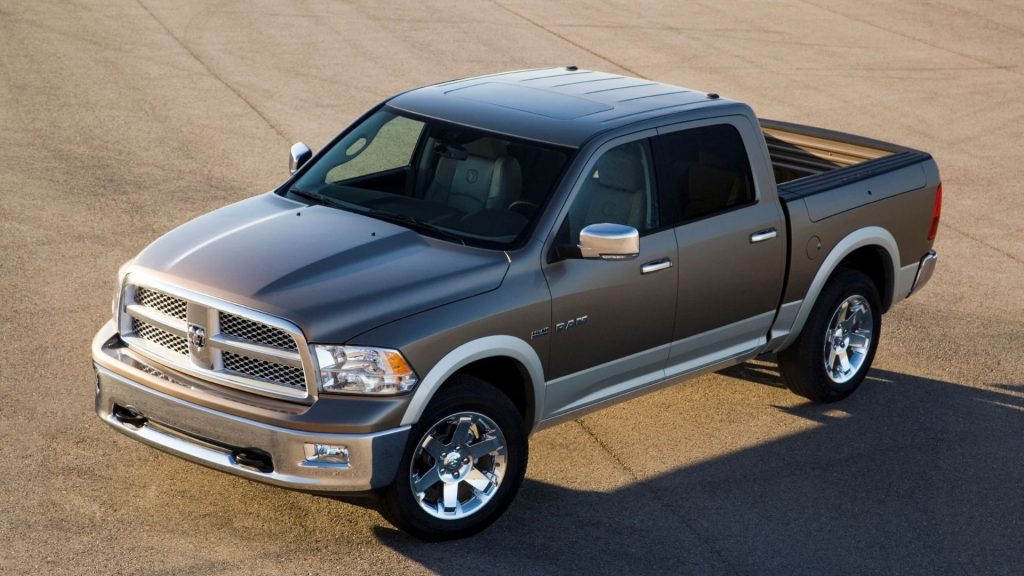
Alignment remains essential after installation. Just like any ride height change, suspension geometry must be corrected to prevent uneven tire wear.
Some premium coilover systems also improve cornering stability. While trucks are not sports vehicles, improved control can make highway driving feel more planted.
Drivers who value both performance and appearance often prefer this method because it upgrades suspension function while achieving leveling.
Another advantage is future flexibility. If needs change, height can often be readjusted rather than replacing components again.
When properly selected and installed, adjustable coilovers represent one of the most technically sound methods of leveling a truck while protecting suspension integrity.
3. Adding Rear Lift Blocks Instead of Over Raising the Front
One of the smartest but less discussed ways to level a truck is adjusting the rear height instead of excessively lifting the front. Many suspension problems occur because drivers try to achieve leveling by pushing the front suspension beyond safe limits. A balanced approach sometimes means slightly raising the rear instead.
Rear lift blocks are commonly used between the rear axle and leaf springs to provide a small and controlled height increase. When properly sized, these blocks can reduce the factory rake without disturbing front suspension geometry.
This method works particularly well for truck owners who occasionally carry loads but do not constantly operate at maximum capacity. A mild rear adjustment can create a visually level stance while still preserving load capability.
Material strength is extremely important when choosing lift blocks. High quality steel blocks usually provide better durability than low strength materials. Cheap blocks may flex over time and should be avoided.
Proper installation is critical. U bolts must be torqued correctly and should often be replaced during installation because reused hardware may not provide the same clamping strength.
Another advantage of rear adjustment is preserving factory steering geometry. Since the front suspension remains closer to original height, steering angles remain more natural and predictable.
Drivers should also pay attention to driveshaft angle after installing lift blocks. Excessive rear lift can slightly change driveline geometry. Moderate adjustments usually avoid this issue.
Shock absorber length must also be considered. If the rear is lifted even slightly, shocks must still operate within their intended travel range. In some cases slightly longer shocks may be recommended.
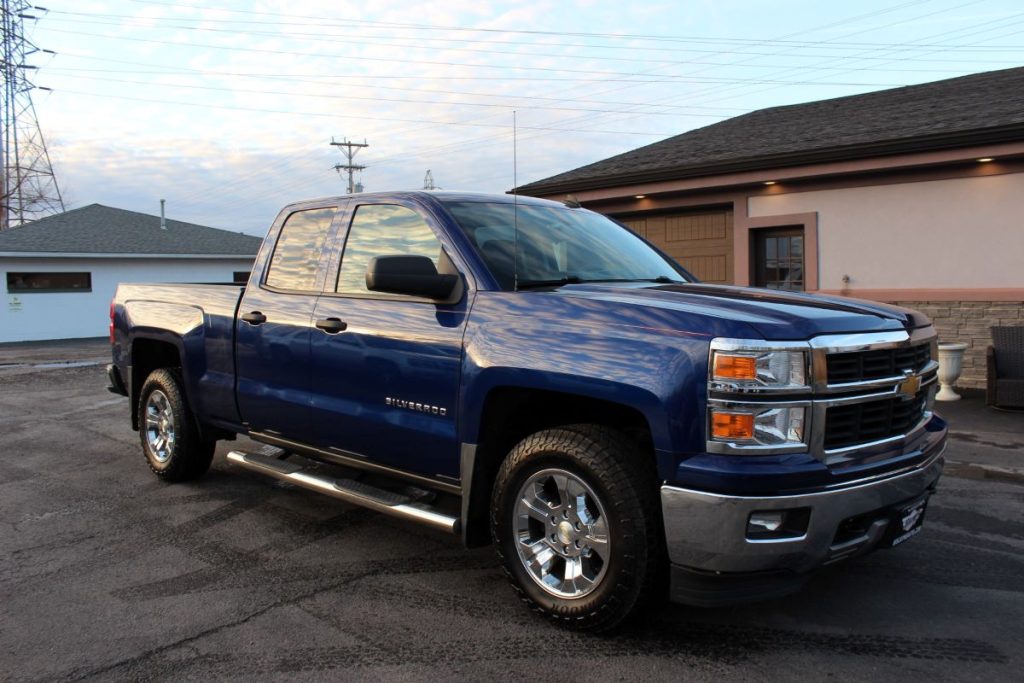
One benefit of this approach is maintaining front suspension comfort. Since the front absorbs most road impacts, avoiding excessive front lift helps preserve ride quality.
This method is often recommended for drivers who want a level appearance but still want to maintain proper front suspension stress limits. Mechanical sympathy often leads to better long term durability.
Another advantage is simplicity. Rear lift blocks are relatively straightforward compared to full suspension replacements, making them a practical solution when properly selected.
It is also important to avoid stacking multiple blocks. Stacked blocks can reduce stability and increase axle movement under load. A single properly sized block is always safer.
Drivers should also verify that brake line length remains sufficient after modification. While small lifts usually do not create problems, inspection ensures safety margins remain intact.
Professional alignment checks are still recommended even if the front height is unchanged. Any change in vehicle stance can slightly influence weight distribution.
Trucks used for towing should be evaluated carefully before using this method. Maintaining some rear rake can still be beneficial for heavy hauling situations.
Routine inspection after installation is also good practice. Checking for shifting components or unusual noises ensures the modification continues to perform safely.
Ultimately, adjusting the rear instead of aggressively lifting the front shows a more balanced approach to leveling. It respects suspension design and often results in fewer long term complications.
4. Upgrading to Progressive Rate Springs
Another effective and mechanically sound method for leveling a truck is installing progressive rate springs. Unlike standard springs that have a fixed compression rate, progressive springs are designed to respond differently depending on how much they are compressed.
At normal driving conditions, these springs remain relatively soft, preserving ride comfort. As load increases or suspension compresses further, the spring rate increases to provide additional support. This design helps maintain balance while improving height control.
Using progressive springs allows leveling adjustments while improving suspension behavior instead of simply adding height. This makes it one of the more technically refined solutions.
Drivers who frequently carry mixed loads often benefit from this approach. The suspension adapts better to changing weight conditions compared to fixed rate springs.
Another advantage is improved stability during braking and cornering. Because the spring response changes with load, the truck may feel more controlled during sudden weight shifts.
Spring quality matters significantly. Reputable manufacturers design springs specifically for certain truck models to ensure correct fit and predictable performance.
Installation usually requires replacing factory springs, which makes this a more involved process than simple spacer installation. However, the benefit is a more integrated suspension improvement.
Drivers should also consider shock compatibility. Since spring behavior changes, properly matched shock absorbers help maintain ideal ride control.
Alignment should always follow installation. Changing spring height influences suspension angles and must be corrected to maintain proper tire wear.
This method is often preferred by drivers who want functional improvement rather than just appearance changes. It improves both stance and suspension behavior simultaneously.
Long term durability is another advantage. Since the spring is doing the work rather than forcing geometry changes, component stress may remain more balanced.
Another benefit is better ride control over uneven roads. Progressive springs often absorb small bumps comfortably while still resisting large suspension compression.
Drivers who travel long distances may also appreciate the improved comfort characteristics this method can provide.
Cost is usually higher than basic leveling kits, but many consider this justified because it upgrades suspension function rather than only changing height.
Maintenance needs are usually similar to factory components. Once installed correctly, progressive springs generally require no special adjustments.
This method also reduces the risk of topping out suspension travel, which sometimes occurs with poorly planned spacer installations.
In the long term, upgrading springs represents a structural improvement rather than a visual modification. This difference often leads to better ownership satisfaction.
For truck owners who want leveling combined with genuine suspension improvement, progressive rate springs provide a thoughtful and technically sound solution.
5. Installing Adjustable Control Arms to Maintain Suspension Geometry
One of the most technically responsible ways to level a truck without harming the suspension is upgrading to adjustable control arms. Many leveling problems do not come from the height increase itself but from the change in suspension angles that follows. Adjustable control arms help correct this issue.
When the front of a truck is raised, the angle of the upper control arm changes. This can place extra stress on ball joints and bushings if not corrected. Adjustable control arms allow these angles to be restored closer to factory specifications.
This method focuses on geometry correction rather than just height change. By maintaining correct suspension movement, drivers reduce long term wear risks.
Another advantage is improved wheel alignment capability. Adjustable arms allow more precise camber and caster adjustments, which helps maintain stable steering and even tire wear.
Drivers who install leveling kits without correcting control arm angles sometimes experience premature ball joint wear. Adjustable components help prevent this by restoring natural suspension motion.
Build quality is especially important here. Forged or heavy duty tubular control arms generally offer better durability than basic stamped designs.
Installation usually requires professional assistance because proper adjustment depends on correct measurements. However, the benefit is improved suspension reliability.
Another important factor is suspension articulation. Adjustable control arms often improve how the suspension moves through its range of motion. This can be especially beneficial for trucks used on uneven roads.
Some designs also improve clearance between suspension components. This reduces the chance of contact between parts during full suspension travel.
Drivers should also consider bushing type. High quality polyurethane or advanced rubber bushings can provide better durability while maintaining acceptable ride comfort.
This method is often combined with other leveling approaches. While control arms do not usually provide lift themselves, they support safe height changes made by other modifications.
Long term maintenance benefits are another advantage. When suspension geometry is preserved, components such as tires and ball joints tend to last longer.
Handling stability also improves when suspension angles remain correct. Trucks feel more predictable when steering geometry remains balanced.
Drivers focused on long term ownership often appreciate this method because it addresses the root mechanical effects of leveling rather than just the visual outcome.
Another benefit is improved suspension strength. Many aftermarket control arms are stronger than factory units, which can help in demanding driving conditions.
Routine inspection after installation remains important. Checking adjustment points ensures the system continues to operate correctly.
While this method requires more planning, it represents one of the most mechanically responsible ways to support truck leveling.
For drivers who want their truck to remain reliable after modification, correcting suspension geometry is always a wise decision.
6. Using Properly Matched Shock Absorbers for the New Ride Height
Another critical but often ignored method of safe truck leveling is upgrading shock absorbers to match the new suspension height. Many problems blamed on leveling kits actually come from using shocks that are no longer operating in their intended range.
Shock absorbers are designed to work within a certain travel distance. When ride height changes, the shock may sit too extended or too compressed during normal driving. This reduces effectiveness and may shorten shock life.
Using properly matched shocks ensures the suspension can still compress and rebound correctly. Maintaining this motion is essential for both comfort and control.
Drivers often notice ride harshness after leveling because factory shocks are no longer operating ideally. Upgraded shocks can restore smooth suspension response.
Another advantage is improved vehicle control. Correctly sized shocks help keep tires in contact with the road surface, improving stability during braking and cornering.
Shock valving also matters. Some aftermarket shocks are tuned to handle slightly increased ride height while maintaining comfort. Choosing the correct damping characteristics improves overall results.
Installation complexity is moderate compared to other suspension upgrades. However, selecting the correct length and travel range requires careful measurement.
Drivers should also check whether rear shocks need adjustment. Even if only the front height changes, balanced damping front to rear helps maintain predictable handling.
Another benefit is reducing suspension noise. Shocks operating outside their intended range may create knocking sounds. Correct sizing helps eliminate this issue.
Trucks used for mixed purposes such as commuting and hauling often benefit from improved shock performance. Better damping helps maintain control under different weight conditions.
Heat resistance is another factor. Quality shocks manage heat buildup better during long drives on uneven roads.
Long term durability improves when shocks operate within correct travel limits. This reduces internal seal wear and helps maintain damping consistency.
Drivers should also consider whether monotube or twin tube designs better suit their driving style. Each design offers different advantages depending on use.

Alignment checks remain important after installing new shocks. Even small changes in suspension behavior can influence vehicle tracking.
Routine inspection is also recommended. Checking for leaks or mounting looseness helps ensure long term reliability.
Matching shocks to ride height shows attention to mechanical detail. It demonstrates that leveling was done with suspension health in mind.
Ultimately, proper shock selection transforms leveling from a cosmetic change into a balanced suspension improvement.
7. Performing a Professional Alignment Immediately After Leveling
One of the most important but frequently underestimated steps in safely leveling a truck is performing a professional wheel alignment after any suspension height change. Even small ride height adjustments can slightly change suspension angles, and ignoring this step can lead to long term problems.
When the height of a truck changes, the angles at which the wheels contact the road also change. Camber, caster, and toe settings may shift enough to affect steering behavior and tire wear even if the change appears minor.
A professional alignment ensures that these angles are corrected according to safe operating specifications. This protects not only the tires but also steering and suspension components from uneven stress.
Uneven tire wear is usually the first sign of poor alignment. Drivers may notice one edge of the tire wearing faster than the other. This can shorten tire life significantly if not corrected early.
Steering feel also depends heavily on alignment accuracy. A properly aligned truck tracks straight and requires fewer steering corrections. Poor alignment can cause the vehicle to drift slightly, increasing driver fatigue on long trips.
Another important benefit of alignment is protecting fuel efficiency. Misaligned wheels create additional rolling resistance, which can slightly increase fuel consumption over time.
Drivers should also pay attention to steering wheel position. After leveling, the steering wheel should remain centered when driving straight. If it is slightly tilted, alignment adjustment is usually required.
Professional alignment shops also inspect suspension components during the process. This provides an additional opportunity to identify loose parts or improper installation after leveling modifications.
Another advantage is improving braking stability. Proper alignment helps ensure that braking force is distributed evenly across the tires, improving control during sudden stops.
Modern trucks with driver assistance systems may also benefit from alignment recalibration. Some safety systems depend on correct vehicle tracking behavior.
It is also important to perform alignment even if the truck appears to drive normally. Small geometry changes are not always noticeable immediately but can still cause gradual wear.
Drivers should also consider rechecking alignment after several weeks of driving. Suspension components may settle slightly after installation, and a follow up check helps maintain precision.

Choosing a shop familiar with modified trucks is beneficial. Technicians experienced with leveled vehicles often understand how to adjust geometry correctly.
Routine alignment checks can also become part of long term maintenance after leveling. This helps preserve the benefits of the modification.
Ultimately, alignment is not just a finishing step but a necessary part of responsible suspension modification. Skipping it defeats the purpose of careful leveling.
Proper alignment ensures that the visual improvement of leveling does not come at the cost of mechanical reliability or safety.
Also Read: 7 Strategies for Negotiating the Lowest Interest Rate on a Car Loan
