

Your car is more than just a machine that gets you from one place to another. It is a space where you spend a significant amount of time every single day. The air inside your vehicle matters more than most people realize. Breathing clean, filtered air while driving is essential for your health and comfort.
The cabin air filter is one of the most overlooked components in any vehicle. Most car owners never think about it until something goes wrong. This small but powerful filter is responsible for cleaning every breath of air that enters your car’s interior. It traps dust, pollen, bacteria, and harmful pollutants before they reach you.
Replacing your cabin air filter is one of the easiest and most affordable car maintenance tasks you can do yourself. You do not need any special tools or mechanical expertise. The entire process usually takes less than fifteen minutes. Yet the benefits it delivers are enormous and long-lasting.
In this article, we will explore eight powerful reasons why you should replace your own cabin air filter every single year. Each reason will show you just how important this simple habit really is. Your car, your lungs, and your wallet will all thank you for it.
Reason 1: You Breathe Cleaner, Healthier Air Inside Your Car
The most important reason to replace your cabin air filter every year is the quality of the air you breathe. Every time you turn on your car’s heating or cooling system, air is pulled in from outside. That air passes through the cabin air filter before it reaches you and your passengers.
A fresh cabin air filter captures an impressive range of airborne contaminants. It traps fine dust particles, road dirt, pollen grains, mold spores, and even bacteria. These are things you absolutely do not want entering your lungs during your daily commute.
Over time, a cabin air filter becomes saturated with everything it has collected. It reaches a point where it can no longer do its job effectively. When that happens, all those trapped contaminants can start pushing through the filter and entering your breathing space.
Think about how many hours you spend inside your car each week. If you commute daily, that number can easily reach ten to fifteen hours. You are essentially breathing the same recycled, filtered air for all that time.
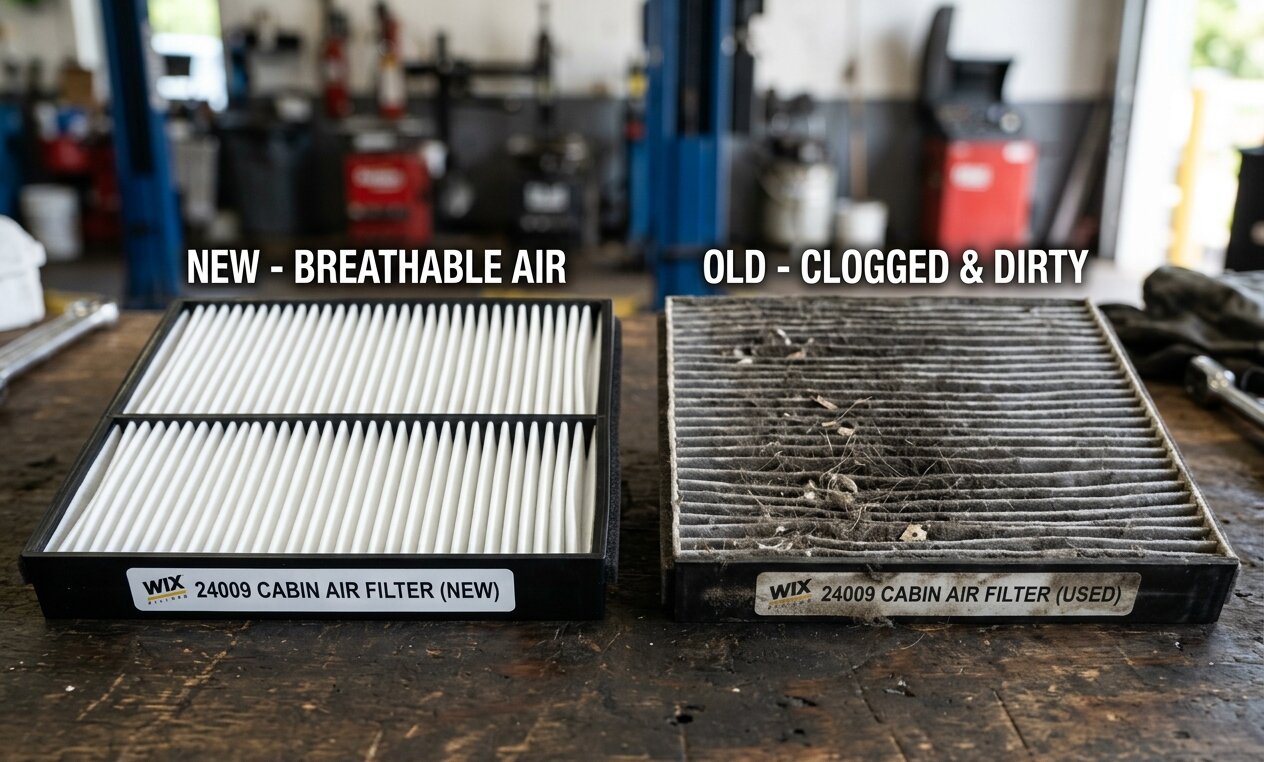
A dirty, clogged filter does not just fail to clean the air. It can actually become a breeding ground for mold and bacteria. The moisture and trapped organic material create the perfect environment for microbial growth. This means your filter can become a source of contamination rather than protection.
People with allergies know how miserable pollen season can be. A clean cabin air filter acts as your first line of defense against seasonal allergens. It prevents pollen from flooding your car’s interior and triggering sneezing, watery eyes, and congestion.
Children and elderly passengers are especially vulnerable to poor air quality. Their immune systems may not handle airborne irritants as well as healthy adults. Keeping a fresh filter in your car protects everyone who rides with you.
Urban drivers face an additional challenge because city air contains higher levels of pollutants. Traffic exhaust, construction dust, and industrial emissions are constantly present. A new cabin air filter is far better equipped to handle these heavy-duty contaminants than an old, clogged one.
Many modern cabin air filters are also treated with activated carbon. This special coating helps neutralize harmful gases and unpleasant odors. A year-old filter loses much of this activated carbon effectiveness, making replacement even more important.
Replacing your cabin air filter annually is one of the simplest ways to invest in your family’s health. The cost is minimal compared to medical bills caused by respiratory problems. Clean air inside your car is not a luxury it is a necessity that you can easily provide for yourself.
Reason 2: Your HVAC System Works Better and More Efficiently
Your car’s heating, ventilation, and air conditioning system depends heavily on proper airflow. The cabin air filter is the gateway through which all that air must pass. When the filter is clean, air flows freely and the system operates at peak performance.
A clogged cabin air filter restricts the airflow that your HVAC system desperately needs. The system has to work much harder to push air through a blocked filter. This increased strain affects every component of your climate control system over time.
Think of it like trying to breathe through a thick, wet cloth. The effort required is significantly higher than breathing normally. Your car’s blower motor experiences the same kind of strain when it fights against a clogged filter.
When airflow is restricted, your air conditioner takes much longer to cool the cabin. In hot summer months, this means you are sitting in uncomfortable heat for longer periods. The system struggles to reach your desired temperature even when set to maximum output.
The same problem occurs in winter with your heater. Restricted airflow means warm air cannot circulate efficiently throughout the cabin. You end up cranking the heat higher and waiting longer just to feel comfortable.
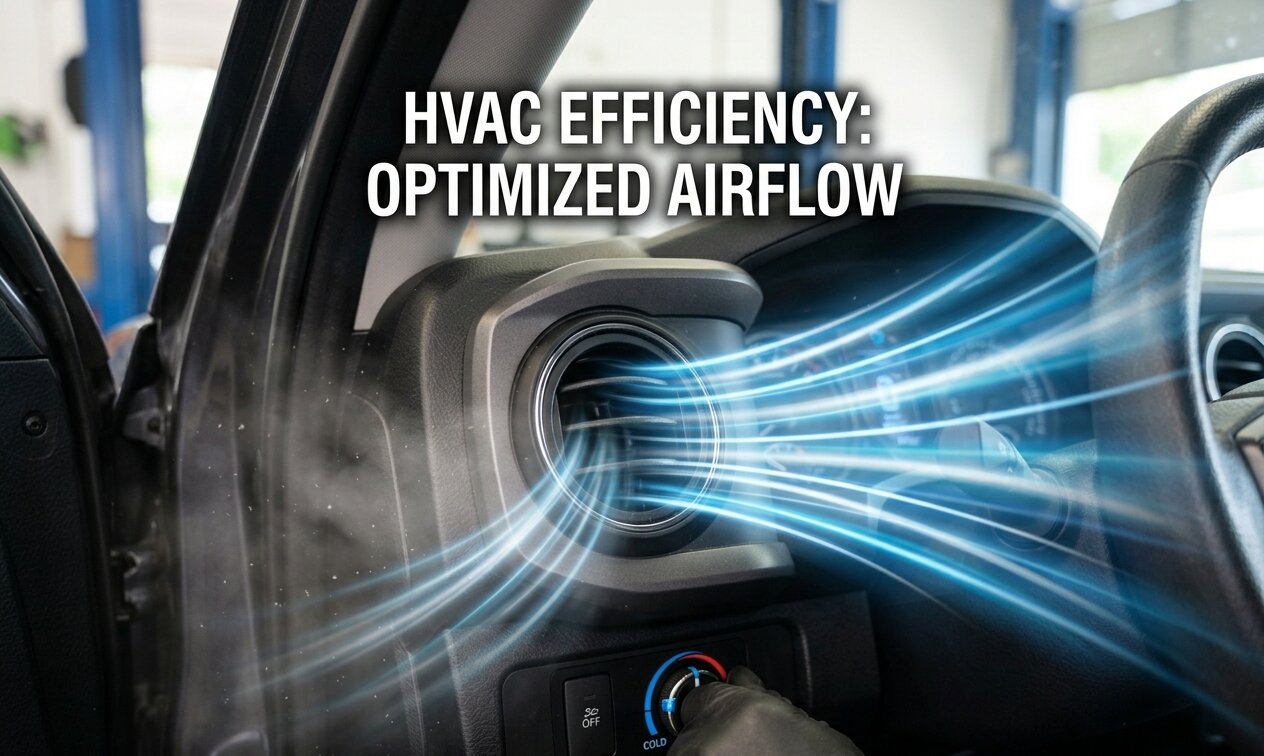
A clean filter allows your HVAC system to respond quickly and precisely. You set the temperature you want, and the system delivers it without struggle. This is the kind of performance your system was designed to provide from the factory.
Proper airflow also helps your car’s defroster work more effectively. The defroster relies on forced air to clear fog and ice from your windshield. A clogged filter weakens this airflow and leaves your windshield dangerously obscured.
Many drivers do not realize how much their HVAC performance has degraded over time. The decline happens gradually, so it is easy to miss. Only when you install a fresh filter do you suddenly notice how much better everything works.
Regular filter replacement also protects sensitive HVAC components from dust buildup. When the filter fails to catch particles, those particles travel deeper into the system. They can coat evaporator coils, blower motors, and duct interiors with grime.
Keeping your HVAC system in top condition starts with something as simple as an annual filter change. It is the most affordable maintenance step you can take for your climate control system. A fifteen-minute job each year keeps your entire system running smoothly and reliably.
Reason 3: You Save Significant Money on Fuel and Repairs
Many car owners are surprised to learn that a cabin air filter affects their fuel economy. The connection is indirect but very real. When your HVAC system struggles against a clogged filter, it draws more power from the engine.
Your car’s air conditioning compressor is driven by the engine itself. When the AC system has to work harder, the compressor demands more engine power. This increased demand translates directly into higher fuel consumption during every trip.
Over the course of a year, this extra fuel usage adds up considerably. You might spend an extra few hundred rupees per month without even realizing why. Replacing a filter that costs a fraction of that amount saves you real money over time.
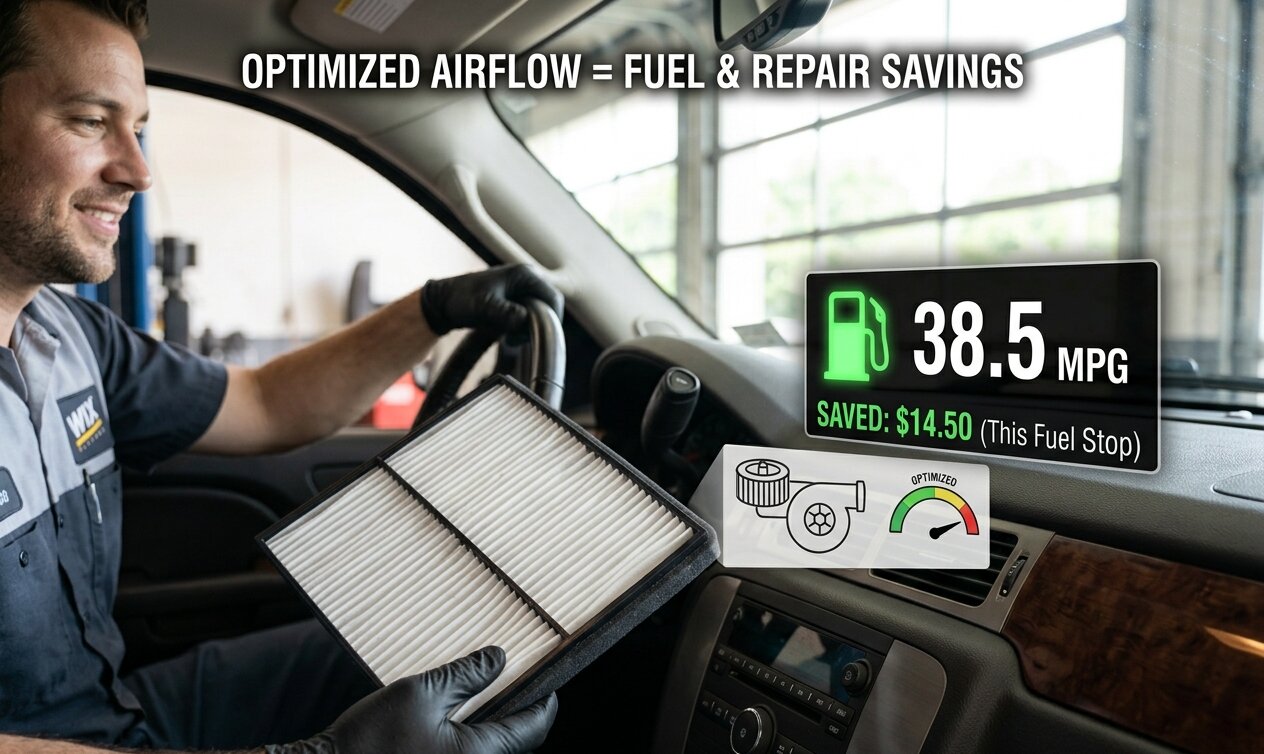
Beyond fuel savings, there is the matter of protecting your HVAC components. A blower motor forced to work under high resistance will wear out faster than it should. Replacing a blower motor is a costly repair that a simple filter change could have prevented.
Clogged filters can also cause evaporator coils to freeze up in certain conditions. Frozen coils lead to complete AC failure and potential refrigerant system damage. These repairs can cost thousands of rupees at a dealership or repair shop.
When you replace the filter yourself, you also avoid dealership labor charges. Many service centers charge a significant fee just for the labor to swap out a filter. Doing it yourself means you only pay for the part, which is almost always very affordable.
Buying your own cabin air filter from an auto parts store or online retailer saves even more money. The same filter that a dealership marks up significantly can be purchased at a much lower price. The quality is often identical because many aftermarket brands manufacture excellent filters.
An annual filter replacement also helps you catch other potential issues early. When you open up the housing to swap the filter, you can inspect the surrounding area. You might notice leaves, debris, or signs of water intrusion that could cause bigger problems later.
Preventive maintenance is always cheaper than reactive repair. This is a principle that every experienced car owner understands deeply. A small investment in a new cabin air filter protects you from far larger expenses down the road.
Saving money on car ownership does not require complex mechanical knowledge. It simply requires staying on top of basic maintenance tasks like this one. Replacing your cabin air filter every year is one of the best financial decisions you can make for your vehicle.
Reason 4: Unpleasant Odors Inside Your Car Disappear
Nobody enjoys sitting in a car that smells musty, stale, or unpleasant. Yet many drivers live with these odors for months without understanding the cause. The culprit is often nothing more than an old, dirty cabin air filter.
A cabin air filter accumulates organic matter over time, including pollen, insects, and moisture. This combination creates ideal conditions for mold and mildew growth. The musty smell you notice when you turn on the AC is often mold growing inside the filter itself.
When you run the blower motor, it pushes air through this contaminated filter. The result is that moldy, stale odor that spreads throughout your entire cabin. No amount of air freshener truly fixes the problem because the source remains in place.
Replacing the old filter immediately removes the source of the smell. Fresh air can now flow through a clean medium without picking up any unpleasant odors. Most drivers notice the difference the very first time they run the blower after installing a new filter.

Cabin air filters treated with activated carbon are especially effective at odor control. Activated carbon is a powerful adsorbent that neutralizes a wide range of gases and chemical odors. This includes exhaust fumes, gasoline vapors, and other traffic-related pollutants.
City driving exposes your car’s air intake to constant exhaust emissions from surrounding vehicles. Without an effective filter, these fumes enter your cabin and create a persistent chemical smell. A fresh activated carbon filter captures these gases before they reach your nose.
Pet owners face a unique challenge when it comes to car odors. Pet dander, hair, and associated smells can accumulate in the filter over time. Annual replacement ensures that pet-related odors do not become a permanent fixture in your vehicle.
Food smells, smoke, and other interior odors can also become trapped in a saturated filter. The filter itself holds onto these odor molecules and then releases them back into the air. A new filter gives you a completely fresh start.
First impressions matter when you have passengers in your car. A clean-smelling interior speaks to your attention to car care and personal standards. No one wants to ride in a vehicle that smells like a damp basement.
Replacing your cabin air filter is the single most effective step you can take to eliminate mystery car odors. It addresses the root cause rather than masking the symptom. One simple annual change keeps your car’s interior smelling clean and inviting all year long.
Also Read: 10 Best Aftermarket Upgrades to Modernize the Feel of an Older Car
Reason 5: It Protects People with Allergies and Respiratory Conditions
For allergy sufferers, the inside of a car can feel like a trap during high-pollen seasons. A functioning cabin air filter is not just a comfort feature for these individuals. It is a genuine health necessity that makes driving bearable.
Pollen is one of the most common allergens that cabin air filters are designed to capture. During spring and summer, pollen counts can reach extremely high levels in many regions. A clean, effective filter prevents this pollen from flooding your car’s interior.
Common allergy symptoms triggered inside a car include sneezing, itchy eyes, and nasal congestion. These symptoms are not just uncomfortable they can also be dangerous while driving. A sneezing fit or watery eyes can seriously impair your ability to control the vehicle safely.

People with asthma are particularly vulnerable to airborne particles and pollutants. Even small amounts of dust, mold spores, or exhaust fumes can trigger a serious asthma attack. A fresh cabin air filter provides a critical layer of protection for asthmatic drivers and passengers.
Children often spend considerable time in the car traveling to school, activities, and appointments. Their developing respiratory systems are more sensitive than those of adults. Protecting them from airborne irritants during these trips is an important parental responsibility.
Elderly passengers may have compromised immune systems or chronic respiratory conditions. Exposure to poor air quality can worsen these existing health problems. A clean filter ensures that every ride is as safe and comfortable as possible for vulnerable passengers.
The problem with an old cabin air filter is that it can actually worsen allergy symptoms. A filter filled beyond its capacity begins releasing trapped particles back into the airflow. Instead of protecting allergy sufferers, it becomes an active source of irritation.
Some cabin air filters are specifically designed with anti-allergen properties. These filters include special layers that capture ultra-fine particles including bacteria and fine dust. Replacing your filter annually ensures you are always benefiting from maximum allergen protection.
Respiratory health is not something to compromise on for the sake of saving a small amount of money. The cost of a new cabin air filter is trivial compared to the cost of allergy medications or doctor visits. Investing in clean air inside your car is investing in your health.
Annual replacement is especially important for those who live in high-pollution or high-pollen areas. These environments place greater demands on the cabin air filter throughout the year. Replacing it every twelve months ensures consistent, reliable protection regardless of seasonal conditions.
Reason 6: Doing It Yourself Gives You Confidence and Car Knowledge
There is something deeply satisfying about maintaining your own vehicle. It gives you a sense of control and connection with the machine you rely on every day. Replacing your cabin air filter is the perfect starting point for DIY car maintenance.
The process is genuinely simple, even for complete beginners. Most cabin air filters are located behind the glove compartment or under the dashboard. Accessing them requires nothing more than opening a plastic panel and sliding out the old filter.
No special tools are required in most cases. Your hands and possibly a screwdriver are all you need. The entire job can be completed in ten to fifteen minutes on virtually any modern vehicle.

When you do this task yourself, you gain firsthand knowledge of how your car works. You learn where a key component is located and how to access it safely. This knowledge builds your confidence and makes future maintenance tasks feel less intimidating.
DIY maintenance also means you can verify the quality of the work being done. When you pay a service center to replace your filter, you simply trust that it was done correctly. When you do it yourself, you know exactly what was installed and that the job was completed properly.
Watching a short video tutorial before attempting the replacement is a great way to prepare. Thousands of vehicle-specific guides are available online for almost every make and model. After watching a five-minute video, most people feel completely ready to tackle the job.
Children and teenagers who watch you perform this maintenance learn a valuable life skill. Teaching younger family members about basic car care sets them up for responsible vehicle ownership. It is a practical lesson that will serve them for the rest of their lives.
Completing even a simple car maintenance task builds a sense of accomplishment. It reinforces the idea that you are capable of caring for your own possessions. This mindset extends beyond cars and positively impacts other areas of your life.
The more maintenance tasks you handle yourself, the less dependent you become on service centers. This independence saves you money and time over the long term. It also protects you from being overcharged for simple jobs that anyone can do.
Starting with the cabin air filter is the gateway to broader automotive self-sufficiency. Once you realize how easy it is, you will be inspired to learn more. Oil checks, wiper blade replacements, and other basic tasks will follow naturally from this first success.
Reason 7: It Keeps Your Car’s Interior Cleaner for Longer
Most people focus on cleaning the visible surfaces of their car’s interior. They vacuum the seats and carpets, wipe down the dashboard, and clean the windows. However, they rarely think about the airborne dust that constantly settles on these surfaces.
A functioning cabin air filter significantly reduces the amount of dust that enters your vehicle. Every time you run the HVAC system, the filter captures particles that would otherwise settle on your dashboard and seats. A clean filter means less interior dust accumulation over time.
When the cabin air filter is old and clogged, it allows more particles to pass through. These particles then circulate through the cabin and deposit on every interior surface. You will notice your dashboard getting dusty much faster than it should.
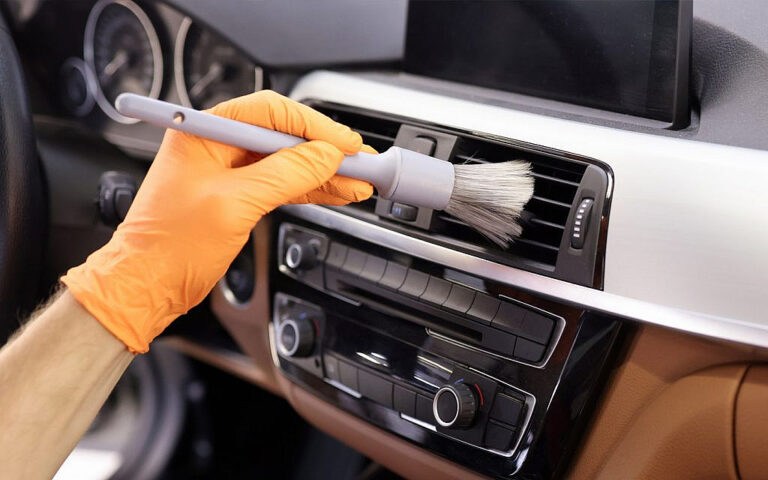
Fine dust is particularly problematic for electronic screens and infotainment systems. Modern vehicles have large touchscreens and digital instrument clusters that attract dust easily. Keeping the filter fresh reduces the rate at which these expensive components get coated in grime.
Air vents are another area that benefits from a clean filter. When dusty air flows through the vents, particles build up inside the vent channels and on the vent slats. This buildup is difficult to clean thoroughly and becomes worse with every passing month.
Leather seats and upholstery are not immune to airborne particle damage. Fine dust settles into the grain of leather and the fibers of fabric seats. Over time, this embedded grime causes premature wear and fading of your car’s interior materials.
A cleaner interior also means less frequent deep cleaning sessions. You will spend less time and money keeping your car looking its best. The savings in cleaning products, car washes, and detailing services add up significantly over a year.
Black interior surfaces show dust accumulation most visibly and most quickly. Drivers with black dashboards and trim pieces know how frustrating constant dusting can be. A fresh cabin air filter dramatically reduces how often you need to wipe down these surfaces.
Resale value is influenced by the condition of a car’s interior. A vehicle with a clean, well-maintained interior commands a higher price when the time comes to sell. Simple habits like annual filter replacement contribute to preserving your car’s value.
Clean interiors are also better for your mental state during daily commutes. A tidy, fresh-smelling car creates a more pleasant environment for focusing on the road. Small maintenance habits like this one have a surprisingly positive impact on your driving experience.
Reason 8: Annual Replacement Fits Perfectly Into Your Regular Maintenance Routine
Consistency is the foundation of good car maintenance. Vehicles that receive regular, scheduled care last longer and perform better than those that are neglected. Adding cabin air filter replacement to your annual routine is one of the easiest habits you can adopt.
Most manufacturers recommend replacing the cabin air filter every 12,000 to 15,000 miles or once per year. Annual replacement aligns perfectly with this recommended interval for most average drivers. It takes the guesswork out of deciding when the filter needs to be changed.
Pairing your cabin air filter replacement with another annual task makes it even easier to remember. Many people change their filter at the same time they get their oil changed or rotate their tires. Bundling tasks together ensures nothing gets overlooked.
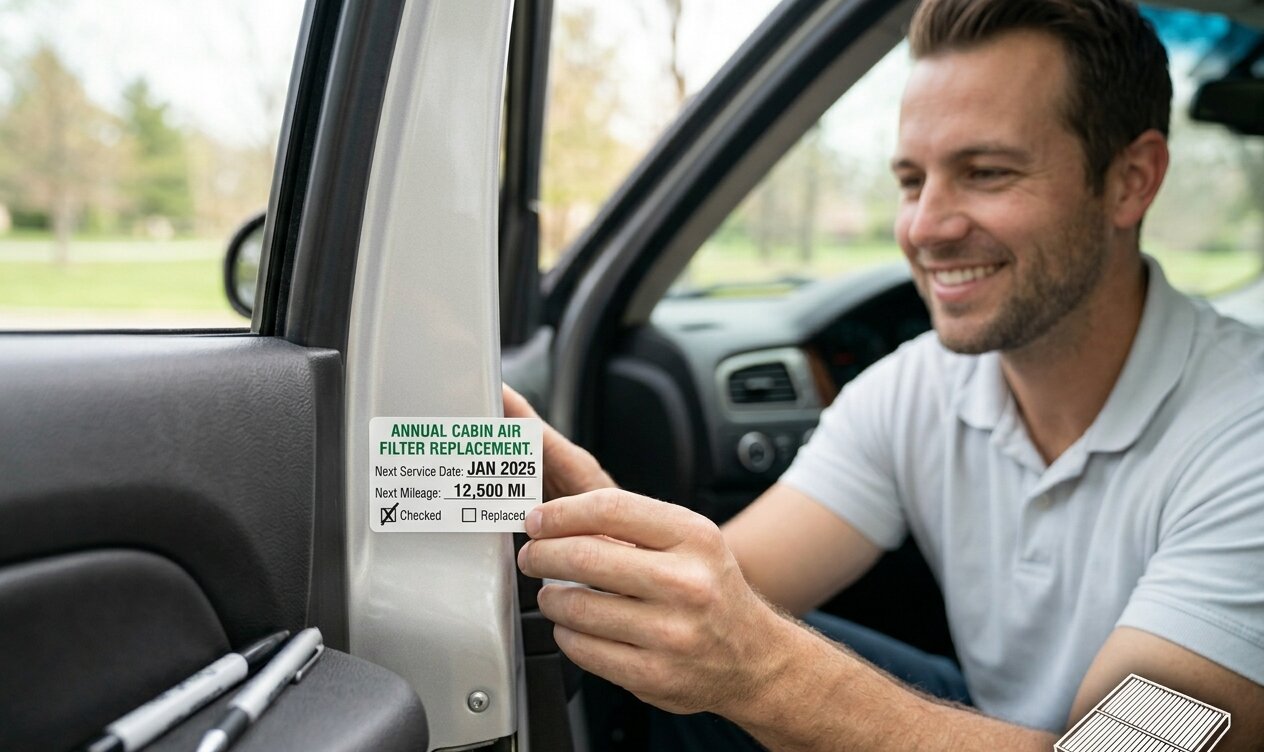
Setting a reminder on your phone or calendar at the start of each year is a simple and effective strategy. When the reminder goes off, you purchase the filter and complete the replacement within the same week. A few minutes of planning prevents years of neglect.
Some people choose to replace their filter at the beginning of spring allergy season. This ensures maximum filtration effectiveness precisely when pollen counts are at their highest. Timing your replacement strategically can provide targeted benefits throughout the year.
Annual replacement also gives you a regular opportunity to inspect the filter housing and surrounding area. You can check for leaves, insects, or debris that may have entered the air intake system. Catching these issues early prevents them from causing more serious problems.
Keeping a simple maintenance log for your vehicle is a great habit that this task fits into naturally. Recording the date and mileage each time you replace the filter helps you stay on schedule. It also demonstrates responsible ownership if you ever need to show maintenance records to a buyer.
The financial planning aspect of annual maintenance is also worth considering. Cabin air filters are inexpensive parts that you can buy in bulk or during sales. Planning these purchases in advance means you are never caught unprepared when it is time for a replacement.
Building this habit during the first year of owning a new vehicle sets a powerful precedent. You establish a pattern of proactive care that protects your investment from the very beginning. Cars that receive consistent maintenance from day one tend to have far fewer serious problems over their lifetime.
Your vehicle is one of the most significant financial investments you make in your daily life. Treating it with consistent, informed care is simply good stewardship. Replacing your cabin air filter every year is a small act that reflects a big commitment to responsible vehicle ownership.
Also Read: 8 Methods for Protecting Vehicle Interiors From Extreme Sun Damage
