
Gas prices have always been unpredictable. They rise and fall based on global events, seasonal demand, and political decisions. When prices spike, millions of drivers feel the financial pressure immediately. Filling up the tank becomes a stressful experience rather than a routine stop.
High gas price seasons typically arrive during summer travel months and winter heating demand periods. These are the times when every drop of fuel matters the most. Drivers begin searching for ways to stretch their budget without sacrificing their daily commute or travel plans.
The good news is that fuel efficiency is largely within your control. Small changes in your driving habits and vehicle maintenance can lead to significant savings. You do not need to buy a new car or install expensive equipment to make a difference.
This guide covers 12 practical and proven strategies to maximize your fuel efficiency. Each method is simple enough for any driver to apply starting today. Whether you drive a compact car or a large SUV, these tips work across all vehicle types.
By following these strategies consistently, you can reduce your fuel consumption by 20 to 30 percent. That translates into real money saved every single week. Let us look into each method in detail.
1. Maintain Proper Tire Pressure
Tire pressure is one of the most overlooked factors in fuel efficiency. Most drivers never check their tires until something goes visibly wrong. This is a costly mistake that wastes fuel every single day.
When tires are underinflated, they create more rolling resistance against the road surface. The engine has to work harder to push the vehicle forward. This extra effort directly burns more fuel than necessary.
Studies by the U.S. Department of Energy show that underinflated tires can lower gas mileage by 0.2 percent for every 1 PSI drop. If all four tires are low, the effect multiplies quickly. Over weeks and months, this adds up to gallons of wasted fuel.
Properly inflated tires roll more smoothly and efficiently. They maintain better contact with the road without excess friction. The engine operates with less strain when tires are at their correct pressure.
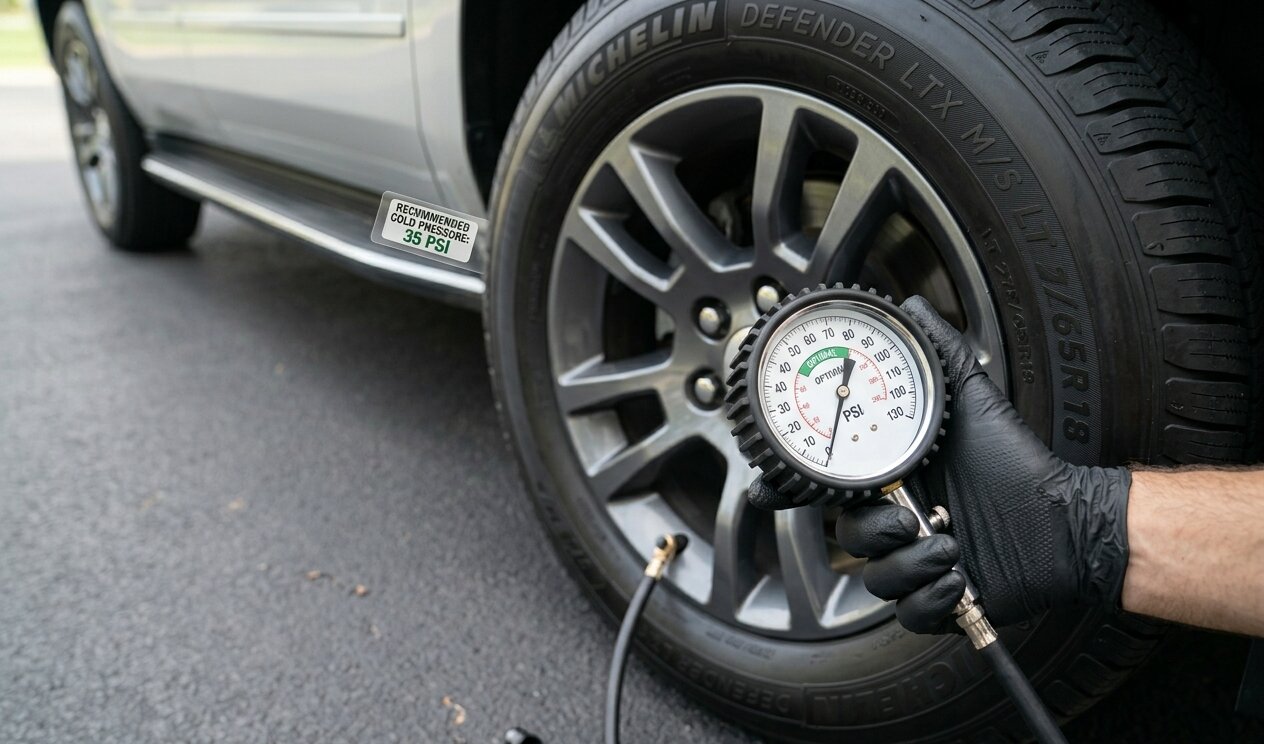
You should check tire pressure at least once every month. The correct pressure for your vehicle is listed on a sticker inside the driver’s door. It is also found in your owner’s manual for easy reference.
Always check tire pressure when the tires are cold. Driving heats up the air inside the tires and raises the pressure reading. A cold check gives you the most accurate measurement possible.
Invest in a reliable digital tire pressure gauge for your glove box. They cost very little and can save you a significant amount in fuel costs. Spending two minutes on this check is one of the best habits you can build.
Many gas stations also offer free or low-cost air pumps. Some modern vehicles even alert you when pressure drops below safe levels. Use every available tool to keep your tires properly inflated at all times.
Seasonal temperature changes also affect tire pressure noticeably. Cold weather causes air to contract, lowering tire pressure naturally. Check your tires more frequently during fall and winter months for best results.
Maintaining proper tire pressure also extends the life of your tires significantly. You save money on fuel and avoid premature tire replacement at the same time. It is truly one of the simplest and most rewarding maintenance habits available.
2. Reduce Unnecessary Idling
Idling is the silent fuel thief that most drivers do not take seriously. Your engine burns fuel even when the vehicle is completely still. Sitting idle for long periods wastes a significant amount of gas each week.
A typical gasoline engine consumes between one-quarter and one-half gallon of fuel per hour while idling. For larger trucks and SUVs, that number is even higher. Over the course of a week, this adds up to real and measurable cost.
Many drivers idle their cars to warm them up during cold mornings. Modern fuel-injected engines do not actually require this extended warm-up period. Thirty seconds of idling is more than enough before you start driving gently.
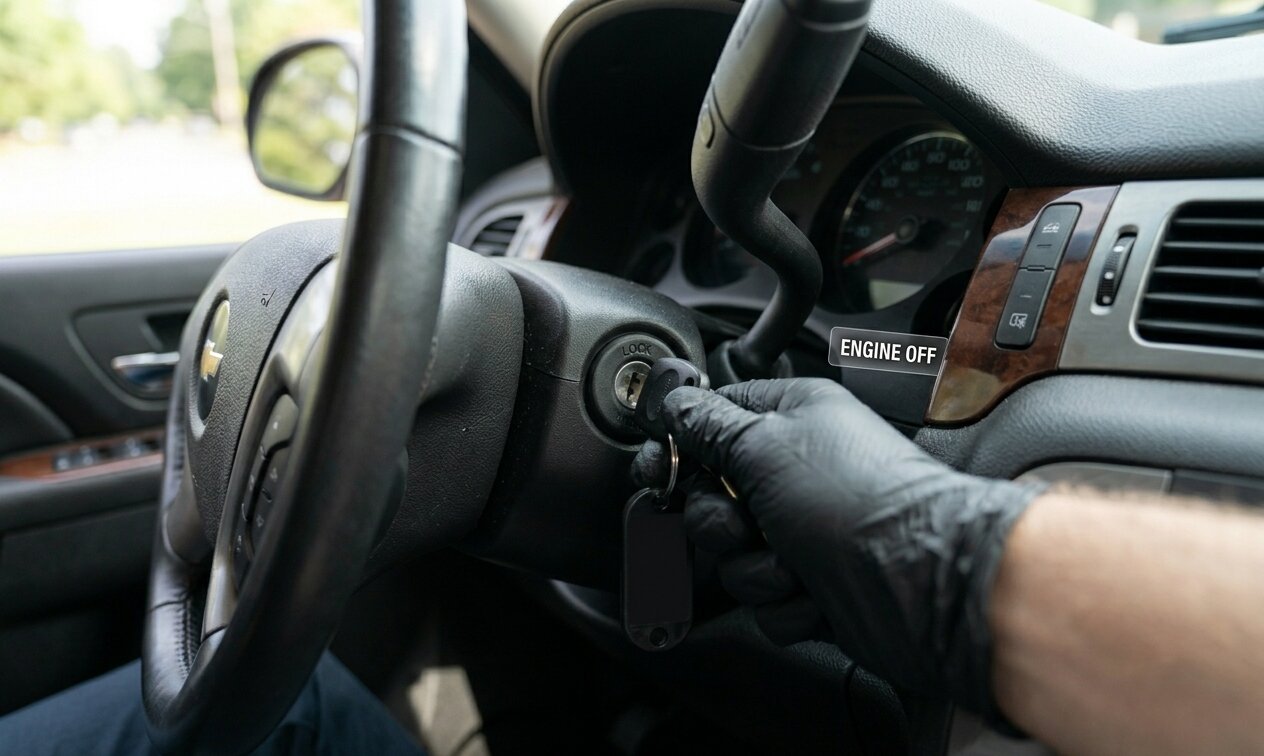
Drive-throughs are another major source of unnecessary idling time. Waiting in line at a fast food window or bank can take five to ten minutes. Parking and walking inside is often faster and always more fuel-efficient.
Train crossings, long traffic lights, and school zones are common idling situations. While you cannot always avoid these, you can minimize idling elsewhere. Being aware of where you idle is the first step toward cutting it down.
Modern vehicles are designed to handle frequent engine restarts with ease. Turning off your engine during waits longer than one minute saves fuel. The old myth about restarts using more fuel than idling has been proven false.
Pickup lines at schools are a perfect example of excessive idling waste. Parents often wait with engines running for twenty to thirty minutes daily. Turning off the engine during this wait makes an immediate difference in fuel use.
Remote starters are convenient but often result in excessive vehicle warming time. Set timers or limit warm-up to under one minute when using remote start features. Comfort should be balanced with the real fuel cost of extended idling.
Air conditioning also increases fuel consumption while idling significantly. Running AC while parked puts extra load on the engine unnecessarily. Roll down windows or find shaded parking instead of cooling a parked car.
Reducing idle time by even ten minutes per day creates measurable fuel savings. Multiply this across an entire year and the savings become quite impressive. Awareness and small habit changes make this one of the easiest wins available.
3. Drive at Steady, Moderate Speeds
Speed has a dramatic and direct impact on fuel consumption. The faster you drive, the more fuel your engine burns to overcome wind resistance. Aerodynamic drag increases exponentially as speed climbs higher and higher.
Most vehicles reach peak fuel efficiency somewhere between 45 and 65 miles per hour. Driving above 65 mph causes a sharp increase in fuel consumption rates. Every 5 mph you drive above 60 mph is like paying an extra 8 to 24 cents per gallon.
Highway driving at 70 or 80 mph may get you to your destination faster. But the fuel cost of that speed is significantly higher than moderate speeds. The time saved rarely justifies the extra money spent on fuel.
Driving at steady speeds is just as important as driving at moderate speeds. Constantly speeding up and slowing down forces the engine to work in inefficient cycles. Smooth, consistent driving is far more economical than aggressive acceleration and braking.
Cruise control is one of the best tools for maintaining steady highway speeds. It eliminates the natural tendency to gradually creep above the speed limit. Using cruise control consistently can improve highway fuel economy noticeably.
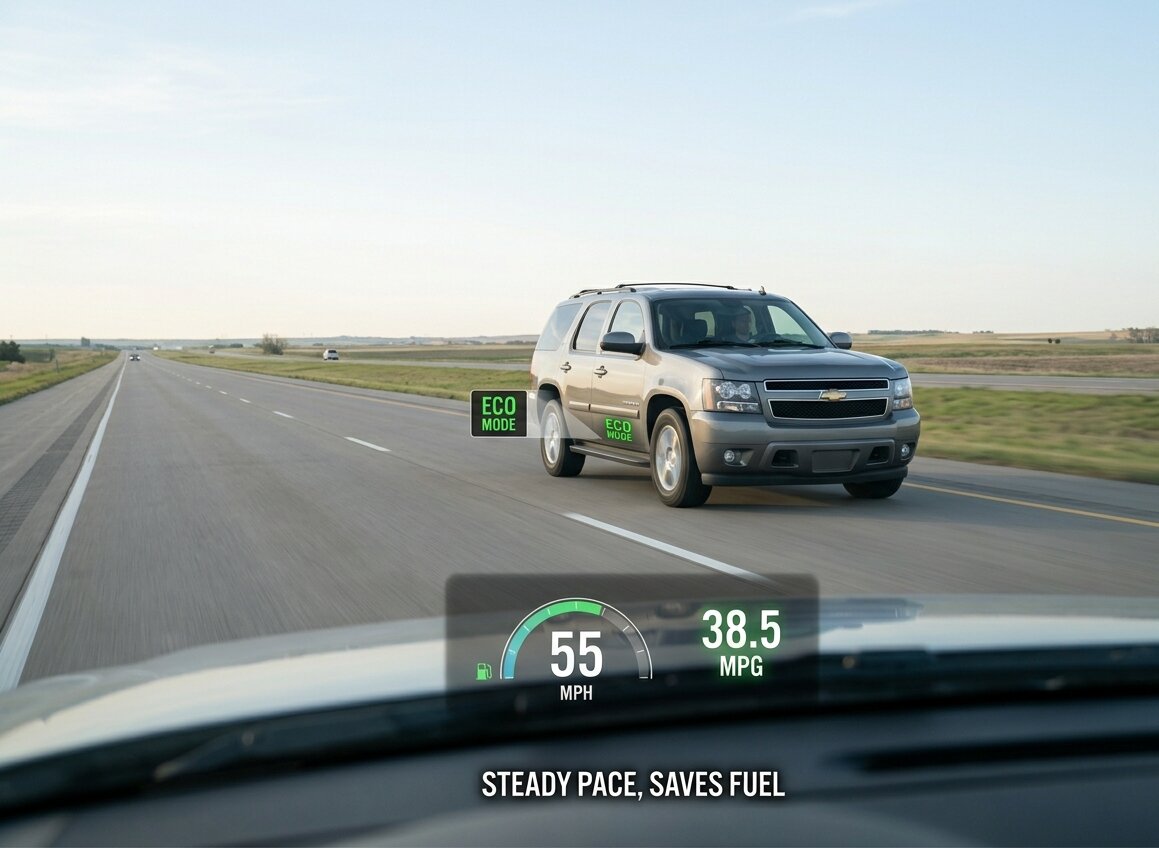
Urban driving presents more challenges for maintaining steady speeds. Traffic signals, pedestrians, and intersections cause constant speed variation. Planning routes with fewer stops and signals can help maintain better fuel efficiency.
Anticipating traffic flow ahead allows you to maintain speed more effectively. Lifting your foot off the accelerator before a red light wastes less energy. Coasting to a natural stop is far more efficient than hard braking repeatedly.
Driving in the right lane on highways allows for more consistent speed control. Avoid weaving between lanes to gain small advantages in traffic flow. Stable lane positioning leads to smoother, more efficient driving behavior.
Rush hour traffic forces frequent acceleration and deceleration cycles on commuters. Adjusting your work schedule slightly to avoid peak traffic can improve efficiency. Leaving 30 minutes earlier or later can dramatically change your fuel economy results.
Speed discipline is a mental habit as much as a mechanical one. Remind yourself that arriving a few minutes later costs very little in time. But the fuel savings from driving moderately are real, consistent, and cumulative over time.
4. Use Engine Oil Wisely
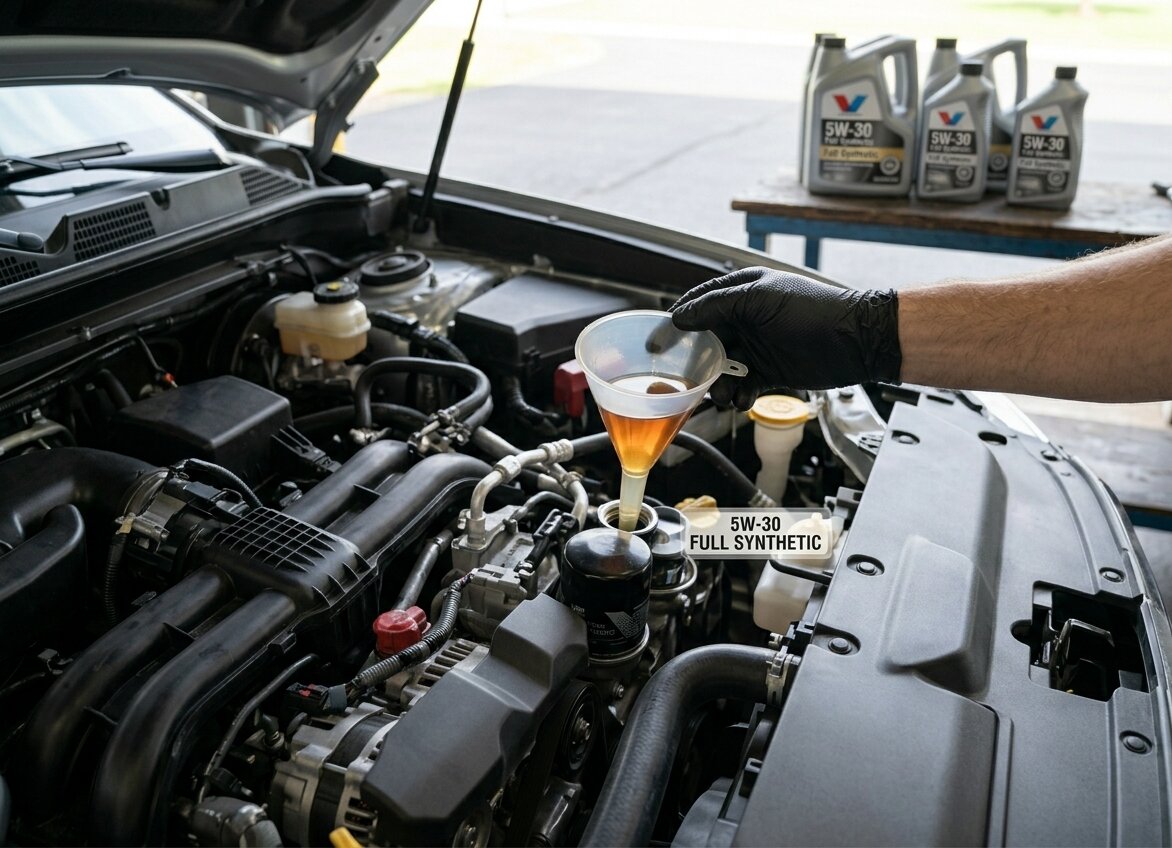
The type and quality of engine oil you use directly affects fuel efficiency. Oil lubricates the engine’s moving parts and reduces internal friction significantly. Using the wrong oil type forces the engine to work harder than it should.
Always use the manufacturer-recommended oil viscosity for your specific engine. This information is clearly listed in your vehicle’s owner manual. Using thicker oil than required increases resistance and reduces fuel efficiency noticeably.
Synthetic motor oils offer superior lubrication properties compared to conventional oils. They flow more easily during cold starts and maintain consistency in extreme heat. Switching to full synthetic oil can improve fuel economy by one to two percent.
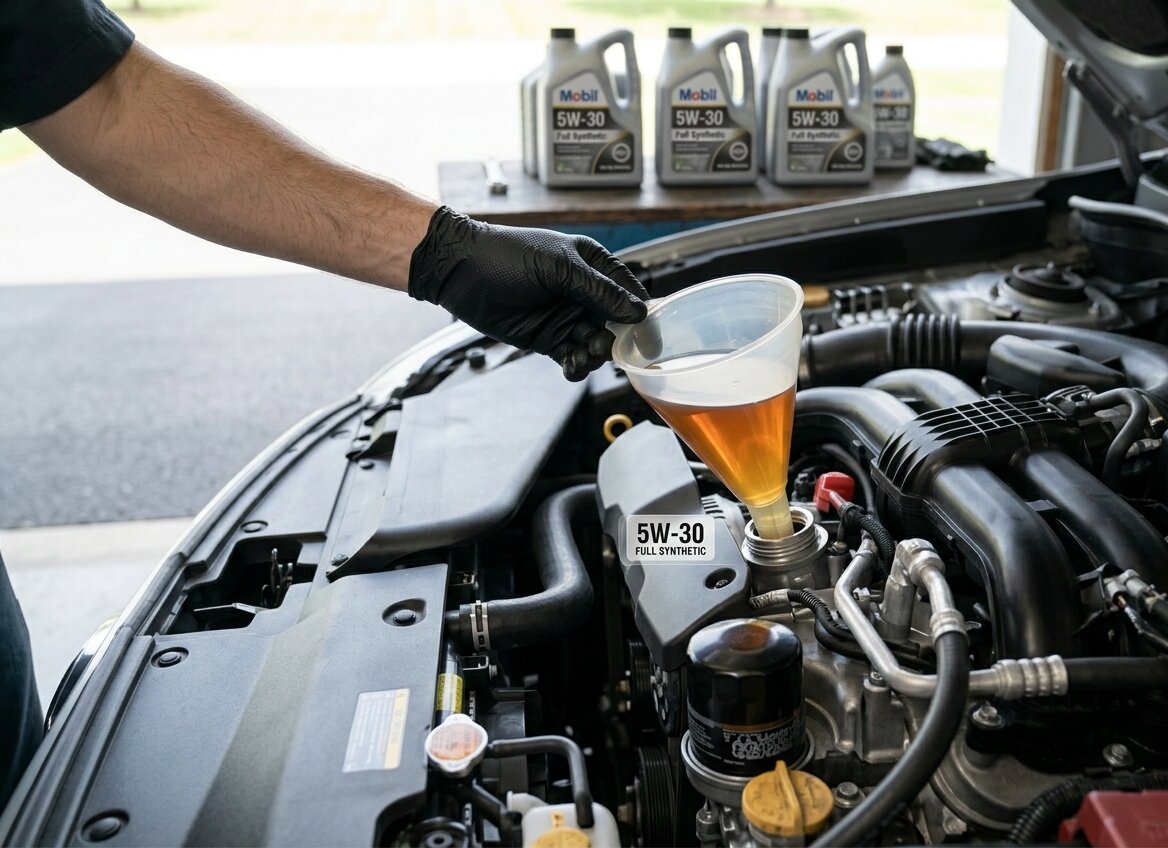
Regular oil changes are essential for maintaining proper engine lubrication at all times. Dirty or degraded oil loses its ability to reduce friction effectively. An engine running on old oil works harder and burns more fuel as a result.
Most modern vehicles can go 5,000 to 10,000 miles between oil changes with synthetic oil. Following the recommended change intervals keeps your engine running at peak efficiency. Skipping oil changes is one of the most damaging habits for both engines and fuel economy.
Oil additives and friction modifiers can also provide small improvements in efficiency. Some products are specifically designed to reduce engine friction and improve mileage. Research any additive carefully before using it to ensure compatibility with your engine.
Low-viscosity oils like 0W-20 or 5W-30 are increasingly common in modern engines. These thinner oils reduce internal friction without sacrificing protection levels. Automakers design modern engines specifically to take advantage of these efficient oils.
Cold weather thickens oil and makes the engine work harder during startup. Using the correct cold-weather viscosity rating reduces this startup inefficiency. Always follow seasonal oil recommendations if your climate has significant temperature variation.
Check your oil level regularly between scheduled changes as a good habit. Low oil levels can cause the engine to run less efficiently and wear faster. A quick dipstick check takes under one minute and can prevent costly problems.
Proper oil management is a simple and inexpensive way to protect fuel efficiency. The cost of quality oil and timely changes is minimal compared to fuel wasted. Treating your engine’s lubrication system with care pays dividends in miles per gallon.
Also Read: 12 Reasons Why Your Steering Wheel May Shake at Highway Speeds
5. Remove Excess Weight from Your Vehicle
Every extra pound your vehicle carries requires more fuel to move it forward. Weight is one of the most direct and controllable factors in fuel consumption. Removing unnecessary items from your car is free and immediately effective.
The U.S. Department of Energy estimates that every 100 pounds of extra weight reduces fuel economy by about 1 percent. For heavier vehicles, the impact is proportionally greater. Traveling with a trunk full of unused items costs you money every trip.
Many drivers carry sports equipment, tools, and supplies they rarely or never use. Golf clubs, gym bags, and construction materials add surprising amounts of weight. Clearing out your trunk and back seat can make a measurable difference quickly.
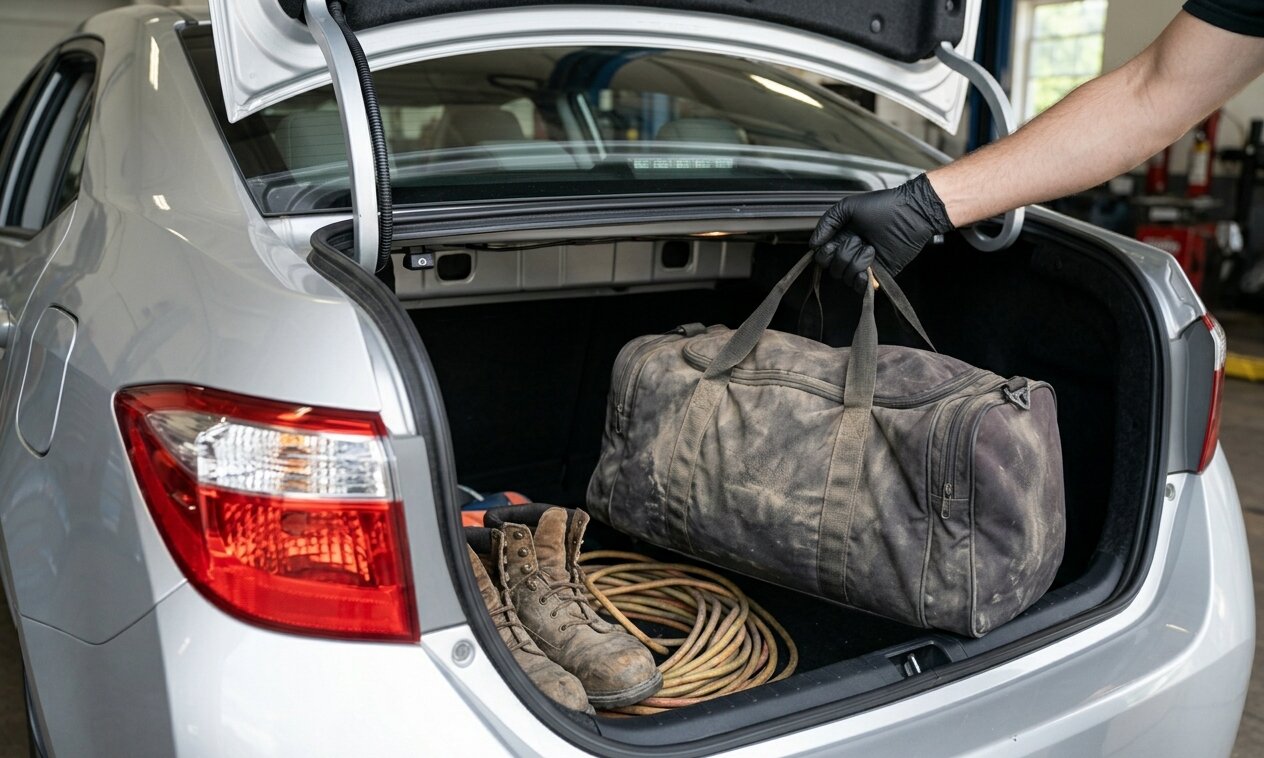
Roof racks and cargo carriers are major sources of both weight and aerodynamic drag. Even an empty roof rack increases wind resistance and reduces fuel efficiency. Remove these accessories when they are not actively being used on trips.
Heavy aftermarket accessories like steel bumpers and oversized sound systems add weight. Every modification that adds pounds also adds fuel consumption over time. Consider whether the benefit of each accessory justifies its ongoing fuel cost.
Cargo in pickup truck beds creates significant wind drag at highway speeds. Using a tonneau cover over the truck bed reduces aerodynamic drag considerably. This single addition can improve fuel economy on trucks by several percentage points.
Traveling with a full tank of gas also adds weight to consider on long trips. A gallon of gasoline weighs about 6.3 pounds. Filling up more frequently with smaller amounts can reduce carried weight slightly.
Passengers are obviously necessary but worth noting in fuel planning conversations. Carpooling distributes the fuel cost across multiple riders efficiently. A full car carrying multiple people is far more fuel-efficient per person than solo trips.
Child safety seats, strollers, and baby gear become permanent trunk residents for many families. Creating a habit of removing unused items after each use keeps weight under control. A lighter car is a more fuel-efficient car in every driving situation imaginable.
Weight reduction requires no mechanical skill and costs absolutely nothing to implement. It is simply about being intentional with what you carry in your vehicle. Make it a weekly habit to review what is in your car and remove the unnecessary.
6. Plan and Combine Your Trips Efficiently
Random and unplanned driving is one of the biggest sources of fuel waste. Multiple short trips from a cold engine burn far more fuel than one combined trip. Planning your errands and routes intelligently can dramatically reduce total fuel consumption.
Cold engines are significantly less fuel-efficient than warmed-up engines. Every time you start a cold engine, it burns extra fuel during the warm-up phase. Combining multiple stops into one continuous trip avoids repeated cold starts effectively.
Before leaving home, take a moment to list all the errands you need to complete. Arrange them in a logical geographic order that minimizes backtracking. A well-planned route can cut your driving distance by 20 to 30 percent easily.
GPS and mapping apps can help you find the most efficient routes available. They also account for real-time traffic to help you avoid congestion. Use these tools intentionally to plan fuel-efficient paths rather than just the fastest ones.
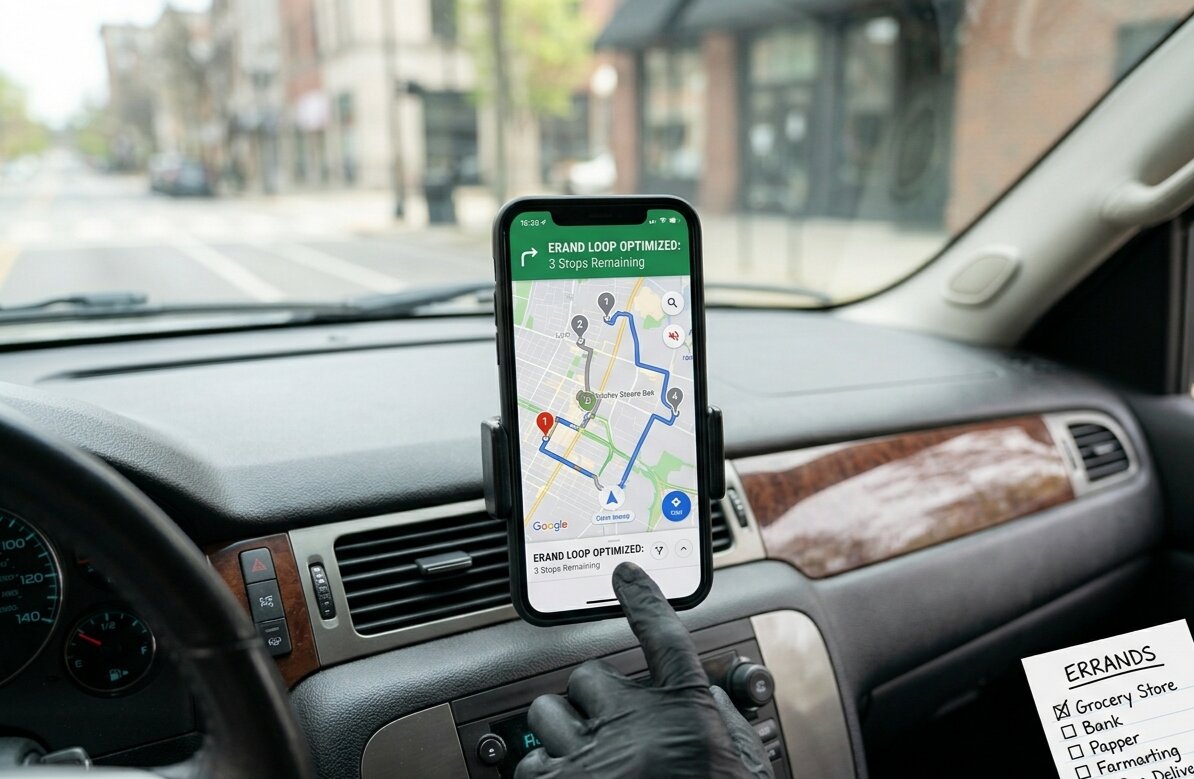
Grocery shopping, pharmacy visits, and bank trips can often be combined effectively. Think about which errands are near each other geographically before heading out. Combining three stops into one trip instead of three separate trips saves significant fuel.
Remote work and video conferencing have reduced the need for many business trips. Using digital meetings instead of driving to appointments saves substantial fuel. Evaluate every planned trip and ask whether it truly requires in-person travel.
Telecommuting even two days per week can reduce your weekly fuel consumption by 40 percent. Working from home is the ultimate fuel-efficiency strategy for office workers. Discuss flexible work options with your employer during high gas price seasons.
Choosing stores and service providers closer to your home or workplace reduces driving distance. Loyalty to a grocery store 10 miles away when one exists 2 miles away wastes fuel. Convenience and proximity should factor into your regular service choices.
Shopping online for non-urgent items eliminates driving trips entirely. Delivery services consolidate multiple orders into efficient routes for their vehicles. Your individual fuel savings from avoiding a trip can be substantial over time.
Efficient trip planning is essentially free fuel savings that requires only mental effort. Fifteen minutes of planning before leaving can save you miles of unnecessary driving. Over a month, those saved miles translate into meaningful money back in your pocket.
7. Use Air Conditioning Strategically
Air conditioning is one of the largest non-propulsion loads on your vehicle’s engine. Running AC can reduce fuel economy by 5 to 25 percent depending on driving conditions. Using it strategically rather than automatically can save a significant amount of fuel.
At lower city speeds, AC has a proportionally larger impact on fuel consumption. The engine power diverted to run the compressor is a meaningful percentage at low RPMs. Consider turning AC off during slow urban driving and using windows instead.
At highway speeds above 50 mph, open windows create aerodynamic drag. This drag can actually consume more fuel than running air conditioning would. At highway speeds, using AC with windows closed is often the more efficient choice.
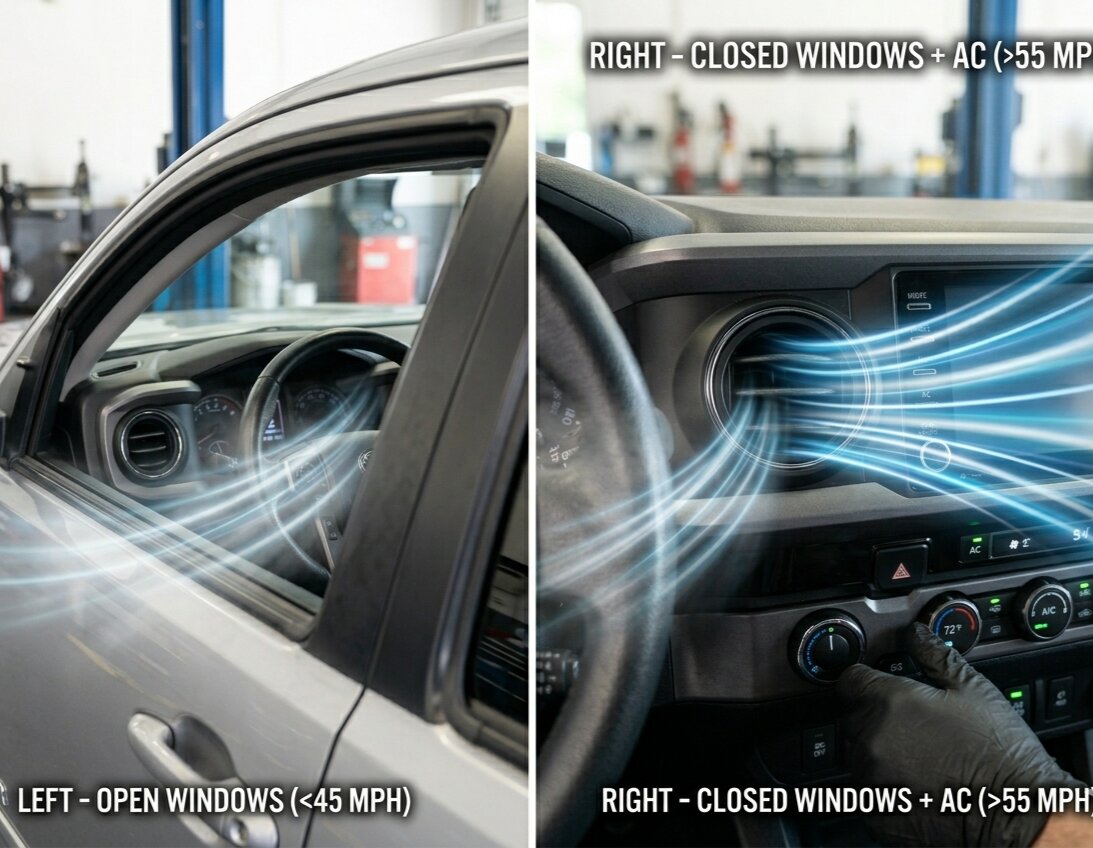
The key is knowing when to switch between windows and AC based on your speed. Below 45 mph, windows are generally more efficient than running the compressor. Above 55 mph, closed windows with AC often saves more fuel than open windows.
Parking in the shade dramatically reduces how hard your AC must work. A shaded car interior stays far cooler than one baking in direct sunlight. Pre-cooling your car by parking wisely reduces the energy needed to reach comfort temperature.
Using a sunshade on your windshield when parked reduces interior temperatures significantly. A cooler car requires less time and energy to cool down when you return. This small investment pays back in fuel savings throughout every hot season.
Setting the AC to a moderate temperature rather than maximum cold is more efficient. Blasting cold air at maximum output uses significantly more fuel than moderate settings. A slightly warmer but comfortable cabin temperature is a worthwhile efficiency compromise.
Recirculation mode keeps already-cooled cabin air cycling rather than pulling in hot outside air. This reduces the workload on the AC system noticeably. Using recirculation mode after the cabin is initially cooled saves meaningful fuel.
Starting the AC a few minutes after beginning to drive is also more efficient. The engine runs more efficiently at higher RPMs during initial acceleration. Let the car reach normal operating speed before switching on the full AC system.
Strategic air conditioning use is about balance and awareness rather than sacrifice. You can stay comfortable while still making fuel-smart decisions about your climate control. Small adjustments in AC habits create real savings without any significant discomfort.
8. Keep Up with Regular Vehicle Maintenance
A well-maintained vehicle is always a more fuel-efficient vehicle. Neglected maintenance allows small inefficiencies to grow into significant fuel-wasting problems. Regular servicing is an investment that pays back consistently in better mileage.
A clogged air filter forces the engine to work harder to draw in the air it needs. Replacing a dirty air filter can improve acceleration and fuel economy simultaneously. This is one of the cheapest and easiest maintenance tasks you can perform yourself.
Spark plugs that are worn or fouled cause incomplete fuel combustion in the cylinders. Misfiring spark plugs waste fuel directly and reduce engine performance noticeably. Replacing spark plugs at the recommended interval restores proper combustion efficiency immediately.
The oxygen sensor monitors the fuel-air mixture entering your engine continuously. A faulty oxygen sensor can reduce fuel economy by as much as 40 percent. Replacing a failed sensor is relatively inexpensive compared to the fuel it wastes when failing.
Fuel injectors deliver precise amounts of fuel into the combustion chamber with each cycle. Dirty or clogged injectors spray fuel inefficiently and incompletely. Periodic fuel injector cleaning restores proper spray patterns and improves combustion efficiency.
The mass airflow sensor measures incoming air to help calculate proper fuel delivery amounts. A dirty or faulty MAF sensor leads to incorrect fuel-air mixture calculations. Cleaning or replacing this sensor can meaningfully improve fuel economy in older vehicles.
Wheel alignment and suspension condition also affect fuel efficiency in measurable ways. Misaligned wheels create uneven tire wear and increased rolling resistance. Getting proper alignment done improves fuel economy and extends tire life simultaneously.
Brake drag from stuck calipers or improperly adjusted brakes increases engine workload constantly. Your engine burns fuel to overcome the resistance created by dragging brakes. Regular brake inspection catches these problems before they become chronic fuel wasters.
Cooling system maintenance ensures the engine reaches and maintains optimal operating temperature. An engine running too cool burns more fuel than a properly warmed engine. A functioning thermostat and healthy coolant system keep combustion efficiency at its peak.
Following your vehicle’s maintenance schedule is the single best investment in fuel efficiency available. The cost of regular servicing is always less than the fuel wasted by a neglected vehicle. Treat your maintenance schedule as seriously as you treat any other financial commitment.
9. Use Cruise Control and Advanced Driver Assistance Features
Modern vehicles come equipped with technology designed to improve fuel efficiency automatically. Cruise control and driver assistance systems can significantly reduce fuel waste on highway trips. Learning to use these features properly delivers consistent real-world fuel savings.
Cruise control maintains a perfectly steady speed that human drivers struggle to replicate. Even small speed fluctuations from manual throttle control waste fuel unnecessarily. Cruise control eliminates these micro-variations and keeps the engine working at optimal load.
Adaptive cruise control takes this benefit even further on modern vehicles. It adjusts speed automatically based on the traffic ahead without driver input. This reduces unnecessary braking and re-acceleration cycles that waste significant fuel in traffic.
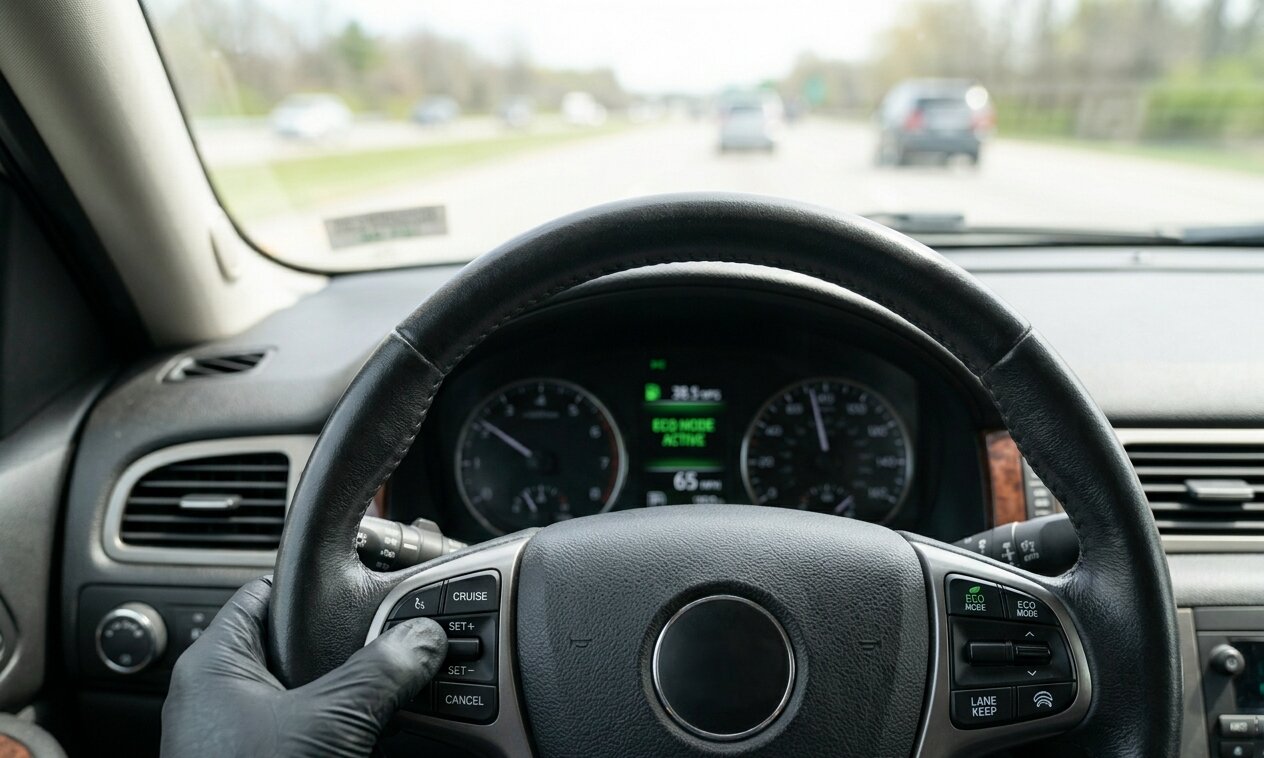
Lane-keeping systems reduce the subtle steering corrections drivers make constantly. These corrections cause small speed variations that accumulate into fuel waste. Letting the vehicle’s technology handle minor course corrections improves efficiency.
Eco or efficiency driving modes are available on many modern vehicles today. These modes adjust throttle response, transmission shift points, and accessory loads. Selecting eco mode during normal driving conditions can improve fuel economy by 3 to 5 percent.
Regenerative braking on hybrid and electric vehicles captures energy during deceleration. This recovered energy reduces the load on the engine during subsequent acceleration. Using gentle, anticipatory braking maximizes the energy captured by regenerative systems.
Engine start-stop technology automatically shuts the engine off at traffic stops. This eliminates idling fuel waste at red lights and in slow traffic situations. The system restarts the engine instantly when you release the brake pedal to move.
Navigation systems that predict traffic and suggest efficient routes reduce unnecessary miles. Some systems now factor in elevation changes and traffic signals into route calculations. Using smart navigation reduces the total energy needed to complete any given trip.
Blind spot monitoring and forward collision warnings reduce the sudden braking events that waste fuel. Knowing what is around your vehicle allows for smoother, more anticipatory driving behavior. Fewer surprises mean fewer hard braking and rapid acceleration events on your commute.
Technology exists to help you drive more efficiently right now in your current vehicle. Take time to learn what features your vehicle actually offers in its settings. Using available technology consistently is one of the easiest paths to better fuel economy.
10. Choose Smarter Fueling Habits
How and when you buy fuel can have a surprising impact on your fuel costs. Smart fueling habits go beyond just finding the cheapest price per gallon. They involve strategy, timing, and understanding how fuel quality affects your engine.
Fuel is denser and contains slightly more energy when it is cooler in temperature. Buying gas in the early morning or late evening when temperatures are lower is marginally beneficial. While the difference is small per fill-up, it adds up over many fueling sessions.
Avoid fueling when a tanker truck is actively refilling the underground storage tanks. Delivery stirs up sediment and debris that settles in underground tanks over time. Fueling during this period can introduce contaminants into your vehicle’s fuel system.
Top-tier gasoline contains detergent additives that keep fuel injectors and valves clean. Using lower-quality fuel regularly can lead to injector deposits that reduce efficiency. Spending slightly more on top-tier fuel can protect long-term fuel economy and engine health.
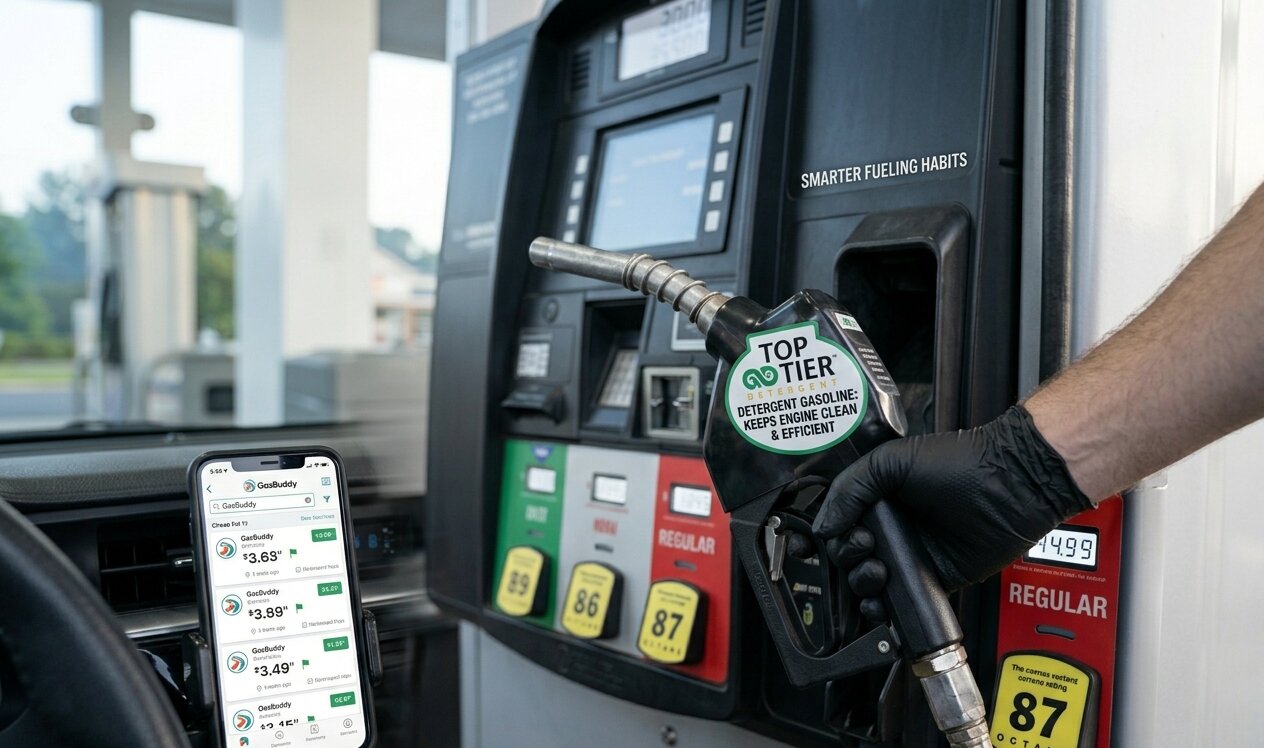
Using the correct octane rating for your engine is important for efficiency and performance. Premium fuel in an engine designed for regular provides no efficiency benefit at all. Only use premium if your manufacturer specifically requires or recommends it for your engine.
Fuel rewards programs from grocery stores and gas station chains offer real savings. Accumulating points on everyday purchases and redeeming them for fuel discounts adds up. Combining rewards programs with already-competitive pump prices maximizes your savings potential.
Gas price comparison apps help you find the lowest prices in your immediate area. Apps like GasBuddy show real-time prices at every nearby station with user updates. Driving a short distance to a cheaper station can save meaningful money on large fill-ups.
Avoid filling up at highway rest stops and tourist areas whenever possible. These locations charge premium prices because of their captive audience and high convenience factor. Planning your fill-up before reaching these high-cost areas saves money every time.
Do not wait until your tank is nearly empty to fill up as a regular habit. Consistently running low can cause your fuel pump to overheat and wear prematurely. A damaged fuel pump reduces engine performance and ultimately hurts fuel efficiency.
Fueling smart is a combination of timing, quality awareness, and price consciousness. None of these habits require significant effort or change to your daily routine. Together they represent a meaningful reduction in what you spend at the pump over time.
11. Adopt Eco-Friendly Driving Techniques
The way you operate your vehicle has the single largest impact on how much fuel it consumes. Aggressive driving behaviors are the fastest way to destroy fuel efficiency. Adopting smooth, anticipatory driving techniques delivers immediate and consistent fuel savings.
Jackrabbit starts from traffic lights consume several times more fuel than gradual acceleration. The engine works at maximum load during hard acceleration phases. Easing onto the throttle gently and building speed gradually is dramatically more efficient.
Hard braking wastes all the kinetic energy your engine worked to create. That energy converts to heat in your brake pads and disappears completely. Anticipating stops and coasting to decelerate preserves momentum and reduces fuel waste significantly.

Following at a safe distance gives you more time to react to traffic changes ahead. This extra reaction time allows coasting and gentle braking rather than emergency stops. Tailgating forces more frequent hard braking that wastes enormous amounts of fuel over time.
Reading traffic lights ahead and timing your approach can eliminate unnecessary full stops. If you can time your arrival at a green light without stopping completely, do so. Maintaining even slow rolling momentum is far more fuel-efficient than a complete stop.
Engine braking by lifting off the throttle before descending hills saves fuel actively. Modern fuel-injected engines cut fuel delivery entirely when decelerating with the throttle closed. This means coasting downhill in gear is essentially free miles with zero fuel consumption.
Avoiding unnecessary lane changes in highway traffic improves fuel efficiency noticeably. Each lane change typically involves acceleration to create a gap and then braking to settle in. Staying in one lane and maintaining steady speed eliminates these fuel-wasting maneuvers.
Smooth steering inputs also contribute to fuel efficiency in subtle but real ways. Jerky steering causes slight speed variations that require throttle corrections. Fluid, calm steering keeps the vehicle moving in the most efficient path possible.
Driving with awareness of the road and traffic conditions reduces reactive driving significantly. Drivers who anticipate changes make smoother inputs than those reacting to surprises. Mental engagement behind the wheel is a genuine fuel-saving tool available to everyone.
Eco-driving can be learned and refined over time with conscious practice and attention. Many drivers see 10 to 15 percent fuel economy improvements from driving technique changes alone. This is perhaps the most powerful and completely free fuel-saving strategy available to any driver.
12. Consider Carpooling and Alternative Transportation
Sometimes the most fuel-efficient trip is the one you do not have to make alone. Sharing the road with others through carpooling multiplies the efficiency of every gallon burned. Combining transportation options can dramatically reduce your personal fuel expenditure.
Carpooling with just one other person immediately cuts your commute fuel cost in half. With three or four passengers, your individual fuel expense drops to 25 percent of normal. The math is simple and the savings are immediate and substantial.
Many workplaces have formal or informal carpooling arrangements among employees. Reaching out to coworkers who live nearby is often all it takes to get started. A shared commute also reduces stress and wear on your personal vehicle simultaneously.
Carpooling apps like Waze Carpool and similar platforms connect drivers with nearby riders. These services make finding carpool partners easier than ever before in history. Even occasional carpooling on a few days per week creates meaningful monthly savings.
Public transportation is significantly more fuel-efficient per passenger mile than solo driving. Buses, trains, and subways move large numbers of people with far less energy per person. Using public transit even two or three days per week creates substantial personal fuel savings.

Cycling for short trips under five miles is essentially free transportation with health benefits. A bicycle uses no fuel and requires minimal maintenance compared to any motor vehicle. Replacing short car trips with cycling saves money and improves physical fitness simultaneously.
Walking is the ultimate zero-fuel transportation option for nearby destinations. Trips under one mile are often faster on foot than by car when parking is considered. Building walking into your routine for small errands eliminates fuel cost entirely for those trips.
Park-and-ride programs allow drivers to drive to a transit hub and commute from there. This hybrid approach reduces total driving miles while maintaining some flexibility. Many cities offer free or low-cost parking at transit stations to encourage participation.
Electric scooters and bike-sharing programs have expanded in cities worldwide in recent years. These micro-mobility options provide flexible, low-cost alternatives for short urban trips. Using them strategically for the right trip types can noticeably reduce your monthly fuel bill.
Rethinking transportation holistically rather than defaulting to the car for every trip is powerful. The car is not always the fastest, cheapest, or most practical option available. Combining modes of transport intelligently is the mark of a truly fuel-smart modern driver.
Also Read: 10 Indicators Your Tires Are Too Old Even if the Tread Is Deep
