
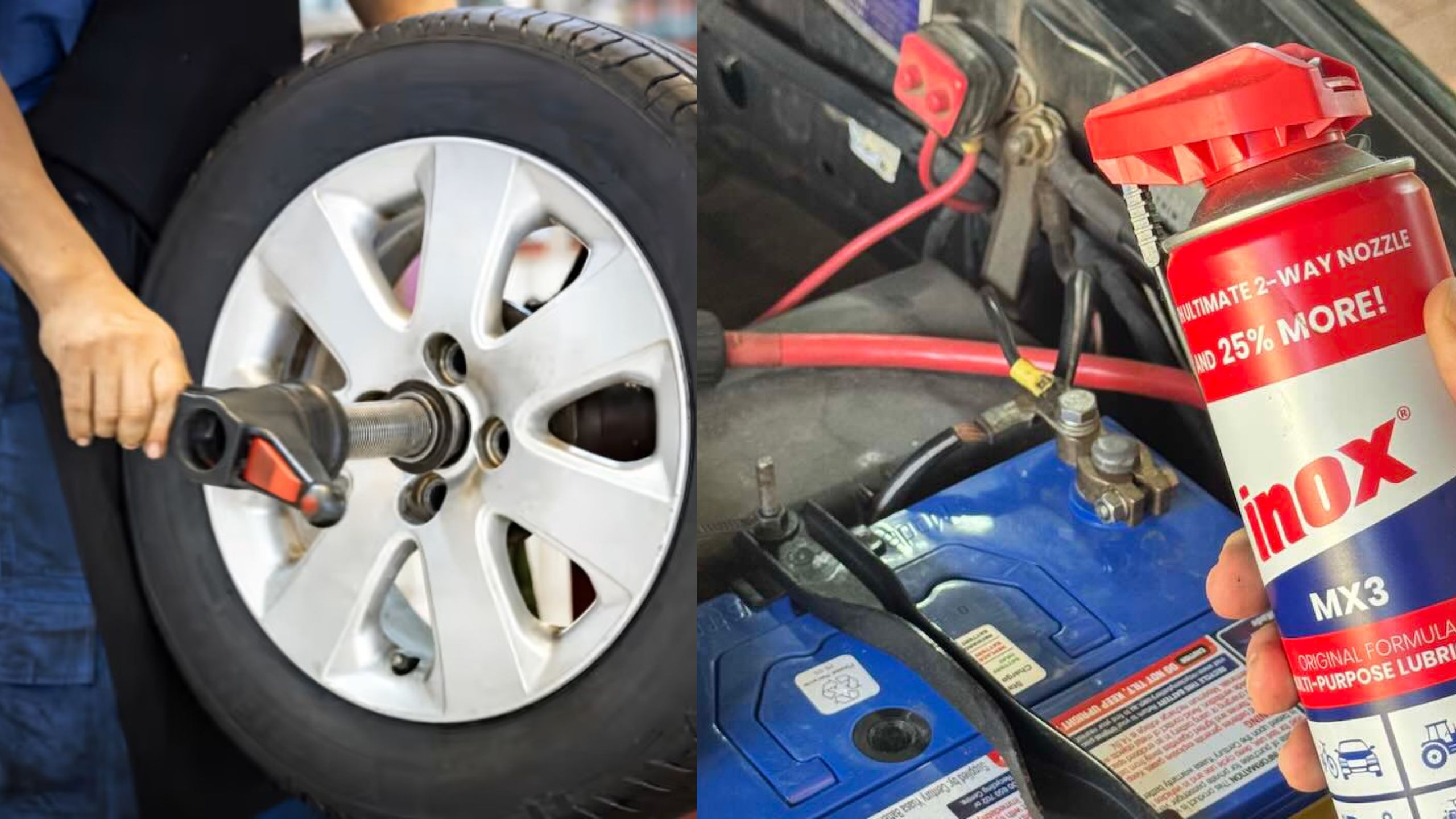
Owning a vehicle is one of the most significant financial investments a person can make. Protecting that investment over the long term requires consistent effort, smart habits, and a proactive mindset.
Many people assume that aging vehicles are destined to fall apart. However, the truth is that with proper care, a car can remain in near-new condition for twenty years or more.
The difference between a vehicle that lasts two decades and one that deteriorates within ten years often comes down to habits. Small, consistent actions taken early can prevent massive, costly problems later.
Modern vehicles are engineered with remarkable durability and precision. Yet even the best engineering cannot compensate for neglect, poor maintenance habits, or a careless approach to ownership.
Across the world, there are countless examples of vehicles from the 1990s and early 2000s still running beautifully today. Their owners share a common philosophy treat the machine with respect, and it will reward you with reliability.
This guide presents ten proven strategies for keeping your vehicle looking, feeling, and performing like new for twenty full years. Each strategy is practical, affordable, and backed by real-world results. Commit to these habits starting today, and your vehicle will thank you for decades to come.
Strategy 1: Follow a Strict Oil Change and Fluid Maintenance Schedule
The engine is the heart of your vehicle. Without clean, properly circulating oil, even the most powerful engine will degrade rapidly over time. Oil breaks down through heat, friction, and contamination. As it degrades, it loses its ability to lubricate moving metal components effectively.
Dirty oil causes microscopic metal-on-metal contact inside the engine. Over thousands of miles, this contact creates wear that permanently shortens engine life.
Most manufacturers recommend an oil change every 5,000 to 7,500 miles under normal conditions. Some modern synthetic oils allow intervals of up to 10,000 miles, but checking your owner’s manual remains essential.
Never delay an oil change beyond its recommended interval. A few extra weeks of neglect can accelerate engine wear significantly. Beyond engine oil, your vehicle depends on several other critical fluids. These include coolant, brake fluid, power steering fluid, transmission fluid, and differential fluid.
Each fluid has a specific job to perform. Coolant regulates engine temperature and prevents overheating. Brake fluid transfers hydraulic pressure to stop your vehicle safely.
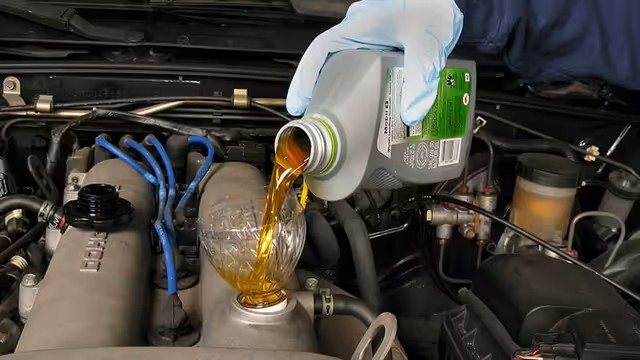
Transmission fluid lubricates and cools the complex gears inside your gearbox. Old, dirty transmission fluid causes rough shifting and, eventually, complete transmission failure.
Coolant should be flushed and replaced every two to five years depending on the type used. Neglecting coolant replacement allows acidic buildup that corrodes internal engine components.
Brake fluid absorbs moisture over time, which lowers its boiling point dangerously. This moisture absorption can lead to brake fade during hard stops, creating a serious safety hazard.
Power steering fluid keeps your steering system smooth and responsive. Dark or gritty power steering fluid is a warning sign that should never be ignored.
Create a written maintenance log for your vehicle. Record every fluid change, the date it was performed, and the mileage at the time. This log serves two powerful purposes. It keeps you organized and accountable, and it adds documented value when you eventually sell the vehicle.
Many long-term vehicle owners use a simple spreadsheet or notebook for this purpose. Consistency in record-keeping reflects consistency in maintenance habits.
Invest in quality fluids from reputable brands. Cheap, off-brand fluids may save money initially but can cause expensive damage over time. Using manufacturer-recommended or OEM-equivalent fluids ensures compatibility. Your engine, transmission, and braking system were designed around specific fluid specifications.
Some vehicle owners go a step further and have a professional perform a full fluid inspection annually. This comprehensive checkup catches issues before they develop into expensive repairs.
Sticking to a strict fluid maintenance schedule is the single most impactful thing you can do. It protects every major mechanical system simultaneously.
A vehicle that receives clean, fresh fluids throughout its life will run smoother and stronger at 200,000 miles. This discipline alone can add a full decade to your vehicle’s functional lifespan.
Strategy 2: Protect the Exterior with Regular Washing and Waxing
Your vehicle’s exterior paint is more than just an aesthetic feature. It serves as the primary defense layer protecting the metal body from rust and corrosion.
Road salt, bird droppings, tree sap, and UV radiation all attack your paint continuously. Without regular care, these elements gradually break down the protective clear coat.
Once the clear coat is compromised, UV rays penetrate directly to the base paint layer. This causes fading, oxidation, and eventually bare metal exposure.
Wash your vehicle at least once every two weeks. In winter months or coastal areas where salt exposure is high, weekly washing becomes essential.
Always rinse the undercarriage thoroughly during washing. Salt and road grime accumulate in hidden areas beneath the vehicle, accelerating rust formation.
Use a pH-balanced automotive soap rather than household dish detergent. Dish soap strips away protective wax and can damage the paint’s clear coat over time.
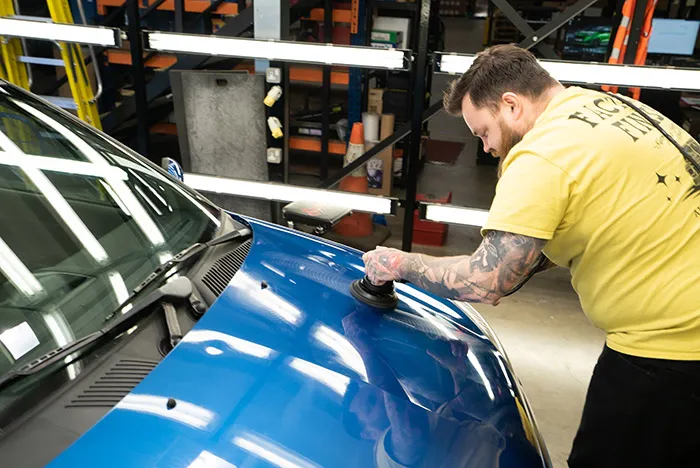
After washing, apply a quality carnauba or synthetic wax every three to four months. Wax creates a sacrificial barrier that absorbs environmental damage before it reaches the paint.
Modern ceramic coatings offer even stronger protection than traditional wax. A professional ceramic coating can last two to five years and provides excellent resistance to scratches and chemical damage.
Pay special attention to areas where paint chips commonly occur. The front bumper, hood leading edge, and lower door panels are particularly vulnerable to stone chips.
Touch up any paint chips promptly with matching touch-up paint. A small chip left unattended quickly becomes a rust spot that spreads beneath the surface.
Park in covered or shaded areas whenever possible. Continuous UV exposure degrades paint, rubber seals, and plastic trim more rapidly than almost any other factor.
Use a high-quality microfiber wash mitt and drying towel. Abrasive materials create micro-scratches that dull the paint’s finish over years of washing.
Never wipe a dusty vehicle with a dry cloth. Even fine dust particles can scratch the clear coat when dragged across the surface without lubrication.
Clay bar treatment once or twice a year removes embedded contaminants that washing cannot eliminate. These contaminants include industrial fallout, tree sap residue, and rail dust.
After clay bar treatment, the paint surface feels noticeably smoother to the touch. This smooth surface allows wax or ceramic coating to bond more effectively.
Interior UV protection matters just as much as exterior care. Use a windshield sun shade when parked to prevent dashboard cracking and interior fading.
A vehicle with well-maintained paint looks newer, feels newer, and commands a significantly higher resale value. Exterior care is visible proof of an owner’s maintenance standards.
Strategy 3: Maintain Tire Health and Rotation Discipline
Tires are the only part of your vehicle that touches the road. Their condition directly affects safety, fuel efficiency, handling, and the long-term health of suspension components.
Underinflated tires wear unevenly and generate excess heat. This heat weakens the tire’s internal structure, leading to premature failure and potential blowouts.
Check tire pressure at least once a month using a quality gauge. Tire pressure changes by approximately one PSI for every ten-degree Fahrenheit change in temperature.
Always check pressure when tires are cold, before driving. Heat from driving temporarily increases pressure readings, giving inaccurate measurements.
Keep tires inflated to the pressure specified on the door jamb sticker, not the maximum listed on the tire sidewall. The door jamb figure is what your vehicle was specifically designed to use.
Rotate your tires every 5,000 to 7,500 miles. Regular rotation ensures all four tires wear at the same rate, maximizing their lifespan. Unrotated tires wear heavily in specific positions, particularly the front tires on front-wheel-drive vehicles. This uneven wear forces premature replacement of a full set.
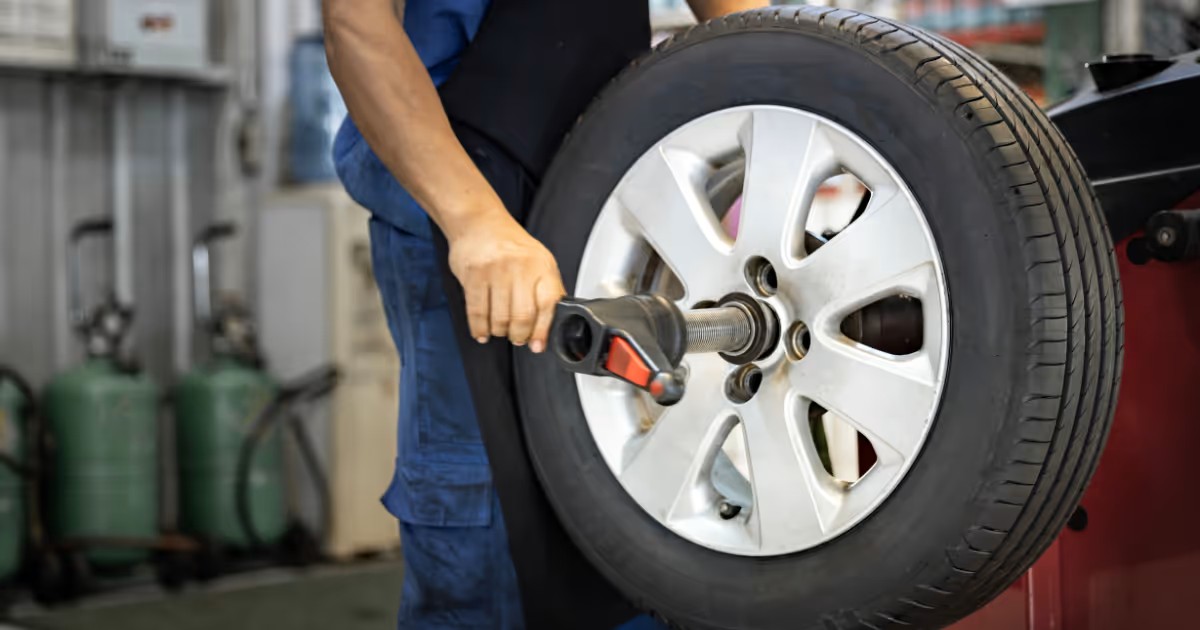
Have your wheel alignment checked annually or after any significant impact. Potholes, curb strikes, and off-road driving can knock alignment out of specification.
Misaligned wheels cause tires to scrub against the road at an angle. This dramatically accelerates tread wear and creates handling instability at highway speeds.
Wheel balancing should be performed whenever new tires are installed. Unbalanced wheels create vibrations that wear out steering and suspension components prematurely.
Inspect tires visually every month for signs of damage. Look for sidewall bulges, cuts, embedded objects, or unusual tread wear patterns.
A bulge in the sidewall indicates internal structural damage. This tire must be replaced immediately, as a blowout at highway speed can be fatal.
Maintain adequate tread depth for safe driving in wet conditions. Use the penny test — insert a penny into the tread with Lincoln’s head facing down. If you can see the top of Lincoln’s head, replace the tires.
Store seasonal tires properly when not in use. Clean them, stack them horizontally or hang them vertically, and keep them in a cool, dry location away from direct sunlight.
Quality tires are worth the investment. Budget tires wear faster, perform worse in emergencies, and can negatively affect the vehicle’s suspension geometry.
Healthy tires protect not just the tire investment but the entire suspension system. Ball joints, tie rods, and wheel bearings last significantly longer when running on properly inflated, balanced, and aligned tires.
Strategy 4: Keep the Interior Clean and Protected
The interior of your vehicle reflects its condition and care level. A deteriorating interior significantly reduces both the enjoyment and resale value of the vehicle.
Fabric seats and carpets trap dirt, moisture, and bacteria. Over time, these contaminants break down fibers and create permanent stains and odors.
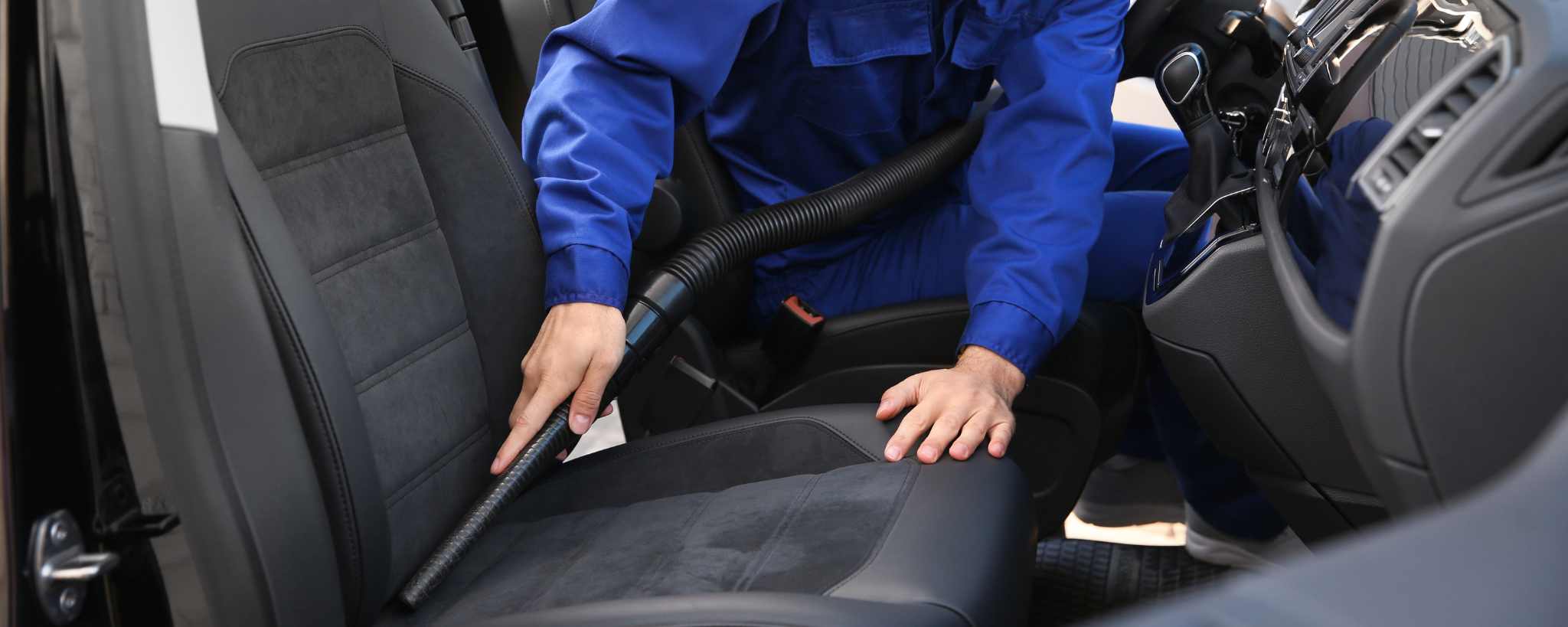
Vacuum the interior thoroughly at least twice a month. Pay particular attention to seat crevices, floor mats, and the trunk area where debris accumulates.
Use all-weather floor mats to protect the original carpet. These mats capture mud, water, and debris before it reaches the underlying carpet and padding.
Treat leather seats with a quality conditioner every three months. Leather that dries out cracks and flakes, damage that is expensive and difficult to repair.
Condition prevents leather from losing its natural oils through exposure to heat and UV light. A well-conditioned leather interior can remain supple and attractive for twenty years.
Apply UV protectant to the dashboard, door panels, and other plastic surfaces. UV radiation causes plastic to fade, crack, and become brittle over time.
Never eat inside your vehicle if possible. Food particles attract insects and rodents, and spills create stains that become permanent if not addressed immediately.
Address spills instantly. Blot liquids with a clean cloth and treat the area with an appropriate fabric or leather cleaner immediately.
Leaving a wet stain to dry set creates a much harder cleaning challenge. Certain liquids like coffee and soda can permanently discolor fabric if not treated within minutes.
Clean the headliner gently to avoid sagging. The headliner fabric is attached with heat-sensitive adhesive that can loosen from aggressive cleaning or excessive moisture.
Keep windows clean on the inside as well as the outside. Interior window haze is caused by off-gassing from plastic components and reduces visibility significantly.
Use a quality glass cleaner and a microfiber cloth for interior glass. Avoid ammonia-based cleaners on tinted windows, as ammonia degrades window tint film.
Protect the steering wheel with a conditioner appropriate to its material. A well-maintained steering wheel surface prevents cracking and maintains a quality grip feel.
Odor control matters for long-term interior health. Use activated charcoal bags or regular airing out to prevent musty smells from developing.
A clean, well-protected interior makes every drive more enjoyable. It also signals meticulous ownership to any future buyer, directly increasing resale value.
Also Read: 12 Best Ways to Keep Your Car Windshield Clear in High Humidity
Strategy 5: Address Rust Before It Spreads
Rust is the most destructive and irreversible condition that can affect a vehicle’s body. Once it penetrates through the metal, it compromises structural integrity and creates cascading damage.
Rust begins as surface oxidation, which appears as a dull reddish-brown discoloration. At this stage, it is completely treatable with minimal cost and effort.
Inspect the entire undercarriage of your vehicle at least twice a year. Use a flashlight to examine wheel wells, frame rails, floor pans, and exhaust system components.
The undercarriage is the first area to develop rust due to constant exposure to water, salt, and road debris. Early detection here is critical for long-term preservation.
Apply a professional-grade rust inhibitor or rubberized undercoating to the undercarriage. This coating seals vulnerable metal surfaces from moisture and road chemical exposure.
Treat any surface rust spots immediately with a rust converter product. Rust converter chemically transforms iron oxide into a stable compound that stops further oxidation.
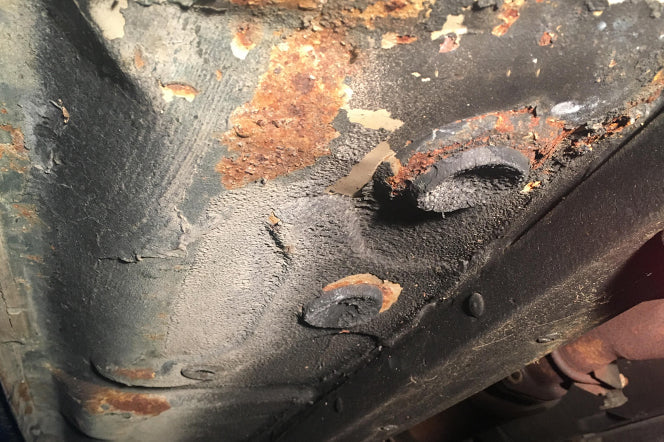
After applying rust converter, seal the area with primer and matching touch-up paint. This complete repair sequence addresses both the chemistry and the physical barrier against future moisture intrusion.
Pay close attention to door bottoms, rocker panels, and trunk edges. These areas trap moisture and debris, making them prime locations for rust development.
Ensure all drain holes in the doors, rocker panels, and hood are clear and unobstructed. Clogged drain holes cause standing water to accumulate, accelerating rust from the inside out.
In regions with heavy winter salting, consider professional rust-proofing treatment every few years. Electronic rust inhibitors that use low-level electrical charges are also available as an additional protective measure.
Rust in structural areas such as frame rails or subframe mounting points is a serious safety concern. This type of damage can cause the vehicle to fail catastrophically in a collision.
After off-road driving or exposure to flooding, wash the undercarriage immediately and thoroughly. Mud packed into hidden cavities holds moisture against metal surfaces for weeks.
Inspect the engine bay for rust as well. Corrosion on brackets, battery trays, and firewall components can spread to wiring harnesses and create electrical problems.
Weld-through primer on any bare metal work done during repairs is essential. Bare metal that is simply painted over will rust from beneath the paint within a short time.
Rust prevention is far less expensive than rust repair. A small tube of rust converter and touch-up paint costs a fraction of what professional body work charges.
A rust-free vehicle at twenty years is worth dramatically more than one with body cancer. Vigilance in rust prevention is one of the most financially rewarding habits an owner can adopt.
Strategy 6: Protect the Engine with Quality Parts and Timely Repairs
Small mechanical issues have a well-documented tendency to grow into large, expensive failures when ignored. Addressing problems early keeps repair costs manageable and prevents collateral damage.
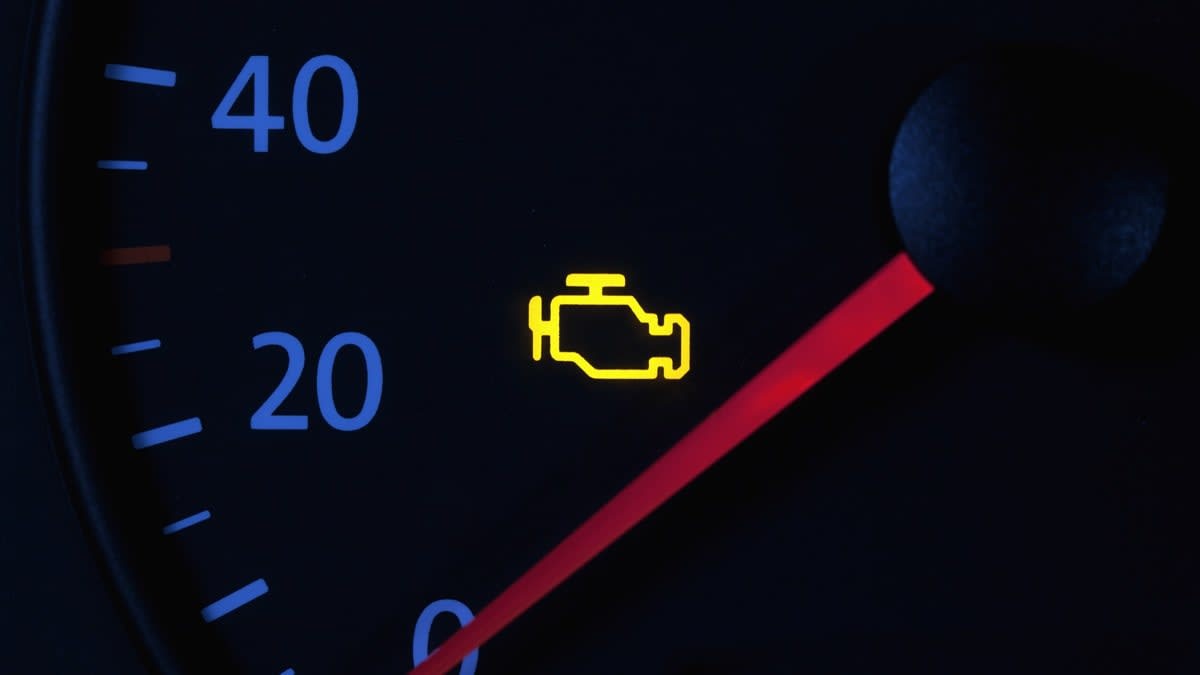
Your vehicle communicates through sounds, sensations, and warning lights. Learning to interpret these signals is an essential ownership skill. Never ignore a check engine light. While some triggers are minor, others indicate conditions that can cause serious engine damage within a short driving period.
Have the diagnostic code read immediately when the check engine light illuminates. Most auto parts stores offer this service free of charge. A knocking or ticking sound from the engine during cold starts typically indicates low oil pressure or worn valve train components. These symptoms require prompt professional diagnosis.
Unusual vibrations felt through the steering wheel or seat can indicate problems with the drivetrain, suspension, or wheel balance. Vibrations that worsen over time never resolve themselves.
Replace the timing belt or timing chain at the manufacturer-specified interval without exception. A snapped timing belt can destroy an entire engine in a fraction of a second.
This single repair is one of the most important preventive maintenance tasks for any vehicle. Skipping it to save money is a decision that frequently costs several thousand dollars in engine damage.
Use OEM or OEM-equivalent replacement parts whenever possible. Cheap aftermarket components may fit physically but often lack the precision and durability of quality parts.
Replace air filters at recommended intervals. A clogged air filter restricts airflow, reducing power, increasing fuel consumption, and causing the engine to run richer than designed.
Keep the spark plugs in good condition. Worn spark plugs cause misfires that stress the catalytic converter, reduce fuel economy, and create rough idling.
Have the cooling system inspected annually. A failing thermostat, worn water pump, or cracked hose can cause rapid overheating that permanently damages cylinder heads.
Replace serpentine belts before they fail. A snapped belt disables the alternator, power steering, and air conditioning simultaneously, often leaving the vehicle stranded.
Maintain the battery with annual load testing. A weak battery strains the alternator, and modern vehicles have complex electronics that are sensitive to voltage fluctuations.
Listen to your mechanic’s recommendations during routine service visits. A trusted mechanic who knows your vehicle is one of the most valuable resources an owner can have.
Quality parts and timely repairs protect your total investment. The cost of prevention is always a fraction of the cost of catastrophic mechanical failure.
Strategy 7: Practice Smooth, Gentle Driving Habits
How you drive has an enormous impact on how long your vehicle lasts. Aggressive driving habits create stress on virtually every mechanical and structural component simultaneously.
Hard acceleration forces the engine and transmission to work at maximum capacity repeatedly. Over thousands of cycles, this intensity creates wear that accumulates invisibly but consistently.
Allow the engine to warm up gently for the first few minutes after cold starting. Cold oil is thick and has not yet fully circulated through all engine passages.
Driving aggressively during cold starts causes metal components to contact each other before the oil film has fully established. This cold-start wear accounts for a disproportionate amount of total engine wear over a vehicle’s lifetime.
Brake smoothly and progressively rather than waiting for the last possible moment. Smooth braking preserves brake pad life, reduces rotor warping, and prevents flat spots on tires.
Hard braking converts kinetic energy into heat very rapidly. Excessive heat warps brake rotors, glazes brake pads, and can boil brake fluid in extreme situations.

Avoid riding the brakes downhill on long descents. Engine braking through downshifting is a more sustainable and mechanically friendly way to control speed on grades.
Do not rest your hand on the gear shifter while driving a manual transmission. This habit applies constant pressure to the transmission’s selector fork, causing premature wear.
Avoid overloading your vehicle beyond its rated payload capacity. Carrying excess weight strains the engine, transmission, suspension, and tires simultaneously.
Plan your routes to minimize excessive idling. Long idling periods put hours on the engine without accumulating mileage, skewing the maintenance schedule.
Anticipate traffic flow to avoid unnecessary acceleration and braking cycles. Smooth, predictable driving is gentler on the drivetrain and dramatically improves fuel economy.
Avoid driving through deep puddles or flooded sections of road. Water ingestion through the air intake causes catastrophic hydrolock, which instantly destroys the engine.
When towing, stay within the manufacturer’s rated towing capacity at all times. Exceeding tow ratings strains the transmission, cooling system, and frame beyond their designed tolerances.
Smooth driving benefits more than just mechanical components. It reduces fuel consumption, lowers emissions, and creates a more comfortable experience for all passengers.
Over twenty years, driving habits have a compounding effect on vehicle condition. A gently driven vehicle at 150,000 miles will be mechanically superior to an aggressively driven vehicle at 80,000 miles.
Strategy 8: Keep Electrical Systems Healthy and Updated
Modern vehicles are increasingly dependent on complex electrical and electronic systems. Neglecting the electrical side of maintenance leads to unreliable operation and expensive diagnostic work.
The battery is the foundation of the entire electrical system. A weak or failing battery forces the alternator to work harder, shortening its lifespan significantly.
Test the battery’s voltage and cold cranking amps annually, particularly before winter. Cold temperatures dramatically reduce battery capacity and make hard-starting conditions much more likely.
Replace the battery proactively every four to five years, even if it appears to be functioning normally. Battery failure is rarely gradual, it often occurs suddenly and without warning.
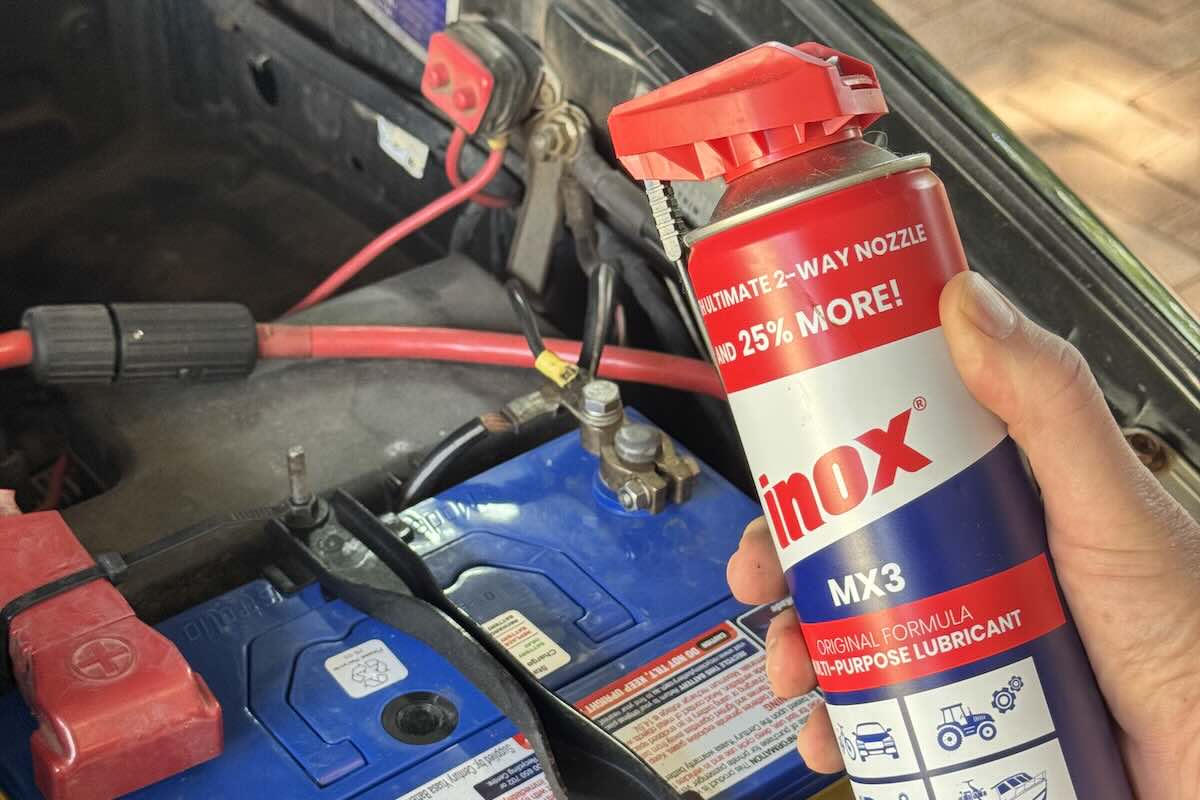
Keep battery terminals clean and free of corrosion. White or greenish buildup on the terminals increases electrical resistance and can cause starting failures and charging system problems.
Clean corroded terminals with a mixture of baking soda and water applied with an old toothbrush. After cleaning, apply a terminal protector spray to prevent future corrosion.
Inspect all visible wiring for signs of chafing, cracking, or rodent damage regularly. Compromised wiring insulation can cause short circuits, blown fuses, and in severe cases, vehicle fires.
Address any warning lights related to the charging system immediately. An undercharging or overcharging alternator can damage sensitive electronic modules throughout the vehicle.
Keep software and firmware updates current on vehicles with connected infotainment and driver assistance systems. Manufacturers release updates that fix bugs, improve performance, and close security vulnerabilities.
Protect the vehicle’s electronic control units from moisture. Leaking sunroofs, door seals, and windshield seals can allow water to reach control modules, causing catastrophic and expensive failures.
Use a battery maintainer or trickle charger if the vehicle will sit unused for an extended period. Deep battery discharge causes sulfation, which permanently reduces battery capacity.
Ensure all exterior lights function correctly at all times. Non-functioning lights are not just a safety hazard, they can attract law enforcement attention and indicate fuse or wiring problems.
Have the alternator tested during annual service visits. An alternator showing early signs of failure will give warning through irregular charging voltage before complete failure occurs.
Avoid aftermarket electrical additions that are installed improperly. Poorly wired accessories can drain the battery, create fire hazards, and void manufacturer warranties. The electrical system is the nervous system of your vehicle. Keeping it healthy ensures every other system operates as designed.
A well-maintained electrical system also means your vehicle’s diagnostic systems function accurately. This allows early detection of problems in other systems before they cause significant damage.
Strategy 9: Store Your Vehicle Properly When Not in Use
How and where you store your vehicle has a profound impact on its long-term condition. Proper storage protects every aspect of the vehicle, simultaneously the body, mechanical systems, and interior.
Outdoor storage exposes the vehicle to UV radiation, bird droppings, tree sap, and weather extremes. Each of these elements causes gradual but cumulative damage over months and years.
A garage is the ideal storage environment for a vehicle. Garage storage moderates temperature extremes, eliminates UV exposure, and keeps moisture levels more consistent.
If garage storage is unavailable, invest in a high-quality, breathable vehicle cover. Breathable covers prevent moisture condensation beneath the cover, which would otherwise accelerate rust.
Never use a non-breathable tarp directly over a vehicle. Trapped moisture beneath a tarp creates a humid microenvironment that aggressively promotes rust and mildew growth.
For seasonal or long-term storage, perform a specific preparation routine. Change the oil before storage to remove acidic combustion byproducts that can corrode engine internals during inactivity.
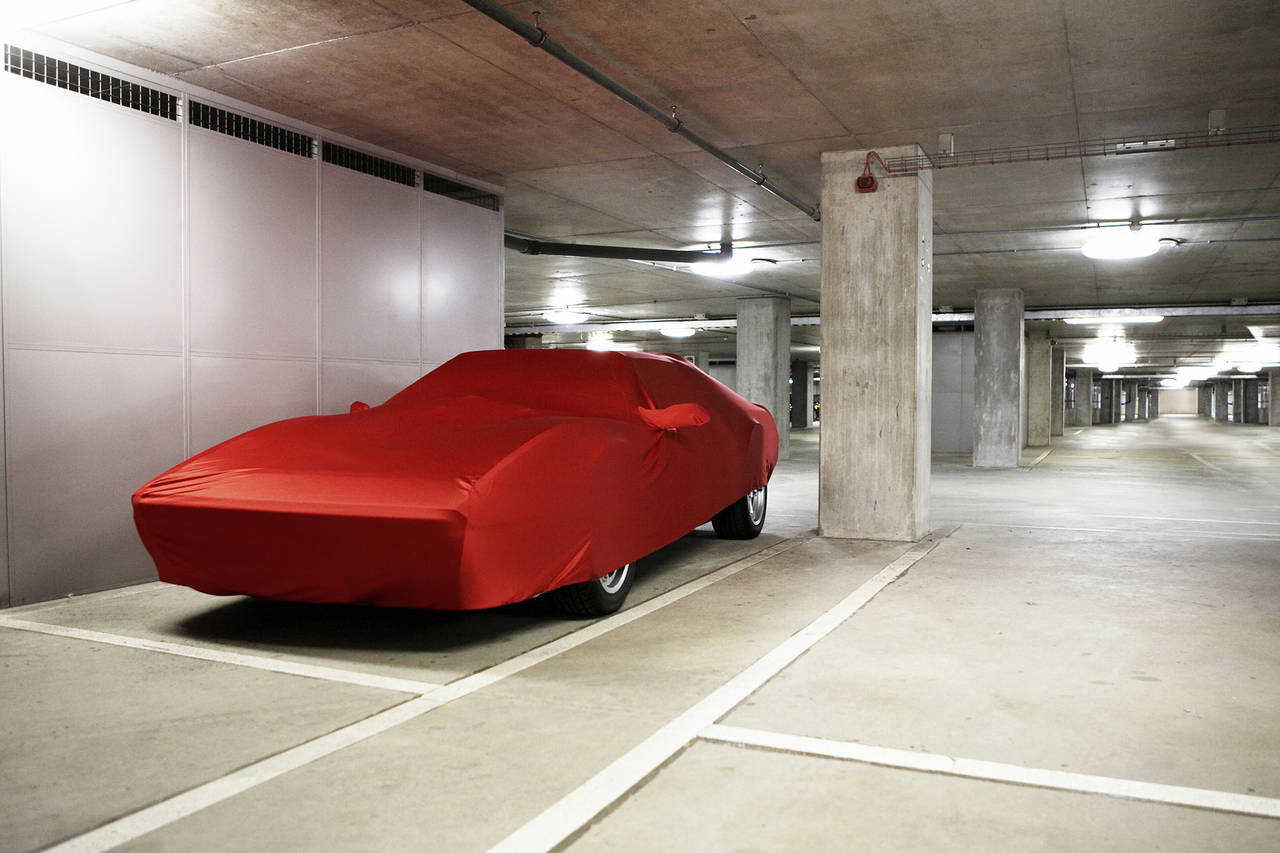
Fill the fuel tank completely before long-term storage. A full tank minimizes the air space above the fuel, reducing moisture condensation inside the tank and preventing fuel system corrosion.
Add a quality fuel stabilizer to the tank before extended storage. Modern gasoline begins to degrade within thirty days, forming varnish deposits that clog fuel injectors and carburetors.
Inflate tires to the higher end of the recommended range before storage. Tires slowly lose pressure over time, and under-inflated stationary tires develop flat spots.
If storing for more than two months, consider placing the vehicle on jack stands to remove the weight from the tires entirely. This eliminates the risk of flat spotting completely.
Disconnect the battery or connect a battery maintainer during storage. A disconnected battery slowly self-discharges, but a maintainer keeps it at optimal charge throughout the storage period.
Place moisture-absorbing products inside the vehicle during storage. Silica gel packets or activated charcoal bags absorb humidity and prevent mildew from forming on interior surfaces.
Cover the exhaust pipe opening with a cloth to prevent rodents from entering. Rodents nesting inside exhaust systems and engine bays cause significant wiring and mechanical damage.
Inspect the stored vehicle monthly if possible. Early detection of any developing issues fluid leaks, pest activity, or tire pressure loss prevents minor problems from becoming serious ones.
Proper storage is an extension of proper maintenance. A vehicle that is stored correctly will emerge from an extended period of inactivity in the same condition it entered.
Strategy 10: Build a Relationship with a Trusted Mechanic
No maintenance guide, app, or online forum can replace the value of a skilled, honest mechanic who knows your specific vehicle. This professional relationship is one of the most powerful tools available to a long-term vehicle owner.
A trusted mechanic develops familiarity with your vehicle’s history, quirks, and patterns over years of service. This institutional knowledge allows earlier detection of developing problems.
Find a mechanic before you urgently need one. A rushed search for a repair shop during an emergency rarely results in finding the best available professional.
Ask friends, family, and coworkers for personal recommendations. Word-of-mouth referrals from people who have used a mechanic’s services over years are the most reliable form of review.
Look for mechanics who are certified by the National Institute for Automotive Service Excellence. ASE certification demonstrates verified competency across specific areas of automotive repair.
Bring your vehicle to the same shop consistently. Mechanics who see your vehicle regularly build a baseline understanding of its normal sounds, performance, and wear patterns.
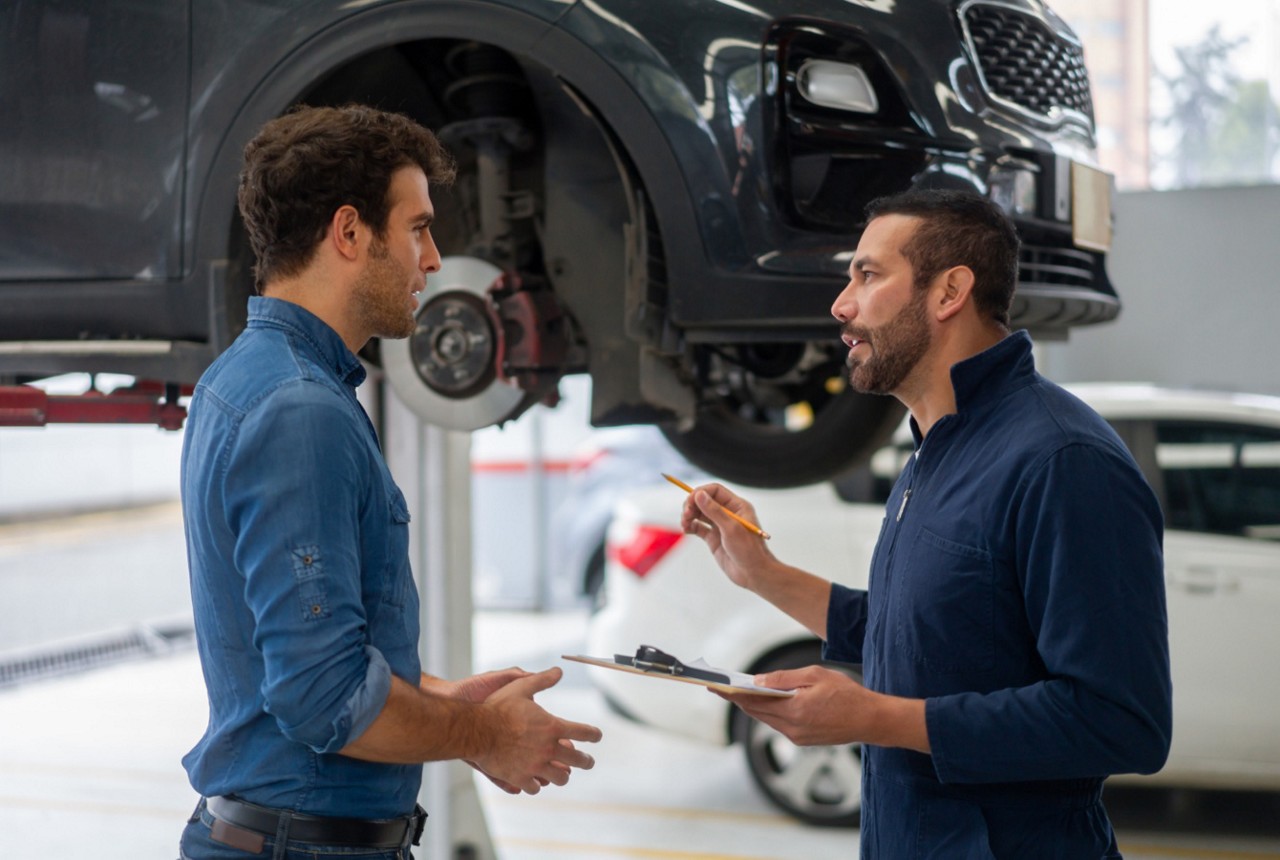
Ask questions during every service visit. A good mechanic welcomes informed owners and is willing to explain what was found, what was done, and what to watch for in the future.
Request to see worn components that were replaced. A reputable mechanic will show you the old part and explain why replacement was necessary.
Avoid shops that pressure you into immediate, expensive repairs without evidence. A trustworthy mechanic provides written estimates and allows you time to make informed decisions.
Keep copies of every repair invoice. These records document the vehicle’s complete maintenance and repair history, which is valuable for both your planning and future resale.
Schedule a comprehensive annual inspection separate from routine oil changes. This full inspection covers all major systems, including brakes, suspension, steering, and exhaust.
A good mechanic also serves as an advisor for future planning. They can tell you which components are approaching their service life, allowing you to budget for upcoming repairs.
Consider specialty shops for specific repairs. Transmission specialists, for example, often provide higher-quality work on complex gearbox repairs than general service shops.
Be a loyal and respectful customer. Mechanics, like all professionals, provide their best work for clients they know and trust.
Communicate clearly about the symptoms you are experiencing. Specific descriptions of when, where, and how a problem occurs dramatically speed up the diagnostic process.
Building a long-term relationship with a skilled mechanic is an investment in your vehicle’s future. With their expertise supporting your consistent maintenance habits, keeping a vehicle in new condition for twenty years becomes not just possible, but entirely achievable.
Also Read: 8 Reasons to Avoid First Generation Tech in Brand New 2026 Models
