
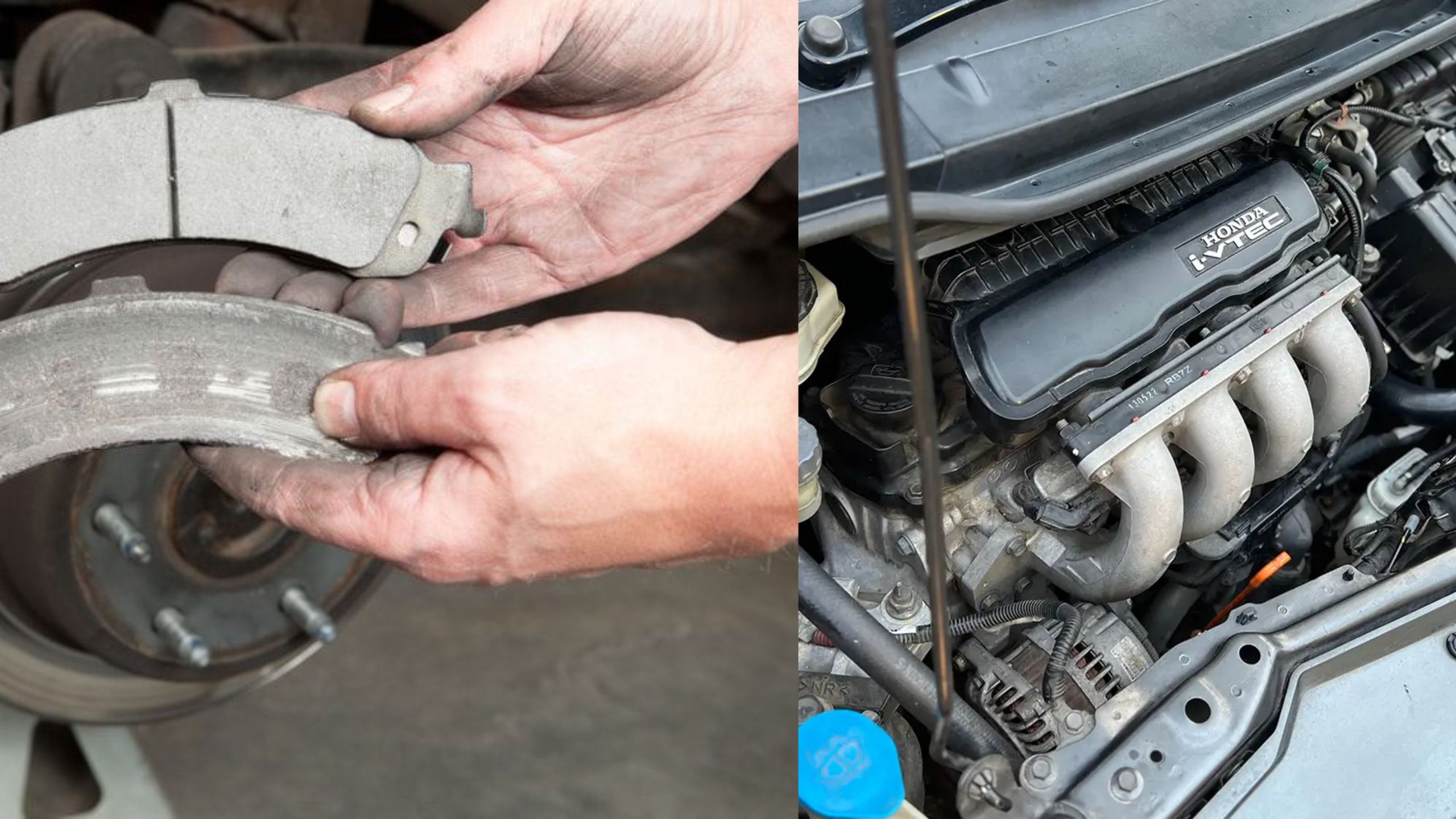
A shaking steering wheel at highway speeds is one of the most unsettling experiences a driver can face. It can turn a simple commute into a stressful journey filled with worry and uncertainty.
Many drivers ignore this warning sign, hoping it will go away on its own. That is a dangerous mistake that can lead to serious accidents.
Your steering wheel is directly connected to your vehicle’s front-end components. Any imbalance, wear, or damage in those components will translate directly into vibration you feel through the wheel.
The faster you drive, the more pronounced the shaking becomes. This is especially true at speeds between 60 and 80 miles per hour.
Steering wheel vibration is your car’s way of communicating that something is wrong. It is not just an inconvenience it is a safety warning. Ignoring it can lead to sudden tire blowouts, brake failure, or complete loss of vehicle control. Every kilometer driven with this problem is a risk taken unnecessarily.
The good news is that most causes are identifiable and fixable. Understanding the root cause helps you take the right action quickly. In this guide, we break down the 12 most common reasons your steering wheel shakes at highway speeds. Read carefully your safety depends on it.
1. Unbalanced Tires
Unbalanced tires are the single most common reason for steering wheel vibration at highway speeds. When a tire is even slightly out of balance, it creates an uneven rotating mass.
That imbalance generates vibration that travels through the axle and into the steering column. By the time it reaches your hands, it feels like a persistent, rhythmic shake.
Every tire has small weight variations from the manufacturing process. These imperfections are corrected by attaching small metal weights to the wheel rim. Over time, those balancing weights can fall off due to road impacts or corrosion. When that happens, the tire immediately becomes unbalanced again.
The vibration from unbalanced tires typically begins at around 80 to 100 km/h. It becomes most intense between 100 and 120 km/h. At higher speeds, the vibration can sometimes smooth out temporarily before returning. This on-and-off pattern is a telltale sign of a balance issue.
Hitting a pothole, a speed bump, or a deep crack in the road can knock weights off instantly. You might notice the shaking starts immediately after driving over rough terrain. Even a small weight loss of five grams can cause noticeable vibration. The higher your speed, the worse that small imbalance feels.
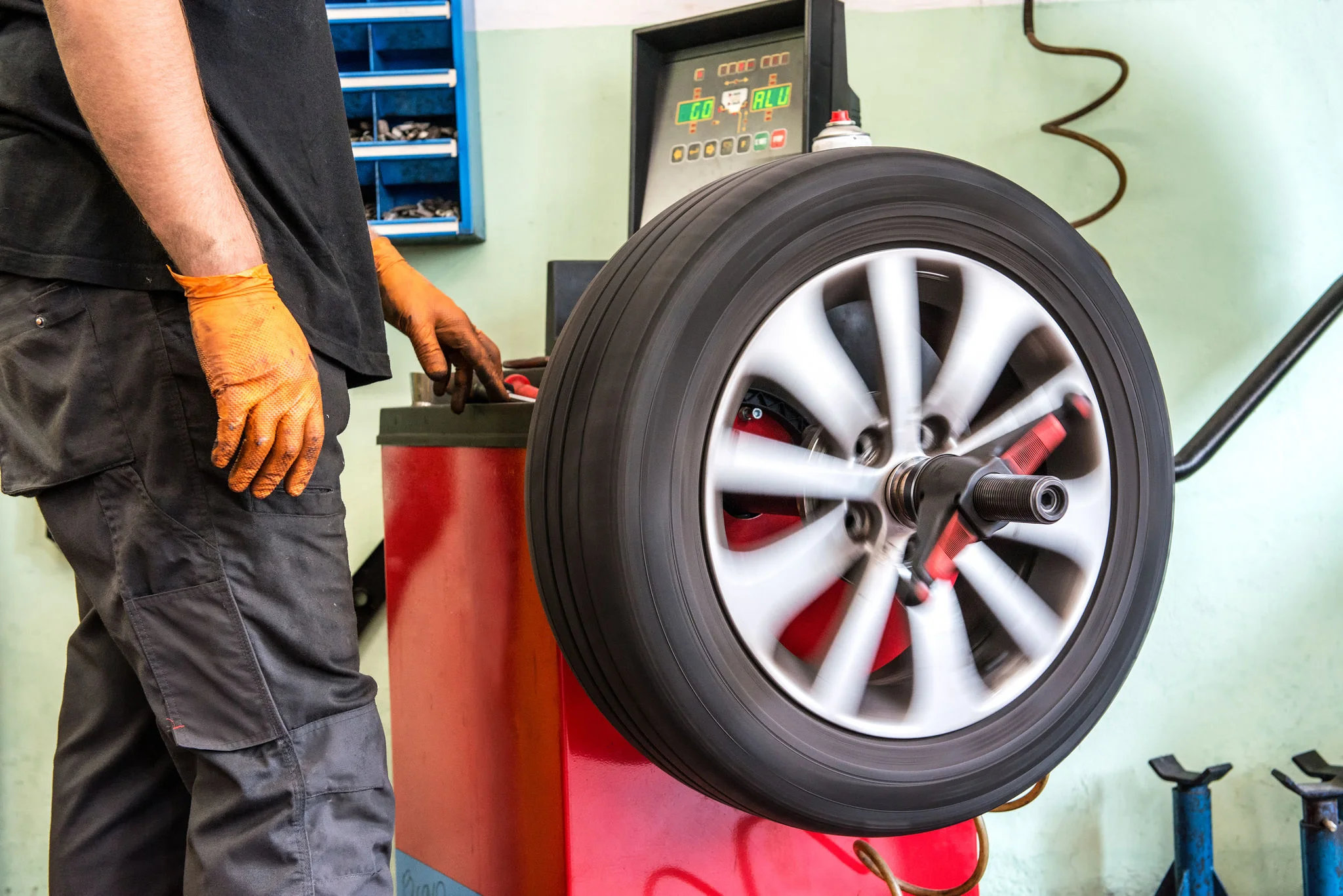
Tire balancing is one of the cheapest and quickest fixes available. A mechanic places your wheel on a balancing machine that spins it at high speed. The machine detects where the weight imbalance exists. Small weights are then attached to the rim to correct the problem.
You should balance your tires every 10,000 to 15,000 kilometers. Always balance them whenever you install new tires or rotate existing ones. If you feel vibration after hitting a large pothole, get the balance checked immediately. Neglecting this simple maintenance step causes uneven tire wear and shortens tire life significantly.
Unbalanced tires also stress your wheel bearings and suspension components over time. The constant vibration acts like a slow hammer on every connected part. What starts as a minor balance issue can evolve into expensive suspension damage. Address it early and you save both money and safety.
Some drivers confuse tire imbalance with wheel misalignment. Both cause vibration, but they feel slightly different. Imbalance creates a rhythmic bounce or wobble at specific speeds. Alignment problems typically cause a constant pull to one side along with vibration.
Getting your tires balanced is a 30-minute job at most repair shops. The cost is minimal compared to the damage caused by ignoring it. Always ask for a four-wheel balance, not just the front two. Balanced tires give you a smoother, safer, and more fuel-efficient drive every single time.
2. Wheel Alignment Issues
Wheel alignment refers to the precise angle at which your tires make contact with the road. When these angles are off, your tires do not roll in a perfectly straight line. Instead, they fight against each other and the road surface. This creates friction, uneven wear, and noticeable steering wheel vibration at highway speeds.
Alignment goes out of specification for many reasons. Hitting a curb, driving through a deep pothole, or a minor accident can all shift alignment angles. Normal wear of suspension and steering components also causes gradual misalignment. Even changing a tire without rechecking alignment can introduce small angle deviations.
There are three main alignment angles that technicians measure and adjust. Camber is the inward or outward tilt of the tire when viewed from the front. Toe is the direction the tires point inward or outward when viewed from above. Caster is the angle of the steering axis when viewed from the side.
When camber is off, the tire wears heavily on one edge. When toe is incorrect, the tire scrubs sideways against the road as it rolls. Both conditions create heat and vibration. Incorrect caster affects steering stability and makes the wheel feel light and wobbly at speed.
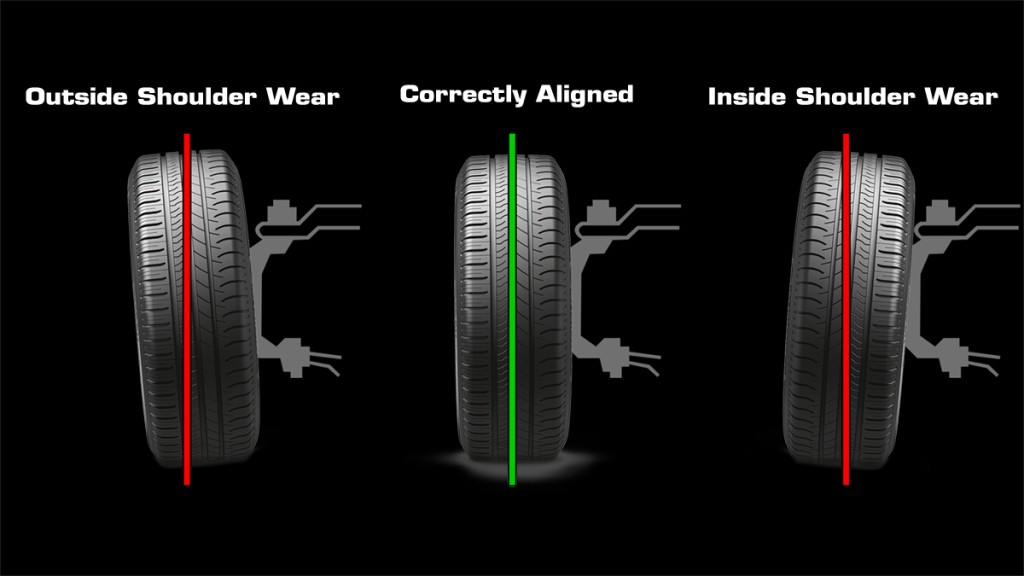
Misalignment vibration tends to feel more like a constant shimmy than a rhythmic bounce. It often comes with a pulling sensation the car drifts to the left or right without steering input. You may also notice that your steering wheel sits slightly off-center when driving straight. These are all classic misalignment symptoms.
Tire wear patterns tell a clear story about alignment. If the inner or outer edge of your tire is wearing faster than the center, alignment is likely off. Feathering where tread blocks are rounded on one side and sharp on the other also signals toe problems. Checking tire wear regularly helps catch alignment issues early.
Wheel alignment is corrected using a computerized alignment machine. The technician measures all four wheels and adjusts them to manufacturer specifications. The process usually takes about an hour. Most manufacturers recommend an alignment check every 20,000 kilometers or after any significant road impact.
Poor alignment does not just cause vibration it destroys tires prematurely. A misaligned vehicle can wear through a set of tires in half the expected lifespan. It also reduces fuel efficiency because your tires are constantly working against each other. Fixing alignment saves money on tires and fuel while improving safety dramatically.
3. Worn or Damaged Tires
Tires wear down gradually with every kilometer driven. When the tread wears unevenly or develops flat spots, the tire no longer rolls smoothly. Uneven tread creates imbalanced contact with the road surface. This imbalance translates directly into steering wheel vibration at speed.
Flat spots are a common but often overlooked cause of tire-related vibration. They form when a car sits stationary for a long period, especially in cold weather. The bottom of the tire flattens slightly from bearing the vehicle’s weight. When you drive, the flat spot creates a rhythmic thump with every rotation.
Cupping, also called scalloping, is another form of uneven tire wear. It appears as a series of high and low spots around the tire’s circumference. Cupping is usually caused by worn shock absorbers or struts that allow the tire to bounce against the road. Each high spot hits the road surface harder, creating vibration and noise.
Tires can also develop internal damage from impacts or manufacturing defects. A broken belt inside the tire causes a lump or bulge on the sidewall. That lump throws the entire tire out of round, creating severe vibration. Even at low speeds, a tire with a broken belt can shake the entire front end of the vehicle.
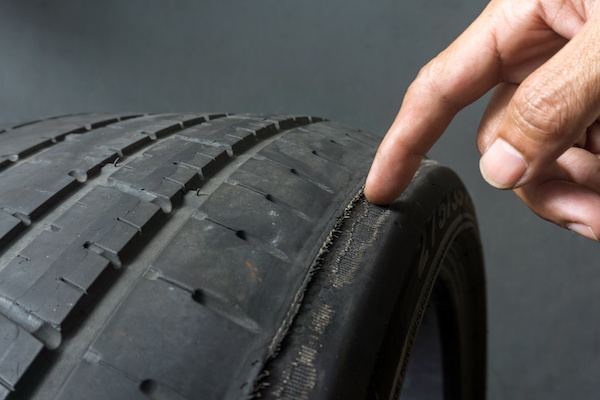
Bubbles on the sidewall are extremely dangerous. They indicate that the inner structure of the tire has failed. The bubble is the outer rubber barely holding back the air pressure. A tire in this condition can blow out without any additional warning, especially at highway speeds.
Inspect your tires regularly for signs of damage and irregular wear. Look for bald patches, cracking sidewalls, visible cords, or any bulges. Run your hand along the tread to feel for cupping or flat spots. Any tire showing these symptoms should be replaced immediately no exceptions.
Tire age is also a factor even if the tread looks fine. Rubber hardens and degrades over time due to heat, UV exposure, and oxidation. Most manufacturers recommend replacing tires after six to ten years regardless of tread depth. Old, hardened rubber does not grip the road properly and is more prone to vibration.
Rotating your tires every 8,000 to 10,000 kilometers promotes even wear across all four tires. Even wear extends tire life and reduces the chance of vibration developing. Always replace tires in pairs on the same axle to maintain balanced handling. Never mix tires of different sizes, constructions, or tread patterns on the same vehicle.
4. Brake Rotor Problems
Brake rotors are the large metal discs that your brake pads clamp against to slow your vehicle. When rotors become warped, worn unevenly, or develop thickness variation, they cause vibration. This vibration is felt most strongly in the steering wheel and brake pedal. It is one of the most important warning signs a driver should never ignore.
Rotor warping is the most common brake-related cause of steering wheel shake. Rotors warp when they are exposed to extreme heat followed by rapid cooling. Hard braking on a long downhill grade heats the rotors intensely. Driving through water or puddles immediately after brakes overheat causes the metal to cool unevenly and distort.
Rotor thickness variation often called DTV occurs when the rotor surface wears unevenly. Even tiny variations of 0.02 mm in rotor thickness can cause pedal pulsation.
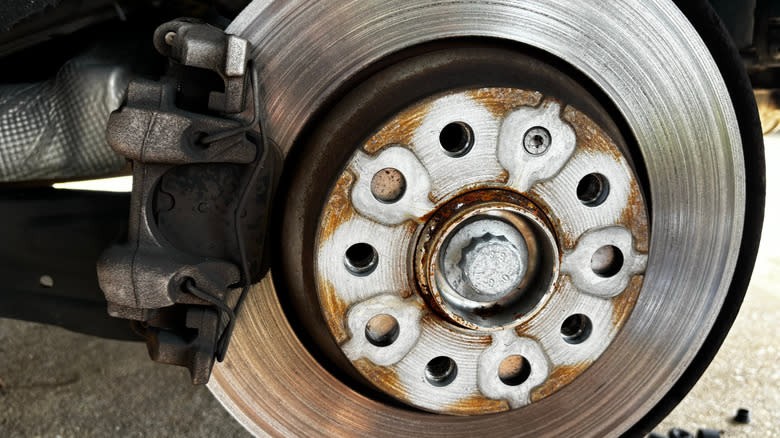
As the rotor spins, the thick and thin spots push the brake pads in and out slightly. That movement travels through the caliper and into the steering components as vibration.
Brake-related vibration has a distinct characteristic compared to tire or suspension issues. It becomes most obvious when you apply the brakes at highway speed. The steering wheel may shake even more intensely as you press the pedal. Releasing the brake often reduces or eliminates the vibration temporarily.
Replace brake rotors when they are worn beyond minimum thickness or cannot be corrected by machining. Always replace rotors in pairs on the same axle to ensure even braking. New rotors should always be paired with new brake pads. Mixing new rotors with old, glazed pads leads to uneven break-in and premature warping.
Also Read: 12 Modern Features That Cost 2000 Dollars to Fix Out of Warranty
5. Worn Suspension Components
Your vehicle’s suspension system is a complex network of arms, joints, bushings, and links. These components absorb road shocks and keep your tires in firm contact with the road. When any of these parts wear out or fail, they allow excessive movement in the steering and wheel assembly. That movement manifests as a disturbing shake in your steering wheel at speed.
Ball joints are critical suspension components connecting the wheel hub to the control arms. They allow the wheel to move up and down while also rotating for steering. Worn ball joints develop play meaning they move loosely in directions they should not. At highway speeds, this looseness creates a pronounced shimmy or wobble felt directly in the steering wheel.
Control arm bushings are rubber or polyurethane sleeves that cushion the connection between the control arm and the vehicle frame. They isolate road vibrations from the cabin and keep components aligned. As bushings age, they crack, harden, or disintegrate. Worn bushings allow the control arm to shift position under load, causing steering imprecision and vibration.
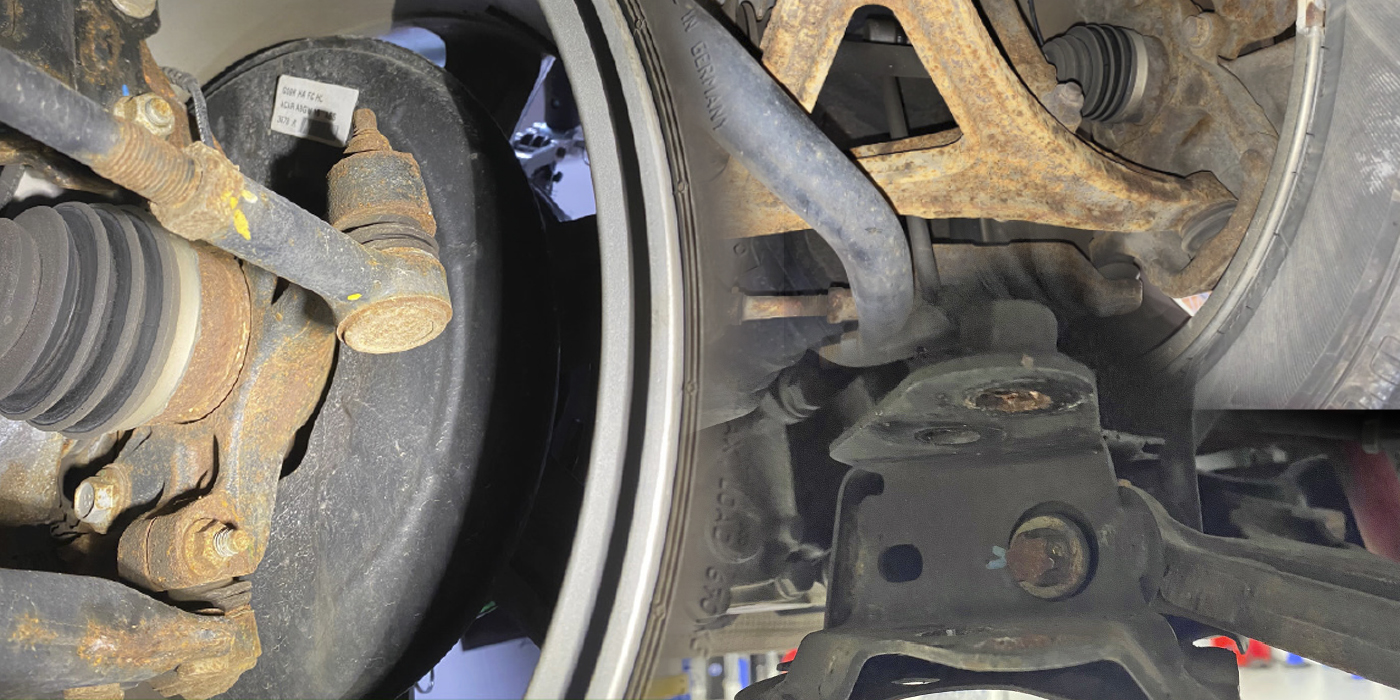
Tie rod ends connect your steering rack to the wheel hub. They allow the steering input from the wheel to turn the tires. Worn tie rod ends develop looseness that allows the wheel to wander slightly. This loose steering feel is accompanied by vibration and is extremely dangerous at highway speeds.
Struts and shock absorbers control the up-and-down movement of the suspension. A worn strut allows the tire to bounce excessively over road imperfections.
That bouncing creates the tire cupping mentioned earlier and generates persistent steering vibration. Pressing firmly on each corner of the car and releasing is a simple test more than two bounces suggests worn shocks or struts.
Suspension components should be inspected at every major service interval. Any impact with a large pothole or road obstacle warrants an immediate suspension check.
Replacing worn components not only eliminates vibration but also restores proper tire contact, improving handling, braking, and vehicle safety significantly.
6. Wheel Bearing Failure
Wheel bearings allow your wheels to spin freely with minimal friction. They are precision components that must support the entire weight of the vehicle while enduring constant rotation.
When a wheel bearing begins to fail, it creates noise, vibration, and eventually a dangerous loss of wheel stability. A failing bearing at highway speed is a serious safety emergency.
The most recognizable symptom of a bad wheel bearing is a humming, growling, or grinding noise. This noise often changes pitch when you change lanes or steer slightly. The noise increases with vehicle speed because the bearing spins faster. At highway speeds, the growl can become a loud roar that is impossible to ignore.
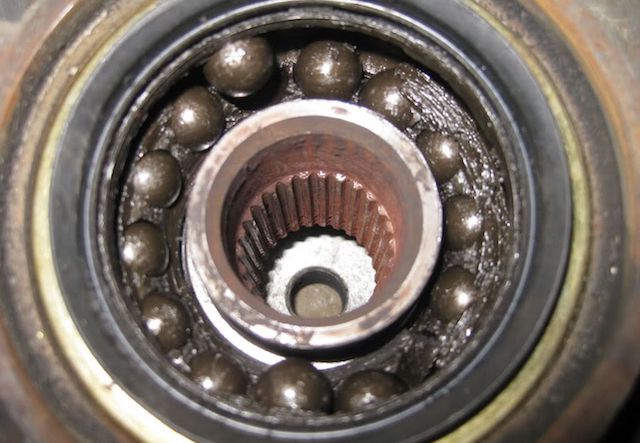
Vibration from a failing wheel bearing starts subtle and worsens progressively. In early stages, you may only feel a slight tremor in the steering wheel.
As the bearing deteriorates further, the vibration becomes more pronounced and constant. Unlike tire imbalance which varies with speed, bearing vibration is typically consistent above a certain threshold.
To identify which bearing is failing, try this simple test. Drive at the speed where vibration is strongest. Sway the car gently to the left and then to the right. If the vibration changes when you sway in one direction, the opposite side bearing is likely the culprit. A mechanic can confirm this with a more thorough inspection.
Replacing a wheel bearing is a moderate-complexity repair that requires pressing equipment. It should always be performed by a qualified mechanic. Never delay this repair once a bearing is confirmed to be failing. A wheel separation at highway speed can be fatal for the driver and everyone nearby.
7. Damaged or Bent Wheel Rims
Your wheel rims are the foundation that supports your tires. They must be perfectly round and true for smooth, vibration-free rolling. A bent or damaged rim disrupts this geometry and causes the tire to roll unevenly. Even a small bend of just a few millimeters can create significant steering wheel vibration at highway speeds.
Rims get bent most commonly from hitting potholes, curbs, or road debris. The impact compresses the tire and transmits force directly into the rim. Alloy wheels, despite being stronger and lighter than steel, are particularly vulnerable to bending. A sharp pothole impact at speed can bend an alloy rim instantly.
Bent rims cause a type of vibration that is often rhythmic and thump-like. The vibration tends to increase steadily with speed rather than peaking at a specific velocity.
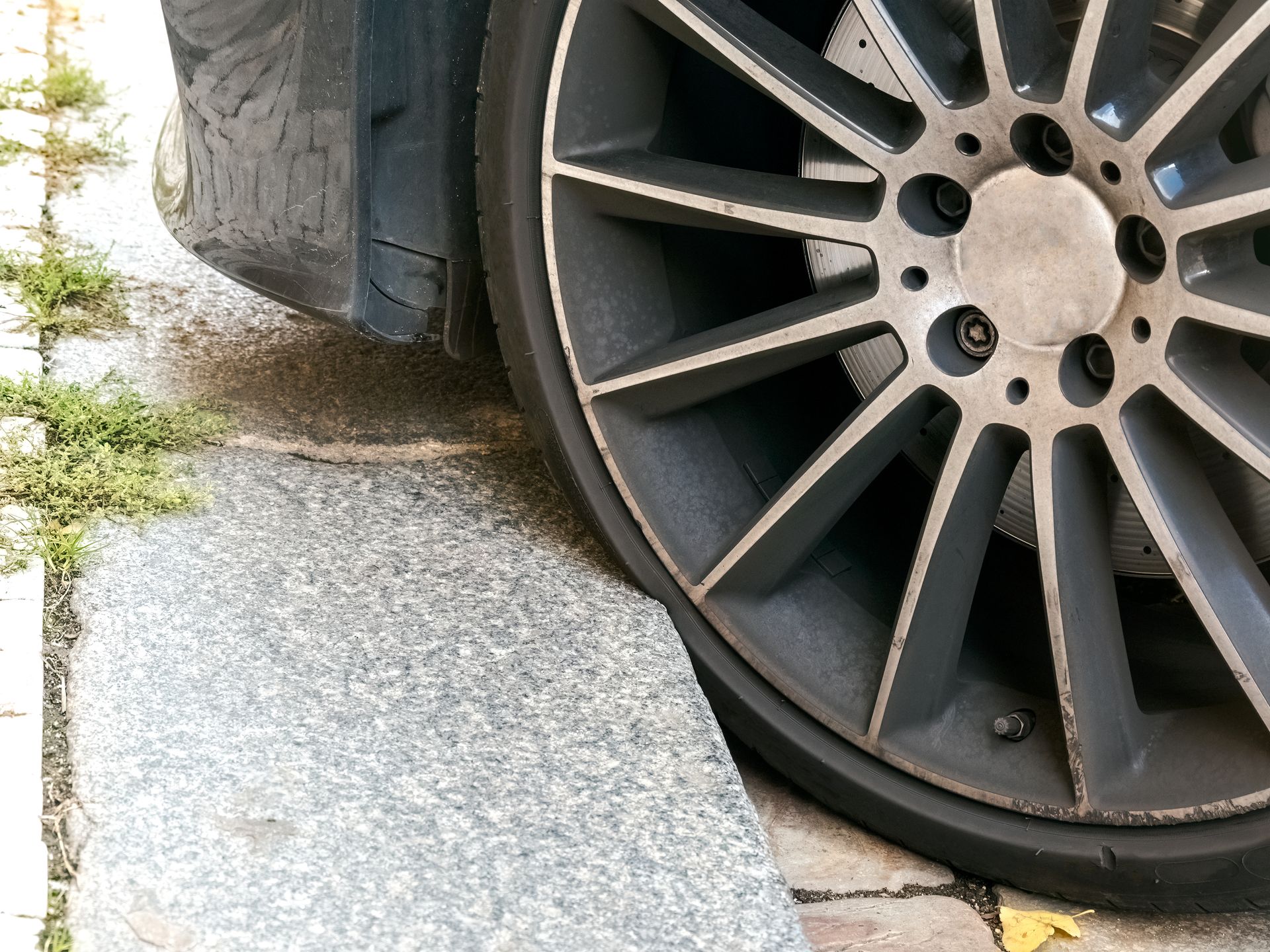
Unlike tire imbalance which has a sweet spot where vibration is worst, a bent rim causes vibration that worsens continuously as you accelerate. This makes highway driving progressively more uncomfortable and dangerous.
Visually inspecting a rim for damage is the first step. Look for flat spots, dents along the bead area, or cracks anywhere on the rim surface. Run your finger around the inside lip of the rim where the tire seats. Even a small dent in this area can prevent the tire from seating properly, allowing air to leak and causing vibration.
If you suspect a bent rim, have it inspected and measured by a mechanic without delay. They can place it on a balancing machine and observe any radial or lateral runout. Even if the vibration seems manageable, a compromised rim is a ticking safety hazard. Always address rim damage before it leads to a tire failure at speed.
8. Faulty or Worn Brake Pads
Brake pads are the friction material that clamps against the rotor to stop your vehicle. When pads wear unevenly, become glazed, or develop uneven deposits on the rotor surface, they can cause steering wheel vibration. This is especially noticeable at highway speeds when braking from high velocity. Ignoring worn brake pads risks both vibration and critically reduced stopping power.
Brake pad glazing occurs when pads overheat repeatedly. The surface of the pad hardens and becomes smooth, reducing friction. Glazed pads do not grip the rotor evenly across their surface. This uneven contact creates a pulsing effect every time you apply the brakes, which feels like a rhythmic steering wheel shake.
Uneven brake pad wear happens when calipers do not release properly after braking. A seized caliper piston keeps the pad pressed against the rotor even when you are not braking.
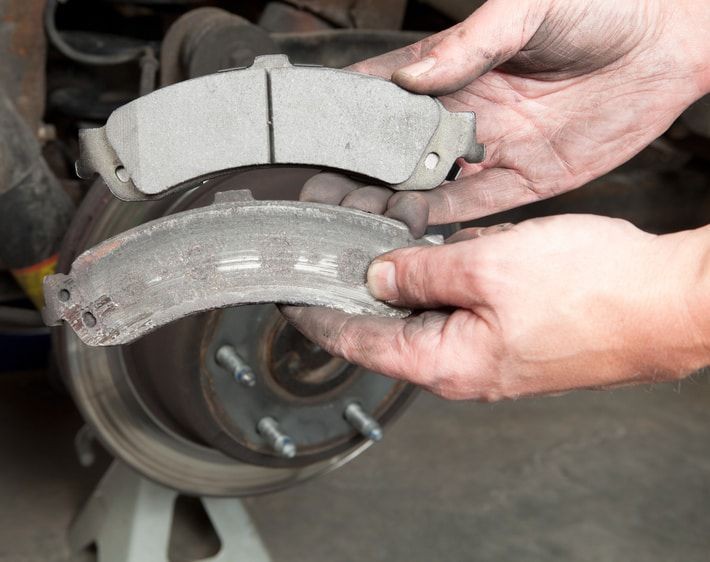
This continuous contact heats the pad and rotor excessively. Over time, it causes uneven deposits of brake material on the rotor surface, creating the same pulsation as a warped rotor.
Brake pad deposits on rotors are called brake judder. This condition is extremely common and often mistaken for rotor warping. The deposits are transferred unevenly onto the rotor surface during aggressive or repeated braking. These raised areas create thickness variation in the rotor, causing vibration with every rotation at speed.
Always replace brake pads in pairs on the same axle. Mixing old and new pads on the same axle creates uneven braking force. This can cause the vehicle to pull to one side when braking. Pair new pads with clean, properly surfaced rotors for the best braking performance and vibration-free operation.
9. Loose or Worn Lug Nuts
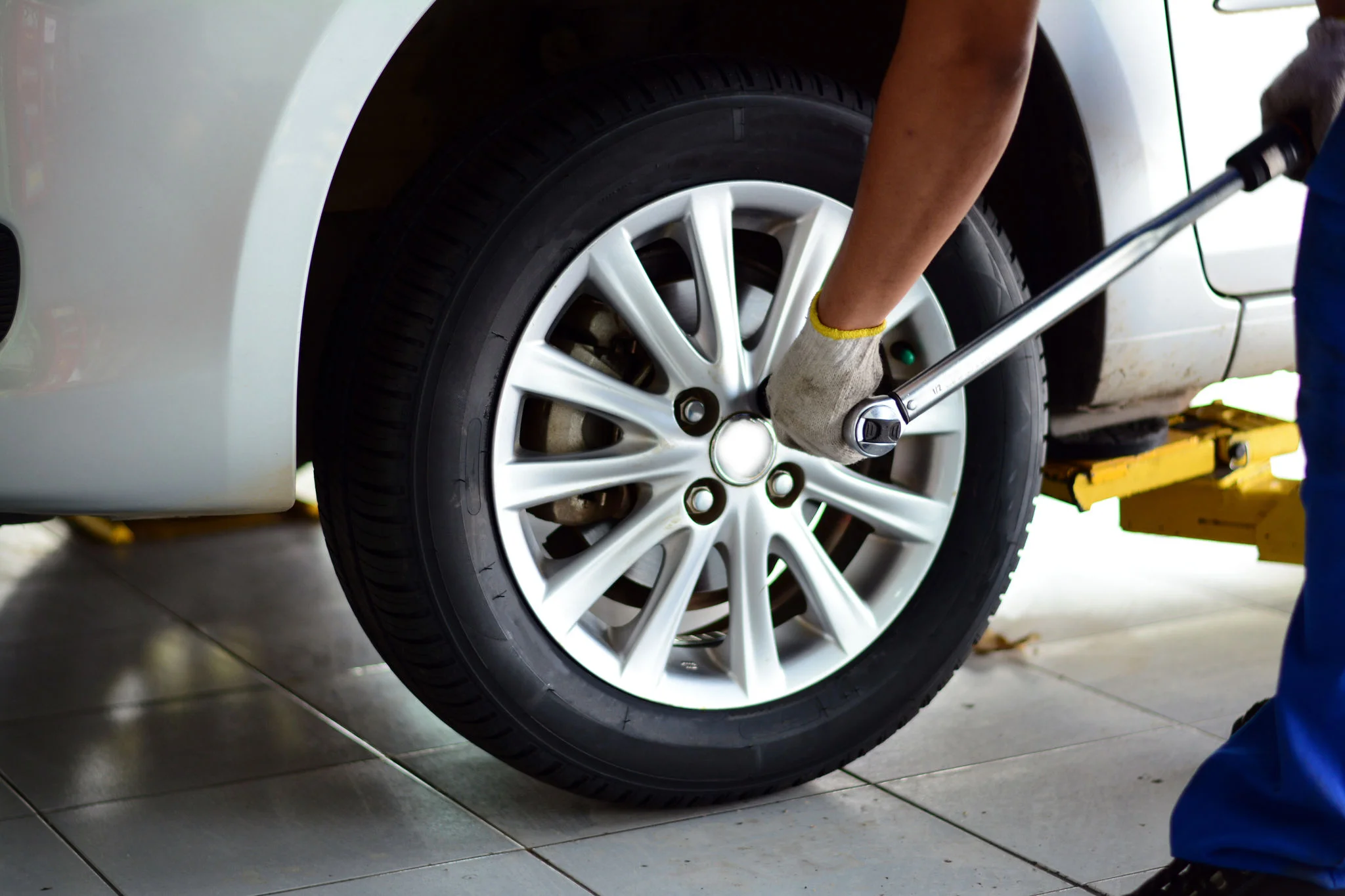
Lug nuts secure your wheel firmly to the hub. If they are loose, improperly torqued, or corroded, the wheel can move independently of the hub. This movement creates a distinctive wobble that is felt immediately in the steering wheel. At highway speeds, a loose wheel is one of the most dangerous situations a driver can face.
Lug nuts can become loose over time due to vibration, thermal expansion and contraction, or improper installation. Many drivers do not realize that wheels must be torqued to a specific value using a torque wrench.
Over-tightening with an impact gun can strip threads or warp brake rotors. Under-tightening leaves the wheel vulnerable to coming loose while driving.
A wheel that is coming loose creates a very specific type of vibration. It tends to be severe, erratic, and accompanied by a clunking or knocking sound from the wheel area.
The vibration often worsens with acceleration and can feel like the front end is about to come apart. This is a situation that demands immediate roadside attention do not continue driving.
Always use a calibrated torque wrench when installing wheels. Never rely on a pneumatic impact gun for final tightening without a follow-up torque check.
Thread-locking compounds are not appropriate for wheel fasteners. They can make removal dangerously difficult in a roadside emergency situation.
Periodically check your lug nuts by hand if you feel any vibration after a recent wheel installation. A firm push-pull test on the wheel while it is in the air reveals any looseness.
Any detectable play means the nuts need immediate re-torquing. A loose wheel is not a symptom to monitor, it is a crisis to resolve instantly.
10. Engine or Drivetrain Vibration
Not all steering wheel vibration originates from the tires or suspension. The engine and drivetrain generate significant forces that can transmit vibration throughout the vehicle.
When engine or drivetrain components fail, those forces become uncontrolled and shake the entire car. At highway speeds, where engine loads and drivetrain speeds are highest, this type of vibration can become severe.
Engine misfires are a common source of drivetrain vibration. A misfire occurs when one or more cylinders fail to combust fuel properly.
The irregular power pulses from a misfiring engine create uneven forces on the crankshaft. These forces travel through the engine mounts and into the chassis, eventually reaching the steering column.
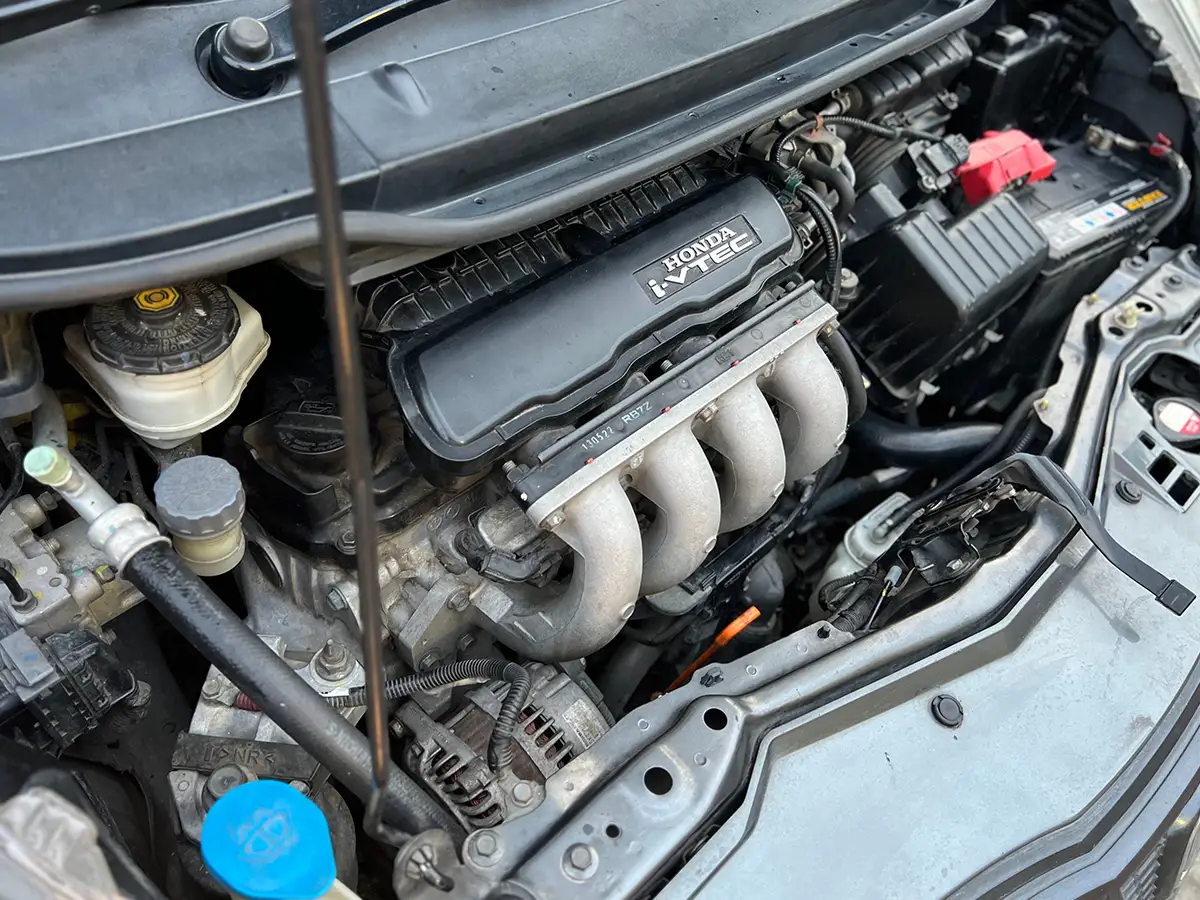
Worn or broken engine mounts allow excessive engine movement. Engine mounts are rubber-and-metal brackets that secure the engine to the vehicle frame.
They absorb engine vibration and prevent it from reaching the cabin. When mounts crack, deteriorate, or break, raw engine vibration transmits directly into the chassis and steering wheel.
CV axles constant velocity axles transfer power from the transmission to the driven wheels. They must flex as the suspension moves while maintaining smooth power delivery.
A worn or damaged CV joint causes a clicking sound in turns and vibration under acceleration. At highway speeds, a failing CV joint creates significant drivetrain vibration felt through the steering wheel.
If your steering wheel shakes and the check engine light is on simultaneously, a drivetrain issue is likely involved. Have the vehicle scanned for fault codes immediately.
Codes indicating misfires, sensor failures, or transmission problems point directly to the source. Addressing engine and drivetrain issues promptly protects expensive components from further damage.
11. Power Steering System Problems
The power steering system helps you turn the wheel with minimal effort. When components in this system malfunction, the steering can feel inconsistent, heavy, or vibrating.
At highway speeds, even small irregularities in the power steering system create noticeable feedback through the wheel. This type of vibration is often overlooked because drivers associate shaking only with tires or brakes.
Hydraulic power steering systems use fluid under pressure to assist steering. Low power steering fluid level is a common cause of steering vibration and inconsistency.
When fluid is low, the pump must work harder and can cavitate drawing air into the system. Air in the system creates a jerking or shuddering sensation when you turn the wheel.

A worn or failing power steering pump creates noise and vibration. The pump may whine loudly during low-speed turns.
At highway speeds, a failing pump can cause the steering to feel inconsistent heavy one moment and light the next. This inconsistency makes precise steering inputs difficult and tiring.
If you notice steering vibration combined with a whining noise, stiff wheel, or visible fluid leaks under the vehicle, have the power steering system inspected immediately. Power steering failures can escalate quickly.
A sudden loss of steering assist at highway speed requires considerably more physical effort to maintain control, creating an extremely dangerous situation.
12. Stuck Brake Caliper
A stuck or seized brake caliper is both a vibration cause and a serious safety hazard. Brake calipers house the pistons that push brake pads against the rotor.
When a caliper sticks, the pads remain in partial or full contact with the rotor even when your foot is off the brake pedal. This constant friction generates heat, vibration, and accelerated wear on both pads and rotors.
Calipers seize for several reasons. Corrosion on the caliper slides the channels where the caliper moves prevents smooth movement. Rubber boots that protect the caliper pistons can tear, allowing moisture and dirt inside.
Old brake fluid absorbs water over time, promoting internal corrosion of the caliper piston. Any of these conditions can cause the caliper to bind.
A seized caliper that is caught early can sometimes be freed by cleaning and lubricating the slides with proper brake lubricant. New rubber boots should be installed to prevent recurrence.
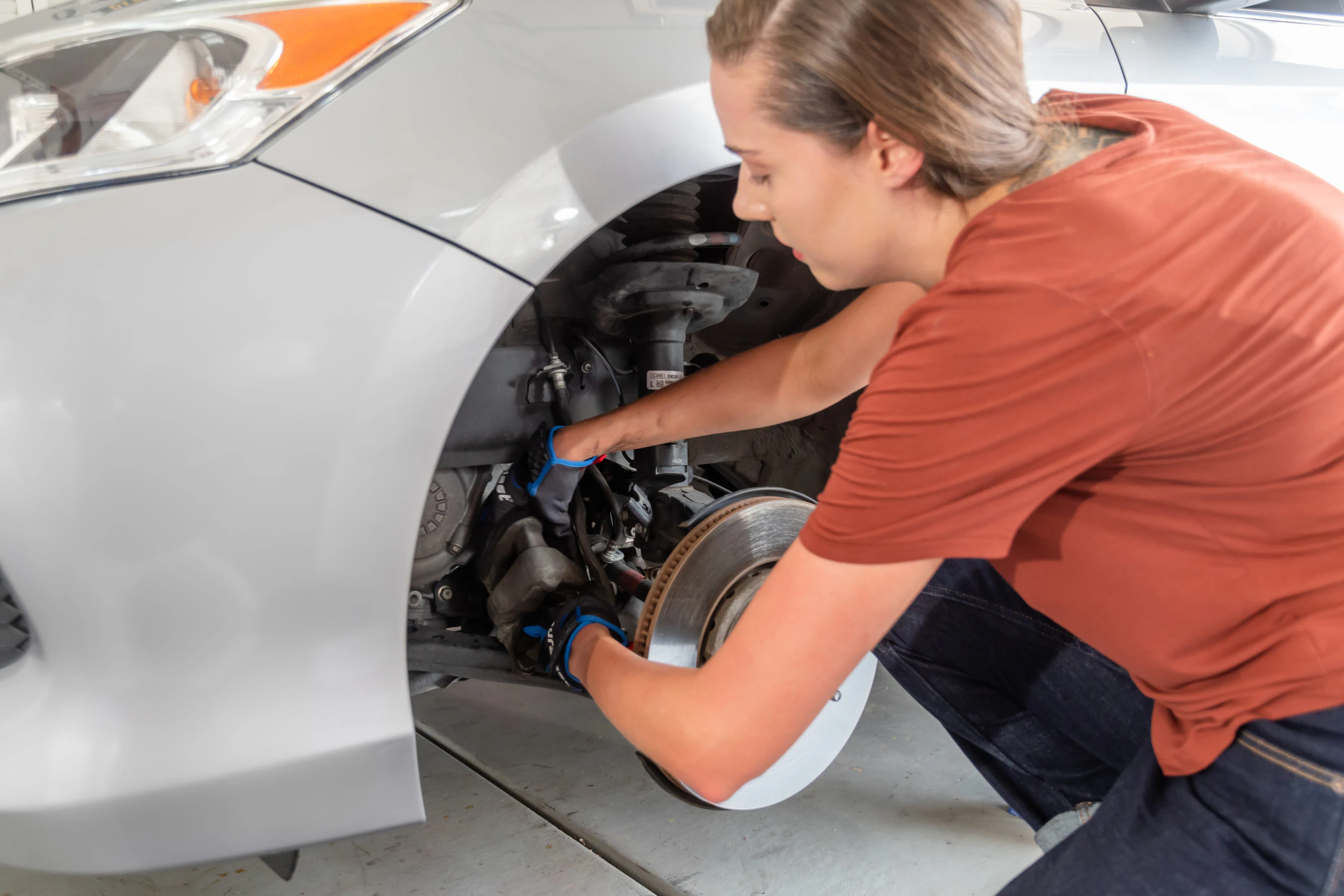
However, if the caliper piston itself is seized internally, full caliper replacement is necessary. Always replace brake pads and resurface or replace rotors whenever a caliper is serviced.
Brake fluid replacement every two years helps prevent caliper corrosion from moisture-saturated fluid.
Fresh fluid maintains its boiling point and does not promote internal rust. Regular brake inspections at least once a year allow mechanics to spot slide corrosion before it progresses to a full seizure.
Never ignore a stuck caliper. Continued driving with constant brake engagement generates extreme heat. This heat can cause brake fluid to boil, resulting in complete brake failure.
It can also ignite accumulated road dust and debris near the wheel. A seized caliper that is ignored long enough can set your car on fire a risk no driver should ever take.
Also Read: 10 Best Used Cars Under 10,000 Dollars That Are Actually Safe
