
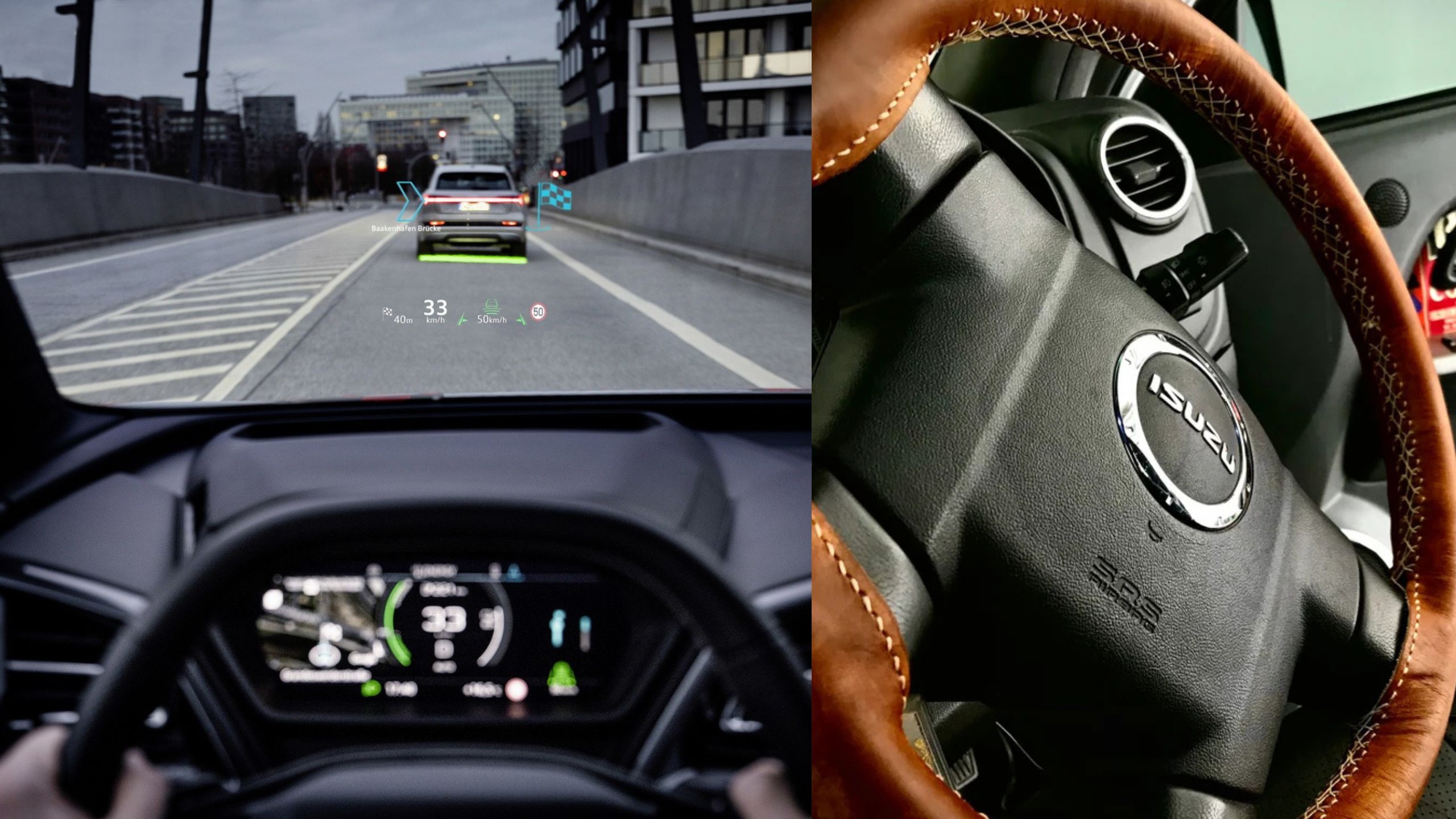
Older cars have a certain charm that newer models simply cannot replicate. The raw mechanical feel, the classic lines, and the nostalgic driving experience make them deeply lovable.
However, driving an older car every day can sometimes feel like a step back in terms of comfort and convenience. Modern vehicles come packed with features that make driving safer, smoother, and far more enjoyable.
The good news is that you do not have to buy a brand-new car to enjoy modern features. The aftermarket industry has grown enormously over the past decade. Thousands of smart, well-engineered products are now available that can transform your older vehicle from the inside out.
Whether you want better audio, improved safety, or a more refined driving feel, there is an upgrade available for virtually every need and budget.
These upgrades are not just about luxury. Many of them genuinely improve safety and reduce driver fatigue. Some are simple plug-and-play installations that take under an hour.
Others require professional fitting but deliver remarkable results. This guide covers the ten best aftermarket upgrades that will make your older car feel modern, fresh, and far more capable on today’s roads.
1. Android Auto and Apple CarPlay Head Unit
One of the biggest differences between old and new cars is the infotainment system. Older cars often come with outdated radios, broken CD players, or basic screens that feel clunky and slow.
Upgrading to a modern head unit with Android Auto and Apple CarPlay support is arguably the single most impactful upgrade you can make.
These head units replace your factory stereo with a touchscreen display that mirrors your smartphone. You get access to Google Maps, Waze, Spotify, Apple Music, and voice assistants right on your dashboard. The interface is clean, responsive, and instantly familiar to anyone who uses a smartphone daily.
Modern head units from brands like Pioneer, Sony, Kenwood, and Alpine are widely available. They come in single-DIN and double-DIN sizes to fit most older dashboards.
Installation typically requires a wiring harness adapter specific to your car model, which makes the job relatively straightforward.
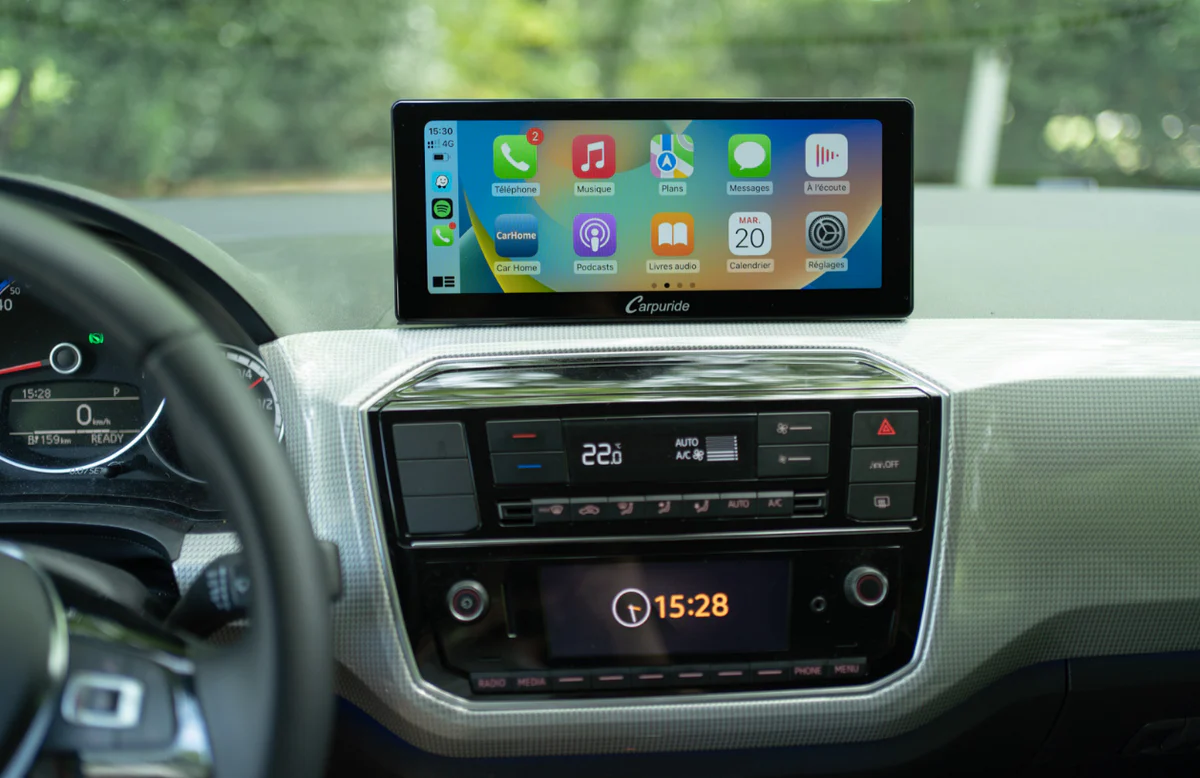
The screen quality on today’s aftermarket units is genuinely impressive. Many feature HD displays with anti-glare coatings and brightness levels that remain readable in direct sunlight. Some even include built-in navigation as a backup when your phone signal drops.
Beyond navigation and music, these units also handle calls hands-free. You can send messages using voice commands without ever touching your phone. This dramatically reduces distraction and keeps your eyes on the road where they belong.
Many newer head units also support DAB+ digital radio. This gives you access to far more stations with cleaner, static-free sound quality. It is a small feature but one that makes a surprisingly big difference during long drives.
Reverse camera compatibility is another major benefit of upgrading your head unit. Most modern units have a dedicated camera input at the rear. You simply connect an aftermarket reverse camera, and suddenly your old car gains one of the most useful modern safety features available.
Wireless Android Auto and Apple CarPlay are now available on premium units. This means you no longer need to plug your phone in every time you get in the car. The connection happens automatically as soon as you start the engine, which feels remarkably seamless and modern.
The ]transformation this upgrade delivers is hard to overstate. Every time you sit in the driver’s seat, the large touchscreen changes the entire atmosphere of the cabin. Your old car suddenly feels connected, smart, and genuinely up to date with today’s technology.
2. Reverse Parking Camera System
Parking sensors and reverse cameras are now standard on virtually every new car sold today. If your older vehicle lacks this feature, retrofitting a reverse camera is one of the most practical and affordable upgrades available. It is a safety upgrade that pays for itself the very first time it helps you avoid a collision.
A basic reverse camera system consists of a small camera mounted near the rear license plate and a display screen on the dashboard.
When you engage reverse gear, the camera feed activates automatically. You get a clear view of everything behind your vehicle that your mirrors simply cannot show.
Many aftermarket cameras now come with dynamic guidelines built into the image. These lines shift as you turn the steering wheel, giving you a visual guide for exactly where your car will go. This makes reversing into tight spaces far less stressful and more precise.
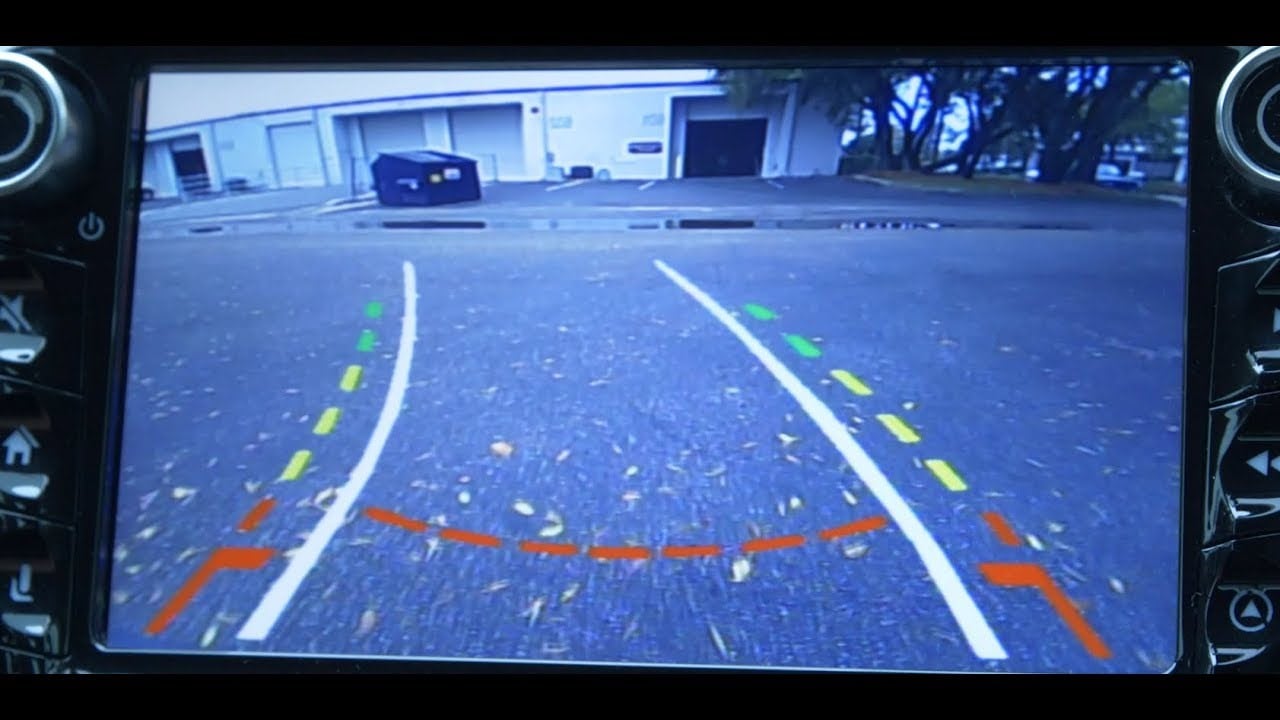
The quality of modern aftermarket cameras has improved dramatically in recent years. Even budget-friendly options now offer decent resolution and acceptable night vision through infrared LEDs. Higher-end cameras deliver crisp, full-colour images even in very low light conditions.
If you have already upgraded your head unit to a modern touchscreen, adding a reverse camera is even simpler. Most modern head units have a dedicated rear camera input. You run the video cable from the camera to the head unit, connect a power wire to the reverse light, and the system is ready to use.
Wireless reverse camera systems are also available for those who want to avoid running cables. These systems transmit the video signal wirelessly to a small receiver connected to your display. Installation is significantly quicker, though some wireless systems can experience minor signal lag.
Some advanced aftermarket kits now include side cameras as well. These provide a full 360-degree bird’s-eye view of the area around your car. This level of visibility was once exclusive to premium luxury vehicles but is now accessible at a surprisingly reasonable cost.
The peace of mind that a reverse camera delivers is genuinely valuable. Driveways, car parks, and busy streets all become less stressful environments. It is especially helpful for parents who are mindful of children or pets that might be behind the car and completely invisible to the driver.
3. Upgraded Speaker System
The audio experience inside an older car can be truly disappointing. Factory speakers in older vehicles are often small, cheap, and prone to distorting at higher volumes. Upgrading to a quality aftermarket speaker system transforms every drive into a genuinely enjoyable listening experience.
Most older cars use simple coaxial speakers in the doors and rear shelf. These can be replaced with modern component or coaxial speakers from brands like JL Audio, Focal, Kicker, or Rockford Fosgate. The difference in clarity, bass response, and sound quality is immediately noticeable, even at low volumes.
Component speaker systems separate the tweeter from the woofer for more precise sound staging. This means high frequencies come from a different position than low frequencies, creating a more three-dimensional and natural soundstage. Audiophiles who spend significant time in their cars will appreciate this upgrade enormously.
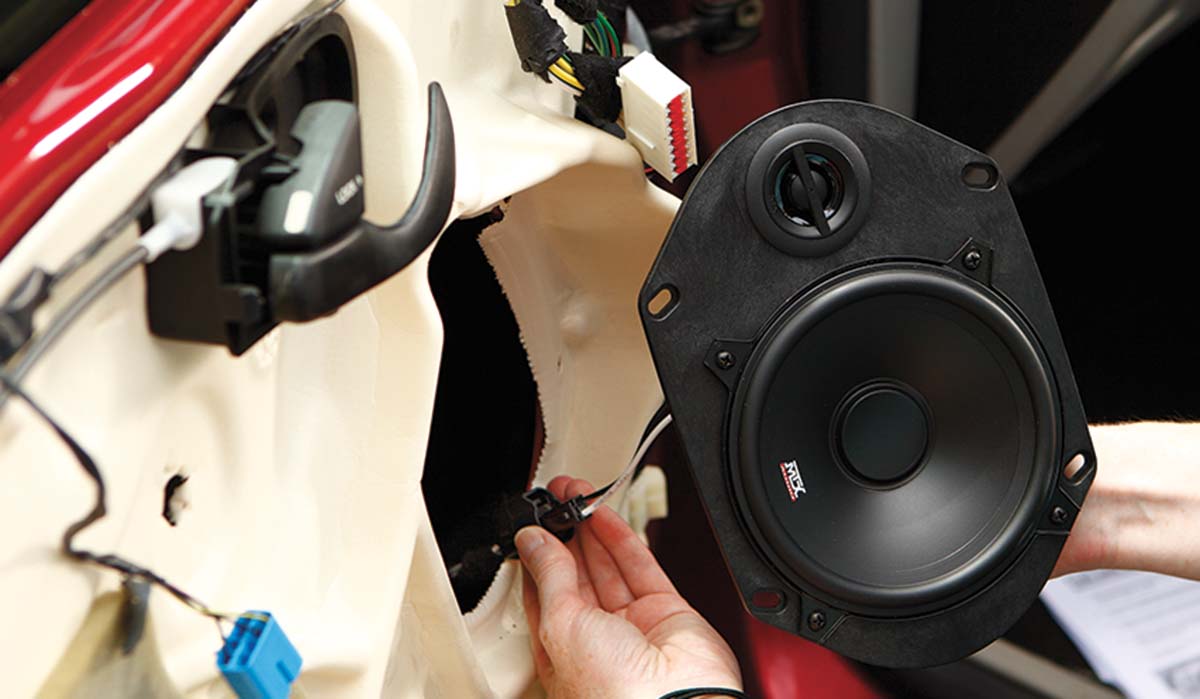
Modern aftermarket speakers use better materials than what was factory-fitted decades ago. Polypropylene cones resist moisture and temperature changes effectively. Silk dome tweeters produce smooth, fatigue-free high frequencies that older paper cone speakers could never achieve.
Speaker installation in most cars requires basic tools and a few hours of time. Door panels need to be removed carefully, old speakers unbolted, and new ones wired in. Many aftermarket speakers come with adapter brackets that make fitting into existing mounting holes much easier and cleaner.
Adding a compact subwoofer to your upgrade is highly recommended. Even a modest 8-inch subwoofer placed in the boot adds a level of bass depth that transforms the listening experience. Music sounds fuller, more dynamic, and far closer to what the artists intended.
A small external amplifier can also be added to the system if budget allows. Factory head units often output relatively low power to the speakers. A dedicated amplifier drives the speakers harder and cleaner, reducing distortion and unlocking the full potential of your new speakers.
Modern Bluetooth-enabled head units paired with quality aftermarket speakers make older cars genuinely competitive with new vehicles for audio quality. You can stream high-quality audio from services like Tidal or Apple Music Lossless. The improvement over an old factory setup is nothing short of remarkable.
4. LED Interior and Exterior Lighting
Lighting technology has advanced enormously in the past two decades. Most older cars still use dated incandescent or halogen bulbs that produce weak, yellowish light. Upgrading to LED lighting both inside and outside the car is one of the most visually impactful changes you can make.
Starting with the interior, replacing dome lights, map reading lights, and footwell lights with LEDs instantly modernises the cabin feel. LED bulbs are available as direct drop-in replacements for most common interior bulb sizes. They produce crisp white light that makes the interior feel cleaner, brighter, and far more contemporary.
Exterior LED upgrades can include headlights, tail lights, brake lights, turn signals, and reverse lights. LED headlight bulbs dramatically improve road illumination compared to standard halogens. Many drivers report feeling significantly more confident driving at night after making this simple switch.
LED conversion kits are widely available for nearly every vehicle make and model. Reputable brands like Philips, Osram, and Morimoto offer plug-and-play kits that require no modification to your car’s wiring. The installation process is usually as simple as removing the old bulb and inserting the new one.
Some older vehicles require a CAN bus adapter to prevent flickering or error messages when LED bulbs are fitted. These adapters are inexpensive and easy to install alongside the bulbs. A quick search of your specific vehicle model will confirm whether this is needed before you purchase.
LED tail lights and brake lights respond faster than traditional bulbs. The response time difference may seem small, but at motorway speeds it gives drivers behind you a fraction more time to react. This is a genuine safety benefit that often goes unrecognised.
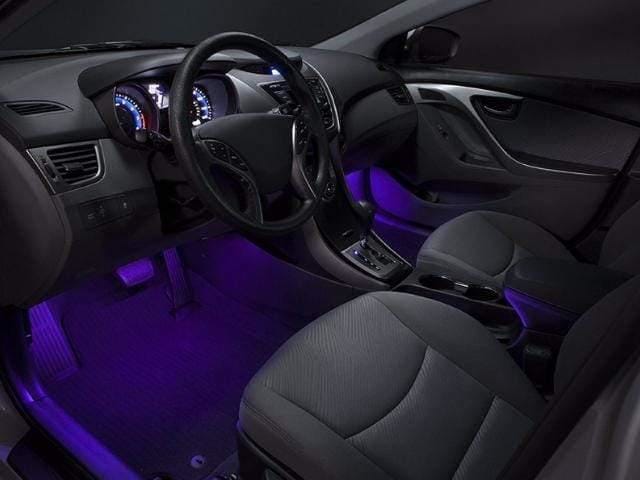
Ambient interior lighting is another LED upgrade worth considering. Flexible LED strips can be installed under the dashboard, beneath the seats, or along door panels. These create a pleasant glow that makes the interior feel modern and upmarket, especially during night drives.
The energy efficiency of LEDs also reduces the electrical load on your older car’s alternator. Old halogen bulbs consume significantly more power, which can strain an ageing electrical system. LEDs run cooler and last far longer, making them an excellent long-term investment for any older vehicle.
Also Read: 10 Cars With Such High Resale Value That Buying Used Is a Mistake
5. Seat Covers and Steering Wheel Cover Upgrade
The seats and steering wheel are the two surfaces you interact with most when driving. In older cars, these components often show the most visible signs of wear and age. Upgrading them with quality aftermarket covers is one of the most cost-effective ways to refresh the interior feel immediately.
Modern seat covers come in a vast range of materials, including neoprene, leatherette, genuine leather, and breathable mesh. A well-fitted set of seat covers can completely transform the interior aesthetic of an older car. They also protect the original upholstery beneath, which helps maintain the car’s resale value.
Universal seat covers are affordable and easy to fit without any tools. Custom-fit seat covers are more expensive but provide a much cleaner, factory-installed appearance. For drivers who spend significant time in their vehicle, the investment in custom covers is well worth the additional cost.
Heated seat covers are available for drivers in colder climates who want a comfort upgrade without installing factory-style heated seats. These covers plug into the 12V socket and warm up within minutes. It is a clever solution that brings genuine winter comfort to any older vehicle.
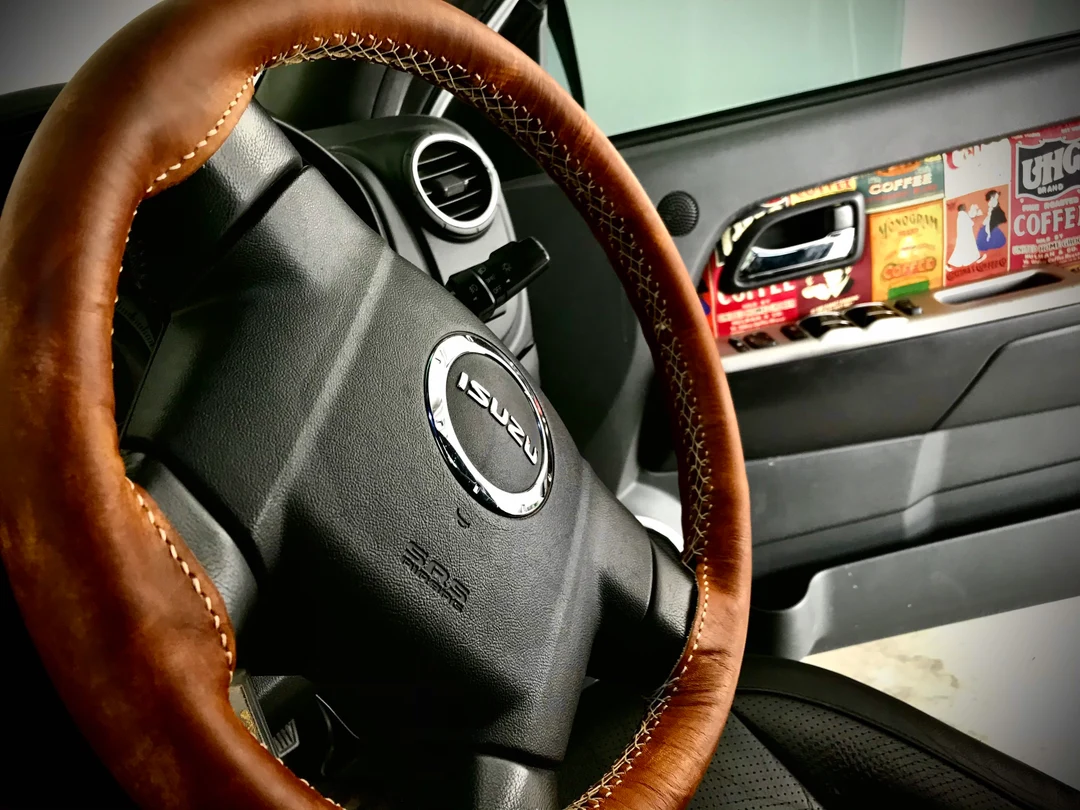
The steering wheel is equally important to address when refreshing an older interior. Cracked, faded, or sticky steering wheels feel unpleasant and make the driving experience feel neglected. A quality steering wheel cover in leather or suede instantly improves the tactile experience every time you grip it.
Some drivers prefer to replace the steering wheel entirely with an aftermarket sports wheel. These wheels are typically smaller in diameter and wrapped in leather or Alcantara. Combined with a short boss adapter kit, a full steering wheel replacement gives the cockpit a focused, sporty feeling that fundamentally changes how the car feels to drive.
Ergonomic steering wheel covers with contoured grip positions are also available. These promote a more relaxed hand position and can reduce wrist fatigue during long journeys. Drivers who commute regularly tend to notice the difference quickly and wonder why they did not make this change sooner.
When choosing seat and steering wheel upgrades, selecting materials and colours that complement each other is essential. A cohesive interior look created by matching components makes the entire cabin feel intentional and well-considered. Even a modest budget spent thoughtfully can make an older interior look and feel genuinely impressive.
6. Digital Instrument Cluster or Heads-Up Display
Modern cars typically feature crisp digital instrument clusters that display speed, RPM, fuel, and navigation simultaneously. Older vehicles rely on analogue gauges that, while charming, lack the functionality and clarity of digital alternatives. Upgrading to a digital display or heads-up display is one of the most futuristic-feeling changes you can make.
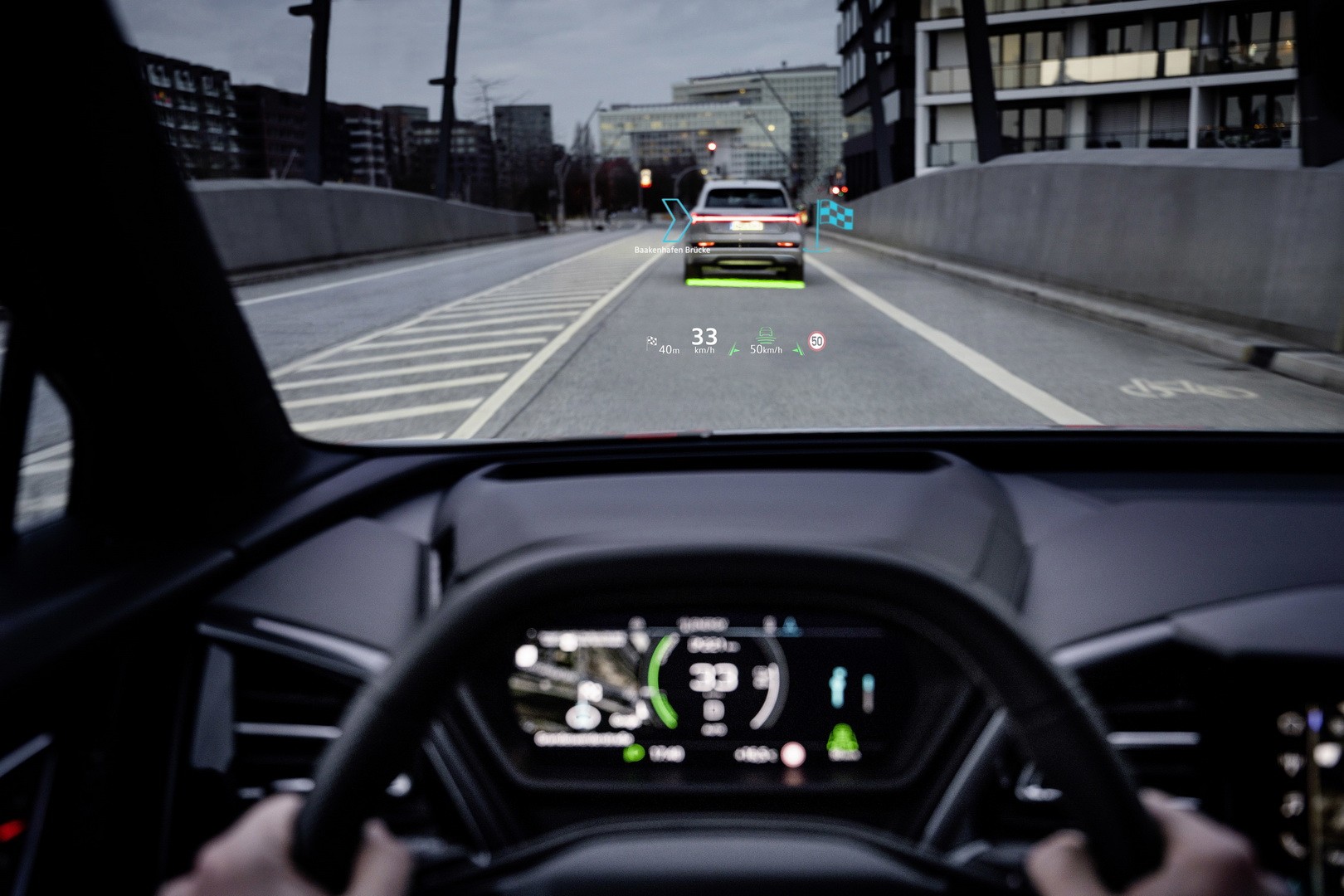
A heads-up display, or HUD, projects key driving information onto your windscreen or a small transparent screen that sits on the dashboard. You can see your current speed, navigation arrows, and incoming call alerts without ever moving your eyes from the road ahead. This dramatically reduces the need to glance down at your dashboard.
HUD units connect to your car’s OBD-II port, which is present in most vehicles manufactured after 1996. They draw real-time data directly from the car’s computer. Installation is genuinely simple you plug in the device, position it on the dash, and it begins working immediately.
GPS-based HUDs are also available and work independently of the OBD-II system. These use satellite data to display accurate speed information and basic navigation. They are useful for very old vehicles that lack a standard OBD-II diagnostic port.
For a more dramatic transformation, full digital dashboard replacement kits are available for popular classic and vintage models. Companies like Dakota Digital produce complete instrument cluster replacements that maintain the original look of the dashboard while replacing analogue gauges with programmable LCD displays. The result blends classic style with modern functionality beautifully.
Smartphone-based HUD apps can work in conjunction with a reflective film placed on the windscreen. While not as polished as a dedicated unit, they provide a free or low-cost entry point into this technology. Drivers who want to try the concept before investing in hardware will find this approach useful.
The safety argument for HUDs is compelling and well-supported by research. Keeping your eyes focused on the road rather than scanning the dashboard reduces reaction time and driver distraction. Insurance companies and road safety organisations increasingly recommend HUD systems for exactly this reason.
Whether you choose a simple plug-in HUD or a full digital cluster, the psychological impact of seeing digital readouts in an older car is substantial. The interior immediately feels more advanced and purposeful. It bridges the gap between your classic car’s mechanical soul and the digital world we now live in every day.
7. Upgraded Suspension and Coilover Kit
The way a car rides and handles has a profound effect on how modern it feels. Older cars with worn suspension components develop vague steering, excessive body roll, and a generally disconnected driving feel. Upgrading the suspension with quality aftermarket components transforms the entire character of the driving experience.
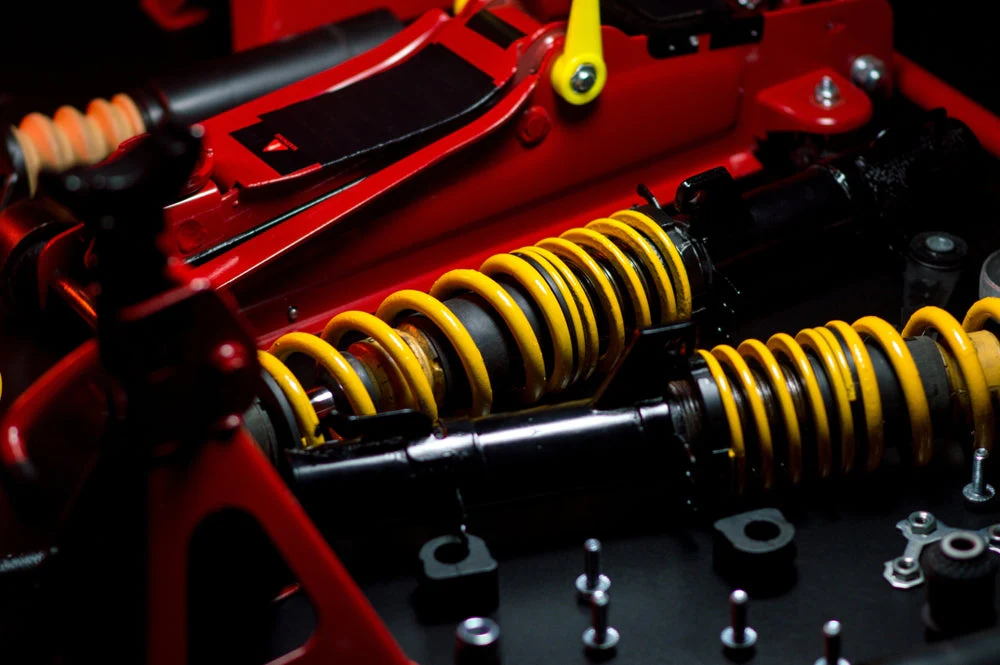
Coilover suspension kits replace the factory springs and shock absorbers with a combined unit that allows precise height and damping adjustment. This gives you control over both the ride height and the stiffness of the suspension. You can set up the car for a comfortable daily ride or a firmer, more responsive sporting feel depending on your preference.
Brands like KW, Bilstein, Eibach, and Tein produce coilover kits for a vast range of older vehicles. These manufacturers use modern materials and engineering techniques that were simply not available when many classic cars were built. The result is a car that handles far more precisely than it ever did from the factory.
Even a basic shock absorber replacement with quality units makes a significant difference. Worn dampers allow excessive body movement and reduce tyre contact with the road. Replacing them with quality items from Monroe or Gabriel restores the original handling balance and dramatically improves both safety and comfort.
Upgraded anti-roll bars reduce body lean during cornering and give the car a more planted, confident feel. They connect to existing mounting points on most vehicles and require no major modifications. The change in cornering stability they provide is immediately noticeable from the very first bend.
Polyurethane suspension bushings are another worthwhile upgrade that significantly sharpens the driving feel. Original rubber bushings degrade over time and introduce vagueness into the steering and handling. Replacing them with firmer polyurethane items eliminates this imprecision and makes the car feel much more direct and responsive.
Lowering springs offer an alternative to full coilovers for drivers seeking a modest drop in ride height without the full investment. They reduce the centre of gravity, improve cornering, and give the car a more purposeful stance. Combined with quality dampers, they represent excellent value for money.
A well-sorted suspension transforms how you feel about driving your older car every single day. The sense of connection between driver and road that quality suspension provides is deeply satisfying. It makes the car feel alive, precise, and genuinely modern in the most fundamental sense possible.
8. Bluetooth OBD-II Diagnostic Scanner
Modern cars constantly monitor their own health through sophisticated onboard computers. When something goes wrong, the dashboard lights up with a warning message. Older cars lack this self-awareness, leaving drivers guessing when a warning light appears. Adding a Bluetooth OBD-II scanner brings a layer of modern intelligence to any older vehicle.
An OBD-II scanner is a small device that plugs into the diagnostic port found under the dashboard of most vehicles made after 1996. Once connected, it communicates wirelessly with an app on your smartphone. You can read fault codes, monitor live engine data, and clear warning lights from the palm of your hand.
Popular apps like Torque Pro, OBD Fusion, and Carista work seamlessly with affordable Bluetooth adapters. They display live data including coolant temperature, air/fuel ratio, throttle position, and battery voltage in real time. This kind of information was once only accessible to mechanics with expensive professional equipment.
The ability to read and understand fault codes before visiting a mechanic is enormously valuable. You can look up the exact meaning of a code and arrive at the garage informed and prepared. This prevents unnecessary repairs and helps you avoid being overcharged for work your car does not actually need.
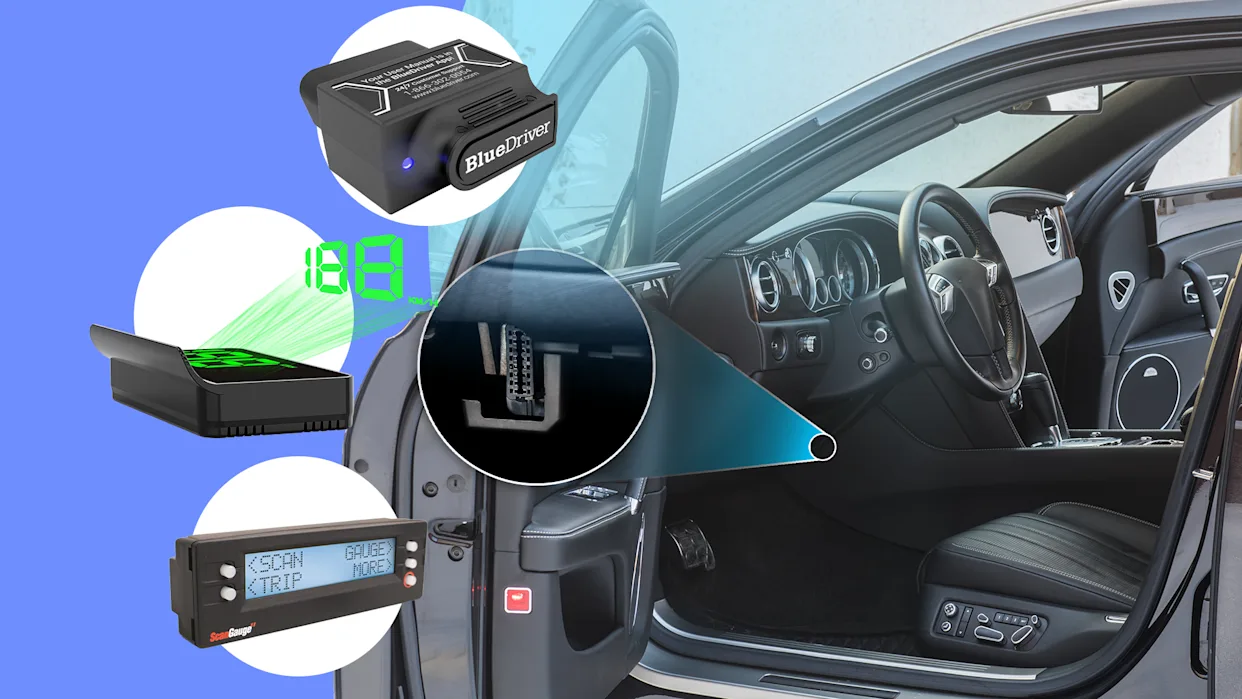
Performance monitoring is another appealing use of an OBD-II scanner. Many apps include features that calculate 0–100 km/h acceleration times, measure horsepower, and track fuel efficiency over time. These tools add an engaging, data-driven dimension to the driving experience that older cars were never originally designed to offer.
Some advanced adapters like the Veepeak or OBDLink MX+ offer enhanced diagnostics beyond basic OBD-II functions. They can access manufacturer-specific data from additional vehicle systems such as the ABS, transmission, and airbag modules. This broader access is particularly useful for identifying the root cause of complex or intermittent faults.
Fuel economy tracking is a simple but practical feature that many drivers overlook. By monitoring your actual fuel consumption in real time, you can adjust your driving style to improve efficiency. Over months and years, this awareness can result in meaningful savings at the fuel pump.
Fitting an OBD-II scanner is truly a plug-and-play upgrade that requires zero mechanical knowledge. It costs very little and provides enormous value in terms of knowledge and peace of mind. Knowing exactly what your car is doing mechanically at any given moment makes older vehicle ownership feel significantly more modern and manageable.
9. Dashcam Installation
Dashcams have become an essential piece of modern driving equipment in many parts of the world. They provide irrefutable video evidence in the event of an accident, a road rage incident, or an insurance dispute. Fitting a dashcam to your older car is a genuinely smart investment that could save you significant time, money, and stress.
Modern dashcams record continuously in a loop, overwriting the oldest footage when storage is full. When an impact is detected by the built-in G-sensor, the camera automatically locks that footage to prevent it from being overwritten. You will always have a record of anything that matters.
Front-facing dashcams capture what happens ahead of the vehicle. Dual-channel units add a rear-facing camera as well, recording what happens behind you simultaneously. For comprehensive protection, a dual-channel system is strongly recommended, especially in cities with dense traffic.
Video quality on modern dashcams has improved remarkably. Entry-level cameras now record in full 1080p HD, which is more than sufficient to capture number plates and road markings clearly. Premium units offer 4K front recording with HDR for exceptional detail in both bright and low-light conditions.

Parking mode is a feature available on many dashcams that keeps the camera active when the car is parked and unattended. If someone bumps your car in a car park or attempts to break in, the camera captures the incident automatically. This feature is especially valuable for owners who park in busy public areas regularly.
GPS logging is another useful dashcam feature that records your exact speed and location alongside the video footage. This data can be displayed as an overlay on the video. It provides additional context in case of a dispute about driving speed or the exact location of an incident.
Installation is straightforward for most dashcams. The camera mounts to the windscreen using a suction cup or adhesive mount. Power comes from the car’s 12V socket or, for a cleaner installation, from a hardwire kit that connects directly to the fuse box and hides the cable neatly.
Many insurance companies now offer discounts for drivers who fit dashcams to their vehicles. The presence of footage evidence dramatically reduces the complexity of accident claims. Some drivers report recovering their entire dashcam investment in reduced premiums within the first year of use alone.
10. Modern Tyre Upgrade
The tyres are the only part of your car that physically contact the road. Everything your car does accelerating, braking, and cornering happens through those four contact patches. Upgrading to a quality modern tyre is arguably the single most important safety improvement you can make to any older vehicle.
Tyre technology has advanced enormously over the past two decades. Modern compounds grip the road more effectively in both wet and dry conditions compared to tyres from even ten years ago. Braking distances have been reduced significantly by advances in silica-compound tread formulations.
Premium tyre brands like Michelin, Continental, Bridgestone, and Pirelli invest heavily in research and development.
Their latest offerings deliver outstanding performance across a broad range of temperatures and road conditions. Even fitting one of their entry-level ranges represents a dramatic upgrade over worn or budget tyres.
Wet weather grip is where modern tyres truly excel. Advanced tread patterns channel water away from the contact patch far more efficiently than older designs.
This dramatically reduces the risk of aquaplaning at speed, which is one of the most dangerous situations a driver can encounter.

Noise reduction technology has also improved markedly in recent tyre generations. Modern tyres use foam inserts or optimised tread patterns to absorb road noise.
The cabin becomes noticeably quieter after a tyre upgrade, contributing directly to reduced driver fatigue on long journeys.
Rolling resistance improvements mean modern tyres also improve fuel efficiency. Lower rolling resistance means the engine works less hard to maintain speed. Over the course of a year’s driving, better tyres can result in a measurable reduction in fuel consumption.
Choosing the correct tyre size and load rating for your specific vehicle is critically important. A tyre specialist can advise on the best options for your driving style and local conditions. Investing in a professional wheel alignment after fitting new tyres ensures even wear and maximises the life of your investment.
Seasonal tyre choices are also worth considering depending on your climate. Winter tyres provide dramatically better grip below seven degrees Celsius compared to standard all-season tyres.
For drivers in regions with cold winters, a set of dedicated winter tyres could be the most important safety purchase of the year.
Also Read: 10 Engines That Can Handle Standard Grade Fuel Without Losing Longevity
