
Every day, millions of people step into their vehicles and enter a world filled with unpredictable drivers, dangerous road conditions, and split-second decisions. The roads have become increasingly aggressive over the years. Drivers are more distracted, more impatient, and more reckless than ever before.
Defensive driving is not just a skill it is a survival strategy. It is the practice of anticipating danger before it happens and responding wisely. A defensive driver does not just react to problems. They prevent problems from occurring in the first place.
Statistics show that most road accidents are caused by human error. The good news is that human error can be anticipated and avoided. By staying alert, maintaining safe distances, and understanding the behavior of other drivers, you significantly reduce your risk of being involved in a crash.
Aggressive traffic is a daily reality for urban commuters and highway travelers alike. Tailgating, sudden lane changes, speeding, and road rage are common threats. Without proper defensive habits, even the most experienced driver can become a victim.
This guide presents 12 proven defensive driving habits that can genuinely save your life. Each habit is practical, actionable, and backed by real-world driving logic. Master these habits, and you will drive with greater confidence, awareness, and safety every single time you hit the road.
1. Always Maintain a Safe Following Distance
One of the most important defensive driving habits is maintaining a proper following distance between your vehicle and the car ahead. Most drivers underestimate how much space they actually need to stop safely. Tailgating is one of the leading causes of rear-end collisions worldwide.
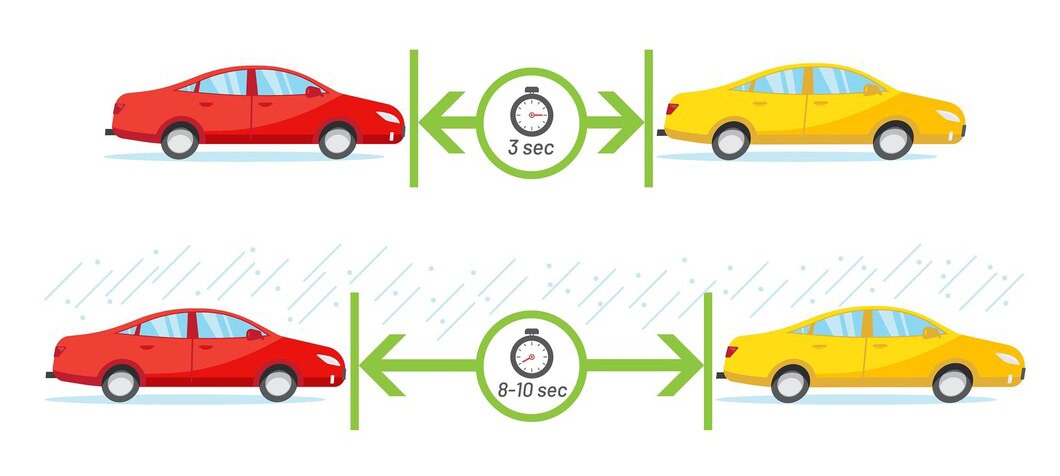
The general rule is the three-second rule. Pick a fixed object on the road, and when the car ahead passes it, count three seconds before you reach the same point. In bad weather, heavy traffic, or at high speeds, you should increase this to five or six seconds.
Many drivers feel pressure to close the gap when traffic is dense. They worry that another car will cut in front of them. However, letting someone merge is always safer than risking a high-speed collision.
A safe following distance gives you time to think. It gives your brain a moment to process what is happening ahead. Human reaction time is approximately 1.5 seconds, and braking adds more time on top of that.
Consider a scenario where a vehicle ahead suddenly brakes at highway speed. Without adequate space, you have no time to react. With proper distance, you can brake smoothly and avoid the crash entirely.
Following distance also reduces your mental stress while driving. When you are not right on someone’s bumper, you feel calmer. Calmer drivers make better decisions in emergencies.
In aggressive traffic, drivers often speed up and slow down erratically. Keeping distance protects you from those sudden changes. You become an observer of the chaos rather than a participant in it.
Trucks and large vehicles need even more stopping distance. If you are driving behind a heavy vehicle, double your following distance. Their braking systems are different and require significantly more road space to stop.
Night driving requires extra following distance as well. Your visibility is reduced, and hazards appear with less warning. More space equals more time, and more time equals more safety on dark roads.
Rain, fog, and ice dramatically increase stopping distances. On wet roads, your braking distance can double. On icy roads, it can increase by up to ten times compared to dry conditions.
Make following distance a non-negotiable habit. Do not let impatient drivers behind you pressure you into closing the gap. Your safety is more important than their frustration or their schedule.
Teach newer drivers in your family this habit early. It is one of the easiest habits to learn and one of the most powerful. Consistent following distance practice can prevent thousands of accidents every year.
2. Scan the Road Far Ahead
Defensive drivers do not just look at the car directly in front of them. They scan the road far into the distance. Looking ahead 10 to 15 seconds gives you early warning of developing hazards.
Most novice drivers fix their eyes on the bumper of the vehicle ahead. This is a reactive habit, not a proactive one. By the time a hazard is visible at close range, your options are already limited.
Experienced drivers constantly sweep their eyes across the full road scene. They notice brake lights three cars ahead. They see a pedestrian about to step off a curb from half a block away.
When you spot a hazard early, you have more choices. You can slow down gradually instead of slamming brakes. You can change lanes smoothly instead of swerving suddenly.
Scanning far ahead also helps you anticipate traffic flow changes. If you see traffic bunching up ahead, you can ease off the gas early. This prevents you from being caught in sudden stop-and-go situations.
On highways, look for vehicles that are weaving between lanes. These drivers may be distracted or impaired. Identifying them early lets you increase your distance and move out of their path.
Intersections deserve special scanning attention. Look left, right, and left again before entering any intersection. Even on a green light, check for drivers running the red before you proceed.
Scanning ahead also involves watching for road surface changes. A patch of oil, standing water, or gravel on the road can cause a sudden loss of control. Early identification lets you slow down before reaching those patches.
In city traffic, watch the behavior of pedestrians on sidewalks. Someone walking quickly toward the curb may step into traffic unexpectedly. Anticipating that movement can prevent a tragic accident.
Keep your eyes moving constantly. Do not stare at a single point for too long. Regular eye movement keeps your brain engaged and your awareness sharp throughout the journey.
Highway driving requires scanning even further ahead. At high speeds, a hazard you see 500 meters away gives you only seconds to react. The further ahead you look, the more time you have to respond.
Make far-ahead scanning a conscious habit until it becomes automatic. Over time, it becomes second nature. This single habit can transform a reactive driver into a truly defensive one.
3. Check Your Mirrors Every 5 to 8 Seconds
Knowing what is happening behind and beside your vehicle is just as important as watching ahead. Your mirrors are your eyes in directions you cannot directly see. Checking them regularly keeps you fully aware of your surroundings.
Many drivers only check their mirrors when they intend to change lanes or reverse. This is insufficient for safe driving in aggressive traffic. Threats can come from behind just as easily as from ahead.
A vehicle approaching rapidly from behind may not slow down in time. If you know it is there, you can move aside or speed up slightly. Without mirror awareness, that fast-approaching vehicle can be a complete surprise.
The standard recommendation is to check your mirrors every five to eight seconds. This does not mean staring into them. A quick glance is enough to register what is around you.
Your rearview mirror shows what is directly behind you. Your side mirrors show your blind spots and adjacent lanes. Together, they paint a complete picture of your driving environment.
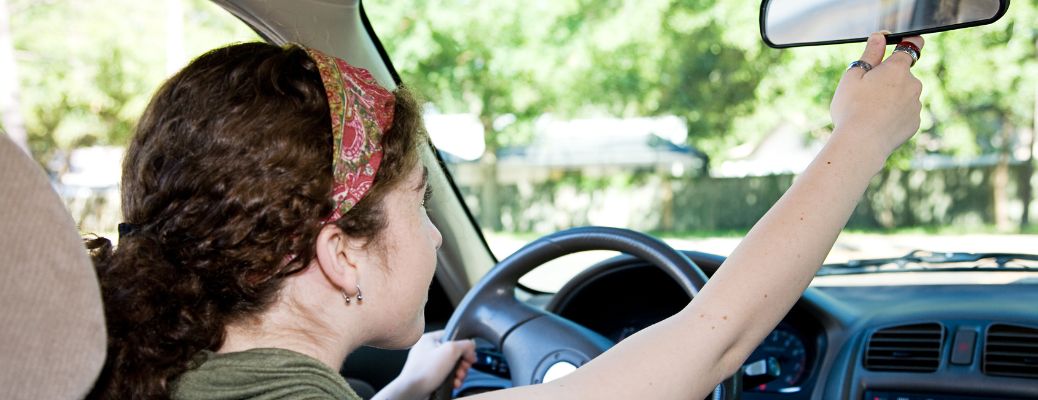
Adjust your mirrors correctly before every drive. A poorly positioned mirror creates dangerous blind spots. Spend a few seconds making sure all three mirrors give you maximum coverage.
In highway driving, mirror checks become even more critical. Vehicles travel at high speed and can approach quickly from behind. Knowing their position helps you plan safe lane changes well in advance.
When you intend to slow down or stop, check your mirrors first. If a vehicle is very close behind, you may need to slow more gradually. A sudden brake application could cause a rear-end collision.
Mirror discipline also helps when emergency vehicles approach. You will hear a siren before you see flashing lights. A quick mirror scan helps you identify which direction the emergency vehicle is coming from.
In heavy traffic, motorcyclists often filter between lanes. They can appear in your mirror quickly and quietly. Regular mirror checks help you track their position and avoid sudden surprises.
Develop the habit of combining mirror checks with head checks for lane changes. Mirrors show most of the picture, but blind spots still exist. A quick shoulder glance confirms what the mirrors cannot show.
Consistent mirror use reduces the element of surprise in your driving experience. When you know your full surroundings, you drive with more confidence. Confidence built on awareness is the foundation of defensive driving.
4. Never Drive in Another Driver’s Blind Spot
Every vehicle has blind spots areas that mirrors cannot cover. Driving in another vehicle’s blind spot is extremely dangerous. The driver may not know you are there and may change lanes directly into your vehicle.
Blind spots are typically located on the rear sides of a vehicle. For large trucks and buses, these zones are significantly larger. A truck driver may be completely unaware of a car driving alongside their trailer.
The safest approach is to either move ahead of a vehicle or drop back behind it. Spending minimal time in another driver’s blind spot reduces your risk dramatically. Be decisive do not linger in that danger zone.
When passing a vehicle, do it quickly and confidently. Do not cruise slowly alongside another car. The faster you move through a potential blind spot, the less time you spend in danger.
On multi-lane highways, blind spot collisions are among the most common accident types. Drivers merge into occupied lanes without seeing the adjacent vehicle. Being invisible to another driver makes you highly vulnerable.
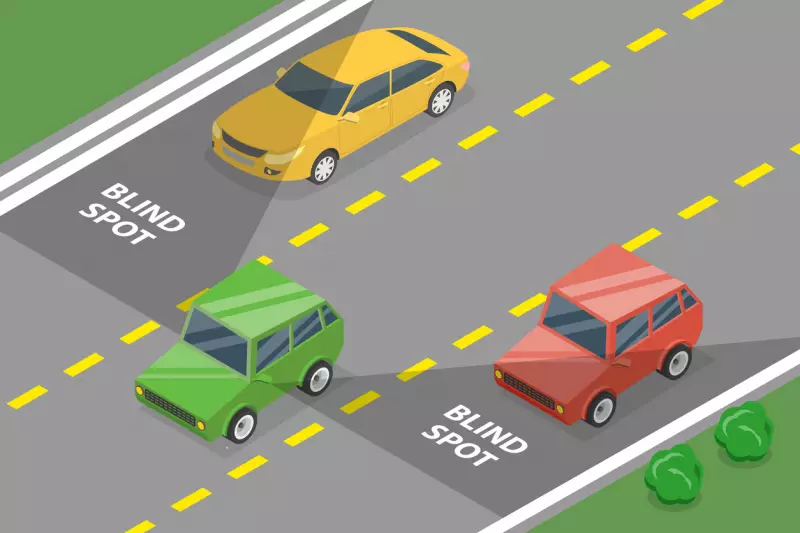
Large trucks have four major blind zones. These are directly in front, directly behind, and on both sides near the cab. Staying clear of all four zones when near a truck is essential for your safety.
If you cannot see a truck driver’s mirrors, they cannot see you. This is a simple and effective rule to remember. Position yourself so you are always visible in their mirror.
Modern vehicles often come with blind spot monitoring systems. These are helpful tools but should not replace awareness habits. Technology assists defensive driving it does not replace it.
When another driver is in your blind spot, make a point of adjusting your speed. Either slow down to let them pass or accelerate to move ahead. Resolve the situation quickly rather than traveling side by side.
Blind spot awareness also applies in parking lots. Cars reversing out of spaces cannot see vehicles approaching from the side. Slow down in parking areas and watch for reversing lights on parked cars.
Cyclists and motorcyclists are especially difficult to see in blind spots. Their smaller size makes them easy to miss in a quick glance. Always perform a physical shoulder check before changing lanes on any road.
Teaching yourself to be aware of blind spots both yours and others’ is a habit that saves lives. It requires minimal effort but produces enormous safety benefits. Stay visible, stay alert, and stay out of danger zones.
Also Read: 10 Engines That Can Handle Standard Grade Fuel Without Losing Longevity
5. Anticipate the Actions of Other Drivers
Defensive driving means thinking ahead about what other drivers might do. You cannot control other people’s behavior, but you can prepare for it. Anticipation is the key difference between reactive and proactive driving.
Watch the body language of other vehicles on the road. A car drifting slightly toward your lane may be about to change lanes. A vehicle slowing down near an intersection may be about to turn without signaling.
Pay attention to turn signals, but do not rely on them completely. Many drivers forget to signal or signal too late. Use other visual cues to predict behavior alongside official indicators.
When you see a gap in traffic, anticipate that someone may accelerate to fill it. Aggressive drivers often exploit openings quickly. Being prepared for sudden acceleration near you prevents unwanted surprises.
Pedestrians and cyclists have unpredictable behavior as well. A child near the road may dart out without warning. A cyclist may swerve to avoid a pothole directly into your path.
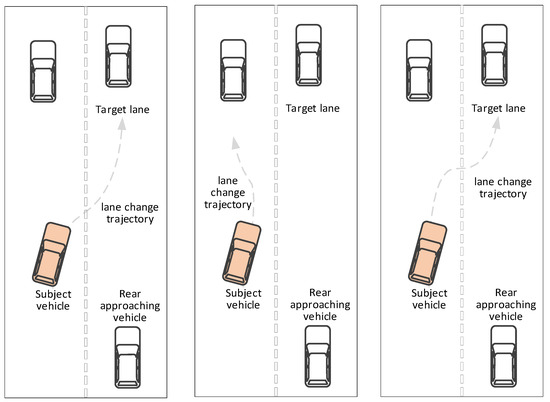
Watch the wheels of other vehicles, not just their movement. The wheels tell you which direction a vehicle is actually moving. They react faster than the body of the vehicle and give you an early movement signal.
In urban environments, parked cars present a constant anticipation challenge. A door may open suddenly into your lane. A driver may pull out of a parking space without checking for traffic.
At intersections, anticipate that some drivers will run red lights. Wait a moment after your light turns green before proceeding. Look both ways to confirm that cross-traffic has actually stopped.
Anticipating behavior also means watching for signs of distraction. A driver who is looking down is likely on their phone. Increase your distance and prepare for erratic movement from that vehicle.
Aggressive or frustrated drivers can be identified early. Tailgating, frequent lane changes, and horn honking are warning signs. Give these drivers space and avoid any interaction that could escalate tension.
Road conditions affect what other drivers will do. On icy roads, anticipate that vehicles may slide or spin unexpectedly. On wet roads, expect longer stopping distances from everyone around you.
Building the habit of anticipation makes you a smarter, safer driver. It keeps your mind actively engaged with the driving environment. Passive drivers react defensively, and that difference saves lives.
6. Control Your Speed According to Conditions
Speed limits are set for ideal road conditions. In reality, road conditions are rarely ideal. A defensive driver adjusts speed based on weather, traffic, visibility, and road surface not just the posted limit.
Driving at the speed limit in thick fog, heavy rain, or icy conditions is genuinely dangerous. Your stopping distance increases dramatically in adverse conditions. Slowing down gives you more time and space to respond safely.
Speed management also applies in construction zones. Workers are present near live traffic, and hazards change without warning. Reduce speed significantly and stay alert in any active construction area.
In heavy traffic, driving at a consistent speed is safer than constantly accelerating and braking. Smooth, steady movement reduces the risk of rear-end collisions. It also reduces driver fatigue significantly over long journeys.
High speed reduces your field of effective vision. At faster speeds, your peripheral vision narrows. You begin to miss important details at the edges of the road that could signal danger.
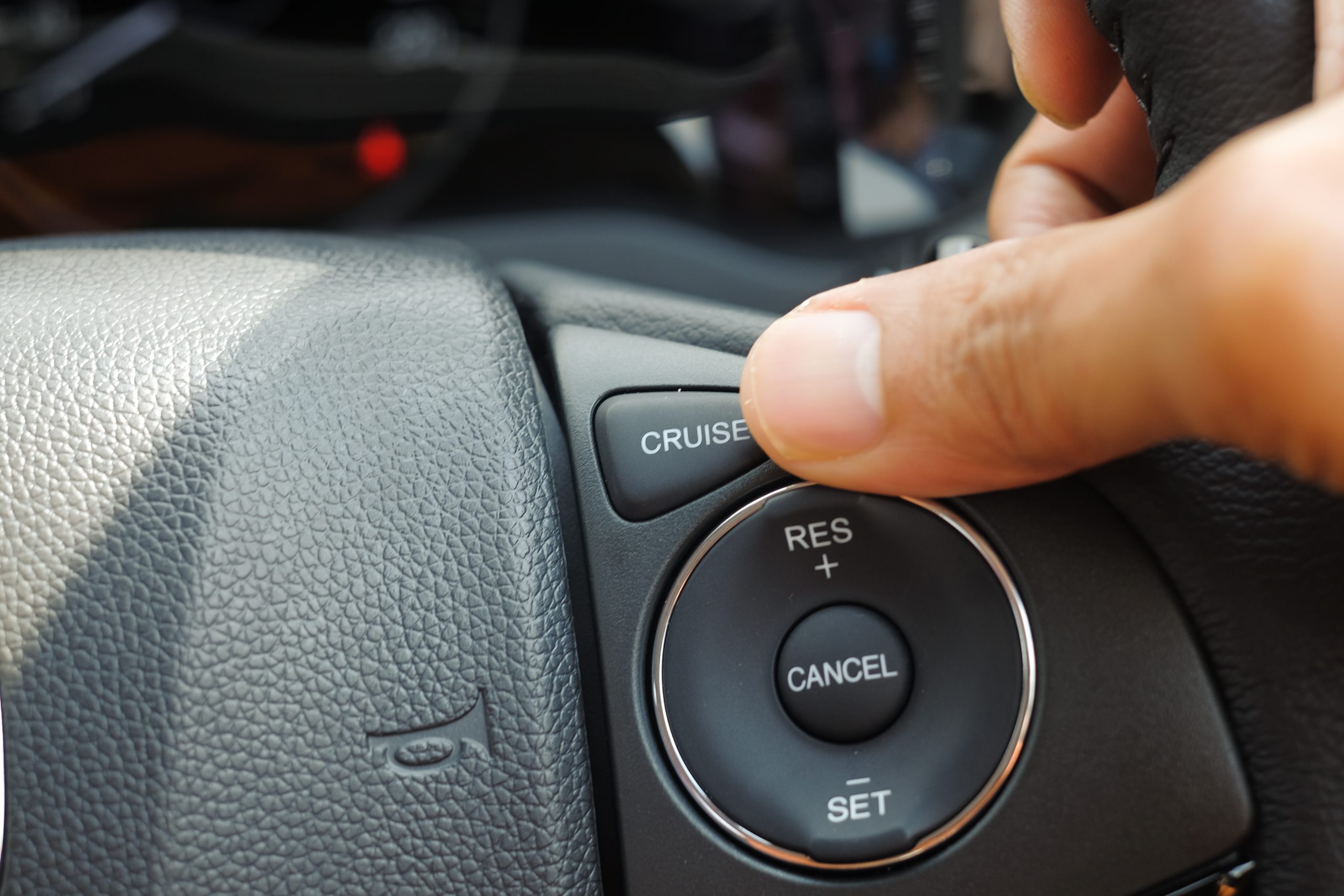
Speed and following distance are directly linked. The faster you drive, the more following distance you need. Always recalculate your space cushion as you increase speed.
In residential areas and school zones, reduce speed proactively. Children can appear suddenly from between parked cars. A lower speed gives you the reaction time that could prevent a devastating tragedy.
Highway on-ramps and off-ramps require careful speed management. Entering too fast can cause loss of control on curved ramps. Exiting too slowly on a high-speed ramp can cause rear-end collisions from behind.
Night driving demands reduced speed even on familiar roads. Headlights illuminate a limited distance ahead. Driving within your headlight range means driving at a speed where you can stop within the visible distance.
Downhill driving requires extra speed management. Gravity accelerates your vehicle even without pressing the gas pedal. Use engine braking and controlled brake application to maintain a safe speed on steep descents.
Speeding in aggressive traffic creates a dangerous cycle. Fast driving increases aggression in other drivers. It also reduces your ability to go through the sudden lane changes, brake lights, or debris on the road.
Commit to driving at the right speed for actual conditions. This is not about driving slowly it is about driving appropriately. Speed management is one of the most powerful safety tools available to every driver.
7. Avoid All Distractions While Driving
Distracted driving kills thousands of people every year. It is one of the most preventable causes of road accidents. A defensive driver gives their full, undivided attention to the road at all times.
A phone glance that lasts just two seconds means traveling over 50 meters blind at highway speed. That is more than enough distance for a deadly accident to unfold. No message, notification, or call is worth that risk.
Mobile phones are the most common distraction, but not the only one. Eating, applying makeup, adjusting the radio, and talking to passengers all reduce your focus. Any activity that takes your attention off the road is a distraction.
Cognitive distraction is just as dangerous as physical distraction. Being mentally preoccupied with a problem or conversation reduces your driving awareness. Your eyes may be on the road, but your brain is not fully engaged.
Before starting your journey, complete all preparations. Set your GPS destination, adjust your mirrors, and secure loose items. Handle everything you can before you begin moving.
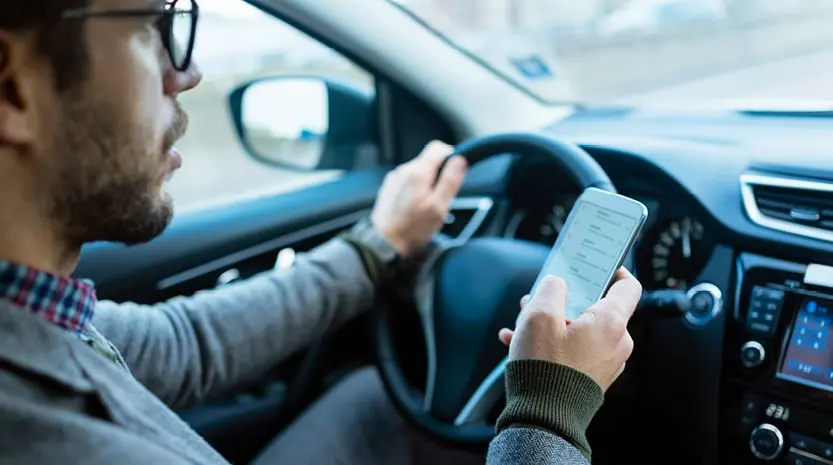
If you must make a phone call, use a hands-free device. However, even hands-free calls require cognitive attention. If the conversation becomes intense or emotional, pull over safely before continuing.
Passengers can be a significant source of distraction. New drivers are especially vulnerable to social pressure inside the vehicle. Set clear boundaries with passengers about keeping noise levels manageable while driving.
Long drives create mental fatigue that mimics distraction. Your attention drifts, your reactions slow, and your awareness fades. Take regular breaks on long journeys to reset your focus and alertness.
Dashboard technology in modern vehicles can also be distracting. Touchscreens, infotainment systems, and navigation displays demand visual attention. Learn to use voice commands to minimize screen interaction while driving.
Children in the back seat are a deeply personal distraction challenge. Pull over safely if a child needs urgent attention. Attempting to handle a child’s needs while driving creates extreme risk for everyone in the vehicle.
Emotional state affects driving focus significantly. Driving while angry, upset, or anxious increases risk of impulsive decisions. If your emotional state is compromised, take a few minutes to compose yourself before driving.
Building a zero-tolerance approach to distractions will transform your driving safety. Treat every drive as a task that demands your complete presence. The road requires your full attention give it nothing less.
8. Use Turn Signals Early and Consistently
Turn signals are a communication tool between drivers. They allow others to anticipate your movements and adjust accordingly. Using them early and consistently is a simple habit that prevents a surprising number of accidents.
Signaling at the last moment defeats the purpose of the signal entirely. Other drivers need time to respond to your intended movement. Signal well in advance at least three seconds before you begin any maneuver.
Many drivers forget to signal at all in light traffic. They believe that if no one is around, signaling is unnecessary. However, there may be a motorcycle or cyclist in a blind spot you have not detected.
On highways, signaling early is especially important at high speeds. At 100 kilometers per hour, three seconds of warning covers a significant distance. Other drivers need that time to create space for your lane change.
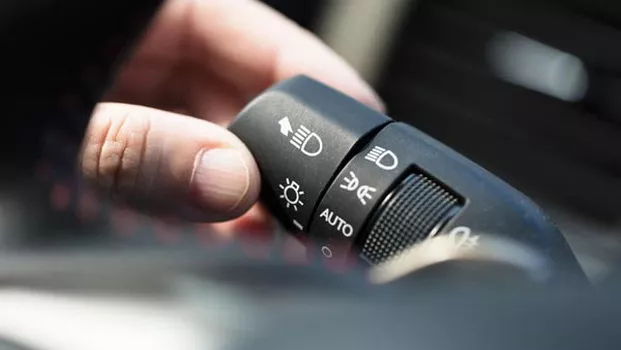
Turn signals also communicate your intentions to pedestrians. A pedestrian crossing in front of you needs to know if you are turning. Your signal tells them clearly that your vehicle is about to move in a new direction.
Consistent signal use builds trust between drivers on the road. When drivers communicate predictably, traffic flows more smoothly. Unpredictable behavior is one of the leading causes of aggressive reactions and accidents.
Cancel your signal promptly after completing a maneuver. A signal left on accidentally confuses other drivers. They may stop or yield unnecessarily based on a signal that no longer reflects your intentions.
When changing multiple lanes, signal each lane change individually. Do not signal once and move across three lanes in a single sweeping movement. Complete one lane change, cancel the signal, then signal again for the next move.
Roundabouts require careful signal discipline. Signal as you approach the exit you intend to take. Consistent signaling in roundabouts prevents collisions with drivers entering the junction.
Signaling in parking lots and driveways matters too. Even at slow speeds, other drivers need warning of your movement. A quick signal before pulling into or out of a space prevents unnecessary scrapes and collisions.
Make it a point to notice when other drivers signal correctly. Appreciating good driving behavior reinforces your own good habits. The more you notice and practice signaling, the more automatic it becomes.
Turn signals cost you nothing except a flick of your finger. Yet they communicate clearly, prevent confusion, and save lives. Using them consistently is one of the easiest upgrades you can make to your driving safety.
9. Stay Calm and Avoid Road Rage
Road rage is a growing problem on modern roads. Stress, frustration, and aggression behind the wheel turn ordinary drivers into serious hazards. A defensive driver understands that emotional control is a core driving skill.
When another driver cuts you off or behaves aggressively, your natural instinct may be to respond. Reacting with anger, honking, or aggressive driving escalates a dangerous situation. A calm, measured response protects everyone involved.
Road rage incidents can escalate quickly and violently. What begins as a horn honk can end in a confrontation or a crash. The best response to an aggressive driver is always to create more distance.
Do not make eye contact with a driver who is behaving aggressively. Eye contact can be perceived as a challenge and escalate the situation. Simply focus on your driving and let the interaction dissolve.
Your schedule and frustrations are understandable, but they do not justify dangerous driving. If you are running late, leave earlier next time. No appointment is worth risking your life or the lives of others.
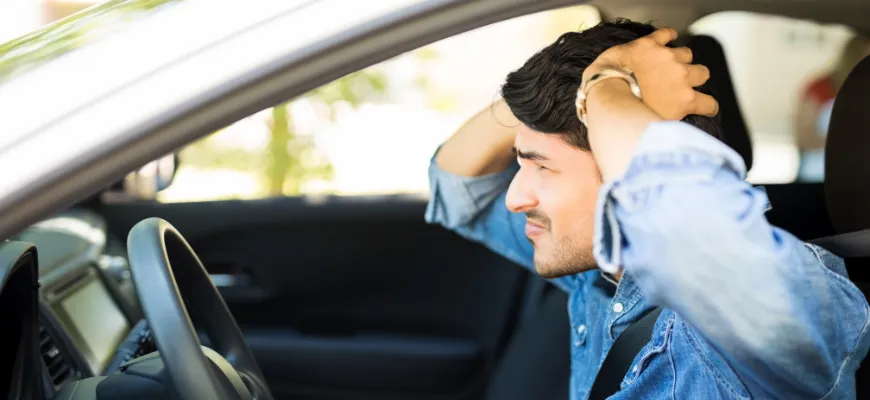
Practice breathing techniques when you feel frustration rising behind the wheel. A slow, deep breath reduces physiological stress responses quickly. It brings your heart rate down and restores rational thinking almost immediately.
Music and podcasts affect your emotional state while driving. Extremely aggressive or emotionally intense audio can increase tension. Choose calming or neutral audio to help maintain a steady, composed driving mood.
If you find yourself being followed by an aggressive driver, do not go home. Drive to a public place, a police station, or a busy area. Never allow an aggressive driver to know where you live.
Defensive driving philosophy teaches that you cannot win a road confrontation. Even if you are completely right, engaging with aggression creates risk. Letting go of the need to be right keeps everyone safer.
Fatigue and hunger significantly reduce your emotional tolerance while driving. A tired or hungry driver is more likely to react impulsively to other drivers’ mistakes. Ensure you are well-rested and fed before long drives.
Recognize that other drivers may be dealing with emergencies or personal crises. Someone driving urgently may be heading to a hospital. A small dose of empathy can instantly dissolve your frustration with other drivers.
Staying calm is not weakness it is strategic self-protection. A calm driver thinks more clearly, reacts more wisely, and arrives more safely. Emotional mastery behind the wheel is the mark of a truly skilled defensive driver.
10. Be Extra Cautious at Intersections
Intersections are among the most dangerous locations on any road network. A significant percentage of all traffic accidents occur at or near intersections. Extra caution at these points is a non-negotiable defensive habit.
Even when your light is green, approach intersections with readiness to stop. Cross-traffic drivers may be running red lights. A green light gives you the legal right to proceed not an automatic guarantee of safety.
Look left, right, and left again before entering any intersection. The second left check accounts for fast-approaching vehicles you may have initially missed. This three-step check takes only a moment but catches critical hazards.
Be especially wary of large vehicles blocking your sightline at intersections. A truck stopped at a cross street may be hiding a vehicle that is about to run the light. Peek past obstructions before committing to movement.
Pedestrians frequently cross against signals at busy urban intersections. Anticipate illegal crossings even when you have the right of way. Always scan the crosswalk area before accelerating after a light change.
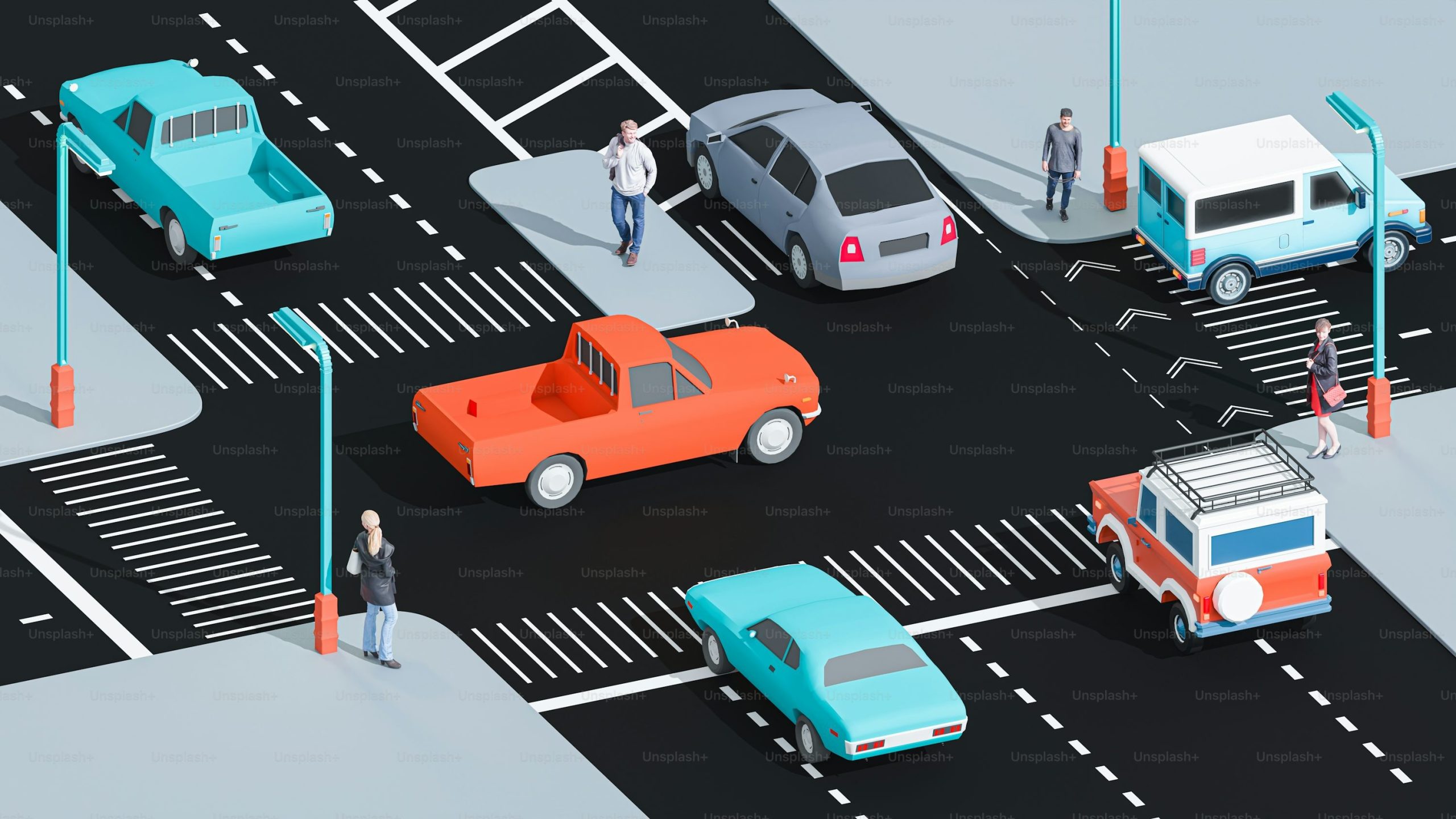
Left turns are statistically more dangerous than right turns. They require crossing oncoming traffic lanes and judging speeds accurately. Take left turns conservatively, and never rush them to beat approaching vehicles.
Uncontrolled intersections with no signals or signs require extreme caution. Yield generously and make eye contact with other drivers when possible. Do not assume another driver will stop if you cannot confirm their intention.
Wet and icy intersections create additional braking challenges. Reduce your speed well before reaching an intersection in poor weather. Give yourself extra stopping distance to account for reduced tire grip.
Cyclists and motorcyclists approaching intersections may be harder to see. Their speed is often underestimated, and their size makes distance judgment difficult. Always check specifically for two-wheeled vehicles before proceeding.
After a long wait at a red light, resist the urge to accelerate aggressively when green appears. Other vehicles may still be clearing the intersection. A one-second pause after the light changes adds significant protection.
At night, intersections become even more hazardous. Headlight glare can temporarily blind you to crossing traffic. Slow your approach at night intersections and use your peripheral vision actively.
Treating every intersection as a potential hazard zone will dramatically improve your safety record. It costs you only a few extra seconds of caution. Those seconds are a worthwhile investment in your survival on the road.
11. Always Wear Your Seatbelt and Ensure Passengers Do Too
The seatbelt is the single most effective safety device ever installed in a vehicle. It reduces the risk of fatal injury in a crash by up to 45 percent. Yet millions of drivers and passengers still travel without wearing one.
A seatbelt keeps you in your seat during a collision. Without it, your body continues moving at the vehicle’s pre-crash speed. You can be thrown through the windshield or against the interior with devastating force.
Defensive driving means preparing for the worst even when you expect the best. You may drive perfectly but another driver may crash into you. Your seatbelt is your last line of defense when all else fails.
The seatbelt must be worn correctly to be effective. The shoulder strap should cross the chest and shoulder, not the neck. The lap belt should sit across the hips, not the soft abdomen.
Many people believe seatbelts are unnecessary for short trips. Statistics show that most fatal accidents occur within a few kilometers of home. The distance of the journey is completely irrelevant to the risk of a collision.
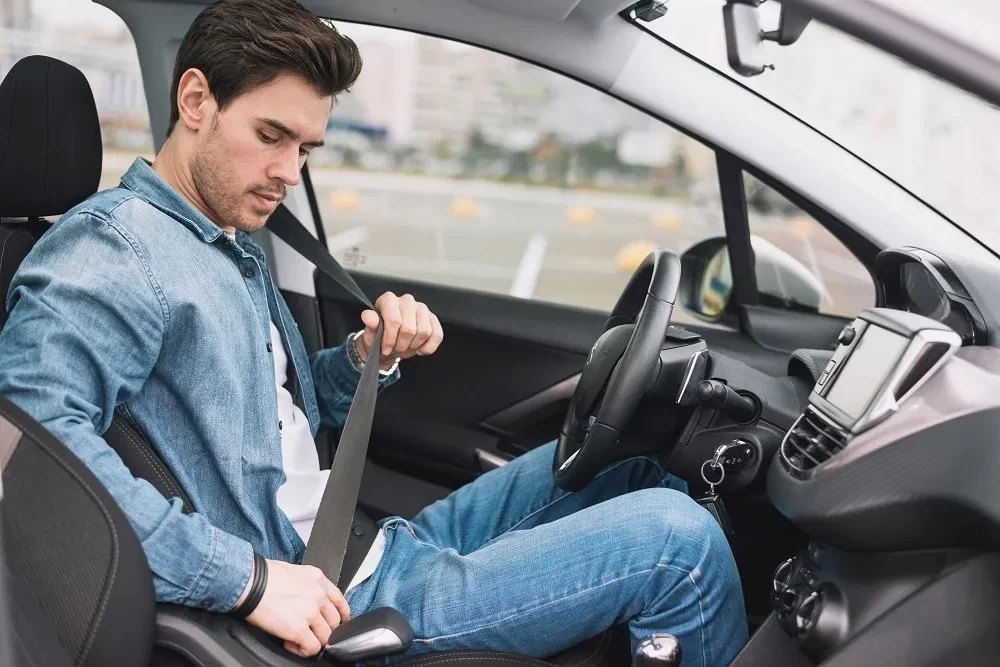
Pregnant women should also wear seatbelts correctly throughout pregnancy. Adjust the lap belt below the bump and the shoulder strap above it. This protects both the mother and the unborn child in the event of a crash.
As a driver, you are responsible for all passengers in your vehicle. Ensure that every person has their seatbelt fastened before moving. Make it a firm, non-negotiable rule in your vehicle at all times.
Children require age-appropriate restraints beyond a standard seatbelt. Infants need rear-facing child seats, toddlers need forward-facing seats, and older children need booster seats. Follow the manufacturer’s guidelines for height and weight requirements precisely.
An unbelted passenger in a crash becomes a projectile inside the vehicle. They can seriously injure or kill belted passengers upon impact. Everyone being belted protects everyone in the car simultaneously.
Some drivers resist seatbelts due to discomfort or the belief that they could be trapped in a submerged vehicle. The risk of not wearing a seatbelt far outweighs these concerns. Seatbelt cutters and window breakers are inexpensive and easy to keep in your vehicle.
Airbags are designed to work in combination with seatbelts, not as replacements. An unbelted driver can be seriously injured by a deploying airbag. Seatbelts and airbags together provide the maximum level of crash protection available.
Make buckling up the very first thing you do every time you enter a vehicle. Build it as a pre-ignition ritual without exception. This single habit, performed consistently, will give you your best chance of surviving any crash you may encounter.
12. Have an Escape Route Plan at All Times
A truly defensive driver always thinks about where they would go if danger suddenly appeared. Having a mental escape route is a proactive habit that prevents panic reactions. It means constantly identifying safe spaces around your vehicle as you travel.
Panic steering turning suddenly and sharply to avoid a hazard causes many secondary accidents. When you have an escape route pre-planned, you respond with controlled movement. Control under pressure is the difference between a near-miss and a crash.
In highway driving, always know what is in the lane beside you. If the car ahead brakes suddenly, can you move right? Is there space to the left? Keeping these options mentally mapped makes emergency responses smoother.
Maintain space on at least one side of your vehicle whenever possible. In heavy traffic, try to avoid being completely boxed in by surrounding cars. A free lane beside you is an escape route waiting to be used.
When approaching a slow or stopped vehicle ahead, do not just watch the brake lights. Look for a space to move to if that vehicle suddenly reverses or a car ahead collides into it. Always think one step beyond the obvious.
Driving near large trucks requires escape route awareness. Trucks can shed tire fragments, lose cargo, or make sudden lane corrections. Knowing your available escape space before any incident occurs is critical near heavy vehicles.
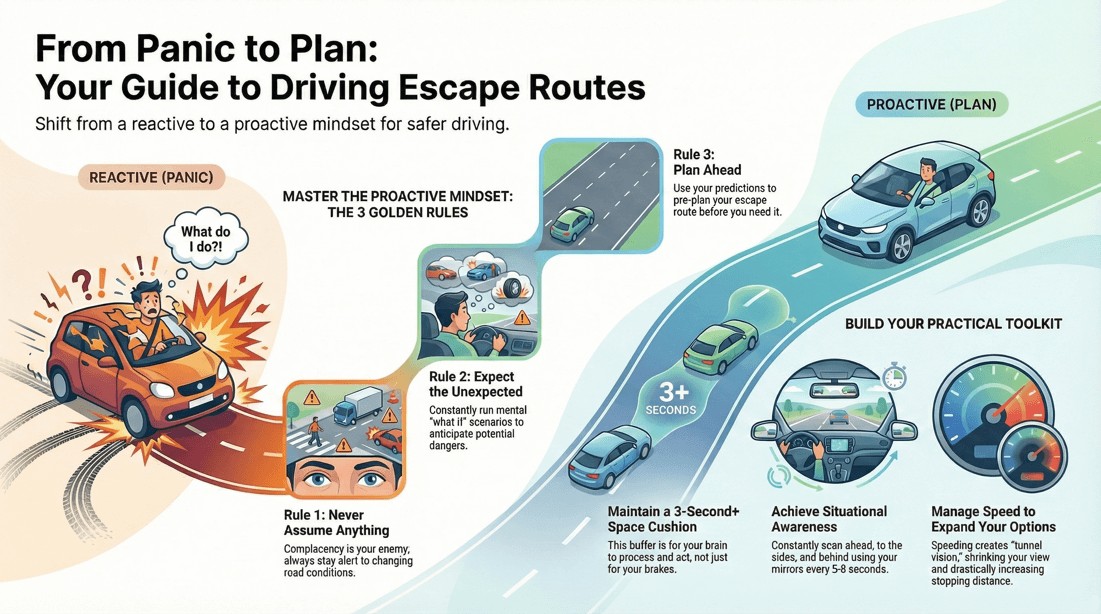
In urban environments, identify pedestrian zones, driveways, and open lots as potential emergency escape options. A controlled swerve into a parking lot is far better than a head-on collision. These micro-options exist everywhere if you look for them.
Keep your vehicle mechanically reliable as part of escape route planning. A tire blowout, brake failure, or steering problem on a highway is a life-threatening emergency. Regular vehicle maintenance ensures your car responds when you need it most.
Merging traffic requires escape route thinking ahead of time. Vehicles merging onto a highway can create sudden speed differentials. Identify your available response options before the merge zone arrives, not during it.
Rain and low-visibility conditions reduce available escape options. Shoulders may be flooded, lanes may be narrow, and reaction times of other drivers are reduced. Build extra space cushions in poor conditions so your escape options remain viable.
Practice thinking about escape routes during every single drive you take. Over time, it becomes a subconscious background process. Your brain will constantly and automatically map available safety zones without deliberate effort.
Defensive driving is ultimately about keeping options open. Escape route planning embodies this philosophy completely. A driver who always has somewhere safe to go is a driver who will almost always find a way to survive.
Also Read: 5 Brands With the Most Expensive Dealership Labor Rates in the US
