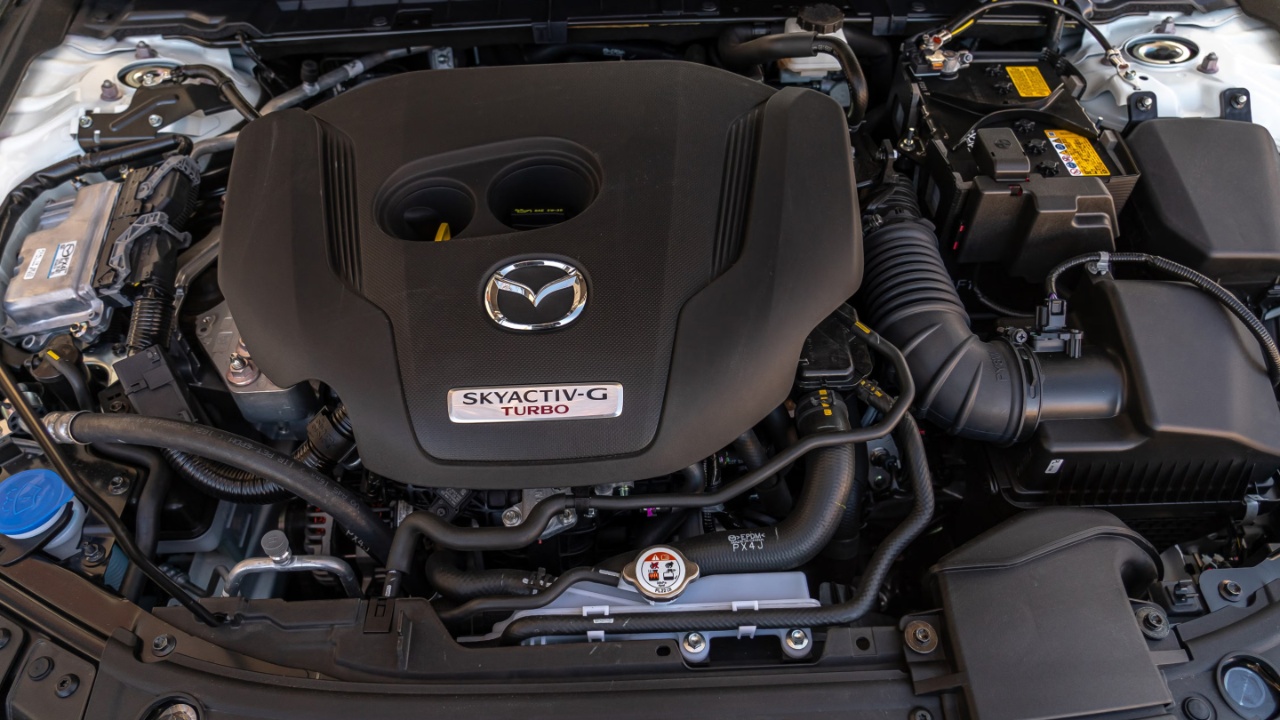
Modern performance engines often require premium fuel to achieve their peak output, but there are several exceptions that deliver excellent performance while running efficiently on 87 octane. These engines provide drivers with a blend of power, reliability, and cost-effective fuel consumption.
For those who want spirited driving without the high cost of premium gasoline, understanding which engines perform well on regular fuel is crucial.
Many factors contribute to an engine’s ability to run on lower-octane fuel, including compression ratio, engine tuning, knock sensors, and advanced computer-controlled ignition timing.
Manufacturers have increasingly optimized engines to adjust ignition timing and fuel delivery dynamically, allowing engines to safely handle 87 octane without sacrificing efficiency or longevity.
The ability to use regular fuel is not just a convenience; it also makes performance vehicles more accessible to a wider range of drivers. While premium fuel can improve performance in certain high-compression engines, some engines are carefully engineered to extract maximum efficiency from lower-octane gasoline.
These engines often feature technologies such as turbocharging, direct injection, and variable valve timing, which allow them to maintain power while avoiding engine knock.
Understanding which engines are capable of running efficiently on 87 octane helps consumers make informed decisions when purchasing performance cars, especially in markets where premium fuel is expensive or scarce.
Manufacturers often highlight the recommended fuel type in vehicle manuals, but some engines perform well on regular fuel without any significant reduction in performance.
Additionally, running a performance engine on 87 octane can provide environmental benefits. Lower-octane fuels often have slightly different refining processes, and using them when appropriate can reduce unnecessary fuel waste. Efficient engine design ensures that fuel is burned optimally, minimizing emissions while still delivering satisfying acceleration and power.
Some engines can even adjust their output depending on fuel quality, using advanced sensors and computer management to prevent detonation while maintaining efficiency.
This adaptability has become a hallmark of modern engineering, allowing performance enthusiasts to enjoy spirited driving without always reaching for premium fuel.
It is important to recognize that not all engines labeled as “performance” will function well on 87 octane. Engines designed with extremely high compression ratios or aggressive turbocharging typically require premium fuel to prevent knocking and maintain optimal performance.
However, there are engines that strike a balance, offering both strong power output and flexibility in fuel choice. These engines are particularly appealing to daily drivers, enthusiasts who commute regularly, and those looking for vehicles that are enjoyable but cost-conscious.
Understanding these engines provides insight into the evolving industry of automotive engineering, where efficiency, performance, and accessibility increasingly go hand in hand.
In this article, we will examine ten performance engines that are known for their ability to run efficiently on 87 octane fuel. Each engine has been carefully engineered to optimize power delivery while remaining compatible with regular gasoline.
We will highlight the technical features that allow them to handle lower-octane fuel, their performance characteristics, and the vehicles in which they are commonly found.
This guide aims to provide a clear picture of practical performance engines for drivers who want power without the continuous expense of premium fuel. Whether you are shopping for a sports car, a sporty sedan, or a versatile crossover, knowing these engines helps you make smarter choices about performance and fuel economy.
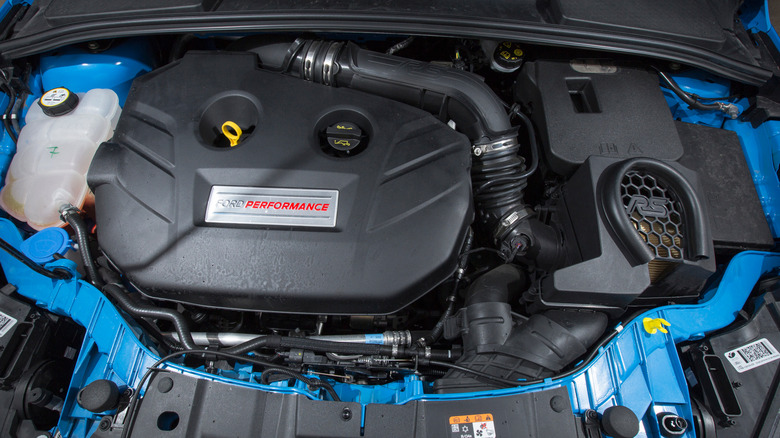
1. Ford EcoBoost 2.3L Inline-4
The Ford EcoBoost 2.3L Inline-4 engine is widely known for combining turbocharged power with fuel efficiency. Despite its performance orientation, this engine can run efficiently on 87 octane, especially in everyday driving conditions.
It utilizes direct injection and an advanced turbocharging system that adapts to fuel quality, ensuring smooth power delivery without knocking. This flexibility makes it ideal for daily driving and spirited weekend trips alike.
This engine produces impressive horsepower and torque while maintaining a practical compression ratio suitable for regular gasoline. Vehicles like the Ford Mustang equipped with this engine can accelerate quickly without requiring high-octane fuel.
The engine’s computer-controlled ignition timing detects fuel quality and adjusts performance accordingly, preventing detonation while maintaining efficiency. This feature ensures that drivers are not forced to compromise between cost and performance.
The 2.3L EcoBoost engine has earned praise for its balance of fuel economy and power output. Its turbocharger works efficiently at lower RPMs, providing responsive acceleration even when running on 87 octane.
The engine’s lightweight design contributes to better vehicle dynamics, and the combination of direct injection and variable valve timing helps optimize combustion.
Ooutine maintenance ensures the engine continues to perform well with regular gasoline. Oil changes, spark plug inspections, and air filter replacements help maintain efficiency and longevity.
The engine’s adaptive systems work best when properly maintained, allowing it to safely handle lower-octane fuel over many years. Ford’s design has prioritized real-world usability, making this engine a top performer in its class.
The Ford EcoBoost 2.3L demonstrates that a turbocharged performance engine can run effectively on 87 octane. Its combination of technology, adaptive tuning, and engineering efficiency make it a standout example.
Drivers can enjoy lively performance without the recurring cost of premium fuel, making this engine one of the most practical choices in the sports coupe and performance sedan segment.
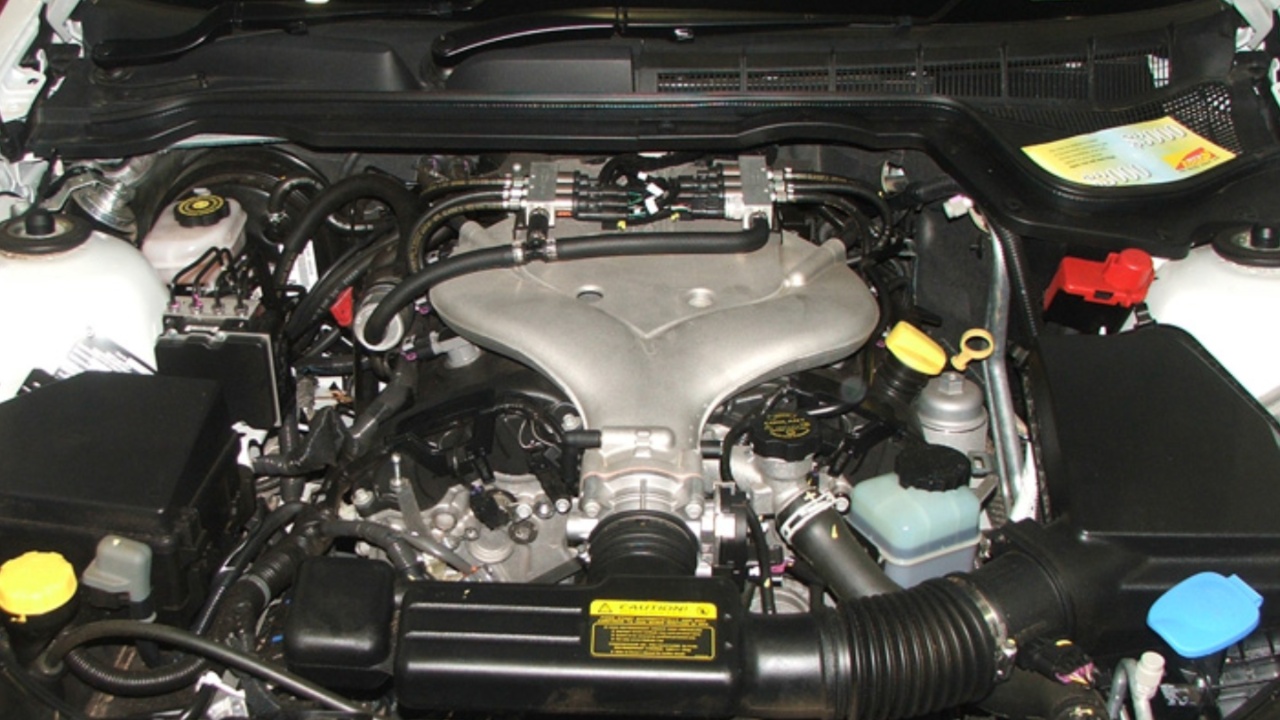
2. Chevrolet 3.6L V6 (LFX)
The Chevrolet 3.6L V6, known as the LFX engine, is a naturally aspirated powerplant praised for its versatility. It is commonly found in models such as the Chevrolet Camaro and Impala.
This engine offers smooth power delivery while remaining compatible with 87 octane fuel. Its design features a moderate compression ratio that allows for efficient combustion without requiring premium gasoline.
The LFX engine uses direct injection and variable valve timing to maximize efficiency. By optimizing air and fuel delivery, it maintains consistent performance even with regular fuel.
Drivers often experience strong acceleration and reliable torque, making this engine suitable for both daily commuting and spirited driving. It demonstrates that naturally aspirated engines can combine performance and fuel economy effectively.
Reliability is another key aspect of the 3.6L V6. Its solid engineering ensures long-term durability while running on lower-octane gasoline.
Components such as forged pistons and a reinforced cylinder block contribute to stability under varied driving conditions. The engine’s knock sensors further protect it from premature detonation, allowing drivers to focus on driving rather than fuel limitations.
Fuel efficiency is for an engine of this size and power output. Vehicles equipped with the LFX engine achieve respectable MPG ratings without sacrificing acceleration.
Its ability to handle 87 octane makes it a practical choice for families or enthusiasts who want performance without higher fuel costs. The engine balances power, efficiency, and usability in a well-rounded package.
The Chevrolet 3.6L V6 demonstrates that a naturally aspirated performance engine can function efficiently on regular fuel. Its combination of reliability, efficiency, and smooth power makes it a popular choice for drivers seeking cost-effective performance. With proper maintenance, this engine continues to perform optimally for many years.
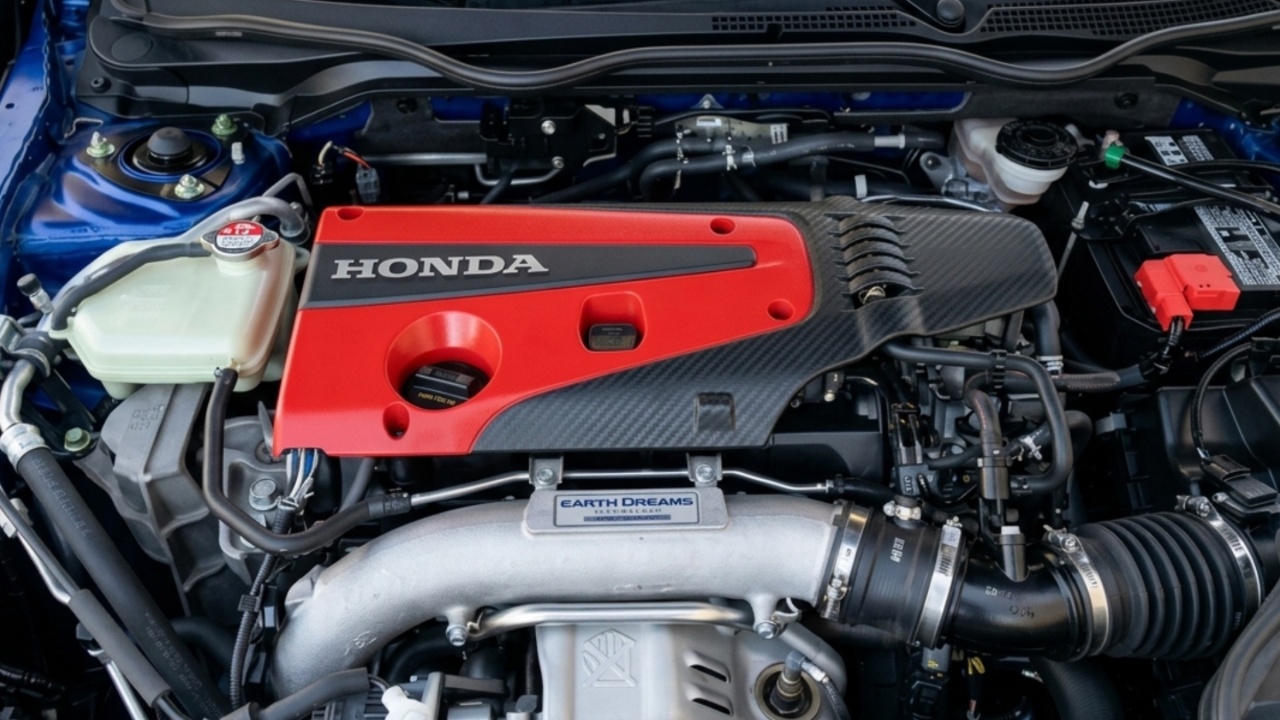
3. Honda 2.0L Turbocharged I4
The Honda 2.0L turbocharged inline-four, designated K20C1, is the engine powering the Civic Type R. While performance-focused, it can operate efficiently on 87 octane in less aggressive driving conditions.
Honda’s engineering allows the engine to adjust ignition timing and boost levels according to fuel quality, preventing knock while maintaining good power delivery.
Direct injection and turbocharging allow the K20C1 to produce high output relative to its displacement. Even when running on regular gasoline, the engine provides lively acceleration and responsive handling.
The use of lightweight materials in its construction contributes to reduced engine mass and improved efficiency. This design philosophy makes the K20C1 an impressive example of practical performance engineering.
Variable valve timing is a key feature that allows the K20C1 to adapt to driving conditions. It optimizes combustion and airflow, improving torque at low RPMs and power at high RPMs.
This ensures that drivers can enjoy performance without being forced to use premium fuel. Honda’s attention to detail in tuning allows this engine to maintain reliability over time.
The engine’s turbocharging system is designed to operate efficiently on varying fuel grades. Its intercooler, boost control, and computer management allow safe operation on 87 octane without compromising performance drastically. Regular maintenance ensures the engine continues to function optimally, preserving efficiency and responsiveness.
In practical terms, the K20C1 represents a balance between performance and accessibility. It offers drivers a high-revving, powerful engine that can also accommodate the use of regular fuel when needed.
Honda’s focus on engineering precision ensures that this turbocharged engine remains a reliable and efficient choice for everyday driving.
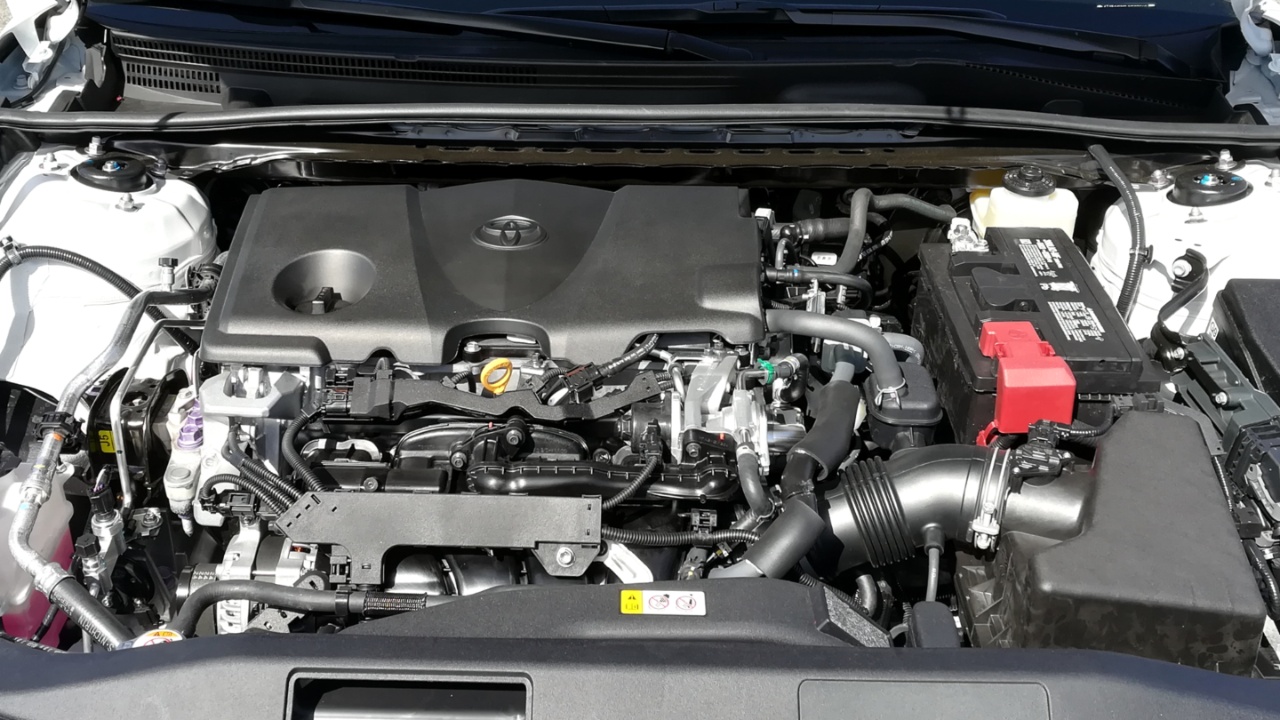
4. Toyota 2.5L Dynamic Force I4
The Toyota 2.5L Dynamic Force inline-four engine is widely used in vehicles like the Camry and RAV4. This engine is engineered for efficiency while still offering adequate power, making it capable of running on 87 octane without issue.
Toyota combines a moderate compression ratio with variable valve timing and advanced fuel injection to optimize combustion. As a result, drivers enjoy reliable performance and excellent fuel economy without needing premium gasoline.
One of the key design features of the Dynamic Force engine is its high thermal efficiency. This technology allows the engine to extract more energy from each unit of fuel while maintaining low emissions.
By optimizing airflow, combustion chamber shape, and ignition timing, Toyota ensures that even lower-octane fuel is burned efficiently. This results in smooth acceleration, minimal knocking, and consistent performance across a variety of driving conditions.
The engine also features Toyota’s D-4S injection system, which combines direct and port fuel injection. This dual system improves fuel atomization and combustion, allowing the engine to maintain efficiency on regular gasoline.
Even under moderate load, the engine adjusts injection timing to prevent detonation while preserving responsiveness. Drivers benefit from a balance of power, fuel economy, and long-term durability.
Reliability is another major strength of this engine. Toyota’s engineering ensures that components such as pistons, valves, and the cylinder head can withstand prolonged use with 87 octane fuel.
Regular maintenance like oil changes and air filter replacements helps sustain optimal performance. Owners frequently report consistent performance and low maintenance costs, demonstrating the practicality of this powerplant.
The Toyota 2.5L Dynamic Force inline-four is a prime example of a modern performance engine that balances power, efficiency, and fuel flexibility.
Its advanced combustion technology allows it to run efficiently on regular gasoline, providing drivers with both reliability and spirited driving capability. This makes it an excellent option for those seeking performance without the continuous expense of premium fuel.
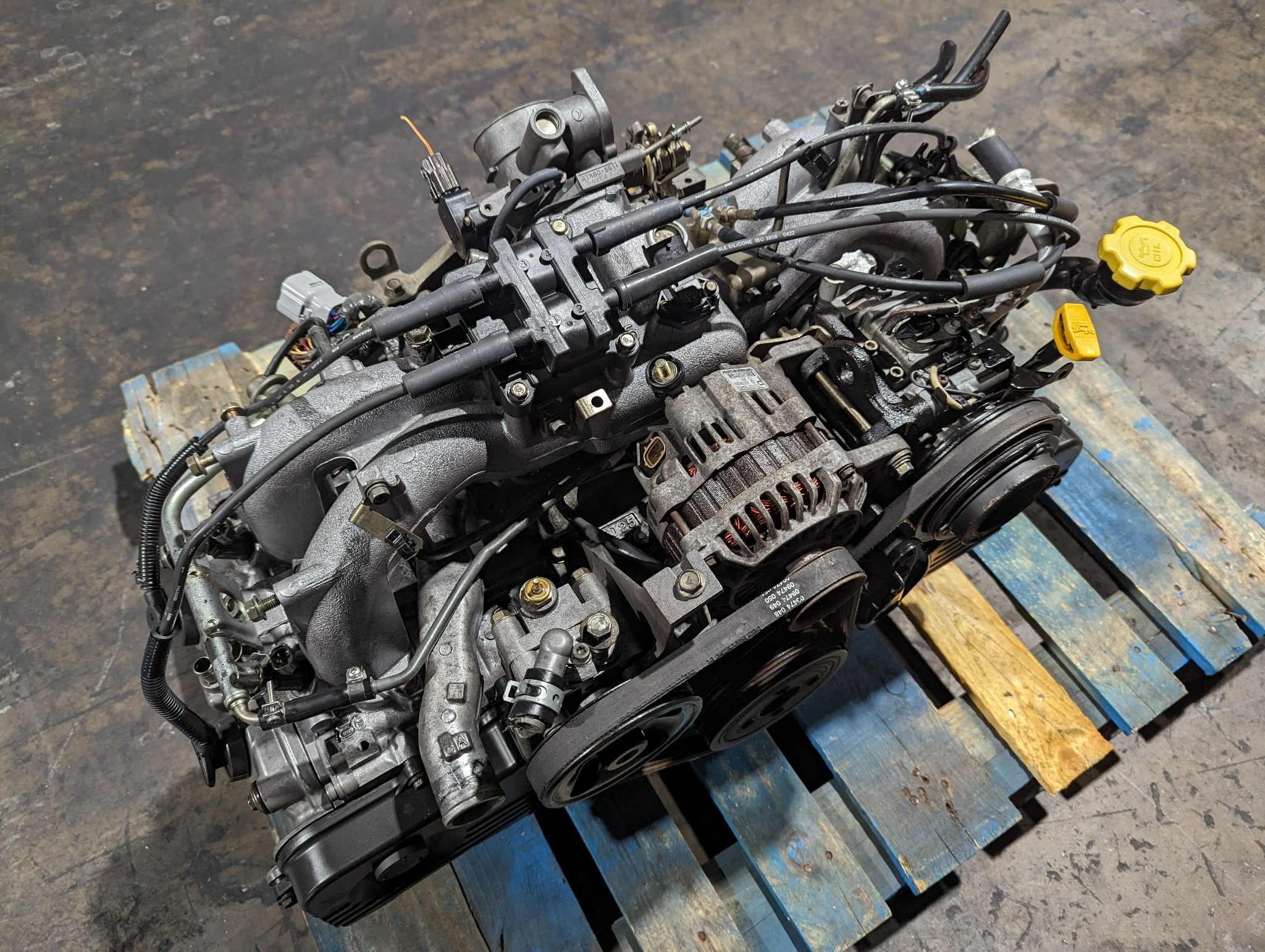
5. Subaru 2.5L Naturally Aspirated Boxer
The Subaru 2.5L naturally aspirated Boxer engine powers vehicles like the Subaru Outback and Legacy. Its horizontally opposed design lowers the vehicle’s center of gravity, enhancing handling and stability.
Despite its sporty engineering, this engine can efficiently run on 87 octane due to a moderate compression ratio and adaptive engine management. Subaru balances performance and practicality, making this engine ideal for daily driving.
The Boxer layout promotes efficient airflow and combustion. Its flat configuration allows even cooling across all cylinders, reducing hotspots that could lead to knock.
This makes it safer to use lower-octane gasoline without compromising reliability. Drivers enjoy smooth acceleration, consistent torque, and dependable performance in a variety of driving conditions.
Variable valve timing further optimizes the engine for different fuel grades. Subaru’s system adjusts timing and lift according to load and speed, which helps maintain efficiency on regular fuel.
Additionally, the engine features Subaru’s advanced knock sensors, which detect early signs of detonation and adjust spark timing automatically. This ensures both safety and performance under real-world conditions.
Fuel efficiency remains respectable for a performance-oriented engine. Vehicles equipped with the 2.5L Boxer deliver a solid balance of city and highway MPG ratings while providing confident acceleration.
Its durability also reduces long-term ownership costs, as fewer repairs related to fuel-induced knock are necessary. Subaru’s design philosophy emphasizes longevity and practical performance, making this engine a reliable choice for enthusiasts and families alike.
The Subaru 2.5L naturally aspirated Boxer demonstrates that a performance-oriented engine can remain compatible with regular gasoline. Its design combines stability, efficiency, and adaptability to provide a dependable driving experience. For those looking for practical performance without premium fuel costs, this engine is an excellent example.

6. Nissan 3.5L V6 (VQ35DE)
The Nissan 3.5L V6 engine, known as the VQ35DE, has powered vehicles such as the Nissan 350Z, Altima, and Maxima. It is celebrated for its smooth power delivery, high-revving nature, and overall reliability.
Despite being a performance engine, the VQ35DE can run efficiently on 87 octane under typical driving conditions, thanks to a well-engineered combustion system and moderate compression ratio.
One of the VQ35DE’s strengths is its robust cylinder head design and precise fuel injection. These features ensure complete combustion while minimizing detonation risk when using regular fuel.
The engine provides strong mid-range torque, allowing vehicles to accelerate confidently without relying on premium gasoline. Its lightweight internals also contribute to improved efficiency and reduced mechanical stress over time.
Variable valve timing technology enhances its ability to run on lower-octane fuel. Nissan’s VVEL (Variable Valve Event & Lift) system adjusts valve timing dynamically to optimize power and efficiency based on driving conditions.
This allows the engine to compensate for varying fuel quality, maintaining performance and avoiding knock while preserving fuel economy.
Long-term reliability is a hallmark of the VQ35DE. Components such as forged pistons, reinforced connecting rods, and a durable cylinder block make it capable of handling sustained use with regular gasoline.
Regular maintenance, including oil and spark plug changes, helps maintain optimal performance and fuel efficiency over many years of ownership.
The Nissan 3.5L V6 VQ35DE is a classic performance engine that balances power, reliability, and fuel flexibility. It provides spirited driving without requiring premium gasoline for everyday use.
Its engineering demonstrates that high-performance engines can remain practical and cost-effective when designed with adaptability in mind.

7. Hyundai 2.0L Turbocharged I4
The Hyundai 2.0L Turbocharged inline-four engine, known as the Theta II T-GDI, powers vehicles like the Hyundai Sonata N Line and Veloster N. Despite its turbocharged design, this engine is capable of running efficiently on 87 octane fuel, especially during moderate driving.
Its combination of direct injection, smart boost control, and adaptive ignition timing allows it to extract maximum efficiency while avoiding knock, even on regular gasoline.
This engine produces impressive torque and horsepower relative to its size, thanks to advanced turbocharging technology. The turbocharger operates efficiently at low and mid RPM ranges, allowing for quick acceleration without the constant need for premium fuel. Additionally, Hyundai has optimized the engine’s compression ratio to safely accommodate lower-octane gasoline, ensuring that everyday driving remains economical and reliable.
Variable valve timing plays a critical role in the engine’s adaptability. Hyundai’s Dual Continuously Variable Valve Timing Control system adjusts intake and exhaust timing to optimize performance depending on load, speed, and fuel quality.
This flexibility ensures that the engine maintains strong performance and efficiency without requiring premium fuel, even during spirited driving sessions.
Fuel efficiency remains strong for a turbocharged engine, with the Theta II T-GDI delivering competitive city and highway mileage ratings.
Its direct injection system precisely meters fuel for optimal combustion, preventing wasted energy and reducing emissions. Regular maintenance, such as timely oil changes and air filter checks, ensures that the engine continues to operate safely on 87 octane over time.
In practical terms, the Hyundai 2.0L T-GDI exemplifies a modern performance engine that balances power, efficiency, and fuel flexibility.
Drivers can enjoy responsive acceleration, reliable torque, and practical fuel costs without sacrificing driving enjoyment. Its combination of advanced technology and thoughtful engineering makes it an appealing choice for those seeking cost-conscious performance.
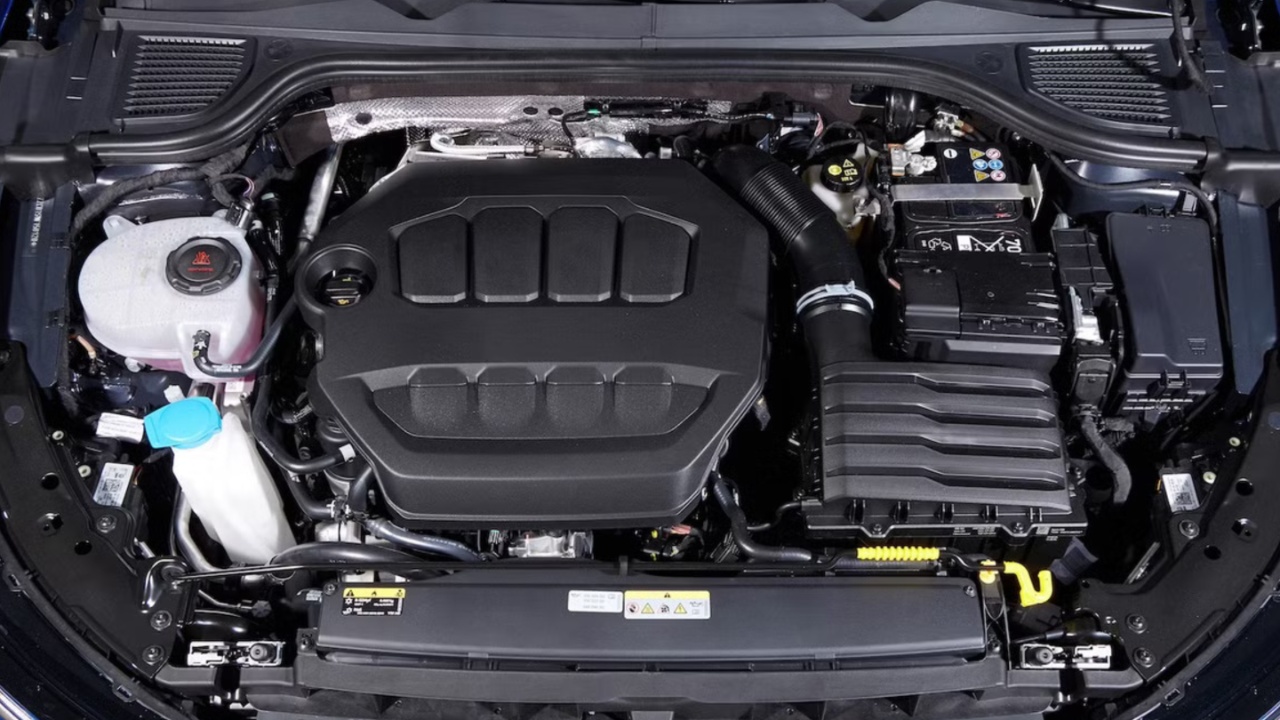
8. Volkswagen 1.8L Turbocharged I4
The Volkswagen 1.8L Turbocharged inline-four, EA888 Gen 3, is a versatile engine found in models like the Golf, Passat, and Jetta GLI. This engine offers a balance of performance and fuel economy, capable of operating efficiently on 87 octane fuel without compromising reliability.
Volkswagen’s engineering focuses on controlled turbocharging and precise fuel injection to ensure consistent performance across varying fuel qualities.
Turbocharging allows the EA888 Gen 3 to produce impressive torque at low RPMs, making it responsive in both city and highway driving.
Even when running on regular gasoline, the engine delivers smooth acceleration and reliable power, thanks to adaptive ignition timing and knock detection. Its moderate compression ratio also helps prevent detonation, reducing the need for high-octane fuel.
Direct injection and variable valve timing enhance the engine’s ability to maintain efficiency. By carefully controlling fuel delivery and combustion timing, the EA888 Gen 3 maximizes energy output while minimizing waste.
This technology enables the engine to achieve strong MPG ratings while still delivering a satisfying performance experience for enthusiasts and daily drivers alike.
The engine’s reliability has been widely recognized, with robust components designed to handle sustained use on 87 octane fuel.
Spark plugs, pistons, and connecting rods are engineered to endure long-term stress, ensuring that performance remains consistent over many miles. Routine maintenance further preserves the engine’s efficiency and adaptability.
The Volkswagen 1.8L EA888 Gen 3 demonstrates that a turbocharged engine can be practical without sacrificing performance.
Its careful balance of technology, design, and adaptability allows drivers to enjoy lively acceleration while keeping fuel costs manageable. This makes it an ideal option for cost-conscious enthusiasts seeking everyday performance.
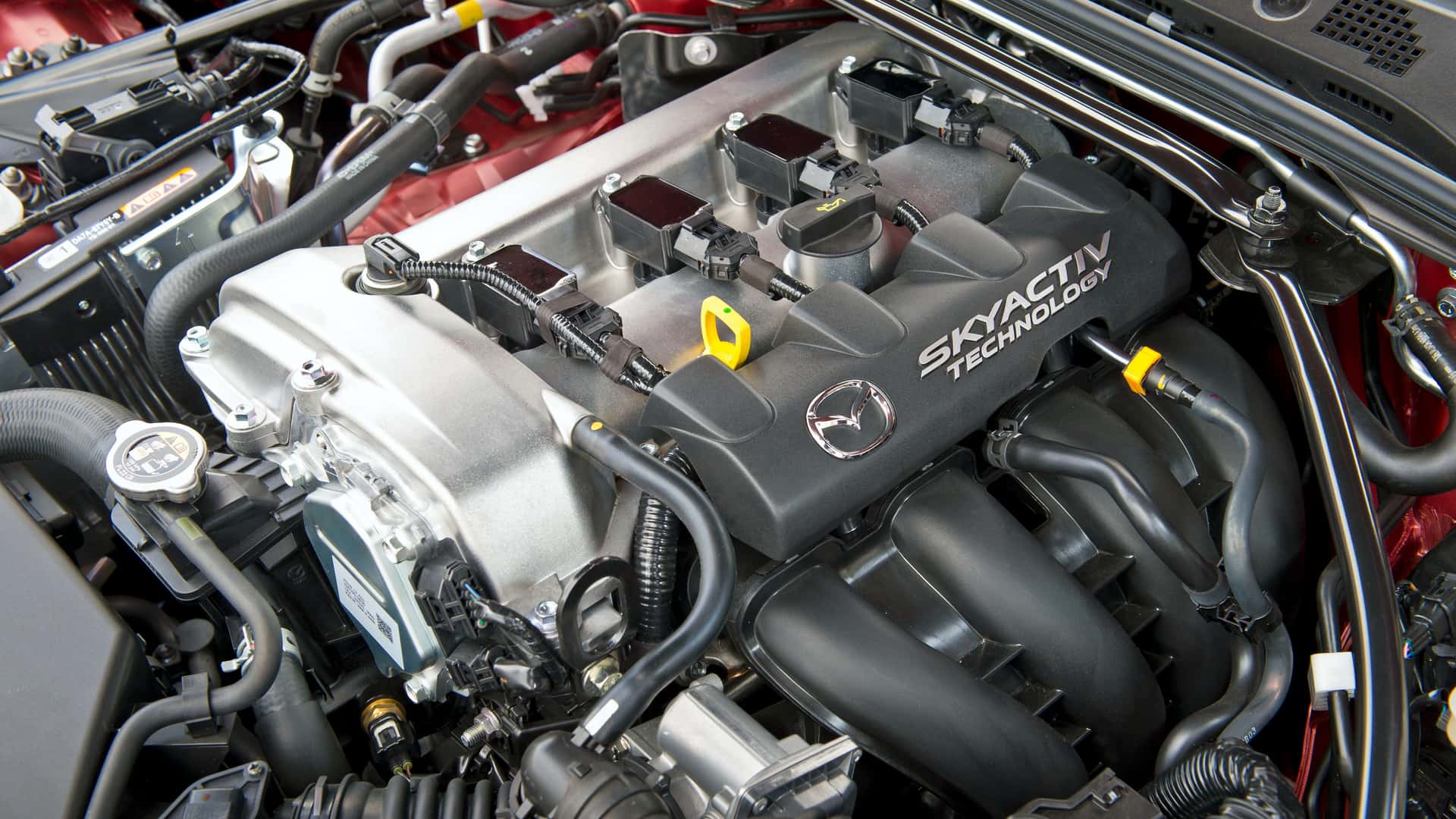
9. Mazda 2.5L SkyActiv-G
The Mazda 2.5L SkyActiv-G engine powers vehicles like the Mazda6 and CX-5, providing a blend of performance and fuel efficiency.
This naturally aspirated engine is engineered to run efficiently on 87 octane, thanks to its SkyActiv technology, which optimizes combustion and reduces fuel wastage. Mazda focuses on precision engineering to ensure responsive acceleration and reliable torque without requiring premium gasoline.
SkyActiv technology uses high compression ratios combined with advanced ignition timing to maximize energy output from each fuel unit. Despite its performance orientation, the engine maintains smooth operation on lower-octane fuel.
Its lightweight design and efficient cylinder head promote complete combustion, resulting in a well-balanced driving experience for both city and highway conditions.
Variable valve timing and direct injection play an essential role in the engine’s adaptability. By adjusting valve lift and timing dynamically, the SkyActiv-G engine optimizes airflow and fuel mixture for any driving situation.
Knock sensors further enhance reliability, allowing the engine to safely handle 87 octane gasoline without sacrificing power or efficiency.
Fuel economy remains impressive for a naturally aspirated engine of this size. The SkyActiv-G engine delivers competitive MPG ratings while providing a satisfying driving experience.
Regular maintenance, including timely oil changes and air filter inspections, ensures that the engine continues to perform efficiently on 87 octane fuel over the long term.
The Mazda 2.5L SkyActiv-G engine demonstrates that advanced naturally aspirated engines can offer both performance and fuel flexibility.
Its combination of SkyActiv technology, precise fuel management, and adaptive timing allows drivers to enjoy a responsive, reliable engine without the added cost of premium gasoline. This makes it a practical and enjoyable choice for daily driving and spirited trips.
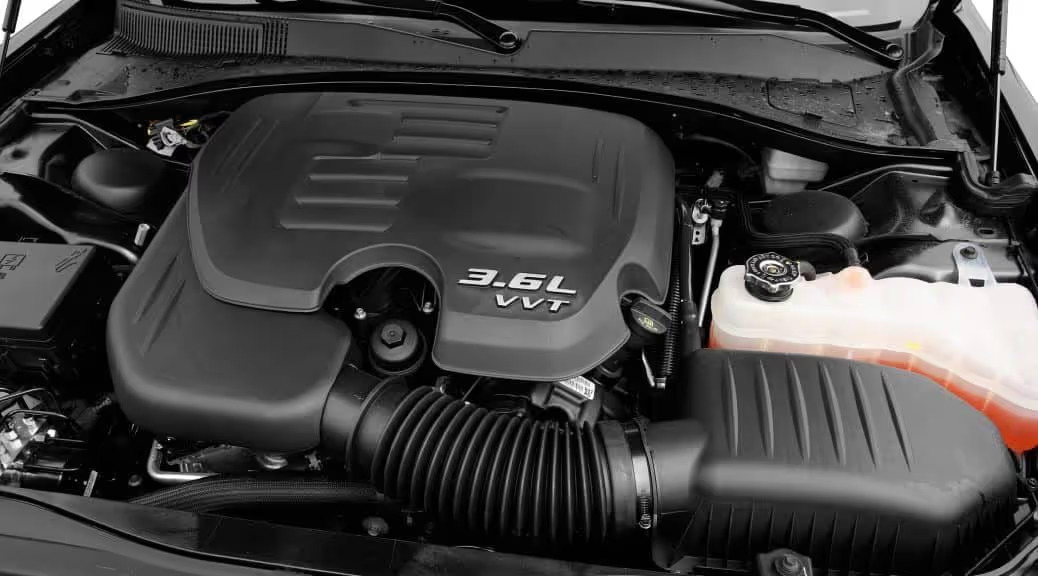
10. Chrysler 3.6L Pentastar V6
The Chrysler 3.6L Pentastar V6 powers vehicles like the Chrysler 300, Dodge Charger, and Jeep Grand Cherokee.
Known for its smooth power delivery and reliability, this engine can operate efficiently on 87 octane fuel under normal driving conditions. The Pentastar V6 combines a moderate compression ratio with advanced fuel injection and variable valve timing, enabling optimal performance without premium gasoline.
This engine delivers strong torque and horsepower, making it suitable for performance-oriented sedans and SUVs.
Despite its V6 layout and displacement, the Pentastar’s combustion system is tuned to handle lower-octane fuel, ensuring smooth acceleration and responsiveness in daily driving. Its balance of power and efficiency makes it one of the more versatile performance engines available.
Variable valve timing enhances fuel efficiency and performance by adjusting intake and exhaust timing according to load and speed.
This technology, combined with multi-point fuel injection, ensures that the engine operates safely and efficiently on 87 octane. Drivers can expect consistent performance while minimizing the risk of engine knock or reduced power output.
Reliability is a key aspect of the Pentastar engine. Its components, including forged pistons and a durable cylinder block, are engineered to withstand long-term use on regular gasoline.
Regular maintenance, such as oil and spark plug replacement, preserves optimal performance and allows the engine to continue delivering power and efficiency for many years.
The Chrysler 3.6L Pentastar V6 demonstrates that a well-engineered performance engine can remain compatible with regular gasoline.
Its combination of adaptive technology, solid construction, and smooth power delivery ensures that drivers enjoy both efficiency and performance without the ongoing expense of premium fuel. This makes it a practical and reliable choice for a wide range of vehicles.