Turbocharged engines have become increasingly common in modern vehicles due to their ability to deliver both power and efficiency. Over the last five years, automakers have refined turbocharging technology, producing engines that are not only more powerful but also more reliable.
Reliability is critical because turbocharged engines operate under higher pressures and temperatures than naturally aspirated engines, which can lead to premature wear if not engineered properly.
Advances in materials, cooling systems, and precision manufacturing have contributed to the improvement of engine longevity.
Many of these engines are found in mainstream cars, SUVs, and luxury vehicles, giving consumers options for performance without sacrificing durability.
Engineers now focus on balancing horsepower, torque, and fuel efficiency while minimizing maintenance issues, making modern turbocharged engines suitable for everyday driving and long-term ownership.
From small displacement four-cylinders to larger V6 units, these engines have proven capable of handling high mileage without significant mechanical problems.
Car enthusiasts and regular drivers alike seek engines that can deliver spirited driving experiences while remaining dependable over the years.
Warranty programs and customer feedback further highlight which turbocharged engines consistently perform well under normal driving conditions.
The engines on this list have been chosen based on reliability reports, service data, and manufacturer improvements, ensuring they are among the most trustworthy options available today.
Additionally, these engines often provide good fuel economy for their power levels, appealing to those who want efficiency without compromising performance.
Whether installed in compact sedans, family SUVs, or luxury sedans, these turbo engines have shown resilience, thanks to advanced cooling strategies, stronger internal components, and optimized software controls. Consumers can choose from different configurations and power levels, knowing that these engines have been tested over several years.
The combination of modern engineering and practical design ensures that drivers experience fewer issues such as turbo failure, oil consumption, or timing chain problems.
This list highlights engines that offer a balance between modern technology, enjoyable driving dynamics, and long-term reliability. Anyone considering a turbocharged vehicle should look at these engines for confidence in performance and durability.
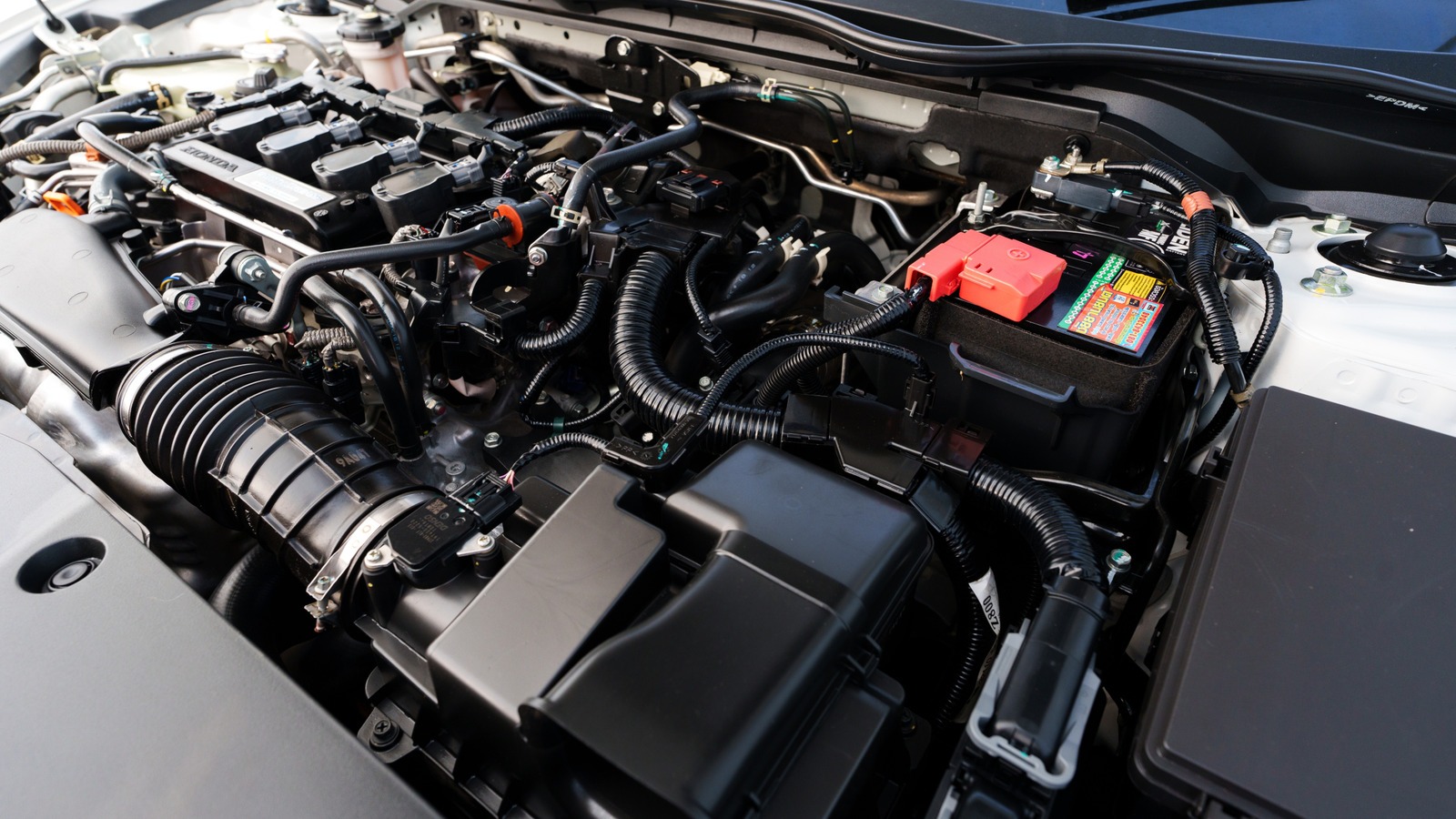
1. Honda 1.5L Turbocharged Inline-4
The Honda 1.5-liter turbocharged inline-4 engine has become a staple in many compact and mid-size models. It delivers strong fuel economy while producing sufficient torque for daily driving needs.
Honda designed this engine to reduce internal friction and improve efficiency. High-pressure direct injection contributes to smoother power delivery and consistent performance.
Owners report that this engine maintains reliability even beyond 100,000 miles with regular maintenance. It features an aluminum block and cylinder head to reduce weight while maintaining strength.
Turbo components are robust and often do not require replacement during the lifespan of the vehicle. Regular oil changes and using high-quality fuel further enhance engine longevity.
This engine is known for smooth acceleration and a broad powerband. Turbo lag is minimal due to the use of a small, efficient turbocharger.
Honda implemented a dual overhead cam design for better breathing and reduced stress on valve components. Cooling systems are enhanced to handle the higher operating temperatures typical of turbocharged engines.
Engine management software carefully balances fuel and air intake to prevent knocking or overheating. Honda also includes integrated thermal management to maintain consistent operating temperatures.
This combination of engineering decisions contributes to the engine’s long-term durability. Many vehicles equipped with this engine have earned high reliability ratings from automotive review organizations.
Maintenance costs for the Honda 1.5L turbo are relatively low compared to other turbo engines. Timing chains are durable and rarely require replacement, which eliminates one common turbocharged engine issue.
This engine provides an excellent balance between performance, efficiency, and reliability, making it a top choice for drivers seeking a dependable small turbo engine.
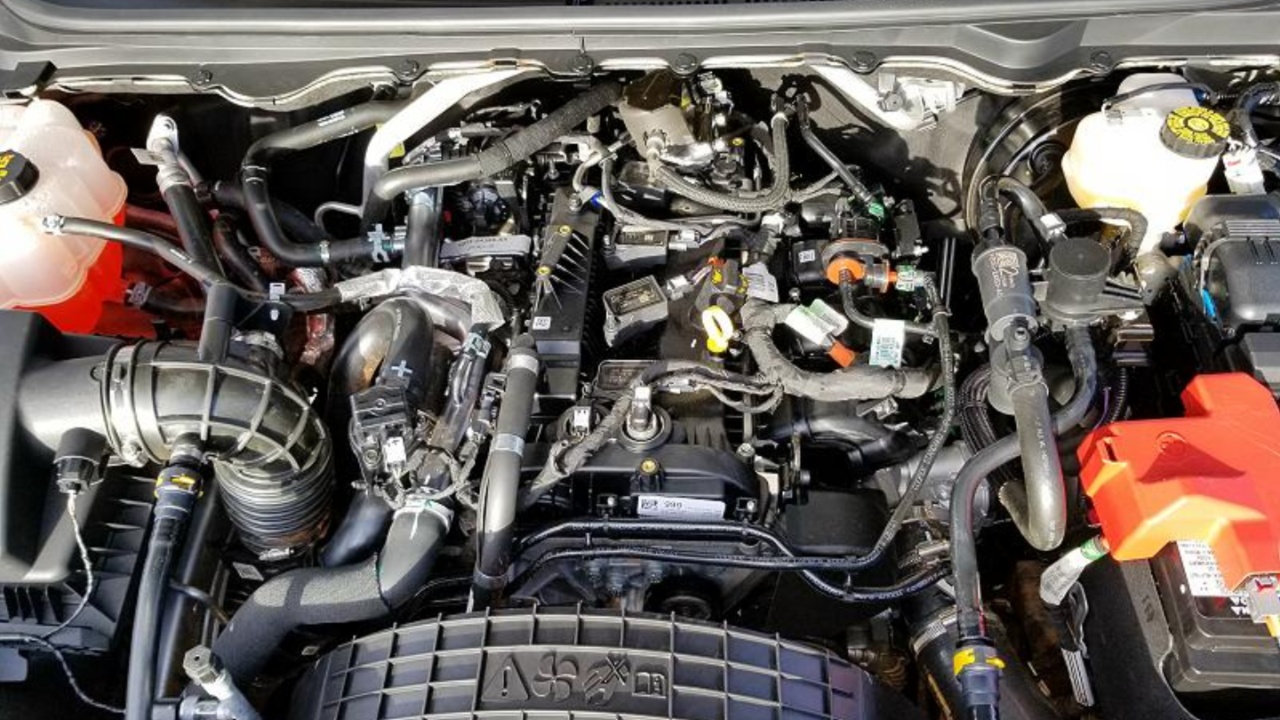
2. Ford 2.3L EcoBoost Inline-4
The Ford 2.3-liter EcoBoost engine is commonly found in performance sedans and compact SUVs. It produces impressive horsepower for its displacement while remaining fuel-efficient.
Ford engineers optimized this engine for durability under both daily driving and spirited use. Direct injection and twin-scroll turbocharging provide quick throttle response.
Reliability has improved over the years with strengthened internal components and updated cooling designs. Owners rarely report significant turbo or engine failures when proper maintenance is performed.
Oil change intervals and using synthetic oil are recommended to preserve turbo health. Regular inspections ensure turbo seals and hoses remain in good condition.
This engine delivers strong torque at low RPM, enhancing drivability. Turbochargers are carefully engineered to minimize heat soak, which reduces wear on turbine components.
The aluminum construction reduces weight while maintaining structural integrity. Ford also improved the intercooler system for better performance under stress.
Ford’s software calibration manages combustion precisely, reducing stress on engine parts. Timing components are durable, and most common issues have been addressed in later model years.
The engine performs well in different climates and can handle daily commuting as well as aggressive driving without compromising longevity.
With proper maintenance, this engine can easily surpass 150,000 miles without major problems. Its combination of power, efficiency, and long-term dependability makes it a favorite among enthusiasts who require a turbo engine that can endure extensive use.
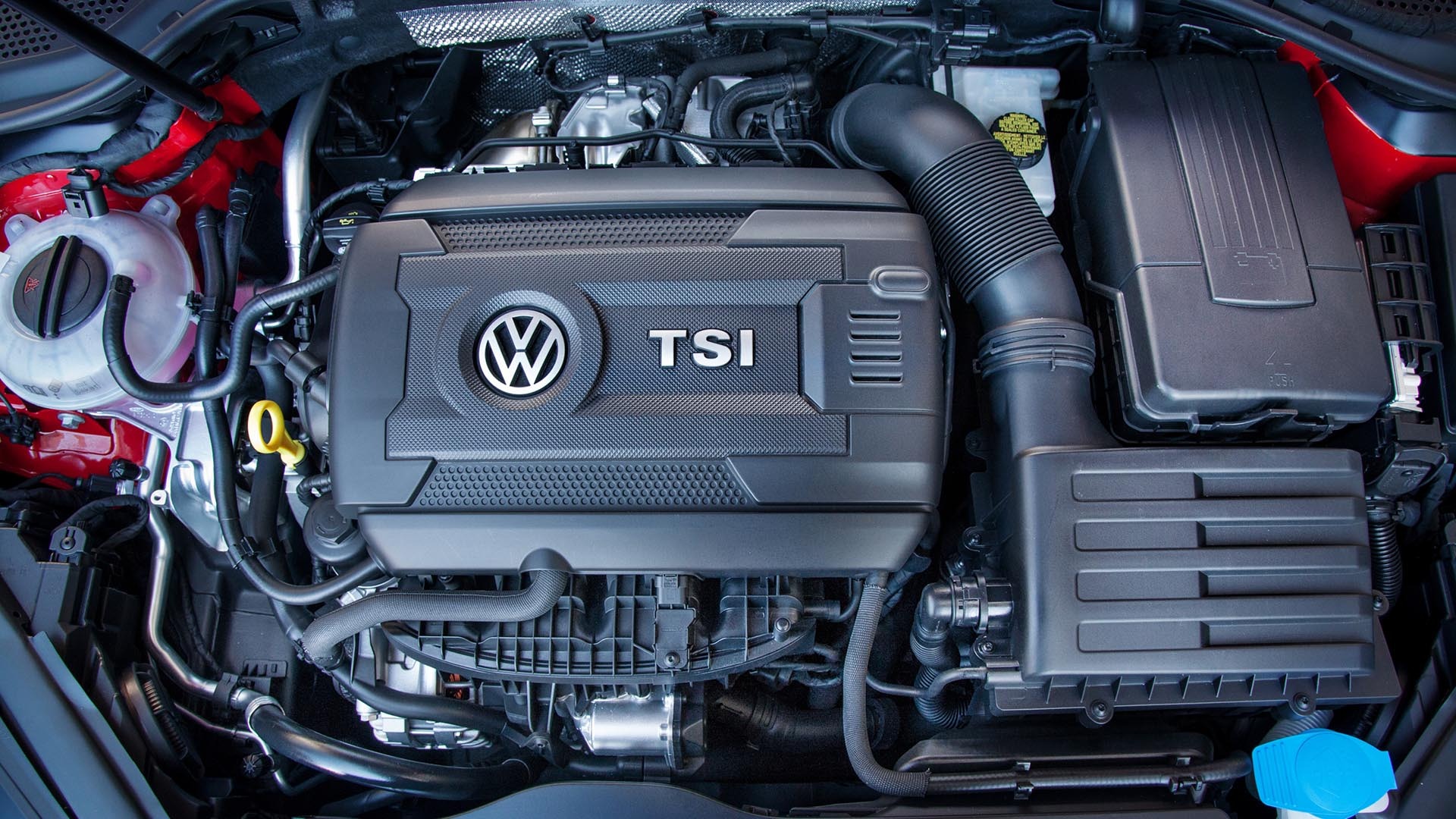
3. Volkswagen 2.0L TSI Inline-4
The Volkswagen 2.0-liter TSI turbocharged engine has been widely used in compact cars and SUVs across multiple brands.
It offers a balance of performance and efficiency while maintaining a reputation for reliability. This engine combines a small displacement with a capable turbo system to produce strong torque across a wide RPM range.
Advancements in direct fuel injection and turbocharger design reduce carbon buildup, a common problem in earlier turbo engines.
The aluminum block and reinforced pistons improve heat resistance and durability. Owners report that with proper oil changes, this engine performs well beyond 100,000 miles.
Turbochargers in the 2.0 TSI engine are durable, with minimal issues reported in recent models. Volkswagen incorporated enhanced cooling paths to handle higher combustion temperatures.
Maintenance such as spark plug and oil replacement schedules are straightforward and help maintain engine health.
Engine management systems monitor boost levels and adjust fuel delivery to prevent engine knock. Timing chains are robust and rarely require replacement. The combination of mechanical reliability and software optimization allows this engine to operate efficiently without excessive wear.
Volkswagen’s 2.0 TSI engine provides strong acceleration and predictable performance in various driving conditions. Its long-term dependability makes it an appealing choice for buyers seeking a reliable small turbocharged engine that balances efficiency, power, and low maintenance needs.
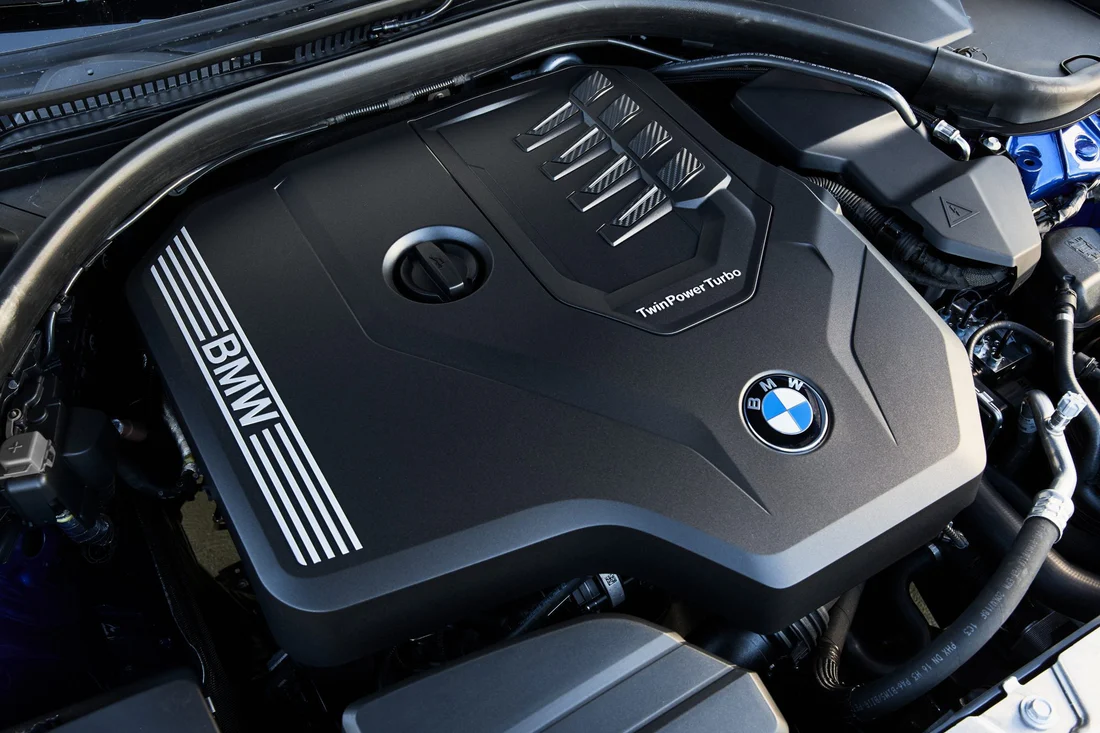
4. BMW B48 2.0L Turbocharged Inline-4
BMW’s B48 2.0-liter turbocharged inline-4 engine is found in many of the brand’s popular sedans and SUVs. It combines modern turbocharging with precise engineering for consistent performance and longevity.
This engine features a twin-scroll turbo, direct injection, and variable valve timing for balanced power delivery.
Owners note that reliability is strong when regular maintenance is performed, including oil and filter changes.
BMW engineers improved internal components such as pistons and crankshafts for durability. Cooling systems are advanced, reducing the likelihood of heat-related failures.
The B48 delivers smooth and linear acceleration with minimal turbo lag. Turbo components are carefully engineered to withstand repeated stress, allowing the engine to perform under aggressive driving. Aluminum construction contributes to weight reduction without compromising structural strength.
BMW software controls the turbo and fuel delivery with high precision, preventing engine knock and maintaining consistent combustion.
Timing chains and auxiliary components are durable, resulting in fewer common turbocharged engine issues. Proper maintenance ensures reliability over high mileage.
This engine balances performance, efficiency, and long-term dependability, making it suitable for buyers who want a spirited yet reliable turbocharged engine. Its presence in multiple models has proven the engine’s capability under varied driving conditions.
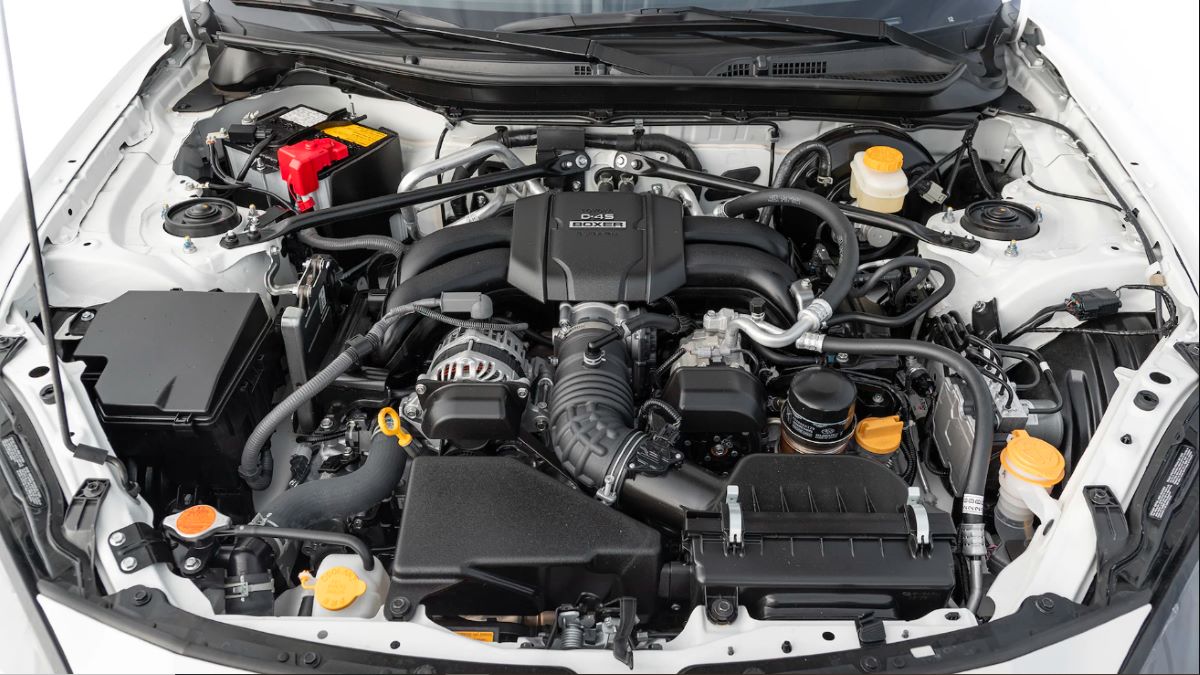
5. Subaru FA24 2.4L Turbocharged Boxer
The Subaru FA24 2.4-liter turbocharged boxer engine is used in performance-oriented sedans and SUVs. Its horizontally opposed design lowers the center of gravity, improving vehicle handling. Turbocharging enhances torque and power without increasing engine size.
Reliability is strong thanks to careful engineering and robust internal components. Subaru’s use of forged pistons and strengthened connecting rods ensures the engine can handle high boost levels. Owners report minimal turbo or major engine issues when maintained properly.
Cooling and lubrication systems are designed for higher operating temperatures typical of turbocharged engines. Subaru also incorporates a precise fuel injection system to prevent knocking and optimize combustion. The boxer layout contributes to even heat distribution and reduced wear.
Acceleration is smooth and predictable, and turbo lag is well-managed due to efficient turbocharger design.
Timing components are durable, and regular oil changes maintain longevity. This engine offers both performance and reliability, appealing to drivers who want a versatile yet robust turbo engine.
The FA24 engine has proven its dependability in both daily driving and spirited use. Subaru’s careful engineering ensures that performance gains do not compromise long-term engine durability.
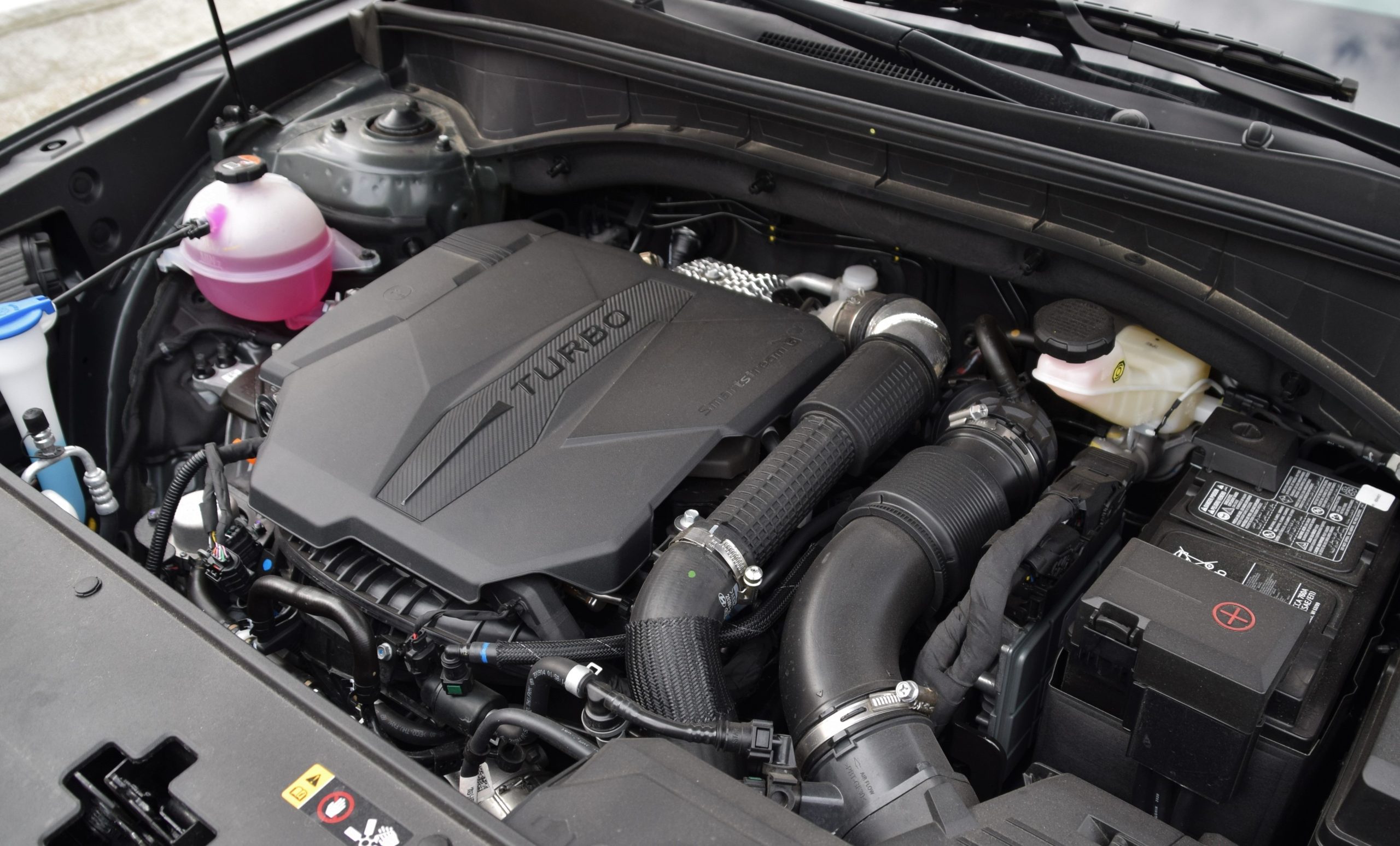
6. Hyundai 2.5L Turbocharged Inline-4
Hyundai’s 2.5-liter turbocharged inline-4 engine powers many midsize sedans and SUVs, delivering a combination of high output and daily reliability.
The engine is built with an aluminum block and reinforced internal components that withstand high-pressure turbocharging.
Owners report consistent performance even after extended mileage when routine maintenance is followed. Its modern twin-scroll turbocharger provides strong low-end torque, making city and highway driving smooth and responsive.
Reliability improvements include upgraded pistons, crankshafts, and connecting rods, which reduce stress under heavy load. Hyundai also engineered a robust cooling system that prevents heat-related wear and prolongs turbo life.
Oil and filter changes at recommended intervals maintain the turbocharger and internal components, avoiding common issues such as carbon buildup or turbo seal leaks.
This engine is designed for both power and efficiency, producing impressive horsepower without compromising fuel economy.
Direct fuel injection and variable valve timing contribute to a broad torque curve, providing strong acceleration at low RPMs. Drivers consistently find this engine responsive and predictable in various driving conditions, from city commutes to long-distance highway trips.
Hyundai’s engine management system monitors boost pressure, air-fuel ratios, and combustion timing to prevent knock and ensure consistent operation.
The timing chain is robust, with few reports of failure, and the turbocharger is engineered to operate reliably under repeated stress. The combination of software and hardware optimizations ensures that this engine can handle high mileage with minimal issues.
With proper maintenance, this engine can easily surpass 150,000 miles without significant repairs. Its balance of performance, durability, and fuel efficiency makes it one of the most dependable turbocharged engines in Hyundai’s lineup. Buyers looking for a strong yet reliable engine will find it suitable for daily driving and spirited use.
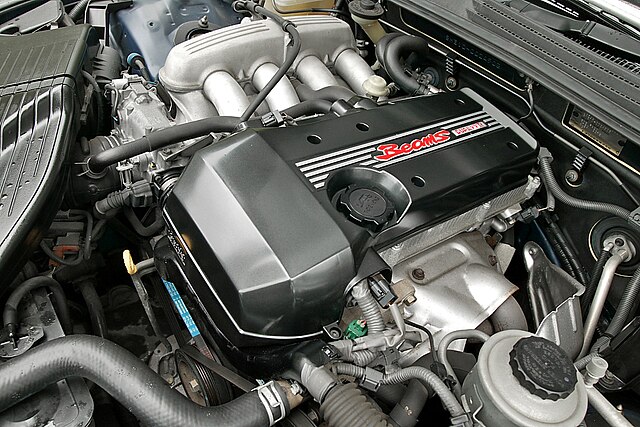
7. Toyota 2.0L Turbocharged Inline-4
Toyota’s 2.0-liter turbocharged inline-4 engine, found in models like the Camry and RAV4, offers a reliable mix of performance and efficiency.
Toyota focuses on long-term durability with reinforced engine internals, lightweight aluminum construction, and a carefully engineered turbo system. This engine provides smooth acceleration and sufficient power for most driving scenarios.
The turbocharger is designed to reduce lag while maintaining longevity, using precise oil and cooling pathways. Regular maintenance, including oil changes and air filter replacement, helps preserve turbo efficiency.
Owners report minimal issues even with extended use, highlighting the durability of Toyota’s engineering. Direct fuel injection ensures consistent combustion while minimizing carbon buildup, a common problem in older turbo engines.
This engine features variable valve timing and a lightweight piston design to reduce stress under boost conditions.
Cooling systems are carefully engineered to maintain even temperature distribution across cylinders. Toyota also integrates software control to monitor boost, combustion, and fuel delivery to protect internal components over time.
Reliability extends to ancillary systems, including turbo intercoolers and hoses, which are designed to withstand high heat and pressure.
Timing components are durable, and major maintenance is generally straightforward, helping owners maintain consistent performance. The combination of mechanical reliability and advanced engine management ensures long-term usability.
With a strong reputation for durability, the Toyota 2.0L turbo engine is a solid choice for anyone seeking a balance of everyday reliability and moderate performance. It excels in both fuel efficiency and longevity, making it suitable for daily commuting or longer trips.
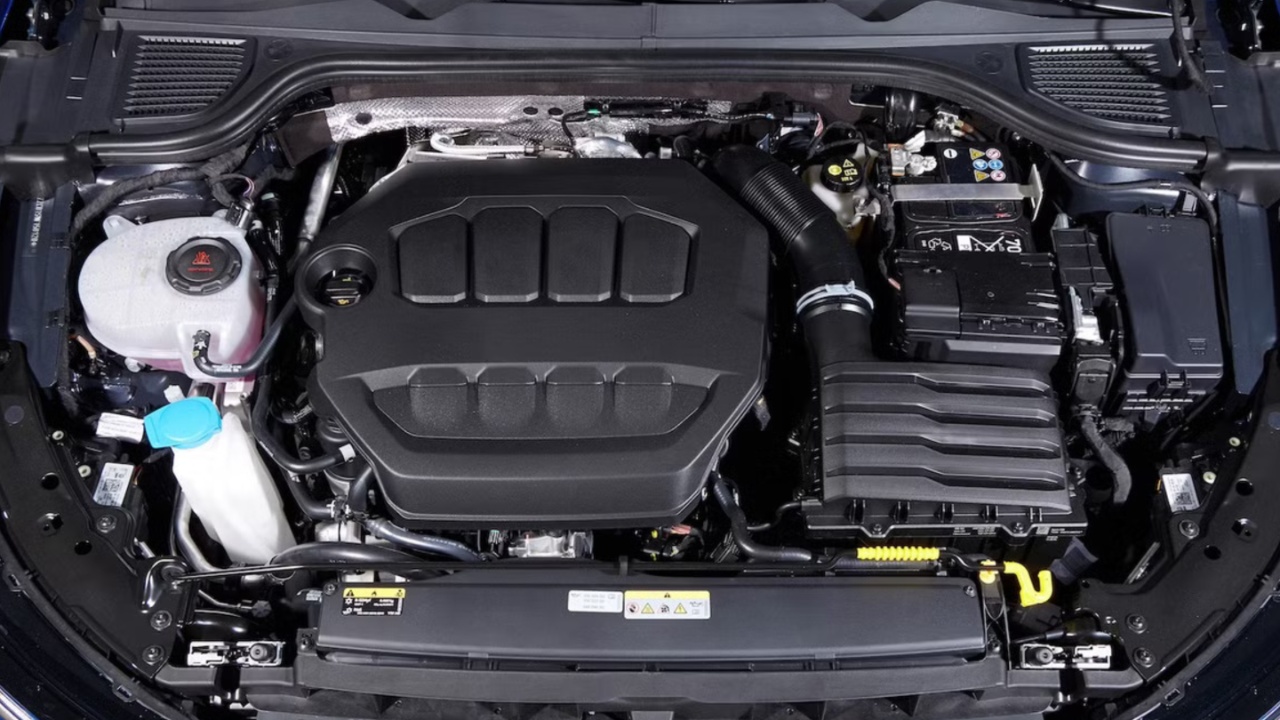
8. Audi 2.0L TFSI Inline-4
The Audi 2.0-liter TFSI engine has powered numerous luxury sedans and SUVs over the last five years, combining performance and longevity in a compact turbocharged package.
It uses a high-pressure direct injection system and a twin-scroll turbo to optimize torque delivery across a broad RPM range. Aluminum construction reduces weight while maintaining durability.
Audi designed the engine to endure high boost pressures, with reinforced pistons and crankshafts to prevent failure.
Proper maintenance, including frequent oil and filter changes, ensures that the turbo and engine internals remain in optimal condition. Cooling systems are sophisticated, maintaining stable temperatures under aggressive driving.
This engine provides smooth and linear acceleration, with minimal turbo lag thanks to precise engineering. Software-controlled boost and fuel delivery protect internal components and maintain reliability over time.
Timing chains and valve components are durable, reducing the risk of common issues reported in earlier turbo engines.
Owners report that the 2.0 TFSI is capable of exceeding 150,000 miles without major repairs when serviced properly.
Audi’s focus on both mechanical and electronic reliability ensures consistent performance. The engine delivers a strong balance of efficiency and power, suitable for both city and highway driving.
With a combination of engineering precision, robust internal components, and effective thermal management, the Audi 2.0L TFSI remains one of the most dependable turbocharged engines in the luxury segment. Its reputation is backed by reliability studies and consistent owner feedback.
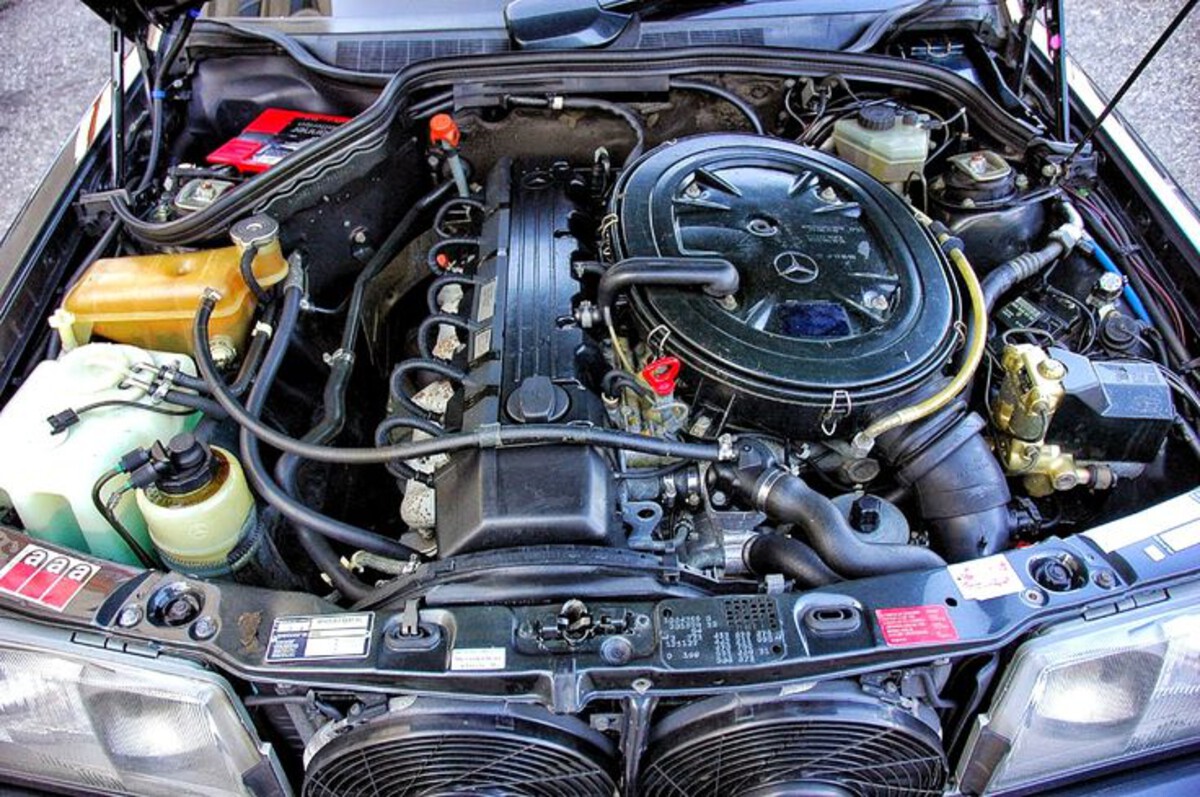
9. Mercedes-Benz M264 1.3L Turbocharged Inline-4
The Mercedes-Benz M264 1.3-liter turbocharged inline-4 engine offers an efficient and reliable option for small luxury vehicles.
It features advanced fuel injection, a twin-scroll turbocharger, and an aluminum construction that provides durability and light weight. This engine balances power and efficiency, making it suitable for urban and highway driving.
Engine longevity is enhanced through reinforced pistons and crankshaft components designed to withstand high turbo pressures.
Mercedes-Benz also implemented an advanced cooling system and thermal management to prevent overheating. Owners consistently report reliable performance with standard maintenance and proper oil use.
The turbocharger delivers responsive low-end torque, and the engine maintains consistent power delivery across the RPM range.
Software controls optimize fuel delivery, boost pressure, and ignition timing to reduce wear. Timing components and valve systems are engineered for long-term reliability.
Maintenance schedules are straightforward, with regular oil changes and inspections ensuring the engine continues to operate efficiently.
Mercedes-Benz also designed the turbo system to handle repeated stress without premature wear. This attention to detail results in fewer common turbo engine failures.
The M264 engine demonstrates that even small-displacement turbocharged engines can provide both performance and reliability. It has proven its resilience over high mileage, making it a strong choice for drivers seeking efficiency, smooth acceleration, and durability in luxury compact vehicles.
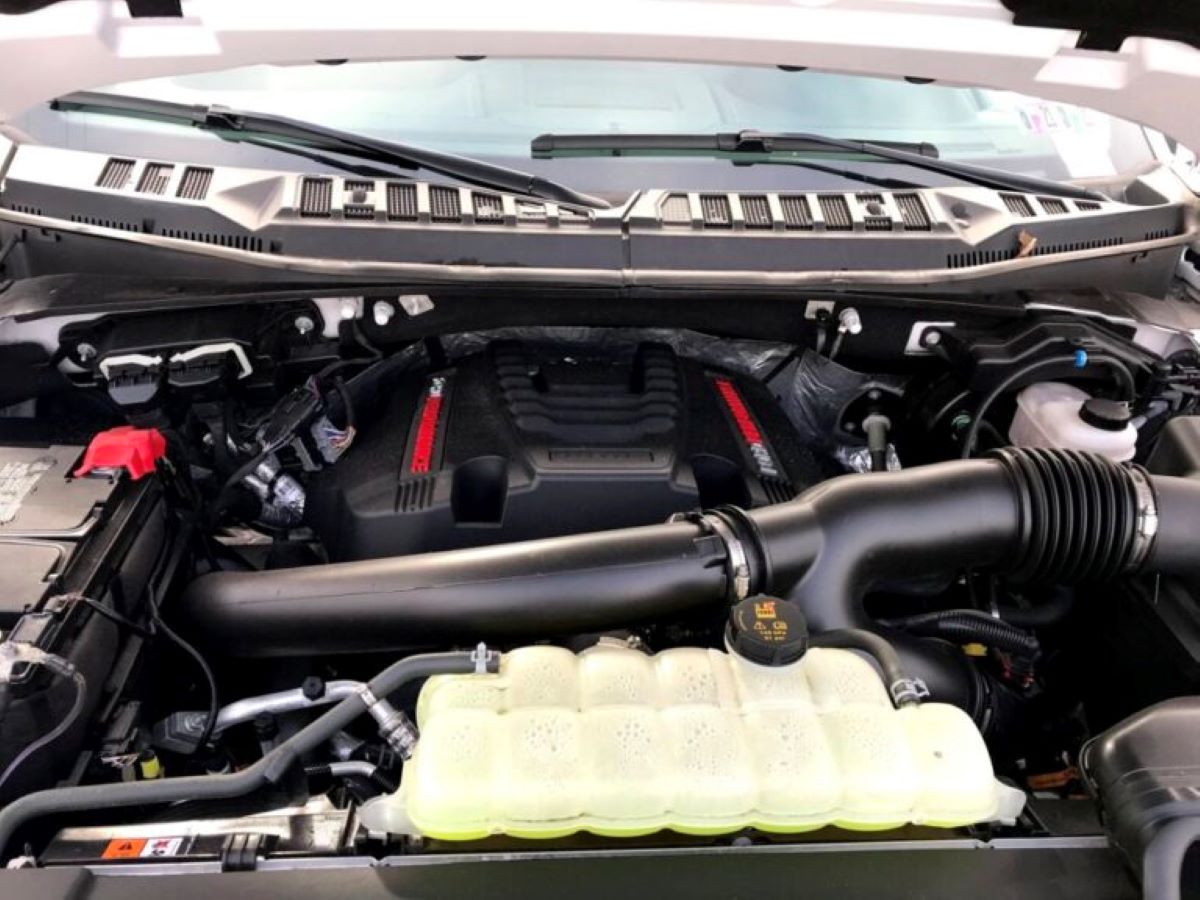
10. Ford 3.5L EcoBoost V6
The Ford 3.5-liter EcoBoost V6 engine powers larger SUVs, trucks, and performance sedans. It offers significant horsepower and torque while maintaining long-term reliability.
Advanced turbocharging, direct fuel injection, and aluminum construction make this engine both powerful and durable. It has been refined over several years to handle the stresses of high boost.
Internal components, including forged pistons and strengthened connecting rods, improve reliability under heavy use.
Ford also improved the cooling and lubrication systems to prevent heat-related failures. Regular maintenance with high-quality synthetic oil ensures that the turbo and engine internals remain in optimal condition.
This engine provides excellent low-end torque and smooth power delivery, making it suitable for towing, highway cruising, and spirited driving.
Twin-turbo systems are engineered for durability, reducing lag and maintaining efficiency. Timing chains and valve systems are robust, minimizing maintenance concerns over time.
Engine management software precisely controls combustion, boost pressure, and fuel injection, preventing knocking and excessive wear.
Owners report that the 3.5 EcoBoost V6 can achieve high mileage with few issues if serviced correctly. It is considered one of the more reliable larger displacement turbo engines.
The combination of performance, versatility, and reliability makes this engine a favorite for trucks and SUVs. Ford has consistently improved durability, making it a dependable choice for buyers who need both power and long-term reliability.