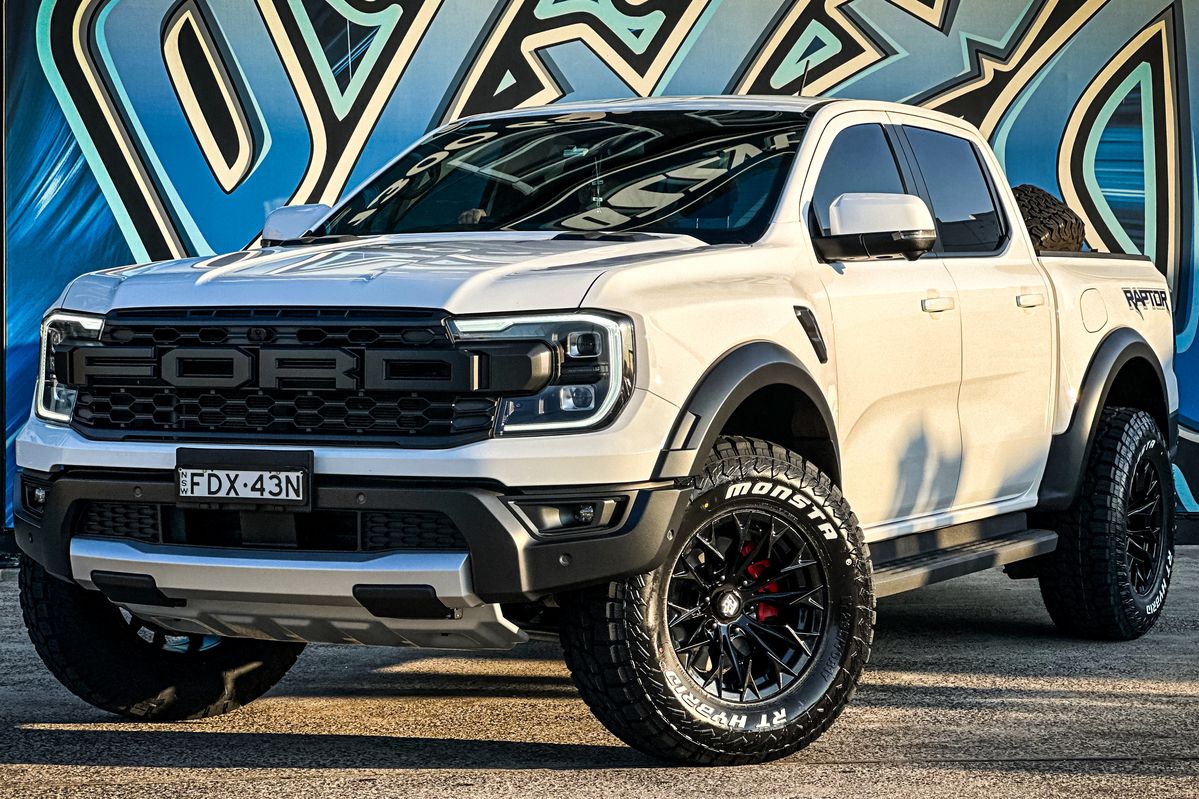
Flash floods along the Gulf Coast are not rare they’re expected. From Texas to Florida, sudden storms can turn roads into rivers within minutes. For drivers, this creates a serious problem. A normal car may look fine on dry roads, but in flood conditions, it becomes risky, unreliable, and sometimes dangerous.
This is where the right vehicle matters. Not all cars are built to handle water. In fact, most sedans and low-clearance vehicles fail quickly when exposed to even moderate flooding.
The key difference lies in specific features, like high ground clearance, strong sealing, and advanced traction systems. Vehicles designed for rough terrain usually perform much better in flooded areas.
For example, SUVs and trucks with higher clearance reduce the risk of water entering the engine. Also, vehicles with proper four-wheel-drive systems offer better grip on slippery roads, which is critical during floods.
Another important factor is water wading depth. This tells you how deep a vehicle can safely drive through water without damage. Some high-performance SUVs can handle water levels close to 700–900 mm, which is far beyond what a regular car can manage.
Still, here’s the reality no vehicle is “flood-proof.” Even the best ones have limits. But choosing the right car can give you a much higher chance of staying safe and in control during sudden floods.
In this guide, we break down the 10 best cars for navigating the frequent flash floods of the Gulf Coast, focusing on durability, water resistance, and real-world usability. Whether you’re commuting daily or preparing for extreme weather, this list will help you make a smarter decision.
10 Best Cars for Navigating the Frequent Flash Floods of the Gulf Coast
When it comes to handling flash floods, not every vehicle qualifies. The best cars for these conditions share a few critical traits: high ground clearance, strong water-wading ability, reliable AWD/4WD systems, and durable electrical protection. SUVs dominate this category and for good reason. Their elevated design keeps key components like the engine and air intake away from rising water. This reduces the chances of engine failure, which is one of the most common issues during floods.
Another key factor is traction. Flooded roads are slippery and unpredictable. Vehicles equipped with advanced traction control and four-wheel-drive systems maintain stability even when water flow is strong. Some modern vehicles go even further. Electric SUVs, for example, eliminate traditional engine air intake risks, which can improve water resilience in certain conditions.
However, capability isn’t just about specs. Reliability matters too. A vehicle that performs well on paper but fails under pressure is not useful in real flood situations. That’s why this list focuses on proven models known for durability and real-world performance. The vehicles selected below are not just off-road capable they are practical for daily use while still offering strong flood-handling ability.
Let’s get into the top choices.
ALSO READ: 10 Best Cars for Navigating the Pothole Riddled Streets of Major US Cities
1. Land Rover Defender
If you want one vehicle that clearly dominates flood conditions, this is it. The Land Rover Defender is often considered the benchmark for water-wading capability. With a maximum wading depth of around 900 mm, it can handle deeper water than most SUVs on the market. But numbers alone don’t tell the full story.
What makes the Defender stand out is how well everything works together. It has a high ground clearance, advanced Terrain Response system, and a strong body structure. These features allow it to stay stable even when driving through moving water.
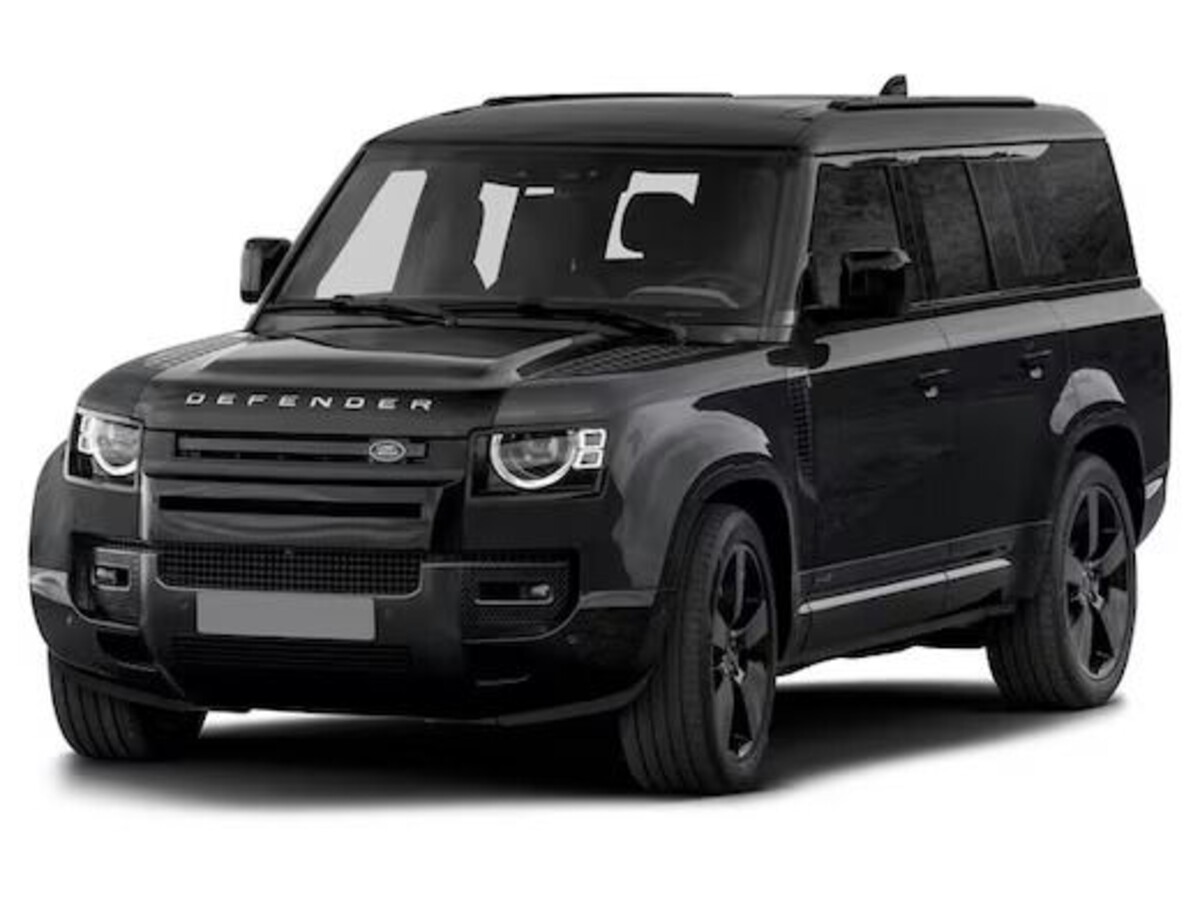
Another major advantage is its intelligent electronics. The Defender automatically adjusts traction, throttle response, and braking depending on the terrain. In flood conditions, this helps maintain control when the road underneath is not visible. The air intake is also placed higher than in typical vehicles. This reduces the risk of water entering the engine a common cause of breakdowns during floods.
Inside, the Defender is built to handle rough environments. Materials are durable and easy to clean, which matters if water enters the cabin. Many flood-prone drivers overlook this, but interior damage can be just as costly as engine issues. Now let’s be honest it’s not cheap. And for some buyers, that’s a dealbreaker.
But if you’re living in a region where flooding is frequent and sometimes severe, this vehicle makes a strong case. It’s not just about comfort or style it’s about confidence in extreme conditions. Bottom line: If flood performance is your top priority, the Defender sets the standard.
2. Jeep Wrangler
The Jeep Wrangler is built for situations where roads stop making sense and that includes flood conditions. This SUV has a strong reputation for off-road performance, and that translates well into flood driving. With a water-wading depth of up to 760 mm, it handles deeper water better than most vehicles in its class. One thing that makes the Wrangler different is its simplicity.
Unlike many modern SUVs packed with complex electronics, the Wrangler sticks to a more rugged, mechanical design. That’s actually an advantage in flood conditions. Fewer sensitive components mean fewer things that can fail when exposed to water. Its high ground clearance also plays a big role. It keeps critical parts like the engine and electrical systems above water level, reducing the risk of damage.
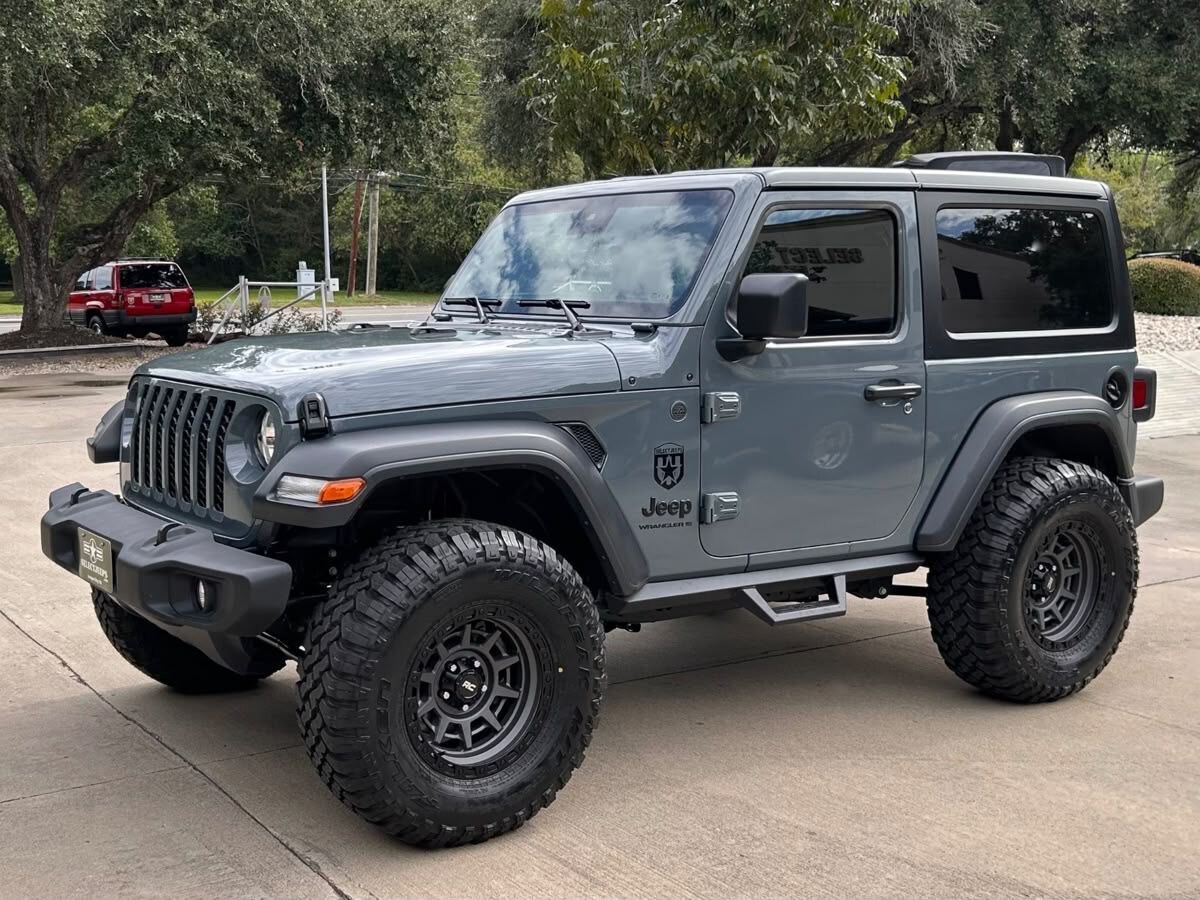
Another key feature is its 4×4 system. The Wrangler is designed to maintain traction even on uneven or slippery surfaces. In flood situations, where roads may be covered in debris or mud, this becomes extremely useful. Some versions even offer water-resistant interiors with drain plugs. That means if water gets inside, you can literally drain it out something most cars cannot handle.
But let’s not pretend it’s perfect. The Wrangler isn’t the most comfortable vehicle for daily highway driving. It’s noisy, and the ride can feel stiff compared to luxury SUVs. Fuel efficiency is also not its strong point. Still, if your focus is capability over comfort, the Wrangler delivers. It’s the kind of vehicle you trust when conditions get unpredictable.
3. Toyota Land Cruiser
The Toyota Land Cruiser has built its reputation on one thing reliability under extreme conditions. And when it comes to flood-prone areas, that reputation matters. This SUV combines strong engineering with practical design. It offers high ground clearance, a durable 4WD system, and a water-wading depth that can reach around 700 mm depending on the model.
But what really sets the Land Cruiser apart is consistency. While some vehicles perform well in controlled tests, the Land Cruiser has proven itself in real-world conditions deserts, jungles, and yes, flooded regions. It’s known for handling harsh environments without breaking down.
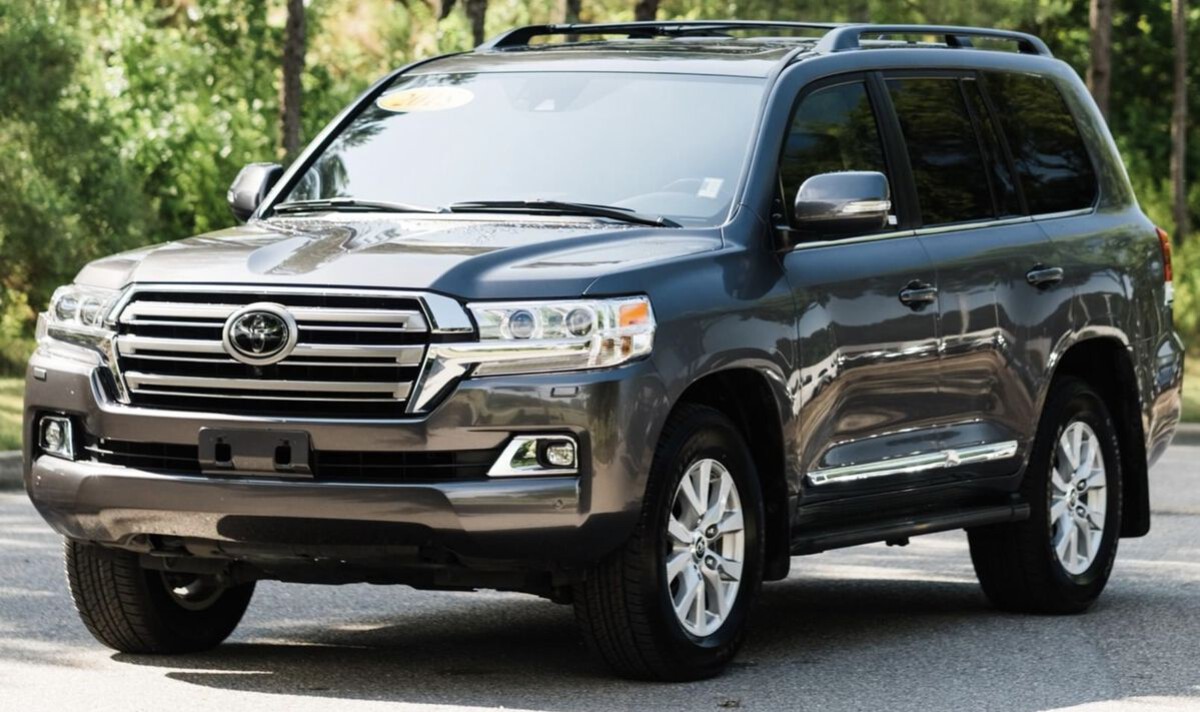
One of its key strengths is the positioning of its air intake. It sits higher than in many other SUVs, reducing the chance of water entering the engine. The vehicle also features advanced traction control and locking differentials. These systems help maintain grip when driving through waterlogged roads or slippery surfaces. Inside, the Land Cruiser focuses more on durability than luxury. While newer models offer premium features, the core design remains practical and tough.
There’s also something important to consider maintenance. Toyota vehicles are generally easier and cheaper to maintain compared to luxury brands. That’s a big plus if you’re dealing with frequent exposure to water and potential repairs. Now, the downside, it’s large and expensive. Parking and fuel costs can be concerns for some users. But if you’re looking for a vehicle that will keep going even when conditions are rough, the Land Cruiser is hard to ignore.
4. Ford Bronco
The Ford Bronco is not just a comeback story it’s a serious machine built for rough environments, including flooded roads. At first glance, it looks like a lifestyle SUV. But once you dig into the specs, it becomes clear that this vehicle is designed for much tougher conditions. The Bronco offers impressive ground clearance and a strong four-wheel-drive system that helps it stay stable even when roads are covered in water.
One of its strongest advantages is its terrain management system. This allows the driver to switch between different driving modes depending on the situation. In flood conditions, this helps control wheel spin and maintain grip on slippery surfaces.
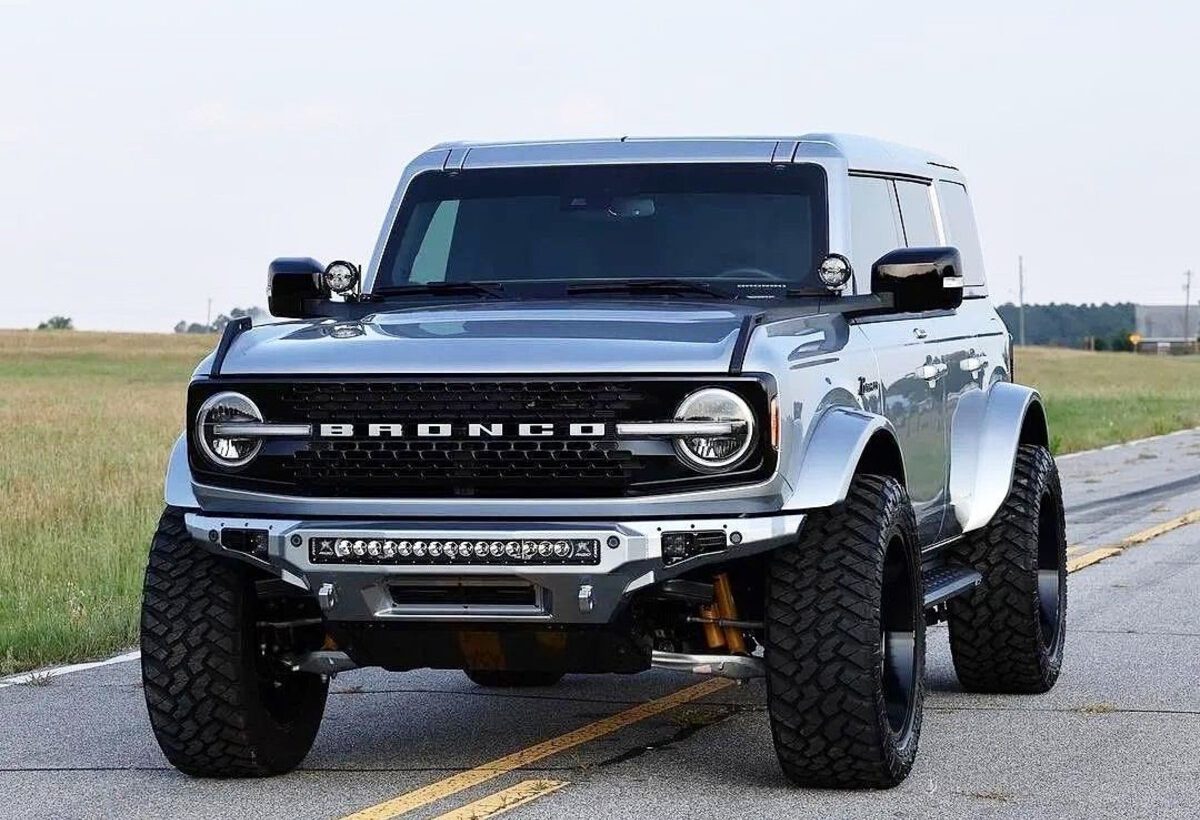
Another important detail is how the Bronco handles water exposure. Many of its key components are sealed or placed higher within the body structure. This reduces the risk of electrical failure, which is one of the most common problems during floods.
The Bronco also offers good approach and departure angles. That means it can move through uneven or debris-filled flooded roads without getting stuck easily. This becomes useful when floodwaters bring mud, branches, or broken surfaces onto the road. Inside, the Bronco is designed to be practical. Certain trims come with water-resistant materials and rubberized flooring. This makes cleanup easier if water gets inside the cabin.
Now, let’s talk about the downside. The Bronco is not the smoothest SUV for everyday driving. The ride can feel stiff, especially on highways. Fuel economy is also not its strong point. But here’s the thing you don’t buy the Bronco for comfort alone. You buy it because you need something that can handle unpredictable conditions. If you live in a flood-prone Gulf Coast area, the Bronco gives you that extra layer of confidence when the weather turns bad.
ALSO READ: 5 Cars That Navigate Boston Backstreets vs 5 That Struggle Constantly
5. Toyota Fortuner
The Toyota Fortuner is one of those vehicles that quietly does everything right. It may not have the hype of some newer SUVs, but when it comes to reliability and flood handling, it holds its ground extremely well. Built on a strong ladder-frame chassis, the Fortuner is designed to take on rough conditions without falling apart.
One of its biggest advantages is ground clearance. The elevated stance keeps the engine and key components above typical flood levels, reducing the chances of water damage. The Fortuner also comes with a dependable four-wheel-drive system. It’s not overly complex, but it works consistently. In flood situations, this reliability matters more than fancy features.
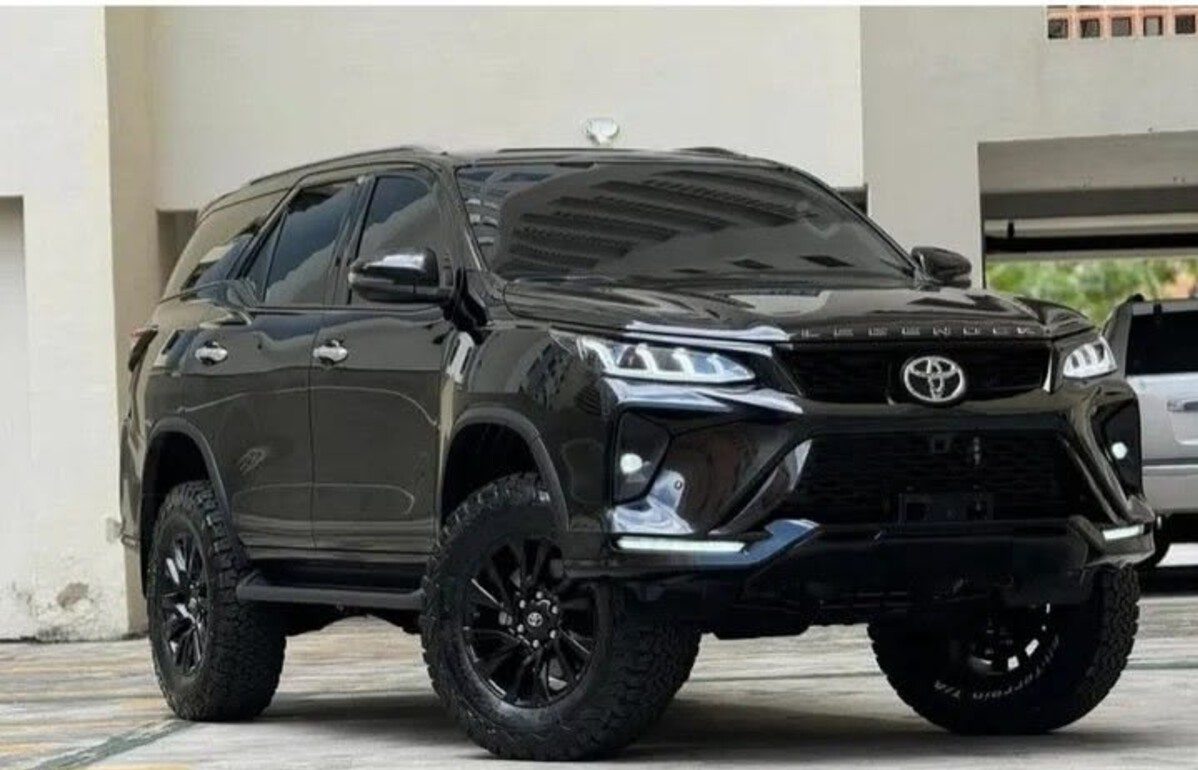
Another key strength is engine durability. Toyota engines are known for handling stress well, and that includes exposure to challenging environments like waterlogged roads. The vehicle’s traction control system also helps maintain grip when driving through wet or slippery surfaces. This reduces the risk of losing control when water flow becomes uneven.
Inside, the Fortuner focuses on practicality. The cabin materials are durable and can handle wear and tear. While it may not feel as premium as luxury SUVs, it’s built to last and that’s what matters in flood-prone areas.
Now, let’s be real. The Fortuner’s ride quality is not the most refined. It can feel a bit firm, especially on city roads. Also, it lacks some of the advanced tech features found in newer competitors. But none of that affects its core strength. If your priority is a dependable SUV that can handle floods without constant issues, the Fortuner is a solid choice. It’s simple, tough, and proven.
6. Rivian R1S
The Rivian R1S brings something different to the table electric power with serious off-road capability. At first, you might question whether an electric SUV can handle flood conditions. That’s fair. But the R1S is designed with water resistance in mind, and it performs better than most people expect.
One major advantage is the absence of a traditional engine air intake. In regular vehicles, water entering the air intake can cause immediate engine failure. The R1S avoids this issue completely, which reduces one major risk factor in flood driving.
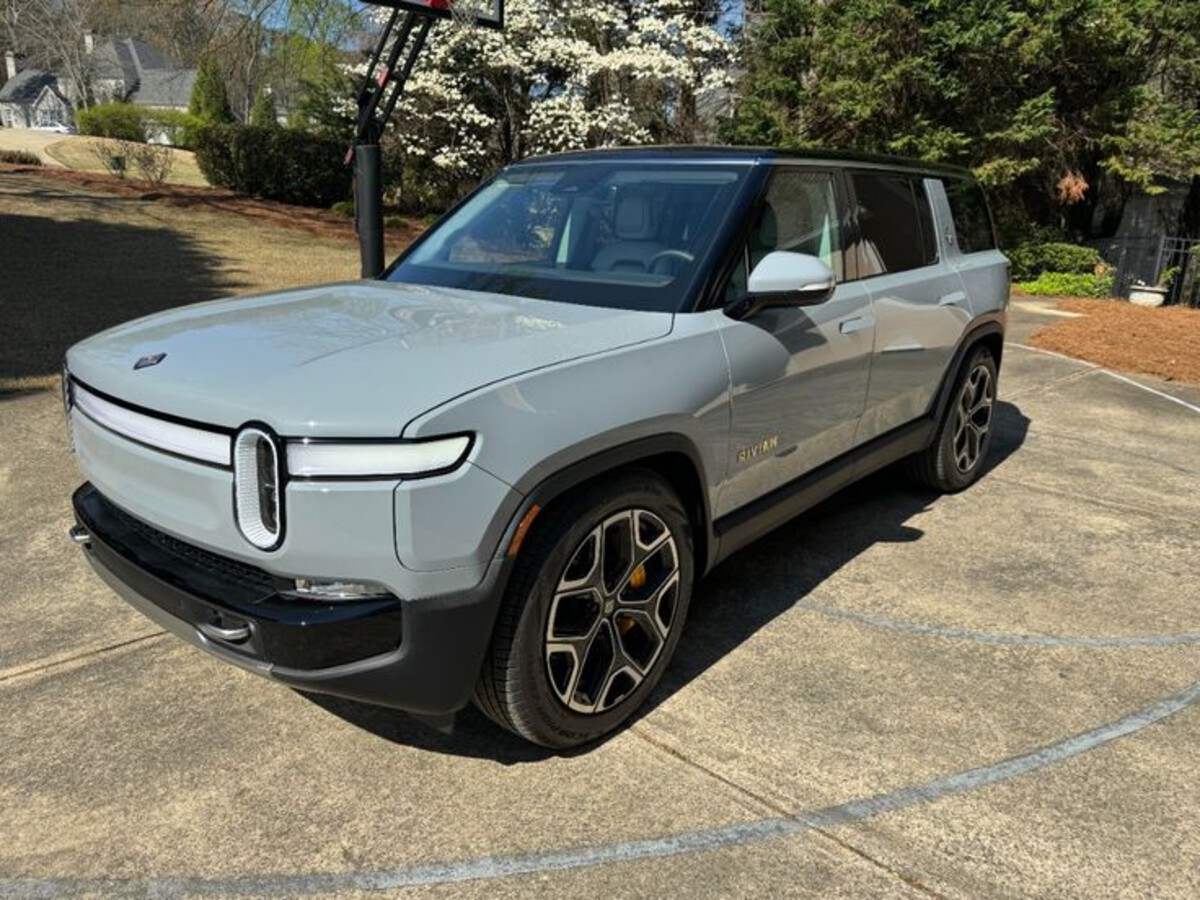
The battery pack is sealed and protected underneath the vehicle. This allows it to handle water exposure without the same vulnerability seen in conventional engines. Another standout feature is adjustable air suspension. The R1S can raise its height when needed, increasing ground clearance during flood conditions. This flexibility gives it an edge in changing environments.
It also comes with advanced traction control systems. Since each wheel can be powered independently, the vehicle can maintain grip even when the road surface is uneven or partially submerged. Inside, the R1S offers a premium feel. But it’s also designed to handle outdoor conditions. Materials are durable, and the layout is built for both comfort and functionality.
Now, here’s where you need to think carefully. Electric vehicles and floodwaters can still be a tricky combination. While the R1S is well-protected, repairs can be expensive if something goes wrong. Also, charging infrastructure in flood-affected areas may not always be reliable.
So, it’s not a perfect solution. But if you’re looking for a modern SUV that combines technology with strong flood-handling capability, the R1S is one of the most interesting options out there.
7. Nissan Terra
The Nissan Terra is often overlooked but that’s a mistake, especially for flood-prone regions. This SUV is built on a solid platform and shares its roots with pickup trucks. That alone gives it a strong advantage when dealing with rough conditions like flooded roads.
The Terra offers high ground clearance, which helps keep critical components above water level. This reduces the risk of engine damage during sudden floods. It also comes with a reliable four-wheel-drive system. While it may not be as advanced as some premium SUVs, it gets the job done. In real-world conditions, simplicity often means fewer things that can fail.
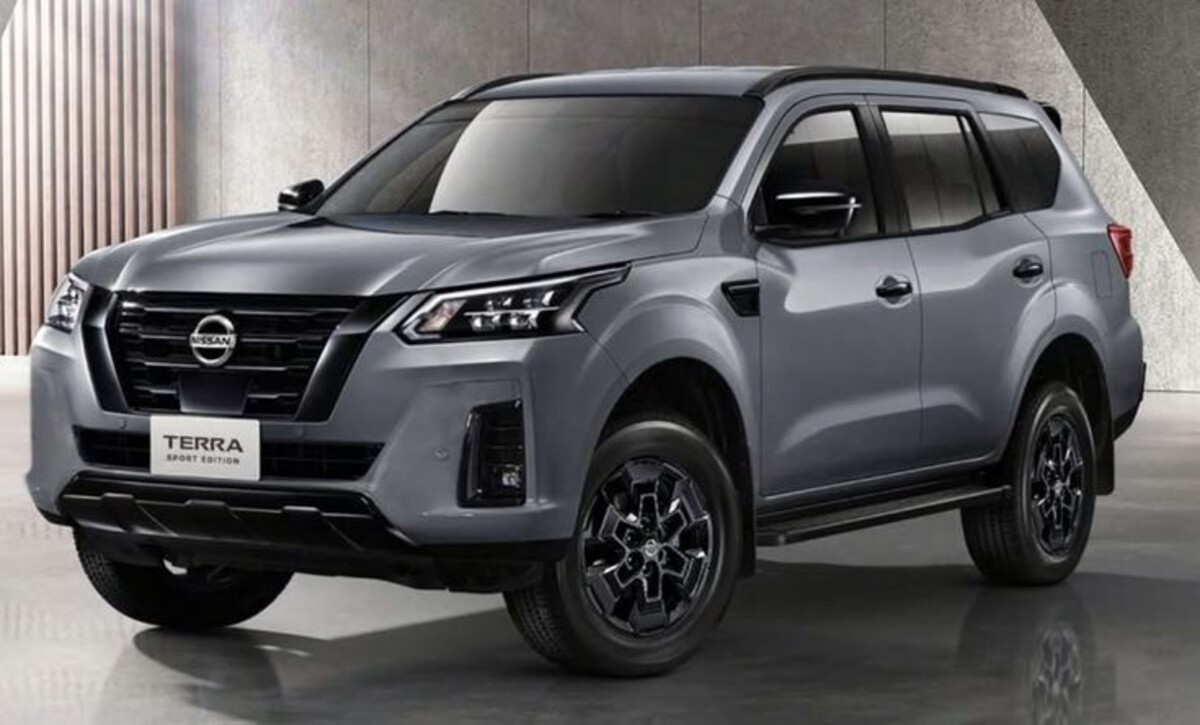
Another useful feature is its strong suspension setup. This helps the vehicle stay stable even when driving through uneven or debris-filled flooded roads. The Terra also includes traction control and hill assist systems. These features may not seem important at first, but they play a big role in maintaining control when surfaces become slippery.
Inside, the Terra is practical. It offers enough comfort for daily driving without overcomplicating things. The materials are durable and can handle rough usage, which is important if the vehicle is exposed to water regularly.
Now, let’s talk about the drawbacks. The Terra doesn’t stand out in terms of design or advanced features. It feels more functional than exciting. Also, it may not have the same brand appeal as some of its competitors. But here’s the truth when conditions get tough, flashy features don’t matter.
What matters is whether the vehicle can handle the situation without failing. And in that regard, the Nissan Terra proves itself as a dependable option for flood-prone areas.
ALSO READ: Honda’s Agency Sales Model: Navigating Success Amidst Sales Shifts
8. Chevrolet Tahoe
The Chevrolet Tahoe is big, powerful, and built to handle tough conditions including flooded roads. Size actually works in its favor here. The Tahoe sits high, offering strong ground clearance that helps keep water away from critical components like the engine and electrical systems. In flood-prone areas, that extra height can make a real difference.
Under the hood, the Tahoe comes with a strong engine lineup that delivers steady power. This matters when driving through water, where resistance is higher and momentum is key. A weak engine can stall, but the Tahoe maintains forward movement more confidently.
It also offers a capable four-wheel-drive system. This helps distribute power evenly across all wheels, improving grip on slippery, water-covered roads. When surfaces become unpredictable, that stability becomes essential.
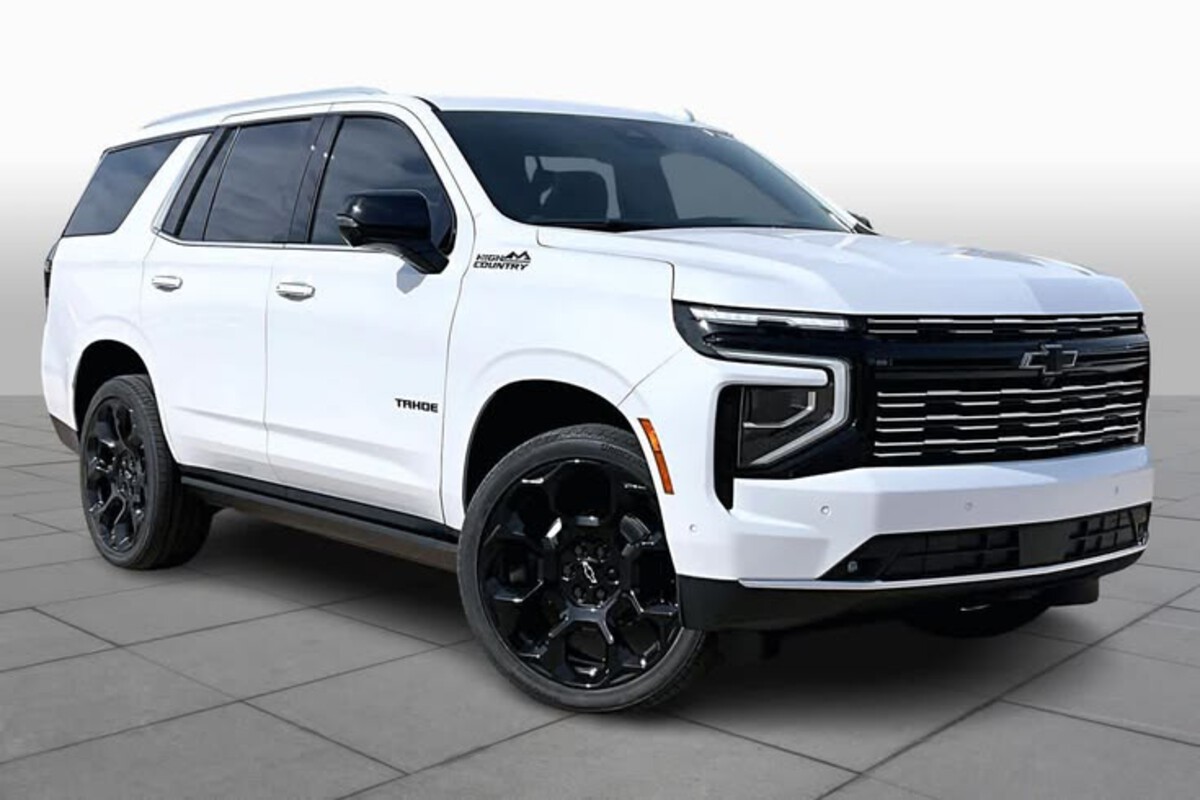
Another advantage is its overall build quality. The Tahoe is designed for durability, especially in demanding environments. Its suspension system handles uneven terrain well, which is useful when floodwaters hide potholes or debris.
Inside, the Tahoe leans toward comfort. It offers a spacious cabin, making it a practical choice for families living in flood-prone regions. At the same time, materials are strong enough to handle occasional exposure to moisture.
Now, let’s address the downsides. The Tahoe is large and that can be a problem in tight city areas. Maneuvering through narrow, flooded streets may feel challenging. Fuel consumption is also high, which adds to long-term costs. But if you need a vehicle that combines size, strength, and stability, the Tahoe delivers. It’s not just about getting through water it’s about doing it with control.
9. Subaru Outback
The Subaru Outback is a different kind of choice on this list. It’s not a traditional heavy-duty SUV, but it still performs surprisingly well in moderate flood conditions. The reason comes down to smart engineering rather than brute strength. The Outback features a standard all-wheel-drive system. Unlike many vehicles where AWD is optional, Subaru builds it into every model. This ensures consistent traction, especially on wet and slippery roads.
Ground clearance is another strong point. While it’s not as high as larger SUVs, it’s still better than most sedans. This gives it an edge in shallow flooding situations where lower vehicles would struggle. The Outback also has good balance and stability. Its lower center of gravity helps it stay controlled even when water flow affects movement. This makes it easier to drive compared to taller, heavier SUVs in certain conditions.
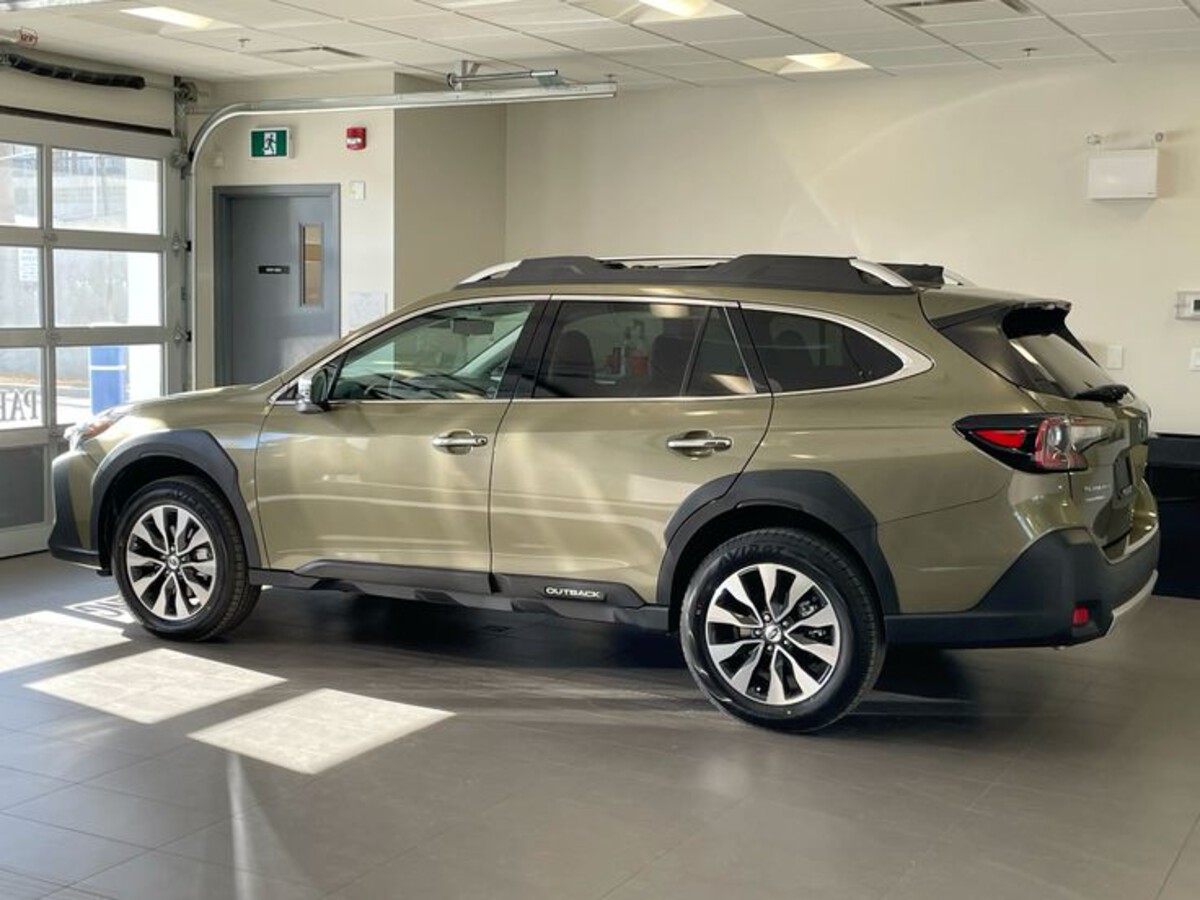
Another benefit is fuel efficiency. Compared to larger vehicles on this list, the Outback is more economical. That makes it a practical daily driver for people who only occasionally deal with flooding. Inside, the Outback focuses on comfort and usability. It offers a smooth ride and a well-designed cabin. While it’s not built for extreme conditions, it handles light to moderate flooding without major issues.
Now, let’s be clear about its limits. The Outback is not meant for deep water. It doesn’t have the same wading capability as full-size SUVs or off-road vehicles. Trying to push it beyond its limits can lead to damage. So where does it fit? If you live in an area with occasional flooding not extreme flash floods, the Outback is a balanced choice. It gives you safety, efficiency, and enough capability for everyday challenges.
10. Ford F-150 Raptor
The Ford F-150 Raptor is built for extreme conditions and that includes flood scenarios. This is not your average pickup truck. The Raptor is designed for off-road performance, which makes it highly capable when dealing with flooded terrain.
First, let’s talk about ground clearance. The Raptor sits high, keeping key components well above water level. This reduces the risk of engine damage and electrical issues during floods. It also features a powerful engine that delivers strong torque. This helps the truck push through water without losing momentum. In flood conditions, maintaining steady movement is critical.
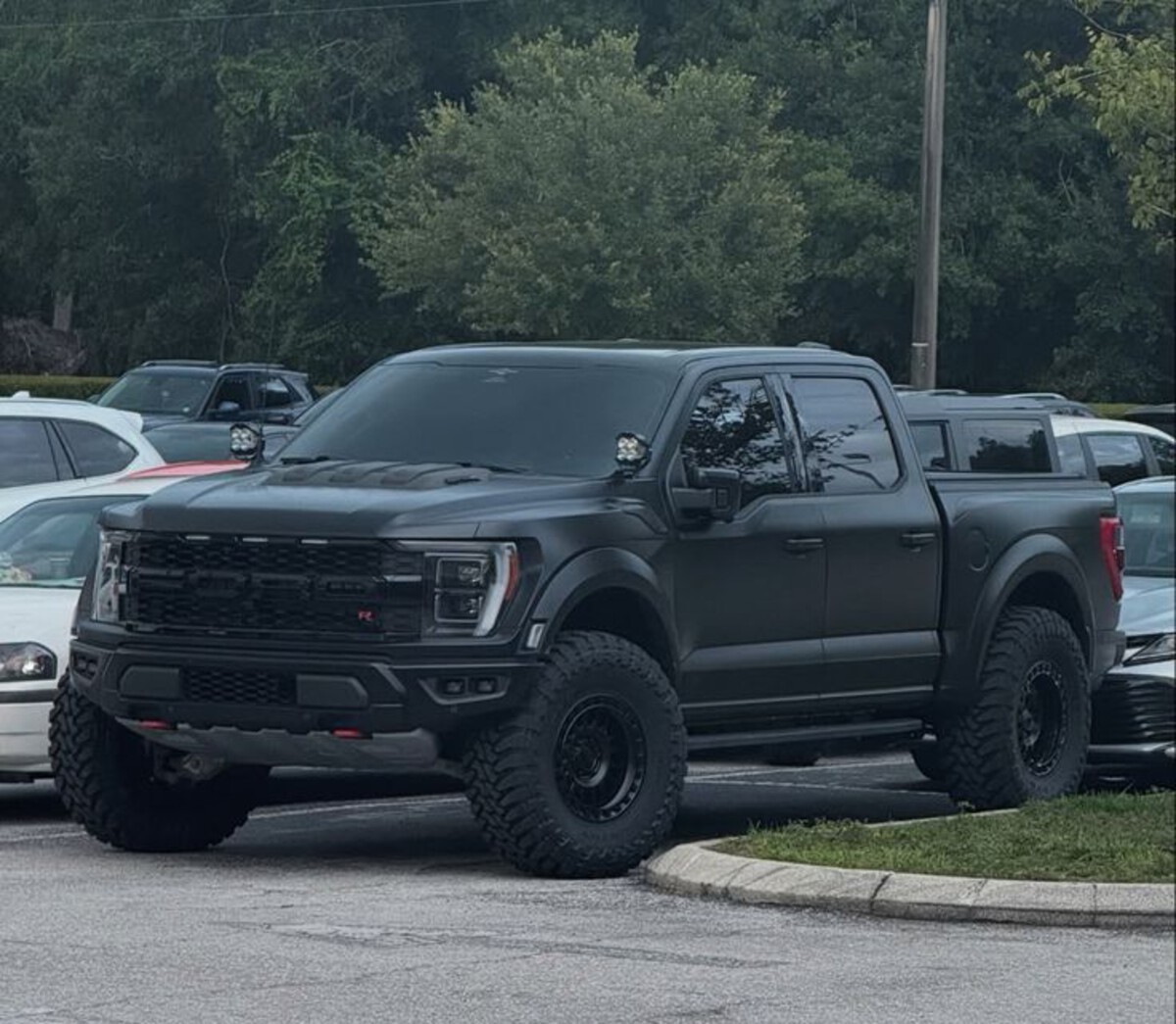
The Raptor’s four-wheel-drive system is another major advantage. It’s designed to handle rough, unpredictable terrain. When roads are covered in water, mud, or debris, this system keeps the vehicle stable and in control.
One standout feature is its suspension system. The Raptor is built to absorb shocks from uneven surfaces. In flooded areas where roads may be damaged or hidden, this adds an extra layer of safety. The truck also includes multiple drive modes. These allow the driver to adjust performance based on conditions. In wet or slippery environments, this helps optimize traction and control.
Inside, the Raptor combines toughness with comfort. It offers a durable interior that can handle rough use, while still providing modern features for daily driving. Now, let’s not ignore the trade-offs.
The Raptor is expensive. It’s also large, which can make city driving difficult. Fuel consumption is high, and parking can be a challenge in tight areas. But if capability is your priority, few vehicles match what the Raptor offers. This is a vehicle built for people who don’t want to second-guess their drive when conditions get serious.
The Gulf Coast is known for sudden weather changes. One minute the road is clear, and the next it’s covered in water. In these situations, your vehicle becomes more than just transportation it becomes your safety tool.
The cars listed in this guide all share one thing in common: they are built to handle difficult conditions better than average vehicles. But that doesn’t mean they are all the same. If you want maximum protection and the ability to handle deep water, larger SUVs like the Defender or Land Cruiser stand out. They offer strong water-wading capability and durable construction.
If you prefer something more balanced for daily use, options like the Outback or Fortuner provide a mix of comfort and moderate flood performance. And if you’re looking for extreme capability, vehicles like the Raptor or Bronco push the limits of what’s possible in harsh environments.
But here’s the part many people ignore no vehicle is completely safe in deep floodwater. Even the best SUV can fail if pushed beyond its limits. Water depth, current strength, and hidden obstacles all play a role. So while choosing the right car helps, smart driving decisions matter just as much.
Think of it this way: the vehicle gives you an advantage, but your judgment keeps you safe. If you live in a flood-prone Gulf Coast area, investing in the right vehicle is not just a preference it’s a practical decision that can save you from costly damage and dangerous situations.
Choose wisely, and don’t rely on luck when the roads disappear under water.