
Merging onto high-speed highways is one of the most challenging parts of driving in the United States. Many accidents occur not because of reckless driving but due to hesitation, poor timing, or lack of awareness. Learning how to merge safely is essential for protecting yourself, your passengers, and other drivers.
The 10 best methods for merging safely into high-speed US traffic provide a structured approach to highway entry, focusing on key principles such as acceleration, signaling, gap identification, and predictability. From mastering the acceleration lane and applying the SMOG technique to accounting for large trucks and using the zipper merge in congested conditions, each method addresses a critical component of safe merging.
Following these strategies reduces the risk of collisions, improves traffic flow, and allows drivers to merge with confidence. Safe merging is not only about obeying traffic laws but also about developing habits that make every lane change smooth, predictable, and cooperative for everyone on the road.
1. Mastering the Acceleration Lane for Safe Highway Merging
The acceleration lane is an essential part of entering a highway safely. It is designed to give drivers enough distance to increase their speed and match the flow of traffic before merging. Many drivers misuse this space by moving too slowly or hesitating, which creates a dangerous gap between their speed and that of highway vehicles. This difference can force other drivers to brake suddenly and increase the risk of accidents.
A key principle of safe merging is speed matching. Drivers should aim to reach the same speed as highway traffic by the time they approach the merging point. Using the full length of the acceleration lane allows more time to observe traffic conditions, check mirrors, and look for blind spots. It also helps drivers identify a safe gap, ideally with a few seconds of space between vehicles.
Proper use of the acceleration lane involves several steps. Drivers should begin accelerating as soon as the road straightens, rather than waiting until the end of the ramp.
Signaling early is important because it alerts other drivers to your intention to merge. It is also helpful to look ahead at traffic flow instead of focusing only on nearby vehicles. Most importantly, drivers should avoid stopping on the ramp, as this can lead to rear-end collisions and make merging more difficult.
By mastering these techniques, drivers can merge smoothly and safely while maintaining steady traffic flow.
2. The SMOG Technique for Safe and Confident Merging
The SMOG technique is a structured method that helps drivers merge safely into high-speed traffic by improving awareness, communication, and timing. The acronym stands for Signal, Mirror, Over-the-shoulder, and Go, and it provides a clear step-by-step routine for effective merging.
The first step is to signal early, ideally about 100 feet before merging, to inform other drivers of your intentions. This allows surrounding vehicles time to adjust their speed or position, making space for you. Next, check your mirrors to evaluate the speed and distance of nearby cars. This helps you identify potential gaps in traffic.
The third step, looking over your shoulder, is the most critical because it confirms whether your blind spot is clear. Mirrors alone cannot fully detect vehicles beside or slightly behind you, so this physical check prevents common merging accidents. Finally, once you have confirmed a safe gap and matched the speed of traffic, you can go and merge smoothly into the lane.
The SMOG technique is especially effective because it addresses two major risks: blind spots and speed differences. It reduces the chances of collisions caused by unseen vehicles and prevents slow merging that disrupts traffic flow. By signaling early, drivers communicate clearly with others, while the final step emphasizes maintaining proper speed.
SMOG is a simple and reliable routine that helps drivers stay calm and consistent, especially in stressful high-speed merging situations.
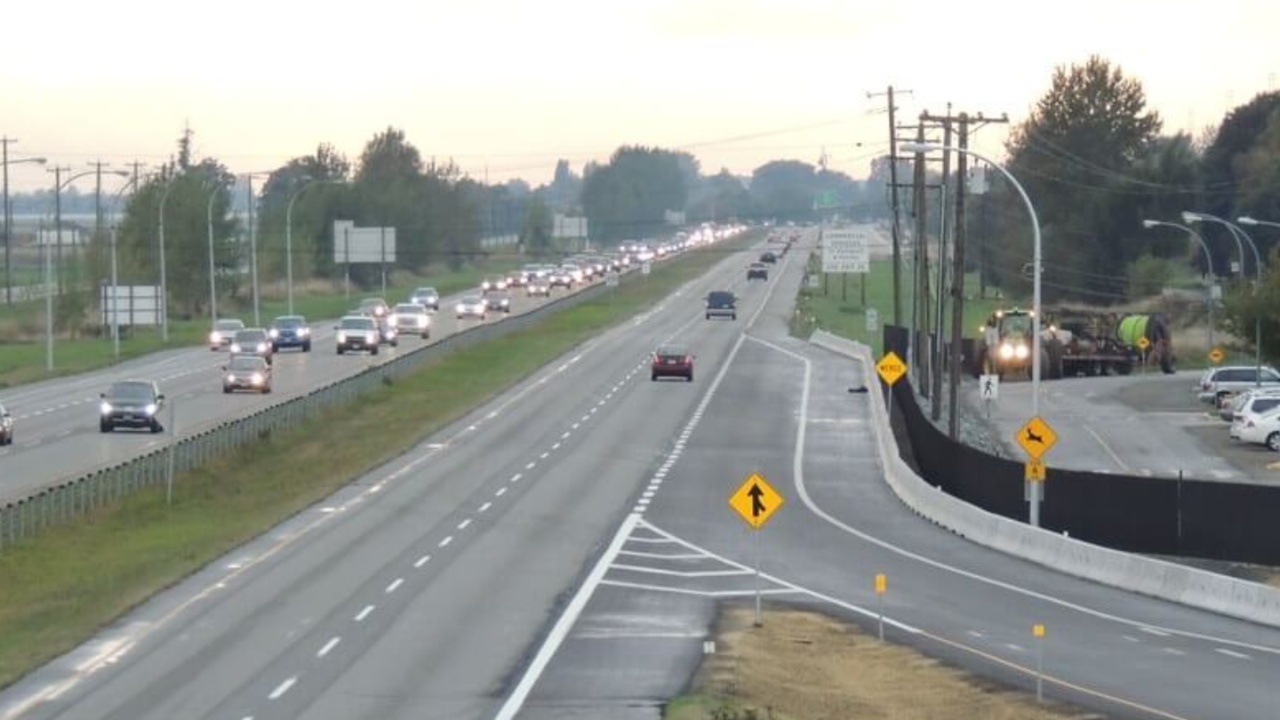
3. Identifying Your Gap Early for Smooth Highway Merging
Identifying a safe gap early is a key strategy for successful highway merging. Instead of waiting until the end of the ramp, drivers should begin scanning traffic as soon as they enter the curved portion of the on-ramp. By looking through the side window and observing traffic flow, drivers can evaluate spacing between vehicles and select a “target” gap that provides enough room for safe entry.
Choosing a gap early allows drivers to plan their approach and adjust their speed accordingly. Rather than reacting at the last moment, drivers can gradually accelerate or slightly reduce speed to align with the chosen space. This preparation helps create a smoother merge and reduces the likelihood of sudden braking or erratic steering. It also ensures that the full length of the acceleration lane is used effectively.
Early gap identification improves safety in several ways. It helps drivers match the speed of highway traffic, minimizing dangerous speed differences. It also prevents panic, which often leads to unsafe actions such as forcing entry into tight spaces or stopping on the ramp. With a clear plan, drivers can maintain better control and confidence during the merging process.
In addition, identifying a gap early makes a driver’s intentions more predictable. Signaling sooner gives other drivers time to respond by adjusting their speed or position. It is important to remember that vehicles already on the highway have the right of way, so merging drivers must take responsibility for finding a safe opening.
Early gap identification leads to safer, smoother, and more controlled highway entry.
4. Maintaining a Three-Second Buffer for Safer Highway Driving
After merging onto a highway, establishing a safe following distance is essential. A widely recommended guideline is the three-second rule, which ensures there is enough space between your vehicle and the one ahead. This buffer gives drivers the time needed to react to sudden changes, such as braking or unexpected obstacles on the road.
To measure this distance, drivers can use a simple counting method. Choose a fixed object like a road sign or bridge. When the vehicle in front passes it, begin counting “one-thousand-one, one-thousand-two, one-thousand-three.” If you reach the object before finishing the count, you are following too closely and should reduce speed. This technique provides a practical way to maintain a safe gap without needing precise measurements.
The three-second buffer is especially important at high speeds, where vehicles carry greater momentum and require longer stopping distances. It allows enough time for drivers to perceive hazards and respond appropriately, reducing the risk of rear-end collisions. It also supports smoother traffic flow by minimizing sudden braking and preventing chain-reaction accidents, particularly in congested conditions.
Maintaining this distance improves visibility as well, giving drivers a clearer view of traffic patterns and potential hazards ahead. In adverse weather conditions such as rain or fog, the buffer should be increased to allow for reduced traction and visibility.
Keeping a three-second following distance after merging promotes safer driving by providing adequate reaction time, improving awareness, and reducing the likelihood of accidents.

5. Communicating Through Turn Signals for Safe Highway Merging
Turn signals play a vital role in safe highway merging because they serve as the primary way drivers communicate their intentions to others on the road. At high speeds, clear and early signaling allows surrounding drivers to anticipate your actions and respond accordingly, reducing confusion and the risk of accidents.
Drivers should activate their turn signal as soon as they enter the acceleration lane, even if the road appears clear. This early communication gives highway drivers enough time to adjust their speed or change lanes to create a safe gap. Failing to signal can surprise other drivers and lead to dangerous situations such as sudden braking or side-impact collisions.
Using turn signals consistently promotes smoother traffic flow. When drivers are aware of your intention to merge, they can cooperate by making space rather than reacting abruptly. This reduces stress, minimizes aggressive driving, and helps prevent road rage. Signaling also improves safety in blind spot situations by alerting drivers who may not be immediately visible in mirrors.
In addition to being a safety practice, using turn signals is a legal requirement in most places. It reinforces disciplined driving habits and ensures that merging is done in a predictable and controlled manner. Proper signaling transforms merging from a risky maneuver into a coordinated interaction between drivers.
Communicating through turn signals enhances safety by providing advance warning, reducing misunderstandings, and supporting a smoother merging process for everyone on the road.
Also read: 5 Reasons Why Buying a Car From a Private Seller Is Riskier in 2026
6. Avoiding the “Stop-and-Wait” Trap for Safer Merging
Avoiding the “stop-and-wait” trap is essential for safe and efficient highway merging. Coming to a complete stop on an acceleration ramp is one of the most dangerous mistakes a driver can make, especially when traffic is moving at high speeds. Unless traffic on the highway is fully stopped, drivers should keep moving and use the ramp to build momentum.
Stopping creates several serious risks. First, it makes it extremely difficult to accelerate from zero to highway speed within a short distance, which most vehicles cannot do safely. This leads to dangerous speed differences when attempting to merge. Second, it increases the likelihood of rear-end collisions, as drivers behind you expect continuous movement and may not anticipate a sudden stop. Third, it disrupts traffic flow by creating bottlenecks that can extend back onto local roads.
Instead of stopping, drivers should manage their speed early on the ramp. If traffic appears dense, it is better to slightly adjust speed while still moving in order to time a safe gap. Maintaining momentum allows for smoother acceleration and better positioning when entering the highway. It also improves visibility, as moving drivers can more easily assess traffic patterns and identify openings.
Using the full length of the acceleration lane is key to safe merging. It provides the space needed to match traffic speed and merge without forcing other drivers to brake suddenly.
Avoiding unnecessary stops helps maintain safety, reduces collision risks, and ensures a smoother merging experience for everyone on the road.
7. Yielding the Right of Way for Safe Highway Merging
Yielding the right of way is a fundamental rule for safe highway merging. In the United States, vehicles already traveling on the highway have priority, which means drivers entering from an on-ramp are responsible for adjusting their speed and position to merge safely. Expecting highway drivers to slow down or make room can lead to dangerous situations and disrupt traffic flow.
To merge properly, drivers must focus on matching the speed of traffic and identifying a safe gap without forcing other vehicles to change their course. Entering too slowly or hesitating can cause a ripple effect, where multiple drivers must brake suddenly, increasing the risk of collisions. By yielding, merging drivers help maintain a steady and predictable flow of traffic, which is especially important at high speeds.
Yielding also reduces the likelihood of accidents caused by aggressive or forced merging. When drivers attempt to push into a lane without sufficient space, it can result in side-impact or multi-vehicle crashes. Instead, drivers should use the full length of the acceleration lane to observe traffic, signal their intentions early, and adjust their speed to fit smoothly into an available gap.
Although some drivers may choose to move over or create space as a courtesy, this behavior is not guaranteed and should not be relied upon. The responsibility remains with the merging driver to enter safely and legally.
Yielding the right of way promotes safer, more efficient highway merging by ensuring that traffic continues to flow smoothly and predictably for all drivers.

8. Using the Zipper Merge for Efficient Traffic Flow
The zipper merge is an effective strategy for managing heavy traffic, particularly in construction zones or during periods of congestion. Instead of merging too early and leaving one lane empty, drivers should use both lanes fully until they reach the designated merge point. At that point, vehicles alternate entering the open lane, creating a smooth, turn-taking pattern similar to a zipper closing.
This approach improves efficiency by making full use of available road space. When both lanes are evenly occupied, traffic congestion is distributed more effectively, which can reduce backup lengths by up to 40 to 50 percent. It also keeps traffic moving at a more consistent pace, preventing long lines from forming in a single lane while the other remains underused.
Safety is another key advantage of the zipper merge. By keeping vehicles in both lanes moving at similar speeds, it reduces dangerous speed differences that often lead to rear-end collisions. The structured, alternating pattern also promotes fairness, which helps reduce aggressive driving and frustration among motorists.
To apply the zipper merge correctly, drivers should stay in their lane until the merge point, avoid cutting in early, and take turns with other vehicles. Patience and cooperation are essential, as the system depends on drivers following the same predictable pattern.
The zipper merge supports smoother traffic flow, improves safety, and encourages a more orderly and cooperative driving environment.
9. Accounting for Large Trucks During Highway Merges
Merging near large trucks requires extra caution because of their limited maneuverability, long stopping distances, and extensive blind spots. Fully loaded trucks cannot stop quickly, so cutting in front of them without sufficient spacing can create serious hazards. When merging near a truck, it is usually safer to position your vehicle behind it rather than trying to pass quickly. If you must merge in front, make sure you can see both of the truck’s headlights in your rearview mirror. This ensures the truck driver has enough stopping distance and reduces the risk of collisions.
Being aware of trucks is critical for safe high-speed merging because it takes into account their momentum and braking limitations. A fully loaded truck can weigh up to 40 tons and requires much more distance to slow down than a regular passenger vehicle. Maintaining a safe cushion prevents the truck from having to brake suddenly. Trucks also have large blind spots along their sides, in front, and behind, making it important to avoid lingering in these areas.
Timing is essential when merging around trucks. Using the acceleration lane to match highway speed allows a smoother entry into traffic. Observing the truck’s gap, which is often maintained with adaptive cruise control, helps drivers select a safe spot for merging. Prioritizing timing over speed ensures trucks are not forced to brake abruptly, and traffic flow remains smooth.
By staying out of blind spots, leaving adequate distance, and merging at the correct time, drivers can safely navigate around large trucks and prevent high-risk collisions while maintaining steady highway traffic.
10. Commit and Be Predictable for Safe Highway Merging
Indecision is one of the leading causes of highway accidents, making commitment and predictability essential when merging. Once you have signaled, checked your blind spots, and matched the speed of traffic, you should move into the lane confidently without hesitation.
Avoid wavering on the lane line or making sudden steering adjustments, as these unpredictable movements make it difficult for other drivers to anticipate your actions. If the gap you initially choose starts closing, respond calmly by either slightly accelerating to take the space or easing off the gas to fall behind. Maintaining consistent speed and lane positioning allows other drivers to predict your behavior and respond safely.
Being predictable is effective because it reduces uncertainty on high-speed roads. Using the full length of the acceleration lane to match highway speeds, signaling early, and committing to a chosen gap ensure smooth integration into traffic. This approach prevents sudden braking and the “accordion effect,” where abrupt stops trigger a chain reaction of braking vehicles.
Key practices include signaling 100 to 300 feet before merging, matching the speed of traffic, and selecting a safe gap, typically three to four seconds. Once identified, commit to it without hesitation, as stopping or slowing on the ramp forces dangerous acceleration into fast-moving traffic.
Predictable merging also helps manage the social dynamics of highway driving, signaling to other motorists whether to maintain speed, slow down, or make room.
By committing to your gap and maintaining consistent, predictable behavior, you blend seamlessly with highway traffic, reducing risks and promoting a safer, more efficient flow for all drivers.
Successfully merging into high-speed traffic requires more than reaching highway speed. It demands awareness, timing, and clear communication. The 10 methods outlined provide a complete guide for safe merging, emphasizing acceleration, signaling, maintaining a buffer, and being predictable.
Identifying gaps early, avoiding unnecessary stops, yielding the right of way, and respecting large trucks all contribute to safer merging. Techniques like the zipper merge improve traffic flow during congestion, while the SMOG routine enhances blind spot awareness and driver confidence.
Applying these practices consistently creates a predictable environment for all drivers, reducing accidents and supporting smoother traffic. Safe merging transforms a stressful maneuver into a controlled, cooperative process, making highways safer and more efficient for everyone.
Also read: 10 Reasons Why Your Timing Belt Replacement Cannot Be Delayed Another Day