Reliability is one of the most critical factors when choosing an engine for commercial use, where vehicles are expected to operate daily under heavy loads and demanding conditions. The title “10 Most Reliable Engines for High Mileage Commercial Use” brings together a group of engines that have consistently proven their ability to endure extreme mileage with minimal issues.
These engines are not defined by peak horsepower or cutting-edge technology, but by their ability to deliver dependable performance over hundreds of thousands of miles. From older, mechanically simple diesels to modern heavy-duty powerplants, each engine reflects a design philosophy focused on durability, efficiency, and ease of maintenance.
Their proven track records across industries such as logistics, construction, and transport make them standout choices for long-term use. Whether for fleet operators or individual owners, these engines represent some of the most trusted and time-tested options ever built.
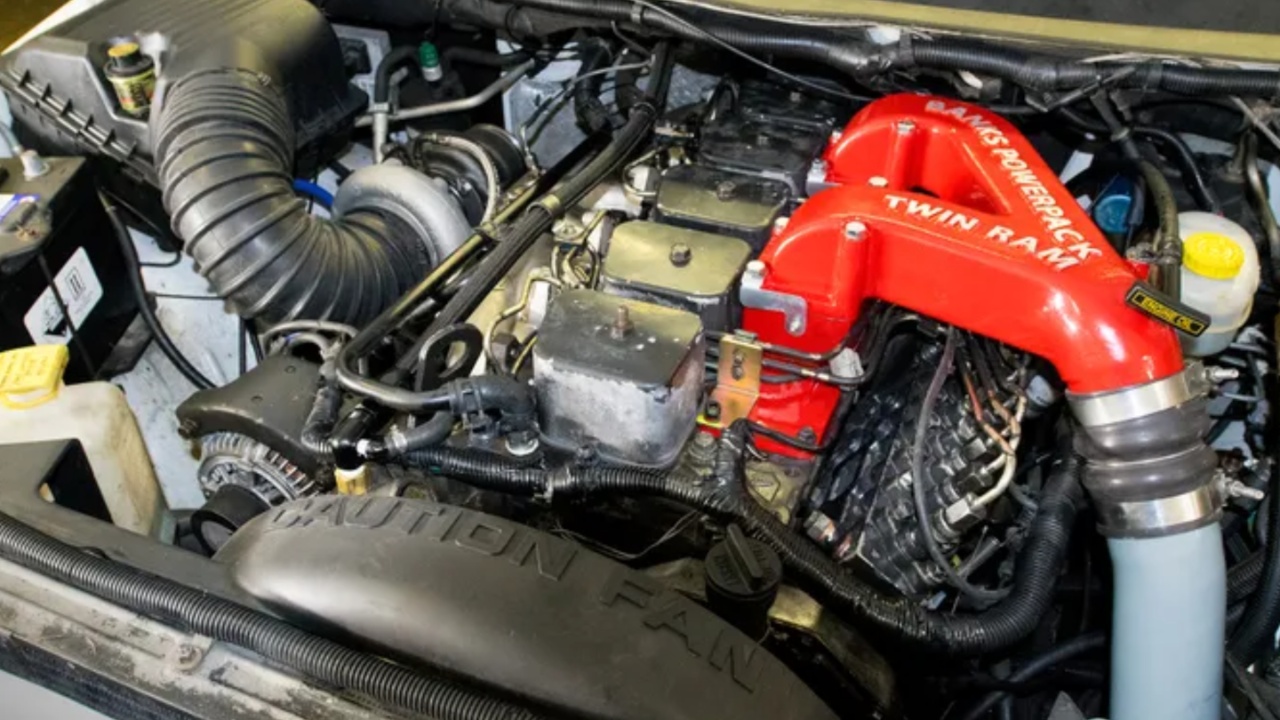
1. Cummins 5.9L 12-Valve Diesel (1989–1998): Legendary Reliability and Low-RPM Torque
The Cummins 5.9L 12-Valve Diesel (6BT), produced from 1989 to 1998, is widely regarded as one of the most durable and dependable diesel engines ever made. Originally developed for industrial, agricultural, and construction applications, its heavy-duty design allowed it to transition seamlessly into pickup trucks, hot-shot hauling, and other commercial uses.
Known as a “million-mile” engine, the 6BT combines mechanical simplicity, industrial-grade construction, and a conservative design focused on longevity rather than maximum horsepower. With a cast-iron block and head, forged internals, and seven main bearings, it is built to withstand extreme cylinder pressures and continuous, demanding operation.
A major contributor to the engine’s reputation is its all-mechanical architecture, highlighted by the Bosch P7100 injection pump used in 1994–1998 models. This mechanical pump is renowned for precision, reliability, and the ability to run on lower-quality or high-sulfur diesel fuel.
Minimal electronics, limited to the starter and fuel shutoff solenoid, reduce potential failure points, making the engine highly dependable in remote or harsh environments. Gear-driven camshaft, oil pump, and injection pump eliminate timing belt or chain failures. Additionally, six head bolts per cylinder and a cast-iron head provide exceptional resistance to head gasket issues under high boost pressures.
The 5.9L 12-Valve engine also delivers remarkable torque and low-RPM performance. Its 4.72-inch stroke allows it to generate high torque at low engine speeds, typically peaking around 1,400–1,600 RPM, which reduces wear and improves durability during heavy towing.
Direct-injection “Mexican Hat” pistons ensure efficient combustion and lower thermal stress. Early engines produced 160 hp and 400 lb-ft of torque, while later P7100-equipped models reached 215 hp and 440 lb-ft. The mechanical injection pump also enables extensive tuning potential, with enthusiasts achieving 600–800+ hp with proper supporting modifications.
Despite its legendary durability, the 12-Valve Cummins has some vulnerabilities. The Killer Dowel Pin (KDP) in the timing gear case can cause severe damage if it dislodges. Stock automatic transmissions often fail under high torque, necessitating upgrades for commercial or heavy-duty use.
Manual transmissions may face 5th-gear nut issues, and late 1998 “53-block” engines are prone to thin-wall cracking. With proper maintenance and attention to these areas, the 5.9L 12-Valve remains a highly reliable, mechanically simple workhorse, celebrated for its longevity, strong low-RPM torque, and performance in trucks, towing, and high-mileage applications.
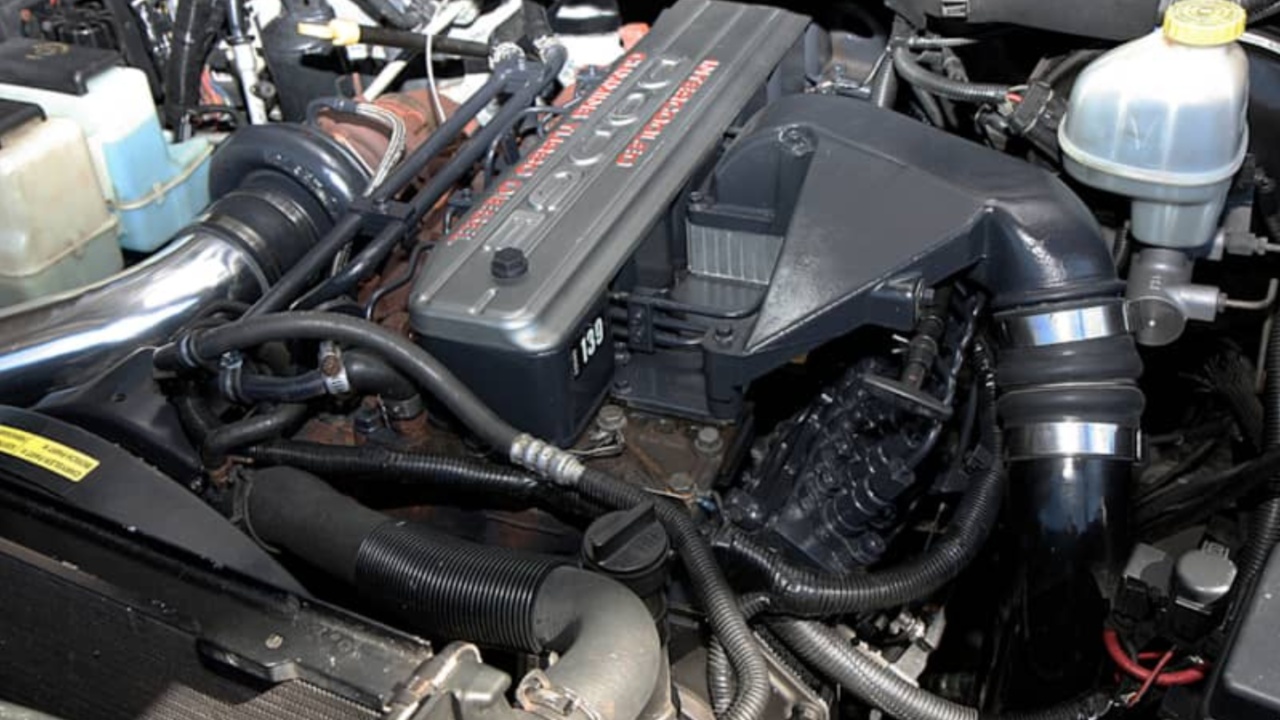
2. Toyota 4.7L V8 (2UZ-FE): Overbuilt Reliability for Trucks and SUVs
The Toyota 4.7L V8 (2UZ-FE) is widely regarded as one of the most durable gasoline engines ever built, capable of surpassing 300,000 miles and, in exceptional cases, reaching over 1,000,000 miles with routine maintenance. Introduced in trucks and SUVs such as the first-generation Tundra, Land Cruiser, and Sequoia, the 2UZ-FE is designed for longevity and dependable low-end performance rather than peak horsepower.
Its heavy-duty cast-iron block provides superior bore stability and structural strength, allowing the engine to handle high-torque loads over extended periods without major wear. Combined with forged internals and a conservative, low-stress tuning approach, the engine remains exceptionally resilient even under continuous use in commercial or rural applications.
A key reason for the 2UZ-FE’s legendary reliability is its robust internal components and low-stress engineering. The engine uses a DOHC valvetrain with four valves per cylinder and incorporates later Variable Valve Timing (VVTi) to enhance efficiency without increasing internal strain.
Its timing system is belt-driven, requiring replacement every 90,000–100,000 miles due to its interference engine design, which, if neglected, can cause serious internal damage.
Failures are typically limited to age-related items such as starters, gaskets, or valve covers, while core engine components rarely experience issues. Exhaust manifolds may crack over time, producing a ticking sound, but this is a minor concern compared to the engine’s structural durability.
The 4.7L V8 emphasizes torque and work-oriented performance. Power output ranges from approximately 230–275 hp and 300–335 lb-ft of torque, depending on the year and VVTi implementation. This makes it particularly well-suited for towing, hauling, and long-distance transport, where consistent low-RPM torque is more valuable than high-end horsepower.
Its simple and overbuilt construction, combined with Toyota’s low-stress engineering philosophy, allows it to remain operational under conditions that might challenge other V8s. This practical focus ensures that fleets and individual owners alike can rely on it for trouble-free service over hundreds of thousands of miles.
While fuel economy is modest compared to modern V8s, the 2UZ-FE rewards regular maintenance with unmatched longevity and minimal major repairs.
By prioritizing durability, reliability, and dependable torque over flashy performance figures, the Toyota 4.7L V8 has earned a reputation as a “bulletproof” engine, making it a preferred choice for trucks and SUVs intended for heavy-duty use, long-distance travel, and commercial applications.
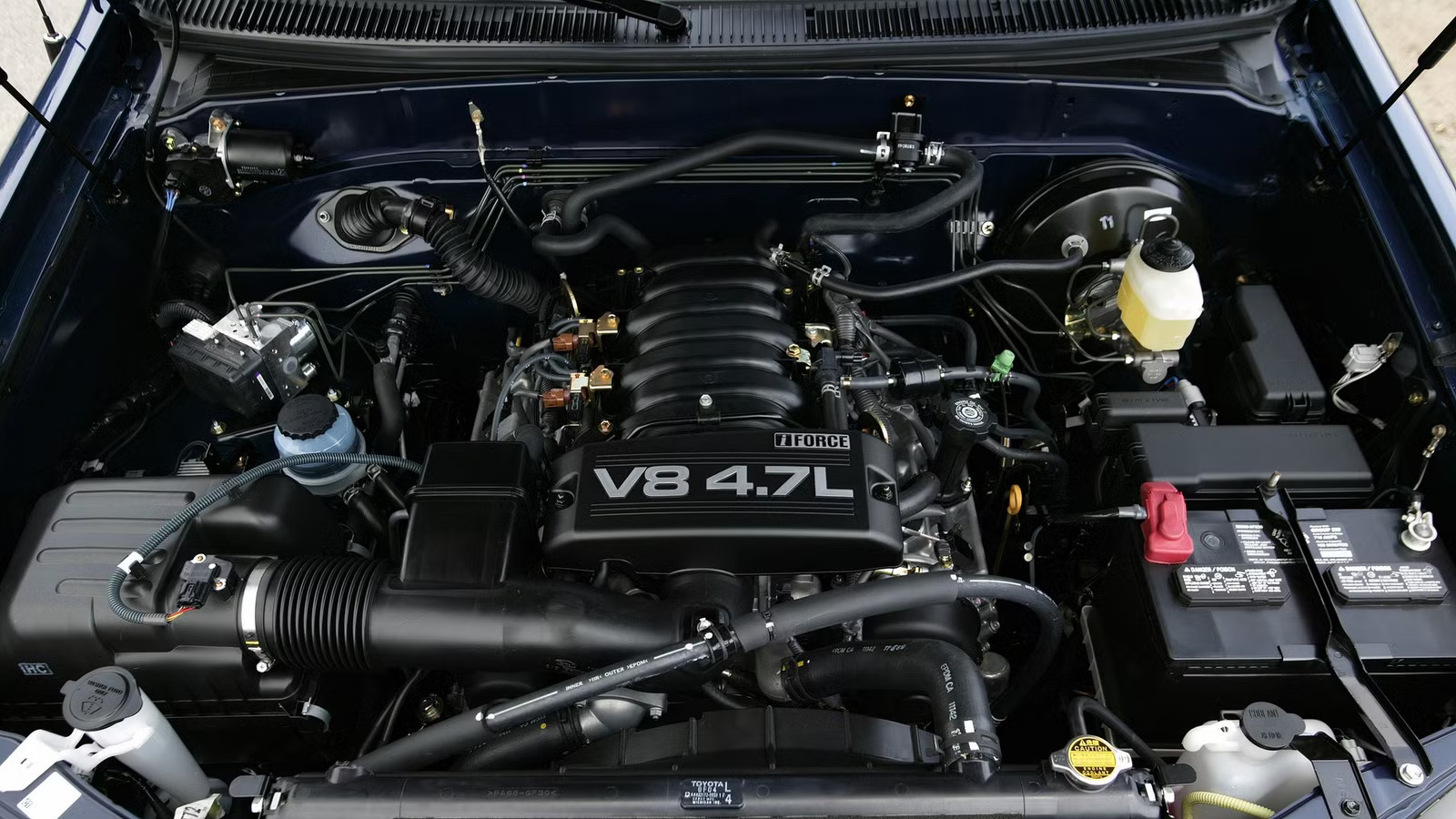
3. Mercedes-Benz 3.0L Inline-5 Diesel OM617 (1974–1991): Bulletproof Reliability for Classic Vehicles
The Mercedes-Benz 3.0L Inline-5 Diesel (OM617), produced from 1974 to 1991, is widely regarded as one of the most reliable passenger vehicle engines ever built. Known for its cast-iron construction, mechanical simplicity, and low-stress operation, the OM617 powered popular W123 and W126 models, including taxis and commercial vehicles across Europe and Africa.
Its legendary durability allowed many examples to surpass 500,000 miles, with some engines exceeding 1,000,000 miles with only routine maintenance. The engine’s conservative design prioritizes long-term reliability over performance, making it ideal for steady cruising and high-mileage daily use.
A key factor behind the OM617’s durability is its over-engineered design and mechanical fuel system. The engine features a robust cast-iron block and cylinder head, forged steel connecting rods, and a forged crankshaft designed for endurance rather than speed. Its mechanical Bosch injection pump operates without electronic sensors or ECUs, eliminating a common source of failures in modern engines.
The indirect injection system tolerates low-quality or inconsistent diesel fuel, which allows the OM617 to function reliably in regions with poor fuel standards. Large oil capacity and piston-cooling oil jets further reduce thermal stress, extending the engine’s lifespan.
The OM617 emphasizes low-stress, efficient operation. Operating at low RPMs and moderate power, the engine avoids excessive internal wear. Naturally aspirated versions deliver modest horsepower, often under 120 hp, while the turbocharged 300SD variant introduced around 1978 provides more torque without compromising durability.
Fuel economy is strong for its class, with daily driving averages in the 25–28 MPG range. Maintenance is straightforward due to the absence of electronics, allowing owners to service the engine with basic tools. Common issues are minimal, including wear on the balancer locator and age-related gasket or seal replacement. Parts are generally affordable, ranging from $150 to $500 for typical service.
The Mercedes OM617 is celebrated as a “bulletproof” engine ideal for classic Mercedes enthusiasts, fleet operators, and anyone seeking a reliable diesel powerplant that can last for decades. Its combination of mechanical simplicity, overbuilt components, tolerance for fuel variation, and proven high-mileage track record makes it one of the most desirable engines in automotive history for long-term, low-maintenance use.
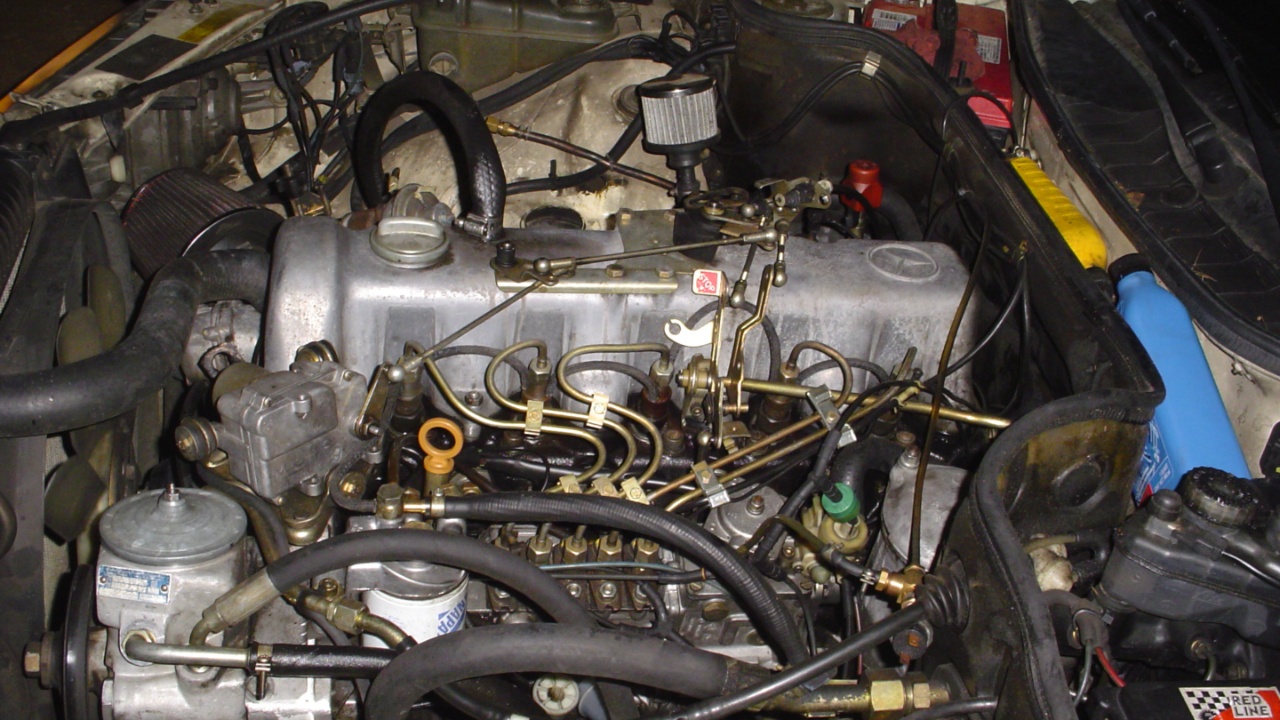
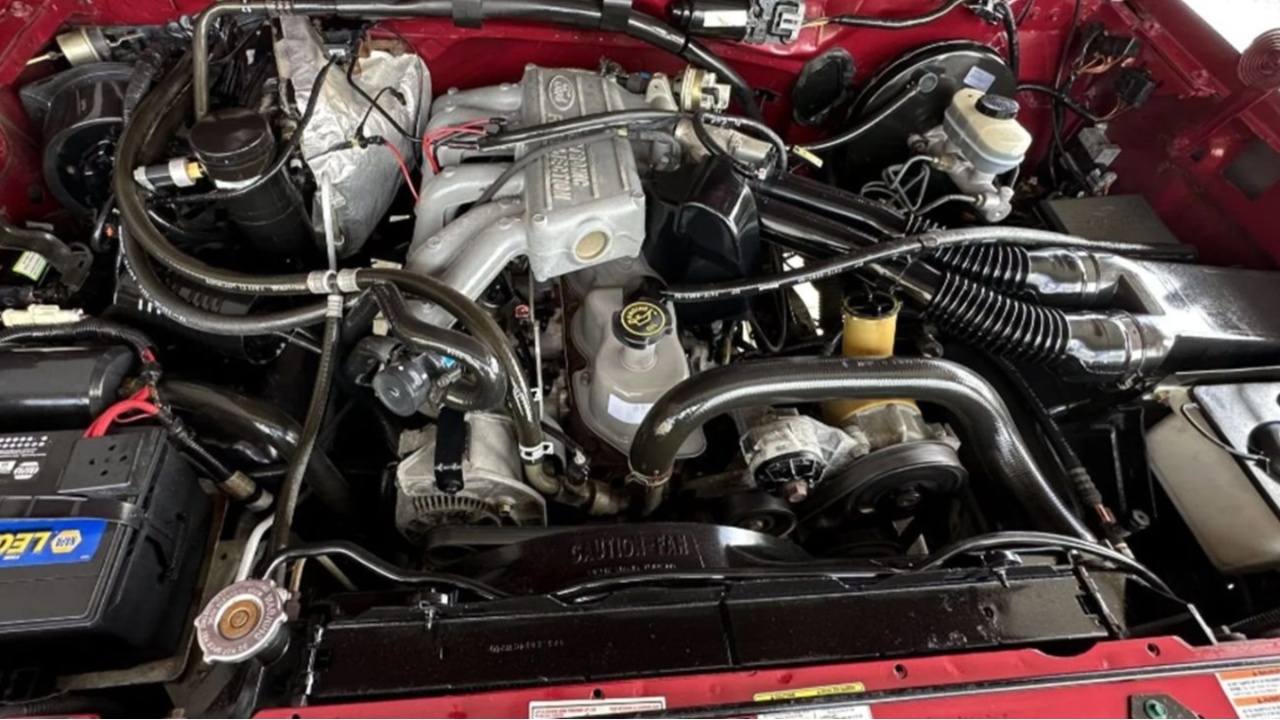
4. Ford 4.9L Inline-6 (300 I6) (1965–1996): Simple Design and Torque Built for Longevity
The Ford 4.9L Inline-6 (300 I6), produced from 1965 to 1996, is widely regarded as one of the most durable and dependable truck engines ever built. Designed for heavy-duty use, it powered Ford F-Series trucks, E-Series vans, and even commercial vehicles like UPS delivery trucks and industrial equipment.
Known for its “bulletproof” reputation, the 300 I6 often exceeds 300,000 to 400,000 miles with minimal maintenance. Its longevity comes from a combination of rugged construction, simple engineering, and a focus on low-end torque rather than high-speed performance, making it ideal for hauling, towing, and demanding work environments.
A key factor behind its reliability is its robust all-iron construction and durable internal design. The engine features a cast-iron block and cylinder head, providing exceptional strength and resistance to warping under heavy loads. Its crankshaft is supported by seven main bearings, which improve bottom-end strength, reduce vibration, and extend engine life.
One of its most distinctive features is the gear-driven timing system, which uses steel timing gears instead of a chain or belt. This eliminates common timing-related failures such as chain stretch or belt wear, significantly reducing maintenance requirements and improving long-term durability.
The 300 I6 is engineered for high torque at low RPM, making it especially effective for work applications. Its long-stroke design allows it to produce strong pulling power at lower engine speeds, reducing internal stress and wear during heavy use. While horsepower output is modest, the engine excels in consistent, reliable performance rather than speed.
Later models introduced electronic fuel injection, improving efficiency and drivability compared to earlier carbureted versions, while maintaining the engine’s core simplicity. This balance of torque and reliability made it a favorite for fleets, farms, and construction environments where dependability is critical.
Despite its strengths, the engine has some drawbacks. Fuel economy is relatively poor compared to modern engines, and its heavy cast-iron construction adds weight. It is also not suited for high-speed performance, with slow acceleration and limited horsepower. However, these trade-offs are minor compared to its strengths.
With its straightforward overhead valve design, ease of maintenance, affordable parts, and proven durability, the Ford 300 I6 remains a legendary workhorse, valued for its ability to deliver consistent performance and long service life in the toughest conditions.
5. Toyota 4.0L V6 (1GR-FE) (2002–Present): Proven Durability for Mid-Size Trucks and Harsh Conditions
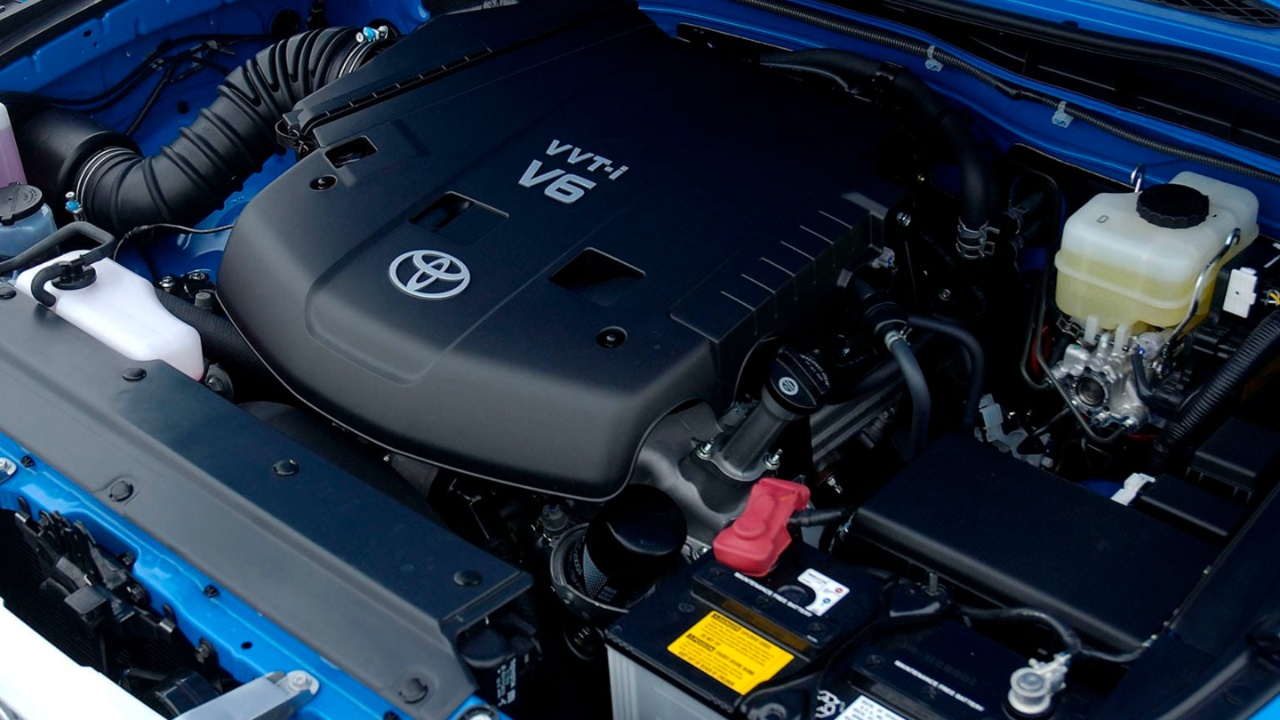
The Toyota 4.0L V6 (1GR-FE), introduced in 2002, is widely regarded as one of the most reliable modern gasoline engines, particularly in mid-size trucks and SUVs such as the Tacoma, Hilux, 4Runner, and FJ Cruiser. Designed for durability in harsh environments, it has become a benchmark for commercial reliability, with many engines surpassing 300,000 miles under routine maintenance.
Its reputation stems from a balance of rugged construction, conservative engineering, and a focus on long-term dependability rather than peak performance. This makes it especially well-suited for mobile service work, off-road use, and high-utilization industries where reliability is critical.
A major strength of the 1GR-FE is its robust yet efficient design. It features an aluminum alloy block reinforced with iron cylinder liners, combining reduced weight with excellent durability. Unlike many modern engines, it relies on natural aspiration instead of turbocharging, which minimizes heat, complexity, and internal stress.
The use of a timing chain instead of a belt eliminates the need for regular replacement, reducing maintenance costs and improving long-term reliability. With six-bolt main bearings and a well-engineered cooling system, the engine is capable of handling extreme temperatures and demanding workloads without significant wear.
The engine is also known for its strong low-end torque and practical performance. Rather than focusing on high horsepower, the 1GR-FE is tuned for consistent pulling power at lower RPMs, making it ideal for towing, hauling, and off-road driving.
Early versions with single VVT-i produced around 236–239 horsepower, while later dual VVT-i models increased output to about 270 horsepower with improved efficiency. Its widespread global use ensures easy access to parts and straightforward servicing, further enhancing its appeal for both commercial operators and private owners seeking long-term reliability.
Despite its strengths, the 1GR-FE has some drawbacks. Fuel consumption is relatively high compared to newer engines, and early models are known for exhaust manifold cracking. Over time, components such as the timing chain tensioner, water pump, and idler pulleys may require replacement.
Regular oil changes, cooling system maintenance, and valve adjustments are essential to prevent issues. With proper care, however, the 1GR-FE remains a highly dependable and long-lasting engine, valued for its durability, simplicity, and ability to perform consistently in demanding conditions.
Also read: 5 Engines With Easy Spark Plug Access vs 5 That Require Engine Removal
6. General Motors 6.0L Vortec V8 (LY6/L96) (2007–2019): Proven Workhorse for Commercial Fleets
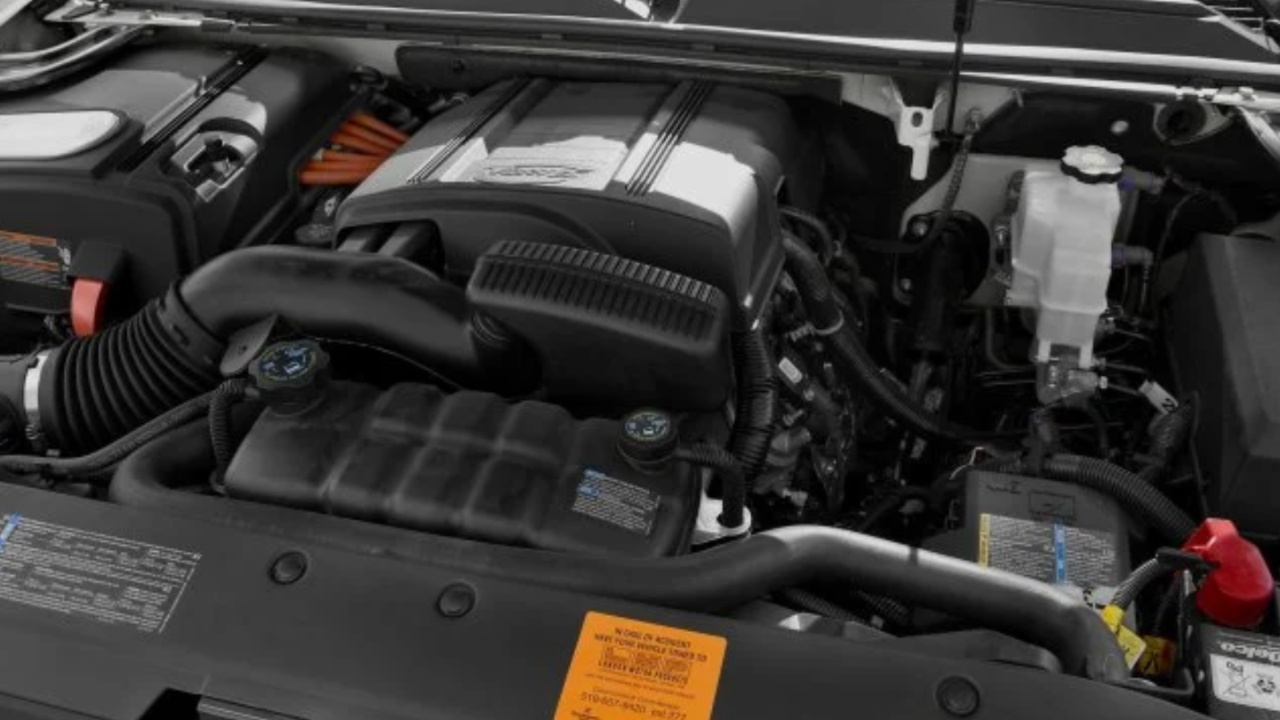
The General Motors 6.0L Vortec V8 (LY6/L96) is widely regarded as one of the most reliable modern gasoline engines for heavy-duty trucks and commercial vans. Produced from 2007 to 2019 as part of GM’s Gen IV small-block family, it powered vehicles like the Silverado, Sierra, Chevy Express, and GMC Savana.
Known for its durability under sustained loads, the 6.0L Vortec commonly reaches 250,000 to over 300,000 miles in fleet service, with many examples exceeding even higher mileage with proper maintenance. Its reputation comes from a combination of simple pushrod engineering, heavy-duty construction, and a design focused on long-term reliability rather than peak performance.
A major strength of the engine is its robust iron-block construction and commercial-grade components. Unlike lighter-duty aluminum engines, the LY6 and L96 use a cast-iron block that provides superior strength and heat resistance for towing and continuous operation.
They are equipped with durable internals, including full-floating connecting rods and high-flow, rectangle-port cylinder heads similar to those found in performance-oriented LS engines. The L96 variant also features hardened valve seats, making it suitable for alternative fuels such as compressed natural gas (CNG) or propane. These features ensure the engine can withstand demanding workloads without excessive wear.
The 6.0L Vortec also benefits from simple, reliable engineering choices. Its pushrod (overhead valve) design reduces the number of moving parts compared to overhead-cam engines, improving durability and ease of maintenance. It uses port fuel injection instead of direct injection, avoiding carbon buildup issues and simplifying repairs.
Importantly, most LY6 and L96 engines do not use Active Fuel Management (AFM), a system known for causing lifter failures in other GM engines. Variable Valve Timing (VVT), introduced in the LY6, improves efficiency and performance without significantly compromising reliability.
While highly durable, the engine does have some common issues. Exhaust manifold bolts can break, lifter noise may develop over time, and oil consumption can increase at very high mileage. Fuel economy is also relatively poor, and factory tuning prioritizes torque over horsepower.
Despite these drawbacks, the 6.0L Vortec remains a dependable and easy-to-service engine. Its strong construction, minimal complexity, and proven performance in demanding fleet environments make it a top choice for work trucks, towing applications, and long-term commercial use.
7. Volkswagen 1.9L TDI ALH (1998–2006): Exceptional Efficiency and Long-Distance Durability
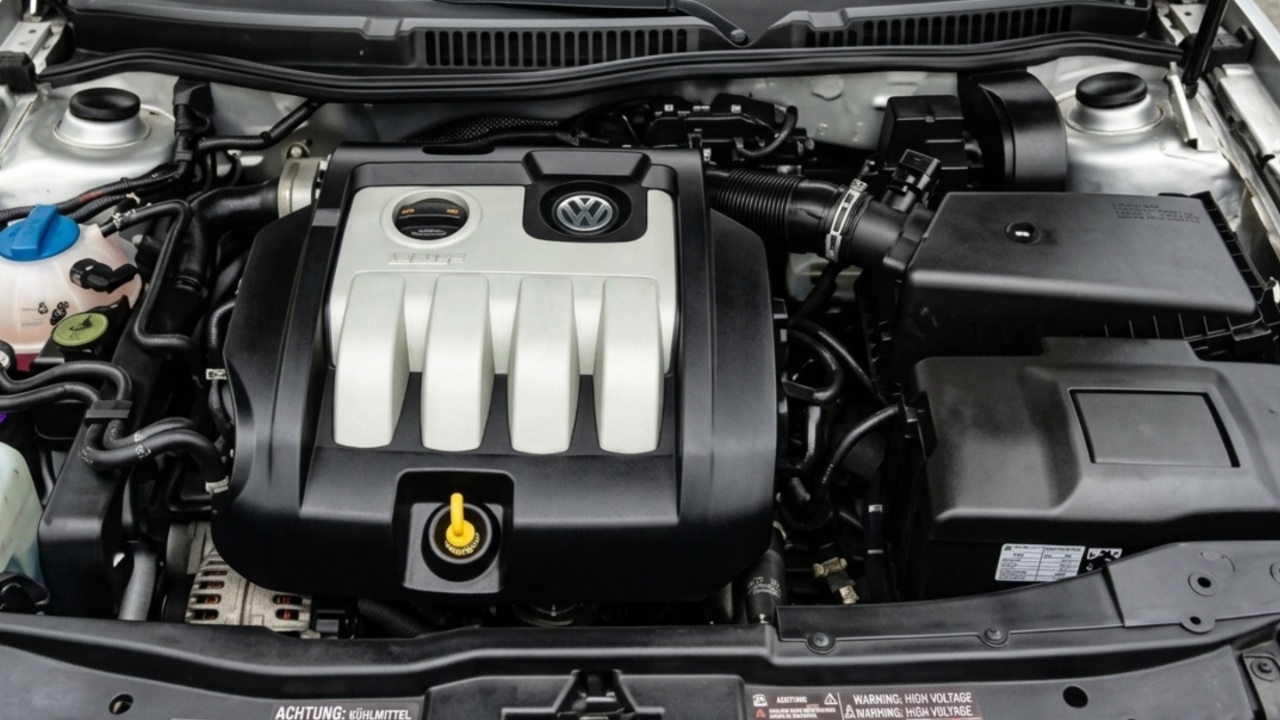
The Volkswagen 1.9L TDI (ALH), produced from 1998 to 2006, is widely regarded as one of the most efficient and durable diesel engines ever built for light-duty and commercial use. Commonly found in models like the Golf, Jetta, and New Beetle, the ALH earned a reputation as a long-distance workhorse capable of exceeding 500,000 kilometers and, in many cases, over 300,000 miles with proper maintenance.
Its success lies in a balance of simple engineering, low-stress performance, and outstanding fuel economy, making it a favorite for delivery drivers, commuters, and fleet operators seeking low operating costs and high reliability.
A key factor behind the ALH’s reliability is its simple and robust design. It features a cast-iron block, durable internal components, and a Bosch VP37 rotary injection pump that is less complex than modern high-pressure common-rail systems. This setup reduces the number of failure points and simplifies maintenance.
Unlike newer diesel engines, the ALH lacks complex emissions systems such as diesel particulate filters or AdBlue, helping it avoid common issues like carbon buildup and sensor failures. Its turbocharged setup, paired with conservative tuning, ensures dependable operation without placing excessive stress on internal components.
The engine is also known for its exceptional fuel efficiency and practical performance. Producing around 90 horsepower and 155 lb-ft of torque, the ALH prioritizes reliability and economy over speed. It frequently achieves 45–50+ mpg, with some drivers reporting even higher figures on highway drives.
This efficiency allows for extended driving ranges, often exceeding 800 miles per tank, making it ideal for long-distance travel and delivery work. Despite modest stock power, the engine has strong aftermarket support, allowing for significant performance gains while maintaining reliability when properly upgraded.
Despite its strengths, the ALH requires careful maintenance to reach high mileage. The timing belt must be replaced regularly, as failure can cause severe engine damage. Intake manifold clogging from EGR use, aging vacuum lines affecting turbo performance, and weaker automatic transmissions are common concerns.
Best suited for highway driving, the engine performs less efficiently in short-trip conditions. With proper care, however, the ALH remains a highly dependable, fuel-efficient engine known for its longevity, simplicity, and low cost of ownership.
8. Honda 2.4L K-Series (K24) (2001–2022): Efficient and Overbuilt Engine for High-Mileage Use
The Honda 2.4L K-Series (K24) is widely regarded as one of the most reliable and versatile four-cylinder engines ever produced. Used in popular models such as the Accord, CR-V, and Element, it has become a favorite for high-mileage applications like courier services and medical transport due to its durability, efficiency, and low operating costs.
Known for regularly exceeding 200,000 to 300,000 miles with proper maintenance, the K24 combines lightweight construction with overbuilt internal components, allowing it to perform reliably under constant stop-and-go driving conditions. Its strong reputation comes from a balance of practical performance, simple design, and long-term dependability.
A key strength of the K24 lies in its robust internal design and engineering. The engine features an aluminum block with iron cylinder liners, providing both weight savings and durability. Its bottom end is notably overbuilt, with strong connecting rods, pistons, and a forged crankshaft capable of handling more power than the engine produces in stock form.
This built-in safety margin reduces stress on internal components, contributing to extended engine life. The use of a durable timing chain instead of a belt further enhances reliability by eliminating the need for regular replacement, while high-flow oil passages and efficient cooling systems help prevent overheating and reduce wear over time.
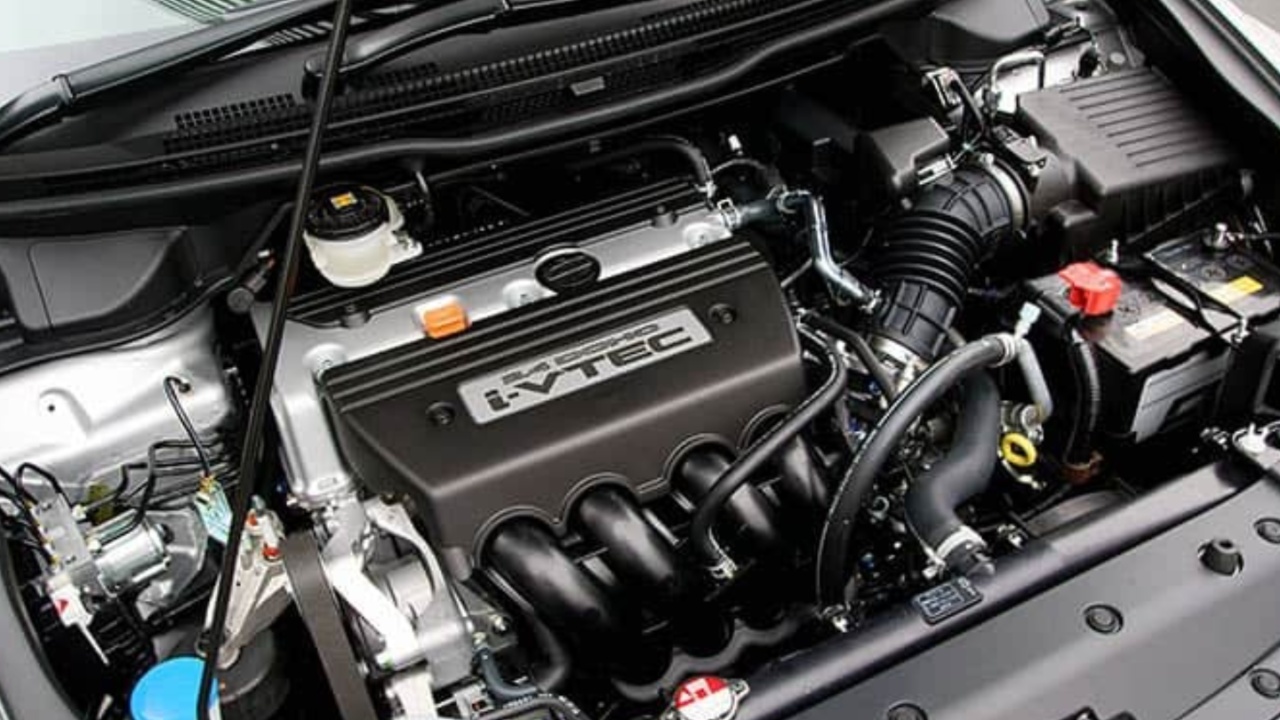
The K24 also benefits from efficient performance and a reliable i-VTEC system. Honda’s intelligent variable valve timing delivers a broad power band, combining good low-end torque with smooth high-RPM operation. While not designed as a high-performance engine in stock form, it offers consistent power delivery and excellent fuel efficiency, making it ideal for daily driving and commercial use.
Its widespread use across multiple Honda models ensures that replacement parts are readily available and affordable, simplifying maintenance and reducing downtime for fleet operators and individual owners alike.
Despite its reliability, the K24 has minor issues such as oil leaks from seals, occasional valve noise, and vibrations in some variants. However, these are typically manageable with routine maintenance. With proper care, the K24 remains a dependable, long-lasting engine, valued for its durability, efficiency, and ability to handle both everyday driving and high-mileage commercial demands.
9. Ford 7.3L Power Stroke Diesel (1994.5–2003): Legendary Durability for Heavy-Duty Work
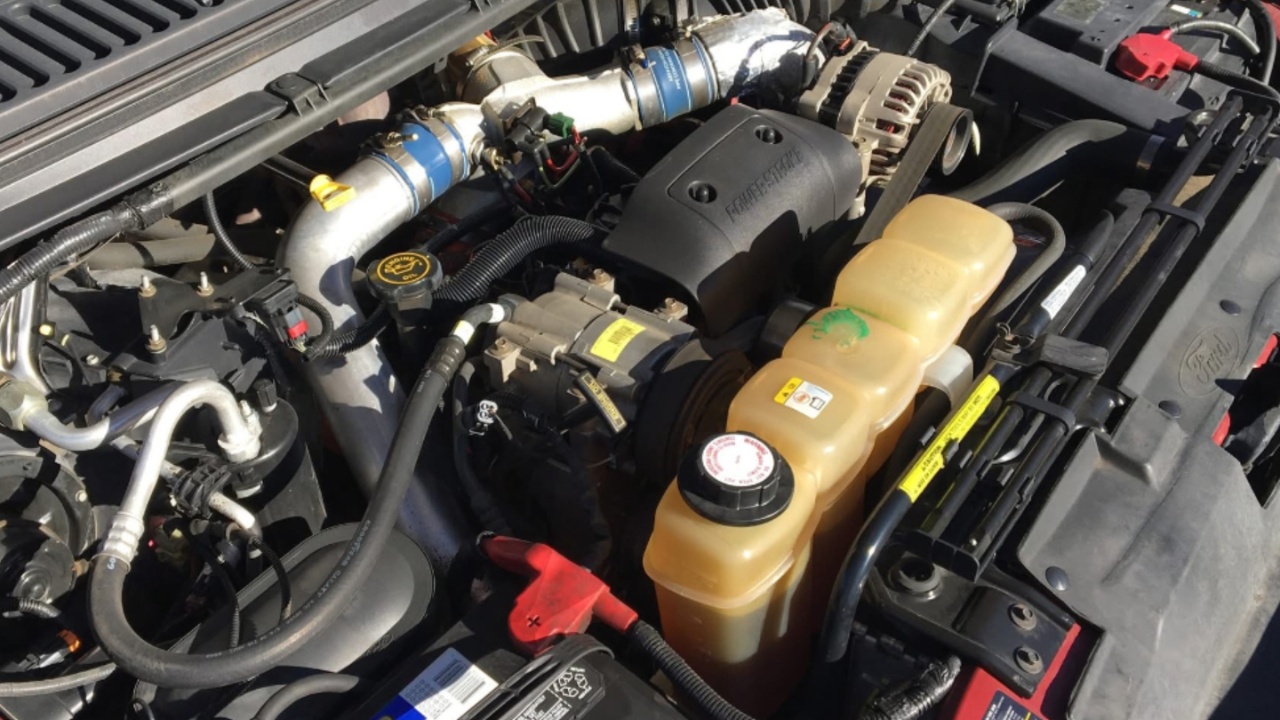
The Ford 7.3L Power Stroke Diesel, produced from 1994.5 to 2003, is widely considered one of the most reliable diesel engines ever used in heavy-duty trucks. Developed by International Navistar, it played a major role in establishing Ford’s reputation in the commercial truck market.
Designed with medium-duty applications in mind, the engine features a massively durable cast-iron block and cylinder heads, allowing it to handle extreme stress with ease.
When used in pickup trucks, ambulances, and work vehicles, it operates well below its limits, contributing to its reputation for longevity. Many examples exceed 400,000 to 500,000 miles with proper maintenance, making it a top choice for operators requiring long-term durability.
A major reason for the engine’s reliability is its simple and overbuilt design. The 7.3L uses a Hydraulic Electronic Unit Injector (HEUI) system, which, while noisier than modern systems, is known for its durability and ability to withstand long-term use. Unlike newer diesel engines, it lacks complex emissions components such as EGR valves, diesel particulate filters, and DEF systems.
This absence eliminates many common failure points and reduces maintenance costs. Internally, the engine is built with forged steel connecting rods and a heavy-duty crankshaft, ensuring it can handle high loads and sustained operation without significant wear.
The engine is also valued for its strong low-end torque and practicality in commercial use. Although its horsepower figures are modest by modern standards, ranging from around 210 to 250 horsepower, it produces ample torque for towing and hauling heavy loads.
This makes it ideal for consistent work rather than high-speed performance. Its relatively simple layout and spacious engine bay make repairs easier and more accessible, reducing downtime for fleet operators. Fuel economy is also respectable for its size, often reaching 17–19 mpg under certain conditions.
Despite its strengths, the 7.3L Power Stroke has some known issues. The HEUI system’s high-pressure oil pump and injectors can fail over time, and the factory 4R100 automatic transmission may struggle under heavy loads without upgrades.
Cold-weather starting can also be challenging without a properly functioning glow plug system. With proper care, however, the 7.3L remains a dependable and long-lasting engine, valued for its simplicity, strength, and proven ability to perform in demanding environments.
10. Cummins 6.7L Turbocharged Diesel (2007–Present): Modern Heavy Duty Power with Proven Longevity
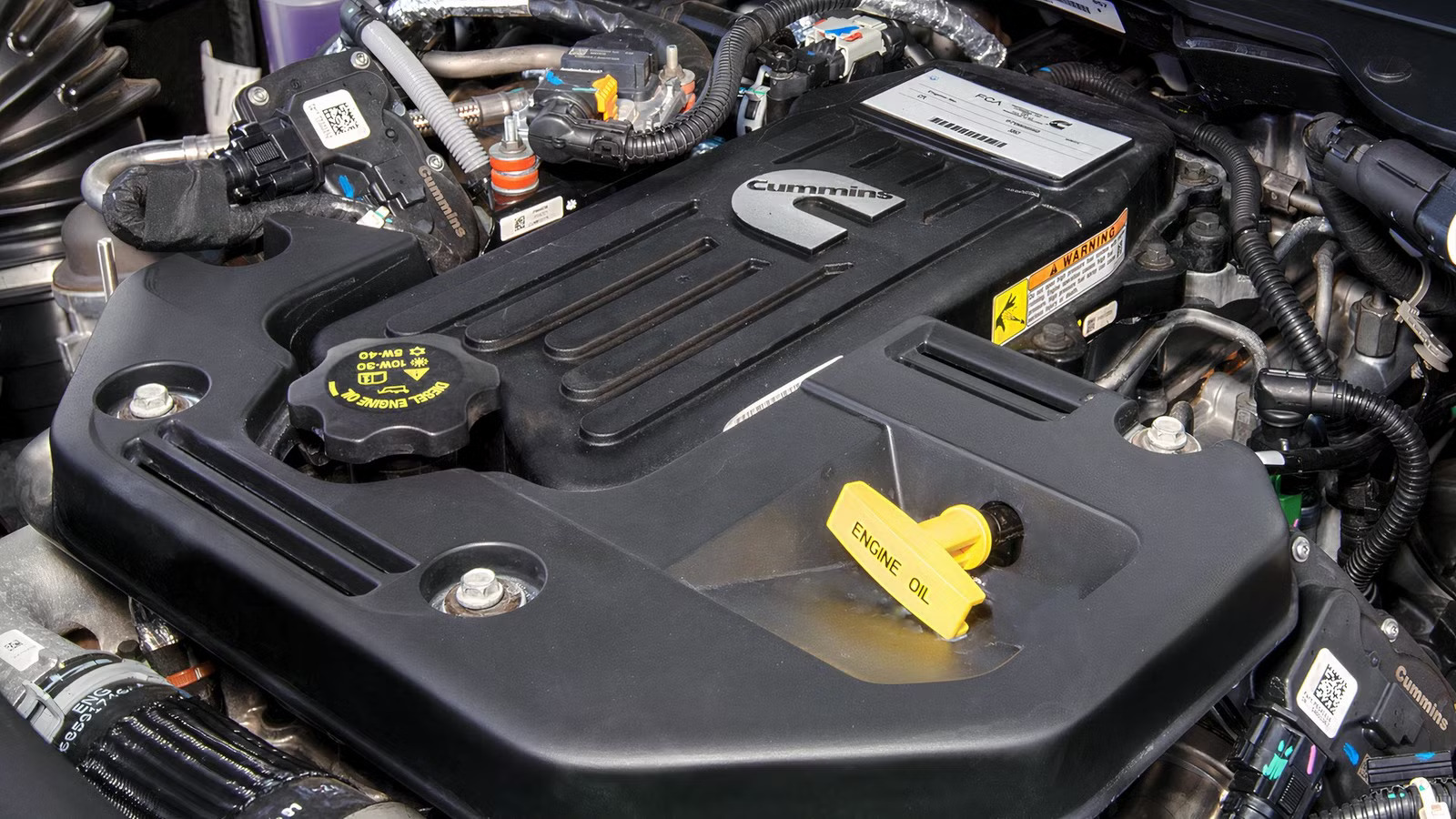
The Cummins 6.7L Turbocharged Diesel is widely regarded as one of the most capable and durable modern diesel engines for commercial hauling and heavy-duty applications. As the successor to the legendary 5.9L Cummins, it continues the brand’s reputation for long-lasting performance while incorporating newer technology to meet modern demands.
Built with a compacted graphite iron (CGI) or cast-iron block and a cast-iron cylinder head, the engine is designed for exceptional strength and durability under extreme stress. With proper maintenance, it commonly reaches 300,000 to 500,000 miles, and in some commercial cases, even surpasses one million miles, making it a top choice for fleet operators and “hot-shot” trucking services.
A major factor behind its reliability is its robust inline-six design and heavy-duty construction. Unlike V8 competitors, the inline-six configuration provides better natural balance, reducing vibration, friction, and long-term wear on internal components.
The engine uses forged steel crankshafts and connecting rods to withstand high cylinder pressures, while its low-RPM torque delivery allows it to operate efficiently without excessive strain. Producing up to 1,075 lb-ft of torque in modern high-output versions, it excels at towing massive loads, often exceeding 30,000 pounds. This “low-rev, high-torque” philosophy minimizes stress and contributes significantly to engine longevity.
The 6.7L Cummins also incorporates advanced systems designed for durability and usability in commercial settings. It features a high-pressure common rail fuel system for precise fuel delivery, a Holset variable geometry turbocharger for consistent performance, and a high-capacity lubrication system that circulates large volumes of oil to reduce heat and wear.
Additional features like an integrated exhaust brake and Power Take-Off (PTO) capability enhance its practicality for industrial and towing applications. Maintenance is relatively straightforward due to accessible service points, helping reduce downtime in fleet environments.
Despite its strengths, the engine’s modern emissions equipment introduces complexity. Components such as the diesel particulate filter (DPF) and exhaust gas recirculation (EGR) system can clog and require regular maintenance. Some newer models also use the CP4 fuel pump, which has known reliability concerns compared to earlier versions.
Other potential issues include head gasket stress under high load and occasional lifter wear. When properly maintained, however, the 6.7L Cummins remains one of the most reliable and powerful diesel engines available today, combining modern capability with long-term durability.
The engines featured in “10 Most Reliable Engines for High Mileage Commercial Use” demonstrate the importance of strong design, quality materials, and consistent maintenance in achieving long service life. Each engine stands out for its ability to handle demanding conditions while maintaining dependable performance across hundreds of thousands of miles.
Whether through mechanical simplicity, efficient fuel delivery, or heavy-duty construction, these engines have proven themselves in real-world applications where reliability is essential. They also show that longevity is not limited to one type of engine, as both gasoline and diesel platforms can achieve impressive results when properly engineered.
For commercial users, selecting a reliable engine can reduce downtime, lower operating costs, and improve productivity. For enthusiasts, these engines serve as enduring examples of engineering built to last, continuing to influence how reliability is measured in modern vehicles today.
Also read: 10 Engines Known for Crossing 400,000 Miles With Routine Service