
The experience of owning a vehicle does not depend only on how well it is built. It also depends heavily on what happens after the purchase, especially when the car needs maintenance or repairs.
Service centers play a major role in shaping how owners feel about a brand. A good service experience can build loyalty for decades, while a bad one can permanently damage trust even if the vehicle itself is well engineered.
Some automotive brands have developed a reputation for transparency in their service networks. These companies often emphasize clear communication, predictable maintenance schedules, and realistic repair recommendations.
Customers frequently report that these service departments focus on fixing actual problems instead of searching for additional billable work. This approach creates long term customer relationships instead of short term profit opportunities.
On the other hand, there are brands whose service networks sometimes receive criticism for aggressive upselling practices.
These may include suggesting premature part replacements, pushing expensive service packages, or recommending maintenance items that are not immediately necessary. While not every dealer operates this way, repeated owner experiences have created broader perceptions about certain brands.
It is important to understand that service experiences can vary by location, management, and technician culture.
Not every service center under a particular brand will behave the same way. However, patterns do emerge based on training practices, corporate policies, and dealership business models. These patterns are what shape public perception.
I am writing about this topic because many buyers focus heavily on purchase price and reliability ratings but underestimate the importance of service culture. Over five or ten years of ownership, the honesty and approach of a service department can affect total ownership cost as much as the vehicle itself.
This comparison will first highlight five brands that are often associated with straightforward service practices and customer focused maintenance recommendations.
After that, we will examine five brands that have frequently been associated with more aggressive service sales tactics based on owner discussions and industry observations.
The goal is not to criticize any manufacturer unfairly but to help owners understand how service philosophy can impact the ownership journey.
Also Read: 5 Vehicles With High Step‑In Heights for Seniors vs 5 That Are Easy to Enter
5 Brands With Honest Service Centers
Some brands have built their reputations not only through product reliability but also through how they treat customers after the sale.
These manufacturers often understand that long term trust produces repeat buyers. Instead of focusing on maximizing every service visit, they emphasize consistency, transparency, and predictable ownership costs.
This section focuses on brands frequently praised for straightforward service communication. Customers often mention clear explanations, maintenance plans that match factory recommendations, and fewer surprise charges.
These brands also tend to benefit from strong reliability, which naturally reduces the need for questionable repair recommendations.
Another reason these companies stand out is because their service culture often reflects their engineering philosophy. Brands that prioritize durability often also emphasize practical service routines rather than complicated repair strategies. This alignment between product and service helps build credibility.
I am highlighting these brands because many buyers underestimate how valuable an honest service experience can be. Avoiding unnecessary repairs over years of ownership can save significant money and reduce frustration.
The following brands represent companies often associated with more customer focused service experiences based on long term ownership discussions.
1. Toyota
Toyota’s reputation for honest service practices did not happen by accident. It is closely connected to the company’s broader philosophy of long term reliability and customer retention. When a manufacturer builds vehicles known for durability, the service experience naturally becomes more focused on maintenance rather than constant repairs.
One of the main reasons Toyota appears in this discussion is because of how structured their maintenance schedules tend to be.
Service advisors often rely heavily on factory recommended intervals rather than pushing additional procedures without explanation. Owners frequently report being told what can wait rather than being pressured to approve everything immediately.
This brand also benefits from having a customer base that often values practicality over prestige. Because many Toyota buyers plan to keep their vehicles for long periods, dealerships often focus on maintaining trust instead of maximizing single visit revenue. Repeat business becomes more valuable than short term gains.
When vehicles rarely suffer catastrophic failures, service departments spend more time performing predictable work such as fluid changes, brake servicing, and inspections. This reduces the temptation to recommend unnecessary repairs.
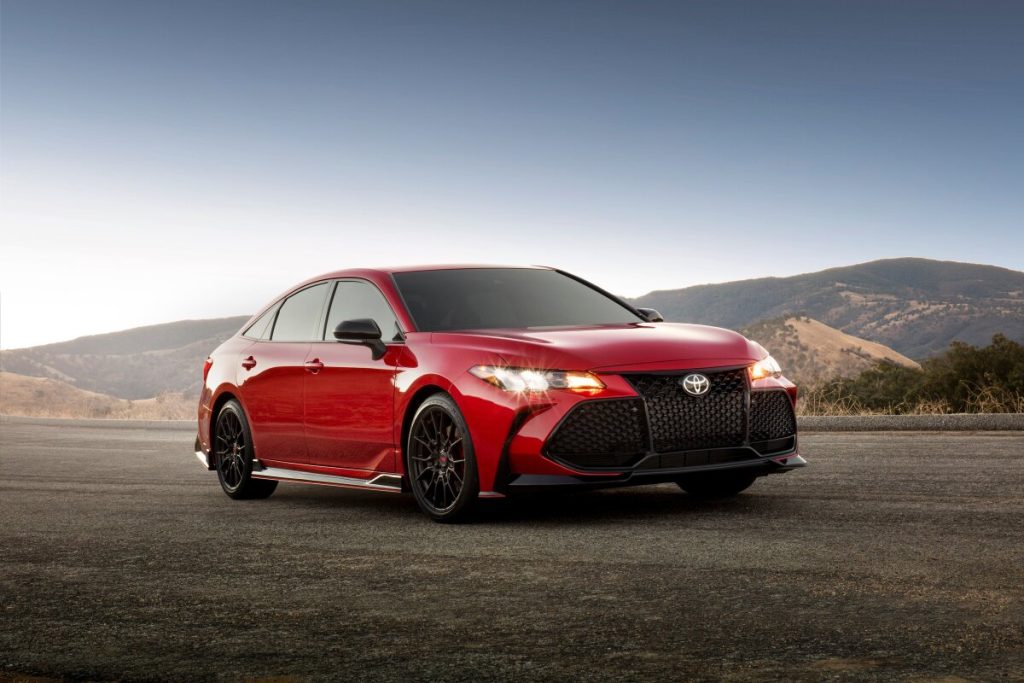
Another factor worth mentioning is the relatively straightforward mechanical design of many Toyota vehicles. Simpler engineering often means clearer repair needs and easier explanation to customers. This transparency contributes to the perception of honesty.
This does not mean every Toyota service center is perfect. However, the overall pattern of owner experiences often includes comments about reasonable recommendations and lower pressure compared to some competitors.
Toyota earns its place here because it demonstrates how a brand can build trust not only through what it sells, but also through how it maintains those products over time.
2. Honda
Honda has long positioned itself as a brand focused on engineering efficiency and mechanical clarity. This mindset often carries over into how its service departments approach customer interactions. Many Honda owners report service visits that feel more educational than sales driven.
One of the reasons Honda stands out is the consistency of its maintenance philosophy. Many service advisors tend to explain why a repair is necessary instead of simply presenting a bill. This difference may seem small, but it significantly affects how customers perceive honesty.
This brand is also known for engines and transmissions that, when properly maintained, tend to avoid frequent major failures. Because of this, Honda service centers often spend more time performing preventative maintenance than suggesting expensive corrective repairs. This creates a calmer ownership experience.
I chose to include Honda because it reflects how brand identity can shape service behavior. Honda built its image around mechanical efficiency and smart engineering, and this often translates into service departments that focus on keeping cars running properly rather than maximizing repair invoices.
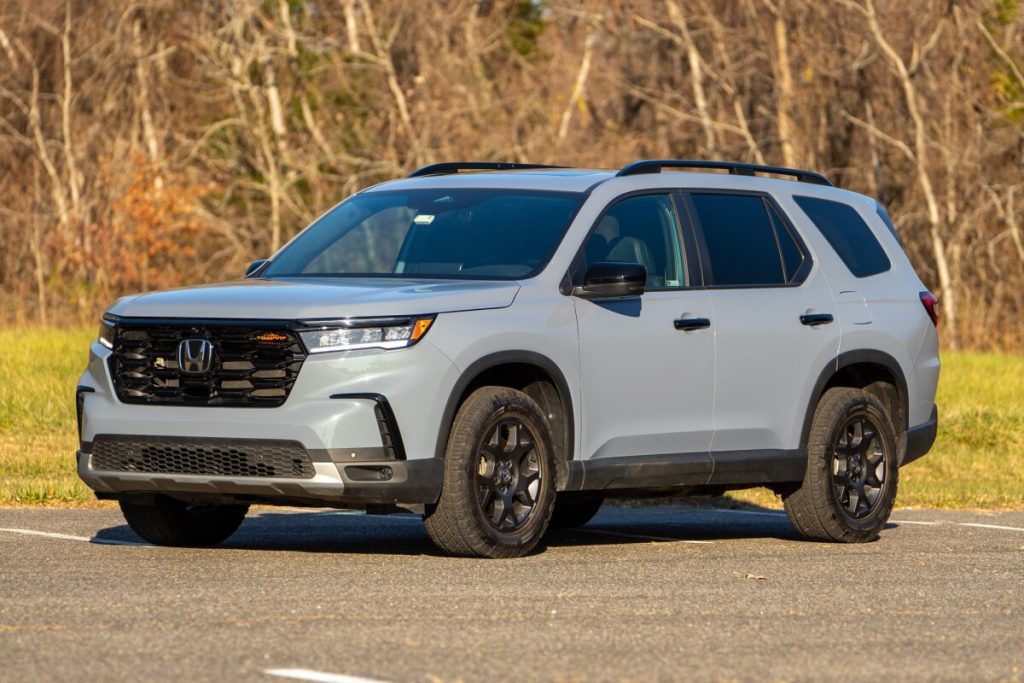
Another interesting observation comes from owner loyalty. Honda customers often buy multiple vehicles from the same brand. Dealerships understand this and frequently prioritize long term satisfaction over aggressive sales tactics.
Technician accessibility is another factor. Some Honda service departments allow clearer communication between technicians and customers compared to more layered luxury service environments. This can reduce misunderstandings about what work is actually necessary.
Honda appears in this list because it shows how a reputation for engineering discipline can influence how customers are treated long after the purchase is complete.
3. Subaru
Subaru occupies a unique place in the automotive world because its customers often buy into the brand for lifestyle reasons rather than pure transportation needs.
Many owners are loyal because of the company’s all wheel drive systems and practical vehicle designs. This type of customer relationship often encourages service departments to focus on trust rather than aggressive sales behavior.
One reason Subaru frequently appears in conversations about straightforward service experiences is the strong connection between owners and dealerships.
Subaru buyers often return to the same service centers for years, creating relationships that feel more personal than transactional. When customers are likely to return regularly, honesty becomes a more sustainable business strategy.
I am highlighting Subaru because the brand shows how customer demographics can influence service culture. Subaru owners often research maintenance needs carefully and tend to be well informed.
This makes it harder for service centers to recommend unnecessary repairs without scrutiny, which naturally encourages more transparent communication.
Another important aspect is how Subaru maintenance tends to follow predictable patterns. While certain engines have known service needs such as gasket monitoring or fluid servicing, these issues are well documented and rarely presented as surprises. This predictability contributes to the perception of fairness.
It is also worth mentioning how Subaru dealerships often emphasize safety inspections and seasonal preparation rather than pushing cosmetic or optional services. Many owners mention being advised about tire condition, brake wear, and fluid life without feeling pressured to authorize immediate work.
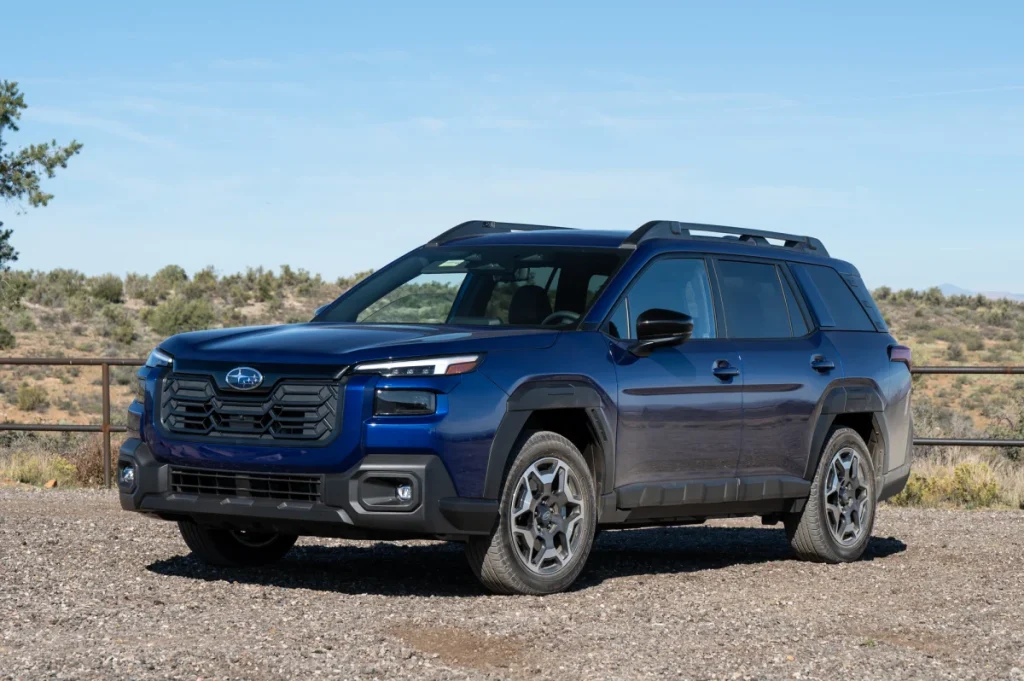
Subaru earns its place here because it demonstrates how a brand built around practicality often extends that same practicality into its service operations. The focus often appears to be on keeping vehicles road ready rather than maximizing invoices.
This does not mean every owner will have the same experience, but the pattern of feedback frequently reflects a service culture that values long term relationships over short term profit.
4. Mazda
Mazda is often discussed as a brand that quietly delivers premium feeling vehicles without adopting the complicated service structures seen in luxury segments. This philosophy frequently carries into its dealership service departments, where many customers report straightforward maintenance experiences.
One of the main reasons Mazda appears in this category is because of how it positions itself between mainstream and premium markets. Because the brand competes on value and driving quality rather than prestige alone, service departments often reflect that same balance by avoiding overly aggressive repair recommendations.
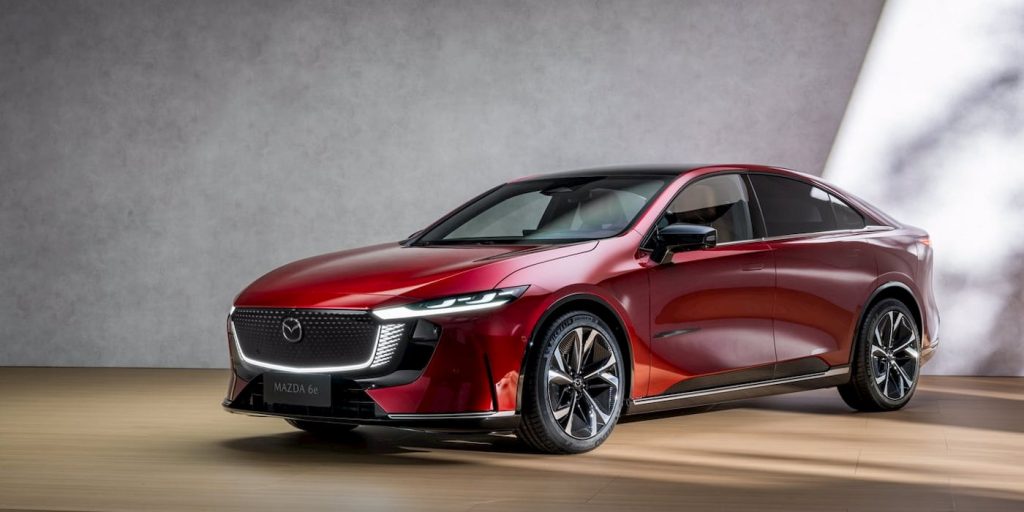
I am including Mazda because it represents a brand that understands perception. Customers choosing Mazda often compare it with Honda and Toyota, and dealerships seem aware that trust plays a major role in retaining those buyers. Transparent pricing and realistic maintenance advice often become part of that retention strategy.
Another detail that deserves attention is Mazda’s approach to engineering simplicity in many of its engines. By avoiding excessive turbocharging in certain generations and focusing on naturally aspirated efficiency, the company created vehicles that often require fewer complex repairs. This naturally reduces opportunities for questionable upselling.
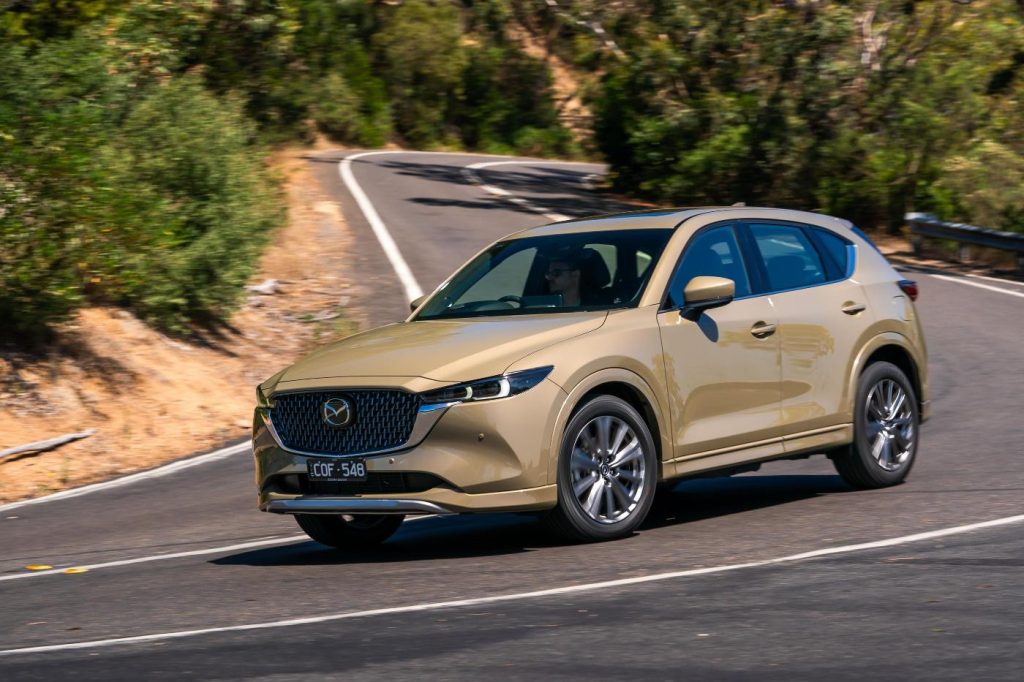
Customer experience reports also frequently mention that Mazda service visits feel less corporate and more conversational. Some owners describe advisors who explain maintenance priorities in stages rather than presenting everything as urgent. This type of communication helps customers plan expenses instead of feeling pressured.
Mazda also benefits from being a smaller global brand compared to giants like Toyota. This sometimes results in dealership networks that try harder to build customer loyalty because they cannot rely purely on brand volume.
This brand deserves mention because it shows how thoughtful positioning and realistic product design can influence how customers are treated after the sale.
5. Lexus
Lexus built its entire global identity around customer treatment, and that philosophy extends strongly into its service departments. Unlike many luxury brands that focus primarily on performance or prestige, Lexus placed equal importance on ownership experience.
This decision is one of the main reasons it often receives praise for fair and respectful service interactions.
One reason Lexus frequently stands out is because its service process often feels structured around clarity. Customers are usually given detailed inspection reports, visual explanations of wear items, and realistic timelines for future maintenance instead of being pushed toward immediate high cost repairs without context.
While the labor rates may still reflect a premium brand, many owners report that service advisors tend to prioritize accuracy over urgency. This makes a significant difference in how customers evaluate the brand long term.
Another factor is the company’s emphasis on preventative maintenance rather than reactive repair culture. Since many Lexus vehicles share proven Toyota engineering foundations, they often require fewer unexpected repairs. This naturally shifts the service conversation toward maintenance planning rather than damage control.
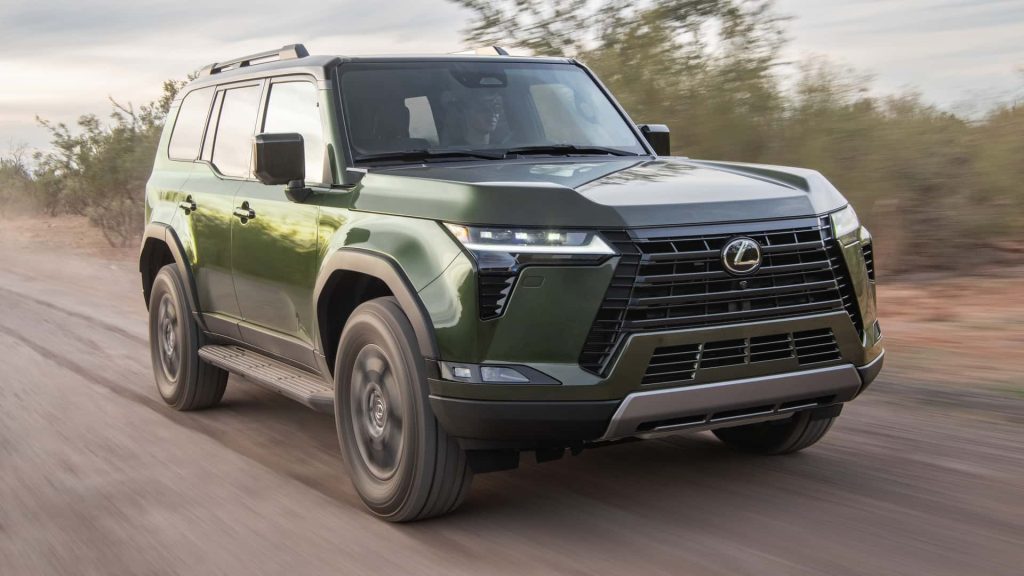
There is also a hospitality element that shapes perception. Lexus dealerships often invest heavily in customer comfort, scheduling efficiency, and clear communication. While these details may seem cosmetic, they reinforce a sense that the brand values relationships rather than one time transactions.
This brand belongs in this discussion because it proves that a luxury service experience does not have to rely on aggressive selling to remain profitable. Instead, it can be built on consistency and customer satisfaction. Lexus shows that honesty itself can be part of a premium experience.
5 Known for Aggressive Upselling
While many service departments operate with integrity, some brands have developed reputations where customers frequently report being encouraged to approve additional services. This does not mean every dealership behaves the same way, but repeated patterns of customer experiences have shaped perceptions over time.
Aggressive upselling can take many forms. Sometimes it involves recommending early replacement of parts that still have useful life.
In other cases, it may involve suggesting bundled service packages that exceed factory requirements. Some owners also report feeling pressure to authorize diagnostic work that may not always be necessary.
I am writing this section because service strategy often reflects business structure. Brands with higher repair complexity or premium positioning sometimes rely more heavily on service revenue. When vehicles become technologically advanced, diagnosing and maintaining them becomes more expensive, which can encourage a more sales focused service environment.
It is also important to understand that aggressive upselling does not automatically mean dishonesty. Sometimes service advisors are trained to recommend best case maintenance rather than minimum necessary work. However, the difference between helpful advice and unnecessary pressure is what shapes customer perception.
Another reason this topic matters is because many buyers enter ownership without understanding how dealership service departments generate profit. Vehicle sales margins can be small, which makes service operations financially important. This economic reality sometimes influences how maintenance is presented.
The following brands are included not because every service center behaves aggressively, but because owner discussions often include complaints about pressure to approve additional work.
Understanding these patterns helps customers ask better questions and make more informed service decisions.
1. BMW
BMW has long been associated with performance engineering and advanced technology, but these same qualities sometimes contribute to customer complaints about service upselling. Owners often report being presented with extensive recommended service lists, particularly as vehicles age beyond warranty periods.
One reason BMW appears in this section is because of how complex many of its vehicles are. Turbocharged engines, advanced cooling systems, electronic driver aids, and performance components create many potential service points. This gives service departments more opportunities to recommend preventative replacements.
I am discussing BMW because it represents a brand where the line between preventative care and profit opportunity can sometimes become blurred in customer perception. Owners sometimes report being advised to replace multiple components simultaneously to avoid future labor overlap, which can significantly increase a single visit cost.
Another factor is the premium ownership expectation. Customers who buy performance luxury vehicles often expect perfection, and service departments may recommend replacing parts earlier to maintain that standard. While technically justifiable in some cases, this can feel excessive to cost conscious owners.
There is also the issue of specialized diagnostics. BMW vehicles often require brand specific tools and procedures, which can make independent second opinions more difficult. This can leave some customers feeling dependent on dealership recommendations.
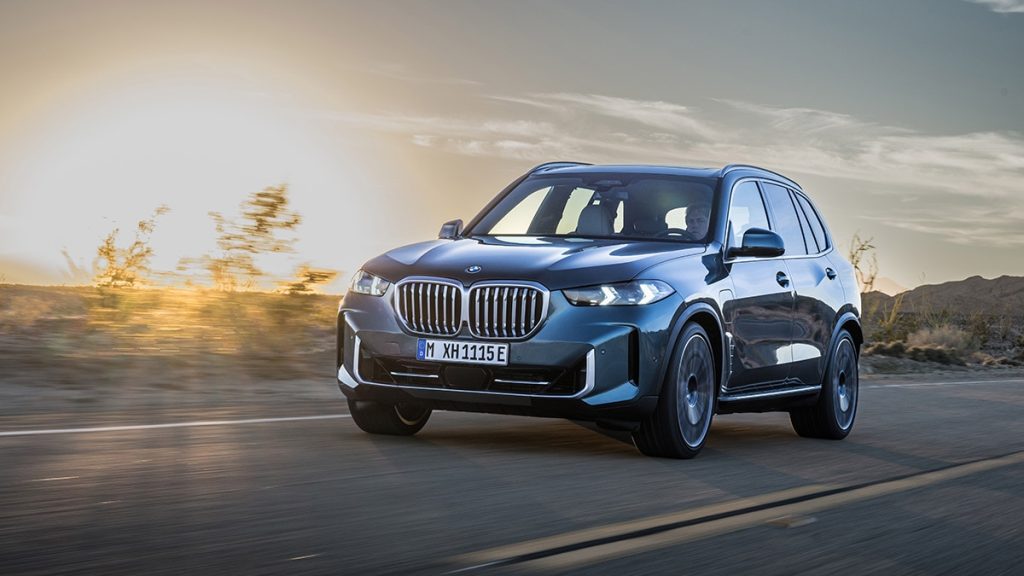
BMW earns its place here because it shows how performance focused engineering can sometimes create service environments where recommendations feel extensive even when technically reasonable.
For informed owners who ask detailed questions and understand maintenance priorities, this environment can be manageable. For others, it can feel financially overwhelming.
2. Mercedes-Benz
Mercedes Benz service departments are often praised for professionalism, but they also frequently appear in discussions about expensive recommended services. This perception often comes from the brand’s focus on maintaining luxury standards throughout the ownership lifecycle.
One of the main reasons Mercedes appears here is because its vehicles often include a large number of comfort and technology systems. Maintaining these systems at peak condition can require frequent calibration, software updates, and component inspections. These needs sometimes translate into long service estimates.
I am including Mercedes because it demonstrates how brand positioning influences service conversations. A company that markets engineering excellence often encourages service practices designed to preserve that image. This can result in recommendations that exceed basic transportation needs.
Another pattern sometimes mentioned by owners is bundled maintenance suggestions. Instead of addressing single issues, service departments may recommend complete service packages. While efficient from a workshop perspective, this approach can increase immediate costs.
There is also a psychological factor involved. Customers visiting a luxury dealership environment may already expect higher expenses, which can make them more likely to approve suggested work without questioning necessity.
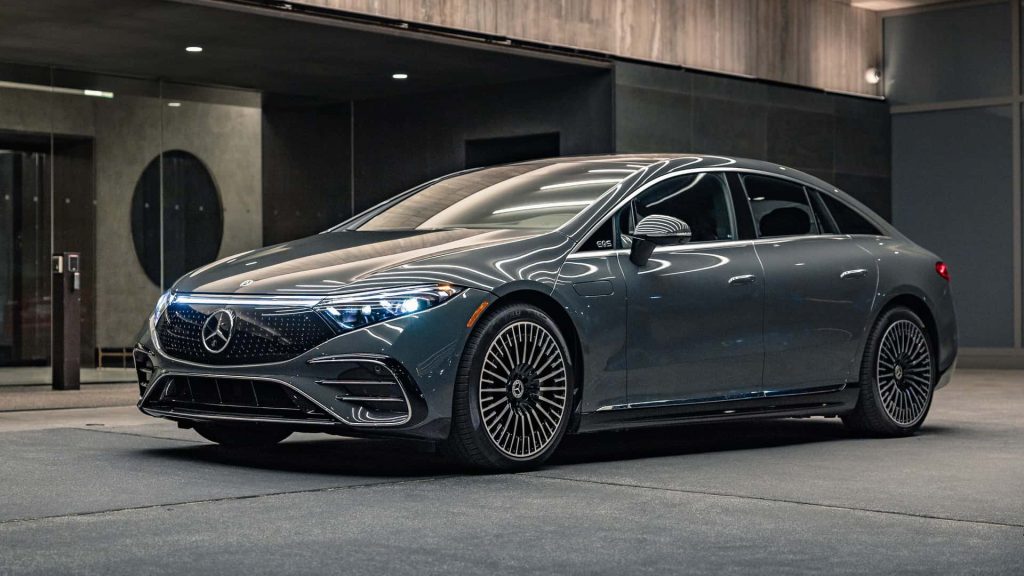
Mercedes belongs in this section because it highlights how premium engineering and premium service expectations often go together. Whether this is viewed as thorough care or aggressive selling often depends on the customer’s expectations.
Understanding this dynamic helps owners approach service visits with clearer priorities and better preparation.
3. Audi
Audi represents a brand where technology is often at the center of the ownership experience. From digital interiors to complex all wheel drive systems and tightly packaged turbocharged engines, Audi vehicles are known for engineering sophistication.
However, that same sophistication sometimes contributes to complaints about extensive service recommendations.
One reason Audi appears in this discussion is because modern Audi vehicles contain a large number of interconnected electronic systems. When a vehicle is built this way, diagnosing even small issues can involve multiple inspection steps. Customers sometimes arrive expecting a simple fix and leave with a list of suggested preventative work.
I am writing about Audi because it highlights how advanced design can change the nature of service visits. Owners often report being advised to address potential wear items early to avoid labor duplication later.
While this approach can make technical sense, the total estimate can sometimes feel overwhelming when presented all at once.
Another issue occasionally discussed among owners is carbon buildup cleaning on certain direct injection engines. Service centers may recommend these procedures as preventative care even when performance symptoms are still minor. Some customers appreciate the caution, while others view it as premature.
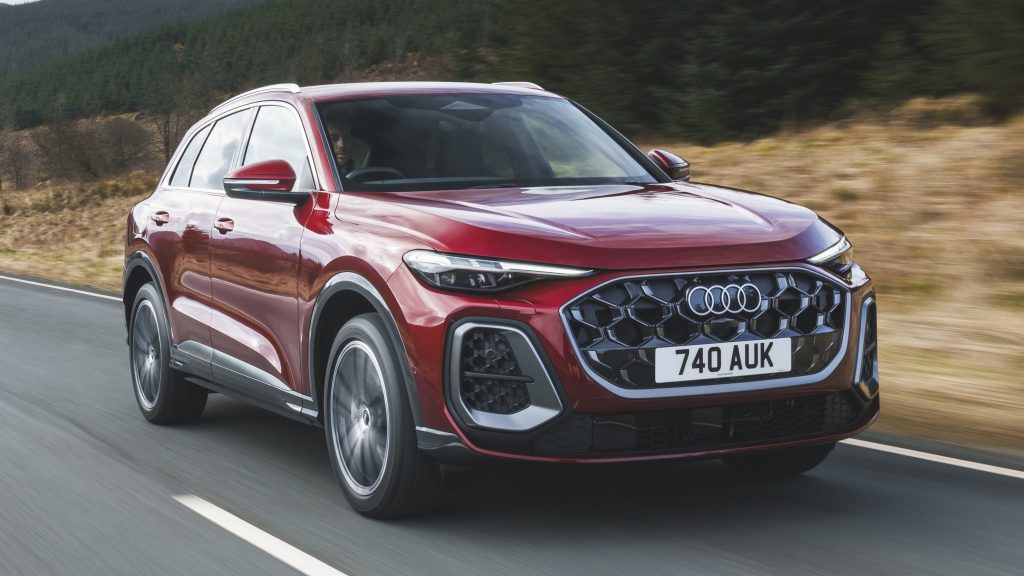
There is also the reality of premium parts pricing. Because many Audi components are engineered to tight specifications, replacement costs can remain high even as vehicles age. This sometimes reinforces the perception that dealerships are recommending expensive solutions rather than practical alternatives.
Audi deserves inclusion here because it shows how innovation can unintentionally create service environments where customers feel they must constantly invest to maintain peak condition.
For technically informed owners, these recommendations may feel like careful planning. For less experienced customers, they may feel like constant financial pressure.
4. Land Rover
Land Rover vehicles are often purchased for their design appeal and off road capability, but long term ownership discussions frequently include concerns about high service costs and frequent maintenance recommendations. This combination often places the brand in conversations about aggressive service upselling.
One reason Land Rover appears here is because of the number of systems that must work together in these vehicles. Air suspension, terrain response electronics, advanced cooling systems, and luxury features all require monitoring. When service inspections are performed, multiple items can appear on recommended service reports.
I am including Land Rover because it represents how complexity combined with inconsistent reliability history can shape service behavior.
When vehicles have known patterns of component wear, dealerships may recommend early replacements to avoid breakdowns. While this can be protective advice, it often results in large repair estimates.
Another factor is customer expectation. Buyers of premium SUVs often expect flawless performance both on road and off road. Service centers may respond by recommending work designed to prevent even minor issues. This approach can feel excessive to owners who primarily use their vehicles for city driving.
There is also the issue of parts and labor specialization. Because these vehicles are engineered differently from mainstream brands, repairs often require specialized knowledge. This can limit independent repair options and increase reliance on dealership service recommendations.
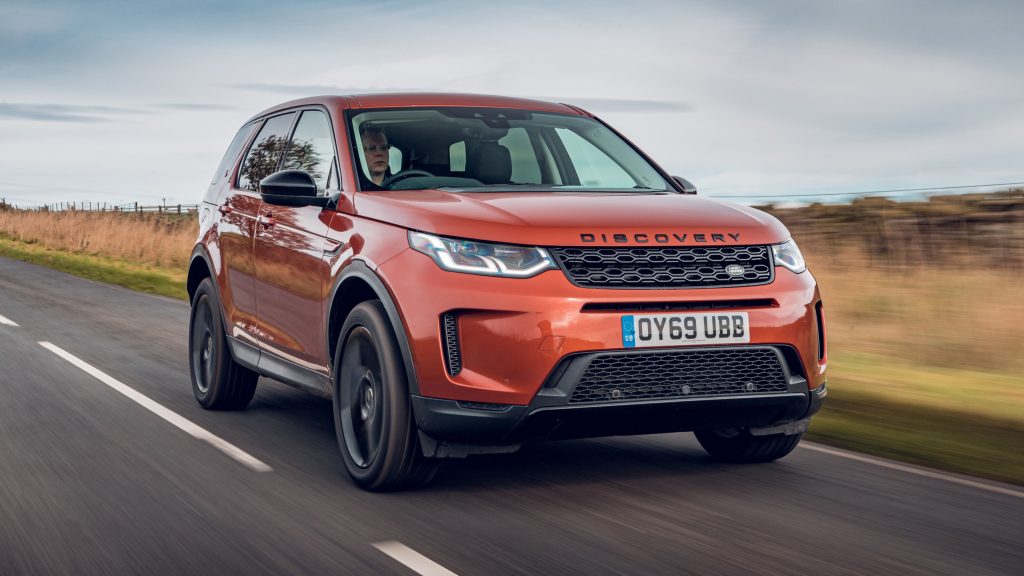
Land Rover belongs in this section because it illustrates how a brand’s history with reliability concerns can influence how aggressively service departments recommend preventative work.
Owners who understand the maintenance demands often accept this as part of the ownership experience. Others may find the constant recommendations financially tiring.
5. Porsche
Porsche is widely respected for building some of the most engaging performance cars in the world, but ownership discussions often include stories about expensive service visits and detailed maintenance recommendations.
While the engineering quality is rarely questioned, the service experience sometimes reflects the brand’s high performance identity.
One reason Porsche appears in this section is because its vehicles are built with extremely tight tolerances and performance priorities. Maintaining that level of performance often requires strict adherence to service schedules.
As a result, service centers may recommend replacing parts earlier than what would be considered acceptable in a normal passenger vehicle.
I am including Porsche because it demonstrates how performance expectations can influence maintenance philosophy.
When a car is engineered to deliver precise handling and high speed stability, even small wear items can affect how it drives. Dealerships sometimes recommend replacing these parts before clear failure signs appear.
Another important aspect is the brand’s customer profile. Many Porsche owners expect their vehicles to remain in peak condition. Service departments sometimes respond by presenting comprehensive maintenance suggestions rather than minimal repairs. While this can protect vehicle performance, it can also increase ownership costs significantly.
There is also the reality of specialized parts and labor. Porsche components are rarely inexpensive, and technicians often require specialized training. Even routine procedures can become costly simply because of the expertise involved. This environment sometimes leads customers to feel that service visits are financially intense.
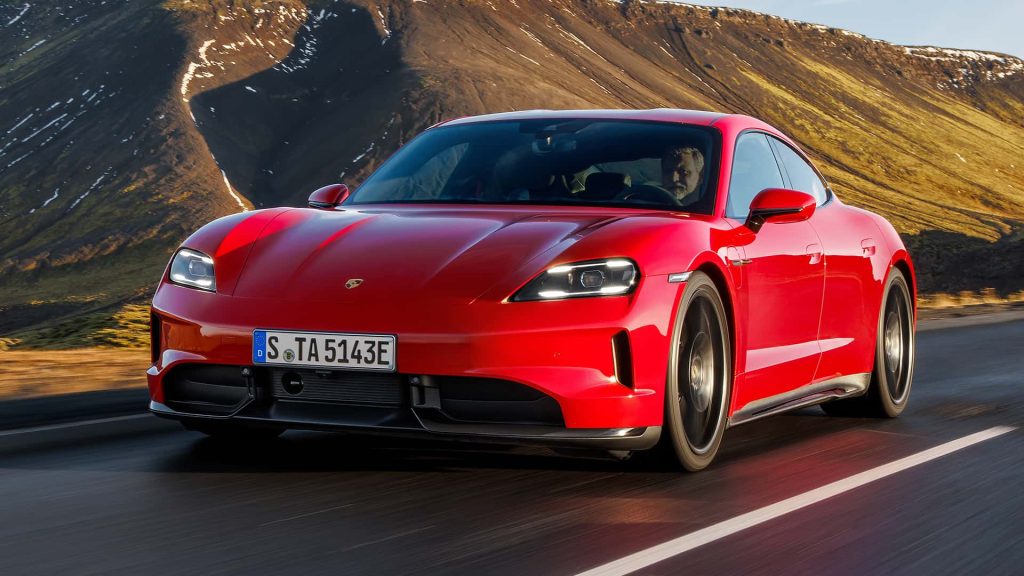
Porsche earns its place here because it shows how a performance focused brand can create a service culture where preventative replacement is prioritized heavily.
For enthusiasts who understand the demands of performance ownership, this may feel appropriate. For casual luxury buyers, however, the constant emphasis on premium maintenance can feel like aggressive upselling.
Also Read: 10 Best Used Cars Under 15,000 Dollars That Are Actually Safe
