Modern car buyers often focus on performance figures, fuel economy, infotainment systems, and safety ratings, but one factor that quietly influences long term ownership satisfaction is paint quality.
A vehicle’s paint does much more than provide visual appeal. It protects metal surfaces from corrosion, shields body panels from environmental damage, and helps maintain resale value. Even the most mechanically reliable car can look prematurely aged if the paint deteriorates quickly.
Manufacturers invest heavily in paint technology, using multi stage coating processes, robotic application techniques, and improved clear coat chemistry to improve durability. However, not all paint jobs are created equal.
Some brands have developed reputations for exceptional finish quality that holds gloss and depth for years, while others have faced complaints about fading, clear coat failure, or peeling after relatively short ownership periods.
Climate also plays a major role. Vehicles exposed to strong sunlight, pollution, road salt, and bird droppings face harsh conditions daily. When paint quality is high, these factors cause minimal long term damage. When paint quality is poor, these same conditions accelerate deterioration and make the vehicle look older than it actually is.
This comparison explores both ends of the spectrum. First, we will examine modern vehicles known for strong paint durability, consistent finish quality, and long lasting shine.
These are vehicles that owners often praise for maintaining showroom appearance even after years of use. Then we will look at models that have developed reputations for paint problems such as fading, thin coatings, or clear coat breakdown.
The purpose is not to criticize brands unfairly but to highlight how manufacturing choices, material quality, and quality control can affect something owners notice every single day. A good paint job is not just cosmetic. It reflects engineering discipline and attention to detail.
Understanding which vehicles excel and which struggle can help buyers make more informed decisions and also encourage proper maintenance practices that extend paint life regardless of brand.
Also Read: 5 Vehicles With Large Analog Gauges vs 5 With Glitchy Digital Clusters
5 Modern Cars With High Quality Paint
Paint quality rarely becomes a headline feature in car advertisements, yet it remains one of the most visible indicators of manufacturing excellence.
When a manufacturer applies consistent coatings, uses high grade pigments, and ensures proper curing processes, the result is a finish that maintains depth, gloss, and resistance to environmental damage for many years.
Some automakers have developed strong reputations in this area through disciplined production standards. Their vehicles often display uniform panel coloring, thick clear coats, and finishes that resist swirl marks and oxidation better than average competitors.
Owners frequently report that even after years of ownership, their vehicles still polish up beautifully with minimal correction work.
Premium brands often lead in this area, but interestingly, some mainstream manufacturers have also made significant improvements in paint processes. Advances in water based paints, improved electro deposition coatings, and better robotic spray calibration have helped certain brands deliver impressive durability even at moderate price points.
Another indicator of good paint quality is color consistency across different production batches. Some manufacturers maintain extremely tight quality tolerances, ensuring that replacement panels match original paint accurately. This reflects not just material quality but process discipline.
This section highlights five modern vehicles known for their strong paint durability reputation. These cars were selected because of consistent owner feedback, detailing industry observations, and long term appearance retention. Each example demonstrates how good paint application can help a vehicle age gracefully.
These examples also show that paint quality often reflects a broader philosophy. Companies that emphasize precision in visible areas often apply the same discipline to less visible engineering areas as well. Attention to exterior finish often mirrors attention to long term durability overall.
The following vehicles stand out not just because they look good when new, but because they tend to stay looking good far longer than many of their competitors.
1. Lexus ES
The Lexus ES represents a philosophy where visual perfection is treated as part of engineering quality rather than just styling. Lexus has built a reputation for meticulous finishing processes, and the ES reflects that approach through its consistently high quality exterior coatings.
One reason this model stands out is the brand’s multi layer paint process, which emphasizes depth and clarity rather than just color coverage. Lexus uses carefully controlled paint thickness to ensure long term resistance to fading. This helps the vehicle maintain a rich appearance even after years of sun exposure.
Owners frequently note how metallic and pearl finishes on the ES retain their reflective properties longer than many competitors. Even after significant mileage, many examples still display strong gloss levels with only basic maintenance. This suggests strong clear coat durability and effective UV resistance.
Another aspect worth noting is panel consistency. The ES typically shows very uniform paint matching across doors, bumpers, and fenders. This might sound basic, but inconsistent color tones remain a common complaint in the industry. Lexus appears to maintain tight quality control standards that reduce such issues.
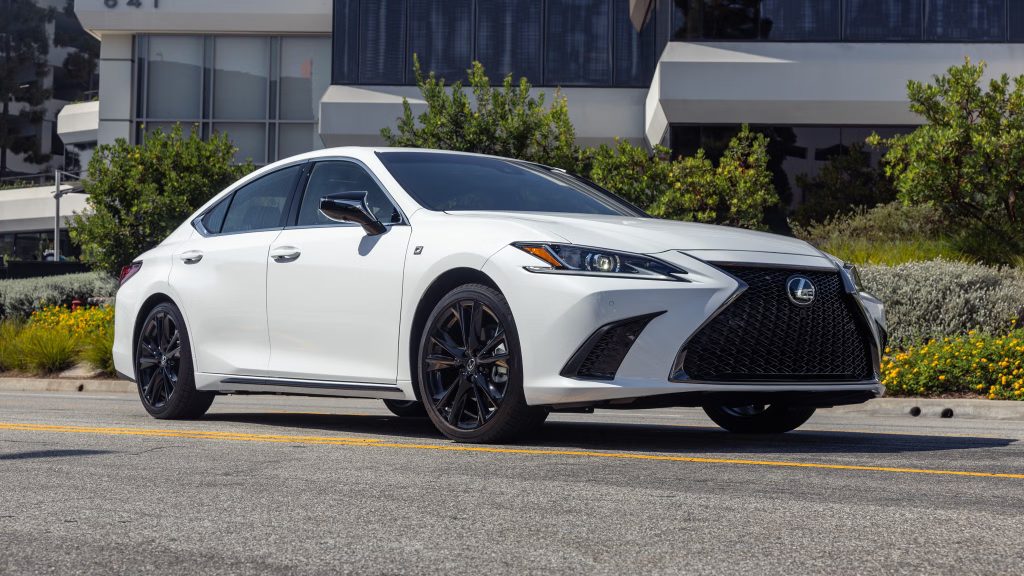
Professional detailers often mention Lexus vehicles as examples of factory finishes that respond well to polishing without revealing thin clear coats. This is important because thin coatings can limit correction options later in the car’s life.
I am including the Lexus ES here because it demonstrates how paint quality contributes to the luxury ownership experience beyond comfort and reliability. A quiet cabin and smooth ride matter, but so does a finish that still looks premium after five or ten years.
This model shows how consistent manufacturing discipline can turn something as simple as paint into a long term ownership advantage.
2. Mazda CX 5
Mazda has quietly become one of the most respected brands in paint quality, largely due to its Soul Red Crystal Metallic finish, which has gained attention for its depth and vibrancy. The CX 5 showcases how careful paint engineering can elevate a mainstream vehicle into something that visually competes with premium brands.
Mazda’s paint process focuses heavily on layering techniques that enhance light reflection. Rather than relying on thick coatings alone, the company uses carefully engineered pigment layering to create a sense of depth. This allows the paint to appear richer without excessive material use.
What makes the CX 5 especially interesting is how well its finish tends to age. Many owners report that even after several years, the vehicle maintains strong color saturation. This indicates effective UV protection, which is essential for preventing dullness and oxidation.
There is also a craftsmanship aspect involved. Mazda’s production philosophy often emphasizes human oversight combined with automation. This hybrid approach appears to help maintain consistency, especially in complex colors that require precise application.
I chose the CX 5 because it represents an example of a non luxury manufacturer investing heavily in visual durability. It shows that high quality paint is not limited to expensive vehicles. With the right priorities, even competitively priced vehicles can deliver impressive long term finish quality.
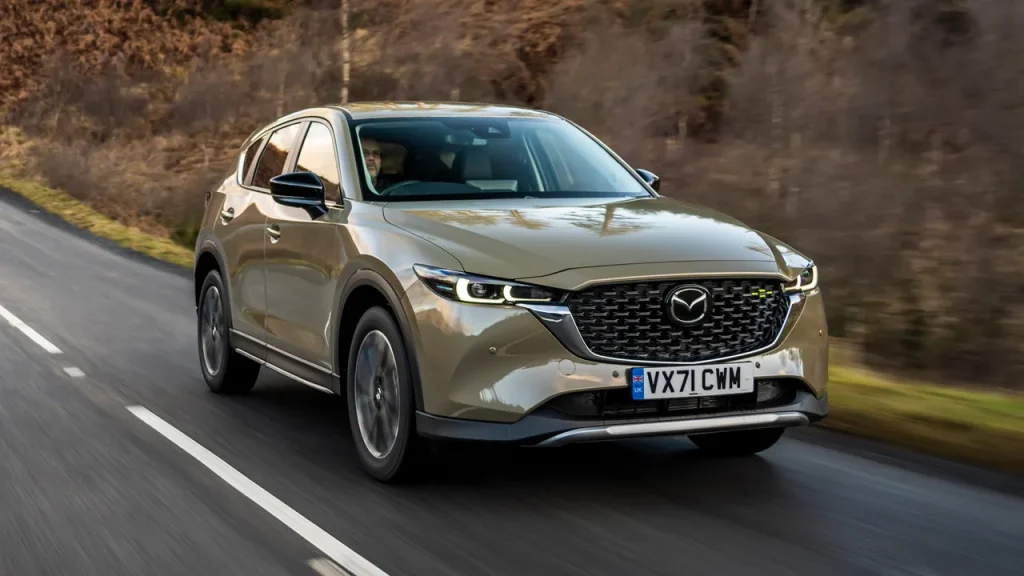
Another interesting point is how often the CX 5 is praised by car detailing communities. Enthusiasts frequently highlight how the paint maintains clarity and responds well to protection treatments such as ceramic coatings.
The CX 5 demonstrates that attention to exterior finish can become part of brand identity. Mazda has used paint quality as one way to distinguish itself, and the results are clearly visible in long term ownership impressions.
3. BMW 5 Series
When discussing paint durability, German manufacturers often enter the conversation because of their strict production tolerances. The BMW 5 Series stands as a good example of how a manufacturer can combine aesthetic appeal with long term surface protection.
BMW uses a carefully controlled electrocoat primer stage before color application. This step is often overlooked by buyers because it is invisible, yet it plays a major role in preventing corrosion from forming beneath the paint surface. A strong foundation layer usually means the visible paint remains intact longer.
Another reason the 5 Series earns a place here comes from how well darker colors hold up over time. Black, navy, and graphite shades often show aging faster on poorly finished vehicles. On the 5 Series, these colors tend to maintain uniform tone longer than average, suggesting strong chemical stability in the pigments.
Rather than focusing only on shine, BMW appears to prioritize paint hardness. This results in finishes that resist minor scratches better than many softer clear coats used elsewhere. While no factory paint is immune to swirl marks, the 5 Series generally shows slower accumulation when properly maintained.
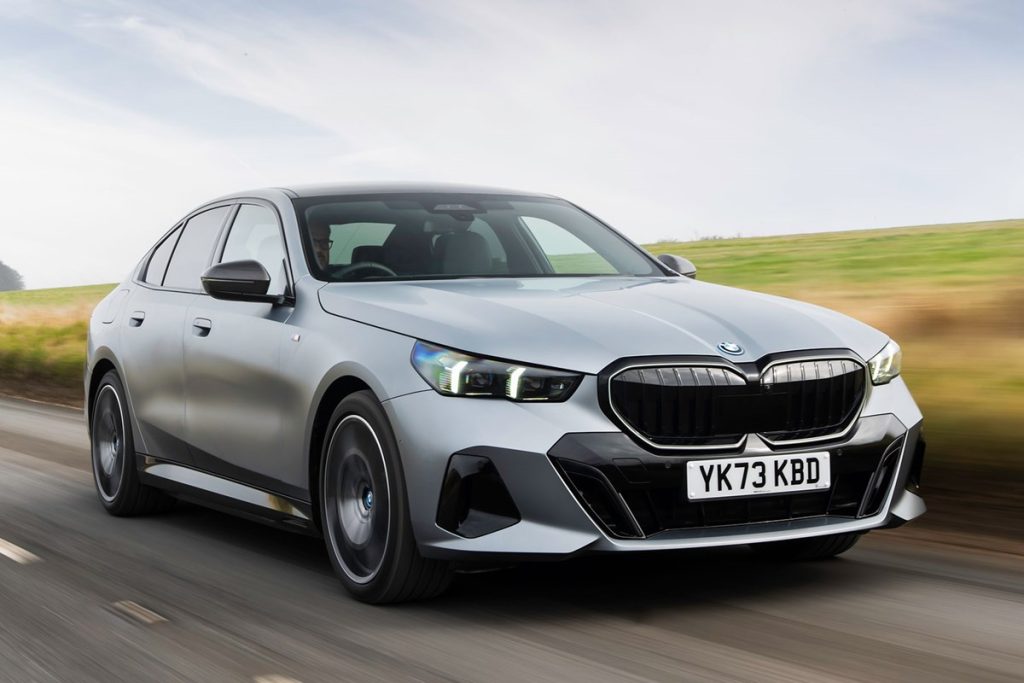
The reason I am highlighting this car is because it shows how paint quality is part of structural engineering thinking. BMW does not treat the finish as decoration alone. Instead, it appears integrated into corrosion prevention strategy and long term durability planning.
Interestingly, many used examples over eight years old still retain strong visual presence without requiring repainting. This type of aging pattern usually indicates both material quality and process consistency.
In this case, the paint quality reflects BMW’s broader goal of delivering vehicles that feel solid not just mechanically but visually as they age. A car that drives well but looks worn sends mixed signals. The 5 Series generally avoids that problem through disciplined finishing standards.
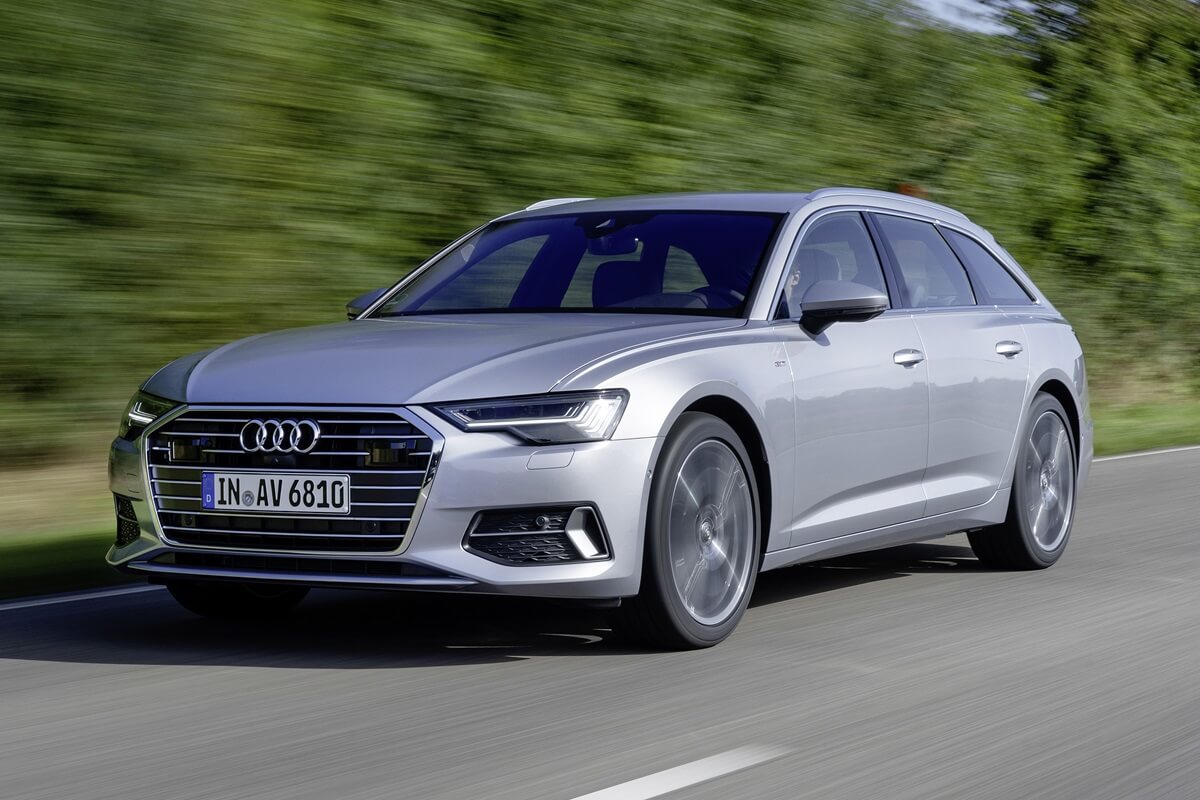
4. Audi A6
Some vehicles impress through bold styling, others through engineering precision. The Audi A6 manages to combine both, and its paint quality often reflects the company’s reputation for tight manufacturing control.
One of the defining characteristics of Audi finishes is their glass like smoothness. Even under bright lighting, panel reflections often appear very uniform. This suggests careful surface preparation before paint application, which is one of the most important steps in achieving long lasting results.
Instead of simply applying thick coatings, Audi focuses heavily on surface cleanliness and contamination control during production. Dust particles trapped during painting can weaken finishes over time. Audi plants are known for strict environmental controls that reduce such risks.
Another factor is how well Audi clear coats tend to resist early oxidation. Many vehicles begin to show slight hazing after several years if exposed to harsh sunlight. The A6 typically maintains optical clarity longer, which is a sign of stable clear coat chemistry.
I decided to include the A6 because it represents consistency rather than just initial beauty. Many cars look impressive under showroom lighting. Fewer maintain that refined appearance through years of daily use. The A6 often succeeds because its finish seems designed for graceful aging.
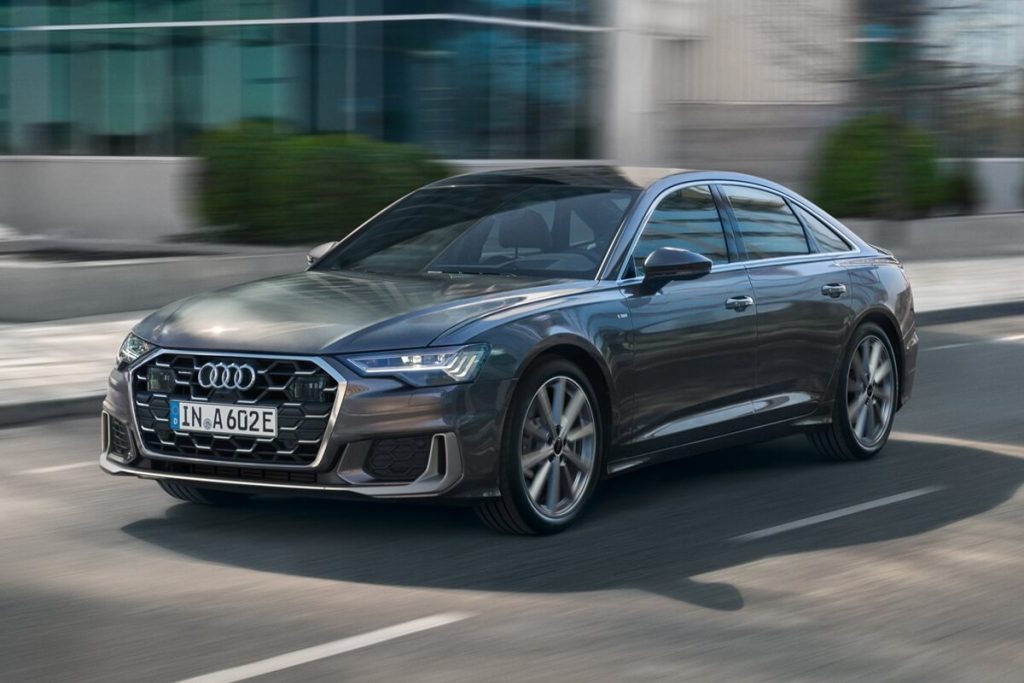
It is also worth mentioning how rarely major paint defects are reported compared to industry averages. While no manufacturer is perfect, Audi appears to maintain relatively strong quality control in this area.
In the bigger picture, the A6 shows how attention to exterior finish supports brand perception. Audi markets precision, and durable paint becomes one visible way that precision becomes tangible to owners long after purchase.
5. Mercedes-Benz E-Class
If there is one manufacturer that treats paint as part of its brand signature, it is Mercedes Benz. The E Class demonstrates how a company with a long luxury heritage approaches exterior finishing as a reflection of craftsmanship rather than just production necessity.
A major strength of the E Class comes from the depth of its clear coat. When viewed under sunlight, the surface often shows a layered effect rather than a flat shine. This visual depth is usually the result of multiple carefully cured coating stages instead of rapid production shortcuts.
Mercedes also emphasizes durability testing. Their paint finishes typically undergo simulated environmental exposure including temperature swings, UV radiation, and chemical contact. The goal is simple. The finish should survive years of environmental stress without losing its premium look.
Another reason this car earns a place here is how well light colors age. White and silver paints sometimes yellow or lose brightness on poorly finished cars. The E Class usually avoids this problem, maintaining a clean tone even after extended use.
This vehicle is included because it represents the idea that luxury should remain visible over time. A luxury experience should not disappear after the warranty period. The E Class often keeps its visual dignity intact much longer than average vehicles.
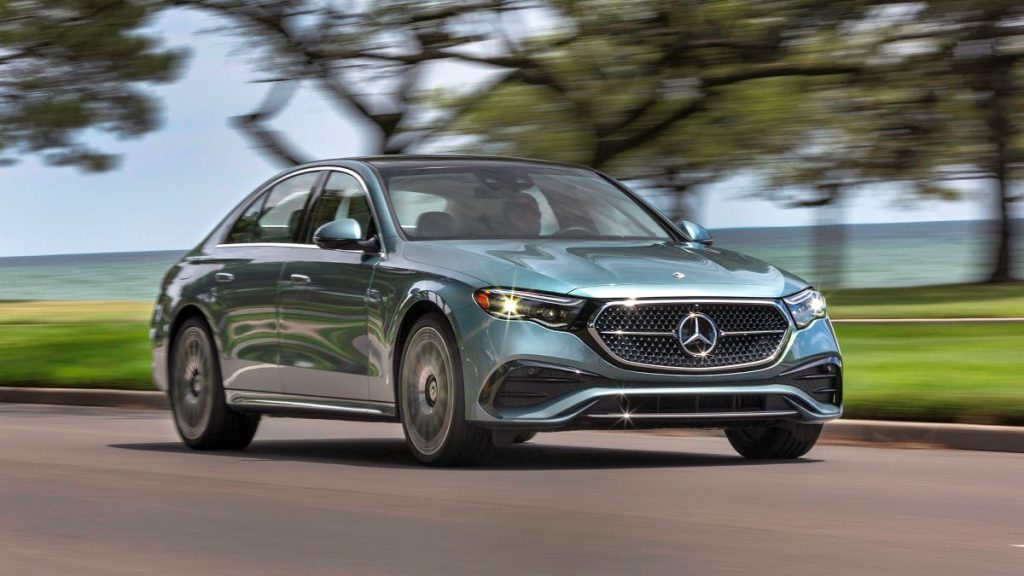
Owners often comment that even older examples still look respectable with basic washing and occasional waxing. That type of longevity usually indicates strong chemical formulation rather than just cosmetic preparation.
From a broader perspective, this car shows how exterior durability can reinforce customer trust. When a manufacturer invests in something as basic as paint quality, it sends a message about overall standards.
5 Modern Cars Prone to Peeling and Fading
While some manufacturers have mastered long lasting paint durability, others have struggled with consistency. Paint problems usually do not appear immediately. Most vehicles look excellent when new. The real test comes after several years of exposure to sunlight, pollution, moisture, and temperature changes.
When paint problems occur, they usually follow predictable patterns. Clear coat failure often shows first, appearing as cloudy patches or peeling layers. Fading colors may lose depth and begin to look chalky. In more severe cases, entire panels may require repainting.
It is important to understand that paint problems do not always mean the entire vehicle is poorly engineered. Many mechanically reliable cars have still experienced cosmetic durability complaints. However, appearance matters because deterioration affects resale value and owner satisfaction.
Cost cutting sometimes plays a role. Thin paint layers reduce production expenses but may reduce long term protection. Environmental regulations have also pushed manufacturers toward water based paints, and some companies adapted better than others to these changes.
This section focuses on vehicles that have developed noticeable owner complaints regarding paint fading, clear coat weakness, or premature aging appearance. The purpose is educational. Knowing these patterns helps buyers plan preventive care such as protective coatings or regular waxing.
I am also including these examples because they show how small manufacturing decisions can have visible long term consequences. A difference of a few microns in coating thickness can change how a car looks after five years.
Understanding these cases also highlights how important regular maintenance becomes when factory protection is less robust.
1. Honda Civic (Certain Recent Model Years)
The Honda Civic has long been respected for reliability and efficiency, yet some recent generations have received criticism related to paint thinness. This does not affect every vehicle, but enough owners have reported fading and chipping concerns to make it worth discussing.
One commonly discussed issue involves softer paint surfaces that appear more vulnerable to stone chips and minor abrasions. Some owners have observed that even careful use can result in visible marks sooner than expected.
Rather than dramatic peeling, the Civic’s paint concerns often show up as gradual dullness. Darker colors especially may begin to lose richness earlier than expected if exposed to strong sun without protection.
I am including the Civic because it represents a case where a very strong mechanical reputation contrasts with mixed cosmetic durability feedback. This contrast makes it a useful example for buyers who assume reliability automatically means strong exterior durability.
Another discussion point comes from paint thickness measurements sometimes reported by detailing professionals. Some readings suggest thinner coatings compared to certain competitors, which can limit long term correction options.
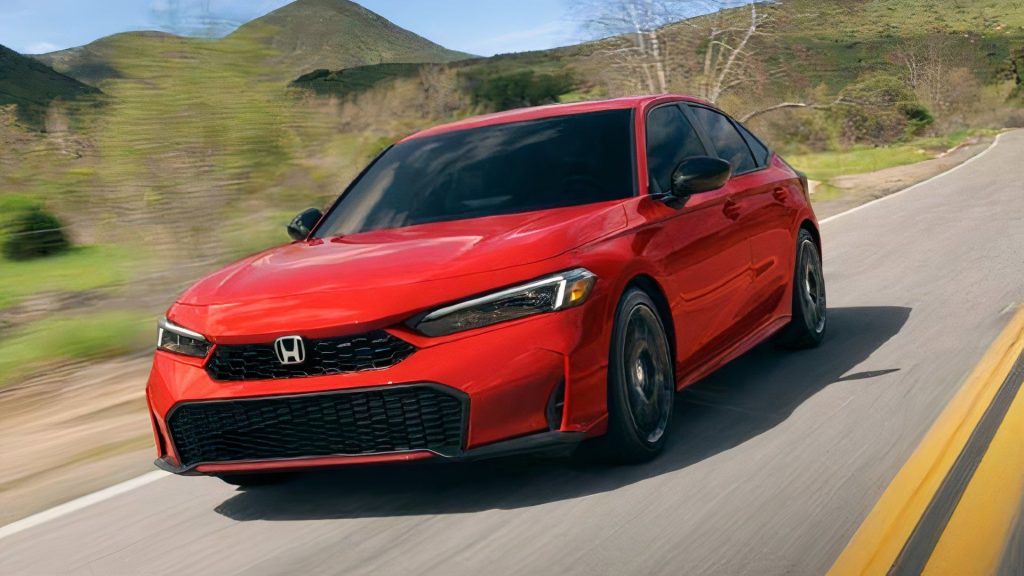
Despite this, it is important to note that proper maintenance can significantly slow deterioration. Regular waxing and avoiding prolonged sun exposure can make a noticeable difference.
The Civic appears here not as a failure story but as a reminder that even excellent cars can have specific weaknesses. Understanding those weaknesses allows owners to take preventive action.
2. Tesla Model 3 (Early Production Years)
Tesla disrupted the automotive industry in many ways, but early production quality consistency sometimes received criticism, including paint related concerns on the Model 3.
Some early owners reported uneven panel paint thickness and occasional quality inconsistencies. Rapid production scaling may have contributed to these issues as manufacturing processes were still being refined.
Unlike traditional manufacturers with decades of paint process refinement, Tesla was still developing large scale finishing consistency during early Model 3 production. This created variability where some cars had excellent finishes while others showed premature wear signs.
I selected the Model 3 because it shows how rapid innovation sometimes comes with manufacturing learning curves. The company has improved processes over time, but early examples remain part of the discussion around paint durability.
Another frequently discussed issue involved softer clear coats that could show scratches more easily. While this does not affect structural integrity, it can affect visual aging perception.
What makes this example important is the contrast between advanced technology and traditional manufacturing challenges. It reminds buyers that innovation in software and powertrains does not automatically translate into mastery of traditional production disciplines.
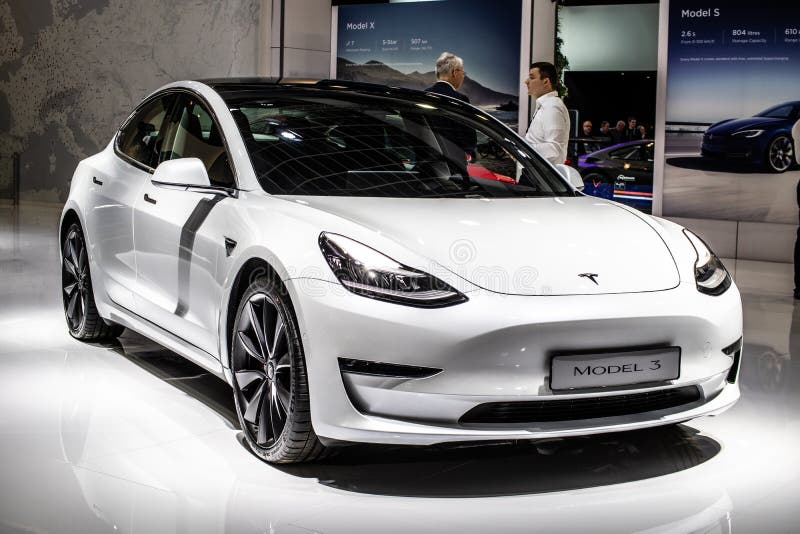
This case also highlights how manufacturers evolve. Later production improvements show how feedback can lead to refinement.
The Model 3 earns its place here as an example of how even industry changing vehicles can experience conventional manufacturing challenges during early growth phases.
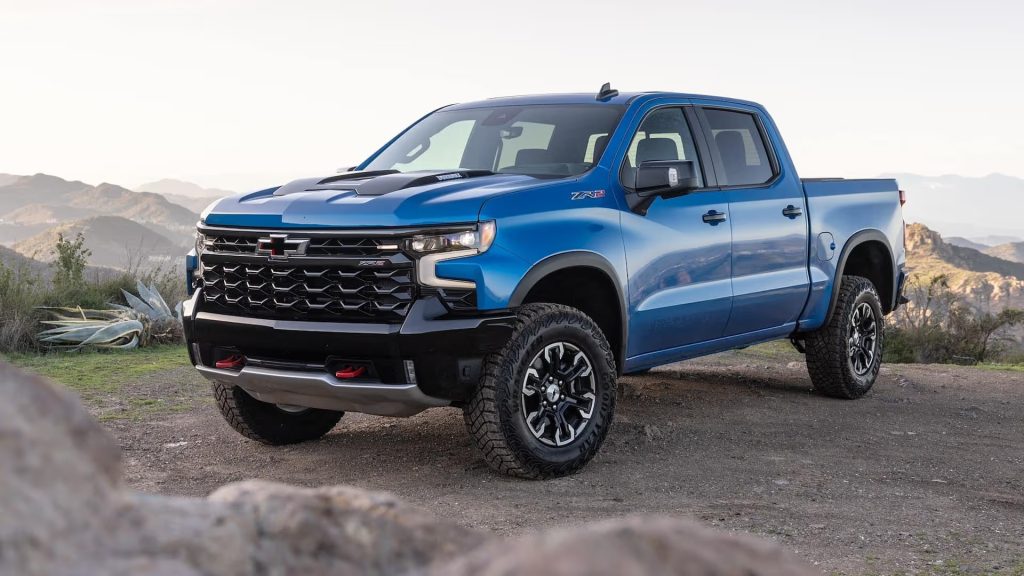
3. Chevrolet Silverado 1500 (Certain Model Years)
Pickup trucks are often judged by their strength and durability, but exterior finish quality is just as important because these vehicles are frequently exposed to harsh working environments.
The Chevrolet Silverado 1500 has had some model years where owners reported paint fading faster than expected, especially on horizontal surfaces like the hood and roof.
Unlike luxury sedans that may live sheltered lives, trucks face constant exposure to sunlight, dust, and debris. In such conditions, paint durability becomes very noticeable very quickly. Some Silverado owners have mentioned that lighter colors held up reasonably well while darker shades sometimes showed premature oxidation.
One interesting aspect is how environmental exposure revealed these weaknesses. Fleet vehicles and work trucks that remained outdoors continuously sometimes showed clear coat wear earlier than expected. This suggests that the paint protection margin may have been thinner than ideal for heavy duty usage expectations.
This truck is included because it highlights how usage type can expose finish limitations. A truck designed for rugged environments should ideally have paint durability that matches its mechanical toughness. When there is a mismatch, it becomes noticeable to long term owners.
Another discussion point involves how some affected owners turned to aftermarket protective films earlier than expected. This reflects how perceived paint vulnerability can change owner behavior.
This example helps illustrate an important lesson. Vehicle purpose should align with exterior durability. When a work oriented vehicle shows cosmetic aging too quickly, it can affect buyer perception even if the mechanical components remain strong.
The Silverado appears here because it shows how expectations matter just as much as actual durability numbers.
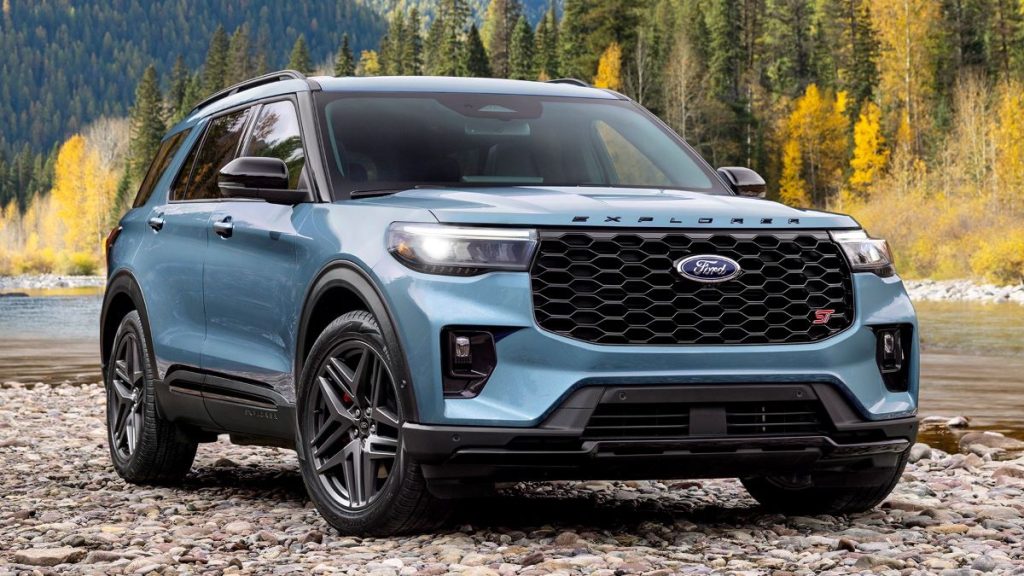
4. Ford Explorer (Certain Dark Color Finishes)
The Ford Explorer has remained one of the most recognizable family SUVs, but certain production years have generated owner discussions around paint fading, particularly in darker colors such as black and deep blue.
Instead of focusing on peeling, many of the concerns center around gradual loss of gloss. Some owners have described situations where the vehicle still looked structurally new but lacked the deep shine expected after only a few years.
This type of aging pattern often becomes most visible after washing, when differences between protected and exposed areas become easier to notice. Roof panels and upper door sections sometimes showed more noticeable dullness compared to shaded lower sections.
I chose the Explorer because it provides a useful example of how color choice can influence perceived durability. Dark finishes tend to amplify imperfections and oxidation more than lighter colors. This makes any weakness in clear coat protection more visible.
There is also a broader ownership lesson here. Paint aging sometimes becomes a maintenance story rather than just a manufacturing story. Vehicles that received regular protective treatments generally aged better, suggesting that the safety margin may simply be narrower.
This SUV belongs on this list because it reminds buyers that visual longevity depends on both factory quality and owner care. Some vehicles simply require more proactive protection to maintain their appearance.
It represents how mainstream vehicles sometimes balance cost control with acceptable durability rather than maximum durability.
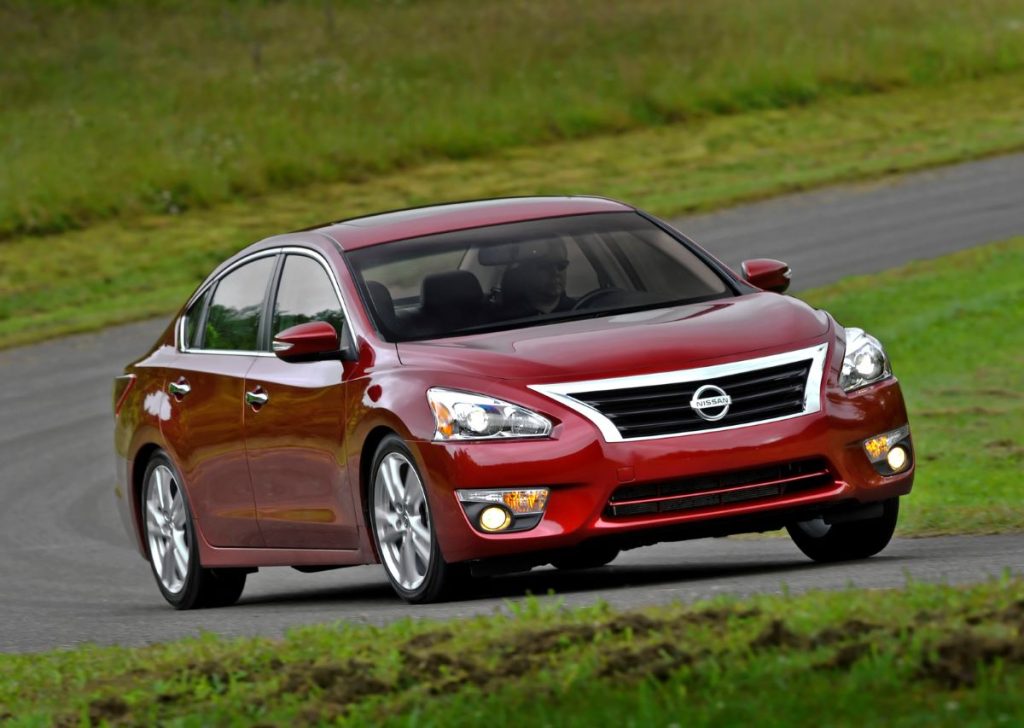
5. Nissan Altima (Previous Generation Reports)
The Nissan Altima has often been praised for affordability and comfort, but some previous generations became known among owners for paint that could lose its shine earlier than expected if left unprotected.
Unlike dramatic peeling cases, the Altima’s issues often appeared subtly. Paint sometimes transitioned from glossy to slightly flat in appearance, particularly in regions with strong sun exposure. This kind of slow change sometimes goes unnoticed until compared with newer vehicles.
The reason this car deserves inclusion is because it demonstrates how gradual deterioration can matter just as much as obvious defects. When a car slowly loses its visual freshness, owners may not notice immediately, but resale impressions can still be affected.
Another angle worth mentioning is how some detailing professionals observed that regular polishing could restore much of the lost appearance. This suggests the base paint was not defective but may have had less robust long term surface protection.
This example also helps show how competitive pricing pressures can influence material decisions. Manufacturers must balance cost, environmental regulations, and durability targets. Sometimes this results in finishes that remain acceptable but not exceptional.
I am including the Altima because it represents the middle ground case. Not a catastrophic failure, not exceptional durability, but a reminder that not all modern paint finishes age at the same rate.
It reinforces the central message of this comparison. Paint quality remains an overlooked but important factor in how a vehicle feels to own over the long term.
Also Read: 5 Manual Transmissions SUVs Still Available in 2026 vs 5 That Have Been Retired