
Vehicle instrument clusters represent one of the most important communication points between a car and its driver. Whether someone is monitoring speed, engine temperature, fuel levels, or warning indicators, the clarity and reliability of this information directly affects driving confidence.
Over the decades, automakers have experimented with different ways to present this data, leading to two very different philosophies: traditional analog gauges and modern digital displays.
Analog gauges earned their reputation through consistency and readability. Large circular dials with clear markings allow drivers to understand critical information with just a quick glance.
The mechanical nature of these systems often means fewer electronic failures, and even when they age, they usually degrade gradually rather than failing suddenly.
Many drivers also appreciate how analog gauges reduce distraction because they do not constantly change layouts or menus.
Digital clusters, on the other hand, promise customization and futuristic styling. Screens can display navigation, driver assistance information, media data, and performance statistics all in one place.
Manufacturers promote them as technological upgrades that make vehicles feel more advanced. In theory, they should improve usability by allowing drivers to prioritize the information they want to see most.
However, reality does not always match the promise. Some digital clusters have become known for lag, freezing screens, brightness inconsistencies, software crashes, and confusing menu structures.
When a digital screen fails, multiple functions may disappear at once. This creates a different kind of reliability concern compared to the simple durability of analog systems.
This comparison is not about saying old is always better or new is always worse. Instead, it explores how design priorities affect real world ownership. Some vehicles prove that large analog gauges still deliver excellent usability, while others show how poorly executed digital systems can create frustration despite impressive specifications.
The following sections examine five vehicles known for clear, large analog gauges that emphasize function over flash. After that, we will examine five vehicles where digital clusters have gained criticism due to glitches or usability complaints.
Together, these examples show how instrument design can either improve or weaken the ownership experience depending on execution rather than just technology.
Also Read: 5 Cars Built to Survive the Rust Belt vs 5 That Corrode Prematurely
5 Vehicles With Large Analog Gauges
Before touchscreens became the centerpiece of vehicle interiors, the instrument cluster was designed with one simple goal: instant readability.
Large analog gauges were engineered so drivers could gather information in fractions of a second without needing to process graphics, menus, or animations. This philosophy still holds value today, especially for drivers who prioritize clarity over novelty.
There is also a durability advantage that often gets overlooked. Analog gauges typically rely on proven electromechanical components rather than complex display processors.
This does not mean they never fail, but when they do, issues tend to be isolated rather than affecting the entire information system. A faulty fuel gauge does not usually take down the speedometer.
Another benefit involves visual ergonomics. Large needles moving across high contrast backgrounds create natural visual cues that human brains process quickly.
A needle climbing toward the red zone triggers instinctive caution in a way that numbers on a screen sometimes fail to replicate. This subtle psychological advantage explains why performance cars often kept analog tachometers longer than economy vehicles.
This section focuses on vehicles that continued using large, easy to read analog gauges even as competitors shifted toward fully digital dashboards. These models show that simplicity can still be a deliberate engineering decision rather than a cost cutting measure.
Some were designed for reliability, others for driver focus, and some simply stayed true to brand identity.
The goal here is not nostalgia. Instead, it is to highlight vehicles where analog clusters remain a practical advantage in daily use. From trucks built for long term durability to sedans known for functional interiors, these vehicles demonstrate why large physical gauges still deserve recognition in an increasingly screen dominated automotive world.
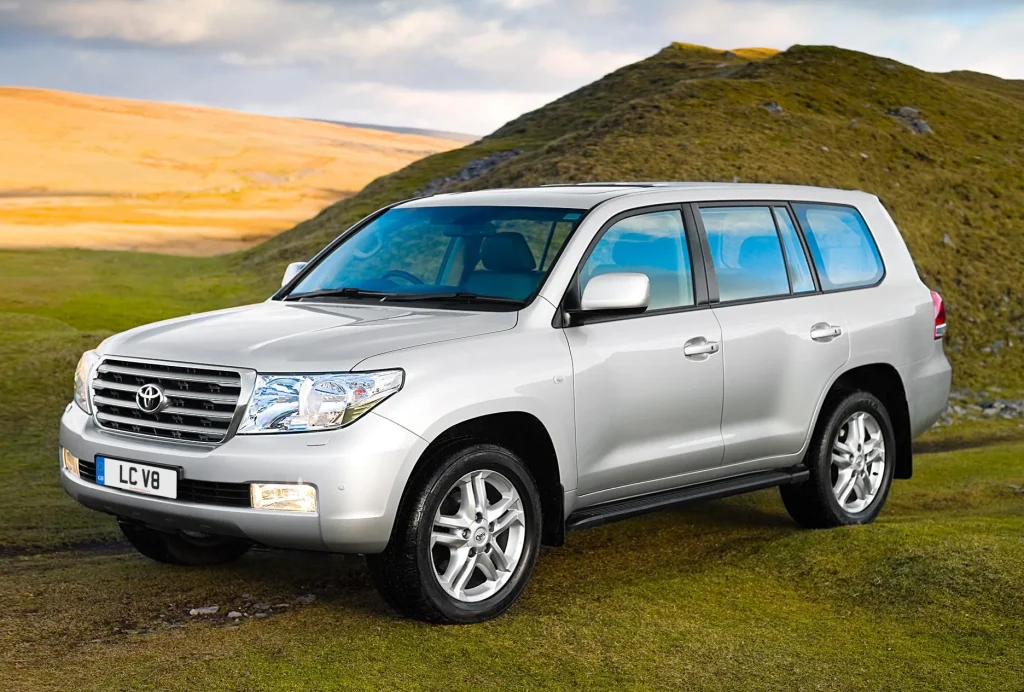
1. Toyota Land Cruiser (200 Series)
The Land Cruiser has always been built around dependability rather than trends, and its instrument cluster reflects that philosophy.
Instead of chasing futuristic graphics, Toyota focused on oversized speedometer and tachometer dials with thick markings and strong backlighting. The result is a dashboard that feels purposeful rather than decorative.
One reason this vehicle deserves mention is how well the gauges serve its intended audience. Owners often use these SUVs for long distance travel, remote driving, and harsh environments.
In those conditions, simple and legible information matters more than flashy presentation. The Land Cruiser cluster is designed to be read instantly even on rough terrain.
Another aspect worth noting is how Toyota balanced analog and information displays. A small central screen provides trip data and vehicle status without overwhelming the main gauges.
This hybrid approach keeps the essential information mechanical while allowing limited digital convenience. It shows restraint that many modern dashboards lack.
There is also something to be said about how these gauges age. Owners frequently report that even high mileage examples maintain clear illumination and smooth needle movement. That consistency reinforces the vehicle’s reputation for longevity and explains why it continues to attract buyers who plan to keep their vehicles for many years.
This SUV is included because it demonstrates how analog gauges can support a vehicle’s identity. Everything about the Land Cruiser is designed around trust and predictability, and its large traditional gauges play a quiet but important role in maintaining that reputation.
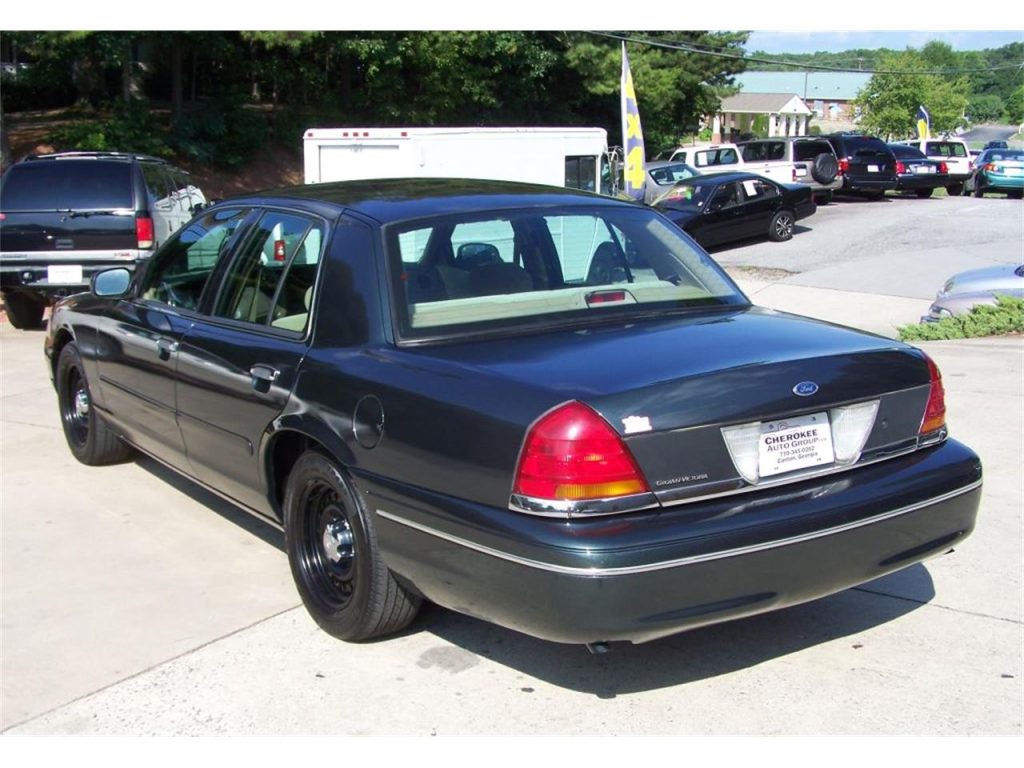
2. Ford Crown Victoria
Few vehicles represent straightforward dashboard design better than the Crown Victoria. Built for police fleets, taxi services, and government duty, this sedan needed instrumentation that could be understood instantly by drivers who might switch vehicles frequently. Ford responded with large, simple, no nonsense analog gauges.
The layout emphasizes visibility above all else. The speedometer dominates the cluster with bold numbering, while the tachometer and supporting gauges are positioned for quick scanning. Nothing about the design feels decorative. Instead, it communicates information in the most direct way possible.
What makes this car especially interesting is the environment it was designed for. Police vehicles operate under stress, often at night, and sometimes for extended idle periods. Officers needed gauges that remained readable without distraction. The Crown Victoria cluster succeeded because it removed complexity rather than adding features.
From a maintenance perspective, the analog design also proved beneficial. Fleet managers valued components that were easy to diagnose and inexpensive to replace. Unlike experimental digital clusters of the same era, these gauges rarely created downtime due to electronic faults.
This sedan earns its place here because it shows how analog gauges can be part of a functional design philosophy rather than a styling choice. Every element inside the Crown Victoria exists to support reliability and operational clarity, making it one of the best real world examples of practical instrumentation design.
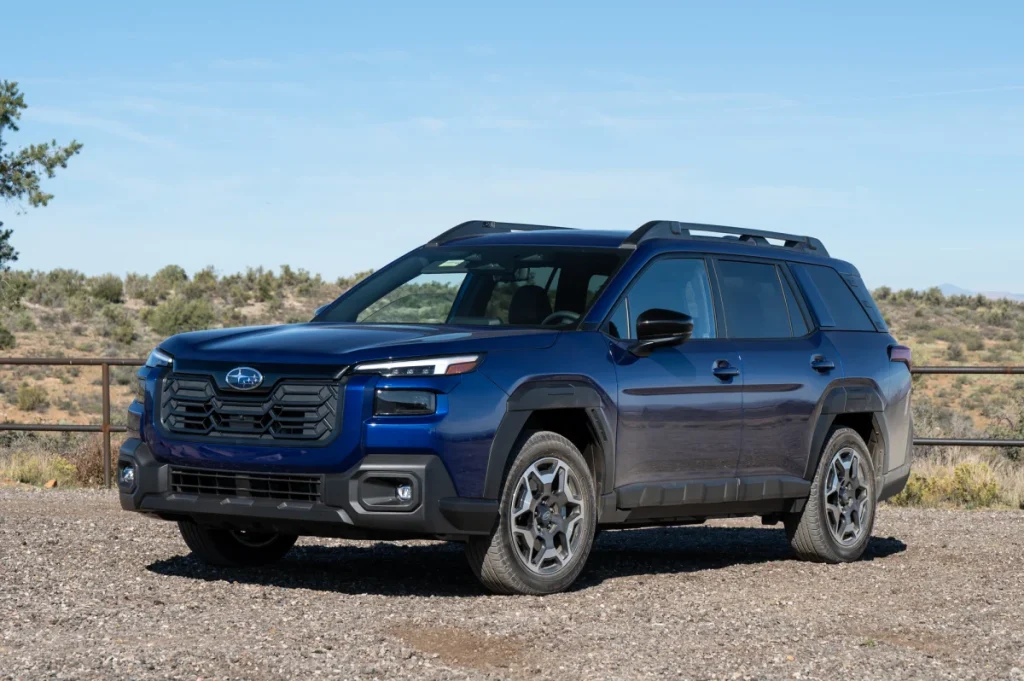
3. Subaru Outback (2015–2019)
The Subaru Outback represents a different philosophy compared to heavy duty SUVs and fleet sedans. This vehicle was designed for practical families and outdoor users who needed information that could be understood quickly in changing driving conditions.
Subaru responded with large, well spaced analog gauges that emphasize balance rather than dominance.
What makes the Outback interesting is how the gauges are paired with a modest digital information display without letting technology take over.
The speedometer and tachometer remain the visual anchors, while a small screen provides fuel economy and safety information. This keeps the driving experience grounded instead of overwhelming the driver with constant digital changes.
I am including this vehicle because it shows how analog clusters can coexist with modern safety technology without becoming complicated. Subaru vehicles often include driver assistance features, but the company avoided forcing all information into one large display. That decision preserved clarity while still allowing technological progress.
There is also a usability story here. Owners often mention how easy it is to adjust to the Outback’s dashboard even after switching from other vehicles. That speaks to good human centered design. When someone can immediately understand a layout without needing explanation, the engineers have done something right.
Another reason this vehicle deserves attention is nighttime visibility. The soft white lighting and clear needle contrast help reduce eye strain during long highway drives. Instead of using aggressive colors or animations, Subaru chose consistency, which matches the Outback’s reputation as a calm and dependable long distance vehicle.
This car makes the list because it demonstrates how thoughtful analog design can still feel modern without relying entirely on screens.
4. Lexus GX 460
Luxury vehicles often move quickly toward digital displays to showcase innovation, but the Lexus GX 460 took a different path. Lexus chose to retain large analog gauges even while adding premium materials and advanced features elsewhere. This makes the GX an interesting example of tradition surviving inside a luxury environment.
One reason I am highlighting this SUV is how it proves analog does not have to mean basic. The GX cluster uses high quality materials, precise needle movement, and excellent illumination to create a premium feel without abandoning mechanical readability. It shows that craftsmanship can be expressed through simplicity.
Another important point involves reliability expectations. Lexus buyers often expect their vehicles to last well beyond typical ownership periods. Using proven gauge designs instead of experimental display systems reduces long term risk. This decision aligns with Lexus’ reputation for conservative engineering choices.
The GX also demonstrates how analog clusters can contribute to driver focus. Without moving graphics or changing layouts, the driver’s attention stays on the road rather than on interface changes. In an era where distraction is becoming a design concern, this older approach suddenly feels forward thinking again.
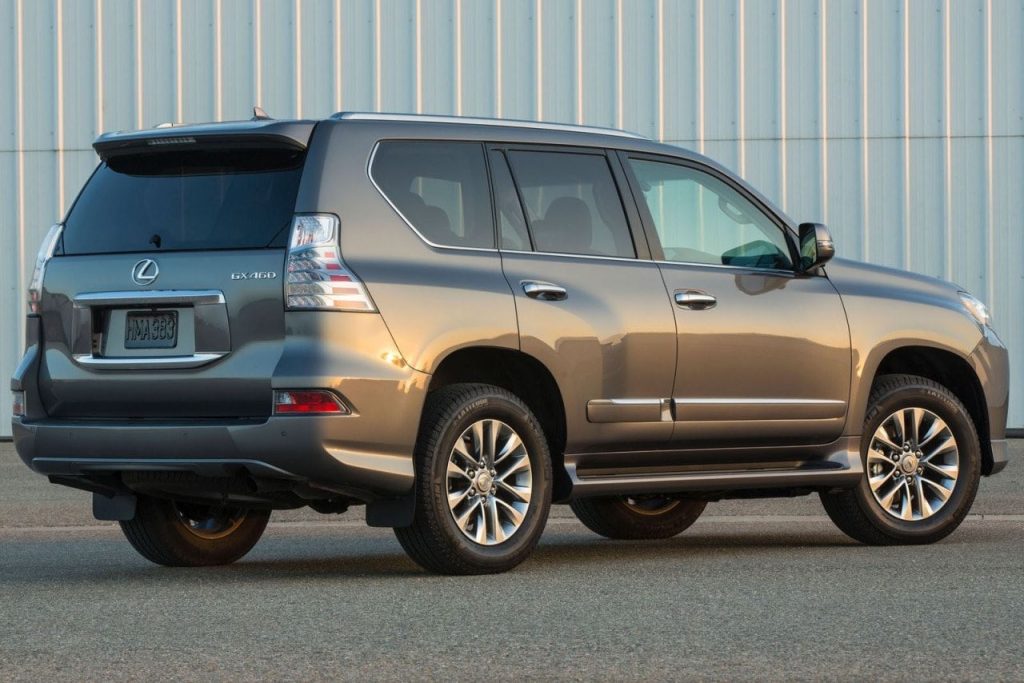
There is also a philosophical reason this vehicle belongs here. The GX is based on a platform related to global durability vehicles, and its instrumentation reflects that heritage. Even though it sits in the luxury category, its gauges communicate toughness more than technology.
I am writing about this SUV because it proves analog gauges are not just for budget vehicles or old designs. When executed properly, they can also reinforce premium quality and long term ownership confidence.
5. Chevrolet Silverado (2014–2018)
Pickup trucks have always prioritized functionality, and the Chevrolet Silverado from this generation reflects that mindset through its dashboard design. Instead of replacing everything with screens, Chevrolet kept large, bold analog gauges supported by a practical digital information display.
This truck deserves a place in this discussion because of how effectively it communicates work related information. Truck owners often monitor towing data, transmission temperature, and fuel usage under load. Analog gauges allow quick interpretation without needing to scroll through menus while driving with cargo or trailers.
Another reason I chose this truck is how the gauge size reflects the vehicle’s purpose. The large dials match the physical scale of the truck itself. It feels appropriate rather than excessive. Some smaller vehicles use oversized digital displays that feel unnecessary, but in the Silverado the large gauges feel natural.
The design also tells a story about customer expectations. Truck buyers often value durability more than novelty. Chevrolet understood that introducing overly complex digital systems could risk frustrating owners who depend on their trucks daily. By keeping analog gauges prominent, they maintained trust with their core audience.
There is also a practical ownership angle. These trucks often accumulate high mileage in construction, agriculture, and transport use. Simple instrumentation tends to survive that lifestyle better than sensitive displays. This is not about resisting progress but about matching design to usage patterns.
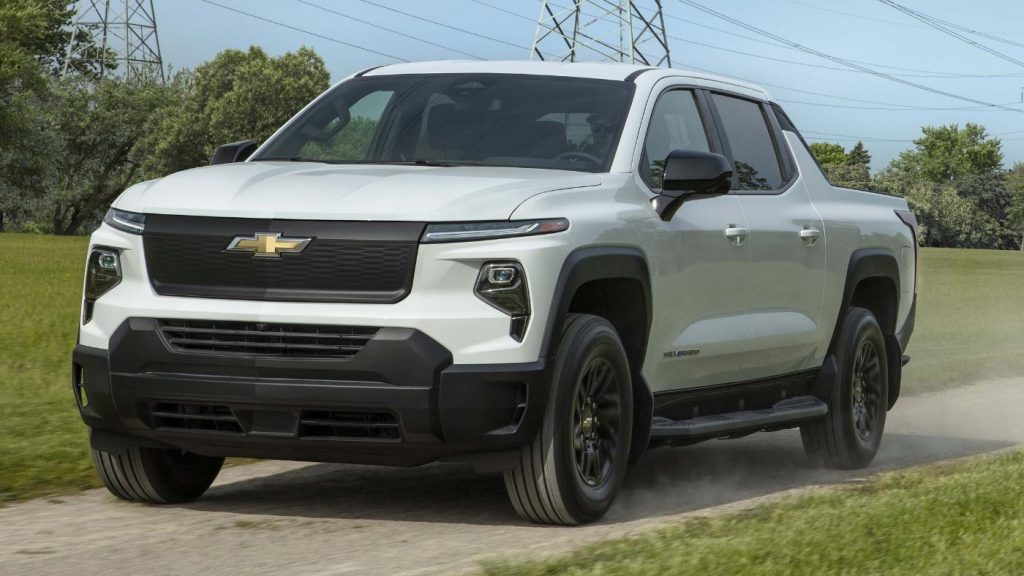
This Silverado is included because it shows how analog gauges remain relevant when vehicles are built around real work rather than showroom impressions.
5 Vehicles With Glitchy Digital Clusters
Digital instrument clusters represent one of the fastest growing trends in automotive interiors. Manufacturers see them as an opportunity to differentiate their vehicles through graphics, customization, and software driven features.
On paper, the advantages seem obvious. One screen can replace dozens of physical components and provide nearly unlimited display options.
However, the transition from mechanical reliability to software dependence introduces new challenges. Digital clusters rely on processors, operating systems, sensors, and software integration.
If any part of that chain experiences errors, the entire display can malfunction. Unlike analog gauges where problems are often isolated, digital failures can affect multiple functions simultaneously.
Another issue is software maturity. Some manufacturers rushed digital dashboards into production to stay competitive, sometimes before the software was fully refined. This resulted in early glitches such as freezing displays, incorrect warnings, reboot cycles, and delayed responses. While updates can fix problems, not all owners receive them promptly.
User interface complexity also plays a role. When drivers must navigate menus to see basic information, usability suffers. A speedometer should never require interaction, yet some digital clusters bury important data behind configurable layouts. This creates unnecessary friction in what should be a simple interaction.
This section focuses on vehicles where digital clusters received criticism for glitches, confusing design, or reliability complaints.
The goal is not to criticize technology itself but to highlight how execution matters more than ambition. When digital systems are done well they can be excellent, but when rushed or poorly implemented they can become a daily frustration.
The following vehicles show how even major manufacturers sometimes struggled during the transition to fully digital instrumentation.
1. Cadillac XT4
The Cadillac XT4 represents an example of how early adoption of new interface strategies can sometimes lead to mixed results. Cadillac aimed to modernize its compact luxury SUV with a clean digital driver display, but some owners reported inconsistent responsiveness and occasional display resets.
One reason I am discussing this vehicle is because it highlights how expectations affect perception. Luxury buyers expect seamless technology. When a digital cluster shows lag or requires rebooting, it stands out more than it would in an economy vehicle. The higher the promise, the higher the disappointment when things do not feel polished.
Reports from some users mentioned temporary black screens or delayed startup animations. While these problems were not universal, they illustrate the type of growing pains manufacturers face when transitioning from traditional gauges to software heavy displays.
Another interesting aspect is how Cadillac attempted to balance style and usability. The graphics looked modern, but some drivers found the layout less intuitive than expected. This reinforces the idea that good design involves more than visual appeal. Information hierarchy matters just as much.
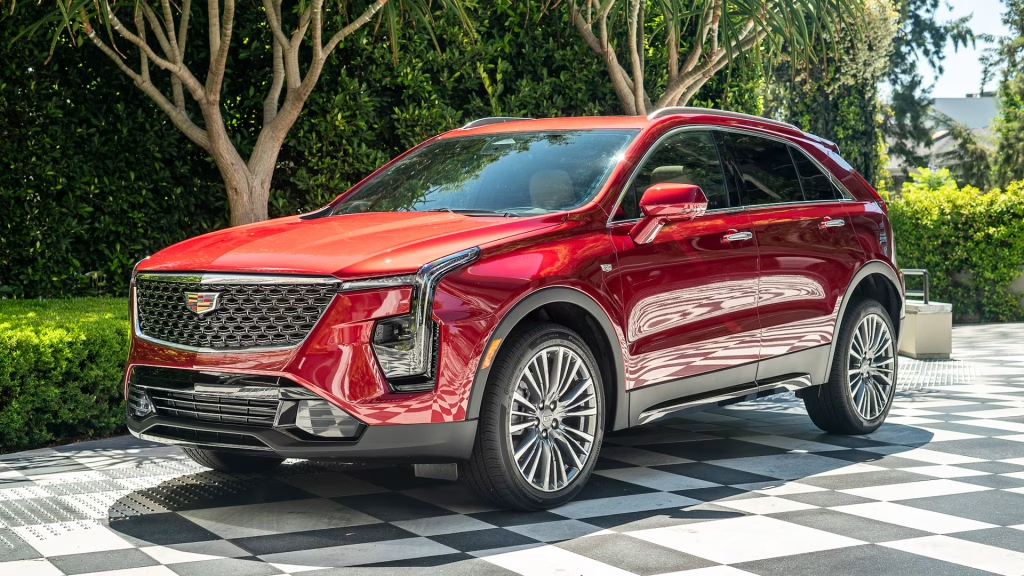
This vehicle makes the list because it shows how even established luxury brands must adapt to software development realities. Building engines and suspensions does not automatically translate into building flawless digital interfaces.
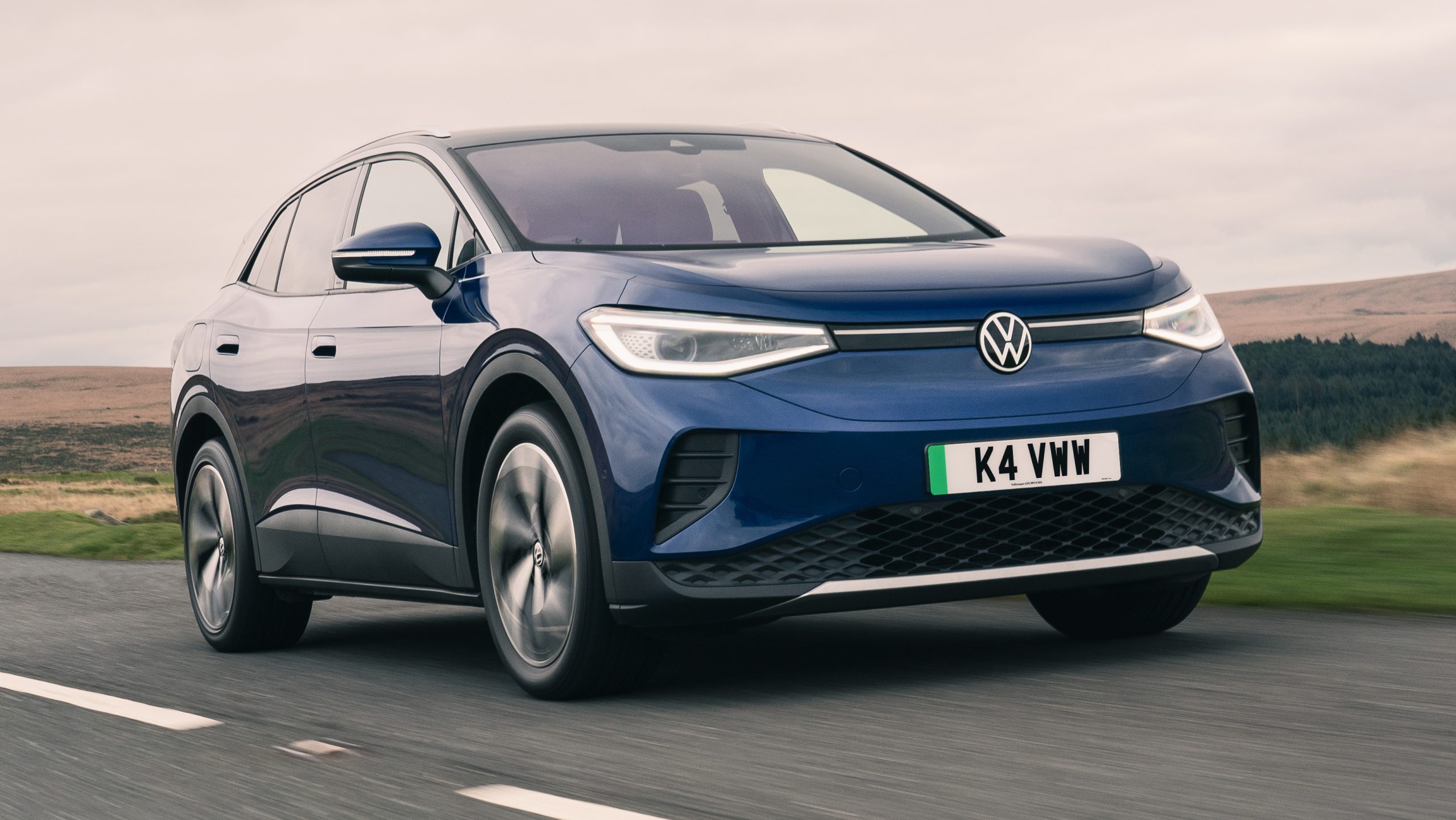
2. Volkswagen ID.4
The Volkswagen ID.4 demonstrates a different kind of digital cluster issue related to software integration rather than hardware failure.
As part of Volkswagen’s electric vehicle push, the company introduced a minimalistic digital display intended to simplify the driving experience. In practice, some users experienced software bugs and slow interface reactions.
I chose this vehicle because it represents the challenges of combining new electric vehicle platforms with entirely new software ecosystems. When both the drivetrain and the interface are new, the potential for unexpected glitches increases.
Some early feedback focused on delayed menu transitions and occasional warning messages appearing without clear explanations. Even when these issues did not affect drivability, they created uncertainty for owners still adjusting to electric vehicle ownership.
There is also a lesson here about minimalism. Volkswagen attempted to reduce clutter, but in doing so, some drivers felt that too much information depended on digital navigation. This can be frustrating when software delays occur.
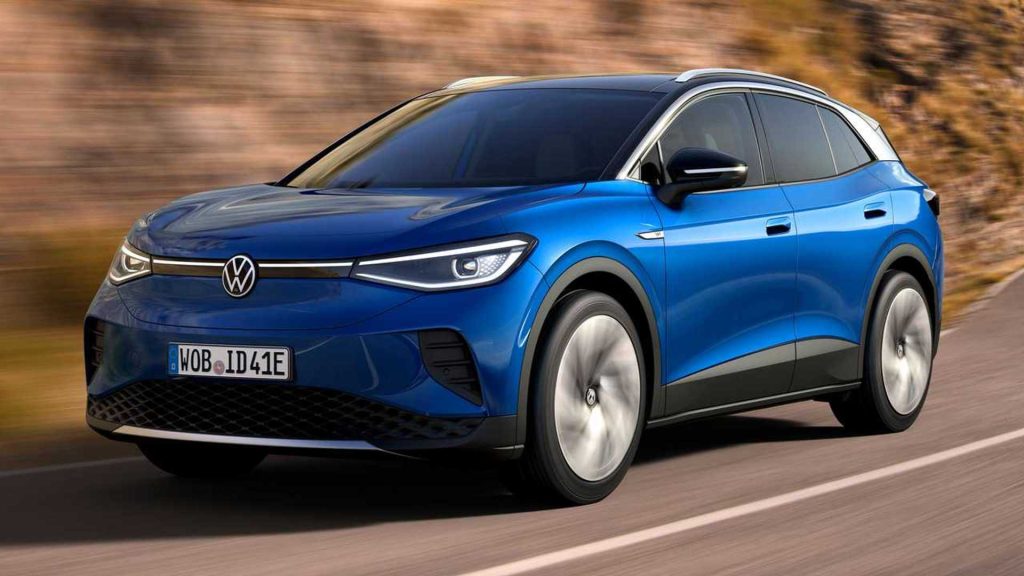
This electric SUV is included because it illustrates how software stability is becoming just as important as mechanical reliability. As vehicles become more computer dependent, manufacturers must treat interface development with the same discipline once reserved for powertrain testing.
3. Land Rover Range Rover Velar
The Range Rover Velar arrived as a design statement, showing how far interiors could move toward a screen focused future.
Its digital instrument cluster looked impressive at first glance, featuring sharp graphics and configurable layouts meant to match the vehicle’s modern luxury positioning. However, some owners soon discovered that visual appeal does not always guarantee flawless operation.
I am including this vehicle because it represents how pushing design boundaries sometimes introduces usability risks. Some users reported occasional display freezes or slow responses when switching display modes. While not constant problems, these issues were noticeable because the system controlled critical information rather than optional features.
Another interesting point involves software dependency. The Velar integrates multiple systems into its digital architecture, which means small software inconsistencies can create larger user frustrations. A brief delay may seem minor in isolation, but repeated interruptions can change how owners feel about the vehicle over time.
The reason this example matters is because it shows how luxury innovation must be matched by software stability. Buyers paying premium prices expect technology that works quietly in the background rather than becoming something they have to think about.
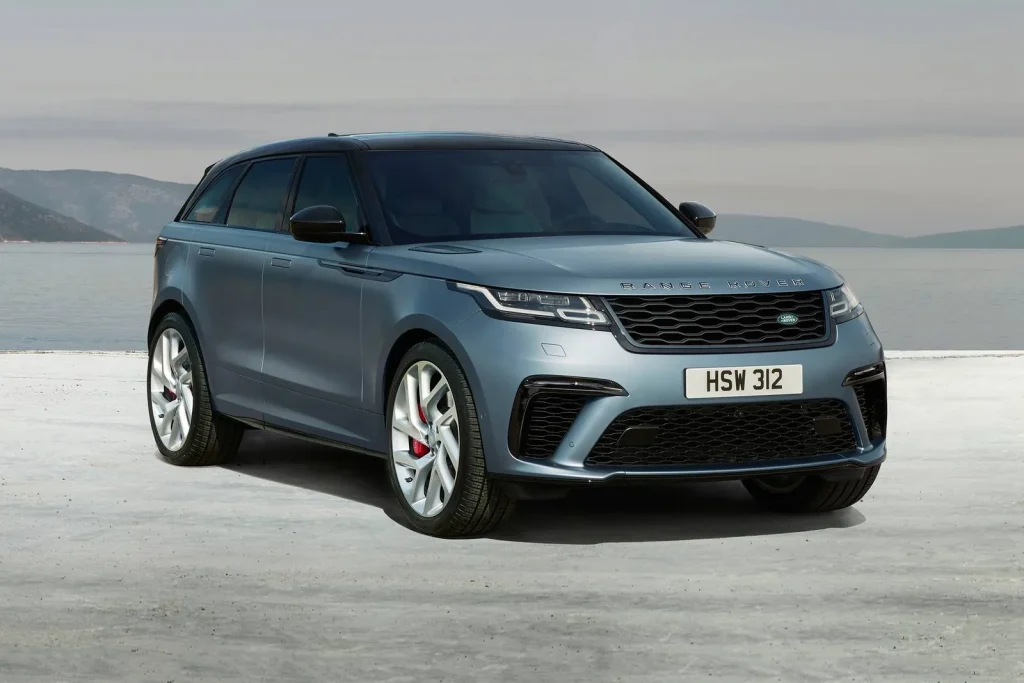
There is also a design lesson here. The Velar shows that beautiful graphics cannot compensate for occasional unpredictability. Good instrumentation should disappear into the driving experience instead of reminding drivers that they are using a complex electronic interface.
I chose this SUV because it demonstrates how digital clusters must balance ambition with dependability. When manufacturers attempt to redefine interior design, they also take on the responsibility of ensuring that the technology feels invisible during everyday use rather than experimental.
4. Tesla Model S (Early MCU1 Versions)
The Tesla Model S helped popularize fully digital dashboards and deserves recognition for pushing the industry forward. At the same time, early versions of its instrument system revealed the risks of relying heavily on centralized computing systems. Some early vehicles experienced screen slowdowns and occasional reboot behavior as the software aged.
This car is included because it shows how innovation often involves trial and improvement cycles. Tesla approached vehicle interfaces more like consumer electronics than traditional cars, which meant over the air updates could improve features but also revealed early hardware limitations.
One reason this example stands out is how the cluster interacts with the main infotainment display. When performance issues appeared, multiple functions could feel affected at once. This highlighted how digital integration creates efficiency but also increases the impact of failures.
Another factor involves long term technology aging. As software evolves, older hardware sometimes struggles to keep up. This created situations where early vehicles felt slower years after purchase even though the mechanical parts remained strong.
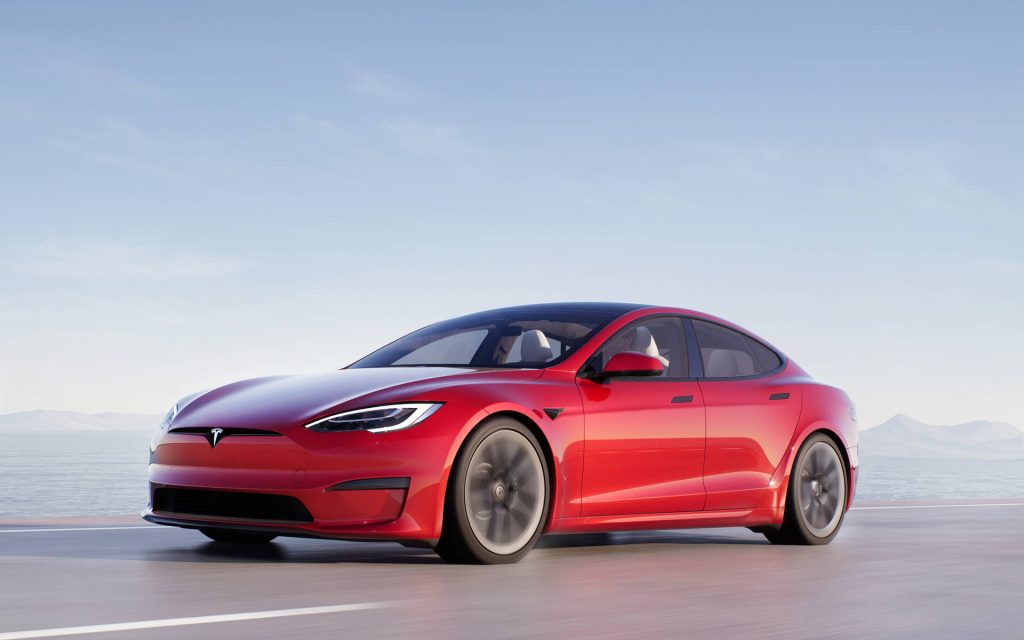
I am writing about this vehicle because it illustrates a turning point in automotive design. The Model S proved that digital dashboards could become the norm, but it also showed that software reliability must be considered across the entire lifespan of the vehicle, not just at launch.
This example is important because it reminds us that being first often means learning lessons publicly.
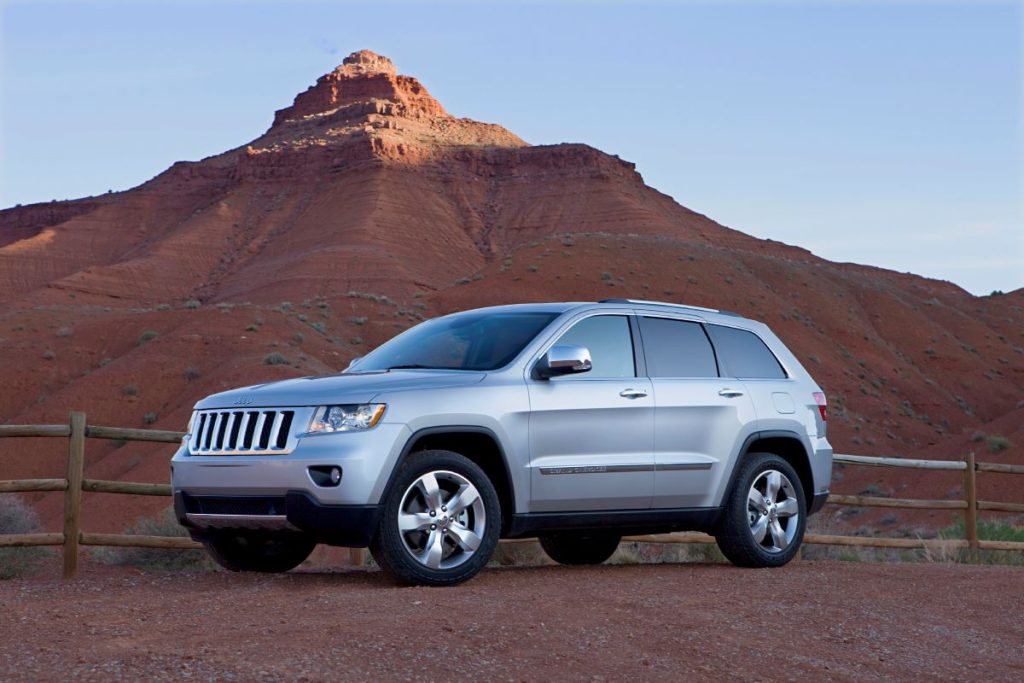
5. Jeep Grand Cherokee (2022 Early Production Digital Cluster Reports)
The newer generation Jeep Grand Cherokee introduced a fully digital instrument display to modernize the cabin experience.
While the design received praise for clarity and customization options, some early production feedback mentioned occasional software hiccups such as delayed screen wake up or temporary display inconsistencies.
This SUV makes the list because it demonstrates how even experienced manufacturers can face early software refinement challenges when introducing new digital platforms. These situations often improve through updates, but early adopters sometimes experience the transition period.
Another interesting reason to discuss this vehicle is how expectations for technology have changed. Buyers now judge screen performance with the same standards they apply to smartphones and tablets. Even small delays that would have been ignored a decade ago now feel unacceptable.
There is also a broader ownership lesson here. Vehicles increasingly depend on software ecosystems that evolve after purchase. This changes the idea of reliability from purely mechanical durability to long term software support. The Grand Cherokee represents this new reality where updates are part of ownership.
I chose this example because it reflects a larger industry trend rather than just one model’s experience. As more manufacturers digitize their dashboards, early software behavior becomes part of the learning curve.
This vehicle helps complete the comparison because it shows how digital clusters can be impressive yet still require refinement.
The lesson across all these examples is simple. Technology alone does not define a good instrument cluster. Execution, testing depth, and long term usability ultimately determine whether a dashboard becomes an advantage or a frustration.
The comparison between vehicles with large analog gauges and those with glitchy digital clusters shows that newer technology does not automatically guarantee a better driving experience.
Analog gauges continue to prove their value through clarity, reliability, and ease of use. Vehicles like the Toyota Land Cruiser, Ford Crown Victoria, Subaru Outback, Lexus GX 460, and Chevrolet Silverado demonstrate how simple, well designed instrumentation can improve driver confidence and reduce distractions.
On the other side, some vehicles with digital clusters highlight the challenges of software dependent dashboards. Models such as the Cadillac XT4, Volkswagen ID.4, Range Rover Velar, Tesla Model S, and Jeep Grand Cherokee show that when software is not fully refined, drivers may experience lag, display glitches, or usability frustrations.
These problems do not mean digital clusters are bad, but they do show how important execution is. Overall, the key takeaway is that good instrument design depends more on usability and reliability than whether the gauges are analog or digital.
Also Read: 5 Vehicles With High Step‑In Heights for Seniors vs 5 That Are Easy to Enter
