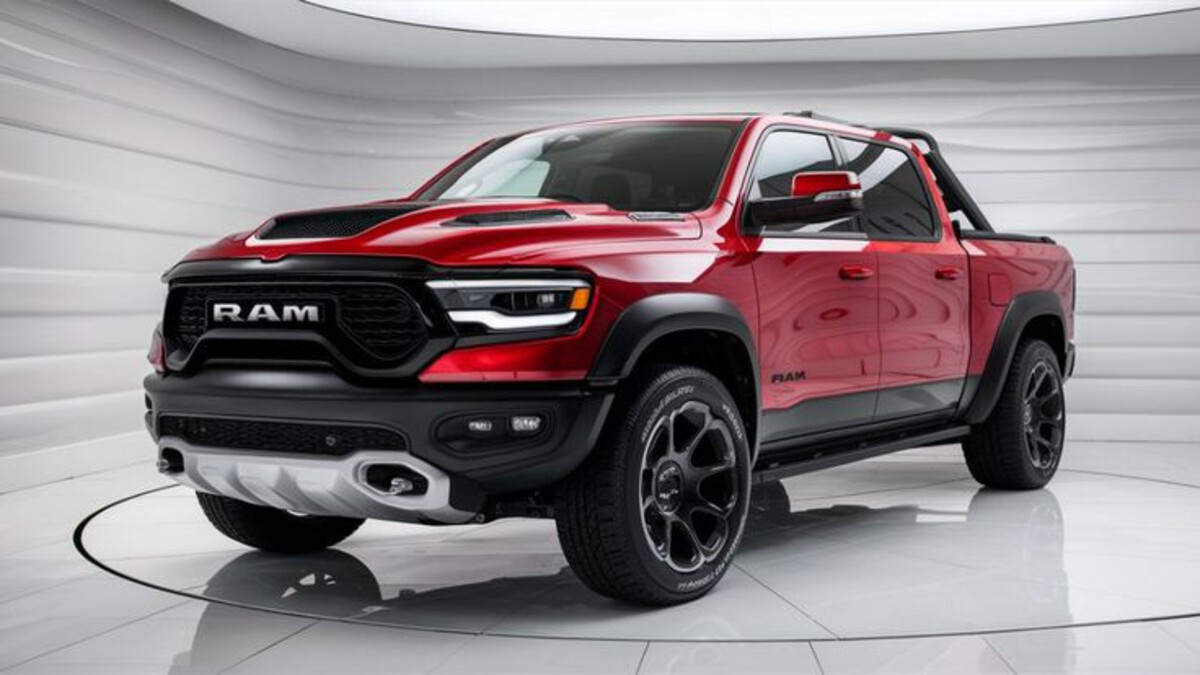
Gear selectors have changed dramatically in modern vehicles, and this transformation reflects a larger shift in automotive design philosophy.
Traditional mechanical gear shifters once dominated the industry because they provided clear tactile feedback, predictable operation, and long term durability. Drivers could physically feel the gear engagement, which created a sense of control and familiarity that lasted for decades.
However, many manufacturers have begun replacing these mechanical selectors with electronic push button systems, rotary knobs, and touch sensitive controls.
These newer systems are often introduced to free up interior space, modernize cabin design, or integrate better with electronic transmission controls. While they can look advanced, they sometimes introduce usability concerns that drivers only notice after living with the vehicle.
This change has created two distinct schools of thought. Some drivers still strongly prefer traditional mechanical shifters because they offer intuitive operation and proven reliability. Others appreciate the clean look and futuristic feel of electronic selectors, even if they require an adjustment period.
The debate is not just about preference. It also touches on safety and ease of use. A traditional shifter often allows quick gear selection without looking down, while some button based systems require visual confirmation.
This difference can affect driver confidence, especially when maneuvering in tight areas or reacting quickly in complex traffic situations.
This comparison is worth discussing because interior technology is evolving rapidly, sometimes faster than driver habits. What feels modern to designers may not always feel natural to long time drivers. At the same time, some electronic systems work very well when implemented carefully.
By comparing SUVs that continue to use dependable mechanical shifters against those that rely on push button or electronic gear selectors that some drivers find confusing, this article highlights how different design philosophies affect everyday usability. It also shows how even small interface decisions can significantly shape the driving experience.
Also Read: 5 Brands Offering Lifetime Tech Support vs 5 That Lock Features Behind Paywalls
5 SUVs With Reliable Mechanical Shifters
Despite the industry trend toward electronic controls, several SUVs still maintain traditional mechanical gear selectors. These vehicles often appeal to drivers who value simplicity, muscle memory, and proven mechanical interaction over futuristic interfaces.
One reason these SUVs deserve attention is because they demonstrate that traditional solutions still have value. Mechanical shifters rarely require explanation. Their operation is usually obvious even to first time drivers, which reduces learning time and potential confusion.
Another reason this topic matters is because long term reliability often favors simpler mechanical interfaces. While modern electronic shifters are generally dependable, traditional systems benefit from decades of refinement and predictable wear patterns.
The following SUVs were selected because they represent different segments that continue to use traditional shifters. Some are designed for off road durability, others for family use, and some for long distance comfort. Each shows that mechanical simplicity still has a place in modern vehicle design.
I am writing about these SUVs because usability often matters more than novelty. While modern technology can improve many aspects of driving, some traditional controls remain effective because they simply work well.
1. Toyota 4Runner
The Toyota 4Runner stands out as one of the clearest examples of an SUV that continues to value mechanical simplicity. Its traditional gear selector reflects the same durability focused engineering philosophy that defines the rest of the vehicle.
One of the biggest reasons this SUV deserves recognition is how well its mechanical shifter matches its rugged purpose. Designed for off road environments and long term ownership, the straightforward gear lever provides clear engagement and predictable operation even in demanding conditions.
Another important factor is how this type of shifter supports driver confidence. When navigating steep trails or maneuvering slowly over obstacles, having a physical lever that clearly indicates gear position provides reassurance that electronic buttons may not match.
I chose to include the 4Runner because it represents a vehicle built around function first thinking. It does not attempt to modernize every control if the existing solution already works effectively. This reflects Toyota’s reputation for prioritizing durability over trends.
This SUV also highlights how mechanical controls often age better from a usability perspective. Drivers familiar with older vehicles often find the transition to the 4Runner effortless because the control layout feels familiar.
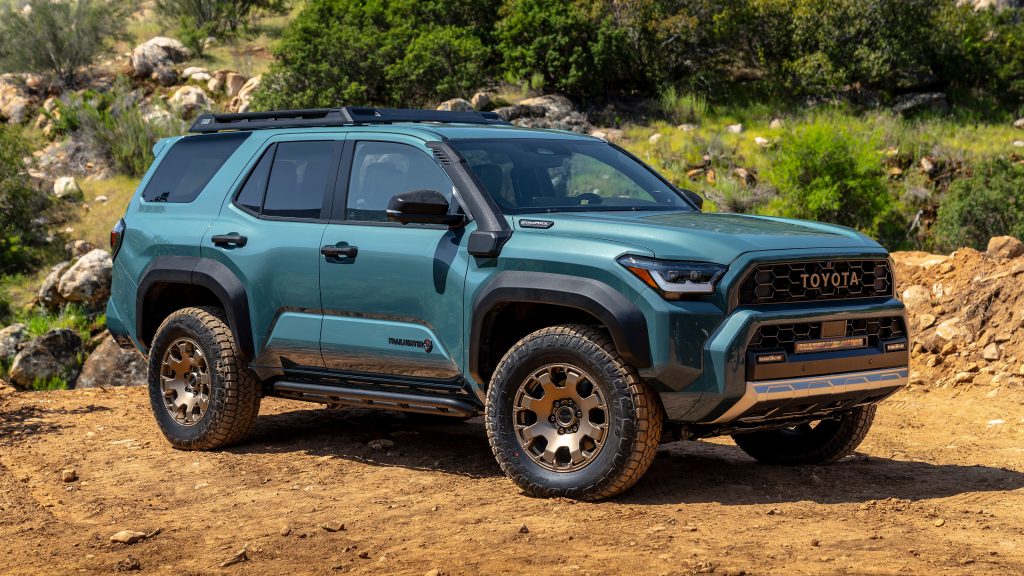
The 4Runner earns its place because it demonstrates how proven design choices can remain relevant even as the industry moves toward digital interfaces.
2. Honda Pilot
The Honda Pilot offers a different perspective on the traditional shifter discussion. While it is a modern family SUV with advanced safety technology, Honda maintained a focus on clear usability when designing its transmission controls in certain model years that still used conventional lever designs.
One reason this SUV stands out is the way the mechanical shifter integrates naturally into the driving experience. Positioned for easy reach, it allows drivers to shift without needing to visually confirm their actions. This becomes especially valuable during busy daily driving routines.
Another reason this vehicle deserves mention is how family focused SUVs benefit from simple controls. Vehicles that may be driven by multiple household members often benefit from intuitive interfaces. A traditional shifter reduces the chance of confusion between different drivers.
I am including the Pilot because it demonstrates how practicality often guides Honda’s engineering decisions. The company tends to prioritize user friendliness over dramatic design changes, and this philosophy shows in how controls are implemented.
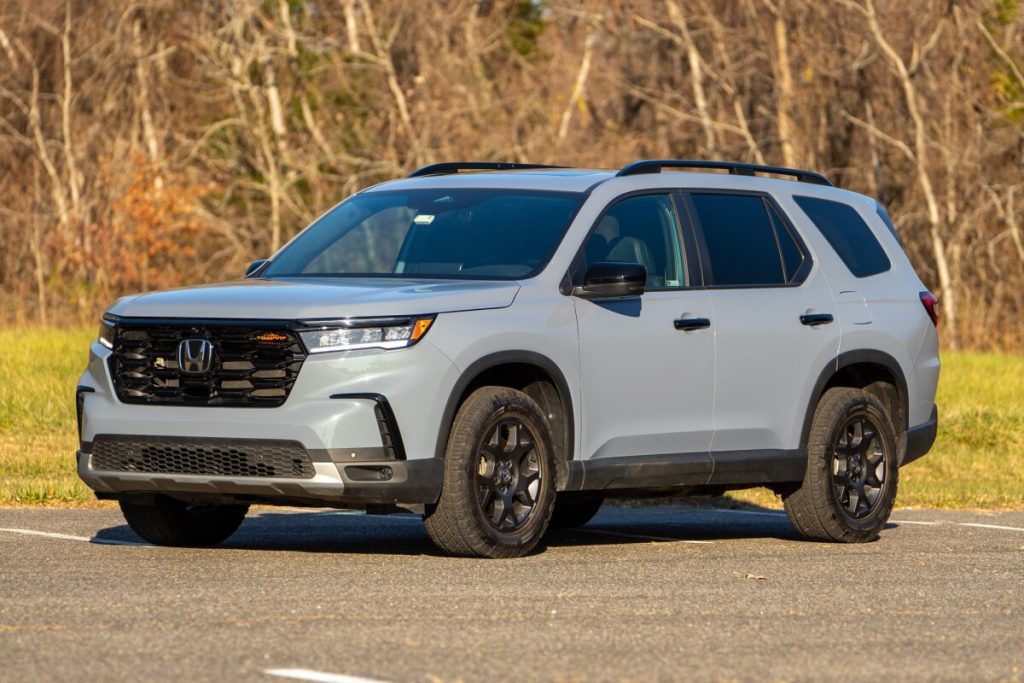
This SUV also reflects how familiarity can reduce driver stress. Controls that behave exactly as expected allow drivers to focus more on traffic conditions and less on operating the vehicle.
The Pilot belongs in this discussion because it shows how even modern SUVs can maintain traditional control advantages without sacrificing technological progress.
3. Lexus GX 460
The Lexus GX 460 deserves a place in this discussion because it represents how luxury and traditional mechanical dependability can exist together without conflict.
While many premium SUVs have shifted toward electronic gear selectors, Lexus maintained a conventional mechanical shifter in this model to support its reputation for long term durability and predictable operation.
One of the strongest reasons this SUV stands out is the connection between its body on frame construction and its control philosophy. Vehicles designed for durability often avoid unnecessary complexity, and the GX follows that approach.
The mechanical shifter matches the SUV’s overall character as a vehicle meant to last for many years without introducing unnecessary learning curves.
Another aspect that makes this vehicle worth discussing is how tactile feedback contributes to driver confidence. The GX provides clear physical engagement when selecting gears, which can feel reassuring compared to button based systems that rely on electronic confirmation instead of physical movement.
I am writing about this SUV because it shows how luxury does not always require abandoning traditional solutions. Lexus demonstrates that refinement can also mean choosing controls that are easy to understand and dependable rather than simply modern looking.

This SUV also highlights how certain buyers actively seek this type of control layout. Drivers transitioning from older vehicles often appreciate that they do not need to relearn basic functions. This supports Lexus’s reputation for user friendly design.
The GX 460 earns its place because it shows how maintaining proven control systems can strengthen long term ownership satisfaction. It demonstrates that reliability is not only about engines and transmissions but also about how drivers interact with those systems.
4. Jeep Grand Cherokee (Traditional Shifter Generations)
The Jeep Grand Cherokee provides an interesting example because it has existed in both categories over different generations. Earlier versions with conventional mechanical shifters earned praise for their straightforward operation, especially compared to later electronic selector experiments that received mixed reactions.
One of the main reasons this SUV belongs here is how well the traditional shifter matched its role as a versatile SUV. Whether used for commuting, towing, or light off road use, the mechanical lever provided consistent and easily understood operation.
Another reason this vehicle deserves mention is how it highlights the importance of intuitive design. Drivers often prefer controls that require no explanation. The earlier Grand Cherokee shifter layouts followed patterns that most drivers already understood, reducing adjustment time.
I included this SUV because it shows how manufacturers sometimes experiment with new interfaces and later return to more familiar solutions. This demonstrates how real world feedback can influence design decisions.
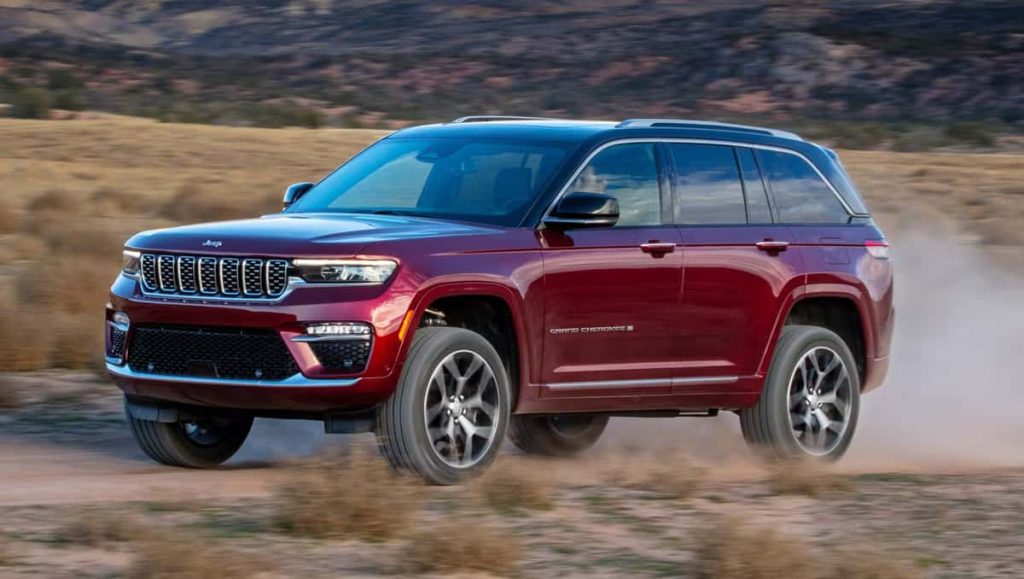
This vehicle also reflects how driver trust develops over time. Controls that behave predictably create confidence, which is especially important in vehicles designed for varied driving conditions.
The Grand Cherokee earns recognition because it demonstrates how traditional mechanical interfaces continue to appeal to drivers who prioritize clarity and simplicity over design novelty.
5. Subaru Outback
The Subaru Outback completes this group because it demonstrates how a brand known for practicality continues to value straightforward driver interfaces. While the Outback blends SUV capability with wagon like usability, its traditional shifter design in many versions reflects Subaru’s focus on function rather than dramatic interior experimentation.
One of the strongest reasons this vehicle deserves attention is the clarity of its control layout. Subaru tends to design interiors around logical placement and easy understanding, and the mechanical gear selector fits naturally into that philosophy. Drivers can operate it without needing to relearn habits developed over years of driving other vehicles.
Another factor that makes this SUV worth discussing is how it supports the brand’s outdoor oriented customer base. Many Outback owners use their vehicles in remote areas where reliability and predictability matter more than modern design trends. A mechanical shifter aligns well with this expectation of dependable operation.
I am including the Outback because it reflects how brand identity influences even small engineering decisions. Subaru emphasizes confidence in difficult weather and road conditions, and simple controls help support that confidence.
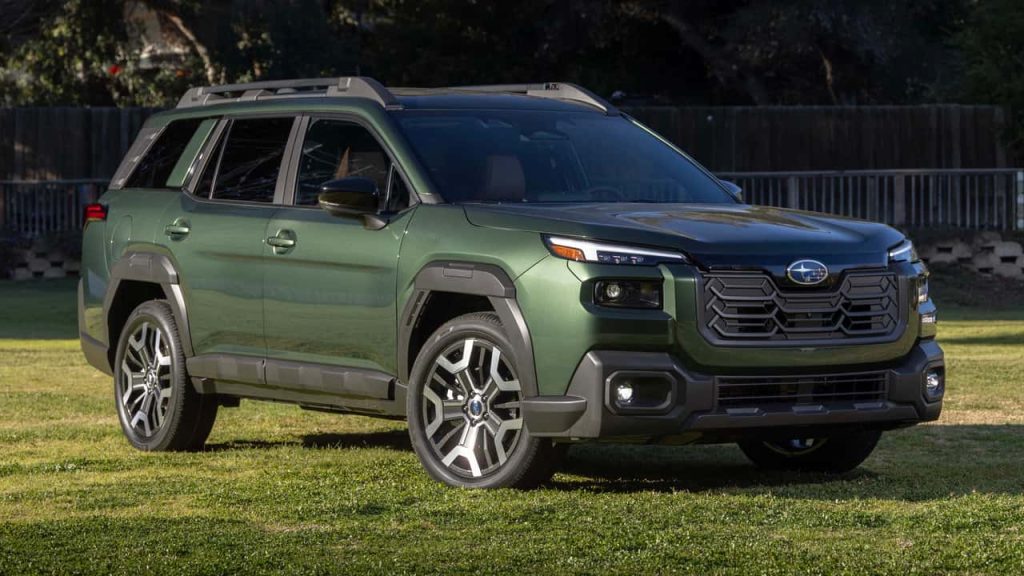
This SUV also highlights how practical engineering can sometimes feel more modern than complicated alternatives. When controls are intuitive, drivers often perceive the vehicle as easier to live with even if the technology is less visually dramatic.
The Outback earns its place because it shows how usability remains one of the most important qualities in a vehicle that is meant to serve as both daily transportation and an adventure tool.
5 With Confusing Push Button Gears
As interior design trends have shifted toward minimalism and digital integration, many manufacturers have introduced push button or electronic gear selectors. While these systems can free up space and create cleaner dashboards, they sometimes require drivers to adjust their habits significantly.
One reason these systems can feel confusing is the lack of physical movement. Traditional shifters communicate gear changes through motion and resistance, while button systems rely more on visual indicators. For drivers used to physical confirmation, this change can feel less natural at first.
Another factor is inconsistency across brands. Unlike traditional shifters, which usually follow a similar pattern, electronic selectors vary widely. Some use vertical button stacks, others use horizontal layouts, and some combine push buttons with toggles. This lack of standardization can make switching between vehicles more challenging.
This section is important because these systems are not necessarily flawed. Many work exactly as intended and become easy to use with time. However, they highlight how design innovation sometimes moves faster than driver familiarity.
I am writing about these SUVs because they represent how rapidly interior design is changing. Understanding these differences helps drivers choose vehicles that match their comfort level with new interfaces.
1. Acura MDX (Push Button Selector)
The Acura MDX stands as one of the most well known examples of push button gear selection in a luxury SUV. Acura introduced this system to create a cleaner center console and emphasize its move toward electronic integration.
One reason this SUV belongs in this discussion is how different the control layout feels compared to traditional gear levers. Instead of one continuous motion, the MDX uses separate buttons for different gear selections. This can require a short learning period for drivers accustomed to mechanical shifters.
Another interesting aspect is how the design attempts to balance modern aesthetics with usability. The buttons are shaped differently to help identification by touch, but the experience still differs significantly from moving a lever through a gate.
I chose to include this vehicle because it demonstrates how brands attempt to modernize interiors while maintaining functionality. Acura clearly aimed to create something distinctive rather than simply following existing patterns.
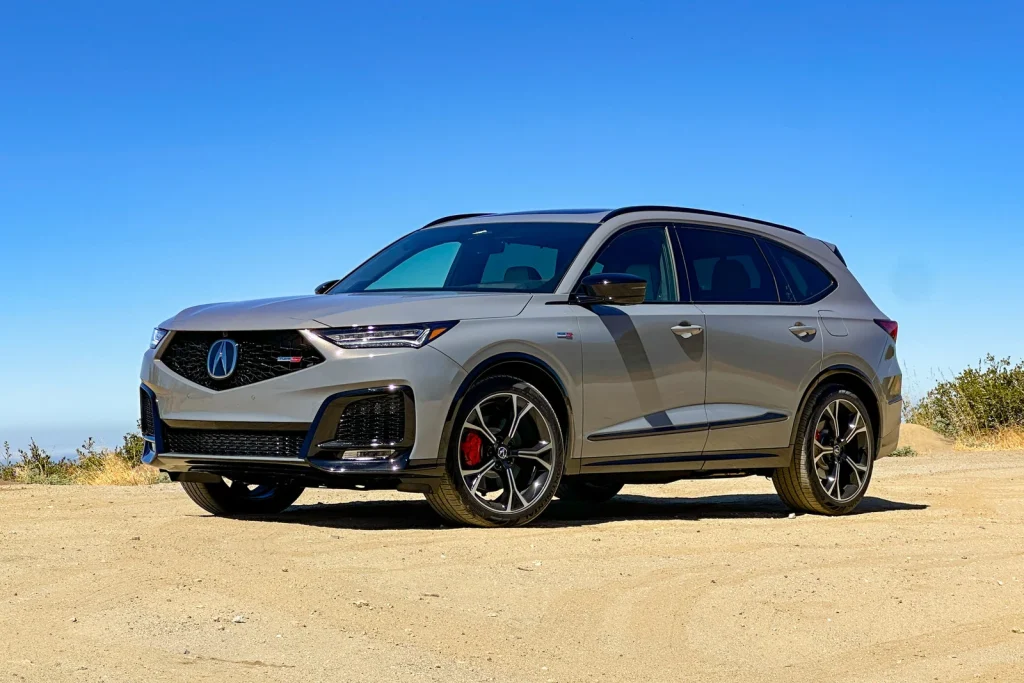
This SUV also highlights how familiarity develops over time. Many owners report that after an adjustment period, the system becomes second nature. This shows how initial confusion does not necessarily mean poor design.
The MDX earns its place because it represents how the industry is experimenting with new ways for drivers to interact with transmissions, even if those changes require some adaptation.
2. Lincoln Aviator
The Lincoln Aviator offers a different interpretation of push button gear selection through a horizontal row of buttons integrated into the dashboard. This design focuses heavily on visual elegance and interior symmetry, but it also changes how drivers interact with the transmission.
One reason this SUV stands out is the unusual placement of the gear buttons higher on the dashboard rather than on the center console. This requires drivers to build new muscle memory compared to traditional layouts. For some, this feels intuitive after time, while others find it less natural.
Another factor worth discussing is how Lincoln designed the system to emphasize luxury presentation. The buttons are styled to match interior trim elements, reinforcing the brand’s focus on visual harmony. This shows how design goals sometimes shape control layout.
I am including this SUV because it represents how luxury brands often lead interior experimentation. By introducing new control concepts, they test how buyers respond to non traditional layouts.
This vehicle also highlights how user experience depends heavily on personal preference. Some drivers enjoy the uncluttered console created by this design, while others prefer the reassurance of a physical lever.
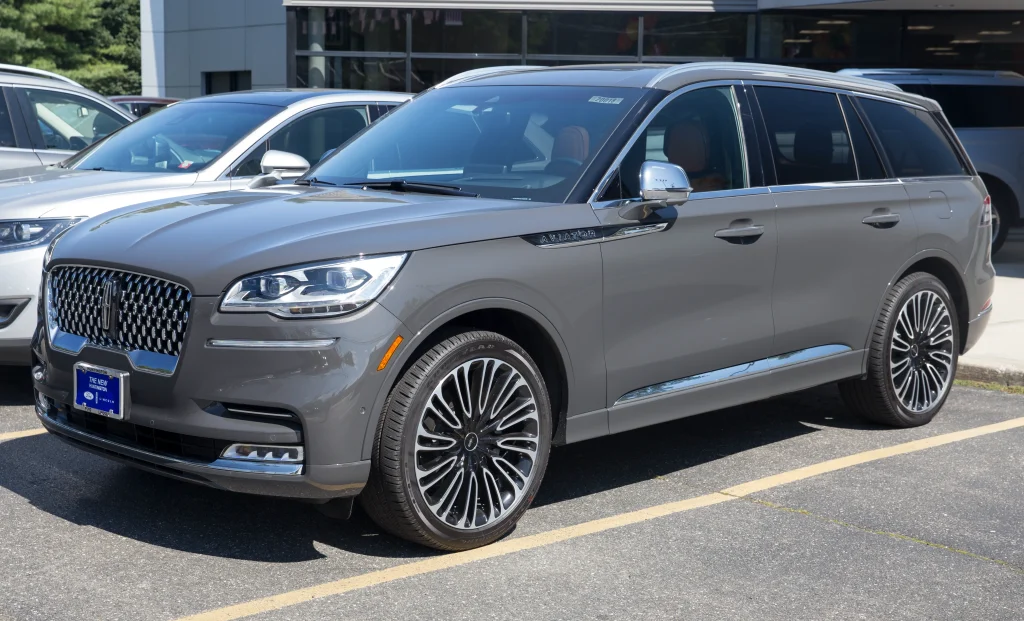
The Aviator belongs here because it shows how modern luxury interiors sometimes prioritize visual simplicity even if it means rethinking long established control habits.
3. Hyundai Palisade
The Hyundai Palisade presents another interesting example of push button gear selection, but its approach reflects a very different philosophy from luxury focused brands.
Hyundai introduced this layout as part of a broader effort to modernize interiors and improve perceived technology value. While visually clean, it also changes how drivers interact with basic driving functions.
One of the main reasons this SUV deserves mention is the vertical stack of transmission buttons located on the center console. Instead of the familiar motion of pulling a lever, drivers must rely on pressing clearly labeled buttons. For new drivers this may not feel unusual, but experienced drivers sometimes need time to adjust their instincts.
Another point worth discussing is how this design attempts to improve space efficiency. By removing a traditional gear lever, Hyundai created more room for storage and console organization. This shows how interior packaging decisions often drive these changes rather than transmission function itself.
I am including the Palisade because it reflects how mainstream brands are adopting design ideas once limited to luxury vehicles. This demonstrates how quickly industry trends spread once manufacturers see positive customer reactions.
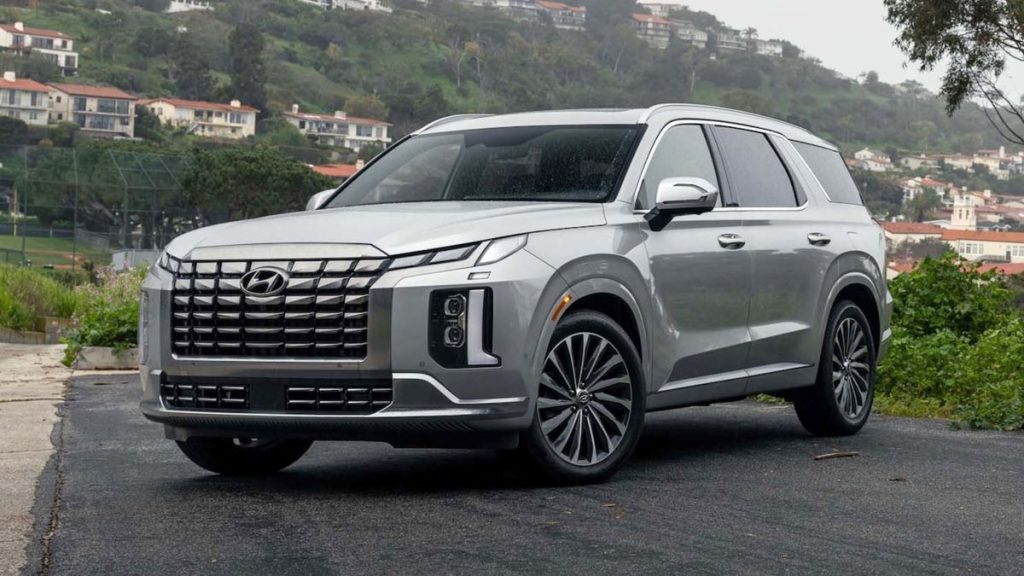
This SUV also highlights how clarity of labeling becomes very important when using button selectors. Hyundai attempted to make the interface straightforward through clear markings and logical placement, but the lack of physical movement still requires visual confirmation for some drivers.
The Palisade earns its place because it shows how modern interior design trends are influencing even practical family vehicles. It demonstrates how the industry is moving toward electronic interfaces even in segments traditionally focused on simplicity.
4. Tesla Model X
The Tesla Model X represents perhaps one of the most radical departures from traditional gear selection philosophy. Rather than relying solely on physical buttons, Tesla has explored software based gear selection integrated into its touchscreen interface in certain versions, pushing the idea of digital control even further.
One of the main reasons this SUV stands out is how heavily it depends on digital interaction. Instead of reaching for a lever or button, drivers may interact with a screen or minimalistic control interface. This reflects Tesla’s broader approach of reducing physical controls wherever possible.
Another important factor is how this design challenges long established driving habits. Drivers accustomed to physical confirmation may initially find digital selection less reassuring. However, Tesla designed the system with predictive software features that attempt to anticipate driver intentions, which adds another layer of adjustment.
I am writing about the Model X because it represents how technology companies entering the automotive industry sometimes rethink long established conventions. Tesla approaches vehicle controls more like consumer electronics, which explains its willingness to experiment with interface design.
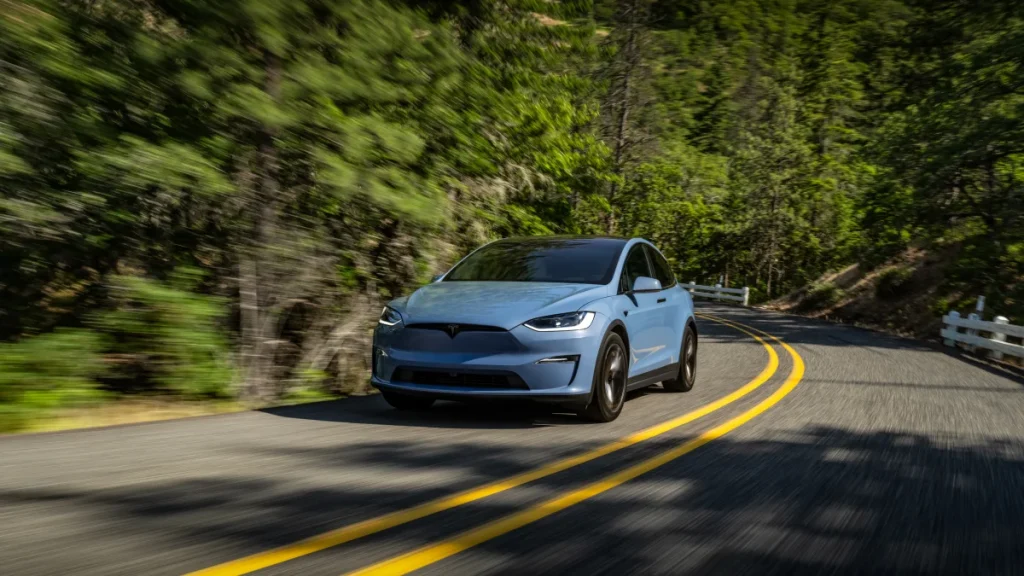
This SUV also demonstrates how software flexibility can allow rapid changes. Unlike mechanical systems, digital controls can be updated through software revisions. This introduces a completely different philosophy toward vehicle interfaces.
The Model X belongs here because it shows how far the industry may move toward digital interaction. Whether drivers see this as innovation or complication often depends on their comfort with technology driven controls.
5. Ram 1500 TRX-Based SUV Interior Layout (Rotary Gear Selector Influence)
While Ram is primarily known for trucks, the rotary gear selector design used in vehicles sharing similar interior philosophies deserves mention because it demonstrates another direction electronic gear selection has taken.
Rotary dials have appeared in several Stellantis vehicles, including SUV platforms related to similar interior design strategies.
One of the main reasons this design belongs in this discussion is the difference in physical logic compared to a lever. Turning a dial to select drive or reverse requires a different type of muscle memory than pushing or pulling a shifter. For drivers switching between vehicles, this can sometimes lead to momentary hesitation.
Another factor that makes this design worth discussing is how easily it can be confused with other rotary controls. Climate control knobs and drive mode selectors sometimes sit nearby, and while manufacturers try to distinguish them visually, the similarity can occasionally cause hesitation until drivers become familiar.
I am including this layout because it represents how interior designers attempt to balance convenience with modern appearance. The rotary selector frees up console space and contributes to a cleaner layout, which appeals to buyers seeking a contemporary cabin feel.
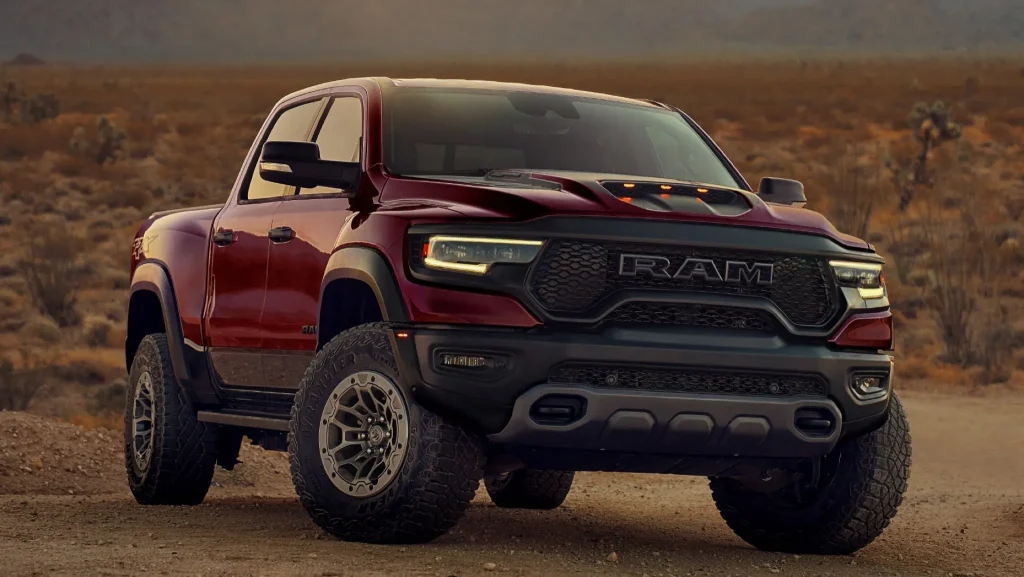
This example also highlights how adaptation usually solves initial confusion. Many owners report that after regular use, the rotary selector becomes automatic. This reinforces the idea that most interface challenges are temporary rather than permanent problems.
It earns its place because it shows how the industry continues exploring alternatives to the traditional lever. Each new approach attempts to balance aesthetics, ergonomics, and technology integration, even if driver reactions vary.
Transmission control design may seem like a small detail compared to engine performance or safety ratings, but it plays a surprisingly important role in daily usability. The way a driver selects gears is one of the most frequent interactions they have with a vehicle, and even small design changes can influence comfort and confidence.
The SUVs with traditional mechanical shifters demonstrate how proven solutions remain effective. The Toyota 4Runner showed how rugged design benefits from mechanical simplicity.
The Honda Pilot demonstrated how family vehicles benefit from intuitive controls. The Lexus GX 460 highlighted how luxury can still respect traditional usability. The Jeep Grand Cherokee showed how familiar layouts build driver trust. The Subaru Outback reflected how practicality often favors simple solutions.
The SUVs with push button or electronic gear systems show how the industry continues to evolve. The Acura MDX demonstrated how brands modernize control layouts. The Lincoln Aviator showed how luxury design can influence interface placement.
The Hyundai Palisade reflected how these ideas spread into mainstream segments. The Tesla Model X illustrated how digital integration can redefine driver interaction. The Ram inspired rotary selector showed how designers continue experimenting with alternative approaches.
The purpose of this comparison is not to suggest that one system is universally better. Some drivers appreciate the familiarity and tactile reassurance of mechanical shifters. Others enjoy the modern appearance and space efficiency of electronic controls.
What matters most is how naturally a driver connects with the interface. A well designed control should feel predictable and easy to use regardless of technology level.
As vehicles continue evolving toward more digital interiors, this balance between innovation and usability will remain important. The best designs will likely be those that introduce new ideas while still respecting the instincts drivers have developed over decades of driving.
Also Read: 5 Hybrid Systems With Proven Longevity vs 5 Still in the Testing Phase