
When people shop for used sedans, most of the attention usually goes toward engine durability, transmission performance, fuel efficiency, and maintenance costs. However, one area that often gets ignored until problems appear is the electrical system.
In modern vehicles especially, electrical reliability plays a major role in determining whether ownership feels smooth or frustrating.
A sedan with a strong electrical system usually means fewer unexpected warning lights, stable infotainment performance, consistent starting behavior, and properly functioning sensors.
These vehicles tend to age gracefully because their wiring harnesses, connectors, control modules, and charging systems were designed with durability in mind. Even after years of use, they continue to operate without developing strange electronic behavior.
On the other hand, some sedans develop reputations for electrical weaknesses as they age. These issues may involve fragile wiring insulation, poorly protected connectors, sensitive control modules, or complex electronics that become difficult to maintain over time.
Problems often begin as small annoyances such as intermittent power windows or random dashboard alerts but can eventually become costly diagnostic challenges.
Used car buyers often underestimate how important electrical durability is because wiring problems are harder to predict than mechanical wear. An engine noise can be heard. A worn suspension can be felt. Electrical faults, however, may appear randomly and require time consuming troubleshooting.
This is why understanding which used sedans are known for strong electrical design and which ones have histories of wiring related complaints can make a significant difference. A vehicle with dependable electronics can save owners both money and frustration over years of ownership.
This comparison highlights five used sedans recognized for electrical dependability and five that have developed reputations for wiring related concerns. The purpose is not to label vehicles as good or bad overall but to help buyers understand an often overlooked part of long term reliability.
Also Read: 5 Vehicles With Large Analog Gauges vs 5 With Glitchy Digital Clusters
5 Used Sedans With Bulletproof Electrical Systems
Some sedans become known for aging gracefully not just because of strong engines but because their electrical systems were engineered conservatively. These vehicles usually avoid overly complex electronics and instead focus on proven technology, durable wiring insulation, and well tested control modules.
Another advantage seen in electrically reliable sedans is predictable behavior. Owners rarely experience unexplained electrical faults, which means fewer diagnostic visits and less frustration.
These cars often become favorites among mechanics because they are straightforward to maintain and rarely develop mysterious electrical problems.
Manufacturers that prioritize long term dependability often invest in higher quality connectors, stronger grounding points, and better moisture protection. These small engineering details may not appear in advertisements but make a huge difference after ten years of use.
The following sedans were selected because they have developed reputations among owners and technicians for maintaining electrical stability even after extended mileage. Their systems may not always be the most advanced, but they are often among the most dependable.
1. Toyota Camry (2012 to 2017)
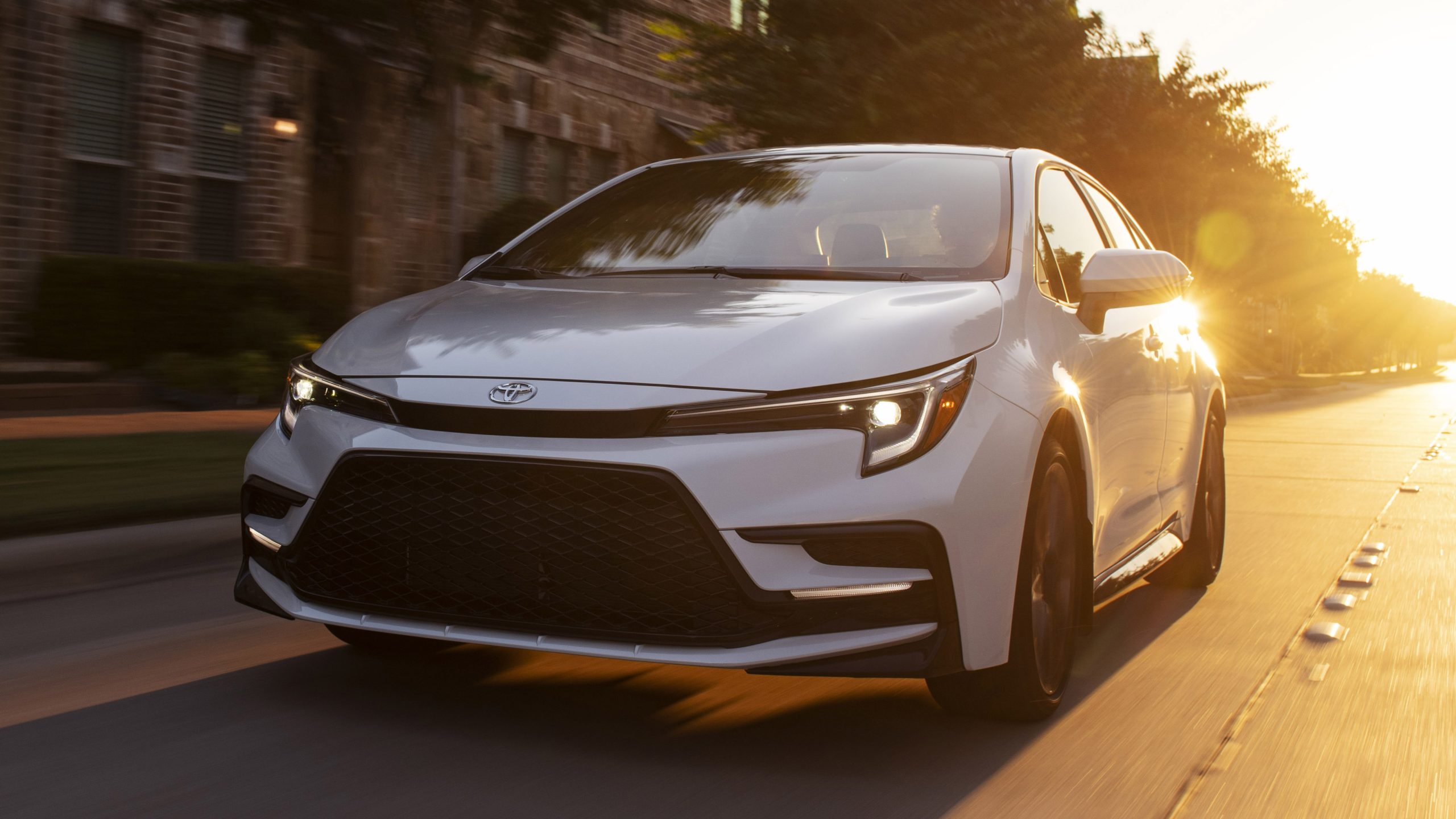
The Toyota Camry has built a reputation not just for mechanical reliability but also for electrical consistency. This generation is particularly respected because Toyota kept the electronics relatively simple while still offering modern convenience features.
One reason this sedan stands out is Toyota’s conservative engineering philosophy. Instead of pushing complex digital integration early, the company focused on making sure the existing technology worked reliably for long periods. This resulted in fewer reports of failing modules or wiring deterioration compared to many competitors.
Owners often report that even after high mileage, common electrical functions such as power locks, window motors, dashboard displays, and climate controls continue to operate without unusual failures. This consistency is a major reason the Camry remains popular in the used market.
Technicians also frequently mention how rarely these cars develop complicated wiring problems. When electrical issues do occur, they are often straightforward wear items such as aging batteries or alternators rather than deep harness failures.
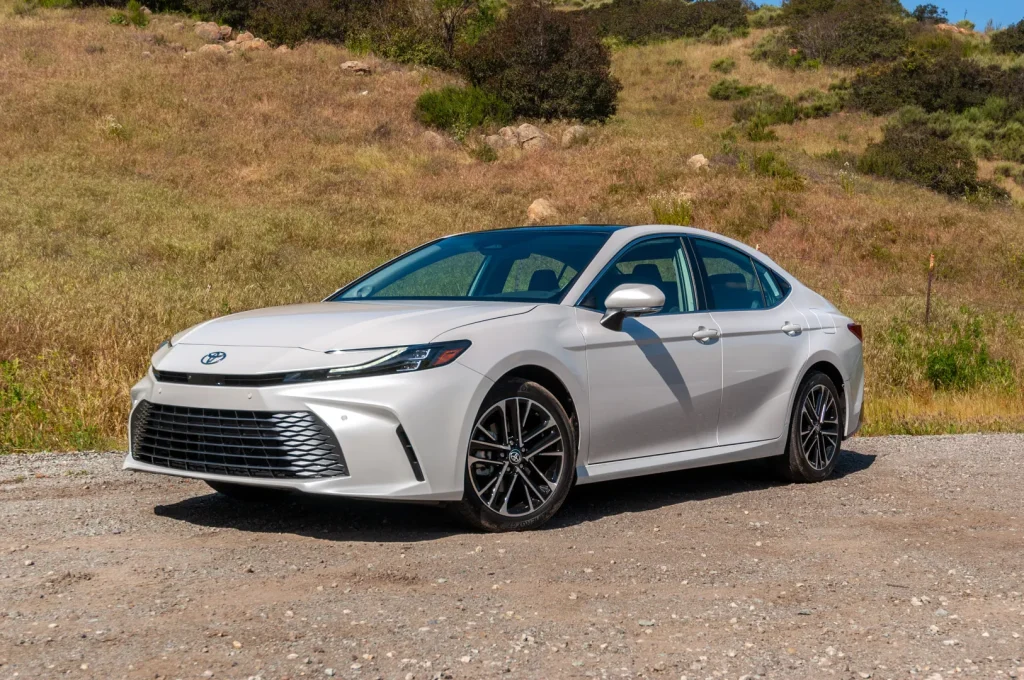
Another reason to include this sedan is how well it handles long term daily use. Vehicles used for commuting, rideshare work, or family transportation often accumulate heavy usage, yet the Camry typically maintains stable electronic behavior.
This car is highlighted because it shows how avoiding unnecessary complexity can improve long term durability. By focusing on proven electrical architecture, Toyota created a sedan that continues to deliver predictable ownership even years after purchase.
2. Honda Accord (2013 to 2017)
If the Camry represents conservative reliability, the Honda Accord represents careful balance between technology and durability. This generation introduced modern features while still maintaining Honda’s traditional focus on dependable engineering.
One way to understand the Accord’s strength is by looking at failure patterns. Unlike some sedans that develop repeated electrical complaints as they age, this Accord generation generally avoids widespread wiring related issues. That does not mean problems never occur, but they rarely form consistent patterns across large ownership groups.
Another interesting strength is Honda’s attention to component integration. The company tends to design electrical systems with logical layouts, making them easier to service and less prone to hidden connection failures. This design discipline contributes to long term stability.
Many owners also note the durability of the Accord’s infotainment and instrument systems compared to some rivals that experienced early touchscreen or display failures during the same era. This reliability helps preserve daily usability as the vehicle ages.
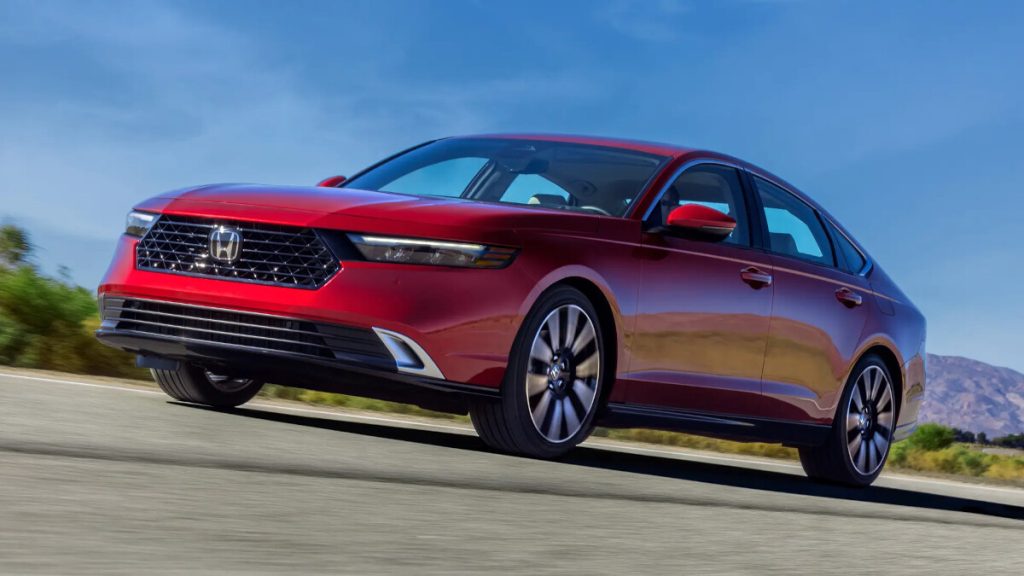
There is also a practical ownership benefit. Because the electrical system remains stable, these cars often avoid the type of unpredictable repair costs that can make used luxury sedans risky purchases.
This sedan is included because it demonstrates how thoughtful engineering can allow a vehicle to include modern features without sacrificing long term dependability. It stands as a reminder that electrical reliability is often the result of careful planning rather than luck.
3. Lexus ES 350 (2013 to 2018)
When discussing electrical reliability in used sedans, the Lexus ES 350 often comes up in conversations among long term owners who value consistency over complexity.
Lexus has historically taken Toyota’s conservative engineering mindset and applied even stricter quality control standards, especially in areas that customers rarely see, such as wiring protection and electronic module durability.
A major strength of this sedan comes from how Lexus approached technology integration. Rather than rushing experimental features into production, the brand typically introduced technology only after it had already proven dependable in other applications.
This cautious rollout helped prevent the kind of early electronic failures that sometimes affect more experimental luxury vehicles.
Looking deeper into ownership experiences reveals something important. Many ES 350 models continue operating with original electronic components well past typical warranty periods.
Climate systems, seat electronics, keyless entry, and dashboard electronics tend to remain stable even after a decade of use. This is not accidental. Lexus invested heavily in connector sealing and vibration resistance, both of which protect electrical integrity over time.
Mechanics often point out another advantage. The ES platform avoids unnecessarily complicated electronic layering.
Some luxury vehicles from the same era used highly interconnected modules where one fault could trigger multiple warning messages. The ES tends to isolate systems more effectively, reducing the chance of cascading electrical confusion.
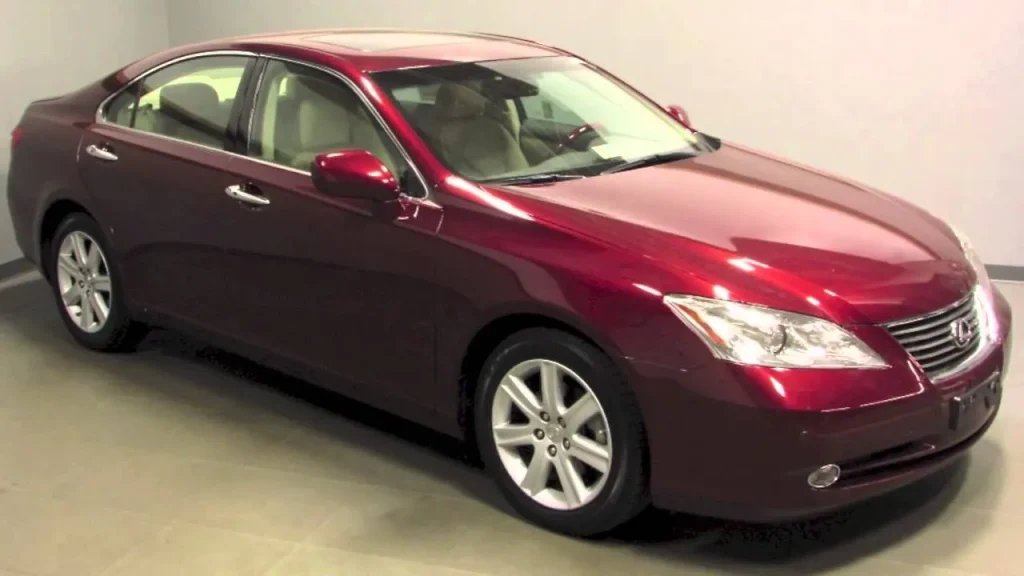
From a buyer’s perspective, this sedan represents peace of mind. Electrical dependability is especially important in luxury vehicles because repair costs can rise quickly when electronic faults appear. Choosing a model known for stable wiring reduces that risk significantly.
Another reason this car deserves attention is resale confidence. Used buyers often gravitate toward vehicles known for low electronic drama. The ES benefits from this reputation because it rarely surprises owners with strange electrical behavior.
This model is included because it shows how premium comfort and electrical durability can exist together when engineering discipline takes priority over unnecessary technological experimentation.
4. Mazda 6 (2014 to 2019)
The Mazda 6 deserves attention for a different reason than the previous entries. Instead of relying on conservative simplicity alone, Mazda focused on creating a balanced electrical architecture that could support modern features while maintaining long term durability.
This makes the car particularly interesting because it proves reliability does not always require limiting technology.
Mazda’s engineering culture emphasizes driver engagement, but behind that philosophy is a quiet focus on system dependability. Electrical routing in the Mazda 6 shows evidence of careful planning. Harness placement often avoids heat exposure zones, and connectors tend to be positioned where moisture intrusion risk is minimized.
Owners frequently describe these vehicles as predictable. Electrical accessories such as lighting systems, infotainment controls, and driver information displays usually continue working without developing the intermittent faults that sometimes appear in aging sedans. This type of predictability often matters more than advanced features.
Another point worth noting involves Mazda’s approach to electronic complexity. While the car includes modern safety systems and connectivity features, Mazda generally avoided excessive digital layering. Fewer unnecessary control modules can mean fewer possible failure points.
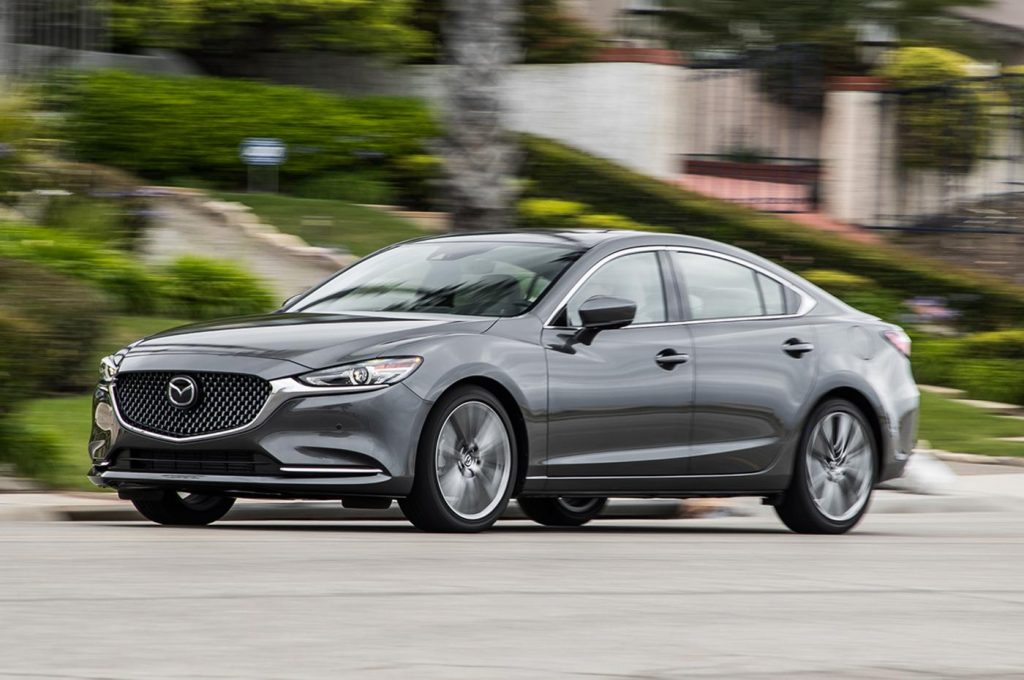
What makes this sedan stand out in the used market is how it combines design appeal with practical durability. Some cars known for attractive styling sacrifice long term robustness. The Mazda 6 shows that visual design and electrical dependability do not have to conflict.
Technicians sometimes describe these cars as straightforward to diagnose when problems do appear. Simpler diagnostic pathways reduce labor time and help keep repair costs reasonable. This is an underappreciated benefit of well organized electrical architecture.
This sedan is featured because it demonstrates how thoughtful design can quietly improve ownership satisfaction. It shows that when manufacturers take time to engineer durable electrical systems, the benefits may not be obvious on a spec sheet but become clear after years of trouble free driving.
5. Toyota Corolla (2014 to 2020)
If one sedan represents the idea that simple electrical design often leads to long term durability, it is the Toyota Corolla.
While it may not attract attention for cutting edge technology, this model has built a strong reputation by focusing on stability rather than experimentation. That approach has paid off in the form of extremely consistent electrical reliability.
A useful way to understand the Corolla’s strength is to look at how Toyota limits unnecessary risk. Instead of introducing complex digital layers, the company often chooses proven electrical components that have already demonstrated durability in other models.
This parts sharing strategy improves reliability because the components have already been tested in real world conditions.
Owners often notice something important after several years of use. Basic electronic functions continue working without developing personality traits. There are few reports of random sensor warnings, unexpected battery drain, or failing switches.
This predictable behavior becomes especially valuable as the vehicle ages and resale buyers look for dependable transportation.
Another factor worth highlighting is how well the Corolla tolerates neglect. Not every used car receives perfect maintenance. Some vehicles develop electrical sensitivity when batteries age or when grounding points corrode.
The Corolla tends to remain tolerant of typical wear conditions, which helps explain its popularity in high mileage commuting and fleet use.
Looking at repair data also shows a pattern. When electrical repairs are needed, they usually involve normal service components such as starters or charging systems rather than complicated harness failures. This keeps long term maintenance manageable.
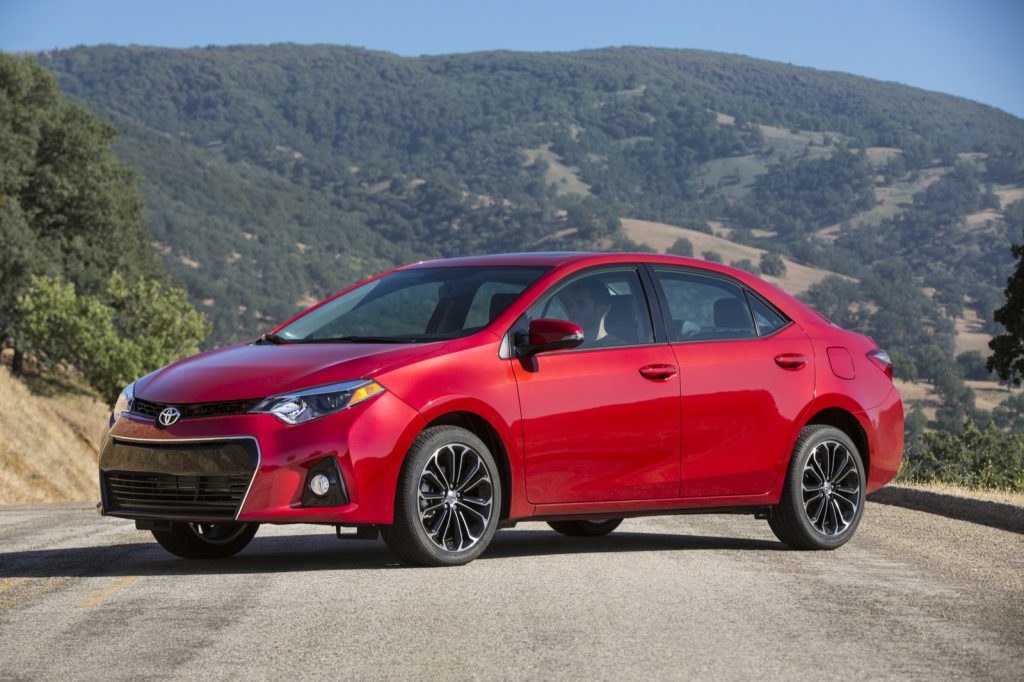
There is also a design philosophy at work here. Toyota often avoids pushing electrical components to their limits. By giving systems comfortable operating margins, the company reduces stress related failures that sometimes appear in more aggressively engineered vehicles.
This sedan is included because it represents one of the safest choices for buyers who want dependable transportation without worrying about hidden electronic surprises. It shows that electrical durability often comes from disciplined engineering rather than impressive feature lists.
5 Used Sedans Prone to Wiring Faults
Not all electrical problems come from poor engineering. Sometimes they result from ambitious technology, cost reduction decisions, or complex electronic integration that becomes harder to maintain as vehicles age.
Sedans that pushed technological boundaries early sometimes discovered that long term durability can be difficult when electronics become highly interconnected.
One common issue involves wiring insulation quality. In some vehicles, insulation materials may become brittle after years of heat exposure. This can lead to intermittent faults that are difficult to trace because they appear only under certain conditions.
Another factor involves connector placement. Poorly protected connectors exposed to moisture or vibration may slowly develop resistance problems. These issues rarely cause immediate failure but can create frustrating intermittent behavior that takes time to diagnose.
Complex electronic communication networks can also play a role. Some sedans rely on multiple modules constantly exchanging information. When one module begins to fail, it may trigger warning messages across unrelated systems, making troubleshooting complicated and expensive.
The following sedans are not necessarily poor vehicles overall. Many offer strong performance, comfort, or innovation. However, they have developed reputations among some owners and technicians for electrical sensitivity compared to the most dependable competitors.
Understanding these examples helps buyers make informed decisions and also encourages careful inspection before purchasing used vehicles with complex electronics.
1. BMW 5 Series (2004 to 2010 E60)
The BMW E60 5 Series stands as one of the most technologically ambitious sedans of its time. It introduced advanced electronic systems, complex infotainment controls, and early versions of digital vehicle personalization. While these innovations helped move the industry forward, they also created long term electrical complexity.
One of the main challenges with this generation comes from the sheer number of interconnected control modules. Instead of independent systems, many functions rely on shared communication networks. This design improves integration but also increases the chance that one electrical issue can affect multiple vehicle systems.
Owners sometimes report issues such as warning lights appearing without clear mechanical causes, malfunctioning comfort electronics, or sensor related alerts. These problems often require specialized diagnostic equipment because the faults may involve communication errors rather than simple component failure.
Another area of concern involves aging wiring and connectors. As these vehicles reach higher mileage, heat cycling and environmental exposure can gradually affect electrical connections. Small resistance changes can cause unpredictable behavior, especially in systems dependent on precise voltage signals.
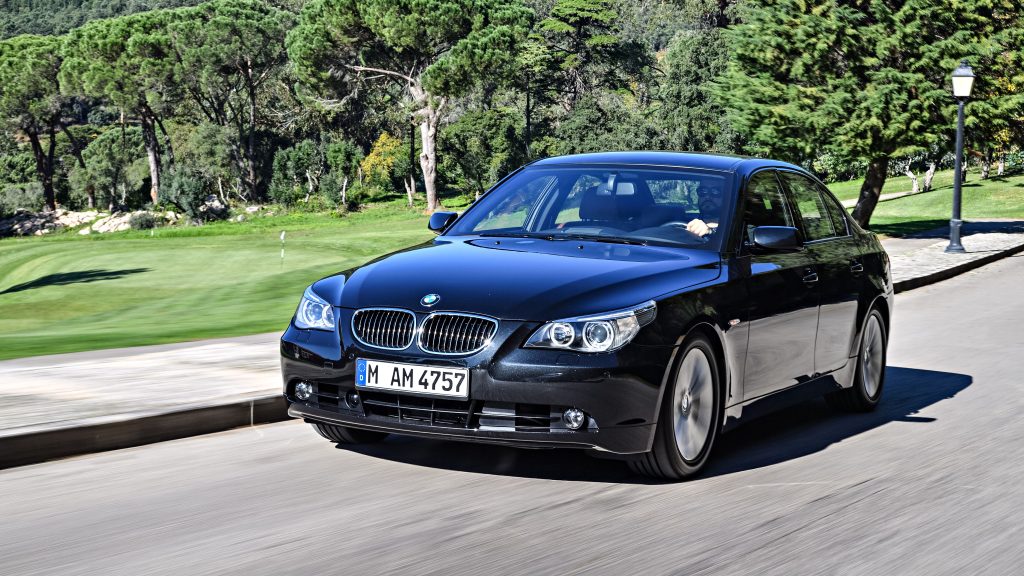
It is important to emphasize that many examples of this sedan remain excellent vehicles when properly maintained. However, ownership often requires more attention to electrical condition than simpler competitors from the same period.
This car is included because it demonstrates how early adoption of complex electronics can create long term maintenance challenges. It also highlights how innovation sometimes brings trade offs that only become visible years later.
2. Volkswagen Passat (2006 to 2012)
The Volkswagen Passat from this era provides another example of how electrical ambition can sometimes create ownership challenges. Volkswagen aimed to deliver a premium feel in a mainstream sedan, and part of that effort involved introducing sophisticated electronic features.
While the vehicle delivered strong driving refinement, some owners experienced electrical inconsistencies as the cars aged. Reports occasionally included intermittent dashboard alerts, sensor faults, and convenience feature glitches that required detailed troubleshooting.
A notable factor involves how tightly integrated many of the electronic systems are. When one component begins to degrade, it can create symptoms that appear unrelated. This can increase diagnostic time compared to vehicles with simpler electrical layouts.
Another point often mentioned by technicians involves wiring harness routing in certain areas exposed to heat or vibration. Over time, this exposure may contribute to insulation fatigue or connector wear. These issues do not affect every vehicle but appear often enough to form a reputation among used car buyers.
The Passat appears here because it shows how trying to deliver near luxury technology at mainstream prices can sometimes lead to compromises in long term durability.
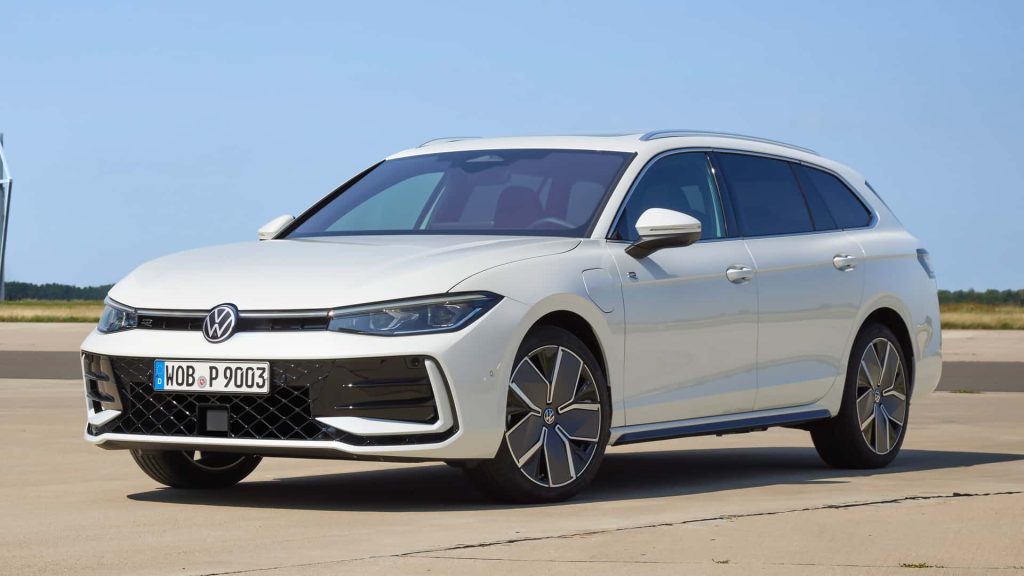
Examining this example helps reinforce an important lesson. When buying used vehicles with advanced electronics, long term electrical stability can matter just as much as driving comfort or interior quality.
3. Mercedes-Benz E-Class (2003 to 2009 W211)
The W211 generation E Class showed how quickly automotive technology was evolving during the early 2000s. Mercedes introduced many advanced comfort and safety electronics in this sedan, but as the cars aged, some of these systems became known for requiring careful electrical maintenance.
One commonly discussed concern involves the Sensotronic Brake Control system used in early models. This electronically controlled braking system was highly advanced for its time but added complexity that required proper monitoring. While many vehicles performed well, the system contributed to the car’s reputation for electrical sensitivity.
Another area sometimes mentioned involves aging wiring connectors and control modules. Luxury vehicles often include more electronic features than mainstream sedans, which naturally increases the number of potential failure points.
As these cars accumulated years of use, some owners experienced issues related to electronic communication faults rather than traditional mechanical problems.
Climate control electronics, seat modules, and central control systems occasionally required attention in higher mileage examples. These issues were rarely catastrophic but could be frustrating because diagnosing luxury electrical systems often requires specialized knowledge.
It is also important to understand the context. Mercedes was pushing technology boundaries to maintain its leadership in automotive innovation. Features that are now considered normal were once experimental in vehicles like this. Early adoption sometimes means long term complexity.

Despite these concerns, many well maintained W211 sedans continue to perform very well. Proper battery health, careful inspection of electrical grounds, and preventive maintenance often make a large difference in ownership experience.
This sedan appears here not to discourage buyers but to show how advanced technology can increase the importance of electrical care in used luxury vehicles. Buyers who understand this can still enjoy these cars while avoiding unexpected surprises.
4. Audi A6 (2005 to 2011 C6)
The Audi A6 from this period represents another example of how premium technology can sometimes create electrical ownership challenges as vehicles age. Audi focused heavily on digital integration, introducing systems that connected infotainment, climate functions, and vehicle settings through centralized interfaces.
The Multi Media Interface system, often called MMI, was one of the most advanced infotainment platforms of its time. While impressive, early versions sometimes developed glitches as vehicles aged, particularly when control modules or fiber optic communication components experienced wear.
Electrical concerns sometimes appeared in the form of sensor warnings or electronic convenience feature malfunctions. These problems often required systematic diagnosis rather than simple part replacement, which could increase maintenance costs compared to simpler sedans.
A different issue sometimes discussed involves wiring exposure in areas subject to temperature changes. Over long ownership periods, heat cycling can affect connector tightness and wiring flexibility. This is not unique to Audi, but the vehicle’s electronic complexity made such issues more noticeable.
From a broader perspective, the A6 demonstrates how luxury vehicles often lead technology trends. Being first to introduce advanced systems can improve comfort and innovation but may also mean more complicated aging patterns compared to conservative designs.
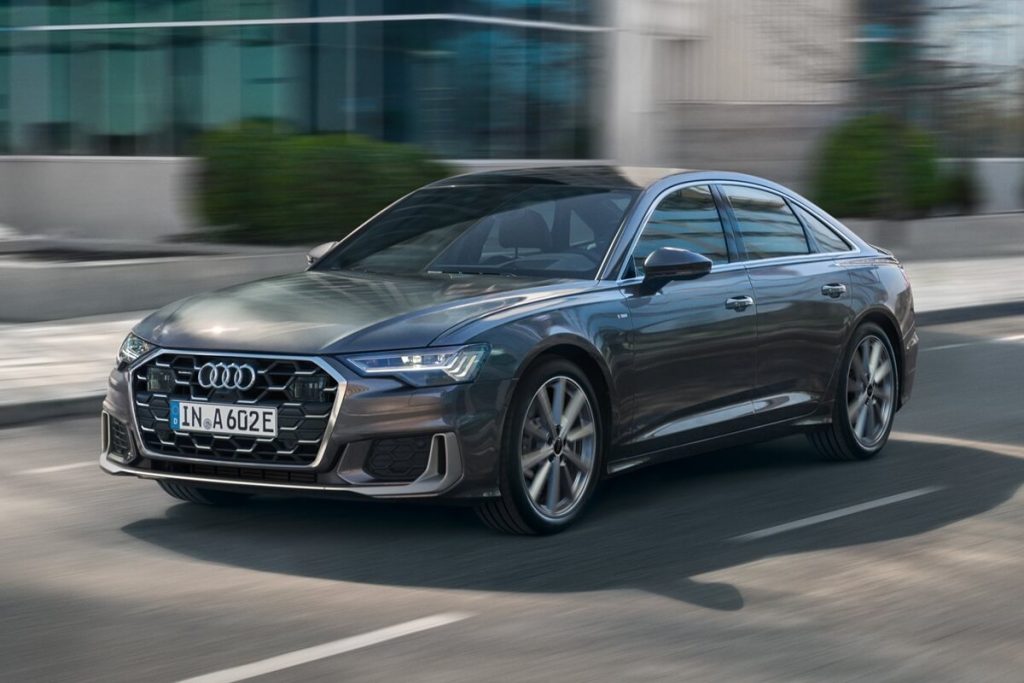
This car is included because it highlights an important buying lesson. When considering older luxury sedans, buyers should evaluate electrical condition just as carefully as engine performance.
Understanding this balance allows buyers to enjoy premium features while remaining aware of the maintenance attention such technology sometimes requires.
5. Chrysler 300 (2006 to 2014)
The Chrysler 300 built its identity around bold styling and strong road presence, offering buyers an affordable full size sedan with premium visual appeal.
While the car delivered comfort and performance options that attracted many buyers, some model years developed a reputation for electrical quirks that owners needed to monitor as the vehicles aged.
Unlike some European luxury sedans where complexity came from cutting edge innovation, the Chrysler 300’s electrical complaints often involved consistency rather than advanced technology.
Some owners reported intermittent issues involving power door locks, window regulators, and dashboard warning lights that appeared without clear mechanical causes.
Looking deeper, part of the explanation comes from supplier variation and cost balancing. During this period, Chrysler was working through financial restructuring and cost control pressures.
In some cases this meant certain electrical components did not always match the long term durability seen in the most conservative Japanese competitors.
Another detail sometimes discussed in owner forums involves grounding points and connector durability. Electrical systems depend heavily on clean connections, and when grounding areas develop corrosion or loosen over time, small faults can appear. These may show up as flickering interior lights or temporary electronic warnings.
There is also a usage factor worth mentioning. Many Chrysler 300 sedans were purchased as daily transportation rather than carefully maintained luxury vehicles. As maintenance intervals stretched, battery condition and charging system health sometimes contributed to electrical complaints.
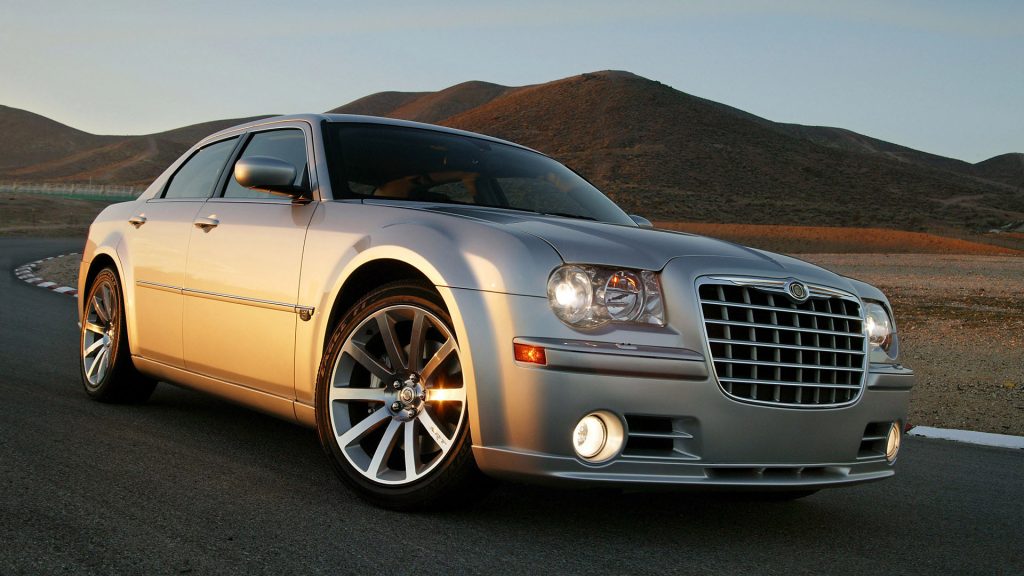
Despite these concerns, many examples remain reliable when properly maintained. Owners who proactively replace aging batteries, maintain clean terminals, and address small electrical symptoms early often report stable long term use.
This sedan is included because it shows how electrical reliability is not only about engineering design but also about component consistency and long term maintenance habits. It serves as a reminder that used car buyers should always test every electronic function before purchase rather than focusing only on engine condition.
Looking across these ten sedans reveals a clear pattern. Vehicles known for strong electrical reliability often come from manufacturers that prioritize conservative engineering, proven components, and long term durability over aggressive technological experimentation. These sedans may not always lead in innovation, but they often deliver stress free ownership.
Also Read: 5 Manual Transmissions SUVs Still Available in 2026 vs 5 That Have Been Retired
