Rear visibility has always been one of the most important but often overlooked aspects of SUV design. While buyers usually focus on horsepower, infotainment features, fuel economy, or off road capability, the ability to clearly see what is behind the vehicle remains a fundamental safety factor.
Large pillars, high beltlines, and aggressive styling trends have gradually reduced direct visibility in many modern SUVs, forcing manufacturers to depend heavily on camera technology to compensate for what drivers can no longer see naturally.
At the same time, some automakers still prioritize traditional design principles that allow drivers to maintain clear rear sightlines through smart glass placement, thinner pillars, and lower rear window designs.
These SUVs appeal to drivers who prefer natural awareness instead of depending entirely on electronic assistance. For many experienced drivers, direct visibility builds confidence in tight parking situations, highway lane changes, and reversing in crowded environments.
On the other side of the discussion are SUVs that almost assume drivers will rely on digital assistance systems. These vehicles often feature small rear glass areas, thick structural supports for crash protection, and coupe inspired styling that sacrifices visibility for appearance.
While these SUVs are usually equipped with high resolution cameras, surround view systems, and parking sensors, they demonstrate how modern safety design sometimes replaces physical visibility with technological solutions.
This comparison is not about declaring one philosophy better than the other. Instead, it highlights how different manufacturers approach the same safety challenge in completely different ways. Some still trust good design fundamentals while others trust advanced electronics.
Also Read: 5 Vehicles With Large Analog Gauges vs 5 With Glitchy Digital Clusters
5 SUVs With Clear Rear Visibility
Some SUVs still prove that good visibility does not have to be sacrificed for modern styling. These vehicles show how thoughtful engineering can balance safety, practicality, and design without forcing drivers to depend entirely on screens.
Large rear windows, well positioned mirrors, and smart body proportions all contribute to making these SUVs easier to live with in daily driving.
Another reason these vehicles deserve attention is because many buyers are starting to rediscover the importance of simple usability. Technology can fail, screens can distract, and sensors can get dirty. Clear natural visibility remains reliable in all conditions, whether driving in rain, snow, or dusty environments.
The following SUVs were chosen because they represent different approaches to maintaining rear visibility. Some achieve this through boxy shapes that maximize glass area, while others use clever packaging that keeps pillars from becoming visual obstacles. Each one demonstrates that safety does not always have to come from software.
This topic is worth discussing because rear visibility rarely appears in marketing headlines despite its everyday importance. Buyers often only realize its value after living with a vehicle that has poor sightlines. Highlighting these SUVs helps bring attention back to a basic but essential driving quality.
1. Subaru Forester
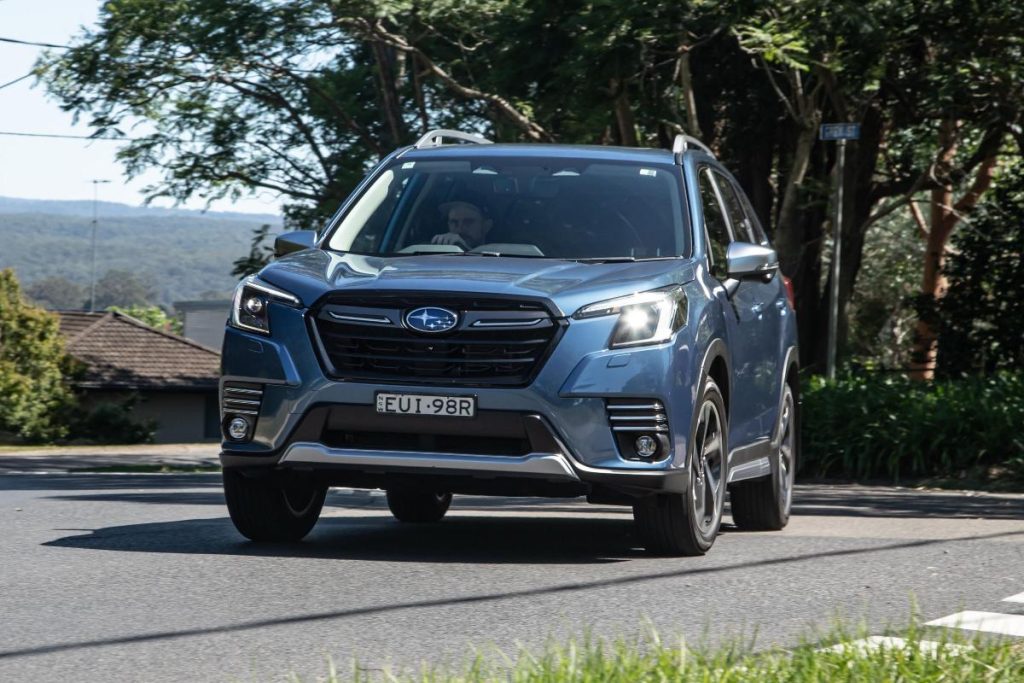
The Subaru Forester stands out as one of the few modern SUVs that still prioritizes outward visibility as a core design principle rather than treating it as a secondary concern. Subaru has long promoted visibility as part of its safety philosophy, and the Forester demonstrates this through its upright greenhouse design and large rear glass area.
What makes this SUV particularly interesting is how it avoids the trendy coupe inspired look that dominates many competitors.
Instead of sacrificing function for visual drama, the Forester uses a tall roofline and wide rear window to provide drivers with an unobstructed view when reversing or checking surroundings. This approach reflects a brand philosophy that focuses on confidence rather than styling trends.
Another reason this vehicle deserves inclusion is the way its relatively thin rear pillars improve blind spot awareness. Many SUVs now have extremely thick structural supports due to crash regulations, but Subaru has balanced strength with smart engineering to prevent the cabin from feeling closed in.
This SUV also deserves discussion because it represents a practical choice for drivers who frequently deal with complex parking environments. Whether navigating crowded city streets or backing out of tight residential spaces, the clear rear glass allows drivers to rely less on digital displays and more on direct observation.
It shows that visibility can still be a selling point if manufacturers choose to focus on real world usability rather than just visual appeal.
2. Honda CR-V
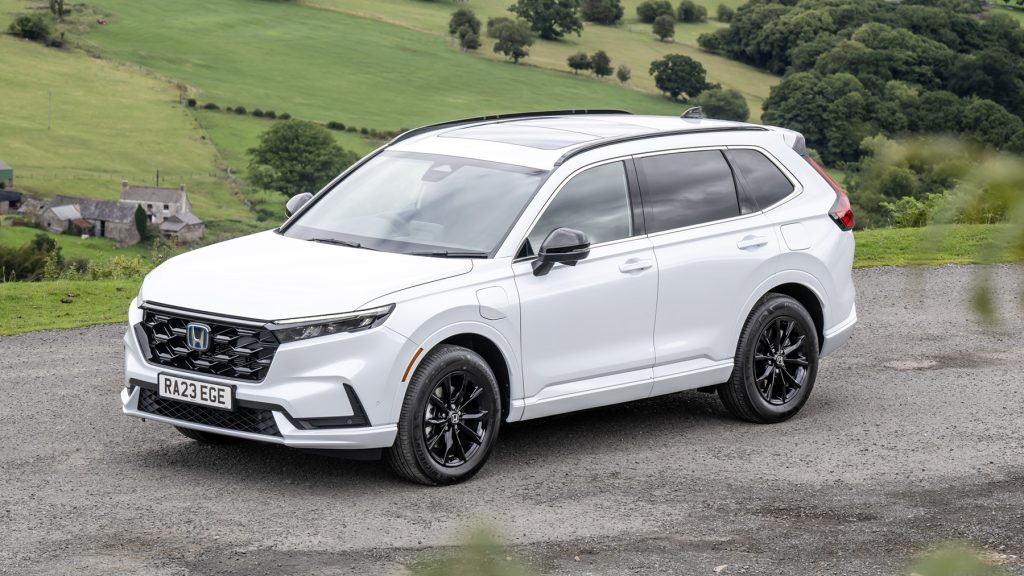
The Honda CR-V earns recognition in this discussion because it demonstrates how a family focused SUV can deliver strong rear visibility without drawing attention to the fact. Unlike some competitors that emphasize aggressive styling, the CR-V takes a more balanced design route that quietly improves everyday usability.
One of the reasons this SUV deserves mention is the shape of its rear window and tailgate design. Honda has avoided excessive tapering toward the rear, which helps maintain a useful viewing angle when reversing. This makes the CR-V particularly appealing for drivers who regularly deal with school zones, shopping centers, and suburban traffic patterns.
There is also something worth noting about how the CR-V handles mirror placement and seating position. The slightly elevated driving posture combined with well sized rear glass gives drivers a sense of spatial awareness that many newer SUVs lack. This helps reduce dependence on constant camera checking.
It proves that visibility does not have to be sacrificed to include modern features such as driver assistance systems and large infotainment displays.
The CR-V is included because it represents a realistic ownership scenario. Many buyers are not looking for extreme performance or luxury.
They want a vehicle that feels easy to maneuver every day. By maintaining clear rear sightlines, this SUV shows how practical design still matters in a segment increasingly driven by style competition.
3. Toyota 4Runner
The Toyota 4Runner deserves a place in this discussion because it represents a very different philosophy compared to most modern crossover SUVs.
While many vehicles in this segment have moved toward car based platforms and sleek styling, the 4Runner continues to follow a traditional body on frame approach that naturally supports better outward visibility through its upright shape.
One of the most noticeable advantages comes from its tall and flat rear window design. Instead of sharply sloped glass that limits viewing angles, the 4Runner maintains a vertical tailgate structure that allows drivers to judge distance more accurately while reversing.
This makes it especially useful for drivers who frequently tow, go off road, or operate in environments where spatial awareness matters more than appearance.
It is also important to include this SUV because it shows how older design philosophies sometimes age better in practical areas than newer ones.
The squared profile may not look as aerodynamic as newer SUVs, but it creates large window openings that improve driver awareness. This is a reminder that some traditional engineering ideas still hold real world advantages.
Another reason this vehicle stands out is how its high seating position changes the driver’s perception of surrounding space. The commanding view combined with clear rear glass reduces the feeling of uncertainty that drivers often experience in vehicles with smaller windows and rising body lines.
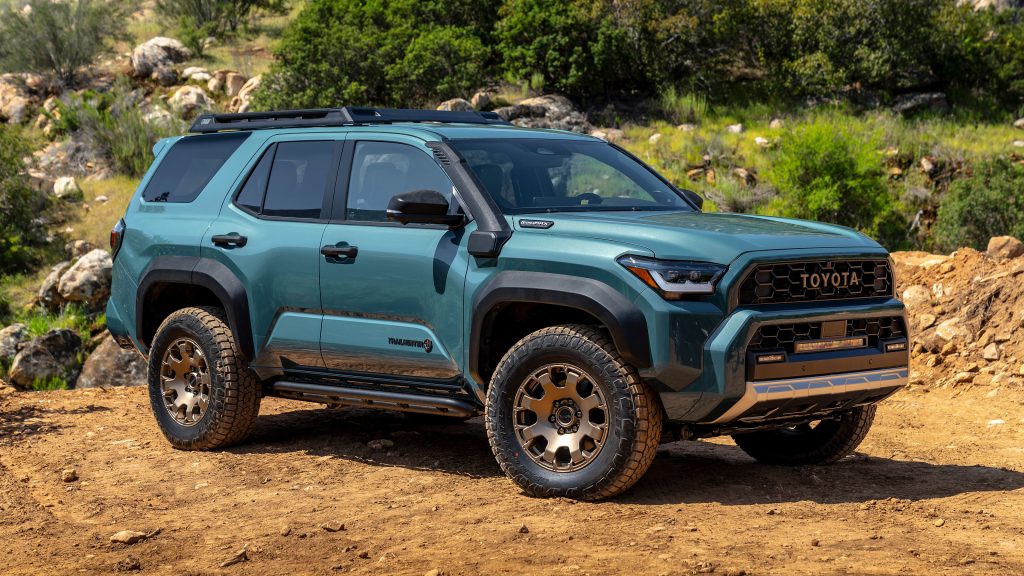
I chose to include the 4Runner because it demonstrates that visibility benefits often come as a side effect of durability focused design. Vehicles built for rugged use often prioritize function over fashion, and this naturally results in better sightlines. It represents an interesting example of how capability driven engineering can also improve everyday safety.
4. Kia Telluride
The Kia Telluride enters this list because it shows how even large three row SUVs can still offer respectable rear visibility if designers carefully manage proportions.
Large SUVs often struggle with this due to their size, but Kia managed to maintain useful rear sightlines without compromising the bold presence expected in this segment.
One important reason for highlighting this SUV is how it balances style with practicality. While the Telluride certainly has a strong visual identity, it avoids excessive rear window narrowing that would harm usability. The rear glass remains large enough to give drivers a dependable view when backing up such a large vehicle.
This vehicle also deserves mention because it reflects how newer manufacturers are learning from past criticism about visibility. Earlier SUV trends often pushed styling too far, but vehicles like the Telluride show that companies are starting to find a better middle ground between appearance and functionality.
There is another interesting point that makes this SUV worth discussing. Family SUVs often carry passengers in all three rows, and clear rear visibility becomes even more important when transporting children or driving in busy areas. The Telluride maintains enough visibility to make it manageable despite its size.
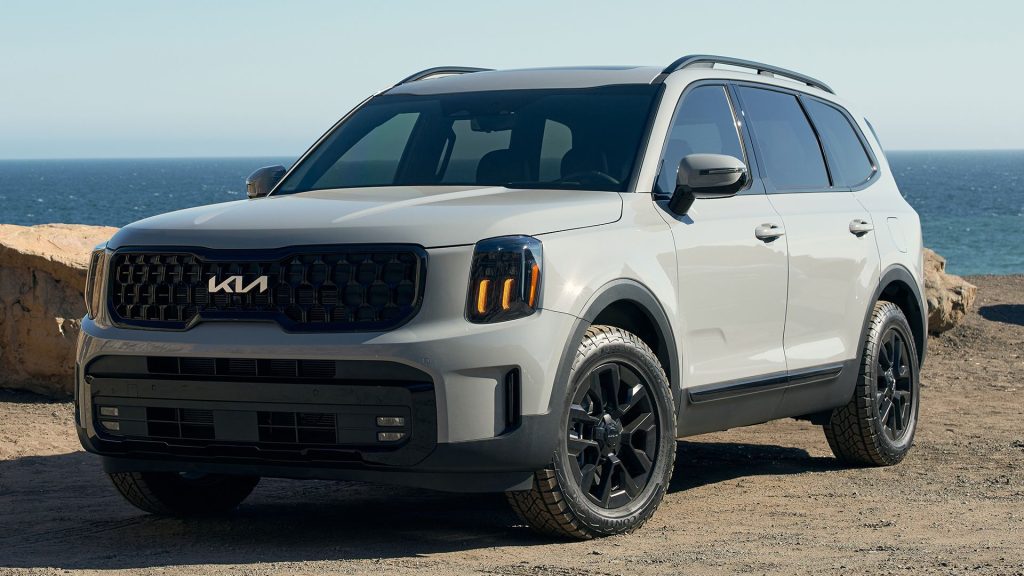
Larger SUVs may benefit even more from good rear sightlines because their size already makes maneuvering more challenging. The Telluride shows that thoughtful design can reduce that difficulty and make a large vehicle feel more manageable.
5. Jeep Wrangler
The Jeep Wrangler makes this list for a very different reason than the other vehicles discussed so far. Its inclusion is not about refinement, family comfort, or urban usability. Instead, it earns its place because its design is driven by off road functionality, and that purpose accidentally preserves excellent natural visibility.
A major factor worth discussing is the Wrangler’s nearly vertical rear window and simple body structure. Unlike many modern SUVs that try to hide their bulk with curves and sculpting, the Wrangler embraces a straightforward shape. This results in a rear view that feels predictable and easy to judge, especially when reversing in uneven terrain or narrow trails.
Another reason this SUV deserves attention is because removable roof and door configurations force Jeep to maintain strong natural visibility.
Since many drivers operate Wranglers with modified configurations, the design cannot rely purely on electronic assistance. This creates a vehicle where physical awareness remains part of the driving experience.
It is also interesting to include the Wrangler because it represents one of the few SUVs where visibility is tied directly to adventure driving. When navigating rocks, forests, or open desert environments, drivers depend more on what they can see directly rather than trusting camera feeds. This reinforces the importance of clear sightlines in capability focused vehicles.
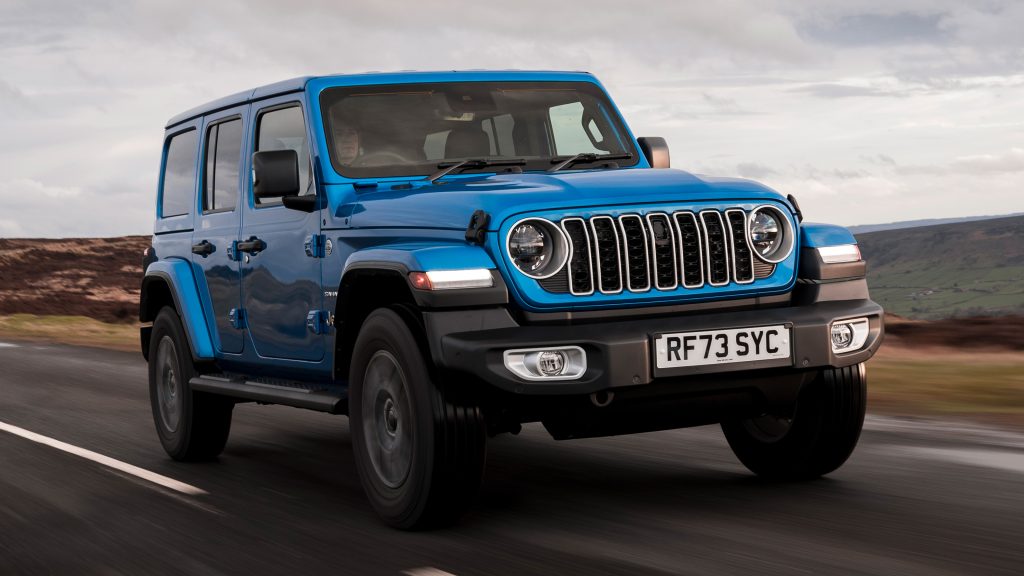
While many SUVs evolve toward luxury and technology, the Wrangler remains committed to mechanical simplicity and driver awareness. That commitment indirectly preserves one of the best rear visibility experiences still available in a modern SUV.
5 That Rely Entirely on Cameras
Not every SUV maintains strong natural visibility, and in many cases this is intentional. Modern safety regulations, aerodynamic efficiency targets, and aggressive styling trends often push designers toward thicker pillars and smaller rear windows. As a result, many SUVs now depend heavily on camera systems to compensate for limited natural sightlines.
Technology has made this possible. High definition backup cameras, 360 degree monitoring systems, and digital rearview mirrors now allow manufacturers to design vehicles without prioritizing large glass areas. Some brands even treat cameras as a permanent solution rather than a backup safety feature.
This topic is important because it reflects how the definition of safety is changing. Instead of designing vehicles that allow drivers to see everything naturally, many companies now design vehicles assuming that digital assistance will always be available. This creates a different type of driving experience that some drivers appreciate while others find less intuitive.
Another reason this discussion matters is because buyers may not realize how much they will rely on cameras until they live with one of these SUVs. In some vehicles, reversing without a camera would feel extremely difficult due to limited rear glass and high body lines.
The following SUVs were selected because they clearly demonstrate this technology dependent approach. Each one shows how design priorities such as styling, luxury, or structural strength can reduce natural visibility while increasing reliance on electronic viewing systems.
1. Chevrolet Blazer
The Chevrolet Blazer is an excellent example of how modern SUV design sometimes prioritizes visual identity over traditional visibility. With its sporty profile and aggressive rear styling, the Blazer clearly aims to stand out in a crowded market. However, that same styling direction results in a smaller rear window and thicker rear pillars.
One reason this SUV belongs in this category is the way its rising beltline limits rearward sightlines. The design gives the vehicle a muscular stance, but it also means drivers often depend heavily on the backup camera and blind spot monitoring systems during everyday driving situations.
Another factor worth discussing is how the Blazer reflects the growing influence of design language borrowed from sports cars. The narrow glass areas and sculpted rear sections may look attractive in showrooms, but they also demonstrate how styling priorities can reshape practical considerations.
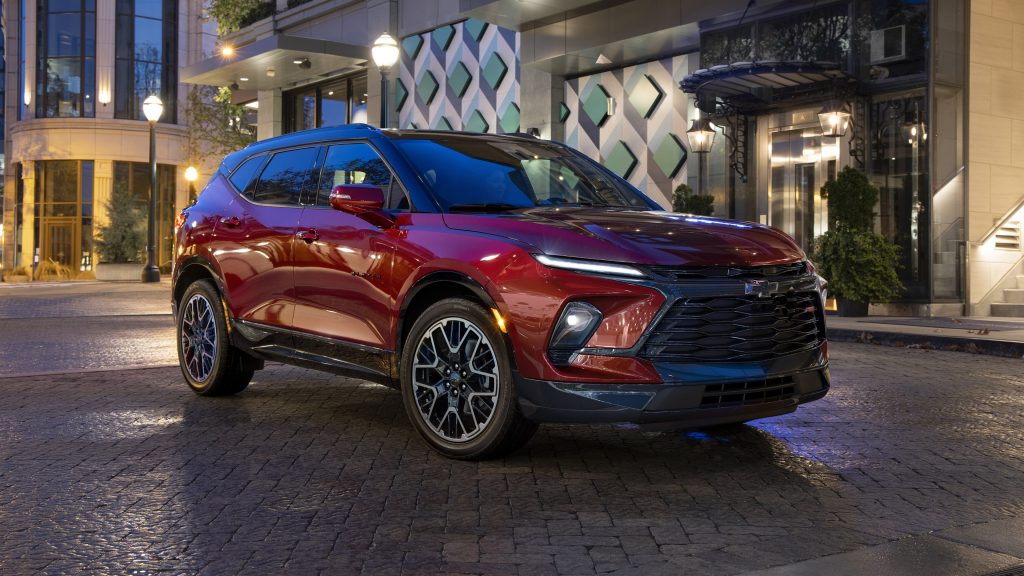
Many SUVs now try to deliver emotional appeal through design rather than focusing purely on usability. This makes the Blazer a useful example of how camera systems have allowed designers to push styling boundaries further than before.
This vehicle deserves discussion because it shows how technology can compensate for design tradeoffs. Without its camera systems and sensors, the limited rearward visibility would be a major drawback. With them, it becomes a manageable compromise that many buyers accept in exchange for distinctive styling.
2. Toyota C-HR
The Toyota C-HR deserves recognition in this section because it demonstrates one of the most extreme examples of style influencing visibility in the compact SUV category. Its coupe like roofline and sharply angled rear design make it visually distinctive, but they also significantly restrict the driver’s natural rear view.
A key reason this vehicle stands out is its unusually high rear door design and narrow rear window. These features create a dramatic appearance but also make it difficult to rely purely on mirrors and glass when maneuvering. This makes the camera system feel less like a convenience and more like a necessity.
Another interesting aspect of the C-HR is how it targets younger buyers who may already be comfortable relying on screens. For drivers accustomed to smartphones and digital interfaces, using a camera display instead of direct sight may feel completely natural.
As drivers become more comfortable with digital tools, manufacturers may feel less pressure to preserve traditional visibility standards.
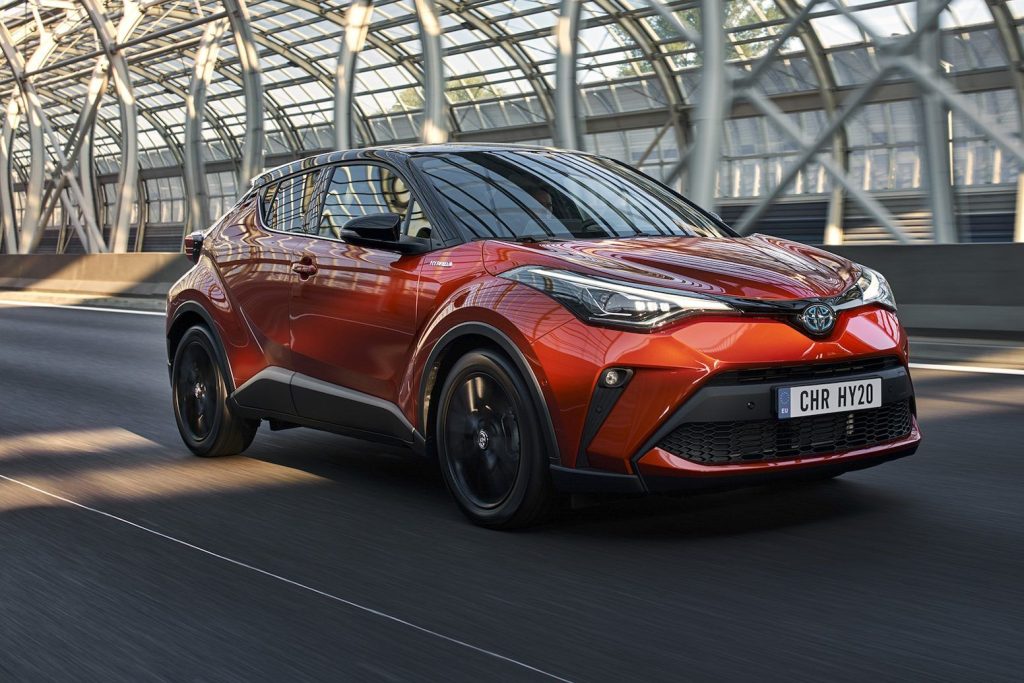
The C-HR represents a shift toward experience driven design. It shows how vehicles can be shaped around emotional styling and digital integration rather than conventional ergonomic priorities. This makes it an ideal example of how some SUVs now assume cameras will always be part of the driving process.
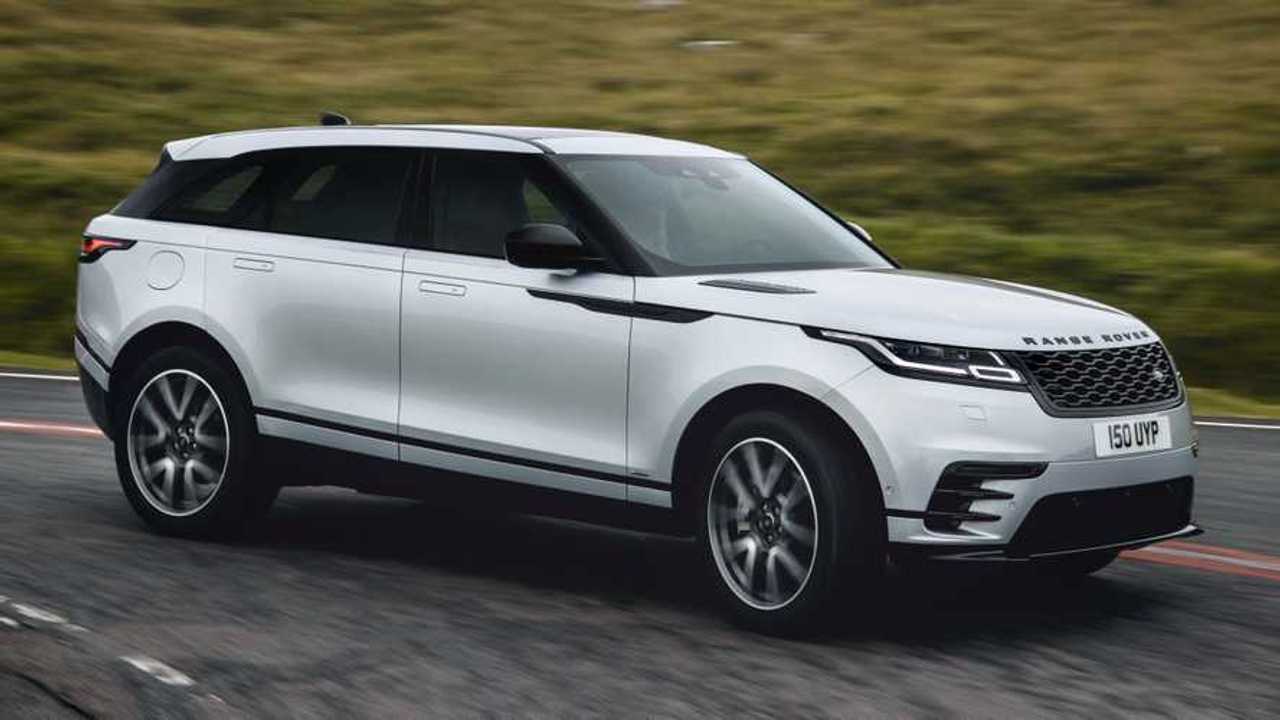
3. Range Rover Velar
The Range Rover Velar represents how luxury design can sometimes move visibility lower on the priority list in favor of elegance and visual simplicity. Its smooth surfaces, flush door handles, and narrow rear glass create a very clean appearance, but they also reduce how much a driver can naturally see behind the vehicle.
One of the main reasons this SUV belongs in this discussion is its design philosophy. The Velar was created to look modern and architectural rather than purely functional.
That direction resulted in a high rear structure and a relatively small rear window that makes the backup camera feel like an essential part of daily driving rather than just an occasional tool.
Another interesting reason to discuss this vehicle is how it reflects the expectations of luxury buyers. Many customers in this segment expect advanced technology, so manufacturers assume that camera systems, digital mirrors, and sensor networks will always be part of the ownership experience. Because of this expectation, designers can afford to reduce traditional visibility.
This SUV is also worth mentioning because it demonstrates how structural engineering affects design. Modern crash safety standards often require stronger pillars, and luxury SUVs tend to include extra sound insulation and structural reinforcement. These improvements benefit comfort and safety but can also reduce glass space.
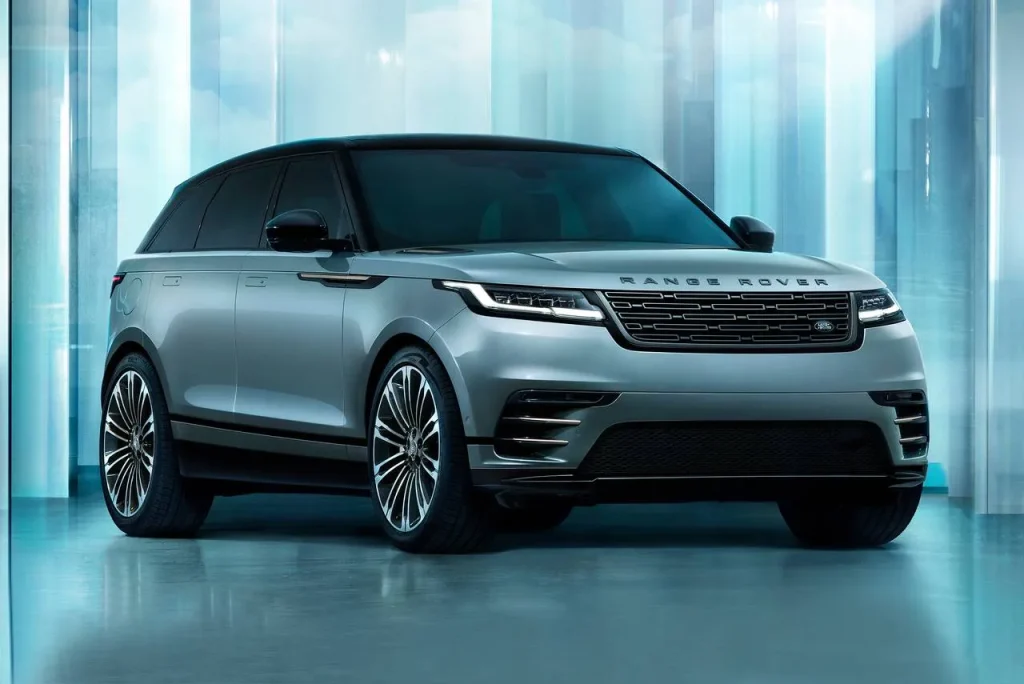
Instead of relying on what drivers can directly see, many luxury SUVs now focus on what the vehicle can show through technology. It represents a future where digital awareness may matter more than natural sightlines.
4. BMW X6
The BMW X6 is one of the clearest examples of how coupe inspired SUV design can dramatically affect rear visibility. As one of the pioneers of the SUV coupe segment, it helped establish the idea that SUVs could prioritize sporty styling even if it meant sacrificing some practicality.
One of the strongest reasons this vehicle belongs in this category is its sharply sloping roofline. While this design gives the X6 a unique road presence, it also reduces rear glass height and limits the driver’s direct view. This makes camera assistance almost unavoidable when reversing or parking.
Another point worth mentioning is how the X6 helped influence the entire industry. After its introduction, many manufacturers followed with similar coupe SUVs. This trend shows how styling innovations can reshape design priorities across the market, even when they introduce compromises.
This SUV is included because it represents buyers who value emotional design over traditional utility. The X6 is not trying to be the most practical SUV. Instead, it focuses on delivering a distinctive driving experience and a bold visual identity. Buyers choosing this type of vehicle usually accept the tradeoff and rely on technology to fill the gaps.
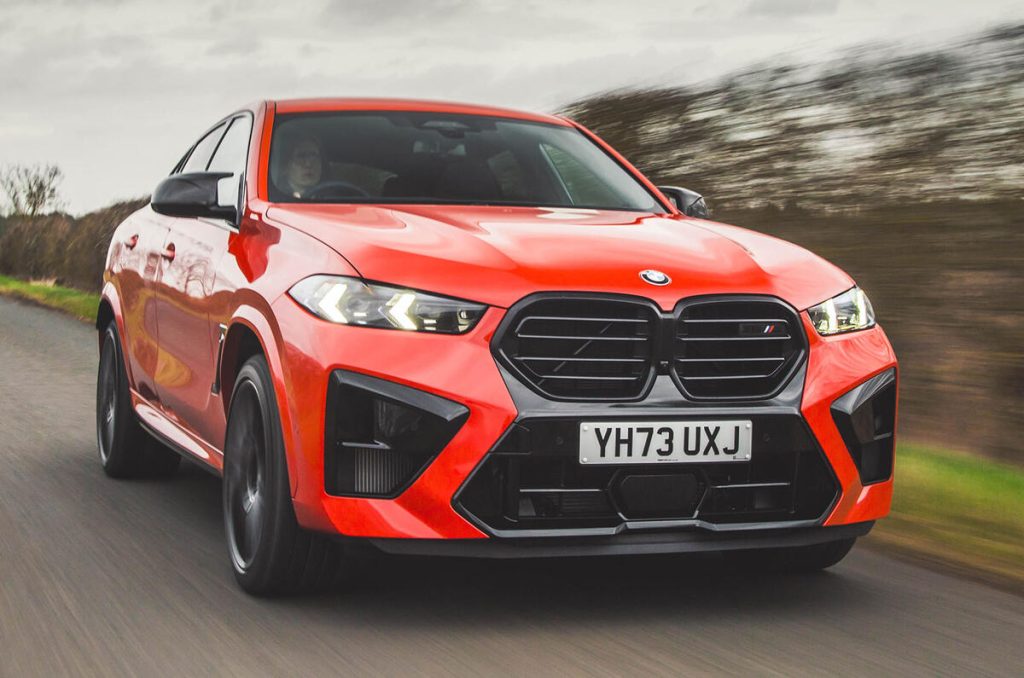
When buyers reward bold styling, manufacturers respond by pushing design further. The X6 shows how camera systems have enabled this freedom by ensuring safety remains acceptable even when natural visibility decreases.
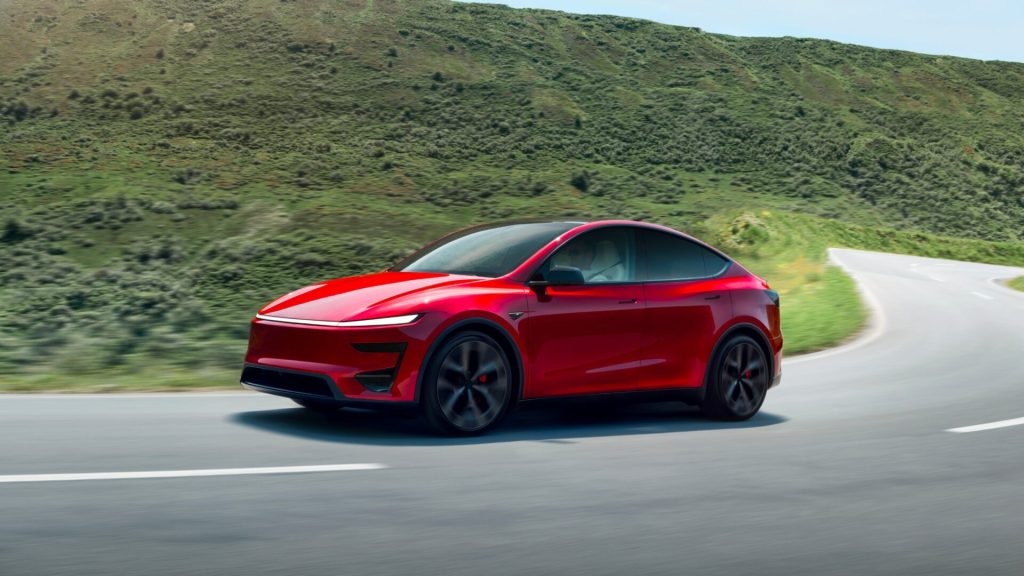
5. Tesla Model Y
The Tesla Model Y deserves a place in this category because it shows how a technology first approach to vehicle design can naturally lead to reduced traditional visibility. Tesla tends to prioritize aerodynamics, structural rigidity, and digital integration, and these priorities influence how the rear of the vehicle is shaped.
One of the biggest reasons this SUV fits this discussion is its thick rear pillars and relatively small rear glass opening compared to its overall size. The design improves body strength and efficiency but also creates blind areas that make the rear camera one of the most frequently used features during daily driving.
Another important aspect that makes this vehicle worth including is Tesla’s philosophy toward digital driving experiences. The company assumes drivers will interact heavily with screens, whether for navigation, vehicle controls, or situational awareness.
Because of this, the rear camera display feels like a natural extension of the vehicle’s interface rather than just a safety addition.
This SUV also represents how electric vehicle design sometimes changes traditional proportions. Battery packaging requirements and structural needs often lead to higher floors and different body shapes. These changes can indirectly affect visibility and make camera systems even more important.
As vehicles become more software driven, physical design compromises can increasingly be solved through digital solutions.
The Model Y demonstrates how visibility challenges can be addressed through constant camera availability, sensors, and software alerts.
It stands as an example of how future vehicles may not attempt to maximize natural sightlines at all, instead assuming that technology will always provide the necessary awareness.
Rear visibility remains one of the most important yet under discussed characteristics when evaluating SUVs. While performance numbers and touchscreen sizes dominate conversations, the ability to clearly understand what surrounds the vehicle still plays a major role in everyday safety and driver confidence.
The SUVs discussed in the first group show that traditional design thinking still has value. Vehicles like the Subaru Forester and Honda CR-V demonstrate that clear glass areas and smart proportions can make driving less stressful.
Models such as the Toyota 4Runner and Jeep Wrangler further prove that function driven shapes often naturally produce better visibility. The Kia Telluride shows that even large family SUVs can still maintain this balance.
Meanwhile, the second group shows how design priorities are shifting. Vehicles such as the Chevrolet Blazer and Toyota C-HR demonstrate how styling can reduce natural visibility.
The Range Rover Velar and BMW X6 show how luxury and sporty design directions sometimes accept these compromises. The Tesla Model Y represents a future where digital assistance may completely redefine how drivers maintain awareness.
The purpose of this comparison is not to suggest that one approach is correct and the other is wrong. Instead, it shows how different engineering philosophies shape the driving experience. Some drivers prefer clear sightlines and simple awareness, while others are comfortable trusting advanced technology.
Understanding these differences helps buyers make more informed decisions. A test drive should always include checking visibility, not just acceleration or interior features. In the end, the best SUV is not just the one with the most technology, but the one that makes the driver feel most confident in real world conditions.
Also Read: 5 Trucks With Indestructible Tailgate Hinges vs 5 That Fail Under Heavy Use